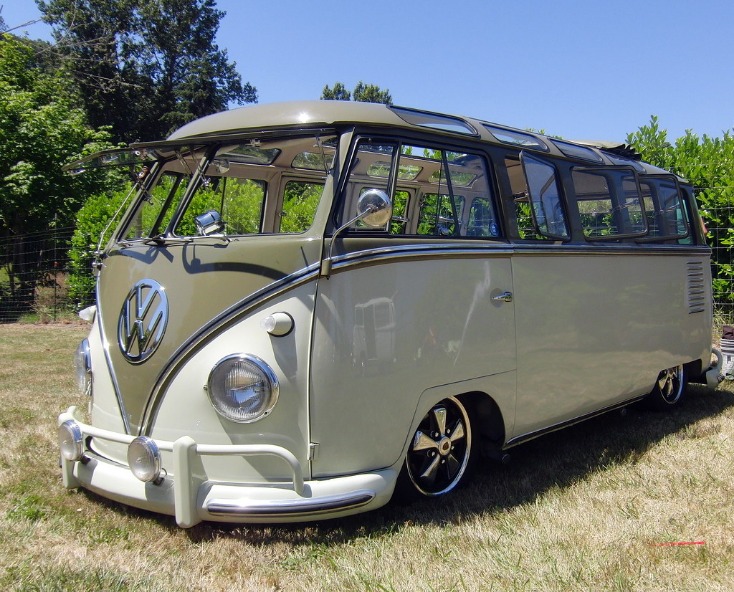

Overview of VW Bus Availability and Pricing in South Africa
South Africa’s VW Bus market offers a mix of new Transporter models and used Kombis, Caravelles, and camper configurations, with stock levels fluctuating by dealer and import timelines. Pricing varies widely by model, year, mileage, condition, and trim, from practical daily vans to restored classics and campers. This introductory overview highlights current availability and price trends for VW buses in South Africa.
New versus used options in the SA market
VW buses remain a popular choice in South Africa for family trips, business shuttle duty, and camper life. Availability and pricing in SA reflect a market built around the current Transporter/T6.1 range and the Multivan/Caravelle, alongside a robust used market filled with older Kombis and converted campers. This overview looks at what you can find today and how pricing tends to behave for new versus used VW buses in South Africa.
In the new segment, official VW dealers primarily offer the Transporter (T6.1) and the Multivan (often sold as Caravelle in some markets). These are the mainstream options for a fresh VW bus in SA. Stock levels can be limited and lead times exist, especially for popular trims and camper-ready variants. New prices typically range from about R900,000 for a base Transporter to around R1.4 million or more for a well-equipped Multivan/Caravelle or a factory camper-converted unit; premium editions or high-end 4Motion/auto-specs push higher, and the electric ID. Buzz, where available, sits at a premium with longer wait times.
The used VW bus market in SA is broad and diverse. You’ll find everything from early T3/T4 Kombis and T5/T6 Transporters to modern pre-owned Multivans. Price bands are wide: earlier, high-mileage vans can be found from the low hundreds of thousands of rand, while late-model, low-mileage examples with recent camper conversions commonly fetch between roughly R900,000 and R1.6 million, depending on condition, mileage, trim level and whether a conversion is included. Imported used campers from Europe can also appear at premium prices.
Pricing is driven by several factors. New VW bus prices are influenced by VAT, local duties, and supply chain costs, while used prices reflect depreciation, mileage, maintenance history, and any aftermarket camper builds. Specification, transmission choice (manual versus automatic), engine option, and whether a vehicle is a factory camper or conversion can add significantly to the tag. Importantly, the SA market often commands a premium for limited inventory and popular camper-ready configurations.
Choosing between new and used comes down to budget, risk tolerance, and how you plan to use the vehicle. A new VW bus provides factory warranty, the latest safety and efficiency tech, and the certainty of a clean history, but at a higher upfront cost. A used bus offers lower entry price and more negotiating room, with the caveat of potentially higher maintenance, repairs, and shorter warranty coverage.
Buying tips include checking service history and verified mileage, inspecting for rust or structural issues, ensuring camper conversions meet safety standards, and verifying electrical and gas fittings if a kitchen or sleeping area is installed. For used drivers, have a trusted mechanic inspect the vehicle and request a pre-purchase inspection. Compare on-road costs, including registration, insurance, and potential maintenance plans.
Where to shop ranges from official VW Commercial Vehicles and passenger car dealers to specialist camper and van converters. Used market platforms, auctions, and importer networks also play a role. Financing is available through banks and dealers, with terms that vary by credit profile and vehicle age. If you plan a camper build, factor in the cost and time for conversion and potential after-sales support.
Overall, the VW bus price in South Africa is shaped by new versus used dynamics, with a healthy ecosystem for both routes. For buyers seeking reliability, warranty, and transfer from dealership stock, new transports and Multivans stay appealing. For value, flexibility, and personalization, the used market—especially well-maintained late-model Transporters and camper-equipped vans—offers strong options.
Popular VW Bus models currently available in South Africa
VW buses available in South Africa are offered through official Volkswagen channels and a strong pre-owned market, with the Transporter family, Caravelle/Multivan, and classic Kombis being the most commonly seen on roads and in fleets. Availability depends on region, dealer stock, and whether you are seeking new or used, but there is usually a steady supply of both passenger and commercial configurations in major urban centres.
New VW bus stock in South Africa is largely centered on the Transporter/T6.1 lineup and the Caravelle/Multivan, with dealerships sometimes offering demonstrators and short-term stock. The used market is more diverse, ranging from early-generation T5/T6 Kombis to late-model Multivans, and regional dealers frequently list these vehicles with varying levels of warranty and service history.
Popular VW Bus models currently available in South Africa include the VW Transporter in Kombi or crew-cab configurations, the Caravelle/Multivan family that blends passenger comfort with van practicality, and the older Kombi variants seen through the second-hand market. These models are favored by families, shuttle operators, and businesses needing flexible seating and cargo space.
Pricing for VW buses in South Africa varies widely by model, year, trim, and condition. New Transporter and Caravelle/Multivan prices typically start in the higher mid-market range, with base transporters often quoted around the mid to high hundreds of thousands of rand and higher-spec models approaching or exceeding the 1 million rand mark. The used market presents a broader spread, from affordable older T5/T6 Kombis in the low hundreds of thousands to newer, low-mileage units that can command well over R800,000 to R1.2 million depending on demand and condition. Always consider total cost of ownership, including maintenance, parts availability, and potential warranty costs.
When shopping for a VW bus in South Africa, compare prices across authorised VW Commercial and Passenger Vehicle dealers, as well as reputable used-car platforms. Check service histories, confirm maintenance consistency, inspect for rust or structural issues, and verify that diesel particulate filter and emissions equipment are up to date for diesels. Consider conversion options, fuel type, and resale value as part of the pricing picture, and factor in warranty or service plans where available.
Current Price Ranges for VW Buses in South Africa
Current price ranges for VW buses in South Africa vary by model, year and condition. New or near-new Transporter vans and camper conversions typically start around R900,000 and can climb to around R1.6 million or more for top-spec builds. Pre-owned VW Kombis and campers commonly range from about R350,000 to R1,000,000, with well-kept late-model examples and popular camper conversions sometimes exceeding R1,200,000.
New VW Bus price benchmarks in SA
VW buses in South Africa cover the Transporter/Kombi family and the Caravelle/Multivan lineup. For new models, prices vary by variant, trim level, engine choice, transmission, optional packs, and dealer promotions.
Entry-level VW Transporter/Kombi variants with basic seating typically start around R900,000 to R1,100,000, depending on the spec and wheelbase.
Mid-range Transporter Kombi models with higher trim levels or the Caravelle/Executive variants generally sit in the range of about R1,200,000 to R1,800,000 before options.
Top-spec long-wheelbase or luxury-oriented versions, including high-end Caravelle or Multivan configurations with premium features, can push toward roughly R1,900,000 to R2,200,000 or more with selected options.
Prices usually include VAT but may exclude on-the-road charges, delivery, and registration fees. Always check the exact quote from the dealer, as promotions, financing, and optional packs can shift the final figure.
To get the best price, compare quotes from multiple VW dealers, watch for limited-time promotions, and consider financing, trade-ins, and extended warranty offers. For precise current pricing, contact your nearest VW SA dealer or view official price lists from VW South Africa.
Used VW Bus price benchmarks by model year
Current price ranges for VW buses in South Africa and benchmark by model year help buyers and enthusiasts gauge market value in the local scene. The ranges below reflect typical used prices seen in classifieds and listings across SA, and should be used as a guide rather than a guarantee.
- Current price ranges for VW Buses in South Africa
- General ranges (used, including Classic Kombis, Camper conversions, and Transporter variants): roughly R100,000 to R1,800,000, depending on condition, originality, mileage, and provenance.
- Kombi/Type 2 classics (pre-1980s): commonly seen from about R120,000 up to R700,000 for well-presented or restored units.
- Late-model Transporter/Caravelle (T4–T5 era, 1990s–2010s): roughly R180,000 to R1,100,000, with pristine or low-mileage examples reaching higher figures.
- Camper conversions and specialty builds (Kombi Camper, deluxe conversions): typically R300,000 to R1,500,000 or more for high-end, professionally built rigs.
- Used VW Bus price benchmarks by model year
- 1960s–early 1970s Type 2 Kombis: approximately R100,000–R650,000 depending on originality, mechanical condition, and restoration quality.
- 1980s Type 2 (T2/T3) and early Transporter: about R150,000–R550,000, with exceptional examples toward the higher end.
- 1990s Transporter (T4) and early T5 era: roughly R250,000–R800,000 depending on condition and mileage.
- 2000s T5/T5.1 and late 2000s T5.1/T6 pre-facelift: around R320,000–R950,000, rising with service history and low mileage.
- 2010s–present (T6 era and later): typically R450,000–R1,200,000 for well-kept used examples; higher for rare or pristine campers or special editions.
Price differences by trim, year, and configuration
Current Price Ranges for VW Buses in South Africa cover the Transporter family and passenger variants such as the Kombi, Caravelle, and Multivan. Prices vary by trim, year, and configuration, with new models priced higher and used models showing broader spreads. The figures below are approximate market ranges and can vary by dealer, region, and optional equipment.
New VW buses in South Africa typically fall into these rough bands: Startline Transporter vans as the most affordable option are generally around R680,000 to R850,000. Trendline passenger configurations and higher-spec Kombi variants usually land in the R950,000 to R1,150,000 range. Caravelle and Multivan passenger models sit higher, roughly R1,100,000 to R1,600,000, with top-spec or premium editions potentially approaching or exceeding R1,800,000 depending on options and market acts.
Used VW buses vary widely by year, mileage, and condition. Typical ballparks are: 2010–2015 models often range from about R350,000 to R650,000; 2016–2019 units commonly run between R550,000 and R1,000,000; 2020–2023 late-models with moderate mileage are often found in the R900,000 to R1,400,000 region. Very low-mileage or near-new 2020s–2024s can push higher, sometimes above R1,400,000 depending on trim and configuration.
Price differences by configuration are pronounced. Panel van or cargo-focused setups tend to be cheaper than full passenger-ready Kombi or Caravelle variants, which include more seats and comfort features. Camper conversions or dedicated leisure layouts add significant value and can push prices higher, with well-equipped conversions sometimes entering the R1,200,000 to R2,000,000 band. All-wheel drive 4Motion versions or automatic transmissions often carry a premium over basic manuals, varying by model year and trim.
Regional factors and promotions also affect pricing. The figures above are indicative; exact current pricing should be verified with VW South Africa’s official site or through authorized dealers for a tailored quote and current offers.
Shopping tips: when comparing used options, filter by year, mileage, and configuration to ensure apples-to-apples comparisons, and consider total cost of ownership including maintenance, insurance, and service intervals. In South Africa, VW Bus terminology typically covers Kombi/Caravelle/Multivan variants, with some listings calling older models Transporter or Kombi depending on the spec and era.
Key Factors Influencing VW Bus Prices in South Africa
Prices for VW Buses in South Africa are shaped by a mix of supply, demand, and ownership costs. Import duties and fluctuating exchange rates influence both new stock and imported classics, while the availability of iconic Type 2 models locally can push values higher in showrooms and auctions. Condition and originality, along with a documented restoration history, strongly affect value, as do mileage, maintenance needs, and parts availability. Local fuel prices, insurance, and running costs matter to buyers, and interest within South Africa’s retro-car community helps lift prices for sought-after vintages.
Import duties, taxes, and VAT
VW Bus prices in South Africa are influenced by a mix of international trade rules and local market dynamics. Key factors include import duties, taxes, VAT, exchange rate movements, and the availability of stock and spare parts.
Import duties on imported vehicles in South Africa are a major component of landed price. For passenger cars imported from outside the Southern Africa Customs Union, a basic customs duty of about 18% is common. Vehicles assembled locally from CKD (completely knocked down) kits can attract different duties, often lower, to promote local manufacturing. Tariff levels can vary by vehicle type and origin, and policy changes can alter landed costs, so buyers should check the current tariff schedule when budgeting.
Taxes and VAT: South Africa applies a Value Added Tax of 15% on most goods, including imported vehicles. VAT is calculated on the value of the goods plus any customs duty and other charges at the point of import, which increases the overall cost beyond the sticker price. In some cases there may also be additional levies for high-value vehicles, commonly referred to as luxury tax or other regulatory charges, depending on the vehicle price and policy at the time.
Exchange rate and landed cost: The rand’s exchange rate against currencies like the euro and the US dollar directly affects the price of VW Buses imported from Europe or North America. A weaker rand raises the cost of import duties, VAT (since they’re calculated on a higher base), and shipping, while a stronger rand can reduce landed costs. Importers may hedge currency risk, but practical price exposure remains for buyers.
Market demand and supply dynamics: The VW Kombi/Bus is a classic model with strong nostalgia and practical appeal, which can sustain higher prices in a tight market. Availability of vintage parts, the condition of the vehicle, and whether a bus is restored or in original configuration all influence price. Dealer margins, preparation for sale, and aftermarket conversions (such as camper conversions) can add cost and value.
Origin and configuration: A VW Bus imported as a fully built unit (FBU) from overseas may carry different duties and compliance costs than a locally assembled (CKD) variant. Right-hand-drive (RHD) compliance, emissions certification, and safety features tailored to SA regulations can also affect price comparisons among similar vans.
Example of landed price calculation: If a VW Bus has a CIF value of R500,000, and the import duty is 18%, the duty amount is R90,000. VAT at 15% is calculated on (CIF + duty), i.e., 15% of R590,000 = R88,500. The approximate landed cost would be R500,000 + R90,000 + R88,500 = R678,500, plus any administrative charges or local registration costs.
Tips for buyers: Check whether the vehicle is CKD or FBU, confirm the VAT and duties with the dealer, and account for extra costs such as shipping, registration, and insurance. Compare landed costs across sellers and consider total cost of ownership, including maintenance and parts availability in SA. If possible, obtain formal import documentation to avoid delays at customs.
In summary, VW Bus prices in South Africa are driven by a combination of import duties, VAT, currency movements, and market dynamics, along with the chosen import configuration and the vehicle’s condition. By understanding how landed cost is built and monitoring policy changes, buyers can make more informed pricing decisions.
Exchange rate fluctuations and supplier pricing
In South Africa, the price tag on a VW Bus is determined by a mix of global cost drivers and local market factors, ranging from currency movements to dealer pricing strategies. Understanding these elements helps buyers interpret why prices swing over time.
Exchange rate fluctuations are a core driver of VW Bus prices in South Africa. When the rand weakens against major currencies such as the US dollar and the euro, imported components, shipping, and the wholesale cost of vehicles rise. Conversely, a stronger rand can ease landed costs and put downward pressure on quotes from local dealers and distributors.
Supplier pricing and procurement terms play a critical role. Dealers and distributors source vehicles and parts through global networks, and quotes can vary with order volumes, lead times, and currency hedging. Freight costs, insurance, and supplier margins are reflected in the on‑road price and any optional extras chosen by the buyer.
Taxation and regulatory costs also shape the final price. Import duties, value-added tax (VAT), licensing, and road‑worthiness certifications add to the base price and can change with policy updates. Local dealers may pass these costs onto customers, affecting the advertised price and negotiated discounts.
The specific VW Bus variant, age, and condition matter. A brand‑new transporter/van from a dealer will typically carry a higher price than a used or imported classic in varying condition. Limited editions or newer model years with optional features command premium pricing, while aging stock or high‑mileage units may be discounted to clear inventory.
Demand dynamics in South Africa influence pricing trends. Iconic status of the VW Bus, retro appeal, and regional supply shortages can create price premiums in the used market, while economic slowdowns or rising financing costs can depress demand and push prices down.
Freight and lead-time pressures from global supply chains can also translate into longer waits and higher quotes, especially for imported variants. Buyers should factor in delivery timelines and potential price changes during the purchase process.
Practical tips for buyers: monitor exchange rate trends, compare quotes from multiple dealers, factor in all taxes and licensing, inspect used vehicles, verify service history, and consider total cost of ownership beyond the sticker price.
Vehicle condition, mileage, and service history
The VW Bus price in South Africa is influenced by several factors, with vehicle condition, mileage, and service history playing central roles. Other market dynamics include model year, originality, and demand for camper conversions.
Vehicle condition is the primary driver of value. A bus with straight panels, minimal rust, a solid frame, and a well-preserved interior will command a premium. Exterior color, fit and finish, and a well-maintained engine and transmission affect perceived condition. Restoration quality matters; professional, period-correct work tends to be valued more than hastily performed repairs.
Mileage and usage patterns also shape pricing. For classic VW Buses, total mileage isn’t the sole determinant of value. Lower miles with verifiable maintenance can boost price, but a well-documented history of regular servicing often outweighs raw mileage. Buyers look for signs of how the bus was used—long road trips vs. casual use—and whether key components like the engine, clutch, brakes, and suspension have been serviced or replaced at appropriate intervals.
Service history is a strong seller-proofer. A documented service history with receipts, stamps, and notes showing regular oil changes, valve adjustments, carburetor work, brake and suspension maintenance, and any engine rebuilds provides buyer confidence. A full history that aligns with the stated mileage tends to lift price, especially when maintenance was performed by reputable shops and with genuine parts.
Other factors also influence value. Model year and variant (T1, T2, or T3; panel van, kombi, or camper) have a big impact, with rarer configurations often commanding higher prices. Engine type (air-cooled versus water-cooled), originality versus restoration quality, and whether the vehicle retains matching numbers all matter. Camper conversions are popular in South Africa and can increase value if executed well; poorly done modifications can lower it. Local market demand, regional rust risk (coastal areas) and the availability of parts or specialists also affect how much buyers are willing to pay.
Market context and practical guidance. To gauge price, compare listings from reputable dealers and trusted private sellers, and review recent sale prices for similar models in South Africa. Consider the total cost of ownership, including potential restoration or repair work, when evaluating a listing. Getting a professional inspection and verifying service records can prevent overpaying and help you understand true value.
In summary, Key factors driving VW Bus prices in South Africa are the condition of the vehicle, verifiable mileage, and a complete, credible service history, complemented by model-specific desirability, originality, and the quality of any restorations or camper conversions.
Availability of variants and optional features
The VW bus price in South Africa is shaped by a mix of nostalgia, rarity, and ongoing demand for practical and stylish camper vans. Collectors and weekend campers alike help sustain competition for different variants, while the availability of well-kept examples drives price variation across the market.
Age and condition are major drivers of value. A 1970s Kombi with solid bodywork and a full service history will command more than a rough daily driver. Mileage, rust, accident history, and the quality of any restorations all influence what buyers are willing to pay.
South Africa offers several VW bus variants, including the classic Kombi/Vanagon passenger vans, the Caravelle for more modern styling, and camper conversions such as Westfalia models. Rare 4×4 Syncro versions and limited-edition trims can push prices higher, while standard passenger models with basic interiors remain more affordable.
Optional features and aftermarket camper upgrades have a big impact on price. Factory equipment like air conditioning, power steering, and upgraded audio will raise value, but many buyers also chase popular camper fittings: pop-top roofs, built-in kitchens, caravans, solar panels, leisure batteries, fridge units, and 12V/240V electrical setups. The more authentic and period-correct the camper conversion, the more it may be worth to collectors and enthusiasts.
Variant availability in the SA market varies. While there is a steady stream of standard Kombis on offer, rarer variants such as late-model Caravelles or Syncro campers appear less frequently, giving them a premium above more common examples. Price brackets reflect the model, year, and the extent of the conversion or restoration, with a wide gap between a project car and a well-maintained, ready-to-drive unit.
Market dynamics affect pricing as well. Import duties, VAT, and currency fluctuations impact the landed cost of imported buses. Shipping costs, clearance times, and compliance with local roadworthiness standards can add to the total cost. When exchange rates are unfavorable, importers might pass costs to buyers, widening price gaps between stock at dealers and private sales.
Maintenance and parts availability are practical considerations. South Africa has a network of VW specialists, classic car shops, and parts suppliers, but some items—specific panels, unusual trims, or camper components—may require import or specialist sourcing. Insurance, spares, and servicing estimates should factor into the total cost of ownership when assessing price versus value.
Buying tips: check for rust, especially floor pans and sills; verify the engine and transmission works; review service books and receipts; confirm camper conversions are authentic or documented; test electrical systems, pop-top function, and fridge/solar setups; compare similar examples across dealers and private sales; be prepared for ongoing restoration or maintenance if purchasing a project. Understanding the true cost of bringing a bus to your preferred spec helps you set a realistic price target.
In summary, VW bus pricing in South Africa is a balance of historical appeal, variant rarity, available optional features, and market dynamics. For buyers, patience and thorough checks are key to securing a good value VW bus that suits your budget and lifestyle in SA.
Where to Buy VW Buses in South Africa
Exploring VW bus price South Africa? This guide highlights where to buy VW buses in South Africa, from authorized VW dealers and specialist classic car shops to online marketplaces and auctions, helping you compare prices for modern Transporter models and vintage Kombis across budgets and conditions.
Authorized Volkswagen dealerships
Looking to buy a VW bus in South Africa? Here’s how to locate authorised Volkswagen dealerships and understand current VW bus pricing across the country.
- Find authorised Volkswagen dealerships in South Africa; only official VW retailers can offer factory warranties and genuine parts. Use the official VW South Africa dealer locator to search by city or distance and book a test drive.
- What you can buy at authorised dealers; new Transporter/Kombi models, as well as Certified Pre-Owned VW buses. You’ll have access to stock information, factory warranties, servicing plans, and genuine parts.
- Understanding VW bus pricing in South Africa; new VW Transporter/Kombi prices typically start at roughly R850 000–R1 100 000 for base configurations and can rise to about R1 400 000 or more for higher-spec models or camper-conversion ready versions. Used or Certified Pre-Owned vans vary widely by year, mileage, and condition, commonly ranging from around R350 000 up to R900 000.
- How to get the best price; compare quotes from several authorised dealers, check the on-the-road (OTR) price that includes VAT and delivery, inquire about promotions, financing options, and trade-in values, and consider factory test drives or demo vehicles to maximise value.
- Tips for buying a VW bus; verify warranty coverage, check service history for used vans, and ask about aftersales support such as maintenance plans and genuine parts, especially if you plan camper conversions or long road trips.
Used-car dealers and classified listings
Looking for a VW bus in South Africa? Prices vary by model, condition, and whether you buy new, used from dealers, or via classifieds. Here is where to buy VW buses in South Africa, with a focus on used-car dealers and classified listings, and notes on VW bus price South Africa.
- Official VW channels
- VW South Africa authorised used-vehicles program at local dealerships. Benefits often include a vehicle history check, some warranty, and service-plan options. Look for the VW Used Vehicles section on the official SA site and search by model like Kombi, Transporter, Camper, or newer Caravelle.
- Used-car dealers and showrooms
- Large multi-brand and VW-specialist dealers across major cities typically stock VW buses and transporters, from late-model to older used options. You’ll find on-site inspections, test drives, and negotiated pricing; some offers may include limited warranties.
- Classic-vehicle specialists focus on vintage VW buses (T1, T2, Bay Window). These can command premium depending on condition, restoration level, and originality. Expect more detailed inspections and potential restoration projects.
- Classified listings and online marketplaces
- Gumtree South Africa — broad range of VW Kombi, Transporter, and Camper listings; filter by price, year, location, and mileage.
- AutoTrader South Africa — dealer and private-seller listings with price history, photos, and contact options; good for broader price comparison.
- Cars.co.za — listings from dealers and individuals; useful for price benchmarking and locating nearby options.
- OLX South Africa — casual classifieds with occasional bargain finds; verify sellers and vehicle paperwork carefully.
- Auction houses and import-specialist dealers
- Vehicle auctions can present lower-entry pricing but require careful inspection, understanding of terms, and possible sales fees. Imported VW buses may appear here; check compliance and documentation.
- What to know about VW bus price South Africa
- Model variety matters: classic T1/T2 buses, Bay Window T2, Kombi/Transporter variants, and newer Camper conversions all have different price bands.
- Condition drives value: rust history, chassis integrity, mechanical health, and restoration quality dramatically affect price.
- Typical price ranges (rough guidance): project/restoration candidates can start from around a few hundred thousand rand; driver-quality modern transporters and caravans might range from mid six figures to around R700k+. Top-restored campers can reach well over R1 million for sought-after specs.
- Due diligence steps: verify VIN and registration, request service and restoration receipts, inspect the engine and transmission, check electricals and lighting, review the seating and interior, and consider a pre-purchase inspection by a qualified VW specialist.
Online marketplaces and private sales
If you’re searching for a VW bus in South Africa, understanding vw bus price south africa and where to buy can save you time and money. Whether you prefer online marketplaces or private sales, you can find everything from project cars to fully rebuilt campers.
Online marketplaces such as Gumtree South Africa are popular for private sellers and small dealers offering VW Kombis. They let you filter by model, year, price and location, and you can often contact sellers directly to arrange a viewing.
OLX South Africa and other classifieds also host listings for VW buses, ranging from project cars needing work to turnkey campers. The mix can be large, so compare several options to gauge typical pricing in your area.
AutoTrader South Africa and Cars.co.za are useful for broader used-vehicle searches, with filters for price, mileage and condition. While they skew toward dealers, private listings do appear and let you compare market values for vw bus price south africa.
Facebook Marketplace has become a go-to for local private sales. You can often find good deals close to home, but you should verify the vehicle’s history, service records and the seller’s identity before committing.
Specialist VW and camper-van dealers, as well as VW club members, can be strong sources. They often offer vetted vehicles and may provide post-sale support or advice on licensing and conversions, which helps when chasing the vw bus price south africa.
Price ranges in South Africa vary widely based on model, condition and conversion. Basic project buses can start around 50 000 to 120 000 rand, running but non-original vehicles might be 150 000 to 350 000, and well-presented campers or restored buses typically range from 350 000 to several hundred thousand rand. Rare, fully restored units can exceed 600 000 rand.
Key factors that influence price include rust and structural integrity, engine and transmission condition, mileage, interior fit-out (camper or original), electrical systems, and documentation like service history and title clean-ownership records. A thorough inspection or an independent mechanical check is highly recommended before purchase.
When buying, start by shortlisting several listings, contact sellers for details and photos, and arrange viewings. Take a test drive if possible, verify registration status, and request maintenance records. If you are not confident negotiating, consider bringing a VW-savvy friend or mechanic to assess value against the vw bus price south africa.
Remember that the best deals often require patience and a willingness to negotiate; prices can move as rust, mechanical issues or missing documents surface in negotiation. Stay informed about market trends on the main portals to spot good value when a bus in your price range becomes available.
Resale Value, Depreciation, and Total Cost of Ownership
When evaluating VW bus prices in South Africa, it’s helpful to weigh resale value, depreciation, and total cost of ownership. Resale value indicates how much you can recoup when you sell the bus, depreciation shows how quickly its value falls, and the total cost of ownership combines purchase price, financing, insurance, maintenance, fuel, and taxes to reveal the true long-term expense of owning a VW bus in SA.
Historical resale performance of VW Buses in SA
The VW bus price in South Africa is driven by its status as a classic, with resale value shaped by model, condition, originality, and how appealing the bus is as a practical camper or a nostalgia piece. In general, early air‑cooled Kombis (the T1 and T2 generations) and well-kept camper variants carry stronger demand than standard vans, while rust, accident history, and missing documentation can cap value. Local appreciation for the VW look-alike is strong in coastal and big-city markets, where enthusiasts gather and swap stories.
Resale value: Well-preserved original buses with documented maintenance and a clean provenance can hold value or rise modestly over time, particularly if they retain rare factory features or a period camper interior. The market in SA relies heavily on condition, originality, and the availability of desirable features like original paint, matching engine, and a correct bus interior. Often, a pristine example that is mechanically solid and road-ready commands premiums, whereas project buses that need major restoration fetch only for parts or salvage value. Typical price bands vary widely by model and condition, from entry-level project cars to top-tier restorations, with the most desirable units appealing to collectors and enthusiasts who are willing to pay for authenticity.
Depreciation: New VW Transporter variants exhibit typical new-vehicle depreciation, losing a sizable portion of their value in the first few years. In contrast, classic buses tend to depreciate to a floor around the level of a well‑worn but running project, then slowly appreciate only when restored to high standards or carried into the sought-after camper configuration. Because of this, a used VW bus in SA often behaves more like a collectible than a daily driver, with depreciation occurring mostly during initial ownership and the potential for value stabilization or growth after restoration or favorable market cycles.
Historical resale performance in SA: The market for VW buses in South Africa has a long-running, nostalgia-driven base. Demand tends to surge around well-preserved or period-correct camper conversions, and prices rise when a bus is documented, rust-free and mechanically reliable. Availability of parts locally and the strength of specialist shops influence resale; in coastal areas where aging air‑cooled engines face more heat and humidity, buyers scrutinize cooling and carburetion. Over the past decade, there have been price spikes driven by collectors and enthusiasts, with a wide spread between rough projects and fully restored units. This variability makes careful evaluation essential for buyers and sellers.
Total cost of ownership: For a VW bus, TCO includes the purchase price, ongoing maintenance and repairs, parts costs, insurance, fuel, registration, and storage. Parts for classic air‑cooled engines and camper interiors can be comparatively expensive and sometimes hard to source in SA, so budgeting for a discretionary repair fund is prudent. Fuel economy is modest at best by modern standards, and depending on engine size and driving style, annual fuel outlays can be substantial when the bus is used regularly. Insurance often reflects the age and value of the vehicle, with classic or collector policies offering benefits but higher premiums if the vehicle sits unused. A simple way to estimate TCO is to project annual depreciation, maintenance and insurance costs, and fuel over your planned ownership period, then subtract the expected resale value at the end of that period.
Practical tips for buyers in SA: prioritize a documented service history, rust-free bodywork, and originality in mechanicals and interior; verify engines and transmissions for matching serial numbers when possible; consider whether you want a keep-as-is driver or a camper-conversion and whether the conversion matches the era you prefer; obtain quotes from multiple classic VW specialists for expected restoration or maintenance costs; research recent local sale prices to gauge reasonable offers; and factor in potential import and VAT changes that could influence prices in the future.
Conclusion: The VW bus price in South Africa remains a distinctive niche market that blends nostalgia with practical use as a camper or weekend toy. For resale value, the safest bets tend to be early, rust-free, well-documented, and correctly restored buses, especially campers, while depreciation remains a risk for anything with hidden corrosion or questionable provenance. If you approach ownership with a clear TCO plan and a long-term view on value cycles, the VW bus can offer satisfying ownership and a tangible link to SA motoring history.
Maintenance, parts, and insurance costs
Assessing a VW bus price in South Africa involves more than the sticker price. Resale value, depreciation, and the total cost of ownership—maintenance, parts, and insurance—shape the long-term value of these iconic vans.
In the SA market, resale value for VW Kombis depends heavily on model and condition. Early bays (T1/T2) and restored or well-kept 23-window versions tend to fetch the highest prices, while more common later models fetch less unless they are in exceptional shape. The provenance matters—a documented service history, rust-free body, correct drivetrain, and genuine RHD configuration can lift the final sale price. Local demand for practical haulers and vintage campers also affects value, and cars with recent safety updates or modern conveniences may attract a broader pool of buyers.
Depreciation for classic buses is not the same as a new vehicle. A VW bus can hold its value or even appreciate slowly over time if kept in excellent condition, but restorations add cost that may take years to recoup. For a buyer, the key metric is total cost over the time you intend to own it, not just the purchase price. Financing, storage, and opportunity costs should be included when calculating total cost of ownership.
Total cost of ownership for a VW bus in South Africa typically includes: purchase price, registration and taxes, insurance, fuel, maintenance, parts, and potential restoration or bodywork. A rough guideline: a relatively solid driver may start around a few hundred thousand rand, while a fully restored, high-quality T2 or classic Samba can run into the high hundreds of thousands or more. Ongoing costs will vary with usage; a weekend cruiser costs less than a vehicle used for frequent road trips.
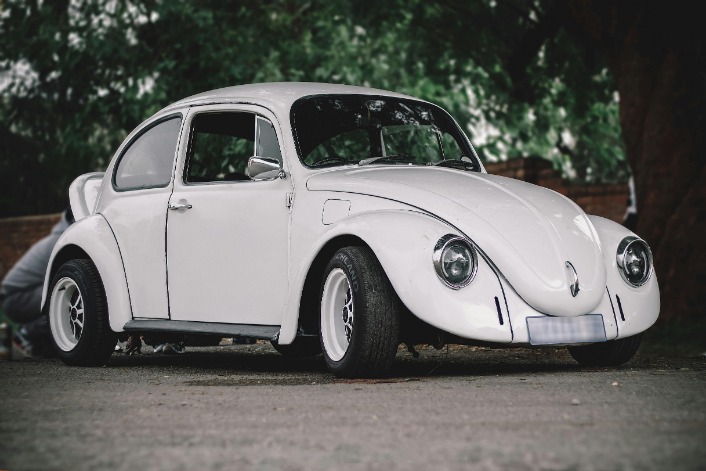
Maintenance costs vary with age and condition. Air-cooled engines common on older buses require regular tune-ups, carburetor work, and potential engine rebuilds; water-cooled engines (T4/T5) have different needs. In SA, skilled VW specialists are available, but labour and parts can add up. Common expenses include brake work, suspension refresh, seals, wiring, cooling systems, and fuel systems. A routine service every 6–12 months plus occasional major work can add up; budget for 5–15k rand per year for basic upkeep on a runner, and significantly more for a restoration or major mechanical work.
Parts availability in South Africa is relatively good due to a strong VW enthusiast network. Local suppliers stock many common components for T2/T3-era buses, while some rare parts are sourced from specialists or through import. Costs vary: generic wear parts are affordable, while genuine or rare pieces, body panels, and complete mechanical components can be pricey or require import time. Expect some lead times if ordering from overseas.
Insurance for a VW bus as a classic or collector car is usually separate from standard vehicle cover. Agreed-value policies based on the bus’s value are common, with premiums often quoted as a percentage of declared value (roughly 0.5% to 2% per year), depending on usage, garaging, and security. Storing the bus in a locked garage and limiting annual mileage can help reduce premiums. Compare quotes from classic car insurers who understand vintage VWs and the SA market.
When considering a VW bus price in South Africa, calculate the all-in cost, plan for ongoing maintenance, confirm parts accessibility, and get a pre-purchase inspection to understand rust, frame, and mechanical condition. A well-chosen, well-kept bus can be a rewarding asset with manageable ownership costs, while a basket case can quickly become a money pit.
Regional Price Variations in South Africa
Regional price variations in South Africa shape how much a VW bus costs across provinces, driven by factors such as demand in urban centers, transportation and import costs, local taxes, and dealership pricing strategies. Coastal and high-demand markets often command higher prices and stronger trade-in values, while rural areas may see lower prices but limited stock and service options. For anyone considering a VW bus price in South Africa, comparing regional offers, factoring in maintenance packages, and checking the used-market landscape can reveal meaningful differences that affect total ownership costs.
Price differences by province and city
Regional price variations for VW buses in South Africa reflect local demand, supply, and vehicle condition. Buyers often notice higher asking prices in metropolitan areas and tourist-friendly regions, while rural areas may offer cheaper options but with fewer viewing and service options. This article outlines how VW bus prices vary by province and city in SA and what to consider when comparing offers.
- Key drivers of price variation by province: market demand, available stock, the prevalence of camper conversions, and local service networks can push prices up or down depending on where you shop.
- Province-level patterns: Gauteng and the Western Cape commonly show higher price tags due to dense markets and stronger dealer networks, while provinces such as Limpopo or the Free State may feature lower average prices with more limited choice.
- City-level differences: Johannesburg and Pretoria (Gauteng) often have higher prices, Cape Town (Western Cape) tests the upper range due to tourism and conversion activity, Durban (KwaZulu-Natal) sits mid-to-high, and smaller cities tend to be more affordable but with fewer options.
- Indicative price ranges (illustrative): older VW buses in fair condition can vary from around R150,000 to R350,000 in major metros, while late-model or well-kept camper conversions may exceed R450,000 or more, depending on year, mileage, and history.
- What to check when buying across provinces: verify full service history, inspect for rust and structural integrity, assess the engine and transmission condition, confirm roadworthiness, and consider additional costs for transport and any required local compliance for camper conversions.
- Tips for securing the best VW bus price: search both private sales and dealers, be prepared to negotiate, compare prices across multiple cities, and factor in transport costs if buying far from your location; consider a pre-purchase inspection by a VW specialist.
- Where to look for price guidance: national classifieds and dealer networks in major cities, province-filtered online marketplaces, and VW clubs or forums where owners discuss typical price ranges and recent sales in their area.
Impact of local demand and supply dynamics
Regional price variations in South Africa shape the VW bus price landscape. Prices for VW buses vary widely by region, driven by local demand, supply dynamics, and logistical factors.
Demand dynamics play a key role. Urban hubs with strong car culture and camper communities, such as Gauteng and the Western Cape, tend to have more buyers actively seeking VW buses, including restored classics and modern camper conversions. This concentration of demand can push asking prices higher for well-presented or desirable variants.
Supply dynamics influence what sellers can offer. The availability of used VW buses depends on the age, condition, and the ease of sourcing parts and repairs. Regions with more listings or easier access to restoration services may see tighter competition, while areas with fewer listings can experience longer searches and price premiums for recently refurbished units.
Regulatory and logistical factors also affect regional pricing. VAT, transfer costs, and any applicable duties influence the total cost of ownership, especially when importing or moving a vehicle between provinces. Transport costs to inland markets can add to the overall price, making the same model more expensive in some regions than others.
Regional patterns that emerge include higher prices in metropolitan markets where demand for campers and retro VW models is strongest, notably Gauteng and the Western Cape. Coastal provinces may see similar trends depending on tourism activity and collector interest, while less populated areas often show greater price dispersion and longer time on market.
What drives value within the VW bus segment in South Africa includes model year, variant (Kombi, Transporter, Camper), condition, originality, and restoration level. Rare or original interiors, matching numbers, and well-maintained mechanicals typically command premium, while projects needing extensive work are priced lower.
For buyers, comparing regional listings, budgeting for restoration and compliance costs, and planning for transport and registration are essential. A thorough inspection for rust, mechanical reliability, and interior condition, along with a clear understanding of parts availability, helps align price with value across regions.
Practical Buying Guide and Tips
This practical buying guide for the VW bus price in South Africa helps you understand value factors like model year, condition, mileage, and service history. It offers practical steps to compare offers, estimate maintenance costs, and negotiate confidently in the local market.
How to assess a used VW Bus (inspection checklist)
This practical buying guide helps you assess a used VW Bus in South Africa, with a clear inspection checklist and price considerations tailored to the local market.
In the SA market, VW Kombis and Transporters span several generations. The classic Type 2 Kombi (split-window and bay-window) remains popular for restoration and camper conversions, while later T3 and T4 models offer more modern drivetrains and easier maintenance. Prices in South Africa are highly dependent on condition, year, mileage, and whether the van is a basic transporter or a fully fitted camper. A rough snapshot: starting prices for projects can be in the low hundreds of thousands of Rand, running, mechanically sound examples often fall in the mid-range, and fully restored or high-spec campers can exceed a million Rand.
Before you visit sellers, set a realistic budget that includes a reserve for urgent repairs and a potential service or restoration. Decide your non-negotiables (safety, roadworthiness, engine type, location) and factor in costs common in SA, such as rust repair in floorpans, wiring upgrades, and camper conversions.
Exterior inspection: Look for signs of accident damage, mismatched panels, and flood repairs. Inspect body panels for rust, especially around wheel arches, sills, and the floor edges. Check the underbody for corrosion or repair lines and ask for the vehicle’s service history and any rust-related work. Examine window frames and seals for leaks and check that all glass is intact and properly mounted.
Interior and cabin: Check upholstery, headliner, dashboard, and instrument cluster for wear, water intrusion, or lingering smells of moisture. Test seat belts, padding, and anchorage points. Ensure the cab electronics work (lights, wipers, horn, radio, gauges) and verify that any camper-specific features (fold-out beds, storage, kitchen setup) are functional and safely installed.
Engine and mechanical condition: Confirm whether the engine is air-cooled or water-cooled, as maintenance requirements differ. Look for obvious leaks around the engine, hoses, and seals. Check oil level and condition, coolant level and mixture (if applicable), and listen for unusual knocking or tapping sounds. If possible, perform a compression test or have a trusted mechanic assess timing, valves, and overall health of the powerplant.
Transmission and drivetrain: Inspect for smooth clutch operation and clean gear changes; listen for grinding or winding noises during shifts. If the vehicle is four-wheel drive or has a manual or automatic transmission, confirm proper operation and inspect the drive shafts and CV joints for wear or play.
Brakes, suspension, and steering: Examine brake discs and drums for wear, check brake lines for corrosion or leaks, and ensure the parking brake holds. Inspect suspension components for sagging or worn bushings, and test steering responsiveness and any play in the wheel. Look for oil or grease around wheel hubs that might indicate leaks.
Rust and chassis integrity: VW Buses are prone to rust in floorpans, rocker panels, heater channels, and frame rails. Carefully probe the floor from inside and check for soft spots or bubbling paint. A rust-free shell is rare and valuable; factor repairs into your price if you find corrosion needing attention.
Electrical and camper systems: If the bus is a camper, verify the water system, gas setup, propane lines, and fire safety devices. Check battery condition, wiring insulation, and the continuity of all 12V and 230V systems. Ensure that any aftermarket electrical work is safe, neatly installed, and compliant with local regulations.
Documentation and history: Review the VIN, registration papers, and any roadworthy certificates. Ask for service records, past ownership, and any receipts for major work. If the vehicle has any outstanding recalls or safety issues, obtain written confirmation of resolved items or planned corrections. On arrival, verify that the vehicle matches the seller’s description and photos, and check for any liens or outstanding finance.
Test drive and on-road checks: A test drive should feel reasonably smooth with steady idle, good acceleration, and confident braking. Note any unusual exhaust smoke, misfires, stalling, or overheating signs. Listen for unusual engine noises, drivetrain whines, or vibrations at highway speeds. While driving, test steering alignment by pulling straight and checking for vehicle drift or uneven braking.
Pricing and negotiation: Use your inspection findings to adjust the offer. If major repairs are needed (rust repair, engine refresh, electrical fixes), factor these costs into the total price. Compare listed prices with current SA market trends on local platforms and consider the total cost of ownership, including insurance, registration, maintenance, and potential restoration projects.
Practical buying tips for the South African VW Bus market: hire a trusted mechanic for a pre-purchase inspection, request a detailed written report, and avoid rush deals. If a vehicle checks out, negotiate with data in hand, and request quotes for any immediate repairs or upgrades. Consider the cost of import considerations if you’re evaluating non-local examples, and account for potential duties and compliance when bringing a vehicle into the country.
Bottom line: a well-maintained VW Bus in South Africa can be a reliable daily driver or a rewarding restoration project. Use the checklist to separate solid buys from high-risk options, and stay aware that price in SA reflects condition, model, and the extent of any camper or restoration work. With careful assessment and due diligence, you can find good value in the VW bus price landscape of South Africa.
Negotiation strategies and timing
Buying a VW bus in South Africa can be a rewarding project or a dependable daily classic. This practical guide covers how to assess value, negotiate effectively, and time your purchase to land a fair price.
- Know the market and price bands: In South Africa, prices vary widely by model, year, and condition. Roughly, project cars may start from tens of thousands of rand, runner buses often sit in the mid-range, and well-presented or restored examples can reach six figures in rand or more depending on rarity and condition. Always check current listings to set realistic expectations.
- Define your target spec and condition: Decide which model (Split-Screen, Bay Window, T3/T4) and which features matter (matching numbers, originality, engine type, interior). This helps you avoid scope creep and anchors you to a fair price for the exact spec you want.
- Check current listings to gauge fair value: Browse AutoTrader SA, Gumtree, Facebook Marketplace, and VW enthusiast club classifieds. Compare similar years, condition, mileage, and documentation to spot a genuine bargain or a red flag.
- Set a budget and offer strategy: Determine your maximum price based on your finances and the work you’re willing to undertake. Start with a lower offer (commonly 5–15% below the asking price) and justify any reductions with documented issues or required repairs. Be prepared to walk away.
- Inspection and due diligence: Have a knowledgeable mechanic inspect the engine, transmission, brakes, suspension, and electricals. Check for rust on common trouble spots (floor pans, sills, wheel arches, bulkhead) and verify the chassis and engine numbers match the paperwork. Request service history and any restoration receipts.
- Negotiation tactics tailored to SA: Use cash offers when possible, bring a clear list of needed repairs, and cite verifiable data from listings. Ask for inclusions (spare parts, service items, or transfer fees) and request a realistic delivery timeline. Don’t reveal your maximum until after the seller presents their bottom line.
- Timing and market conditions: Price activity can slow in off-peak seasons; end-of-month or end-of-financial-year periods in South Africa can bring slightly more flexibility from sellers looking to close deals. Be patient and monitor new listings for price trends.
- Financing and ownership costs: Factor in roadworthy costs, license transfer, insurance, registration, potential restoration costs, and ongoing maintenance. If importing, include import duties, VAT, shipping, and compliance costs in your total budget.
- Where to find deals and reliable sellers: Look for listings from reputable dealers who specialize in classics, VW clubs and events, or sellers who can provide verifiable history and roadworthy documentation. Avoid deals where documentation is unclear or tampered with.
- Red flags to watch: Inconsistent engine numbers, missing service history, severe rust, hidden crash repairs, mismatched panels, or pressure to rush payment. A vehicle without a valid roadworthy certificate (RWC) or with unclear ownership warrants extra caution.
- Closing the deal and transfer steps: Agree on price, obtain a roadworthy certificate, and complete transfer at the licensing department. Ensure secure payment methods, obtain a signed receipt, and arrange transport if the vehicle isn’t roadworthy yet. Verify insurance can start immediately upon transfer.
Financing options and total cost considerations
Buying a VW bus in South Africa can be a rewarding project, whether you want a daily driver, a retro weekend cruiser, or a camping setup ready for adventures. Prices vary widely depending on model, year, condition, originality, and how much work you’re willing to undertake.
Practical buying guide and tips: start by defining your use, preferred model (Kombi/Transporter variants such as T2 or T3), and a realistic budget. Decide whether you want near-original condition, a restoration project, or a reliable driver. Set expectations for insurance, maintenance, and parts availability, and plan for possible downtime during restoration.
Inspection and due diligence: aim for a pre-purchase inspection if possible. Check body panels for rust and accident repairs, inspect the chassis, floor pans, and wheel arches, and verify engine and transmission condition, belts, hoses, and electrical systems. Review the service history and verify that key documents match the vehicle’s identification numbers.
Documentation and authenticity: verify the VIN/chassis numbers, ensure they match the registration papers, and confirm that a roadworthy certificate can be obtained or is valid. If the unit is imported, ensure it complies with South African import and registration rules and account for any duties or taxes in the total cost.
Where to buy: you’ll find classics through official dealerships, private sellers, specialty VW shops, and auctions. Private sales often offer a wider price range and room for negotiation, but require careful inspection and verification. Always arrange a test drive and, if possible, bring along someone knowledgeable about VW buses.
Financing options: you can use bank personal loans, dealer finance, or specialty used-car financiers. Getting pre-approval helps you set a firm budget and strengthens your negotiating position. For older buses, some lenders may require a higher deposit, shorter terms, or collateral, and they may scrutinize restoration plans and future maintenance costs.
Loan terms and costs: typical loan terms range from 12 to 72 months depending on the lender and the vehicle value, with interest rates varying by risk, credit history, and loan-to-value. Be aware that older vehicles can carry higher rates or stricter conditions, and some lenders may cap loan amounts based on the age of the vehicle.
Total cost considerations: purchase price plus registration, transfer duties where applicable, and any roadworthy or delivery fees. Ongoing costs include comprehensive insurance, fuel, maintenance, spare parts, tires, and storage. If you plan restoration work, budget for parts, labour, and potential surprises, and consider setting aside a contingency fund of 10–20% of the project cost.
Cost-saving tips: negotiate price based on your findings, obtain a detailed pre-purchase inspection, compare multiple lenders, and consider a higher deductible to lower insurance premiums. Where possible, buy from sellers who can provide a solid service history and parts availability to reduce unpredictable future costs.
South Africa-specific notes: parts support for classic VW buses remains strong through clubs, aftermarket suppliers, and qualified VW specialists, but some rare trims can be expensive. Always factor in the cost of a valid roadworthy certificate, and be mindful of import duties and VAT if you are bringing a unit in from abroad. A well-researched choice with a clear maintenance plan can keep ownership affordable and enjoyable.
Bottom line: with clear criteria, thorough checks, and a realistic plan for repairs and maintenance, you can find a VW bus in South Africa at a fair price while keeping total ownership costs under control.
Price Trends and Market Projections
Price trends for VW buses in South Africa are influenced by vintage-vehicle demand, import costs, and local showroom inventory, with classic Kombis and modern Transporters often appreciating as collectors and small businesses seek reliable nostalgia with practical utility. Market projections suggest near-term price volatility driven by exchange rates and policy shifts, but a gradual long-term uptick for well-maintained models, limited editions, and documented restorations. Buyers should monitor auction results, service histories, and regional demand to anticipate future value movements.
Recent price trends in South Africa
Price Trends and Market Projections for VW bus prices in South Africa are currently shaped by a mix of robust demand in the used market, ongoing supply constraints in new vehicle production, and a strong affinity for practical, versatile vans among families and small businesses. This article focuses on VW bus prices in South Africa, with emphasis on recent movements and what to expect in the near term.
Recent price trends in South Africa show the used VW Transporter and Kombi segments have remained resilient. Limited new-vehicle supply and strong demand from camper conversions and service-based users have supported higher asking prices for well-maintained units. Conversely, very rough or project-spec vehicles tend to trade at more modest levels. Currency movements and import costs have also fed into price gaps between locally assembled versus fully imported variants.
New VW buses, such as the Transporter family, have seen price inflation that tracks general new-vehicle inflation in South Africa, with price changes influenced by currency, input costs, and occasional model refresh cycles. The popular second-hand Kombi/Transporter models continue to command premiums when in good condition, with features like updated interiors or well-executed camper conversions adding to value. In contrast, older, high-mileage examples typically face depreciation unless they offer exceptional originality or documentation.
Market drivers include the growth of caravan and overlanding trends, corporate use for small fleets, and the need for reliable, flexible transport that can double as a recreation or work vehicle. The supply of readily available parts, maintenance services and the strength of VW’s service network in major South African centres also influence resale values. Regional demand hotspots around Johannesburg, Cape Town and Durban have shown stronger price action for well-kept VW buses compared with rural markets.
Market projections for the next couple of years suggest prices may stabilise after the 2022-2024 rally, with modest appreciation in rare or highly cared-for vehicles and potential softening for models with rust, high mileage or incomplete maintenance history. If macroeconomic conditions improve—such as lower inflation, a stronger rand or more favorable loan terms—new VW Transporter pricing could ease slightly, while used prices could continue to reflect supply constraints and consumer sentiment around camping and utility use.
If you are considering buying a VW bus in South Africa, focus on a thorough inspection: check mechanical health, service receipts, rust, collision damage, and the integrity of any camper-conversion fits. Verify plate numbers and compliance with RHD regulations, ensure spares availability, and assess total cost of ownership, including insurance, maintenance and fuel. Where possible, seek documentation on previous ownership, mileage, and any modifications, as these strongly influence resale value.
Overall, VW bus prices in South Africa remain influenced by macroeconomic forces, demand from the camper and small-business segments, and the strength of VW’s local service network. While prices may ease slightly if supply improves, the enduring appeal of the VW bus as a versatile, practical vehicle suggests a resilient, if selective, market in the near term.
Market forecasts for the next 1-2 years
The VW bus price landscape in South Africa combines new Transporter and Kombi models with a vibrant used market for camper conversions, classic vintages, and family transport. This article outlines price trends and market forecasts for the next 12 to 24 months.
Current price levels show that new VW buses in SA typically range from roughly R800,000 to over R1,400,000, depending on configuration, engine choice, and trim. On the used market, prices vary widely: older pre-2010 models can be found from around R150,000 to R350,000 for basic transporters, mid-to-late 2010s Kombis and campers commonly fetch R450,000 to R900,000, and well-maintained late-model Camper conversions can exceed R1,000,000 in bright market conditions.
Price trends over the past two years reflect several crosscurrents: currency weakness and rising import costs push new-vehicle prices higher; supply chain constraints and the global demand for commercial and leisure vehicles lift used-vehicle values, especially for popular configurations such as 4×4 campers and long-wheelbase vans. Additionally, the popularity of VW buses as lifestyle vehicles has boosted demand in urban and rural markets, supporting price resilience even when overall auto sales soften. Vintage and classic VW buses in SA also command growing premiums driven by nostalgia and limited supply.
Market projections for the next 12–24 months point to a continued price premium on new VW buses relative to pre-pandemic levels, but with some stabilization if supply lines improve and the rand stabilizes. The base-case scenario assumes gradual easing of supply-chain bottlenecks and no severe currency shocks, leading to modest annual price increases in the 2–6% range for new models, and flatter-to-slightly rising prices for well-kept used examples. An upside scenario, where imports become cheaper and demand remains strong, could push new-vehicle prices higher and pull used values up by a similar margin. A downside scenario, with renewed currency weakness or higher interest rates, could suppress demand and apply downward pressure on prices, particularly for older stock in the second-hand market.
For buyers and sellers in South Africa, the implications are clear: for new VW bus purchases, lock in favorable finance and be mindful of warranty and service costs, as maintenance can add significantly to total ownership costs. For used buyers, focus on service history, mechanical condition, and conversion quality, since well-maintained vehicles preserve value better. This is also a good period to evaluate total cost of ownership, including fuel, maintenance, insurance, and resale risk, as these factors will influence real price performance over the next 1–2 years.
In summary, the VW bus price segment in South Africa remains resilient amid inflation and supply constraints, with a cautiously positive outlook for the next 1–2 years, dependent on currency stability, supply chain normalization, and demand for camper-conversion variants. Monitoring the price curves across new and used models will help buyers and sellers time purchases and trades more effectively.