
Overview of South Africa Road Bus Stops
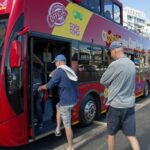
South Africa’s road bus stops are a key gateway to the country’s public transport network, connecting neighborhoods to city centers, job hubs, and tourist destinations. In major cities, stops vary from simple poles with timetables to modern, sheltered kiosks equipped with wayfinding, route information, and real-time updates. These stops support a range of services—from rapid urban routes to local feeder buses—emphasizing accessibility, safety, and efficiency as the transport system aims to reduce congestion and expand mobility for residents and visitors alike.
Purpose and Scope
South Africa’s road-based bus stops vary widely in design and amenities, reflecting urban density, funding levels, and municipal priorities. They serve as the public face of the bus network, guiding passengers, providing shelter, and connecting riders to broader transport options. This overview describes the purpose and scope of road bus stops across the country, including who administers them and what services they typically provide.
- Overview and purpose: Road bus stops provide a safe place to wait, organize boarding, shelter from weather, route and timetable information, accessibility features, and serve as local transport hubs that connect to taxis, trains, and other modes.
- Geographic scope: From major metropolitan corridors to rural feeder routes, with varying density and infrastructure; most stops are managed by municipal transport authorities, often guided by national policies, and coverage differs by province and city.
- Infrastructure features: Shelters, seating, lighting, signage, timetable displays, bus stop poles, curb ramps, and tactile paving; in some areas there are real-time information systems and basic security measures.
- Operations and governance: Funding typically combines municipal budgets, provincial grants, and national programs; maintenance responsibilities lie with local transport departments, with oversight from national policy bodies, and standardization efforts that differ in implementation island by island.
- Safety, accessibility, and inclusivity: Emphasis on safe access for all users, step-free boarding where possible, clear signage, audible information where feasible, and inclusive spaces in newer installations.
- Technology and modernization: Some cities deploy real-time arrival displays, route maps, and mobile apps; pilots for contactless payments and smart card systems are underway in select networks.
- Challenges and opportunities: Maintenance backlogs, vandalism, weather exposure, and budget constraints affect reliability; opportunities exist to upgrade shelters, expand coverage, and improve integration with other transport modes to enhance first-mile and last-mile connectivity.
Key Stakeholders
South Africa’s road-based public transport system relies on a dense network of bus stops that serve urban and peri-urban communities. The system blends formal, contracted bus services with a large informal minibus taxi sector, creating a diverse but sometimes fragmented network that remains essential for daily mobility, employment, education, and access to services.
Road bus stops vary from simple roadside kerblines with a signpost to modern shelters with seating, lighting, accessibility features, and advance timetable information. In major cities, some stops feed into high-capacity corridors like Bus Rapid Transit (BRT) and integrated transport hubs where transfers between buses, taxis, and rail are designed to be seamless.
Governance occurs at multiple levels. National policy sets the framework for public transport reform, while provincial and metropolitan transport departments manage implementation, route licensing, operator procurement, and safety standards at city level. The National Public Transport Regulator (NPTR) oversees compliance and price regulation in some cases, while municipalities lead on day-to-day operation and maintenance of stops.
Funding for road stops comes from national and provincial budgets, with municipalities often drawing on specific grants for transport infrastructure, shelter upgrades, and ICT-enabled information systems. Public-private partnerships and concession arrangements may also fund major stop improvements or the roll-out of integrated hubs and real-time information displays.
Key stakeholders include national and provincial transport ministries, metropolitan and district municipalities, bus operators (both contracted formal services and smaller operators), and taxi associations that carry a large share of road-based travel. The South African National Taxi Council (SANTACO) and affiliated associations are influential partners in planning, route access, and traffic management at stops near taxi ranks.
Commuters and civil-society groups advocate for safer, more reliable, and accessible stops, while transport planners and researchers analyze ridership data, service gaps, and the environmental and social impact of stop design. The private sector contributes through infrastructure provision, digital signage, and connectivity solutions for real-time transit information.
Common challenges include safety and security at stops, maintenance of shelters, vandalism, and gaps in coverage, particularly in secondary towns. Reliability and punctuality are affected by traffic, roadworks, and the complex landscape of shared demand in the minibus taxi network. Coordination across multiple stakeholders can be slow and complicate service improvements.
Opportunities for improvement include integrating bus stops into a broader mobility strategy with safe pedestrian access, lighting, and universally accessible design. Expanding BRT corridors or improving feeder services can increase efficiency, while real-time arrival information reduces uncertainty for riders. Linkages with rail, taxi routes, and park-and-ride facilities strengthen the overall public transport network.
Examples from major metros illustrate the potential of well-planned stops. Cape Town’s MyCiTi network uses dedicated stop infrastructure with sheltered, accessible stops and integrated fare systems. Johannesburg’s Rea Vaya corridor and Tshwane’s Bus Service illustrate ongoing efforts to modernize stops and coordinate services, though progress varies by city and funding cycles.
In summary, South Africa’s road bus stops are a critical but complex element of the public transport system. Realizing their full potential requires coordinated policy, sustained investment, and active collaboration among government, operators, taxi associations, and the riding public to deliver safe, reliable, and inclusive mobility.
Geographic Distribution and Coverage
Geographic distribution and coverage of South Africa’s road-based bus network show a clear urban-rural divide: dense, high-frequency services cluster around major cities such as Johannesburg, Cape Town, and Durban, while many rural areas rely on fewer stops and longer wait times. This pattern affects access to work, education, and essential services and highlights where targeted investments and integrated transit planning can expand coverage, improve reliability, and support inclusive mobility across the country.
Urban vs Rural Coverage
Geographic distribution of road bus stops in South Africa shows a clear urban bias with dense stop networks concentrated in major cities, while rural areas have sparser coverage that often relies on longer travel times and less frequent services.
- Urban coverage and density: In cities such as Johannesburg, Cape Town, and Durban, bus stops are numerous along key corridors, integrated with rail and BRT systems where present, and designed to serve large concentrations of workplaces, shopping districts, and residential areas.
- Rural coverage and gaps: Rural districts have fewer stops spread over longer distances. Services may run on limited schedules and frequencies, with stops often appearing along main provincial roads rather than within every village, creating longer walks for some travelers.
- Stop infrastructure and information: Urban stops frequently feature shelters, lighting, seating, and timetable information, while rural stops may lack covered waiting areas, clear signage, and real-time updates, impacting reliability and comfort.
- Service patterns and integration: Urban networks benefit from feeder services and transit-integrated routes, including BRT corridors; rural networks often rely on ad hoc or contracted services with lower frequency and less seamless integration with other transport modes.
- Accessibility and safety: Distribution influences who can access essential services; urban stops tend to be more accessible and monitored, whereas rural stops may present safety and accessibility challenges for vulnerable populations.
- Policy, funding, and planning: National and provincial transport plans aim to expand rural coverage through targeted funding, rural transport programs, and partnerships with local operators, but progress varies by province and municipal capacity.
Overall, South Africa’s road bus stop landscape reflects ongoing efforts to balance urban demand with rural mobility, focusing on expanding coverage, improving reliability, and enhancing accessibility across diverse environments.
Regional Variations (Gauteng, Western Cape, KwaZulu-Natal)
The geographic distribution of road bus stops in South Africa varies widely by province, city planning, and transport authority. This article outlines general patterns of coverage and highlights regional variations in Gauteng, the Western Cape, and KwaZulu-Natal, where most road-based bus networks operate in major urban areas with varying levels of rural reach.
Gauteng has the highest bus stop density in South Africa due to its large urban agglomerations of Johannesburg, Pretoria, and secondary hubs. Bus stops are concentrated in central business districts, major townships, and along key corridors such as urban radial routes and express lanes. Coverage tends to be strong in inner cities and growth corridors but can be thinner on the periphery and in rural-adjacent areas beyond Gauteng’s metropolitan edge, leading to longer walking distances for outskirts residents and fewer services after business hours.
In the Western Cape, Cape Town and surrounding towns anchor the road bus network, with a notable emphasis on integrated routes and rapid transit in the city. The MyCiTi system in Cape Town provides high-density stop networks along core routes, while other municipalities contribute feeder services that connect suburban areas to city hubs. Rural and outlying communities often experience lower stop density and longer wait times, though provincial routes connect larger towns along the coast and interior with more limited frequency outside peak periods.
KwaZulu-Natal shows a mix of dense urban coverage in the eThekwini Municipality (Durban area) and more limited stop networks in inland and rural districts. Durban’s bus stops cluster around major corridors to support commuter flows to the city center and along the coast, with some express and feeder services. In smaller towns and rural zones, coverage tends to be sparser, with longer distances between stops and fewer service hours, reflecting broader geographic spread and capacity constraints.
Across these regions, the key differences relate to urban density, funding models, and integration with rail and taxi services. Gauteng’s network benefits from high population density and ongoing corridor development, while the Western Cape emphasizes rapid transit integration in Cape Town and improving feeder links. KwaZulu-Natal balances urban bus networks with significant rural coverage gaps, often requiring longer journeys and transfers. In all regions, accessibility for disabled travelers, safety at stops, and clear information remain ongoing challenges.
Users planning trips should consult official journey planners and real-time apps to understand stop locations, schedules, and walking distances. Where possible, choosing stops near transfer hubs can reduce transfers and improve reliability, and flexible options such as feeder services or rail combined routes can widen coverage in less dense areas.
Geographic distribution of bus stops in South Africa reflects urban form, municipal planning, and regional priorities, with Gauteng showing dense inner-city coverage, the Western Cape delivering well-integrated city routes, and KwaZulu-Natal combining urban efficiency with rural gaps. Ongoing investment and integration are needed to close coverage disparities and make road bus travel a reliable option for all residents.
Design, Standard and Regulations
Design, standards, and regulations governing South Africa’s road bus stops shape how commuters access safe and efficient public transport. Across urban centres and township routes, compliant bus-stop design ensures accessible shelters, clear signage, lighting, paving, and safe boarding areas, while national standards and local by-laws guide placement, maintenance, and integration with other transport modes.
Standards for Accessibility
Designing road-side bus stops in South Africa requires balancing safety, weather protection and inclusive access within the national regulatory framework. Bus stops form part of the public transport network and must be accessible to all users, including people with mobility impairments, the elderly and parents with prams.
Key design principles include creating unobstructed accessible approaches, curb ramps or level-aligned boarding where possible, and step-free routes from the sidewalk to the bus. Shelters should provide weather protection, seating at accessible heights, and clear sightlines to approaching buses. Signage and information should be legible, large enough to read at a distance, and positioned for users with visual or mobility impairments. Lighting and maintenance are essential for safety and usability at all times of day.
Standards and regulations in South Africa are anchored in the National Building Regulations and Building Standards Act and supported by the South African Bureau of Standards. The SABS develops and publishes SANS standards, including those that cover accessibility and universal design in the built environment. Public transport facilities, including bus stops, are expected to comply with these standards as enforced or referenced by local by-laws and municipal procurement guidelines. Where public transport infrastructure is funded by national or provincial bodies, compliance is often required as a condition of funding.
Typical standards for bus stops focus on accessible layouts, surfaces and wayfinding. This includes level or near-level boarding interfaces, non-slip paving, clearly visible and tactile cues to indicate curb edges, and accessible information systems that provide audio or high-contrast visual announcements. Signage should be bilingual where appropriate and include tactile or braille elements for those with visual impairments. Shelter design should accommodate seating, ticket vending points at reachable heights and routes that remain accessible for wheelchairs and mobility aids.
Implementation and enforcement are the responsibilities of municipalities and transport authorities. Planning should engage communities to understand user needs and address barriers. Procurement of bus stop amenities should specify accessibility requirements, and maintenance programs should ensure that shelters, ramps, signage, and lighting remain usable over time. Periodic audits and user feedback loops help identify gaps and drive continuous improvement.
In major South African cities with integrated public transport networks, such as those implementing bus rapid transit and feeder systems, accessible bus stops are a core design objective. Concepts tested in real networks emphasize universal access, clear wayfinding, shelter comfort, and reliable information provision to support safe boarding and alighting for all users, including people with different mobility or sensory abilities.
Adhering to design standards and regulations for accessibility at South Africa road bus stops leads to safer, more inclusive, and more efficient public transport. As cities grow and new networks roll out, embedding accessibility into early planning and ongoing maintenance ensures that bus stops serve everyone, today and in the future.
Safety and Security Regulations
Bus stops along South African roads vary from urban BRT shelters to rural waiting points, but design decisions share core goals: safety, accessibility, comfort, and efficient integration with buses, pedestrians, and surrounding streets.
Design considerations include weather protection with weatherproof shelters, durable seating, non-slip flooring, drainage, shade, and vandal-resistant materials. Shelters should provide clear sightlines, be accessible to people with mobility devices, and include features such as ramps or level access, tactile paving for the visually impaired, and intuitive wayfinding. In busy areas, real-time arrival information, audible announcements, and safe pedestrian access to the curb are important components, along with good lighting to extend usability after dark.
Standards and regulations for bus stops are typically established by municipalities within the national regulatory context. They draw on national safety and accessibility guidelines, as well as public-space and building standards set by national bodies. While a single national code for every bus stop may not exist, planners reference applicable South African National Standards, department guidelines, and municipal by-laws to ensure consistency, interoperability with existing networks, and compliance with accessibility requirements.
Safety regulations emphasise preventing conflict between buses, pedestrians, and traffic. Designs should ensure clear sightlines, safe crossing points near stops, properly marked curbside areas, and secure waiting zones. Adequate lighting, maintenance of surfaces, regular inspection for hazards, and non-slip surfaces are essential. Where applicable, emergency communication devices and connections to local emergency services improve response times and user safety.
Security regulations address crime risk and personal safety within waiting areas. Strategies include strategic placement of shelters to maximise natural surveillance, CCTV coverage where appropriate, panic alarms or emergency call points, and robust anti-vandalism measures. Operational practices such as coordinated policing, community safety partnerships, and responsive maintenance regimes help deter crime and reassure passengers, especially during off-peak hours and in peripheral areas.
Implementation best practices involve sound maintenance programs, sustainable funding, and inclusive design processes. Regular audits for accessibility, safety, and cleanliness should be part of municipal management, with engagement from community groups and riders. Sustainable features such as shading, rainwater drainage, and solar-powered lighting can improve reliability and reduce running costs in the South African climate.
In South Africa, bus-stop design is being advanced by BRT networks such as MyCiTi and Rea Vaya, which use purpose-built shelters, lighting, and security features to standardise high-quality stops across corridors. The ongoing expansion and harmonisation of standards aim to improve safety, reliability, and rider experience while ensuring stops are affordable, maintainable, and accessible for all users.
Facilities and Amenities at Bus Stops
In South Africa, road bus stops provide practical facilities for daily commuters, including sheltered seating, shade, and lighting for safety; clear timetable boards and route information; accessible features such as ramps or level access for wheelchair users; safe nearby pedestrian crossings, waste bins, and basic amenities to connect riders with local services.
Shelter, Seating, Lighting
Facilities and amenities at South Africa road bus stops play a crucial role in making public transport reliable, safe, and comfortable for diverse users. Across urban corridors, townships, and rural feeder routes, shelters, seating, and lighting shape the waiting experience and influence how people choose to travel by bus.
Shelters protect passengers from sun, rain, wind and dust. In busy urban routes, stops may feature sturdy metal or reinforced concrete shelters with a roof and open sides to allow airflow. In rural or lower-coverage areas, simple awnings or shade structures provide basic cover. Effective shelters include clear visibility for approaching buses and materials that resist corrosion and vandalism while remaining affordable to maintain.
Seating at bus stops ranges from long benches to modular seats that accommodate individuals and caregivers. Where space and budget allow, seating is designed to be accessible for people with mobility devices and limited by age or injury. Durable, vandal-resistant materials, regular maintenance, and sufficient spacing between seats are common priorities to ensure comfort and safety during peak times and late service hours.
Lighting is essential for safety and perceived security. Many metropolitan stops are lit with energy-efficient LED fixtures and, in remote areas, solar-powered lights offset grid costs and provide coverage after dusk. Proper lighting reduces glare, enhances visibility of approaching buses, and supports nighttime use while reducing the risk of crime and accidents.
Information and wayfinding at bus stops include route maps, timetables, and service notices. Some stops feature digital or printed schedules, route numbers, and accessibility icons, with multilingual or large-print formats where possible. In certain areas, QR codes or SMS updates link passengers to real-time arrival information and service alerts.
Safety features may include sightlines that keep the stop visible from surrounding streets, maintenance to remove litter or snow, and access to emergency contact numbers. Where available, CCTV cameras and panic buttons help deter anti-social behavior and provide rapid assistance in emergencies, particularly at major hubs or interchanges.
Accessibility considerations ensure equitable access for all travellers. Tactile paving, level paths, ramps, curb cuts, and clearly marked tactile indicators support people with disabilities or vision impairment. Audible announcements or visual displays and braille or large-print materials improve comprehension for non-English speakers and users with limited literacy.
Maintenance and governance vary by city and province. Municipal budgets, national transit plans, and public-private partnerships influence how shelters are built, cleaned, lit, and repaired. Regular cleaning, repairs, graffiti removal, and timely replacement of damaged seating or lighting are essential to keep stops welcoming and functional.
Well-equipped bus stops along South Africa’s road network enhance the reliability and safety of public transport, encouraging greater use of buses and supporting inclusive mobility for all communities.
Real-Time Information and Signage
In South Africa, road bus stops serve as gateways to urban and rural mobility, linking neighborhoods to work, education, and essential services. The facilities and amenities at these stops—and the quality of real-time information and signage—shape the experience, safety, and reliability of bus travel across cities and townships.
Effective bus stop facilities typically include shelters that protect passengers from sun and rain, along with seating for comfort during waits. In many towns, shade structures, roofs, and sturdy benches are paired with lighting for security and visibility at night. Accessible design is increasingly prioritized, with low-floor platforms, ramps, curb cuts, tactile guidance surfaces for visually impaired travelers, and clearly marked crossings near stops. Maintenance is key: regular cleaning, garbage bins, and prompt replacement of damaged elements help keep stops welcoming and safe. Where space allows, amenities such as vending machines or water taps may be present at larger interchanges or transit hubs.
Real-time information at South Africa road bus stops is evolving with municipal and operator-led deployments. Arrival and departure boards, where installed, display live times from central dispatch, helping passengers plan connections and reduce wait times. Mobile apps and SMS-based alerts complement on-site displays, delivering route changes, service disruptions, and detour notices to travellers who use smartphones or basic mobile phones. In major cities like Cape Town and Johannesburg, integrated platforms connect stop data with route planning tools, enabling passengers to search for next buses by route, stop ID, or time.
Clear signage is essential to guide riders and ensure safe boarding. Signage commonly includes route numbers, destination names, operating hours, and stop IDs that link to real-time data feeds. Multilingual signs reflect South Africa’s linguistic diversity, frequently featuring English alongside Afrikaans and local languages such as isiZulu and isiXhosa. Pictograms and universal icons illustrate accessibility features, seating, shelter, and priority seating. Consistent signage at all stops helps visitors and first-time riders navigate the network with confidence.
Safety considerations cover lighting, visibility, and secure shelter design, with some stops positioned in well-lit, visible locations near pedestrian crossings or busy streets. Accessibility features are essential for older travellers, parents with prams, and riders with disabilities, including tactile indicators, ramps, low-level ticketing or information panels, and audible announcements where feasible. Regular maintenance reduces hazards, and clear signage about rules, emergency contact numbers, and lost-and-found procedures supports a secure travel environment.
South Africa’s diverse urban landscapes mean that stop facilities vary by city, municipality, and budget. Large metropolitan corridors may feature modern shelters with solar-powered lighting, real-time boards, and integrated CCTV, while smaller towns may rely on simpler structures with durable materials and standardized signage. Ongoing improvements are often funded through municipal transport plans, national programs, and public-private partnerships aiming to improve reliability, safety, and user experience at road bus stops.
To make the most of facilities and signage, travellers should locate the stop ID on display boards or maps, check the latest real-time updates via apps or SMS, and be prepared for occasional service changes. If information is unclear, asking staff at major interchanges or fellow riders can help confirm which bus serves your route and where to board. By choosing stops with shelter and good lighting, and by using multilingual signage, riders can maintain comfort and safety while waiting for buses across South Africa’s road network.
Well-equipped bus stops with reliable real-time information and clear signage are essential components of an efficient, inclusive public transport system in South Africa. When facilities meet traveler needs and information is accessible in multiple languages, bus travel becomes more convenient, safe, and attractive to residents and visitors alike.
Operations, Maintenance, and Funding
Across South Africa’s road network, the effectiveness of bus stops hinges on coordinated operations, reliable maintenance, and stable funding. Operations involve scheduling, real-time passenger information, and safe curbside service. Maintenance covers shelters, lighting, signage, accessibility, and cleanliness to withstand weather and wear. Funding streams—from national and local budgets to public-private partnerships and rider-related revenues—must be predictable and protected for both capital improvements and ongoing upkeep. Together, these elements support accessible, safe, and efficient journeys for all commuters.
Maintenance Responsibilities
In South Africa, the operation, maintenance, and funding of road-side bus stops are a multi-stakeholder responsibility that involves national, provincial, and municipal authorities, transit agencies, and sometimes private partners. Effective O&M ensures safety, reliability, and accessibility for commuters along major routes and in urban corridors.
Operations cover the daily management of bus stops: ensuring correct siting and access, coordinating with bus operators on timetables, handling real-time information displays, keeping shelters clean, and responding to faults such as broken lighting or damaged seating. A robust governance framework aligns stop locations with routes, service frequencies, and urban development plans.
Maintenance responsibilities vary by road category and asset ownership. On national roads, SANRAL or equivalent road authorities oversee the surrounding infrastructure and safety features near stops. On provincial roads, the provincial Department of Transport maintains the verges, drainage, and safety features adjacent to stops. On municipal roads, city or metro transport departments typically manage shelters, lighting, seating, signage, and cleaning, often under a service-level agreement with bus operators or private maintenance contractors.
Maintenance specifics include regular cleaning and waste management, graffiti and vandalism repair, lighting and electrical maintenance, roof and structure repairs for shelters, and pavement or platform repairs. Accessibility improvements such as curb ramps, tactile paving, and accessible paths are prioritized to serve passengers with reduced mobility. Drainage maintenance prevents flooding that blocks access during heavy rains.
Funding sources come from multiple streams. Municipal budgets and provincial or national grants fund routine maintenance and capital upgrades. National Treasury or transport-specific grants may support new shelters, lighting, and safety features. Public-private partnerships or sponsorship arrangements can underwrite improvements or long-term maintenance contracts, while contractual payments to private operators align incentives for upkeep as part of service delivery agreements.
Governance structures and accountability mechanisms are essential. Clear SLAs define maintenance standards, response times, and performance KPIs; regular reporting, audits, and community feedback loops help ensure transparency. Data on uptime, cleanliness, and safety incidents informs future budgeting and asset renewal decisions.
Challenges include maintenance backlogs in underserved areas, budget volatility, and the need for standardized design and quality across municipalities. Adopting unified design guidelines, resilience to climate effects, and inclusive design can improve consistency. Engaging communities and transit operators in planning enhances acceptance and utilization of bus stops as safe, reliable touchpoints in the South Africa road network.
Effective O&M and funding strategies for South Africa road bus stops require integrated planning, clear ownership, reliable funding, and ongoing performance monitoring to deliver safe, accessible, and reliable public transport for all.
Funding Models and Partnerships
In South Africa, road-side bus stops are a critical component of urban and peri-urban mobility, linking neighborhoods to job centers and essential services. Effective operations, maintenance, and funding determine reliability, safety, and user experience for millions of daily riders.
Operations encompass the day-to-day management of bus stops, including integration with the wider public transport network, real-time arrival information, clear signage, accessible pathways, lighting, and security. Strong operational practices require cross-agency coordination between transport authorities, municipalities, and bus operators, as well as responsive incident handling and routine safety checks to keep stops functional and welcoming for all users.
Maintenance covers the ongoing care of shelters, seating, pavements, drainage, and lighting, as well as repairs to structural components and vandalism prevention. A proactive maintenance culture relies on asset management principles, scheduled inspections, durable materials suitable for local weather, and data-driven planning to extend the life of stops and minimize service disruptions.
Funding for road-side bus stops in South Africa comes from a mix of municipal budgets, provincial and national transport grants, debt financing for capital works, and revenue streams such as advertising sponsorships. Ensuring predictable O&M funding is essential to keep stops clean, safe, and operational between capital upgrades, particularly in rapidly growing urban areas where demand outpaces simple one-off investments.
Funding models and partnerships play a central role in delivering reliable bus stop infrastructure. Long-term contracts, performance-based maintenance agreements, and public-private partnerships can transfer risk and bring private sector efficiencies to design, build, operate, and maintain processes. When appropriate, sponsorship and advertising rights can help underwrite ongoing upkeep, while asset-sharing arrangements or joint ventures with private operators can accelerate upgrades without overburdening public budgets.
Effective partnerships involve municipalities, provincial transport departments, transit operators, road authorities, property owners, and communities. Private sector partners can provide shelter construction, maintenance services, and specialized expertise, while civil society groups and rider associations contribute to accessibility, safety initiatives, and transparency in procurement and oversight. Shared data platforms and clear performance metrics enable all stakeholders to monitor service levels and respond quickly to emerging needs.
To succeed, South Africa’s bus stop programs should adopt standardized designs where feasible, implement life-cycle costing, and employ transparent procurement and accountability measures. Emphasizing resilience, equity, and user-centered design will enhance accessibility for people with disabilities and commuters in informal settlements, while sustainable funding and robust partnerships will sustain operations and improvements over time.
Safety, Accessibility, and User Experience
South Africa’s road bus stops are evolving to balance safety, accessibility, and user experience for diverse riders. Strong safety features include well-lit platforms, clearly marked pedestrian crossings, CCTV monitoring, and organized bus bays that reduce crowding and vehicle conflicts. Accessibility is central, with step-free access, ramps, tactile paving, audible and visual route information, and multilingual signage to serve commuters of all abilities. A positive user experience is supported by sheltered waiting areas, clean facilities, real-time arrival updates, and reliable maintenance that keeps stops welcoming and easy to use, even during peak hours.
Disability Access and Inclusive Design
South Africa’s road bus stops serve as essential nodes in urban and rural transport networks, and safety, accessibility, and user experience are central to their effectiveness. By centering disability access and inclusive design, these stops become usable by everyone, regardless of mobility or sensory abilities.
- Safety: ensure adequate lighting, clear sightlines, visible markings, shelters with weather protection, raised curbs or level boarding where possible, accessible pedestrian crossings nearby, vandal-resistant materials, and maintenance routines to keep paths and facilities safe.
- Accessibility: provide level boarding or ramp access, tactile paving, audible and visual real-time information, multilingual signage, high-contrast signage, braille or raised text where feasible, and accessible seating.
- User experience: provide reliable real-time arrivals, clear route maps, sheltered seating, weather protection, accessible ticketing options, intuitive wayfinding, and consistent maintenance of facilities.
- Disability access and inclusive design: apply universal design principles to accommodate wheelchair users, walkers, vision and hearing impairments, and cognitive differences; ensure turning radii, non-slip floors, glare-free lighting, contrasting colors, and inclusive icons and signage.
- Location and context: tailor solutions to urban, peri-urban, and rural settings, ensuring safe crossings, nearby bike lanes, and connections to other modes; engage communities to reflect local needs.
- Maintenance and safety culture: establish regular cleaning, graffiti removal, durable materials, secure shelters, and rapid response to hazards; involve local authorities and communities in upkeep.
- Policy, standards, and awareness: align with national and local transport guidelines, adopt universal design practices, provide staff training on accessibility, and monitor progress with accessibility metrics and user feedback.
Crime Prevention and Safe Waiting Areas
South Africa road bus stops are public spaces where safety, accessibility, and user experience must work together to serve riders effectively and with dignity.
- Safety and Crime Prevention: Ensure robust lighting from dusk to dawn, clear sightlines, and unobstructed paths to and from stops. Install clearly marked emergency call points and visible security presence or patrols. Use durable materials and regular maintenance to prevent hazards and reduce crime opportunities. Engage local communities and police to monitor hot spots and promote safety campaigns.
- Accessibility and Universal Design: Provide level or low-floor platforms, curb ramps, tactile ground indicators, and seating suitable for people with mobility impairments, parents with strollers, and older riders. Offer clear, high-contrast signage in multiple languages with large print and simple icons. Make timetables and route information available in accessible formats, including braille or audio where feasible.
- User Experience and Information: Supply real-time arrival information at each stop, with audible announcements for visually impaired users and multilingual signage. Maintain consistent naming, symbols, and wayfinding across stops, and ensure shelters are clean, weather-protected, and close to safe pedestrian crossings. Enhance comfort with seating, shade, and transparent materials that improve visibility and safety.
- Safe Waiting Areas and Design: Favor open, well-lit waiting spaces with sightlines to streets and transit lanes to boost natural surveillance. Minimize hidden corners and ensure easy access to exits and crosswalks. Use CCTV where appropriate, provide clearly marked emergency contact points, and involve communities in the upkeep and security of stops to foster a sense of shared responsibility.
Technology and Innovation in Bus Stops
Technology and innovation are transforming South Africa’s road bus stops into smarter, safer spaces that boost urban mobility. In cities and along major routes, real-time arrival boards, solar-powered lighting, weather-protected shelters, USB charging, and free Wi‑Fi are becoming common, while data-driven signaling and accessibility features help riders plan trips more efficiently and inclusively.
Smart Bus Stop Initiatives
Technology and innovation are reshaping the way South Africa’s buses meet the road, turning traditional stops into smart hubs that guide, protect, and empower travellers.
Smart bus stop initiatives are driven by municipalities and transport authorities across cities such as Cape Town, Johannesburg, and Durban, often through public-private partnerships.
Common features include solar-powered shelters, real-time arrival displays, free Wi‑Fi, USB charging ports, energy-efficient LED lighting, and CCTV for safety.
Accessibility is a priority: low-floor shelters, ramps, tactile paving, multilingual signage, and audible announcements help people with mobility and visual impairments.
Technology stacks rely on IoT sensors, data networks, and GIS to monitor occupancy, predict crowding, and deliver timely updates to passengers via screens and mobile apps.
Dynamic dashboards help operators manage service frequency and route performance, while predictive maintenance reduces downtime by flagging faults in shelters and street furniture.
Energy resilience is addressed through hybrid power systems: solar panels, battery storage, and grid backup to withstand load-shedding and extreme weather.
Integrating bus stops with other modes—BRT corridors, minibuses, bicycles, and on-demand services—creates closer to door-to-door journeys and improves last‑mile connections.
Challenges remain, including funding, maintenance costs, security concerns, vandalism, and the need for consistent standards and interoperability across cities.
Looking ahead, continued investment in durable, upkeep-friendly shelters, community co-design, and open data platforms can accelerate a more inclusive, resilient urban mobility system in South Africa.
Integrated Ticketing and Real-Time Data
South Africa’s road-based bus stops are at the frontier of urban mobility, where technology and innovation are reshaping how riders access, pay for, and experience public transport in cities from Cape Town to Johannesburg and Durban.
Key advances include integrated ticketing systems that unify fares across buses, rail, and paratransit, alongside real-time data streams that keep passengers informed and operators efficient.
- Integrated ticketing and contactless payments enable seamless travel across bus networks and other transit modes, reducing delays at boarding and lowering cash handling risks.
- Real-time arrival and service information delivered via digital displays and mobile apps helps riders plan trips, anticipate transfers, and avoid missed connections.
- Smart bus stops equipped with solar-powered sensors, energy-efficient lighting, and charging ports enhance safety and usability in both urban and peri-urban areas.
- Digital signage and multilingual announcements improve accessibility for South Africa’s diverse communities and tech-enabled wayfinding across routes.
- Open data platforms and APIs foster collaboration among operators, city planners, and third-party journey planners to optimize routes and performance metrics.
- Enhanced security features, including CCTV and remote monitoring, contribute to safer waiting environments along busy corridors.
In the South African context, successful deployment depends on partnerships among municipalities, operators, and technology providers, as well as sustainable funding models and robust maintenance plans to ensure reliability and resilience of road bus stops.
Case Studies: Municipal Initiatives in South Africa
Case studies of municipal initiatives across South Africa reveal how cities are reclaiming roads and redefining bus stop networks to boost safety, accessibility, and the reliability of public transport. Across varied urban contexts, projects range from improved bus-stop shelters and integrated information displays to dedicated bus lanes, traffic calming, and safer pedestrian routes, demonstrating how thoughtful design and local governance can transform mobility and connect residents with opportunity.
City of Cape Town Bus Stop Project
Municipal initiatives in South Africa are increasingly focusing on safer, more accessible road-side infrastructure for public transport, with bus stops acting as critical touchpoints for riders. This article highlights a leading example in the City of Cape Town, while situating it within broader trends across the country aimed at improving reliability, comfort, and safety for bus users along major road corridors.
The City of Cape Town Bus Stop Project was conceived to replace aging shelters with standardized, durable, and visually cohesive structures along key routes. The aims include providing weather protection, safer boarding, clear route information, and supportive features for passengers with reduced mobility. Design elements typically emphasize robust canopies, seating, lighting, and wayfinding signage, complemented by accessible ramps, tactile paving, and real-time information displays where feasible.
Implementation involved collaboration among the city’s transport department, municipal maintenance units, road engineering teams, and local contractors. The rollout often followed corridor-based phasing, focusing first on high-traffic routes and areas with the highest pedestrian activity. Funding sources combined municipal capital budgets with provincial grants or national transport allocations, and projects frequently prioritized local suppliers to support job creation and local capacity building.
Early assessments from Cape Town indicate several positive outcomes: higher perceived safety at stops, shorter waiting times thanks to improved information, and greater comfort during extreme weather due to better shading and shelter design. The standardized shelters also contribute to a more orderly streetscape, with improved accessibility for wheelchairs, strollers, and pedestrians with limited mobility, potentially widening the catchment area for public transport.
Despite the gains, challenges persist. Maintenance costs must be budgeted to sustain lighting, cleaning, and vandalism repair, and some shelters require continuous collation of data to optimize real-time displays. Integration with other modes—revamping pedestrian crossings, coordinating with feeder services, and ensuring consistent wayfinding across different operators—remains essential for a seamless user experience. Securing stable funding beyond initial grants is a common constraint for long-term upkeep.
From these experiences, several lessons emerge for South Africa’s municipal road safety and public transport agendas: prioritize inclusive design that accommodates diverse users; select durable, weather-resistant materials; install reliable information systems while ensuring offline access; and embed maintenance planning into the project lifecycle. Community engagement during design helps align shelter locations with actual pedestrian flow and safety concerns, while performance monitoring enables timely adjustments to services and infrastructure.
Looking ahead, the Cape Town model offers a scalable blueprint for other cities seeking to improve the rider experience on busy corridors. National and provincial policy can support replication through standardized specifications, funding mechanisms, and maintenance protocols, while municipalities tailor details to local climate, topography, and transport mixes. A focus on durability, accessibility, and data-informed operations can help transform bus stops from mere waiting points into safer, welcoming gateways to the city.
Johannesburg and Ekurhuleni Upgrades
Case studies of municipal initiatives in South Africa reveal how major cities are upgrading road-side bus stops to improve safety, accessibility and reliability for commuters. Among them, Johannesburg and Ekurhuleni stand out for targeted upgrades to shelter design, information systems, and pedestrian connectivity along busy corridors.
In Johannesburg, upgrades have been aligned with the Rea Vaya and other city services, installing raised platforms or level access at many stops, accessible ramps, larger shelters, seating, weather protection, improved lighting, and clear signage. Real-time information displays and CCTV have been added to enhance security and reliability, while pedestrian crosswalks and traffic signals were adjusted to reduce conflicts near stops.
In Ekurhuleni, the focus has been on expanding access across a sprawling urban area. Upgrades include more robust shelters with shade, weather protection, seating, and vandal-proof materials, as well as solar-powered lighting to improve safety after dark. Information systems with route and timetable details help travellers plan journeys across the municipality’s mix of formal bus routes and on-demand or minibus services.
Key design principles used across both cities include universal accessibility, durable materials, and integration with pedestrian networks. Upgrades emphasize raised platforms or curb ramps, tactile indicators, accessible seating, and clear visual and tactile wayfinding for people with vision or mobility impairments.
Community engagement and partnerships are central. Municipalities collaborate with taxi associations, commuter forums, businesses and residents to designate safe waiting areas, reduce obstruction, and align bus stop placement with local access. This also helps manage informal trading and improve security.

Outcomes to date suggest improved user experience, shorter wait times, and greater perceived safety, contributing to increased use of public transport. However, challenges persist, including maintenance funding, vandalism, the need for ongoing cleaning, restocking shelters, and coordinating between multiple service providers and ward committees.
Lessons for other municipalities include prioritising durable, weather-protected shelters; investing in accessibility and information systems; building robust maintenance funding; and involving communities early to ensure stops serve riders effectively while supporting safe streets.
KwaZulu-Natal Coastal Corridor Stops
Case studies from the KwaZulu-Natal Coastal Corridor show how South African municipalities are upgrading road bus stops to improve mobility, safety, and tourism along the coast.
The KwaZulu-Natal Coastal Corridor runs along the province’s eastern seaboard, connecting urban hubs with coastal towns. Municipal initiatives focus on creating reliable, accessible, and welcoming stops that serve residents and the seasonal influx of visitors while supporting climate resilience and safer streetscape environments.
Case Study: eThekwini Municipality (Durban and surrounding coastal areas). In this area, enhancements to bus stops along major coastal corridors include accessible shelters with seating, clear wayfinding signage, and real-time travel information. Many stops are equipped with solar-powered lighting and drainage improvements to withstand heavy rains, while ramped access and tactile indicators support passengers with limited mobility or vision. The upgrades aim to knit together bus networks with pedestrians, taxi routes, and beachside destinations, creating safer and more predictable experiences for commuters and tourists alike.
Case Study: iLembe District Municipality (KwaDukuza and Ballito along the North Coast). Coastal towns such as KwaDukuza and Ballito have seen stops redesigned through participatory planning with local communities. Improvements emphasize shaded shelters, durable seating, vandal-resistant materials, and water drainage to handle coastal weather. Signage is standardized and multilingual, helping visitors navigate seasonal peak periods while maintaining a cohesive look with the region’s tourism identity.
Case Study: Ugu District Municipality (South Coast towns including Port Shepstone, Margate, and Scottburgh). In the South Coast, bus-stop upgrades address pedestrian safety, crosswalk accessibility, and maintenance. Consolidation of stops where feasible reduces street clutter and disruption, while improved lighting and security measures increase rider confidence during early morning and late evening hours. Local procurement and community involvement have supported quicker maintenance cycles and responsive problem-solving on the ground.
Case Study: Inter-municipal collaboration and provincial support. Across the corridor, municipalities partner with the provincial Department of Transport to standardize shelter designs, share maintenance best practices, and coordinate timing for bus services at key stops. This collaboration helps ensure that upgrades are scalable, financially sustainable, and aligned with broader public transport planning such as feeder routes and connected taximetro networks along the coast.
Common design principles emerge across these cases: accessible entry and egress, weather-protected shelters, durable seating, clear wayfinding, reliable lighting, and information systems that deliver real-time arrivals. The emphasis on pedestrian-friendly surroundings, drainage, and shade reflects a response to coastal climate conditions and heat stress, making stops more user-friendly for residents and visitors alike.
Challenges encountered include funding constraints, the need for ongoing maintenance, and security concerns around vandalism or misuse in busy tourist periods. Solutions often involve phasing upgrades, community stewardship programs, partnerships with local businesses, and streamlined procurement processes to speed up implementation while maintaining quality.
Ultimately, the KwaZulu-Natal Coastal Corridor case studies demonstrate how municipal initiatives can transform road bus stops into functional, safe, and attractive nodes that support daily mobility, tourism value, and climate resilience along South Africa’s eastern coastline. The lessons offer a blueprint for replication in other coastal corridors facing similar demand and environmental conditions.
Challenges and Opportunities
South Africa road bus stops sit at the crossroads of language and mobility, presenting both challenges and opportunities for how people navigate, understand, and trust public transit. Multilingual signage and announcements can be inconsistent, creating accessibility gaps, while clear, inclusive communication and user-friendly design offer chances to improve safety, efficiency, and rider experience for diverse communities along urban routes.
Maintenance Backlogs
South Africa’s road-side bus stops are vital links in urban mobility, shaping access to jobs, education, and services across major cities and townships.
Yet they face significant challenges, including chronic maintenance backlogs, underfunded budgets, and fragmented governance between national, provincial, and municipal authorities that slow repairs and upgrades. Safety concerns, vandalism, crime, and harsh weather exacerbate wear on shelters, lighting, and bus stop signage, while accessibility requirements for people with disabilities remain unevenly implemented.
The maintenance backlog means that many shelters are cracked or missing parts, with broken seating, broken or missing lighting, poor drainage, and obstructed pedestrian access. Delays in repair create unsafe waiting environments, reduce user trust, and discourage use of public transport, particularly for women, older people, and people with disabilities.
Opportunities exist to reverse the backlog and improve service through blended funding and innovative design. Public-private partnerships, national and provincial grant programs, and municipal asset-management reforms can channel resources into durable, vandal-resistant shelters, slip-resistant flooring, solar-powered lighting, real-time timetables, and accessible ramps. Standardized designs, scalable across cities, can lower lifecycle costs and speed deployments.
Integrating bus stops into broader mobility strategies—linking with feeder bus routes, rail stations, and ride-hailing services—can boost efficiency and safety. Investments in lighting, CCTV where appropriate, and clear wayfinding reduce crime risk and help passengers plan reliable journeys. Local fabrication and community maintenance programs can also create jobs and foster pride in the public realm.
To unlock these opportunities, clear governance and data-driven asset management are essential. Establishing an open asset register, standardized procurement, lifecycle costing, and performance metrics enables councils to monitor backlog levels, forecast funding needs, and demonstrate results to taxpayers. Quick-win upgrades can target high-traffic corridors to build momentum for broader retrofit programs.
Real-world lessons come from South African cities that have rolled out bus rapid transit and enhanced station amenities. Cape Town’s bus corridors and Johannesburg’s priority routes show that improved shelters, lighting, and information systems can boost ridership and safety, while also informing future network planning.
In conclusion, addressing maintenance backlogs while capitalizing on new funding and design innovations offers a path to safer, more reliable, and more inclusive road transport for South Africa’s diverse communities.
Funding Gaps and Public-Private Partnerships
South Africa’s road-based bus network relies on well-designed bus stops to move people safely and efficiently. Across cities and townships, bus stops are entry points to urban mobility, shaping access, affordability, and social inclusion. In this context, challenges and opportunities around funding, maintenance, and public-private collaboration are central to delivering reliable services along busy corridors.
Key challenges include limited capital for new stops and upgrades, inconsistent maintenance, and safety concerns at shelters and stops. Many stops lack accessible features for people with disabilities, adequate lighting, real-time information, and weather protection. Governance fragmentation between national, provincial, and municipal agencies can slow decision-making and complicate funding. The security environment affects rider confidence, and vandalism or theft can escalate operating costs. In rural or peri-urban routes, populations may be sparsely served, making ROI uncertain and sustaining investment difficult.
On the opportunities side, upgrading bus stops can anchor transit-oriented development, stimulate local jobs, and improve safety and comfort for riders. Modern shelters with lighting, seating, and real-time arrival data can attract more users, especially women and students. Integrating bus stops with feeder services, cycling corridors, and pedestrian networks enhances connectivity. Digital platforms for fare payments and service alerts can reduce delays and increase reliability. Climate-resilient design can withstand heat, rain, and floods, protecting assets and reducing long-term costs.
Funding gaps persist between capital expenditure for new stops and the ongoing funding required for maintenance, cleaning, and operation. Municipal budgets are often constrained, and grants from national government are competitive and time-bound. Revenue from advertising or commercial tenancy can be limited and unpredictable. There is a need for blended finance approaches, letting private capital fund initial build-outs, with public subsidy for operations. International development finance institutions and climate finance programs can support green transit infrastructure if matched with clear accountability and performance targets.
Public-private partnerships offer a pathway to shared risk and expertise. PPPs can structure contracts for design, build, maintain, and operate phases, or for information and communications technology systems that deliver real-time data at stops. Performance-based contracts can incentivize punctuality, cleanliness, safety, and accessibility. To succeed, PPPs require robust procurement processes, transparent risk allocation, and strong governance anchored in public sector frameworks and PPP guidelines. Local supplier participation, community engagement, and alignment with city transport plans are essential to ensure social value and affordability.
In South Africa, PPPs in the road-based bus stop ecosystem must align with national transport policy, the National Treasury PPP Manual, and municipal Integrated Development Plans. Lessons from existing BRT systems show the value of clear performance standards, integrated ticketing, and coordinated station design. Private partners can contribute not only to infrastructure but to data platforms, maintenance schedules, and safety services if there are solid regulatory safeguards and contractual clarity. Finally, capacity-building at municipal level is critical to manage complex contracts and monitor outcomes.
Strong governance, targeted funding, and inclusive design are essential to turning South Africa’s road bus stops into reliable, safe, and attractive nodes of urban mobility.
Climate Resilience and Durability of Materials
South Africa’s road bus stops are critical nodes in mobility networks, linking towns and townships to schools, work, and services. As climate patterns become more variable and urban demand grows, the performance, comfort, and safety of these shelters depend on resilient design and durable materials. This article explores the challenges and opportunities in climate resilience and material durability for road bus stops in South Africa, highlighting how choices today shape reliability tomorrow.
Key challenges include extreme heat and UV exposure that degrade surfaces and coatings, and heavy rainfall that tests drainage and structural connections. In many regions, bus stops are exposed to dust and sand, which accelerates wear and obscures visibility on screens or signage. Vandalism and theft remains a concern in several communities, driving the need for robust, low-maintenance solutions.
Structural durability is tested by corrosion of steel components, moisture ingress, and thermal cycling as temperatures swing between day and night. Concrete can crack if not properly designed for local temperature ranges and groundwater conditions, leading to water ingress and structural failures. Availability of skilled labor and maintenance budgets in municipal contexts further complicates long-term upkeep.
Opportunities lie in choosing materials and designs that balance durability, cost, and climate resilience. Reinforced concrete with appropriate coatings, corrosion-resistant steel, and stainless fasteners can extend life in corrosive environments. Composite materials such as fiber-reinforced polymers (FRP) or high-density polyethylene (HDPE) shields offer lightweight, vandal-resistant options with good UV resistance.
Local manufacturing and supply chains are a key lever for resilience. Using locally produced shelter modules reduces transport emissions, supports jobs, and allows rapid replacement after events such as floods or extended heat waves. Standardized, modular designs enable faster maintenance and easier upgrades to incorporate features like solar lighting, USB charging, and real-time information displays.
Climate-resilient design also emphasizes drainage, shading, and occupier comfort. Canopies should minimize solar gain while ensuring visibility, with ventilation for hot climates. Permeable paving around shelters and integrated drainage helps manage stormwater and reduces puddling that can deter public transit use. Materials should be chosen for low-embodied energy and recyclability at end of life.
Policy and planning play a critical role. Clear guidelines on material performance, durability targets, maintenance protocols, and budget planning are needed to scale resilient bus stops across diverse South African environments. Public–private partnerships and grant programs can incentivize investment in durable, climate-smart components while building local skills.
In summary, South Africa’s road bus stops face real challenges from climate variability and resource constraints, but there are practical opportunities to improve resilience and durability through thoughtful material selection, modular design, and local manufacturing. By prioritizing drainage, shading, corrosion resistance, and adaptable systems, bus stops can become reliable, comfortable, and durable parts of the urban mobility fabric.
Future Trends and Policy Implications
South Africa’s road-based bus stops are at a turning point, with future trends toward integrated, data-driven networks, improved shelters, real-time information, and stronger links with rail and walking or cycling paths; policy implications emphasize equitable access, safety, climate resilience, and sustainable funding to deliver reliable, accessible, and affordable urban mobility.
National Transit Masterplan Alignment
South Africa’s road bus stops are at the center of a rapidly evolving public transport landscape. As urban populations grow and climate concerns tighten, future trends point to stronger alignment between roadside infrastructure, service design, and the National Transport Master Plan to deliver safe, affordable, and reliable journeys for all users.
Key trends include the expansion of bus rapid transit corridors, electrification of fleets, real-time passenger information, and data-driven maintenance of stops and shelters. Integrated networks that connect road-based services with rail, taxi routes, and last-mile solutions will improve reliability and reduce travel times.
Policy implications focus on regulatory reforms to accelerate procurement, standardize bus-stop design, and ensure universal access. Funding models must balance capital expenditure with long-term operating costs, while safety, lighting, CCTV, and sheltered spaces at stops are prioritized to enhance security and comfort.
Alignment with the National Transport Master Plan requires governance that coordinates national, provincial, and municipal plans, shared data platforms, and interoperability across modes. Clear performance metrics, risk-sharing arrangements, and phased rollouts help translate high-level NTMP goals—decarbonization, inclusivity, and resilience—into tangible stop-level improvements.
Practical steps for road bus stops include setting network-wide design standards for shelters, accessible ramps, tactile paving, seating, and wayfinding; implementing curbside management to support dedicated bus lanes and safe passenger boarding; and developing transit-oriented developments around major hubs to encourage walking and cycling.
Rural and peri-urban areas demand adaptable stop formats, solar-powered lighting, durable materials, and community involvement to ensure maintenance and usage. Fare integration and unified ticketing across buses, minibus taxis, and rail further simplify journeys and improve affordability.
Funding and delivery require a mix of national conditional grants, provincial support, and private sector participation where appropriate. Robust life-cycle cost analysis, risk-sharing arrangements, and clear accountability are essential to sustain maintenance and upgrades of bus stops over time.
Effective governance will clarify roles across the Department of Transport, transport authorities, metros, and municipalities, supported by multi-year capital programs and performance monitoring. Open data and standardised interfaces enable operators and developers to innovate while maintaining safety and accessibility standards.
In sum, a future-ready network of South Africa road bus stops, aligned with the National Transport Master Plan, can deliver inclusive mobility, spur local jobs, and support climate goals while improving everyday experiences for commuters and informal transport users alike.
Vision for Inclusive and Efficient Bus Stops
South Africa’s bus stops on the road network are at a pivotal point, where future trends and policy choices can transform them into inclusive, efficient gateways to mobility, work, and education. A vision for these stops combines safety, accessibility, and reliability with sustainability and smart services, aiming to close gaps in service quality between urban and peri-urban areas.
Key trends point to multimodal hubs that connect buses with rail, minibus taxis, cycling, and pedestrian networks. Integrated fare systems, unified wayfinding, and coordinated timetables reduce waiting times and confusion for riders. Real-time information, curbside management, and passenger-flow analytics enable operators and cities to adjust services quickly in response to demand, incidents, or weather.
Inclusive design is central to the vision. Bus stops should be step-free, with ramps, wide paths, tactile paving, high-contrast signage, braille and audible announcements, and safe seating for all ages and abilities. Consideration for parents with strollers, people with mobility devices, and pregnant travelers ensures that stops are usable by the broadest possible segment of society, every day and at night.
Climate resilience and sustainability shape the physical fabric of stops. Durable, vandal-resistant shelters with shade, rain protection, and lighting improve comfort and safety. Solar-powered lighting and information displays, rainwater harvesting, and energy-efficient amenities reduce operating costs and environmental impact while ensuring stops remain usable during power outages common in some urban areas.
Technology and data are engines of efficiency. Sensors, cameras, and digital displays support safety and maintenance planning, while real-time arrival information and mobile apps empower passengers to plan trips with confidence. Data-sharing between transport agencies enables better route planning, crowd management, and service reliability, especially in high-traffic corridors.
Safety and security must be embedded in the design and operations. Natural surveillance through open sightlines, well-lit spaces, clear sight of activities, and visible maintenance routines deter crime and antisocial behavior. Regular upkeep, routine cleaning, pest control, and rapid response to damage reinforce trust in the public transport system.
Policy implications include establishing national and municipal standards for bus-stop design, accessibility, safety, and data interoperability. Transparent funding frameworks, predictable budget cycles, and performance-based grants can incentivize municipalities to upgrade and maintain stops. Aligning investment with the National Development Plan and the National Transport Master Plan ensures that improvements support broader economic growth, rural connectivity, and urban resilience.
Procurement and delivery models should promote local industries, SMMEs, and empowerment of communities. Requirements for local content, safety certifications, and durable materials can uplift manufacturing capacity while ensuring quality. Public-private partnerships and community co-management can extend maintenance capacity and foster accountability to riders.
Governance and accountability frameworks are essential. Clear roles for national, provincial, and municipal authorities, along with standardized data-sharing protocols, enable consistent service levels across regions. Regular monitoring, independent audits, rider feedback loops, and public reporting build trust and drive continuous improvement.
In sum, a future vision for South Africa’s road bus stops is an integrated, accessible, and data-informed network that serves everyone fairly. By embedding inclusive design, climate resilience, smart technology, and strong policy support into the bus-stop ecosystem, cities can unlock reliable, efficient mobility that strengthens urban economies and connects communities across the country.