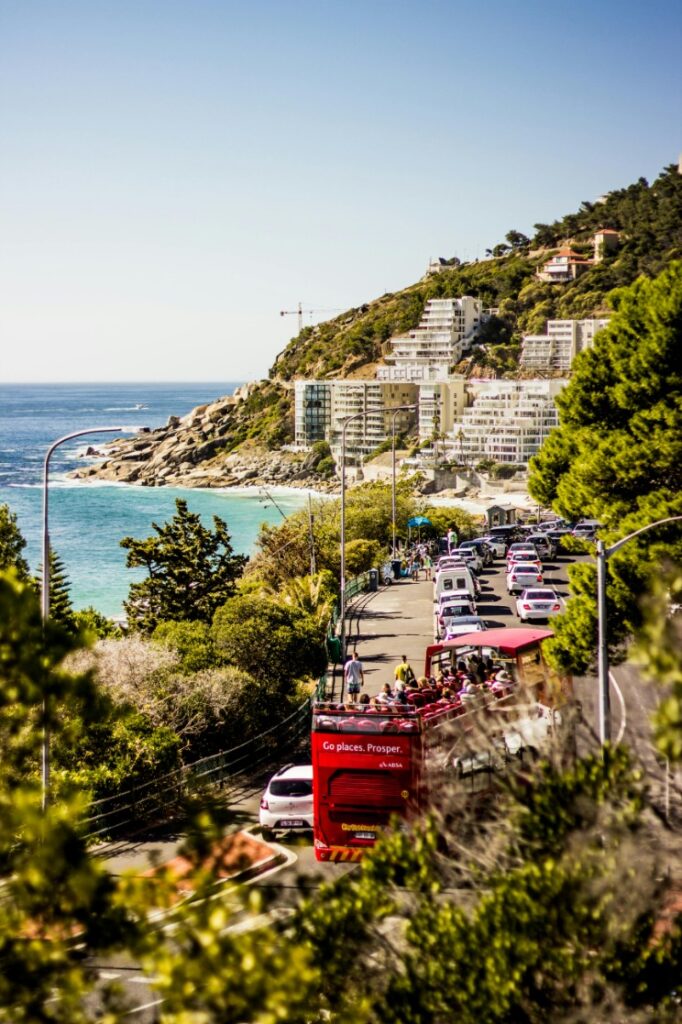

Overview of bus conversions in South Africa
Bus conversions in South Africa combine practicality and ingenuity, turning aging or surplus buses into affordable transport, mobile homes, and purpose-built service vehicles. Across cities and rural communities, enthusiasts and small businesses retrofit buses to expand mobility, support tourism, schools, and NGOs, and to offer cost-effective solutions in a diverse landscape. The scene is shaped by a mix of DIY projects and professional conversion services, guided by safety regulations and the realities of road networks and fuel efficiency.
Current trends and market size
South Africa’s bus conversion sector spans a broad spectrum—from turning minibuses and vans into compliant shuttle and tour vehicles to retrofitting coaches for VIP travel and converting retired buses into camper-inspired mobile homes. The market relies on a mix of base platforms such as the Mercedes-Benz Sprinter, Volkswagen Transporter and T5/T6, Toyota Hiace, and various light trucks from Isuzu and Iveco, which are then configured for passenger flow, comfort and safety.
Regulatory and safety frameworks shape every conversion. Operators must ensure roadworthiness, safe seating layouts, proper seat belts, fire safety provisions, and reliable electrical or gas installations for campers. Approvals, inspections, and certification processes govern conversions, with workshops aiming to meet national safety and, where relevant, standards compliance to support warranties and resale value.
Current trends include a rising interest in camper-van and overland style conversions for domestic tourism and long-weekend getaways, as well as shuttle and tour vehicles for game lodges, airports, and corporate events. Solar and lithium battery systems, LED lighting, and modular interiors are popular to maximise range and passenger comfort. The market is also seeing professionalisation, with dedicated conversion workshops offering design, fit-out, and certification services rather than ad hoc tailoring by general upholsterers.
Market size and growth are best viewed as a niche within South Africa’s broader transport and tourism sectors. Industry sources estimate the value of the bus conversion and refurbishment segment in the low to mid hundreds of millions of rand per year, with hundreds to a few thousand individual conversions undertaken annually countrywide. Gauteng, the Western Cape and KwaZulu-Natal account for the bulk of activity, driven by fleet operators, tourism hubs and a developed aftermarket ecosystem.
Future outlook is shaped by tourism recovery, safety and emissions considerations, and new mobility tastes. Expect continued growth in camper and expedition conversions that support domestic travel and overland experiences, plus incremental adoption of electric or hybrid drivetrains for shuttles where total cost of ownership and charging infrastructure align. Financing, skills development, and clearer regulatory pathways will influence how quickly the market scales up.
Common use cases
Bus conversions in South Africa describe the process of transforming existing buses into specialized vehicles to meet different needs, from mobile homes to tourist shuttles and community services. The market grows from the country’s reliance on public transport and the availability of older buses at appealing prices. Local operators, NGOs and private individuals repurpose buses to extend asset life, reduce travel costs and create flexible mobility solutions that can operate across varied climates and road conditions.
Regulation and safety are central to bus conversions in SA. Substantial modifications can change a vehicle’s category, so approvals from the licensing authority and compliance checks with safety standards are essential. Conversions typically involve professional engineering input to ensure structural integrity, safe seating and restraints, updated braking and electrical systems, proper ventilation, and emergency exits. It’s common to work with licensed conversion shops and to arrange appropriate insurance, maintenance schedules and road-worthiness testing.
Typical formats for SA bus conversions include turning intercity or tour buses into compact motorhomes, turning passenger coaches into shuttle or tour vehicles, and repurposing school or public transport buses for community use or NGO outreach. Other formats involve mobile clinics, outreach vans and mobile workshops that travel to remote areas, as well as temporary event or pop‑up service spaces built inside a bus shell.
Common use cases span recreational travel, with camper van conversions that provide off‑grid living space for long trips; organised tourism and charter services offering flexible day trips or airport transfers; educational and NGO work using mobile classrooms or information vans; health and social outreach through mobile clinics or health screening units; and mobile service businesses that bring repairs, IT support or other services directly to customers. In the South African market, these vehicles are valued for their durability, cargo capacity and interior customization potential.
Choosing a conversion partner often involves assessing engineering capability, past build quality and reputational reliability, as well as cost, lead time and after‑sales support. Prospective owners should plan for compliance costs, vehicle licensing adjustments and ongoing maintenance. A well‑planned bus conversion can deliver a durable, versatile platform for transport, tourism, education and community service across the country.
Regional variations in demand
Bus conversions in South Africa cover a wide spectrum from urban commuter upgrades to long‑distance coaches and tourism vehicles. The market has grown around repurposing existing fleets to improve safety, comfort, accessibility and efficiency, often leveraging local retrofitters and component suppliers. Operators frequently convert older buses into purpose‑built minibuses, semi‑luxury coaches or accessible buses to meet shifting passenger needs while extending the life of valuable assets.
Typical conversion categories include enhanced interiors for higher passenger comfort, luggage and parcel compartments for intercity travel, wheelchair access with ramps or lifts, safety upgrades such as seat belts and reinforced flooring, and efficiency improvements like updated engines, fuel systems or more aerodynamic body modifications. In tourist zones, open‑top or panoramic designs are popular for sightseeing, while rural routes may prioritise rugged suspension and easy maintenance for rougher road conditions.
Regulatory and safety considerations shape bus conversions in South Africa. Operators work within the framework of the Department of Transport guidelines, vehicle standards and the National Road Traffic Act, with compliance checks on seating arrangements, accessibility, fire safety and emergency exits. Local authorities and roadworthy tests influence the pace and cost of conversions, making quality workmanship and warranties important to sustaining operations.
Regional variations in demand are pronounced. Gauteng, as the country’s most populous metropolitan area, drives strong demand for high‑capacity urban buses, reliable fleet refurbishments and after‑sales support for a dense commuter network. The Western Cape sees a mix of tourism‑driven conversions in coastal routes and city services, with demand for comfortable, safety‑conscious coaches and climate‑appropriate interiors. The Eastern Cape and KwaZulu‑Natal balance rural feeder services and intercity routes, where rugged builds, easier maintenance and adaptable seating are valued. Northern Cape and Limpopo regions often require conversions tuned to long‑haul travel between towns, with durable components and straightforward servicing to cope with geographic spread and part availability.
Economic factors influence the market as well. The cost of new buses can be prohibitive, so operators frequently pursue conversions as a cost‑effective alternative, supported by financing options, local supply chains and aftermarket parts availability. Skilled local fitters, spare parts networks and service centers play a critical role in project timelines and vehicle uptime. Sustainability and future‑proofing—such as contemplating electric or hybrid propulsion in new builds or retrofit kits—are increasingly on the agenda for operators looking to reduce operating costs and emissions.
Regulatory and compliance landscape in South Africa
Regulatory and compliance terrain for bus conversions in South Africa sits at the intersection of road traffic law, vehicle safety standards, and consumer protection. Bus conversions South Africa must comply with the National Road Traffic Act and regulations, obtain roadworthy certification, and meet applicable SA Standards (SABS) for vehicles, with oversight by the licensing authorities (RTMC) and, where relevant, the National Regulator for Compulsory Specifications. Conversions—from passenger buses to mobile facilities—require approved engineering plans, proper restraints and fire safety, compliant electrical installations, and adherence to weight, dimension, and safety requirements to ensure roadworthiness and operational legality.
Vehicle classification and permits
Bus conversions in South Africa operate within a tightly regulated regulatory and compliance landscape that governs vehicle classification, safety standards, and the permits needed to operate passenger services. This article outlines the key components you need to understand when converting a bus for commercial use in South Africa, including the roles of national bodies and the process to stay compliant.
Key regulatory bodies and statutes include the National Land Transport Act, administered by the Department of Transport, which sets the framework for passenger transport and permit systems. The National Public Transport Regulator (NPTR) and provincial transport authorities issue operator and route permits for buses and minibuses. The Road Traffic Management Corporation (RTMC) coordinates road transport regulation and vehicle data systems such as eNatis, which registers vehicles, records classifications, and manages licensing and roadworthy requirements.
Vehicle classification distinguishes passenger transport vehicles by size and usage, with smaller minibuses (minibus taxis) treated differently from larger buses used for scheduled services or long-haul charters. Classification influences which permits, service types, and route approvals apply, and affects the required safety standards and roadworthiness conditions. In practice, a converted bus is assessed for compliance against the same standards regardless of its prior use, and any modifications must be reflected in its eNatis profile.
Converting a bus requires adherence to compulsory specifications and standards for safety-critical components. The National Regulator for Compulsory Specifications (NRCS) sets requirements for essential parts and systems, while the South African Bureau of Standards (SABS) provides relevant vehicle and component standards. Interior alterations, seating layouts, fire safety, emergency exits, lighting, braking, and structural integrity must meet approved specifications, and any major changes typically require inspection and certification before the vehicle may be operated as a passenger carrier.
Operating passenger services or charter operations requires appropriate permits, such as operator permits and route or service permits issued under the NLTA framework. This may involve a public transport permit, a vehicle service permit, and, where applicable, special permits for temporary or charter operations. The operator must also ensure the vehicle has a valid roadworthy certificate and registration, with ongoing compliance demonstrated through periodic inspections and permit renewals.
eNatis is the national system used to register vehicles, issue license discs, and record vehicle classifications. Any significant modifications during a bus conversion—such as changes to seating capacity, weight, or safety equipment—should be updated in eNatis, and the vehicle may be required to undergo a roadworthy inspection before the updated permit and license are issued. Roadworthy testing is performed by accredited testing stations in line with DoT and RTMC rules.
Practical steps for a compliant bus conversion include engaging with a licensed vehicle conversion specialist, obtaining necessary approvals for bodywork and safety systems from NRCS/SABS as applicable, planning for required seat belts and emergency exits, obtaining route or service permits, and scheduling a roadworthy inspection after completion. Keep complete documentation of all modifications, specifications, and supplier certifications to support permit renewals and potential audits.
Regulatory compliance for bus conversions in South Africa is a dynamic area influenced by policy updates and safety standards. Early engagement with DoT, NPTR or provincial transport authorities, RTMC, NRCS, and SABS, as well as careful management of eNatis records, will help ensure your converted bus can operate legally and safely in the South African market.
Safety and roadworthiness requirements
South Africa’s regulatory and compliance landscape for bus conversions focuses on safety, roadworthiness, and formal approvals across national and provincial authorities. From initial design to operation, converters must navigate vehicle modification rules, registration updates, and ongoing inspections to legally run a bus as a passenger vehicle.
- Regulatory framework and responsible authorities
- National Road Traffic Act and Regulations set the baseline for vehicle safety, registration, licensing, and roadworthiness.
- The Department of Transport (DoT) and the Road Traffic Management Corporation (RTMC) oversee policy, compliance programs, and national road safety standards.
- Provincial departments of transport manage operating licenses for passenger services and municipal requirements for local permits.
- Vehicle modification approvals and engineering sign‑off
- Structural changes to the chassis, alterations to seating capacity, new doors, emergency exits, or substantial interior modifications require formal assessment and, where applicable, approvals from RTMC or an accredited inspection body.
- Provide engineering drawings, load calculations, and equipment specifications; modifications must align with safety and vehicle standards before registration updates.
- Registration, classification and mass updates
- After approved modifications, update the vehicle’s registration details (gross vehicle mass, seating capacity) with the licensing authority; the vehicle’s class may shift toward a heavier PSV designation.
- Ensure the vehicle’s plate, logbook, and insurance reflect the new configuration.
- Roadworthiness and safety requirements
- Heavy motor vehicles, including buses, typically require a Certificate of Fitness (COF) renewed at specified intervals and validated by an accredited testing station; some provinces use a roadworthy certification process for new or modified passenger vehicles.
- All seating must have appropriate seat belts, passenger doors and emergency exits must be clearly marked and accessible, and interior fitments must meet safety standards.
- Standards and compliance for components
- Use SABS-approved parts for critical systems (seating, restraint systems, brakes, fire safety equipment) and maintain documentation for inspections.
- Electrical installations should be carried out by licensed electricians, and gas or fuel systems must comply with relevant safety standards and installation codes.
- Operational licensing and risk management
- For passenger services, obtain the appropriate Public Service Vehicle (PSV) license or operating permit from the relevant authority and comply with route and fare regulations.
- Maintain comprehensive insurance and implement a maintenance plan to uphold safety and compliance.
- Documentation and ongoing compliance
- Keep all engineering reports, approvals, COFs or roadworthy certificates, maintenance logs, and parts records readily available for inspections.
- Schedule periodic inspections and update licenses when modifications occur or regulations change.
COF, licensing and operator requirements for commercial conversions
Bus conversions in South Africa fall under a complex regulatory and compliance landscape that governs safety, roadworthiness, and public transport operations. For commercial conversions, operators must engage with the Department of Transport, the National Public Transport Regulator, and the eNatis system to ensure the vehicle remains roadworthy, properly registered, and legally permitted to operate on public roads.
A Certificate of Fitness (COF) is a key requirement for heavy vehicles and passenger-carrying vehicles. A COF is issued by a testing station recognized by the Department of Transport after a detailed inspection of the vehicle’s structure, braking and steering systems, tires, safety equipment, seating configuration, and compliance with emergency exits. After a significant conversion, the COF must be updated or reissued to reflect the changes before the vehicle may legally operate in a commercial capacity.
Vehicle modifications and approvals: Substantial changes to a bus—such as altering the body, seating layout, fuel system, propulsion, or safety features—are not considered cosmetic and may require verification, reclassification, or type approval under applicable national standards. Depending on the scope of the modification, authorities may require conformity checks by the National Regulator for Compulsory Specifications or other approved bodies, and the vehicle’s registration and licensing records may need updating. Fitment centers and contractors should follow relevant national standards (SABS) and compulsory specifications where applicable.
Licensing and operator requirements for commercial operations: If the converted bus is used for public passenger transport, it typically requires a route-based Public Transport Operator Permit or Operating Licence issued under the National Land Transport Act, by the National Public Transport Regulator or provincial regulators. Operators must demonstrate ongoing vehicle maintenance, driver qualification, financial fitness, and adherence to route, schedule, and safety requirements. A valid COF is generally a prerequisite for obtaining or renewing these permits and for continued operation.
Other licensing considerations: Even when a bus is repurposed for non-transport commercial use (for example a mobile café or a mobile shop), the operator may still be subject to vehicle roadworthiness and licensing regimes. Local municipal business licenses, health and safety permits for selling food or goods, and applicable traffic and parking by-laws may apply. Insurance requirements and liability coverage will depend on the vehicle’s intended use and operating context.
Practical steps to navigate the landscape: Engage with the Department of Transport and the National Public Transport Regulator early to understand permit needs, conduct a pre-modification assessment, obtain quotes from approved vehicle builders, ensure all modifications are documented and aligned with safety standards, arrange a COF inspection after conversions, re-register and update the vehicle’s category in eNatis, and maintain comprehensive maintenance and compliance records for audits and renewals.
Key resources: Department of Transport, National Public Transport Regulator, eNatis (Vehicle Registration and Licensing), the National Regulator for Compulsory Specifications (NRCS) and the South African Bureau of Standards (SABS) for compulsory specifications, and provincial licensing authorities. Regulations can change, so consult official sources or a qualified compliance professional before starting a bus-conversion project.
Electrical, gas and fire safety standards
South Africa’s regulatory and compliance landscape for bus conversions focuses on road transport rules, electrical and gas safety, and fire safety. When converting a commercial or passenger bus into a camper or mobile workspace, the work intersects with national road traffic regulations, occupational safety standards, and local building and fire codes, all overseen by multiple authorities and standard bodies.
Road transport and vehicle compliance are governed by the National Road Traffic Act and related regulations. Any substantial alteration to a bus—such as reconfiguring seating, adding living quarters, changing the vehicle’s weight or dimensions, or modifying emergency exits—may require approvals and a roadworthy inspection before registration or re-licensing. A new Certificate of Roadworthy (CR) is typically issued after a formal inspection by an accredited testing center or traffic inspector. Engaging with the Department of Transport or your local licensing authority early helps determine if a conversion changes the vehicle type designation or triggers additional approvals.
Modifications to the structure or interior that affect safety, seating layouts, seat belts, or emergency egress should be supported by engineering documentation. Where structural changes are involved, an engineering report or construction compliance statement may be requested to demonstrate that the vehicle remains safe for passenger transport or other intended uses under national standards.
Electrical safety is a key area for bus conversions. In-vehicle electrical work should be performed by a qualified electrical contractor in line with the Occupational Health and Safety Act and its Electrical Installation Regulations. Electrical components—cabling, chargers, inverters, batteries, and lighting—should meet recognised standards (often aligned with SABS/IEC benchmarks). Proper cabling, protection, isolation, and ventilation reduce fire risk and ensure reliable operation in mobile environments.
Gas safety comes into play if a bus conversion uses liquefied petroleum gas (LPG) or other gaseous appliances for cooking or heating. Gas installations must be carried out by licensed gas installers and should comply with relevant gas safety standards. Ventilation, leak detection, secure mounting of cylinders, and appropriate shutoff valves are essential to minimize fire or asphyxiation risks in confined mobile spaces.
Fire safety considerations are important for any bus conversion intended for regular occupancy. Interior materials should be fire-retardant or flame-resistant where appropriate, and safety equipment such as fire extinguishers, smoke detectors, and potentially carbon monoxide alarms should be installed and maintained. Local fire services and building/fire codes may specify requirements for egress routes, interior finishes, and clear access to exits, particularly for conversions used as commercial passenger vehicles or long-term living spaces.
The main standards and regulatory bodies involved include the South African Bureau of Standards (SABS), the National Regulator for Compulsory Specifications (NRCS), and the Department of Employment and Labour (DoEL) for safety-related occupational regulations. The Department of Transport (DoT) oversees road transport requirements, while local municipalities administer licensing, roadworthiness tests, and, where applicable, building or fire code compliance at the municipal level. Insurers and, where relevant, licensing authorities will require evidence of compliance with these standards before underwriting or registering a converted bus.
To navigate compliance successfully, a practical approach is advised: plan modifications with qualified professionals, obtain engineering sign-offs for structural changes, ensure electrical and gas work is performed by licensed practitioners, and secure a roadworthy inspection after completing the conversion. Maintain thorough documentation of measurements, component specifications, and installation manuals to aid inspection and registration processes. Regularly check for updates to regulations, as standards and enforcement practices can evolve over time.
Useful resources include the Department of Transport and its road traffic regulations, SABS standard publications and guidance, the NRCS for compulsory specifications, the Department of Employment and Labour for electrical and gas safety regulations, and local fire services for fire code guidance. Engaging with experienced bus-conversion operators and compliance consultants can also help align a project with South Africa’s regulatory expectations while ensuring safety and legality on the road.
Environmental considerations and emissions compliance
Bus conversions in South Africa are shaped by a multi-layer regulatory and environmental framework that governs safety, vehicle standards, and emissions. Navigating these requirements is essential to delivering compliant and sustainable passenger transport solutions.
- Regulatory authorities and key laws: The Department of Transport and related road traffic regulations set the baseline for vehicle standards, roadworthiness, licensing, and public transport operations. The National Road Traffic Act, the National Land Transport Act, and regulations governing public transport permits provide the framework for converting buses into compliant service vehicles. In addition, standards bodies such as the South African Bureau of Standards (SABS) and the National Regulator for Compulsory Specifications (NRCS) define product and component requirements that conversions must meet.
- Approval pathways for conversions: Significant changes to a bus’s structure, seating layout, emergency exits, weight distribution, or propulsion system typically require engineering sign-off, conformity to approved drawings, and verification by the relevant authorities. Post‑conversion steps may include updating vehicle registrations, operator permits, and ensuring a valid roadworthy certificate or Certificate of Fitness where applicable.
- Safety and compliance standards: Conversions must comply with occupant safety, fire safety, accessibility, and emergency egress requirements. Seat belts, emergency exits, interior fittings, and passenger compartments are expected to meet applicable SA safety standards and be verifiable through authorized inspections and testing.
- Environmental considerations and emissions compliance: South Africa’s environmental regime, anchored in the National Environmental Management Act and the Air Quality Act, governs emissions from road vehicles. Emissions standards for diesel engines, fuel quality, and exhaust aftertreatment are important for bus conversions, and retrofits may require testing or certification to demonstrate emissions performance. Operators should plan for potential emissions monitoring, maintenance of aftertreatment systems, and adherence to ambient air quality targets.
- Process and documentation for retrofits: To achieve compliance, conversions should be accompanied by technical documentation, load/weight distribution analyses, safety assessments, and sign‑offs from qualified engineers. Engaging with accredited workshop facilities and keeping records for audits or inspections can smooth the approval process.
- Operational and lifecycle considerations: In addition to initial compliance, ongoing obligations include periodic roadworthiness checks, adherence to fleet safety policies, proper disposal or recycling of hazardous components, and alignment with broader transport and environmental objectives such as reducing emissions and improving fuel efficiency.
Environmental considerations and emissions compliance in bus conversions also encompass moving toward cleaner propulsion options, improved energy efficiency, and responsible end‑of‑life management. When exploring hybrid or electric conversions, additional electrical safety standards, battery management requirements, and grid connection considerations come into play, along with potential government incentives or funding aligned with sustainable transport goals.
In short, a successful bus conversion in South Africa hinges on early engagement with regulators, thorough engineering documentation, and a proactive approach to safety and environmental compliance to deliver a legally compliant and environmentally responsible transit solution.
Design and build considerations for South African conditions
Designing and building bus conversions for South Africa demands careful attention to local conditions, from extreme heat and dusty roads to variable maintenance access and long-distance travel. Key considerations include robust cooling and ventilation, reliable electrical and fuel systems, durable interiors, secure seating and cabinetry, modular layouts for flexible passenger and cargo configurations, adherence to local safety and regulatory standards, and ease of service with widespread diesel fuel quality. Balancing cost, availability of parts, and support networks with performance under rural and urban routes is essential to deliver reliable, compliant bus conversions in South Africa.
Insulation, climate control and humidity management
Design and build considerations for South African conditions when converting a bus into a mobile living space require a balanced approach to heat, humidity, power availability, and rugged road use. Start with climate realities across the country, then specify insulation, ventilation, and climate control strategies that keep the interior comfortable year round.
Insulation is the backbone of comfort in SA’s varied climates. Use a high-performance insulation system for walls, ceiling, and floor to reduce thermal gain and keep interior temperatures stable. Consider PIR foam boards or spray foams for walls and ceilings, with mineral wool as a fire-safe option in areas near electricals. Aim for thick insulation in the roof (100–150 mm where possible) and substantial wall insulation (60–100 mm) to blunt afternoon heat in hot regions and retain warmth in cooler highland areas. Minimise thermal bridging by treating the bus as a continuous envelope and sealing joints carefully.
Roof and exterior envelope choices dramatically affect heat load. Light-coloured or reflective roof coatings, and a well-sealed, vented ceiling space help reflect and shed solar heat. Incorporate roof ventilation such as powered roof vents or pull-down vents to encourage heat escape on hot days, and position insulation and inner linings to reduce radiant heat transfer from metal roofs. Exterior cladding with moisture resistance and durable coatings will withstand SA’s sun and sporadic rain, while interior liners should be moisture-tolerant to guard against condensation.
Windows and doors are points of heat exchange and moisture ingress. Use well-sealed, thermally broken frames and high-quality gaskets to minimize drafts. Where possible, opt for double glazing or laminated glazing for hot coastal zones and humid inland areas to reduce heat gain and condensation. Design for controlled natural ventilation: strategically placed operable windows, vented transoms, and ceiling fans to create cross-ventilation without sacrificing security or privacy.
Moisture control starts with a robust vapor barrier and airtight construction. Treat penetrations (electrical, plumbing, vents) with proper sealants and gaskets to prevent dampness and mold. Choose moisture-resistant interior materials—marine plywood, exterior-grade plywood for cabinetry, and FRP or vinyl panels for walls in high-humidity zones. Use breathable, but moisture-stable, fabrics and furnishings to reduce condensation buildup on cooler nights.
Climate control in a SA bus conversion should be energy-conscious. In hot, sunny regions, a combination of passive cooling (shaded living areas, reflective surfaces, cross-ventilation) and efficient active cooling works best. If you install an air conditioning system, consider a compact, energy-efficient unit or a split system sized for the interior volume and off-grid capability. Plan for solar power with a well-sized battery bank and efficient inverters; remember that running a high-amp AC on solar can be expensive, so prioritize cooling with fans, venting, and insulation first, with AC as a backup.
Humidity management is essential to prevent mold and discomfort, especially in coastal and near-coastal areas. Use a continuous ventilation strategy with exhaust fans in bathrooms and kitchens and passive vents in living spaces. A dehumidifier can be useful on persistently humid days, but it should be sized to work with your battery and solar setup. Avoid sealing the bus so tightly that air becomes stale; at the same time, ensure there is no ongoing moisture source from leaks. Monitor humidity levels and target comfortable ranges (roughly 40–60% relative humidity in living spaces).
Electrical and energy planning should align with SA conditions. Design for reliability in remote areas by using robust wiring practices, proper cable sizing, and clear separation of high-draw loads (climate control, water heaters) from low-draw systems. Provide multiple charging options: roof-top solar with battery storage and an AC- or DC-charging option when connected to a park’s power supply. Efficient LED lighting, energy-conscious appliances, and smart power management help keep the load manageable while maintaining comfortable climate conditions.
Durability and maintenance are crucial in rugged SA environments. Choose corrosion-resistant hardware, moisture-resistant cabinetry, and simple, serviceable systems. Ensure seals and joints are protected from sand, dust, and UV exposure, and schedule regular inspections for leaks, condensation, and insulation integrity. Plan for regional variability—coastal, inland, and highveld climates—by using materials and configurations that perform well across a wide temperature and humidity range.
Finally, comply with local regulations and safety standards. Work with qualified installers for electrical, gas, and structural modifications, and verify that the conversion meets national road and vehicle standards. Clear labeling, proper ventilation of appliances, and accessible emergency shut-offs contribute to safe and reliable operation across South Africa’s diverse conditions.
Durable interior finishes and weight management
Designing and building a bus conversion for South Africa requires balancing comfort, durability and practicality across diverse climates and road conditions. From scorching Karoo sun to highveld humidity, long remote distances, and varying maintenance networks, a thoughtful approach saves cost and stress in the long run.
Design and build considerations for South African conditions include heat management, dust and corrosion resistance, and robust mechanicals. Prioritise corrosion‑resistant chassis finishes, UV‑stable exterior coatings, and reliable electrical systems designed for off‑grid work or long stretches between service centres. Plan for ample ventilation, effective insulation for both extremes of temperature, and flexible layouts that allow quick access to essential components such as the engine, fuel, water, and electrical bays. Road quality ranges from smooth highways to rough rural routes, so suspension, tyre selection, and weight distribution must be tuned to your typical routes and payload.
Durable interior finishes should resist UV exposure, moisture and wear while being easy to clean in a travel environment. Materials such as marine plywood or aluminum framing with moisture‑resistant cores, vinyl panoramic flooring, and closed‑cell foam insulation perform well. Use splash‑proof surfaces in kitchens and bathrooms, washable wall coverings, and corrosion‑resistant fixtures. Consider light‑weight yet strong cabinetry, with powder‑coated aluminium or high‑pressure laminate (HPL) surfaces, and non‑slip, heat‑resistant floor finishes to withstand heavy foot traffic and spills.
Weight management is central to a successful bus conversion. Start with a precise weight budget that includes tare, payload, fuel, water, batteries, solar, appliances, and occupants. Keep within the gross vehicle mass (GVM) limits of the chassis and legal axle loads. Distribute weight evenly, placing heavier items low and central to preserve stability and handling on corners and corrugated surfaces. Choose light‑weight materials where possible, such as aluminum cabinetry and vacuum‑formed panels, and size systems (water, electrical, solar) to achieve required autonomy without overloading the frame. Regularly re‑weigh the vehicle as you add gear or modify layouts.
Electrics and water systems must be designed with safety and reliability in mind. Use proper fusing, isolation switches, and robust battery management systems if using lithium packs. For water, plan for a leak‑proof supply with redundant tanks, and include a practical greywater management strategy. Solar and auxiliary power should be sized for your typical usage, but remember that panels and batteries add weight, so factor this into your payload. Another weight‑savvy tip is to minimize heavy countertops, metal hardware, and heavy appliances, and to select compact, multi‑function units where possible.
In practice, the best bus conversions for South Africa combine modular, repair‑friendly layouts with durable finishes and disciplined weight control. Start with a clear design brief that reflects your usual routes, climate exposure, and off‑grid needs, then iterate with weight and balance checks at every major design decision. Work with suppliers who understand the local context—hot sun, dusty roads, and the need for accessible spares—and expect to adapt as you gain miles on the road.
Interior layouts for camper, mobile office, or commercial use
Designing and building bus conversions in South Africa requires balancing comfort with rugged local conditions and cost constraints. This article outlines design and build considerations and interior layouts for camper, mobile office, or commercial use on South African roads.
South African climate and terrain demand robust insulation and ventilation. Use insulated walls and ceilings with moisture resistance; consider reflective roofing, depending on sun exposure; choose materials resistant to termites and corrosion; plan roof venting and optional air conditioning for hot summers; factor shade and glare.
Weight and chassis limits are critical. Determine GVWR, axle ratings, and load distribution; design with even weight distribution front-to-rear; reinforce floors and walls if carrying heavy equipment; plan for roof rack loads sparingly; ensure the bus remains within legal height and length for common SA routes.
Electrical design is often off-grid or hybrid in SA. Use solar PV with MPPT controllers, lithium battery banks, a robust 12V system, and an inverter sized for essential loads; include a DC-DC charger from the alternator; shore power connection; proper fusing, battery isolation, venting for lithium; cable sizing; weatherproof exterior connectors.
Power management and safety go hand in hand. Install a battery management system, proper battery location, ventilation; install a dedicated DC distribution panel; use circuit breakers; keep critical loads on separate circuits; plan for charging during load shedding; consider an external power inlet with a weatherproof cover.
Plumbing and water systems should be reliable and easy to maintain. Choose water tanks with materials suitable for potable use; provide a reliable pump and pressure regulator; separate greywater with clear drainage; plan for drainage and potential water heating if needed; ensure leak prevention and easy maintenance access.
Interior layouts for campers should prioritize flexible living. Implement sleeping arrangements that suit the mission (convertible bed, fixed bed, or bunk); place the kitchen for efficient flow near entry; seating that doubles as storage; lightweight cabinetry with durable hardware; consider slide-out or foldaway tables; integrated storage solutions; moisture control and good ventilation.
Mobile office layouts must support productivity in compact spaces. Design a stable desk and ergonomic chair; provide reliable power near the workstation; ensure connectivity with cellular data and potential external antennas; include privacy screens and sound-dampening panels; plan climate control, tidy cable management, and secure docking of devices; use durable, easy-to-clean surfaces.
Commercial configurations require rugged, secure, and adaptable interiors. Use anti-slip floors, tie-downs and cargo nets, and partition walls or tool lockers; ensure ventilation and dust control for trades; prepare for external branding, cameras, and alarms; design for easy cleaning and modularity to reconfigure as needed.
Safety, compliance, and maintenance are essential. Plan for fire safety equipment, smoke detectors, and rated extinguishers; gas installations must be certified; ensure electrical work meets safety norms and local standards; keep clear signage; perform regular vehicle service checks; obtain any required modification approvals from authorities; work with professional installers to ensure certified, lasting results.
Materials and sourcing in SA should consider durability and availability. Choose corrosion-resistant fittings, termite-resistant woods or composites, and locally available components; prioritize lightweight yet strong furniture and flooring; check warranties and service networks for spares; plan for regional support and ongoing maintenance.
Planning and budgeting should be systematic. Define use-case, occupant numbers, required power and water capacity, and essential vs. optional features; create a phased build plan with milestones; reserve budget for certification, wiring, and insulation; select builders with South Africa-specific experience in bus conversions; allocate time for testing on local roads.
With careful design tailored to South African conditions and thorough interior layouts for campers, mobile offices, or commercial vans, a bus conversion can deliver reliability, comfort, and versatility for local missions.
Exterior and chassis compatibility and mounting options
Bus conversions in South Africa require design and build considerations that account for local climate, road conditions, and regulatory requirements. From hot inland summers to coastal humidity and occasional heavy rainfall, the environment shapes material choices, insulation needs, and finishing details. Long highway distances and varied terrain also dictate reliability, fuel efficiency, and ease of maintenance for a converted bus.
Exterior design should address UV exposure, heat gain, dust, and corrosion. Choose light or reflective exterior finishes to reduce heat absorption and protect surfaces from sun damage. Use UV-stable coatings, marine-grade sealants, and stainless or coated fasteners to resist rust in coastal or humid regions. Consider anti-corrosion protection for the underbody and wheel wells, and plan for effective drainage and rainwater management to prevent water ingress around doors and vents. For coastal routes, pay special attention to salt spray and employ protective coatings and periodic inspection regimes.
Chassis compatibility and mounting options are critical to safety and longevity. Start with a donor chassis that has adequate gross vehicle mass rating (GVWR) and axle capacities for the intended conversion. Check wheelbase, track width, and suspension type; heavy living spaces can demand reinforced suspension, upgraded shocks, or even air-ride to maintain ride quality and wheel life on rough SA roads. If the plan requires extra payload, verify legality and obtain engineering sign-off for any re-rating of the vehicle, and consider potential upgrades to cross-members or welding reinforcements where the body will mount to the frame.
Interior mounting must respect the structural integrity of the chassis and floor. Use established floor beams and cross-members as anchor points for heavy fixtures like kitchens, water tanks, and sleeping platforms. Avoid cutting critical load paths and distribute weight evenly to preserve handling. Where possible, install modular, removable fixtures that can be reconfigured without compromising the chassis, and reinforce floor sections that will bear concentrated loads with gussets or additional plating.
Roof and exterior mounting options require careful planning for weight, wind load, and accessibility. Solar panels, air conditioning condensers, vents, antennas, and roof racks add significant weight and affect center of gravity. Ensure roof structure can bear the load with proper bracing, and limit roof-mounted equipment to within the approved weight and wind-load limits. Use waterproof, clamped mounting for solar racking and ensure seals around penetrations are continuous and tested to avoid leaks in SA’s varying climate.
Exterior equipment like awnings, external storage boxes, ladder systems, and water or waste tanks should be mounted to robust, non-tensioned sections of the chassis or body framework. Prefer through-bolted connections with appropriate backing plates to spread load and resist vibration. Design serviceable access for external systems, and provide weatherproof enclosures for electrical controllers, batteries, and plumbing connections to minimise maintenance needs in remote areas.
Design and build work must comply with South African road and safety standards. Engage qualified engineers or installers for structural modifications, electrical installations, and gas or plumbing work where applicable. Ensure compliance with vehicle modification regulations, load-securing rules, seat belts, fire extinguishers, and general roadworthiness requirements. Document changes, maintain accurate weight distributions, and keep spare parts and service access plans aligned with SA service networks to support ongoing reliability.
Practical considerations for South African conditions also include climate-specific insulation, ventilation, and energy planning. Use high-quality insulation to manage extreme temperatures, fabricate effective ventilation with bug-proof screens, and design a watertight, thermally efficient living space. Plan for reliable power generation and storage—often a combination of solar and a battery bank paired with an inverter—while accounting for local available maintenance support and the availability of spare parts across different provinces.
Power, electrical systems and off-grid capabilities
In South Africa, converting buses into self-contained homes or mobile offices blends robust electrical systems with off-grid power, using solar panels, lithium battery banks, and high-efficiency inverters to deliver reliable electricity for living, working, and exploring remote routes.
Solar arrays, battery banks and inverters
Bus conversions in South Africa are popular for overland trips, mobile offices, and living spaces. A robust electrical system that can operate off grid is essential given remote routes, limited campsite amenities, and the reality of frequent load shedding. The aim is to deliver safe, reliable 12V and 230V power through solar arrays, battery banks, and inverters integrated with the vehicle’s electrical system.
A practical power setup in a converted bus combines a secondary deep-cycle or lithium battery bank, a reliable 12V distribution with fusing, a high-quality inverter to create 230V AC, and a charging system that can be fed by solar, the alternator, or shore power. The core components are the battery bank for house loads, an inverter/charger for AC power, an MPPT solar regulator, proper cabling, and a well-planned control panel to monitor voltage, current, and state of charge.
Solar arrays are a key enabler for off-grid capability. Roof-mounted panels maximize space on a bus, and MPPT controllers optimize energy harvest under varying sun conditions. In South Africa, the abundant sunshine makes solar a cost-effective choice, with monocrystalline panels offering high efficiency in limited space. Consider panel layout, wiring series vs parallel, and shading management to maintain energy production during the day.
Battery banks are the heart of off-grid power. Lithium iron phosphate (LiFePO4) is popular for its long cycle life, lighter weight, and better depth of discharge, though it comes at a higher upfront cost than traditional lead-acid. Battery capacity is measured in amp-hours or kilowatt-hours and must be matched to daily loads and desired autonomy. A robust BMS protects cells from over/under voltage and temperature extremes, while proper cooling and ventilation extend life in warm South African climates.
Inverters convert 12V or 24V DC from the battery bank into 230V AC for standard appliances. A pure sine wave inverter is preferred for sensitive equipment like laptops, televisions, and medical devices. Size the inverter with enough headroom for peak loads, such as a kettle or microwave, and pair it with an inverter/charger so it can charge the battery bank while powering the loads. Include appropriate fusing, a transfer switch, and a reliable battery monitor to track charge and health.
System sizing for a bus in South Africa depends on your lifestyle, climate, and planned durations off-grid. A compact setup might use a 600–1000Wh daily load with a 1–2 kW inverter, a 2–4 kWh LiFePO4 bank, and 600–1000W of solar. A more comfortable setup could employ a 5–10 kWh battery bank, a 2–4 kW inverter, and 1–3 kW of solar. Regardless of size, design for redundancy, safe charging, and regular maintenance, and ensure wiring, connectors, and protective devices comply with local electrical standards.
In South Africa, practical considerations include reliability during load shedding, hot daytime temperatures that affect battery performance, and the need for standards-compliant installations. Plan for ambient temperatures, ensure adequate ventilation for battery compartments, and use a proper mounting and wiring route to minimize vibration and wear. If possible, consult with a local installer familiar with SANS 10142-1 electrical installation standards to ensure safety and compliance while adapting the bus for long-term off-grid operation.
With thoughtful planning, a bus conversion in South Africa can deliver dependable off-grid power for daily living, travel comfort, and work needs. A balanced system of solar generation, a well-sized battery bank, and a capable inverter forms the backbone of a self-sufficient mobile home, ready to tackle remote routes and grid interruptions alike.
Wiring, charging and safety practices
Bus conversions in South Africa offer a robust platform for mobile living, workspaces, or travel with off-grid capability. A well designed electrical system sits at the heart of a successful build, balancing generation, storage and distribution to cope with SA’s climate and power realities.
Core components include a battery bank (lithium or sealed lead‑acid), a DC‑DC charger or alternator charger from the vehicle, a high‑quality inverter/charger to create AC power, solar panels with an MPPT charge controller, and a dedicated AC distribution panel with proper fusing. A separate 12V system for lighting and small loads helps keep high‑draw appliances isolated from essential circuits.
Off‑grid capability is particularly valuable in SA where grid reliability can be variable. Start with load estimation: refrigeration, lighting, water pump, charging devices, and occasional power tools. Design for sunny days and nights with a storage reserve, and consider a generator or shore power as a backup during cloudy periods or high demand.
Wiring and distribution should be planned first. Create a modular harness with clearly separated DC and AC sections, and size conductors for current and distance. Include a main disconnect, proper fusing, and clear labeling of circuits. Route cables in protected channels away from heat, moisture and moving parts, keeping 12V/24V circuits organized and free from interference with sensitive electronics.
Charging and energy management rely on MPPT solar controllers for efficient PV charging and, where possible, a dedicated alternator charger to keep the battery bank topped up while driving. If you have shore power, an AC charger compatible with your battery chemistry is essential. Implement a Battery Management System (BMS) for Li‑ion systems and maintain appropriate charging profiles to maximize life and safety.
Batteries require careful handling and safety considerations. LiFePO4 is popular for its safety and longevity, but a BMS and thermal management are essential. If using lead‑acid, ensure ventilation to prevent gas buildup. Store batteries in ventilated enclosures and avoid sealing them in living spaces. Use fire‑resistant enclosures, monitor temperature, and keep extinguishers accessible for electrical fires.
Inverter and AC distribution should be sized to actual continuous load and provide a dedicated AC distribution panel with appropriate breakers and GFCI outlets where required. A shore‑power inlet with a transfer switch allows seamless switching between solar, battery and mains. Ensure adequate cooling for the inverter and keep ventilation paths clear of upholstery, cabinetry or gas lines.
Safety practices are non‑negotiable: never work on live circuits, disconnect all sources before servicing, and use appropriate PPE. Securely fasten all cables, keep spare fuses, and install smoke, gas and carbon monoxide detectors. Avoid flammable materials near electrical gear and ensure the vehicle has proper grounding and protection against short circuits and overcurrent conditions.
Maintenance and monitoring are ongoing requirements. Regularly check battery health, voltage, temperature and depth of discharge; monitor solar yield and panel cleanliness; inspect wiring for wear or corrosion; maintain a log of maintenance and replacements; test safety devices periodically and replace aging components before failures occur.
In the South African context, use equipment with SABS/IEC marks where possible and comply with local electrical standards (such as SANS 10142-1 for electrical installations). Have AC wiring performed by a licensed electrician and retain records for warranty and insurance. Plan your system around SA’s climate, travel patterns, and remote travel routes to ensure reliability and safety on the road.
Backup power and energy management for remote operations
Power systems for bus conversions in South Africa must be robust, compact, and capable of off-grid operation to support remote work, travel, or emergency use. A well-planned setup combines solar generation, energy storage, and intelligent management to keep essential systems running during load shedding and in remote environments.
- Off-grid power architecture for bus conversions in South Africa
- Solar PV: rooftop panels, preferred mono panels, shading considerations, and MPPT controller sizing to match loads and climate.
- Energy storage: a battery bank sized in kWh with suitable chemistry (LFP or NMC), with a defined depth of discharge target and a reliable BMS.
- Power conversion and distribution: inverter/charger with adequate continuous and surge ratings, DC-DC converters for 12/24V systems, and a safe distribution panel with fuses and disconnects.
- Charging strategies and integration: solar-first charging logic, optional shore power or generator input, and an automatic transfer switch or smart relay to manage sources.
- Core components for reliability
- Battery technology and management: safe chemistries (LFP for longevity and safety or NMC for higher energy density), a robust BMS, and proper enclosure ventilation.
- Inverter/charger: sufficient continuous power and surge capacity to handle tools, appliances, and climate control loads, with efficient heat management.
- DC-DC converters, wiring, and protection: properly rated cabling, fusing, and disconnects to support 12V/24V auxiliary systems and LED lighting.
- Safety devices: insulation, grounding, arc-fault protection, and fire suppression considerations for battery bays.
- Energy management and monitoring
- Monitoring: state of charge, state of health, and battery temperature monitored via a central dashboard, with alerts for low SOC or faults.
- Load budgeting: prioritizing critical loads (fridge, communications, lighting, pumps) and implementing smart load shedding when solar or battery reserves are low.
- Remote access: cellular or satellite connectivity for real-time status, historical usage, and performance tuning from a base or workshop in South Africa.
- Efficiency practices: energy-aware appliances, LED lighting, and timing strategies to maximize solar contribution and minimize generator runtime.
- Backup power strategies and redundancy
- Backup generator: quiet, fuel-efficient options with automatic start for sustained autonomy or when solar is insufficient.
- Shore power and UPS: ability to connect to a mains supply when available and provide uninterruptible power to critical loads during transitions.
- Redundancy planning: dual battery banks or parallel strings, bypass paths for critical circuits, and automatic switching to prevent single-point failures.
- Maintenance and health checks: routine testing of generators, battery capacity testing, and component inspections suitable for remote SA environments.
- Sizing and operation for remote sites in South Africa
- Load assessment: estimate daily energy usage (kWh/day) for fridge, lighting, electronics, pumps, and climate control, then add a safety margin.
- Autonomy planning: design for 2–3 days of autonomous operation under typical weather conditions, adjusting for seasons and high-load periods.
- Example sizing: for modest remote operation with fridge, lights, and electronics totaling around 4–6 kWh/day, a 8–12 kWh usable battery bank with a 2–3 kW inverter could cover day-to-day needs with solar charging; add a genset as a backup under cloudy spells.
- Solar resource considerations: South Africa’s solar insolation supports reliable solar production, but system design should account for seasonal daylight changes and travel patterns.
- Safety, compliance, and maintenance in SA context
- Regulations: follow local electrical standards and consult a licensed electrician for installation; in South Africa, refer to relevant standards such as SANS 10142 for low-voltage installations where applicable.
- Battery safety: proper ventilation, fire safety measures, and placement away from living spaces and heat sources.
- Electrical safety: appropriate fusing, overcurrent protection, isolation switches, and protective enclosures for all power components.
- Maintenance: regular checks on battery health, inverter/charger performance, cabling integrity, and corrosion prevention in coastal or dusty SA environments.
- Documentation: keep a clear schematic, component list, and maintenance log to simplify repairs and regulatory inspections.
Plumbing, sanitation and HVAC
In South Africa, bus conversions hinge on reliable plumbing, sanitation and HVAC to create a comfortable, compliant mobile home on wheels. Builders plan water storage and distribution with efficient pumps, filtration and waste management, while compact toilets or composting options pair with greywater systems. Heating, ventilation and cooling solutions—often solar-assisted—keep interiors healthy in varied climates, from the coastal heat to highveld cool, all while durable materials and local regulations guide safe, long‑lasting installations.
Water tanks, filtration and plumbing layouts
Bus conversions in South Africa require careful planning of plumbing, sanitation, and HVAC to handle long trips, remote campsites, and diverse climates.
Water tanks and storage are central to a self-sufficient bus. Use UV-stabilized HDPE tanks placed for stable weight distribution, with underfloor mounting or purpose-built compartments. Include access hatches for cleaning, vents to prevent airlock, and a secure fill point connected to mains or portable water sources. Design the layout to minimize line length, reduce heat gain, and allow drainage to a grey or black water system without backflow risks.
Water supply and distribution rely on a reliable pump and pressure management. A 12V or 24V DC pump feeds a small accumulator or pressure tank, with a pressure regulator to keep steady taps and showers. Choose pipe materials such as PEX or CPVC for their flexibility and durability, and route lines away from heat sources. Hot water can be delivered via an on-demand system or a compact heated water cylinder, considering fuel or electrical supply and energy efficiency.
Filtration and water quality are essential for comfortable living on the road. Start with a sediment pre-filter, followed by a carbon block filter to remove chlorine, odors, and tastes. A UV sterilizer can provide additional disinfection, particularly for tanks that are refilled frequently. Install backflow prevention and proper venting on fill points to keep the water system sanitary and free from siphoning or contamination.
Sanitation design choices impact daily life significantly. Cassette toilets or composting toilets reduce waste handling in remote areas, while black water tanks and grey water tanks store used liquids until disposal at approved facilities. Plan venting for all waste systems and ensure easy access for maintenance. Consider separate drainage routes for sink and shower to avoid cross-contamination and to simplify cleaning and leak checks.
Plumbing layouts in a bus should be planned for ease of service and safety. A typical linear or L-shaped layout places the water tanks near the mid or rear to lower floor intrusion, with the pump, filters, and heater in accessible service points. Ensure cleanouts, access panels, and a clear slope toward waste tanks and drain outlets. Use durable clamps and sleeving to protect lines from vibration and road shock, and keep electrical and water lines segregated where necessary.
HVAC systems in SA must cope with hot inland regions and cooler coastal nights. Rooftop air conditioning units, ducted or split, provide cooling, while good insulation reduces load. Include passive ventilation such as roof vents or low-profile fans for off-grid comfort. A dedicated heating option, like a compact diesel heater, can be essential for winter nights, with proper venting and fuel storage away from living spaces.
Power integration is key to running pumps, filtration, and HVAC. Solar panels paired with a lithium or AGM battery bank and a suitable inverter create a silent, off-grid solution. Energy budgeting should prioritize circulating pumps, water treatment loops, and cooling devices during peak sun hours. Include a battery management system and proper fusing to protect both electrical and plumbing components.
When converting in South Africa, factor climate zones, travel ranges, and access to service bays. Coastal regions may require corrosion-resistant fittings, while inland routes demand robust insulation and reliable fuel-water heating options. Use components rated for mobile use, with easy access for maintenance, and plan for seasonal checks on seals, hoses, and venting to prevent leaks and odors.
Safety and compliance matter for peace of mind. Follow local vehicle modification guidelines, ensure proper waste disposal, venting, and gas safety where stoves or heaters are gas-fueled, and have a professional inspect critical connections. Regular testing of tanks, filters, and pumps helps prevent failures on the road and supports a comfortable, compliant bus conversion in South Africa.
Greywater management and legal disposal
Converting a bus into a mobile home in South Africa brings a focus on plumbing, sanitation and HVAC to ensure comfort, safety and compliance on the road.
Plumbing for a bus conversion starts with a reliable freshwater supply, a dedicated potable water tank, a pump and a pressure regulator to keep flow steady without stressing pipes. Choose piping materials suitable for potable use, such as CPVC or PEX, and fit anti-siphon valves and accessible shutoffs. Plan for clean water fittings, water filtering if you plan to drink from on-board taps, and a simple water heater option if you want hot water in off-grid or town water scenarios.
Sanitation options vary in bus builds. You may install a cassette toilet, a compact flush toilet with a black water tank, or a composting toilet depending on space and local rules. Each option requires appropriate venting, tank placement and access for emptying and cleaning. If you choose a flush toilet, size the black water tank to cover your typical travel length between dumps and ensure a vent system that prevents odors inside the living area. Proper separation of greywater from blackwater helps protect your plumbing and the environment.
HVAC and climate control are essential for comfort in South Africa’s diverse climates. Insulation is your first line of defense against heat and cold. Consider ventilation fans for cooking and sleeping areas, and an efficient heating option for winter nights. Off-grid setups often rely on diesel or propane heaters and/or high-efficiency air conditioning units powered by inverters and battery banks. For long trips and remote locations, plan for energy use, battery capacity, and safe gas or electrical installation in accordance with local codes.
Greywater management is a critical environmental and legal concern. Collect greywater in a dedicated tank, treat it with screens and simple filtration to reduce solids, and plan for discharge only at approved dump stations or municipal sewer connections. Use biodegradable, low-foaming soaps to minimize environmental impact, and route all greywater away from living spaces and drinking water sources. Never drain greywater onto soil, stormwater drains, or public areas where it can contaminate watercourses.
Legal disposal and compliance in South Africa involve several layers. Check municipal bylaws and national frameworks such as the National Water Act and the Water Services Act to ensure your system may discharge wastewater legally and safely. Vehicle modifications for a bus conversion may require roadworthiness checks and compliance with the Road Traffic Act, and some municipalities require permits or inspections for converting a bus into a dwelling on public roads or in public spaces. In practice, work with a licensed plumber and your local authority to confirm requirements for tank sizes, venting, electrical safety, and waste disposal, and keep records of installations and inspections for compliance.
Practical tips include designing layout to minimize long pipe runs, labeling water lines clearly, using slip joints and accessible cleanouts, and installing sensors to monitor tank levels. Plan the sanitation layout so that greywater and blackwater systems are kept separate, with clean, safe discharge pathways. Always prioritize safety, hygiene and compliance to enjoy a comfortable, legal bus conversion in South Africa.
Heating, ventilation and air conditioning strategies
Planning a bus conversion in South Africa involves more than interior finishes; plumbing, sanitation and HVAC are central to comfort, safety and regulatory compliance across climates from Cape Town’s coast to the Highveld.
Before you start ripping out seats, map a layout that accommodates water tanks, waste systems and healthy airflow. Check vehicle modification rules and roadworthiness requirements in South Africa, and design for safe weight distribution so the vehicle remains stable and within gross vehicle weight limits.
Plumbing and water systems: Install food-grade water tanks made of HDPE or stainless steel, securely mounted to the chassis with vibration-damping supports. Size fresh water and grey water tanks to match your travel plans, bearing in mind drought conditions in many SA regions. Use a robust 12V or 24V pump and an accumulator to maintain steady pressure, with anti-siphon loops and shutoff valves.
Hot water and heating: For hot water, consider a tankless on-demand heater or a small 10–20 liter tank with a compact heat source; options include electric (2000–3000W) or diesel/propane boiler, with proper combustion ventilation. In colder parts of SA, insulated piping and a small diesel-fired space heater help maintain comfort.
Sanitation options: The most common bus sanitation is a cassette toilet or a composting toilet, with a separate holding tank for grey water. A composting toilet reduces water use but requires careful maintenance and ventilation. A cassette toilet is simple and allows external emptying at approved facilities.
Waste management: Use vented toilet chambers with dedicated exhaust to the roof; install a 12V vent fan. Use biodegradable soaps; keep greywater separate; avoid dumping into the environment; plan to discharge greywater at approved points and facilities.
Ventilation and HVAC: For a mobile home, use a combination of insulation, roof vents and ceiling fans. In SA’s dry heat areas, evaporative cooling can be effective; in humid coastal regions, consider a small air conditioner or a ductless mini-split powered by battery/solar, ensuring ventilation is energy-efficient and avoids heat buildup in wet weather.
Heating and cooling specifics: Insulate walls, ceiling and floor; use reflective roof coating and window coverings to minimize heat gain. Consider insulated window inserts or reflective curtains to reduce solar loads. Choose HVAC options that balance comfort with energy use, such as energy-efficient fans, heat exchangers or compact AC units sized for a bus interior.
Energy and water integration: Solar panels backed by a battery bank can power pumps, fans, lights and small heating devices. Use low-power appliances and smart controls to minimize consumption. A well-planned ventilation heat recovery system, when feasible, can improve comfort while limiting energy use in variable South African climates.
Maintenance and safety: Regularly inspect hoses for wear, check for leaks and sanitize storage tanks. Use food-grade cleaning products and keep waste lines clean to prevent odors. Install gas detectors and CO detectors if you use combustion-based heating or cooking appliances, and ensure adequate ventilation around any fuel-fired equipment.
Practical South Africa considerations: Water scarcity, load shedding and remote travel demand robust, serviceable equipment with local parts and support. Favor components with established South African service networks, and design for easy repair in off-grid or rural locations. Thoughtful layout, reliable pumps, corrosion-resistant fittings, and proper venting will pay off in comfort and safety across the country.
In short, a well-planned bus conversion in South Africa blends efficient, compliant plumbing and sanitation with adaptable HVAC solutions and resilient energy systems, enabling comfortable, off-grid travel wherever the road takes you.
Materials, sourcing and build approach in South Africa
In South Africa, bus conversions blend practical sourcing with hands‑on build methods, prioritizing locally available materials and serviceable design. Builders often repurpose decommissioned buses and fleets, using steel or aluminum, durable plywood for interiors, and reliable insulation to cope with climate variation. Sourcing relies on local suppliers, salvage yards, and former municipal vehicles, augmented by select imports for electrical, solar and plumbing components. The build approach emphasizes modular layouts, safety and maintenance friendliness, weight-conscious design, and off‑grid readiness to suit regional roads, energy constraints, and the need for sustainable, cost‑effective conversions.
Material choices for durability and weight
South Africa offers robust infrastructure and a growing scene around bus conversions for overland travel, mobile offices, and community projects. This article focuses on materials, sourcing, and build approaches that work well in South Africa, with attention to durability, weight management, and local availability.
- Materials and structure
- Frame and shell: Aluminum frames and skins are lightweight and corrosion resistant, making them popular for SA coastal and inland builds. Steel (mild or galvanized) remains a cost effective option where budget is tight, but adds weight and requires corrosion protection in humid or coastal environments.
- Exterior and interior skins: Aluminum composite panels (ACP) or FRP can provide a lightweight, durable exterior. For interiors, marine-grade plywood or birch plywood with moisture-resistant finishes offers a good balance of strength and weight.
- Insulation and moisture control: PIR insulation boards or mineral wool deliver solid thermal performance. Combine with breathable vapor barriers and proper ventilation to combat SA humidity and occasional heavy rain.
- Flooring and protection: Use a moisture-resistant subfloor (marine plywood) with vinyl or rubber flooring. Add aluminum tread plates or epoxy floor coatings in high-wear zones for long-term durability.
- Water and power integration: Consider rotomolded or stainless steel water tanks, PEX piping, and robust plumbing fittings. For power, plan a solar-ready 12V system with a LiFePO4 battery bank or well-chosen lead-acid option, paired to a suitable charger and inverter, sized to local usage.
- Finish and safety: Select stainless steel or zinc-coated fasteners, fire-retardant insulation where possible, and install detectors for smoke, CO, and propane if gas appliances are used. Ensure ventilation to maintain air quality in living areas.
- Sourcing and suppliers in SA
- Local material supply chains: Source steel, aluminum, plywood, insulation, and fasteners from South African distributors and hardware yards. Prefer corrosion-protected hardware and SABS-approved materials where available.
- Reuse and salvage channels: Consider salvage yards, bus graveyards, and second-hand fleets for affordable structural components, cabinets, and fittings—with due regard to safety and reliability.
- Specialist fit-out and engineering services: Use automotive electricians, metal fabricators, and carpenters who understand mobile conversions. Engage engineers or technicians for electrical, plumbing, and structural modifications to meet safety standards.
- Regulatory and compliance considerations: Ensure approvals for modifications, weight changes, and roadworthiness. Maintain documentation and receipts for inspections and insurance requirements.
- Build approach and workflow
- Planning and weight budgeting: Start with a vehicle’s GVWR, map weight distribution across axles, and keep a running weight budget to avoid overloading the bus.
- Layout and modular design: Plan zones (driver area, living space, kitchen, sleeping) and use modular, bolt-on cabinetry to ease maintenance and future changes.
- Thermal and moisture management: Insulate well, incorporate ventilation strategies, and prevent condensation with proper sealing and airflow.
- Electrical, water and gas integration: Design a clear separation between 12V and 230V systems, include proper fusing, isolators, and battery management. Plan water storage, filtration, and pressure systems; if using gas, install detectors, dedicated exhaust, and follow local codes.
- Finishes and durability: Choose durable, easy-to-clean surfaces with water resistance and load-bearing capability for moving parts and seating.
- Testing and sign-off: Conduct weight verification, leak tests, electrical safety checks, and a roadworthiness inspection as part of the sign-off process for registration and insurance.
- Durability and weight considerations for SA conditions
- Climate and corrosion: Coastal salt spray increases corrosion risk, so favor corrosion-resistant materials and protective coatings. Ensure good drainage and seam sealing to prevent moisture ingress.
- Material choices for weight savings: Prioritize aluminum framing, ACP or light interior panels, compact appliances, and smaller water tanks. Consider water-saving fixtures and energy-efficient systems to reduce overall load.
- Maintenance and availability: Choose locally available parts and build around service networks to simplify repairs. Plan for routine checks on chassis, electrical, and plumbing systems common in SA workshops.
- Regulatory and sustainability considerations: Where possible, reuse parts and source locally to shorten supply chains and reduce environmental impact, while meeting safety standards.
Where to source buses, bodies and fittings
Bus conversions in South Africa require careful planning around materials, sourcing and build approach. This article outlines practical routes for sourcing buses, bodies and fittings locally, and describes a sensible build process to achieve reliable, roadworthy conversions.
- Materials and build approach
- Chassis and frame: Start with a solid, corrosion‑protected base. Choose steel or aluminum frame options common in SA market; ensure any structural modifications are designed or certified by a professional and comply with local standards.
- Exterior and insulation: Prefer corrosion‑resistant exterior skins; insulation for climate control; moisture barrier; consider spray‑applied or panel insulation suitable for SA heat and humidity.
- Interior fit‑out: Use moisture‑resistant materials (marine plywood, FRP panels, aluminum studs); plan for easy cleaning, ventilation, and fire safety; select durable flooring such as vinyl or rubber with slip resistance.
- Electrical and systems: Design a 12/24V DC system; include battery bank, charging, solar options; ensure wiring meets SA automotive standards and is protected from moisture; plan lighting, outlets, and a power management system.
- HVAC and comfort: Choose air conditioning or fans suitable for SA climate; plan for insulation and ventilation; include roof vents.
- Safety and compliance: Include fire extinguishers, smoke/CO alarms where appropriate; plan for seat belts, emergency exits if still used for passengers; coordinate with a registered body builder for compliance checks.
- Sourcing buses, bodies and fittings in South Africa
- New chassis and bus bodies: Source through authorized SA distributors of major bus OEMs (for example Mercedes-Benz South Africa, Volvo Buses South Africa, Scania South Africa, Iveco, MAN, Isuzu) and their approved body builders.
- Used and decommissioned buses: Look for municipal fleet retirements, rental companies, and coach operators; use licensed dealers or auction houses to assess condition and history.
- Bus bodies and shell options: Contact SA‑based body builders with documented experience in bus and coach conversions; request references and proof of safety approvals.
- Fittings, interiors and components: Source seats, panelling, windows, flooring, lighting, electrical accessories, HVAC, and water fittings from local automotive supply houses or import distributors; verify compatibility with the chosen vehicle and compliance requirements.
- Regulatory and compliance support: Work with suppliers and builders who understand roadworthiness, SABS/NRCS requirements for vehicle modifications, and can provide documentation for inspection.
- Practical build workflow
- Define project scope and vehicle class (camper, shuttle, mobile workshop) and secure necessary permits.
- Concept design and load calculations: plan space layout, weight distribution, and fuel range; confirm structural modifications with an engineer.
- Procurement planning: assemble a bill of materials, create a schedule, and manage lead times for chassis, body, and fittings.
- Decommissioning or modification of existing systems: safely disconnect and repurpose electrical systems; treat fuel systems if removing engine; ensure safety during work.
- Fit‑out and testing: install interior, electrical, plumbing; test power distribution, water/greywater if applicable, and safety equipment; perform roadworthiness checks with SA‑authorized inspector after build.
DIY vs professional builds: pros, cons, and project management
Bus conversions in South Africa are growing, driven by the appeal of off‑grid travel, flexible living spaces, and the resilience of a solid donor bus. Building a comfortable, compliant home on wheels here means choosing materials and sourcing strategies that cope with SA’s heat, humidity, long road miles, and varied terrain, while keeping safety and roadworthiness in focus.
Materials and build approach: Start with the chassis and shell, inspecting for rust, corrosion, and structural fatigue, especially underfloor and wheel-arch areas. Treat and seal these zones before finishing. For walls and ceilings, moisture‑resistant panels such as marine plywood or birch ply with a moisture barrier are common. Insulation options include polyiso boards, rockwool, or high‑density wool, installed to minimise heat gain and condensation. Aim for a practical insulation thickness that balances thermal performance with space, weight, and the finish you want. Use lightweight, durable cabinetry materials like plywood with waterproof adhesives, or aluminum framing with moisture barriers. For flooring choose waterproof vinyl or rubberized planks with a moisture barrier and slip resistance. Plan weight distribution carefully to stay within axle and gross vehicle weight ratings.
Interior and systems: Design should integrate kitchen, water, power, heating and ventilation with safety in mind. Electrical systems typically combine a 12V DC system for lighting and appliances with a 230V AC supply for shore power or a generator; many converters add a solar array as a core power source. Use a dedicated battery bank (LiFePO4 or AGM), a reliable charge controller, inverter, fuses, and appropriately gauged wiring. Install essential safety gear such as a fire extinguisher, smoke and gas detectors, and ensure any gas systems are installed by qualified personnel. For water, fit a pressurised freshwater system with a tank, pump, filtration, and a greywater tank, plus proper drainage and disposal aligned with local regulations.
Sourcing and build approaches in SA: Local suppliers can cover timber, plywood, aluminum profiles, fasteners, sealants, insulation and interior fittings. Availability and lead times vary by region, so plan ahead. Coastal regions demand corrosion‑resistant finishes and materials, while inland areas may have broader stock. Some components will be imported; budget for exchange rates, VAT, duties and potential delays, and always seek warranties and service support. Consider salvage or donor parts where appropriate, but verify safety, compatibility, and documentation. Build plans should include a contingency for unexpected costs and delays common in the local supply chain.
DIY vs professional builds: DIY offers control over design, potential cost savings, and the satisfaction of a hands‑on project, but requires time, skill, and a tolerance for iterative problem solving. Safety, compliance, and resale value can be concerns if not done carefully. Professional builds provide chassis integration, structured weight management, certified electrical and plumbing work, and built‑in warranties, with smoother handling of compliance and roadworthy processes—yet they come with higher upfront costs and longer lead times. A practical approach in SA is a hybrid: DIY for interior fitting and non‑critical finishes, while outsourcing major structural work, electrical/plumbing, gas systems, and regulatory compliance to qualified professionals.
Project management: Begin with a clear brief and budget, then perform a weight and space plan and develop a design with a bill of materials. Gather quotes from reputable SA suppliers and factor in local lead times. Create a realistic timeline with milestones (design finalisation, structural work, insulation, carpentry, electrical, plumbing, fit‑out, testing) and a risk register for delays, parts shortages, or weather. Track costs against the budget and keep receipts and an asset register. Ensure you have proper documentation for compliance and future resale, including component warranties and any third‑party conformity certificates.
Regulatory and roadworthiness in SA: After significant modifications, you must notify the licensing authority and undergo the appropriate roadworthy checks to ensure braking, lighting, seat belts, emissions where applicable, and structural integrity meet requirements. Work with qualified trades for electrical, gas, and plumbing to satisfy safety standards. Maintain thorough records of materials, warranties, and any compliance certificates to simplify re‑registration and insurance processes.
Practical considerations for SA: Plan for long trips across varied terrain, reliance on off‑grid power, and heat management. Prioritize ventilation, insulation efficiency, and a robust solar/battery setup. Ensure a reliable water supply and sanitation plan, and design for easy maintenance and spare parts access along SA’s travel routes. Coastal regions require anti‑corrosion treatment and corrosion‑resistant hardware, while inland routes may demand better snow‑ or heat‑load management. Security, reliability, and service access should guide component choices and layouts.
Conclusion: A successful SA bus conversion blends thoughtful material selection, reliable sourcing, and a disciplined build process tailored to local conditions and regulations. Whether you go DIY, professional, or a hybrid, the key is careful planning around weight, safety, and compliance, with realistic budgets and timelines. Start with a solid design, engage the right specialists where needed, and document everything to simplify roadworthy checks and future upgrades.
Maintenance, safety inspections and warranties
Bus conversions in South Africa require attention to maintenance, safety inspections and warranties from the outset. Establishing a regular maintenance plan for the base bus and every conversion component—electrical, plumbing, insulation, and interior fittings—helps prevent costly failures and keeps the vehicle roadworthy. Routine safety inspections ensure braking, steering, lighting, seating, and emergency exits meet local standards, while warranties from manufacturers and installers protect against defects and provide confidence for operators and buyers alike.
Regular maintenance checklists for critical systems
Maintenance, safety inspections and warranties are critical for bus conversions in South Africa. A well-planned maintenance program keeps conversions safe, compliant, and reliable on SA roads.
- Regular maintenance schedule by timeframe
- Daily: check for obvious leaks, fluid levels, tire condition, lights, mirrors, door operation, and emergency exit accessibility.
- Weekly: test braking system responsiveness, battery health, coolant level, windshield wipers, and basic HVAC function.
- Monthly: inspect engine and transmission fluids, fuel system for leaks, electrical system wiring for wear, water and waste systems, propane or gas safety if fitted, and fire extinguishers’ status.
- Quarterly: full brake inspection, suspension and steering play, tire wear and alignment, HVAC performance, plumbing seals, and gas safety (if present).
- Yearly: comprehensive safety and roadworthiness inspection, structural integrity, corrosion checks, upholstery fastenings, and confirmation of warranty eligibility and coverage.
- Safety inspections for critical systems
- Brakes: pads/linings, discs, hydraulic lines, ABS/ESC function, and emergency braking features.
- Steering and suspension: play, alignment, ball joints, tie rods, shocks/struts, and load-bearing components.
- Tires and wheels: tread depth, inflation pressures, wheel integrity, and spare tire condition.
- Electrical and lighting: battery health, charging system, wiring harness integrity, fuses, headlights, indicators, brake lights, interior lighting.
- Fuel and exhaust: fuel lines/leaks, filters, fuel pump operation, exhaust leaks, emissions compliance.
- HVAC and ventilation: air quality, duct integrity, heating/cooling performance, moisture and mold prevention.
- Gas/propane (if installed): leak checks, proper installation, ventilation, shut-off valves, and compliance with SA safety standards.
- Water and sanitation: water pump operation, pipe leaks, tank levels, sanitation system seals, grey/black water management, hot water system.
- Fire safety and emergency equipment: extinguishers charged, smoke/CO detectors functioning, emergency exits accessible and clearly marked.
- Structural and interior: seatbelts condition, seating security, stanchions/rails, flooring wear, corrosion hotspots, and conversion component integrity.
- Warranty management for bus conversions
- Clarify what is covered by the base bus warranty and what the conversion adds; obtain written terms from manufacturers and installers.
- Maintain a maintenance and service log with dates, mileage, and service details for warranty claims.
- Use approved service centers and certified technicians compliant with South African regulations.
- Keep receipts, part numbers, and installation documentation; note any third-party modifications that may affect coverage.
- Review warranty expiry dates and plan replacement parts or major services before expiry to avoid coverage gaps.
Inspection regimes and certifications
In South Africa, converting a bus into a mobile workspace or accommodation is increasingly popular, but it requires careful attention to maintenance, safety inspections and warranties, as well as a clear path through inspection regimes and certifications to stay compliant and safe.
Maintenance for a bus conversion should follow the original vehicle manufacturer’s service schedule while addressing the added systems and fixtures from the conversion. Regular servicing should cover the engine, transmission, brakes, steering, suspension and tyres, with more frequent checks where heavy use or long trips are common. Electrical systems, including auxiliary power, lighting, charging and any solar setups, deserve routine inspection to prevent battery failure or fire risk. The conversion itself—gas and water installations, cooking equipment, heating, plumbing, cabinetry, and furniture—needs periodic checks for leaks, loose fittings, wear and tear, and water ingress. Structural elements such as the roof, seals and chassis should be inspected for corrosion or stress, especially in coastal or dusty environments. Meticulous record-keeping of all maintenance helps preserve value and supports warranties.
Safety inspections and warranties in a bus conversion context involve several layers. The finished conversion should meet safety expectations for occupants, including secure seating, seatbelts, fire safety equipment (such as extinguishers) and clearly marked emergency exits. Gas and electrical installations should meet local safety standards and may require certification or inspection by qualified professionals. Warranties typically cover workmanship from the conversion company, and individual components (appliances, electrical gear, solar or battery systems) carry their own manufacturer warranties. It is common for base bus warranties to apply to the original vehicle components, while the conversion work carries separate coverage; keeping thorough documentation of all components, installation dates and service visits is essential for validating warranties if a fault arises.
Inspection regimes and certifications for bus conversions in South Africa are governed by national road traffic and safety standards. The relevant authorities require that conversions used for public transport or commercial purposes meet regulatory specifications and, where applicable, obtain approvals or certifications during design, build and operation. Vehicle safety and compliance may involve inspections by Approved Inspection Authorities (AIAs) for roadworthiness or Certificate of Fitness (COF) assessments, particularly for public service vehicles. Standards bodies such as the South African Bureau of Standards (SABS) and the National Regulator for Compulsory Specifications (NRCS) provide testing, certification and performance benchmarks for safety-critical components and installed equipment. In addition, the Road Traffic Management Corporation (RTMC) coordinates regulatory requirements and helps define inspection intervals and certification pathways. Businesses operating conversions for hire or transport often face annual or periodic inspections, license renewals and, when applicable, additional compliance checks for gas, electrical and fire safety equipment.
To navigate these requirements smoothly, work with reputable, licensed conversion specialists and installers who can provide compliant designs, detailed specifications and compliant documentation. Verify warranties and ensure they cover both the base vehicle and conversion components, keep a comprehensive service log, and obtain all necessary certifications before putting a converted bus into service. Understanding the regulatory environment in South Africa helps ensure that maintenance, inspections and warranties support safe travel and reliable operation across the country.
Warranty considerations and supplier support
Converting a bus for commercial or private use in South Africa involves more than design; maintenance, safety inspections, and warranties are crucial to reliability and compliance. This guide outlines best practices for maintenance, safety inspections, and warranty considerations when you operate or own a converted bus in RSA.
- Maintenance essentials for bus conversions in South Africa
- Establish a preventive maintenance schedule that covers the base vehicle and the conversion modules (kitchen, extra electrical, seating, water systems, etc.).
- Track fluids: engine oil, coolant, transmission fluid, brake fluid; monitor dust and heat exposure especially in hot SA climates.
- Electrical and auxiliary systems: battery health, alternator, solar panels if any, inverters, wiring harnesses; ensure insulation and safety compliance.
- Regular checks by a qualified bus technician; maintain service records.
- Safety inspections and compliance for bus conversions
- Roadworthiness checks: brakes, steering, tires, suspension, lights.
- Fire safety: appropriate fire extinguishers, smoke detectors; gas installation safety if used; fuel spill containment.
- Passenger safety: seat belts, seating arrangement, handrails, emergency exits, accessibility.
- Electrical safety: safe distribution boards, proper isolation, high-current circuits; compliance with local electrical standards.
- Documentation and inspections: maintain logs; arrange inspections as required by RSA regulations.
- Warranties on bus conversions and what they typically cover
- Warranty scope often includes OEM vehicle warranty for drivetrain, conversion components from the installer or supplier, and after-sales service agreements.
- Typical durations: vehicle base warranty (e.g., 12–36 months) and conversion warranty (varying months depending on components).
- What is covered: defects in materials and workmanship, certain parts, and possible on-site support; what is excluded: wear items, cosmetic work, modifications post-installation, misuse, improper maintenance.
- Transferability: whether a warranty transfers to new owners or new operators.
- Maintenance requirements: warranty may require adherence to service intervals at approved workshops to remain valid.
- Warranty considerations and supplier support in South Africa
- Choose suppliers with local presence, service centers, and parts availability across major SA regions; confirm spares stocking and lead times.
- Clarify support options: remote diagnostics, on-site service, training for operators and maintenance staff.
- Documentation: obtain written warranty terms, coverage, exclusions, claim process, and required proof of regular service.
- Escalation and dispute handling: what happens if a claim is denied; how to escalate with the supplier or installer; use of consumer protection laws when applicable.
- Second-hand or refurbished components: ensure transfer of warranties where possible; check for refurbished or remanufactured parts’ terms.
Cost, budgeting and financing
Converting a bus in South Africa into a mobile home or business vehicle requires careful planning of cost, budgeting and financing. Buyers should estimate upfront purchase price, conversion costs (insulation, electricals, plumbing, furnishings), and ongoing expenses such as insurance, maintenance and fuel. A practical budget includes a contingency and potential VAT or import duties if parts are sourced abroad. Financing options range from personal savings and bank loans to specialist vehicle finance or dealer schemes, sometimes blended with crowdfunding or partnerships. Proper due diligence with converters and a clear plan for depreciation and resale can help keep the project financially viable.
Estimated costs by bus size and conversion scope
Cost, budgeting and financing for bus conversions in South Africa require careful planning around bus size, conversion scope and funding options. The following estimates give a practical framework for planning costs and securing finance.
- 6-8 m minibuses (minibus taxis or short shuttle buses) – basic interior refit: R150 000–R350 000; mid-range conversion: R350 000–R700 000; full conversion: R700 000–R1 500 000
- 9-12 m mid-size buses – basic refit: R250 000–R550 000; mid-range: R550 000–R1 000 000; full conversion: R1 200 000–R2 500 000
- 14-20 m coaches – basic refit: R500 000–R1 000 000; mid-range: R1 000 000–R2 000 000; full conversion: R2 000 000–R4 000 000
- Budgeting and financing considerations in South Africa – financing options: cash, bank vehicle finance, equipment finance, or lease-to-own; additional costs to plan for: VAT at 15%, registration, licensing, roadworthy, insurance; project contingency: 10–20%
Financing, insurance and tax considerations in SA
Bus conversions in South Africa offer a flexible way to travel with a home on wheels, but understanding the cost, budgeting approach, financing options, insurance needs and tax implications is essential to avoid surprises. This article covers practical considerations for South African buyers and converters looking to build a mobile living or working space on a bus chassis.
Cost and budgeting for a SA bus conversion breaks into several clear components. Start with the base vehicle price, which for a used minibus or bus chassis typically ranges from around a few hundred thousand rand to well over a million, depending on age, condition and capacity. Then add conversion costs for the fit-out: shell work, insulation, flooring, a kitchenette, bed, seating, storage and cabinetry. Electrical and plumbing systems, including solar panels, inverters, batteries, water tanks and lighting, can form a large portion of the budget. Mechanical improvements or updates to the engine, transmission, brakes and suspension may also be necessary for reliability on longer trips. Don’t forget safety gear, ventilation, heating or cooling, gas systems if used, and a contingency fund for unexpected fixes. A realistic budget often includes a 10–20% contingency to cover unforeseen costs during the build.
Typical total costs in South Africa can vary widely. A modest builder’s bus conversion might start in the region of R500 000 to R800 000 all-in, while a more complete, off-grid setup with extensive solar and high-end finishes can easily exceed R1 2 000 000 or more. Costs will differ by location, supplier, and whether you do some work yourself or hire professionals. It helps to itemize every component and get written quotes before committing, then regularly track against the budget as the project progresses.
Financing options for a bus conversion in SA include cash, bank loans, specialist vehicle or asset finance and, in some cases, personal credit lines. Banks and lenders may prefer that you own the base vehicle and may treat the conversion as a chattel mortgage or asset-backed loan. Terms commonly range from two to seven years, with deposit requirements and interest rates varying by credit profile, loan-to-value and the lender’s policy on modified vehicles. If you run a registered business, you may be able to structure finance under commercial vehicle lending, which can offer different repayment terms. It is wise to shop around, obtain formal quotes, and confirm what happens if you significantly exceed the budget or if the vehicle’s use changes over time.
Insurance is a critical but often overlooked cost when planning a bus conversion. You will typically need comprehensive vehicle insurance that covers the base bus plus the conversion components, contents inside the living space, liability, and possibly equipment used on-site or on the road. Some insurers require specific documentation for modifications or an approved professional installation before coverage begins. Premiums generally depend on the insured value, your driving history, how the vehicle will be used (private, commercial, or mixed), and the level of cover you choose. It is important to inform the insurer about all major changes—from solar arrays and lithium batteries to water systems and gas fittings—so the policy reflects the actual risk. Comparing several quotes and asking for a dedicated rider or endorsement for the conversion can prevent coverage gaps during a claim.
Tax considerations in South Africa for bus conversions hinge on how the vehicle is used and whether you are VAT-registered. If you run a business and are VAT-registered, you may be able to recover input VAT on eligible components and services purchased for the conversion, subject to the rules governing VAT on motor vehicles and business use. For private purchases, VAT recovery is generally not available. In terms of income tax, owners who use the bus for business purposes can typically claim allowable expenses and depreciation or wear-and-tear allowances for the business-use portion of the asset, with specific deductions governed by the South African Income Tax Act. Because tax rules can be complex and change over time, it is advisable to consult a qualified tax practitioner to understand what deductions or VAT relief may apply to your situation and how to keep compliant records, including receipts, invoices and use logs for business vs private use.
Regulatory and compliance considerations in SA should not be overlooked. After a major conversion, you may need a roadworthy test and re-registration or updates to vehicle particulars with the relevant licensing authority. Depending on the systems installed (electrical, gas, water), you may also need compliance checks or certificates from licensed installers. If you plan to travel across provinces or borders, ensure your modifications comply with national road rules and weight restrictions, and keep all certificates and service records on hand for inspections or insurance claims.
Practical budgeting tips to keep a conversion affordable include starting with a clear spec and prioritizing needs over wants, obtaining multiple quotes from reputable conversion specialists, scheduling a phased build if cash flow is tight, and building in maintenance reserves for warranty work or ongoing repairs. Track costs against the budget in a dedicated project ledger, and consider a smaller initial footprint with upgradable modules so you can spread costs over time as needs evolve.
In summary, a well-planned bus conversion in South Africa balances upfront costs, available financing, insurance protection, and tax considerations. With careful budgeting, solid quotes, proper insurance, and professional compliance, a bus conversion can deliver a flexible, self-contained travel or business solution that fits your budget and lifestyle.
ROI, resale value and depreciation
Cost, budgeting and financing a bus conversion in South Africa involves understanding both the upfront spend and the ongoing financial commitments. The total project usually includes the purchase price of the bus, the conversion build (insulation, electrical, plumbing, furniture, solar systems, kitchens and bathrooms), compliance and safety upgrades, interior finishes, and delivery or commissioning. Add taxes such as VAT, registration and insurance, plus contingency for price swings in materials and labor. In SA, VAT is generally 15%, and whether it applies to your purchase can depend on your business status and how the transaction is structured.
Acquisition costs can vary widely. A used bus chassis or coach can start from a few hundred thousand rand, while basic conversion packages for a smaller to mid-size bus might run from around a few hundred thousand to well over a million rand for mid-range to premium finishes. Keep in mind that the more rugged the bus and the more off-grid systems you install (heavy-duty solar, water tanks, running gear), the higher the budget. Budget for mechanical checks prior to purchase, and for potential repairs or refurbishment that might be needed before starting the build.
Budgeting your project should start with a clear spec and a line-item cost plan. Create a work-breakdown structure that covers shell cost, structural modifications, electrical and plumbing, interiors, ventilation and climate control, safety equipment, and testing and roadworthiness. Include a contingency of at least 10–20% to cover unforeseen issues, and plan for ongoing operating costs such as maintenance, insurance, fuel or power, and licencing. Consider how VAT and potential input VAT credits affect cash flow if you are VAT-registered, and account for depreciation or replacement cycles of major systems.
Financing options in South Africa range from cash purchases to various forms of financing. Traditional bank vehicle loans or asset-finance facilities are common, often requiring a business plan, cash flow projections, and collateral. Some lenders offer specialised asset-finance for commercial vehicles and custom builds, which can help spread the cost over the useful life of the bus. Leasing or instalment sale arrangements can also be viable, particularly for operators who prefer to preserve working capital. Be prepared for deposits, credit checks, and potentially higher interest rates for non-standard conversions, and compare total cost of finance (not just the monthly payment).
ROI, or return on investment, for a SA bus conversion depends on how you generate revenue and manage utilisation. Potential income streams include commercial tours, mobile hospitality or lodging, remote film or events work, and rental to operators or other ventures. A strong ROI comes from a steady utilisation rate, disciplined operating costs, and pricing that reflects demand and seasonality. Calculate payback period by comparing net annual operating income against the total invested capital, and stress-test scenarios for low-season demand, maintenance spikes, or regulatory changes that could affect profitability.
Resale value is influenced by build quality, compliance, and market demand. A well-planned conversion with durable materials, modern safety standards, reliable systems (electric, solar, water, waste), and good maintenance records tends to hold value better. In South Africa, purchasers often assess total ownership costs, run-flat or off-grid capabilities, and the vehicle’s suitability for touring, events, or mobile business use. Keeping meticulous documentation, service history, and proof of current roadworthiness can improve resale outcomes and broaden buyer interest.
Depreciation and tax treatment depend on local tax law and how the asset is used. In SA, business-use assets can be depreciated or written off over their useful life, with rules that vary by vehicle type and use. If you are VAT-registered or claim input VAT on the purchase, this affects the overall cost basis and cash flow. Because tax treatment for conversions can be complex and subject to changes, consult a qualified tax advisor or accountant to determine the appropriate depreciation method, rates, and any available allowances for your specific situation.
Case studies and practical examples
This article presents case studies and practical examples of bus conversions in South Africa, written in English. It explores how owners convert buses into living spaces, mobile offices, or adventure vans, sharing real-world details on layouts, budgets, materials, and build processes. You’ll learn how South Africa’s climates, road conditions, and regulatory requirements shape design decisions, safety upgrades, power systems, and maintenance. The aim is to provide actionable insights and clear lessons from local projects that readers can apply to planning, budgeting, and execution.
Compact camper conversions
Case studies and practical examples of compact camper conversions in South Africa show how a bus can become a comfortable, self-contained home on wheels within city streets and remote trails.
Case study: Cape Town area, a 7.2m mid‑size bus converted into a two‑berth compact camper. The project prioritized a low floor and easy maneuvering in urban SA streets. The layout places a rear double bed on a lift mechanism, a small kitchenette with a two‑burner stove and fridge, and a swiveling front passenger seat to create a dining area. Power comes from a 200Ah lithium battery bank with around 350W of solar, water storage of 60L, and a compact cassette toilet tucked behind a sliding partition. Insulation uses foam in the walls and ceiling, with vinyl flooring for durability on rough SA roads.
Practical tip: begin with the bed and essential utilities, then design around them. Use modular, lightweight furniture, install a drop‑down table, and pick a compact, energy‑efficient fridge. Maximize vertical storage with overhead cabinets and use removable cushions to convert seating into a bed without heavy carpentry.
Case study: Gauteng family bus conversion, 8.5m long. This layout adds a bunk bed over the cab and a convertible seating area that becomes a lounge or diner by day. The kitchenette includes a 2‑burner stove and a full‑size sink, while a compact wet area or portable shower is kept separate from a small composting toilet. A larger 400W solar array with a 200Ah LiFePO4 battery supports a 12V fridge, lighting, and power outlets, complemented by a 90L water system and improved insulation for all‑season use in highveld climates.
Case study: KwaZulu‑Natal coast, 6.5m bus adapted for weekend trips. The compact build focuses on lightness and quick setup for coastal roads. Features include a pop‑top roof for extra headroom and sleeping space, a two‑burner stove, a small fridge, and about 60–80L of water storage. A 200–300W solar setup with a 100–150Ah battery keeps essentials running, while a simple vented seating area doubles as a dining space. Durable, water‑resistant finishes help withstand humidity and salt air near the coast.
Case study: DIY budget build in a rural SA town. A 6.0m bus was converted with second‑hand cabinetry, fiberglass insulation, reflective foil, and lightweight plywood panelling. The emphasis was on low cost and repairability, using a simple gas stove, a basic 12V fridge, and a modest battery system with a small solar panel. The project demonstrates that with careful planning, compact campers can be affordable while still functional for weekend trips and local explore‑and‑camp activities.
Practical considerations for SA conversions include weight distribution to maintain safe handling, adequate ventilation, and moisture management. Electrical systems should be protected with proper fusing and isolation, and gas or cooking appliances should be installed by someone trained to avoid leaks. A suitable water system and waste management setup are essential, with space allocated for a portable or composting toilet if a full bathroom isn’t feasible.
Legal and safety notes for South Africa: after completing a bus conversion, check the vehicle’s classification and regulatory requirements with the local traffic department and ensure the vehicle can pass a roadworthy inspection. Modifications should comply with electrical and plumbing codes, and any gas installations should be certified. It’s wise to obtain professional guidance for safety, wiring diagrams, and weight calculations to keep the vehicle legal and road‑worthy.
Key takeaways for South African bus conversions: plan around a compact footprint, choose light but durable materials, maximize solar power for off‑grid use, and ensure reliable water and waste solutions. Engaging local suppliers and communities can help tailor builds to SA road conditions, climate zones, and regulatory requirements while keeping the project practical and affordable.
Mobile business setups (catering, services)
Bus conversions in South Africa are creating flexible, mobile businesses that reach customers where they live, work, and travel. From catering vans built on long-distance coaches to compact coffee buses that roll between markets and office parks, these conversions blend rugged roadworthiness with shop‑like layouts. Here are case studies and practical examples that illustrate what works in the South African context.
Case Study: Cape Town catering bus. A family-run event caterer converted a 12-meter coach into a full mobile kitchen. The layout places a gas-fired six‑burner range, a combi oven, a prep station, two commercial refrigerators, and a small serving counter behind a rolling window. Fresh water is stored in a 120‑liter tank, greywater is collected in a 100‑liter tank, and a compact 3‑kilowatt inverter powers the lights and essential appliances during events, with rooftop solar panels to extend runtime. The business now services weddings, markets, and corporate events across the Western Cape, reducing transport time and enabling last‑minute bookings. Challenges included obtaining a health inspection, fire‑safety certification, and city permits for a mobile kitchen, but careful planning with a certified installer and the local health department kept operations compliant.
Case Study: Johannesburg coffee bus. A compact eight‑meter bus was converted into a roastery and coffee bar with a two‑group espresso setup, grinder, under‑counter fridge, and a small sink. A modular back bar slides out to reveal cup shelves and prominent branding. A 2,000‑watt inverter and a battery bank power the equipment for short runs away from mains, while rooftop solar adds daily charging. The bus travels to office parks and markets, offering specialty coffees and baked goods with a distinctive, Instagrammable look. Key lessons: keep the service window narrow to reduce heat buildup, invest in good ventilation and a compact waste system, and secure permissions for street vending in each municipality.
Case Study: Durban mobile spa bus. A seven‑meter coach was converted into a dual‑treatment mobile spa with a private treatment room, a small lounge, a treatment bed, and a compact shower area. Towels, oils, and consumables are stored in sealed cabinets, and a quiet split‑system AC manages South Africa’s heat. Power is supplied by rooftop solar plus a portable inverter, ensuring operations during events and short trips. The business targets weddings and corporate wellness days along the coast and inland routes. Practical notes include sanitation compliance, water quantity management, and ensuring privacy and sound insulation for client comfort.
Case Study: Rural health outreach bus. In a rural province, a bus was converted to offer basic health screening, health education, and on‑site referrals. The interior includes a cleanable examination space, secure medicine storage, a small refrigeration area for basic vaccines or samples, and a solar‑powered lighting and charging system. The outreach work brings essential services to market days and school events in remote communities, improving access to care. Important lessons include coordinating with local clinics for patient flow, maintaining cold chain where needed, and ensuring waste disposal complies with medical and environmental regulations.
Practical considerations for South African bus conversions. Power and water independence are common priorities given load‑shedding and variable grid reliability. Solar panels with a battery bank and an efficient inverter let you operate overnight or at events without a noisy generator. Water tanks (potable and greywater) simplify hygiene management and help meet health rules. Ventilation and climate control are essential in hot SA cities, so plan for roof vents, ceiling insulation, and compact HVAC options. Use robust, easy‑to‑clean surfaces such as stainless steel for counters and splashbacks, and ensure durable flooring to handle traffic. Insurance coverage for the vehicle, the conversion, and the business, plus appropriate permits from municipal authorities and health departments, are critical to long‑term operation.
Getting started: design, budget, and partners. Begin with a clear service model, a safety and hygiene plan, and a basic floor plan of your kitchen or service area. Work with a certified vehicle conversion company that has local SA experience, and obtain quotes for electrical, plumbing, and gas systems. Build a realistic budget that includes the vehicle, the conversion, branding, licensing, and insurance. Pilot the setup with a few low‑risk events to test workflow, and use client feedback to refine service windows and on‑site processes.
Conclusion. Bus conversions in South Africa offer versatile routes to entrepreneurship, enabling catering, coffee, beauty services, and health outreach from a mobile base. With careful planning, compliance, and smart design choices, you can deliver reliable services across diverse landscapes while navigating local regulations and city-specific requirements.
Remote-area, off-grid expeditions
South Africa’s diverse landscapes—from arid Karoo to rugged coastal forests—have inspired a wave of bus conversions built for remote-area, off-grid expeditions. Case studies across the country show practical approaches to power, water, climate control, and transportability, all tailored to South Africa’s road conditions and climate. Many projects start with a sturdy, late-model coach or minibus and end with a self-contained home on wheels capable of weeks away from mains power.
Case Study: Karoo Desert Crossing — converted from a 1989 Mercedes-Benz O303 long-distance coach. The project prioritized solar-powered independence: a 1,000-Watt solar array feeding a 400-Ah LiFePO4 battery bank, with a robust 300-L capacity water system and a 50-L graywater tank. A diesel air heater keeps the living space comfortable on cold Karoo nights, while a compact 12-Volt fridge and a propane two-burner stove provide cooking options without relying on external infrastructure. Insulation uses spray-foam and wool, with vented skylights to manage condensation in hot desert days. The bathroom is a compact, composting-style dry toilet, connected to a small greywater filtration system. This bus can run several days off-grid, with a simple satellite or long-range radio link for emergencies.
Case Study: Drakensberg Highlands Overland Bus — a mid-2000s Toyota Coaster converted for high-altitude expeditions. In this project, heat retention and fuel efficiency were prioritized; the bus carries a 240-L water tank, a UV-filtered water system, and a compact shower stall outside the living area to minimize heat loss. A 600-W solar setup charges a 200-Ah LiFePO4 battery bank, and a lightweight diesel heater provides warmth when night temperatures drop below freezing. The interior uses modular sleeping bays, a small galley with an induction hob, and a portable toilet cabinet. Off-grid capabilities are supported by a high-gain antenna and a satellite communicator suitable for remote rescue.
Practical approach: planning a bus conversion for remote expeditions in South Africa starts with assessing routes and climate. Insulation and ventilation are essential for both heat and cold, so aerogel or dense sheep-wool insulation paired with roof vents and a vented ceiling fan keeps conditions stable. Electrical design is power-first: decide on a battery capacity based on daily usage, then size the solar array and solar controller accordingly. Battery management should prioritize LiFePO4 chemistry due to safety and cycle life. A compact, energy-efficient fridge, LED lighting, and a DC-AC inverter with sine-wave output keeps electronic gear safe. Food storage, water management, and waste handling must suit long trips; a robust water tank, water pump, filtration, and a composting toilet reduce external dependencies.
Coastal and bush trips around the Garden Route or Limpopo require rugged transmissions and traction, so many SA conversions use heavy-duty chassis, reinforced suspension, and a four-wheel-drive base or all-terrain tires. Practical examples include external shower points, retractable awnings for sun and rain, and solar-powered external lighting to support late-night setups. Communications gear—two-way radios and satellite devices—gives crews a lifeline in remote regions where cellular coverage is sparse. A simple, modular interior keeps living space flexible for cargo or guests, which is important on multi-day expeditions with partners or clients.
Maintenance and safety considerations are non-negotiable: keep dry-run tests of electrical systems, verify battery health, and schedule routine checks of the diesel heater and plumbing. Road-ready spares for common SA road conditions—radiators, belts, and suspension components—reduce the risk of breakdowns. It’s wise to have a plan for waste disposal and environmental impact in remote areas, including responsible drilling of water wells if used and careful handling of graywater. Documentation and compliance with local road and vehicle regulations ensures a smooth expedition lifecycle.
These case studies illustrate that a well-planned SA bus conversion can enable remote-area, off-grid exploration with comfort, safety, and resilience. By combining sturdy base vehicles, solar power, efficient water and waste systems, and climate-aware interiors, teams can travel further into South Africa’s wilderness while staying self-reliant and prepared for changing conditions.
Planning and getting started: permits, vendors and timelines
Planning a bus conversion in South Africa starts with defining permits, selecting reputable vendors, and plotting a realistic timeline. Start by checking regulatory requirements with the national Department of Transport and your province for vehicle-modification approvals and roadworthy testing, then partner with experienced conversion specialists and trusted suppliers for electrical, mechanical, and interior work, and finally set milestones from design and approvals through build and final testing to delivery, allowing extra buffer for permit processing and parts sourcing.
Initial assessment and goal definition
Planning a bus conversion in South Africa involves clear goals, a solid understanding of regulatory requirements, and a realistic timeline for permits and procurement. This guide outlines how to start, define your goals, and map out permits, vendors, and stages from initial assessment to project completion.
- Initial assessment and goal definition
- Define your mission: full-time living on the road, weekend trips, or a mobile business; decide on sleeping, cooking, shower, and workspace needs; determine how many people will travel and how you’ll store gear.
- Evaluate the bus you’ll convert: model, year, mechanical condition; assess chassis weight limits and potential modifications; note any existing issues that could impact the build.
- Draft a requirements list: must-haves vs nice-to-haves; plan the layout, off-grid power, water storage, climate control, safety features, and accessibility.
- Permits and regulatory considerations in South Africa
- Check how the conversion might affect vehicle classification and plan for any roadworthy or fitness reassessments after substantial modifications; consult your local licensing or traffic department for exact requirements.
- Understand documentation for altered vehicles and engage professionals (engineers or certified converters) to prepare compliance statements if needed.
- Coordinate electrical, gas, or plumbing work with safety standards and any SA standards that apply to vehicles, ensuring plans meet regulatory expectations.
- Vendors, suppliers and choosing a converter
- Shortlist experienced bus or motorhome conversion specialists; review portfolios, references, and credentials; verify licenses or registrations where relevant.
- Obtain detailed quotes outlining materials, labor, timelines, warranties, and contingencies; compare aftercare options and support.
- Source core components carefully: insulation, electrical system (solar, batteries, inverter, fuse/charger), water system, plumbing, heating/cooling, cabinetry, upholstery, and exterior finishing.
- Timelines and project planning
- Create a phased schedule: assessment and design, permits, procurement, build, fit-out, inspections, and handover.
- Set milestones with buffers for supplier lead times and regulatory processing; plan for potential delays and allow for contingencies.
- Budget with a conservative margin (20–30%) for unknowns; track costs regularly and adjust scope as needed.
- Risk management and project governance
- Document risks (delays, vendor reliability, currency changes) and mitigation steps; establish a clear decision process to control changes.
- Incorporate safety considerations: weight distribution, fire safety, ventilation, sleeping arrangements, and compliance with safety regulations.
Selecting builders, suppliers and service providers
Permitting, inspections and project timelines
Planning a bus conversion in South Africa starts with a clear brief and a realistic plan for permits, vendors and timelines. A well-structured approach helps you stay compliant, on budget, and on the road sooner.
Permits and approvals in SA: Start with your local licensing authority to understand what needs approval for a bus conversion. In most cases you will need a roadworthy inspection after the conversion and, if you change the vehicle’s use or structural characteristics, a change of registration or notification may be required. If you plan to import a bus, factor in import permits and compliance checks with SARS and the relevant vehicle standards. Always confirm province-specific requirements early to avoid delays.
Vendors and sourcing: Choose a reputable bus conversion workshop with demonstrable experience. Check portfolios, ask for references, and verify that electricians, plumbers, gas installers and carpenters are qualified. Get detailed quotes and a written scope of work, milestones and warranty terms. Align your chosen vendors with your safety standards, including electrical systems, insulation, ventilation, and fire safety.
Timelines and project planning: Build a realistic schedule that includes design and approvals, procurement, build-out, and final testing. Typical timelines (very rough) range from 8–12 weeks for a simple camper-style upgrade to 4–6 months for a full luxury conversion. Allow extra time for permit processing, supplier lead times, and weather. Break the project into stages with go/no-go gates.
Inspections and milestones: Expect inspections at key points: a pre-build safety review to capture structural changes, mid-build checks for critical systems, electrical and gas safety tests, and a final roadworthy or fitness inspection before you can license the vehicle. Keep records of all work, receipts, and serial numbers. Some elements may require third-party testing; budget for these costs.
Putting it together: Maintain a clear project plan, budget reserves, and regular progress reviews with your vendors. Start early by listing required permits, then map out the timeline for each item. In SA, regulatory timelines can vary by province, so build in a contingency and communicate frequently with the licensing authority to avoid roadblocks.
Environmental sustainability and energy efficiency
Environmental sustainability and energy efficiency are central to modern transportation, and in South Africa, bus conversions are emerging as a practical path to cleaner, more affordable public mobility. By adapting existing diesel and older bus fleets with hybrid systems, electric drivetrains, or energy-saving technologies, cities can reduce emissions, lower fuel costs, and improve air quality while expanding access to reliable transit.
Solar-first designs and energy planning
South Africa faces growing urban transport demand and an urgent need for environmental sustainability. Solar-first designs and careful energy planning are essential for bus conversions to reduce emissions, lower operating costs, and improve resilience against energy supply disruptions.
- Solar-first architecture: rooftop photovoltaic arrays, modular panels, and lightweight materials designed for heat and dust, integrated with the bus roofline to preserve aerodynamics and payload capacity.
- Energy storage and management: modular battery packs with robust thermal management, reliable battery management systems, and safety features to support longer routes and rapid charging.
- Propulsion efficiency and recovery: efficient electric motors, high-efficiency power electronics, regenerative braking, and strategies to minimize energy waste during acceleration and idling.
- Energy planning and charging strategy: depot and on-route charging options, solar-assisted charging during idle periods, route-specific energy budgeting, and data-driven forecasting for reliability.
- Climate resilience and passenger comfort: efficient HVAC systems, insulation, solar shading, and design choices that maintain comfort with lower energy draw in hot climates.
- Sustainability and lifecycle thinking: durable, repairable components, modular designs for easy upgrades, and end-of-life recycling to minimize environmental impact.
- Policy, funding, and implementation in South Africa: pilots and demonstrations, safety and interoperability standards, local manufacturing ecosystems, and collaboration with municipalities and operators.
For successful implementation, collaboration among municipalities, operators, and suppliers is essential to build scalable, maintenance-friendly bus conversions across South Africa.
Water conservation and waste management
Bus conversions in South Africa are increasingly used to improve environmental sustainability and energy efficiency in urban transport. Retrofitting existing buses with cleaner propulsion, energy recovery, and smarter operation reduces emissions and fuel use while extending vehicle life.
Key focus areas in these conversions include energy performance, water stewardship at depots, and responsible waste management across the vehicle lifecycle.
- Energy efficiency and cleaner propulsion: retrofits to hybrid or electric drivetrains, high-efficiency engines, regenerative braking, aerodynamic improvements, low rolling resistance tires, smart idle control, route- and telematics-based optimization, and solar PV or battery storage at depots to reduce grid demand.
- Alternative fuels and power systems in the SA context: conversions to CNG or LNG, biodiesel blends, and battery-electric options; considerations include range, terrain, charging infrastructure, and local manufacturing or assembly capabilities to support maintenance and spares.
- Water conservation in depots and maintenance: rainwater harvesting, water recycling for washing bays, leak detection, water-efficient fixtures, and drought-aware planning to ensure reliable operations during dry seasons.
- Waste management and circular economy: recycling of tires, batteries, oils, and filters; proper hazardous waste handling; refurbishment and reuse of components; packaging and waste segregation at depots; partnerships with recyclers and local SMEs.
- Policy, training, and community impact: incentives for fleet owners, standards for retrofits, training for technicians, and monitoring and reporting on emissions, air quality, and water use; benefits for local jobs and urban health.
By integrating these elements, bus conversions in South Africa can deliver cleaner air, lower operating costs, and more resilient public transport systems while supporting water stewardship and waste reduction goals.
Recycled and sustainable materials options
Bus conversions in South Africa are increasingly centered on environmental sustainability and energy efficiency, transforming standard coaches and minibuses into versatile, lower-emission spaces for transport, tourism, education, and community services.
Adopting sustainable practices reduces lifetime emissions, lowers operating costs, and supports a circular economy by maximizing the use of existing materials and local resources.
Key energy efficiency strategies include insulating the vehicle to minimize heating and cooling loads, installing solar panels on the roof with battery storage, using LED lighting, and selecting energy efficient appliances and HVAC equipment.
Recycled and sustainable materials options can reduce the environmental footprint of a bus conversion. Exterior panels can be sourced from recycled aluminum or steel, interior elements can use reclaimed timber, recycled plastic wall and ceiling panels, cork for insulation and sound dampening, and bamboo or linoleum flooring for durability and renewability.
In the South African context, solar ready designs are particularly valuable given abundant sunshine and the intermittent grid supply. Lightweight composites and corrosion resistant materials improve longevity in hot coastal and dusty inland environments.
Practical considerations include choosing local suppliers to cut transport emissions, designing for modular interiors that can be repurposed, and aligning with safety standards and maintenance support.
By combining energy efficiency with recycled materials, bus conversions in South Africa can deliver lower life cycle costs, reduced emissions, and resilient mobility for communities and operators.
Regional considerations: urban vs rural South Africa
Regional considerations in South Africa shape bus conversions, with urban and rural areas presenting distinct demands. Urban routes call for compact, high-frequency vehicles with easy maintenance access, integrated depots, and reliable power and fuel supply, while rural regions require longer-range efficiency, rugged reliability on uneven roads, simpler repairs, and designs that maximize passenger capacity and affordability where infrastructure is limited.
Infrastructure access and service networks
Regional considerations for bus conversions in South Africa vary significantly between urban hubs and rural communities. When planning a bus conversion project in SA, you must account for how regional infrastructure, service networks and operating conditions shape vehicle selection, conversion priorities, and total cost of ownership.
Urban environments offer dense road networks, established depots, and access to skilled technicians and spare parts, which can support more ambitious electrification or CNG retrofit programs. However, city traffic, curbside access, and the need to minimize downtime mean conversions favor modular layouts, compact electrical packages, and quick-disconnect interfaces. Parking, charging infrastructure, and grid reliability at depots also influence the feasibility of electric or hybrid buses.
In rural areas, long legs between depots and variable road quality require rugged, high-mileage builds with durable suspensions and easy maintenance. Spare parts supply chains can be stretched, so local sourcing and off-the-shelf components are valuable. Fuel availability, service coverage, and the need for resilience against harsh weather and remote locations drive design choices toward simplicity, mechanical robustness, and on-site maintenance capability.
Infrastructure access and service networks within SA include electrical grids, fuel supply, workshop networks, and diagnostic tools. In urban centers you can leverage municipal garages, certified installers, and comprehensive aftersales support, while in rural zones you may rely on mobile service teams, regional distributors, and remote monitoring. Telematics, onboard diagnostics, and remote software updates are important to keep conversions running where connectivity is variable.
Logistics and supply chains impact project timing. Urban conversion shops typically have quicker access to parts and specialized labor, whereas rural projects may experience longer lead times for imported components. Consider a phased approach: source locally where possible, plan for spare part stockpiles, and build redundancy for critical components like batteries, controllers, and drivetrains.
Design implications: in cities, compact packages, tight turning radii, and stop-start duty cycles favor smaller, lighter electric or hybrid systems with rapid charging ready infrastructure. In rural routes, a diesel or gas drivetrain with minimal electrical dependencies may be more practical, along with simple maintenance access and robust cooling. For bus conversions overall, plan for standard interfaces, modular interiors, and proven payload ratings to avoid overloading roads that may be less well maintained.
Regulatory and standards considerations in South Africa include roadworthiness checks, adaptations to bus bodies, and compliance with municipal permits for fleet operations. Ensure safety features, fire suppression, passenger comfort, and accessibility are addressed, and engage relevant authorities early to align with anticipated service networks and public transport policies.
To succeed, involve regional partners in the planning stage: depot operators, local technicians, spare parts distributors, and end users. Conduct site surveys of roads, depots, and charging or fueling facilities, and develop a region-specific conversion plan that balances performance, cost and maintenance across urban and rural contexts.
Climate variability and insulation needs
Regional considerations for bus conversions in South Africa vary sharply between urban centres and rural areas, driven by climate, infrastructure, and daily use patterns.
Urban bus conversions require compact layouts, secure storage, easy access to power and water, and compatibility with tight parking and permit processes. Noise, emissions, and local regulations influence engine choice and conversion standards. Grid reliability matters, so many urban setups integrate solar and battery storage to cope with load shedding and to power essential amenities during extended outages.
Rural conversions must handle rough roads, longer distances between services, and limited access to parts and maintenance. A robust, corrosion resistant build, simple mechanical systems, and easy-to-replace components reduce downtime. Consider diesel availability, spare parts, and off-grid charging or fuel options, plus waste and water handling that works where facilities are scarce.
South Africa’s climate ranges from hot coastal zones to cold highveld plateaus and desert interiors. Insulation choices should reflect local conditions: hot coastal and inland summers require reflective, airtight insulation and high ventilation to prevent heat build-up; cold highveld nights call for high R-value insulation, draft sealing, and efficient heating strategies; desert regions benefit from shading, light-coloured exteriors, and moisture control to handle rapid temperature swings.
Insulation materials for bus conversions include rigid foam boards (polyiso or PIR), high-density sheep wool, or mineral wool for walls, ceilings, and floors. Use a breathable interior liner and a proper air barrier to minimize condensation. Roof insulation with radiant barriers helps reduce heat gain, while window treatments such as double glazing or reflective films can reduce solar load without overburdening the bus’s weight and balance.
To support climate adaptation, plan for solar photovoltaic arrays on the roof, energy-dense battery systems, efficient appliances, LED lighting, and smart energy management. Proper ventilation is crucial in hot climates; sleeping areas should have vented windows or roof vents, while sealing and draft prevention remain important in cooler regions.
Urban builds benefit from modular interiors, discrete battery storage, secure hardware, and compliance with city rules, including passable access for maintenance and minimal noise. Rural builds should emphasize rugged construction, readily available replacement parts, straightforward servicing, and off-grid systems that can operate with limited infrastructure or fuel supply.
In summary, successful bus conversions in South Africa align with regional realities: tailor insulation, power, and layout to the climate, terrain, and service networks of the destination, and plan for the long-term availability of parts and support.
Future trends in South African bus conversions
The future of bus conversions in South Africa is set to turn on greener powertrains, smarter interiors, and locally driven design as operators look for reliability, lower operating costs, and better accessibility. Electric and hybrid retrofits are expanding alongside lightweight materials and modular interiors that can be reconfigured for passenger comfort, tourism, or paratransit. Solar panels, battery storage, and on-site charging infrastructure are reshaping fleet maintenance and uptime, while CNG or biomethane options offer lower emissions for routes best served by mid-range capacities. Local manufacturers and skills development are likely to grow, supported by policy shifts toward sustainable public transport, with data-led fleet management and adaptable designs enabling rapid response to transit needs across urban and rural South Africa.
Electric bus conversions and charging infrastructure
South Africa is entering a transformative phase for public transport, with bus conversions emerging as a practical path to lower emissions, reduce reliance on imported diesel, and modernize urban mobility. Operators across major cities are exploring retrofits of existing diesel fleets, along with new electric buses, as a way to extend asset life, improve reliability, and meet growing demand for cleaner transit.
Future trends in South African bus conversions point to a multi‑propulsion mix, where diesel-to-electric retrofits sit alongside new electric buses and, in some cases, hybrid or hydrogen options for longer routes or high-demand corridors. Modular battery systems, scalable powertrains, and lightweight components are expected to allow operators to tailor energy capacity to route requirements, while local retrofit specialists collaborate with international suppliers to expand skills and aftercare capacity within the country.
Electric bus conversions are likely to emphasize practical, depot‑centred solutions. Expect advances in battery technology that improve energy density, thermal management, and charging efficiency, enabling longer range with smaller form factors. Retrofit programs will commonly use a combination of belt-and-brake energy recovery, onboard energy management software, and predictive maintenance to minimize downtime. Vehicle-to-grid concepts may begin as pilot projects, helping depots absorb excess solar or grid energy during off-peak periods and provide stabilizing support to the network.
Charging infrastructure will be central to the viability of expanded electric bus fleets. Depot charging at grounds allocated by cities and operators, coupled with on-route and opportunity charging at busy termini, will shape daily timetables and downtime. Given grid constraints, many projects will incorporate on-site solar generation and battery storage to smooth energy demand and enhance resilience during load-shedding. Public charging corridors and interoperable standards will be important as private sector partners, municipalities, and utilities collaborate to create scalable, safe, and accessible charging networks.
Policy and financing play a critical role in accelerating adoption. Public‑private partnerships, city procurement frameworks, and green finance mechanisms are being explored to share risk and unlock capital for both retrofits and new electric buses. Local content requirements and skills development programs are expected to grow to support maintenance, repair, and assembly capabilities within South Africa, boosting job creation while ensuring a robust supply chain for parts and expertise.
Operational challenges remain, including grid reliability, higher upfront costs, and the need for trained technicians and spare parts supply. Effective risk management will require clear standards for charging interfaces, safety, and warranty coverage, as well as strong project governance and long-term planning by municipalities. Through careful collaboration among operators, manufacturers, engineers, and utility providers, these challenges can be turned into incremental improvements that sustain long-term fleet modernization.
Overall, the bus conversion landscape in South Africa is poised for steady growth as electrification, hybridization, and retrofit programs converge with smarter charging, energy management, and local capacity building. By leveraging renewable energy, improving grid readiness at depots, and aligning policy support with market demand, the country can accelerate transition to cleaner, more reliable urban bus services while creating knowledge-based jobs and reducing transport emissions.
Modular interiors and multipurpose designs
South Africa is witnessing a growing interest in bus conversions as a flexible solution for travel, accommodation, and mobile services.
Modular interiors are at the heart of this shift, allowing investors and operators to switch between passenger transport and living or working spaces with minimal downtime, thanks to bolt-together modules, standardized mounting points, plug-and-play electrical kits, and removable panels for easy access and insulation.
Multipurpose designs are becoming the default approach: a single vehicle can function as a camper, a mobile classroom, a pop-up clinic, or a mobile shop, enabling operators to respond quickly to changing needs and markets.
Materials and build quality matter in SA heat and humidity: lightweight aluminum chassis, moisture-resistant plywood, composite panels, high-density insulation, durable flooring, and weather-tough finishes that resist harsh sun and rain.
Power systems are moving toward off-grid capability: roof-mounted solar arrays, lithium battery banks, smart energy management, energy-efficient appliances, and careful weight optimization to maximise range and reliability.
Water and sanitation considerations are integral to off-grid viability: onboard water tanks, greywater management, portable or composting toilets, and compact kitchen setups that minimize waste and maintain hygiene.
Climate control and comfort are prioritised with robust ventilation, ceiling fans, heat-reflective or high-performance insulation, and options for electric or auxiliary heaters suitable for cooler SA nights.
Safety, compliance, and regulation remain crucial: conversions should meet roadworthy standards, fire safety codes, and electrical installation regulations, making it essential to work with approved fit-out shops and qualified electricians.
Market dynamics and local manufacturing are driving growth: SA-based modular suppliers, prefab interior kits, and specialised fit-out workshops in cities like Cape Town, Johannesburg, and Durban are accelerating project timelines and enabling better after-sales support.
Social and environmental impact is a growing consideration: repurposing surplus buses supports affordable mobility, emergency response, and community projects, while modular systems promote sustainable repair, upgrade, and reuse over time.
Looking ahead, the convergence of modular design, digital planning tools, and local craftsmanship points to faster turnaround times, more adaptable interiors, and sustainable, scalable bus conversions across South Africa.
Regulatory updates and industry standards
Bus conversions in South Africa are entering a period of rapid evolution as operators seek to improve cost efficiency, reliability, and emissions performance while extending the life of existing fleets.
Electric propulsion and hybrid systems are set to dominate conversion projects, driven by falling battery costs, urban air-quality goals, and the need to reduce operating expenses. Depot-scale charging infrastructure, smart energy management, and modular battery packages that can be scaled to different vehicle types are becoming standard features in new conversion programs.
In parallel, retrofits and the use of alternative fuels such as compressed natural gas (CNG), biogas, biodiesel, and even hydrogen are expected to expand, especially in routes where electricity access or charging times are limiting. These options offer lower tailpipe emissions and can be deployed incrementally, allowing operators to diversify their fuel mix while planning for longer-term electrification.
Interior and passenger-experience design is also advancing, with low-floor configurations for improved accessibility, dedicated wheelchair bays, enhanced seating layouts, and digital passenger information systems. Greater emphasis on reliability, uptime, and ease of maintenance is driving standardized component kits and modular interiors that can be swapped or upgraded with minimal downtime.
Regulatory updates and industry standards are being shaped to balance safety, environmental goals, and practical implementation. In South Africa, the regulatory framework is evolving to align vehicle type approvals, safety inspections, and emissions testing with national guidelines and international best practice. Agencies such as the National Regulator for Compulsory Specifications and the national transport department are refining processes for homologation, conformity of production, and post-market surveillance to better accommodate conversions and new propulsion systems.
Industry standards are increasingly aligning with international norms while reflecting local conditions. Operators and converters are adopting safety, accessibility, and performance standards drawn from ISO and UNECE guidelines, complemented by South African Bureau of Standards (SABS) and local specifications. This harmonization helps ensure that converted buses meet predictable safety criteria, component interchangeability, and consistent maintenance practices across fleets.
Workforce development and skills transfer are essential to the maturation of the market. Training for technicians, electricians, and fit-out staff is expanding, with a focus on high-voltage systems, battery management, and safe conversion practices. A growing network of local suppliers and conversion facilities is improving parts availability, warranty support, and after-sales service for bus operators nationwide.
Funding, policy support, and public-transport initiatives are shaping the business case for conversions. Government-led programs and partnerships that promote decarbonisation, improved reliability, and better passenger experience are encouraging operators to adopt cleaner, more efficient technologies. Public transport networks, including BRT and regional link services, provide a platform for standardized conversions and economies of scale that benefit commuters and operators alike.
Despite the opportunities, challenges remain, including charging infrastructure roll-out, grid capacity, total cost of ownership considerations, and the need for robust maintenance ecosystems. Successful growth will depend on coherent regulatory progression, credible industry standards, and a reliable supply chain that can deliver safe, durable, and serviceable converted buses across diverse South African environments.