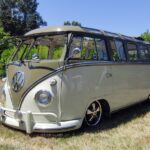

Overview of VW electric bus initiatives in South Africa
Volkswagen has positioned South Africa as a key testbed for its electrified commercial-vehicle strategy, outlining initiatives that center on electric buses and related charging infrastructure, pilot fleet deployments in major cities, and partnerships with local authorities and operators to assess performance, reliability and total cost of ownership in South African conditions. These efforts aim to reduce urban emissions, showcase VW’s e-mobility capabilities in public transport and logistics, and lay the groundwork for broader adoption of electric buses and e-vehicles across the country.
Context and market backdrop for electric buses in SA
VW electric bus initiatives in South Africa are part of a broader push to electrify public transport and decarbonize urban mobility across the country.
Context and market backdrop for electric buses in South Africa include a bus fleet that is largely diesel-powered, with cities seeking cleaner and more efficient solutions to reduce air pollution and greenhouse gas emissions. The market faces challenges such as high upfront costs for electric buses, the need for reliable charging infrastructure, grid readiness, and a skilled maintenance ecosystem. Government policy support, public-private partnerships, and financing mechanisms are shaping pilots and fleet renewal programs, while urban centers explore routes and depot configurations suitable for electric operation. The broader energy transition, increasing renewable generation, and a growing focus on sustainable public transport create an environment where VW’s electric bus initiatives can be tested and scaled in collaboration with municipalities, operators, and local suppliers.
- Demonstration and pilot projects with municipal fleets to assess performance, reliability, and total cost of ownership of VW electric buses in typical urban routes.
- Partnerships with local service providers to establish maintenance, after-sales support, and staff training tailored to electric bus technology and diagnostics.
- Collaboration on charging infrastructure pilots, including depot charging solutions and fast-charging options to minimize downtime and maximize bus availability.
- Engagement with local suppliers and potential assembly or integration partners to support a developing ecosystem around electric buses and related components.
- Alignment with national and municipal decarbonization goals, leveraging financing tools and incentives to accelerate the introduction of electric buses into public fleets.
As VW progresses its electric bus initiatives in South Africa, the focus remains on validating performance in real-world conditions, building local capability, and creating scalable models that can support broader adoption across urban transport networks.
VW’s global electrification strategy and relevance to SA
Volkswagen’s electric-mobility push is global, and South Africa sits at an important intersection of city transport modernization and local manufacturing capability. VW’s electric bus initiatives in SA are framed by a broader corporate strategy to electrify its commercial vehicle line, reduce emissions, and accelerate the rollout of scalable e-mobility solutions in emerging markets.
Globally, VW is pursuing a comprehensive electrification strategy built around the ID. family and the MEB platform, with a focus on electric passenger cars, vans, and commercial vehicles. The group aims to offer affordable, high-volume BEVs and to integrate advanced battery technology, software, and charging ecosystems to support fleets such as buses and delivery vans, while leveraging partnerships with cities and utilities to deploy charging infrastructure.
In South Africa, VW SA has signaled its intention to explore electric buses and other electrified commercial vehicles through engagement with municipalities, transport operators, and financial partners. Pilot projects and feasibility studies are being pursued to assess route planning, charging needs, total cost of ownership, and maintenance requirements for urban and intercity bus services, alongside the readiness of the grid and charging networks.
VW’s presence in South Africa—anchored by its vehicle assembly plants and supplier network—offers potential to localize e-mobility components, assemble electrified commercial vehicles, and contribute to skills development and job creation. While scale-up depends on policy support and market demand, the SA ecosystem could become a hub for electrified buses in the Southern African region.
For SA, VW’s electrification strategy aligns with decarbonization goals, cleaner urban mobility, and improved air quality, while potentially enabling reduced fuel costs and new export opportunities. Challenges include securing reliable charging infrastructure, grid capacity, economics of fleet replacement, and ensuring affordable maintenance and parts supply across the country.
As VW’s global electrification program advances, the relevance to South Africa will hinge on coordinated government incentives, investment in charging, and partnerships that translate pilots into scalable, locally supported electrified bus services.
VW electric bus models and configurations considered for South Africa
Volkswagen’s electric bus lineup is being evaluated for South Africa, focusing on a mix of ID.Buzz-derived electric buses and Crafter-based shuttle configurations tailored to local routes. The study considers multiple formats, from full-size 12-meter urban buses to compact 8–9-meter shuttles, with flexible interiors, modular seating, and options for different battery packs and charging strategies to fit longer urban corridors and school or corporate shuttle services.
Potential passenger and shuttle configurations
VW electric bus models considered for South Africa focus on the ID. Buzz family for passenger transport and the e‑Crafter for smaller shuttle fleets, with configurations designed for urban, peri‑urban, and tourism routes. The goal is to provide modern, efficient, and locally adaptable mobility that suits hotel shuttles, airport transfers, corporate campuses, and city services across major markets such as Johannesburg, Cape Town, and Durban.
Key models under consideration include the ID. Buzz passenger variant in 7‑ to 9‑seat layouts, with longer wheelbase versions offering extra luggage space and comfort for longer trips or airport connections. A VIP or executive trim could serve corporate shuttle operations, while the ID. Buzz Cargo and the electric Crafter are evaluated for mixed‑fleet use, enabling flexible configurations that blend passenger seating with cargo or equipment capacity as needed.
Potential passenger configurations span a compact 7‑ to 9‑seat minivan feel for hotel shuttles and executive services, a 12‑ to 16‑seat microbus for urban routes and school or tour services, and a 20‑ to 26‑seat urban shuttle or small coach for airport connections and city‑center fleets. Accessible layouts with a wheelchair ramp, as well as premium interiors with durable, easy‑to‑clean surfaces for high‑duty operations, are considered to meet diverse operator needs.
Shuttle configurations emphasize flexible seating that can be re‑configured for different day parts, generous luggage or equipment space for airport and tour work, and zones tailored for driver visibility and passenger comfort. Interior options include single or double bench rows, driver isolation where required, and climate control optimized for long‑duration rides. Exterior body styles may range from compact urban shuttles to larger, more comfortable minibuses designed to handle regional trips with reliable range and charging options.
Operationally, the South African context points to a staged rollout with depot charging in fleets, opportunistic public rapid charging along major corridors, and potential integration with solar or hybrid energy solutions at facilities. Vehicle durability for local road conditions, service and parts availability, and local training for maintenance and driver familiarization are critical to achieving low total cost of ownership and high uptime for electric bus operations.
Overall, VW’s electric bus approach for South Africa envisions a modular family‑forward strategy that can scale from small hotel shuttles to mid‑size urban buses, with flexible interiors and robust charging and service plans to support city fleets, tourism corridors, and corporate mobility programs in the region.
Technical specifications under consideration (range, payload, charging)
VW is evaluating electric bus solutions for South Africa to support urban mobility, school transport, and intercity shuttle services. The program focuses on deployments in major cities and corridor routes, with pilots planned in partnership with municipalities and operators to test vehicle configurations, charging strategies, and maintenance models suited to South Africa’s climate and grid conditions.
Potential models and configurations under review include a 12-meter low-floor urban bus and an 18-meter articulated bus, both aligned to VW Group electric bus platforms. Configurations would offer typical seating ranges around 50–65 for 12m and 70–90 for 18m, with flexible interiors to accommodate wheelchairs, luggage, and standing room as required. Battery options being considered span roughly 250–350 kWh, with drive configurations offering rear-axle or dual-motor layouts to balance performance and efficiency. Depot charging and optional onboard/offboard charging concepts are part of the discussion.
Technical specifications under consideration include ranges of about 250–350 km per full charge for a 12m urban bus, with climate control and door operations affecting the figure. Payload capacity is forecast in the 5–8 metric ton range, depending on the configuration and seating layout; gross vehicle weight ratings are typically in the 16–20 metric tons range for 12m and higher for 18m models. The interior layout is designed to maximize passenger space while accommodating accessibility features and luggage or mobility device storage as needed.
Charging options include high-power DC fast charging in the 150–350 kW range to enable quick turnarounds, along with depot-level AC charging in the 22 kW or 11 kW class for overnight charging. Considerations include charging station density in urban corridors, integration with the grid, and potential for on-route charging via pantograph sections on major routes. Vehicle-to-grid capabilities may be studied for grid support where feasible.
In South Africa, VW’s approach also considers local assembly or CKD options to reduce lead times, spare parts supply chains, maintenance networks, and workforce training. The plan aims to align with city contracts and procurement frameworks while ensuring reliability in hot-weather conditions and rugged road surfaces.
Charging infrastructure, grid impact, and energy supply
The VW electric bus program in South Africa is driving the rollout of charging infrastructure and prompting careful assessment of grid impact and energy supply, as cities seek reliable, affordable, and greener public transport. By combining depot charging, on-site solar, and smart load management, the initiative aims to keep buses on schedule while easing demand on the power system.
Charging standards and interoperability
VW electric buses in South Africa mark an important milestone in decarbonizing urban mobility, and this article examines how charging infrastructure, grid impact, energy supply, and charging standards and interoperability influence their rollout across the country.
Charging infrastructure for VW e-buses in SA requires a mix of depot charging and on-route charging solutions. Depot charging typically relies on high-power DC fast charging to replenish batteries efficiently between shifts, with common bus-level targets in the 150 kW to 350 kW range. On-route or opportunity charging at terminals can extend range for longer routes, but it demands robust electrical capacity, reliable power quality, and well-planned charging schedules. A successful program also needs grid-ready electrical design, cable routing, safety systems, and ongoing maintenance partnerships with qualified service providers.
Grid impact is a central consideration for fleet deployment. High-power charging can create new peak demands, so utilities and operators must conduct detailed load and voltage studies, upgrade substations or feeders, and implement smart charging to flatten demand. Strategies such as staggered charging, battery energy storage at depots, or vehicle-to-grid opportunities can help manage peak loads, reduce demand charges, and support grid stability during periods of high electricity use. In South Africa, where grid reliability has been a concern, planning must align with Eskom’s capacity constraints and regional network conditions to avoid unintended disruptions to bus operations.
Energy supply considerations in SA also hinge on balancing the existing mix with renewable options. Deploying VW e-buses offers an opportunity to pair charging with on-site solar generation and storage at depots, reducing dependence on grid power during daytime peaks. Long-term resilience can be aided by power purchase agreements for renewable energy, diversified fuel sources for backup, and energy management systems that forecast demand, schedule charging around renewable availability, and optimize overall energy costs for fleet operators and municipalities.
Charging standards and interoperability are essential for seamless operation across different depots, charging networks, and vehicle fleets. For buses, CCS2 DC fast charging and Type 2 AC charging are widely adopted standards, while ISO 15118 and Plug and Charge concepts are increasingly relevant for streamlined authentication and billing. Open protocols such as OCPP enable interoperability between chargers and fleet management software, making roaming and cross-network charging feasible for multi-operator fleets. Regulatory alignment with South Africa’s standards bodies ensures compatibility with local electrical codes, safety requirements, and commissioning procedures.
Implementing VW e-buses in South Africa benefits from clear collaboration among manufacturers, local authorities, utilities, and charging network operators. Practical steps include pilot projects in major cities to validate charging hardware and software integration with depot energy systems, training for maintenance staff, and establishing data-sharing frameworks to monitor performance and grid impact. Local partnerships can also focus on supplier diversification, ensuring reliable spare parts, and exploring local content opportunities to support job creation while unlocking scalable growth for electric bus fleets.
In summary, the successful deployment of VW electric buses in South Africa depends on integrated charging infrastructure planning, proactive grid management with smart and flexible charging, resilient energy supply strategies that leverage renewables, and robust interoperability standards. Together, these elements enable reliable operations, improved air quality, and a more resilient public transport system as SA moves toward a low-emission bus future.
Public and private charging networks in SA
The shift toward VW electric buses in South Africa marks a strategic move for cleaner public transport as cities tackle congestion and air quality while seeking more reliable and affordable fleet operations.
Charging infrastructure in South Africa combines public networks and private depots. Public networks are expanding in major cities with a mix of DC fast chargers along key routes and AC charging at bus interchanges, hubs, and civic areas to support opportunistic top-ups during operations. Private networks are built by bus operators, logistics companies, and municipalities that own depots and install high-power charging capable of sustaining full fleet schedules, often paired with partnerships with energy providers to manage tariffs and uptime.
Depot charging forms the backbone of bus electrification. VW electric buses are typically charged at the end of shifts or overnight at depots, where high-power chargers and sometimes energy storage systems can be deployed to maximize uptime. Fleet operators are increasingly using smart charging to align with solar generation, grid conditions, and tariff structures, while leveraging remote diagnostics and over-the-air updates to minimize service disruptions.
Grid impact and energy demand require careful planning. A growing e-mobility load can strain urban distribution networks, especially during peak periods. South Africa needs grid reinforcement, transformer upgrades, and accurate load forecasting to prevent voltage issues. Smart charging, demand response, and vehicle-to-grid concepts can spread charging requirements, absorb excess solar, and provide ancillary services, helping to stabilise the grid as bus electrification scales up.
Energy supply context is pivotal. South Africa’s electricity landscape is heavily influenced by the national utility Eskom, which faces reliability and capacity challenges. Integrating VW electric buses benefits from pairing charging with renewable energy sources, particularly rooftop and grid-scale solar at depots, while diversification of generation and supportive policy can make electricity prices predictable for fleet operators and improve the overall economics of electric buses.
Public and private sector collaboration is essential. Clear procurement guidelines, charging standards, and grid-ready infrastructure planning, together with interoperable charging and payment solutions, will encourage open access to charging corridors and simplify operations for drivers and maintenance staff. The result can be a scalable, reliable charging ecosystem that supports VW’s expansion of electric buses across South African cities.
In summary, VW electric buses in South Africa hold promise to transform city transport, reduce emissions, and enhance urban livability. Achieving this vision requires coordinated investment in charging infrastructure, grid modernization, and energy supply planning, backed by public‑private partnerships that deliver dependable, affordable, and scalable charging for public transport fleets.
Partnerships, pilots, and deployment programs
VW’s electric bus program in South Africa is advancing through partnerships with local transit authorities and operators, pilot deployments in select cities to test charging, routing, and reliability, and deployment programs aimed at scaling routes, building local capacity, and accelerating the adoption of zero-emission public transport.
City-level pilots and transport authorities
VW’s electric bus program in South Africa is moving forward through coordinated partnerships, targeted pilots, and deployment programs that aim to unlock clean, reliable public transport in major cities.
At its core, the effort stitches together VW as the technology provider with city transport authorities, bus operators, energy suppliers, and local manufacturers to build a scalable e-bus ecosystem.
City-level pilots anchor the strategy, with initial trials in the City of Cape Town, City of Johannesburg, City of eThekwini (Durban), and City of Tshwane designed to test range, charging, maintenance, and passenger experience on representative urban routes.
Deployment programs follow the pilots through phased scale-up, integrating e-buses into existing fleets, creating dedicated routes, and aligning procurement with public transport plans. Financing models may combine government subsidies, public-private partnerships, and vehicle-leasing arrangements to manage upfront costs and lifecycle expenses.
Transport authorities play a decisive role, from route authorization and safety compliance to setting performance targets and interoperability standards. Coordination among the Department of Transport, city transport departments, and regulatory bodies helps streamline approvals and ensure consistent maintenance and data reporting.
Charging and grid readiness are central to reliability. Depot-based overnight charging, alongside opportunity charging at busy hubs, requires robust charging infrastructure, optimized energy management, and partnerships with local utilities to manage peak demand.
Expected benefits include lower emissions and noise on busy corridors, improved passenger experiences, and a favorable total cost of ownership after scale. Early pilots provide real-world data to refine maintenance, driver training, spare parts supply, and local supply chains.
Looking ahead, VW’s electric buses in South Africa could strengthen local manufacturing and skills development while delivering cleaner mobility options in line with city climate goals. Success depends on continued collaboration among automaker, cities, transport authorities, and industry partners.
Private fleet operators and shuttle services
VW is expanding its electric bus program in South Africa, focusing on partnerships, pilots, and deployment programs to meet the country’s urban and peri-urban mobility needs. The initiative targets private fleet operators and shuttle services as early adopters and showcases VW’s commitment to cleaner public and private transport.
Partnerships are central to the effort. VW collaborates with national and local government agencies to align with transport and emissions goals, works with charging infrastructure providers to build depots and fast-charging hubs, partners with energy suppliers to ensure grid readiness and stable power, and engages local suppliers for parts, service networks, and training. These alliances aim to accelerate deployment while ensuring long-term sustainability and local economic benefits.
Pilots are being designed to test real-world viability across diverse South African settings. Typical pilots cover airport shuttles, business parks, university campuses, and hotel networks, assessing performance under SA climate, road conditions, and peak traffic. Data collected includes battery range, charging times, reliability, downtime, maintenance needs, and operating costs, informing scale decisions and route planning.
Deployment programs are planned in phased steps. Start-up pilots lead to regional depots and larger fleets, with a focus on depot charging, opportunity charging at hubs, and integration with existing transit planning. Localized assembly or final-assembly activities, parts localization, and trained service centers will support a sustainable supply chain and shorter downtimes for maintenance and repairs.
Private fleet operators and shuttle services stand to gain from transitioning to VW electric buses. Benefits include lower fuel and maintenance costs, quieter operation, smoother rides, and enhanced reliability for time-critical shuttle schedules. VW supports these operators with flexible financing, maintenance packages, telematics for route optimization, and a service network designed for rapid parts availability and technician training.
Several challenges and enablers shape the path forward. Key considerations include upfront capital expenditure, charging infrastructure readiness, grid capacity, and regulatory frameworks for electric public transport. Financing models such as public-private partnerships, concessional funding, and performance-based contracts can reduce barriers. Skills development, safety standards, and robust data management are essential to realizing efficient, scalable deployments.
VW’s approach positions South Africa as a potential leader in electric bus adoption in the region, combining public-private collaboration, targeted pilots, and a pragmatic deployment plan that includes private fleets and shuttle services. The program invites municipalities, operators, and developers to participate in a collaborative path toward cleaner, quieter, and more reliable urban mobility.
Economic and total cost of ownership considerations
VW electric buses in South Africa illustrate how economic considerations and total cost of ownership (TCO) shape fleet decisions. While the upfront price and charging infrastructure require careful budgeting, the ongoing savings from electricity, reduced maintenance, and potential incentives can offset costs over the vehicle’s life when route profiles, uptime, and grid reliability are factored in.
Capital cost, operating costs, and incentives
South Africa’s public transport sector is increasingly targeting lower emissions and lower operating costs, making the VW electric bus an option many municipalities and operators are evaluating. A robust economic view—centered on total cost of ownership, capital cost, operating costs, and available incentives—helps fleets decide whether an electric VW bus fits a given route and duty cycle.
Capital cost: Electric buses carry a higher upfront price than diesel or CNG equivalents, largely due to the battery and electric driveline. For a VW electric bus deployed in a municipal fleet, price drivers include battery capacity, vehicle size and configuration, local assembly or import costs, and the cost of depot charging infrastructure included in tender packages. Fleet operators often offset these upfront costs with supplier finance, grants, or public procurement programs, and expect price declines as volumes grow and local ecosystem matures.
Operating costs: Electricity for charging typically costs less per kilometre than diesel fuel, and electric drivetrains have fewer moving parts, reducing routine maintenance, oil changes, and certain component failures. However, charging costs depend on tariffs, charging power, and duty cycle. Regenerative braking can recover energy on city routes, improving efficiency. Availability of high-quality charging hardware, reliable grid supply, and access to spare parts affect uptime and running costs.
Total cost of ownership: TCO combines capital cost, financing, energy, maintenance, depreciation, and residual value. Over a typical 12- to 15-year life, the electric bus can deliver meaningful savings in energy and maintenance, offsetting some of the higher upfront cost. Battery warranties and assumed end-of-life value influence the TCO materially. Real-world TCO comparisons should use route profiles, expected utilisation hours per day, and downtime for charging and service.
Charging infrastructure and energy supply: Successful deployment requires depot charging capability, appropriate transformer capacity, and controlled charging windows to align with off-peak tariffs or solar generation. South Africa’s grid reliability and load-shedding patterns add risk and potential downtime if charging is not planned with backup options. Operators should model peak demand, consider on-site solar, and negotiate favorable electricity tariffs where possible.
Incentives and policy landscape: National and local authorities in South Africa are exploring instruments to accelerate EV adoption, including procurement preferences, potential tax or import relief, and funding support through development finance institutions. These incentives can materially affect the TCO of a VW electric bus, especially for early adopters and municipal fleets. It is important to verify current programs, application windows, and eligibility as policies evolve.
VW-specific considerations: A strong aftersales network, parts availability, and trained technicians are crucial for reliable operation in South Africa. Vehicle warranties, battery warranties, and the supplier’s commitment to service support influence lifecycle costs. Operators should assess not only the vehicle price but also the cost and speed of maintenance, remote diagnostics, and the ease of sourcing spares locally, as well as the readiness of the charging ecosystem to support daily routes.
Between capital cost, operating costs, and incentives, a VW electric bus can offer a compelling total cost of ownership in suitable South African routes, especially for high-utilisation urban or peri-urban services. A careful early-stage assessment of route duty cycle, charging strategies, grid readiness, and policy incentives will determine the magnitude of savings and the payback period. Fleets are encouraged to run pilots to validate assumptions before large-scale deployment.
Financing models and risk management
VW electric bus deployments in South Africa illustrate how urban transit can balance lower emissions with total cost of ownership. Operators evaluating this technology must weigh economic factors, financing options, and risk management alongside performance.
Economic considerations include the higher upfront price of an electric bus compared with a diesel, but potential for lower energy costs, reduced maintenance, and favorable resale values over the vehicle life.
Total cost of ownership breaks down into depreciation and financing costs, energy and charging costs, maintenance and parts, insurance, and downtime. In SA, energy prices and tariff structures can significantly influence TCO, as can the availability of charging infrastructure.
Charging strategy matters. Depot charging with overnight charging tends to minimize downtime, while occasional fast charging can support longer routes but adds capital for DC chargers and higher energy costs per kWh.
Energy price volatility in South Africa, including tariff changes and grid reliability challenges, affects payable energy spend. Coupling the VW electric bus with on-site solar and energy storage can stabilize energy costs and improve uptime.
Financing models include traditional loans and leases, operating leases, and service-based arrangements such as battery-as-a-service or charging-as-a-service. These models shift some risk and capital expenditure to providers, easing cash flow and aligning costs with usage.
Risk management: key risks include battery degradation, supply chain constraints, currency risk for imported components, regulatory changes, and grid reliability. Mitigation includes warranties, diversified suppliers, long-term maintenance contracts, and robust data and cyber risk controls.
Operational risk and resilience: route planning to match range, spare parts and service network development in SA, driver training for electric powertrain, and a clear service level agreement with the OEM and local partners.
Conclusion: a careful TCO model, a tailored financing mix, and proactive risk management are essential to make VW electric bus deployments in South Africa economically viable. Start with a pilot, measure energy consumption, uptime, and rider appeal, then scale.
Regulatory, safety, and environmental framework
South Africa’s regulatory, safety, and environmental framework for VW electric buses combines national transport law, vehicle type approval and homologation processes, and environmental controls designed to reduce emissions and protect air quality. VW SA must meet high‑voltage and battery safety standards, fire and crash safety requirements, and lifecycle management rules for recycling and end‑of‑life disposal, all under the oversight of national regulators and standards bodies. Environmental objectives are pursued through air‑quality legislation and sustainable mobility policies that incentivize clean public transit and energy‑efficient operations, while charging infrastructure and grid integration are guided by energy and municipal regulations to ensure safe, reliable operation across South African cities.
Vehicle safety and homologation
Emissions regulations and environmental targets
VW electric buses entering South Africa operate within a mature regulatory, safety, and environmental framework that governs road vehicles, emissions, and environmental impact.
Regulatory approvals and vehicle type-approval: In South Africa, road-going vehicles must be approved for sale and use. The process typically involves the Department of Transport via the Road Traffic Management Corporation (RTMC) and certification by the South African Bureau of Standards (SABS) to ensure compliance with national standards. For electric buses, compliance covers electrical safety, high voltage systems, battery safety, electromagnetic compatibility, and overall crashworthiness. Importers or manufacturers must submit technical specifications, undertake testing, and obtain homologation before delivery to fleet operators.
Safety framework: Electric buses rely on robust safety design and maintenance protocols. Safety standards address high voltage (HV) insulation, battery housing, thermal management, fire suppression, emergency shut-off, and safe charging. Service personnel require training on HV risk, lockout-tagout procedures, and safe battery handling. Vehicle safety features such as crash structures, seat anchorage, braking stability, and electronic stability control are evaluated against SA and international standards, with ongoing post-market surveillance.
Infrastructure safety and grid considerations: Charging infrastructure must conform to electrical safety standards, correct earthing, protective relays, and equipment conformity with local electrical installation regulations. Municipal by-laws and building codes may govern charging depots, cable management, and hazard signage. Utilities and operators plan for grid impact, load management, and safety protocols to prevent electrical hazards.
Environmental framework: South Africa’s environmental management laws, notably the National Environmental Management Act (NEMA) and the Air Quality Act, frame how buses operate in terms of emissions, pollution control, and noise. Even though EVs have zero tailpipe emissions, the lifecycle impact—manufacturing, battery production, charging electricity source, and end-of-life recycling—falls under environmental impact assessments and waste management regulations. Battery recycling and safe disposal are encouraged through hazardous waste regulations and extended producer responsibility proposals.
Emissions regulations and environmental targets: Electric buses align with air quality improvement targets in major urban centers by eliminating tailpipe emissions in operation. National climate policy and reporting frameworks guide decarbonization of transport; the transport sector is a focus of decarbonization plans, with targets to reduce greenhouse gas emissions and increase modal shift to low or zero-emission options. Carbon pricing or taxes on fuels, and policies around electricity generation mix, influence total lifecycle emissions and the cost of ownership for EV fleets.

VW-specific considerations for SA: VW’s electric bus program in South Africa must work within these frameworks, ensuring homologation for SA market, local compliance with SABS standards, and alignment with road-usage requirements. Adoption benefits include reduced local air pollution, quieter operation, and alignment with government decarbonization strategies. Local manufacturing or assembly plans would need to consider localization content, supplier qualification, and compliance with procurement regulations.
Conclusion: The regulatory, safety, and environmental framework in South Africa provides a pathway for VW electric buses to operate safely and contribute to cleaner urban mobility, with clear emphasis on vehicle approval, safety of high-voltage systems, infrastructure safety, environmental stewardship, and alignment with national decarbonization targets.
Maintenance, training, and local support
VW’s electric bus program in South Africa emphasizes reliable maintenance, comprehensive training, and strong local support to keep fleets moving. Service plans include accredited facilities, remote diagnostics, and guaranteed parts availability to minimize downtime. Training covers operators and technicians, with hands-on courses and ongoing technical support from local partners to ensure safe operation and long-term performance of the electric propulsion system.
After-sales network and service readiness
VW’s electric bus portfolio in South Africa is being rolled out with a strong emphasis on maintenance reliability, operator training, and a local after-sales network to ensure service readiness across major regions.
Maintenance for VW electric buses focuses on high‑voltage safety, battery health, propulsion system, thermal management, and routine checks. A preventive maintenance schedule covers battery cooling systems, inverter and motor inspection, brake systems, tires, HVAC, and software updates. Remote diagnostics enable proactive alerts to preempt failures and plan service visits, reducing unscheduled downtime.
VW provides comprehensive training for technicians and fleet managers in South Africa. This includes modular courses on high‑voltage safety, battery technology, and powertrain diagnostics, hands‑on workshops at authorized service centers, and digital training via an e‑learning platform. Local partnerships with technical colleges help build a sustainable pool of qualified EV technicians and workshop staff.
An authorized after‑sales network supports VW electric buses with certified workshops, trained technicians, and access to genuine spare parts. In‑country parts inventory, regional distribution centers, and fast‑track ordering reduce lead times for critical components. Over‑the‑air software updates ensure the vehicle software stays current without unnecessary site visits.
Used-car and fleet customers benefit from service level agreements that include response times, loan vehicles during major work, and guaranteed uptime metrics. VW’s service readiness in South Africa includes regional hubs in major metropolitan areas, a mobile service fleet for on‑site assistance, and a customer contact center for technical support and scheduling. Training and support extend to fleet operators with driver coaching, energy management best practices, and charging infrastructure maintenance guidance.
Together these elements create a sustainable service ecosystem that supports the long‑term operation of VW electric buses in South Africa, helping transit authorities meet performance targets, reduce total cost of ownership, and accelerate the transition to cleaner mobility.
Workforce training and local upskilling
As VW accelerates the deployment of electric buses in South Africa, a strong focus on maintenance, training, and local support is essential to ensure high uptime, safety, and long-term value for public transit, school fleets, and corporate shuttles.
Maintenance for VW electric buses in South Africa centers on preventive programs that cover battery health, propulsion systems, thermal management, and charging infrastructure. Routine inspections, software updates, belt and pulley checks, brake wear, and cooling system service keep the bus operating efficiently. Emphasis is placed on high‑voltage safety, isolation checks, and proper handling of battery packs to protect technicians and passengers while minimizing unexpected downtime.
Building a national service network involves establishing authorized VW commercial vehicle service centers equipped with the right diagnostic tools, spare parts, and mobile service capabilities. Regional hubs can support field technicians, while a reliable parts supply chain reduces lead times for common components such as batteries, inverters, sensors, and charging hardware. Adequate night and weekend service slots, along with remote diagnostics, help fleets stay on the road.
Workforce training and local upskilling are central to successful EV adoption in South Africa. VW and local partners should develop training programs that equip technicians, electricians, and fitters with the skills to service electric buses, perform high‑voltage isolation procedures, and manage battery and powertrain systems. Hands‑on workshops, simulator sessions, and online modules can be combined to fit full‑time work schedules while building deep technical capability.
Key training content should include high‑voltage safety, battery pack handling and thermal management, propulsion and inverter diagnostics, software update procedures, charging infrastructure operation, and fault‑finding with VW diagnostic tools. Fleet managers receive training on energy management, route planning for optimal charging, battery aging considerations, and total cost of ownership analysis to support informed procurement and operation decisions.
Partnerships with technical colleges, polytechnics, and local universities help scale up skills across the industry. Certified apprenticeship programs can create a pipeline of EV technicians, electricians, and engineers who understand South Africa’s grid realities, load management, and the specifics of VW electric propulsion systems. Collaboration with industry bodies ensures training aligns with local standards and market needs.
Certification and career pathways are essential for credibility and ongoing professional growth. VW can work with SETAs (Sector Education and Training Authorities) and industry regulators to establish recognized credentials for EV maintenance, diagnostic analysis, and safe battery handling. Clear progression routes—from apprentice to technician to senior engineer—support workforce retention and continuous improvement.
Local support also means rapid access to spare parts, spare part forecasting aligned with regional demand, and the development of service packs that address common issues in South Africa’s climate and road conditions. By investing in regional service centers, mobile diagnostics, and robust training, VW can ensure that South African fleets enjoy dependable operation, safe charging practices, and a skilled workforce ready to scale with future electric mobility.
Impact on public transport, urban planning, and sustainability
VW’s electric buses are poised to transform South Africa’s public transport by delivering cleaner, quieter, and more reliable urban mobility. The shift supports smarter urban planning through better-integrated transit corridors, park-and-ride opportunities, and route optimization powered by charging infrastructure. As emissions drop and operating costs fall, cities gain a sustainable pathway to expand access, reduce air pollution, and build resilient transport systems for the future.
Urban mobility benefits and congestion relief
VW’s electric bus program in South Africa is reshaping public transport, urban planning, and sustainability by introducing zero-emission city buses into major metropolitan networks.
- Public transport impact: The introduction of VW electric buses can improve service reliability, reduce in-service emissions, cut noise, and attract more riders due to a smoother ride and better climate comfort, boosting bus network usage in cities like Johannesburg, Cape Town, and Durban.
- Urban planning implications: Fleet electrification necessitates planning for charging depots, grid upgrades, and revised lane allocations; it also supports transit-oriented development by enabling higher-density, accessible neighborhoods around bus corridors.
- Sustainability outcomes: Lower tailpipe emissions, potential integration with renewable energy for charging, and emphasis on lifecycle battery management and recycling help reduce the city’s carbon footprint and air pollution.
- Urban mobility benefits: Real-time data, improved scheduling, and better connectivity with rail and first/last-mile options improve overall mobility, particularly for workers and students with limited transport options.
- Congestion relief: More people can move with fewer vehicles on the road when high-quality bus services operate with priority lanes and reliable electrified fleets, reducing travel times and congestion levels during peak periods.
- Economic considerations: While upfront capital costs are higher, lower operating costs, energy savings, and potential local assembly or maintenance hubs can create jobs and support local suppliers in South Africa’s automotive ecosystem.
- Challenges and considerations: Grid capacity, charging infrastructure rollout, battery supply and recycling, maintenance training, and ensuring affordability for municipalities are key hurdles to scale VW electric buses across the country.
Emission reductions and public health
VW electric bus South Africa marks a developmental milestone for public transport, linking fleet modernization with urban planning and long term sustainability goals. As cities seek cleaner air, quieter streets, and more inclusive mobility, the introduction of electric buses offers a concrete pathway to transform daily commuting while aligning with climate and health objectives.
Impact on public transport goes beyond replacing diesel buses with battery power. Electric buses can reduce operating costs through lower energy expenses and fewer mechanical parts, leading to more predictable maintenance needs and higher service reliability. With rapid advances in battery technology and route optimization, operators can design timetables that maximize uptime and peak-period capacity. Additionally, electric buses can enable higher service levels along corridors that suffer from overcrowding, creating consistent and higher-quality options for riders, including students, workers, and residents in underserved neighborhoods.
Urban planning considerations accompany this fleet transition. Cities must plan for appropriate charging infrastructure at depots and along key corridors, and consider intelligent charging strategies that align with grid capacity and renewable energy supply. The placement of charging stations can influence depot layout, revenue collection, and maintenance workflows. Integrating electric buses with dedicated bus lanes, priority signals, and multimodal hubs supports faster, more reliable trips and can encourage modal shifts away from private cars. In addition, adopting electric buses invites planners to rethink street-level design, curb management, and noise-sensitive areas near schools and hospitals, contributing to more livable urban spaces.
Sustainability outcomes hinge on the broader energy system and lifecycle considerations. When electric buses run on grids with substantial renewable generation, their emissions footprint can be significantly lower than diesel counterparts, especially over the vehicle’s lifetime. However, in contexts where electricity largely comes from coal, the net environmental benefit depends on the balance between tailpipe reductions and upstream power generation. The sustainability case strengthens as South Africa continues to decarbonize its grid and expands energy storage and resilience. Battery manufacturing, recycling, and end-of-life management are essential to maximizing circularity and minimizing resource demand, while maintenance practices and spare parts supply chains must be scaled to support a growing electric fleet responsibly.
Emission reductions and public health are central to the rationale for VW electric buses in South Africa. Lower tailpipe emissions mean fewer fine particles (PM2.5) and NOx near bus routes, which translates into better air quality for communities exposed to dense urban traffic. Reductions in urban air pollutants are linked to lower rates of asthma, cardiovascular disease, and respiratory infections, particularly among children and older adults. Noise reductions from electric propulsion also improve the urban soundscape, contributing to less stress and better cognitive performance for residents and students along busy corridors. Nonetheless, the magnitude of health benefits will depend on route design, charging patterns, and the electricity mix; aggressive decarbonization of the grid will amplify health gains over time.
To maximize positive outcomes, several challenges and enablers deserve attention. Funding for upfront procurement, charging infrastructure, and depot upgrades is critical, as is building local technical capacity for installation, operation, and maintenance. Regulatory environments must support standardized procurement, safety certainties for high-voltage systems, and interoperable charging solutions. Grid constraints, peak demand, and potential load-shifting opportunities require close coordination between transit agencies, energy providers, and city planners. Public acceptance and rider experience—such as reliable schedules, comfortable climate control, and accessible design—also influence the success of VW electric buses in boosting public transport usage.
Overall, theVW electric bus initiative in South Africa has the potential to advance public transport efficiency, reshape urban form, and strengthen environmental and public health outcomes. When paired with a decarbonizing electricity supply, strategic planning for charging and depots, and robust local capacity building, electric buses can deliver cleaner streets, more inclusive mobility, and a more sustainable urban future.
Timeline and future outlook for VW electric buses in South Africa
VW’s electric bus initiative in South Africa is shaping a phased timeline built on city pilots and expanding fleets as charging networks mature and local assembly possibilities unlock economies of scale. Initial deployments in major metros are expected to start in the next couple of years, followed by broader rollouts as battery costs ease, service networks grow, and supportive policies take hold. The outlook remains cautiously optimistic, with VW aiming to deliver lower operating costs, reduced emissions, and a developing local ecosystem for electric buses.
Short-term milestones
VW electric buses are entering a focused, short-term timeline in South Africa that centers on pilots, charging infrastructure, and a clear transition path for municipal fleets.
2025: A pilot program will deploy a limited number of VW electric buses with select public transit operators in one or more major South African cities to validate range, charging requirements, and maintenance needs.
2025–2026: Infrastructure readiness follows, including depot charging upgrades, on-street charging where feasible, and the establishment of local service and parts support networks to reduce downtime and ensure technicians are trained for EV maintenance.
2026: The rollout scales to additional routes and operators, with exploration of local assembly or CKD (completely knocked-down) kit partnerships to reduce import costs and shorten delivery times.
2026–2027: Financing and policy alignment improve, with potential government incentives, fleet leasing options, and collaborations with banks or development finance institutions to lower the total cost of ownership for operators and accelerate adoption.
Future outlook: If these milestones are met, VW electric buses could begin to form a recognizable share of municipal fleets, delivering lower emissions, quieter operations, and new maintenance jobs, while paving the way for broader electrification of public transport in South Africa.
Longer-term expectations and expansion
Volkswagen electric buses in South Africa are positioned to align with urban mobility needs, air-quality targets, and the region’s growing focus on sustainable transport. The timeline for VW’s electric bus deployment and the longer-term expansion hinges on price competitiveness, local content development, and the pace of charging infrastructure across major cities.
Near term steps are likely to involve pilot deployments in key metropolitan areas such as Johannesburg, Cape Town, and eThekwini, featuring a small number of 12- to 18-meter electric buses on selected routes. These pilots would test performance, reliability, maintenance ecosystems, and the most effective charging strategies, including depot charging and opportunistic charging at stops, while benefiting from government incentives and financing programs designed to stimulate e-mobility adoption.
Mid term (roughly 2026–2028) would depend on pilot outcomes and the strength of public-private partnerships. If pilots prove viable, VW could move toward larger orders and consider local assembly or kit assembly to reduce import costs and create local jobs. Municipal fleets might begin replacing older diesel buses in phased waves, with expanded charging infrastructure, depot upgrades, and potential corridor charging infrastructure along high-demand routes. A mature service network and driver training ecosystem would accompany fleet expansion.
In the longer term (2030s), the goal would be a broader electrification of urban bus fleets across multiple South African cities and potential regional export opportunities to neighboring markets. VW could emerge as a Southern Africa regional hub for electric buses, supported by local content development, further battery and component localization, and a more integrated energy‑storage and charging ecosystem. Lower total cost of ownership, driven by battery improvements, higher bus uptime, and economies of scale, would enhance competitiveness and accelerate adoption.
Enablers for this trajectory include supportive policy and procurement frameworks, access to concessional finance, and targeted incentives from national and local governments. Critical challenges to address are the upfront capital costs, battery supply and pricing, currency risk for imports, the reliability of electricity supply, and the development of skilled maintenance and service networks. Strategic partnerships with utilities, grid regulators, and local manufacturers will be essential to overcoming these hurdles and delivering reliable, sustainable mobility through VW electric buses in South Africa.
Case studies and international benchmarks relevant to SA
This introductory overview draws on case studies and international benchmarks to inform South Africa’s use of VW electric buses, comparing global fleet deployments, cost of ownership, charging infrastructure, and performance benchmarks to identify lessons for SA’s urban networks and policy support.
Comparisons with other markets in Africa or globally
Volkswagen’s electric bus initiatives are increasingly relevant to South Africa’s public transport modernization, where a large diesel bus fleet drives urban mobility but also contributes to emissions and noise. In SA, electrification candidates must contend with grid capacity, charging infrastructure, financing, and service networks, making this a test case for how a global OEM’s technology can scale in a South African context.
International benchmarks from Europe illustrate how city buses can be electrified at scale with depot charging as a backbone and occasional rapid charging at strategic points. Operators in several European cities report improved air quality and reduced maintenance needs, while the higher upfront costs are offset over time by lower energy bills, fewer oil-related maintenance events, and longer service intervals. The European experience also highlights the importance of planning for charging capacity at depots, ensuring grid readiness, and building a robust after-sales and spare-parts ecosystem to keep fleets on the road.
China demonstrates the scale advantages of electrified bus fleets, with rapid deployment across large urban networks and strong public procurement pipelines favoring domestic and international players. Battery capacities commonly enable daily operation with centralized charging depots and predictable maintenance schedules. The ongoing emphasis on battery safety, lifecycle management, and standardized charging interfaces has driven lower total costs of ownership and reliable service, offering a model that SA can study as it designs pilots and procurement rules for larger fleets.
In North America, transit agencies that have ordered electric buses—supported by manufacturers such as Proterra and New Flyer—emphasize fleet reliability, driver training, and integrated charging strategies. Real-world lessons include aligning route planning with charging windows, building out energy management systems, and preparing maintenance staffing and digital telemetry to monitor battery health and performance. While the upfront capital cost remains higher than diesel, operators report gains in reliability and potential long-term savings on fuel, maintenance, and heat/engine-related downtime.
Across Africa and globally, South Africa sits at an inflection point where pilots and early-adopter programs can inform scale-up. In Africa, neighboring markets and regional pilots explore electrified buses and micro-mobility pilots, often focusing on fast chargers, solar-assisted charging, and local maintenance capabilities. SA benefits from a relatively advanced automotive value chain, the potential for renewable energy integration, and policy frameworks that can enable public-private partnerships, local content development, and sustainable financing. The comparative takeaway is that the SA market should design pilots that test depot and opportunity charging, battery sizing for typical urban routes, and the resilience of the energy grid under high EV uptake.
Key benchmarks for VW in South Africa include optimising battery capacity to cover typical urban-day ranges, selecting charging strategies that match route patterns, and building a sustainable local service and spare-parts network. Financing models such as public-private partnerships, concessional lending, and performance-based procurement can help bridge the upfront cost gap. Standardizing charging interfaces and aligning with national grid and renewable energy plans will reduce integration risk. Finally, ensuring local training, after-sales support, and supplier diversification will improve reliability and lifecycle performance of VW electric buses in SA.
Lessons learned from overseas pilots
Case studies and international benchmarks offer valuable insights for South Africa as VW advances electric bus pilots. Global deployments highlight how cities with similar urban intensities and varying electricity mixes have designed, operated and scaled bus electrification, providing a reference framework for route planning, charging strategies, and lifecycle costs in the SA context.
Key case studies include large-scale city electrification programs in Shenzhen, London and Paris, complemented by North American pilots in Los Angeles and Toronto, and ongoing trials in several European cities. Shenzhen demonstrates the feasibility of a city-wide electric bus fleet with centralized charging and a clear reduction in local emissions. London and Paris illustrate approaches to depots with overnight charging, as well as the integration of electric buses into dense urban networks while maintaining service reliability. In North America, pilots stress the importance of grid-ready charging infrastructure, resilience to outages, and the role of data analytics to monitor performance, energy use and maintenance needs. These examples collectively show how charging capacity, depot design, vehicle uptime, and driver and technician training drive overall program success.
International benchmarks relevant to SA include metrics such as total cost of ownership over the bus life, energy consumption per kilometer, battery degradation profiles, charging times, and fleet reliability. Typical energy use for modern electric buses ranges roughly from 0.9 to 2.0 kWh per kilometer depending on route grade, climate and bus design. Depot charging often enables full daily operation with two or more shifts, while opportunity charging at route ends can reduce idle time but requires robust grid capacity. Benchmarks also emphasize spare parts availability, maintenance turnaround times, and the value of telematics for predictive maintenance and improved dispatch reliability. These benchmarks help SA compare expected performance with actual outcomes and adjust procurement and operations accordingly.
Lessons learned from overseas pilots are especially relevant for VW’s strategy in SA. First, a well-planned charging architecture is critical: a mix of depot charging for daily cycles and strategic opportunity charging at high-demand stops can balance capital costs with service reliability. Second, route characteristics—such as uphill grades, stop frequency, and peak ridership—directly influence battery sizing and energy planning; pilots in tougher climates or longer urban routes may require larger batteries or faster charging options. Third, energy resilience matters: pairing buses with on-site solar and energy storage can reduce grid demand during peak periods and improve uptime during outages. Fourth, training and local maintenance capacity are paramount; cultivating a trained service network and ensuring a steady supply of spare parts minimizes downtime and extends bus life. Fifth, data analytics and onboard telemetry enable proactive maintenance, optimize charging windows, and improve route planning. Finally, procurement and financing models that include clear warranties, performance-based contracts, and local supplier involvement can reduce risk and foster a sustainable local ecosystem.
For South Africa specifically, VW’s electric bus pilots should align with SA’s urban transport goals and grid realities. The SA electricity mix, grid congestion, and potential for load shedding highlight the value of robust charging strategies, resilience planning, and the integration of renewable energy where feasible. Pilot routes should be selected to capture a range of operating conditions—dense urban corridors, longer hinterland routes, and hilly terrain—to stress-test battery sizing and charging. Collaborative models with local manufacturers, service partners, and public agencies can strengthen after-sales support and parts availability. Given the VW ecosystem, there is potential to explore local assembly or final-assembly options, training facilities, and a service network that supports both bus uptime and knowledge transfer. These steps, informed by international benchmarks and case studies, can accelerate a scalable transition to VW electric buses in South Africa.
In conclusion, case studies from Shenzhen, London, Paris and beyond provide a practical playbook for SA: define a clear charging strategy, size the fleet to match route energy profiles, invest in data-driven maintenance, and build a resilient ecosystem with local capacity. VW’s e-bus pilots in SA can leverage these lessons to achieve reliability, lower emissions, and favorable total costs of ownership, while adapting to local conditions and policy frameworks.