
Composition and Style in Bus Travel Images
Composition and style in bus travel images shape how journeys are perceived. Through framing, perspective, and hints of motion, these photos tell stories of departures, rides, and arrivals. Color, light, and bus design set the mood—from bustling urban routes to quiet country crossings—while careful composition invites viewers to imagine themselves on board and along the road.
Rule of Thirds and Framing Bus Shots
Bus travel images capture movement, character, and the rhythm of the commute. Composition and style shape how a scene communicates a sense of journey, time of day, and the atmosphere inside and around buses. From street photography on crowded routes to interior shots of passengers, deliberate framing helps tell a cohesive story.
- Rule of thirds: Place key elements along imaginary lines or at intersections to create balance. For exterior shots, position the bus off-center against a vanishing street or horizon; for interiors, align seating or windows with the rule to guide the viewer’s eye.
- Framing with windows and doors: Use bus windows as natural frames to isolate a subject or scene; doorway frames or window panes create repeating shapes that add depth.
- Leading lines and motion: Roads, railings, and bus lanes can lead the eye toward the bus or a focal passenger. A slight pan or a slow shutter on a moving bus can convey speed and momentum.
- Perspective variety: Shoot from low angles to emphasize height and scale or from a high vantage to capture network of routes; mix vertical and horizontal compositions to avoid monotony.
- Interior storytelling: Focus on candid expressions of passengers, hands gripping straps, or a map on a lap; ensure lighting highlights faces without flattening details.
- Color and mood: Warm tones suggest a cozy cabin; cool daylight reveals urban textures. Consider time-of-day lighting, reflections on windows, and chroma to set atmosphere.
- Background simplicity: Simplify backgrounds to prevent distractions—clean walls, plain skies, or blurred crowds reduce noise around the main subject.
- Symmetry and rhythm: For bus stations and interiors with seats or columns, symmetry can create a sense of order; break it with an unexpected element to catch the viewer’s eye.
- Post-processing approach: Keep colors natural, enhance contrast to separate subject from background, and avoid oversharpening that can create harsh jagged lines in bus textures.
- Context cues: Include route signs, timetables, or maps to ground the image in travel context and tell a clearer story about a journey.
By combining rule-of-thirds thinking with thoughtful framing, bus travel imagery can feel both documentary and artistic, inviting viewers to imagine the routes, stories, and rhythms of everyday transit.
Perspective: Eye Level, High Angle, and Low Angles
Bus travel images capture the rhythm of cities and the quiet drama of daily journeys. In these pictures, composition and style guide how viewers read movement, place, and story within a frame, from the bustle at a stop to the quiet interior of a moving vehicle.
Eye level perspective mirrors the passenger’s gaze and creates an immediate, relatable connection. To work at eye level: frame subjects along the rule of thirds, keep horizons level, and use windows, doorways, or seat backs as natural borders that direct attention. A steady hand or a moderate shutter speed preserves crisp details during quick street scenes, while panning can suggest motion without blur.
High angle shots look down on the scene to reveal context, traffic patterns, and the scale of surroundings. From a rooftop vantage or an elevated street corner, you can show the bus in relation to streets, skylines, and crowds, emphasizing routes and destinations. Use high angles to flatten perspective and highlight repeating shapes like rows of seats, poles, or bus lines, creating graphic, survey-like images.
Low angle perspectives tilt the world upward, making the bus appear larger, faster, or more dramatic. This angle works well when photographing moving buses against a broad sky or against the clamor of a street scene. Let the wheels, bumper, or front grille become strong focal points, and let the bus silhouette contrast with the sky to amplify momentum and presence.
Across all perspectives, strong composition relies on leading lines, framing, rhythm, and balance. Roads, curb lines, power lines, and railings can guide the viewer toward the bus or along its journey. Repeating patterns in windows or exterior panels create rhythm; use negative space to isolate a subject or an iconic detail like a route number or a passenger’s gesture. Symmetry works for stations and bus depots; asymmetry often evokes movement and unpredictability.
Style choices shape mood: color versus monochrome, high contrast versus soft tonality, documentary realism versus stylized travelogue. A cool, desaturated palette can emphasize urban grit; warm tones can convey late-afternoon transit charm. Reflections on glass add layers of city life, while shallow depth of field isolates a passenger or a single gesture, and wider depth keeps the bus and its neighbors in context.
For interior shots, seek dynamic frames: passengers reading, tapping a card, sharing a smile. Use a wide to standard lens to capture rows and the aisle, and consider a slight tilt for rhythm. Inside a moving bus, natural light shifts; use window light for a quiet mood, or raise ISO and shutter speed to freeze hands in motion as the bus passes through changing scenery.
Lighting is decisive in bus images. Golden hour and blue hour produce flattering tones on metal and glass; midday sun creates harsh reflections that can become abstract shapes. Use polarizing filters to cut glare on windows, and look for silhouettes against bright signage. Timing your shot to match the reflections you want can turn windows into portals rather than barriers.
Practical tips: scout locations near busy stops for human moments; shoot from elevated stairwells or bridges for variety; bring a versatile zoom lens (24-70mm) or a compact wide option (16-35mm) for interior and exterior versatility; shoot in bursts to catch decisive moments; respect privacy and laws when photographing people in public spaces.
By tuning composition and perspective to the story of bus travel, images can convey journey, place, and human connection as clearly as the route itself.
Color and Lighting in Public Transit Photography
Bus travel images capture everyday motion, architecture, and human moments in a compact, moving stage. This article focuses on composition and style in bus travel photography and how color and lighting shape the mood of public transit imagery.
Composition in bus photography centers on guiding the viewer’s eye through the frame. Use leading lines created by aisles, handrails, poles, and the edges of seats to draw attention toward a subject or a focal moment. Framing through doorway openings or windowpanes can create a sense of depth and context, while intentional negative space can emphasize a passenger in quiet contemplation or a fleeting gesture during boarding.
Style choices in this genre range from documentary realism to more lyrical, cinematic interpretations. A documentary approach favors candid expressions and authentic environments, often with clutter, reflections, and imperfect light that tell the true story of a ride. A more stylized approach might simplify the scene, use dramatic contrast, or emphasize geometric patterns in seats and windows to convey rhythm and mood.
When shooting interiors, vantage point matters. Shooting from a low angle toward the ceiling can exaggerate vertical lines and movement, while a high angle can reveal patterns of seating and passenger flow. Wide-angle lenses help capture the sense of space, but beware distortion near window edges; consider quick perspective corrections in post if needed to keep lines honest.
Exterior bus photography offers opportunities to integrate the urban fabric with the vehicle itself. Framing a bus against a cityscape, traffic, or neon signage creates layers of storytelling. Reflections in glass can add texture and narrative, but meter carefully to avoid losing details in bright highlights or deep shadows across the vehicle’s reflective surfaces.
Color and lighting play essential roles in public transit imagery. Natural light streaming through windows can produce soft, dynamic illumination on faces, while interior lighting from bus fixtures creates a more uniform, clinical look. White balance should be adjusted to preserve the warmth of interior lights or the coolness of daylight coming through windows, depending on the desired mood.
Color palettes in bus photography often reflect the environment: the warm yellows and oranges of evening sunlight, the cool blues of morning shadows, or the saturated hues of advertising wraps and seat fabrics. Consider how color relationships—complementary colors from signage, clothing, and buses, or harmonious tones within a single frame—convey mood and coherence.
Lighting techniques and exposure decisions shape emotion. Bracketing exposure for high-contrast scenes at doors or windows can protect detail in both bright exteriors and shaded interiors. Shooting in RAW preserves latitude for color grading, contrast adjustments, and preserving subtle skin tones when passengers are mid-gesture. When possible, minimize artificial adds; a small bounce card or a momentary reflector can redirect light without overpowering the scene.
Ethical considerations matter in transit photography. Respect passengers’ privacy and seek consent where appropriate, especially for close-up portraits. Be discreet, avoid obstructing doors or safety-critical areas, and comply with bus company policies and local regulations. The most compelling bus travel images often arise from patient observation, quiet chance encounters, and an eye for ordinary beauty in motion.
Subjects, Scenes, and Narratives in Bus Travel Imagery
Bus travel imagery presents diverse subjects—passengers, drivers, and conductors—within intimate interior scenes and bustling street exteriors. It weaves the narratives of movement, routine, and connection through stops, timetables, and shared spaces, turning a simple ride into a microcosm of city life.
Passengers and Candid Moments
Bus travel imagery captures motion, routine, and quiet moments in shared space, turning ordinary commutes into a visual narrative of movement and belonging.
Subjects in these images range from the people who ride and work on the buses to the vehicles themselves and the spaces they inhabit. Commuters of all ages and backgrounds, students with backpacks, workers in transit, families with children, solo travelers lost in thought—these passengers become the core human thread. Drivers and conductors appear as decisive, vigilant figures. The bus as a subject itself—its shape, color, and branding—acts as a moving stage, while luggage, bags, headphones, phones, newspapers, and coffee cups offer intimate details that personalize the journey. Reflections in windows and signage outside the vehicle become secondary subjects that enrich the scene without stealing focus.
Scenes in bus travel imagery span intimate interior moments and expansive urban or rural vistas. Inside the bus, aisles, rows of seats, handrails, and overhead compartments create rhythm through repetition and perspective, while lighting—neon, natural daylight filtering through glass, or the glow of a dashboard—adds mood. Exteriors show the bus threading through city streets, stopping at crowded stops, arriving at depots, or cruising along highways with changing scenery in the windows. Time of day shifts the atmosphere—from the gold of morning commutes to the diffuse gray of late afternoon, to the quiet hush of late-night rides. Weather and season—rain on the window, the glare of sun, misty mornings—further color the scene and shape the moment.
Narratives emerge from how a single frame implies a longer story. A traveler glancing at a timetable may suggest anticipation or uncertainty; a child leaning into a parent’s side hints at comfort amid motion; a lone reader with a half-open book implies a pause in a larger journey. Series of images can build arcs: a commuter’s daily ritual, a last-minute boarding, or the brief exchange between strangers that transitions to silence as the bus accelerates. Even the in-between moments—the pause at a stop, the exchange of a nod or a smile—create a micro-story that viewers complete with their own experiences of travel and time.
Passengers and candid moments form the emotional core of bus travel imagery. Candid shots capture the candidness of everyday life: a yawn that stretches the edges of a smile, a phone screen lighting a face, a whispered conversation, eyes closed in a moment of rest, or a protective scarf pulled tighter against the chill. Diversity is a natural element, with a spectrum of ages, cultures, and styles reflected in clothing, luggage, and demeanor. The beauty lies in the authenticity—the ordinary gestures that reveal resilience, curiosity, and connection—moments that remind us we are all passengers on a shared journey.
Exteriors: Buses in City Streets and Rural Roads
Bus travel imagery explores how exteriors of buses interact with the streets they traverse, especially in cities and on rural roads, while also revealing the subjects, scenes, and narratives that animate those journeys.
Subjects in these images include the buses themselves—brightly painted livery, weathered exteriors, signage and windows—along with drivers, conductors, and passengers who become focal points or silhouettes against the moving frame.
Scenes include the busy choreography of city streets with buses weaving through traffic, stopping at curbside shelters, and passing storefronts; and the quieter, sometimes windswept landscapes of rural roads where a bus negotiates bends, hedges, and open skies.
Narratives emerge from the moment captured: punctual routines and delays, the ritual of boarding, the escape or return they symbolize, chance encounters, the anonymity of a crowded interior contrasted with the identity of a driver or route.
In city exteriors, reflections on windows, chrome trim, and vivid route numbers become part of the urban texture, with ads, building facades, and street signage framing the bus as a moving banner of city life.
On rural roads, exteriors present different textures: weathered paint, mud on lower panels, dust in the air, and the bus blending with or standing out against hedgerows, fields, or small stations, sometimes highlighting rugged durability over sleek chrome.
Color and light guide the mood: high-contrast daytime scenes emphasize urgency or routine; dusk and rain create glints on chrome and watercolor skies; composition may place the bus off-center to suggest motion or framed as a sentinel on the horizon of a landscape.
These images carry cultural meaning about mobility, accessibility, and the social fabric of public transit, inviting viewers to consider who boards where, who is visible on the exterior, and how a bus serves as a mobile stage for shared urban and rural life.
Ultimately, bus travel imagery in exteriors of city streets and rural roads maps not just routes but narratives of movement, belonging, and the continuous negotiation between people and the spaces they travel through.
Transit Hubs: Bus Stops, Terminals, and Routes
Bus travel imagery acts as a visual map of movement, revealing subjects, scenes, and narratives that unfold across streets, stops, terminals, and routes. It captures not just vehicles, but the rituals of coming and going that define urban life and regional travel alike.
Subjects in bus imagery range from the everyday commuter and student to the seasoned driver, bus attendant, and maintenance staff. You will see families with backpacks, travelers with suitcases, seniors with walkers, and people using mobility devices. Faces, gestures, and posture tell stories of patience, fatigue, anticipation, relief, and connection, while symbols like uniforms, badges, and lanyards mark roles and responsibilities on the move.
Scenes depicted span exterior urban landscapes of bus stops and streets to the intimate interior of the bus. Exterior scenes highlight shelter designs, signage, pavement textures, rain and glare, and the choreography of boarding and alighting. Interior scenes focus on seating configurations, handrails, door openings, announcements on screens, and the micro-dramas of queueing, finding a seat, or navigating crowded aisles as the vehicle lurches along.
Narratives in bus imagery unfold in moments and continua: a farewell at the curb before a long day, the tense wait for a delayed bus, a transfer that changes a route or fate of the day, or the quiet routine of a daily commute that builds familiarity with a neighborhood. Images can imply urgency during rush hour, storytelling through a shared glance between strangers, or quiet optimism as travelers plan their next leg of a journey. The bus becomes a moving stage where personal stories intersect with public life.
Transit hubs—bus stops, terminals, and routes—offer rich subjects and scenes of their own. Bus stops foreground shelter design, signage, timetable boards, curb cuts for accessibility, and the rhythm of pedestrian flow as riders converge and disperse. Terminals reveal complex layouts, ticket counters, security spaces, waiting lounges, and transfer corridors that knit together different lines and modes of transport. Routes are communicated through color-coded maps, route numbers, digital displays, and platform indicators, turning movement into a legible narrative of how a city or region organizes mobility and creates connective tissue between neighborhoods.
The visual language of these images—lighting, weather, color palettes, angles, and framing—shapes mood and meaning. Low-angle shots can emphasize the authority of drivers or the scale of terminals, while eye-level perspectives invite viewers into the ordinary experience of boarding and waiting. Warm light can evoke daily comfort, while rain-soaked streets or neon signage can heighten drama. Aerial or wide shots reveal the choreography of routes and hub layouts, while tight close-ups capture the human moment in transit.
Ethical and inclusive representation matters in bus travel imagery. Diverse ages, ethnicities, genders, abilities, and family structures should be depicted respectfully, avoiding stereotypes and tokenism. Imagery can celebrate accessibility features, shared spaces, and the universality of travel, while acknowledging the realities of delays, crowding, and resilience. By foregrounding real experiences and varied perspectives, bus imagery becomes a more accurate, welcoming, and informative portrait of movement in public life.
Technical Considerations for Shooting Bus Travel
Technical considerations for shooting bus travel focus on balancing motion, light, and composition to produce compelling bus imagery. Choose shutter speeds that either freeze action or convey motion, pick lenses that cover exterior perspectives and interior details, and use stabilization tools to keep shots sharp. Be mindful of reflections from windows, color schemes, and changing lighting—from sunlit streets to station lighting. Plan for weather, obtain necessary permissions, and prioritize safety around traffic and passengers to capture authentic, engaging bus travel photos.
Camera Settings for Indoor and Low-Light Conditions
Shooting bus travel images blends documentary detail with the challenges of compact interiors and mixed lighting. Understanding how to handle space, light, and motion will help you capture clear, compelling bus scenes from passengers, routes, and exterior shots through the windows.
Gear and lenses matter more than you might think on a bus. A modern mirrorless or DSLR body with good high-ISO performance works well, paired with a fast standard zoom (around 24-70mm) for versatility. A compact wide angle (about 16-35mm or 24mm equivalent) helps you fit tight aisles and crowded seating, while a lightweight telephoto (70-200mm or 100-400mm) can isolate details or capture distant exterior shots from within the bus without needing to lean into traffic.
Stability is a key constraint inside a moving vehicle. Use image stabilization if your lens offers it, brace your elbows against your body or a handrail, and shoot with a steady stance. In many cases a shutter speed of 1/125 to 1/250 second is a good baseline for stationary or slowly moving subjects on a moving bus, with faster speeds needed for action or candid gestures. Consider burst mode to capture decisive moments and pick the best frame later.
Indoor lighting on buses is typically fluorescent or LED, which can produce color casts and uneven illumination. White balance is crucial: shoot RAW to preserve color flexibility, and set WB to a fixed preset (fluorescent or tungsten) or a custom Kelvin value when possible. If you can, take a quick WB test shot of a neutral gray card or a white surface under the bus lights to calibrate later in post.
Exposure and metering require care because bright windows can trick the camera into underexposing interior details or blowing out highlights on the glass. Evaluative metering is usually fine, but be prepared to adjust exposure compensation toward +1/3 to +2/3 stop to preserve midtones and passenger faces. Bracketing can be useful when the lighting is very uneven, especially for scenes that include both bright window light and shadowed aisles.
Shooting in RAW gives you maximum latitude for color and exposure adjustments after the fact. If you shoot in a color space larger than sRGB, remember to convert to a consistent color space in post. Keep an eye on highlight clipping and bring down any blown windows or overexposed signage during processing, while lifting shadows in darker seats and aisles to reveal expressions and details.
Autofocus performance matters more in a bus than in a static scene. Use AF-C (continuous autofocus) for moving subjects or candid moments, and consider using a single AF point or a small dynamic area to lock onto a subject like a passenger’s face or a notable gesture. Back-button focus can help you separate focus control from shutter release, especially when you’re re-framing quickly between shots.
Window reflections and glass are persistent enemies of sharp bus images. A polarizing filter can reduce reflections and glare, but it also cuts light, which is a trade-off in dim interiors. If you don’t use a filter, angle your shot to minimize glare, shoot close to the window with the least direct reflection, and consider a dark card or your hand to block stray reflections when you’re framing a subject. Clean the window before shooting for maximum clarity.
Exterior shots from inside the bus or of the bus passing by require different considerations. For exterior bus shots through glass, a longer lens can compress perspective and isolate the bus from the background. Use a faster shutter (1/500 second or higher if freezing motion) and a moderate aperture (around f/5.6) to keep both the bus and foreground details sharp. Panning with the bus can create a sense of speed while keeping the bus itself sharp.
ISO management is about balancing noise and motion. Modern cameras handle high ISO well, so don’t be afraid to push to ISO 1600–3200 in dim interiors. If you notice noise or color shifts, apply modest noise reduction in post and rely on RAW processing to recover detail in shadows rather than aggressively increasing luminance in-camera, which can degrade color.
Composition and storytelling should guide your technical choices. Look for lines created by seats, rails, and windows to lead the viewer’s eye through the frame. Include a mix of tight portraits, candid passenger interactions, and wider scenes that show route signage, bus interiors, and landscapes flashing by outside the windows. Weather, time of day, and the bus route can all contribute mood and narrative to your images.
Post-processing workflow matters as much as capture. Start with RAW development, correct lens distortion, and straighten verticals in interior shots to avoid skewed walls. Adjust white balance if needed, recover highlights on windows, and lift shadows to reveal passenger expressions. A light color-grade can enhance the mood of early-morning routes or evening commutes without making the image look unnatural.
Quick reference settings for common scenarios on a bus:
Indoors, low light, stationary scenes: 1/60–1/125 s, f/2.8–f/4, ISO 1600–3200, RAW, WB set to Fluorescent or custom Kelvin.
Moving bus interiors with passengers: 1/125–1/250 s, f/4–f/5.6, ISO 800–1600, AF-C with a small dynamic area, RAW, WB auto or Kelvin.
Exterior shots through windows from inside the bus: 1/500–1/1000 s, f/5.6–f/8, ISO 400–800, use a longer lens to compress perspective, RAW, polarizer if reflections permit.
Candid window scenes with bright signage: 1/200–1/320 s, f/3.5–f/4.5, ISO 800–1250, EFov or spot metering as needed, RAW, adjust after in post.
Lens Choices for Bus Interiors and Exteriors
Shooting bus travel offers a dynamic mix of interiors and exteriors, capturing how people move through daily journeys and long road trips. To get strong images, you’ll want to balance planning with adaptability, using the right lenses, settings, and workflow for the unique spaces inside and around a bus.
Shooting from a moving vehicle presents challenges such as vibration, limited space, reflections on windows, and rapidly changing light. Stabilize yourself by bracing against a seat or handrail, shoot in bursts, and anticipate turns, stops, and passenger activity. When possible, shoot from the window you’re closest to and minimize window contact to avoid vibrations transferring to the camera.
Exposure and shutter speed are core decisions. Interiors typically require higher ISO and a wider aperture to keep a usable shutter speed in dim lighting, especially with fluorescent or mixed lighting. Shoot in RAW to preserve dynamic range and WB flexibility. If exterior scenes are bright, you can push faster shutter speeds (1/500s or faster) for moving buses with panning, while keeping ISO reasonable. Consider exposure compensation to prevent loss of detail in bright windows or dark interiors.
Lenses for bus interiors should emphasize breadth and clarity in tight spaces. A wide-angle zoom in the 14–24mm or 16–35mm range on full-frame bodies (or their equivalents on APS-C) helps you frame the bus cabin, aisles, seats, and passengers without excessive distortion. Be mindful of perspective exaggeration near windows or bulkheads; if distortion becomes an issue, shoot slightly above eye level and correct in post. Prime options around 24mm can also work well if space allows, delivering sharpness with minimal distortion while keeping a pleasing field of view.
Lenses for bus exteriors should cover both context and detail. A versatile zoom in the 24–70mm or 70–200mm range lets you capture the bus in its environment, road action, and passerby interactions. A longer telephoto (200–400mm equivalent on full-frame) is useful for roadside shots from a distance, compressing perspective and isolating the bus against the background. For dynamic action along highways, a fast standard zoom paired with panning can produce clean motion blur of the background while keeping the bus sharp.
Focus, autofocus behavior, and depth of field are essential for moving subjects and changing scenes. Inside the bus, you may prefer single-point AF on a stationary foreground subject (a passenger, a sign) and use smaller apertures only if light permits; otherwise rely on wider apertures and higher ISO. For exteriors, use AI Servo/AF-C style continuous focus on the bus as it moves, and consider pre-focusing on a spot where you expect the bus to pass if you’re shooting from a fixed point. Use burst shooting to capture timing and expressions, then choose the best frame later.
Lighting and color require adapting to the environment. Interior lighting is often fluorescent and uneven, producing color casts; shoot in RAW and adjust white balance in processing, or use a preset WB suitable for fluorescents and fine-tune in post. If you’re allowed to use auxiliary lighting, a small, diffused LED can fill shadows without overpowering passengers; otherwise rely on natural light from windows and reflect angles. For exterior shots, polarizers can reduce window glare when shooting through glass from the bus or other windows, but be mindful of light loss and uneven polarization on curved surfaces.
Practical tips and safety are part of technical success. Keep gear secure to prevent damage from movement, avoid blocking aisles, and respect passengers’ privacy. Clean windows and remove smudges before shooting to reduce haze and color cast. When possible, shoot with consent or in public, and be mindful of local regulations about photography on public transportation. Plan a route and time that maximize golden-hour opportunities for exterior shots while balancing interior scenes.
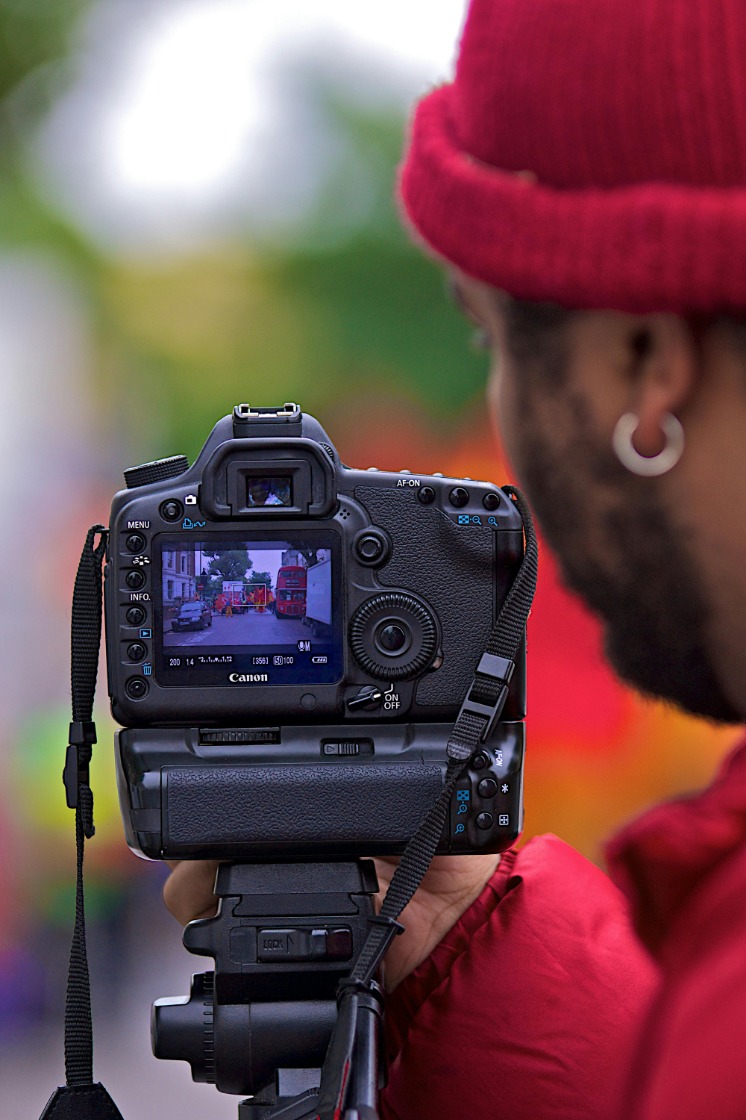
Post-processing steps matter to realize the full potential of your lenses and settings. Apply lens corrections for distortion, especially with wide angles in tight interiors, and correct perspective if verticals drift in architectural shots. Fine-tune white balance and exposure, recover highlights from bright windows, and balance color grading between interior and exterior images to maintain a cohesive travel-story look. Noise reduction and sharpening should be restrained to preserve natural detail, particularly in interior shots captured at higher ISO.
Stability, Motion, and Shutter Techniques
Shooting bus travel images requires attention to stability, motion, and shutter choices to convey speed, context, and passenger experience. Here are technical considerations to help you capture crisp exterior shots and engaging interior scenes.
- Stability and camera support: Use a solid stance, keep elbows in, and brace against a bus frame or rail when possible. For exterior shots, a monopod or stabilized lens helps counter vibrations from wheels and traffic. If using a tripod, set it on stable ground and use a remote shutter release to avoid shake.
- Lens selection and composition: Choose wide-angle (16–24mm) for dynamic street scenes and interior shots, or telephoto (70–200mm) to isolate a bus against the background. Watch for distortion when shooting close up and use leading lines (roads, rails) to guide the viewer’s eye.
- Shutter speed for freezing motion: To render sharp wheels, signage, and details while minimizing background blur, shoot at 1/500–1/1250s depending on speed and distance. Increase ISO in lower light to maintain proper exposure.
- Motion blur for sense of speed: For a feeling of movement, Pan with the bus using slower shutter speeds (around 1/30–1/125s). Practice smooth panning to keep the subject sharp while the environment blurs.
- Panning technique steps: Maintain a relaxed stance, rotate hips, and follow the bus with your camera; start tracking early, release the shutter as you complete the movement, and practice on slower vehicles before tackling fast city buses.
- Autofocus and tracking: Use continuous autofocus (AF-C/AI Servo) with a tracking or dynamic area mode to follow the moving bus. Lock focus on a point that remains in the bus’s path as distance changes.
- Exposure and ISO decisions: In changing light, use Auto ISO with exposure compensation to keep the bus properly exposed. Be mindful of high-contrast scenes (sunny skies vs. shadows inside) and avoid clipping highlights or shadows.
- White balance and color management: Shoot in RAW to adjust white balance later. Use daylight or auto WB for exterior shots; inside buses, consider WB adjustments to offset artificial lighting and prevent orange casts.
- Interior bus shots: Brace yourself against seat backs or handlebars to minimize shake; use faster shutter speeds to reduce blur from moving passengers. Be mindful of reflections from windows and consider a higher vantage point for a cleaner frame.
- Window reflections and glare: Clean the bus windows when possible and shoot at angles that minimize reflections. A polarizing filter can help reduce glare on exterior glass, but may be less effective or impractical behind tinted windows.
- Framing and storytelling: Show context with traffic, signage, and riders to convey atmosphere. Vary perspectives—low angles for drama, eye-level for realism, and high angles for city-scale context; wait for light that enhances color and contrast.
- Safety and ethics: Respect traffic laws and local regulations when shooting near buses and transit hubs. Obtain permits if required for professional shoots and protect passenger privacy when capturing interior scenes.
- Post-processing tips: Shoot RAW for latitude, apply lens corrections for wide-angle distortion, and perform selective sharpening. Balance exposure, adjust white balance, and harmonize color grading across a series to maintain a cohesive look.
Contextual Uses and Formats of Bus Travel Images
Bus travel images sit at the crossroads of narrative and information, appearing in travel guides, blogs, timetables, marketing materials, and social media to convey routes, schedules, and the rhythm of city life. They come in a variety of formats, from high‑quality JPEGs and PNGs for photography and graphic elements to SVGs for icons and maps, and WEBP for efficient web use. Layouts are chosen to fit context: horizontal photos for banners, vertical shots for posters, and square thumbnails for social feeds, with cropping and color choices that highlight buses, stations, and journeys. Accessibility and reuse matter, so captions and alt text accompany images and licenses guide editorial or commercial use. This contextual mix ensures bus travel imagery informs, persuades, and inspires readers across platforms.
Editorial News Photography and Documentation
Bus travel images operate across editorial, documentary, and archival contexts, offering a visual record of city life, mobility, and the everyday rituals of commuting.
In editorial news photography, bus imagery helps illustrate stories about transportation policy, service changes, safety campaigns, strikes, budgets, and urban congestion. Photographers look for decisive moments—drivers in profile, riders boarding in peak hours, signage, and the choreography of queues—to convey the social and political stakes surrounding public transit.
Formats for editorial use include photo essays that unfold over several frames, single images with concise captions, and multi-panel layouts that juxtapose exterior motion with interior activity. Captions should answer the who, what, where, and when, while image sequencing builds a narrative arc from context to consequence. Color choices, black-and-white treatments, and composition styles are selected to align with the publication’s voice and the story’s urgency.
Documentation and archival work treat bus imagery as a record of fleets, routes, and infrastructure over time. Images capture liveries, model generations, depot facilities, fare equipment, and route maps, creating a visual chronology that supports historians, planners, and archivists. Metadata—dates, locations, operator, route numbers, and photographer credits—turn photographs into verifiable records useful for research and policy evaluation.
Technical formats and delivery pipelines matter across contexts. For print, TIFF or high-quality RAW derivatives preserve detail for future use; for online platforms, optimized JPEGs with responsive scaling facilitate fast loading while maintaining legibility in captions and infographics. Color management, consistent cropping, and standardized aspect ratios help maintain a coherent library. Including alt text and keyword metadata improves accessibility and discoverability in digital archives.
Bus travel imagery as travel photography emphasizes the experiential dimension of riding. Interiors that reveal seating layouts, legroom, accessibility features, and the rhythm of a moving vehicle, along with exterior shots of buses traversing landscapes—from urban canyons to rural routes—tell stories about travel culture, regional identity, and the sensory experience of transit.
Ethical considerations guide every shoot. In public spaces, consent is not always feasible, so photographers must respect privacy, avoid exposing identifiable individuals when requested, and blur sensitive content as required by law or policy. Documentation of accessibility features, safety practices, and crowd dynamics should strive for dignity and accuracy.
Practical tips include establishing shots that set the scene, wide angles to convey motion, and intimate portraits to capture human moments. Vantage points at bus stops, depots, and on-board perspectives provide variety, while documenting signage, timetables, and fare devices adds contextual richness. Always comply with local regulations, transit authority rules, and safety guidelines during shoots.
An example scenario is the rollout of a city’s electric bus fleet. Editorial coverage can pair establishing exteriors of charging hubs with inside-the-bus views of quiet propulsion, rider interactions with digital displays, and driver training moments. A well-constructed package mixes public-interest angles with human stories, and archives should preserve before-and-after images of livery changes, charging infrastructure, and route reconfigurations for future reference.
Ultimately, the contextual uses and formats of bus travel images span storytelling, documentation, and historical record. By aligning editorial intent, documentary honesty, and archival rigor, photographers build a versatile visual resource that communicates the impact of buses on daily life, policy, and urban development.
Stock Imagery, Licensing, and Keywords
Bus travel images contribute to how we visualize cities, journeys, and everyday transportation. They support marketing, editorial storytelling, app design, and educational materials, while also requiring careful attention to format, licensing, and keywording to ensure proper use and discoverability.
- Contextual uses of bus travel images
- Marketing and promotion: tourism campaigns, transit authority advertisements, hotel partnerships, and seasonal campaigns that showcase routes and experiences.
- Editorial and reportage: travel features, city guides, infrastructure and urban mobility stories, and data-driven pieces about transit systems.
- Social media and influencer content: engaging posts, reels, and stories that highlight sights along bus routes and rider moments.
- Educational and training materials: safety briefings, accessibility demonstrations, driver training, and passenger etiquette guides.
- Wayfinding and app design: itinerary planning visuals, route maps, and user interface illustrations for transit apps.
- Formats and technical considerations
- Common file formats: JPEG for web use, TIFF/PNG for print, RAW for post-processing; vector formats are generally not used for photographs.
- Resolution and size: 72–150 DPI for online use, 300 DPI for print; typical web sizes include 1280–1920 px wide, while print may require larger dimensions.
- Orientation and composition: landscape for banners and headers, portrait for posters or mobile stories; capture motion, doors opening, and rider interactions for dynamic storytelling.
- Color and tone: vibrant urban palettes or documentary tones; consider black-and-white options for mood and contrast.
- Metadata and accessibility: embed IPTC/EXIF data; provide descriptive alt text and captions for accessibility and search.
- Stock imagery and licensing
- Stock vs custom photography: stock offers breadth and quick turnaround, while custom work provides brand-specific visuals.
- Licensing types: royalty-free vs rights-managed; note geographic scope, duration, and permitted uses; clarify whether redistributions or edits are allowed.
- People and property releases: obtain model releases for recognizable passengers and comply with branding or logo usage requirements when shown.
- Branding and compliance: avoid or clearly license transit logos and ensure compliance with operator branding guidelines when depicted.
- Credit and attribution: follow stock provider requirements for attribution when required by the license.
- Keywords, metadata, and search optimization
- Descriptive keywords: bus, bus stop, double-decker, coach, city, urban transit, transit hub, route, boarding, doors.
- Contextual keywords: travel, tourism, commuting, sightseeing, morning rush, evening traffic, cityscape.
- Visual keywords: color palette, lighting, motion, crowd, signage, reflections, perspective.
- Geographic and event keywords: city names, landmarks, festivals, airports, terminals, seasonal settings.
- SEO and accessibility: use natural, concise phrases like “city bus at sunset” or “tourist bus in traffic,” and provide accessible descriptions for screen readers.
Travel Promotion and Tourism Campaigns
Bus travel images hold unique power in travel promotion and tourism campaigns, combining motion, accessibility, and a sense of journey. When crafted thoughtfully, these visuals can convey routes, experiences, and emotions that resonate with potential travelers long before they book a ticket.
Contextually, bus travel images work best when they tell a story about the traveler’s moment: the anticipation at departure, the comfort of a clean, modern interior, or the thrill of on road discoveries. Campaigns can position buses as gateways to city explorations, scenic landscapes, and culturally rich stops, while also highlighting practical benefits such as affordability, schedules, and eco friendly options. Images should align with the campaign’s narrative arc, whether it emphasizes family adventures, solo quests, or group getaways.
Formats for bus travel imagery span multiple channels and sizes. Hero banners on tourism sites benefit from wide, cinematic angles showing a bus against a dramatic backdrop. Carousel galleries on mobile apps can cycle through interior comfort, exterior design, and destination shots. Print posters in stations or airports work best with bold focal points and a clear call to action, while brochures can weave a sequence of images that guide readers through itineraries and timings.
Visual storytelling categories frequently used in bus campaigns include exterior shots that emphasize reliability and pride in design, interior shots that showcase legroom and amenities, and in-transit moments such as travelers enjoying scenic vistas through large windows. Candid, lifestyle photography often outperforms overly staged scenes, capturing authentic emotions like anticipation, conversation, and shared laughter. Local landmarks and rural or urban routes can be threaded into a single narrative to illustrate the journey from origin to destination.
Color and branding play a critical role in bus travel imagery. A consistent palette that echoes the campaign’s branding helps images feel cohesive across platforms. For example, warm tones can convey hospitality and comfort, while cooler tones might suggest efficiency and modernity. Logos should appear clearly but unobtrusively, with typography that remains legible in both large posters and small social thumbnails. When possible, images should reflect the brand’s sustainability messaging or community engagement to reinforce trust and authenticity.
Composition tips for bus travel photos include using leading lines from the road or railings to direct the viewer’s eye toward the bus, placing the vehicle off-center to convey motion, and capturing reflections in windows to add depth. Shooting from back rows or elevated angles can reveal the interior layout and seat comfort, while ground-level shots emphasize the bus’s size and presence within the landscape. Seasonal changes and dynamic weather can be leveraged to evoke mood and tell a destination’s story without text.
Accessibility and inclusivity should be integral to image selection. Campaigns benefit from showing diverse travelers in family, solo, senior, and accessibility-focused contexts to reflect real audiences. Imagery should avoid stereotypes and portray a range of destinations, activities, and modes of travel that appeal to different demographics. Descriptions accompanying images should be precise and informative to support search, accessibility, and localization efforts.
Channel-specific formats require thoughtful adaptation. Digital ads and social posts perform best with concise, high-impact images that scale to square or vertical formats, while website headers use wide panoramas to convey horizon and movement. Print materials demand high resolution and strong contrast for readability from a distance. Video thumbnails and stills should capture a compelling moment—such as a traveler peering out at a sunrise or a convoy of buses threading through a scenic byway—to invite clicks and curiosity.
Localization and testing are valuable for maximizing impact. Regional imagery that features local landmarks, languages on signage, and culturally resonant scenes can boost relevance and engagement. A/B testing different image treatments—such as bus side angles versus overhead shots, or interior layouts highlighting legroom versus tech amenities—helps identify what drives clicks and conversions for specific campaigns or markets.
Ethical considerations remind marketers to represent places and people respectfully. Imagery should avoid overused tropes and ensure consent where individuals are depicted. When possible, collaborate with local photographers to capture authentic scenes that reflect the destination’s character while aligning with brand messages. This approach strengthens credibility and fosters a positive perception of both the bus service and the destinations featured.
In summary, bus travel images are a versatile asset for travel promotion and tourism campaigns. By aligning context, format, storytelling, branding, and accessibility, these visuals can illuminate the journey, showcase comfort and variety, and invite diverse audiences to explore new places via bus travel.
Social Media, Engagement, and Visual Storytelling
Bus travel images function as visual anchors for stories about journeys, routes, and the people who ride them. They capture the mood of a trip—from sunrise departures to late-night arrivals—and invite viewers to imagine themselves on board.
Contextual uses include travel blogs and guides, tourism campaigns, transit operator marketing, editorial features, and user‑generated content on social platforms. Each context shapes the choice of shot, caption, and cadence of posting.
Formats across social networks favor specific aspect ratios and layouts. Square and vertical images work well for Instagram feeds and stories, while landscape shots suit Facebook, Twitter, and blog banners. Carousel posts let you tell a sequence from boarding to destination.
Think in triples or sequences: exterior shots of a bus against changing scenery, interior scenes showing companions or a lone traveler, and details like tickets, maps, or a sign at a terminal. Variety keeps the story cohesive and visually engaging.
Engagement comes from captions that pose questions, invite tips about routes, or request readers to share their favorite bus moments. Use geotags, relevant hashtags, and occasional polls to spark conversation and community participation.
Visual storytelling relies on a narrative arc: a hero moment (the first boarding), a progression shot (passing landscapes), and a closer that suggests arrival or reflection. Recurrent motifs—color tones, typography on signs, or a signature prop—create brand coherence.
Accessibility matters: provide descriptive alt text for every image, choose legible captions overlays, and ensure color contrast for viewers with visual impairments. Represent diverse riders and experiences with consent from participants when featuring people.
Technical tips: shoot with a stabilizer or moderate shutter speeds to balance motion on a moving bus, use natural light near windows, and shoot both wide environment shots and tight portraits. Post‑process to harmonize color palette across a campaign.
Formats for branding and licensing include original photography, commissioned images, or carefully selected stock that matches the campaign’s tone. Maintain a consistent visual language—palette, contrast, and typography—to support a cohesive bus travel narrative.
In practice, plan content with a storyboard: pick a route, map the shot list, and align posts to a publishing cadence. When done well, bus travel imagery becomes a passport for exploration, community, and the rhythm of the open road.
Ethics, Privacy, and Representation in Bus Travel Imagery
Ethics, privacy, and representation shape how bus travel imagery captures riders, vehicles, and stations. Photographers and brands should seek informed consent where possible, avoid invasive or exploitative portrayals, and respect personal boundaries in public spaces. Images should defend privacy by anonymizing faces or using angles that blur identities when needed, while still conveying authentic experiences. Representation matters: showcasing diverse riders, accessible infrastructure, and varied journeys to reflect the real range of bus travel without reinforcing stereotypes or biases.
Consent, Privacy, and Blurring Techniques
Ethics, privacy, and representation are essential considerations when creating or selecting bus travel imagery. Visuals of riders, stations, and buses help shape public perception of transit, accessibility, and urban life.
Consent and transparency: When photographing people in or around buses, obtain clear, informed consent whenever feasible. For public spaces, consent remains important for identifiable individuals, especially in commercial usage. For minors, ensure parental or guardian consent is obtained, and use model releases when required by law or policy.
Privacy implications: Be mindful of not exposing sensitive data or personal routines. Avoid capturing or disseminating images that reveal travel plans, destinations, or personal identifiers such as license plates or ticket information. In crowded scenes, prioritize protecting the privacy of individuals who did not consent to be featured.
Representation and inclusion: Imagery should reflect the diversity of riders and communities that use bus systems, including various ages, abilities, ethnic backgrounds, genders, and languages. Avoid stereotypes or tokenism, and depict accessibility features, inclusive seating, and equitable access to services to foster a more accurate and welcoming narrative of bus travel.
- Consent and model releases: secure explicit permission from identifiable individuals, especially in commercial or promotional uses; document consent where possible.
- Privacy by design: plan shoots and edits to minimize exposure of non-consenting individuals; blur or crop faces or distinctive features as needed.
- Blurring and anonymization techniques: apply mosaic/pixelation to faces, license plates, and unique identifiers; use partial blur when full obscuration would erase important context.
- Representation guidelines: strive for diverse, authentic portrayals that show people with disabilities, families, commuters, seniors, students, and workers in varied roles and settings.
- Legal and ethical compliance: align practices with data protection laws, model release standards, and platform policies; maintain documentation of permissions and usage rights.
- Practical workflow: establish a consent checklist, implement a blurring protocol, and review images for potential privacy or representation issues before publication.
- Captioning, accessibility, and transparency: provide captions that describe context without naming individuals; ensure alt text conveys essential information for screen readers.
In practice, ethical bus imagery respects the dignity and privacy of riders while promoting an inclusive and accurate vision of public transportation. By prioritizing consent, privacy-preserving techniques, and thoughtful representation, creators can produce images that inform, inspire, and reflect the experiences of diverse travelers.
Inclusive Representation of Riders
Bus travel imagery shapes how people imagine public transit. When agencies and media create images of riders, ethics, privacy, and representation must guide every choice to reflect inclusive, real-world experiences.
Ethics means treating riders with dignity and honesty. Images should tell truthful stories, avoid sensationalization or stereotypes, and respect the labor and rights of transit workers. Do not exaggerate danger or hardship, and avoid using images that manipulate emotions or exploit vulnerability for profit or shock value.
Privacy matters even in public spaces. Seek consent when possible, and be mindful of faces, personal moments, and sensitive situations. For minors and vulnerable individuals, obtain parental or guardian consent. When consent isn’t available, blur faces or use silhouettes and generic scenes, and avoid sharing identifiable information in captions or metadata.
Representation should be inclusive and nuanced. Show a wide range of riders across ages, ethnicities, languages, genders, family structures, and body types. Include riders with disabilities using mobility devices, service animals, or assistance, and depict accessible features in use. Portray urban and suburban contexts, different routes and times of day, and avoid tokenism by giving meaningful presence to diverse communities beyond stereotypes.
Images of accessibility and design matter. Portray low-floor buses, ramps, priority seating, clear signage, accessible announcements, and accommodations for wheelchairs, walkers, and strollers. Show staff assisting riders respectfully, and depict environments that support independent travel as well as needed assistance.
Captions, language, and framing influence perception. Use person-first language and avoid labeling people by disability or other identities. Describe scenes without implying a single “kind” rider; acknowledge multilingual settings and cultural diversity. Ensure captions are accurate, non-judgmental, and free of unnecessary sensationalism.
Practical guidelines for photography and campaigns include obtaining model releases where appropriate, clarifying intended use, and limiting image collection to what is necessary. Involve community voices in planning and review imagery to identify biased or exclusionary portrayals. Regularly audit stock and commissioned imagery for diversity and privacy concerns, and update practices as communities and transit networks evolve.
Ultimately, ethical, privacy-respecting, and inclusive representation in bus travel imagery builds trust, broadens who feels welcome to ride, and reflects the true diversity of riders who rely on public transit every day.
Copyright, Licensing, and Fair Use
Bus travel imagery raises important questions about ethics, privacy, and representation, alongside the legal frameworks of copyright, licensing, and fair use. This overview discusses how photographers, agencies, and publishers can responsibly create and share images that depict riders, crews, and facilities while respecting individuals and the public interest.
- Ethics of depiction and consent
- Obtain informed consent from identifiable individuals in images of buses, terminals, or onboard scenes, or use clear anonymization when consent cannot be obtained.
- Avoid stereotyping or exoticizing groups of riders based on age, race, gender, disability, or nationality in promotional or documentary imagery.
- Respect cultural contexts and avoid misrepresentation of travel experiences to mislead viewers about a place or service.
- Privacy and data protection
- Minimize capturing identifiable personal data such as faces, license plates, or unique digital identifiers when not essential, especially in public transport settings.
- Use blurring, cropping, or silhouettes to protect privacy where consent is unavailable or impractical.
- Be mindful of metadata and location data that could reveal sensitive information about individuals or routes.
- Representation and accessibility
- Show diverse riders including age, ability, gender identity, and cultural backgrounds to reflect the inclusive nature of public transit.
- Use alt text and accessible design so visuals convey information to screen reader users and people with visual impairments.
- Highlight accessibility features such as ramps, priority seating, and clear signage in a respectful, non-tokenistic way.
- Copyright, licensing, and fair use
- Respect copyright by obtaining permission from photographers or rights holders when required, and adhere to licensing terms such as attribution, non-commercial use, or share-alike provisions.
- Consider open licenses (for example, Creative Commons) that align with intended reuse, including whether adaptation is allowed and if attribution is required.
- Apply fair use or fair dealing considerations for transformative, non-commercial commentary, news reporting, or educational purposes, while avoiding misrepresentation of the work or the subject.
- Branding, sponsorship, and context
- Distinguish editorial, documentary, or advertising context to avoid implied endorsements or deceptive claims about a transit agency or service.
- Obtain permissions when using logos, buses, or logos in imagery, and respect sponsorship disclosures.
- Avoid deceptive edits or manipulations that distort the appearance of service quality, routes, or safety.
Organizations should implement clear guidelines, training, and mechanisms for addressing ethical, privacy, and representation concerns in bus travel imagery, while navigating copyright and licensing in ways that support responsible, accessible, and truthful storytelling.