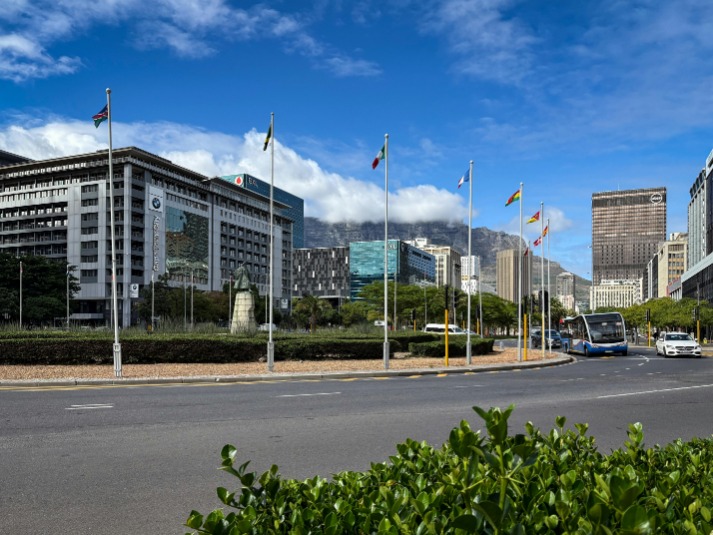

Overview of the South African bus sector
South Africa’s bus sector forms a crucial backbone of the country’s transport system, weaving together urban routes, suburban corridors and long-distance connections across provinces. It combines large intercity and coach operators with a dense network of urban and rural services, including regulated city buses and informal minibus taxi routes, all governed by national transport policy and licensing frameworks. The sector continues to modernize through fleet upgrades, safety initiatives and integrated transport planning aimed at improving affordability, reliability and access for communities that rely on buses daily.
Market structure and travel patterns
The South African bus sector sits at the intersection of a large informal taxi economy and a smaller but critical formal coach segment, serving millions of travellers daily. It includes intercity long-distance operators, urban commuter buses, and a vast network of minibus taxis that carry the majority of everyday trips. The sector operates within a regulatory framework created by national and local authorities to coordinate licensing, safety and affordability and to promote integrated public transport across cities and regions.
Market structure: A few large formal operators dominate intercity routes, complemented by a multitude of regional and rural operators. Prominent names in long-distance coaching include Intercape and Greyhound South Africa, along with regional brands that run scheduled services between major cities and tourism hubs. In urban corridors, municipal and provincial bus networks such as MyCiTi in Cape Town, Rea Vaya in Johannesburg, and Putco in parts of Gauteng provide high-frequency services linking suburbs to city centres, often financed or subsidised to meet priority corridors. A large and active minibus taxi sector operates in parallel, providing flexible, point-to-point travel that shapes route choices and fare levels for formal operators.
Regulation and governance: Regulation is shared across national and local levels. The National Land Transport Act, together with the National Public Transport Regulator and provincial transport authorities, oversees route planning, licensing, safety standards and fare regulation. The market remains fragmented, with a handful of large intercity operators and many smaller regional outfits alongside the dominant informal minibus taxi sector. These dynamics affect coverage, pricing and the pace of reform aimed at integrated public transport and safer, more reliable travel.
Travel patterns: Urban travel in South Africa is heavily dominated by minibus taxis for short trips, while formal bus services tend to connect suburban nodes with city centres and offer longer-distance intercity options. Long-distance coach routes link major metropolitan areas (for example, Johannesburg–Durban and Cape Town–Port Elizabeth) and are important for business, tourism and seasonal travel. Tourism routes also rely on coaches serving coastal corridors along the Garden Route and inland highway routes. Bus travel is generally more affordable than air travel, contributing to steady demand among lower- and middle-income travellers; seasonality is pronounced during school holidays, long weekends and pilgrimage periods, which often see elevated occupancy on popular corridors.
Challenges and opportunities: Operational challenges include ageing fleets, maintenance backlogs, safety compliance and regulatory alignment with the informal minibus taxi sector. Reliability and punctuality remain key issues for intercity services, while integration with rail and other modes is incomplete. Opportunities lie in fleet renewal with modern coaches, cleaner fuels, better driver training, and technology-enabled ticketing, real-time tracking and unified fare systems. Public subsidies and targeted subsidies for rural and peri-urban routes could improve affordability and access while planning reforms aim to create more coherent networks and safer operating environments.
Future outlook: Overall, the South African bus sector is likely to rely on stronger collaboration between formal operators and the minibus taxi network to extend coverage and affordability. Investments in urban BRT-like networks, traffic management improvements and service integration could transform many corridors. Long-distance operators will adapt to growth in domestic tourism, while continuing to offer reliable links between provinces and airports. The sector’s resilience will depend on continued policy focus on safety, consumer protection and sustainable mobility for a diverse and urbanizing population.
Regulatory landscape and licensing
The South African bus sector forms a vital mobility backbone, linking metropolitan corridors with townships and rural settlements. It spans municipal urban fleets, private coach operators, and the large still informal minibus taxi ecosystem that carries a significant portion of commuters. Buses support daily work and school trips, enable regional connectivity, and help foster economic inclusion, while facing challenges such as aging fleets, safety concerns, fuel costs, and a complex regulatory environment.
Regulation of bus transport in South Africa is anchored in the National Land Transport Act and related policy, with responsibilities shared among national, provincial, and municipal authorities. The Department of Transport sets national policy and standards, while a national regulator – the National Public Transport Regulator – oversees licensing, service planning, safety compliance, and fare and quality standards. Public transport planning has also aimed at integrated networks and intermodal connectivity, including progress toward Integrated Rapid Public Transport Networks in major cities. Regulators coordinate with municipalities, provincial transport departments and national funding instruments to align routes, timetables and safety requirements.
To operate a bus service legally, an operator must obtain a public transport permit or operating license for the specific routes and service type. The process typically requires submission of a service plan, safety and maintenance arrangements, driver qualification records, vehicle specifications, financial viability, and public interest considerations. The regulator conducts assessments, may invite public comment, and issues permits or licenses with defined routes, times and service levels. Permits are periodically reviewed and renewed, and operators must comply with safety standards, vehicle road worthiness, driver testing, and reporting obligations. Urban and intercity services may rely on different permit categories and tender or allocation processes, depending on the jurisdiction.
Recent reforms seek to rebalance the sector toward safer, more reliable and integrated public transport, with emphasis on fleet modernization, safety enforcement, and credentialing of operators. The emergence of bus rapid transit networks in cities such as Cape Town, Johannesburg and other metros illustrates a shift toward higher-capacity, higher-frequency services integrated with rail and other transport modes. Public funding through national and provincial transport funds supports capital purchases and service subsidies, but operators still contend with licensing delays, regulatory complexity, and competition from informal minibus operations. A coherent regulatory framework is essential for achievement of affordable fares, safety, and network reliability.
For bus companies, the regulatory and licensing environment shapes planning horizons, capital investment, and day-to-day operations. Formal operators benefit from clearer service rights, access to funding, and the ability to participate in integrated networks, while smaller or newer operators may face barriers to entry such as lengthy permit processes and compliance costs. Ongoing regulatory reform, enhanced safety standards, and a focus on intermodal planning are likely to influence future routes, tender opportunities and the role of private sector players in South Africa’s bus sector.
Major bus operators and networks
South Africa’s long-distance bus scene is led by major operators such as Intercape Mainline and Greyhound South Africa, which together cover most of the country’s routes. Additional networks like Translux and City-to-City provide further intercity services, while regional operators keep towns and rural areas connected across the provinces.
National intercity carriers
South Africa’s national intercity bus network is supported by a mix of long-established brands and modern operators, providing affordable travel between major cities, provincial capitals and several tourist towns across the country.
The major operators today include Intercape Mainliner, Greyhound SA, and the Autopax brands Translux and City-to-City. Intercape runs an extensive national network with multiple service levels and frequent departures between key hubs such as Johannesburg, Cape Town, Durban, Bloemfontein, and Port Elizabeth. Greyhound SA operates long-distance routes connecting the big metros as part of its national intercity network. Translux and City-to-City, under the Autopax umbrella, focus on corridors linking Gauteng with coastal and provincial centres, offering a complementary set of schedules to the other brands. Golden Arrow Bus Services (GABS) remains a major Western Cape operator, with routes linking Cape Town to regional towns in the Western Cape and nearby areas.
Networks typically concentrate on core corridors: Gauteng to the Western Cape and the coast; Gauteng to KwaZulu-Natal; and routes along the Eastern and Southern Cape, with additional cross-country trips available through cross-border services or via partnerships. Each operator runs a mix of regular scheduled services and higher-frequency departures on peak days, with options ranging from standard coaches to premium services.
Ticketing is usually available at operator offices, bus depots and online portals, with seat reservations advised for busy periods. Fleet commonly comprises modern intercity coaches with air conditioning, comfortable seating, luggage racks and on-board amenities depending on service level. Schedules are subject to weather, road conditions and public holidays, so travelers should check current timetables and book in advance when possible.
Cross-border travel is possible with some national operators, but requires current visa and customs requirements as well as vehicle permits. Always verify the latest routes, operating status and safety records from the operator before planning long journeys.
Regional and provincial operators
South Africa’s intercity bus landscape is shaped by a handful of national networks, complemented by regional and provincial operators that serve urban corridors and rural towns alike. Long-distance coaches connect major cities and offer affordable travel across vast distances, supporting commuters, tourists, and workers who move between provinces.
Major national operators and networks include Intercape and Greyhound SA. Intercape operates a wide network across South Africa and into neighboring countries, with routes that link key urban centers and offer regular daily services. Greyhound SA runs a cross-country schedule that connects major cities and inland hubs, providing comfort and safety for long-distance travelers. These brands form the backbone of intercity travel for many South Africans and visitors.
Translux has also been part of South Africa’s long-distance coach history, historically operating a network of routes between major cities and providing intercity services, though branding and operations have evolved with industry changes over the years. In addition to the main national operators, there are smaller brands and tourism-oriented networks that connect popular destinations and offer packaged trips for travelers exploring the country.
Regional and provincial operators fill critical transport needs across provinces. Putco operates prominent commuter services in Gauteng and Limpopo, serving city centers, townships, and outlying communities with regular daily runs. Golden Arrow Bus Services is the well-known Western Cape operator, providing intercity connections across Cape Town, the surrounding metro, and the Boland region, with a focus on worker and student commuting. Across other provinces, local and district operators run shorter intertown routes, school connections, and commuter services, often coordinating with urban taxi networks to form a broader transport web.
Travelers planning intercity or regional bus travel should check the latest timetables and book in advance when possible. Tickets are typically available through operator websites, bus terminals, or third‑party platforms. Safety standards, comfort offerings, and luggage allowances vary by operator, so comparing routes, times, and prices helps passengers plan efficiently. The bus network in South Africa remains an important lifeline for many communities, offering affordable travel and flexible routes across the country.
Urban and commuter bus services
Urban and commuter bus services are the backbone of public transport in South Africa’s cities, connecting neighborhoods to workplaces, schools, and services while helping ease road congestion. In cities such as Cape Town and Johannesburg, a mix of rapid-transit networks and traditional bus operators—MyCiTi, Rea Vaya, Golden Arrow, Metrobus, and other regional services—provide daily routes that support millions of commuters and shape sustainable urban mobility.
Johannesburg, Cape Town, and Durban networks
South Africa’s urban and commuter bus networks connect major cities with surrounding suburbs, offering reliable alternatives to car travel for millions of residents.
Johannesburg’s urban bus network centers on Rea Vaya, the city’s Bus Rapid Transit system. Rea Vaya operates high‑frequency trunk routes through the CBD and along major corridors, with feeder buses linking townships to the trunk network. The system is complemented by conventional city services and a range of private operators contracted by the City of Johannesburg to provide additional capacity.
Cape Town’s urban bus services are anchored by MyCiTi, a BRT network with trunk routes from the city center to outer suburbs and feeder services to residential areas. In addition to MyCiTi, traditional operators such as Golden Arrow Bus Services and Metrobus operate conventional routes under contract to the City of Cape Town and surrounding municipalities, serving areas not covered by the BRT.
Durban’s eThekwini Municipality oversees a Go!Durban BRT project to move people along coastal and inland corridors, while conventional buses are operated by private firms under contract and by taxi associations that provide significant commuter services in the metro.
Across these cities, growth and reform are shaped by funding models, fare structures, and the need for integration with rail networks and the informal minibus taxi sector. Many operators are adopting digital fare systems and real-time information to improve reliability and user experience.
Bus companies in South Africa continue to evolve through public‑private partnerships, sector regulation, and infrastructure investments aimed at expanding coverage, reducing congestion, and improving safety for urban and commuter travelers.
If you are planning a trip, consult the official transport authority pages or operator websites for current routes, timetables, and fares to ensure you have the latest information for Johannesburg, Cape Town, and Durban networks.
Rural and peri-urban routes
South Africa’s urban and commuter bus services are provided through a mix of municipal contracts and private operators, designed to carry large numbers of daily workers and students within cities, suburbs, and surrounding townships.
Urban systems are often organized around city-led networks such as MyCiTi in Cape Town and Rea Vaya in Johannesburg, which aim to provide fast, reliable, and integrated travel along key corridors. These services are typically run under tendered contracts with private bus companies operating the fleet on designated routes, with fare systems that seek to integrate with other public transport modes.
Private operators like Golden Arrow, Putco and Unitrans play a major role in urban commuter services in parts of the Western Cape and Gauteng, complementing municipal networks and sometimes offering longer urban or intercity trips. In many areas, these operators operate alongside modal options such as trains and taxis to serve high-demand corridors.
Rural and peri-urban routes depend more on smaller operators and minibuses that connect towns, farms, and perimeters with larger cities. These services may be subsidized or tendered by provincial or municipal authorities to improve safety, reliability, and accessibility, but they can vary in frequency and comfort compared with urban systems. Formalization efforts aim to integrate rural routes into a wider public transport plan and to bring better standards of service to these areas.
Challenges facing both urban and rural services include funding, fleet modernisation, and safety, but there are opportunities in expanding rail and bus rapid transit links, electrification or cleaner buses, and smarter fare and scheduling systems to improve rider experience. For travelers, checking provincial transport sites or municipality transport portals will provide current routes, timetables, and fare information.
Public transport initiatives and BRT projects
Public transport in South Africa is being reshaped by Bus Rapid Transit (BRT) projects and citywide reforms that aim to provide safer, affordable, and reliable bus services. Across major urban centers, bus companies are expanding dedicated lanes, integrated fare systems, and modern fleets to connect townships and suburbs with the city core. These initiatives seek to reduce congestion, cut emissions, and improve access, while public and private operators partner with government to deliver better mobility.
Johannesburg Rea Vaya and Pretoria BRT
Public transport in South Africa has increasingly relied on bus-based systems, with high-profile public transport initiatives and Bus Rapid Transit networks shaping major cities, including Johannesburg’s Rea Vaya and Pretoria’s BRT, to provide affordable and reliable mobility for residents.
Johannesburg’s Rea Vaya is the flagship BRT network in South Africa. Launched in 2009, it was designed to offer high-capacity trunk routes with dedicated lanes and a network of feeder buses that connect residential areas to major activity hubs. The system operates under a concession model where private and public sector bus providers deliver services under city guidelines, with a focus on standardized fares, public safety, and improved passenger information systems.
Pretoria’s BRT, part of the Tshwane urban mobility plan, aims to connect the city center with northern and southern suburbs through trunk routes complemented by feeder services. Like other BRT projects, it emphasizes dedicated lanes, efficient passenger flow at stations, and a fare system designed to be more affordable and predictable for commuters, though rollout has faced delays and financing challenges common to large-scale public transport initiatives.
In South Africa, bus companies play a crucial role in both BRT and conventional services. The BRT model typically relies on contracted concessionaires to operate the trunk and feeder services, while private bus companies such as Putco, Golden Arrow, and Buscor have historically provided regular-route operations and feeder services that connect with BRT networks. Taxi associations also influence feeder routes and interchanges, highlighting the need for integrated transport planning and policy alignment across modes.
The impact of these bus networks is multifaceted: they can shorten travel times, reduce traffic congestion, support job creation, and enable urban redevelopment around major corridors. They also require ongoing investments in fleet modernization, safety, accessibility for people with disabilities, and interoperable fare systems to ensure seamless journeys across different transport modes.
Looking ahead, South Africa’s bus sector and BRT projects aim to expand trunk corridors, improve reliability, and integrate more closely with rail networks such as Metrorail and Gautrain. The shift toward cleaner buses, including electric or hybrid propulsion, along with smarter mobility solutions and better feeder integration, holds the potential to boost public transport use and contribute to more sustainable urban growth in Johannesburg, Pretoria, and beyond.
Cape Town MyCiTi and other city systems
Public transport initiatives in South Africa have increasingly emphasized bus rapid transit and integrated city networks to improve mobility, reduce congestion, and provide affordable travel for residents in townships and peri-urban areas.
Cape Town’s MyCiTi stands as a flagship BRT system, delivering high-capacity, accessible service with dedicated lanes on key corridors, feeder routes from suburbs into the city center, and a fare system designed to be user-friendly for first-time transit users.
Johannesburg’s Rea Vaya is another major BRT project that began in the late 2000s. It introduced trunk routes and feeder services to connect townships with the central business district, along with bus-only lanes in some corridors, though expansion has been shaped by funding and governance considerations.
Pretoria’s A Re Yeng BRT network extends the concept with routes aimed at improving access across the capital city, linking major corridors to the city center and to regional rail connections, with ongoing upgrades and service refinements.
Across other cities, conventional and specialized bus services operate to complement or supplement BRT networks. In Cape Town, private operators such as Golden Arrow Bus Services run alongside MyCiTi, and a mix of municipal and private providers helps fill gaps in coverage while offering commuters a range of options.
In KwaZulu-Natal, Durban and surrounding municipalities have pursued measures to improve urban bus mobility and to explore BRT-style concepts while integrating with existing minibus taxi networks, seeking safer, more reliable, and more affordable travel options for residents.
The national policy environment has encouraged municipalities to modernize, fund, and regulate bus transit through a combination of provincial support, local governance, and public-private partnership models. This approach has helped accelerate the rollout of BRT projects and the upgrading of conventional bus fleets.
Despite progress, challenges persist, including funding gaps, maintenance needs, fare management, roadworks, vandalism, and the difficulty of achieving seamless intermodal connections across buses, rail, and taxi services. However, the benefits—faster trips, more predictable timetables, reduced congestion, and improved access for lower-income communities—drive ongoing investment and reform.

Looking ahead, many cities plan to extend existing BRT networks, pilot green bus programs, and deepen integration with rail and taxi networks to create more cohesive, resilient urban mobility systems that serve diverse communities across South Africa.
Strong city-to-city cooperation and standards for fare payment, vehicle quality, and service planning could further improve user experience, while local job creation from fleet modernization and maintenance will be a key social and economic benefit as bus systems continue to evolve.
Emerging BRT pilots and planned expansions
Regulation, safety, and compliance
Regulation, safety, and compliance shape how bus companies operate in South Africa, guiding licensing, vehicle standards, driver qualifications, and route allocations to ensure reliable public transport. Operators must meet stringent safety requirements—regular vehicle inspections, properly maintained fleets, and adherence to speed, rest, and fatigue management rules—while using accurate record-keeping and reporting to regulatory bodies. Robust enforcement by national and provincial authorities, combined with clear standards for passenger services, helps protect riders, promote fair competition, and support efficient, accountable bus transport across the country.
Vehicle standards and inspections
South Africa’s bus industry operates under a regulatory framework that emphasizes safety, compliance, and passenger protection. Operators must meet vehicle standards, driver qualifications, licensing requirements, and ongoing inspection regimes to run public transport services.
- Regulatory framework and licensing: Public transport is governed by national and provincial laws, notably the National Land Transport Act and the National Road Traffic Act, with the Road Traffic Management Corporation coordinating enforcement; operators require operating licenses or public transport permits issued by provincial authorities.
- Vehicle standards and compulsory specifications: Buses must comply with national safety and performance standards through bodies such as the NRCS and SABS, covering structural integrity, braking, lighting, emissions, and accessibility where applicable.
- Roadworthiness and inspections: Regular roadworthy assessments and periodic inspections are mandatory, conducted at authorized testing stations; the status of vehicles and permits is tracked through systems like eNaTIS to ensure ongoing fitness for service.
- Safety requirements for passengers and operations: Requirements include functioning seat belts, clear emergency exits, proper signage, and adherence to load limits, driver fatigue management, and hours of operation to protect passengers and staff.
- Driver qualifications and training: Operators must employ licensed, trained drivers and provide ongoing safety training, with adherence monitored by traffic authorities and licensing regulators.
- Enforcement and compliance oversight: Road traffic inspectors and the RTMC enforce regulations, conduct audits and inspections, and levy penalties to deter unsafe practices and non-compliance.
- Record-keeping and data management: Operators must maintain maintenance logs, inspection records, driver logs, and incident reports; eNaTIS and related systems help verify licenses, permits, and vehicle fitness.
- Industry reforms and challenges: The sector faces ongoing efforts to improve reliability and safety, address provincial variation, and reduce backlogs in inspections and permit processing while ensuring consistent standards.
In practice, compliant bus operators prioritize preventive maintenance, regular inspections, and staff training to meet high safety standards and maintain reliable service for passengers.
Driver training, safety programs, and enforcement
South Africa’s bus companies form a critical part of the transport network, linking urban centers with rural communities and supporting tourism and economic activity. The regulatory environment is designed to ensure safety, reliability and accountability from operators, drivers, and the vehicles themselves.
Regulation and compliance for bus operators cover licensing, route authorisations, vehicle standards and ongoing safety reporting. Operators must obtain the appropriate operator licences and adhere to the National Land Transport Act provisions, as well as national traffic laws administered by agencies such as the Road Traffic Management Corporation and the National Public Transport Regulator. Vehicles used in public transport are expected to meet roadworthy and safety standards, undergo regular inspections and maintenance, and carry required documentation. Compliance monitoring includes inspections of vehicles, driver licensing checks, and audits of service level agreements with municipalities or private customers.
Driver training is central to safety culture in South African bus companies. Programs typically include formal driver qualification and competency assessment, defensive driving techniques, safe driving under various weather and road conditions, fatigue management, and routine medical and vision testing. Operators invest in ongoing skills development, including customer service, incident response, and emergency procedures, to reduce accident risk and improve passenger experience.
Safety programs within bus companies combine policies, procedures and risk controls to prevent incidents and manage consequences. Elements commonly include safety management systems, vehicle maintenance plans with preventative servicing and tire condition monitoring, driver accountability measures, incident and near-miss reporting, safety committees, and regular safety audits. Data-driven reviews of routes, scheduling, and traffic patterns support proactive risk mitigation and service reliability.
Enforcement actions in South Africa target non-compliance by operators as well as individual drivers. Road authorities, traffic police, and the RTMC conduct roadblocks, vehicle inspections, and licensing checks to verify roadworthiness, driver fitness, load compliance, and adherence to operating licences. Penalties for breaches can include fines, suspension or revocation of licences, fleet de-rating, and, in severe cases, criminal charges. Strong enforcement is paired with public reporting and independent audits to preserve accountability and deter unsafe practices.
Ticketing, fares, and passenger experience
Ticketing, fares, and passenger experience are central to the way South Africa’s bus companies connect towns and cities, offering a mix of affordable intercity services and commuter routes. Modern operators are expanding digital ticketing, with mobile apps, SMS, or QR codes, enabling contactless payments and real-time fare updates. Fare structures vary by distance, time of day, and service level, with affordable daily passes and occasional peak surcharges. Passengers value reliable schedules, clean buses, helpful drivers, and accessible booking options, but experiences can differ by operator and region. Ongoing improvements include transit hubs, better security, and clearer route information, aiming to make bus travel a convenient and inclusive choice for work, education, and tourism across South Africa.
Fare structures and subsidies
In South Africa, bus companies operate under a mix of municipal, provincial, and private models. Ticketing, fares, and passenger experience are central to how people travel and how sustainable bus services are, with networks like MyCiTi in Cape Town and Rea Vaya in Johannesburg illustrating how pricing and subsidies shape access and reliability.
Ticketing methods vary widely by city and operator. Some fleets still rely on cash on board, while others use prepaid smartcards, contactless bank cards, or mobile wallet apps. In many places, there are efforts to allow inter-operator transfers or single-ticket journeys, but implementation is uneven, which can complicate trips that involve more than one operator.
Fare structures range from flat fares to distance-based schemes and zone-based pricing, with occasional caps or day passes in bus networks. Concessions for students, pensioners, people with disabilities, and low-income riders are common where subsidies exist, and monthly or weekly passes are offered to encourage regular travel and improve planning for households.
Subsidies play a crucial role in keeping fares affordable and in sustaining service levels. National, provincial, and municipal funds may support operating costs, capital investments, and social equity goals. Subsidy models can be per-kilometre, per-trip, or per-rider, and performance-based funding is used in some cities to reward reliability and service quality.
Passenger experience hinges on reliability, frequency, and comfort. Key factors include on-time performance, vehicle condition and cleanliness, accessibility for people with disabilities, safety, and the availability of real-time information. Clear signage, easy-to-use fare systems, and helpful staff all contribute to a positive perception of bus travel.
Challenges facing the sector include fragmentation among operators, funding gaps, and aging fleets. Efforts to integrate ticketing across modes, standardize smartcard technology, and improve data collection can help planners align subsidies with actual service outcomes and rider needs.
Looking ahead, many cities are exploring more integrated ticketing, digital payments, and real-time passenger information to streamline travel. Subsidy reforms, stable funding, and targeted social subsidies aim to expand coverage, reduce travel costs for vulnerable groups, and incentivize high-quality, lower-emission bus services across South Africa.
Electronic ticketing and multimodal integration
South Africa’s bus sector spans city-day services, long-distance routes, and rural feeders, and ticketing, fares, and passenger experience are central to its effectiveness. Across operators, ambitions for seamless journeys are growing as electronic ticketing and multimodal integration move from pilot projects to routine practice.
Ticketing options vary widely. In larger cities, cashless payments and mobile-ticketing are spreading, with operators piloting contactless cards, QR-based tickets, and apps. Some operators still rely heavily on cash, which can slow boarding and complicate fare management, particularly at peak times. A few players have introduced prepaid travel cards that can be topped up online or at shops.
Fare structures differ by city and operator. Some use distance-based fares; others offer flat fares for urban routes or time-based passes. Concessions for students, pensioners, and people with disabilities are essential but vary by municipality. Affordability remains a priority as urban congestion intensifies and transport subsidies evolve.
Passengers’ experience hinges on reliability, safety, and information. Frequent delays, crowding, and confusing route numbering dampen satisfaction. Operators are investing in driver training, cleaner vehicles, accessible buses for wheelchair users, and better passenger information through route maps, on-board announcements, and real-time tracking where available. Customer service channels and complaint resolution are critical benchmarks.
Electronic ticketing and digital payments bring faster boarding, reduced cash handling, and richer data for operators. Contactless payments and QR tickets can be used with smartphones or smart cards, while offline validation ensures service continuity in areas with patchy mobile coverage. Data protection and clear refund policies are important considerations as ticketing data grows.
Multimodal integration seeks to knit buses with rail, minibus taxis, and BRT networks into a single journey. Where pilots exist, a common ticket or interoperable smart card lets passengers transfer between bus services, rail stations, and taxi hubs with a single tap. Smart-city plans and national transport frameworks in South Africa aim to harmonize fare structures and timetables, supported by open data and unified journey planners.
Challenges remain. The industry is fragmented across many private operators and municipal systems, making full interoperability slow. Investment in digital infrastructure, fare repositories, and reliable mobile networks is needed, along with policy clarity and funding. On the upside, electronic ticketing can unlock better route planning, evidence-based subsidies, and job creation through more efficient services and new digital platforms.
Cities such as Cape Town and Johannesburg host leading examples. In Cape Town, the MyCiTi BRT has been a notable case of integrated ticketing and city-led service design, while Johannesburg’s Rea Vaya has worked toward better fare alignment with nearby rail and bus services. Long-distance operators such as Intercape and Greyhound SA complement urban networks, offering cross-provincial trips with increasingly digital ticketing options. As South Africa continues to expand multimodal mobility, the passenger experience depends on consistent service levels, transparent pricing, and accessible, user-friendly digital tools.
Challenges and opportunities
In South Africa’s bus industry, English acts as a key language for safety, schedules, and customer service, but its use also presents challenges and opportunities. Diverse passenger languages and varying literacy can hinder clear communication, while standardized English signage and digital ticketing can improve efficiency. At the same time, bilingual or multilingual strategies offer opportunities to broaden reach and inclusion. This introductory look sets the scene for exploring how bus companies navigate language in delivery, training, and operations across the country.
Funding, maintenance, and infrastructure gaps
South Africa’s bus companies sit at the heart of urban mobility and regional connectivity, delivering affordable transport for millions while supporting economic activity. The sector faces a blend of persistent challenges and emerging opportunities driven by urban growth, policy shifts, and technology adoption.
Key challenges include volatile operating costs, especially fuel prices and maintenance costs, which squeeze margins for both large operators and smaller contractors. Driver shortages and skills gaps in maintenance facilities hamper reliability and service quality. Regulatory complexity, licensing delays, and the need for affordable financing for fleet renewal create additional frictions. Safety concerns, crime, and vandalism also affect fleet uptime and passenger confidence, while competition from minibus taxis and informal networks complicates route planning and pricing.
On the upside, there is meaningful opportunity in expanding access to reliable, affordable public transport as cities grow. Bus companies can play a central role in integrated mobility plans, connecting with rail, long-distance services, and first-and-last-mile options. Adoption of technology such as GPS-based fleet management, digital ticketing, and real-time passenger information can improve efficiency, customer experience, and revenue collection. Public-private partnerships and targeted capital programs can unlock fleet renewal, depot modernization, and the rollout of safer, accessible services in underserved areas.
Funding remains a critical lever. Stable, multi-year subsidies and grants for fleet renewal, maintenance, and infrastructure are essential to shift from ad hoc spending to predictable budgeting. Access to affordable credit and leasing arrangements, strengthening development finance institution support, and clear procurement frameworks can reduce the cost of capital for operators. Transparent performance targets and regulatory certainty help attract investment while ensuring social equity and affordability for commuters.
Maintenance is a major bottleneck when fleets age and parts supply chains become strained. Many operators struggle with backlogs in routine servicing, component replacements, and major overhauls, leading to higher breakdown rates and reduced reliability. A skilled technician pipeline is needed, supported by modern workshops, standardized maintenance protocols, and reliable access to spare parts. Without proactive maintenance, the total cost of ownership rises and passenger confidence erodes.
Infrastructure gaps hinder efficient operations and system integration. There is a shortage of dedicated bus lanes, safe depots, and properly designed park-and-ride facilities. Insufficient interchanges, poor last-mile connectivity, and limited real-time information systems reduce the attractiveness of bus travel. In many areas, road networks and signaling systems are not optimized for bus priority, slowing journeys and undermining service reliability. Closing these gaps requires coordinated planning, investment in dedicated infrastructure, and seamless integration with other transport modes.
To close the gaps, policymakers and industry players should pursue a coherent national bus strategy that aligns funding, regulation, and planning with transport demand. Priorities include fleet renewal programs, standardized maintenance facilities, and incentives for safer, lower-emission buses; targeted investments in bus corridors and depots; expanded PPPs and concessional financing; and capacity-building for operators to implement digital tools. A strengthened regulatory environment, coupled with predictable funding and investor confidence, can unlock sustainable growth for bus companies and deliver safer, more reliable transport for South Africa’s communities.
Competition with rail, air, and informal transport
Bus companies in South Africa form a vital part of the transport system, linking cities, townships and rural areas and providing affordable mobility for millions. They operate alongside state rail, long-distance air travel and a large informal minibus-taxi sector, all of which shape demand, pricing and service standards across the country.
Challenges facing bus operators include aging fleets and high maintenance costs, volatile fuel prices, and the need to finance modernization toward cleaner technologies such as electric or hybrid buses. Regulatory complexity and licensing delays can slow expansion or route optimization. Safety, security and driver training are ongoing concerns, and unreliable road conditions, traffic congestion and incidents can undermine punctuality and reliability. In addition, staff shortages and labor relations issues add to operating risk.
Competition with rail varies by corridor. While some intercity rail services in South Africa have improved, coverage remains uneven and reliability can be variable, making long-distance coaches a practical alternative on routes such as Johannesburg to Durban or Cape Town to Port Elizabeth. Buses often win on direct door-to-door service and flexible timetables, while rail can offer speed advantages on specific routes. The opportunities lie in greater integration—feeder services to stations, combined ticketing, and park-and-ride hubs that blend bus and rail to reduce congestion.
Air travel competes with buses on longer distances where speed and comfort are valued, but ticket prices and airport logistics can tilt the balance toward coaches for cost-conscious travelers. Bus companies can carve out niches by offering reliable, comfortable long-haul coaches, dynamic pricing, and digital ticketing, as well as partnerships with tourism operators for coastal or safari routes. Investing in modern, comfortable interiors, Wi‑Fi and luggage handling also helps compete with air on leisure and affordable business travel.
Informal minibus taxis dominate many city routes, delivering frequent, affordable service that is hard for formal operators to match on price alone. This intense competition pressures formal bus companies to improve reliability, safety, and customer experience while pursuing licensing compliance and formalization programs. Opportunities exist in multi‑modal integration, school contracts, commuter passes, and technology-enabled coordination that directs passengers to the right modes at the right times.
Opportunities for growth include fleet modernization with electric, hybrid or alternative-fuel buses, and funding via public-private partnerships and government subsidies aimed at cleaner transport. Expanding and upgrading BRT networks, implementing real-time tracking, mobile ticketing and dynamic pricing, and building seamless interchange with rail and informal networks can attract more riders. Long-distance coaches can diversify into tourist circuits, cross‑border routes, and contracted services for schools or corporate clients, creating steadier demand and higher utilization.
Policy and regulation under the National Land Transport framework emphasize formalization, safety, and integration of modes. Public transport plans push to harmonize licensing, scheduling and fare management, and to unlock financing for fleet renewal and infrastructure improvements. For bus operators, this means clearer operating permits, predictable subsidy mechanisms, and partnerships with local and provincial authorities to deliver reliable, safe and inclusive mobility.
In this evolving landscape, bus companies that invest in reliability, safety, convenience, and digital tools can capture a larger share of mobility demand. By aligning with rail, air, and informal networks through integrated ticketing and coordinated timetables, they can contribute to a more inclusive, efficient and low-emission transport system for South Africa.
Future trends and innovations in South African bus transport
South Africa’s bus companies are entering a transformative era driven by electrification, digitalization and smarter mobility. Across urban corridors and regional routes, fleets are being renewed with battery-electric and hydrogen buses, while telematics, real-time ticketing and data-driven route planning boost reliability and user experience. Public-private partnerships, local manufacturing and skills development are strengthening the sector as maintenance platforms, depots and safety standards modernize operations. The result is more affordable, cleaner and inclusive bus transport that connects communities and supports sustainable growth.
Electric and hybrid buses
South Africa’s bus sector is undergoing a transformative phase as cities and private operators plan fleet renewals, smarter operations, and cleaner propulsion. Electric and hybrid buses are central to these reforms, with major players such as Intercape, Greyhound SA, Putco, Golden Arrow, MyCiTi, Rea Vaya and Areyeng adapting their networks to meet growing demand while pursuing sustainable mobility goals.
- Electrification of urban and intercity fleets: cities and operators are piloting electric buses from manufacturers like BYD, Volvo, and Scania, integration through concession contracts and city-led procurement programs.
- Hybrid and alternative fuels as bridging solutions: diesel-electric hybrids and biofuel or CNG blends are being explored by several operators to reduce emissions while expanding charging infrastructure.
- Charging infrastructure and grid readiness: depot and destination charging, high‑power chargers, solar integration and microgrids to ensure reliable operation during power outages.
- Digitalisation and data analytics: real-time passenger information, GPS tracking, demand-responsive scheduling, predictive maintenance and integrated fare systems across operators.
- Public-private partnerships and innovative financing: blended finance, concessional loans, and multi-stakeholder partnerships to fund fleet renewal and charging networks.
- Integrated urban mobility and BRT expansion: coordination between MyCiTi, Rea Vaya, Areyeng and private operators to create seamless journeys and better connections to rail and taxi networks.
- Local manufacturing and skills development: growth of South African bus components supply, local assembly opportunities, and training programs for technicians and drivers to support electrification.
- Safety, accessibility, and passenger experience: low-floor and accessible buses, climate control, clear wayfinding, and enhanced security at stops and on board.
- Resilience and sustainability: fleets designed to operate during load shedding, with energy-efficient designs and strategies for second-life battery reuse and responsible end-of-life recycling.
- Intercity network enhancements and regional integration: modernised long-distance coaches from SA operators with improved emissions profiles, comfort, and cross-border connectivity within Southern Africa.
Digital platforms, mobility as a service, and real-time information
South African bus companies are approaching a new era driven by digital platforms, mobility as a service, and real-time information that connects riders with reliable, affordable transport across cities such as Johannesburg, Cape Town and Durban.
- Digital platforms and ticketing
Operators including Putco, Autopax (Translux, City-to-City brands), Intercape, and long-distance services are expanding mobile ticketing, online bookings and contactless payments. Local BRT systems like MyCiTi and Rea Vaya are moving toward interoperable fare apps, while private operators explore app-based fleet data, driver rosters, and customer support chatbots to streamline service delivery.
- Mobility as a Service and integration
SA is moving toward MaaS where buses connect with rail, minibus taxis, shuttle services and on-demand microtransit. Partnerships across operators and city authorities aim to offer single-app journey planning, unified payment, and real-time updates, enabling seamless trips across municipal and regional networks.
- Real-time information systems
GPS tracking, vehicle-to-infrastructure data, and live passenger information are becoming standard. Real-time arrivals, route disruption alerts, and crowding indicators help riders plan trips and reduce waiting times, with buses from Rea Vaya, MyCiTi and provincial fleets feeding data into rider apps and digital signage.
- Fleet modernization and electrification
Electric and low-emission buses are being piloted in major corridors in Cape Town, Johannesburg and Durban. Public-private funding, green procurement rules, and charging infrastructure development are accelerating a transition to cleaner fleets across both urban routes and long-distance services.
- Data-driven maintenance, safety and reliability
Telematics, predictive maintenance, and driver performance monitoring improve reliability and safety. Data shared between operators and city transit authorities supports optimized scheduling, incident response and asset management.
- Customer experience, accessibility and inclusivity
Multi-language interfaces, simplified fare options for students and pensioners, and wheelchair-accessible buses improve access for diverse communities. Real-time support channels and clear wayfinding help riders with varying needs.