

Planning and Booking
Planning a European bus trip starts with a flexible route, smart research, and timely ticketing. Map efficient connections between cities, note travel times and border considerations, and compare operators that offer regional lines, night services, and passes. Then book early to secure the best fares and seats, while staying open to last-minute deals if your dates allow.
Overview of European Bus Networks
Planning a trip by bus across Europe can be an economical and flexible way to explore many countries. This overview covers planning and booking, and explains how European bus networks work for travelers.
- Overview of networks: The leading pan-European operators connect most capitals and major cities, with FlixBus as the dominant network in many countries; national and regional operators fill gaps to reach smaller towns.
- Planning routes: Use a combination of long-haul routes and local feeder services to assemble your itinerary; consider overnight legs to save time and accommodation costs.
- Booking options: Tickets can be purchased directly from operator apps, or through aggregators such as Omio; compare prices, schedules, and any seat reservations or baggage fees.
- Pricing and discounts: Early bookings often yield the best fares; look for student, youth, or rail-or-bus passes where available; watch for weekend surges on popular routes.
- Seat selection and luggage: Some routes require seat reservations; luggage rules vary by operator, typically including a small carry-on and a checked bag or extra fee; verify before purchase.
- Border and travel documents: Most trips are within the Schengen area, but some routes cross borders; carry a valid ID or passport and ensure tickets match passenger details.
- Transfers and terminals: Buses may depart from city centers or dedicated bus stations; allow extra time for transfers and last-mile connections.
- Comfort and amenities: Modern fleets offer power outlets and Wi‑Fi on many routes; quieter or overnight buses can improve the travel experience with fewer interruptions.
- Safety and reliability: Read reviews for operator reliability, keep digital copies of tickets, and have a backup plan in case of delays or cancellations.
- Travel planning tips: Pack snacks, a refillable bottle, and a neck pillow; download offline maps and route information; check visa or entry requirements if crossing borders.
With careful planning, bus travel in Europe offers a budget-friendly and scenic way to move between cities and countries, with easy access to the continent’s diverse landscapes.
Ticketing, Prices, and Passes
Planning and Booking intercity bus travel across Europe is often the most economical way to cover long distances and reach smaller towns that trains don’t serve. A robust network of international operators connects dozens of countries with routes that run day and night, offering a flexible alternative to flying.
Start by mapping your route and checking multiple operators for the same leg. Compare direct routes against itineraries with one or more connections to balance price and travel time. Use online planners and aggregators such as Omio or Rome2rio to see schedules, then book on the operator’s site or through the aggregator. Consider night buses to save a hotel night, and factor luggage size, as many operators include standard luggage while charging extra for large suitcases.
Tickets are usually issued as e-tickets or mobile tickets. You may receive a QR code to scan at boarding or a booking reference to present on screen. In some cases you need to print a ticket. Some routes require seat reservations, especially on popular cross-country journeys or overnight services, and you may be assigned a seat. Bring ID for cross-border trips where checks are possible. Check terms for changes or refunds, as these vary by operator and fare type.
Prices depend on distance, time of day, border crossings, and how far in advance you book. Short hops may cost from a few euros to around €15, while longer cross-country journeys commonly range from €20 to €60, and overnight services can be higher. Expect cheaper fares on non-peak days or when booked well in advance; last-minute tickets can be significantly more expensive. Some operators run dynamic pricing with price drops or promo codes. Compare direct routes to indirect ones, because a cheap leg that requires a long transfer may not save money overall.
For travelers planning many bus trips, some networks and travel platforms offer passes or subscription options that bundle multiple journeys or provide discounted fares for a fixed period. These can be worthwhile if you expect several trips in a single plan, but they are not universal and terms vary widely. Always calculate the per-trip cost, note any blackout dates or geography limits, and factor any reservation fees. Loyalty programs from major operators may offer credits or priority booking, even if a true pass is not available.
Tip: sign up for price alerts, travel in the shoulder season, book in advance for long routes, and be mindful of border crossing times that can affect service and check-in. Always verify the latest travel requirements and keep a flexible plan in case of cancellations or re-routing. With proper planning, intercity bus travel across Europe can be quick, comfortable, and budget-friendly.
Finding Routes and Schedules
Planning and booking a European bus trip is straightforward when you know where to look. This guide focuses on planning routes, finding schedules, and securing tickets for intercity and cross-border journeys.
Start by outlining your route at a high level. Compare buses with trains or flights to see which offers the best balance of price and travel time. Overnight buses can save on accommodation and maximize sightseeing time, but check for comfort and amenities on longer legs.
Use search aggregators like Omio or Rome2rio to see available buses from multiple operators, then verify times on the operator’s own site. Keep in mind that some routes have frequent departures while others run once or twice daily, with seasonal adjustments.
Booking early often yields lower prices, especially on popular routes or during holidays. Compare total journey times, transfer requirements, and departure/arrival points. Look for flexible fares if your plans may change, and note any limits on changes or refunds.
Most European buses issue e-tickets sent by email or available in a mobile app. You may need to print the ticket or show it on your phone. Pack essentials in your carry-on and check luggage policies for each operator; many allow one carry-on and one checked bag, with limits by weight or size. Arrive at the stop 15-30 minutes before departure to locate the correct platform.
European intercity buses often stop at major transport hubs or city centers. Some long-haul routes offer power outlets or Wi‑Fi; seat comfort varies by coach and operator. Bring water, snacks, and a neck pillow for comfort on longer trips. For border crossings, be prepared with a passport for checks in some regions.
When planning cross-border trips, note that border formalities and timetables can change according to season and operator. If you plan to connect to regional buses or trains, give yourself extra transfer time, especially in unfamiliar cities.
Most booking platforms and operators offer English language options, but signage at stops may be in the local language. If you need assistance, bus staff or travel information desks can help with directions and boarding points.
Buy tickets from official operator sites or reputable aggregators to avoid scams. Keep your tickets handy and watch for last-minute changes. If your bus is delayed or canceled, contact the operator for rebooking or refunds according to the fare rules.
With careful planning, bus travel in Europe can be affordable and efficient, connecting cities with less hassle than you might expect. Start by mapping your route, checking schedules, and securing your tickets in advance.
Routes and Networks
In Europe, bus travel unfolds as a sprawling web of routes and networks that link bustling capitals with quiet towns, making intercity journeys affordable and accessible. From fast national lines to local feeder services, these networks form the backbone that connects travelers to rail hubs, tourist routes, and offbeat locales, shaping how people explore the continent by road.
Long-Haul vs. Regional Routes
Bus travel in Europe is organized around routes and networks that connect cities and towns efficiently.
A route is a single line a bus follows between two points; a network is the broader system of routes that share hubs and schedules.
Long-haul routes in Europe often cross national borders, linking capital cities and large regional centers.
Regional routes stay within a country or across a few near-border areas, serving smaller towns and offering frequent, shorter trips.
Network design often uses a hub-and-spoke model, with major terminals serving as transfer points.
Night buses are a common feature on long-haul routes, offering sleeper or reclining seats to maximize daytime hours at destination.
Intermodal connections allow passengers to combine bus with rail or ferry services, with integrated tickets on some platforms.
When planning, check first and last departure times, frequency changes on weekends or holidays, and how border procedures may affect timings.
Booking and pricing: online platforms let you compare routes, durations, and prices; prices vary with demand, with cheaper tickets typically available in advance.
Regional differences: countries with dense regional networks (Germany, France, Spain) offer frequent local and regional buses, while others rely more on trains for shorter regional travel.
Practical tips: arrive early at bus stations, allow time for immigration checks in non-Schengen routes, have printed or digital tickets handy.
Conclusion: understanding routes and networks helps travelers choose the fastest, cheapest, and most convenient way to explore Europe by bus.
Popular Cross-Border Corridors
Bus routes and networks in Europe create a dense web that links capitals, regional cities, and border towns, making continental travel affordable and flexible for travelers who prefer not to fly.
Across Western Europe the most popular cross-border corridors connect Paris with Amsterdam and Berlin, and Paris with Barcelona or Milan with Paris. These routes are served by frequent daytime services and a growing number of night buses, with hubs in major terminals like Paris Nord, Amsterdam Sloterdijk, and Berlin ZOB.
In Central Europe, routes link Vienna, Prague, and Munich, with connections on to Zurich, Milan, or Warsaw. The Vienna-Prague corridor stands out for seamless daytime services, while Munich and Stuttgart provide quick links to Milan and Zurich, forming a backbone for alpine and transalpine travel.
The Iberian Peninsula offers cross-border corridors from Madrid and Barcelona into France and beyond. Direct services connect Madrid to Paris and Barcelona to Lyon or Marseille, while long-haul night buses stitch together deeper routes toward Lisbon and Porto where available.
Nordic and Baltic corridors like Copenhagen to Berlin and Stockholm to Oslo are smaller but vital for regional travel, while routes through Scandinavia increasingly tie into mainland networks via ferry links and modern bus fleets. Major hubs such as Paris, Berlin, Vienna, Milan, Barcelona, and Amsterdam act as transfer points where passengers switch to different lines or operators.
Modern European bus networks are built around a few large operators and national bus companies that share timetables and tickets across borders. FlixBus is a key player with a wide range of cross-border routes, often complemented by regional operators and night services that optimize long journeys. The network tends to grow by adding new corridors and by offering through-ticketing that combines city pairs into a single itinerary.
Tips for navigating routes and networks: plan with map-based tools, compare durations and prices across different operators, check for night buses if you want to maximize daytime sightseeing, and consider border controls and visa requirements where applicable. Booking in advance can secure lower fares, while flexible tickets may help if plans change. Remember that luggage rules vary by company, and some routes require seat reservations during busy seasons.
Whether you want a scenic daytime ride across the Alps, a rapid cross-border hop between capitals, or a budget overnight journey, Europe’s bus networks connect the continent in a practical, social, and often fast way. By choosing the right corridor and booking ahead, travelers can craft efficient itineraries that maximize time on the ground rather than in airports.
Night Buses and Sleep Comfort
Bus travel across Europe has grown into a dense, interconnected network linking hundreds of cities and regions with relatively affordable fares. While trains and flights serve many routes, long-distance coaches offer a flexible option that connects capital cities with smaller towns, often on routes where rail coverage is sparse.
Routes and Networks: Europe’s long-distance coach map centers on a handful of hubs and bi-directional cross-border corridors. Core spine routes run between Paris, London, Berlin, Madrid, Milan, Amsterdam, Vienna, and Prague, with frequent feeders connecting smaller towns to those hubs. Cross-border lines stitch together Western Europe with the Nordics, the Italian peninsula, and the Balkans, and in Central and Eastern Europe networks link Prague, Vienna, Budapest, Krakow, and Warsaw. Operators such as FlixBus, BlaBlaCar Bus, RegioJet, and Eurolines coordinate hundreds of daily connections, while national carriers like National Express (UK) and ALSA (Spain/Portugal) complement the map. Planning tools and route maps help travelers combine multiple legs into a single journey, sometimes with overnight transfers to maximize time in destination cities.
Night Buses: Overnight services unlock time savings and cheap lodging in one move. In many corridors you’ll find night departures between capitals and major regional centers, letting you arrive early for a day of sightseeing. Night buses typically use reclining seats rather than true beds; some routes offer more comfortable semi-sleeper seating, and a few operators market longer or lounge-style seats that approach a bed-like feel. Amenities such as USB charging, Wi‑Fi, and rest stops vary by operator and model. Because there are fewer stops at night and seats are shared, sleep quality depends on the bus, the route, and occupancy.
Sleep Comfort: To improve rest on a bus, choose a seat away from doors and engines, ideally a window seat toward the middle of the vehicle. Bring a travel pillow, an eye mask, and earplugs or noise‑cancelling headphones, plus a light blanket if possible. Dress in layers and keep a small personal bag within reach. If you know a route often uses a certain bus model, consider booking a higher-end coach with more recline. Hydrate during the day but avoid heavy meals right before sleep. Plan for a long morning and have a backup plan if sleep is limited.
Practical tips: Check transfer times and border checks when networks cross countries, and verify luggage allowances and storage space under the bus. Book early to reserve preferred seats and take advantage of cheaper fares, and read recent passenger reviews to gauge comfort and reliability. When multi-city trips are on the agenda, multi-city passes or returning-trips bundles can save money, while some networks offer flexible tickets that allow date changes.
Conclusion: Europe’s bus networks provide a cost-conscious door-to-door travel option with broad coverage across countries and regions. Night services expand possibilities for budget travelers, while thoughtful seat choice and packing can make overnight journeys surprisingly comfortable. For explorers seeking regional access without the hassle of air travel, the continent’s coach network remains a practical and increasingly pleasant choice.
Onboard Experience
Onboard experience on European bus travel blends practical comfort with the thrill of the journey, turning a long ride into a part of the adventure. Expect roomy seats, reliable Wi‑Fi and power outlets, clear multilingual announcements, and easy luggage storage, with ever-changing scenery—from city skylines to rolling countryside—as you move between iconic destinations across the continent.
Comfort, Seats, and Wi-Fi
Traveling by bus across Europe combines affordability with the chance to enjoy varied scenery between cities, from glittering coastlines to alpine passes. The onboard experience, comfort level, seat design, and Wi‑Fi availability differ by operator and coach type, but the trend is toward modern amenities that make long journeys easier and more enjoyable.
Onboard experience typically includes climate control, clear route information, and a basic level of passenger comfort. Modern European coaches often provide quiet cabins, reading lights, and sometimes USB charging ports or power outlets near seats. Luggage is stored in overhead bins and beneath the coach, and crew announcements are usually provided in several languages at major stops. Longer trips may include scheduled rest stops and opportunities to stretch your legs, while shorter routes keep a brisk, city-to-city rhythm.
Comfort and seats are a primary factor of any European bus trip. Most intercity coaches use a two-by-two seating arrangement with a central aisle, and seat widths typically range around 43–50 cm with legroom (pitch) of roughly 70–85 cm. Backrests are commonly reclining and may include adjustable headrests; on higher‑end or premium models you’ll often find more generous recline, better padding, and sometimes footrests. Ride comfort depends on the coach’s suspension, the road surface, and speed, so smoother highways generally feel more relaxed than busy urban belts and mountain routes.
Wi‑Fi is increasingly standard on long‑distance routes in Europe, but its availability and quality vary. Major operators like FlixBus and other cross‑border fleets typically offer Wi‑Fi across many buses, with login required and speeds that can handle light browsing or email rather than high‑definition streaming. In some services, Wi‑Fi is free for all passengers; in others, it may be limited or offered only on specific vehicles or routes. If reliable connectivity is essential, download maps and documents before departure and plan for offline work when needed.
Practical tips to optimize your onboard comfort and connectivity include choosing seats near the front for potentially better ride smoothness and easier boarding, avoiding seats directly next to restrooms on longer journeys, and checking whether your chosen coach has power outlets or USB ports. Always verify Wi‑Fi availability for your specific route during booking, and consider bringing a portable charger or a local SIM/eSIM for extra data. With a bit of planning, European bus travel offers comfortable journeys with decent connectivity across many corridors.
Food, Restrooms, and Baggage Handling
Traveling by bus across Europe offers a budget-friendly and flexible way to reach cities and scenic routes. The onboard experience, available food and drink, restrooms, and baggage handling vary by operator and country, but travelers can expect reliable networks, multilingual announcements, and a growing emphasis on comfort on longer journeys.
-
Onboard Experience: European long-distance coaches tend to provide comfortable seating with adjustable headrests and decent legroom, depending on the model. Many services offer Wi-Fi, USB charging ports, and power outlets at seats, plus bilingual or multilingual announcements and route maps. Overnight services may offer dimmed lighting and quiet zones to help passengers rest, while daytime trips often emphasize a relaxed atmosphere with easy access to storage for personal items.
-
Food: In Europe, food and drink on buses range from complimentary snacks on some overnight routes to paid beverages and light meals on others. Many intercity services sell snacks, bottled water, coffee, and soft drinks, and some operators partner with local providers for regional offerings. Travelers should plan ahead: pack water or snacks if desired, and check whether meals are included on their route or if stops provide dining options.
-
Restrooms: Modern coaches typically include a compact restroom at the rear, cleaned before departure and stocked with basic supplies. On longer trips, restrooms are available at designated stops or on-board if needed, though space is tight and odor can be a concern. It helps to use the restroom at the first available stop, carry tissues and hand sanitizer, and be mindful of other passengers during busy periods.
-
Baggage Handling: Luggage policies vary by operator, but most buses allow one large suitcase in the under-bus storage and one small carry-on that fits under the seat or in overhead racks. Always label bags with contact information, remove valuables, and verify size and weight limits before boarding. At stops, staff help with stowing and retrieving bags and ensure safe transfer between connections when applicable.
Accessibility and Assistance
Bus travel across Europe offers extensive routes, often affordable and scenic. This guide covers the onboard experience, accessibility, and assistance options to help you plan comfortable, inclusive journeys.

- Onboard Experience
- Seating and comfort: long-distance coaches typically provide reclining seats with varying legroom; regional buses may have tighter seating.
- Connectivity and entertainment: many operators offer free Wi-Fi, USB charging, and route information; some services include in-seat screens or apps for updates.
- Facilities: on longer trips you may find a restroom and designated luggage compartments; verify luggage limits and accessibility if needed.
- Safety and cleanliness: mandatory seat belts, regular cleaning between journeys, and clear safety instructions in multiple languages.
- Information: multilingual route announcements and clear stop indicators help travelers navigate unfamiliar towns and cities.
- Accessibility
- Boarding features: many buses offer low-floor entry, ramps, or kneeling systems to aid boarding for mobility devices.
- Accessible seating and spaces: designated priority seating and secured areas for wheelchairs where available.
- Communication aids: visual displays and audible announcements; information provided in several languages to assist non-native speakers.
- Station and platform access: step-free access at major hubs and assistance points at some stops to facilitate transfers.
- Assistance
- Advance notice: requesting assistance during booking or a call to the operator helps arrange curb-to-bus support and seating needs.
- Booking and help channels: accessible booking portals, customer service lines, and chat options for accessibility requests.
- Onboard assistance: staff trained to assist with boarding, luggage handling, and comfortable seating arrangements for travelers with mobility needs.
- At departure and arrival: coordinated guidance at major stations and transfer points to ensure a smooth start and finish to your trip.
Costs, Savings, and Budgeting
Bus travel across Europe is a budget-friendly way to explore many destinations, but costs, savings, and budgeting matter just as much as the journey itself. Fares differ by country, distance, and how far in advance you book, with options from budget carriers to overnight routes that can cut lodging costs. Smart budgeting means comparing prices online, picking flexible tickets when possible, traveling light to avoid extra fees, and choosing combinations or passes that fit your itinerary. By planning ahead and tracking expenses, you can maximize value while discovering Europe’s diverse landscapes and cities.
Budgeting for a European Bus Trip
Costs, savings, and budgeting are essential for a successful European bus trip. When you travel by bus in Europe, you can cover a lot of ground on a modest budget if you plan ahead and make smart choices about tickets, lodging, and meals.
Costs to plan for include ticket prices, luggage allowances, and city-to-city transfers. Bus fares vary by distance, operator, and season, with short hops often under 20 EUR and longer routes that cross several countries commonly ranging from 25 to 60 EUR or more. Remember that some routes offer early-bird discounts or special promotions, especially if you book several weeks in advance.
Hidden or non obvious costs can add up: extra charges for extra luggage, seat reservations, or onboard Wi Fi; fees for pick up points outside central areas; border or city taxes; and the costs of getting to the bus station from your accommodation. When budgeting, include these potential extras and verify what’s included in the ticket price before you buy.
Savings strategies help you stretch your euros. Compare operators using multi chat comparators, book long distances in advance, and consider overnight buses to save on accommodation. Travel midweek and avoid peak holiday periods when prices tend to rise. Carry a loyalty mindset: some providers offer discounts on future bookings or bundle fares when you buy multiple tickets at once.
Budgeting for a bus trip also means planning accommodation, meals, and local transport. If you stay in hostels or budget hotels, you can keep lodging costs low; cooking meals or buying groceries reduces daily food expenses. Factor in metro or tram passes, occasional taxis, and entry fees for sights to avoid surprises at the end of each day.
To manage your budget, create a simple daily plan: set a ceiling for transport, food, and lodging and track actual spending against it. Use a single currency or a travel app to log expenses, and carry a small reserve for emergencies. Remember to allow for flexibility in case a route or plan changes due to weather or strikes.
Example budgets for a two week European bus trip. A tight budget might target 25–40 EUR per day for transport, 15–25 EUR for meals if you cook some meals and buy groceries, and 20–40 EUR per night for hostel dorms, totaling roughly 60–105 EUR per day, plus occasional sightseeing entry fees. A moderate budget might allocate 40–60 EUR per day for transport (including some longer routes or occasional seat reservations), 25–40 EUR for meals, and 40–70 EUR for comfortable dorms or private rooms, bringing the daily total to about 105–170 EUR per day. These are rough ranges; your actual costs will depend on countries visited, travel style, and how much you book in advance.
Before you go, list your top routes, check cancellation policies, and set aside a contingency fund of 10–20 percent of your estimated total. With careful planning, bus travel across Europe becomes an affordable and flexible way to explore many countries without relying on trains or flights.
Discounts, Passes, and Multi-Country Tickets
Bus travel across Europe can be one of the most affordable ways to move between cities, towns, and scenic regions. With dense networks, frequent departures, and advancing online booking, buses often beat other modes on price while still offering practical travel times for many routes.
Costs vary by distance, comfort level, and how far in advance you book. Short hops within a country often cost between 5 and 20 euros, while longer international journeys typically range from about 15 to 60 euros. Overnight intercity buses can be cheaper per hour and save a night’s lodging, but they may come with less comfortable seating. Extra fees can apply for luggage beyond a standard allowance, seat reservations, or premium services like extra legroom or onboard power outlets, so always check the fare rules before purchasing.
Budgeting for a European bus trip works best when you plan in advance and compare options. Use price comparison platforms, set price alerts, and consider flexible travel dates. Midweek travel, early morning departures, or routes with fewer crowds often yield lower fares. If you plan several legs, look at multi-ticket options or bundles that cover multiple segments, and factor in potential costs for luggage, Wi‑Fi access, or snacks on board.
Discounts can significantly reduce the price of bus travel. Many operators offer youth or student discounts for travelers under a certain age, and senior fares are common in some markets. Group bookings (often 4–5 people or more) may unlock lower per-seat prices. ISIC and other discount cards can sometimes apply to bus tickets, though eligibility varies by operator. Keep an eye out for limited-time promotions, loyalty programs, and special codes advertised on operator sites or newsletters.
Passes and multi-ride options exist to simplify budgeting for frequent travelers. Some operators offer passes that allow a fixed number of trips within a set period or within a network that spans several countries. These passes can lower the average price per journey if you plan multiple trips, but they may come with blackout dates, required seat reservations, or non-refundable terms. Always compare the total cost of a pass against buying individual tickets for your exact itinerary.
Multi-country tickets, where available, bundle cross-border routes under a single ticket or pass. They can be convenient if you are planning a journey that hops across several nations, but review what is included—route coverage, country restrictions, and any reservations or cancellation policies. In some cases, you may find that buying separate international legs with local carriers or using an aggregator to assemble a customized route ends up cheaper than a broad multi-country pass.
Tips to maximize savings: map your route with potential alternates, book early for popular corridors, and be flexible with departure times. Consider combining long overnight legs with daytime short hops to balance price and time. Always read fare rules, including luggage limits and reservation requirements, and verify cancellation or change fees. By balancing price, comfort, and flexibility, you can make European bus travel both economical and enjoyable.
Practical Travel Tips
Traveling by bus across Europe is often the most affordable way to see the continent and reach offbeat towns. To travel smart, plan ahead: compare routes and prices, check cross-border schedules, and book in advance for the best fares. Pack light in a sturdy bag, bring a neck pillow, and keep valuables close. Take advantage of overnight or fast daytime connections, and use reliable apps to track buses and ticket status. Finally, verify visa or border rules if you’re crossing non‑Schengen lines and allow extra time for delays and connections.
Border Controls, Documentation, and Insurance
Bus travel in Europe offers a budget-friendly way to explore diverse landscapes—from the fjords of the north to the sunlit coastlines of the south. European bus networks connect most capitals and many smaller towns with extensive routes operated by companies such as FlixBus, Eurolines, and regional operators. Buses tend to be cheaper than trains and sometimes easier for last-minute trips, with night services letting you maximize daytime sightseeing.
Planning ahead pays off. Compare routes and prices across platforms, and consider whether a rail pass or point-to-point bus tickets fit your itinerary. Overnight buses can save a night of accommodation, but check seat comfort, legroom, and whether the vehicle has Wi-Fi and power outlets. Pack light but include essentials: a neck pillow, eye mask, a light jacket, a reusable water bottle, and a small snack for long rides. Know where your bus departs and arrives in advance, and factor in transfer times between stations or stops.
Border controls vary across Europe. In the Schengen Area, most borders are open and routine checks are rare, but occasional border controls can occur for security reasons, during peak travel periods, or when crossing from non-Schengen countries. If your journey includes non-Schengen legs (for example, the UK or Ireland, or certain eastern routes), you may encounter passport or ID checks and border formalities. Always carry your passport or national ID card, and for minors, any required consent documents.
Documentation you should have on hand includes a valid passport or national ID, visas where required, and (for those travelling visa-exemptly) any possible ETIAS documentation once it becomes mandatory. Keep digital copies of your passport, ticket confirmations, and accommodation details, and carry a small travel wallet with emergency contacts. If you’re renting a vehicle at any point, bring your driving license and an International Driving Permit if required by the country.
Insurance is essential for bus trips in Europe. A good travel insurance policy should cover medical expenses, emergency repatriation, trip cancellation or interruption, baggage loss or delay, and personal liability. If you normally rely on a European Health Insurance Card (EHIC) or the UK’s Global Health Insurance Card (GHIC), remember that these cards are not a substitute for comprehensive travel insurance and may not cover everything, especially in non-EU countries. Verify your coverage for pre-existing conditions, adventure activities, and potential delays on long bus journeys.
Practical on-board and at-station tips: keep valuables secure, use a money belt or zipped bag, and store valuables in an overhead bin you can access or in a locker if available. Buy drinks and snacks at stations to avoid overpriced concessions on board. Check luggage allowances with the operator—most long-distance buses permit two suitcases plus a small bag, but limits vary. Pack a compact umbrella or rain jacket, as weather can change quickly along European routes, and remember to carry chargers and adapters to match European sockets.
While on the move, know what to do if you miss a connection or a bus is late. Have a plan for accommodation near the final destination, and save operator customer-service numbers for delays, cancellations, or rebooking. For border routes, keep your border documents accessible in case of checks, and be prepared for potential re-routing if a road closure or incident occurs.
Money and security: pay with cards where accepted, but carry a small amount of local currency for towns or markets. Be mindful of pickpockets in crowded terminals and on busy buses. Use official ticket offices or reputable apps to avoid counterfeit tickets. Lastly, consider adding a flexible ticket option with favorable change or refund policies, since bus schedules can change and weather conditions can affect routes.
With careful planning and the right documents, bus travel across Europe can be a rewarding, low-cost way to see many places. Always check the latest border and visa rules for your specific route before you depart, and tailor your insurance to your itinerary and the types of stops you expect to make.
Luggage Guidelines and Packing Tips
Bus travel across Europe is a budget friendly and scenic way to move between cities, letting you see small towns and major capitals with relative ease.
Plan ahead by mapping routes with major operators like FlixBus, BlaBlaBus, and Eurolines, and supplement with regional services where needed. Use aggregator sites to compare times and prices, and book early to lock in lower fares. Overnight buses can save you a night’s accommodation and maximize your sightseeing time.
When you book, keep digital tickets on your phone and have a printed copy if required by the operator. Note where your bus departs and the boarding point, and arrive at the station 15 to 30 minutes early. Bring valid travel documents for international legs and be prepared for possible border checks when crossing non-Schengen routes.
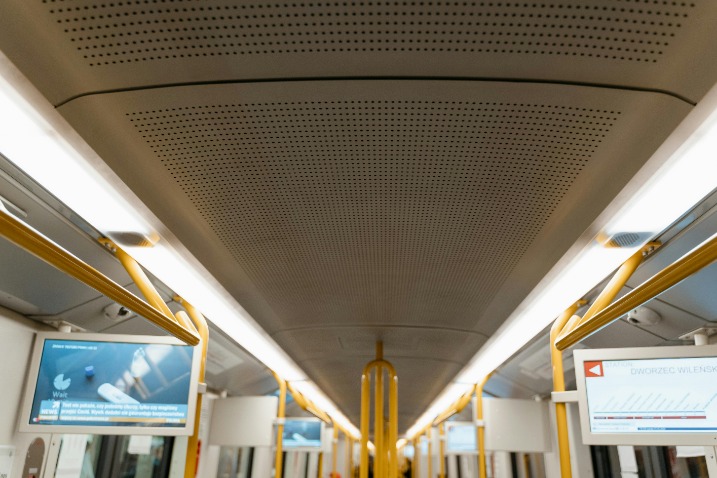
Luggage guidelines vary by operator, but a common setup is one large suitcase in the hold plus a small carry-on or personal item. Expect a weight limit around 20 to 25 kilograms for the large bag and a separate carry-on under 7 to 10 kilograms. Be mindful of maximum dimensions and avoid prohibited items. Keep valuables in your daypack and consider locking luggage for added security at stations.
Packing tips focus on efficiency and flexibility. Choose lightweight, quick-dry clothing and layers to adjust to varying climates across Europe. Use packing cubes or roll clothes to maximize space, and pack a compact toiletries bag with essentials in leak-proof containers. Don’t forget chargers, adapters, a reusable water bottle, and a small first-aid kit.
On the bus, bring comfort items like a neck pillow or light blanket, earplugs, and an eye mask for longer journeys. Stay hydrated and take short walks during longer stops to reduce stiffness. Keep important items—passport, wallet, phone, and medications—in your carry-on or personal item in easy reach.
Overnight journeys can be comfy with careful preparation. Check if the bus has power outlets and seats with sufficient legroom, and choose a seat away from the restroom if you prefer extra quiet. A light scarf or shawl can double as a blanket, and a travel pillow helps support your head during sleep.
At stations, allow extra time for boarding and locating the correct platform, especially in large hubs. If you’re crossing borders, have your passport handy and check visa requirements well in advance. Some routes may pass through countries with different entry rules or currency considerations, so plan accordingly.
Weather in Europe can be unpredictable, so pack for multiple seasons even in a single trip. A compact rain jacket or umbrella, sturdy shoes, and clothing you can layer will help you adapt to sudden changes. Keep a small bag for day trips once you arrive at your destination.
If you need accessibility accommodations, contact your bus operator ahead of time to arrange space for mobility devices or assistance. Many European operators offer services for travelers with reduced mobility, but advance notice helps ensure a smoother journey.
With thoughtful planning, smart packing, and a clear understanding of luggage rules, bus travel in Europe can be a practical, enjoyable, and efficient way to explore the continent.
Getting to and from Bus Terminals
Practical travel tips for getting to and from bus terminals in Europe can help you save time, avoid hassles, and enjoy smoother journeys. Follow these pointers to navigate terminals with confidence.
- Know your terminal and platform ahead of time by checking the ticket or the operator’s app, and download a map of the station.
- Plan your arrival to the terminal with a buffer for traffic, security checks, and boarding time—aim to be at the bus bay 10–20 minutes before departure.
- Choose how you’ll reach the terminal: regional train, metro, tram, local bus, taxi, rideshare, or a short walk from your accommodation.
- Buy and store tickets digitally when possible; carry a printed backup if required, and know how to access your boarding pass on your phone.
- Pack smart for the terminal: keep essential items (passport/ID, wallet, phone, medications) in an easy-to-reach carry-on; know luggage allowances for your operator.
- Mark luggage and personal items with labels; use locks where allowed; be mindful of bag storage spaces on buses if you have multiple bags.
- Follow terminal signage and use information desks or app live boards to locate the correct platform or bay.
- Be aware of safety: guard belongings against pickpockets in busy terminals and never leave bags unattended.
- Boarding etiquette: listen for announcements, line up as directed, and check that you are in the right queue for your bus.
- Cross-border routes: carry a valid passport or ID, and check visa requirements, currency, and customs rules if crossing borders within Europe.
- Payment and services: many terminals and operators accept cards and contactless payment; carry some cash for smaller outlets or restrooms.
- Accessibility: if you need assistance, contact the terminal staff in advance or look for accessibility information in your operator’s app.
- Facilities and comfort: look for restrooms, seating, charging points, and food or coffee stops to stay comfortable during waits.
- When in doubt, check the operator’s customer service or the station information desk; have a backup plan in case of delays or platform changes.
Regional Focus and Case Studies
Regional Focus and Case Studies explore how bus travel across Europe links cities, towns, and rural areas, showing how regional policies, funding, and operator strategies shape everyday mobility. Through concise case studies—from Nordic regional routes to Iberian intercity corridors and Central European city bus networks—readers see how timetables, fares, and sustainability goals influence connectivity and travel experiences.
Western Europe: Major Hubs
Regional Focus and Case Studies: Western Europe features a dense network of long-distance and regional bus services that connect national capitals with major regional centers. This regional focus reveals how hubs function as interchange points, shaping timetable coordination, fare integration, and passenger experience for cross-border travel across Western Europe.
London: Victoria Coach Station stands as the principal gateway for long-distance passenger services in the United Kingdom, with routes to cities across Britain and continental Europe. It serves as a multimodal hub, linking coach services with rail, airports, and local transport. Operators such as National Express, Megabus, and FlixBus operate from here, offering frequent departures, unified ticketing, and digital itineraries, while the surrounding transport network facilitates easy transfers for international travelers.
Paris: The Gare routière de Paris-Gallieni and nearby facilities act as the central node for long-distance coaches in France, handling cross-border routes to London, Brussels, Amsterdam, Madrid, and beyond. The hub integrates with the Paris metro and regional rail, providing seamless connections for travelers transferring between high-speed rail and buses, while the dense corridor network supports rapid connections across Western Europe.
Amsterdam: Amsterdam Sloterdijk is a key cross-border hub in the Netherlands, serving long-distance coaches to the UK, Germany, Belgium, France, and Spain, in addition to domestic routes. The station functions alongside rail interchanges and local tram networks, enabling easy pickup and drop-off, luggage handling, and real-time travel information for international travellers.
Berlin: Berlin’s Zentraler Omnibusbahnhof (ZOB) acts as the northern gateway to Central and Western Europe for long-distance buses, coordinating connections from the German capital to Prague, Warsaw, Vienna, Paris, and more. The facility is designed for high turnover with passenger amenities, ticketing offices, and digital displays; bus operators include FlixBus and Deutsche Bahn’s coach services, reflecting the integration of cross-border travel with domestic routes.
Madrid: Madrid’s Estación Sur de Autobuses Méndez Álvaro is a major hub in the Iberian Peninsula, linking Spanish cities with cross-border services into Portugal and France. The terminal integrates with Madrid’s metro and bus networks, enabling efficient transfers for day trips and weekend getaways, with operators such as Alsa, Avanza, FlixBus, and Eurolines offering a wide range of destinations.
Milan: Milan’s Lampugnano bus station is a key hub in Northern Italy, connecting to cross-border routes toward Switzerland, France, and other European capitals in addition to domestic Italian destinations. It functions with regional rail and metro connections, supporting multi-leg itineraries for travelers exploring Western Europe by coach and acting as a feeder to high-speed rail corridors.
Together these hubs illustrate how Western Europe uses coordinated hubs to enable efficient cross-border bus travel, with emphasis on schedule reliability, integrated ticketing, and multimodal access. The ongoing modernization includes digital ticketing, real-time passenger information, and sustainability initiatives such as low-emission zones and electric buses where feasible.
Central Europe: Rail-Bus Integration
Regional Focus and Case Studies: Central Europe — Rail-Bus Integration explores how coordinated rail and bus services extend the reach of bus travel across a densely populated and geographically varied region. This approach treats buses as feeders to trains, creating seamless door-to-door journeys that increase accessibility for rural communities and travelers crossing borders. By examining Central European practices, the article highlights how timetable alignment, fare integration, and shared information systems help travelers move efficiently without relying on private cars.
In the Czech Republic, regional authorities work with rail operators to connect smaller towns to the national network. Frequent bus routes feed passengers into major stations such as Praha hlavní nádraží, Brno, Ostrava, and Plzeň, reducing transfer penalties and improving reliability. Integrated tickets and regional passes allow passengers to book a single fare for the combined rail and bus trip, while journey-planning tools provide real-time updates on connections and platform changes. The result is a more comprehensive mobility system that supports commuting, tourism, and seasonal travel alike.
Poland demonstrates rail-bus integration through collaboration between PKP Intercity and regional bus operators. Buses serve rural districts and act as feeders to intercity trains, creating cohesive journeys that extend the reach of rail services beyond major stations. Timetables are coordinated to minimize transfer times, and cross-voivodeship connections help travelers move efficiently across regional boundaries. Integrated ticketing options encourage travelers to choose rail and bus in a single purchase, unlocking new travel opportunities in less densely populated areas.
Austria provides a mature example of intermodal planning, with ÖBB coordinating closely with local bus companies to connect to Railjet and night-train services. Regional bus networks feed into hubs like Wien Hauptbahnhof and Salzburg, offering reliable access for residents in rural districts and cross-border travelers heading toward Central and Eastern Europe. Unified passenger information and digital ticketing support smooth transfers, while joint marketing campaigns promote the benefits of intermodal travel for everyday commuting and leisure trips.
Hungary’s rail-bus integration leverages the strengths of MÁV-START alongside regional Volánbusz networks. In several regions, morning commuter services are synchronized with international routes toward Vienna or Bratislava, enabling easy cross-border commuting and tourism. Fare integration and simplified transfer rules gradually reduce the friction between rail and bus segments, encouraging travelers to choose the most efficient mode for each stage of their trip. Ongoing pilots test expanded cross-border and regional feeders to strengthen the network.
Slovakia and neighboring countries participate in cross-border feeder connections that link rail corridors with regional bus services. Through coordinated timetables and shared information systems, passengers can travel from smaller towns to major border hubs with minimal waiting times. Joint pricing schemes and multi-operator tickets simplify travel across jurisdictions, supporting smoother border crossings and regional economic activity. This regional approach demonstrates how intermodal planning can bridge language, administrative, and geographic barriers.
Key corridors such as Prague–Vienna–Budapest illustrate how rail-bus feeders unlock extended coverage along long-distance routes. Buses provide last-mile and mid-route connections to towns and tourist destinations that lack direct rail service, while rail services guarantee fast, high-volume travel between capitals. The synergy of rail and bus along these corridors enhances reliability, reduces car dependence, and supports regional tourism and workforce mobility.
Several factors underlie successful rail-bus integration in Central Europe: stable funding for coordinated services, long-term planning that aligns with rail infrastructure, standardized fare and ticketing concepts, and multilingual passenger information. Challenges persist, including governance complexities across multiple authorities, diverse operator strategies, and maintaining robust timetables during disruptions. Addressing these hurdles requires continued collaboration, pilot projects, and investment in digital platforms that unify planning, ticketing, and real-time updates.
Overall, Central Europe’s regional focus on rail-bus integration shows how intermodal strategies can make bus travel a more attractive, reliable, and sustainable option across Europe. By connecting rural communities to rail hubs, harmonizing schedules and fares, and leveraging cross-border corridors, bus travel becomes an integral part of a coherent European mobility network. The lessons from these case studies offer a practical blueprint for expanding intermodal travel in other regions seeking to strengthen accessibility and reduce dependence on private cars.
Southern Europe: Climate and Coastal Routes
Regional Focus and Case Studies: Southern Europe features a climate-driven mosaic of coastal routes that shape bus travel, guiding where services run, when schedules shift with the seasons, and how operators meet tourist demand along the Mediterranean and Atlantic shores.
Climatic patterns in Southern Europe—hot dry summers, heat waves, and winter rainfall—shape route viability, vehicle choice, and passenger comfort on coastal corridors. Extreme heat can affect passenger well-being and operational timing, while storms and landslides along cliffside roads can disrupt services that rely on coastal routes and ferry connections.
Coastal routes in this region offer scenic pull and practical connections, linking historic ports and resort towns from the Iberian Peninsula to the Balkan coasts. Bus networks leverage sea views, frequent ferry crossings, and integrated tickets with ferries and trains, especially along popular summer corridors where demand spikes.
Case study: Spain’s Mediterranean spine — from Barcelona to Valencia to Alicante and the Costa Blanca region — shows how shoulder-season timetables expand service windows and how operators adapt to heat, wildfire risk, and coastal road maintenance, while supplementing high-demand weekends with extra coaches.
Case study: Italy’s Tyrrhenian coast and the Amalfi corridor — Sorrento, Naples, Positano, Amalfi — illustrate the tension between breathtaking coastal scenery and narrow, winding roads. Operators deploy smaller coaches in peak summer, schedule long daytime runs to avoid heat, and coordinate with ferries for island connections to Sicily and the smaller islands in Campania.
Case study: Greece’s Peloponnese and mainland coastal districts highlight climate-conscious scheduling and sea-to-land routes, where ferries and buses interlink across islands and the mainland; summer heat requires comfortable interiors and frequent hydration stops, while winter winds and rain influence route openings and maintenance planning.
Case study: Portugal’s Algarve and southern Spain’s Andalusia demonstrate how mild winters and hot summers shape seasonal services, with frequent beach-town hops, night buses along coastlines, and cross-border connections to Seville and Faro that support regional tourism without overburdening major cities.
Across these cases, common themes emerge: resilience to heat, climate-informed timetabling, risk management on cliffside corridors, and integration with maritime links to deliver seamless coastal itineraries for travelers and locals alike.
Policy and planning insights emphasize regional cooperation, climate adaptation, and sustainable transport to support bus travel along Southern Europe’s coastlines, including investments in road maintenance, low-emission buses, and real-time passenger information for seasonal peaks.
For travelers, Southern Europe offers scenic coastal routes that reward planning around climate patterns, with long daylight in summer for seaside town hops and quieter, often cheaper travel in shoulder and off-peak periods along key corridors.
Sustainability and Future Trends
As Europe sharpens its climate targets, bus travel is evolving into a more sustainable, interconnected mode of transport. The future brings electrified and hydrogen-fueled fleets, streamlined scheduling and digital ticketing, real-time passenger information, and better cross-border services, all aimed at lowering emissions, reducing traffic, and expanding affordable mobility across cities and rural regions.
Eco-Friendly Practices by Operators
Sustainability is becoming a central driver in European bus travel as cities pursue cleaner air, lower greenhouse gas emissions, and stronger modal shifts from private cars to public transport. Operators face pressure from regulators, passengers, and climate investors to deliver buses that are not only reliable and affordable but also kind to the environment and societal well-being.
Electrification remains a cornerstone of eco-friendly progress. European operators are rolling out battery-electric buses on city routes, with ranges and charging strategies tailored to local geography and timetables. Hybrid approaches, plug-in options, and the gradual introduction of hydrogen fuel cell buses on longer or mountainous routes broaden the toolkit for decarbonization. In tandem with electrification, operators are pursuing energy-efficient bus designs, regenerative braking, and lightweight materials to reduce energy consumption per kilometer.
Charging and grid integration are critical to the reliability of electric fleets. Depot charging, opportunity charging at bus stops, and fast chargers at termini are deployed to minimize downtime and maximize uptime. Many networks employ smart charging and energy management systems to align charging with low-carbon electricity, sometimes pairing with on-site solar generation or battery storage to smooth peaks in demand and reduce grid stress.
Hydrogen and sustainable biofuels offer complementary paths, especially for routes where battery weight or range is a constraint. Hydrogen buses, when paired with renewable-powered electrolysis, can provide fast refueling and long-range operation without heavy battery mass. European operators are testing and adapting infrastructure for hydrogen production, storage, and dispensing, along with biofuels and synthetic fuels that lower lifecycle emissions.
Operational efficiency and data-driven decision making are shrinking energy use. Route planning, timetable optimization, and real-time disruption management help buses spend more time moving customers and less time idling. Eco-driving training, automatic speed regulation, and predictive maintenance reduce wear, fuel consumption, and emissions, while digital tools improve asset utilization and passenger information.
Lifecycle thinking is guiding procurement and end-of-life decisions. Operators assess the full environmental footprint of vehicles, including manufacturing and battery production, and pursue circular economy practices such as battery reuse in second-life applications or recycling at end-of-life. Supplier standards increasingly require responsible sourcing of materials, repairability, and modular design for longer service life.
Policy support in Europe accelerates progress. The European Green Deal, Clean Vehicle Directive, and national grants encourage low-emission fleets, charging infrastructure, and research into new propulsion systems. Public-private partnerships, grants from the Connecting Europe Facility, and bank lending programs help fund depots, charging networks, and fleet modernization while ensuring equitable access to services across regions.
Passenger experience and accessibility are investing in comfort and information. Quieter cabins, clean air with effective filtration, gentle acceleration, lower emissions, and comfortable seating all contribute to a more attractive service. Real-time passenger information, seamless contactless payments, and synchronized timetables with rail networks support a convenient, multimodal journey that nudges riders toward sustainable choices.
Looking ahead, future trends include broader adoption of autonomous or semi-autonomous buses in controlled settings, continued expansion of zero-emission fleets, and rising use of digital twins and simulation to optimize energy use and network design. An increased focus on regional collaboration within Europe’s TEN-T corridors will harmonize standards, enable cross-border services, and unlock economies of scale for charging and fuel infrastructure. The synergy between buses and rail, cycling, and walking programs will reinforce a transport system that is cleaner, faster, and more resilient.
In summary, sustainable bus travel in Europe is advancing through a mix of electrification, alternative fuels, smarter operations, and strong policy support. Operators are balancing cost, reliability, and environmental goals by deploying diverse propulsion options, investing in grid-ready charging, prioritizing energy efficiency, and embracing lifecycle thinking to deliver a future-ready, eco-friendly public transport network.
Emerging Technologies in Bus Travel
Sustainability is driving a transformation of bus travel in Europe, where cities aim to reduce emissions, improve air quality, and create more livable urban spaces. Public transport is increasingly seen as a backbone of low-carbon mobility, coordinating with rail, cycling, and walking networks to offer convenient, affordable alternatives to private cars. The result is a focus on cleaner fleets, smarter operations, and passenger-centric services that support vibrant urban life while meeting climate goals.
Electrification is the leading trend, with full-electric and plug-in hybrid buses rolling out across major networks. Advances in battery chemistry, energy density, and weight reduction are extending range and reliability, even on high-frequency city routes. Operators are deploying depot charging, as well as on-route options such as pantograph charging at bus stops and rapid wireless charging at terminals, to minimize downtime and keep buses in service longer each day.
Hydrogen fuel cell buses provide an important complement to battery electric vehicles, offering longer range and faster refueling for services that span city outskirts or high-demand peaks. Europe’s hydrogen strategies are backed by green hydrogen produced from renewables, supported by funding and cross-border infrastructure planning. Hydrogen refueling can be completed in minutes, helping to balance fleet requirements and grid constraints where electricity alone may not be optimal.
Alternative fuels and sustainable propulsion continue to play a role alongside electrification. Renewable diesel and synthetic fuels (e-fuels) can decarbonize existing diesel and hybrid fleets, particularly where batteries or hydrogen face practical limits. Life-cycle assessments and careful fuel sourcing are essential to maximize environmental benefits and ensure compatibility with European emissions targets and urban air quality standards.
Operations are becoming data-driven and highly coordinated. Connected fleets equipped with telematics, sensors, and predictive maintenance minimize downtime and extend vehicle life. Advanced routing and scheduling algorithms optimize energy use, passenger loads, and service reliability, while real-time passenger information and dynamic timetables improve accessibility and convenience across cities and regions.
Policy and funding support are accelerating the transition. The European Green Deal and national strategies align with EU directives to phase out new fossil-fuel buses in favor of zero-emission options within coming years. Funding streams such as the Connecting Europe Facility, Clean Bus Deployment initiatives, and Horizon Europe programs help cities invest in depots, charging and fueling infrastructure, and pilot projects that test new technologies at scale.
Passenger experience is central to the evolution of sustainable bus travel. Digital ticketing, contactless payments, real-time trip updates, and seamless multimodal integration with rail and micro-mervices are making bus travel more convenient and predictable. Rural and peri-urban routes are benefiting from flexible, on-demand services delivered with high-quality, accessible vehicles that respect diverse user needs.
Looking ahead, autonomous bus concepts, micro-mobility integration, and standardized charging infrastructure are shaping a more resilient European bus system. Pilot programs test driverless operation in controlled environments, while shared data standards and interoperable charging networks enable smoother cross-border travel and fleet operations. Together with smarter energy systems and urban planning that prioritizes transit, Europe is moving toward buses that are cleaner, cheaper, and more appealing to travelers than ever before.