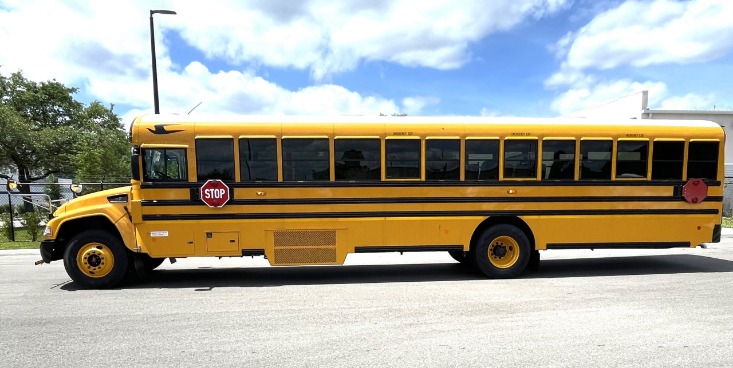

Bus Travel in Iceland
Bus travel in Iceland offers a practical and scenic way to explore the island’s dramatic landscapes, from waterfalls and glaciers to remote villages along the Ring Road. The national and regional networks connect major towns and popular routes, with seasonal schedules and occasional weather-driven delays that make planning essential. Buses can be a comfortable, budget-friendly alternative to driving, especially for travelers who want to rely on public transportation to reach key sights and travel between towns.
Overview of the Icelandic bus network
Bus travel in Iceland offers a practical way to get around without renting a car, but the network is concentrated around the capital region and becomes sparse in rural areas. Weather and road conditions can affect timetables, especially in winter, so planning ahead is essential.
The main public operator is Strætó, which runs frequent urban and suburban routes in the Reykjavik metropolitan area and nearby towns. These services connect neighborhoods, shopping districts, and tourist sites, making short trips within the city easy and affordable.
For longer trips, a small number of regional and rural services operate in Iceland. Some intercity and private operators offer scheduled connections between towns and to the Keflavík International Airport. These routes can be less frequent and may require advance booking, particularly in peak season.
Tickets and passes: in the capital region, tickets are typically purchased on board or in advance via the Strætó app or website. In other areas, you may need to buy tickets from the driver or through the operator’s site. Check current fares, as pricing structures can change and offers such as day passes may be available.
Schedules and planning: always consult the latest timetable before travel, as services change with the season. The Strætó website provides route maps, stop lists, and live updates, and you can see regional operators’ timetables where applicable. Winter schedules often have reduced frequency and longer intervals due to weather.
Getting around more easily: transportation in Iceland is feasible, but if you want to explore rural areas such as the south coast, the Ring Road, or the highlands, renting a car offers more flexibility. Domestic flights and long-distance buses are alternatives for longer hops between towns when timing is critical.
Practical tips for travelers: plan ahead, bring rain and wind gear, and be prepared for delays in bad weather. Buses are generally comfortable and safe, and stops can be basic in rural areas. Respect local schedules, and allow extra time for connections if you’re transferring between services.
Accessibility and convenience: urban Strætó buses tend to be accessible to wheelchairs and strollers, with clear stop signage in Reykjavik. Rural routes may have limited accessibility and less frequent service, so check in advance if you have specific mobility needs.
Key operators and routes
Bus travel in Iceland offers a practical way to reach cities and iconic landscapes, but the network is smaller and less frequent than in larger countries. The capital area is best served by Strætó, while private bus and shuttle operators cover intercity routes and sightseeing trips.
Strætó bs is the public bus operator for Reykjavik and the surrounding Capital Region. It operates city services within Reykjavik and a number of regional routes linking nearby towns such as Hafnarfjörður, Kopavogur, and Mosfellsbær. For locals, Strætó is a convenient option for daily commuting and getting to attractions within the southwest.
Private operators and sightseeing shuttles fill the gaps for visitors. Reykjavik Excursions (RE) and Gray Line Iceland run scheduled day tours from Reykjavik to popular sights such as the Golden Circle (Thingvellir, Geysir, Gullfoss) and the South Coast (Seljalandsfoss, Skógafoss, Reynisfjara). They also operate airport shuttles and flexible pickup options. Other brands like Iceland Excursions and several local operators offer similar itineraries.
Airport transfers and longer routes: The Flybus or Airport Express service provides direct connections between Keflavík International Airport and Reykjavik, useful for travelers arriving by plane. For longer intercity trips, private buses connect Reykjavik to towns along Route 1 and northward destinations in the high season; itineraries often combine with sightseeing stops.
Timetables and tickets: Timetables for Strætó are listed on straeto.is and the Strætó app. Intercity journeys with RE, Gray Line, and similar operators can be booked online or at their desks in Reykjavik’s bus terminals. Prices vary; day tours are typically more expensive than local transit but include guides and hotel pickups.
Tips: Check the weather and road conditions, especially in winter. Book popular tours in advance; carry warm clothing and sturdy footwear. Some itineraries require pickup from central locations or hotels. If you want freedom, Strætó is good for city travel, but for the Golden Circle and South Coast, guided tours reduce planning.
Conclusion: Bus travel in Iceland is a useful option for city travel, sightseeing, and some intercity trips, with Strætó serving the capital region and private operators offering day tours and airport shuttles.
Seasonal accessibility and service gaps
Bus travel in Iceland offers a practical option for seeing the country, especially within the capital area and for some scenic day trips. Public buses are run by Strætó in the Reykjavik region, and there are seasonal long-distance coaches that connect towns around the Ring Road during the summer months. For many visitors, buses are a budget-friendly alternative to car rental, though coverage outside the main towns is limited.
Seasonal accessibility varies a lot. Many long-distance routes operate mainly in the summer when daylight is long and roads are more reliable. In winter, some routes are reduced or suspended due to weather and road conditions, and remote areas can become inaccessible by bus. If you travel in shoulder seasons or winter, be prepared for gaps in service and possible changes to timetables with short notice.
Service gaps are common outside the Reykjavik area. There are few daytime options to reach many towns, and frequency drops on weekends and holidays. Luggage space on buses is often limited, and some routes require advance booking. Not all major tourist sites are served directly by public buses, so you may need to combine buses with short taxi rides or guided day trips, or rent a car for more flexibility.
Plan ahead and check schedules on the official Strætó website or app, and verify any long-distance summer routes before you go. Booking ahead is advised for popular summer routes, and be prepared for weather-related delays in winter. Bring a card or coins for fares where accepted, and note that some intercity trips may require transfers in Reykjavik or other hubs.
Despite gaps, buses offer an economical way to move between towns, enjoy Icelandic landscapes, and reduce the environmental impact of travel. For a comfort-focused trip to remote areas, guided tours or a rental car provide more reliability and flexibility, especially when you want to visit places off the main routes.
In summary, bus travel in Iceland is a viable option for city travel and selected scenic routes, with the most robust service in and around Reykjavik. Always align your plans with seasonal schedules, be aware of gaps in coverage, and consider alternative transport for destinations outside the regular bus network.
Public transit in Reykjavik and towns
Public transit in Reykjavik and its surrounding towns offers a practical gateway to Iceland’s capital region and beyond. The Strætó network links downtown Reykjavik with suburbs and coastal towns, plus dependable day trips to popular sites, using a modern, accessible fleet and simple fare options. For visitors, buses provide an affordable, low-stress alternative to driving, with clear schedules and online planning tools that make exploring Iceland by bus easy and sustainable.
Strætó city buses in Reykjavik
Public transit in Reykjavik and its towns is centered on Strætó, Iceland’s public bus network. In the capital area, buses connect downtown, residential neighborhoods, and nearby towns with a straightforward fare system and planning tools, making bus travel a practical alternative to driving.
Within Reykjavik, Strætó operates a comprehensive set of urban routes that cover the city and neighboring municipalities such as Kopavogur, Hafnarfjordur, and Mosfellsbaer. The network uses key interchange points like the BSÍ Bus Terminal and central stops near the city center to help passengers transfer between lines and reach destinations across the metropolitan area.
Ticketing and payment options are flexible for locals and visitors alike. You can use the Strætó app to buy tickets, pay with contactless bank cards on board in many cases, or purchase passes for longer periods. Prices and validity depend on the chosen ticket type and travel zones, so checking the app or station displays helps plan the best option for your trip.
Planning a trip is straightforward with real-time and timetable information available at bus stops and in the Strætó app. Timetables are posted at stops and online, and the app shows live arrivals and route details, helping you navigate peak times, weekend schedules, and any service changes.
Strætó also operates connections to towns around Reykjavik and along the surrounding region, offering routes that extend beyond the city to nearby communities. This makes it possible to explore the wider Icelandic capital area without a car, with seasonal adjustments and varying frequency to suit tourism and local travel patterns. Always check the latest schedules before you travel, especially in winter or during holidays.
Travel tips for bus riders in Iceland include planning ahead with the Strætó app, having a backup plan if you miss a connection, and dressing for the weather since stops can be exposed to wind and rain. Being aware of peak times and providing enough time for transfers helps ensure a smooth ride on Reykjavik’s public transit network.
Regional buses to surrounding towns
Public transit in Reykjavik and its surrounding towns is mainly served by Strætó, offering a network of city buses in the capital region and regional connections to nearby towns. This guide covers how to use buses, what to expect, and tips for travelers interested in exploring Iceland by road.
In Reykjavik, buses circulate throughout the city from morning until evening, linking neighborhoods, the city center, and the main bus hub at BSÍ for longer trips. Stops are clearly marked, and information is usually available in English, making it easy for visitors to navigate without prior local knowledge.
For tickets, you can pay with the Strætó app or with contactless bank cards on many buses. Some routes may accept cash on board, but purchasing in advance through the app or website is typically the most convenient option. Tickets often cover transfers within a certain time window, allowing riders to switch buses without buying a second fare.
Frequency and service levels are higher during the day, with more frequent departures on busy corridors; service tends to be reduced in evenings and on weekends. Planning ahead with the Strætó app helps travelers see real-time updates and adjust plans if a bus is late or canceled.
Regional buses connect Reykjavik and nearby towns within the Capital Region and the surrounding area, providing an affordable alternative to car travel for residents and visitors. You can reach towns such as Hafnarfjörður, Kópavogur, Mosfellsbær, and Seltjarnarnes, among others, with routes that run several times a day and tie into the city network for easy transfers.
For longer or more rural journeys, regional routes extend beyond the immediate capital area to towns farther afield. It is wise to check timetables in advance, as some regional services run less frequently and may have limited weekend or off-season schedules. Booking ahead via the official Strætó site or app helps ensure you catch the right connection.
Travelers should consider winter conditions, which can affect timetables and road presentations. Always check the latest updates before heading out, especially if you plan to visit more distant towns or rely on a strict itinerary. With careful planning, bus travel in Iceland offers a comfortable, scenic, and budget-friendly way to see Reykjavik and the surrounding countryside.
Limited-stop and express services
Public transit in Reykjavik and the surrounding towns is primarily served by bus networks, with Reykjavik’s Strætó operating the city routes and connecting towns around the capital region. The system includes local, limited-stop, and express options designed to move people quickly in peak hours and to link rural communities with the urban core.
- In Reykjavik, Strætó operates a dense network of routes within the city and into nearby towns such as Kópavogur and Hafnarfjörður, with frequent daytime service and reduced frequencies at night and on weekends.
- Limited-stop services: Some routes are designated as limited-stop or express during peak hours, skipping minor neighborhoods to shorten travel times between central areas and larger suburbs or transfer hubs.
- Express intercity services: For longer trips between towns or to popular destinations along the Ring Road, there are express or direct services that minimize stops, ideal for travelers heading to the countryside or coastal towns.
- Ticketing and fares: Tickets can often be bought on board, via a mobile app, or at ticket machines; many options allow contactless payments with credit/debit cards or mobile wallets.
- Schedules and planning: Always check the official Strætó website or app for current timetables, route numbers, and any changes, especially in winter when weather can affect service.
- Airport connections: A dedicated airport express bus runs between Keflavík International Airport and Reykjavik, with options for luggage and pre-booked tickets, complementing the regular city network.
Intercity and rural bus routes
Intercity and rural bus routes in Iceland offer a practical way to explore the country’s stunning scenery, connecting the capital region with coastal towns, inland communities, and famous stops along the Ring Road. Intercity services cover longer journeys between towns, while rural routes reach villages and remote areas that lie off the main highways, often with seasonal schedules and scenic detours. Traveling by bus provides a slower, more intimate look at Icelandic life and landscapes, with opportunities to hop off at viewpoints, farm stops, and hot springs along the way.
Connecting major towns
Intercity and rural bus routes in Iceland form the backbone of travel between towns and through the countryside. The intercity network threads together the capital area with the country’s larger towns along the Ring Road, while rural services reach smaller communities that are off the main tourist routes.
Intercity coaches typically run between Reykjavik and major towns such as Akureyri, Selfoss, Höfn, and Egilsstaðir, with longer daylight services along the Ring Road. These services offer a practical alternative to driving, especially for travelers who want to sit back and enjoy the scenery while moving between the country’s urban centers.
Rural routes branch from the main lines to remote places like the Westfjords and the Eastfjords, and some routes serve smaller villages along the coast. Because weather and road conditions can close mountain passes, many rural services operate on seasonal or reduced winter timetables, with higher frequency in the summer tourist season.
Booking and tickets are usually available online or at major bus terminals. Fares are distance based and can vary by season, and some routes offer passes or multi trip cards. Check the operator’s site for luggage allowances, reservation options, and accepted payment methods. English is commonly available on timetables and staff, making planning easier for visitors.
When traveling by bus in Iceland, plan for long travel times and potential delays due to weather. Pack warm clothing, waterproof outerwear, snacks and water, and a charged phone for offline maps. Be aware that stops may be limited outside towns, so have your destination address ready and verify connections in advance if you need to transfer to another service.
Overall, the intercity network provides a reliable spine that connects Reykjavik with the country’s larger towns, while rural routes open access to fjords, farms, and coastal communities. Traveling by bus is a sustainable way to experience Iceland’s landscapes while reducing road congestion and parking demands.
Remote destinations and road closures
Bus travel in Iceland offers a practical way to reach intercity towns and rural communities while enjoying dramatic scenery from the window. The network covers major towns and many villages, but services outside the capital area are fewer, schedules change with the seasons, and winter weather can disrupt travel.
Intercity routes connect Reykjavík with regional towns across the country, with higher frequency in the summer and lower in the shoulder seasons. Travel times can be longer than a car trip on some routes due to longer detours and several stops in smaller communities, so plan for a slower pace and give yourself buffer for weather.
Rural routes extend to remote coastal villages and inland settlements, offering a way to access Icelandic countryside without renting a car. Some remote destinations are served only in the summer or have limited departures, and a few routes involve transfers or combinations with other transport modes to reach the final point.
Road closures and weather can have a big impact on bus travel. Winter storms, ice, and high winds can close mountain passes and even the main Ring Road for hours or days. Highland routes (often denoted as F-roads) are typically closed to bus traffic and are not part of the regular bus network, meaning access to some remote areas is seasonal and weather dependent.
To travel reliably, check road conditions and weather updates before you depart. Use official sources for road closures and conditions, and consult the bus operator’s timetable for any seasonal changes. Booking ahead in peak season and keeping a flexible itinerary will help you navigate Iceland’s changing conditions.
Practical planning tips include budgeting extra travel time, carrying warm clothing and snacks, and being prepared for delays due to weather. If your route involves remote destinations, consider alternative plans such as shorter journeys by bus with a later connection, or combining bus travel with domestic flights where appropriate.
Overall, bus travel in Iceland can reveal spectacular landscapes and offbeat towns, but success relies on seasonal expectations, weather awareness, and thorough planning to reach remote destinations and handle road closures safely.
Travel times and planning considerations
Travel by bus in Iceland offers a practical way to access both intercity destinations and remote rural communities while enjoying the scenery from the window. Intercity routes connect Reykjavik with larger towns along the Ring Road and across the country, while rural routes reach smaller villages that are not served by domestic flights. Planning ahead is essential due to limited frequency, weather-related delays, and seasonal changes.
Intercity routes in Iceland typically run on main corridors such as the capital region outward toward towns along the Ring Road. You can expect regular daytime departures with longer journeys including stops in towns like Selfoss, Vík, Skaftafell, Höfn, Egilsstaðir and Akureyri. Travel times are longer than driving would suggest because the bus stops in several towns and some routes follow winding coastlines. For example, a coast-to-coast trip along Route 1 from Reykjavik to Akureyri usually takes most of a day, and Reykjavik to Höfn can take a full day as well when schedules include scenic stops.
Rural routes serve smaller communities and can be far less frequent. Some destinations are seasonal, more common in the summer when tourism traffic is higher, and winter timetables may reduce service or suspend parts of a route. In many remote areas you may need to time your journey to a single daily departure or combine buses with overnight stays in a larger town. Be prepared for long stretches without shelter or facilities at the stops, and carry water, snacks and warm clothing.
Travel times depend on distance, road conditions and weather. Distances on the Ring Road cover about 1,333 kilometers, and city-to-city journeys often range from 5 to 10 hours depending on the number of stops. Reykjavik to Akureyri by coach usually takes about 6 to 8 hours, while Reykjavik to Höfn can take 9 to 12 hours with line changes and sightseeing stops. In winter, snow, ice and strong winds can add significant time, and daylight hours are shorter, affecting your perception of travel time.
Planning considerations include checking the timetable well in advance, especially for rural routes. Reserve seats where possible, note the last departure before or after hotel checkouts or last airport shuttles, and verify luggage allowances. Weather can cause detours or cancellations, so have a backup plan such as an earlier departure, a nearby hotel, or a domestic flight as a contingency. Consider combining bus travel with car rental or a domestic flight for longer hops to save time.
Practical tips for a smoother trip: use official operator websites or national travel planners to confirm current schedules, download a timetable in advance, and keep a portable charger for devices. Pack a light rain jacket, sturdy shoes and warm layers. If you are visiting during shoulder or off-season, plan more time for contingencies and stay flexible. Finally, be aware that rural routes can be scenic but slower, so set realistic expectations and enjoy the landscape while en route.
Planning, tickets, and schedules
Planning a bus trip in Iceland starts with mapping routes, checking schedules, and selecting the right ticket. From the Ring Road’s coastal towns to remote highland destinations, thoughtful timing helps you make the most of daylight, avoid gaps in service, and travel smoothly. Check current timetables, book in advance during peak season, and keep your ticket ready for easy boarding.
Ticket types and passes
Planning a bus trip across Iceland can be a practical alternative to renting a car, especially in towns and along the Ring Road where populations are spread out. The main public bus network around Reykjavik is Strætó, and there are regional and tourist-oriented services that connect towns and popular sights. Before you go, map your route, check timetables, and consider seasonal daylight and weather which can affect schedules.
Start by identifying your start and end points and any connections you need. Use official sources such as the Strætó website and app for real-time timetables, route maps, and fare options. In winter, some routes run less frequently or with different times, so confirm the day’s schedule the day before. If you are visiting rural areas or planning day trips (for example to the Golden Circle or Akureyri), consider whether a direct bus exists or if you’ll need to combine services or join a guided tour.
Schedules vary by region, day of the week, and season. In Reykjavik and the surrounding area, buses often run frequently during the day, with more limited service evenings and weekends. On longer intercity routes, departures may be fewer and travel times longer due to road conditions. Always check last buses and connection times to avoid being stranded, and allow extra time when transfers are required. Real-time updates and platform changes are common, so having a mobile timetable is very helpful.
Ticket types typically include single-ride tickets for immediate travel, day passes for unlimited rides within a 24-hour window, and longer-term passes for multiple days or weeks. Some regions also offer multi-ride bundles or weekly passes, with discounts for students and seniors in many cases. Tourist passes may be available that provide unlimited travel for a set number of days across participating routes. Most purchases are made in advance via the Strætó app, or at ticket machines where available, and contactless card or mobile payments are usually accepted. Cash is increasingly rare on Icelandic buses, so plan to pay with a card or app.
When traveling with a pass or ticket, validate or activate it in the app or at the point of boarding if required by the operator. Keep your receipt or digital ticket handy as you may need to show it on request. If you’re a first-time rider, consider buying a day pass for flexibility, especially if you’re hopping between sights or traveling with luggage. For longer trips, compare the cost of a pass with the sum of individual tickets to determine the best value.
By planning ahead and using the official timetables and fare options, you can navigate Iceland’s bus network efficiently, reach urban centers as well as rural sights, and choose the ticket type that fits your travel pace and budget.
Where to buy and validate tickets
Planning a bus trip in Iceland starts with mapping your route, checking schedules, and understanding how daylight and weather can affect travel times across the country.
When planning, identify your origin and destination, note transfer points, and look for seasonal changes in timetables. Use official timetable sites or trusted apps to build a practical journey with realistic connection times, especially when traveling through remote areas where services are less frequent.
Schedules can vary by season, day of week, and weather conditions. In urban areas there are more frequent services, while rural routes may run once or twice a day or have seasonal adjustments. Always check the latest timetable close to your travel date and be prepared for delays in winter when road conditions are a factor.
Tickets and passes offer flexibility depending on your trip length. You can buy single-ride tickets, day passes, or travel cards where available. In many cases, you’ll find the most convenient option through a mobile app or the operator’s website, with additional tickets sold at partner outlets in towns or at major terminals. Some services also support on-board payment with cash or contactless methods, though this is less common on longer or more remote routes.
Where to buy tickets: online through the official operator website or dedicated mobile app, at ticket offices in larger towns, or at partner stores near bus hubs. In Reykjavik and other populated areas, you’ll find ticket vending points and customer service counters that stock single tickets and passes. For longer journeys between towns, advance purchase is often recommended to secure a seat.
How to validate tickets: digital or app-based tickets are typically validated automatically when you board or when you scan a QR code or tap your device. If you have a physical ticket or a travel card, you usually validate by tapping the card on a reader or showing a validated screen to the driver. Always keep your ticket or confirmation accessible in case a conductor asks to see it mid-journey.
Practical planning tips for Iceland: print or save offline copies of essential timetables in case you lose internet access, allow extra time for transfers in rural areas, and consider backup plans if a bus is canceled due to weather. If you’re sightseeing, align bus times with daylight hours and plan Iceland’s popular Ring Road or regional routes with buffer time for photo stops and weather pauses.
Travelers with limited English can still navigate ticketing by using the app interface, which often offers language options, or by asking staff at ticket offices for guidance. Keeping your tickets ready and knowing how to validate them will help ensure a smooth ride as you explore Iceland by bus.
Reading timetables and frequency
Planning a bus trip in Iceland requires checking seasonality and distances. Buses can be very convenient in Reykjavik and some towns, but outside the capital region frequencies drop and the road network can be affected by weather. A little planning pays off when you want to travel between towns or reach rural areas without renting a car.
Before you travel, map your route using official timetables and note the day of the week. Some services run only in summer or on weekdays, while weekend schedules may differ. If you are traveling in winter, daylight is short and some routes may be limited or delayed by weather, so buffering your schedule is important.
Tickets and passes: In Iceland you can often buy tickets online in advance from the operator, at ticket offices, or directly on the bus where allowed. Some long‑distance routes require advance reservations, while others let you board with a ticket purchased on board. Look for discounts for youth, students, seniors, or families where available.
Reading timetables and frequency: Timetables list departure times from stops, often with days of operation indicated. Times are usually in 24‑hour format. Look for notes like Mon‑Fri or Sat‑Sun to understand when departures run. Frequency is described as every X hours or daily and may shift with seasons or weather.
Frequency by region: In urban areas like Reykjavik, buses run frequently throughout the day. In rural or tourist routes, departures can be sparse, sometimes only a few times per day or even only a handful of times per week in winter. Always check the latest timetable close to your travel date and plan for possible gaps between connections.
During planning, check connections to airports and ferry terminals if your itinerary includes them. Some services connect to Keflavík International Airport or to local ports, but schedules may require timing buffers. Reserve seats if the route allows and you have a tight connection, especially during peak travel seasons.
Reading timetables on apps: Most operators publish timetables online and in smartphone apps. It helps to save routes offline, note transfer times, and set alerts for schedule changes. If your trip spans multiple operators, keep a flexible mindset for transfers and potential delays.
Practical tips: Carry a downloaded or printed timetable, allow extra time for weather and road conditions, and pack warm clothing as Icelandic weather can change quickly. Buses commonly accept cards and contactless payments, so you often won’t need cash. If you’re unsure about a connection, ask at a ticket office or check the latest online update before departure.
Example planning steps: decide your towns, check official timetables, verify if a reservation is required, purchase tickets online if possible, and build in buffer time for transfers and weather. With careful planning, bus travel in Iceland can be a smooth way to see the country without renting a car.
Popular itineraries by bus
Exploring Iceland by bus reveals its dramatic landscapes through several popular itineraries. The classic Golden Circle day trip from Reykjavik visits Þingvellir, Geysir, and Gullfoss. For a longer experience, the Ring Road circuit wheels you around the island to glaciers, waterfalls, lava fields, and black-sand beaches, while the South Coast route highlights Seljalandsfoss, Skógafoss, and Reynisfjara. Bus travel offers a comfortable, scenic way to see Iceland without the hassle of driving.
Golden Circle by bus
Bus travel in Iceland makes it easy to see iconic sights without a car. Here are popular itineraries that many travelers choose when exploring by coach or minibus, including the famous Golden Circle by bus.
- Golden Circle by Bus – Þingvellir National Park, the Geysir Geothermal Area, and Gullfoss waterfall. Typical day trips depart from Reykjavik and last about 6–8 hours.
- South Coast Highlights by Bus – Seljalandsfoss and Skógafoss waterfalls, the black-sand beach at Reynisfjara, and cliffside views. Full-day itineraries run around 10–12 hours with optional glacier stops.
- Snæfellsnes Peninsula by Bus – Kirkjufell, Arnarstapi and Hellnar coastal villages, and Snæfellsjökull National Park. Often a 11–12 hour day with dramatic coastlines and chances for wildlife watching.
- Reykjavík City and Blue Lagoon Day Trip by Bus – a mix of city highlights (Hallgrímskirkja, Harpa) and a soak at the Blue Lagoon, available as half-day or full-day tours.
- Ring Road Majestic Loop – a longer, multi-day itinerary following Iceland’s Ring Road with stops near Vik, Skaftafell/Vatnajökull, Jökulsárlón, and more, ideal for travelers seeking a relaxed bus-based overland experience.
South Coast and waterfalls by public transport
Bus travel in Iceland offers a relaxed way to see the country, especially along the South Coast where many waterfalls and dramatic scenery are clustered. This guide outlines popular itineraries you can do using public transport, with a focus on the South Coast and the waterfalls reachable by bus.
In Iceland, the main public network around the capital area is Strætó, while long distance and seasonal services connect Reykjavik with towns along the South Coast. In summer, additional regional and tourist shuttles run more frequently and sometimes extend to popular stops like Seljalandsfoss, Skógafoss, and Reynisfjara. Always check current timetables on the official sites, as weekend and holiday schedules vary and winter services are reduced.
Popular one day itineraries from Reykjavik use a combination of regional and local buses to reach the heart of the South Coast. A common route is Reykjavik → Selfoss, then onward toward Hella or even Skógar depending on connections. Visitors typically aim to visit Seljalandsfoss and Skógafoss first, with a stop at the black sand beach at Reynisfjara near Vík. Due to limited daytime schedules, it’s best to start early and plan to stay in a South Coast town if connections become tight.
For a more relaxed pace, a two to three day loop works well. Day 1: Reykjavik to Selfoss with an evening stay in Selfoss. Day 2: Selfoss to Vík, exploring Seljalandsfoss, Skógafoss, and Reynisfjara along the way, then overnight in Vík. Day 3: Return to Reykjavik or continue east toward Skaftafell and Jokulsarlon only if a direct seasonal service is available. In peak season some towns offer extra stops and longer layovers.
Seljalandsfoss and Skógafoss are the most reliable waterfalls to reach by public transport from the capital region, with bus stops near major pull-offs and short walks to viewpoints. Gljúfrabúi is tucked behind a cliff close to Seljalandsfoss and can be reached with a short walk from the same general area. Fjaðrárgljúfur canyon and the glacier-lake views around Jokulsarlon require longer legs and may need additional transfers or a bus to nearby towns with a bus stop jump-off. Always wear sturdy footwear and be prepared for slippery paths in wet weather.
Plan ahead using schedules on the official transit sites, especially in autumn and winter when frequencies drop. Buy tickets in advance where possible and check transfer times, as long gaps between buses are common. Pack snacks, warm clothing, and a waterproof layer; daylight hours in winter are short, while summers offer long days ideal for scenic stops. If timetables don’t align, consider a local tour day that covers the same sights or segment your trip with an overnight stay in Vik or Selfoss.
Public transport in Iceland offers a slower, more flexible way to experience the South Coast and its waterfalls, rewarding travelers who enjoy hiking at a relaxed pace and watching landscapes unfold between bus legs.
Snæfellsnes Peninsula by bus
Popular itineraries by bus on Iceland’s Snæfellsnes Peninsula offer a relaxed way to see a landscape of mossy lava fields, rugged coastlines, waterfalls, and glacier-topped mountains without renting a car. In Iceland, you can travel from Reykjavik by long-distance bus to the peninsula, choosing day trips or multi-day routes that stop at the peninsula’s best sights along the way.
Getting there: From Reykjavik, buses typically head north or west toward Borgarnes and then follow the coast toward Stykkishólmur or Ólafsvík. Travel times vary with stops, but a one-way journey often takes around 2.5 to 4 hours. In summer, schedules are more frequent and some services continue along the full Snæfellsnes loop; in winter, timetables may be reduced and daylight hours influence travel plans. Always check current timetables and book ahead for busy periods.
Classic Snæfellsnes day trip by bus: Depart Reykjavik early and ride to Borgarnes for a quick coffee stop, then continue along the coast to the western edge of the peninsula. Highlights often include the Arnarstapi–Hellnar coast, the lava beaches at Djúpalónssandur, and the iconic Kirkjufell mountain near Grundarfjörður. If time allows, visit the village of Stykkishólmur before returning to Reykjavik in the evening. This loop gives a taste of lava fields, sea stacks, and picturesque villages.
Two-day bus itinerary: Stay overnight in Stykkishólmur or Ólafsvík to split the journey. Day two can focus on the Snæfellsnes National Park front, including Snæfellsjökull glacier, the black church at Búðir, and the western coast’s lava fields, with optional short boat or ferry rides when available. A relaxed pace lets you walk short trails, take photos, and enjoy fresh seafood in small towns.
Seasonal variety: Summer offers long days, full coastal access, and more frequent services; winter routes may require more planning and weather awareness, with some attractions experiencing shorter daylight hours. In spring and autumn, daylight hours are moderate and sea conditions can be changeable, which may affect some activities.
Tips for a smooth trip: Check timetables on the official bus operator sites and book ahead during peak season. Dress in layers and bring waterproof footwear, a lightweight rain shell, and a hat. Pack snacks and water, and have a flexible plan in case of weather-related delays. If available, consider adding a boat or ferry option from Stykkishólmur during the summer to see Breiðafjörður’s islands.
Practical tips for bus travel
Planning a bus trip in Iceland rewards you with stunning scenery if you prepare well: book long-distance routes in advance, check seasonal schedules, and allow extra time for weather-related delays. Pack warm, waterproof clothing, a snack and water, and a charged phone with offline maps; carry a light daypack since luggage options vary by route. Expect limited cell service outside towns, occasional timetable changes, and always follow safety notices at stops and respect the landscape you’re passing.
Winter travel tips and weather
Traveling by bus in Iceland offers a budget-friendly way to see dramatic landscapes without renting a car. Buses connect Reykjavik to towns along the Ring Road and to many popular day trips, letting you sit back and enjoy the scenery.
Practical tips for bus travel: plan ahead by checking schedules on the official operator sites, especially in winter when services may be reduced or revised. For longer routes, book tickets in advance when possible; on busy days you may need to reserve seats.
Know where to catch your bus: in larger towns there may be several stops, so confirm the exact stop name on your ticket and arrive 10-15 minutes early to avoid missing boarding.
Luggage and packing: buses have overhead racks and luggage compartments; pack light if you can. Carry a small daypack with water, snacks, a hat, gloves, and a layer you can add or remove during the journey. Keep valuables and essential documents with you.
Payment: most buses accept cards or mobile tickets; many operators use digital tickets. Bring a backup payment method in case a device doesn’t work, and keep your ticket handy on your phone or printed if required.
Onboard tips: bring a refillable bottle, snacks, and a travel pillow if you like. Buses usually have climate control, but Icelandic buses can feel chilly or warm; dress in layers so you can adjust.
Winter travel tips: daylight hours are short and weather can change quickly. Check road conditions on road.is and weather forecasts on vedur.is before departure, and allow extra time for possible delays due to snow, ice, or storms. Some rural routes may be canceled or limited in winter, so have a backup plan.
Weather reality: Iceland’s weather is famously changeable. Wind, rain, snow, and sea spray can affect visibility and comfort, especially along coastal routes. Inland areas can be colder and windier. Bring waterproof outer layers, moisture-wicking base layers, sturdy waterproof boots, and gloves. For winter driving, sunglasses help in bright, snowy conditions, and a warm hat is essential.
Tips for day trips and sightseeing by bus: start early to maximize daylight, especially in winter; combine longer routes with a few stops at major sights; check that the bus schedule aligns with visiting hours for attractions; be prepared for limited rest stops in rural areas; if you’re unsure about connections, ask drivers or station staff for guidance. Finally, maintain a flexible mindset—the weather can shift plans quickly.
Luggage policies and onboard comfort
Traveling by bus in Iceland can be a budget-friendly way to see dramatic landscapes, from waterfalls to volcanic plains. To make the most of your journey, here are practical tips, luggage policies, and onboard comfort ideas tailored to Icelandic routes.
- Luggage policies and packing tips
- Check the specific operator’s rules before you travel. Most longer-distance buses allow one large suitcase and one small bag in the luggage hold, with possible fees for oversized items.
- Pack a compact daypack with essentials you’ll need on board and at stops: water, snacks, a light layer, a map or phone with offline directions, and any medications.
- Label bags with your contact details and use sturdy, weatherproof luggage covers since Icelandic weather can be windy and wet.
- Keep valuables with you in a small bag or backpack; avoid leaving valuables in checked luggage.
- Planning, tickets, and schedules
- Book in advance during peak seasons (summer) to secure seats and connections between towns or tours.
- Carry a digital copy or print of your tickets and have the operator’s contact information handy in case of delays.
- Arrive at the stop a little early— Icelandic buses can be punctual and weather conditions may affect departure times.
- Be aware that some routes have limited schedules in rural areas; plan alternates or consider a guided tour if timelines are tight.
- Onboard comfort and practical tips
- Dress in layers and bring a warm scarf or poncho; temperatures on board and in shaded stops can vary widely.
- Bring a neck pillow, lightweight blanket, earplugs, or noise-canceling headphones for long legs or scenic routes.
- Stay hydrated and pack small snacks; use rest stops to stretch and refresh, especially on long drives along the ring road.
- Choose window seats if you want continuous views of Iceland’s landscapes; request warmer or cooler cabin settings if available.
- Road conditions and seasonality
- Weather and road conditions heavily influence bus travel in Iceland. Check the latest road and weather updates before departure and during your trip.
- Winter travel may involve shorter daylight hours and possible delays; plan extra time for connections and activities.
- Be prepared for scenic but occasionally uneven roads; secure loose items and follow driver safety instructions at all times.
- If comfort or timing is tight, consider combining bus travel with domestic flights or organized tours to maximize time at key sights.
Safety and personal preparedness
Traveling by bus in Iceland offers a scenic, affordable way to see the country’s dramatic landscapes from waterfalls to lava fields. To stay safe and comfortable, plan ahead and prepare a small carry kit for bus journeys, especially on longer routes or in remote areas.
Plan routes and book in advance when possible. Long-distance services connect Reykjavik, Akureyri, and major towns, but rural routes can run infrequently, especially outside summer. Check official timetables, buy tickets ahead where available, and have a rough backup plan in case a bus is delayed or canceled.
Check weather and road conditions before you travel. Icelandic weather changes quickly and wind and rain can affect travel times. Use road.is for road conditions and vedur.is for forecasts, and allow extra time in winter during storms or icy roads.
Pack practical clothing and essentials. Dress in layers, with a waterproof outer layer, hat, gloves, and sturdy waterproof footwear. Bring water, snacks, a compact first-aid kit, a flashlight or headlamp, a power bank, and a small daypack for excursions from a stop.
On the bus, stay safe and courteous. Keep aisles clear, store luggage in overhead racks or designated compartments, and fasten seat belts where provided. Avoid distracting the driver during departures and arrivals, and use headphones for personal devices.
Be prepared for remote areas with limited cell service. Some routes pass through sparsely populated zones, so inform someone of your itinerary and estimated arrival times. Carry offline maps, a small map or printed directions, and remember the emergency number 112 in case of trouble.
Expect occasional delays due to weather or road closures. Have flexible plans, and consider staying overnight in a town if a connection is missed. Keep a small amount of local currency and a card ready, as many services accept cards but some machines or stops may not.
Luggage and accessibility. Check luggage allowances when you book, and travel with a lightweight carry-on plus a small daypack. If you have mobility needs, confirm with the bus operator about accessible seating and assistance in advance.
Respect the environment and local rules. Iceland’s natural areas are protected; dispose of trash properly, stay on marked paths, and be mindful of sensitive wildlife. Practice quiet, especially on overnight or early-morning routes, and thank drivers when appropriate.
Costs and budgeting
Traveling by bus in Iceland can be a cost‑effective way to see the country, but budgeting is essential. Fares vary by distance and season, with longer intercity trips often priced higher and higher‑demand periods offering few discounts. To save, look for advance bookings, day passes, or multi‑trip tickets, and compare schedules to balance travel time with price. Plan transport as part of your overall budget alongside accommodation, meals, and activities, and be prepared for occasional longer waits in rural areas, especially in off‑season. With smart planning, buses let you explore Iceland’s scenery without the expense of renting a car.
Fare ranges across regions
Costs and budgeting for bus travel in Iceland can be straightforward if you think in terms of local rides, regional hops, and long‑distance connections. Car-free travel is possible, but prices vary by region and service level, so planning ahead helps a lot.
Local city buses around Reykjavik and other towns operate on a zone-based system. A single ride typically costs roughly 500–1,000 ISK when using digital tickets, with prices depending on the number of zones you travel through. A day pass or unlimited pass is usually around 1,500–2,500 ISK, making multiple trips cost-effective. There are discounts for students, seniors, and children.
Regional routes linking towns across Iceland are more expensive per kilometer, reflecting longer distances and smaller fleets. Expect typical fares of around 2,000–6,000 ISK for shorter regional hops (a few hours), and 6,000–12,000+ ISK for longer trips between major towns. Availability can vary by season, with more frequent services in the summer and reduced schedules in winter, especially in remote areas.
For longer intercity journeys—between the capital region and northern or eastern towns—fares generally range from roughly 7,000 to 15,000 ISK one-way, depending on distance and demand. Booking in advance can sometimes yield lower fares, and some services offer weekend or youth discounts.
Tips to save money include buying a multi-ride pass if you expect several rides, checking whether your route is eligible for a combined pass, using online bookings to catch sale fares, and taking advantage of student or senior discounts when available. Carrying a reusable card for Strætó or other operators can also unlock cheaper fares.
The fare ranges can differ by region due to distance and service frequency. In more remote regions like the Westfjords or the Eastfjords, expect higher per-kilometer costs and fewer direct connections; consider connecting routes via major towns. Seasonal variations influence pricing and availability, with summer routes operating more frequently and winter schedules sometimes reduced or disrupted by weather.
Example budgeting: plan around 2 local city rides per day for five days in Reykjavik, budgeting roughly 3,000–5,000 ISK. For a day trip to a nearby region, set aside 3,000–7,000 ISK. For longer intercity trips, allocate 8,000–15,000 ISK per trip, depending on distance and whether you book in advance or use discounts.
Value of passes and multi-ride tickets
Bus travel in Iceland comes with higher per-ride costs than many other destinations, especially when you venture outside Reykjavik. A thoughtful budget helps you cover both city trips and day trips to natural wonders without overspending.
Prices vary by operator and route. In the capital area, you typically pay per ride, with contactless payments, a smartphone app, or a vending machine option. Long-distance intercity buses charge higher fares and may require advance booking, especially for popular routes to the south coast or the north and east coast.
Passes and multi-ride tickets can offer real value. A day pass or 24-hour pass is convenient if you plan several trips in one day, while weekly passes can benefit those staying for a week or more and making frequent trips to the city center or nearby towns. Note that intercity services often emphasize single tickets or require bundles.
Counting the costs helps you decide if a pass is worth it. If you expect 3–4 trips in a day in the city, a pass might be cheaper than buying single fares every time. If you’re only making one or two trips per day, or you are traveling further afield, single tickets can be more economical.
Budgeting tips: start by estimating your daily travel needs, then compare the sum of individual fares with the price of a pass. Consider the starting points of your days; if you’ll return to the city center or your accommodation many times, a pass can simplify payments and reduce decision fatigue. Also plan for occasional longer hops by bus if driving is not an option.
Examples: If you’re staying in Reykjavik and plan three local trips in a day, a 24‑hour pass can save money and speed up boarding. For a five‑day stay with frequent museum or harbor trips plus a couple of excursions to nearby towns, a weekly pass or a combination of passes plus occasional singles can balance cost and flexibility. For trips to the south coast or to Akureyri, compare the cost of a return ticket with the price of any available multi-ride option, or consider a guided day tour if it offers better value when you factor in transport and admissions.
Practical steps to maximize value: check current prices on operator sites or apps, buy in advance if discounts are offered, and keep a small amount of cash or a compatible card for onboard payments where needed. Look for student or senior discounts if you qualify, and always validate your ticket or pass when you board to avoid penalties.
With careful planning, bus travel in Iceland can be convenient and affordable, even with the country’s vast landscapes. A clear budgeting approach helps you make the most of your trip without overspending on transportation.
Tips to save money on buses
Costs and budgeting for bus travel in Iceland can be straightforward if you plan ahead, but fares vary by region and season, so a little preparation goes a long way.
In the capital area, fares are generally lower per ride and there are convenient passes if you will ride several times in a day. A single trip may cost several hundred Icelandic krónur, while a day pass or bundle of rides often reduces the average price per trip when you have multiple stops.
Look for discounts: students, seniors, and people with disabilities may qualify for reduced fares, and some operators offer group or special-rate tickets. Carry any required ID and check the official website for current eligibility and documentation rules.
Save by buying tickets online or through the official app when available. Stored-value cards or digital passes can be topped up easily, and using them usually lets you avoid small cash payments and at times gain discount benefits.
Season and schedule matter in Iceland. Summer schedules in particular bring more frequent services to popular routes around Reykjavik and major towns, while winter timetables can be leaner due to weather or road conditions. Always check the latest timetable before you travel and allow extra time for delays in winter.
For longer journeys between towns (for example from Reykjavik to other towns), prices are higher and options may be limited. If you are traveling with a group or planning several long legs, compare the cost of the bus with domestic flights or a rental car to choose the most economical option for your trip.
Plan multiple stops in one day where possible to maximize value from a day pass or bundled tickets, and avoid unnecessary backtracking. A clear route plan helps you stay within budget and reduces the risk of paying for extra rides.
Pack light and be mindful of luggage policies. Most buses offer space for a reasonable amount of luggage, but large bags or extra items may incur restrictions or fees on some intercity routes. Check in advance so you don’t pay for surprises.
Payment methods are increasingly flexible in Icelandic buses. Many buses accept contactless payments with bank cards and mobile wallets, while some routes still accept cash. Always confirm payment options for your specific route and have a backup method just in case.
Bottom line: by knowing the network, taking advantage of passes, booking ahead, and planning for seasonality, you can manage a sensible budget for bus travel in Iceland and keep your costs predictable while exploring the country by bus.
Resources for planning
Planning a bus trip in Iceland starts with English-language resources that lay out routes, timetables, and fares. For Reykjavík-area travel, Strætó’s English site is essential, while regional guides and official tourism portals offer suggested itineraries and connections. Using maps and travel apps helps you compare options, estimate travel times, and stay updated on seasonal schedules as you explore Iceland by bus.
Official transport authorities
Maps, timetables, and apps
Public bus travel in Iceland offers a practical way to move between Reykjavik, larger towns, and many rural stops, with routes that balance scenery and accessibility. Planning ahead helps manage longer distances and seasonal service changes.
For planning in English, start with Visit Iceland (visiticeland.com), which provides transport tips, route ideas, seasonal advisories, and practical travel information. Regional tourism offices and official transport pages also publish maps, suggested itineraries, and traveler tips. Before you go, check the Icelandic Road and Coastal Administration site for road conditions, closures, and weather alerts that can affect bus schedules.
Maps are easiest to navigate via digital tools. The Strætó network’s English pages offer route maps and service details for Reykjavik and surrounding areas. You can also view Iceland routes in Google Maps, Apple Maps, Citymapper, and Moovit by selecting public transport in the search. For offline planning in rural areas, OpenStreetMap can be a helpful reference.
Timetables are published by the bus operators. Strætó provides current schedules and service calendars on its English pages. For long-distance or intercity journeys across Iceland, consult the operator’s timetable page, noting that schedules may vary by season, day of week, and weather. Always check the latest posted times close to your travel date.
Apps that support English language planning include the Strætó mobile app (iOS and Android) for route lookup and live times where available. In addition, Google Maps, Apple Maps, Citymapper, and Moovit can plan Iceland trips when you enable public transit and set language to English, offering real‑time updates where supported.
Practical tips: rural and winter travel in Iceland can mean infrequent services or gaps between connections. Consider backup options such as a rental car or a guided transfer if your timetable is tight. Always verify current schedules and road conditions on the day of travel to avoid delays.”>
Travel blogs and guides
Bus travel in Iceland opens up access to dramatic landscapes from Reykjavik outward to waterfalls, glaciers, and remote towns, all without a car. To plan effectively in English, rely on accessible planning resources that cover timetables, routes, and seasonal changes.
Planning resources include the official tourism site Visit Iceland, which offers transport tips and sample itineraries for bus-based trips around the country. The local public transport network is covered by Strætó, whose English pages provide timetable and fare information for city and regional buses. For weather and road conditions that can affect bus schedules, consult the Icelandic Road and Coastal Administration at road.is and weather forecasts at vedur.is, as real conditions often determine what buses run and when.
Guides and books in English offer long‑form guidance on traveling by bus in Iceland, including practical route ideas, typical trip lengths, and seasonal considerations. Notable options include Lonely Planet Iceland, Rough Guides Iceland, and DK Eyewitness Iceland, which lay out practical itineraries and transport tips. Supplementary planning content can be found on the Visit Iceland blog and through reputable travel guide collections that focus on Iceland’s public transportation and day-trip options.
English-language travel blogs also provide firsthand tips for bus travel in Iceland, with real-world route ideas, day-by-day plans, and warnings about winter schedules. Examples include Nomadic Matt, The Planet D, Young Adventuress, Expert Vagabond, Legal Nomads, and The Blonde Abroad, all of which have Iceland entries that discuss buses, towns linked by bus routes, and how to combine public transport with hikes, hot springs, and scenic drives.
To use these resources effectively, start by outlining a rough route and dates, check current timetables and seasonal notes on Strætó and road.is, and build in buffer days for weather-related delays. Consider pairing bus travel with shorter guided day trips or domestic flights if time is tight, and always have a backup plan in case a bus is delayed or canceled due to road conditions. This approach helps you experience Iceland’s landscapes through its bus network while staying flexible and well informed.