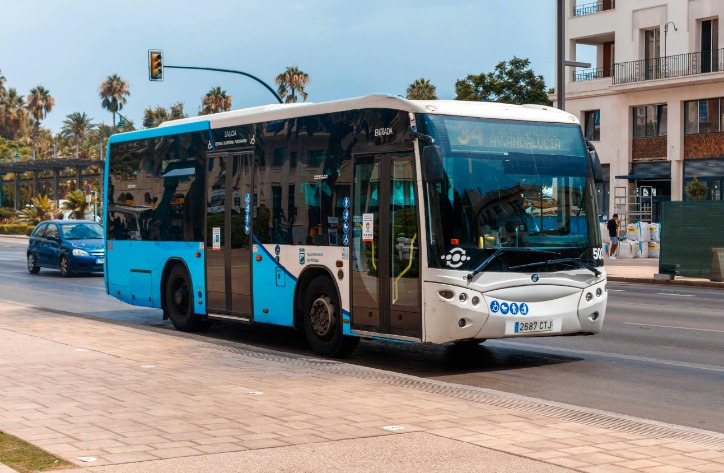

Overview of bus stops in South Africa
South Africa’s bus stops sit at the crossroads of urban mobility, linking suburbs, city centers, and townships through a mix of formal bus services, paratransit, and minibus taxis. Across major cities, stops vary from modern hubs with shelters, benches, and timetable boards to smaller, sheltered corners that keep riders dry in the rain. These stops support national and municipal transit networks, improving accessibility for commuters, travelers with disabilities, and those without cars, while challenging operators to balance safety, cleanliness, and reliable schedules in a diverse transport landscape.
Definition and scope
A bus stop in South Africa is a designated point along a road where passengers wait to board a bus or access a bus rapid transit service. It functions as a node in the public transport network, linking commuters to local, regional and intercity travel options.
Definition: A bus stop is a fixed location along a transport corridor where buses halt to pick up and drop off passengers. It typically includes signage with route information, and may provide seating, shelter, lighting and timetable details to help travelers plan their journey.
Scope: In South Africa, bus stops are used by formal scheduled bus services, city BRT networks such as Cape Town’s MyCiTi and Johannesburg’s Rea Vaya, and by the extensive minibus taxi networks that provide first- and last-mile access. Stops can be on-street along main corridors or part of off-street interchanges and terminals.
Infrastructure and facilities: The best stops offer practical amenities such as weather shelters, seating, lighting for safety, clear route and timetable signage, and sometimes real-time information displays. Some stops also provide accessibility features like ramps, tactile paving and clearly marked pedestrian crossings.
Planning, governance and standards: Bus stops are planned and funded by municipalities within the framework of national transport legislation. They are designed to support safe, efficient transfers between modes, and to be maintainable within local budgets. Design guidelines cover spacing, accessibility, shelter provision and signage.
Accessibility and inclusion: Modern stops aim to be accessible to people with disabilities, the elderly and travellers with luggage. This includes barrier-free paths, level boarding areas where possible, audible announcements and high-contrast signage to aid visibility.
Safety and maintenance: Streetlighting, surveillance where appropriate, clear sightlines and visible wayfinding contribute to passenger safety. Ongoing maintenance is essential to keep shelters clean, seating usable and information up to date.
Coverage and challenges: Urban centres have dense networks and frequent stops; rural and peri-urban areas often have fewer stops, leading to longer walks to access services. Challenges include funding for upkeep, vandalism, weather exposure of shelters, and coordination across multiple operators and authorities.
Role of integration and future directions: The effectiveness of bus stops improves when they are integrated with other transport modes, ticketing, and information systems to enable smooth transfers. National planning aims to expand safe, accessible and efficient bus stop networks across the country as part of broader transport reform.
Examples and case studies: Cape Town’s MyCiTi BRT stops and Johannesburg’s Rea Vaya network illustrate modern standardized stop design, while ongoing municipal projects seek to upgrade shelters, signage and accessibility to serve growing urban populations.
Conclusion: Well-designed bus stops are a cornerstone of public transport in South Africa, supporting mobility, economic activity and social inclusion by making bus travel easier, safer and more predictable for users.
Geographic distribution and regional variation
South Africa’s bus stops form a key layer of urban mobility, connecting residents to work, education, and services. They range from formal, shelter-equipped stops managed by municipalities to informal pickups along major streets used by minibuses.
Geographic distribution of bus stops is strongest in the country’s largest metropolitan areas where networks are dense and routes cross busy corridors. In Gauteng, Western Cape, and KwaZulu-Natal the coverage is extensive, while rural areas and smaller towns have fewer formal stops and rely more on taxi hubs and on-street pickups. Major intercity terminals such as Johannesburg Park Station, Cape Town Station, and Durban’s central bus terminus serve long-distance travel between provinces.
Urban bus networks in several cities also use dedicated bus rapid transit stops along fixed corridors. Cape Town’s MyCiTi, Johannesburg’s Rea Vaya, and Pretoria’s A Re Yeng operate with sheltered stops, route maps, and real-time information to guide passengers.
Rural and peri-urban areas rely more on informal stops and minibus taxi routes, with fewer shelters or official signage. In these contexts travel can be less predictable, and many commuters still rely on paratransit options for the last mile.
Language and signage reflect South Africa’s linguistic diversity. English is widely used in official announcements and signs, but regional languages shape the passenger experience. In the Western Cape, signage commonly appears in English and Afrikaans; in KwaZulu-Natal, English and isiZulu are common; in Gauteng, a multilingual mix of English, Zulu, Sotho, Xhosa, and Afrikaans is often encountered.
Access and information technology are uneven. Many urban stops feature timetable boards and sometimes digital displays, while rural stops may provide only simple signs or verbal information. Efforts to improve accessibility for disabled travellers and to provide real-time updates are ongoing in several municipalities.
Overall, the geographic distribution of bus stops in South Africa mirrors urban density and planning priorities, while language variation at stops highlights the need for inclusive, multilingual passenger information as the country expands its integrated public transport system.
History and development of bus stops
South Africa’s bus stops trace a path from early horse-drawn services and informal roadside pickups to formal municipal stops and modern transit hubs. In the 20th century cities installed basic shelters and timetable boards to guide expanding routes, with postwar upgrades bringing standardized stops, better paving, and clearer signage in cities like Johannesburg, Cape Town and Durban. The apartheid era shaped transport planning around segregation, influencing where stops were placed and which routes served which communities. Since the 2000s, rapid-transit projects such as Johannesburg’s Rea Vaya and Cape Town’s MyCiTi have introduced purpose-built stops with raised platforms, shelters, real-time information, and universal accessibility, turning bus stops into integral nodes of a contemporary South African transit network.
Early transport infrastructure
Bus stops in South Africa trace a long history that begins with early roads, horse-drawn coaches, and urban growth, and moves toward modern, integrated public transport systems that connect distant suburbs with city centers.
In the late 19th and early 20th centuries, South African towns and cities built tram networks and expanded road networks to support moving people and goods. Trams, streetcar networks, and rail services formed the backbone of urban mobility, and along busy routes simple stopping points emerged where passengers could wait for the next vehicle. These early stops were modest: a kerb, a sign, and sometimes a wooden shelter. As motorized buses arrived, the need to organize passenger flow along busy corridors led municipalities to designate more formal places to alight and board, even if shelter and seating were inconsistent from one town to the next.
The mid-20th century saw a substantial expansion of municipal bus services in major cities such as Johannesburg, Cape Town, and Durban. Bus fleets grew, timetables became routine, and depot networks supported more reliable everyday transport. Stops along these routes gradually acquired more structure: signage indicating routes, timetable boards, and sometimes small shelters offered protection from sun and rain. In many cities, the bus stop began to resemble a true node in the urban fabric—a place where road, rail interchange, and pedestrian movement met.
From the 1970s through the 1990s, South Africa experienced a rapid rise of the minibus taxi sector. These informal, flexible transport services operated in and around urban centers and peri-urban areas, often using informal stops and taxi ranks that can be found at street corners, market squares, and near major transport hubs. The coexistence of formal bus stops and informal taxi stops reshaped how people moved through cities. While formal bus services continued along main routes, many commuters also relied on smaller, driver-run networks that filled gaps in coverage, especially outside core city centers.
After the end of apartheid, there was renewed emphasis on integrating transport systems to improve mobility for all South Africans. Investments were directed toward creating more coherent networks, improving reliability, and building better bus stops that could serve as interchange points between buses, trains, and future rapid transit options. Trials and full rollouts of more integrated systems began in the 2000s, setting the stage for modern, user-friendly stops with improved shelters, lighting, and information access.
In Cape Town, the MyCiTi bus rapid transit (BRT) system introduced a new standard for bus stops in the 2010s. The network includes dedicated lanes, purpose-built stations, and stops with clear branding, real-time information, and accessibility features. Johannesburg’s Rea Vaya and Durban’s integrated transport efforts followed with similar aims to streamline boarding, improve safety, and provide predictable service. These modern stops typically include sheltered seating, route maps, fare information, and digital or printed timetables, all designed to ease passenger flows and encourage use of public transport.
Design trends across South Africa’s cities emphasize accessibility and safety. Shelters are built to withstand heat and rain, with features such as lighting for nighttime use, ramps for wheelchairs and strollers, and clear signage showing routes and destinations. Real-time information boards and mobile apps help passengers track arrivals, while bilingual or multilingual signage supports a diverse urban population. In rural and peri-urban areas, stops often remain simpler but still function as critical waiting points that connect residents with regional services and urban centers.
The history of bus stops in South Africa thus reflects broader shifts in transport policy, urban planning, and social change. From informal roadside pauses to purpose-built shelters and multi-modal interchanges, bus stops have evolved into essential nodes that link neighborhoods with the wider economy and everyday life. As cities continue to upgrade infrastructure and expand rapid transit options, South Africa’s bus stops remain a living record of how people move, connect, and participate in urban life.
Policy shifts and post-apartheid reforms
Bus stops in South Africa have evolved from simple curbside shelters to integral nodes within a nationwide public transport strategy, mirroring the country’s social and political changes over more than a century.
In the late 19th and early 20th centuries, urban mobility in South Africa grew from horse-drawn omnibuses to more formalized bus services in major cities. Stops were basic, often unroofed curbside points, with little consistency across municipalities. As cities expanded, bus ranks near central business districts became focal points for commuting, but facilities remained uneven and localised, reflecting the fragmented municipal geography of the era.
Under apartheid, transport infrastructure and services were deliberately segregated. Bus stops and ranks were allocated along racial lines, and access to reliable public transport for Black communities was constrained. The design of stops and the allocation of service hours reinforced spatial separation, contributing to unequal mobility and longer travel times for non-white residents, even as many workers depended on buses to reach workplaces in urban peripheries.
After 1994, democratic reforms sparked policy shifts aimed at unifying transport networks. The 1996 White Paper on Transport emphasised integrated, accessible, and safe public transport that connected municipalities with regional and intercity networks. This laid the groundwork for restructuring agencies, harmonising fares, and coordinating planning across spheres of government to create more reliable and user-friendly bus stops within a broader system.
The National Land Transport Act (Act 5 of 2009) formalised the framework for integrated rapid public transport networks (IRPTNs) and converted much of the transport planning into a multi-actor, multi-modal endeavour. The act promoted intermodal integration, standardisation of facilities, and accountable service delivery, turning bus stops into pivotal elements of a coherent urban mobility strategy rather than isolated waiting points.
One of the most visible manifestations of reform has been the rapid implementation of Bus Rapid Transit (BRT) systems. Johannesburg’s Rea Vaya began operations in 2009, followed by Cape Town’s MyCiTi network in 2013. These services positioned bus stops as brand-blocked, predictable, and high-quality nodes with dedicated lanes, level boarding, real-time passenger information, and protected shelters, designed to attract a broader cross-section of city users.
Today’s bus stops in South Africa increasingly prioritise accessibility, safety, and comfort. Modern shelters provide seating, shading, lighting, and rain protection, along with clear signage and real-time updates on arrivals. Many stops are designed for universal access, with ramps and tactile indicators, while some incorporate solar lighting and CCTV for security. The stops also function as gateways to feeder bus services, pedestrian networks, cycle routes, and, in some places, taxi-rank interfaces, supporting smoother transfers and reduced travel times.
Cities such as Durban (Go Durban BRT), Cape Town (MyCiTi), and Johannesburg (Rea Vaya and associated feeder networks) illustrate how bus stops have become integral to multi-modal hubs. These hubs are often located near major commercial corridors, universities, and housing estates, encouraging transit-oriented development and reducing reliance on private cars in congested urban cores.
Despite progress, challenges remain. Maintenance and vandalism can degrade shelter quality and safety, while funding cycles fluctuate with economic conditions. Achieving consistency in service levels across municipal borders, ensuring climate resilience, and maintaining high standards of accessibility require ongoing political commitment, technical capacity, and community engagement. As South Africa continues to expand IRPTNs, bus stops will need to evolve as adaptable, inclusive, and data-driven touchpoints that support a more equitable and efficient public transport system.
Design and facilities
Design and facilities at South African bus stops blend practical resilience with inclusive access. Modern shelters offer weather protection, seating, lighting, and clear wayfinding to serve a diverse urban and rural ridership, while durable, vandal-resistant materials support long-term maintenance. Accessibility is a priority, with ramps, tactile guides, and signage that helps people with mobility challenges, parents, and the elderly move safely and confidently. Through thoughtful siting, landscaping, and sometimes public art, these stops aim to be welcoming civic spaces that improve safety, comfort, and connectivity for communities across the country.
Common features at urban stops
Urban bus stops in South Africa are designed to be safe, durable, and welcoming spaces that support convenient travel across crowded city corridors. They balance protection from the elements with clear information and easy access, reflecting the climate, languages, and traffic patterns of fast-changing urban areas.
Shelter design is a key feature, offering weather protection from hot sun and heavy rain. Many stops use sturdy metal frames with durable roofing materials that resist vandalism and wear. Roofs are often extended to create shade, and some shelters include transparent panels to maintain visibility around the stop. Seating is typically provided in hard-wearing, low-maintenance formats and grouped to accommodate individuals and wheelchairs while leaving space for pedestrians to pass.
Comfort and accessibility go hand in hand. Stops aim for step-free access, ramped entry, and clear paths to and from the road. Benches or seating rails are placed at reachable heights, with space next to them for wheelchairs. Tactile paving, braille or high-contrast signage, and large-print route information help passengers with limited sight or reading ability navigate. Multilingual information is common, reflecting South Africa’s diversity of languages.
Information and wayfinding are central to daily use. Many urban stops display route maps, destination panels, and real-time arrival information where technology is available. Digital boards or paper timetables provide schedules, while QR codes and smartphone apps offer live updates for those who prefer mobile access. Clear, high-contrast signage and well-lit icons help travelers quickly identify services and connections at a glance.
Safety and security are designed into the design. Good sightlines, adequate lighting at night, and secure spaces deter anti-social behavior and provide a sense of safety. Some stops feature CCTV where funding allows, along with designated waiting areas separate from traffic. Clear markings guide passengers where to stand while waiting for buses, and curb markings help with safe boarding and alighting.
Maintenance, cleanliness, and reliability are ongoing priorities. Regular cleaning cycles remove litter and debris, while roofs, seating, and shelters are inspected for repairs to prevent hazards. Waste bins are placed at strategic points, and maintenance teams work to fix any damage promptly so stops remain inviting and functional for daily use.
Urban bus stops in South Africa often connect with broader transport networks. Many stops are positioned to facilitate easy transfers between buses, trains, and, in some cities, BRT services. Pedestrian access, crosswalks, and pedestrian signals are integrated to improve safety and reduce walking distances between modes, supporting a more seamless, multimodal travel experience.
Design and facilities at urban bus stops also respond to sustainability and local climate conditions. Some stops incorporate energy-efficient lighting, shade-providing canopies, and water-wise landscaping to reduce heat and conserve resources. Where feasible, solar-powered lighting and durable, low-maintenance materials help ensure that stops remain functional and comfortable in diverse weather conditions.
Rural and peri-urban stop designs
Bus stops in rural and peri-urban South Africa sit at the intersection of accessibility, practicality, and resilience. Design choices must be affordable to install and maintain while providing reliable shelter, clear information, and safe access for users who travel long distances between homes, jobs, and services.
In rural settings, shelter is often the most visible measure of quality. A simple, durable roof with three-sided wind and rain protection, a level or gently sloped surface, and good drainage help passengers wait comfortably. Materials such as weather-resistant metal, treated timber, or reinforced concrete frames are common for longevity, while shading elements and wind screens reduce exposure to harsh conditions.
Beyond shelter, essential facilities focus on comfort and information. Fixed seating with space for wheelchair users, clear route maps and timetables, and easy-to-read signage support reliable waiting. Where possible, solar-powered lighting extends safety after dark, and weatherproof bins, waste receptacles, and cleaning routines keep stops tidy. Clear information boards should be large, durable, and updated regularly to reflect timetable changes.
Peri-urban stops often require greater connectivity to urban cores and local feeder services. Designs emphasize multi-modal interchange: bus bays or curbside pull-ins, safe pedestrian access with well-marked crossings, and accessible paths from surrounding housing or markets. Lighting, sightlines, and wayfinding help users move confidently between routes and modes, even in mixed daytime and evening contexts.
Safety and security elements are integral. Open sightlines, transparent or at least translucent shelter walls, and well-lit surroundings deter vandalism and improve personal safety. For higher-traffic nodes, CCTV and emergency call points may be appropriate, while simple design features such as non-slip surfaces and stable, robust seating reduce the risk of falls or injuries.
Maintenance and governance underpin long-term success. Local authorities, transport operators, and communities should share responsibility for cleaning, repairs, and replacements. Using locally available materials and simple construction methods can lower maintenance costs and speed repairs, while community involvement — through user forums or school projects — helps ensure designs meet actual needs.
Environmental considerations and climate resilience are increasingly important. Effective drainage prevents puddling, and where feasible, rainwater can be collected for non-potable uses. Passive cooling strategies, shade trees, and reflective surfaces reduce heat buildup in hot South African climates, while energy-efficient lighting and solar power improve reliability in off-grid locations.
Inclusive design principles ensure that stops are usable by everyone, including older people, people with disabilities, caregivers with strollers, and travelers with luggage. Ramps, level boarding where possible, tactile indicators for the visually impaired, high-contrast signage, and audible announcements or QR-based information help bridge accessibility gaps across rural and peri-urban networks.
Accessibility features for people with disabilities
Designing bus stops in South Africa with accessibility in mind means creating spaces that are easy to use for everyone, including people with disabilities, older travellers, parents with strollers, and those with temporary impairments. A well designed stop should invite safe, independent use and smooth transitions to and from buses and other modes of transport.
Key design and facilities include level or near level boarding platforms, curb cuts, and ramped entry where full level access is not possible. Shelters should be sturdy and weather resistant, with non slip flooring, adequate seating with armrests for easier transfers, and space for wheelchairs or mobility devices. Clear sight lines, ample waiting space, and shade or shelter from sun and rain improve comfort and safety for all passengers.
Accessibility features should address multiple senses and needs. Tactile paving at the top of the access path helps visually impaired travellers navigate to the shelter and boarding area. Braille or large print signage, high contrast lettering, and simple iconography support reading by people with vision or reading difficulties. Audible announcements or tactile maps, combined with visual real time displays, keep travellers informed about arrivals and service changes.
Stops must accommodate mobility devices and those with limited mobility. This includes ample space for wheelchairs or mobility scooters towait without blocking access, level boarding when buses pull up, clearly marked priority seating, and unobstructed routes from the curb to the shelter and to the vehicle. Access for strollers and caregivers should be considered as well so families can travel with ease.
Safety and maintenance are ongoing requirements. Good lighting, secure handrails, slip resistant surfaces, and well maintained crossings and curb ramps reduce risk. Clear, multilingual signage and predictable, consistent layouts help passengers orient themselves quickly. Regular cleaning, repairs, and vandal-resistant materials ensure that accessible features remain usable over time.
Policy and planning frameworks in South Africa emphasize inclusive design and universal access, but real public reach depends on consistent implementation and funding. Collaboration with disability organisations, local communities, and transit operators is essential to identify gaps, test new features, and ensure that bus stops meet the diverse needs of users across urban and rural areas.
Safety and security
Safety and security around bus stops in South Africa are essential for encouraging reliable public transport. This introductory note highlights the importance of well-lit waiting areas, visible police presence, functional lighting, safe pedestrian access, and community-driven efforts that help passengers feel confident while waiting, boarding, and alighting from buses.
Lighting, visibility, and shelter
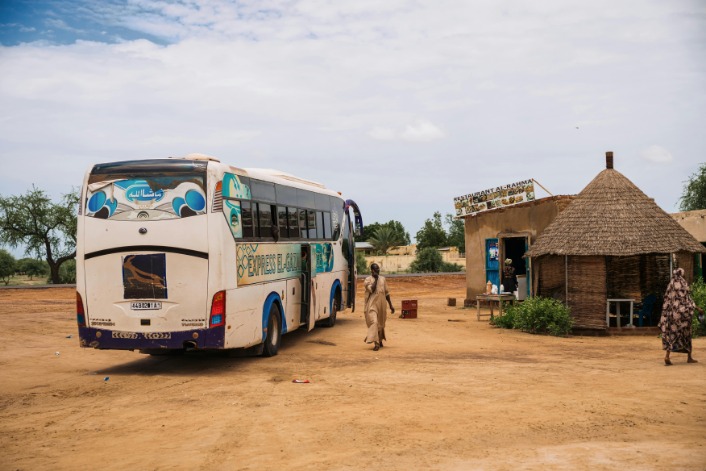
Safety and security at bus stops in South Africa are central to encouraging public transport use, especially in urban and peri-urban areas where crime risks can be higher. Well-planned stops reduce vulnerability by improving sightlines, coordinating with local policing, and ensuring that riders feel protected while waiting for buses or transferring between routes. Effective safety measures rely on a combination of infrastructure, clear procedures, and active community involvement.
Lighting is a fundamental security layer at SA bus stops. Bright, even illumination helps deter criminal activity, supports natural surveillance by pedestrians and riders, and makes the waiting area feel safer after dark. Using energy-efficient LED lighting, with reliable maintenance schedules and, where possible, solar-powered systems, can provide consistent coverage from late afternoon to early morning. Lighting should extend to approaches and pathways, not just the sheltered area, so that riders can approach and depart with confidence.
Visibility design plays a key role in safety. Stops should have open sightlines to the street and surrounding activity, minimizing blind corners and obstructive vegetation. Clear signage, visible bus service information, and strategically placed cameras or emergency call points can enhance perceived and actual safety. Materials with reflective properties and high-contrast signage improve legibility for all users, including those with limited vision or language barriers.
Shelter at bus stops must protect riders from sun and rain while remaining resilient to harsh weather and vandalism. Durable roofs, water-resistant seating, and non-slip surfaces contribute to comfort and safety. Shelters should be accessible to people with mobility impairments, include enough space for groups, and be designed to withstand local weather conditions, such as heavy rain or strong winds. Adequate shelter reduces exposure risk and encourages timely boarding, especially during adverse weather.
Accessibility and inclusivity are essential in South Africa’s diverse transport landscape. Bus stops should provide accessible curbs, tactile paving for the visually impaired, clear multilingual signage, and user-friendly layouts that accommodate wheelchairs, strollers, and elderly riders. Placing stops in well-patrolled, well-lit areas near other public services can also enhance safety and confidence for all passengers.
Maintenance and accountability underpin long-term safety, lighting, visibility, and shelter quality. Regular cleaning, swift repair of broken lighting, seating, or shelter panels, and consistent trash management help maintain a secure environment. Public–private partnerships, community safety forums, and clear reporting channels for faults or concerns can keep stop infrastructure functional and responsive to rider needs.
In all SA contexts, a holistic approach—combining robust lighting, clear visibility, durable shelter, accessibility, and strong maintenance—creates bus stops that are safer, more welcoming, and more reliable for riders across the country.
Surveillance and policing partnerships
Safety at bus stops in South Africa is a critical concern as cities expand and public transport use grows. Partnerships among police, municipalities, transit agencies, and the private security sector are essential to deter crime, support riders, and build trust in the system.
Surveillance technologies, such as CCTV cameras connected to central monitoring rooms and incident dashboards, play a key role in crime prevention and rapid response. When integrated with transport control rooms, they enable real-time dispatch of patrols and incident resolution.
Policing partnerships involve joint operations, hotspot policing, data sharing, and coordinated patrols targeting high-risk bus stop corridors and transport hubs. Signed memoranda of understanding help align objectives, resources, and accountability.
Design and infrastructure influence safety. Well-lit shelters, clear sightlines, visible signage, emergency panic buttons, and accessible layouts reduce opportunities for crime and improve rider comfort.
Privacy and civil liberties matter. Surveillance must comply with POPIA, with strict data access controls, retention limits, and independent oversight. Public communication about cameras and data use helps maintain legitimacy.
Community engagement is essential. Safety ambassadors, rider reporting channels, complaint mechanisms, and feedback loops ensure residents have a voice and that policing partnerships respond to local concerns.
Challenges include funding sustainability, potential over-reliance on technology, and balancing safety with privacy. Transparent governance, regular audits, and anti-discrimination training for staff are necessary to prevent profiling and abuse.
Conclusion: Effective safety and security at bus stops in South Africa rely on a layered approach that combines surveillance, policing partnerships, design, community input, and strong governance to create safer and more reliable urban mobility.
Accessibility and inclusive transport
Accessibility and inclusive transport in South Africa means designing bus stops and services so everyone can travel with independence and safety. It involves features like low-floor buses, level boarding, curb cuts, tactile paving, clear signage, audible and visual announcements, and shelters that are usable by people with mobility, vision, or hearing impairments. Equitable access also requires reliable routes, safe crossings, adequate lighting, seating, and information available in multiple formats. S uccess depends on coordinated planning across municipalities, inclusive policy making, and ongoing input from disabled communities, with attention to both urban hubs and rural areas.
Accessibility standards and inclusive design
Accessible bus stops are essential to building an inclusive transport system in South Africa, where mobility should not depend on income, location, or physical ability. By prioritizing accessibility, cities can help people with disabilities, older adults, parents with prams, and visitors navigate urban areas with dignity and independence.
Accessible features at bus stops include barrier‑free paths from the sidewalk to the boarding area, curb ramps or level boarding with low‑floor buses, and clear space for wheelchairs or mobility devices. Tactile ground indicators help visually impaired users, while high‑contrast signage and large print support people with limited sight. Shelters with seating, weather protection, lighting, and information displays in multiple formats support all travellers, including those who rely on audio or visual cues.
Accessibility standards and inclusive design principles are built on universal design concepts: design for all, do not design for the average user, and provide multiple ways to access information and services. While specific standards vary, common requirements include accessible approaches to the street, safe waiting areas, clear wayfinding, and information that can be accessed by people with diverse abilities, languages, and literacy levels. International guidelines like universal design and built‑environment accessibility inform local practice, often adapted by South Africa’s standards bodies and municipalities.
In South Africa, public transport upgrades are guided by national policy and municipal by‑laws that emphasize inclusive access. Across major cities, some bus stops already feature level boarding with compatible buses, accessible signage, audible announcements, tactile indicators, and accessible seating. Yet gaps remain in rural areas and older townships, where maintenance, funding, and coordination between agencies can limit consistent deployment of inclusive design.
To advance inclusive transport at bus stops, authorities should engage communities in design, test new features with actual riders, and implement reliable maintenance plans for pavement, tactile surfaces, and signage. Clear, multilingual information and real‑time updates help users plan trips. Building standards should require broad accessibility in new stops and retrofits, with budgets that cover ongoing repairs, accessibility audits, and inclusive procurement of transit vehicles that support level boarding and space for wheelchairs.
Accessible bus stops are more than compliance; they are a practical expression of dignity and opportunity. When bus stops are welcoming to people of all abilities, South Africa’s public transport system becomes safer, more efficient, and more inclusive for everyone.
Support for older adults and people with disabilities
Accessible bus stops are essential for inclusive transport in South Africa, where older adults and people with disabilities rely on public buses to reach work, clinics, and community spaces.
Designing and operating bus stops that are accessible across city and rural routes involves a mix of physical accessibility, user information, and supportive services. This helps reduce isolation, improve independence, and enable equal participation in daily life.
- Level boarding or minimal step height with curb ramps to match bus floor height
- Tactile paving and Braille or large-print signage to aid navigation for people with sight loss
- High-contrast, legible timetables and route maps with simple icons
- Audible announcements and real-time transit information for those with visual or hearing impairments
- Seating with space for wheelchairs and wind-protected shelters to accommodate older riders and wheelchair users
- Shade, shelter, lighting, and non-slip surfaces for safe waiting in all weather
- Smooth, clearly marked pedestrian approaches and safe crossings to minimize travel distance from home to stop
- Accessible bus access with dedicated priority seating and driver awareness training to assist customers with disabilities
- Regular maintenance to prevent damage, clutter, and hazards at stops
Leadership, funding, and community consultation are critical to implement these changes across South Africa’s diverse urban and rural contexts. By focusing on inclusive transit at bus stops, South Africa can move closer to equitable mobility for all.
Technology and information systems
Across South Africa, technology and information systems are reshaping bus stops into smart points of access, blending real-time arrival boards, GPS-enabled tracking, mobile payment options, and digital safety signage to improve reliability, safety, and inclusivity for commuters in cities and townships alike.
Real-time bus arrival information
Technology and information systems enable real-time bus arrival information at bus stops across South Africa. RTPI enhances reliability and passenger experience by delivering live arrival estimates, service status alerts, and seamless information across displays, apps, and websites.
Key technologies and components include GPS-based vehicle tracking, centralized data platforms, GTFS real-time feeds, at-stop displays, mobile applications, and APIs for third-party developers. Data flows from on-board telematics to a transit operations center, where it is processed, quality-checked, and published to multiple channels.
Benefits accrue to both passengers and operators, though challenges remain. The following elements outline how RTPI works in the South African urban context:
- On-board tracking: GPS units and vehicle telemetry provide location, progress, and schedule adherence data in near real time.
- Central data hub: A transit management system merges live vehicle data with timetable information and computes arrival predictions.
- Public displays and channels: At-stop boards, mobile apps, SMS/USSD, and web portals present live times and service alerts.
- Interoperability: GTFS real-time and related data standards enable consistent data sharing among agencies and developers.
- User benefits: Shorter perceived wait times, improved trip planning, and higher satisfaction and transit usage.
- Operational benefits: Better headway management, faster incident response, and data-driven service improvements.
- Implementation considerations: Network coverage, device maintenance, data quality, privacy, funding, and stakeholder coordination.
- Current landscape: In major urban centers like Cape Town and Johannesburg, RTPI pilots and deployments are expanding, with ongoing work to increase coverage and accuracy at bus stops.
Digital signage and ticketing options
Technology and information systems are transforming bus stops across South Africa by delivering real-time passenger information, digital signage, and flexible ticketing options that improve reliability and convenience for riders.
Passenger information systems combine GPS, AVL, and scheduling data to display live arrival times, routes, and service alerts at stops.
Digital signage at bus stops can show multi-language transit messages, route maps, service disruptions, safety tips, and QR codes that link to mobile tickets or journey planners.
Ticketing options include contactless smart cards, bank card payments, and mobile ticketing apps, with some services offering QR code or barcode tickets. Cash on board is less common in new deployments but may still be accepted in certain routes.
In South Africa, pilots and adopted systems emphasize interoperability across municipalities, with efforts toward unified fare media and nationwide data sharing for easier transfers.
Tech choices must consider power reliability, often using solar-powered displays and rugged hardware, offline capabilities, and data security to protect rider information.
Case examples include Cape Town’s MyCiTi bus rapid transit using digital information displays and a card-based fare system, and Johannesburg’s Rea Vaya network deploying mobile and card-based options along with real-time announcements.
Challenges include upfront investment, maintenance, staff training, digital inclusion, and ensuring accessibility for people with disabilities. When implemented well, technology at bus stops reduces wait times, increases rider satisfaction, and supports safer, more efficient urban mobility in South Africa.
As cities expand and funding grows, we can expect more widespread adoption of real-time signage, multilingual content, and interoperable ticketing that makes public transport a more attractive option for residents and visitors.
Data privacy and system maintenance
Technology and information systems are reshaping bus stops across South Africa, turning waiting spaces into data-informed nodes of urban mobility. Real-time arrivals display through digital signage, route planning apps guide passengers, and contactless payments integrate with broader transit networks. In this context, the topic encompasses technology, data privacy, and ongoing system maintenance that keeps these services reliable for diverse communities.
At the core are information systems that collect and process data from sensors, GPS trackers, card readers, and mobile apps. These systems support fare collection, service monitoring, crowd management, and accessible information for riders. Open data portals and APIs enable third-party apps to provide route planning, while edge devices at bus stops gather local data for resilience when connectivity is variable.
Data privacy is essential in South Africa, guided by the Protection of Personal Information Act. Bus-stop systems must minimize data collection, anonymize location data when possible, and specify purposes for collection. Clear notices, consent where required, and strict access controls protect rider information. Data retention should be time-limited, with secure storage and encryption for both data at rest and in transit.
System maintenance is a continuous discipline. Routine software updates, firmware upgrades for IoT devices, and remote monitoring keep displays, readers, and sensors functional. Service-level agreements define uptime targets, support response times, and backup procedures. Redundancy, regular backups, and tested disaster-recovery plans minimize downtime during outages or vandalism.
South Africa faces unique challenges, including varying power reliability, climate conditions, vandalism, and budget constraints. Solutions must be rugged, energy-efficient, and easy to maintain by local technicians. Cybersecurity is essential as connected devices expand the attack surface; strong authentication, network segmentation, and anomaly monitoring help protect operations.
Opportunities exist through partnerships between municipalities, transport operators, and technology providers. Open standards and interoperable payment platforms simplify integration, while multilingual and accessible interfaces support inclusive usage. Data from bus stops can inform planning, optimize routes, and reduce wait times without compromising rider privacy.
A practical approach in South Africa involves piloting smart bus stop concepts in high-traffic corridors, with scalable rollouts. This includes digital timetables, real-time crowd indicators, solar-powered signage, and emergency contact features. Documentation and community engagement ensure transparency about data use and benefits to riders.
In summary, technology and information systems at bus stops in South Africa offer improved service quality and rider experience, but success hinges on protecting privacy and maintaining dependable infrastructure. Balancing innovation with robust data governance and proactive maintenance will support safer, more efficient urban mobility for all communities.
Public transport integration
Public transport integration in South Africa is transforming how people move, with bus stops serving as hubs that connect bus services to rail, minibus taxis, and on‑demand options, making journeys across cities like Johannesburg, Cape Town, and Durban faster, simpler, and more reliable.
Interchanges with rail and minibus taxi routes
Public transport integration in South Africa is transforming how people move by linking bus stops with rail corridors and the extensive minibus taxi network. By turning bus stops into interchanges, cities aim to reduce transfer times and improve reliability for both urban commuters and rural travelers.
At well-designed interchanges, a bus stop becomes a node where passengers transfer between rail, long-distance buses, and minibus taxis. Proper sequencing of arrivals, shelters, and pedestrian access helps people switch modes smoothly and safely.
Rail-to-bus interchanges connect Metrorail or Gautrain services with feeder buses and longer local routes. In major metropolitan areas, smartly located bus stops near railway stations enable commuters to begin a trip with rail and finish with a bus or taxi, creating a flexible, multi‑modal journey.
Minibus taxis remain a vital part of the transport mix in South Africa, handling short trips and challenging first‑mile/last‑mile gaps. When bus stops are positioned near taxi ranks and routes are coordinated through agreed timetables, riders experience more predictable transfers and reduced wait times.
Design considerations for SA bus-stop interchanges include weather protection, lighting, seating, accessible paths for people with disabilities, clear wayfinding, and safe pedestrian crossings. Integrated signage helps riders understand connections and real-time updates, while cycle lanes and pedestrian bridges improve safety and flow.
Fare integration and information systems are essential for seamless travel. Cities are testing single or linked tickets, smart cards, and mobile apps to show real-time arrival times, platform changes, and transfer options across bus, rail, and taxi services. Even where full fare integration is not yet in place, interoperable information helps riders navigate multi‑modal trips.
Governance and planning bodies in South Africa are pursuing multi‑modal strategies through national and municipal plans. The National Transport Master Plan and city-level transport authorities emphasize coordinated scheduling, shared use of spaces, and concessions with taxi associations to improve reliability while maintaining the livelihoods of taxi operators.
Case examples in cities such as Cape Town, Johannesburg, and Durban illustrate both progress and challenges. Lessons include the need for strong data systems to plan stop locations, ongoing maintenance, safety measures, and ongoing dialogue with taxi associations to align routes and fees with public policy goals.
In the bus stop landscape of South Africa, ongoing investments in interchanges, real‑time information, and accessible design are essential to unlock the benefits of a truly integrated public transport system for all residents and visitors.
Fare integration and smart card systems
Public transport in South Africa is increasingly seen as a network where bus stops act as crucial nodes. When bus stops connect with rail, minibus taxis, and on-demand services, travelers gain smoother journeys, better reliability, and clearer information at the point of arrival and transfer.
- Public transport integration in South Africa: strategies to align timetables, routes, and information across buses, trains, and taxis; the role of bus stops as interchange points with coordinated signage, schedule displays, and feeder services to improve overall accessibility.
- Fare integration: pursuing unified fares across modes to reduce transfer penalties, enable fare-c study and caps, and promote smoother journeys for commuters; challenges include multi-operator governance, varying regional policies, and ensuring affordability for low-income travelers.
- Smart card systems: deployment in major cities such as Cape Town and Johannesburg, using contactless cards and mobile wallets; features include offline top-ups, real-time balance checks, security protections, and efforts toward cross-city interoperability at bus stops and transfer points.
- Bus-stop design and information systems: improving shelter, lighting, accessibility, and real-time arrival/departure information at stops; multilingual signage, clear maps, and digital displays help riders plan transfers between buses, trains, and taxis.
- Implementation challenges and opportunities: funding, governance, data sharing, and rural-urban disparities; pilot programs and scalable models that aim to extend smart card and fare integration to more stops and operators across the country.
Case studies by city and region
This introductory overview presents case studies by city and region in South Africa, exploring how bus stop design, accessibility, safety, and rider experience vary across diverse urban and rural contexts. From major metropolitan corridors to peri-urban routes, these English-language case studies demonstrate how local planning, funding, and community engagement shape the quality and reliability of bus stops across the country.
Johannesburg, Cape Town, and Durban bus stop networks
Bus stop networks in South Africa are evolving as cities adopt rapid transit and integrated feeder systems. This article presents case studies by city and region focusing on Johannesburg, Cape Town, and Durban, examining how bus stops are designed, located, and managed to improve accessibility, safety, and reliability.
Johannesburg’s Rea Vaya BRT introduced a network of purpose-built bus stations and stops that function as nodes connecting trunk lines with feeder routes. The bus stops typically include sheltered seating, lighting, signage with route information, and ticketing kiosks where available. Real-time arrival information helps passengers plan connections, while raised platforms support accessible boarding for wheelchair users. The network emphasizes integration with other transport modes, including rail links and taxi routes, aiming to create a city-wide mobility spine around key corridors.
Cape Town’s MyCiTi BRT is known for its highly visible, sheltered bus stops with digital signage and clear wayfinding. Stops are organized along trunk routes with feeder services feeding into major termini, enabling reliable, rapid citywide travel. Stops feature universal accessibility, protective roofing, CCTV in some areas for safety, and connections to rail and bus networks. The network demonstrates strong design standards, consistent branding, and an emphasis on safety, maintenance, and customer information at every stop.
Durban’s bus stop network operates under the eThekwini Municipality initiatives and the Go Durban/IRT planning framework to improve urban mobility. The Durban system prioritizes sheltered, well-lit stops with seating and route information, along with wayfinding that guides passengers to interchanges and rail links. Efforts focus on accessibility for people with disabilities, integration with major bus corridors, and the deployment of real-time information displays in key high-usage areas, with ongoing expansion in outlying neighborhoods.
Across these case studies, common themes include the importance of durable shelter design, real-time information, accessibility, safety, and ongoing maintenance. Effective bus stop networks require coordinated governance, stable funding, data sharing between operators, and strong community engagement to ensure stops meet user needs.
Johannesburg, Cape Town, and Durban illustrate how city-scale bus stop networks can anchor multimodal transport strategies in South Africa, offering routes that support jobs, education, and access to services while improving the urban experience.
Small towns and peri-urban hubs
Case studies by city and region illustrate how bus stop design and service integration support mobility in South Africa. This section focuses on small towns and peri-urban hubs within major regions and demonstrates how stops connect households to jobs, schools, and healthcare.
-
Cape Town and the Western Cape: In the Cape Town metro, bus stop upgrades along the MyCiTi corridors include sheltered waiting areas, accessible ramped platforms, real-time information displays, solar-powered lighting, and improved pedestrian crossings. Peri-urban hub improvements link townships like Mitchells Plain and Khayelitsha with the city core through feeder routes, increasing reliability and safety for riders.
-
Johannesburg and Gauteng: The Rea Vaya and other Gauteng networks have case studies on redesigned stops along major corridors such as Soweto to Sandton. Upgrades include raised platforms, accessible routes for wheelchairs, ticketing integration, and adaptive signage. Small towns in the region, such as Vanderbijlpark and Carletonville, pilot modular bus-stop kiosks to support commuter flows into urban centers.
-
Ekurhuleni and peri-urban hubs: In Ekurhuleni, bus stops near industrial zones and airports provide sheltered waiting areas, CCTV for safety, and energy-efficient lighting. Interchanges connect with taxi routes and feeder buses to serve workers living in peri-urban settlements like Doro, Springs, and Brakpan.
-
KwaZulu-Natal: Durban and surrounding areas show bus-stop networks that co-locate with safe pedestrian crossings, taxi-bus integration points, and canopies designed for tropical rainfall. Real-time displays and bus-kiosk information points help commuters along the 501 and 501 corridors and in townships feeding into the coast.
-
Eastern Cape and rural-urban links: In towns such as Mthatha and Queenstown (Komani), bus stops prioritize rain protection, wind shielding, and locally-sourced shelter materials. Community boards and information points assist travelers new to the system and connect rural routes with urban centers for education and healthcare access.
-
Small towns and peri-urban hubs nationwide: Examples include Stilfontein, Robertson, and Umhlabuyalingana, where community-led maintenance, low-cost shelters, and micro-financing sustain stops and boost access to education and commerce in semi-urban areas.
Sustainability and climate resilience
In South Africa, sustainable bus stops are shaping climate-resilient urban mobility by pairing practical design with community needs. Solar-powered lighting, shade structures, durable materials, and water-smart features help withstand heat and heavy rains, reduce emissions, and improve safety and comfort for commuters across cities.
Durable materials and weather protection
Sustainability and climate resilience are essential considerations for bus stops in South Africa, where urban and rural communities face extreme heat, heavy rainfall, and variable weather patterns. Designing stops that endure, protect travelers, and minimize environmental impact helps improve mobility, health, and resilience across cities and towns.
Durable materials and weather protection are at the core of reliable bus stops in SA. Selecting corrosion‑resistant frames, robust foundations, and roof systems that shed water while shading passengers reduces maintenance costs and protects users from sun and rain. Local climate data, storms, and heat waves influence choices such as shade density, roof slope, drainage, and the ability to withstand high winds.
- Use galvanized steel or aluminum frames to resist rust in coastal and humid areas.
- Reinforced concrete or stabilized foundations to cope with floods and soil movement.
- Durable roofing materials with UV protection and thermal insulation to reduce heat buildup.
- Shade canopies and ventilated designs to mitigate heat stress for commuters.
- Permeable paving and proper drainage to manage heavy rains and avoid pooling.
- Rainwater harvesting for cleaning and irrigation, reducing demand on municipal supplies.
- Solar-powered lighting and microgrid options to ensure safety after dark while lowering operational costs.
- Durable coatings and easy‑to‑clean surfaces to handle dust, sand, and pollution common in SA cities.
- Accessible design with ramps, tactile indicators, and level boarding to serve all users.
- Local material sourcing and modular designs to enable repairs and upgrades without waste.
By combining durable materials with climate-smart planning, South African bus stops can become resilient public spaces that support sustainable mobility, reduce energy use, and withstand droughts and floods.
Solar lighting and energy efficiency
Across South Africa, bus stops are more than places to catch a ride; they are hubs of urban mobility, community safety, and climate resilience. Integrating sustainability into their design—especially through solar lighting and energy-efficient systems—can transform daily commutes while cutting emissions and reducing demand on strained electrical grids.
South Africa’s urban transport faces moments of disruption from load shedding, heatwaves, and heavy rainfall. Solar-powered bus stops can provide reliable lighting during the night and periods of grid instability, improving safety for passengers and drivers and enabling more predictable service around the country.
Solar lighting at bus stops uses energy-efficient LEDs, small solar PV panels, and battery storage to deliver bright, durable illumination after sunset. In hot climates, high-efficiency modules and longer-lived batteries paired with robust enclosures protect equipment from heat and moisture, ensuring performance even in demanding conditions.
Beyond lighting, energy efficiency extends to shelter design, seating, and information displays. Motion sensors, dimmable lighting, and occupancy-aware systems reduce energy use when stops are idle. Passive design elements like shading and natural ventilation further cut cooling loads, lowering the overall energy footprint of each stop.
This approach strengthens climate resilience by reducing reliance on the grid, which is particularly valuable during outages or extreme weather. Solar bus stops can be connected to microgrids or battery banks to maintain essential services, while lowering operational costs for municipalities and transit authorities.
The benefits go beyond reliability. Solar lighting and energy efficiency reduce carbon emissions, create local jobs in solar installation and maintenance, and encourage safer, more accessible public transport for residents who rely on buses for daily mobility. Local manufacturing and supply chains can be supported through standardized, scalable designs.
Real-world pilots in South Africa show the potential: municipal authorities are testing modular, vandal-resistant solar stops with durable LED lighting, remote monitoring, and simple maintenance routines. These pilots help quantify lifecycle costs, performance under heat and rain, and user satisfaction, informing broader rollouts in cities such as Cape Town and Durban.
To unlock widespread adoption, planners should align bus-stop solar projects with transport and climate strategies, set clear performance metrics, and pursue funding through public-private partnerships, climate finance, and grants. Training programs for local technicians will sustain maintenance, while community engagement ensures designs meet user needs and cultural contexts.
Maintenance, governance, and funding
Maintenance, governance, and funding are the backbone of reliable bus stops in South Africa. Regular upkeep keeps shelters safe, clean, and accessible, while proactive maintenance reduces wear, vandalism, and downtime. Governance involves municipalities, provincial transport departments, and national agencies coordinating standards, budgeting, and service delivery, with clear roles for operators and communities. Funding combines municipal budgets, national transport grants, public-private partnerships, and targeted capital and operating subsidies to cover construction, repairs, accessibility improvements, and ongoing maintenance, ensuring bus stops serve riders today and into the future.
Municipal responsibilities and funding models
Bus stops South Africa are essential nodes in the public transport network, forming part of the bus stop south africa network that serves millions of riders daily. Maintenance, governance, and funding determine their safety, reliability, and accessibility, while municipal responsibilities shape how these assets are planned, funded, and cared for.
Governance for bus stops in South Africa sits within a multi-layered framework. National transport policy sets the direction for standards and funding. The Department of Transport provides policy guidance and national funding, while provincial transport departments assist with implementation and monitoring. Municipalities—especially large cities—own and operate most bus stop assets, integrate them into their transport plans, and coordinate with bus operators and taxi associations to ensure safe, orderly stops. Effective governance requires clear asset registers, maintenance policies, and service level agreements with contractors and operators.
Municipal responsibilities include planning, construction, operation, and ongoing maintenance of bus stop shelters, signage, lighting, paving, and accessibility features. Day-to-day tasks include cleaning, litter removal, graffiti management, and repairs to shelters, seating, and roofs. Municipalities also ensure safety through lighting, CCTV where feasible, and clear sightlines; ensure accessibility for people with disabilities; and coordinate with traffic engineering to keep stops accessible and safe. They are also responsible for waste management around stops and for updating information panels with timetables and route changes.
Funding for bus stops comes from a mix of municipal budgets and national or provincial grants. Capital investments for shelters, bays, lighting, and access routes are typically supported by grants such as the Municipal Infrastructure Grant (MIG) or the Public Transport Infrastructure and System Grant (PTISG) that target public transport infrastructure. Operating costs for maintenance, cleaning, and security are funded through annual budgets, often supplemented by provincial transfers or conditional grants. Some municipalities also generate revenue from advertising and sponsorships on shelters to offset maintenance costs.
Funding models include traditional line-item budgets, multi-year capital programmes, and lifecycle-based asset management. In many cases, municipalities partner with private operators or developers under public-private partnership (PPP) arrangements to fund, install, and maintain shelters and bays in exchange for revenue or service obligations. Joint ventures with transport operators or taxi associations can also help align maintenance with service delivery. Where permitted, sponsorship and advertising provide an additional stream, while negotiated agreements with operators can fund specific upgrades such as lighting and accessibility features.
Challenges include maintenance backlogs, vandalism, theft, and the high cost of updating aging stops, especially in smaller municipalities with tight budgets. Fragmented governance, inconsistent standards, and difficulties coordinating across spheres of government can lead to inefficiencies. Best practices emphasize standardized shelter designs, robust asset management, performance-based maintenance contracts, clear SLAs, community engagement, and transparent reporting. Data-driven planning, GIS asset registers, and regular condition assessments help ensure funding is directed to where it is most needed and that the bus stop network evolves with changing passenger needs.
Ultimately, for the bus stop south africa network to function effectively, funding must be predictable, governance must be coherent across national, provincial, and municipal levels, and maintenance must be proactive rather than reactive. Integrating bus stops with wider public transport planning, ensuring accessibility, and leveraging partnerships with the private sector and communities can improve service quality and rider experience while making the assets sustainable in the long term.
Public-private partnerships and community involvement
Maintaining bus stops in South Africa is more than keeping shelter and seating in good condition; it is about safety, accessibility, and reliable daily mobility for millions of commuters who rely on public transport.
Effective maintenance, governance, and funding must work in harmony to keep stops clean, well lit, protected, and accessible to people with disabilities, older persons, and parents with children.
Governance for bus stops involves multiple layers: national transport policy guides standards; provincial departments of transport set regional plans; municipalities own and operate the stops or contract operators; independent regulators and audits ensure accountability.
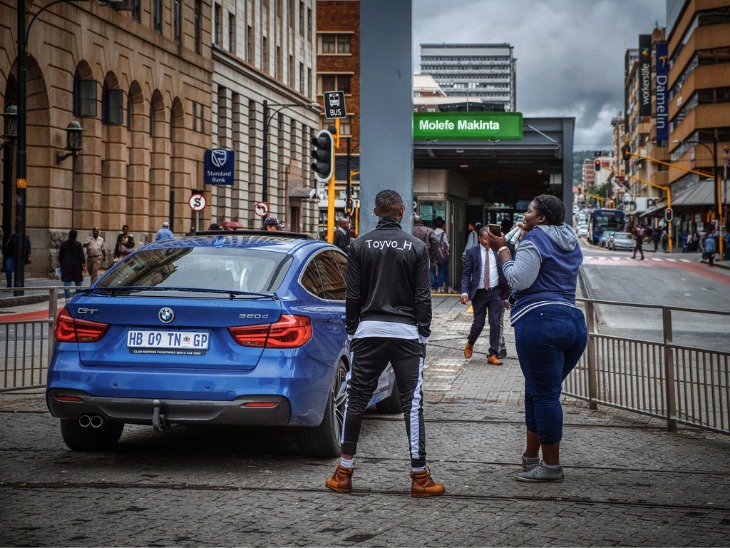
Funding for bus stops comes from a mix of sources, including municipal budgets, national grants, and development finance. In many cities, capital expenditure pays for shelters and lighting, while ongoing maintenance is paid from operating budgets and user levies where appropriate.
Public-private partnerships can unlock capital and expertise for bus stop networks. In a typical PPP, a private partner may design, build, and maintain shelters, install lighting and information displays, and provide security services in exchange for a long-term concession or service fee. Clear performance standards and robust contract management are essential to avoid neglect and ensure value for money.
Community involvement strengthens maintenance and governance. Commuter forums, neighborhood associations, and local businesses can participate in inspection programs, report faults, suggest culturally appropriate designs, and even take part in micro-enterprises that operate cleaning and basic maintenance under supervision.
Implementation requires standardised design guidelines, durable materials, vandalism-resistant fixtures, and resilience to weather and load-shedding. Solar-powered lighting and digital information displays can improve safety and information access in many areas, while ensuring affordability in off-grid locations.
Ultimately, well-managed bus stop networks in South Africa hinge on transparent budgeting, responsive governance, active private participation built on public interests, and meaningful community engagement that puts riders first.
Challenges and opportunities for improvement
Bus stops in South Africa reveal both the challenges and opportunities of English-language communication in public transit. Unclear signage, inconsistent announcements, and the country’s linguistic diversity can make navigation and safety difficult for riders. Opportunities include standardized clear English signage, multilingual announcements where appropriate, and the use of visual maps and real-time digital updates to reach passengers quickly. These improvements can enhance accessibility, safety, and efficiency for urban and rural bus users alike.
Service gaps, vandalism, and safety concerns
Bus stops in South Africa are a vital gateway to mobility for many residents and visitors, but they face a range of challenges that affect safety, reliability, and the passenger experience.
Key challenges include limited and aging infrastructure, inconsistent maintenance, and insufficient funding for shelters, lighting, and information displays. These gaps hinder reliability and deter regular use, creating a cycle where poor service reduces demand and funding follows suit, making improvement more difficult.
Service gaps are pronounced between urban hubs and rural or peri-urban areas. In many communities, routes are infrequent, timetables are hard to access, and last-mile connections to workplaces or schools are weak. Fragmentation between operators, municipalities, and transport agencies can lead to confusing routes and poor coordination, leaving travelers without clear options during off-peak times or on weekends.
Vandalism is a persistent issue that undermines safety and increases maintenance costs. Damaged shelters, broken seating, grafitti, and theft of lighting or electrical components reduce the utility of stops and can create unsafe environments, particularly after dark. This cycle often results in higher operating costs and slower rollouts of new improvements.
Safety concerns at bus stops are significant, including crime, harassment, and poorly lit or isolated locations. Passengers—especially women, older adults, and people with disabilities—may feel unsafe waiting for buses, which can discourage transit use and push people toward private vehicles or informal transport options.
Nevertheless, there are clear opportunities for improvement. Investing in durable, weatherproof shelters with adequate seating, clear wayfinding, and real-time arrival information can enhance the user experience. Improved lighting, sightlines, and emergency contact systems can raise perceived and actual safety at stops.
Standardizing design and maintenance standards across municipalities can help create a more cohesive network. Regular cleaning, timely repairs, protected enclosures, and secure fencing where appropriate, along with clearly marked accessibility features, would benefit all users, including those with mobility challenges.
Strengthening governance and partnerships is also essential. Shared data on routes, schedules, and demand, plus coordinated procurement and maintenance contracts, can reduce fragmentation. Involving local communities, transport operators, and safety volunteers in stop management and feedback loops can improve accountability and trust.
Technology offers practical leverage for improvement. Real-time arrival displays, mobile and SMS service updates, and integrated ticketing can reduce wait times and confusion. CCTV or visible security presence, panic buttons, and responsive emergency protocols can help deter crime and shorten response times when incidents occur.
In sum, tackling funding gaps, addressing service inequities, curbing vandalism, and elevating safety at bus stops in South Africa requires a concerted effort across government, operators, and communities. With well-designed shelters, reliable information, strong safety measures, and collaborative governance, bus stops can become safer, more welcoming, and more reliable gateways to everyday mobility.
Policy recommendations and implementation timelines
Bus stops in South Africa are a frontline for urban mobility and social inclusion, but many stops lack basic shelter, lighting, accessible design, and reliable information, leaving commuters exposed to sun, rain, crime, and delays. In cities like Johannesburg, Cape Town, and Durban, high footfall at major stops contrasts with underserved peri-urban areas where stops may be sparse, poorly maintained, or poorly marked. Challenges include safety at night, vandalism and theft, inconsistent maintenance across municipalities, lack of universal accessibility, insufficient real-time passenger information, and gaps in integration with minibuses and bus rapid transit systems. Financial constraints and limited capacity for long-term planning exacerbate these problems, while the rapid growth of urban populations creates urgency for scalable solutions.
Opportunities to improve bus stops include standardizing design across municipalities to ensure safe, weather-protected spaces with seating and clear wayfinding; deploying solar-powered lighting and durable shelter materials to reduce operational costs; installing accessible features such as ramps, tactile indicators, and audible announcements; and implementing real-time arrival information accessible by smartphones or display screens at major nodes. Public-private partnerships can unlock funding for maintenance, CCTV, and shelter modernization, while partnerships with telecoms can expand data sharing for route planning and travel-time estimates. Integrating bus stops with BRT corridors and feeder networks can improve reliability and reduce first-and-last-mile barriers, and community-led maintenance or micro-contracts can create local stewardship and job opportunities.
Policy recommendations include establishing national standards for bus-stop design, accessibility, safety, and maintenance; creating dedicated funding streams for shelters, lighting, and routine upkeep; mandating real-time information at high-traffic stops and standardized data feeds to apps; requiring universal design features at new stops and during upgrades; and aligning procurement with anti-corruption measures and local employment priorities. Policies should support safe, well-lit stops with reliable information, access for people with disabilities, and climate-resilient structures. A phased rollout should be anchored in performance metrics such as uptime, safety incidents, passenger satisfaction, and equity coverage, with clear accountability at municipal and provincial levels. Data governance and open data sharing should underpin planning and performance monitoring.
Implementation timelines propose a phased approach. In the first 6 to 12 months, publish national bus-stop standards, complete a nationwide inventory of stops, and identify high-priority corridors for upgrades. In year 1 to 2, launch pilots in major cities to test shelters, lighting, signage, and real-time information, and sign maintenance contracts with local service providers. From year 2 to 4, roll out upgraded shelters and accessibility features at priority stops across metropolitan areas, expand real-time information to more nodes, and establish standardized data interfaces. Years 4 to 7 should see broader coverage including feeder routes and rural-urban interfaces, integrated cashless payment and scheduling data, and enhanced safety measures. A continuous evaluation cycle should run beyond year 7 to refine designs and expand best practices nationwide.
These steps can deliver safer, more reliable, and inclusive public transport for South Africans, reduce vulnerability to weather and crime, and advance climate and social equity goals while supporting broader urban mobility and economic activity.