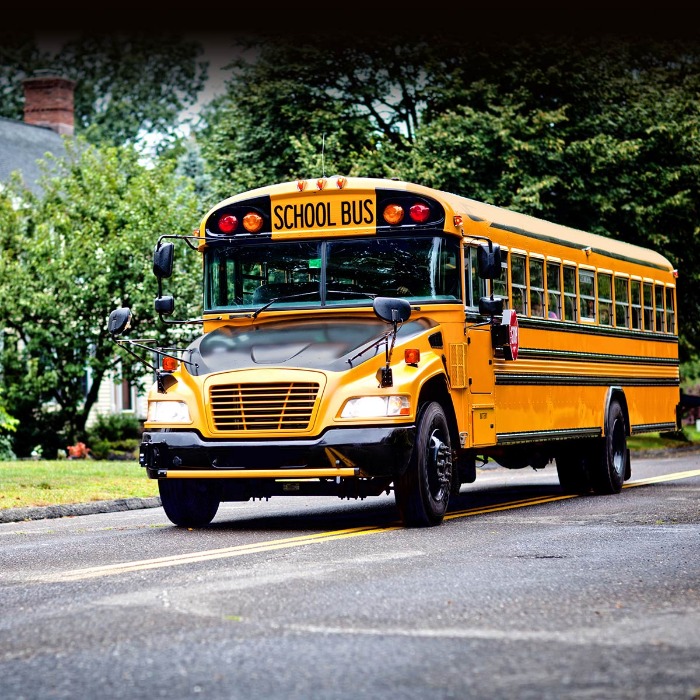

Overview of Traveling by Bus with a Dog
Traveling by bus with a dog can be a convenient and economical way to explore new places, but it requires careful planning around pet policies, comfort, and safety. This overview covers choosing pet-friendly routes, understanding carrier or leash rules, preparing your dog for the ride, managing tickets and fees, and handling stops to keep your companion calm and secure from boarding to arrival.
Key Considerations Before Booking
Traveling by bus with a dog can be a convenient and affordable option for short to medium trips, but it also requires careful planning. The experience depends on the dog’s temperament, size, and health, as well as the bus company’s pet policy. Understanding the basics helps you choose routes, prepare your dog, and avoid surprises at check-in.
Key considerations before booking include whether dogs are allowed on the specific route, any size or breed restrictions, and the fees or deposits for traveling with a pet. Some operators permit only small dogs in the passenger cabin or require dogs to remain in a crate, while others may restrict dogs to certain carriages or require advance notice. If your dog is large or anxious, you’ll want to confirm that the route is suitable and that accommodations align with your needs.
Preparing your dog for travel means health and behavior readiness. Visit the vet to ensure vaccines are up to date, obtain any required health documents, and consider microchipping. Make sure your dog is comfortable wearing a collar with an ID tag and a reliable leash. If crates are required, train your dog to tolerate and even relax in a travel crate well before departure. Bring a spill-proof water bowl, a small amount of familiar bedding, and treats to reduce stress.
Before booking, ask about crate size requirements, whether dogs must travel in a crate or can ride loose in the cabin, and if there are weight limits. Find out where you will board and disembark, where pets are allowed to wait in the station, and whether you need to check in earlier for pet handling. Confirm any pet fees, refundable or non-refundable, and how changes or cancellations affect these fees.
On travel day arrive early to accommodate check-in procedures. Have your dog leashed and wearing their collar with contact ID, and bring the travel crate if required. Feed lightly a few hours before departure to avoid digestive upset, and provide water up to a reasonable time before boarding. Keep a familiar object or blanket to comfort your dog during the ride. Secure the crate properly in the designated area if required, or choose a stable, safe seat in the cabin if the policy allows.
During the ride, monitor your dog for signs of stress such as panting, pacing, excessive drooling, or whining. Offer short breaks if the route includes stops, and never leave your dog unattended in the vehicle. Adjust the environment by keeping the area well ventilated and avoiding extreme temperatures. Be prepared for delays and plan accordingly with food, water, potty bags, and waste disposal supplies.
Tips include booking early, asking for exact crate dimensions, confirming where your dog will be located, and understanding the cancellation policy for pet travel. A quick checklist: up-to-date ID tags, current vaccination records if required, a travel crate or harness as needed, a portable water dish, a familiar blanket or toy, waste bags, and a leash. If your dog is anxious or very large, consider whether a bus trip is the best option or if another mode of transport would be more comfortable.
Preparation and Planning
Preparation and planning lay the groundwork for a smooth bus trip with your dog. Start by checking the bus company’s pet policy, reserving a space if required, and understanding crate or harness requirements. Pack essentials such as a collapsible water bowl, leash, ID, vaccination records, a familiar toy, waste bags, and a comfortable travel crate or harness, as well as treats to keep your dog calm. Plan the route with rest stops and quiet transitions, and consider your dog’s size, temperament, and needs to schedule breaks and acclimate them to travel ahead of time.
Dog Prep: Vaccinations, ID, and Vet Visit
Preparation and planning for bus travel with a dog starts long before departure. A focused approach on vaccinations, ID, and a vet visit helps keep your trip safe, smooth, and compliant with bus company rules.

First, confirm the pet policy with the bus line you plan to use. Policies vary: some lines permit small dogs in carriers in the passenger area, others restrict pets to service animals, while others require a crate and fee. Knowing requirements early prevents last‑minute surprises and helps you plan a suitable carrier and timing.
Vaccinations: make sure core vaccines are up to date for your dog’s age and health, typically including rabies, distemper, parvovirus, and adenovirus. Carry an official vaccination certificate showing the dates and lot numbers. Some routes or destinations may require proof within a certain time frame, and international travel will require additional vaccines or documentation.
ID: ensure your dog wears a collar with a current ID tag carrying your mobile number and a backup contact. Have your dog microchipped and confirm the microchip registry has current owner details. Carry a copy of the vaccination and microchip information, and consider having a digital copy on your phone or cloud storage.
Vet Visit: schedule a pretrip veterinary check in the weeks before travel. If a health certificate or travel letter is required by the bus line or destination, your vet can provide it. Discuss any anxiety or motion sickness strategies, and confirm any needed medications or parasite preventatives.
Carrying gear and training: choose a crate or carrier that meets the bus policy and your dog’s size, with secure locks and comfortable bedding. Practice loading, closing, and staying calm in the carrier, and introduce your dog to the carrier well before the trip. Pack essentials: water, collapsible bowl, poop bags, wipes, leash, and a small towel.
Documentation and plan for the day of travel: have printed or digital copies of vaccination records, ID, and health certificates; label the carrier with contact information; arrive early to complete check‑in and allow time for paperwork. Ensure your dog is well hydrated and has potty breaks as allowed by the schedule.
Emergency planning and aftercare: know the locations of nearby veterinary clinics at your destination and along the route, and have a plan in case of illness or anxiety flare. Carry a short list of emergency numbers and any special care instructions for your dog.
Essential Travel Gear for Dogs on Buses
Choosing the Right Bus Company and Policy
Preparing for bus travel with a dog starts long before you buy the ticket. Focus on planning and knowing the policy of the carrier. A well-prepared trip reduces stress for you and your pet and helps ensure a smooth, comfortable journey from start to finish.
Preparation and Planning: Begin by confirming the pet policy before booking. Check whether dogs are allowed, any size or breed restrictions, crate requirements, and whether a leash or muzzle is required. Schedule a vet check if needed to ensure your dog is healthy for travel and up to date on vaccines. Practice crate acclimation if your dog will ride in a carrier, and bring a familiar toy or blanket. Pack essentials such as a lightweight leash, ID tags, a collapsible water bowl, a small amount of dog food, treats, waste bags, and any medications. Plan rest stops or breaks along the route, and consider the dog’s routine for feeding and bathroom needs to minimize travel stress.
Choosing the Right Bus Company: Look for carriers that publish clear pet policies, including any fees, limits on the number of pets per trip, and whether service animals are accommodated. Compare routes, trip duration, and the level of onboard amenities. A company with transparent rules, easy booking for pets, and responsive customer service makes it easier to navigate the process. Also verify whether you need to reserve a specific spot, if pets travel in a crate, and how supervision or assistance is handled by staff during boarding and transfer points.
Policy: Read the policy in detail and note any required documentation, such as proof of vaccination or health certifications if crossing borders. Understand the size and weight limits for dogs, whether only service animals are allowed in some cases, and any mandatory equipment like crates or carriers. Be aware of pet fees, rules about anxiety management, and what happens if the dog misbehaves or disrupts other passengers. Some routes may restrict pets to shorter, local trips or may not allow non-service dogs on certain long-haul services. If in doubt, contact the company directly before booking to confirm that your dog meets all conditions for travel.
Practical Tips: Before the trip, acclimate your dog to the crate and practice boarding procedures. Label the crate with your contact information and ensure it is sturdy and appropriately sized. Bring a familiar scent and a comfort item, plus a trusted toy to ease anxiety. On travel day, keep meals light and avoid giving a large meal right before departure to reduce the chance of discomfort en route. Hydration is essential, so offer water during breaks. Have a plan for bathroom stops, weather considerations, and cooling or warming needs in the bus environment. Finally, stay attentive to your dog’s behavior and follow staff instructions to ensure a safe, calm journey for everyone aboard.
On the Day of Travel
On the day of travel, taking a bus with your dog starts with a plan: confirm the carrier or leash rules, pack essentials like water, treats, waste bags, and a familiar toy, and arrive early to settle into seats and keep the ride calm for you and your canine companion.
Pre-Boarding Procedures and Check-In
On the day of travel with a dog, start by confirming the bus company’s pet policy, preparing the necessary documents, and packing essentials so you can move smoothly from home to the terminal to the bus.
Pre-boarding procedures include booking a pet-friendly option if available, paying any pet fare, and notifying the carrier that you will be traveling with a dog. Some lines require advance notice or restrict travel to small dogs in a carrier, while others may allow service animals or certain breeds under supervision. Check these rules well ahead of time and keep a copy of any confirmation or waivers with you.
What to pack for pre-boarding and the trip: a well-ventilated, escape-proof pet crate or carrier that fits under the seat or in the designated area, a sturdy leash and collar, an ID tag and microchip information, absorbent bedding, a travel water bowl, a small supply of water, waste bags, trash bags, cleaning wipes, a familiar toy or blanket, and any required medications or vet notes. Have vaccination records or a health certificate ready if requested by the company.
Check-in steps typically involve arriving at the terminal early and proceeding to the pet-friendly check-in area or counter. You may need to present your ticket, your dog’s documentation, and pay any pet fee. If the policy allows in-cabin travel with a dog, staff will guide you to the correct boarding lane and confirm where the crate should be placed or where the pet will ride during the journey.
At the terminal, keep your dog on a leash and close by your side unless directed otherwise. Some terminals require a quick security screening for the animal, so be prepared to port the crate through a scanner or have staff help inspect the carrier. Ensure the crate is clearly labeled with your contact information and that the dog is comfortable and calm before boarding begins.
During boarding, listen to the staff’s instructions about where the pet should be seated or stowed. If your dog travels in a crate, make sure the crate is securely positioned and won’t shift during the trip. If allowed to travel with the dog in the cabin, ensure the crate is properly strapped or stabilized as required by the carrier and that the dog remains calm and ventilated throughout the ride.
In transit, maintain control of your dog with the leash when outside the crate, and offer water during appropriate stops. If the bus makes a rest break, use the opportunity for a quick bathroom break and a little exercise, provided it is safe and permitted by the crew. Keep noise levels down and avoid feeding a heavy meal immediately before departure to reduce motion discomfort.
After the journey, have your dog on a leash promptly when you disembark and follow any post-travel procedures the staff provide. Retrieve your crate or leash, collect any pet-related materials, and check your surroundings for any signs of stress in your dog before continuing to your final destination.
Seating and Safety: Where Your Dog Should Sit
On the day of travel by bus with a dog, seating and safety should guide every choice you make before you board.
First, check the bus company’s pet policy. Some services allow only certain sizes of dogs, require the dog to be in a ventilated carrier, or prohibit dogs from sitting in passenger areas. If dogs are allowed, carriers are usually required and the animal often must stay under the seat.
If your policy allows a dog in the cabin, the safest option is a sturdy travel carrier that fits under the seat in front of you, with the dog wearing a comfortable harness attached to a short leash. Do not place a dog on your lap or on the seat beside you.
Prepare the dog for the trip by bringing a well-ventilated carrier, a supply of water, and a familiar blanket or toy to reduce anxiety. Ensure the dog wears identification with your contact information, and carry any necessary medical or vet details in case of an emergency.
During boarding and seating, position the carrier under the seat in front of you so the dog is near you but not in the aisle. This keeps the dog secure, reduces the chance of blocking stairs or other passengers, and makes it easier for you to monitor the animal throughout the journey.
Keep the dog calm during the ride by speaking in a soft voice, avoiding sudden movements or loud noises, and steering clear of feeding right before or during the trip to minimize motion sickness.
Plan for potty and stretch breaks at scheduled stops if the route allows it. Use these opportunities to give the dog a quick bathroom break and some fresh air, while you keep a tight hold on the leash and carrier at all times.
Be mindful of other passengers and staff. If a muzzle is required or recommended by the policy, bring one, and always supervise your dog closely. Do not let the dog roam the cabin or sit on seats where it could disturb someone or be injured by sudden stops.
After you arrive at your destination, help your dog exit the bus safely, and unload the carrier with care. With proper planning, clear policies, and a calm approach, bus travel with a dog can be comfortable and safe for both you and your companion.
Managing Fatigue, Hydration, and Breaks
On the day of travel, bus travel with a dog works best when you start with a calm routine and clear expectations for your companion.
Start by checking the bus company’s pet policy well before departure. Some carriers allow small dogs in carriers, others require dogs to be leashed or contained in a travel crate, and some routes may prohibit pets altogether. Make sure your plan fits the service you will use, and contact the company if anything is unclear.
Prepare your dog’s travel setup: a sturdy, appropriately sized crate or a secure harness/vest and leash; ensure your dog is microchipped and wearing an ID tag with up-to-date contact info. Pack a familiar blanket, a favorite toy, and a collapsible water bowl.
Pack a lightweight travel kit: waste bags, a small bottle of sanitizer, pee pads or a mat, a bottle of water, and some treats. Bring documentation if required (proof of vaccinations or a health certificate for certain routes). Keep everything easily accessible during the trip.
Hydration and feeding: give your dog a chance to hydrate before boarding; offer water at safe, regular intervals during long rides; avoid large meals right before departure; a light snack a few hours before can help with comfort.
Managing fatigue and stress: dogs can become tired, overheated, or anxious in unfamiliar environments. Exercise your dog before the trip to burn energy, keep a predictable routine, and use calming cues and familiar scents. If your dog gets anxious, consider a travel buddy or pheromone spray to help create a sense of safety.
During the journey: keep your dog secured in a crate or on a short leash if allowed; avoid blocking aisles or disturbing other passengers; speak calmly and gently to your dog, and keep noise and sudden movements to a minimum. Follow the driver’s instructions about where a pet may be positioned and how the dog should be contained.
Breaks and relief: plan rest stops at convenient points along the route for potty and sniff breaks; give your dog a chance to stretch, burn energy, and drink some water; monitor for signs of discomfort or overheating and adjust plans as needed.
Arrival and aftercare: when you reach your destination, unload gently, check your dog for signs of stress or overheating, offer a familiar resting spot, provide water, and allow time for your dog to acclimate to the new surroundings before heavy activity.
During the Journey
During the journey, traveling by bus with a dog reveals a mix of excitement, routine, and careful planning. From crate or harnessed safety to comfortable breaks and courteous behavior toward fellow passengers, preparation helps every ride go smoothly for both traveler and canine companion.
Noise, Motion, and Stress Reduction
During the journey, noise, motion, and stress reduction are key concerns when traveling by bus with a dog. With thoughtful preparation, you can help your canine companion ride comfortably and safely, while respecting other passengers and the bus company’s rules.
Noise can startle dogs in a bus environment—the engine, air brakes, doors, loud conversations, and other passengers. To ease this, create a calm cue routine before boarding and during travel. Bring a familiar blanket or item, play soft ambient sounds or calming music at a low volume, and speak to your dog in a steady, reassuring voice. If your dog tolerates it, lightweight ear protection designed for dogs or a soft, well-fitted crate cover can dampen sudden noises while still allowing you to monitor them.
Motion and vibration from stops, accelerations, and turns can unsettle dogs, especially if they are not used to car or bus rides. Use a secure containment method such as a properly sized crate or a well-fitted, harness-style seat belt that keeps your dog contained without restricting breathing. Place the crate on a non-slip mat and, if possible, position it where there is less turbulence and near the front or center of the bus to reduce jostling. Feed light meals a few hours before travel to minimize potential motion sickness, and have fresh water available in a spill-proof container.
Stress reduction for your dog combines routine, familiarity, and gentle handling. Start with crate training well before the trip so your dog sees the crate as a safe space. Bring a familiar toy, a worn item with your scent, and a small amount of their favorite treats to reinforce calm behavior. Pheromone sprays or calming chews may help some dogs, but always check with your veterinarian before using new products. Keep to a comforting routine: short walks before boarding, quiet time after boarding, and predictable pauses at rest stops if allowed by the schedule.
Safety and logistics matter. Check the bus company’s pet policy in advance—whether dogs are allowed, if they must be in a crate, size restrictions, fees, and where the dog can be seated. If your dog is a service animal, know the proper rights and documentation. Ensure your dog wears a collar with an ID tag and that you have up-to-date contact information. Pack essentials: a collapsible bowl, water, a small towel for spills, waste bags, and a leash for easy control during boarding and alighting.
During the journey, plan for comfort: choose a seat where you can monitor your dog easily, prioritize aisle access for quick bathroom breaks if allowed, and minimize crowding around your dog. Keep interactions calm; avoid loud commands or rough play that could heighten anxiety. If signs of distress appear—panting, pacing, drooling, trembling—address them promptly by speaking calmly, offering water, adjusting the crate or position, and if needed, consulting bus staff for a quiet space and assistance. With patience and preparation, most dogs can travel by bus with reduced stress and a smoother ride for everyone on board.
Interacting with Bus Staff and Other Passengers
Traveling by bus with a dog starts with courteous communication. As you board, let the driver know you have a dog, ask about seating options, and follow any leash or crate rules the bus company requires.
During the journey, keep your dog calm and close to your seat to avoid blocking aisles. Use a harness or crate as required, provide water if the ride is long, and avoid letting the dog occupy the aisle or cross in front of other passengers.
Bus staff can help with seating arrangements, crate placement, and ensuring safety. If the bus has a quiet area for passengers with animals, ask staff about it. Thank the driver for any assistance and follow their directions if they need to move the dog for safety reasons.
Introduce your dog to nearby passengers only if appropriate, and respect others’ comfort levels. If someone seems uneasy or asks you to keep your dog away, calmly comply and reposition your dog or choose a seat that minimizes contact. Avoid letting the dog jump on seats or sniff strangers without consent.
If fellow travelers ask about your dog’s temperament or health, answer briefly and politely. Have a one-sentence summary ready: the dog is friendly, leashed, and under control. Offer to accommodate anyone who is afraid or allergic by adjusting seating or removing the dog from close contact.
At stops, check your dog’s needs, provide water, stretch legs, and ensure the dog is secure before reboarding. If the driver requests a temporary change for safety, remain calm, comply promptly, and thank them for their help.
As you deboard, thank the staff for their assistance and remind other passengers to maintain space while you exit with your dog. Ensure the dog is stable and secure before moving away from the bus to finish the journey smoothly.
Emergency Protocols and What-If Scenarios
Traveling by bus with a dog can be a smooth and enjoyable experience when you plan ahead and keep your canine companion safe and comfortable from boarding to arrival.
During the Journey: Before you travel, confirm the bus company’s policy on dogs and what type of containment is required. If dogs are allowed, bring a properly sized crate or a secure harness and leash, along with up-to-date identification tags and a microchip if possible. Pack a small essentials kit with a collapsible bowl, a supply of water, a familiar blanket or toy, a few treats, waste bags, and any daily medications your dog may need.
Onboard safety and comfort: Follow the company’s rules for where your dog may ride and how they must be contained. Keep the crate stable and avoid placing it in aisles or near doors. If crate travel isn’t required, use a well-fitted harness or leash and keep your dog close to you while seated. Monitor temperature and airflow, offer water at appropriate times, and provide something comforting like a familiar blanket or toy to reduce anxiety. Manage noise by speaking in calm tones and rewarding calm behavior with treats.
Courtesy and passenger interactions: Be mindful of other travelers who may be nervous or allergic, and respect service animals. If your dog loves to vocalize, practice quiet commands and calm cues in advance. If someone asks to move away from your dog, be respectful and adjust seating if possible. Have an absorbent towel or mat handy if your dog drools or is excited by new surroundings.
Emergency Protocols: In an emergency, your first priority is safety for everyone on board. Stay calm, hold or secure your dog with a leash or crate, and follow crew instructions. If you must evacuate, keep your dog secured and close to you; never leave them behind. Have a plan to reach an exit quickly and guide your dog to safety. After an incident, contact a veterinarian if you suspect any injury, and keep your dog’s medical information and a recent photo handy for identification.
First aid and immediate care: Carry a basic pet first aid kit and a printed copy of your veterinarian’s contact information. Include sterile gauze, non-adhesive bandages, antiseptic wipes, disposable gloves, a small blanket, and a flashlight. Know how to check your dog’s breathing and responsiveness, and be prepared to perform basic help if you have training. If serious injuries are suspected, seek veterinary care immediately after you reach a safe location.
What-If Scenarios: What if your dog becomes anxious or panics during the ride? Use pre-journey acclimation, short practice trips, familiar scents, and pheromone sprays if appropriate. Bring a favorite blanket and a calming routine, and consider music or white-noise to reduce stress. If anxious, reduce movement, speak softly, and offer treats as rewards for calm behavior.
What-If Scenarios: What if your dog needs a bathroom break? Plan stops at official rest areas or accessible locations; carry poop bags and wipes; train your dog to use a portable potty or to wait until the stop. If the bus cannot stop promptly, plan ahead by scheduling shorter rides or using a different mode of transport for long trips.
What-If Scenarios: What if your dog becomes reactive to other animals or loud sounds? Try redirection with a toy or treat, move to a quieter seat area, and use calm cues. If the environment becomes unsafe for the dog or others, pause travel and seek a calmer space or alternative transport. Always respect fellow travelers and the rules about service animals.
What-If Scenarios: What if there’s a medical emergency or your dog shows signs of distress or injury? Seek veterinary care immediately; have your vet’s number and a recent photo of your dog for identification. If the dog collapses or stops breathing, follow basic pet first aid steps only if you’re trained and safe to do so, and call emergency services right away.
What-If Scenarios: What if the trip is cancelled or you can’t bring your dog? Check refund or rescheduling options with the bus company, and consider alternative transport or leaving your dog with a trusted caregiver if travel isn’t possible. If you must travel alone again, plan for a calmer journey or a different mode of travel that accommodates dogs more reliably.
Final tips: Always prioritize your dog’s comfort, safety, and well-being, and stay informed about the policies of the bus operator. A well-prepared traveler and a calm, secure dog make for a smoother journey for everyone on board.
Post-Travel and Arrival
Post-Travel and Arrival: after a bus trip with a dog, the journey shifts from the rhythm of the road to the gentler pace of settling in. This introductory piece looks at how to greet a new place with your canine companion, read your dog’s signals after arrival, unpack, hydrate, and begin a calm routine that makes the post-bus moment feel like a fresh start rather than a chaotic dash.
Exiting the Bus with Your Dog
When you and your dog reach your destination after a bus trip, the moment you exit the vehicle is the moment to set a calm, safe tone for the rest of the journey.
Before you board, prepare: harness or collar attached to a sturdy leash, lightweight water, waste bags, and a quick treat to reward calm behavior. Ensure your dog’s identification is up to date with a tag and microchip, and that the dog is never left unattended near the curb.
As the bus approaches your stop, keep your dog on a short leash and at your side. Listen for the driver’s signal and the doors opening, and wait until you have space and the dogs are settled before moving toward the exit.
When the doors open, step to the exit in a controlled, single-file manner. If there are other passengers, ask for a moment to exit with your dog and keep your dog on the curbside of you away from traffic. Use a firm command such as hold or anchor to keep your dog close until you reach a safe spot.
Keep the dog on a short leash (about 4 to 6 feet) and walk to a nearby quiet area, not through crowds or behind parked cars. Avoid sudden movements and give your dog time to adjust to outdoor sounds and scents.
In the first minutes off the bus, offer water if available and allow a quick bathroom break if needed. Observe signs of stress such as yawning, lip licking, or tucked tail, and if stress is high, move to a calmer space and pause for a few minutes before continuing.
Once you are away from the bus area, resume your normal routine. Keep your dog leashed until you reach a familiar, safe location, and reward calm behavior with praise or a treat. Use this moment to reinforce good leash manners for future trips.
Accommodations and Pet-Friendly Destinations
Traveling by bus with a dog can be a practical and rewarding way to explore new places, but it takes a bit more planning than solo trips. If you know the policies of your bus line, arrange pet-friendly accommodations, and map out dog-friendly stops along the way, your journey can flow smoothly from departure to arrival.
Post-travel and arrival: when you reach your destination, give your dog a gentle exit from the bus and a chance to stretch, sniff, and pee. Keep your dog on a leash, go through your contact info for the hotel, and head to your pet-friendly room as soon as possible to reduce stress. Have a small leash, plastic bags, and a portable water bottle ready for a quick break outside the terminal or approach to the hotel.
Take care of the basics first: provide water, a familiar blanket or toy if you have one, and use a crate or dog bed if you travel with a carrier. Verify the hotel’s pet policy again at check-in, and share any health or vaccination notes if requested. Set up a safe zone in the room by crate-training or designating a corner with a familiar bed to help your dog settle after the trip.
Accommodations: choose pet-friendly hotels or rentals near convenient access from the bus station. Before booking, call the property to confirm dogs are welcome, ask about fees, weight limits, and breed restrictions, and inquire whether the public areas and dining spaces permit dogs. Look for features that help traveling with a dog, such as fenced outdoor spaces, nearby walking routes, and non-slip floors that are easier to keep clean.
What to bring: a portable crate or carrier if required, a comfortable dog bed or blanket, collapsible bowls for food and water, waste bags, an extra leash and harness, a copy of vaccination records, and a small first-aid kit. Pack a small towel for muddy paws and a sanitizer for surfaces, plus any daily medications or special foods your dog needs. Having a familiar item helps reduce anxiety in new surroundings.
Pet-friendly destinations: when planning where to stay and what to do after a bus trip, seek destinations that welcome dogs to parks, trails, and certain eateries. Look for dog-friendly walking routes, riverfront paths, dog parks, and beaches where dogs are allowed during certain hours. Check local transit or ride-share options for dogs in case you want to explore beyond your hotel grounds.
Destinations: some cities are known for their dog-friendly culture, including abundant green spaces and pet-friendly attractions. Research ahead of time the hours and leash rules for parks, the availability of dog-sitting or dog-walking services, and the accessibility of veterinary care in case of an emergency during your stay. If you’re traveling with a large dog, confirm that lodging and transit stops have appropriate space and that you can reasonably commute by bus with a dog in a carrier or harness.
Tips for a smoother trip include booking direct routes when possible to minimize transfers, allowing extra time for check-ins, and keeping a calm routine on travel days. Arrive early to the terminal to secure a suitable seating arrangement or storage for your dog’s carrier, and stay attentive to signs of fatigue or stress in your dog so you can break the ride with a quick walk if needed.
With careful planning, bus travel with a dog can open up a wide range of post-travel experiences and pet-friendly stays. By choosing accommodations that welcome dogs, selecting destinations with accessible green spaces, and keeping a practical travel kit on hand, you’ll help your canine companion enjoy the journey as much as you do.
Common Challenges and Solutions
Traveling by bus with a dog can be a rewarding experience, but it also comes with practical challenges. This introduction highlights common issues such as varying pet policies, limited space and seating, safety and comfort for your dog, and the need for breaks and clean-up, along with practical solutions like checking regulations in advance, using an approved crate or harness, training for calm behavior, packing essential dog supplies, and planning routes and timings to reduce stress for both you and your canine companion.
Service Animals vs. Comfort Animals: Policies
Common Challenges and Solutions for bus travel with a dog include managing limited space, seating rules, and varying policies across operators. This article focuses on how to navigate these issues while keeping your dog comfortable and other riders safe.
Common challenges involve space on a crowded bus, leash or crate requirements, and coordinating potty breaks and hydration during trips. Noise, vibration, and proximity to strangers can stress some dogs, and not all passengers are comfortable around dogs, which can lead to friction or requests to remove the animal. Policy differences between operators can add uncertainty, such as restrictions on where a dog must sit, whether crates are allowed, and if certain dogs are restricted on specific routes or during peak times.
Solutions start with preparation: check the bus operator’s pet policy in advance, including whether service animals and comfort animals are treated differently, and what documentation or advance notice is required. Build your dog’s confidence with short, calm practice rides before longer trips, and use a familiar item or blanket to reduce anxiety. Bring practical items such as a collapsible water bowl, waste bags, grooming wipes, a leash and harness, a travel crate if allowed, and a sturdy identification tag or microchip. Plan for breaks at stops, and identify quiet areas or less crowded times to travel when possible.
Policies differ between Service Animals and Comfort Animals. Service animals are typically allowed on buses and are trained to perform tasks that assist a person with a disability; they usually must be under control, on a leash or harness, and may not require documentation to ride, though operators may ask whether the animal is a service animal and what tasks it performs. Comfort or emotional support animals are not automatically granted access to public transit in many regions and are more commonly subject to the operator’s discretion, with possible restrictions or the need for advance notice. Always verify the specific rules of the bus service you plan to use and understand what documentation or behavior standards may be required.
Practical tips for a smoother trip include arriving early to allow time for policy checks, keeping the dog calm with gentle praise, and monitoring the dog for signs of stress. If the bus is crowded or your dog becomes disruptive or uncomfortable, be prepared to adjust plans or seek alternative transport. By knowing the differences in policy and following best practices for preparation and behavior, you can make bus travel with your dog safer and more enjoyable for everyone on board.
Handling Refusals or Limited Space
Traveling by bus with a dog can be convenient and affordable, but it also comes with rules, space limits, and etiquette to manage.
Common challenges include variable transit policies on dogs, deciding whether your dog rides in a carrier or on a leash, limited seating or under-seat space, and concerns from other passengers about noise, shedding, or accidents. Large dogs are more likely to be restricted, while small dogs may ride in approved carriers only.
Handling refusals or denied boarding: first know the local policy for the route you plan to travel. If your dog is a service animal, access is typically allowed with appropriate identification; for other dogs, follow the policy and respect the decision if it is not permitted. When in doubt, ask for the supervisor, show any required documentation, and consider alternatives such as a different route, travel time, or another mode of transport.
Limited space solutions: pick a dog that fits in a carrier under the seat or in a small travel crate, and check whether carriers are allowed on board. Practice crate or carrier training so your dog stays calm during boarding. Bring a comfortable mat, a leak-proof water bottle, waste bags, and a leash. If space is tight, plan to travel during off-peak hours or with a route known for lighter crowds.
Before travel, research the transit authority’s rules, any fees for bringing a dog, and whether reservations are needed. Prepare your dog with short practice rides, ensure vaccines and ID are up to date, and have a plan for rest stops and bathroom breaks before and after the trip.
On the bus, maintain control: keep your dog leashed until boarding, place the dog in a carrier if required, keep noise to a minimum, and respect other riders. Bring cleaning supplies and waste bags, offer water, and be ready to pause if the bus stops and you need to adjust your setup for comfort and safety.
If space becomes truly unavailable or other passengers object, have an emergency plan: be prepared to exit at the next stop, switch to a different timetable, or postpone the trip. In some cases a ride-share, taxi, or pet-friendly service may be a better option for that day.
Bottom line: with planning, training, and polite communication, bus travel with a dog can work well. Know the rules, choose the right dog and carrier, and have a backup plan so both you and your dog enjoy a smooth ride.
Health and Comfort Issues During Travel
Bus travel with a dog can be convenient and affordable, but it also brings specific challenges to your dog’s health and comfort that you should anticipate.
Common challenges include limited space, securing a carrier or harness, strict pet policies, noise and vibration, motion sickness, heat buildup in warm buses, and finding appropriate times for bathroom breaks.
Solutions begin with planning ahead. Check the bus company’s pet policy for eligibility, fees, size limits, and required documentation. If dogs are allowed, reserve a space and decide whether your dog will ride in a carrier under your seat or in a designated area; bring a sturdy, well-ventilated crate or carrier, a leash, and any permitted accessories.
Health concerns during bus travel include motion sickness, dehydration, overheating, stress, and sore paws from standing or walking on hard surfaces. To reduce risk, avoid feeding a heavy meal right before travel, offer small amounts of water, and consider a vet-informed option for nausea only if appropriate for your dog.
Comfort tips include using a familiar carrier with good ventilation, lining it with a soft blanket, placing a familiar scent inside, and providing chew toys or treats to reduce anxiety. If allowed, keep the dog secured with a harness or in a carrier that fits properly, and avoid letting the dog lie in direct sun or near heating vents.
Preparation and acclimation are crucial. Start crate training weeks before travel, practice short car or bus rides, and gradually increase duration. Ensure your dog is comfortable wearing a harness and on a secured leash, and consider a muzzle only if advised by a veterinarian and required by policy or your dog’s behavior.
Hygiene and safety on the bus include carrying waste bags, wipes, disposable pads, and a small towel to clean the crate if needed. Bring your dog’s vaccination records if required, plus a copy of the route and contact information. Keep the crate or carrier clean and secure, and ensure your dog cannot access aisles or other passengers.
On travel day, arrive early to check policies and billeting, exercise your dog before departure, and offer a final potty break right before boarding. Pack essentials such as water, a collapsible bowl, a portable mat, and a familiar toy, and stay calm to transfer calm energy to your dog.
Not all dogs or routes are suitable for bus travel. If your dog is very large, anxious, or not allowed in carriers, consider alternatives such as pet-friendly rideshare services, trains, or other modes of transport where policies fit your dog’s needs. In all cases, follow local laws and carrier rules to ensure safety.
Tips for Smooth and Enjoyable Trips
Traveling by bus with a dog can be a smooth, enjoyable experience when you plan ahead. Start by checking the bus company’s pet policy, securing a comfortable crate or harness, and packing essentials like water, a collapsible bowl, treats, poop bags, and a familiar toy. Bring a calm, steady routine on board with leashed seating, planned breaks at stops, and a short exercise beforehand to help your canine stay relaxed throughout the trip.
Training Tips for Bus Rides
Traveling by bus with your dog can be enjoyable when you plan ahead and train gradually. Here are practical tips for smooth trips and effective training for bus rides with a canine companion.
- Check bus policies and ticketing: confirm pet allowances, carrier requirements, size restrictions, and any fees before you travel.
- Use the right carrier or harness: a well-ventilated crate or soft-sided carrier that fits under the seat as required, with your dog’s name and contact information labeled on it.
- Begin crate and ride training at home: gradually introduce the carrier, associate it with positive experiences, and practice short sessions that simulate a bus ride with sound and vibration at low volume.
- Desensitize your dog to bus cues: play recordings of engine noises, doors opening, and crowds to reduce stress at departure.
- Plan the timing to reduce stress: book off-peak travel if possible, and allow extra time for check-in, boarding, and seat finding.
- Pack essential comfort items: a familiar blanket or toy, a collapsible water bowl, waste bags, and a small mat if your dog rests in a carrier.
- Boarding and seating: arrive early, keep your dog secured in its carrier or a harness, and avoid blocking aisles or other passengers.
- Onboard safety: secure the dog during the ride and, if allowed, use a seat belt harness or secure the carrier to the seat to prevent movement.
- Bathroom planning: schedule a potty break before boarding; carry waste bags and use designated areas if available; plan for bathroom stops after the ride.
- Hydration and feeding: offer water periodically and avoid large meals right before travel; provide a light meal several hours before departure if needed.
- Behavior and etiquette: reward calm, quiet behavior with treats and praise; avoid scolding; give space to other travelers and pets when appropriate.
- Health readiness: ensure vaccinations and ID are up to date, consider microchipping, and consult your veterinarian about motion sickness or medications; carry copies of important records.
- Identification and safety: ensure your dog wears an ID tag with current contact information and consider a microchip for extra security.
- Post-trip recovery: allow time for decompression, check paws for injuries or irritated pads, provide fresh water, and offer rest and familiar comforts after the ride.
Packing List for Short and Long Trips
Traveling by bus with a dog can be a wonderful way to explore new places while keeping your canine companion close. With thoughtful planning, you can create smooth and enjoyable trips for both of you, even on longer journeys.
Tips for Smooth and Enjoyable Bus Trips with a Dog: Start by checking the bus company’s pet policy well before you travel, including whether dogs must travel in a carrier under the seat or if larger dogs are allowed on board. If required, bring a sturdy crate or airline-style carrier that fits the seat and is well-ventilated, and line it with a familiar blanket. Ensure your dog is on a leash when moving through stations and while boarding, and secure crates according to the operator’s instructions. Give your dog a chance to exercise and potty beforehand, schedule stops at safe locations, and provide fresh water during longer crossings. Keep calm throughout the trip, use positive reinforcement, and be considerate of other passengers by keeping noise to a minimum and cleaning up any accidents promptly. Bring copies of vaccination or health records if requested, plus contact details for your vet and a local emergency clinic near your destination.
Packing List for Short Trips with a Bus-Bound Dog: Pack essentials such as a carrier if required by policy, a sturdy leash and harness, a collapsible water bowl and water, a small supply of dog food or treats, a travel-friendly amount of poop bags, grooming wipes or a brush, a familiar toy or blanket, a compact dog bed or mat, a towel for dampness or accidents, waste bags and a spare trash bag for cleanup, copies of vaccination records or a vet card, ID tag and microchip information, and basic first-aid items for dogs along with your itinerary and accommodation details.
Packing List for Long Trips: In addition to the short-trip items, include extra dog food and treats, extra water and a larger collapsible bowl, backup leash and harness, extra crate padding or a blanket for comfort, a lightweight travel crate cover or shade for anxiety, travel-sized shampoo wipes, a list of veterinary clinics along your route and your pet’s medications with dosages, copies of vet instructions, and emergency contact numbers. Consider bringing travel insurance details, a copy of your reservation confirmations for dog-friendly stops, and a plan for overnight accommodations that accept pets.
Final tips: Practice short today-to-tomorrow practice runs with your dog to get used to the crate and bus environment, bring familiar scents from home, and maintain a relaxed routine during travel. By planning ahead and keeping your dog’s comfort and safety in mind, bus travel with a dog can be a rewarding and enjoyable experience for both of you.
Resources and References
Resources and references for bus travel with a dog compile official bus operator policies, government regulations, veterinary guidance, and reputable travel resources to help readers plan a safe, compliant journey. This section directs you to current carrier rules, service-dog credentials, required documentation, crate safety, travel tips, and dog-friendly route planning so you can verify information and apply best practices.
Notes on Policies of Major Bus Lines
Resources and references for bus travel with a dog include official company policy pages, disability rights guidelines, and traveler safety resources. This article summarizes policy notes for major bus lines and points to where to verify details for each route.
Key resources include the official policy pages of major operators such as Greyhound (https://www.greyhound.com), Megabus (https://us.megabus.com), FlixBus (https://www.flixbus.com), and National Express (https://www.nationalexpress.com), as well as U.S. Department of Justice ADA guidance (https://www.ada.gov/service_animals_2010.htm) and general travel resources from consumer safety groups. Check the operator pages for the most current rules, as policies can change by country, route, or season.
Greyhound notes—Service animals are generally permitted in accordance with the Americans with Disabilities Act and travel on the same terms as other passengers. Pets and non‑service animals are typically not accepted on most trips; if exceptions exist, they are route or region specific and usually require advance confirmation. Animals must be well‑behaved, under control, and may need to be kept on a leash or in a carrier as directed by staff.
Megabus notes—Service animals are allowed; pets are commonly restricted or not accepted on most routes. Always confirm with the specific schedule or city service, and be prepared to provide any documentation required for service animals. As with all buses, staff may determine suitability at the time of boarding.
FlixBus notes—Policy varies by country and service. In many regions, service animals are permitted; pets are generally not allowed on standard trips. Always verify on your booking page or by contacting customer service before travel; ensure your animal is comfortable and properly harnessed or leashed when boarding.
National Express notes—Assistance dogs are typically accommodated on eligible services. Pet travel policies vary, and some routes may permit in‑cab pets for a fee or under carrier requirements. Check the specific service’s pet policy, seek advance confirmation, and follow in‑vehicle guidance during the trip.
Practical tips for planning include contacting the operator ahead of time, bringing required documentation for service animals if applicable, preparing a travel crate or harness as requested, carrying up‑to‑date vaccination records when traveling internationally, planning rest breaks during long trips, and packing essentials for your dog such as water, waste bags, and familiar comforts to reduce stress.
References and further reading: official policy pages above; ADA service animal guidance at https://www.ada.gov/service_animals_2010.htm; DOT consumer information for traveling with service animals; and general dog travel resources from reputable organizations. Always rely on the latest operator pages for the most accurate requirements before booking.
Travel Safety and Pet Care Resources
Bus travel with a dog can be convenient and cost-effective, but it requires careful planning to keep your companion safe, comfortable, and stress-free.
Travel Safety: Before you book, verify the bus carrier’s pet policy and whether dogs are allowed on your specific route. In many intercity services, service animals are permitted, while other dogs may be restricted or require travel in a carrier. Always carry up-to-date health records if requested by the carrier or destination, and ensure your dog is comfortable with a secure carrier under the seat or a properly fitted harness if allowed. On board, keep the dog hydrated, provide quiet time, and avoid leaving a dog unattended during stops or layovers; never travel in extreme heat or cold.
Pet Care on the road: Bring a familiar crate or carrier, a soft mat, chew toys, a collapsible water bowl, and a leash. Pack vaccination records, microchip information, contact numbers, and any prescribed medications. Feed smaller meals earlier in the day to minimize upset stomachs, and allow regular potty breaks at safe locations. Use calming aids if your dog experiences anxiety, maintain a routine, and reward calm behavior. Plan for potential delays and have a backup plan for meals, water, and shelter if needed.
Resources and References: For general dog travel guidance, consult the American Kennel Club at https://www.akc.org, the American Veterinary Medical Association at https://www.avma.org, the Humane Society of the United States at https://www.hsus.org, the ASPCA at https://www.aspca.org, and American Humane at https://www.americanhumane.org. For carrier-specific policies and planning, check the official pages of the bus operators you plan to use, such as Greyhound at https://www.greyhound.com, Megabus at https://us.megabus.com, and FlixBus at https://www.flixbus.com, and follow their current pet travel guidelines.