
Overview: Bus travel from South Africa to Eswatini
Bus travel from South Africa to Eswatini offers an affordable and straightforward way to cross the border and reach Eswatini’s key towns. From major South African cities, regular services connect to Mbabane, Manzini, and surrounding areas, with border crossings at major posts and varying travel times depending on route and customs delays. Passengers can expect comfortable seating, reliable schedules, and the chance to see both countries’ landscapes along the journey.
Geography and route context
Overview: Bus travel from South Africa to Eswatini offers a cost-effective and straightforward overland link between major SA cities such as Johannesburg and Pretoria and Eswatini’s two largest towns, Manzini and Mbabane. Regular long-distance coaches operate daily or several times a week, connecting the route with border crossings and city centers. Services typically take between 5 and 8 hours, depending on border formalities, traffic, and waiting times at border posts. Booking in advance is recommended, especially during holidays or peak travel periods.
Geography and route context: Eswatini is a small, landlocked kingdom bordered by South Africa to the west and south and Mozambique to the northeast. The landscape ranges from the western highveld plateau with farmlands and rolling hills to the eastern Lubombo Mountains near the Mozambique border. The primary overland connection from South Africa follows the western corridor into Eswatini, with buses arriving at Manzini, the country’s commercial hub, or continuing to Mbabane, the administrative capital, depending on the service. The route offers views of farmland, valleys, and the foothills of the region as you approach the border and enter Eswatini.
Route context and border crossings: Most SA–Eswatini bus services originate from Gauteng or KwaZulu-Natal and cross into Eswatini at one of the western border posts. After crossing, buses typically continue along major roads to Manzini, the gateway to the central region, or toward Mbabane for travelers heading to the capital area. The exact path depends on the operator and destination, but the general pattern is a north–south or south–north journey that traverses rural zones, small towns, and market centers.
Practical considerations: Border crossings can add time to the trip, especially on busy weekends or public holidays, so allow for potential delays. Passports or valid IDs are required for international travel, and fares are usually quoted in South African rand, with the lilangeni widely accepted for on-arrival purchases. Buses typically offer comfortable seating and luggage compartments, but check luggage limits and security. Arrive early at the departure point and confirm the exact Eswatini drop-off city, as some services terminate in Manzini while others go to Mbabane or nearby suburbs.
Tips for travelers: If you are pressed for time, consider direct routes to the main hubs and plan onward transport within Eswatini. For longer stays, look for return-ticket options or flexible tickets. Currency interchange is convenient in border towns, and many services accept card payments, though cash remains essential for street vendors and local markets. While the ride is generally straightforward, weather, road conditions, or border delays can affect schedules, so stay informed with operator notices or local travel sources.
Key cities and border points
Bus travel from South Africa to Eswatini offers an affordable and straightforward way to cross the border and reach key destinations in Eswatini. Popular routes connect major South African cities such as Johannesburg and Pretoria with Eswatini’s capital Mbabane and the business hub Manzini, making it convenient for both travel and quick visits.
Starting points in South Africa commonly include Johannesburg and Pretoria, with Durban and other coastal cities offering longer services as part of regional routes. Buses typically cross into Eswatini through well-known border posts and follow main roads toward central towns and the Ezulwini Valley, advancing the journey to urban centers and tourist areas.
On the Eswatini side, the main entry points lead travelers toward Mbabane, the administrative capital; Manzini, the economic center; and Lobamba, which houses royal and cultural sites. From these hubs, passengers can easily reach popular destinations in the Ezulwini Valley and surrounding scenic areas, as well as rural towns and markets.
Border points commonly used for bus travel include Ngwenya in the north, Oshoek in the western corridor, and Lavumisa in the south. Each border post links different South African routes to Eswatini’s road network, facilitating access to major cities as well as smaller towns and tourist routes.
When planning the trip, allow extra time for border formalities, especially during peak travel periods. Check schedules with your bus operator, book in advance when possible, and confirm luggage allowances. Carry a valid form of identification (passport or national ID) and stay aware of local travel advisories to ensure a smooth crossing.
Popular routes and operators
Popular routes for buses between South Africa and Eswatini typically link Johannesburg and Pretoria with Eswatini’s hubs in Mbabane and Manzini, using border posts such as Oshoek and Ngwenya. Daily or several-times-weekly services connect these cities with various towns across Eswatini, offering day trips and overnight options. Operators include a mix of large cross-border carriers and specialist coaches known for reliable schedules and smooth border handling, making it easy to travel between the two countries without a car.
Johannesburg to Mbabane route
Johannesburg to Mbabane is one of the most popular cross-border bus routes between South Africa and Eswatini, drawing commuters, travelers and shoppers alike.
Two common border crossings are used for this route: the Oshoek border post in Mpumalanga and the Ngwenya border post near Mbabane. Buses typically travel from Johannesburg toward Mpumalanga, cross into Eswatini, and then continue to Mbabane. The distance is roughly 350 to 420 kilometers depending on the exact start point and border route, and the journey usually takes about 4 to 6 hours of driving time, not counting time spent at border control.
Popular operators include long-distance South Africa–based coaches that run cross-border services to Eswatini, as well as Eswatini-based operators that operate from border towns to Mbabane. Travelers should check current schedules and book ahead, as services can vary by season and demand.
Tips for travelers: verify border opening times and required documents (passport and any visa requirements), arrive early at the border to allow for customs processing, bring enough local currency for minor purchases, and have a flexible plan in case of delays. Always confirm the latest schedules on the operator’s official site or at the ticket offices before you travel.
Johannesburg to Manzini route
Johannesburg to Manzini is a popular cross-border bus route that connects South Africa’s busiest city with Eswatini’s main commercial town. The journey is frequently used by travelers exploring Eswatini’s landscapes, markets, and cultural sites, as well as by locals traveling for work or family visits.
Most long-distance services cross the border at the Oshoek border post (South Africa) / Ngwenya border post (Eswatini) and then continue toward Manzini, often via Mbabane. Travel times typically range from about 6 to 9 hours, depending on traffic, border checks, and how many stops the service makes. Buses are generally air‑conditioned and comfortable, with standard seating; some operators offer limited luggage allowances and on-board refreshments.
The most established operator on this corridor is Intercape, which offers Johannesburg to Manzini services, sometimes with a stop in Mbabane or a direct route depending on the timetable. Because cross-border services can change, it’s important to verify current schedules and booking options on the operator’s official site or through reputable travel platforms. Always check the latest border and travel requirements before departure.
In addition to Intercape, a number of Eswatini-based or regional carriers may operate feeder services to or from the border, connecting travellers to Manzini, Mbabane, and surrounding towns. Schedules, days of operation, and availability can vary, so it’s wise to compare options and book in advance, especially during holidays or peak travel periods.
Tips for planning your trip: book ahead to secure a seat, arrive early at the departure point, and have valid travel documents ready for border crossing. Currency in Eswatini is the Swazi lilangeni, but South African rand is widely accepted. Carry a small amount of local currency for minor purchases, and keep your essentials in an easily accessible bag for border checks and security checks.
Other connecting routes (Nelspruit, Pretoria)
Bus travel from South Africa to Eswatini centers on a few popular routes that connect major hubs with Eswatini’s main towns. The most frequented paths run from Johannesburg to Mbabane and from Johannesburg to Manzini, with border crossings along the way that are used by both long‑distance operators and local shuttle services. These routes are favored for their relatively straightforward connections and the availability of through tickets or convenient transfers.
Popular routes and operators include lines from Johannesburg to Eswatini destinations such as Mbabane and Manzini, often operated by well‑known South African long‑distance companies and supported by Eswatini‑based shuttle operators. Travelers commonly choose services that offer direct or one‑stop journeys, with schedules that cover daytime and some evening departures. Intercity and cross‑border options are shaped by border crossing times and road conditions, so it helps to check the latest timetables when planning.
Travel times for the Johannesburg–Eswatini routes typically range from about 4 to 7 hours, depending on the border post used, traffic, and any intermediate stops. While many services aim for direct connections, some itineraries include a transfer in larger hubs such as Pretoria or Nelspruit (Mbombela) if a direct Eswatini service isn’t available at a given time. It is common for operators to offer through tickets or coordinated connections to minimize layovers.
Other connecting routes (Nelspruit) involve using Mbombela as a starting point to reach Eswatini, with cross‑border travel usually routed through the Oshoek border post and then onward to Mbabane or Manzini. Some operators provide direct or combined itineraries from Nelspruit to Eswatini, but more often travelers from this area work with a two‑leg plan—Nelspruit to Johannesburg or Pretoria, then a separate Eswatini service from the hub to the final destination.
Other connecting routes (Pretoria) typically route travelers through Johannesburg on the way to Eswatini. Pretoria departures may connect onward to Eswatini via the same border points used by Johannesburg services, offering a practical option for travelers based in the capital region. Depending on the day, there may be direct cross‑border departures or convenient transfers in Johannesburg to minimize waiting time.
Booking and practical tips: check current timetables with the operators, as cross‑border services can change seasonally. Confirm border crossing requirements and prepare travel documents in advance. If you plan to connect via Nelspruit or Pretoria, compare through ticket options versus separate tickets to understand total travel time and costs. Arrive early at the bus terminus to allow for border formalities and any queueing at the border post.
Timetables, frequency and duration
Timetables for bus travel between South Africa and Eswatini show departure times, service frequency, and typical trip durations. Major routes from Johannesburg and Pretoria to Mbabane or Manzini usually offer daily departures with several options, though frequencies can vary by day and season. Travel times generally range from about 5 to 9 hours depending on the route, border controls, and stops along the way. Checking the operator’s schedule in advance helps you plan border crossings, transfers, and arrival times with confidence.
Typical daily departures
Timetables for buses traveling from South Africa to Eswatini change with operators and seasons, so it is essential to check current schedules close to your travel date.
Typical daily departures for this cross-border route usually include one to three departures per day in each direction. Most operators offer morning services, a midday option, and sometimes a late afternoon service. Frequency can be higher in peak periods or around holidays and can be lower on weekends.
Journey duration is typically around 4 to 6 hours from major starting points such as Johannesburg to Mbabane or Manzini, with longer times if border delays or heavy traffic occur.
Common routes include Johannesburg (and sometimes Pretoria) to Mbabane or Manzini, with some connections from other South African cities to Eswatini’s key towns. Operators may modify routes seasonally based on demand.
Planning tips: check with the provider for exact times, book in advance, and arrive early at the departure point. Border controls add to the trip, so you should allow extra time for customs and passport checks.
Documents and practicalities: carry a valid travel document and check entry requirements for your nationality. Have identification handy for border checks, and bring any required permits or visas. It is also wise to carry some local currency or a payment method accepted at border towns and stations, along with water and basic snacks for the journey.
Travel times and variations
Traveling by bus from South Africa to Eswatini involves checking timetables, noting how often buses run, how long the trip will take, and what language you’ll encounter at stations and on board.
Timetables are published by long‑distance operators and can change with seasons and holidays. In general, the main routes offer at least one daily departure, with more options on weekends and public holidays. Because border formalities can slow things down, operators often insert buffer time between departures and connections.
Frequency and duration vary by origin and destination. From Johannesburg or Pretoria to Mbabane or Manzini, departures typically run from early morning to late afternoon, with several trips each day. The journey usually takes roughly 5 to 8 hours, depending on the route, number of stops, and how long border checks take.
Travel times are sensitive to border crossing times and traffic. The Oshoek and Ngwenya crossings are common routes into Eswatini, and queues at immigration and customs can add 30 minutes to several hours. Road works, weather, and vehicle stops for breaks also affect total duration, especially on longer overnight services.
Language variations appear in timetables and announcements. English is the dominant language in formal transport settings, but siSwati is widely used in Eswatini and may appear on signs, staff and information boards. Expect the word coach or bus, departure and arrival, and other terms to be in English, while border and local signage may combine English and siSwati.
Practical tips: bring your passport and check visa requirements, arrive early at the terminal, confirm border procedures with the operator, and allow extra time for the crossing. If you are unsure about a term on the timetable, ask staff or use simple English phrases to confirm times and stops.
Fares, booking and payment
Fares for buses traveling from South Africa to Eswatini vary by operator, distance, and seating class, with options ranging from economy to more comfortable services. Booking is typically quick and easy, available online or through the operator’s app, often with instant confirmations and e-tickets. Payment methods commonly include credit or debit cards and mobile wallets, with some operators offering bank transfers or cash on arrival as alternatives. Always verify the fare rules, cancellation policies, and any additional fees before booking.
Estimated price ranges
Travel by bus from South Africa to Eswatini connects major SA hubs such as Johannesburg and Pretoria with Eswatini towns like Mbabane and Manzini. Most services cross the border at the SA-Eswatini border post and travel times depend on route and customs processing.
Fares for these cross-border bus trips vary by operator, route, travel class, and whether the journey is direct or involves stops. For a typical daytime seat from Johannesburg to Mbabane or Manzini, expect to pay roughly 250 to 700 South African Rand one way for standard service, with premium or air-conditioned coaches costing more. Prices can be higher around peak travel periods or during school holidays.
Booking can be done online through the coach operator’s official website, via regional travel agencies, or at major bus terminals. When booking, check the exact departure city, stopping points, and estimated travel time. For cross-border trips, have your passport and any visa requirements ready, as border checks are mandatory.
Payment methods commonly include major credit and debit cards, bank transfers (EFT), and mobile wallet options where available. Some operators require full prepayment to secure a seat, while others may offer pay-at-counter or pay-on-pickup options. Always confirm the payment terms during booking.
Estimated price ranges can help you compare options: standard daytime services typically fall in the 250–500 ZAR range one-way, faster or premium services may range from 500–900 ZAR, and occasional overnight or sleeper-style options can push above 900 ZAR depending on the operator and package.
Tips: book in advance to lock in lower fares, travel mid-week to avoid busy periods, and check the latest border crossing requirements and baggage rules. If you need flexibility, ask about change or refund policies before you pay.
Booking platforms and ticketing
Traveling by bus from South Africa to Eswatini connects major South African cities with Eswatini’s towns, offering a convenient, affordable option for border crossing. Common routes run from Johannesburg and Pretoria to Mbabane or Manzini, with services typically using border posts such as Oshoek or Ngwenya.
Fares: Fares depend on the operator, distance, service level (standard, semi-luxury, or express), and travel season. Typical one-way prices are roughly from about R250 to R700, with higher prices for express or premium coaches. Additional charges may apply for extra luggage, seat selection, or late bookings.
Booking and payment: Most operators require prepaid bookings made online or through a travel agent. Payment is commonly by credit or debit card, with some platforms accepting EFT or mobile wallets. A few operators may offer cash payment at designated agents or on departure, but this is less common for cross-border trips.
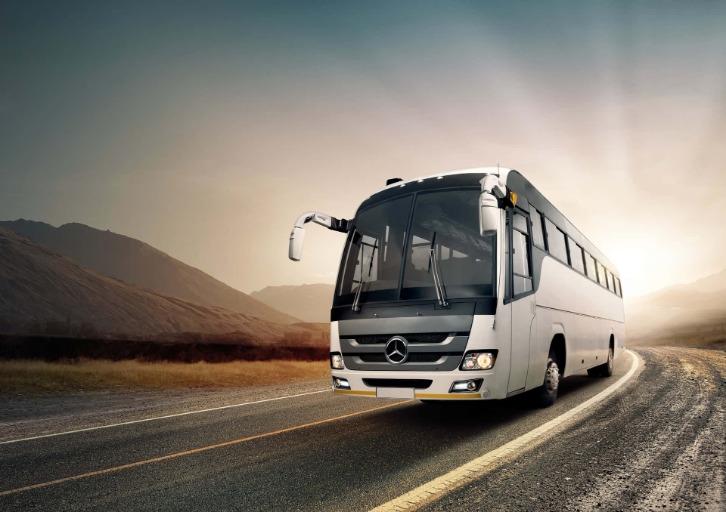
Booking platforms and ticketing: Bookings can be made on the operator’s own website or through international platforms such as Busbud or 12Go. After payment, you’ll receive an e-ticket by email or SMS, which you can print or show on your mobile device. Ensure the passenger name on the ticket matches your passport or ID and note seating or boarding details if provided.
On the day: Arrive at the pickup point early to allow time for check-in and border formalities. Bring your passport or ID, and check visa or entry requirements for your citizenship before travel. Most cross-border bus services permit a reasonable luggage allowance; confirm limits with the operator. Be prepared for border checks and potential delays at the border posts.
Tips: Compare several operators, read reviews, and book in advance during holidays. Check ticket change and cancellation policies, especially for international routes. Keep contact details for the operator or booking platform handy in case of delays or changes.
Payment methods and currencies
Traveling by bus from South Africa to Eswatini connects Johannesburg and other South African cities with Mbabane and Manzini, offering a cost effective cross-border option with a range of service levels.
Fares: One-way prices typically range from about 250 to 700 ZAR, depending on distance, bus type, and whether the service is express or standard. Peak times or premium services may push prices higher, while off-peak departures can be cheaper. Some operators offer return tickets at a discount compared with two one-way fares.
Booking and reservations: You can book online through an operator’s website or app, at the bus terminal, or via travel agents. Booking steps usually include selecting the route (for example Johannesburg to Mbabane or Johannesburg to Manzini), choosing a date and time, picking a seat, entering passenger details, and confirming baggage allowances before completing payment to receive a booking reference or e-ticket.
Payment methods: Most operators accept major credit and debit cards and direct bank transfers. Cash payments at the booking counter or terminal are often possible. In addition, some operators offer mobile money or e-wallet options where available, especially in border towns or regions with digital payment adoption.
Currencies: Fares are usually shown in South African Rand (ZAR). Eswatini uses Lilangeni (SZL) as its official currency, pegged to ZAR at 1:1. Rand is widely accepted in Eswatini for many transactions, and some tickets may be paid in SZL or ZAR—check the payment page during booking. If paying in SZL, be mindful of exchange rates and card issuer terms when using a card from outside the region.
Tip: Verify border crossing times, cancellation policies, and luggage allowances on your booking page, and carrying both ZAR and SZL can help with on-the-ground purchases after arrival.
Border crossing and travel documents
Border crossings between South Africa and Eswatini are usually straightforward for bus travellers, but you will need valid travel documents at the border. A passport is generally recommended, and visa requirements depend on your nationality, so check with the Eswatini consulate or your bus company before you travel. Some travellers may be able to use a national ID at land borders, but this is not guaranteed, so carry your passport as a reliable option. Have your documents ready, follow border instructions, and allow extra time for checks.
Passport, visa, and entry rules
Traveling by bus from South Africa to Eswatini involves border control procedures and the right travel documents. Knowing what to carry and what to expect at the border can help you move smoothly from one country to another.
Travel documents: South African citizens commonly use their valid SA ID book for short visits to Eswatini, while visitors from other countries typically need a passport. Visa requirements depend on your nationality and the purpose and length of your stay; some travellers may be visa-exempt or eligible for a visa on arrival, but this varies. Always verify with the Eswatini embassy or your bus operator before travel.
Passport validity: If you do need a passport, ensure it is valid for at least six months beyond your planned date of entry. Carry additional copies of your passport data page and any visas or permits you hold.
Visa rules and entry categories: Many SADC citizens enjoy streamlined entry rules for Eswatini, but you should confirm current requirements as policies can change. Visitors from outside SADC typically need a visa obtained in advance or on arrival if available for your nationality. Check with the Eswatini Department of Immigration or a local consulate for the most accurate guidance.
Border crossing process for a bus: When crossing by bus, the operator usually handles most immigration and customs formalities. Each passenger should have their passport or valid ID available, and be prepared to present passenger manifests, hotel details, or onward travel plans if asked. If travelling with minors, have any required consent letters or documents ready.
On arrival and customs: Expect to complete a short immigration form or landing card and have your luggage checked at customs. You may be asked about the purpose of your visit, your accommodation, and how much cash you are carrying. Declare items if required and comply with duties on goods or alcohol beyond allowances.
Border control tips: Carry both the original document and a clear photo copy. Protect your documents from loss, and know where your nearest border post offices are. If you lose documents at the border, contact your bus operator and the nearest embassy or consulate for assistance.
Health and vaccination requirements: Some travellers may be asked for certain health documents depending on origin and current health advisories. Yellow fever certificates are only required if you are coming from or transiting through a country with risk of yellow fever, and current requirements should be checked before travel.
Border crossings and crossing points: The best-known cross-border routes between South Africa and Eswatini include the Ngwenya/Oshoek crossing and the Golela border post on the N2 corridor. Bus services commonly use these routes; schedules, border crossing times, and permit rules can vary by operator and season, so confirm with your bus company in advance.
Practical tips: Keep digital and physical copies of travel documents, have local currency or a card that works in Eswatini, and know the address and contact details of your accommodation. Arrive early to the border to avoid delays, and be patient as border officers perform checks.
Official sources: For the most up-to-date rules, check the South African Department of Home Affairs, the Eswatini Department of Immigration, and your bus operator’s country-specific advisories. This information can change, so verify close to your departure date.
Customs and security checks for buses
Travelers taking a bus from South Africa to Eswatini should expect a border crossing that includes immigration, customs and security checks at the border posts along the route.
Travel documents you need typically include a valid passport for international travel. Some travellers may use a national ID or travel document when allowed at certain border posts, especially for SADC citizens, but you must confirm the requirements for your nationality with your bus operator or the border authorities before travel.
Immigration checks: On arrival at the border, you’ll join the border queue and present your travel documents to the immigration officer. You may be asked for the purpose and duration of your stay and to show proof of accommodation or onward travel. Ensure your passport has at least six months validity and pages for stamps.
Customs and baggage: The customs process will require the bus crew to present the vehicle documents and, if necessary, the operator’s paperwork for temporary importation of a bus. Passengers’ luggage can be inspected; you should not carry prohibited goods and declare items that exceed duty-free allowances. Be prepared to open suitcases for inspection by customs officers.
Security checks: Border security may conduct searches of passengers and luggage, and follow standard safety procedures. This can include random checks, searching under seats, or scanning bags with metal detectors. Comply politely with officers and keep your identification handy.
Practical tips: Plan to arrive early at the border, as queues can be long. Keep your travel documents, cash for border fees and any permit forms easily accessible. Have the address of your accommodation in Eswatini and contact details for the bus operator in case you need them. If a visa is required for your nationality, ensure you have it arranged before departure.
After crossing into Eswatini, follow the signs to your onward destination. The bus will typically continue to major towns such as Mbabane or Manzini, and you may be asked to present your passport again if you re-enter South Africa later, depending on your route and border controls. Always keep your documents handy during transit and be cooperative with border staff.
In case of delays or questions, contact the bus operator for assistance and, if needed, request to speak to a supervisor at the border post. Regulations can change, so checking the latest information from official border agencies before travel helps a lot.
Vehicle quality, safety and comfort
Assessing vehicle quality, safety, and comfort is essential when planning a bus trip from South Africa to Eswatini. Modern coaches should meet rigorous maintenance standards, feature reliable braking systems, secure seating with seatbelts, and up-to-date safety equipment. A well-designed cabin with adequate legroom, climate control, and low noise levels enhances traveler comfort, while transparent operating standards and trained drivers contribute to safer, smoother cross-border travel.
Bus classes and seating configurations
Travelers planning a bus trip from South Africa to Eswatini can expect a mix of vehicle quality, safety standards, and comfort levels across operators. The route features a range of classes designed to fit different budgets while prioritizing reliability and cross-border compliance.
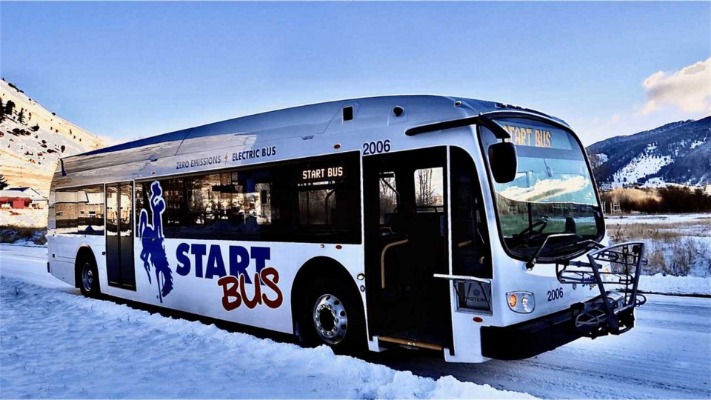
- Vehicle quality and maintenance: Most long‑distance operators use modern coaches with regular servicing, documented checks, and maintenance records. Fleet age varies, but many buses are relatively new and maintained to high standards to handle cross-border travel.
- Safety standards and passenger protection: Reputable operators include clearly marked emergency exits, fire extinguishers, and first aid kits. Some coaches have CCTV and trained drivers who adhere to speed limits and safe driving practices for the cross-border journey.
- Comfort and seating configurations: On the SA to Eswatini route you’ll typically find 2×2 seating with comfortable legroom in standard services; premium options may offer extra space, better recline, and additional amenities such as USB ports, Wi-Fi, and onboard restrooms. Sleeper configurations are uncommon on this route.
- Bus classes and seating options: Common classes include Economy/Standard, Comfort/Executive, and Premium/VIP. Economy/Standard usually uses 2×2 seating; Comfort may feature extra legroom; Premium/VIP often offers more space and enhanced amenities, sometimes with 2×1 seating in the front rows.
- Cross-border travel considerations and booking tips: Border checks occur at points like Oshoek or Ngwenya, so carry valid travel documents and be prepared for processing times. Book in advance, verify luggage allowances, and plan for possible delays at the border while coordinating arrivals and transfers.
Regulatory safety standards
Traveling by bus from South Africa to Eswatini offers a practical link between major cities, with passenger comfort and safety hinging on vehicle quality and regulatory compliance as much as on the journey itself.
Vehicle quality on cross-border buses is influenced by the age and condition of the coach, regular maintenance schedules, and the reliability of critical systems such as the engine, transmission, braking, tires, suspension, and lighting. Operators that invest in well-maintained fleets typically perform routine inspections, keep spare parts on hand, and implement preventative maintenance programs to reduce breakdowns on long journeys.
Safety features and procedures on these buses are essential for long trips. Well-maintained buses should have functioning seatbelts for passengers, clearly marked emergency exits, visible fire extinguishers, and first-aid kits. Modern coaches may include GPS tracking, CCTV for security, reliable communication devices, and driver fatigue management practices to ensure alert driving over extended routes and border crossings.
Passenger comfort is a key part of the travel experience. Comfortable seating with adequate legroom, effective climate control, clean interiors, and reasonable noise levels contribute to a more pleasant ride. On longer routes, amenities such as onboard rest stops, clean restrooms, charging ports for devices, and accessible luggage space enhance overall comfort and convenience.
Regulatory safety standards in South Africa cover key aspects of cross-border bus operations. The National Regulator for Compulsory Specifications (NRCS) and the South African Bureau of Standards (SABS) set vehicle safety and performance requirements, while the Road Traffic Management Corporation (RTMC) oversees compliance with road safety regulations. For cross-border services, operators must obtain permits and ensure their vehicles are roadworthy, have valid roadworthy certificates, and meet operator licensing requirements. The Cross-Border Road Transport Agency (C-BRTA) administers permissions for cross-border transport and enforces safety and maintenance standards for vehicles and operators moving between SA and neighboring countries, including Eswatini.
Eswatini also maintains its own regulatory framework for road safety and vehicle standards. Transport and traffic authorities require vehicles used on public routes to be roadworthy and compliant with national standards, and operators must have appropriate licenses and permits to operate across borders. While the exact agencies may differ from South Africa, the overarching goal is similar: ensure that vehicles are safe, well-maintained, and capable of carrying passengers securely across international borders in line with regional norms and safety expectations.
Cross-border travel between South Africa and Eswatini involves border controls and immigration checks, so passengers should carry valid travel documents and be prepared for customs procedures. Operators are expected to coordinate with border authorities to ensure smooth crossings, and vehicles must meet both countries’ safety and roadworthiness requirements to be allowed to operate on the route.
Tips for travelers on this route include choosing reputable operators with visible maintenance practices and current roadworthy certificates, verifying that the bus has functioning seatbelts and emergency equipment, and confirming cross-border permits and operator licenses. Arrive at the border in good time to accommodate checks, and pack essential items such as water, warm clothing for changes in climate, and any required medications. By prioritizing vehicle quality, safety features, and regulatory compliance, the journey from South Africa to Eswatini can be safer and more comfortable for all passengers.
Travel tips and practical advice
Travel by bus from South Africa to Eswatini is an affordable and straightforward way to cross the border, but a little planning goes a long way. Check border hours, visa or passport requirements, and book your ticket in advance; have your travel documents ready and carry some local currency for small purchases. Pack light, bring water and snacks, and dress for changing weather; stay aware of safety tips, keep valuables secure, and allow extra time for potential border delays. The rand is widely accepted in Eswatini, but having a small amount of lilangeni can smooth payments once you arrive.
What to pack and luggage limits
Traveling by bus from South Africa to Eswatini can be smooth and affordable with a little planning. Expect a road journey of several hours that includes border crossing time, so build in a flexible schedule and keep important documents handy.
Plan your trip by choosing a reputable operator and noting where the bus departs in South Africa (such as major cities like Johannesburg or Pretoria) and where it arrives in Eswatini (usually near Mbabane or Manzini). Check schedules, ticket validity, baggage allowances, and whether you need to collect or recheck luggage at the border. If you’re on a tight timetable, confirm the border opening hours and any recommended check-in times with the carrier.
What to pack: essential travel documents (passport or ID, visas if required, travel insurance), local currency (rand is widely accepted in Eswatini and lilangeni is the local currency), and a small bag with valuables. Bring water, snacks, a light jacket or sweater for air conditioning, comfortable walking shoes, a hat and sunscreen for sunny days, a basic first aid kit, any necessary medications with copies of prescriptions, a power bank and chargers, adapters, and a neck pillow for the ride.
Luggage limits vary by operator, but a common setup is one piece of checked baggage in the 20–30 kg range plus one small carry-on. Some buses allow a personal item under the seat and a small rucksack in the overhead area. Always verify the specific allowance when you book, and be prepared for extra charges if you exceed the limit or if a bag requires special handling.
For documents and border crossing, carry your passport or national ID and any visas or permits required for your nationality. Have vaccination records if needed and a printout or digital copy of your booking. Be prepared for border checks, which may involve forms and a brief interview. Even if rand is accepted in Eswatini, carrying some local currency can help with on-the-spot purchases, taxis, or small markets at your destination.
Onboard tips: dress in layers since buses can be chilly or warm, depending on the air conditioning. Bring a small blanket or shawl if you’re sensitive to cold. Pack earphones, music or a book to pass the time, and a refillable water bottle. Keep valuables in a secure bag, and consider using a small travel pouch or money belt. If you’re prone to motion sickness, you may want to take precautions before departure.
Safety and money matters: avoid flashing valuables and keep important items in an easily accessible yet secure place. It helps to have photocopies or digital backups of your documents. Share your travel plan with a friend or family member and have a backup payment method in case one card doesn’t work. Remember that you’ll be crossing an international border, so stay patient and courteous with border staff and fellow travellers.
Upon arrival in Eswatini, plan your onward transport to your final destination in Mbabane or Manzini. Local options include taxis, rideshares, or prearranged transfers. If you need mobile connectivity, consider buying a local SIM card or eSIM. Keep some cash handy for minor purchases and be aware that ATMs may be limited in smaller towns.
Seasonal and climate considerations: Eswatini can be hot in the Lowveld and cooler in the highlands, so pack layers and suitable sun protection. Rain gear is useful during the rainy season. Check the weather forecast ahead of your trip to adjust your packing list accordingly.
Onboard amenities and power outlets
Traveling by bus from South Africa to Eswatini is a cost-effective way to cross the border and reach Mbabane or Manzini. Most journeys run from major hubs like Johannesburg to Eswatini’s main towns, with border crossing at Oshoek or Ngwenya depending on the operator. Plan for a daytime trip with comfortable rest stops along the route.
Booking and planning: Book with reputable operators such as Intercape or other long-distance coaches well in advance, especially during holidays. Check departure points (Park Station in Johannesburg or other city bus terminals), pick-up times, and whether luggage counts as a fare. Have a backup plan in case of delays.
Documentation and border crossing: Carry a valid passport and any required visas. Eswatini generally accepts South African rand, but it’s wise to have some lilangeni for small purchases. Border checks can take 30–60 minutes or more during peak times; have travel documents ready and keep valuables secure.
Luggage and packing: Most buses allow a reasonable amount of checked luggage and a personal bag. Keep essentials in your carry-on (passport, meds, money, phone). Pack light but include a light jacket, since air conditioning can be strong. If you’re traveling in peak season, bring a small umbrella or sunhat for the sun at border areas.
Onboard amenities and power outlets: Amenities vary by operator. Some long-distance coaches offer air conditioning, reclining seats, and on-board toilets, while others are more basic. USB charging ports or 230V power outlets are not guaranteed on all buses, so charge devices beforehand and bring a power bank as a backup.
During the trip: Expect 1–2 longer stops for meals or bathroom breaks. Bring water and snacks, but follow the driver’s guidance about where to stop. Wear comfortable clothing, bring a neck pillow and earplugs for better rest, and keep your seatbelt fastened when advised.
Safety and etiquette: Keep valuables in a secure bag, seat pocket, or under the seat in front. Don’t leave bags unattended at stops. Be mindful of local etiquette, greet staff, and respect border procedures. If departing late, have a phone charger handy to stay informed about any changes.
Local tips: English is widely spoken in Eswatini, but you’ll also hear siSwati. Carry cash for small purchases, as some rural stops may not accept cards. Use sunscreen and moisture in hot weather; pack a light jacket for cooler highland air near Mbabane. Taxis and rideshares are available in towns, but confirm rates before entering.
Checklist before you go: passport and visa (if required), ZAR and SZL, phone and charger, copy of your itinerary, emergency contacts, medications, sunscreen, water bottle, light jacket, snacks, and a small day bag for border crossing and rest stops.
Health, safety and incident handling
Traveling by bus from South Africa to Eswatini is a popular and cost-effective option for many travelers, with routes connecting Johannesburg and other SA hubs to Eswatini towns like Mbabane and Manzini. Journeys typically involve crossing the border at Oshoek/Ngwenya and can take roughly 4 to 6 hours depending on traffic and border formalities.
Plan ahead by choosing a licensed bus operator, and book seats in advance through the operator’s website or a trusted travel desk. Check departure times, border crossing hours, and any changes to schedules. Arrive at the bus terminal early to handle check-in, luggage, and any last minute questions from staff.
Carry valid travel documents. South African citizens should confirm current border entry requirements for Eswatini before travel, and always bring a passport or national ID as indicated by the operator or border authorities. Ensure your passport is valid for the duration of your trip and for any visa or entry rules that may apply.
Health considerations: stay hydrated, carry a reusable water bottle, and pack light snacks. If you are traveling to Eswatini during malaria season or to low-lying areas with higher risk, consult a travel clinic about prophylaxis and vaccines such as routine immunizations, hepatitis A and B, and tetanus. Bring any prescription medicines in their original packaging and carry a copy of your prescription.
Onboard comfort and safety: wear comfortable clothing, bring a light sweater for air conditioning, and keep a small personal bag within reach. Use a seat belt where available, and follow the bus operator’s safety instructions. Keep valuables in a secure bag, preferably a closed bag or money belt, and avoid displaying large amounts of cash or jewelry.
Border crossing tips: you will typically complete SA exit procedures before entering Eswatini, with passport control and luggage checks at the border post. Have your documents ready, declare any items as required, and be prepared for possible delays beyond the operator’s control. If you have medications, keep them in their original packaging and bring supporting documentation if needed.
Upon arrival in Eswatini, plan your onward transport before you land. Licensed taxis, hotel shuttles, or pre-arranged transfers are safer options. If you plan to stay in a city like Mbabane or Manzini, confirm local driving rules, taxi fares, and safe routes, especially if arriving at night.
Money and connectivity: Eswatini uses the Swazi lilangeni (SZL), which is pegged to the South African rand (ZAR); rand is widely accepted in Eswatini. Carry some local currency for small purchases, tips, or border fees, though many operators accept card payments where available. Having a local SIM or an international roaming plan can help you stay connected for maps, travel updates, and emergency contacts.
Incident handling and emergencies: if you encounter a medical issue, theft, or a border dispute, notify the bus crew or operator staff immediately. In a medical emergency, contact local emergency services and your travel insurer as soon as possible, and seek care at a local facility if needed. Keep copies of your passport, travel insurance, and emergency contact numbers, and know the address and phone number of your country’s embassy or consulate in Eswatini for assistance. If you miss a connection or face a disruption, contact the operator for rebooking and support.
Alternatives to the bus
Alternatives to the bus for traveling between South Africa and Eswatini include private car hire, shared minibus taxis, and, where feasible, domestic flights or private transfers. Driving offers flexibility to explore border towns and scenic routes at your own pace, while minibus taxis provide a budget-friendly option along the main cross-border corridors such as Oshoek and Ngwenya. For speed and convenience, consider a flight to King Mswati III International Airport or a pre-arranged door-to-door transfer, keeping in mind border crossing times and the reliability of cross-border services.
Minibuses vs. coaches
Travel between South Africa and Eswatini offers several alternatives to the standard bus, with minibuses and long-distance coaches as the two most common options. Each option has its own advantages depending on budget, comfort, and schedule preferences.
Minibuses, or minibus taxis, are a popular, affordable way to cross the border. They operate from major South African cities such as Johannesburg or Pretoria toward Eswatini towns like Mbabane and Manzini, with frequent departures throughout the day. Fares are typically lower than those for coaches, but conditions can vary by operator and season. Luggage space is often limited, and seating is first-come, first-served, which means you may need to travel light. Safety and reliability can vary since many minibuses are privately run, so choosing licensed, reputable operators is important and avoiding informal pickups is advisable.
Long-distance coaches offer more comfort and predictable schedules. Coaches usually provide cushioned seats, air conditioning, and onboard amenities, and they often belong to larger networks that simplify ticketing and transfers. They tend to operate on fixed timetables and may have fewer stops, which can result in a smoother ride. Prices are generally higher than minibuses but can include additional conveniences, and some operators provide assistance with cross-border procedures. Availability of cross-border coach services to Eswatini should be confirmed in advance, as routes can change.
In terms of travel time and reliability, minibuses can deliver quicker door-to-door service because they pick up and drop off closer to you, but they are more susceptible to delays from traffic, long border queues, and detours. Coaches typically offer more consistent departure times and fewer unplanned stops, but the journey may take longer due to fixed routes and standardized boarding points. Your experience will depend on the operator, the time of day, and how smoothly border formalities proceed.
Safety and regulation are important considerations, especially at a cross-border border. Whenever possible, use licensed operators with valid permits, well-maintained vehicles, and experienced drivers. Be prepared for busy border processes and keep valuables secure. Travel insurance is a wise precaution for international trips, regardless of whether you choose minibuses or coaches.
Border-crossing basics include having a valid passport and checking visa requirements for Eswatini. South African citizens typically do not require a visa for short visits, but rules can change, so verify current requirements before you travel. Have enough local currency or a functioning card for border fees and onward transport, and be aware that border queues can add significant time to your trip. If you’re using a minibus, clarify the pick-up location and whether you’ll be dropped off at a city center or near the border on the Eswatini side, so you can arrange onward transport in advance if needed.
Beyond buses, other practical options include private shuttle services or car rental for maximum flexibility. Flights exist to Eswatini’s King Mswati III International Airport from some South African hubs, but schedules are limited and the option can be more expensive. Rail services between South Africa and Eswatini are not a practical cross-border option for most travelers, so road transport remains the primary alternative to consider.
Practical planning tips include comparing prices and schedules across operators, booking in advance when possible, and understanding what is included in the fare (baggage allowance, border handling, etc.). Bring copies of bookings, have local contact numbers handy, and check for travel advisories. Allow extra time for border crossing and keep a backup plan ready in case of delays.
In short, both minibuses and coaches provide viable paths from South Africa to Eswatini. Minibuses offer affordability and flexibility, while coaches deliver comfort and reliable schedules. Your choice should align with your budget, desired level of comfort, and how much time you can devote to the journey.
Flights and combination itineraries
Traveling from South Africa to Eswatini typically involves long bus journeys, but there are compelling alternatives that can cut time, increase comfort, or fit different budgets. Here are practical options for getting from SA to Eswatini without taking the usual long coach ride.
Flights: The quickest way to cover the distance is to fly. SA hubs such as Johannesburg and Durban offer regional services to Eswatini’s King Mswati III International Airport (near Matsapha). A typical flight takes about an hour and a quarter, and it can be a convenient option if you’re short on time or travelling with luggage. Schedule and capacity vary, so check current routes and book in advance, especially around peak travel seasons. From the airport you can arrange a private transfer or a short road journey to Mbabane or Manzini.
Private transfers and car rental: If you prefer door-to-door comfort, a private transfer can be arranged from a SA city to your Eswatini destination, or you can hire a car in SA and drive across the border. Driving gives you flexibility to stop along the way and explore towns or viewpoints. Remember to drive on the left, carry your passport, and have appropriate cross-border insurance and documentation for the vehicle. Border checks can take time, especially on busy days, so allow extra time when planning connections or onward travel.
Combination itineraries: A popular approach is to mix transport modes to balance cost and convenience. For example, fly from Johannesburg to Eswatini and then complete the journey by road to Mbabane or Manzini. Alternatively, fly into Johannesburg, rent a car for the cross-border leg, and configure day trips within Eswatini. For budget travellers, a flight to SA near the border followed by a shorter road transfer can be cheaper than a direct long bus, and it also allows you to explore more of the region on the same trip.
Rail and other options: There is no regular passenger rail service into Eswatini from South Africa, so rail is not a practical cross-border option for most travellers. Freight lines exist but they don’t offer passenger services. If you are a rail enthusiast, you could combine a regional rail journey with a bus or car hire for the final leg, but expect extra logistics and longer total travel times.
Practical tips and rough timings: Expect flights to save several hours over a bus, but they cost more. If you drive, plan for 4–6 hours of road travel depending on your starting point and border crossing times. Consider currency: Eswatini uses the Lilangeni, but South African rand is widely accepted, especially in border towns. Carry identification, vehicle documents, and proof of insurance for cross-border travel. Check visa requirements for your nationality and stay duration, even if border rules are usually straightforward for short visits.
In summary, while the bus remains a common option, flying, private transfers, or self-drive journeys offer flexibility and efficiency when traveling from South Africa to Eswatini. Evaluate your budget, time, and comfort needs to choose the best fit, and always verify current border times and flight schedules before you depart.
Car rental and driving considerations
Travelers moving from South Africa to Eswatini often look beyond the bus for more flexibility or speed. Here are practical alternatives to the bus, plus car rental options and driving considerations to help you plan a smooth trip.
- Flights to Eswatini
- Best for: urgent trips or when road conditions are poor. Routes commonly operate from Johannesburg or Cape Town to Eswatini’s international gateway near Mbabane/Manzini; duration around 1 hour flight time from Johannesburg, with limited daily frequencies.
- Tips: book early, check visa requirements for your nationality, and arrange onward transfer from the airport to your destination in Eswatini (taxi, shuttle, or car rental).
- Private transfers and shuttle services
- Door-to-door options from major South African cities to Eswatini towns. Can be more comfortable and direct than public transport, with fixed schedules or on-demand service. Compare prices and check reviews.
- Considerations: confirm pickup points, luggage limits, and whether the service includes border formalities; ensure you have all necessary travel documents.
- Car rental and cross-border driving considerations
- Cross-border rental: Many South African rental agencies allow travel into Eswatini with additional documentation and fees. Always confirm cross-border permissions, insurance coverage, and any mileage or area restrictions before booking.
- Documentation you’ll typically need: a valid driver’s license (an International Driving Permit is often recommended), your passport, the rental agreement, and proof of insurance. You may also need a letter of authorization from the rental company to drive in Eswatini.
- Insurance and liability: Check what is covered when driving in Eswatini, including third-party liability, theft, and damage. Some policies require you to report incidents to the rental company within a specific window and may not cover certain regions.
- Vehicle preparation: ensure the car has a spare tire, jack, and a first aid kit. Keep change for tolls and border fees; refueling stations along the route; carry a printed map or offline navigation in case of poor mobile signal.
- Border and driving basics: Eswatini uses left-hand traffic; speed limits vary (urban 40-60 km/h, rural higher, checkpoints). Safe driving practices include wearing seat belts, not using mobile phones while driving unless hands-free, and driving with caution for pedestrians and animals on rural roads.
- Practical route notes: main routes from SA into Eswatini are via the Oshoek or Ngwenya border posts and travel through towns like Nelspruit, Barberton, or Manzini/Mbabane depending on your entry point. Distances can range from 150-450 km depending on origin and destination; plan for border crossing times, which can vary from 15 minutes to an hour or more at peak periods.
- Rail and other transport options
- There is no regular passenger rail link between South Africa and Eswatini, so rail is not a practical option for this route. Buses, private transfers, or flights are more reliable alternatives.
- What to pack and safety tips
- Carry essential documents, cash in South African rand or Eswatini lilangeni, and a basic medical kit. Ensure your phone has roaming or a local SIM for navigation and emergencies. Travel during daylight hours where possible and stay aware of your surroundings at border posts and on rural roads.
Eswatini-specific travel context
Eswatini, a small landlocked kingdom surrounded by South Africa, is a popular destination reached by bus from SA. Coaches run from major centers like Johannesburg to Mbabane and Manzini, crossing at border posts such as Ngwenya or Oshoek with straightforward immigration. The route showcases diverse scenery—from rolling highveld to the Ezulwini Valley—before you explore Eswatini’s markets, cultural sites, and nature reserves.
Getting around Eswatini after arrival
Travelers arriving in Eswatini by bus from South Africa should plan for border crossing formalities, onward connections, and internal transport to reach Mbabane, Manzini, or other destinations. This Eswatini-specific guide covers getting around after arrival, with a focus on bus routes from South Africa to Eswatini.
- Crossing the border and routes: Most cross-border buses from South Africa arrive in Eswatini via the Oshoek or Ngwenya border posts, heading toward Mbabane or Manzini; the total journey including border formalities is typically around 4 to 6 hours. Have your passport handy and check entry requirements before you travel.
- Ticketing and schedules: Cross-border buses operate from major SA cities toward Eswatini towns; book in advance during peak travel periods; tickets can be bought at the terminal or online, depending on the operator.
- Arriving in Eswatini: Buses usually drop passengers at a central bus terminal in Mbabane or Manzini; from there you can hire a taxi or catch a local minibus to your accommodation or onward routes.
- Getting around inside Eswatini: Internal transport includes minibuses, taxis, and private car hire; the road network is generally good near the towns but rural routes can be rough; plan extra time for rural travel.
- Practical tips for the journey: Carry a small amount of cash for local payments; keep valuables secure; confirm fare and boarding point with the driver; travel during daylight when possible for safety; allow time for border checks and potential delays.
- Language and etiquette: English is widely used in travel and business; siSwati is common in everyday conversation; learning a few phrases helps; tipping for drivers is appreciated in some contexts.
In short, the bus option from South Africa to Eswatini offers a practical entry point for exploring the country, with onward travel to Mbabane, Manzini, and regional parks via local transport once you arrive.
Common destinations and routes in Eswatini
Eswatini, a small landlocked kingdom bordered by South Africa and Mozambique, is a popular destination for bus travelers coming from South Africa. The road links are well-trodden, with several cross-border services offering affordable, scenic routes to Eswatini’s main towns and tourist regions. Most SA-to-Eswatini journeys focus on the central hubs of Manzini and Mbabane, from which visitors access the Ezulwini Valley and cultural sites.
When traveling by bus from South Africa, common border posts used to enter Eswatini include the Ngwenya border post in the west and the Lavumisa border post in the south. Buses typically operate during daytime hours, with schedules varying by operator and season. At the border you will present a passport or ID, and buses may require you to carry some local currency for small fees or purchases at the border. South African rand is widely accepted in Eswatini, and the lilangeni is the local currency, freely exchangeable at banks and forex offices.
Top Eswatini destinations reached by bus include Mbabane, the administrative capital perched on the plateau, and Manzini, the country’s largest urban center and commercial heart. From these towns, easy routes lead to the Ezulwini Valley, known for its scenic mountain passes, luxury lodges, and cultural attractions. Other popular stops include Lobamba (the royal village and parliament), Matsapha (industrial area near Manzini), and the Mlilwane Wildlife Sanctuary, a short taxi ride from Manzini. Visitors often use these towns as bases for day trips to Big Bend, Sibebe Rock, and Mlilwane’s nature trails.
Typical bus routes from South Africa to Eswatini run from Johannesburg or Pretoria into Manzini or Mbabane, sometimes with a change at the border for onward connections. Journey times commonly range from about five to nine hours depending on the border crossing used and traffic; longer waits can occur at busy times or during peak travel seasons. Direct services that stop in Manzini are common, with onward local transport arranged to reach Mbabane or Ezulwini valley.
Booking tips: buy tickets in advance where possible, especially during holidays, and confirm what luggage is permitted. Carry your travel documents, some cash in the local currency, and a phone SIM for Eswatini if needed. Check border crossing hours and plan extra time for queues. Road conditions in Eswatini are generally good around the main routes, but some scenic detours and valley roads can be slower.
Eswatini’s bus routes offer a practical way to experience the kingdom’s varied travel destinations—from the bustling markets of Manzini to the cool plateaus around Mbabane and the cultural heart of Lobamba—while staying connected to South Africa and the wider Southern Africa region.