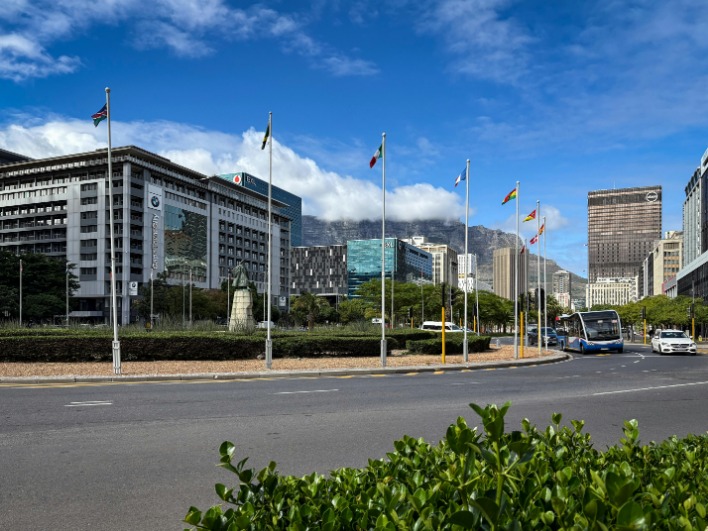

Overview of 30-Seater Buses in South Africa
In South Africa, 30-seat buses fill a middle niche between minibus taxis and full coaches, serving school routes, commuter shuttles, rural link services and short-tour itineraries. They offer a practical balance of passenger capacity, road-handling and operating cost, typically powered by diesel engines and built by regional and international manufacturers. Operators must navigate national transport regulations, licensing, vehicle safety standards and regular maintenance to ensure reliable service on urban and rural networks in a country with diverse travel demands.
Definition and typical configurations
A 30-seater bus in South Africa is a mid-sized passenger vehicle designed to carry around thirty seated passengers in addition to the driver. It sits between smaller minibuses and larger coaches and is commonly used for school transport, corporate shuttles, tours, and charter services. Vehicle lengths for 30-seaters typically range from about 9 to 11 meters, and the exact seat count can vary slightly by model and configuration.
Typical configurations are dominated by a 2-2 seating layout across two to four sections with a central aisle, commonly yielding 15 rows of two seats per side for a total near 30. Some models offer 2-3 seating in certain rows or slightly different aisle widths to reach 30–32 seats. Interiors may include durable cloth or vinyl seating, air conditioning, overhead luggage racks, underfloor baggage compartments, and one or more entry doors (front and/or mid or rear) to facilitate passenger flow. Legroom and seat pitch usually aim for comfortable longer rides, with varying levels of premium features depending on operator and price range.
In South Africa, 30-seaters are frequently used by schools, churches, tour operators, corporate shuttles, and charter operators for short- to medium-distance travel. They are also common for airport transfers and community transport where a balance of passenger capacity and maneuverability is preferred. The choice of 30 seats reflects a practical compromise between higher-capacity coaches and smaller minibuses, especially for routes with moderate traffic and space constraints.
Regulatory and safety considerations apply. In SA, 30-seater buses are registered as passenger vehicles and typically require appropriate operating licenses or permits, periodic roadworthiness testing, and compliant maintenance programs. Operators must meet applicable safety standards and inspectorate requirements, including driver training and insurance. The market includes a mix of new and used vehicles from several brands, with common choices coming from established bus builders and regional distributors. Buyer considerations include total cost of ownership, fuel efficiency, maintenance network, and availability of spare parts.
Future trends in the 30-seater segment in South Africa include improved fuel economy through newer emissions standards, safer and more comfortable interiors, and better connectivity for bookings and fleet management. Whether for school runs, corporate shuttles, or tourism, 30-seater buses offer a flexible option that combines capacity with road-friendly size for intracity or intercity service.
Common use cases in South Africa
30-seater buses in South Africa are mid-sized passenger vehicles used to move groups efficiently. They typically accommodate about 28 to 30 passengers plus the driver, making them a popular choice for schools, businesses, tour operators, and community transport. They sit between smaller minibuses and full-size coaches in terms of capacity and maneuverability, offering good fuel efficiency and relatively easy handling on urban and rural roads.
Most 30-seaters are built on light bus or van-based chassis, engineered for reliability and easy maintenance. Interiors vary by operator, but you will commonly find upholstered seating, overhead luggage racks, air conditioning, and safety features such as seat belts and emergency exits. Layouts can differ by model, with rows arranged to maximize seating and accessible aisles. They are typically diesel powered and used in both short urban routes and longer charter trips.
Regulatory and safety considerations include compliance with South Africa’s transport regulations, operator licensing, vehicle inspections, and ongoing maintenance regimes. Operators emphasize daily checks, tyre pressure, brake function, and door mechanisms to ensure passenger safety.
Common use case: school transport. Many schools deploy 30-seaters to shuttle learners between campuses, after-school activities, or sport events. They offer door-to-door style service in certain contexts and tend to be cost-effective for predictable, moderate-capacity trips.
Common use case: corporate and employee shuttles. Companies and campuses use 30-seaters to move staff between residential areas, offices, and worksites, including mining sites and large industrial complexes where a fixed schedule and grouped travel save time and fuel.
Common use case: tourism and group charters. Tour operators and travel agencies use 30-seaters for day trips, game drives, and small-group charters where flexibility and an intimate group size improve experience and navigation of routes with tight access to venues.
Common use case: events, clubs, churches, and social groups. For weddings, church outings, or social clubs, a 30-seater provides a cost-effective way to transport groups without arranging multiple vehicles.
Common use case: rural transport and commuter services. In rural areas with limited rail or bus networks, 30-seaters help connect communities, shuttle workers to mining or agricultural sites, and provide flexible options for peak and off-peak demand.
Conclusion: The 30-seater bus offers a versatile solution in South Africa, balancing capacity, cost, and flexibility for a range of transport needs across urban, suburban, and rural environments.
Market Demand and Use Cases in South Africa
Demand for 30-seat buses in South Africa is growing as cities expand and transport operators seek efficient, flexible fleets. Use cases span school runs, employee and airport shuttles, contracted urban routes, rural connectivity, and short-tour operations, all supported by evolving procurement programs and service networks. Key buying factors include fuel efficiency, reliability, total cost of ownership, and available after-sales support, with interest in diesel, hybrid, and upcoming electric variants to reduce costs and emissions. As urbanization continues, the 30-seat bus fills a practical niche between minibuses and larger coaches for affordable, adaptable transport.
School transport, corporate shuttles, tourist charters
The 30 seater bus south africa market shows strong demand for a versatile, cost-efficient vehicle that can serve schools, businesses and tour operators alike. This size balances group capacity with maneuverability, making it well suited for both dense urban routes and more rural timetables across the country.
School transport is a primary market segment for 30 seater buses in South Africa. Many schools rely on private operators to shuttle learners between campuses, housing and activity venues. Operators look for reliable, safe vehicles with comfortable seating, adequate luggage space for excursions and simple maintenance to meet tight budget constraints and district procurement rules.
Corporate shuttles represent another strong use case. Medium-sized companies use 30 seater buses to move employees between residential estates and business parks, to events, or to off-site training sessions. The format supports predictable schedules, reduced parking pressure, and improved workforce punctuality while offering favorable total cost of ownership compared with larger coaches or car fleets.
Tourist charters are a growing sector in South Africa, where 30 seater buses are often used for airport transfers, day trips, game drives, and coastal or wine-route itineraries. The vehicle size provides a comfortable ride for groups while keeping operational costs manageable for tour operators who must balance itineraries, driver hours and fuel efficiency.
Market dynamics driving demand include rapid urbanization, expanding school enrollments, and a resilient tourism sector. Availability of affordable financing, competitive after-sales support, and a robust parts network across major centers influence buyer choices. Government procurement channels and private tenders also shape which operators win contracts for school or corporate transport.
Regional preferences and seasonality matter in South Africa. Demand tends to be higher in Gauteng, Western Cape and KwaZulu-Natal, where urban commuting, tourism and business activity converge. Rural routes and peri-urban corridors also rely on 30 seater buses to connect communities, especially where public minibus services are limited.
Key considerations for purchasers include total cost of ownership, fuel efficiency, reliability, driver comfort, safety features, and aftermarket service networks. Buyers should assess warranty terms, ease of maintenance, spare parts availability, and the supplier’s ability to provide timely servicing across regions to minimize downtime.
In summary, the 30 seater bus south africa offers a flexible, scalable solution for school transport, corporate shuttles and tourist charters. With the right specification, support network and compliance with safety and licensing requirements, these vehicles can deliver dependable service, optimize passenger flow and help operators grow in a competitive market.
Rural vs urban deployment challenges
The 30-seater bus is a mid-size option in South Africa’s transport landscape, offering a practical balance between capacity, maneuverability and operating cost for both urban and rural routes.
Market demand in South Africa for 30-seat buses is driven by population growth, urbanisation, and a strong need for reliable school transport, commuter links, and contract services. Operators seek low cost per seat, predictable maintenance, good fuel efficiency, and access to affordable financing and spare parts. The used market and financing options influence how quickly fleets expand to this size.
Common use cases include school transport contracts delivering learners to multiple campuses, feeder shuttles linking townships and suburbs to city centres or rail hubs, corporate or campus shuttles for employers and universities, and rural or peri-urban feeder networks that connect villages to trunk routes. Tour operators and charter companies use 30-seat buses for short breaks, coastal routes, wildlife safaris, and group travel. In mining or industrial zones, 30-seat vehicles transport contractors and shift workers between ports, towns and mines. Mobile clinics or outreach programs also leverage mid-size buses to reach dispersed populations.
Rural deployment challenges include unpaved or poorly maintained roads increasing wear and tear, limited spare parts availability and service networks, and higher fuel consumption on rough terrain. Longer travel times can impact reliability and scheduling, while obtaining operating licenses for rural routes may involve regulatory hurdles. Financing risk can be higher in low-density areas due toAsset turnover and revenue volatility.
Urban deployment challenges involve intense traffic congestion, limited parking, and frequent route changes that complicate scheduling. There are regulatory distinctions between taxi and bus operations, plus higher insurance costs, driver hour rules, and fare management requirements. Ensuring high seat turnover and efficient fleet utilization requires robust telematics, route planning, and maintenance support, while adapting to diesel price volatility and emissions standards.
Opportunities arise from policy support and public-private partnerships, including school transport contracts and central government procurement programs. Fleet operators can gain from financing models such as lease-to-own or pay-as-you-go, along with access to maintenance networks and spare parts supply. Adoption of greener technologies, including CNG or electric drivetrains for urban corridors, can reduce running costs and improve air quality, while training and certification programs enhance driver safety and service quality.
Overall, the 30-seater bus can play a versatile role in South Africa’s transport ecosystem, serving schools, workplaces, and communities across urban and rural settings, provided there is supportive financing, reliable maintenance, and coherent regulatory alignment.
Technical Specifications and Variants
Technical specifications for a 30-seater bus in South Africa typically cover engine options and power output, torque, transmission type, fuel type and efficiency, payload, and braking and suspension systems, along with dimensions and safety features such as ABS and stability control. Variants commonly offered include standard passenger layouts, high-roof and low-floor configurations for ease of access, school- or shuttle-service versions, and accessibility-focused trims with wheelchair ramps or lifts, as well as different interior fittings and seating arrangements to meet local route requirements and regulatory standards.
Seating arrangements and accessibility options
A 30 seater bus in South Africa is a versatile choice for school transport, commuter services, and private hire, commonly built on light- to medium-duty chassis with diesel propulsion and variants tailored to local conditions.
Technical specifications and variants typically include turbocharged diesel engines delivering about 110 to 190 kilowatts (150 to 260 horsepower) with peak torque ranging from 450 to 900 Newton-meters. Transmissions are offered as manual 5- or 6-speed or automatic 6- to 7-speed units, with rear-wheel drive being the common configuration. Gross vehicle mass is usually in the 7,000 to 9,000 kilogram range, and overall length spans roughly 7.5 to 9.5 meters. Widths around 2.4 meters and heights around 3.0 to 3.5 meters are typical, with fuel tank capacities roughly 120 to 180 liters. Emissions standards vary by model and market, from Euro IV to Euro VI, and top speeds generally sit around 90 to 100 km/h. Seating capacity is up to 30 passengers, excluding the driver, depending on the interior layout.
Variants commonly available include standard 30-seat passenger buses, school bus configurations with child-friendly interiors and multiple emergency exits, commuter or intercity models with enhanced luggage space, and luxury or executive variants with upgraded seating and amenities. There are also wheelchair-accessible models featuring wider doors and lower floors, and an increasing presence of hybrid or fully electric 30-seat options in fleet trials and urban deployments.

Seating arrangements tend to be 2 plus 2 across the aisle to maximize capacity, with a central corridor and sometimes flexible row configurations. Seat pitch typically ranges from 700 to 850 millimeters, with high-back, multi-point seatbelts for all occupants. Many models provide under-seat storage and overhead racks, plus luggage capacity beyond the passenger cabin. Front rows may accommodate driver and co-driver configurations or a dedicated space for accessibility or emergency considerations.
Accessibility options include dedicated wheelchair spaces with retractable or removable seats, entry ramps or lifts, and fixed or portable tie-down points for mobility devices. Wide doors, low-entry steps, handrails, and priority seating near doorways are common features, and interior layouts often allow removal or repositioning of seats to create flexible space for wheelchairs or extra luggage as needed.
In the South African context, vehicles are equipped with standard safety features such as three-point seatbelts, fire extinguishers, first aid kits, and clearly marked emergency exits. Additional safety systems may include anti-lock braking, electronic stability control, and fleet-management technologies such as CCTV and telematics. Maintenance and parts networks are supported by local dealers across major urban areas to ensure service continuity and uptime for school routes, shuttles, and charter operations.
When selecting a 30-seat bus for South Africa, operators should weigh local road conditions, fuel availability, maintenance intervals, and access to trained technicians. Matching the variant to passenger demand, accessibility needs, and duty cycles—whether for routine school runs, daily commuter service, or long-distance charters—will help optimize reliability and total cost of ownership.
Engine options: diesel, alternative fuels, and electric
A 30 seater bus designed for South Africa combines robust build quality with flexible configurations to suit urban routes, school contracts, and tourist itineraries across varied climates and road conditions.
Technical specifications and variants cover seating layouts, dimensions, and payload. Typical 30 seaters measure roughly 9.0 to 9.8 meters in length, about 2.2 to 2.5 meters in width, and 3.0 to 3.5 meters in height. Vehicle kerb weight plus payload often places gross vehicle weight in the 12 000 to 14 000 kg bracket, with payload capacity commonly in the 2 000 to 4 000 kg range depending on variant and equipment. Wheelbase options vary to optimize maneuverability in urban streets and long-distance stability for highway segments. Chassis and suspension are selected to balance ride comfort, durability, and ease of maintenance within South African service networks.
Engine options and performance: diesel variants use turbocharged four- to six-cylinder engines delivering roughly 180 to 250 kW of power and 800 to 1 200 Nm of torque, paired with automatic or manual transmissions. These configurations emphasize reliability, fuel efficiency, and ease of service in fleets that operate long daily shifts. Emissions compliance typically aligns with regional standards, with some variants offering Euro 5 or equivalent technologies and options for aftertreatment systems such as selective catalytic reduction.
Alternative fuels: biodiesel blends (for example B20 to B100 where approved), compressed natural gas (CNG), liquefied natural gas (LNG), liquefied petroleum gas (LPG), and hydrotreated vegetable oil (HVO) blends are offered on select variants. These options can reduce particulate matter and local emissions, but may affect range and refueling infrastructure needs. South African fleets can leverage biodiesel-compatible engines or retrofit kits where available, and some models are designed for straightforward switching between fuel systems with minimal downtime.
Electric variants: battery electric 30 seater buses feature e-motor drive units with battery packs typically in the 170 to 350 kWh range, enabling ranges that commonly span from about 120 to 350 kilometers depending on passenger load, terrain, climate, and regenerative braking efficiency. Charging supports DC fast charging in the 50 to 150 kW range and AC charging at 7 to 22 kW, with rapid charging enabling daytime turnarounds for urban routes. Battery warranties, thermal management, and fleet telematics are standard considerations for total cost of ownership and uptime in municipal and operator fleets.
Variants and configurations: multiple body styles are common to suit different duties. Urban/mini-coach configurations may feature two doors or three doors for rapid boarding and alighting, while intercity or tourist variants optimize luggage space and comfort with larger doorway options and optional rear or over-body storage. Seating layouts range from 2+2 with aisle access to flexible arrangements that maximize legroom or luggage capacity. Door placement, window tinting, climate control packages, infotainment systems, and accessibility features (such as low-floor designs and integrated wheelchair ramps) are offered to match contract requirements and accessibility standards.
South Africa-specific considerations include climate resilience, maintenance accessibility across provinces, and availability of local service networks and spare parts. Operators often prioritize variants that balance low running costs with high reliability, easy maintenance, and compatibility with regional fuel infrastructure. With a growing emphasis on greener fleets, both biodiesel-compatible and electric offerings are increasingly adopted in public transport and school contracts, supported by fleet integration tools and government incentives that ease transition and total cost of ownership concerns.
Transmission and drivetrain choices
A 30 seater bus in South Africa is a versatile transport option for schools, shuttles, and rural routes, offering a balance of passenger capacity, reliability, and fuel efficiency. The design typically centers on a robust diesel drivetrain, a modular body, and a choice of transmission and axle configurations to suit local conditions.
Technical specifications and variants commonly include seating for 28–32 passengers, a gross vehicle weight (GVW) range around 7.5–12 tonnes, and a length of roughly 8.0–9.5 meters. Engines are diesel and vary by model, typically 4- to 6-cylinder units delivering roughly 150–320 horsepower (110–240 kW) and torque in the 700–1200 Nm range. Emissions are aligned with local standards, with many modern options meeting Euro 5/VI equivalents or South Africa’s Stage emission targets. Fuel systems often use common-rail injection and turbocharging for efficiency and performance, while air conditioning, passenger information systems, and safety equipment are added as options or standard on higher trims.
Variants come in several body configurations: standard courier/shuttle & school bus body with two doors or a single front door, varying seat layouts (2-2 or 2-3 seating), and options for underfloor luggage compartments. The wheelbase and overall height affect interior headroom and turning radius. Some operators opt for a low-floor configuration to aid boarding, while others choose higher floors for increased luggage space. Accessibility features such as wheelchair ramps or lifts are available as variants or aftermarket additions.
Transmission choices typically include a manual five- or six-speed gearbox, and automatic options ranging from five to seven speeds. Some manufacturers offer automated manual transmissions (AMT) or torque-converter automatics with high torque capacity to suit heavy passenger loads. The shift layout is usually floor-mounted, but some models offer column shifters or integrated transmission controls for modern cockpits. Maintenance and parts availability in South Africa are strong for brands like Mercedes, Iveco, Volvo, MAN, and Isuzu.
Drivetrain configurations are dominated by front-engine, rear-wheel-drive layouts in standard 30-seater buses, providing a straightforward drivetrain with good weight distribution for passenger safety and balance. Some heavier or rural-service variants may use a dual-rear-axle (DRW) setup or even all-wheel drive (AWD) for improved traction on uneven roads. Most South African operators prioritize RWD for durability, easier maintenance at regional workshops, and better resale value. Underfloor fuel tanks and luggage compartments influence weight distribution and the choice of drive configuration.
When selecting a 30 seater for a South African operation, operators assess total cost of ownership, spare parts availability, workshop coverage, and local support for brands and transmissions. Variants may include safety features such as ABS, ESC, stability control, seat belts for all passengers, emergency exits, CCTV, and driver assistance packages. Bodybuilders and bus manufacturers in the region commonly offer compliant, locally supported options that suit the climate and road conditions.
Passenger Safety and Comfort Features
In a 30-seater bus serving South Africa, passenger safety and comfort are priorities achieved through a combination of robust safety systems and passenger-focused amenities. Standard safety features include seat belts for all seats, reinforced seating and crash-rated interiors, anti-lock braking system (ABS), electronic stability control (ESC), clearly marked emergency exits, and trained staff for quick evacuations. For comfort, the cabin offers climate control, ergonomic adjustable seating with adequate legroom, low vibration and noise levels, and practical conveniences such as USB charging and ample luggage space, ensuring a smoother and safer journey across diverse South African roads.
Seat belts, airbags, and crash safety
Choosing a 30-seat bus for South Africa involves prioritizing passenger safety and comfort to match local roads, climate, and travel patterns. A well-equipped vehicle can protect occupants while keeping journeys pleasant for students, commuters, or tour groups.
Passenger comfort features on a 30-seater bus include ergonomic seating with adequate cushioning and adjustable headrests, generous legroom, and a climate control system that maintains a comfortable cabin temperature. Reduced noise and vibration, quality suspension tuned for both urban and rural routes, and well-ventilated interior help reduce fatigue on long trips. Thoughtful seating layout, clear aisles, and accessible luggage compartments also contribute to a safer, more comfortable ride.
Seat belts are a critical safety feature in passenger transport. Modern 30-seat coaches typically feature three point seat belts on each forward-facing seat, securely anchored to reinforced floor and frame sections. The belts should be used at all times, and child restraints should be installed where required and appropriate for younger passengers. Proper belt use reduces the risk of injury in sudden stops or collisions.
Airbags in buses are less common than in cars, but some newer or higher-end coaches incorporate driver airbags and, in select models, side or curtain airbags for added protection in a side impact. Airbags work in conjunction with a strong passenger cabin and reinforced body structure to cushion occupants during a crash. It is important to understand that airbags are not a substitute for seat belts or proper seating positions.
Crash safety in a 30-seater bus is enhanced by a crashworthy design. A reinforced monocoque or ladder-frame chassis, energy-absorbing zones in the body structure, and carefully designed crumple zones help dissipate crash forces. Seat anchorage points are rated to handle dynamic loads, while interior materials are chosen for resilience and minimal secondary injury risk. Exterior features such as strong door frames, clearly marked emergency exits, and robust doors contribute to safe egress after a crash.
Advanced braking and stability systems also play a key role in crash avoidance. ABS prevents wheel lock during hard braking, while electronic stability control helps maintain control on slippery or uneven roads. Anti-skid tires, proper tire maintenance, and regular brake service are essential for reliable stopping distances on routes common in South Africa, including rural or mountainous terrain.
Emergency and safety equipment is essential on a 30-seat bus. Look for clearly marked emergency exits, illuminated exit signs, and uninterrupted emergency lighting. Interior layouts should allow quick egress in case of an incident. Additional features may include fire extinguishers, first aid kits, reflective warning triangles, and emergency hammers for breaking glass if needed. Clear passenger instructions and crew training are also critical for effective evacuation.
Regular maintenance and compliance are vital for ongoing safety. Fleet operators should follow manufacturer service schedules, conduct pre-trip inspections, and verify seat belt integrity, tire condition, and braking performance. In South Africa, operators should ensure vehicles meet local regulatory requirements, have valid roadworthiness certificates, and carry the necessary safety equipment and documentation for audits or roadside checks.
When selecting a 30-seat bus for South Africa, prioritize safety equipment, a robust cabin design, and a maintenance program. Factory-installed safety features, reputable warranties, and driver training programs contribute to safer journeys for all passengers, whether transporting school groups, commuters, or travelers between cities and tourist destinations.
Stability and braking systems
A 30-seater bus in South Africa is a versatile vehicle used for commuter routes, school runs, and organized tours. To protect passengers on diverse road conditions and weather, manufacturers and operators emphasise safety and comfort features alongside robust stability and braking systems.
Passenger safety features begin with seat belts on every seat, including clear guidelines for their use. Modern 30-seaters often equip three-point belts or similar restraint systems to reduce injury risk during sudden stops or collisions. Interior design focuses on crash energy management, with reinforced seat frames, headrests, and energy-absorbing materials to minimise impact forces. Clear emergency exits, marked escape routes, easily reachable fire extinguishers, and first aid kits are standard, while door controls and lighting are designed for quick, safe egress in an emergency.
Comfort features on a 30-seater bus include climate control to cope with South Africa’s varied climates, adjustable seating with adequate legroom, and ergonomic headrests to reduce fatigue on long journeys. Vibration and noise suppression, high-quality suspension, and comfortable upholstery improve the travelling experience. Luggage storage, accessible passenger aisles, and well-positioned reading lights with USB charging ports or power outlets help keep passengers comfortable and connected during trips.
Stability and handling systems are critical for safe operation on the country’s mixed road network. A well-tuned chassis and suspension provide a stable ride on city streets and rural roads alike. Electronic stability control helps maintain control during cornering, slippery surfaces, or evasive maneuvers, while anti-lock braking and traction considerations prevent wheel lockups. A wide wheelbase, appropriate tire selection, and good weight distribution contribute to predictable handling and improved rollover resistance in emergency situations.
Braking systems for a 30-seater bus typically feature a robust air-brake setup with dual-circuit protection and automatic slack adjusters. Anti-lock braking systems (ABS) work in concert with electronic braking distribution (EBD) to optimise stopping power across all axles. Service brakes provide reliable deceleration, while a separate park brake ensures secure vehicle immobilisation when stationary. Some models include brake assist and hill-hold functions to aid safe starts on inclines and in heavy traffic.
Regulatory compliance and ongoing maintenance are essential for safety and longevity. Operators follow South Africa’s road safety regulations, vehicle inspection schedules, and SABS standards where applicable. Regular brake, suspension, and tire inspections, proper tyre pressures, and routine servicing help ensure that safety and comfort features perform as intended on every journey. Driver training on safety procedures, emergency procedures, and passenger management further enhances the overall safety profile of a 30-seater bus in South Africa.
Climate control and passenger amenities
A 30 seater bus in South Africa is engineered to deliver a safe, comfortable, and reliable travel experience for regional and urban routes, balancing passenger capacity with modern safety and convenience features.
Passenger safety features include every seat equipped with a three-point seat belt, a reinforced high‑strength chassis, anti-lock braking system and electronic stability control, and clearly marked emergency exits. Additional safety elements such as driver airbags, fire extinguishers, first aid kits, CCTV coverage, and a vehicle speed limiter help meet regulatory requirements and support safe operation.
Comfort is achieved through ergonomic seating with adjustable headrests and reclining backs, adequate legroom and aisle space, and smooth suspension to minimize bumps. The cabin is designed with quiet operation and moisture and dust control through sound insulation and robust seals, complemented by tinted windows to reduce glare.
Climate control and environmental comfort are provided by a reliable air conditioning system, with options for multi-zone or climate-controlled management to maintain comfortable temperatures across all rows. Rear and individual cabin vents, high‑efficiency filtration, and easy-to-use defogging and ventilation controls ensure a pleasant environment in all South African weather conditions.
Passenger amenities include USB charging ports or power outlets at seats, fold-down tray tables, adjustable reading lights, and overhead luggage racks. Ample luggage storage, water bottle holders, and optional onboard Wi-Fi or multimedia screens add convenience for longer trips.
Additional considerations for the South African market include UV‑protective tinted glass and sun shades to combat strong sun, dependable climate performance on hot days, and options for accessibility features such as low-entry steps or wheelchair spaces where appropriate. Regular maintenance, pre‑trip checks, and driver training are standard to meet local safety standards and ensure consistent service.
Overall, a well‑specified 30 seater bus in South Africa prioritizes passenger safety, comfort, and convenience, delivering a reliable transport solution for operators, crews, and travelers.
Regulatory Framework and Licensing in South Africa
South Africa’s regulatory framework for operating a 30-seater bus blends national transport law with provincial licensing, ensuring safety, accessibility and accountability on public roads. At the national level, the National Land Transport Act and the National Road Traffic Act provide the structure for who may operate passenger services, how routes are licensed, and what vehicle and driver standards apply, with oversight by the RTMC and provincial licensing authorities. A 30-seater bus used for fare-paying transport typically requires a public transport operating licence or route-based permit under NLTA, together with a valid vehicle license and a roadworthy certificate. Drivers must hold a professional driving permit for passenger services, and the vehicle must undergo regular roadworthy testing and display current license discs. Compliance with operator registration, route approvals, safety and service standards is mandatory to legally operate such a vehicle in South Africa.
Vehicle compliance and PSV regulations
Operating a 30-seat PSV bus in South Africa requires navigating a comprehensive regulatory framework that governs licensing, vehicle compliance, and safety standards.
The regulatory framework is anchored in the National Road Traffic Act and related regulations, complemented by the National Land Transport Act and the Public Transport licensing regime. Key laws set out how public transport services are registered, how routes are allocated, and how vehicles and operators are approved to operate on South African roads. The regulatory environment is administered by national departments and the National Regulator for Compulsory Specifications, with implementation coordinated through the National Department of Transport, the Road Traffic Management Corporation, and provincial transport authorities.
Regulatory bodies involved include the Department of Transport, the RTMC (Road Traffic Management Corporation), and the National Regulator for Compulsory Specifications ( NRCS) along with the South African Bureau of Standards (SABS). These bodies oversee vehicle type approval, compliance with compulsory specifications for passenger vehicles, roadworthy testing, licensing, and the administration of public transport permits and operator licenses.
Vehicle compliance for a 30-seat PSV requires conformity to compulsory specifications and safety standards applicable to passenger service vehicles. Vehicles must be compliant with the relevant COSP (compulsory specifications) and meet safety criteria such as structural integrity, braking performance, lighting, emergency equipment, and passenger safety features. Roadworthiness must be demonstrated through periodic inspections, and vehicles must meet applicable emissions and safety standards as determined by the regulatory authorities and testing bodies.
Licensing and permits for a 30-seat PSV involve obtaining a route license or operating license and a public transport permit for the specific corridor or region. The public transport licensing scheme is administered under the National Land Transport Act and related regulations, with oversight by RTMC and regional offices. Operators must be registered and meet service viability, safety, and financial compliance requirements. Permits are typically issued for specific routes or areas and are subject to renewal and compliance checks.
Driver licensing for PSV operation requires drivers to hold a professional driving permit (PrDP) or other PSV-specific licensing as required, along with medical fitness certification and ongoing driver training. The PDP/PrDP framework is designed to ensure that drivers operate passenger vehicles safely and professionally, with periodic medical assessments and safeguarding of passenger welfare.
Roadworthy testing and vehicle inspection are mandatory for PSVs. Vehicles must pass tests conducted by Approved Inspection Authorities (AIA) or Approved Vehicle Testing Stations and carry a valid roadworthy certificate. These inspections assess critical safety elements such as braking, steering, tires, suspension, lights, and passenger safety equipment, and non-compliant vehicles are not permitted to operate until deficiencies are rectified.
For a practical path to legally operate a 30-seat bus, a prospective operator should: ensure the vehicle meets COSP and is roadworthy; obtain a roadworthy certificate from an approved testing station; register the vehicle and renew licenses; apply for the appropriate public transport license and route permit for the intended service area; ensure all drivers hold valid PSV licenses or PrDPs with medical fitness; maintain ongoing compliance with safety, maintenance, and reporting requirements.
Regulatory compliance is ongoing, with inspections, renewals, and audits designed to uphold passenger safety, service reliability, and road safety. Operators should maintain up-to-date documentation, stay informed of regulatory changes, and engage with the relevant transport authorities to ensure continued legal operation of a 30-seat bus in South Africa.
Driver licensing requirements and training
A 30-seater bus in South Africa operates within a layered regulatory framework that covers driver licensing, vehicle roadworthiness, operator accreditation and passenger safety. Operators and drivers must navigate national rules that apply to buses and coaches as well as the specific requirements for public transport services.
Regulatory framework: The National Road Traffic Act, 1996 (Act No. 93 of 1996) and the regulations made under it provide the baseline rules for licensing, vehicle testing, traffic offences and road safety. In addition, the National Land Transport Act, 2009 (Act No. 5 of 2009) governs public transport operations, route licensing and operator accreditation to promote safe and integrated transport across the country. The Road Traffic Management Corporation (RTMC) coordinates road safety enforcement and information sharing among national and provincial authorities to support compliance for heavy passenger vehicles such as 30-seater buses.
Driver licensing requirements: For a 30-seater bus used for passenger transport, the driver typically requires a heavy vehicle license category appropriate to the vehicle’s gross vehicle mass, such as a Code C1 or Code C license, depending on the mass of the bus. If the vehicle is used for hire or reward, the driver will ordinarily also need a Professional Driving Permit (PDP) specific to passenger transport. Applicants must be a certain age, pass the relevant theory and practical tests, meet medical and eyesight requirements, and provide documentation to prove identity and residency. Successful licensing is followed by periodic renewals and adherence to the demerit and licensing conditions of the National Road Traffic Act.
Training and competency: Driver training for a 30-seater bus encompasses theory on road rules and safety, practical driving skills for large vehicles, and passenger management and emergency procedures. Accredited driving schools and employer-based programs deliver modules on defensive driving, load and passenger safety, vehicle inspection and daily pre-trip checks. Regular refresher training and, where applicable, PDP-specific training are encouraged to maintain high safety standards for passenger transport services.
Professional driving permit and operator licensing: In addition to the driver’s license, public transport operations often require a Professional Driving Permit (PDP) for the vehicle and an operator licensing framework under the NLTA. Operators must ensure compliance with route licensing, service standards, fatigue management and record-keeping. The vehicle must meet roadworthiness and safety requirements, and the operator is responsible for ongoing compliance with driver condition, vehicle inspections and safety procedures.
Vehicle roadworthiness and compliance: Heavier passenger vehicles such as a 30-seater bus must undergo periodic roadworthiness checks and obtain the appropriate certificate of fitness or roadworthiness as required by national and provincial authorities. The vehicle should be equipped with compliant safety features, emergency exits, appropriate seating, and valid license discs and permit documentation aligned with the operator’s license and PDP status.
Practical steps for a prospective 30-seater bus operation: 1) Confirm the bus’s gross vehicle mass and determine the correct license category (Code C1 or Code C) and whether a PDP is required. 2) Apply for the necessary PDP for passenger transport and ensure all medical and eyesight requirements are met. 3) Arrange accredited driver training and ongoing professional development. 4) Obtain operator accreditation, route permits (where applicable) and ensure vehicle roadworthiness certifications. 5) Establish robust pre-trip checks, logbooks, maintenance schedules and safety procedures for passengers.
In summary, operating a 30-seater bus in South Africa requires compliance with national transport legislation, adherence to driver and vehicle standards, and a commitment to ongoing training and safety. By aligning licensing, training and operator practices with the National Road Traffic Act, NLTA and RTMC guidance, operators can promote safe and reliable passenger service across the country.
Inspection, permits, and roadworthiness
Cost of Ownership and Operating Expenses
Understanding the cost of ownership and operating expenses for a 30-seater bus in South Africa helps operators plan budgets, price services, and assess viability. Beyond the purchase price, key factors include financing costs, insurance, depreciation, licensing, and taxes, as well as ongoing expenses such as fuel, maintenance, tyres, and spare parts. Fuel efficiency and maintenance intervals can significantly impact monthly cash flow, while driver wages, payroll taxes, and compliance with road regulations add additional layers of cost to running a mid-sized passenger bus in South Africa.
Purchase price ranges for new vs used
Cost of ownership for a 30 seater bus in South Africa involves more than the sticker price. In addition to the purchase price, operators must budget for financing, insurance, licensing, regular maintenance, tyres, fuel, and potential downtime. Understanding the total cost of ownership helps fleet managers compare new vs used options and plan cash flow over the vehicle’s life.
New 30-seater buses in South Africa typically price in the range of roughly ZAR 1.2 million to ZAR 2.5 million, depending on brand, drivetrain (diesel vs alternative), transmission, passenger comfort features, warranties and aftersales support. Special configurations for school, shuttle or tour use may push the price higher.
Used 30-seater buses vary widely by age, mileage, maintenance history and condition. A typical used 30-seater could be found in the range of about ZAR 350,000 to ZAR 1.4 million. Lower prices usually reflect older age or more kilometres, while well-maintained units with recent service history may command closer to the higher end.
Financing a new or used bus adds interest costs and affects depreciation. Typical loan terms are 3 to 5 years, with interest rates that can vary by lender and risk profile. Depreciation generally runs steepest in the first 2 to 3 years, after which it slows. A rough rule is to budget several percent of the purchase price per year in depreciation plus financing charges, depending on how you structure the deal.
Insurance for a 30-seater bus as a fleet vehicle usually represents a small percentage of the vehicle’s value each year. Expect roughly 1% to 3% of the current value annually for comprehensive cover, third‑party, and fleet protection, with higher premiums for older or higher-risk routes. Licensing, road tax and vehicle registration costs are ongoing annual outlays that can run a few thousand rand per year depending on vehicle weight and province.
Operating costs cover fuel, maintenance, tyres, and routine servicing. Fuel consumption for a diesel 30-seater is typically in the ballpark of 25 to 40 litres per 100 kilometres, depending on load, drivetrain and driving style. At diesel prices around 28 to 38 Rand per litre, fuel cost per 100 km commonly ranges roughly between ZAR 700 and ZAR 1 500. Regular servicing every 10 000–15 000 km and component wear add to annual maintenance costs, which can be roughly ZAR 60 000 to ZAR 150 000 for a newer bus and considerably higher for an older unit. Tyres for a mid-size coach can cost multiple tens of thousands of rand for a full set, and replacement is needed every 60 000–100 000 km depending on usage.
Downtime due to repairs also factors into the total cost of ownership. When a bus is out of service for repairs, the operator loses revenue and may incur replacement or backup vehicle costs. Building a contingency budget and negotiating good spare parts and service agreements with a trusted workshop can help keep downtime and maintenance costs predictable.
Tips to manage TCO include choosing a bus with a proven maintenance record, aligning with a reputable dealer or service network, selecting efficient engines, and planning for fuel hedging or price forecasts. For many operators in South Africa, a used but well-maintained 30-seater from a known brand paired with a solid service plan can offer a favorable cost of ownership compared with a new vehicle, especially when fleet utilization is high and downtime must be minimized.
Fuel efficiency and maintenance costs
A 30 seater bus in South Africa represents a versatile transport solution for shuttle services, schools, and tour operators, but its cost profile extends beyond the sticker price. Understanding cost of ownership, operating expenses, fuel efficiency, and maintenance costs helps operators price services accurately and plan budgets over the vehicle’s life.
Cost of ownership covers purchase price, financing, depreciation, insurance, licensing, and taxes. A new 30 seater typically ranges from about R1.2 million to beyond R2.5 million depending on brand, body and comfort features, drivetrain, and included warranties. Financing terms affect monthly payments and total interest over the loan period, while depreciation reflects how quickly the bus loses value in the market. In South Africa, VAT at 15 percent applies to the purchase, and ongoing licensing (roadworthy certificates and annual discs) adds to annual costs. Insurance costs depend on usage, driver risk, and the operator’s track record, but are a meaningful ongoing expense for passenger buses.
Operating expenses further include registration and licensing renewals, road taxes where applicable, and extended warranty or maintenance plans. The choice of maintenance plan can shift predictable costs from surprise repairs to regular, capped expenses. Fleet operators should budget for regular driver training, vehicle inspections, and compliance checks, all of which contribute to a lower risk profile and more stable maintenance needs. In SA, a reliable workshop network and access to spare parts for popular models help keep repair times reasonable and parts costs transparent.
Fuel efficiency for a 30 seater diesel bus varies with load, terrain, speed, and maintenance. On highways with steady speeds and good condition tires, consumption often sits in the range of roughly 25 to 40 liters per 100 kilometers. In city driving or hilly routes, this can increase to the mid-30s to mid-40s liters per 100 kilometers. Real-world results depend on engine type, transmission, aerodynamics, and how closely the vehicle is maintained. Given that diesel prices fluctuate with global markets and local taxes, fuel costs can become the single largest variable in operating expenses, especially for high-mileage routes common in tourism and school transport.
Maintenance costs for a 30 seater are influenced by age, total mileage, and upkeep discipline. Regular preventive maintenance—oil changes, filter replacements, brake service, cooling system checks, and tire maintenance—helps avoid expensive repairs. In South Africa, parts availability and workshop rates for common makes (such as Mercedes-Benz, Iveco, Isuzu, Volvo, and similar mid-size coaches) affect total maintenance spend. A well-run vehicle program typically allocates funds for scheduled services, unexpected repairs, and tyre replacement, with costs rising as the bus ages or as duty cycles become more intensive.
Other ongoing costs include tyres, which for a mid-sized coach can be a substantial line item due to wear from frequent stops and high load. Tires should be monitored for tread depth, correct pressure, and alignment to maximize life. Toll charges, where applicable on major routes, can add up for long-distance operators. Driver wages, rosters, and insurance for passenger service are integral to operating budgets, and so are licensing renewals and possible road usage charges. The total cost of ownership therefore blends capital, financing, and a cushion for maintenance and fuel, with regional factors like local wage levels and road infrastructure shaping the final figures.
To manage costs effectively, operators can pursue several strategies: choose reliable, fuel-efficient models and optimize load planning; implement preventive maintenance schedules and use telematics to monitor engine health, fuel usage, and tyre wear; train drivers to adopt fuel-saving driving techniques such as steady speeds, smooth acceleration, and efficient idling practices; negotiate bulk spare parts pricing and select service intervals that balance reliability with cost; and plan routes to minimize distance and avoid congestion. In South Africa, partnering with trusted local service centres and building a small spare-parts stock can reduce downtime and keep a fleet productive, ultimately delivering a lower cost per kilometer over the bus’s life.
Insurance and financing options
A 30-seater bus is a common choice for shuttle services, school transport, and tours in South Africa. When considering cost of ownership, operating expenses, insurance, and financing options, it helps to look beyond the sticker price and map out the full financial picture over the vehicle’s life. This article covers the main cost drivers and practical options for a 30-seat bus in South Africa.
Purchase price varies by brand, spec, and whether the bus is new or pre-owned. A new 30-seat bus in South Africa can range from roughly one to several million rand, depending on whether you choose an entry-level light bus or a larger coach with features such as air conditioning, seating comfort, and modern safety systems. Depreciation is typically steep in the first few years, with a substantial portion of the value eroding in year one and in the early post-purchase period. Planning for a 4- to 5-year ownership window is common, with residual value influenced by service history, mileage, and overall condition.
In South Africa you will face registration, licensing, and annual road-worthiness requirements. Registration fees and licensing costs are typically paid to the local licensing authority and are driven by vehicle value and weight. If your business is VAT-registered, you may claim back VAT on the purchase of a commercial bus, subject to VAT rules, and you may also recover input VAT on operating costs in certain circumstances. A roadworthy inspection is required when transferring ownership and at scheduled intervals to keep the vehicle legally roadworthy.
Operating expenses for a 30-seater bus include fuel, regular servicing, tires, brake components, and occasional repairs. Fuel consumption depends on engine size, weight, and driving style, but a typical 30-seat bus might consume several litres per 100 kilometres higher than a standard car. Annual maintenance contracts or service plans can help stabilise costs, while tyres and batteries should be budgeted for based on mileage and usage. If the bus is used for long shuttle routes, you may also encounter higher maintenance due to continuous operation and heavy loads. Plan for driver wages, management overhead, and contingency funds for unscheduled repairs.
Commercial insurance for a 30-seat bus usually covers vehicle damage, third-party liability, and passenger liability, with options for comprehensive coverage, passenger injury protection, and indemnity for drivers. Fleet insurance or single-vehicle commercial policies are common, and many insurers offer agreed value with a declared wear-and-tear schedule to prevent underinsurance. Consider adding cover for loss of income during extended repairs, roadside assistance, and equipment such as GPS or CCTV if installed. Compare excess levels, premiums, and the insurer’s claims process and service network when selecting a policy.
Financing options for a 30-seat bus include cash purchases, bank or financier loans, manufacturer or dealer finance, and operating leases. A finance lease or instalment agreement allows you to own the bus at the end of the term or at a pre-agreed balloon payment, while an operating lease or rental reduces up-front cash and makes maintenance responsibilities more predictable. Terms commonly range from 3 to 5 years, with interest rates influenced by credit, vehicle age, and the financier’s risk assessment. In some cases, you may benefit from VAT treatment on lease payments if you operate as a registered business. Compare total cost of ownership across options, including maintenance reserves and end-of-term values.
To manage costs, invest in a preventive maintenance plan, monitor fuel efficiency with telematics, and run regular tyre and brake inspections. Negotiate maintenance packages with service networks, seek bulk-buy discounts for parts, and consider driver training to improve fuel economy and safety. When assessing financing, look for options that include maintenance support or warranty extensions to avoid unexpected outlays mid-term. Finally, obtain multiple insurance quotes and tailor coverage to your route mix, fleet size, and passenger risk profile.
With careful planning of purchase, ongoing operating costs, insurance, and financing, a 30-seat bus in South Africa can be a viable transport solution for shuttles, schools, and tour operators. Each decision—new versus used, ownership versus rental, and level of cover—impacts total cost of ownership and cash flow. A well-structured plan helps you predict costs, protect assets, and optimise profitability over the life of the vehicle.
Procurement, Vendors, and After-Sales Support
In South Africa, procuring a 30-seater bus centers on clear specifications, cost, and compliance, with careful vendor selection and robust after-sales support to keep fleets on the road. Strong vendor networks, timely spare parts, training, and responsive service are essential to maintain uptime for schools, corporate shuttles, or transit routes.
OEMs vs local distributors
For operators in South Africa evaluating a 30-seater bus, procurement decisions hinge on total cost of ownership, reliability on diverse road conditions, and after-sales support.
Vendors fall into two broad camps: OEMs delivering new buses through official channels with factory warranties, and local distributors who import, assemble, or retrofit vehicles and provide regional servicing.
When procuring, consider total cost of ownership: upfront price and financing, taxes and duties, ongoing maintenance, spare parts availability, fuel efficiency, and resale value; route profiles—from urban commuter corridors to rural feeder roads—shape component wear and downtime.
After-sales support is critical for a 30-seater bus used in SA: a robust network of service centers, predictable parts supply, maintenance contracts, warranty terms, and value-added services such as telematics and roadside assistance.
OEMs bring global engineering standards, comprehensive training for drivers and technicians, and guaranteed parts supply through centralized distribution; local distributors often provide faster parts delivery, localized support, flexible payment terms, and tailored fleet services that reflect SA market realities.
South Africa-specific considerations include local content and BBBEE requirements for public tenders, import duties and currency risk for imported buses, and the need for documentation that complies with national road-transport standards.
To reduce risk, require clear SLAs, uptime guarantees, stocking agreements for common spare parts, remote diagnostics, and performance reporting; verify the vendor’s warranty coverage across the life of the bus.
Practical guidance for a 30-seater bus project in SA: define the seating layout, accessibility features, engine choice, and fuel type; map maintenance intervals to local climate and terrain; obtain references from similar fleets; compare at least two to three vendors and their service packages; negotiate inclusive service, parts, and training.
In the end, the right choice balances price with predictable after-sales support, a trusted local network, and a procurement approach aligned to South Africa’s safety and transport standards for a 30-seater bus.
Service networks and spare parts availability
Procurement of a 30 seater bus in South Africa hinges on building a robust supply chain that covers vehicle specifications, vendor capabilities, after-sales support and the availability of service networks and spare parts. The aim is to minimize downtime and total cost of ownership while meeting safety and regulatory requirements.
Defining the right specifications is the first step. For a 30 seater bus, operators typically consider passenger capacity, accessible features, comfort, fuel type (diesel or hybrid), engine power, emissions compliance (Euro 4/5/VI depending on procurement program), safety systems such as ABS, ESC, hill-start assist and seat belt compliance, as well as compatibility with South African road conditions and public transport standards.
The vendor landscape in South Africa includes OEMs with local distributors, authorized dealer networks, and in some cases local assembly or CKD kit import options. Buyers should weigh new versus pre-owned, factory warranties, availability of spare parts, and the extent of after-sales services. Local assembly or port-to-fleet assembly options can reduce lead times and improve after-sales support in some regions.
In government and large fleet procurement, due diligence is essential. Selection should consider total cost of ownership, warranty terms, service contracts, and training for drivers and maintenance staff. Operators should use the Central Supplier Database (CSD) and procure through official channels, while considering B-BBEE status and local content requirements where applicable to ensure compliance and community impact.
After-sales support is critical for a 30 seater bus. Operators should verify the existence of authorized service centers with documented service level agreements, availability of certified technicians, and access to telematics and remote diagnostics. The ability to schedule maintenance without disrupting service, plus efficient breakdown response, are key differentiators in South Africa’s vast geography.
Service networks across South Africa vary by region. Major metros typically host OEM service centers; provincial hubs should offer regular maintenance, parts stocking, and training. For operators with routes far from urban centers, a reliable mobile service capability or regional partners helps keep buses on the road and minimizes travel time for repairs.
Spare parts availability is a common risk factor in fleet reliability. Work with reputable distributors and ensure a guaranteed parts stock list with reasonable lead times. Local stock, compatibility with different 30 seater models, and clear warranties on parts are important. Operators should assess parts pricing, counterfeit risk, and the existence of alternative OEM-compatible parts where appropriate.
Maintenance planning should include scheduled maintenance intervals, availability of OEM recommended spare parts, and use of telematics for proactive alerts. Long-term reliability depends on consistent parts supply, skilled technicians, and clear service SLAs with the vendor. Consider establishing a parts consignment or regional distribution arrangement to reduce downtime.
For passenger operators such as school transport providers, commuter shuttle services and tour operators in South Africa, uptime is critical. A 30 seater bus must combine comfortable interiors, durable components and a strong service network that can respond quickly. Align procurement with a proven after-sales program to ensure spare parts availability within days rather than weeks, especially during peak seasons.
Ultimately, successful procurement of a 30 seater bus in South Africa depends on selecting credible vendors with robust service networks and parts supply, negotiating favorable warranty terms, and building a fleet maintenance plan that minimizes downtime. A well-supported purchase delivers lower lifecycle costs, better safety, and smoother operation across the country’s diverse routes.
Warranty and service plans
Procurement of a 30-seater bus in South Africa requires a clear definition of fleet needs, alignment with public procurement rules, and an assessment of total cost of ownership to ensure reliable service and long-term value.
Start with defining specifications such as seating layout for 30 passengers, accessibility features (tiedowns, ramps for wheelchair access), luggage space, fuel type, and emissions compliance. Consider safety requirements like ABS, stability control, multiple air bags, tire pressure monitoring, and robust crash protection. Plan for maintenance-friendly design, easy access to spare parts, and compatibility with your local road and climate conditions.
In the procurement process, comply with South Africa’s SCM policies, including fair competition, BBBEE considerations, local content where applicable, and transparent tendering. Evaluate total lifecycle costs, not just purchase price: maintenance, fuel efficiency, downtime, spare parts availability, warranty terms, and potential financing arrangements such as leases or loans. Build in contingencies for currency fluctuations, lead times, and potential import duties if the vehicle is not locally assembled.
Vendors play a central role in delivering the required 30-seater bus. Prefer OEMs or authorized SA distributors with proven track records, strong after-sales networks, and readily available spare parts nationwide. Assess the vendor’s ability to customize vehicles for accessibility, branding requirements, and compliance with local road regulations. Local assembly or assembly in nearby regions can improve parts availability, support, and compliance with local content targets.
Consider a mix of established brands such as light to mid-size bus platforms from Mercedes-Benz, Iveco, Isuzu, Hino, Toyota (Coaster variants where applicable), and Fiat/Fiat-derived models, ensuring the chosen model meets capacity and reliability expectations for SA conditions. Verify the dealer network covers major urban centers and rural routes, with trained technicians and genuine parts inventory to minimize downtime.
After-sales support is a critical differentiator: evaluate the breadth and speed of the service network, availability of mobile service units, remote diagnostics, and responsiveness to breakdowns. Confirm service centers in key regions (e.g., Gauteng, Western Cape, Eastern Cape and beyond), standard maintenance intervals, and the ability to perform warranty repairs promptly. A robust telematics option can help monitor vehicle health and optimize uptime and maintenance scheduling.
Warranty terms typically cover major components such as the engine, transmission, and driveline for a baseline period or distance (commonly 2–3 years or 100 000–150 000 km), with options to extend. Clarify what is included in the warranty, what wear parts are excluded, and how claims are processed. Ensure transferability if the vehicle changes ownership and confirm whether roadside assistance is bundled or available as an add-on.
Service plans should align with your operation’s pattern of duty cycles, school or corporate transport schedules, and drivers’ shifts. Look for inclusive maintenance plans that cover scheduled services, oil changes, filters, and essential consumables, with transparent caps on parts replacements. Consider extended maintenance or wear-part packages, and confirm service level agreements (SLAs) for response times and downtime allowances.
To optimize procurement outcomes in South Africa, negotiate bundled options that combine purchase price, maintenance plans, and warranty extensions, while ensuring the vendor commits to a reliable parts supply and timely upgrades for compliance with evolving safety and emission standards. A well-structured procurement approach helps ensure the 30-seater bus delivers dependable service, minimal downtime, and predictable operating costs for the fleet.
Maintenance, Upkeep, and Reliability
Maintaining a 30-seater bus in South Africa requires a careful balance of maintenance, upkeep, and reliability. Regular preventive checks on the engine, brakes, tires, and electrical systems, plus timely parts replacement, keep service schedules intact and passenger safety high. Reliability stems from proactive planning, skilled technicians, and monitoring performance to prevent breakdowns on routes across diverse road and weather conditions.
Routine maintenance schedules
A 30 seater bus used in South Africa is a workhorse for school runs, commuter services, and private charters. Its maintenance, upkeep, and reliability are crucial to safety, on-time performance, and total cost of ownership. A thoughtful maintenance plan tailored to the vehicle’s duty cycle, climate, and road conditions helps keep the fleet dependable and minimizes unexpected breakdowns on busy routes.
Daily checks should focus on safety-critical systems and immediate indicators of trouble. Drivers should inspect tires for cuts and proper inflation, test all lights and indicators, verify fluid levels (engine oil, coolant, brake fluid, windscreen washer), check for leaks under the vehicle, ensure the horn and wipers function, and confirm door operation. A quick look at the first aid kit, fire extinguisher, seat belts, and emergency exits ensures readiness before departure.
Weekly checks extend the scope to more thorough inspections of the braking system, battery state, and transmission indicators. Inspect brake pads and discs or drums for wear, check the battery for corrosion and secure mounting, and confirm the cooling system hoses show no cracks. Also review the HVAC system for passenger comfort, clean or replace air filters as needed, and verify that the rain gutters and drainage channels are clear to prevent water ingress into the cabin or engine bay.
Monthly maintenance should include more detailed servicing tasks aligned with the bus’s service manual. Check tire tread depth and rotate tires if recommended, verify wheel alignment where signs of uneven wear appear, and inspect suspension components for play or damage. Perform a more complete engine oil and filter inspection, top up or replace fluids as necessary, inspect the fuel system for leaks, and examine the exhaust system for corrosion or leaks. Logbook entries should be updated to reflect all inspections and any corrective actions taken.
Quarterly checks typically involve a documented service at the vehicle’s mileage or time-based interval. Replace engine oil and oil filter if the schedule calls for it, inspect and replace air filters, clean fuel injectors or replace fuel filters if specified, and inspect belts for tension and wear. Conduct a comprehensive brake inspection, verify ABS and stability control components, and test the emergency braking system. Ensure the cooling system is free of leaks, hoses are secure, and the radiator is clean of dust and debris, which is especially important in dusty South African roads.
Semi-annual maintenance emphasizes safety and reliability through more rigorous testing. Perform a full brake system overhaul if advised by the service manual, replace coolant and verify the thermostat operation, test the battery under load, and inspect electrical harnesses for signs of chafing or corrosion. Check the air conditioning system for refrigerant leaks and efficiency, service the HVAC compressor if needed, and verify that all safety devices, including the emergency exits and lighting inside the cabin, are functioning correctly.
Annual service is typically the most comprehensive routine, aligning with manufacturer intervals and regulatory requirements. This service often includes timing belt or chain inspection or replacement where applicable, a major engine service, transmission service if specified, and a full chassis and body inspection for rust or structural damage. Conduct a detailed diagnostic check using appropriate software, verify emissions readiness, and ensure compliance with fleet maintenance policies and roadworthiness standards enforced in South Africa.
Effective maintenance scheduling relies on accurate record-keeping and a clear plan. A vehicle-specific maintenance schedule should be in the vehicle manual and mirrored in a fleet maintenance system or logbook. Track odometer readings, service dates, parts used, and any issues reported by drivers. Establish service windows that minimize downtime, stock essential spare parts and consumables (filters, belts, bulbs, brake components), and appoint qualified technicians familiar with large passenger vehicles to handle complex work.
Reliability and uptime for a 30 seater bus in South Africa depend on proactive practices. Use OEM or approved aftermarket parts to maintain performance and resale value, implement a preventative maintenance strategy rather than reactive repairs, and conduct root-cause analysis for any recurring fault. Develop a quick-response plan for unexpected breakdowns, including emergency contact protocols, roadside assistance, and alternate transportation for passengers, to preserve safety and service continuity on busy routes.
Upkeep in the South African context also involves environmental and climate considerations. Regular cooling system maintenance is essential in hot and arid regions to prevent overheating. Dust control matters—clean air filters frequently, seal air intakes properly, and wash underbodies to reduce corrosive dust buildup. Protect interiors with durable, stain-resistant fabrics, and perform regular rust prevention on body and chassis to extend the bus’s lifespan on demanding rural routes as well as urban corridors.
Common failure points and preventative measures
Maintaining a 30 seater bus in South Africa requires a structured program that covers mechanical health, safety systems, and overall reliability across urban, rural, and mixed road conditions.
Maintenance and upkeep should follow manufacturer intervals, but in practice many diesel buses in South Africa run minor services every 5,000–10,000 km and major services every 20,000–30,000 km or every 6–12 months, whichever comes first. Key routine checks include engine oil and transmission fluid levels, coolant, brake fluid, power steering fluid, and windshield washer fluid; as well as inspecting belts and hoses for wear, listening for unusual engine noises, and verifying that warning lights are functioning. Regularly inspect and replace air and fuel filters, ensure the charging system and battery are healthy, and check the exhaust and emissions systems. Tires require proper pressures, tread depth inspection, and condition checks for cuts or bulges, with the spare kept ready for emergencies.
Upkeep also means daily and pre-trip checks such as testing lights, indicators, wipers, horn, seatbelts, emergency equipment, and fire extinguishers; verifying that the braking system feels firm and that the ABS (if fitted) engages smoothly. Cooling system integrity is crucial in hot South African climates, so radiator, hoses, water pump, and fans should be inspected for leaks and proper operation. Regular cleaning of the air intake and cabin filters helps maintain performance in dusty environments typical of many routes, and corrosion protection should be addressed on bodywork and undercarriage.
Common failure points for a 30 seater bus include engine overheating due to cooling system leaks or blockages, fuel system leaks or injector problems, turbocharger wear, and exhaust aftertreatment issues. Brake system wear and rotor or drum damage can affect safety, while transmission and clutch components may show slipping or hard shifts with high mileage. Electrical faults—alternator, starter, sensor wiring, and control modules—are also frequent, especially in fleets with extensive daily use. Suspension components, including air springs or leaf springs, can wear and impact ride quality, and tyres may suffer punctures or uneven wear in challenging road conditions.
Preventative measures to boost reliability include adhering strictly to a documented maintenance schedule, using recommended or OEM parts, and maintaining a robust service history. Employ a fleet management approach with digital records, reminders for upcoming services, and regular inspections by trained technicians. Keep a small stock of common consumables (filters, belts, brake wear parts, fuses) and establish a quick-response plan for roadside assistance. For South African operations, plan routes with fuel efficiency and wear in mind, monitor tyre pressures and wheel alignment, and ensure cooling systems are flushed periodically. Regular cleaning and protection from dust and moisture will extend component life, as will proper load management to avoid excessive strain on the drivetrain and suspension.
To improve overall reliability, invest in driver training on pre-trip checks, safe driving patterns, and fuel-efficient operation; implement route planning to minimize unnecessary miles and idling; use remote diagnostics where possible to catch problems early; and maintain contingency plans for maintenance windows and spare parts supply. A well-maintained 30 seater bus can deliver consistent uptime, safer operation, and better passenger experience across South Africa’s varied operating environments.
Operations: Routes, Scheduling, and Logistics
Operations for a 30-seat bus in South Africa hinge on well-planned routes, precise scheduling, and robust logistics to meet fluctuating demand and regulatory requirements. Planners map routes that serve urban corridors and intercity links, consider road conditions, safety standards, and fare schemes, and optimize vehicle utilization to minimize downtime. Scheduling coordinates departures with school timetables, commuter patterns, tourist traffic, and public holidays, while logistics cover maintenance, fuel management, driver rosters, and real-time passenger updates.
Routing for school and corporate transport
Operations: Routes, Scheduling, and Logistics for a 30 seater bus in South Africa focus on safe, reliable transport for school groups and corporate teams, balancing capacity with cost and regulatory compliance.
Route design starts with understanding demand, geography, and timing. For school transport, fixed routes with set stops near campuses and residential areas help minimize dwell times and maximize on time arrival. For corporate shuttle services, routes are often dynamic, serving key campuses, business parks, and transit hubs with flexibility for shift changes and special events. The 30 seater bus is well suited to medium-density routes, offering lower operating costs than larger coaches while maintaining adequate capacity for typical school cohorts or corporate groups.
Scheduling builds the skeleton of daily operations. School routes require precise pick‑up and drop‑off windows aligned to class times, with buffer periods for delays and weather. Corporate schedules demand awareness of shift start and end times, break periods, and potential overtime. Effective scheduling also accounts for driver hours, mandated rest periods, maintenance windows, and contingency options for missed stops or road closures.
Logistics and dispatch connect planning to execution. A central control point monitors vehicle location, ETA to stops, and changes in real time. Clear communication channels with schools, parents, HR departments, and drivers reduce confusion during delays. Efficient logistics include pre‑shift checks, accurate manifest lists, luggage or equipment handling, and quick handover procedures at each stop to keep the route moving smoothly.
Routing optimization leverages data to reduce travel time and fuel use. They combine road network data, live traffic feeds, school calendars, and seasonal variations to determine stop order and routing. In South Africa, integrating road infrastructure knowledge, preferred routes, and local conditions helps avoid congested corridors and difficult road segments. Route changes should be tested and validated to avoid backtracking and excessive detours while preserving service reliability.
Compliance and safety are foundational. Operators must ensure appropriate licensing and permits for PSV operations, vehicle roadworthiness certificates, and regular maintenance schedules. Seatbelts, child restraints where required, and emergency procedures should be documented and practiced. Driver training covers safe operating practices, passenger management, and incident reporting, with clear procedures for accidents or breakdowns.
Station and depot planning supports efficient operations. A well‑located depot minimizes dead mileage, simplifies refueling, and reduces time spent maneuvering in tight spaces. Staging areas for boarding, parking, and maintenance reduce conflicts and improve overall turnaround times. For a 30 seater, depot space should accommodate parking, routine inspections, and overnight storage if applicable.
Example scenario for a South African city: a school route with eight stops around a large suburb uses a back‑to‑front stop sequence to minimize backtracking, while a corporate shuttle serves a campus with three entrance points and one main drop area, using time windows to balance arrival accuracy with driver rests. In adverse conditions, the routing plan includes an alternative loop that avoids a known bottleneck and preserves service levels for students and staff.
Avoiding congestion and toll planning
Operations: Routes, Scheduling, and Logistics for a 30-seat bus in South Africa require careful route design, precise scheduling, and robust logistics to minimize congestion exposure and avoid unnecessary toll costs where possible.
- Route planning and network design: Build a hub-and-spoke network around major terminals in high-demand SA corridors, prioritise demand-rich routes, and select toll-free or low-toll segments where feasible to reduce costs and avoid congestion-prone detours.
- Scheduling and timetabling: Create consistent peak and off-peak headways, include buffer times for delays, coordinate with connecting services, and tailor schedules to school and commuter rhythms in each city.
- Traffic-aware routing and real-time adjustments: Integrate live traffic data, GPS-based routing, and dynamic decision-making to avoid congested segments while keeping to the 30-seat bus capacity and service windows.
- Fleet utilization and maintenance: Plan preventive maintenance in off-peak hours, maintain a spare bus for disruption recovery, and ensure PSV compliance and safety checks for all units.
- Driver rostering and fatigue management: Implement fair rosters, limit daily driving hours, enforce rest breaks, and provide route familiarity to improve punctuality and safety.
- Terminal operations and passenger flow: Collaborate with terminals to manage boarding areas, signage, and queuing to reduce dwell times and improve turnaround efficiency.
- Safety, compliance, and accessibility: Adhere to SA transport regulations, licensing, and vehicle standards; provide accessibility features where required and ensure safety equipment is in place.
- Pricing, ticketing, and revenue management: Use simple, transparent pricing for shuttle routes; integrate mobile or contactless ticketing; monitor occupancy to optimise pricing and capacity use.
- Contingency planning and resilience: Prepare detour routes for roadworks or incidents, maintain a contingency plan and spare capacity to preserve on-time performance.
- Performance measurement and continuous improvement: Track on-time performance, average occupancy, cost per kilometer, and customer feedback; iterate routes and schedules based on data.
Accessibility and Inclusivity
Accessibility and inclusivity shape the experience of traveling on a 30 seater bus in South Africa. By prioritizing step-free access, seating that accommodates wheelchairs, clear visual and audible announcements, and inclusive information for diverse passengers, transport services can welcome riders of all abilities and backgrounds. Designing with universal needs in mind helps ensure safe, dignified, and convenient mobility for residents and visitors alike.
Wheelchair accessibility options
Accessibility and inclusivity in public transport are essential for a fair society in South Africa. A 30 seater bus provides a practical balance of capacity and maneuverability, offering a pathway for wheelchair users and other travelers to share reliable city and regional trips with dignity.
Wheelchair accessibility in a 30 seater bus can be achieved through a lowered floor or a dedicated wheelchair bay that remains free from obstruction during boarding. Design may include a clearly marked space near the front or middle of the bus, with anchor points and retractable tie-downs to secure wheelchairs safely while the vehicle is in motion.
Access can be provided by a portable or built in ramp at a side or front door, or by a small lift depending on the interior layout. A folding ramp that deploys smoothly allows a wheelchair user to roll into the vehicle, while a compact lift can offer an alternative for heavier wheelchairs where space is limited.
Driver training is critical to accessibility. Bus operators should train drivers in safe boarding assistance, communication with passengers who have mobility challenges, and how to operate ramps, lifts, and tie-down systems. Clear signage and announcements help all passengers anticipate the boarding sequence and seating options.
Inclusivity also means prioritizing seating and space for wheelchair users. A dedicated securement area should include accessible belt points, non-slip flooring, and a seat that can be used by someone accompanying a wheelchair user if needed. Visible priority seating and legible multilingual information support dignity for all passengers.
In South Africa, public transport providers are increasingly aligning with national accessibility standards and best practices to ensure safety, reliability, and equal access. Investments in 30 seater buses with wheelchair facilities reduce barriers and expand opportunities for people with mobility challenges, learners commuting to school, workers on short trips, and visitors exploring urban areas.
In addition to wheelchair access, inclusive design includes features like audible announcements, contrasting floor colors or tactile indicators, and simple interior layouts that minimize obstacles. Regular maintenance and checks keep ramps, lifts, and anchor points functional and safe for daily use.
Ultimately, mobility and inclusion go hand in hand. A well equipped 30 seater bus in South Africa that accommodates wheelchairs demonstrates a commitment to equal transport access, improves social participation, and supports communities that depend on affordable, reliable, and safe bus services.
Senior-friendly and child safety features
In South Africa, a 30-seater bus designed for accessibility supports inclusive travel for seniors, families with children, and riders with mobility needs. By combining safety features, easy access, and clear communication, operators can offer a comfortable and secure journey.
- Low-floor entry with a retractable ramp or hydraulic kneeling system to minimize steps for seniors and people with mobility devices.
- Wide doors and aisles with non-slip flooring to accommodate wheelchairs and strollers while reducing trips and falls.
- Wheelchair securement including tether points and accessible anchor systems to keep seats stable during travel.
- Flexible seating layout that can transform to create wheelchair spaces and accommodate varying group sizes.
- Priority seating close to exits with clear, large signage and contrasting colors for easy recognition by older adults and visually impaired passengers.
- Robust handrails, grab handles, and low back supports to aid standing and balance.
- Audible and visual stop announcements and destination indicators to assist riders with hearing or sight impairments.
- High-contrast interior design, braille or tactile indicators at key controls, and easy-to-read fare and safety information.
- Child safety features including properly spaced seat belts for all seats and dedicated child restraint areas following safety guidelines, plus secure stowage for strollers or booster seats.
- Advanced climate control and sun glare reduction features to support comfort for seniors and children alike, with shaded windows for risk mitigation of heat exposure.
These features contribute to a safer, more inclusive public transport experience in South Africa, encouraging school trips, community travel, and family outings on a 30-seat bus.
Environmental Considerations and Future Trends
South Africa’s 30-seater bus market is evolving in response to environmental concerns and changing mobility needs. Key environmental considerations include lower emissions, fuel efficiency, and the deployment of electric and hybrid drivetrains, along with cleaner fuels and better aerodynamics. Future trends point to electrification, energy-efficient fleet management, route optimization, and local manufacturing of clean-technology buses to support affordable, reliable urban transport. These developments aim to reduce urban air pollution, cut operating costs for operators, and improve service for passengers across major South African cities.
Emission standards and low-emission options
A 30-seater bus is widely used in South Africa for commuter routes, school shuttles, and peri-urban services, where it offers a practical balance between capacity and maneuverability. Environmental considerations are increasingly central to procurement and operations, guiding decisions on fuel type, efficiency, and maintenance to reduce emissions, improve air quality, and lower lifecycle costs.
Emission standards and regulatory frameworks in South Africa are advancing toward stricter controls for heavy-duty vehicles, with industry adoption typically aligning with Euro-like benchmarks and enhanced after-treatment technologies. Operators are encouraged to adopt buses equipped with diesel particulate filters, selective catalytic reduction systems, and robust onboard diagnostics to curb NOx, PM, and greenhouse gas emissions while meeting local air-quality objectives.
Low-emission options for a 30-seater in South Africa include diesel with advanced after-treatment and clean fuel blends, biodiesel blends such as B20 where available, and alternative fuels like natural gas (CNG/LNG) or liquefied petroleum gas (LPG) for specific corridors. Hybrid electric configurations that combine a diesel engine with an electric drive can significantly cut fuel use in stop‑start urban work. Battery electric buses and hydrogen fuel cell buses are increasingly highlighted as long‑term solutions for urban networks, with depot and opportunity charging arrangements and fuel infrastructure playing critical roles in feasibility.
Future trends point toward broader electrification of urban and peri-urban fleets, supported by pilot programs, policy incentives, and financing mechanisms that lower upfront CAPEX. In many cities, depots with fast and overnight charging, smart energy management, and renewable energy integration are expected to become standard. Hybrid and micro-hybrid systems may provide transitional gains, while advancements in battery technology, charging standards, and maintenance ecosystems will influence total cost of ownership for 30-seater buses.
Operational considerations in South Africa include access to reliable charging or fueling infrastructure, particularly in peri-urban routes, and the availability of trained technicians and spare parts. Route analysis to match energy profiles with vehicle capabilities, downtime planning for charging, and the cost of electricity or fuel heavily influence decision-making. Government procurement frameworks, public-private partnerships, and green finance initiatives are shaping the pace of fleet renewal toward lower-emission options.
Ultimately, choosing the right path for a 30-seat bus in South Africa requires evaluating route characteristics, daily mileage, grid and fuel infrastructure, and financial viability. The environmental goal is clear: reduce emissions, improve air quality, and deliver sustainable transport. The future trend increasingly favors electrified and hybrid options, complemented by clean diesel technologies and, where feasible, alternative fuels, all supported by policy measures and investment in charging and maintenance ecosystems.
Electric 30-seater buses and charging infrastructure
South Africa’s urban transport landscape is ripe for a transition to electric 30-seater buses, which offer a practical balance of capacity and maneuverability for city corridors while aligning with environmental and economic goals.
Environmental considerations drive the shift to electric mid-sized buses in South Africa. Electric propulsion eliminates tailpipe emissions, improving urban air quality and reducing noise in dense neighborhoods. Lifecycle benefits depend on the energy mix powering the grid, battery production, and end-of-life recycling, so operations that pair electric buses with growing renewable generation and robust battery recycling programs amplify climate and health gains.
Operational realities in South African cities influence how 30-seater electric buses perform. Route planning must account for typical urban stop frequency, terrain, and climate, with ranges that accommodate daily duty cycles and reserve capacity for contingencies. Maintenance needs focus on battery health, thermal management, and reliable after-sales support, while driver training and telematics enable optimal charging, energy use, and route efficiency.
Future trends are shaping the 30-seater segment. Battery costs are expected to continue falling while energy density improves, extending range and reducing total cost of ownership. High-power depot charging, potential on-route charging at key corridors, and smart charging that aligns with grid conditions will be common. Vehicle-to-grid and second-life battery applications may unlock value in peak shaving and grid stability, especially in regions with high renewable penetration.
Charging infrastructure in South Africa requires a coordinated mix of depot charging, on-route charging, and grid upgrades. Depot charging at bus depots can provide overnight recharge with energy management systems and solar-plus-storage to smooth demand. On-route or opportunity charging at busy corridors can meet peak daily needs but requires carefully planned power supply, robust substations, and coordination with utility tariffs. Public charging standards, grid reinforcement, and local procurement of compatible charging hardware are essential.
Energy planning and policy support are critical to scaling 30-seater electric buses. Public-private partnerships, performance-based contracts, and clear procurement frameworks help reduce financial risk. Investment in grid upgrades, transformer capacity, and grid-friendly tariffs, together with incentives for operators to adopt electric fleets, accelerates deployment while ensuring reliability and resilience for urban transport networks.
In practice, a phased rollout tailored to city size, topography, and existing transit patterns works best. Pilot deployments in major South African cities can validate route suitability, charging strategies, and maintenance logistics before wider adoption. Local manufacturing, skills development, and parts supply chains also strengthen resilience and reduce total lifecycle costs for 30-seater electric buses.
Environmental considerations and future trends indicate that the 30-seater bus sector in South Africa can deliver meaningful air-quality improvements and noise reductions, while charging infrastructure and grid readiness determine the pace and success of adoption. With thoughtful planning, partnerships, and investment in renewables and storage, electric 30-seater buses can become a cornerstone of sustainable urban mobility in the country.
Case Studies and Regional Insights
Case studies and regional insights shed light on how 30 seater buses are used across South Africa, revealing variations in demand, route patterns, and operating challenges from urban corridors to rural townships. By comparing fleet choices, financing, maintenance, and safety practices, this overview highlights effective strategies that improve mobility, affordability, and reliability for communities. The South African context—with its regulatory environment, multi-tier governance, and diverse terrain—informs how operators tailor solutions to local needs.
Case study: school transport fleet in Gauteng
Case Studies and Regional Insights: This article presents a case study of a school transport fleet using 30-seat buses in Gauteng, South Africa, to explore how capacity, safety and efficiency are balanced in a dense urban region.
Gauteng’s geography and demographics create a high demand for reliable school transport. With large urban townships and dense suburbs radiating from Johannesburg, Pretoria and surrounding areas, fleets must cover diverse routes, manage time-critical pickups and ensure child safety across peak traffic windows.
Fleet composition and procurement decisions typically center on 30-seat buses, chosen for a practical balance between passenger capacity and operating costs. Operators seek models with strong local service networks, straightforward maintenance, and compliant safety features to meet South Africa’s road traffic regulations for passenger transport.
Operations rely on data-driven route planning and scheduling. GPS tracking, digital manifesting and real-time communications help planners consolidate multiple school routes into efficient corridors, reduce deadhead mileage and improve punctuality for school start times.
Safety and compliance are core priorities. Driver recruitment includes background checks and defensive driving training, while buses are equipped with seat belts and child restraints as required by law. Standardized incident reporting, routine bus checks and maintenance logs support a safe transport environment for learners.
Regional insights highlight the challenge of peak-hour congestion along major corridors such as the N1 and R55 routes, which elevates the importance of staggered start times and precise timetables. Weather, road works and infrastructure projects also shape contingency plans for reliable school mobility in Gauteng.
Economic and social outcomes from a well-managed 30-seat fleet include higher student attendance, reduced parental burden and improved safety perceptions among communities. The cost structure favors depreciation schedules, bulk procurement discounts and local service agreements that minimize downtime.
Looking ahead, fleets in Gauteng are exploring optimization enhancements, stronger public–private partnerships, and pilots of alternative powertrains where feasible. The 30-seat bus remains a scalable solution for South Africa’s school transport needs, balancing capacity, cost and safety in a region where mobility is a critical factor in educational access.
Case study: tourism operation in the Western Cape
This case study examines a tourism operation in the Western Cape of South Africa, focusing on how a 30-seater bus supports scalable guided experiences for both domestic and international travelers.
Western Cape is renowned for diverse attractions: Cape Town’s iconography, the Cape Peninsula, the Cape Winelands, and the scenic Garden Route. Transport capacity, reliability, and route design are essential to delivering seamless day tours from Cape Town and surrounding towns.
Operations center on a single, well-maintained 30-seater bus configured for comfort and safety. The bus handles coastal drives to Hout Bay and Kalk Bay, wine-country routes to Stellenbosch and Franschhoek, and longer trips to Hermanus for whale watching. Scheduling aligns departures with cruise ship arrivals and hotel check-ins, maximizing fill rates while minimizing idle time.
Regional insights shape demand and margins. Peak season coincides with southern hemisphere summer (October to April), with midweek demand often higher than weekends in some routes due to conference travelers and school holidays. Road infrastructure in the Cape Town metro area supports efficient loops, while the Garden Route requires careful pacing for scenic stops.
Key metrics demonstrated improved guest satisfaction, higher occupancy, and steadier revenue after upgrading to the 30-seat bus. On average, trips carried 24–28 guests, with a logistic balance between VIP clients and standard tours. Cost efficiency rose through reduced per-guest transport costs and predictable maintenance cycles.
Operational challenges included fuel price fluctuations, driver hours and fatigue management, and compliance with South Africa’s road and passenger safety regulations. The operator mitigated risk with driver rotation schedules, annual safety training, GPS tracking, and a preventive maintenance plan.
Lessons and regional implications: mid-size buses offer flexibility for varied itineraries in compact urban centers and scenic hinterlands; partnerships with hotels, attractions, and wine estates improve load factors; sustainable practices, such as reducing single-occupancy trips and promoting reusable materials, resonate with travelers and regulators.
Conclusion: In the Western Cape context, a 30-seater bus supports resilient tourism operation by balancing capacity, experience quality, and cost efficiency. The case highlights how regional insights—seasonality, attractions, and transport networks—shape practical decisions for operators aiming to scale responsibly.
Budgeting, Financing, and ROI
Planning for a 30-seater bus in South Africa starts with budgeting, financing, and a clear view of return on investment. Estimate upfront costs (purchase price, taxes, insurance, registration) and ongoing expenses (fuel, maintenance, wages) to build a realistic cash flow. Explore financing options available to South African operators, including banks, dealer finance, or lease arrangements, and compare interest rates, terms, and total cost of ownership. Finally, define ROI by considering utilization, route demand, downtime, and fare revenue, so you can determine the payback period and long-term profitability of the bus investment.
Leasing vs ownership models
A 30-seater bus in South Africa offers versatility for school transport, commuter routes, and tourist shuttles. When planning budgeting, financing, and ROI, operators should model total cost of ownership and expected revenue against the asset’s lifecycle.
- Budgeting considerations for a 30-seat bus in SA: purchase price ranges, VAT, licensing, insurance, registration, annual maintenance, spare parts, tires, and contingency funds for breakdowns; estimate operating days and expected utilization to determine break-even.
- Financing options: cash purchase, bank loan, dealer finance, finance leases, operating leases (where the lessor owns the asset and the lessee pays a monthly fee), hire purchase; compare interest rates, down payment, balloon payments, and flexibility to upgrade after contract ends; consider VAT treatment on lease payments and the ability to reclaim input VAT if registered.
- ROI and cost of ownership: compute total cost of ownership over 3–5 years, including depreciation for tax purposes, residual value, fuel efficiency, maintenance costs per kilometer, and potential revenue from contracts, charters, or transport services; aim for a positive net present value and a favorable internal rate of return given utilization forecasts.
- Leasing vs ownership models: leasing provides cash flow benefits and maintenance plans in some packages, but ownership offers full control and potential residual value; discuss implications for fleet strategy, maintenance responsibility, and upgrading cycles in the SA market where downtime costs can affect contracts.
- Scenario planning and sensitivity: model best-case, base-case, and worst-case utilization, fuel price volatility, and contract wins; use a conservative utilization rate to avoid overstating ROI and include risk buffers for regulatory compliance and safety costs.
Bottom line: for a 30-seater bus in South Africa, align financing with actual utilization, ensure regulatory compliance, and assess both leasing and ownership scenarios against cash flow, tax implications, and long-term value.
Cost-benefit analysis and ROI timelines
Budgeting for a 30-seater bus in South Africa requires balancing upfront capital, financing choices, and ongoing operating costs against the expected revenue from passenger services such as school transport, corporate shuttles, and charters.
Capital costs can vary widely. New 30-seat coaches typically cost more than used ones, with price ranges influenced by age, warranty, and equipment. In many markets in South Africa, a used 30-seater might fall roughly in the range of several hundred thousand to around one million Rand, while a new unit could run into the several million Rand. Beyond the purchase price, you should budget for value-added tax (if applicable), registration, licensing, signage, insurance, and any required fleet management or telematics systems. A comprehensive budget also covers initial maintenance, spare parts, and a cash reserve for unexpected repairs.
Financing options include cash purchases, bank loans, hire purchase or lease arrangements, and vendor finance. Typical terms for a bus loan might be 4 to 7 years with down payments of 10% to 30% and interest rates that reflect credit, collateral, and tenure. Leasing can provide lower upfront costs and easier upgrade cycles but may result in higher total payments over time. Consider residual value or buyout options at the end of a financing term, as these affect the long-run cost of ownership and monthly or annual debt service.
Operating costs for a 30-seater bus cover fuel, maintenance, tires, tires and brakes, insurance, licensing, driver wages, and fleet management. Fuel efficiency depends on engine, load, and routes; long-distance or high-occupancy trips typically consume more fuel per kilometer. Insurance and licensing scale with vehicle value and usage. Regular maintenance reduces downtime and repair costs, while a well-planned preventive maintenance schedule can extend vehicle life and resale value. Revenue channels often include school contracts, corporate shuttle services, tourism charters, and on-demand transport; occupancy levels and route mix largely determine profitability.
Cost-benefit analysis combines upfront capital, ongoing operating costs, and projected revenue to determine total cost of ownership and net benefits over time. A simple approach is to compare the net cash flows (revenue minus operating costs and debt service) against the initial investment, then apply a discount rate to account for the time value of money. Consider both quantitative factors (net cash flow, payback period, internal rate of return) and qualitative factors (reliability, brand presence, regulatory compliance, and service quality) when evaluating the project.
ROI timelines depend on utilization and market conditions. With high and stable occupancy, diversified revenue streams, and disciplined cost control, a payback period of roughly three to five years is plausible for a newer bus in a favorable route mix. If utilization is moderate or fuel and maintenance costs rise, payback can extend to five to seven years or more. In less favorable scenarios, investment may take longer than eight to ten years to break even. Presenting multiple scenarios helps: a best-case scenario with strong demand and tight cost control; a moderate scenario with average occupancy; and a worst-case scenario with lower demand and higher operating costs.
To improve the budgeting and ROI outlook, consider strategies such as securing multi-year school contracts, implementing fuel-efficient driving practices, adopting telematics for maintenance planning, negotiating favourable insurance terms, and exploring cost-sharing arrangements or scheduled maintenance windows to minimize downtime. Also factor in potential regulatory changes, incentives for fleet modernization, and the competitive landscape in South Africa’s passenger transport market, which can all influence ROI timelines.
Implementation Checklist and Best Practices
Implementation Checklist and Best Practices for a 30‑seater bus in South Africa focus on delivering safe, compliant, and reliable passenger transport. This introductory guide outlines the essential steps—from regulatory approvals, procurement, and fleet readiness to maintenance planning, driver training, route optimization, and risk management—tailored to the South African context.
Pre-purchase evaluation checklist
A 30 seater bus in South Africa requires a structured approach to procurement, operation, and safety. The following checklists provide practical guidance for implementing best practices and for evaluating a vehicle before purchase.
Implementation Checklist and Best Practices
- Clarify operating requirements for a 30-seat configuration in South Africa, including route structure, peak loads, accessibility needs, and duty cycles.
- Develop a budget, including purchase price, finance terms, insurance, maintenance, parts, tires, and contingency funds for unexpected repairs.
- Establish a compliance framework with SA regulations: roadworthy certificates, annual inspections, PSV licenses or permits where the bus operates for hire, operator’s license, and vehicle licensing.
- Create a preventive maintenance program aligned with OEM schedules, local workshop capabilities, and availability of spare parts in SA.
- Implement safety standards: seat belts for each seat, fire extinguisher, first aid kit, emergency exits, working lights, reflectors, and compliance with passenger safety requirements.
- Set up a procurement process: define evaluation criteria, obtain quotes from reputable dealers, confirm warranty terms and service level agreements (SLAs).
- Adopt fleet management and telematics: GPS tracking, fuel monitoring, driver behavior analytics, maintenance reminders, and data-driven route planning.
- Institute driver training and safety culture: defensive driving, PSV regulations, passenger handling, and fatigue management policies.
- Develop an environmental and fuel strategy: monitor emissions, optimize routes, maintain efficient tires and engines, and consider cleaner fuel options if feasible.
- Establish risk management: appropriate insurance coverage (passenger liability, comprehensive cover), incident response plan, and data privacy for telematics.
Pre-purchase Evaluation Checklist
- Verify vehicle history and ownership: confirm VIN, registration, service history, and any reported accidents or major repairs.
- Inspect exterior and body condition for rust, corrosion, structural integrity, and door seals suitable for SA climate.
- Assess interior condition: seating wear, seat belts per seat, flooring, and safety features for passenger comfort and safety.
- Check the engine and transmission condition: listen for unusual noises, check for leaks, review service records, and verify oil, coolant, and filter history.
- Evaluate mechanical systems: brakes (pads/discs, ABS if present), steering, suspension, exhaust, cooling system, and transmission performance during test drive.
- Inspect tires and wheels: tread depth, age (date codes), alignment, and spare wheel condition.
- Test electrical systems: battery health, alternator, lights, indicators, dashboard warnings, and HVAC performance.
- Test drive and performance: smooth gear changes, braking efficiency, steering feel, vibration, and handling at typical SA road conditions.
- Check safety equipment and compliance: fire extinguisher, first aid kit, emergency exits operational, and verify roadworthy certificate validity and relevant permits.
- Review documentation: service manuals, OEM warranty details, spare parts availability in SA, and insurance documents.
- Estimate total cost of ownership and potential repairs: expected maintenance costs, parts pricing, and any upcoming major service milestones.
Fleet management and scheduling best practices
Implementing a 30 seater bus service in South Africa requires a structured approach that aligns operations, safety, and customer expectations. This article outlines an implementation checklist and best practices for fleet management and scheduling to maximize reliability and cost efficiency.
Implementation checklist: start with a clear business case, define service area and routes, establish regulatory requirements, assemble a cross‑functional project team, develop an asset plan, set a maintenance regime, select a fleet management and scheduling platform, establish driver training programs, document standard operating procedures, set a realistic budget with risk contingencies, and plan a change management process to embed new ways of working.
Vehicle procurement and configuration: select a 30 seater bus that matches expected passenger loads, luggage needs, and accessibility requirements. configure seating and aisle space for safe boarding and alighting, install mandatory safety features (seat belts, fire suppression, first aid kit), and plan for onboard systems such as CCTV, roadside assistance access, GPS tracking, and clear route signage.
Regulatory and compliance considerations: secure vehicle registration and operator permits, obtain Professional Driving Permit (PrDP) where required for passenger transport, ensure driver licensing compliance, pursue vehicle roadworthiness certificates, and adhere to the National Land Transport Act and related regulations. Build a compliance calendar with renewal dates and inspections to avoid service interruptions.
Maintenance and safety program: implement a preventive maintenance schedule with daily walkaround checks, weekly inspections, and OEM‑recommended service intervals. Monitor tyre condition, brakes, lights, suspension, and emissions. Establish a defect reporting process, keep a stock of critical spare parts, and perform regular safety audits and driver refresh training.
Technology and data systems: deploy telematics for vehicle tracking, fuel monitoring, and maintenance alerts; use a scheduling and dispatch platform that supports route optimization and real‑time re‑routing. Ensure data integration between fleet, maintenance, and finance systems, implement access controls, and maintain data backups and privacy controls in line with local regulations.
People, processes, and training: recruit qualified drivers and a small dispatch/operations team. Develop rosters that balance duty cycles and rest periods in compliance with labor and road safety rules. Deliver ongoing driver training on safety, customer service, defensive driving, and incident reporting. Establish a culture of safety, accountability, and continuous improvement.
Financial planning and risk management: build a budget covering vehicle depreciation, financing or ownership costs, fuel, insurance, maintenance, and contingency reserves. Monitor cost per kilometer, optimize fuel use through eco‑driving practices, and conduct supplier due diligence for maintenance and parts. Prepare a risk register with mitigation plans for common disruptions (breakdowns, road closures, weather).
Scheduling best practices: implement demand forecasting for peak and off‑peak periods, map routes to minimize deadhead miles, and set service windows that meet passenger expectations. Use headways and service intervals aligned with passenger demand, while maintaining buffer time for traffic variability and delays. Establish standard operating procedures for dispatch, passenger information, and delay communication.
Route planning and demand management: analyze typical streams such as commuting, school runs, and tourism traffic in South Africa, and factor in local road conditions and scheduled roadworks. Create flexible routing options, including alternative corridors and contingency plans for disruptions. Periodically review routes against performance data to reallocate resources where needed.
Operations execution and customer experience: monitor real‑time performance, provide proactive passenger updates via apps or SMS, and maintain clear boarding and alighting procedures. Have a robust incident and breakdown response plan, including tow contracts and 24/7 support. Prioritize accessibility and safety for all passengers, including vulnerable groups.
Performance measurement and continuous improvement: track key metrics such as on‑time performance, reliability, asset utilization, occupancy rates, fuel efficiency, maintenance compliance, and safety incidents. Conduct regular reviews, root cause analyses for issues, and adjust schedules, routes, or staffing to improve service outcomes.