
Overview of Bus Discounts in South Africa
Bus discounts in South Africa provide affordable options for everyday travelers, students, seniors, and people with disabilities. Across major cities and bus operators, fare reductions come in the form of concessionary passes, off-peak pricing, capped monthly or weekly passes, and subsidized routes that help lower the cost of commuting. Availability and eligibility vary by city and operator, with local schemes often requiring a valid ID, student card, or disability status to access reduced fares.
What counts as a bus discount
Bus discounts in South Africa are part of efforts to make public transport affordable and accessible for all. The availability and specifics of discounts vary by city and operator, but they generally cover eligible groups such as seniors, learners and students, and people with disabilities, as well as occasional promotional offers.
Typical eligible groups include senior citizens, generally aged around 60 or older, learners and students with valid IDs or letters from schools, and riders with verified disabilities. Some cities also offer discount fares for children of school age or for job seekers under certain schemes. Eligibility requirements and the documents needed are set by the transport authority or the bus operator and can differ by area.
Discounts can take several forms: reduced fare per trip, capped daily or monthly fares, season or commuter passes, and occasional off-peak or loyalty promotions. Some operators may offer free transfers within a network or reduced fares for specific routes or times of day. Promotions and loyalty programs can also provide additional savings for regular riders.
To access discounts, riders typically need to provide valid identification or student/pensioner cards, and in some cases register for a travel pass or smart card issued by the operator or city authority. Passes are usually linked to a rider’s profile and may require periodic renewal or re-verification. Fares can be paid with cash, card, or contactless payment where supported.
Because discount schemes are set by municipalities and operators, the exact offers, eligibility, and processes differ across South Africa’s cities. Checking the official transport portal for your city or contacting the local bus operator is the best way to learn which discounts apply to you and how to apply.
What counts as a bus discount is any price concession that reduces the amount a rider pays for bus travel. This includes percentage reductions, fixed-price reductions, daily or monthly caps, free rides for certain groups, and promotional offers. A perk is only a discount if it lowers the fare and is available under defined conditions to eligible riders.
Discounts are often non-transferable, limited to specific services within a network, and subject to documentation and verification. They may require renewal, be valid only on certain routes, or exclude peak-hour services. Always review the terms of the discount to avoid disqualification at the fare box or gate.
For up-to-date information, consult the official transport authority or bus operator pages, signs at bus stops, and helplines. Community centers and school offices can also help eligible learners and students access travel concessions.
Understanding the available bus discounts in South Africa helps riders plan budgets and travel more reliably, supporting affordable access to work, education, and services across cities.
Key players in the discount ecosystem
Bus discounts in South Africa aim to make public transport more affordable and accessible across the country, supporting commuters who rely on buses for work, education, and daily activities. The discount landscape includes various networks such as bus rapid transit (BRT) systems and conventional bus services, which operate alongside a large minibus taxi sector that also participates in concession schemes.
Discounts typically come in several forms, including student passes, pensioner or senior citizen concessions, disability discounts, and season or multi-ride passes. Some programs offer company or employer-based travel schemes, while others provide subsidized fares through provincial or municipal concessions. In many cases, riders use smart cards or contactless payment methods to access discounted fares.
Funding for bus discounts often flows from government subsidies to operators, supported by national, provincial, and municipal transport departments. The National Public Transport Regulator helps oversee concession management and service standards, while provincial and local authorities administer local schemes and issue concession credentials to eligible riders.
Key players in the discount ecosystem include national and provincial departments of transport, metropolitan and municipal transport authorities, and the National Public Transport Regulator. Major BRT networks such as Cape Town’s MyCiTi and Johannesburg’s Rea Vaya represent important components of discounted or subsidized urban travel, while private bus operators and minibus taxi associations contribute to regional access and affordability. Concession card issuers and payment service providers also play a critical role in delivering seamless discount experiences.
Programs and policy instruments that shape discounts include the National School Transport Programme (NSTP), which subsidizes safe bus transport for learners, and local or provincial schemes that address pensioners, students, and other qualifying groups. While urban centers may offer well-defined concession options, rural and peri-urban areas often face gaps in coverage, creating ongoing opportunities for policy refinement and service expansion.
Travelers should check local transport authority websites or visit their municipal offices to confirm eligibility, required documentation, and how to obtain concession cards or passes. As digital ticketing and interoperable payment systems expand, discounts are increasingly bundled into mobile and card-based solutions, making affordable bus travel more accessible across South Africa.
Government Policy and Funding for Bus Discounts
South Africa’s government frames public bus discounts within a broader transport policy that aims to make mobility affordable, reliable, and better integrated for all communities. Policy efforts focus on expanding access to subsidised bus services, aligning national, provincial, and municipal planning, and promoting cleaner, safer transport options. Funding for discounted fares flows from the national budget through transport grants to provinces and municipalities, plus subsidies to bus operators who provide reduced fares to learners, pensioners, and other low-income commuters. Overarching laws and planning instruments, including the National Land Transport Act, guide fare subsidies, service standards, and accountability, while ongoing funding programs evolve with budget cycles and regional transport needs.
National and provincial programs
The government of South Africa supports bus discounts through a combination of national policy and provincial funding to make urban public transport more affordable and accessible. The approach aims to shift people from private cars to buses, reduce congestion and emissions, and provide affordable mobility for low-income residents in cities and towns.
Key policy foundations include the National Land Transport Act and the national transport policy framework, which set rules for funding, regulation and integration of public transport networks. The policy encourages integrated public transport networks and the introduction of subsidised services and concessionary fares for eligible groups, with a view to creating coherent bus networks across provinces and municipalities.
Funding flows from national to provincial and municipal levels primarily through intergovernmental grants. National Treasury allocates public transport subsidies and capital grants to transport authorities, which are then used to subsidise bus operations, purchase or lease buses, and build or upgrade infrastructure such as bus lanes and park-and-ride facilities. Provinces and municipalities top up these funds to cover the remaining operating costs and to implement local concessionary fare schemes.
Two broad strands of funding support are common in practice: capital funding for buses, depots and infrastructure, and operating subsidies that bridge the gap between revenue from fares and the cost of running services. Capital funding is often channelled through a dedicated grant for public transport infrastructure and systems, while operating subsidies support concessionary fares and ensure services remain financially viable for operators while keeping fares affordable for the poor and vulnerable.
Concessionary fare schemes are the most visible form of bus discounts. These schemes typically target seniors, learners and students, people with disabilities, and unemployed or low-income residents who qualify under social protection programmes. They are implemented at municipal level or through contracts with bus operators and are funded through a mix of national subsidies, provincial allocations, and local municipal budgets. The design of discounts often includes capped fares, time-based passes, or zone-based pricing to keep costs predictable for households.
Provincial programs vary in scope and maturity but share the goal of expanding access to affordable bus travel. In practice, metropolitan areas with large bus or BRT networks tend to offer broader concession schemes and smarter card-based fare systems, while smaller towns rely on standardised fares with targeted top-ups funded by local authorities. The common challenge is ensuring sustainable funding, governance, and simple eligibility rules that commuters understand.
Implementation challenges include funding instability, complex approvals across national, provincial and municipal tiers, and the need for reliable data to determine who qualifies for discounts. The impact of economic pressures and the COVID-19 pandemic has underscored the importance of robust subsidies that can be quickly scaled up or adjusted to protect riders without compromising the viability of bus networks.
Looking ahead, South Africa’s bus discount policy could benefit from clearer national guidelines on eligibility, standardized fare cards across provinces, and longer-term funding commitments tied to performance outcomes and transit-oriented development. Strengthening intergovernmental coordination, expanding transit networks, and aligning social protection with transport subsidies will help sustain affordable bus travel as cities grow and car dependency remains risky for the environment and the budget of households.
Eligibility criteria and documentation
Public transport in South Africa is guided by national policy that aims to make bus services affordable, safe, and accessible to all. Government funding supports discounted fares for qualifying groups and subsidizes bus operators to keep routes viable in urban and rural areas.
Policy and funding framework: The National Department of Transport sets broad policy for public transport, with funding flowing through national budgets to provincial departments and municipalities. Subsidies are provided to bus operators to offset operating costs and enable discounted fares for eligible commuters. In many municipalities, these subsidies are linked to contracts with operators or the operation of municipal bus fleets and integrated transport networks such as regional or feeder services.
Who may qualify for discounts: Eligibility varies by program and locality, but common targets include elderly citizens, people with disabilities, learners and students, and low-income households. Some programs target residents of specific townships or rural areas where bus access is limited. Applicants must meet income or age criteria and be registered with the relevant authority.
Documentation typically required: A valid South African ID or birth certificate for minors; proof of age (ID card or birth certificate) for seniors; disability certificate or disability card; student enrollment letter or student card; proof of address (municipal account, lease, or official letter); proof of income (pay slips, grant award letters, or means-test documentation); registration with the local transport authority; sometimes a recent passport-sized photo.
How to apply and where: Applications are usually made at the local municipality’s Transport Department or through provincial transport offices. Some areas offer online or in-person submission, with a review period. Renewal is typically required annually or when status changes.
Funding mechanics and accountability: Subsidies may be paid per route, per kilometer, or per passenger carried, and are intended to reduce the fare burden on eligible riders. Funds are monitored to ensure they reach beneficiaries and that operators adhere to service standards. Audits and performance reporting help ensure value for money.
Notes and tips: Because programs vary by province and city, check with your municipal office or the national Department of Transport for the exact criteria, eligible routes, and required documents. Keep documents up to date and report changes like address or student status promptly.
Recent policy changes
South Africa’s government uses subsidies and policy measures to make bus travel more affordable as part of the Expanded Public Transport Programme. The policy framework rests on the National Land Transport Act and the National Public Transport Master Plan, which guide funding, fare support, and service standards for urban and peri-urban bus networks.
Key policy instruments include operating subsidies to eligible bus operators, infrastructure and system improvement funding to build and modernize bus depots and BRT corridors, and initiatives to integrate fares across modes and municipalities. The National Treasury channels funds to municipalities through conditional grants and other budget lines, while the Department of Transport oversees standards, concession processes, and performance targets through the National Public Transport Regulator and related agencies.
In recent years, policy changes have targeted broader access to discounted bus travel by expanding the eligibility of subsidy schemes, accelerating investment in BRT and feeder services, and advancing integrated fare systems that allow riders to use a single smart card across different operators and municipalities. There has also been emphasis on improving governance and accountability, ensuring subsidies translate into reliable services, lower fares, and better route coverage. Digital ticketing and data sharing are being piloted to support fare integration and monitoring of crowding and service reliability.
Funding for these changes comes from a mix of national, provincial, and municipal sources. National Treasury provides conditional grants for public transport infrastructure and system improvements, while the Department of Transport and provincial departments allocate subsidies to urban bus operations and BRT networks. Municipalities use their own budgets and ratepayer funds to co-finance concessions, depot upgrades, and rolling stock purchases, often supported by public-private partnerships where required.
The implementation environment emphasizes accountability and performance. Operators receiving subsidies must meet service standards, route coverage, and reliability targets; audits and reporting are required to verify that discounts reach eligible riders. The National Public Transport Regulator and auditors-general offices monitor compliance, while provincial and municipal transport departments coordinate route planning and fare integration pilots.
For riders, the policy shift aims to deliver lower and more predictable fares, better route frequencies, and cross-border fare compatibility between municipalities. For operators, subsidies help stabilize operating costs amid fuel price volatility and inflation, enabling more sustainable pricing and service expansion. The net effect is improved access to work, education, and healthcare for people in urban, peri-urban, and some rural corridors served by bus networks.
Looking ahead, policy-makers are focusing on scaling successful pilots, accelerating the expansion of BRT networks, and refining the NTMP 2030 plan to include more comprehensive rural transport support. Ongoing reforms are expected to strengthen fare integration, unlock further infrastructure financing, and improve data-driven decision making to ensure subsidies deliver tangible rider benefits while maintaining fiscal discipline.
Types of Bus Discounts Available
In South Africa, bus travel offers a range of discounts designed to make commuting more affordable. Common types include student and pensioner concessions, disability discounts, off-peak or time-based pricing, weekly or monthly season passes, and bundled or capped fare options. Some operators also offer group or corporate rates and loyalty programs that reward regular riders with reduced fares or credits.
Student and tertiary institution discounts
South Africa’s bus networks offer a range of discounts for students and people linked to tertiary institutions. The exact discounts and how they are accessed vary by city and operator, so students should check with their campus and local bus lines to understand the options available.
Common types of student and tertiary discounts include campus passes or bundled travel schemes that are issued through a university or college. These passes often cover travel between the campus and student residences or partner campuses. In addition, many operators provide student ID based discounts, where holders of valid student cards receive reduced fares on eligible trips.
Term or semester passes are another common option, giving students a fixed price for unlimited or discounted travel within a defined period. Some operators also offer seasonal or monthly season passes tailored for students who commute regularly between campus and home. Off-peak or weekend discounts may be available in certain cities, encouraging travel during quieter times.
Campus-linked travel cards or campus transit programs are frequently used to administer these discounts. These may involve verification of enrollment and may require activation through a campus transport office, the student services department, or the operator’s online platform or mobile app. Proof of enrollment, a valid student ID, or a campus card is typically required to access the benefits.
Eligibility usually depends on being enrolled at an accredited institution and often on the level of study (for example, full-time status is commonly required, though some programs or distance learners may qualify). Discounts may be limited to specific routes, times, or services, and the card or pass is typically non-transferable and must be presented when boarding.
To access these discounts, start by checking with your campus student services or transport office and with the local bus operator. Ask about available student passes, required documents, and how to apply or activate the discount. It’s also wise to review terms, understand any restrictions, and keep your student ID or campus card up to date in case you need to renew or replace it during the year.
Practical tips include planning ahead, confirming eligibility before purchase, and using campus channels to ensure you are on the correct list for discounts. If you commute between multiple campuses or cities, inquire about combined or cross-city student travel options. By staying informed, students can access meaningful savings on South Africa’s bus networks while studying.
Senior, pensioner, and youth discounts
Bus discounts in South Africa come in several forms to help residents save on travel costs. Discounts are typically offered by municipal bus services and some provincial networks, with availability and eligibility varying by city and operator. Always check your local provider for the most accurate information.
Senior discounts: Many municipal and provincial bus services offer reduced fares for older adults. Eligibility usually requires proof of age and identity, such as an ID and a government senior concession card or pensioner card. The age threshold varies by city, but common starting points are 60 or 65 years old.
Pensioner discounts: Pensioners may access concession fares if they are state pension recipients or hold a pensioner card. You often need to show a pension card (sometimes linked to SASSA) or a government-issued ID plus proof of pension status. Availability and requirements differ by service, so confirm with your operator.
Youth discounts: Discounts for youth commonly target learners and students and may apply up to a certain age, often under 18 or under 25, depending on the programme. A valid student or learner card is typically required to qualify for these rates.
Ways discounts are offered: Some services provide cheaper single-journey fares, while others offer monthly passes or season tickets at reduced rates. Discounts may be applied through cash fares, smart cards, or travel wallets, and some systems use tap-on/tap-off technology to determine eligibility.
How to access: Start with your city’s transport authority website or the bus operator’s customer service. Gather required documents such as ID, senior or pensioner cards, and student cards. Apply for a concession card if offered and ensure your travel profile is updated with the correct eligibility.
Restrictions to know: Discounts may be limited to certain routes, times, or off-peak periods. Some services exclude express or intercity routes, and others require pre-registration or periodic renewal of concessions.
Where to find information: Look up your city’s transport authority or the specific bus operator for concession fares, eligibility criteria, and application steps. Official websites and customer service channels are the best sources for current policies and forms.
Disability and special-needs discounts
Bus discounts in South Africa vary by city and operator, but there are several common types of concessions that travellers may access depending on eligibility and local rules.
- Older persons and pensioners: Many municipal bus services provide discounted fares or free travel for seniors (typically aged 60 or older) with a valid ID or concession card.
- Students and learners: School, college, or university students may receive reduced fares when using student IDs or concession cards. Registration with the transport authority or operator may be required.
- People with disabilities and special needs: Some operators offer discounted or subsidised fares for recognised disabilities; beneficiaries may need to present a disability card or medical letter and be registered with the operator or local authority. Availability and amounts vary by area.
- Children and youth: Many services offer reduced fares for school-aged children or youths up to a certain age; very young children may travel free in some cases.
- For regular riders: Multi-ride passes and season tickets often provide discounted rates for weekly, monthly, or annual use, making commuting more affordable for frequent travellers.
- Low-income or social subsidies: Some municipalities provide subsidies or concessional fares for residents with low income through local transport authorities; eligibility and documentation requirements differ by city.
To access discounts, follow these steps:
- Identify your local bus operator and confirm the discounts available for your status (age, student, disability, etc.).
- Register if required: some discounts require registration with the operator or municipal transport authority and an official ID or disability certification.
- Prepare documents: bring ID, proof of student status, disability certification, pensioner card, or other required documentation.
- Consider purchasing a multi-ride pass if offered, to maximize savings on frequent travel.
- Carry your eligibility card or ID when boarding, as staff may verify eligibility for discounted fares.
Promotional and off-peak discounts
In South Africa, bus discounts come in several forms and can help daily commuters and occasional travellers stretch their rands further.
Concession discounts include reduced fares for students, pensioners or retirees, and riders with disabilities. Many operators require a valid ID or concession card to qualify and some age or eligibility thresholds apply. Children may travel at reduced rates on certain services, while very young children may travel free on some routes. The availability and rules vary by operator and city, so check the specific service you plan to use.
Promotional discounts are time-limited offers designed to attract more travellers. These can include online booking promotions, seasonal deals, bundle or return-pass offers, loyalty or rewards programs, and partner promotions with banks, supermarkets or travel portals. To benefit, follow an operator’s website or app and subscribe to newsletters so you receive promo codes and notice of limited-time price cuts.
Off-peak discounts reward travellers who travel outside peak hours. Off-peak rates are often lower than peak prices and may apply on specific times of day, days of the week or during weekends. Because off-peak demand is lower, operators save costs and pass part of those savings to customers. Terms and times vary, so you must verify when the discount applies for your route.
How to access discounts: verify eligibility on the operator’s site, collect necessary IDs, add yourself to loyalty programs, and purchase passes or tickets in advance through official apps or ticket offices. Some services require you to scan a card or enter a promo code at checkout.
Tips to maximise savings: compare options between operators serving your route, consider bundled passes for monthly travel, sign up for notifications of promotions, carry an approved student or concession ID if eligible, and use contactless payment methods that sometimes yield additional reductions or rewards.
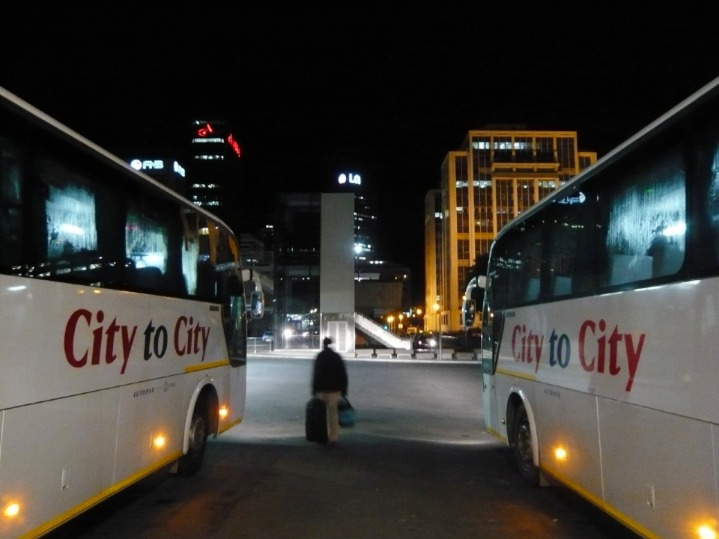
Regional note: South Africa’s bus network is varied by province and city, with independent operators handling most intercity routes and city services. Discount availability and rules differ, so always check the local operator’s terms before travelling.
In summary, look for concession fares, watch for promotional offers, and take advantage of off-peak discounts to cut transport costs across South Africa’s bus network.
Discount Programs by Major Bus Operators
Discount programs from South Africa’s major bus operators make intercity travel more affordable for locals and visitors. Operators such as Intercape and Greyhound SA offer discounts for students, youths, pensioners, and groups, along with loyalty schemes and online booking incentives. By combining advance-purchase fares, return-trip deals, and occasional promotions, travelers can navigate the country’s routes with greater value and convenience.
Intercape discount options
Bus discounts in South Africa help travelers save on long-distance journeys. The largest operators include Intercape and Greyhound SA, along with regional services that periodically run promotions.
Intercape discount options include online booking promotions, student and senior fares, group pricing, and cheaper return tickets when booked together.
To access Intercape offers, visit the official website or booking platform, where available discounts appear at checkout; subscribing to emails or following Intercape on social media can also alert you to limited-time promotions.
Greyhound SA discount options commonly include loyalty rewards, student and senior fares, and group rates; promotions may be offered during off-peak periods or special campaigns.
For travelers considering other operators, many South African bus services provide similar savings opportunities through loyalty programs, student rates, corporate accounts, and bulk-ticket discounts.
Tips to maximize savings include booking early, traveling off-peak days, comparing prices across providers, choosing return tickets when available, and enrolling in newsletters for promotions.
Discounts can come with terms such as blackout dates, limited seats, or non-refundable conditions, so always review the terms at checkout before confirming.
Overall, South Africa’s bus discount landscape rewards planning and flexibility, with Intercape and Greyhound SA offering the most visible programs and many smaller operators following suit.
Greyhound SA discount options
Bus travel discounts are a practical way to save money when moving around South Africa, especially for students, seniors, and groups. Major operators such as Greyhound SA and Intercape offer discount programs designed to help travelers lower fares on long-distance routes across the country. Discounts can vary by route, travel date, and booking window, so it pays to check current terms on official sites and at ticket counters.
Greyhound SA discount options are typically structured around identity-based reductions, loyalty rewards, and advance-booking incentives. While terms can change, travelers can often find deals by presenting valid ID, student cards, or senior certificates when purchasing tickets, and by enrolling in any loyalty program if offered by the operator.
Student discounts on Greyhound SA routes are commonly available to travelers with a valid student ID or card, enabling reduced fares on eligible journeys. Discounts may be limited to non-peak times or specific routes, and you may be asked to show your student credentials at the time of booking or boarding.
Pensioner or senior discounts are frequently offered to travelers above a certain age who can provide government-issued identification. These reductions are designed to make long-distance travel more affordable for older passengers and can apply to both one-way and return trips on eligible routes.
A loyalty or rewards program, if offered by Greyhound SA, allows passengers to earn points or credits for each trip. Points can typically be redeemed toward future travel, seat upgrades, or other benefits, providing ongoing value for frequent travelers.
Advance booking and return-ticket discounts are common ways to save, with lower fares often available when tickets are booked well ahead of travel dates or when purchasing round-trip itineraries. Availability can vary by route and time of year, so planning early can yield meaningful savings.
Group discounts and corporate or school travel rates may be available for organized travelers booking multiple seats. These discounts are typically designed to encourage larger bookings and can apply to school trips, company travel, or other group travel arrangements.
Other major operators in South Africa, such as Intercape and regional services, offer similar discount structures, including student and senior fares, loyalty programs, and group rates. When planning travel, it’s useful to compare offers across operators to find the best combination of price, schedule, and service.
How to access Greyhound SA discounts: visit the official Greyhound SA website or mobile app, review current promotions on specific routes, and confirm eligibility requirements. Have a valid ID or student/senior card ready when booking or boarding, and sign up for any loyalty program if you plan to travel regularly. Always verify terms and conditions at the time of purchase, as discount eligibility and route applicability can change.
City-to-City and Translux discounts
South Africa’s long-distance bus network offers a range of discount programs designed to help travelers save on intercity trips. From major operators to specialist brands like City-to-City and Translux, discount schemes can lower the cost of journeys between major cities and regional towns.
Major operators commonly run several types of discounts: online-booking promotions, early-bird fares, return-trip discounts, senior and student concessions, children fares, and special rates for groups or corporate travel. Availability depends on route, date, and seat inventory, so it’s important to check the operator’s site at the time of booking.
City-to-City discounts are a key feature for budget travelers. The operator typically offers online booking specials and occasional promotional fares designed to reward customers who plan ahead. Return-trip discounts and multi-trip options are sometimes offered, along with group or corporate rates for larger bookings. Checking the City-to-City official site, social feeds, or partner travel portals will reveal current offers and any code requirements.
Translux discounts focus on value for longer trips on its luxury coach network. Promotions may include off-peak or midweek fare reductions, student and senior concessions, and discounts for groups or school trips. Translux also used loyalty-style programs or cards in some periods, allowing registered travellers to access periodic price cuts. As with other operators, the best approach is to view the Translux booking pages for the latest deals.
Other major operators in South Africa, such as Greyhound South Africa and Intercape, frequently run seasonal promotions, student and pensioner concessions, and return-trip pricing. These offers often vary by route and season, so travellers should compare what each operator is offering for their specific journey.
To access these discounts, book online through the operator’s official site or app, and look for ‘Deals’, ‘Promotions’, or ‘Discount’ sections. Signing up for newsletters or following the operator on social media can reveal flash sales. When booking, be prepared to present valid IDs or student cards at check-in or boarding, and ensure the discount is shown on your ticket.
Discounts are typically subject to terms and conditions, including blackout dates, non-combinability with other offers, minimum stay requirements (for returns), and seat availability. Some fares may be limited to certain routes or time windows, so reading the fare rules before purchase helps avoid surprises.
Travel off-peak, plan ahead, compare all operators, and consider combined itineraries with layovers to lock in lower fares. In busy seasons such as holidays, discounts may be more scarce, so early planning is advised.
Discount programs by major bus operators, including City-to-City and Translux, can make South Africa’s intercity travel affordable. By staying informed about current promos and understanding the terms, travelers can save money while exploring the country’s cities.
Putco and regional operators
Discount programs for buses in South Africa help travellers save on fares across the country’s network, including major operator Putco and various regional operators. The discounts commonly target students, pensioners, children, and travellers with disabilities, with additional options such as season passes and off-peak concessions. Availability and rules vary by operator and route, so checking local offices or official websites is essential.
- Putco discount programs: Putco typically offers concessions such as pensioner and student fares, as well as seasonal passes or weekly/monthly passes on selected routes. The exact eligibility and pricing depend on the route and local depot policies. To apply, present valid IDs, pension cards, or student cards at authorised ticket offices or on request from the driver where available.
- Regional operator discounts: Regional or municipal bus services often provide similar concessions, including student, pensioner, and child fares, plus occasional off-peak or capped passes. Availability and documentation vary by region, so contact the local depot or the operator’s regional office for precise rules and application steps.
- Cards and passes used across networks: Many operators use smart cards, printed passes, or mobile-ticketing options. These can be loaded with funds, season passes, or time-based concessions. Users typically obtain cards at depots, transit hubs, or authorised retailers and must carry the appropriate ID or student/pension documentation when using discounts.
- Accessing discounts across the network: To maximise savings, verify eligibility with each operator, obtain the correct card or pass, and load it with the appropriate concession. When boarding, present your card or pass and any required ID to the driver or at the point of sale if requested.
- Tips and cautions for travellers: Discounts may not apply on all routes or times, and rules can change. Always verify current concessions, expiration dates, and transfer rules before travel. Consider combining passes for multiple routes, and watch for regional promotions or changes in operator policy that could affect eligibility.
How to Access and Use Discounts
Accessing discounts on buses in South Africa is straightforward once you know where to look and what to show. Start with your local bus operator or city transport authority, as many providers offer student, learner, senior, or disability concessions. Check their official websites or visit their offices to learn eligibility, required documentation, and how to apply online or in person; common documents include a valid student card, identity document, or pensioner card. Once approved, you’ll usually receive a travel card or discount code that you can load onto a reusable transport card or present at the time of boarding; in many areas, you simply tap or scan your card to activate the discount and the fare will reflect the reduced price. Remember to renew your eligibility before it expires and always carry the needed ID, as some discounts require you to show it on request.
Online booking and verification
Bus discounts in South Africa help travelers save on long-distance trips between major cities such as Johannesburg, Cape Town, Durban, and Port Elizabeth. Many bus operators offer discount schemes and online promotions that can be used when booking tickets.
Common discount types include student discounts, senior or pensioner discounts, and child discounts. Some operators also offer group rates for larger parties, loyalty programs for repeat travelers, and limited-time promotions during holidays or off-peak seasons. Government or municipal travel vouchers may apply in certain situations, so it is important to check each operator’s terms.
Accessing discounts online starts with visiting the operator’s official website and looking for sections labeled Discounts, Promotions, or Fares. Create an account if required, as this can help you manage eligibility and bookings. You can also subscribe to newsletters or follow the operator on social media to be alerted to new deals.
Online booking with discounts typically involves entering your route and travel date, selecting a suitable service and seating option, and then choosing the discounted fare if available. In many cases you will need to provide evidence of eligibility during booking or before travel, such as a student ID or senior card. Some discounts are auto-applied at checkout if your account or profile is flagged as eligible.
Verification of eligibility can occur online or at the boarding point. Online verification may require uploading scanned copies or photos of your documentation, while at the station staff may verify documents in person. Ensure that the name on your documents matches the name on the booking, and keep digital copies handy in case they are requested before you travel.
Tips to maximize discounts include booking in advance, traveling in off-peak times, and looking for return-trip or multi-journey promotions. Compare prices across operators, and always read the terms and conditions of the discount to understand any restrictions, such as blackout dates or limited seat availability.
Have ready your valid ID, student status documentation (such as a student card or ISIC where accepted), and any pensioner or eligibility cards. Ensure that your booking reference, travel date, and passenger details are correct to avoid delays during verification.
For security and reliability, use official operator websites or trusted platforms for discounts and bookings. Be cautious of third-party sites that add extra fees or request unnecessary personal information. After booking, you should receive a confirmed e-ticket with your discount applied, which you can print or store on your mobile device for boarding.
At-ticket counters and on-board purchase
Accessing and using bus discounts in South Africa can save you money on daily commutes and longer trips. This guide covers how to get discounts at ticket counters and how discounts work for on-board purchases. Remember that discounts vary by operator and route, so always verify with your local bus service.
- Who is eligible and what to bring
- Common eligible groups include students, pensioners or seniors, persons with disabilities, and holders of government or concession cards. Bring a valid ID and any relevant concession or student cards when applying for discounts.
- Accessing discounts at ticket counters
- Locate the discount or customer service counter at the terminal or bus station.
- Present your ID and any concession or student cards to verify eligibility.
- Ask for the discounted fare or for a travel card that’s loaded with the concession value.
- Receive your discounted ticket or a prepaid card and keep the receipt for reference.
- Using discounts for on-board purchases
- Some operators offer on-board discounted fares; others require pre-purchase. Always ask the driver before boarding if a discount applies to your status.
- If discounts are accepted on-board, show your ID or concession card to the driver when buying a ticket, or use a discount-loaded smart card if you have one.
- In cities with smart-card systems, you may tap the card to pay the discounted fare when boarding.
- Tips for smooth travel
- Check the operator’s website or call center for current discounts and eligibility rules.
- Discounts can change by route, time of day, or service; verify before you travel.
- Keep your identification and concession cards up to date, and carry them on every trip.
Required documents and proof of eligibility
Bus discounts in South Africa help students, seniors, and people with disabilities save on daily travel and long-distance trips. This guide explains how to access and use these discounts, what documents you may need, and how to prove eligibility.
Identify your local bus operator or transit authority to confirm which discounts are available. Discounts vary by city and operator, so start by visiting the official website or contacting customer service. Common eligible groups include senior citizens, full-time students, and people with disabilities, as well as certain social grant recipients in some areas. Some operators offer off-peak or reserved-seat discounts; others provide a concession on all trips within permitted routes.
Required documents and proof of eligibility usually include a government-issued photo ID (such as national ID, passport, or driver’s license) and additional proof based on category. For seniors, a valid ID confirming age is typically required. For students, a current student ID or enrollment letter from the educational institution is usually needed. For disability, a disability certificate or doctor’s letter may be requested. For social grant recipients, a SASSA grant card or official grant award letter may be needed. Always check the exact list with your operator, as requirements can differ by city.
To access a discount, apply for a concession card or pass through the operator’s website or customer service office. You may need to fill out an application form and submit the supporting documents. In some cases, you will receive a digital concession or a physical concession card that you must present when boarding or tapping in. Processing times vary, so apply well before you plan to travel regularly.
On each trip, present your concession card or eligible payment method to the driver or tap on a smart card reader if available. In some areas, discounts are automatically applied when you ride with a validated profile. Keep your card safe and ensure it is loaded with sufficient value if required. Do not share your concession with others, as it is linked to your eligibility.
Discount eligibility can expire or change, so keep proofs up-to-date. Update your documents if your status changes (for example, when you reach a new student level, or your pension status changes). If your card is lost or stolen, report it to the operator immediately and request a replacement. Some operators require renewing every year or when your status changes.
Tip: check for any age thresholds in your city (for example, some discounts start at 60 or 65). Some intercity bus operators offer student or senior discounts with proper IDs. Also be aware of any restrictions on routes or times when the discount is valid. If you travel across municipal boundaries, make sure the discount is valid for your entire route.
Start by visiting your city’s public transport authority page or the bus operator’s site to find the concession program and the application form. You can also call the operator’s helpline or visit a customer service centre. Gather your documents and apply for the concession card; once approved, you can start saving on your next trips.
Remember, discounts and requirements differ by province and operator, so always verify the current rules for your area before applying.
Tips for Maximizing Bus Discounts
Looking to save on bus travel in South Africa? This guide shares practical tips for maximizing discounts, from comparing operators and traveling off-peak to student and loyalty programs, advance booking, and group fares, helping you travel farther for less while enjoying reliable intercity and regional services.
Booking in advance
Tips for maximizing bus discounts in South Africa and booking in advance can save you a lot on intercity travel. Use these strategies to secure the best fares and convenient schedules.
- Book as far in advance as possible on major operators like Greyhound SA, Intercape, and Baz Bus to access advance sale fares.
- Be flexible with travel dates and times; midweek departures and off-peak hours usually have lower prices.
- Join loyalty programs or sign up for operator newsletters to receive exclusive discounts and promo codes.
- Check for student, youth, senior, or other concession discounts; carry valid ID or card when booking.
- Set price alerts on operator apps or travel sites to catch price drops and flash sales.
- Consider travel passes or multi-ride cards if you need several trips in a region; these can reduce the per-trip cost.
- Book directly through the operator’s site or app to avoid extra booking fees charged by third parties.
- Avoid peak holiday periods if possible, or secure your fare well in advance during school breaks.
- Look for bundle deals that pair a bus ticket with accommodation or return trips for additional savings.
- Travel with a small group to unlock group discounts offered by some operators.
- Check luggage allowances and avoid hidden charges that can increase the total price.
- Explore alternative routes or stopovers; a longer route with a discount can be cheaper than a direct trip during promotions.
Off-peak travel and route selection
Traveling by bus in South Africa can be economical if you know where to look for discounts, when to travel, and how to choose routes smartly. The following tips help you save money on intercity and regional bus trips while staying comfortable and on schedule.
Book early to lock in the lowest fares. Many operators release cheaper seats weeks or even months in advance, and prices often rise as the travel date approaches. If your dates are flexible, check a few days before and after your preferred dates to compare prices.
Travel during off-peak times to access reduced fares. Midweek departures, non-holiday periods, and times just after peak commuter hours are commonly cheaper. Avoid peak weekend periods and school holidays when demand spikes.
Compare direct routes with routes that include a brief connection. Direct routes are convenient but aren’t always cheapest; a shorter, cheaper leg with a transfer can save money if the total travel time is acceptable. Use route planners on operator sites or aggregators to see price differences across options.
Look for student, youth, pensioner, or loyalty discounts. Valid IDs or travel cards may be required, and some operators offer loyalty programs that accumulate value for future trips. Sign up for newsletters or apps to receive promo codes and flash sales.
Consider passes or monthly/season tickets if you travel regularly. Some operators offer bundled passes that cover multiple trips within a region or over a set period, which can dramatically lower the per-trip cost.
Check baggage policies and avoid extra fees by packing light and understanding allowance. Extra charges for luggage, seat selection, or onboard services can erode savings from a discount; plan ahead and compare included amenities when choosing a fare.
Use online bookings for lower fares and to access promo codes. Set price alerts on ticketing platforms so you are notified if fares drop on your chosen routes.
On popular South African routes such as Johannesburg to Cape Town, Durban to Johannesburg, or coastal corridors, prices vary widely by operator and time. Check multiple operators and compare to find the cheapest combination. If you are flexible, consider routing through secondary hubs where fares are lower.
Group and school trip considerations
Tips for Maximizing Bus Discounts for group and school trips in South Africa focus on planning, smart sourcing, and clear communication with operators. By starting early and understanding the options available, schools and organizations can secure better per-seat rates while maintaining safety and reliability.
Start with thorough planning. Confirm your travel dates, the exact group size, ages of travelers, pick-up and drop-off points, and preferred travel times. Knowing these details before requesting quotes helps operators provide accurate pricing and reduces back-and-forth. Scheduling trips outside peak holiday periods and on weekdays can also improve availability and pricing.
Shop around and request quotes from multiple operators. Ask for group or learner discounts, and specify whether you need a single-vehicle charter or a multi-vehicle arrangement. In South Africa, many national and regional coach operators, as well as local charter firms, offer reduced per-seat rates for large groups or school bookings. Always compare total costs, not just the base fare, and request a breakdown that includes fuel surcharges, tolls, driver allowances, parking, entry fees, and insurance.
Leverage school and provincial program options. Some provinces in South Africa have transport subsidies or discounted travel arrangements for learners on school trips. Inquire with your provincial Department of Education or the school district about any eligible transport programs or approved vendors. If available, these subsidies can significantly lower per-student costs when included in the booking package.
Plan route and timing to maximize efficiency. Choose routes that minimize backtracking and reduce fuel consumption. Shorter, well-planned itineraries often yield better group rates because operators can optimize a single schedule rather than managing many ad hoc trips. Consider midweek departures and returns to avoid weekend surcharges and high demand periods.
Clarify inclusions and exclusions in the quote. Ensure the price covers the core elements you need (the vehicle, driver, seating, and a clear timetable) and ask about what is not included (tolls, parking fees, entry costs, meals, or overnight stays). A clearly itemized quote helps prevent unexpected expenses and makes comparison easier.
Prioritize safety, licensing, and compliance. Verify the operator holds the required operating licenses and that vehicles are roadworthy and insured. Request records of vehicle maintenance, driver training, and emergency procedures. A focus on safety can prevent costly incidents and ensure a smooth trip, which in turn protects your budget and planning integrity.
Consider accessibility and inclusivity. If your group includes learners with mobility needs or other accessibility requirements, confirm that the operator can provide appropriate seating, ramps or lifts, and accessible facilities at stops. Transparent communication about these needs helps avoid last-minute changes and related costs.
Review cancellation and change policies. School trips can be disrupted by weather or timetable changes. Request flexible booking terms, clear cancellation windows, and what happens if you need to reschedule. Understanding these policies upfront helps you quantify risk and plan contingency budgets.
Explore payment options and ordering processes. Many South African operators accommodate school purchasing procedures, including purchase orders and school invoicing. Ask for a single consolidated invoice for the group if possible, and confirm payment timelines to ensure the booking isn’t jeopardized by administrative delays.
Build in practical on-trip considerations. Plan for regular rest stops, meals, and supervised activities if appropriate. Confirm visibility of driver contact details, emergency contacts, and a clear point of contact at the operator’s office. Compliance with school travel policies and a simple, well-documented plan can reduce last-minute costs and complications.
After you book, keep a record of quotes and communications. Maintain a single file with the final agreement, invoices, and receipts. Track savings against your budget to demonstrate value and help with future planning. A well-documented process also makes it easier to approach operators for future group discounts.
Regional Variations in South Africa
Regional variations in South Africa shape how bus discounts are designed, implemented, and accessed across provinces. Urban hubs like Gauteng and the Western Cape often feature structured fare relief tied to learner, student, or commuter programs, while rural districts rely on different subsidy schemes and operator partnerships to keep buses affordable. By exploring these regional differences, travelers can understand where to find eligible discounts and how local policies influence public transport affordability nationwide.
Province-specific programs
Rural vs urban route availability
Regional variations in South Africa influence how bus discounts are applied and how easy it is for travellers to access affordable travel. This article focuses on bus discounts in South Africa with attention to rural versus urban route availability.
- Urban networks often have more formal discount programs, with student, pensioner, and off-peak fare options on major metropolitan bus systems in cities such as Johannesburg, Cape Town, and Durban.
- Rural routes tend to be less covered by statutory discount schemes, leading to fewer official discounts and more reliance on operator-specific deals or occasional subsidies.
- Regional differences reflect local funding, governance, and partnership arrangements between municipalities, provincial departments, and bus operators, which shape eligibility and application processes.
- Access methods vary by region, with some networks offering smart cards, mobile apps, or paper travel passes; others require cash fares and limited digital services.
- Customers should check with their local operator or municipal transport authority for the latest discount criteria, eligibility documents (such as student or pensioner cards), and how to apply.
- To maximize savings, plan trips during off-peak times, purchase multi-ride passes when available, and compare regional options if you travel across provinces.
Overall, bus discounts in South Africa are unevenly distributed by region, and rural-urban disparities in route availability play a significant role in how affordable travel can be for residents.
Discount Policies and Terms of Use
This introductory guide outlines the discount policies and terms of use for bus discounts in South Africa. It covers eligibility criteria, how discounts are applied at purchase, expiration and transfer rules, refunds and cancellations, user responsibilities, and how service providers may update terms in compliance with consumer protection laws.
Refunds, changes, and expiration
This article provides an overview of Discount Policies and Terms of Use for bus discounts in South Africa, including who qualifies, how to redeem, refunds, changes to bookings, and expiration of discounts.
Eligibility and qualification: Operators and subsidy programs commonly offer discounts to specific groups such as students, seniors, pensioners, and persons with disabilities. Some services also provide promotional discounts for low-income travelers, apprentices, or certain employee programs. Always verify the exact eligibility with the operator you plan to use, as requirements and available discounts vary by company and city.
How to redeem discounts: To receive the discount you generally need to present a valid concession card or student/pensioner ID at the time of boarding, or have the discount linked to your digital travel wallet or mobile app. Some operators require you to register online, attach a photo ID, or activate the discount in your passenger profile before purchase. Discounts may apply to base fares only and could be limited to certain routes or travel times.
Refunds and non-refundable fares: Discounted fares are often subject to stricter refund rules than standard fares. In many cases discounted tickets are non-refundable if unused, except when the service is cancelled by the operator. If a trip is canceled, delayed, or substantially changed by the operator, you may be eligible for a refund, credit, or alternative travel on another service. Always review the specific refund terms for your ticket at the time of purchase.
Changes to bookings: Changes to travel dates, times, or routes involving discounted tickets may be allowed with a change fee or subject to availability. Some discounts permit free changes up to a deadline; others may require canceling and buying a new discounted ticket. Any change may affect the eligibility and value of the discount, so confirm policy before submitting a change.
Expiration and validity: Concession cards and promotional discounts have expiration dates. Digital passes may expire after a set period or after the first use. Expired discounts usually cannot be applied, and refunds are typically not available for expired benefits. If your discount period is close to expiry, check whether extensions or renewal options exist with the operator.
Policy changes and notices: Operators may update their Discount Policies and Terms of Use from time to time. You will generally be notified via the app, email, or operator website. Continued use of discounted services after such updates constitutes acceptance of the new terms.
How to get help: If you have questions or disputes about a discount, refunds, changes, or expiration, contact the operator’s customer service or the booking platform’s support team using the contact details provided at purchase.
Limitations and exclusions
This document sets out the discount policies and terms of use for bus travel in South Africa, including who is eligible, how discounts are redeemed, and the limitations and exclusions that apply.
Eligibility for discounts: Qualified groups typically include students with valid student IDs, senior citizens aged 60 and over, and persons with disabilities who hold an approved disability card. Some programs also offer discounts to registered unemployed or social assistance beneficiaries. Eligibility and required proofs vary by operator and municipality, and discounts may be restricted to specific networks or routes.
How to redeem: Discounts are generally applied at purchase or automatically when you use a registered travel card, mobile app, or digital pass. You may need to present valid ID or the discount card at the time of boarding or ticket check. Some operators support contactless payments, QR codes, or digital wallets.
Eligible products and routes: Discounts may apply to standard tickets, daily or monthly passes, and commuter cards, but not all services or routes may be eligible. Express services, premium routes, or intercity legs may have different rules. Always confirm coverage with the operating company.
Validity and expiration: Discounted fares are valid for the period specified on the ticket or pass—days, calendar months, or a fixed number of rides. Passes may expire if not activated or used within the validity window and are typically non-transferable.
Limitations and exclusions: Discounts cannot be combined with other offers unless explicitly stated. They are non-transferable and non-refundable once issued; lost or stolen passes may not be replaced. Some discounts require off-peak travel or are limited to certain time slots, and service disruptions or fare policy changes can affect eligibility.
Refunds and cancellations: Unused, expired, or non-usable discounts follow operator refund policies, which may involve processing fees or no refunds. If a card or pass is defective, contact support promptly for replacement according to the operator’s policy.
Privacy and data protection: Personal data collected to verify eligibility or process discounts will be handled in line with applicable privacy laws and the operator’s privacy policy. Data may be used for audit, fraud prevention, and program evaluation.
Governing law and changes to terms: These terms are governed by South Africa law. The discount policy may be updated from time to time; the latest version is published by the operator. Users should review terms regularly and contact customer support for questions.
Resources and Where to Find Official Information
For authoritative information about bus discounts in South Africa, start with official government and transport sources. The Department of Transport and the national gov portal (gov.za) provide policy details, eligibility guidelines, and lists of approved schemes. Provincial transport departments and city transit authorities publish local programs and routes online, while major bus operators and municipal services maintain official websites and customer helplines with current discount offerings and terms.
Official transport authority portals
This article outlines sources for official information about bus discounts in South Africa and points to the official transport authority portals where you can find current policies, eligibility, and how to apply.
National level: The Department of Transport maintains the official portal dot.gov.za with sections on public transport policy, concessionary travel, and fare information. Use the site search or navigate to sections such as ‘Concessions’ or ‘Public transport’ to locate guidance on bus discounts.
Provincial portals: Each province publishes its own concessionary travel rules and application processes. For example, the Western Cape Department of Transport and Public Works posts provincial policies on concessional fares, while the Gauteng Department of Roads and Transport provides details for travellers in Gauteng. These pages explain who qualifies and how to apply for provincial bus concessions.
Municipal transport portals: Major cities run their own bus services and publish concession information on their official portals. For example, Cape Town’s MyCiTi service and Johannesburg’s Rea Vaya service have pages describing eligible travellers and discounted fares. Check the city transport pages for your area to confirm which services participate and what discounts apply.
How to use these resources: search for terms like concessionary fares, discounts, elder travel, disability travel, student travel, eligibility, required documents, and application forms. Look for downloadable guides, FAQs, and contact details. Official pages will outline which routes or services are covered and how to apply or obtain passes or cards.
Additional official sources: in addition to portals, you can review annual transport white papers, budget documents, and regulator notices published by the Department of Transport or provincial authorities. Official press releases and public notices often announce changes to concessions, prices, or validation requirements.
Safety and tips: ensure you are on an official gov.za domain and beware third-party sites claiming to offer discounts. If in doubt, use the contact channels listed on the official portal to verify information before sharing personal details or making payments.
Operator websites and social media
Finding reliable information about bus discounts in South Africa starts with official sources and the communications from the operators themselves.
Official information comes from the Department of Transport at national level, provincial transport departments, and metropolitan or city transport authorities. Check their websites for policy documents, concession schemes, and latest announcements about bus subsidies and fare concessions.
Operator websites are the primary place to confirm current discounts, eligibility requirements (such as age, student status, or disability), and how to apply for concession cards or discounted passes. Major urban operators include MyCiTi in Cape Town, Rea Vaya in Johannesburg, Golden Arrow Bus Services and Metrobus in the Western Cape, and PUTCO serving parts of Gauteng and surrounding areas. Visit each operator’s official site for fare tables and discount information.
Official social media accounts provide real-time service updates, changes to schedules, and notices about discounts. Look for links from the operator’s official website to their verified Facebook, X/Twitter, and Instagram pages, rather than third-party accounts.
Tips for staying informed: cross-check information across sources; avoid sharing personal data with unofficial channels; consider subscribing to newsletters or notification services on the official sites; check stop-based notices and municipal transport bulletins for local concession schemes.
Contact points for assistance
This guide provides resources and where to find official information about bus discounts in South Africa, along with contact points for assistance. Use only official government and operator sources to verify eligibility and application steps.
- Official government information
- Department of Transport (DoT): policy guidance, subsidies, and concession fare information. Visit transport.gov.za and use the “Contact Us” page for the latest inquiries and official channels.
- National and provincial regulatory resources: information on public transport regulations and concession schemes published by DoT and provincial transport departments. Look for links to official documents on their websites.
- Provincial and city transport authorities
- Gauteng Department of Roads and Transport: official pages with current concession fares, eligibility criteria, and application steps for subsidised bus travel.
- Cape Town MyCiTi, Johannesburg Rea Vaya, and Go Durban (eThekwini) bus services: city portals provide details on available concessions, required documentation, and how to apply for discounts on their buses.
- Bus operator information and eligibility
- Check official operator websites for concession policies, age or student status requirements, disability considerations, and documentation needed (ID, student card, pension number, etc.).
- Look for the formal application process and any regional variations in fares on the operator’s site or DoT guidance.
- How to verify discounts and avoid scams
- Cross-check any discount offer against official sources (DoT pages or the operator’s official site) before presenting documents or paying for fares.
- Contact the operator’s customer service or the applicable provincial transport department to confirm eligibility and the correct discount rate.
- Contact points for assistance
- DoT official contact page for general inquiries about subsidies and concessions
- Provincial transport department contact details (phone, email, regional offices)
- City transport offices and customer service desks at major bus terminals
- Bus operators’ customer service lines and help desks listed on their official websites