
Overview of bus travel in Leeds
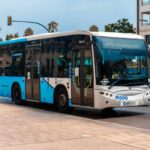
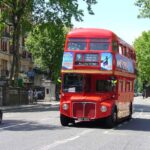
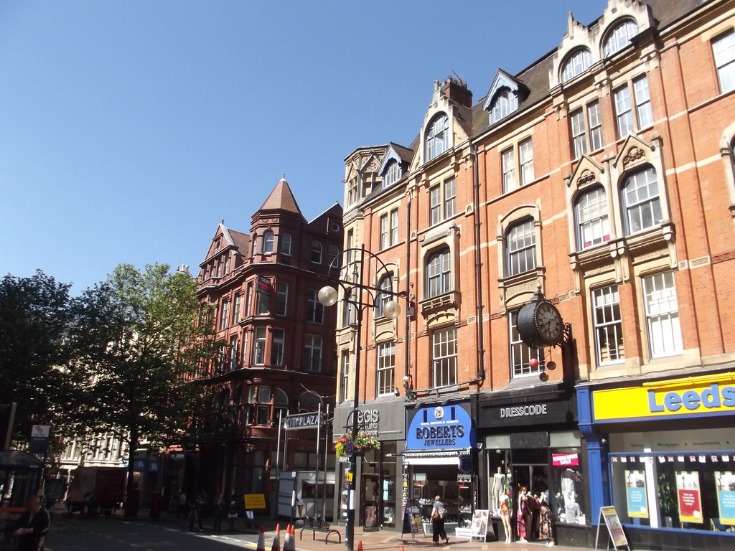
Leeds has a well-developed bus network that makes it easy to travel around the city and beyond. Regular services connect the city centre with suburban neighbourhoods, universities, shopping districts and major attractions, while affordable fares and contactless payments help residents and visitors get around quickly. With multiple operators coordinating timetables, the system offers frequent daytime routes, reliable evening services and smart ticketing that encourage people to leave the car at home and explore Leeds by bus.
Geographic coverage and core routes
Leeds has a dense urban bus network that forms a backbone for travel within the city and to surrounding towns. Operated by several companies under the Metro banner, it offers frequent daytime services, straightforward ticketing, and strong interchanges at the city centre.
Geographically, the network covers the entire Leeds metropolitan area, from the city centre and inner suburbs such as Headingley, Hyde Park, Chapeltown and Beeston, to outer districts like Horsforth, Farnley, Alwoodley and Morley. It also links to key towns in West Yorkshire, including Bradford, Wakefield and Otley, and provides onward connections to rail services at Leeds and other regional transport hubs.
Core routes focus on high‑frequency corridors that thread through the city centre and fan out to major residential and commercial areas. Typical core corridors include routes from the city centre to Headingley and Hyde Park, from the centre to Beeston and Morley, from the centre to Horsforth, and from the centre to Garforth and Otley, with many of these services running every few minutes in peak periods.
Frequent daytime operation is a hallmark of the Leeds network, with many corridors offering buses every 6–12 minutes during peak hours and regular daytime intervals on weekends. Night buses and early morning services extend coverage for shift workers and late arrivals, while digital timetables and real‑time updates help travellers plan ahead.
Ticketing supports multi‑operator travel and contactless payments, with options ranging from short‑hop single fares to day tickets and weekly passes. Buses are broadly accessible, with low‑floor designs, priority seating, and helpful staff on major routes to assist passengers with mobility needs.
Leeds Bus Station acts as a central interchange for many services, providing easy connections to rail lines and park‑and‑ride facilities on the outskirts. For planning trips, the Metro network maps and journey planners offer route options, and local knowledge from shop and service staff can help with peak‑hour crowds and diversion information.
Overall, bus travel in Leeds combines broad geographic coverage with frequent core routes that keep the city moving. Ongoing investment in bus priority measures, cleaner vehicles, and improved interchange facilities aims to make the network faster, greener, and easier to navigate for residents and visitors alike.
Impact on city transport and congestion
Leeds has a busy and growing bus network that forms a backbone of urban and suburban mobility. The city sees multiple operators running frequent services that connect the town centre with inner and outer suburbs, as well as with neighbouring towns across West Yorkshire. The network is designed to complement rail services and bike-and-ride schemes, with core routes running along major corridors such as the city centre ring and radial links to campuses, shopping districts, and employment hubs. Reliability is supported by bus priority measures and branded corridors that help buses move faster through busy streets.
Passengers benefit from a relatively dense daytime service and frequent peak services, along with flexible ticketing options that include single tickets, day passes, and longer-term passes, plus increasingly widespread contactless and mobile ticketing. The bus network is powered by a mix of operators, with the West Yorkshire Combined Authority and local authorities coordinating timetables and investment to improve connectivity and integration with rail stations and park-and-ride facilities.
Impact on city transport and congestion is significant when buses are well-used. Bus improvements such as dedicated lanes, priority at traffic signals, and improved stops can shorten journey times and increase reliability, encouraging more people to choose bus travel over private cars. This modal shift helps reduce congestion in busy corridors and supports a more efficient transportation system for workers, students, and visitors.
Environmental and urban benefits include lower emissions per passenger when buses replace car trips, better air quality, and quieter streets. Leeds has seen progress with newer, lower-emission fleets and ongoing pilots of electric and other low-carbon buses, which are designed to cut pollution around schools, offices, and residential areas while keeping costs affordable for riders.
Challenges include funding, maintaining high-frequency services on outer corridors, and ensuring seamless interchange with rail and other modes. Ongoing planning aims to further expand electric bus fleets, extend coverage to growing housing developments, and strengthen the bus network’s role in reducing congestion as the city grows. The future of bus travel in Leeds depends on continued public investment and effective collaboration between operators, local authorities, and regional bodies.
Overall, bus travel in Leeds plays a central role in keeping the city moving, supporting economic activity, and shaping sustainable transport patterns that help manage congestion and improve urban life.
Major bus operators in Leeds
Leeds is served by several major bus operators that keep the city moving, with Arriva Yorkshire, Stagecoach in Leeds, and First Leeds forming the backbone of urban and regional services. Arriva Yorkshire runs a wide network across the city and into surrounding West Yorkshire towns, offering frequent daytime and affordable fares. Stagecoach in Leeds operates a dense city network and key cross‑town routes, known for quick connections and reliable services. First Leeds has long provided inner‑city routes, supporting commuter and shopper travel with regular daytime and evening services. Together these operators, along with local government and community transport schemes, power bus travel in Leeds, connecting neighborhoods, universities, and business districts.
First Bus fleet and services
Leeds’ bus network is powered by a mix of large and local operators, with frequent services across the city and into surrounding towns. The two biggest players are First Leeds and Arriva Yorkshire, complemented by smaller operators that cover niche routes and late-night services.
- First Leeds — part of FirstGroup, operating many daytime and evening routes across the city. The fleet combines low-floor single-deck and double-deck buses designed for high-frequency city centre services, with accessible features and real-time information. Regular services connect Leeds city centre with areas such as Headingley, Morley, Pudsey, Horsforth, and Garforth, plus school and shopping routes. The operator has invested in newer buses and improved reliability on key corridors.
- Arriva Yorkshire — a major operator serving Leeds and outer areas with frequent routes and cross-boundary journeys into towns in West Yorkshire. The Arriva fleet includes modern, low-floor vehicles appropriate for busy city streets, with emphasis on punctual timetables and integrated ticketing with other operators.
- Other operators — a mix of smaller or regional operators run additional feeder and cross-border services in and around Leeds, often funded or coordinated by Metro to fill gaps in the network and provide late-night or weekend services.
Arriva Yorkshire services
Leeds has a busy and well-supported bus network with several major operators. Arriva Yorkshire provides the largest share of city services, complemented by First Leeds and Stagecoach in Yorkshire, along with smaller regional operators that connect the city to suburbs and outlying towns.
- Arriva Yorkshire: One of the largest bus operators in Leeds, Arriva Yorkshire runs extensive city services across Leeds and the surrounding towns, with frequent links to suburbs such as Headingley, Chapel Allerton, and Beeston, and cross-regional routes to Bradford, Huddersfield, or Wakefield. The fleet is primarily low-floor and accessible, and the operator offers modern ticketing options including contactless payments and day or multi-journey tickets where available.
- First Leeds: Traditionally a major provider in the city, First Leeds operates a broad network across central Leeds and into surrounding residential areas. The operation is part of the First West Yorkshire footprint, and services are designed to connect residential neighborhoods with the city centre, retail zones, and transport hubs. Fleet is modern and accessible, with information services and timetable updates to help passengers plan journeys.
- Stagecoach in Yorkshire: Stagecoach operates a significant network in and around Leeds, providing key commuter routes into the city from outer towns and villages. The Stagecoach network is known for reliability and frequent daytime services, with real-time information and easy transfer options at major hubs.
- Other operators and regional links: A number of smaller or regional operators serve Leeds as part of longer-distance or outer-area networks. These services complement the major networks, linking residential areas with train stations and town centres, and offering services to destinations beyond Leeds city limits.
Other operators and on-demand services
Bus travel in Leeds is supported by a mix of large national and regional operators, smaller local firms, and on-demand services that help cover routes and times not served by fixed timetables.
- Major bus operators in Leeds
- Arriva Yorkshire — operates a large network across Leeds and surrounding towns; part of Arriva UK Bus; frequent daytime services and strong connections to outer suburbs.
- First West Yorkshire (First Leeds) — historically a dominant operator in the city, operating many inner-city routes; part of the FirstGroup portfolio; services cover central Leeds and key corridors.
- Stagecoach Yorkshire — operates routes in and around Leeds, including cross-regional services and busy city corridors; part of the Stagecoach Group.
- Other operators
- Keighley & District Bus Company — a smaller operator serving parts of West Yorkshire with links into the Leeds area.
- National Express West Yorkshire — long-distance and regional coach services that connect Leeds with other major cities; not a city bus operator but a significant option for longer trips.
- On-demand services
- ArrivaClick — demand-responsive bus services available in some parts of the Leeds area, bookable via app; offers flexible routing to complement fixed routes.
- Dial-a-Ride and mobility services — door-to-door options provided by local authorities or partners for passengers who cannot use standard buses; booking in advance is typical.
- Local demand-responsive pilot services — occasional trials in suburban areas to connect with fixed routes or key hubs; availability varies by area.
Key bus routes and corridors
Bus travel in Leeds is defined by a network of key routes and priority corridors that connect the city centre with suburbs, universities, and business districts. Core routes run along main arterial corridors, linking Leeds City Centre with Headingley, Horsforth, Pudsey, Morley, Otley, and Wetherby, and feeding busy interchanges at Leeds Bus Station and the Trinity area. These corridors use bus priority measures to keep journeys reliable and quick, forming the backbone of everyday travel across the city.
City Centre radial routes
Leeds offers a busy bus network with Leeds City Centre serving as the central hub. The system is designed around radial routes that fans out from the city core to nearby suburbs and towns, giving easy access to universities, shopping districts, hospitals, and business areas across the city.
Key north and west radial corridors head from the centre toward Headingley, Kirkstall, Horsforth, Bramley, and Pudsey. These routes support commuter journeys to university campuses and residential areas, often with frequent daytime services and options that run directly to popular destinations within the city.
Eastward corridors connect the centre with Seacroft, Cross Gates, Colton, and Garforth, linking outer suburbs with the city’s core. This set of routes enables reliable cross-city travel, with services designed to serve both everyday trips and longer shopping or leisure journeys.
The south and south‑east corridors reach Beeston, Morley, Middleton, and Rothwell, providing vital links for residents commuting to the city centre and business parks. These lines typically offer regular daytime coverage and longer urban-into-suburban journeys that help reduce car use for daily travel.
Across Leeds, the city centre compounds as a changing point for many radial services, with common stops around major streets and interchange points that allow easy transfers between lines. Planning a journey is helped by checking route maps and timetables to find direct or limited-stop options that suit peak or off-peak travel.
Overall, Leeds’ bus network supports flexible, city‑wide mobility, making it straightforward to reach universities, workplaces, shopping districts, and cultural venues from across the metropolitan area through a combination of core corridors and city-centre connections.
Leeds-Huddersfield and Leeds-York corridors
Bus travel in Leeds is a central part of everyday life, linking the city centre with suburbs and neighbouring towns. Two major corridors shape the bulk of services: the Leeds-Huddersfield corridor and the Leeds-York corridor.
Leeds-Huddersfield corridor: This busy west Yorkshire route links Leeds with Huddersfield and the towns and villages along the way. It is known for high daytime frequency, with services starting early in the morning and running through the evening. The corridor is served by several operators and many journeys connect with rail services at interchange hubs, enabling seamless transfers for longer trips across the region.
Leeds-York corridor: The eastern corridor out of Leeds heads toward York, passing through Wetherby and surrounding communities. This route supports commuters, students and leisure travel, with frequent daytime services, reliable all‑day coverage, and connections to York city centre. It also acts as a key link to the wider rail network, offering options for regional and longer journeys.
Both corridors underpin urban and regional mobility by providing important connections to employment areas, education campuses and town centres. They support interchange at major bus stations and rail links, offer park-and-ride options on the outskirts of the city, and host a mix of rapid peak services and steady off-peak runs to maintain reliable travel throughout the day.
Travelers should plan ahead using live timetables and local apps, as well as taking advantage of frequent daytime services and evening options. Contactless payments and flexible day tickets are common features, making it easier to hop between buses or transfer to trains as needed for a seamless trip around Leeds and its surrounding towns.
Looking to the future, these corridors are the focus of improvements such as improved bus priority, more comfortable buses, and better interchange facilities. Ongoing investment aims to boost reliability, shorten journey times and encourage more people to choose bus travel when moving around Leeds, Huddersfield and York.
University and hospital routes
Leeds has a dense bus network that makes travel across the city straightforward, with several key corridors carrying frequent services to the university campus, the main hospital sites, and the surrounding suburbs. For riders, knowing the core routes can cut travel times and improve reliability.
University-focused corridors connect the city centre with the University of Leeds campus in Woodhouse and surrounding student areas, typically via reliable routes that pass through popular student neighbourhoods. These services are designed to feed directly into the campus timetable, supporting early starts and late evenings for students and staff.
Hospital-focused corridors serve Leeds General Infirmary and St James’s University Hospital by linking the city centre with southern and western suburbs. These routes prioritise quick access for staff, visitors, and patients, with daytime frequencies aligned to hospital visiting hours and peak commuting times.
Other major city corridors extend to key suburbs and towns, including Horsforth, Morley, Pudsey, and Roundhay. These routes complement the core university and hospital lines, providing dependable connections for work, study, and leisure across the wider Leeds area.
Practical tips for travelers: use contactless payment or a travel pass, check live service updates, and plan around peak times when buses are most frequent. For university and hospital journeys, look for services that run directly to campus and hospital campuses, and consider planning backups in case of late-running services in the evening.
Tickets, fares, and payment methods
In Leeds, bus travel is supported by a simple range of tickets and flexible payment options. You can pay as you go with contactless cards or mobile wallets, or choose from single, day, 7-day, or longer passes for cost savings. Many services also allow cash on board or pre-purchased tickets online or via operator apps, making it easy to ride around Leeds whether you’re commuting or sightseeing.
Contactless and mobile ticketing
Bus travel in Leeds is a convenient way to move around the city and its suburbs. The network is made up of several operators, with coordination through Transport for West Yorkshire to help standardize tickets, fares, and payment options across buses in Leeds and the wider region.
Tickets come in several formats, including single fares for one journey, returns for a round trip, and day tickets that let you travel all day. There are also longer-term passes such as weekly or monthly options, which can offer good value for regular travellers. Concessionary fares are available for eligible older and disabled passengers under the national scheme.
Payment methods on Leeds buses vary by operator, but most services accept cash on board. In recent years, contactless payments have become widely available, allowing you to pay with a contactless debit or credit card, or with devices that support Apple Pay or Google Pay for faster boarding and smoother journeys.
In addition to card and cash payments, many operators offer mobile ticketing. You can buy and store tickets on a smartphone using the operator’s app or a Transport for West Yorkshire app where available. Mobile tickets are typically scanned by the driver or a ticket inspector, so you can board quickly without needing physical paper tickets.
Tickets can be bought in several ways: on the bus at the time of travel, at major bus stops with ticket machines, or online in advance via operator websites or the TfWY portal. Some operators provide discounts or extra options for online or app purchases, so it’s worth checking what is available before you travel.
Tips for keeping your trip smooth: check whether your ticket covers multiple operators or zones, especially if you plan to travel across different parts of Leeds or the broader West Yorkshire area. If you frequently travel, a longer-term pass can save money, and using mobile tickets or contactless payment can speed up boarding. Always verify the latest ticket types and prices on the TfWY site or your chosen operator’s page before travelling.
Day, week, and monthly passes
Bus travel in Leeds offers a wide network of routes that connect the city centre with suburbs, universities, stadiums, and outer towns, making it a convenient way to get around.
Tickets come in several forms: single tickets for one journey, return tickets for two trips, day passes that cover unlimited travel for a day, and longer-term passes such as weekly and monthly options.
Fares vary by distance and ticket type. Short trips are cheaper than longer journeys, and buying a weekly or monthly pass usually saves money for regular travellers.
Payment methods: You can pay by cash on many buses, and most operators support contactless payments with debit or credit cards. Mobile payments (Apple Pay, Google Pay) are commonly accepted, and many operators offer mobile ticketing via apps.
Day passes: A day pass allows unlimited bus travel for the chosen day and can be a good option for day trips or busy days; you can buy them on board, at ticket machines, or via an operator app.
Weekly passes: A weekly pass usually covers seven consecutive days of travel and is helpful for commuters and visitors who are here for a week or more. It can be bought via apps, at ticket offices, or staffed outlets.
Monthly passes: A monthly pass gives unlimited travel for a calendar month or a rolling 28–30 day period, depending on the operator. It offers the best value if you ride regularly.
Concessions and discounts: Students, older people, job seekers, and some disabled travellers may get reduced fares or concession passes. Proof of eligibility may be required.
Planning and tips: Check your travel needs, compare passes, download the relevant app, and keep an eye on service updates. Leeds buses provide a flexible and affordable way to move around the city and surrounding areas.
Concessions and student fares
Bus travel in Leeds provides a variety of tickets, fares and payment methods to help you get around efficiently.
Ticket options include single-journey tickets, day passes, and longer-term passes such as weekly or monthly tickets. Some operators offer bundles that cover multiple days or zones, which can be cost effective for regular riders in the Leeds area.
Fares depend on the operator and the travel zone, with central Leeds often priced differently from routes into surrounding suburbs. It is common to see cheaper rates when purchasing a multi-ride ticket or using a day pass for unlimited travel within a day.
Payment methods are increasingly digital. Most Leeds services accept contactless payment on buses using debit or credit cards, as well as mobile wallets like Apple Pay and Google Pay. Many operators also support ticket purchases through official apps and websites, and some buses still accept cash, though this is less common.
Concessions are available for eligible travellers. In England, the National Concessionary Travel Scheme provides free or discounted travel for seniors and certain disabled people outside peak hours. Local authorities and operators may also offer additional concessions, such as off-peak discounts or specific passes.
Student fares: Universities and colleges in Leeds sometimes partner with operators to run student travel schemes. Students may access discounted fares via university-issued cards, seasonal passes, or university app deals. An NUS card may offer savings in some cases, and students should check with their campus travel office or the operator for the best value.
Accessibility and inclusivity on Leeds buses
Leeds buses are designed with accessibility and inclusivity at their core, making bus travel easier for everyone—from wheelchair users and people with mobility needs to families with prams and older travellers. Many buses offer low‑floor entry, ramps, and generous space for wheelchairs and strollers, plus clearly marked priority seating. Accessible features also include audible and visual stop announcements and easy ticketing options, while drivers and services support independent, smooth journeys across the city.
Step-free access and low-floor buses
Leeds bus travel is increasingly accessible and inclusive, with a strong focus on step-free entry and low-floor buses to help people with mobility impairments, parents with prams, and older passengers move around the city more easily.
Step-free access means boarding is possible without stairs at the door. In Leeds, many buses are low-floor and some include ramps or kneeling features to reduce the height difference between the pavement and the bus floor, making boarding quicker and safer.
Inside the vehicle there is usually space reserved for wheelchairs and mobility scooters, with priority seating for people who need it and unobstructed aisles. Clear floor markings and fold-out ramps help ensure a comfortable journey for all passengers.
Public information on buses and stops is designed to be accessible. Most services provide audible stop announcements and visible route numbers, with real-time information at many stops. Tactile paving and accessible timetable displays help people plan their journey safely.
Inclusivity extends to staff and customer service. Bus operators in Leeds offer assistance to boarding and alighting, help with wheelchairs or prams, and welcome assistance dogs on board. Staff receive training on accessibility and inclusive travel practices.
The city works with the West Yorkshire Combined Authority, Metro, and operators to upgrade fleets and infrastructure. Across several routes, steps are being taken to increase the proportion of low-floor, accessible buses, and to improve stop design and information for people with different needs.
Planning a trip? Check live travel information, note which stops have accessible boarding points, and don’t hesitate to ask a driver or station staff for help. If you require additional assistance, contact the operator or Metro’s accessibility services for support and guidance on your journey.
Accessibility and inclusivity on Leeds buses are central to making bus travel reliable and welcoming for everyone. By continuing to invest in accessible vehicles, better stop design, and responsive customer service, Leeds aims to make bus travel a first choice for people with diverse needs.
Audible/visual passenger information
Accessibility and inclusivity on Leeds buses are central to making city travel straightforward for everyone, including people with mobility challenges, vision or hearing impairments, and older passengers. Audible and visual passenger information play a key role in helping riders plan journeys and ride safely across the Leeds bus network.
Leeds bus services strive to provide easy boarding, clear information, and supportive service practices. This includes vehicle design for accessibility, trained staff, and information channels that cater to diverse needs in English and accessible formats where possible.
- Audible announcements: clear onboard public address announcements identify upcoming stops, route changes, and safety reminders in English, with attention to volume and clarity so passengers can hear them from throughout the vehicle; real-time updates may also be provided via apps or stop equipment.
- Visual displays: electronic destination signs and next-stop information are prominently shown on buses and at stops, using high-contrast text and legible fonts to assist passengers with vision impairments or those in bright or noisy environments.
- Real-time passenger information: live updates through bus operator apps, website timetables, and at stops help passengers plan in advance and adapt to delays or diversions with accessible formats.
- Vehicle accessibility: low-floor entry, ramps or kneeling capability where available, wide doors, and dedicated spaces for wheelchairs and mobility aids to promote easy and safe boarding and seating.
- Inclusive seating and indicators: clearly marked priority seating, with both visual and audible indicators for when seats are reserved for those with greater need; seating layouts accommodate carers and companions where appropriate.
- Stop accessibility and environment: accessible bus stops with level or step-free access, tactile paving guidance where provided, and clear, plain-language signage to help passengers navigate routes and transfers.
- Staff training and support: ongoing customer service training for drivers and staff to assist passengers with disabilities, including guidance on accessing mobility devices, aiding with boarding disruptions, and addressing feedback constructively.
For those planning journeys in Leeds, utilizing real-time information, accessible apps, and customer support channels can enhance travel confidence and independence across the network.
Priority seating and safety measures
Accessibility and inclusivity are central to bus travel in Leeds, helping people of all ages and abilities move around the city with confidence.
Most buses in Leeds operate with low floors, making step-free entry easier for wheelchair users, people with mobility impairments, and parents with prams. Many vehicles also feature kneeling capability and ramps to assist boarding where needed.
Inside the bus, priority seating is located near the doors for disabled passengers, the elderly, and pregnant travellers. Clear signs and space help ensure these seats remain available when required.
There is usually space to secure a wheelchair or mobility scooter, including anchor points and restraints to keep everyone safe while the bus is in motion. The layout also provides room for carers to sit alongside or nearby the passenger as needed.
Safety features include non-slip floors, sturdy handrails, and accessible door thresholds designed to reduce trips. Drivers receive training to assist passengers with disabilities, and many buses are equipped with CCTV and emergency alert systems for added security.
Information while travelling is enhanced by audible and visual stop announcements on many routes, real-time updates on apps and on-street displays, and accessible stop facilities with tactile paving where available.
To travel more easily in Leeds, check operator accessibility guides before travelling, plan routes with accessibility in mind, and tell the driver if you need help boarding or alighting. Carry essential information such as your accessibility needs and route number to help staff assist you promptly.
Tips for planning and riding
Whether you’re commuting to Leeds or exploring the city, smart planning makes bus travel smooth. Start by mapping your route with a live timetable, checking for any changes to services, and allowing extra time during peak hours. Choose a ticket that fits your plans—period passes, day tickets, or pay-as-you-go—and use contactless payment or a transit app for quick boarding. With a little prep, riding the buses in Leeds is a straightforward, affordable way to see the city.
Using real-time journey planning
Planning and riding buses in Leeds is easier when you use real-time journey planning. Live departures, live vehicle locations and service alerts help you choose a route, estimate wait times and reduce delays.
Before you travel, enter your start point and destination into a journey planner such as the West Yorkshire Combined Authority Journey Planner, Google Maps or Citymapper. These tools show current arrivals, line changes and estimated travel times based on real-time data from operators across Leeds.
Look for direct or low-change routes. Real-time planning lets you compare options and pick a service with fewer transfers when possible. If you’re new to the city, aim for routes that connect major hubs like Leeds City Centre and Leeds Train Station to simplify connections and shorten walking distances.
Set up alerts and save favourites. Many planners let you receive updates if your bus is delayed, cancelled or re-routed. Save your regular trips so you can quickly re-check them later, and remember to re-check near your departure time for any last-minute changes.
On the day, use live boards and route maps. When you’re on board, the app or the bus stop display can show live arrival times and the vehicle’s progress. If a diversion appears, switch to the alternative route shown in the planner instead of guessing.
Pay and board smoothly. Contactless payments (cards, Apple Pay, Google Pay) are widely accepted and speed up boarding. If you buy tickets in advance, check whether a day pass or a short-ride option saves you money for your Leeds trips.
Stay safe and comfortable. Stand back from the doors to let others alight, keep bags secure and watch for pedestrians when stepping off at busy stops. If you’re travelling late, plan a safe return by confirming the final bus times and nearby stops.
Real-time journey planning works best with flexible plans. Traffic, roadworks and events can change services quickly, so be prepared to adapt. If a route doesn’t look right, try a nearby stop or another service and recheck the options.
Best times to travel to avoid crowds
Planning a Leeds bus trip can be easy and economical with a few practical steps. Here are tips for planning and riding, plus the best times to travel to avoid crowds.
Before you go, check timetables and real-time information. Use the West Yorkshire Metro Trip Planner or the operator apps to see live bus arrivals, delays, and accessible options. This helps you choose quieter routes and avoid waiting at busy stops.
Plan multi-leg trips with flexibility in mind. Map out your route in advance, consider park-and-ride options if you’re heading into the city centre, and build in a little extra time for connections in case of delays.
Tickets and payment are simpler when you buy in advance or use contactless on board. Many Leeds bus services accept contactless cards or mobile wallets, and apps often offer digital tickets or passes for frequent travel.
On the day of travel, arrive at the stop a few minutes early, check the stop number, and have your payment method ready. If you’re using a transfer, keep an eye on the timing to make your next bus without rushing.
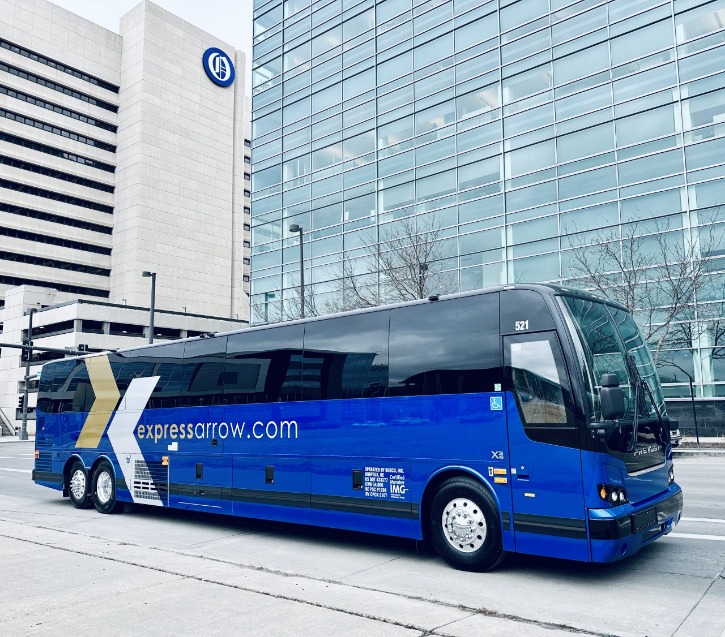
When you’re on board, hold on to a handrail or pole, and give up-front seating to those who need it. Keep aisles clear, store bags safely, and be mindful of other passengers, especially near doors and priority seating zones.
Transfers and connections require a little planning. If you’re switching buses, allow a safety margin for delays and confirm the arrival and departure points so you don’t miss your next leg.
Best times to travel to avoid crowds: aim to travel outside the typical school and work peak periods. Roughly avoid 7:30–9:30 am and 3:30–6:00 pm on weekdays. Mid-morning (around 10:00 am–12:00 pm) and early afternoon (12:30 pm–3:30 pm) are often quieter, with Sundays usually lighter than weekdays unless there’s a local event.
Leeds-specific tips: check live crowd patterns around major routes into the city centre and popular hubs like universities and shopping districts, and plan any essential journeys for off-peak times when possible. Always have a backup plan in case a bus is delayed or crowded, such as a return route or a nearby alternative stop.
Safety and etiquette on buses
If you’re planning to explore Leeds by bus, a little foresight goes a long way. This guide covers tips for planning and riding, safety and etiquette, so you can get around the city smoothly and confidently.
Use digital tools to map your journey. Transport apps, Google Maps, and local operator websites can show real-time bus locations, estimated arrival times, and connections. Planning a round trip or multiple legs in advance saves you time and reduces uncertainty during your day in Leeds.
Tickets and payments are usually easiest with contactless cards or mobile payment options. Many buses also offer day tickets or multi-journey passes. If you’re visiting for a few days, a simple travel card or pass can be more cost-effective than paying on every ride. Carry a small amount of change as a backup for exact fares where needed.
Keep in mind that services can vary by route and time of day. Buses tend to be more frequent during weekday peaks and around university terms, while evenings and weekends may see fewer services. If you’re heading to events in the city centre, allow extra time for potential crowding or detours.
Riding tips make the journey smoother. Board at the front door and tap or show your ticket as you enter. Let passengers alight before you stand up to move down the aisle and find a seat. Place bags and belongings in the designated areas so the aisle stays clear, and if you’re standing, hold onto a rail or strap for balance.
Safety at stops and on board is important. Arrive a little early to the stop and queue in an orderly line, keeping to the curb side and away from the roadway. When the doors open, step back and wait for others to move off before boarding. Mind the step and watch for doors closing as you enter or exit the vehicle, especially in busy city centre stops where buses pull in quickly.
Etiquette helps everyone have a comfortable ride. Offer your seat to someone who needs it, such as the elderly, a person with a disability, or a pregnant traveler. Keep conversations at a considerate volume and use headphones for personal audio. Try not to block the doorway or aisles, and avoid occupying priority seating unless you truly need it.
Leeds buses are designed to be accessible for many riders. If you require assistance, tell the driver before boarding; many buses are low-floor or have ramps and spaces for mobility aids. Always use the designated area for wheelchairs or strollers and keep those spaces clear when possible so others can use them when needed.
In summary, successful bus travel in Leeds blends smart planning with respectful riding. By checking live departures, using digital tickets, boarding smoothly, and observing safety and etiquette, you’ll experience efficient, courteous travel across the city, whether you’re heading to the University of Leeds, the city centre, or a neighborhood stop along the way.
Sustainable and future developments
Leeds is shaping a more sustainable future for urban transport through a bold push into clean, efficient bus travel. By expanding electric and hydrogen buses, upgrading depots, and introducing faster, more reliable services, the city aims to cut emissions, improve air quality, and offer residents and visitors a convenient alternative to cars. Ongoing investments in integrated ticketing, real-time information, and planned bus rapid transit corridors support a greener, more connected Leeds for today and tomorrow.
Zero-emission and low-emission bus fleets
Bus travel in Leeds is increasingly aligned with sustainable and future-focused transport, driven by a bold shift toward zero-emission and low-emission fleets. The city’s commitment to cleaner air, climate targets, and better urban living is shaping how residents move, with buses playing a central role in reducing congestion and improving health outcomes.
Zero-emission buses, especially electric models, are being rolled out on more routes across Leeds. Operators are upgrading depots with charging infrastructure and, in some cases, introducing on-street rapid charging to extend route flexibility and reliability. This transition reduces local air pollutants and helps create quieter, more comfortable journeys for passengers and pedestrians alike.
Alongside electric buses, a mix of low-emission technologies supports a resilient and adaptable fleet. Hybrid and plug-in hybrid buses complement full electric vehicles on longer or more demanding routes, while hydrogen fuel cell buses offer a complementary option where rapid refuelling and extended range are advantageous. A diversified approach helps ensure service levels remain high as technology and infrastructure evolve.
The shift in Leeds is underpinned by coordinated funding and planning that align national incentives with regional clean air goals. Investments focus not only on purchasing zero- and low-emission buses but also on essential charging and refuelling infrastructure, fleet maintenance capabilities, and data-driven operation to maximize energy efficiency and service reliability.
For passengers, the move toward low- and zero-emission buses brings tangible benefits: lower noise levels, improved air quality, and more reliable services thanks to better route planning and bus priority measures. Integrated networks that connect bus routes with cycling and walking paths encourage practical, sustainable travel across the city and beyond.
Looking ahead, Leeds faces challenges common to street-level decarbonisation, including the upfront costs of new fleets, the need for robust charging and refuelling infrastructure, grid capacity considerations, and workforce training for maintenance and operation of advanced buses. Addressing these issues with steady investment and clear governance will help ensure a reliable, affordable, and cleaner bus network for years to come.
Ultimately, sustainable and future-ready bus travel in Leeds offers a compelling alternative to car use: lower emissions, healthier streets, and a more efficient city. By embracing zero-emission and low-emission fleets, Leeds can continue to lead in urban mobility while supporting residents, visitors, and the environment alike.
Bus priority lanes and city council projects
Leeds is pursuing sustainable and future-facing improvements to bus travel, aiming to cut congestion, reduce emissions, and connect communities across the city and district.
Sustainable developments include electrification and alternative propulsion for bus fleets, lower-emission routes, and cleaner depot facilities, alongside smarter ticketing, real-time travel information, and stronger integration with cycling and walking networks to create a more seamless transport system.
Bus priority lanes and traffic management are being expanded on key corridors to improve reliability, with traffic signal priority and city centre bus gates designed to keep services moving even during peak times.
City council projects focus on upgrading and expanding bus interchanges, making stops safer and more accessible, and creating better park-and-ride facilities. These efforts are planned in coordination with wider transport corridors and integration with rail and tram networks, backed by funding from the West Yorkshire Combined Authority and national programmes.
In the longer term, bus travel is envisioned as the backbone of a decarbonised and inclusive transport system for Leeds, supporting housing growth, economic development, and better air quality. Projects will align with climate action plans, sustainability targets, and ongoing public engagement to shape a resilient, affordable, and convenient network.
Leeds City Region Transport Strategy implications
Leeds City Region faces a transition to a more sustainable bus network driven by the Leeds City Region Transport Strategy. The strategy emphasises bus-led mobility, creating reliable, affordable services that knit the city region together while reducing congestion and carbon emissions. For bus travel Leeds, this means new and expanded bus corridors, better interchange at major hubs, and a clear plan for integrating buses with rail, cycling, and walking.
Key implications include prioritising bus corridors with dedicated lanes or priority signals to cut journey times, and modern bus stops with real-time information and accessible design. The strategy promotes an integrated ticketing system and fare structures that encourage seamless travel across districts, making bus travel a convenient choice for commuters and visitors alike.
Decarbonisation is central, with plans for low-emission and zero-emission buses, charging and depot infrastructure, and the use of renewable energy. Electrification of routes, alongside trialing hydrogen or other alternative fuels, supports Leeds’s targets to improve air quality and meet climate commitments while maintaining reliable service levels during the transition.
Delivery relies on strong regional governance through the West Yorkshire Combined Authority and Metro, with funding streams from national BSIPs and local levelling-up programmes. The transport strategy could explore formal bus franchising or concession-style models to align service levels, timetables, and fares across Leeds and neighbouring districts, while safeguarding public accountability and value for money.
For travellers in Leeds, the strategy promises more frequent daytime and evening services, safer routes, better integration with rail and cycling, and affordable fares. It also requires ongoing engagement with communities to ensure routes reflect need, avoid service deserts, and support social inclusion, particularly for schoolchildren, older people, and people with disabilities.
In outlook, bus travel Leeds can become a central pillar of sustainable growth, unlocking economic opportunities, improving air quality, and making the city region a more attractive place to live and work. The success will depend on consistent investment, delivery of bus priority, and a responsive, customer-focused approach to service planning.
Getting around from Leeds with buses
Getting around Leeds by bus offers a practical and affordable way to explore the city and its suburbs. The well-established network connects the city centre with shopping districts, university campuses, and key transport hubs, with frequent daytime services, simple tickets, and handy online journey planners to make travel easy.
Connections to Leeds Bradford Airport
Getting around Leeds by bus is a practical and affordable way to explore the city and reach Leeds Bradford Airport. The network connects the city centre with universities, suburbs, and surrounding towns, with regular daytime services and nighttime options on some routes.
- Operators and network: The Leeds bus system is run by major operators such as First Leeds and Arriva Yorkshire, along with other local services. Buses serve the city centre, university areas like Hyde Park and Headingley, and outer suburbs, with most routes operating from early morning until late evening and some night services on key corridors.
- Tickets and payment: You can pay with cash on many buses or use contactless bank cards and mobile wallets. There are day passes, multi-ride tickets, and city-wide passes that cover several routes or zones; check the operator or Metro for the best option for your trip.
- Planning your journey: Use Metro’s journey planner, the operators’ apps, or real-time bus stop boards to find routes, times, and connections. Buses display next-bus information at stops, and delays are shown in the apps.
- Getting around the city: Core routes run from Leeds City Centre to areas like Headingley, Hyde Park, Beeston, Morley, and Garforth, making it easy to reach universities, theatres, shops, and parks. If you’re visiting, consider a day rider pass for flexibility.
- Connections to Leeds Bradford Airport: Direct buses link central Leeds with Leeds Bradford Airport on select routes and times. Check the latest timetables for the airport service, as frequencies vary by day and time, and journey times can be around 20–40 minutes depending on traffic. Tickets for the airport service can be bought on board or via the operator’s app; keep your ticket handy for checking in at the airport. If a direct service isn’t available at your time of travel, you can travel to a nearby interchange or main bus stop and transfer to the airport service there; plan ahead for any transfer times.
Tip: Plan ahead, allow extra time during peak hours or events, and keep an eye on live updates for any changes to services or roadworks. Bus travel in Leeds offers a straightforward way to get around the city and to the airport without a car.
Park and ride facilities
Getting around Leeds by bus is straightforward thanks to a dense network that links the city centre with universities, hospitals, shopping districts and surrounding towns. Buses run from early morning until late at night on many routes, making it easy to reach major destinations without a car.
Plan ahead with reliable information from the West Yorkshire Combined Authority and local bus operators. Use journey-planning websites or apps to check real-time bus times, and take advantage of contactless payment or mobile tickets. Ticket options typically include singles, day passes, and longer-term passes for regular travellers.
Park and Ride facilities offer a convenient way to combine car travel with a fast bus into the city centre. You park on the outskirts, board a frequent bus, and avoid city traffic and parking hassles.
Official Park and Ride sites are promoted on regional transport portals and Leeds City Council pages. They are positioned along major routes into the city, making it easy to switch from car to bus for the final leg of your journey.
Using Park and Ride is simple: drive to the site, park in designated spaces, buy a bus ticket or use a pre-paid pass, then hop on the bus into Leeds city centre or other key destinations. Buses typically run frequently during the day, with reduced services late in the evening and at weekends.
Popular destinations easily reached by bus from Leeds include the city centre, university campuses, hospitals, theatres, and sports venues. If you are heading to major campuses or cultural sites, there are direct routes with clear stop announcements and real-time arrival information.
Fares vary by distance and ticket type, but options usually include single fares, day passes, and weekly or longer-term passes. With contactless payment and smartcard options, you can tap in and out quickly without needing cash.
Many buses in Leeds are accessible, with low-floor designs and spaces for wheelchairs and aid devices. Real-time systems and audible announcements help with planning, and dedicated bus lanes and priority signals help services run more smoothly in peak hours.
Complement bus travel with cycling or walking where possible, and consider rail connections for longer trips beyond the city. The bus network integrates with rail stations and park-and-ride options, offering flexible travel across the region.
For the latest details on Park and Ride sites, timetables, and fare options, check the official WYCA travel information pages or the websites of local bus operators before you travel.
Intercity and regional connections
Leeds sits at the heart of West Yorkshire and is one of the UK’s bus-friendly cities. Getting around Leeds by bus is straightforward, with a dense urban network plus regional services that connect the city to towns across Yorkshire and beyond. The city centre is a major hub with frequent services running in and out of Leeds Bus Station and busy stops near the university, hospitals, and shopping districts.
Local buses in Leeds cover inner-city routes that serve universities (Leeds Beckett and University of Leeds), hospital complexes, and popular areas like the city centre, Headingley, and Kirkstall. Many routes run every few minutes during peak times, with frequent daytime services that keep the city moving. Interchange at Leeds railway station or nearby bus stops lets passengers switch to rail to reach destinations quickly.
Fares and tickets: You can pay with contactless bank cards or mobile payments on most services, and there are day tickets and short-or long-term passes that cover multiple operators. A typical day pass can be cheaper if you plan several journeys, and some operators offer student, senior, or family tickets. The network is coordinated by the regional transport authority, which helps keep timetables aligned across operators.
Intercity and long-distance coach connections: For journeys beyond the city, Leeds is a key hub for intercity coaches. National Express, Megabus and other operators run routes from Leeds Coach Station to major cities such as London, Manchester, Birmingham, Newcastle, York, and beyond. Booking online in advance can secure better prices, and coaches often stop at popular city-centre locations for easy boarding.
Regional connections within Yorkshire: Buses link Leeds with surrounding towns and cities including Bradford, Wakefield, Huddersfield, York, Harrogate, and Scarborough, as well as scenic market towns and coastal resorts. These services are useful for commuting, university visits, and day trips, and they often connect with rail services to create longer journeys.
Planning and travelling tips: Check live arrival times on stop displays or mobile apps, especially if you’re catching a connection. Look for timetable notes at stops and plan extra time for busy periods. If you regularly travel, consider a multi-journey pass or a fare cap option where available, and keep handy payment options (card, phone). For accessibility, many buses are low-floor with ramps and space for wheelchairs or pushchairs.
Tips for sustainable travel: Buses are a practical way to reduce car use in Leeds. Pair bus travel with cycling by using bike racks on buses and secure bike parking near major stops. Many routes run through the city centre’s bus lanes and optimized timetables to help you avoid congestion during peak hours.
Whether you’re commuting to university, catching a game at a stadium, or taking a day trip to a historic town, Leeds’ bus network offers flexible options that can be cheaper and greener than driving. With a mix of urban routes, regional links, and long-distance coaches, you can plan a full day of travel without needing a car.