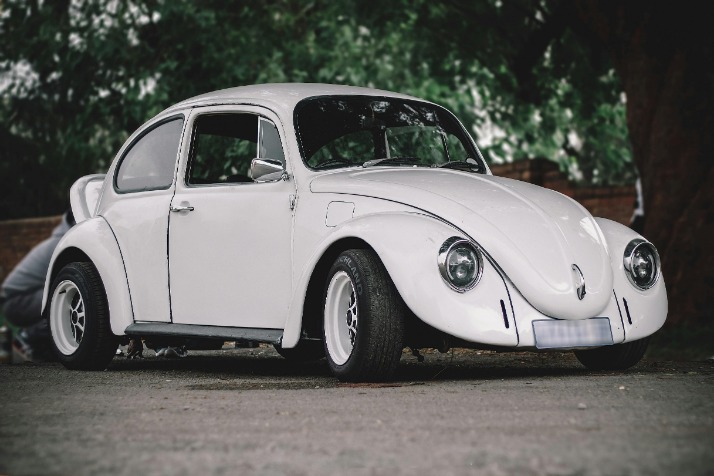

Overview of the VW Bus in South Africa
The Volkswagen Bus has long been a beloved symbol on South African roads, blending practical transport with retro charm. From its early arrivals and the iconic Kombi era to modern restorations and camper conversions, the VW bus remains a cultural touchstone in South Africa, celebrated by enthusiasts for its versatility, durability, and sense of adventure.
Origins and early introduction to the South African market
The Volkswagen Bus, known in South Africa as the Kombi, holds a storied place in the country’s automotive landscape. Its practical design, spacious interior, and enduring appeal as both a family transporter and a workhorse helped it become a familiar sight on South African roads for decades.
Origins of the VW Bus lie with the Type 2 program developed by Volkswagen in postwar Germany. Born as a versatile light van with a rear-engine layout and generous interior space, the Bus evolved into a multi-purpose vehicle capable of carrying passengers, cargo, or campers. Its distinctive silhouette and modular interior made it a defining symbol of mobility in the mid-20th century.
In South Africa, the Kombi arrived during the late 1950s and early 1960s as demand for reliable, adaptable vehicles grew. Volkswagen South Africa established a network to supply right-hand-drive versions and to support local customers with parts and service. Over time, local assembly and distribution expanded, helping to make the Bus more accessible across the country.
From the outset, the Kombi found popularity with a diverse range of users in South Africa. Families used it for weekend trips and holidays, small businesses relied on its cargo-carrying capacity, and enthusiasts embraced camper conversions that turned the vehicle into mobile living spaces. Its practicality and rugged character made it a practical mainstay from urban to rural settings.
The South African VW Bus also played a role in the broader caravan and camper culture in the region, with many iconic camper setups and a tradition of road-tripping along coastlines and inland routes. The Bus contributed to a sense of adventure and mobility that resonated with South Africans seeking versatility and value in a single vehicle.
Today the VW Bus remains a nostalgic cornerstone of South Africa’s automotive heritage, celebrated by collectors and enthusiast communities. Its early introduction and enduring presence helped shape a generation’s approach to family travel, business mobility, and the idea of the road trip as a lasting South African pastime.
Current presence: popular models and segments
The VW Bus, deeply rooted in South Africa’s road culture, remains an iconic sight on coastal routes and in urban centers. Known locally as the Kombi in its classic form and as part of the broader Transporter family, the model carries a legacy of versatility and reliability that has endured for decades.
Current presence and popular models: Volkswagen South Africa keeps the Bus lineage alive through Transporter-based passenger variants (Kombi/Combi), premium people movers such as the Caravelle/Multivan lineage, and various camper conversions for leisure travel. In commercial use, the Transporter panel van continues to serve shuttle operators, small businesses, and service fleets, reflecting the practical mix of workhorse practicality and family-friendly design.
Segments and use cases: The Bus family in SA spans commercial fleets (hotel shuttles, corporate transfers, and small-scale courier or service work), private family and long-distance travel (comfortable transport for road trips and daily commuting), and the camper/holiday segment (camping vans and leisure conversions). A vibrant enthusiast and retro market also keeps older Kombis active through restorations and specialized conversions.
Market presence: VW faces competition from other light commercial van models in South Africa, such as the Toyota Quantum/Hiace and Ford Transit, but benefits from a widespread dealer network, parts availability, and a robust used-parts ecosystem. This support helps both new buyers and longtime Kombi owners maintain reliability and resale appeal.
Outlook and culture: The VW Bus continues to resonate with a broad audience—families, businesses, and adventure-seekers—while the broader VW lineup nudges toward electrified options for fleets in the country. Local interest in versatile, affordable transport and camper lifestyle keeps the Kombi spirit alive alongside modern Transporter variants and camper conversions.
In sum, the VW Bus-sphere in South Africa blends heritage with practical modern variants, serving diverse segments from daily transport to leisure travel and specialized commercial use. The combination of dealer support, aftermarket vitality, and a dedicated enthusiast base ensures the Bus remains a recognizable and useful presence on South African roads.
Historical Development and Milestones in SA
South Africa’s VW bus history, or the Kombi story, begins with post‑war imports and grows into a distinctly local milestone as SA assembled Transporters at a domestic plant. Over the decades it became a versatile icon—from family campers with Westfalia conversions to workaday minibuses in towns and coastal routes—shaping caravan culture, surf trips, and taxi fleets. The model’s evolving generations, surviving policy shifts, and continued nostalgia highlight how the VW bus integrated into South Africa’s transport fabric and memory.
Import, assembly, and alignment with local regulations
The VW Bus in South Africa, known locally and among enthusiasts as the Kombi or Transporter, has a storied history that mirrors the country’s evolving automotive industry. From early import strategies to local assembly and ongoing alignment with South African regulations, the model’s journey in SA reveals how global models adapt to local markets.
Initial access to the South African market relied on importing CKD (completely knocked down) kits and semi-knocked down shipments, enabling local engineering teams to assemble the vehicles at facilities such as the VWSA plant in Uitenhage. This CKD approach allowed VW to quickly scale supply, tailor the buses to local conditions, and build a loyal base among fleets, tour operators, and small businesses that valued the Bus’s versatility.
Throughout the 1960s and 1970s, the Transporter family became a mainstay for service fleets, government departments, and tourism operators in South Africa. Local assembly expanded, with right-hand-drive versions adapted for SA roads and regional sourcing gradually increasing local content. The Bus became an iconic workhorse as SA’s road network and tourism sector grew.
Regulatory alignment was a continuous thread in VW SA’s operations. Vehicles destined for the domestic market had to meet South African standards set by the SABS, achieve homologation where required, and comply with evolving emissions and safety rules. As standards tightened, local content practices and documentation for compliance also evolved, shaping how CKD kits were sourced and how assemblies were conducted.
Import and trade policy in South Africa historically used tariffs and local-content requirements to protect and grow the domestic automotive industry. For the VW Bus, this often meant balancing CKD imports with the incentives to assemble and source components locally, while managing duties between CKD and fully built-up units to optimize cost, parts supply, and service networks.
The Motor Industry Development Programme (MIDP), introduced during the post-apartheid era, further influenced the VW Bus’s SA storyline. MIDP encouraged value addition, export potential, and regional trade within the Southern African Development Community (SADC). VW South Africa aligned its production and sourcing strategies with MIDP objectives to maintain competitiveness, ensure quality, and sustain local jobs.
In the late 1990s through the 2010s, the Uitenhage plant and VW SA continued updating tooling and processes to meet modern safety, performance, and emissions requirements while keeping the Bus relevant for contemporary buyers. The iconic vehicle retained its appeal for campers, small business operators, and heritage enthusiasts, even as newer Transporter generations rolled out globally from other plants.
Beyond manufacturing, the VW Bus’s presence in South Africa fostered a vibrant community of enthusiasts, restorers, and clubs. Its legacy is sustained by museums, restorations, travel stories, and the enduring appeal of a vehicle that symbolizes mobility, practicality, and a distinctive period of SA automotive history.
Overall, the VW Bus in South Africa illustrates a clear arc: import-driven beginnings, deliberate local assembly, and a regulatory environment that gradually incentivized local value addition and regional export readiness. The model’s SA chapter remains a notable example of how a global vehicle integrates with local industry, regulation, and culture.
Key decades: 1960s–1980s and post-apartheid shifts
The VW Bus, locally known as the Kombi, holds a distinctive place in South Africa’s transport story, weaving together work, family life and road trips across generations. In SA it became not just a vehicle but a symbol of mobility, adaptability, and a shared sense of adventure on the country’s diverse roads.
During the 1960s to the 1980s, the Type 2 Transporter arrived in increasing numbers and stabilized as a workhorse for farms, small businesses and service fleets. South Africa’s Volkswagen operation supported local assembly and parts networks, with the Uitenhage plant playing a crucial role in meeting domestic demand for the Kombi and related Transporter models, while the vehicle’s simple mechanics made it approachable for repair and maintenance under local conditions.
In urban and semi-urban settings, Kombis became a common sight as minibus-style feeders and family vans. By the 1970s and 1980s, they were used by travellers, caravanners, and light commercial operators, and even found a place in some informal transport niches where a robust, roomy van was valued for passengers and cargo alike.
The post-apartheid era brought shifts in markets, language, and identity around the VW Bus. Since the 1990s, liberalised trade and tourism boosted interest in campervan culture and road trips, while SA’s car industry modernised compliance, safety and emissions standards. The Transporter line continued to evolve, with newer generations and variants that appealed to families, business users and camping enthusiasts, alongside a thriving second-hand and restoration scene for classic Kombis.
Language around the VW Bus in South Africa also shifted. The vehicle is commonly referred to as the Kombi in everyday speech, while marketing and official material often use the Transporter name, especially for newer models. English remains dominant, but Afrikaans, Zulu, and other languages contribute to a multilingual car culture where terms like Kombi, Bus, and Kombi-van appear side by side, reflecting a broader post-apartheid openness and heritage appreciation.
Today the VW Bus in South Africa stands as a collectible icon and a practical vehicle for enthusiasts and families alike. Its history through the 1960s–1980s, the embedded local manufacturing and service ecosystem, and the post-apartheid embrace of heritage and mobility together mark a turning point in SA’s automotive story.
Models and Configurations Favored in South Africa
In South Africa, VW buses are favored for their reliability, roomy interiors, and camper compatibility. The preferred models are the classic Type 2 Kombi in its passenger and panel van forms, alongside the modern Transporter line (T5/T6) for everyday use and family trips. Popular configurations include two- to four-berth campers built on Kombi and Transporter platforms, and long-wheelbase vans tailored for touring, work fleets, and coastal getaways.
Kombi/Caravelle and camper-van variants
The VW bus scene in South Africa blends nostalgia with practical adventure, keeping the classic Kombi, the Caravelle, and a growing range of camper-van variants vibrant on the roads today. Enthusiasts gather around these buses for weekend trips, coastal drives, and long road adventures, celebrating a design that remains instantly recognizable and endlessly adaptable.
In terms of models favored in South Africa, the Bay Window T2 Kombi is the iconic sight and the one most often associated with early caravaning and everyday use. The Caravelle, as the passenger-oriented version of the Transporter, remains popular for those who want more comfort and seating without sacrificing the practicality of a van. As prices for older models rise, tidy T4 and T5 Transporters have become common in the used market, offering modern reliability while retaining the VW van silhouette that buyers love. Right-hand drive versions are common, and many owners value the simple mechanicals and abundant local knowledge when it comes to maintenance and repair.
Kombi configurations in South Africa tend to focus on versatile seating and cargo layouts. Typical setups include 6 to 9 seats arranged as front bucket and rear bench configurations, with the rear sometimes converted to a fold-down bed or a removable cargo area for business use or camping gear. Two-tone paint, wood trim accents, and simple dash electronics are common in the older Bay Window models, while newer interiors on later T4/T5 examples lean toward more modern comfort features. For many owners, the appeal is the balance of practicality, enduring good looks, and ease of customization.
Caravelle configurations emphasize passenger comfort and usability. These vans often feature more refined interiors, captain’s chairs, enhanced seating arrangements, and options like swiveling front seats and larger windows. They are favored by families and small groups who want a VW van that can function as a daily driver yet still serve as a comfortable base for trips and camping. In SA, Caravelles are valued for their blend of usability, better insulation, and the ability to carry several passengers with room for luggage or camping gear.
Camper-van variants in the South African market range from factory-style conversions to aftermarket camper builds. Classic pop-top or high-top roof configurations are common, providing extra headroom and sleeping space. Typical camper layouts include a compact kitchen with a two-burner stove and sink, a small fridge or cooling unit, and a fold-out bed that doubles as daytime seating. The popularity of Westfalia- or similar-style conversions means you’ll see a mix of retro charm and practical campers ready for overland trips, coastal hops, and forest escapes. Many camper Vans also feature practical electrical setups, 12V auxiliary systems, and water tanks tailored to weekend adventures.
Part availability and maintenance considerations are important for South African VW bus owners. Local workshops in major cities offer knowledge of air-cooled and water-cooled setups, and there remains a healthy network of parts suppliers, importers, and specialists who understand the quirks of older VW vans. Rust management, engine upgrades or rebuilds, and gearbox refurbishments are common topics among SA owners, given the age of many early Bay Window and early Transporter models. The practical choice often comes down to a preference for simplicity, easy access to parts, and the joy of owning a vehicle that invites spontaneous trips rather than a focus on high-tech comforts.
Overall, South Africa’s models and configurations favored in the VW bus scene reflect a love of enduring design, flexible layouts, and the freedom to explore the country’s coastline, mountains, and wide-open plains. The Kombi, Caravelle, and camper-van variants each offer a distinct path to adventure, whether you seek a classic daily driver, a comfortable family wagon, or a well-equipped mobile home for long road journeys.
Modern generations in SA: Transporter and Camper options
South Africa has a strong love for the VW Bus, with the Transporter lineage forming the backbone of family transport, shuttle services, and weekend camper life.
Favored models and configurations include the 9-seat Kombi/Van for families and shuttle work, the long-wheelbase variants for cargo or camper builds, and the Caravelle for a more premium passenger experience. The chassis is also popular for tradesman conversions and as a base for light camper builds.
Modern generations in SA: The Transporter range has moved through T5, T6 and into newer iterations in many markets, with South Africa showing steady demand for updated interior tech, efficiency improvements and safety features while keeping the van’s practical, reliable ethos. Diesel options are common for economy and range, and where available, features like all-wheel drive are valued in higher-spec configurations.
Camper options: The Volkswagen California camper is a flagship choice for SA campers, offering built-in kitchenette, sleeping areas and a pop-top roof. Alongside this, Westfalia and other local camper converters supply two- to four-berth layouts with features such as solar panels, dual-battery systems and fold-out awnings to suit road trips and weekend getaways.
In South Africa, the VW Transporter and its camper derivatives remain a versatile, popular choice for families, adventurers and business users, supported by a thriving ecosystem of factory options and aftermarket camper conversions.
Market Trends and Demographics
In South Africa, the VW Bus continues to capture attention for its iconic design and versatile use, shaping market trends and demographics around this model. The demand is strongest among urban and peri-urban adults aged 30–55 who value camper conversions for road trips and staycations, while collectors and enthusiasts invest in restored classics for weekend events. Tourism-driven rental fleets and lifestyle-focused influencers help sustain interest across middle- and upper-income brackets, particularly in coastal and tourist regions such as the Western Cape and KwaZulu-Natal. As modern mobility shifts with electrification, the VW Bus niche remains resilient through retro appeal, practical conversions, and a growing emphasis on heritage and experience over sheer practicality.
Who buys VW Buses in SA: lifestyle, family, business
Market Trends and Demographics: Who buys VW Buses in SA includes a mix of lifestyle buyers, families, and small businesses. The VW Bus in South Africa carries a cultural appeal as a versatile, iconic vehicle that supports adventure, family life, and mobility services in a country with diverse landscapes and road networks.
- Lifestyle and adventure segment: typically urban professionals aged 25-45, concentrated in Gauteng and the Western Cape, who value the retro aesthetic, camper-conversion potential, and flexible travel. They use it for weekend getaways, overlanding, and social travel, often opting for well-maintained used models or camper variants, with community networks and online content influencing choices.
- Family-oriented buyers: households seeking spacious, multi-purpose transport for kids and pets, camping trips, and school activities. They prioritize interior space, reliability, safety, flexible seating, and good resale value, viewing the VW Bus as a practical alternative to larger SUVs or minivans for family life.
- Small business and fleet operators: shuttle services, courier or tourism operators, trades and services that need a dependable van with cargo and passenger flexibility. They value cost per kilometer, parts availability, service networks, and the ability to convert for camper or cargo roles.
- Tourism and camper rental sector: operators offering guided tours, caravan or camper experiences and rental fleets rely on the VW Bus’s image and practicality for scenic routes, coastal trips, and national parks, supported by maintenance and parts supply.
- Collectors and restoration enthusiasts: buyers aged 30-60 who restore vintage Type 2 buses, seeking parts, skilled workshops, and community clubs; their investments help sustain a niche market for well-presented, original or thoughtfully upgraded models.
- Regional and urban demographics: higher concentration of buyers in major metros—Gauteng, Western Cape, and KwaZulu-Natal—driven by tourism, lifestyle trends, and middle-market incomes; rural buyers value reliability and transport capability for farms, mining support, or remote services.
- Economic and market context: pricing and availability are influenced by used-market dynamics, import policies, and exchange rates; buyers often prefer affordable, well-maintained examples and increasingly look at newer-generation vans or well-converted campers as part of a broader mobility strategy.
Pricing, financing, and maintenance considerations in SA
South Africa’s market for the VW Bus combines nostalgia with practical camper and transport needs, creating a distinct niche for the iconic vehicle. In recent years, interest in classic and vintage VW Buses has grown among urban dwellers and travelers, with Cape Town, Johannesburg, Durban, and the Garden Route drawing enthusiasts who use the bus for weekend getaways and long road trips. The market benefits from a strong outdoor and caravanning culture, a robust second-hand market, and a growing community of restorers and modifiers who preserve the model’s appeal.
Demographically, VW Bus buyers and users in South Africa span middle-aged families, adventure-seeking individuals, and small businesses operating camper or shuttle services. The van is popular for family road trips, camping trips to national parks, and conversion projects into mobile offices or coffee vans for events. Enthusiasts are concentrated in urban centers but extend to coastal towns and the interior, reflecting SA’s diverse geography and tourism routes. The trend toward flexible work and leisure that blends travel with work supports regular demand for reliable conversions and aftermarket accessories.
Pricing for VW Buses in South Africa varies widely by model, year, condition, and whether the vehicle is restored or in original form. Early classic T1/T2 Kombis in project condition may be found at lower price points, while well-restored buses can command a premium. More recent Euro-market transporter variants or locally converted campers generally fetch higher prices, particularly if they include reputable restorations or quality conversions. Buyers should budget for transport costs, import duties if bringing in a vehicle, and potential VAT considerations, plus ongoing maintenance and parts. Market volatility and currency fluctuations can also affect valuations.
Financing a VW Bus in South Africa typically follows standard vehicle finance routes, including bank loans, dealership financing, and specialist classic car lenders. Because classic and imported buses can carry higher risk for lenders, down payments are commonly larger, terms may be shorter, and interest rates higher than for modern vehicles. Prospective buyers should obtain a formal valuation, ensure the vehicle has a clear title, and factor in insurance costs that reflect the vehicle’s age and usage. For camper conversions used as a business, tax considerations and business financing options may apply.
Maintenance considerations for the VW Bus in SA center on parts availability, skilled workshops, and the age of the vehicle. Local support for air-cooled engines and older Transporter variants remains strong in dedicated VW, classic car, and camper communities, but parts sourcing can involve ordering from distant suppliers or using compatible alternatives. Rust repair, engine rebuilds, electrical systems, and brake components require specialists familiar with VW buses. Cooler climate in some regions and irregular use can affect rubber seals and fuel systems. Regular inspection, a reliable spare-parts network, and a plan for long-distance trips are essential for upkeep and safety.
Owners commonly consider practical upgrades such as modern braking upgrades, fuel-injection retrofits on later engines, improved electrical systems for caravans, and quality safety gear while preserving the vehicle’s vintage character. Insurance that recognizes classic status and a clear service history help maintain value and reliability for VW Bus operations in South Africa.
Design, Engineering, and Customization for SA Conditions
The VW Bus in South Africa blends thoughtful design, robust engineering, and tailored customization to meet SA conditions—from hot inland days and dusty gravel roads to versatile daily use. Engineers optimize cooling, suspension durability, and fuel efficiency, while local customization offers flexible interiors, right-hand drive compatibility, and practical upfits for caravans, camping, or work, preserving the iconic styling that makes the VW Bus a familiar SA staple.
Engine choices, reliability, and parts availability in SA
South Africa has a strong VW Bus culture, with owners who value practicality, camping versatility, and long-distance reliability across SA’s diverse landscapes. This article examines Design, Engineering, and Customization for SA conditions, engine choices, reliability, and parts availability in SA.
- Design for SA conditions: SA presents hot inland climates, coastal salt air, and dust-filled roads. Practical design keeps corrosion protection top of mind, with sealed exits and rust-preventive undercoating, plus durable interior materials that cope with UV exposure. Cooling, ventilation, and sound insulation are important for comfort on long trips. For camping use, consider weatherproof seals, easy-to-clean surfaces, and ventilation options that keep the cabin comfortable in high heat and humidity.
- Engineering for SA roads and climates: Robust suspension and braking are key for rough or corrugated roads. Many SA owners opt for reliability-focused upgrades such as quality shocks, reinforced hardware, and dependable electrical systems. When planning a conversion or restoration, think about road speeds on highways, load carrying capacity for camping gear, and the potential need for RHD configuration or driving aids tailored to SA traffic rules.
- Customization options for SA campers and daily use: Camper conversions are popular, including pop-top roofs, compact kitchen units, extra storage, and 12V/24V electrical setups with solar options. Insulation, durable upholstery, and easily-cleanable interiors suit SA travel, while modular furniture and modular power systems help keep the bus versatile for both daily transport and weekend getaways.
- Engine choices and performance in SA: Keeping an authentic air-cooled engine (1.6–1.8L) preserves period charm and simplicity, while a Type 4 2.0L can offer more torque for highway hills. For those seeking modern reliability, some owners pursue conversions to water-cooled setups or engine swaps (for example, Subaru-based or other modern powertrains). Each path has trade-offs between originality, weight, heat management, fuel economy, and emissions compliance, so choose based on how you use the bus and your maintenance preferences.
- Reliability and maintenance in SA: Regular maintenance is essential to reliability. Common focus areas include rust prevention in floor pans and heater channels, fuel and carburetor upkeep, hose and rubber seal condition, electrical harness health, and cooling or ventilation logic for air-cooled engines. Use high-quality seals, correct torque on fasteners, and a disciplined service interval to keep the bus dependable for long trips across SA.
- Parts availability and service network in SA: South Africa supports a healthy VW classic community with local workshops, breakers, and parts suppliers that stock or can source air-cooled and early water-cooled components. Cape Town, Johannesburg, and coastal towns have specialists who can source OEM or quality aftermarket parts, perform restorations, and advise on suitable upgrades. When parts are scarce locally, SA buyers often rely on trusted suppliers from Europe or Australia, with careful attention to compatibility and shipping times.
- Ownership resources and community support in SA: Engaging with local VW Bus clubs and online groups connects you to maintenance tips, local restoration projects, and recommended workshop partners. Networking with experienced SA builders can help you plan a project that respects SA road conditions, local regulations, and a feasible maintenance plan, ensuring your VW Bus remains a trusted companion on SA adventures.
Popular camper conversions and customization culture
In South Africa, the VW Bus, especially the Kombi, is more than a transport it’s a rolling invitation to explore the country’s coastlines, mountains and backroads. The SA camper crowd treats the van as a platform for design, engineering and personal expression that suits the local climate and road network.
Design for SA conditions starts with climate and dust. Lightweight insulation, reflective outer finishes, and roof ventilation help cope with inland heat and sea breezes. Wide window selection, good sealing against dust, and durable materials that resist UV and humidity keep a compact living space livable on long trips.
Engineering choices balance reliability and simplicity with performance. The classic air-cooled engine remains a symbol, but many SA vans swap to more robust water-cooled engines or modern carbs and electronic ignition for cooler running in extreme heat. Cooling systems are often upgraded with larger radiators, better fan clutches, and improved engine cooling due to long desert stretches in Karoo and hot coastal summers.
Electrical systems are central to independent travel. A common setup includes a dual-battery arrangement, a solar array on the roof, and a compact inverter to run fridges, lights and small appliances. Builders often pair practical 12V kitchen modules with water tanks, a hand pump or inline pump, and efficient LED lighting to cut power draw.
Interior layouts emphasize versatility. Popular designs blend a rock‑solid bed platform with storage underneath, a fold‑out kitchen, and a compact shower/water system. For SA conditions, extra heat management, easy-clean surfaces, and robust, corrosion‑resistant fittings are prioritized. Lightweight plywoods and rotating seats help transform space for sleep, cook, and social zones.
Across the country, popular camper conversions range from classic Westfalia‑style interiors to budget Weekender setups and custom DIY vans. A pop‑top roof remains a defining feature for extra headroom and ventilation, while compact caravans focus on efficient layouts and rugged storage. Local builders often tailor builds for coastal, rural and overland travel, including off‑grid power and water systems.
South Africa’s customization culture is driven by community, practicality and a love of the outdoors. Builders share layouts, serial numbers and fitments, while owners show off photos from coastal trips and remote routes. Meetups, online forums and van‑life networks celebrate clever, affordable upgrades—suspension tweaks for rough roads, extra fuel capacity, and modular kitchen units that can be swapped between vans.
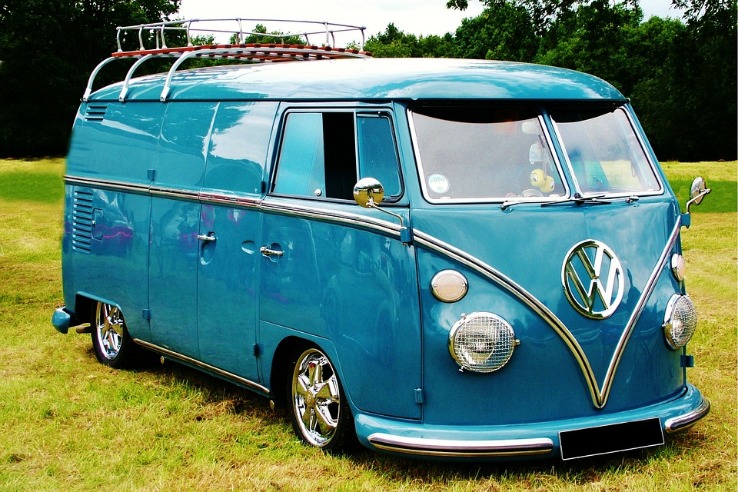
SA route planning, remote campsites and long distances shape design priorities. Heavy dust, corrugated roads, and frequent speed bumps push for robust seals and suspension choices. Many diesels are favored for efficiency on long trips, and some owners pursue higher ground clearance and 4×4 conversions like Syncro‑style setups to tackle sand, gravel and dunes.
Maintenance and safety matter, too. Components must cope with coastal corrosion, desert dust and variable fuel quality. Regular rust protection, quality seals, and simple, serviceable parts keep a VW Bus running in remote areas. Road‑worthy checks and compliant installations help ensure the build remains street‑legal after any modification.
In the end, the VW Bus in South Africa blends classic design with a pragmatic engineering mindset. The culture of customization continues to thrive as owners push for more comfort, more off‑grid capability, and more personal expression—all while keeping the spirit of the open road alive on SA’s diverse landscapes.
Maintenance, Parts, and Service Networks in South Africa
South Africa hosts a well-developed maintenance, parts, and service network for VW Bus enthusiasts, spanning official VW dealerships, independent workshops, restoration specialists, and online parts suppliers. From air-cooled classics to modern Transporter models, owners can access genuine parts, skilled technicians, and nationwide service centers, plus mobile maintenance and club-driven support that keep the VW Bus culture thriving across the country.
Dealerships, independent shops, and parts supply
The VW Bus remains a beloved icon on South African roads, with a growing community of owners, campers, and restorers. Maintenance, parts, and service networks in South Africa are shaped by a mix of official dealerships, independent specialists, and robust parts supply chains that serve both modern Transporter models and classic Type 2 variants.
Dealerships and service networks: Volkswagen South Africa (VWSA) runs a nationwide network of authorized dealerships and service centers staffed by factory-trained technicians who use diagnostic equipment tailored for VW models. For many owners, these authorized centers provide scheduled maintenance, warranty support, and access to genuine VW parts and software updates for newer Transporter variants.
Independent shops and VW specialists: Alongside the official network, numerous independent workshops across major cities focus on the VW Bus and Camper conversions. These shops often specialize in air-cooled Type 2 engines, water-cooled T3/Vanagon setups, and camper van restorations, offering flexible scheduling, classic parts sourcing, and bespoke customization. Experienced technicians in these shops frequently collaborate with local VW clubs and events to share knowledge and parts.
Parts supply: Genuine VW parts are distributed by VWSA through regional depots and authorized distributors, ensuring compatibility with current and many classic models. In addition to OEM parts, there is a healthy supply of aftermarket and refurbished components through dedicated parts shops and online retailers. For era-specific items or hard-to-find parts, independent specialists often source from specialized suppliers or importers with experience in air-cooled and early water-cooled Bus components.
Regional and logistics: In major hubs like Johannesburg, Cape Town, and Durban, dealerships and independent VW shops maintain larger parts inventories and faster turnaround times. Rural areas may rely more on local garages with access to national parts couriers or the ability to import select items. A growing online parts ecosystem helps owners order seals, gaskets, trims, and mechanical components with South African delivery options.
What to look for when selecting a network: Consider a workshop’s experience with classic air-cooled engines if relevant, the availability of genuine VW parts, and the shop’s ability to handle camper conversions. Ask about diagnostic capabilities, warranty on repairs, and typical turnaround times for parts orders. A blended approach—regular dealer servicing for major maintenance and trusted independent specialists for routine checks and restorations—often yields the best balance of reliability and value for VW Bus owners in South Africa.
Warranty coverage and aftersales support for classics
The VW Bus remains a beloved classic on South African roads, supported by a growing network of enthusiasts and service providers who keep air‑cooled legends in good running order.
Maintenance networks in South Africa balance access to official VW dealers for contemporary models with the needs of classic Bus owners. For original and restoration work, many people rely on independent workshops and vintage specialists located in major cities such as Johannesburg, Cape Town and Durban. Typical maintenance tasks include regular oil changes (for air‑cooled engines this is especially important), ignition and carburettor tuning, valve adjustments, brake service, suspension checks and rust prevention. Availability of skilled technicians with classic VW experience remains a priority for keeping a Bus reliable on South African roads.
Parts availability is a critical element for classics. South Africa does not always stock every NOS part, so owners often source from local specialists who import or stock refurbished components, and turn to salvage yards for period parts. In addition to local suppliers, many owners use reputable European and UK-based suppliers who ship to South Africa, especially for hard-to-find items like carburettors, generators, alternators, seals and gaskets. It’s common to rely on a mix of OEM parts, aftermarket reproductions and refurbished components to maintain originality while ensuring reliability.
Service networks and support for classics are supported by a combination of VW’s own dealer service where possible, and a thriving community of independent specialists, classic car clubs and mobile technicians across the country. In major urban areas, you’ll find workshops that routinely handle vintage air‑cooled engines, electrical systems, fuel and cooling upgrades, and bodywork. Owners often participate in regional VW Bus clubs, which can be the fastest route to trusted technicians, recommended parts sources and event calendars where members swap knowledge and parts.
Warranty coverage and aftersales support for classic VW Buses in South Africa is typically different from modern VW warranties. Standard new-car warranties from VW do not apply to vintage or restored buses. If you purchase a restored vehicle or pay for major service, the providing workshop may offer a limited workmanship warranty on their labour and reconditioned parts. Parts warranties depend on the supplier—new OEM parts may carry the manufacturer’s warranty, while refurbished or aftermarket components carry whatever warranty the supplier offers. Always clarify warranty terms in writing before work starts and keep a detailed service history.
Practical tips for owners: join a local VW Bus or classic car club; build relationships with a trusted workshop; maintain a documented service log; keep a standing list of compatible parts and suppliers; consider a spare parts plan for common items (brake components, seals, carburettor kits); and explore courier options for parts from outside SA when necessary. By leveraging a national network of workshops and the enthusiastic SA VW Bus community, classics can be well maintained and enjoyed on South African roads.
Regulatory Landscape and Import Considerations
Importing a VW Bus into South Africa sits at the intersection of customs policy, safety standards and vehicle-approval requirements. Importers should budget for duties and VAT assessed by SARS, as well as any origin-specific levies, and arrange for customs clearance. The vehicle must comply with compulsory safety and emission specifications overseen by the NRCS, with documentation such as a certificate of conformity or manufacturer proof to support approval, and the vehicle may need to be converted or inspected to align with local right-hand-drive and road-worthiness requirements before registration with the relevant licensing authority.
Import duties, compliance, and historic vehicle rules
Regulatory landscape in South Africa for importing a VW Bus is shaped by SARS Customs, the National Regulator for Compulsory Specifications (NRCS), the South African Bureau of Standards (SABS), the International Trade Administration Commission (ITAC), and the Department of Transport, along with the eNatis vehicle registration system. For a VW Bus, you will navigate import declarations, tariff classifications, safety and emissions requirements, and eventual registration and licensing before the vehicle can be used on public roads. The process often involves a combination of customs clearance, conformity checks, and proof of roadworthiness or compliance with local standards.
Import duties and taxes are calculated on the value of the vehicle as declared for customs (the CIF value). The total cost typically includes the customs duty, value-added tax (VAT) at 15% on the sum of the CIF value plus the duty, and any other applicable levies or environmental charges. Duty rates depend on the vehicle’s classification, age, engine type, and country of origin, and may vary for different VW Bus models (for example, early Type 2s versus later variants). It is important to verify the current SARS tariff and ITAC guidance and to work with a customs broker to obtain accurate calculations before purchasing a vehicle for import. For historic or classic vehicles, some reliefs or special schemes can apply, but these are not guaranteed and must be confirmed with SARS and ITAC.
Compliance and verification requirements cover safety, emissions, and general roadworthiness. Imported vehicles must meet South African safety and environmental standards established by SABS and NRCS, and often require a Certificate of Conformity or other documentation from the supplier or manufacturer. Before registering the VW Bus, you may need to obtain a roadworthy certificate from an approved testing center, provide proof of ownership, and ensure the vehicle complies with local lighting, noise, and emission standards. If the vehicle is not immediately compliant, owners may need to perform permitted modifications or concessions to pass inspection. A licensed importer or customs broker can guide you through the necessary documentation, inspections, and approvals.
Historic vehicle rules offer potential advantages for older VW Buses, particularly those that are visually and mechanically close to original factory specifications. In many jurisdictions, vehicles that are at least 30 years old can be considered historic or classic, which can reduce certain compliance requirements and the frequency of roadworthy testing, and may influence insurance and license arrangements. To pursue historic status for import or registration, you typically must prove the year of manufacture, maintain the vehicle in a historically accurate condition, and demonstrate that it is used primarily for private, non-commercial purposes. Application processes vary by province and authority, so it is essential to check with the local licensing or heritage vehicle authorities and to assemble documentary evidence such as original build plates, invoices, and authenticity certificates.
For VW Bus owners in South Africa, a practical approach includes confirming the model and year of manufacture, evaluating whether the bus is originally right-hand drive or left-hand drive, and planning for the likely steps: choosing whether to import via sea freight, arranging with a reputable broker, obtaining an import permit if required for non-commercial purposes, clearing customs, ensuring compliance with safety/emissions standards, obtaining a roadworthy certificate, and final registration with eNatis. If you aim for historic status, connect with local VW Bus clubs or historic vehicle associations to understand qualification criteria and documentation you will need to present to authorities.
Preservation, Restoration, and Collectibility in SA
In South Africa, the VW Bus holds a cherished place in automotive culture, with devoted enthusiasts pursuing preservation of original models and components, thoughtful restoration to faithful factory-era details, and rising collectibility as well-preserved buses attract attention from collectors and show circuits across the country.
Restoration communities, events, and resources
South Africa hosts a lively scene around the VW Bus, with preservation, restoration, and collectibility thriving across its major cities. The kombi culture here blends nostalgia for the early Type 2 with practical, road-ready campers that still ply roads today.
Preservation in SA centers on keeping original design cues intact—numbers-matching engines, original interiors, factory dashboards, period radios, and correct trim. Rust-prone areas such as wheel arches, door bottoms, and the battery tray are common concerns, so many owners seek skilled shop time to perform careful, reversible repairs while retaining patina where appropriate.
Restoration communities are active in Gauteng, the Western Cape, and KwaZulu-Natal, with clubs, meetups, and online groups where owners swap advice on sourcing parts, choosing the right engines, and fabricating interior pieces. Local panel shops and upholsterers who specialize in classic VWs are familiar with the nuances of Bus repair, from dent removal to seat upholstery and pop-top refurbishments.
Events and gatherings include regional VW shows and kombi days held across the country. These events typically feature static displays of restored buses, driving tours, and swap meets where enthusiasts trade parts, accessories, and literature. Cape Town, Johannesburg, and Durban host some of the more consistent meetups, creating opportunities to compare builds, share restoration tips, and recruit new members.
Resources for South African VW Bus owners span parts suppliers, service and restoration specialists, and online marketplaces. Local classifieds, Gumtree South Africa, OLX, and AutoTrader often list used parts and whole buses. Regional clubs provide directories of trusted mechanics, panel shops, and upholsterers, while cross-border suppliers from Europe or the UK can be a source for NOS parts or reproduction components when local stock runs out.
For someone starting a preservation or restoration project, the approach is to document the vehicle, source a solid base, and plan to retain the vehicle’s character while making repairs safe and reversible. Build a network through clubs and shows, budget for bodywork and mechanical refreshes, and keep records of all parts, work performed, and paint codes to support future value and provenance.
Collectibility in SA tends to favor buses with originality, a complete service history, and a coherent heritage story. Desirable traits include an early or rare color, period-correct wheels and interior, and documentation showing factory options. Because many buses were customized by owners over the decades, well-documented, factory-correct accents can boost value and appeal to collectors who admire the South African VW Bus story as a blend of imported engineering and local adaptation.
Whether you are a long-time enthusiast or a curious newcomer, the VW Bus scene in South Africa offers community, knowledge, and opportunities to celebrate, restore, and collect a uniquely South African chapter of a global automotive icon.
Market values and investment potential in SA
The VW Bus is a cultural staple in South Africa, spanning generations of owners and enthusiasts from early Type 2s to late Bay Window and camper conversions. In this market, preservation, restoration, and collectibility hinge on provenance, originality, and local support networks, while current market values and investment potential reflect SA-specific variants, condition, and documentation.
- Preservation in SA: focus on maintaining originality and provenance. Keep matching numbers where possible, document service history, and protect against rust in common trouble spots like floor pans and sills. Indoor storage, period-correct paint codes, and regular servicing help maintain value. Engage with local clubs and shows to verify authenticity and build provenance.
- Restoration in SA: sourcing parts locally can be challenging, so work with SA-based specialists who understand air-cooled engines, RH drive, and SA-spec interiors. Budget for bodywork, mechanicals, and interior restoration, plus potential delays for parts from overseas. Decide whether to restore to factory period specs or tasteful period-correct modifications, and plan for accurate documentation of the build.
- Collectibility in SA: SA-market variants, including locally assembled buses and camper interiors, can attract premium when well documented. Original or correctly restored campers (Westfalia and similar interiors), rare trims, and vehicles with verifiable history tend to command stronger interest among SA collectors and at auctions and events.
- Market values and investment potential in SA: price levels vary by model, year, and condition. Observed ranges (approximate) include project cars around R150k–R350k, running/driving examples R350k–R650k, and well-restored or highly original units R700k–R1.4m or more. Exceptional SA-specific campers or rare early variants can push higher. Costs for parts and labour in SA, currency fluctuations, and import turnaround times influence total investment and potential returns.
- Practical tips for buyers and sellers in SA: verify VIN and history, inspect for rust and structural integrity, assess part availability and restoration quality, demand clear documentation of modifications, and work with reputable SA specialists. Attend local VW events to gauge pricing, trends, and the pulse of the SA Bus community.
Community and Cultural Impact
In South Africa, the Volkswagen bus—often affectionately called the Kombi—has become more than a vehicle; it’s a moving symbol of community resilience and shared memory. From coastal surf towns to urban neighborhoods, it has connected generations, fueled road trips along the Garden Route, and anchored family gatherings, DIY repairs, and classic car clubs. Its practical versatility enabled mobility and entrepreneurship in townships and suburbs alike, while its distinctive silhouette has woven itself into music, art, and festival culture, turning road trips into cultural rituals and turning strangers into a community of enthusiasts who celebrate heritage and mutual support.
Kombi culture, caravanning clubs, and media appearances in SA
In South Africa, the Volkswagen Kombi has grown into more than a practical van; it is a cultural watermark that marks journeys along the coastline, through the Karoo, and across suburbs while weaving itself into family stories and community networks.
Community and cultural impact: The Kombi invites shared travel and DIY repair culture. Owners form caravanning and camping circles across cities like Cape Town, Johannesburg, and Durban. The van’s compact space and open-ended configuration encourage social gatherings, road-tripping rituals, and storytelling around braais and campfires. The bright paint schemes, pop-top roofs, and roof racks became mobile canvases, reflecting local tastes and memory-making rather than corporate uniformity.
Kombi culture distinctively blends nostalgia with practicality. The boxy silhouette, sliding doors, and signature sunroofs evoke memories of family holidays to the coast and the Garden Route. For many South Africans, a Kombi is not just transport; it is a portable home away from home that supports camping, surf trips, and long weekend escapes, forging a sense of belonging among its owners and fans.
Caravanning clubs and meet-ups play a central role in sustaining this culture. Across major urban centers and rural towns, enthusiasts organize weekend get-togethers, rally drives, and camping weekends that emphasize shared experiences, safety, and maintenance tips. These clubs often serve as mentors for first-time owners, sharing advice on reliable engines, cooling systems, interior setups, and affordable customization.
Media appearances in South Africa have reinforced the Kombi’s iconic status. The vehicle has popped up in travel shows, tourism campaigns, lifestyle magazines, and photo essays that celebrate road trips and coastal living. Its presence at auto shows, retro-themed events, and in online content keeps the van in public conversation, while local photographers and filmmakers frequently use it to evoke a sense of place and memory in South African landscapes.
Looking ahead, the VW Kombi remains adaptable to modern South African life. While classic air-cooled models retain their charm, newer conversions and modern van models keep the spirit of adventure alive, ensuring new generations discover the same sense of community, practicality, and cultural identity that has defined Kombi culture in South Africa for decades.
Future Trends and Opportunities for VW Bus Enthusiasts in South Africa
South Africa’s VW Bus scene is poised for growth as a new generation of enthusiasts connects with the country’s classic-vehicle heritage. Expect stronger restoration networks, growing clubs, and more local events that celebrate the iconic Type 2, Transporter, and Kombi models. Trends point to authentic restorations alongside practical upgrades, communal knowledge sharing, and even modern powertrain options that preserve the bus’s character while improving reliability. Opportunities for enthusiasts include road trips and caravanning culture, niche parts sourcing, and collaborations with local workshops, tourism operators, and media that spotlight VW buses across South Africa’s landscapes.
EV conversions and modern technology compatibility
South Africa’s VW Bus scene remains strong, with bays and Kombis cruising the streets from Cape Town to Johannesburg and Durban, and a growing culture around restoration, camping and van life.
Future trends for VW Bus enthusiasts in South Africa center on preserving classic air-cooled roots while embracing modern technology. Restomod projects keep the exterior iconic lines but upgrade the mechanicals, electrical systems and comfort features. EV conversions are finding particular resonance as workshops, local parts suppliers and hobbyists experiment with safe, reversible kits to swap petrol power for electric drive, reducing emissions and noise while preserving the bus’s character.
Opportunities abound in SA’s expanding automotive and tourism sectors. Local VW clubs host meets, drive days and swap meets that connect builders, traders and hobbyists. Specialist workshop facilities offer EFI upgrades, brake and suspension refreshes, electrical retrims, and compatibility work for modern infotainment, solar power setups and camping interiors. The rising popularity of campervan holidays creates demand for turnkey conversions, external branding and rental-ready vans, making SA a proving ground for practical, stylish retro transport.
EV conversions in South Africa face practical considerations, including battery pack sourcing, cooling, weight distribution and charging infrastructure. As public charging networks grow in major cities and along key routes, more Kombis and Type 2 vans can be used for longer trips. Enthusiasts are experimenting with compact battery packs, light-weight materials and modular electronics that fit under or inside the vintage body while preserving serviceability. Reputable local installers emphasize safety, warranty, and compliance with road safety standards to keep classic buses street-legal and reliable.
Modern technology compatibility is a major draw. Vintage dashboards can be upgraded with digital gauges, Bluetooth audio, navigation and smartphone integration, while retrofits bring USB-C charging, improved lighting and power management. Smart charging and solar integrations help keep campers powered in remote locations. Some builders retrofit modern electrical systems with CAN bus interfaces to control lighting, climate, and accessories without compromising the bus’s original charm.
Community and resources play a crucial role. Online forums, local social groups and dedicated South Africa VW Bus clubs foster knowledge sharing, parts sourcing and collaborative builds. Events and tours showcase finished restorations and converted campers, while local suppliers stock period-correct interior fittings, seating and canopy gear, making it easier to complete authentic-looking but up-to-date Volkswagens.
The regulatory environment in SA impacts VW Bus projects, especially for EV kits and imported components. Compliance with roadworthiness, electrical safety standards and homologation processes is essential, but the regulatory landscape is evolving as more electric retrofits demonstrate reliability and safety. Enthusiasts should partner with reputable installers and verify components’ warranties and compatibility to ensure long-term viability in South African roads.
Looking ahead, the VW Bus in South Africa is poised to blend nostalgia with modern practicality. The combination of active clubs, expanding charging networks, skilled local trades and a thriving camper-van culture creates a fertile ground for innovative conversions and enduring enthusiast support. Whether restoring an air-cooled classic or mounting a quiet electric drive, SA VW Bus fans have ample opportunities to drive the future without losing the past.
Grassroots clubs, events, and education resources in SA
South Africa hosts a growing and dedicated VW Bus enthusiast community that blends nostalgia with practical, hands-on restoration culture. From early Bay Window and Kombi models to modern conversions, South African owners use VW buses as family cars, weekend cruisers, and rolling ambassadors for community events and local heritage.
Future trends for VW bus enthusiasts in SA include more sustainable restoration paths and powertrains, with experimental electric and hybrid conversions becoming increasingly accessible through local workshops. Part sourcing is likely to become more regional, with refurbished parts and compatible memorabilia being circulated through enthusiast networks. Digital platforms, online marketplaces, and 3D printing are accelerating the ability to repair or recreate hard-to-find pieces, helping clubs keep classics on the road without long lead times.
Opportunities are emerging for grassroots groups to collaborate with local businesses, tourism operators, and event organizers. VW bus clubs can host open-service days, build-your-own-part sessions, and road trips that showcase SA scenery while promoting safe driving. Mentoring programs, retrofitting workshops, and collaborative restoration projects can attract younger enthusiasts and create pathways into technical trades and mechanical careers.
Grassroots clubs across major cities are forming networks that share knowledge, offer discounted parts through group buys, and organize friendly shows and meetups. These clubs provide a welcoming entry point for new owners, help members navigate SA road rules and vehicle compliance, and foster a culture of safety, community service, and social photography that highlights the distinctive vibe of VW buses in the SA landscape.
Events and gatherings are expected to grow as venues reopen and travel becomes easier. Seasonal drives, camping weekends, coast-to-coast caravans, and local shows give members chances to learn, trade parts, and celebrate the heritage of the VW bus. Grassroots events can also partner with charity drives and school outreach to extend the love of volkswagens to broader communities.
Education resources are also expanding, with more restoration guides, service manuals, and SA-focused compliance information available through clubs, retrofits, and local auto-schools. Online videos, technical forums, and mentorship networks provide practical step-by-step help for beginners while offering advanced tips for seasoned restorers. Partnerships with vocational colleges and technical training facilities can formalize pathways into automotive trades tied to classic vehicle maintenance.
As South Africa’s VW bus scene evolves, the future holds vibrant growth for enthusiasts who value craft, community, and conservation of automotive heritage. Getting involved in a local club, attending an event, or contributing knowledge to education programs helps sustain a unique culture that celebrates the iconic VW bus in SA for years to come.