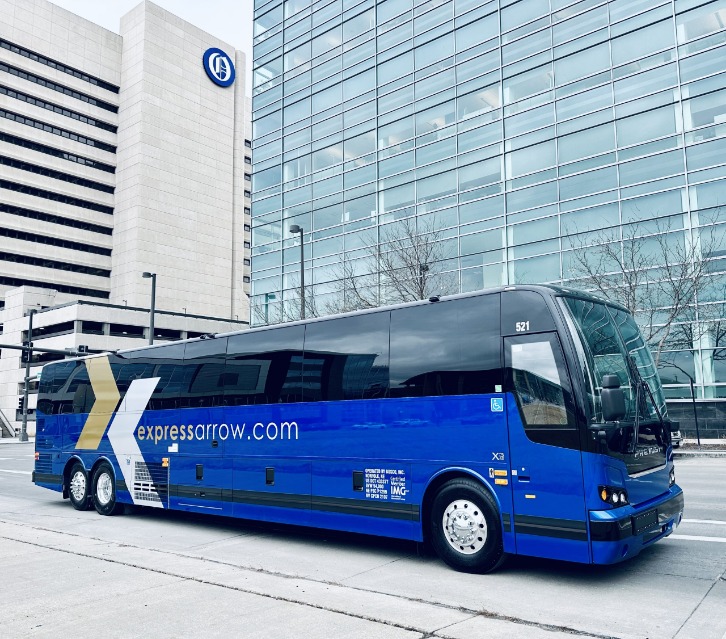

Cape Town to Johannesburg: Bus Travel Overview
Cape Town to Johannesburg bus travel offers a budget-friendly, long-distance introduction to South Africa’s interior. The journey spans roughly 1,400 kilometers along the N1, typically taking a full day or overnight, depending on stops and service level. Travelers ride through diverse landscapes—from coastal foothills to highveld plains—with several operators providing daytime and overnight services, varying in comfort and amenities. Planning ahead for schedules, breaks, and luggage allows for a smoother trip and a chance to see the country from a different perspective.
Distance, Duration, and Typical Itinerary
Bus Travel Overview: Traveling by bus from Cape Town to Johannesburg is a popular option for travelers who want to see South Africa from the road. Long-distance coaches offer comfortable seating, air conditioning, and luggage allowances, with tickets available online or at major terminals. Many operators run daily or near-daily services, including overnight journeys, and buses make scheduled stops for rest, meals, and refueling. Schedules can vary by operator, so it’s wise to book in advance and arrive early for boarding.
Distance: The road distance between Cape Town and Johannesburg is about 1,400 kilometers (roughly 870 miles) along the standard N1 corridor. The exact mileage can vary slightly depending on the chosen route and detours for breaks or roadworks. The journey offers sweeping views of the South African landscape, even though it is a long ride.
Duration: Typical bus trips take roughly 18 to 24 hours of travel time, influenced by the service chosen, the number and length of stops, and traffic conditions. Direct daytime services are often around 22 hours, while overnight options may extend the total duration due to stops and boarding times. Plan for potential delays and longer arrival windows.
Typical Itinerary: A common Cape Town to Johannesburg bus itinerary starts with departure from Cape Town’s main bus terminus in the morning or evening. The route generally traverses the Western Cape, proceeds through the Northern Cape and Free State provinces, and continues into Gauteng, with regular breaks for rest and meals. A typical two-day pattern might include 1–2 long driving legs with overnight stops at designated rest points or on the bus, followed by the final leg into Johannesburg, arriving at the city’s main bus terminal or a chosen drop-off point in the late afternoon or evening. Travelers should bring essentials such as water, snacks, a light jacket for air-conditioning, and check luggage allowances with the operator in advance.
Route Options and Scenic Highlights
Cape Town to Johannesburg bus travel offers a practical long-distance option for travelers seeking budget-friendly transport with regular departures and a chance to see South Africa’s varied landscapes.
- Overview of the journey
- Typical duration is around 18 to 22 hours, depending on stops and traffic.
- Major operators often include Intercape and Greyhound South Africa, with both day and overnight services.
- Onboard amenities vary by operator, but most buses provide comfortable seating, occasional refreshments, and planned rest stops along the N1 corridor.
- Route options
- Primary northbound route runs along the N1 from Cape Town through the Winelands, into the Karoo and Free State, then on to Bloemfontein and Johannesburg.
- Some services offer express options with fewer stops, while others include overnight layovers at major towns for cheaper fares or scenic detours.
- Alternative stop patterns may pass through different towns in the Free State or Karoo, offering varied scenery and schedules.
- Scenic highlights along the way
- The Cape Winelands near Stellenbosch and Franschhoek with vineyards and mountain backdrops.
- Du Toitskloof Pass and surrounding valleys offering dramatic views as the road climbs out of the Western Cape.
- The Karoo landscape — wide horizons, open plains, and distant mountain ranges that shift with the light.
- Entering the Highveld with grassy plains and the Magaliesberg foothills as you approach Johannesburg.
- Practical tips for travelers
- Book in advance to secure preferred departure times and seats; check baggage allowances with your operator.
- Pack snacks and water for the journey, and use planned rest stops to stretch and stay comfortable.
- Carry a light jacket for early morning or late-night air conditioning, and have a charger for devices if sockets are available.
Operators and Booking for Cape Town to Johannesburg
Travelers choosing the Cape Town to Johannesburg bus route will encounter several operators with different schedules, prices, and onboard services. To get the best value, compare options, check travel times and departure points, review luggage allowances, and book in advance online or by phone.
Bus Operators Serving the Route
Bus travel from Cape Town to Johannesburg offers a practical and comfortable way to traverse South Africa’s vast landscape, with several long-distance operators serving the route and convenient booking options available.
- Intercape: A leading long-distance operator serving the Cape Town to Johannesburg route. Booking is available online at intercape.co.za, via the Intercape app, or through travel agents. Typical journey times range around 18 to 24 hours depending on stops and traffic. Departures start from Cape Town’s intercity bus terminals and arrive at major Johannesburg terminals. Luggage allowances and seating options vary by service, so check your ticket details when booking.
- Greyhound SA: A well-known option for cross-country travel with Cape Town to Johannesburg services. Booking can be completed on greyhound.co.za or by phone and through approved agents. Travel times are similar to other long-distance services, with multiple daily departures possible. Arrive early for check-in, and confirm luggage limits and onboard facilities at the time of booking.
- City to City: Offers direct Cape Town to Johannesburg services with online booking through citytocity.co.za. Tickets can be purchased for specific dates, with several departures available. Expect a long, overnight or daytime journey depending on the schedule. Check baggage allowances and boarding points when you book, and plan for rest stops during the trip.
- Translux: Another established operator on the route, with booking options via translux.co.za and via phone or agents. Schedules vary by season, with day and overnight services. Booking details will indicate luggage allowances, seating class, and pickup/drop-off locations in Cape Town and Johannesburg.
Where to Book Tickets and Compare Fares
Traveling by bus from Cape Town to Johannesburg is a popular budget-friendly option with several operators and booking choices. The journey covers about 1,400 kilometers and typically takes around 24 to 28 hours depending on stops and route.
Major operators on this route include Intercape, Greyhound SA, and City to City. Intercape runs day and overnight services with various seating options and amenities. Greyhound SA is a national long-distance coach operator offering direct Cape Town–Johannesburg trips as well as routes to other major cities. City to City focuses on long-haul routes between major cities in South Africa, including the Cape Town to Johannesburg corridor, with direct services and scheduled stops.
Where to book tickets: You can book directly with the operator’s official website or at ticket offices in major bus terminals. You can also use reputable travel-booking platforms and aggregators that compare schedules and fares across several operators to help you choose the best option for price and travel time.
To compare fares, check fare calendars and price alerts on operator sites, and use aggregator tools that show multiple operators side by side. Be mindful of booking windows; prices often rise as travel dates approach, and overnight services may offer a balance of cost and comfort depending on your preferences.
Tips to save: book early to secure the best rates, look for promotions or discounts for students or groups, and consider off-peak or midweek travel. Also compare luggage allowances, onboard amenities, and the total door-to-door travel time when calculating value for money.
What to bring and expect: pack comfortable clothing, a reusable water bottle, snacks, a travel pillow, and a charger or power bank. Check with your operator about onboard Wi-Fi, charging outlets, and stopover breaks, and plan your meals and rest stops accordingly for the long journey.
Ticket Types, Refunds, and Flexibility
Bus travel from Cape Town to Johannesburg connects South Africa’s two largest urban centers and is served by several long‑distance operators. The journey covers roughly 1,400 kilometers and typically takes about 18 to 24 hours depending on the service and stops along the way.
Operators and Booking: The route is most commonly served by major long‑distance coaches such as Intercape Mainliner and Greyhound SA, with other carriers offering occasional services. Booking is usually possible online through the operator’s website or app, at coach terminals, or via travel agents and ticket platforms. It’s wise to compare schedules, prices, and any overnight or limited‑stop options, and to book in advance during holidays or peak travel seasons.
Ticket Types: Most operators offer standard seated tickets and a few premium options such as extra legroom or fewer stops. Some services may run day routes while others offer overnight services, which can help save on accommodation. Ticket classes and fares vary by operator, with saver, flexible, or fully refundable options sometimes available.
Refunds: Refund policies vary by operator. In general, fully refundable tickets carry a higher price, while non‑refundable or partially refundable fares attract cancellation fees. Changes to dates or names may also incur fees. Refunds are usually processed within several business days after the request, and some operators offer travel credits instead of cash refunds.
Flexibility: Flexibility depends on the fare type and operator. Free date or time changes are sometimes possible within a defined window, subject to availability and a change fee. If you expect to need to modify plans, look for flexible or refundable tickets and review any blackout dates, change deadlines, and travel vouchers offered by the operator.
Schedules, Travel Time, and Frequency
Bus travel from Cape Town to Johannesburg offers several daily schedules from major operators, with departures from Cape Town’s terminals and routes that typically follow the N1 north to Johannesburg. Travel times are usually around 20 to 24 hours depending on stops and conditions, making it a long but manageable option. Frequency varies by season and day of the week, with more departures in peak travel periods and fewer in quieter times, so checking current timetables in advance is essential.
Typical Daily Departures from Cape Town
Bus travel from Cape Town to Johannesburg follows schedules set by long-distance operators. Schedules, travel time, and frequency vary, but most services offer a mix of daytime and overnight departures along the route, with travel times that reflect the length of the journey across several South African provinces.
Typical daily departures from Cape Town include early-morning departures around 05:00–08:00, mid-day departures in the 11:00–15:00 window, and overnight departures around 20:00–23:00. Some operators run additional daytime services, especially during holidays or peak travel periods. Buses usually depart from major city bus terminals, and arrival times in Johannesburg are scheduled for the following day or after a long daytime trip depending on the service.
Travel time for the Cape Town to Johannesburg bus leg is a long overland journey, typically in the 24–28 hour range, with occasional variations due to road conditions, weather, and required rest stops. Sleeper seats and multiple stops are common on longer itineraries, which can affect total travel time.
Frequency on this corridor tends to be limited compared with shorter trips. Most well-established operators offer at least one daily service in each direction, with additional departures during peak seasons or holidays. For travelers seeking flexibility, it’s best to check current timetables on operator sites or booking platforms, as times can change and seats sell quickly.
When planning, book ahead, verify terminal locations for departure and arrival, and confirm luggage allowances and onboard facilities to ensure a smooth trip between the cities.
Estimated Travel Time and Possible Delays
Travel by bus from Cape Town to Johannesburg is a long intercity journey that many travelers choose for its value and scenic route along major highways. Scheduling, travel time, and the likelihood of delays all influence planning. Here is a concise overview focused on schedules, travel time and frequency, and possible delays to help you plan your trip.
-
Schedules
Intercity bus services between Cape Town and Johannesburg typically run daily with multiple departures, particularly during weekdays. Common departure windows include early morning, mid-day, and evening services. Booking ahead is advised, especially during holidays or peak travel periods, as seats can fill quickly.
-
Travel Time and Frequency
Direct, non-stop journeys can take roughly 20 to 24 hours, with variations depending on the exact route, stops for passengers, and traffic conditions. Buses usually operate several times a day, but weekend or public holiday schedules may be less frequent. Overnight options let you travel while you sleep and arrive in the morning, which can help with daytime plans at your destination.
-
Estimated Travel Time and Possible Delays
Estimated travel time accounts for typical conditions, but delays are possible. Common causes include road works on major corridors, heavy traffic around urban centers, weather incidents, mechanical issues, or late arrivals of earlier trips. In domestic SA routes, there are no border checks, but you should still budget time for check-in, luggage handling, and any terminal delays. Plan buffer time for connections or onward travel from Johannesburg’s bus terminals.
Seasonal Variations and Holiday Schedules
Traveling by bus from Cape Town to Johannesburg offers a cost-effective way to cross South Africa and see the countryside; schedules, travel time, and frequency vary by season and operator, with several daily options during peak periods.
Schedules and frequency: Most long-distance operators run at least one daily service in each direction on this route, with additional departures during holidays or peak season. Buses typically depart in the morning or late afternoon, and some operators offer overnight sleeper options that arrive in Johannesburg the next day. In quieter periods, there may be fewer choices or limited weekend services.
Travel time: The journey spans roughly 1,400 to 1,600 kilometers by road and usually takes about 20 to 24 hours, depending on the service, route, stops, and traffic. Most trips include several comfort stops for meals and breaks, and sleeper services let you rest through part of the journey.
Seasonal variations: Demand climbs during school holidays, Christmas and New Year, and long weekends, which can push up fares and reduce availability. In off-peak months, there may be fewer departures but sometimes lower fares. Weather and road conditions can also affect travel times, especially on busy corridors near major towns and cities.
Holiday schedules: Public holidays and holiday weekends may bring revised timetables, with some services running only at limited times or on alternate days. Operators often publish holiday timetables in advance, so it’s wise to check and book early for December–January travel and around Easter or other key holidays.
Tips: Check current timetables on operator websites or through travel agents, compare durations, fares, and on-board amenities, and reserve seats early during peak periods. If you require flexibility, look for refundable tickets or routes with multiple daily departures. Always verify luggage allowances and any restrictions before you travel.
Fares, Luggage, and Onboard Experience
Traveling by bus from Cape Town to Johannesburg offers a practical route with attention to fares, luggage, and the onboard experience. Fares vary by operator, seat type, and how far in advance you book, with budget options and more comfortable premium seats. Most services include allowances for a couple of checked bags plus a carry-on, and onboard amenities can range from comfortable seating and air conditioning to Wi‑Fi and charging ports on newer fleets, with planned stops for meals and rest breaks along the way.
Fare Ranges and Payment Methods
Traveling by bus from Cape Town to Johannesburg offers a budget-friendly alternative to flying, with a choice of operators and schedules that cover day and overnight options.
Fares vary widely based on the operator, the class of service, how far in advance you book, and whether you choose an overnight trip or a day service. Typical one-way fares fall roughly in a range from a few hundred rand for economy seats booked early to over a thousand rand for premium or overnight options.
Fare ranges and examples: Economy or value-class seats are commonly around R500 to R900 when booked in advance during off-peak periods; mid-range or flexible fares might be around R900 to R1400; overnight sleeper or premium services can be from about R1200 to R2000 or more, especially during peak travel periods or around holidays.
Luggage allowances: Most long-distance bus operators include a generous checked luggage allowance, typically 20 to 30 kilograms per passenger in the hold, with smaller cabin allowances such as a daypack or small bag that fits in overhead racks. Additional luggage may incur fees, and some operators restrict sizes and weight per item; always check the operator’s policy before travel. Extra fees or combined allowances can apply for bikes or unusual items.
Onboard experience: Modern long-distance buses often offer comfortable reclining seats, air conditioning, and adequate legroom. Some services provide onboard toilets, rest stops every few hours, free water, and optional onboard Wi-Fi or power outlets at seats. The level of service varies by operator and bus type; overnight services may provide blankets, eye masks, and quieter routes to help you sleep. Note that wifi and power availability can be inconsistent on some routes.
Fare ranges and payment methods: Tickets can usually be purchased online via operator websites or third-party booking platforms, with payment methods including credit or debit cards and mobile wallets. In many cases you can also pay with cash at the departure point or at ticket counters. Some operators accept local wallets like Zapper or SnapScan in store outlets. Booking in advance often secures better prices and preferred seating; last-minute purchases can be more expensive or subject to limited availability.
Travel time is typically around 18 to 22 hours depending on route, stops, and traffic. Buses depart from major Cape Town depots and terminate at Johannesburg’s Park Station or nearby bus terminals; some operators may offer stopovers in towns along the way. Arriving early to the station helps with check-in and boarding, especially during peak travel times.
Tips: compare operators, read passenger reviews, check luggage rules, confirm the exact departure and arrival points, and verify the boarding time on your ticket to avoid delays.
Luggage Policies and Carry-On Rules
Traveling by bus from Cape Town to Johannesburg is a popular option for budget-conscious travelers and those who enjoy a steady road journey across South Africa. The route covers roughly 1,400 kilometers and most journeys take about 20 to 24 hours, depending on the service, stops, and road conditions. Operators offer a mix of daytime and overnight departures, with frequent breaks for meals and rest along the way.
Fares vary by operator, departure time, seat type, and how far you book in advance. Booking early and choosing off-peak departures can reduce costs, while holiday periods may push prices up. On average, one-way fares span from a few hundred rand to around a thousand rand for standard seats. Cheaper options usually involve basic seating, while premium services or sleeper configurations carry higher prices.
Luggage policies differ by operator, so check your ticket details. Most long-distance buses include one checked bag of approximately 20–30 kg, with additional pieces possible for a fee or by purchasing extra luggage allowance. Bags are loaded into the hold and tagged to your seat. Some services also allow a second smaller bag in the cargo area or under the seat, subject to space and weight limits.
Carry-on rules also vary, but expect to be allowed one small carry-on bag that you can keep with you and a personal item such as a backpack or laptop bag. Total carry-on weight is often in the 5–10 kg range, and items must fit safely in overhead racks or under the seat. Oversized items or those that obstruct aisles may need to be checked. Prohibited items generally include dangerous goods and weapons, and operators may have additional restrictions on liquids or sharp objects.
Onboard experience ranges by operator and bus type. Most long-distance coaches have 2+2 seating with ample legroom, reclining seats, and climate control. Some coaches offer amenities such as onboard restrooms, complimentary water, snacks, or light meals, and charging ports or USB outlets at seats. Wi‑Fi is available on a growing number of services but is not guaranteed. Rest stops are scheduled every few hours to stretch legs and refuel.
Tips for a smooth trip from Cape Town to Johannesburg: book in advance, compare operators, and read fare rules. Pack a comfortable neck pillow, a light blanket, water, snacks, and any medications. Keep valuables in a small, secure carry-on and use a bag with a name tag. Bring a jacket for temperature changes, and plan for long travel with entertainment such as a book or downloaded content. Arrive at the departure point early to allow time for check-in and boarding.
Onboard Amenities and Comfort Features
Traveling by bus from Cape Town to Johannesburg is a popular, economical choice for long-distance travel in South Africa. The journey typically covers roughly 1,400 to 1,600 kilometers and takes around 14 to 20 hours depending on the service and stops. Most travellers take daytime services that pass through towns along the N1 corridor, while some operators offer overnight options with comfortable seats and on-board facilities to reduce daytime fatigue.
Fares vary by operator and service level, with economy seats offering the best value and premium expresses providing extra comfort and fewer stops. As a rough guide, one-way fares can range from a few hundred rand for the most basic seats to around R800–R1200 for popular express services during peak periods. Booking in advance often unlocks discounts, and round-trip or student promotions can further lower the cost. It’s wise to compare operators, check for special deals, and consider travel times that suit your schedule to maximize value.
Luggage allowances typically include at least one large bag for checked luggage and a personal carry-on for items you need access to during the trip. Most operators allow you to bring a backpack or small suitcase in addition to your main bag, with additional charges for extra bags or overweight luggage. Label bags, keep valuables with you, and check the operator’s rules before departure to avoid surprises at boarding.
Onboard experience varies by bus type and operator. Expect comfortable seating with good legroom on standard long-distance coaches, with reclining seats and air conditioning. Some services feature overnight journeys with lower noise levels and bathroom facilities on board. Short breaks are usually offered at scheduled stops to stretch, use restrooms, and buy snacks.
Amenities and comfort features differ by service level. Many long-distance buses provide power outlets or USB charging ports, and some offer free Wi-Fi where signal and data policies allow. Toilets are common on longer journeys, and many buses provide bottled water, light snacks, blankets, and pillows on premium or overnight services. Safety features typically include seat belts and trained drivers; check with your operator for exact offerings on your chosen trip.
To get the best balance of price and comfort on a Cape Town to Johannesburg trip, compare several operators, review the timetable for direct routes, and read recent passenger reviews about comfort and punctuality. Pack a light sweater for air conditioning, bring water, and arrive early for boarding to avoid last-minute delays.
Safety, Security, and Health Considerations
Terminal Details and City Access
When traveling by bus from Cape Town to Johannesburg, your journey starts at Cape Town’s main intercity bus terminal, where you’ll find the standard facilities such as help desks, luggage handling, and clear departure boards. In Johannesburg, most services drop you in the city center, providing easy access to hotels, business districts, and attractions via taxi, rideshare, or the local public transit network for convenient onward travel.
Cape Town Departure Terminals and Access
Planning a bus trip from Cape Town to Johannesburg involves understanding where departures are held and how to reach the terminal from the city. In Cape Town, several long‑distance operators, notably Intercape and Greyhound SA, use centralized departure facilities that consolidate tickets, boarding, and luggage handling for the Cape Town to Johannesburg route. Always confirm the exact departure terminal with your operator, as terminals can change and some operators share spaces at different days or times.
Terminal details in Cape Town typically include clearly marked ticket desks, digital boards showing departure times, and assigned loading bays for the coaches. Expect a covered waiting area, seating, restrooms, and nearby convenience outlets. Luggage handling is straightforward, with dedicated compartments on the coach for suitcases and bags. Boarding is usually by showing your ticket to the conductor or agent, and staff may perform random bag checks prior to departure.
City access is straightforward in Cape Town. The city center and CBD terminals are usually reachable by MyCiTi buses, metered taxis, or rideshare services. If you are driving, look for nearby parking or designated drop‑off zones; peak traffic can affect travel time, so plan to arrive early. For travelers staying in central hotels or near the V&A Waterfront, a short taxi ride or rideshare is often the quickest option to the departure point.
Cape Town departure terminals and access specifics vary by operator and day. The main terminal area is typically well served by public transport and rideshares, with clear signage directing passengers to the respective operator counters. Always check the operator’s timetable and the terminal map in advance, and arrive 30 to 60 minutes before departure to account for ticketing, security checks, and getting to your coach. If you have special luggage or mobility needs, contact the operator ahead of time to arrange assistance.
From Cape Town to Johannesburg, coaches provide a comfortable alternative to flying, with onboard amenities that usually include air conditioning, reclining seats, and onboard rest stops. The journey can take several hours depending on traffic and the chosen service level. When you arrive in Johannesburg, the arrival terminal will be separate from departure facilities; plan onward travel from the arrival point using local taxis, ride‑hailing, or the city’s public transport network.
Johannesburg Arrival Terminals and City Connections
Bus travel from Cape Town to Johannesburg is a popular and affordable option for travelers looking to cover the roughly 1 400 kilometers by road. Long distance operators offer overnight and daytime services, with different pickup and drop off points around the two cities. The following sections cover terminal details and city connections to help you arrive smoothly in Johannesburg.
Terminal details in Cape Town vary by operator. Most operators use central intercity facilities or major transport hubs where long distance buses converge. You are likely to be assigned a pickup point at or near the city center or at a terminal close to Century City or Cape Town Station. Check your ticket for the exact departure point, gates or platform numbers, and the check‑in window. Arrive early to allow for luggage handling, security checks, and boarding.
In Johannesburg, the primary arrival point for intercity buses is Park Station in central Johannesburg, a major transport hub with connections to trains and buses. Some operators also use private depots or suburban terminals. After you alight, follow signs to taxi ranks, rideshare pick‑ups, or the Gautrain/metro links to reach the city center or suburbs.
From the arrival area, you can connect to the city quickly using taxi or rideshare services, or public transport options such as the Gautrain, Metrorail, and the Rea Vaya bus network. The distance to the central business district is typically 15–25 minutes by car in light traffic, longer during peak hours. If you are heading to Sandton, Rosebank, or areas in northern Johannesburg, plan a few extra minutes for traffic and consider a Gautrain link where available.
Tips: verify the exact departure and arrival points on your ticket, and confirm with your operator a day before travel. Pack essentials in a small bag; keep valuables with you. Most buses have luggage compartments; you may be allowed one suitcase and a small bag. Look for official taxi and shuttle services at the terminal to avoid unlicensed operators. Reserve seats in advance where possible.
By understanding terminal locations and city connections, you can minimize delays and enjoy a smoother Cape Town to Johannesburg bus journey.
Transfers to City Center and Nearby Areas
Cape Town Terminal Details: Most long‑distance services depart from a dedicated intercity terminal in Cape Town. The terminal typically offers ticket counters, waiting areas, restrooms, luggage handling, security checks, and clear signposting to platforms. Facilities may include food outlets, an ATM, and accessibility services for travellers with mobility needs. Operating hours are usually tied to the day’s departures, with some operators offering early morning and late evening services.
City Access and Transfers from Cape Town Terminal: Access to central Cape Town and surrounding districts is usually straightforward from the terminal. Designated pick‑up and drop‑off zones are common, and travellers can use the city’s bus network, taxis, or rideshare services to reach the City Centre, the V&A Waterfront, Table Mountain, and nearby suburbs. If you need to reach specific neighborhoods, plan your transfer in advance and ask the terminal staff for the nearest official taxi rank or bus stop.
Johannesburg Terminal Details: Long‑distance services from Cape Town generally arrive at a main terminal or a central point in Johannesburg. The facilities mirror those in Cape Town: ticket desks, waiting areas, restrooms, luggage handling, security, and clear signage for incoming and outgoing coaches. Some terminals also offer cafés or vending machines.
Transfers to City Center and Nearby Areas in Johannesburg: From the Johannesburg terminal, city centre access is usually available by taxi, rideshare, or local bus connections. In addition, Park Station and nearby rail links provide access to central and northern suburbs such as Sandton, Rosebank, and Braamfontein. For destinations outside the core, consider pre‑booked transfers or arranging transport through the operator.
Practical tips: Always verify the exact departure and arrival points with your operator before travel, arrive early for check‑in, keep belongings with you, and use official transport services for transfers. If you’re unfamiliar with the city, use maps or ask staff for directions.
Practical Travel Tips
Practical travel tips for a Cape Town to Johannesburg bus trip: book with a reputable operator in advance, and consider an overnight service to save on accommodation. Check luggage allowances and pack essentials like water, snacks, a charger, a neck pillow, and a light blanket. Choose seats early for comfort, stay vigilant with valuables, and note the travel time and planned rest stops. Bring ID, confirm pickup and drop-off points, and have a plan for delays or schedule changes. Budget for tickets and incidental costs, and read recent reviews to pick a safe, reliable service.
What to Pack for a Long-Distance Bus
Traveling by long-distance bus from Cape Town to Johannesburg is a budget-friendly way to cover about 1,400 kilometers, typically taking around 22 to 28 hours depending on stops and road conditions. With careful planning, a good packing list, and smart choices about seating and timing, you can stay comfortable and arrive ready to explore Johannesburg.
Most long-distance routes between Cape Town and Johannesburg follow the N1 corridor through the Western and Northern Cape, the Free State, and into Gauteng. Expect scenic mountain passes, wide plains, and occasional delays at major stops for meals or fuel. Checking the operator’s timetable in advance helps you choose daytime travel to arrive on the same day or overnight options if you prefer to sleep through the journey.
Plan ahead by comparing reputable operators such as Intercape and Greyhound SA, review schedules, and book your seat early to secure preferred times and prices. Consider whether you want a daytime trip with more predictable visibility or an overnight journey that saves a night of accommodation. Arrive at the terminal early with your booking reference and a valid photo ID, since these are commonly required for boarding.
What to pack for a long ride: carry a small daypack with essentials, and keep your main luggage within the operator’s baggage allowances. Bring a refillable water bottle, some healthy snacks, and a copy of your travel documents, plus any confirmation numbers you may need on the day of departure.
Comfort and climate control are important for a long bus ride. Pack a travel pillow, a light blanket or shawl, and a warm layer such as a fleece or lightweight jacket in case the cabin gets chilly. Slippers or comfortable socks can make a big difference if you’re planning to sleep on a night journey.
Health and hygiene items help you stay comfortable for many hours on the road. Include hand sanitizer, wet wipes, a small medical kit with any daily medications, motion sickness tablets if you’re prone to travel sickness, and a few face masks if you prefer to wear them in crowded spaces.
Electronics and connectivity can keep you entertained and helped in an emergency. Bring a fully charged phone, a compact power bank, a pair of reliable headphones or earplugs, a book or downloaded movies for downtime, and a charger suitable for the bus’s power outlets if available.
Luggage and security are important on a long journey. Distribute weight between a large suitcase and a small carry-on, keep valuables in a secure bag that stays with you, and consider a travel lock for checked bags. Label bags with your contact information and pack a change of clothes in your carry-on in case of delays or a bag misplacement.
Food and beverages: while some bus services offer short meals or snacks, most long-haul buses do not provide full meals. Pack a few nourishing snacks such as nuts, fruit, crackers, and energy bars, plus a sealed water bottle. Plan to buy meals during scheduled stops along the route in towns like Worcester, Beaufort West, Colesberg, Bloemfontein, and beyond, depending on the operator’s stop pattern.
On the day of travel, dress in layers and bring a small bag near your seat with essentials so you don’t have to unpack your main luggage at every stop. Keep your belongings in sight during rest stops and use the crew’s guidance about where to store bags while the bus is stationary.
When you reach Johannesburg, have your onward transport arranged in advance if possible. Know the arrival terminal and the surrounding area, and plan for a safe pickup or onward trip to your accommodation. A little preparation can turn a long, sleepy ride into a smooth transition to your next South African adventure.
Safety, Security, and Health Precautions
Traveling by bus from Cape Town to Johannesburg is a practical and popular option for those who want to save on travel costs while enjoying the landscapes of South Africa. The journey covers a long distance and typically takes roughly 22 to 28 hours depending on the service, stops, and route chosen. Planning ahead helps you reduce stress and make the trip more comfortable.
When planning your trip, choose a reputable operator such as Intercape or Greyhound SA, which offer long-distance routes between the two cities. Compare schedules, duration, and whether meals or rest stops are included. Consider whether you prefer day departures, which let you travel during daylight, or overnight services that can save a night’s accommodation costs.
Booking in advance is advisable, especially during peak travel seasons. Keep your confirmation code handy and verify the departure terminal and the exact boarding point in Cape Town. Know the luggage policy before you travel, and plan for a practical carry-on with essential items like snacks, water, medication, a phone charger, and a light layer for varying temperatures on the road.
At the terminal, arrive early to navigate check-in and boarding without rushing. Guard your belongings, especially in busy areas, and use the official ticket counters or departure bays. If you’re unfamiliar with the terminal, ask staff for directions to the correct platform and be mindful of suspicious offers or strangers trying to help you with suspicious motives.
Onboard safety is important. Use the seat belts where provided and keep valuables close. A small daypack can sit on your lap or in the overhead bin. If you’re traveling with expensive equipment, consider a discreet bag and avoid displaying large sums of cash. Stay aware of fellow passengers and report anything that feels unsafe to the bus crew.
Security stops and breaks are common on long-haul buses. Use rest stops to stretch, drink water, and refresh yourself, but don’t leave luggage unattended. If you need to step away, take important items with you or secure them in a locked bag or in your seat area where allowed. Remember to keep your passport or identity documents accessible but secure.
Health precautions should focus on comfort and well-being during the long trip. Stay hydrated by drinking water regularly and avoid excessive caffeine or alcohol, which can dehydrate you. Pack some healthy snacks, a small first-aid kit, any necessary medications, and a travel pillow or blanket for added comfort on overnight journeys. If you wear contact lenses or have sensitive skin, bring appropriate supplies and a backup pair of glasses.
Protect yourself from the sun and heat, especially if you’re boarding early in the day or traveling through exposed routes. A hat, sunscreen, and a light layer for air-conditioned interiors help you stay comfortable. If you have allergies or chronic conditions, carry a note from your doctor and any necessary prescriptions, as medical services are accessible but can vary by stop.
Connectivity and money matters are worth preparing for. Bring a local SIM or ensure your roaming plan works in South Africa so you can stay in touch with family or accommodations. Carry a small amount of cash for snacks or tips at stops, but avoid flashing large sums publicly. Store important contact numbers, including your embassy or consulate, the bus company’s helpline, and your accommodation’s details, in your phone or a card you can access easily.
When you reach Johannesburg, you’ll typically arrive at main hubs such as Johannesburg Park Station or nearby termini depending on the operator. From there, use official taxi services or pre-arranged transfers to your destination. Plan for city transit times and areas to avoid at night, and stick to well-lit routes and reputable providers to reach your accommodation safely.
Finally, have contingency plans for delays or unexpected changes. Keep your ticket in hand, verify any new boarding details with the staff, and know the operator’s policies on refunds or rescheduling. Travel insurance that covers long-distance bus travel can add a layer of protection for delays, medical needs, or lost luggage, helping you manage the journey from Cape Town to Johannesburg with greater peace of mind.
Food, Hydration, Breaks, and Comfort
A long-distance bus ride from Cape Town to Johannesburg can be a practical and comfortable option with a little planning. The route covers a substantial distance and often includes stops along the way, so packing smart and knowing what to expect makes the journey far smoother.
Alternatives and Comparisons
When planning a trip from Cape Town to Johannesburg, travelers weigh alternatives and compare options such as long-haul coaches, domestic flights, driving, and rail where available. This article focuses on bus travel between the two cities, outlining what different coach operators offer, how travel times and prices stack up, and how to judge comfort, reliability, and convenience to choose the best option for your needs.
Flight vs Bus: Time, Cost, and Convenience
Choosing between a flight and a bus for the Cape Town to Johannesburg journey involves weighing time, cost, and convenience. Both options have their own advantages depending on your priorities and schedule.
Time: A flight covers the air distance in about 2 hours, but total travel time includes check-in, security, potential delays, and transfers to and from airports, which can easily stretch the journey to 4–6 hours or more each way. A long-distance bus takes roughly 22–26 hours of continuous travel, with overnight options available. If you value arriving at your destination quickly and with fewer in-transit moves, flying wins on time; if you can tolerate a long ride for a single continuous trip, the bus can work well.
Cost: Flights can be more expensive, especially closer to departure dates or during peak travel periods, though early-booking promos can bring prices down to competitive levels. Bus services are typically cheaper upfront, with many operators offering affordable fares and occasional promotions, though luggage fees and seat types can vary by operator. When budgeting, consider not just the base fare but also transfers to airports or terminals, parking, and potential extra costs at the destination.
Convenience: Airports are outside city centers, so you may need extra time and transport to reach Cape Town International and OR Tambo or Lanseria in Johannesburg. Bus terminals are often in more central locations, which can save you additional travel time in the city. On the plane, you’ll have limited movement during the flight and stricter security and boarding procedures; on the bus, you typically have more freedom to stretch, eat, or sleep, but you’re tied to a fixed route and schedule for the entire trip. Buses may offer sleeper seats or reclining options, which can improve comfort on a long ride, while flights provide more standardized cabin services and sometimes in-flight entertainment.
Reliability and disruptions: Flights can be affected by weather, air traffic, and scheduling rearrangements, but major carriers often have robust contingency options. Long-distance buses may experience delays due to road conditions, traffic, or safety checks, yet they often operate on well-established schedules with predictable departure times. If you need to plan a precise arrival date, check the operator’s reliability history and current advisories before booking.
Practical tips: For a flight, book well in advance, compare airport transit times, and factor into total door-to-door time. For a bus, consider a sleeper or premium seating option for comfort, check luggage allowances, and read reviews about ride quality and on-board services. Always verify current schedules, as routes can change seasonally and promotions can affect prices dramatically.
Bottom line: If speed, airport access, and predictability matter most, a flight is the better choice. If budget, a direct central-to-central route, and the experience of a long, scenic journey appeal to you, a bus is a solid alternative for travel between Cape Town and Johannesburg.
Car Rental, Rideshare, and Group Options
If you’re planning travel from Cape Town to Johannesburg by road, several alternatives and comparison points are worth weighing. The main options include long-distance bus services, car rental for a self-driven trip, rideshare arrangements, and group or charter travel for larger parties. Each option has its own pace, cost, and flexibility, so you can tailor your choice to your schedule and preferences.
Bus travel between Cape Town and Johannesburg is a well-established option with a few major operators. Typical services run on the N1 corridor and offer both daytime and overnight departures. Intercity coaches from operators like Intercape and Greyhound provide direct or semi-direct routes with assigned seating, luggage allowances, and on-board facilities. Baz Bus, while originally oriented to backpackers, can also be considered for flexible group travel, with multiple stops and social travel among travellers. Expect journey times in the ballpark of 14 to 16 hours depending on stops, weather, and traffic, and book in advance to secure the best fares and preferred departure times.
Car rental gives you the most personal control over timing and route. A self-driven trip Cape Town to Johannesburg lets you split the kilometres into your own pace, make detours to interesting towns or parks, and stop for meals wherever you like. But it comes with higher fuel costs, tolls on the N1, potential one-way rental fees if you don’t return the car to the same city, and fatigue from a long drive. Expect daily rental rates to vary with season and vehicle type, plus fuel and insurance; a round-trip journey will require careful budgeting and planning for rest stops and safety breaks. If you go this route, ensure you’re comfortable with long-distance highway driving and check the rental terms for cross-provincial travel and cross-border restrictions if your plans shift.
Rideshare can be an option for specific segments of the journey, but a straight Cape Town to Johannesburg long-haul ride is less common and can be less predictable. Platforms that connect drivers with passengers may offer long-distance options, but availability, pricing, and safety considerations can vary. If you do consider rideshare, prioritize established, reputable services and check insurance coverage, driver ratings, and the route’s safety history. For many travellers, a rideshare may work best for shorter legs or city-to-city hops rather than the full CT–Johannesburg trek, where a fixed schedule and reliability are often crucial.
Group options and private charters are a strong fit for families, tour groups, conferences, or corporate travel. Hiring a private coach or a minibus allows you to set the itinerary, pick-up points, rest stops, and departure times, with room for luggage and equipment. Group travel can be cost-effective when shared among several passengers and can include amenities like Wi-Fi, refreshments, and on-board entertainment. If you have a large group, compare quotes from coach rental companies, confirm permits and driver hours, and discuss potential stops along the way to break the journey into comfortable segments.
In summary, bus travel in the CT to JHB corridor offers predictable schedules and lower fatigue risk for those who prefer not to drive, while car rental provides maximum flexibility at a higher cost and responsibility. Rideshare offers potential flexibility in certain cases but may be less reliable for a long-haul, and group options provide scalable solutions for larger parties with customizable itineraries. Consider your budget, time constraints, and comfort level when choosing the best option for your trip.
Planning Resources
Planning resources for a Cape Town to Johannesburg bus trip help travelers compare routes, schedules, fares, and travel times, while keeping safety, luggage limits, and comfort in mind. From official operator sites and timetable apps to traveler forums and travel blogs, these tools simplify booking, provide real-time updates, and guide you through connections and accommodation plans for a smooth journey across South Africa.
Official Schedules and Booking Platforms
Planning a bus trip from Cape Town to Johannesburg requires gathering resources, checking official schedules, and selecting reliable booking platforms. The following guide highlights key resources for planning, official timetable sources, and booking options.
- Planning Resources
- Estimate travel time: typically around 22–28 hours by intercity bus, including overnight legs.
- Distance and route overview: Cape Town to Johannesburg covers roughly 1 400 km by road with several common transit stops.
- Road conditions and weather: check seasonal weather, roadworks, and detours that may affect travel times.
- Luggage and comfort: note baggage allowances, seating comfort, and onboard amenities on longer journeys.
- Safety and preparedness: keep valuables secure, use licensed operators, and carry essentials for overnight trips.
- Option planning: decide between daytime travel or overnight services to maximize time at your destination.
- Official Schedules
- Consult operator websites for current departure times and terminals.
- Know common departure points: Cape Town intercity bus terminal and Johannesburg’s main coach hub or Park Station, as applicable to the operator.
- Check seasonal changes and holiday schedules that may affect frequency or duration.
- Look for real-time updates and any service advisories.
- Booking Platforms
- Compare prices across operator sites and reputable booking platforms to find the best value.
- Review cancellation, change fees, and refund policies before purchasing.
- Verify baggage allowances and seating options to match your needs.
- Ensure you use secure payment methods and obtain a digital or printed ticket.
- After booking, confirm your itinerary and terminal details directly with the operator a few days before departure.
Maps, Terminal Layouts, and Accessibility
Planning resources for a Cape Town to Johannesburg bus trip include the websites of major intercity operators, travel booking platforms, and traveler forums. Check Intercape, Greyhound SA and Cross Country for schedules, fares, and baggage rules, and compare prices on aggregator sites when available. Consider travel seasonality, peak holiday periods, and strike notices that may affect timetables, and aim to book at least a few weeks in advance to secure preferred times and seating.
Maps and route planning help you choose the fastest or most comfortable option. Use official operator route maps and reliable mapping services like Google Maps or Waze to plan the Cape Town departure, the N1 corridor, and major rest stops between cities. Download offline maps for coverage in areas with spotty mobile data, note the best fuel and food stops, and watch live traffic or roadworks that might affect travel time.
Terminal layouts in Cape Town and Johannesburg organize check‑in, boarding, and baggage handling. In Cape Town, long‑distance buses typically operate from the central coach or bus terminal near the city station, with clearly marked ticket counters, departure bays, security checks, and waiting areas. In Johannesburg, long‑distance coaches commonly depart from central city terminals such as Park Station, with directional signage, staffed counters for ticketing and inquiries, and dedicated boarding lanes. Plan for security checks, bag drops, escalators or lifts, and accessible routes between levels.
Accessibility is an important consideration for travellers with mobility needs. Many intercity coaches offer wheelchair accessible seating and ramps, and some operators provide onboard assistance with boarding and luggage. Terminal facilities should have accessible entrances, ramps, elevators, wheelchair‑friendly restrooms, and priority seating areas. Contact your chosen operator in advance to arrange assistance, confirm available services, and arrange space for a wheelchair or mobility device. If you travel with a service animal, verify policies with the operator and terminal security.
By using planning resources, reliable maps, clear terminal layouts, and accessible services, a Cape Town to Johannesburg bus trip can be smoother, with fewer surprises and clearer routes from start to finish.