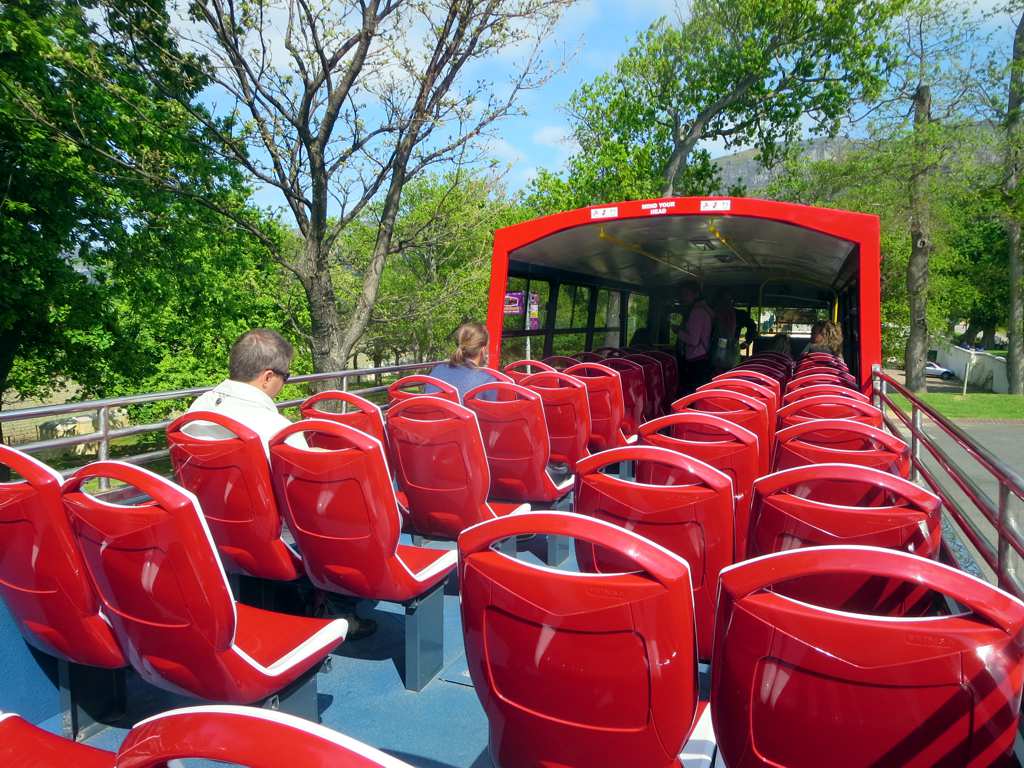

South Africa Hop-On Hop-Off Bus: Overview
South Africa Hop-On Hop-Off Bus offers a flexible, sightseeing-friendly way to explore major cities like Cape Town, Johannesburg, and Durban, letting travelers hop on at central stops, visit top attractions at their own pace, and hop back on to continue the route with a single pass.
What is a hop-on hop-off bus?
South Africa hop-on hop-off buses provide a convenient, flexible way to explore major cities and coastal sights with a single sightseeing pass. Operators typically run open-top double-decker buses on fixed routes, with multiple stops near popular attractions, harbours, and viewpoints.
What is a hop-on hop-off bus? It’s a sightseeing service that lets you board at any stop on a routed line, hop off to visit attractions, and hop back on later at any stop along the same route. Tickets are usually valid for a set time frame, such as 24 or 48 hours, giving you the freedom to explore at your own pace rather than following a fixed itinerary.
In South Africa, hop-on hop-off tours are especially popular in coastal cities and major urban centers. In Cape Town, the service connects key sights around the V&A Waterfront, Table Mountain areas, and nearby neighborhoods, while Johannesburg and Durban offer city routes that pass landmarks, entertainment districts, and waterfront areas. These tours provide a convenient overview of each city and an easy way to move between attractions.
What you typically get includes open-top seating for wide views, audio commentary in multiple languages, and easy-to-find stops at central locations. Many passes also include headphones, digital maps, and special discounts at select attractions, with some operators offering combined tickets for museums or experiences.
How it works: purchase a ticket or pass, board at any designated stop, and listen to the commentary as you travel. You can disembark at attractions you want to explore and reboard later on the same route. Check the timetable and frequency, as some routes run more often during peak seasons, and tickets are often available online or at stops.
Tips for travelers: wear sunscreen and a hat for the sunny open-air deck, bring a light jacket, review the route map in advance, and choose a 24- or 48-hour pass if you plan to visit several sights. Verify current schedules, as some routes may be seasonal or weather dependent, and remember to keep valuables secure in busy areas.
Benefits include a flexible schedule, a cost-effective way to see multiple attractions, a good city overview for first-time visitors, and easy transport between sights. For many travelers, a hop-on hop-off bus is a practical, low-stress option to sample South Africa’s urban and coastal highlights in one welcoming pass.
Why choose this transport style in South Africa?
South Africa Hop-On Hop-Off Bus is a flexible, sightseeing transport option that helps visitors explore major cities and coastal regions without renting a car. Operated on fixed routes with plentiful stops, these open-top buses let you hop off at attractions that interest you and hop back on when you’re ready to continue.
Typical routes cover central districts, waterfronts, beaches, museums, and iconic neighborhoods. Tickets are sold for a set duration, commonly 24, 48, or 72 hours, giving you unlimited rides during that period. Buses usually offer recorded commentary or live guides in multiple languages, kid-friendly routes, maps, and a digital app with stop locations and schedules to help you plan.
Why choose this transport style in South Africa? It combines convenience and flexibility with broad coverage of sights. You can see a lot without worrying about navigation, parking, or getting lost in unfamiliar neighborhoods. It’s an easy way to assess what you want to spend more time on, choose your own pace, and rejoin the route when you’re ready to continue. For travelers on a tight schedule, HOHO lets you maximize sightseeing in a single day or spread visits across a few days.
Safety and practicality are also advantages. Operated by established tour companies, HOHO buses provide a safer alternative to navigating unfamiliar streets by taxi or ride-hailing apps, and you can stay on a single transport system instead of juggling multiple tickets. Since routes are designed for sightseeing, you’ll be near major sights and neighborhoods with amenities along the way. Be sure to check stop locations, ticket validity, and the daily timetable; bring sunscreen, water, a hat, and comfortable shoes, and keep valuables secure.
In South Africa, hop-on hop-off services are especially popular in Cape Town and other major tourist hubs where you can combine city sights with scenic viewpoints and waterfront experiences. They suit first-time visitors who want a quick orientation, families looking for a relaxed day out, and travelers who prefer planning remain flexible. Always choose a reputable operator and review the route map to tailor your day to your interests.
With a clear plan and a flexible mindset, a hop-on hop-off bus can simplify exploring South Africa’s diverse urban and coastal landscapes while leaving room for spontaneous discoveries along the way.
Major Cities and Routes
South Africa’s hop-on hop-off networks connect the country’s major cities with scenic, flexible routes that let travelers explore coast, winelands and highveld at their own pace. In Cape Town a circular route covers the V&A Waterfront, Table Mountain, the Cape Peninsula and nearby winelands, with extensions toward Stellenbosch and Franschhoek. The Garden Route links Cape Town to Port Elizabeth, stopping at bustling coastal towns such as Mossel Bay, Knysna and Plettenberg Bay for day trips and scenery. Durban’s coastal line runs along the Golden Mile and into the hinterland, while Johannesburg and Pretoria offer urban routes that connect city centers with Soweto and historic sites. Multi-city passes enable hopping between these hubs, making major cities like Cape Town, Port Elizabeth, Durban and Johannesburg accessible on one flexible itinerary.
Cape Town and the Western Cape Routes
Cape Town sits at the heart of South Africa’s hop-on hop-off network, giving visitors easy access to the Western Cape’s major cities and spectacular routes designed for flexible sightseeing along the coast and inland winelands.
The Cape Town City Route typically forms the backbone of the network, looping through the V&A Waterfront, the historic Bo-Kaap district, and key city landmarks. Passengers can hop off to explore Table Mountain’s cable car area, nearby beaches, and vibrant neighborhoods, then hop back on to continue the loop when time allows.
The Western Cape Winelands Route covers Stellenbosch, Franschhoek, and Paarl. This circuit blends scenic mountain passes, colonial towns, and world-class vineyards. Visitors often spend the day visiting a mix of wine estates, historic estates, and gourmet restaurants, with optional side trips to art galleries and museums in Stellenbosch and Franschhoek.
A Coastal and Peninsula Route extends beyond the city to take in the Cape Peninsula highlights. Highlights typically include Hout Bay, Chapman’s Peak Drive, Muizenberg, Kalk Bay, Simon’s Town, and Boulders Beach with its famous penguin colony. This route offers spectacular ocean views, coastal villages, and wildlife encounters, with easy access to Cape Point and the rugged coastlines around the Cape.
The Garden Route segment in the Western Cape connects Mossel Bay, George, Knysna, and Plettenberg Bay. This eastward arc showcases forests, lagoons, and dramatic coastline. Passengers can hop off to explore Knysna’s heads, take a nature cruise, or stroll along Plettenberg Bay’s beaches, often pairing the ride with short hikes or local seafood along the way.
Many operators also offer inland extensions from George to Oudtshoorn and the Klein Karoo, bringing in ostrich farms, the Cango Caves, and dramatic mountain scenery. This inland leg widens the circuit from coastal towns into a varied landscape perfect for a multi-day hop-on, hop-off itinerary.
Whale watching is a signature draw in Hermanus, a town that lies along the Western Cape coast. Some hop-on hop-off programs include-day trips or add-on options to Hermanus during the whale season, providing a chance to see the giants from shore or on a boat excursion when conditions permit.
Tips for choosing a route include checking pass durations (usually flexible 24 to 72 hours or longer), confirming the included stops, and noting peak seasons for wildlife and scenery. Weather in the Western Cape can shift quickly, so layering and sun protection are wise, and advance booking helps secure preferred stops during busy periods.
Across these routes, the Western Cape’s hop-on hop-off networks offer a convenient, scalable way to sample city life, winelands, pristine coastline, and iconic wildlife—from Cape Town’s urban pulse to Knysna’s lagoon and Oudtshoorn’s karoo charm—without rigid itineraries.
Johannesburg and Pretoria Experiences
South Africa’s hop-on hop-off bus networks offer a flexible way to explore major cities, including Johannesburg and Pretoria, with open-top routes, live or audio-guided commentary, and the option to hop off at landmarks and neighborhoods that catch your eye.
Across South Africa, the most popular hop-on hop-off services run city loops that cover key neighborhoods, historic sites and modern districts. In Gauteng, routes are designed to connect the urban core with cultural hubs and government precincts, often offering a two-city pass or separate tickets for Johannesburg and Pretoria. Typical routes include a CBD loop through downtown Johannesburg, a Sandton and Rosebank stretch for business and shopping, and a heritage corridor linking Constitution Hill, the Apartheid Museum, and the Maboneng Precinct, with extensions toward university districts and parks. Pretoria routes tend to circle the Union Buildings area, Church Square, Government Avenue, and the Voortrekker Monument, with side trips to Hatfield or Brooklyn and stops near gardens and museums. Passengers can plan a day to hop off for a few hours to visit a museum, grab a bite, or stroll markets, then rejoin the bus at a later stop.
Johannesburg on a hop-on-hop-off route offers a cosmopolitan mix: vibrant street art in Maboneng, the cultural energy of Newtown, and the modernity of Sandton. Visitors can hop off to explore the Apartheid Museum for contextual history, the Constitution Hill precinct, or the bustling Neighbourgoods Market and underground galleries. The bus cadence is usually every 15 to 30 minutes, depending on the season, giving you flexible windows to walk, take photos, and ride with panoramic city views from the open deck. Evening passes or sunset rides are popular to see city lights, while daytime cruises reveal the city’s contrasts, from mining-era architecture to contemporary towers.
Pretoria’s experiences center on grand government streets, historic squares, and leafy neighborhoods. A typical route includes Union Buildings for panoramic views over the city, Church Square with its historic buildings, and Government Avenue lined with monuments and embassies. Stops may also reach the Voortrekker Monument precinct, the National Zoological Gardens, and the trendy districts of Hatfield and Brooklyn for cafes and shopping. The more relaxed pace lets visitors combine a museum visit with a cafe lunch and a stroll through botanical gardens.
Practical tips for using hop-on-hop-off buses in these cities include checking the timetable, as routes may run seasonally or with maintenance days. Tickets often cover a 24- or 48-hour window, with options for combined Johannesburg-Pretoria passes. Bring a light jacket for open-top decks, a camera, water, and comfortable walking shoes; plan to hop off at neighborhoods with pedestrian-friendly streets and safe daytime exploration. Audio guides in multiple languages can enhance understanding of landmarks, and some stops offer guided tours or maps to help you maximize your visit.
Overall, the Johannesburg and Pretoria hop-on-hop-off experiences provide a convenient, flexible way to sample Gauteng’s major sights, mix history with modern city life, and tailor a trip to your pace. Paired together, they offer a concise snapshot of South Africa’s urban heart and a practical introduction to its diverse neighborhoods and routes.
Durban and KwaZulu-Natal Coastal Routes
South Africa’s hop-on hop-off bus networks offer flexible sightseeing along major urban centers and the KwaZulu-Natal coastline. In Durban and along the KwaZulu-Natal coast, these routes connect beaches, cultural sites, and nature reserves with easy access to transport hubs and city attractions.
- Durban — the gateway to the coast with stops near the Golden Mile, uShaka Marine World, Moses Mabhida Stadium, and the central business district.
- Umhlanga — a stylish resort town just north of Durban, known for its promenade, beaches, and dining options.
- Ballito — a popular Dolphin Coast town offering beaches, headlands, and family-friendly stops along the coast.
- KwaDukuza (Stanger) — a historic town with cultural sites and access to coastal day trips and inland attractions.
- Richards Bay — northern coastal hub with harbour views, wildlife experiences, and access to broader coastal touring.
- South Coast towns such as Amanzimtoti, Scottburgh, Port Shepstone and Margate — stretch along the southern coast with beaches, estuaries, and marine activities.
- Durban City Route — a loop through the Golden Mile, uShaka, the downtown area, and key city attractions with frequent pickup and drop-off points.
- North Coast Coastal Route — connects Durban to Umhlanga, Ballito, and KwaDukuza with scenic coastal stops and optional day trips to nature reserves.
- South Coast Route — extends from Durban toward Amanzimtoti, Scottburgh, Port Shepstone, and Margate for seaside scenery and marine experiences.
- Extended Coastal Corridor — longer itineraries linking Durban, Richards Bay, and northern coastal towns for multi-day passes and deeper exploration.
What You See and Do
What you see and do on a South Africa hop-on hop-off bus blends iconic scenery with flexible exploration. From Cape Town’s dramatic coastline and Table Mountain to the penguin-filled shores of Boulders Beach, you can hop off at major stops to wander, dine, and snap photos, then hop back on to continue to Robben Island, the Cape Peninsula, or city museums and markets. The onboard commentary brings history and culture to life as you cruise between sights, and a day pass lets you tailor your itinerary to your interests, with easy connections to other highlights along the route.
Key Attractions along Cape Town Routes
Explore Cape Town from a hop-on hop-off bus and see the city’s most iconic sights from a flexible route. Here are the key attractions you’ll encounter on the Cape Town routes, and what you can see and do at each stop.
- V&A Waterfront: enjoy shopping, waterfront dining, street performances, boat cruises, and the Two Oceans Aquarium.
- Table Mountain and the Cableway: ride to the top for sweeping views of the city, Table Bay, and the surrounding coastline.
- Bo-Kaap: wander the pastel-painted houses, learn about Cape Malay culture, and capture photos on historic streets.
- Greenmarket Square and the City Centre: browse crafts and markets, then stroll to nearby museums and galleries.
- Company Gardens and Iziko Museums: relax in the gardens and explore national collections at the museums nearby.
- Castle of Good Hope and District Six Museum: discover Cape Town’s colonial heritage and poignant apartheid-era stories.
- Signal Hill and Noon Gun: take in panoramic city views and watch ships pass by from a classic vantage point.
- Camps Bay and Clifton Beaches (Atlantic Seaboard): enjoy dramatic mountain backdrops, white-sand coves, and chic cafés along the coast.
- Hout Bay: visit the harbour, markets, and scenic coastal drives, with optional boat trips to nearby sights.
- Boulders Beach Penguin Colony (Simon’s Town): observe African penguins in their natural shoreline habitat.
- Kirstenbosch National Botanical Garden and Constantia Wine Route: stroll among indigenous flora and, nearby, sample acclaimed wines at Constantia estates.
Iconic Sites on Johannesburg Routes
Discover Johannesburg through a South Africa hop-on hop-off bus, where two iconic routes—City Route and Soweto Route—let you see the city’s landmarks at your own pace, with the freedom to hop off for a closer look and return to the journey when you’re ready.
City Route: Constitution Hill stands as a powerful entry point into South Africa’s history. Explore the old Fort prison, walk through the museum courtyards, and visit the Constitutional Court nearby to learn how the country’s democracy took shape. The grounds offer a reflective contrast to the modern skyline that frames the area.
Apartheid Museum is another cornerstone of the City Route experience. Through immersive exhibits, photographs, and timelines, you gain a thoughtful perspective on apartheid’s impact and the ensuing struggle for equality. Allow a couple of hours to absorb the stories and connections to today’s South Africa.
Gold Reef City gives a different flavor of iconic Johannesburg—an entertainment complex built around a historic gold mine. Ride the roller coasters, wander through restored miners’ cottages, and enjoy live performances. It’s a vivid reminder of the city’s mining heritage blended with modern thrills.
Maboneng Precinct on the City Route is Johannesburg’s urban heartbeat: vibrant street art, independent galleries, and a gallery of cafes and markets. Stroll along Main Street, browse design studios, and savor local flavors from pop-up eateries as you soak in the creative energy of downtown Jo’burg.
Don’t miss a view from Carlton Centre, one of Africa’s most famous towers. Ride to the observation deck for sweeping city panoramas, or simply photograph the skyline from nearby streets. It’s a great way to cap a day of city highlights with a memorable urban skyline shot.
Soweto Route invites you to Vilakazi Street in Orlando West, famous for housing two Nobel Peace Prize laureates. Stop at Mandela House, now a museum, to glimpse the former president’s living rooms and personal mementos, then wander to nearby cafes and markets that showcase Soweto’s warmth and flavor.
At the Hector Pieterson Memorial and Museum, you’ll encounter the poignant stories of Soweto’s 1976 student uprising. The site provides powerful exhibits and photos that connect history to everyday life, offering a powerful moment of reflection during your journey.
Regina Mundi Church and the Walter Sisulu Square (Freedom Square) are essential Soweto stops. Regina Mundi reflects the community’s faith and resilience, while Freedom Square hosts markets, performances, and places to sample traditional foods and crafts—an authentic window into Soweto’s daily rhythm.
Pro tips: check the timetable for the hop-on hop-off passes, plan a full day for each route if you want a relaxed pace, and wear comfortable shoes. Bring water, and be prepared for outdoor exposure in the sun. With flexible stops, you can tailor your ride to iconic sites, local eateries, and photo-worthy moments that capture the spirit of Johannesburg and South Africa as a whole.
Coastal Highlights on Durban Routes
What You See and Do on Durban’s Coastal Routes offers a sun-soaked window into South Africa’s east coast, where the Indian Ocean meets a lively promenade and iconic landmarks.
From the open-top deck you glide along the Golden Mile, catching glimpses of surfers, swaying palm trees, and cafés lining the beachfront.
Coastal highlights include uShaka Marine World, a premier aquarium and water park that makes marine life feel close at hand.
The harbour precinct at the Point offers breakwaters, boats, and a breezy vibe with street art and markets.
Moses Mabhida Stadium sits a short ride inland from the coast, where the SkyCar carriage gives sweeping views of the coastline and city.
Stops along the route let you alight to stroll, take photos, or enjoy a curry or bunny chow at seaside eateries.
Practical tips: check the timetable, tickets are usually valid for a day, and you can hop on and off as you please to tailor your day.
Best times to ride are morning for calm seas and bright light or late afternoon for a Durban sunset over the Indian Ocean.
This Durban coastal hop-on hop-off experience combines scenic coastal views with easy access to wildlife, culture, and cuisine, making it a simple, flexible way to see the city.
Ticketing, Passes, and Scheduling
Ticketing for South Africa’s hop-on hop-off buses is simple and flexible, offering single-ride, day, and multi-day passes that can be purchased online or onboard with mobile e-tickets. Schedules are designed around popular city routes so you can hop off at must-see sights—such as Cape Town’s V&A Waterfront and Table Mountain area, or stops in Johannesburg and Durban—and hop back on when you’re ready, giving you a relaxed, self-paced way to explore.
Types of Passes and Validity
South Africa hop-on hop-off buses offer flexible sightseeing across major cities like Cape Town, Johannesburg, and Durban. Ticketing and scheduling are designed for travelers who want to explore at their own pace, with routes that stop near popular landmarks and attractions.
Ticketing options include buying online before you travel, using a mobile ticket on your smartphone, printing a voucher, or purchasing on board where available. Many operators issue a QR code for easy scanning, and some offers may be claimed at partner travel agents or hotel concierge desks.
Types of passes and validity: Passes are primarily time-based, with options commonly including 24-hour, 48-hour, and 72-hour passes that grant unlimited hops on designated routes within the time window.
Some operators also offer short-term or single-ride tickets which allow a single route loop or a limited number of hops, and others sell combo passes that include entry to local attractions.
Validity details: The clock usually starts at the moment you first use the pass (scan on the first boarding). The pass remains valid for the duration purchased, and the exact rules about continuous travel or breaks can vary by operator, so it’s wise to check the terms when you buy.
Scheduling and routes: Buses typically run on multiple routes connecting major sights, with frequent headways in peak season and slower service in off-peak times. First and last buses depend on the city, sun hours, and weather, so consulting the operator’s timetable ahead of each day is recommended.
How to use: Have your digital or printed pass ready for scanning, show the QR code to the driver or at the gate, and board any stop along the route. You can hop off to explore a landmark and hop back on later on the same pass, subject to the pass’s time window and route coverage.
Tips for planning: Align your itinerary with the bus timetable to maximize time at key attractions, and prioritize a few must-see spots on the first day to make the most of your 24/48/72-hour pass. If you’re visiting multiple cities, compare passes that cover more routes or include attraction admissions.
Discounts and accessibility: Children, students, seniors, and people with disabilities may receive reduced rates or special accommodations through some operators. Always verify eligibility and required documentation at purchase.
Refunds and changes: Policies vary, but most operators offer refunds or date changes within a certain window after purchase if unused. Check the specific provider’s terms and conditions before buying, especially if travel plans are uncertain.
How to Hop On and Off
Explore South Africa’s cities with hop-on hop-off bus tours. This guide covers Ticketing, Passes, and Scheduling, and how to hop on and off at the stops to see Cape Town, Johannesburg, Durban, and beyond.
- Ticket options
- Single-ride tickets are best for short trips between two stops.
- All-day passes let you ride between stops as you wish for a set number of hours.
- Multi-day passes provide unlimited rides across consecutive days.
- Discounts may be available for students, seniors, families, or combo tickets with museums or tours.
- Pass validity and redemptions
- After purchase, you’ll receive a voucher or a digital QR code to scan at the board or at a counter.
- Passes usually start from the time of first use; check the start window and expiration on your ticket.
- Keep your pass accessible—digital copies on your phone are common, but some operators also provide a physical card.
- Scheduling and routes
- Most tours publish daily timetables with multiple stops across key sights.
- Head to popular morning stops for shorter lines, or visit sunset viewpoints in late afternoon.
- Routes can vary by city and season; some stops may be closed on certain days or during maintenance.
- Commentary is often available in several languages, and maps are provided at stops or in the app.
- How to hop on and off
- Show your ticket or QR code to the driver or at the stop desk when boarding.
- Stay aware of the exact stop names shown on your map or app; signal clearly when you want to alight.
- Board during posted boarding times and wait at clearly marked stops to stay visible and safe.
- Exiting: collect any personal items, thank the crew, and step away from doors before the bus moves.
- Etiquette and safety tips
- Hold onto your belongings and avoid blocking the aisle while the bus is in motion.
- Respect fellow passengers and follow crew instructions, especially at crowded stops.
- Check weather and dress comfortably; South Africa’s climate can change quickly at coastal and highland routes.
- Practical tips for top destinations
- Cape Town: combine with table mountain viewing and V&A Waterfront stops; plan for windy conditions near the harbor.
- Johannesburg: include the Soweto or National Park stops if offered; urban routes may be longer due to traffic.
- Durban: coastal stops along the Golden Mile; enjoy sea views and nearby cultural sites.
- Where to buy and boarding points
- Tickets can be purchased at official kiosks, online, or via a mobile app where available.
- Board at designated stops listed on your ticket or the operator’s map; arrive a little early during peak times.
Timings, Frequency, and Route Maps
South Africa’s hop-on hop-off buses offer flexible sightseeing across major destinations such as Cape Town and other popular routes, with easy ticketing, multiple passes, and clear route maps to help travelers plan their day.
- Ticketing
- Online or on-site purchase with a mobile or printed ticket
- QR code or electronic voucher for boarding
- Refunds or changes policies vary by operator, so check terms at purchase
- Some operators offer combo tickets that include entry to attractions or tours
- Passes and validity
- Single-ride tickets for a one-day use
- Day passes granting unlimited hops within a 24-hour window
- Multi-day passes (e.g., 2- or 3-day) for extended sightseeing
- Family, youth, or senior discounts where available
- Passes may include extras like attraction discounts or guided commentary
- Scheduling and planning
- Daily service with seasonal adjustments during peak or-off peak periods
- Timetables published by the operator; check for holiday or special-event changes
- Stops are fixed beacons for easy planning and transfer between routes
- Use maps and mobile apps to optimize your day and minimize walking
- Timings and operating hours
- First departures typically in the morning, around 8:30–9:00
- Last boarding times vary, often around mid to late afternoon
- Loop durations depend on route and traffic, commonly a few hours per circuit
- Check current hours on the operator’s site or at stops to avoid gaps
- Frequency and reliability
- Interarrival times commonly range from 15–30 minutes during peak times
- Reduced frequency in off-peak periods or during maintenance
- Live updates and signboards at major stops help you track arrivals
- Route maps and stop information
- Maps show route lines, stop locations, and key sight shortcuts
- Printed maps at depots and stops, plus digital versions in apps or websites
- Maps highlight highlights, transfers between routes, and estimated walking distances
- Stop lists often include nearby attractions, restaurants, and restrooms
Always verify the latest schedules, ticketing terms, and route details on the operator’s official site or at major stops before you travel.
Practical Tips
Planning a ride on a South Africa hop-on hop-off bus? Here are practical tips to help you get the most from the experience. Check routes and operating hours in advance, choose a pass that fits your itinerary, and stay flexible for weather and traffic. Keep valuables secure, carry some local currency for on-board purchases, and use the stops to explore nearby sights or neighborhoods on foot. Allow extra time for longer days and scenic detours, and respect local safety guidelines and fellow travelers.
Best Time to Travel and Weather
A hop-on hop-off bus is a practical way to explore South Africa’s cities and coastlines at your own pace, letting you jump off for a closer look and rejoin the next bus when you’re ready.
Practical tips for using these services include researching the routes in advance, choosing a pass that matches your itinerary (single city, multi‑city, or multi‑day), and confirming operating hours and boarding points. Keep your ID or passport handy, carry a digital or printed voucher, and check what is included in the pass—some passes offer attraction discounts or entry fees in addition to transport. Plan your day around the bus schedule to maximize time at top sights and minimize long waits.
Safety is important, so stick to official stops, stay with your group, and guard valuables in crowded areas. Avoid displaying expensive jewelry or electronics, especially in busy street markets and transport hubs. If you’re unsure about a stop, ask staff or fellow travelers for guidance, and follow local advice about areas to avoid after dark.
Best time to travel depends on the region you’re visiting. Cape Town and the Western Cape are warm and dry in the summer (roughly November to February) and cooler with more rain in winter (June to August). For wildlife experiences like those around Johannesburg or Kruger, dry winter and early spring (May to September) are often ideal for spotting animals around water sources, with mornings cool and afternoons pleasant. The Garden Route tends to be comfortable in spring and autumn, with a mix of sunshine and sporadic rain year‑round.
Weather snapshots by region help with packing and planning. Cape Town typically sees hot, sunny summers with average highs around the high 20s Celsius and cooler winters with breezy coastal winds. Johannesburg has a highland climate with warm summers and chilly winter nights. Kruger National Park experiences very hot days in the dry season and cooler nights in winter, with rainier, more humid conditions in the summer months around Limpopo. Coastal cities like Durban are hot and humid in summer and milder in winter, while the Garden Route experiences a temperate climate with more frequent showers than inland areas.
Pack essentials for comfort and safety: sunscreen, a hat, a light jacket for coastal winds, comfortable shoes, a refillable water bottle, and a universal power adapter. If you’re visiting Kruger, consider malaria guidance and prophylaxis as advised by a healthcare professional. Bring a small daypack for snacks, a map or offline version of city guides, and copies of important documents in case of loss or theft.
When planning a route, start with your must‑see highlights in the city you’re visiting, then consider a multi‑city pass if you’ll be hopping between places like Cape Town, the Cape Peninsula, and nearby coastal stops. Check the reliability of the operator, read recent traveler reviews, and book in advance during peak seasons to secure the best times and prices. A well‑timed itinerary with smart early starts and built‑in breaks will help you enjoy South Africa’s hop-on hop-off experience to the fullest.
Safety, Health, and Travel Advisory
South Africa hop-on hop-off buses offer a flexible way to explore major sights in cities such as Cape Town, Johannesburg, and Durban, making it easy to tailor your day around your interests and pace.
Practical tips include buying tickets from official operators, checking the route map and timetable, and planning your day to maximize daylight hours at key stops. Bring a light jacket, comfortable walking shoes, sunscreen, and a reusable water bottle. Note luggage limits and keep essential items in a secure, easily accessible place on the bus.
On board etiquette matters too: keep valuables secure in a zipped bag, avoid flashing electronics, and follow the operator’s guidance about seating and stops. If you plan to hop off at a stop for a longer visit, confirm the return schedule so you don’t miss the next bus.
Safety begins with choosing reputable operators and staying aware of your surroundings. Use licensed vehicles and staff-recommended stops, keep to well-lit areas after dark, and travel in groups when possible. Trust your instincts and avoid isolated or unfamiliar neighborhoods, especially after sunset.
At each stop, stay with the group or a companion, watch for traffic when boarding and disembarking, and avoid leaving belongings unattended. If a stop feels unsafe, remain on the bus or return to a safer area and speak with the driver or tour staff for a recommended alternative.
Health considerations include malaria awareness in certain northeastern and national park regions; consult a health professional about prophylaxis if you plan to visit high-risk areas such as Kruger National Park and nearby zones. Stay hydrated, use high-SPF sunscreen, and consume bottled water if the local supply is uncertain. Be cautious with street food and keep basic first-aid supplies handy, including any prescription medications you need.
Additional health tips include protecting against heat and sun, carrying your own medicine for common ailments, and having a plan if you feel unwell while traveling. If you have allergies or chronic conditions, carry a medical card and ensure you can access care at your destinations.
Travel advisories vary by country, so check official government guidance before and during your trip. Verify passport validity, visa requirements, and any entry restrictions for South Africa, and ensure you have comprehensive travel insurance that covers health, evacuation, and theft. Keep copies of important documents and know the emergency contacts of your embassy or consulate in the area you are visiting.
Finally, plan for connectivity and local logistics: consider purchasing a local SIM card or international roaming plan, carry a map or offline navigation, and understand local tipping norms and payment methods. Be respectful of local laws and cultures, and enjoy the experience of exploring South Africa from a hop-on hop-off bus with flexibility and safety in mind.
Accessibility and Family-Friendly Information
South Africa’s hop-on hop-off bus networks offer flexible, city-wide sightseeing with commentary, convenient stops, and the chance to tailor a day around your interests. In cities like Cape Town and Johannesburg, you can hop off to explore major attractions and then hop back on to continue the route at your own pace.
Practical tips: check the operator’s route map and timetable before you go, and consider buying tickets online to save time. Plan at least a half day for each route, and more if you want to linger at waterfronts, museums, or viewpoints. Bring water, sunscreen, hat, and comfortable shoes; weather can change quickly along the coast and at higher elevations like Table Mountain viewpoints.
Accessibility: accessibility varies by operator and vehicle. Some buses offer low-floor entries, ramps, or priority seating. If you need wheelchair access or a stroller-friendly option, contact the operator in advance to confirm what is available on your travel date, and whether stops have step-free access or nearby accessible facilities.
Family-friendly information: hop-on hop-off rides can be ideal for families as you can control pace and skip long walks. Look for routes with stops near child-friendly attractions, parks, or museums. Some operators provide kid-friendly commentary channels or activity sheets, and many offer family-friendly discounts. If you have small children, bring a compact stroller and plan for rests between stops.
Safety and etiquette: stay seated while the bus is moving, listen to the driver or staff for safety announcements, and hold onto rails during boarding. Secure bags and keep valuables out of sight. When exiting near traffic, cross only at designated pedestrian crossings and follow local guidance. In crowded tourist areas, stay aware of pickpockets and keep an eye on children at stops and queues.
Planning tips for Cape Town or other cities: take the morning to catch the coastal or Table Mountain-adjacent routes, then hop off to the V&A Waterfront or Kirstenbosch if included in the route. If a route includes sunset viewpoints, consider timing to catch golden hour lights. Check if the schedule runs year-round and whether there are seasonal changes or maintenance days.
Accessibility and family options can change with season or operator updates, so always verify details right before you travel. Look for official operator websites or contact centers for the latest information on routes, stops, accessibility features, and child-friendly offerings. Maps and tips are often available in multiple languages to help visitors from abroad.
Whether you are traveling solo, as a couple, or with family, a hop-on hop-off bus in South Africa can be a convenient way to cover multiple neighborhoods, get oriented, and time your visits to top sights. Plan ahead, ask questions, and enjoy the ride.
Planning Your Trip and Comparisons
Planning your trip with a South Africa hop-on hop-off bus gives you flexible access to major sights while letting you control pace and routes. This introduction compares routes, pass durations, inclusions, and prices across operators serving Cape Town and other cities, helping you decide how long to ride, which stops to prioritize, and whether a multi-city pass offers real value for your itinerary.
Budget Considerations
Planning a trip with a South Africa hop-on hop-off bus can be a convenient way to see major cities and landmarks, but it requires a bit of planning and budgeting to get the most value from your pass.
- Planning Your Trip
Identify the cities you want to visit (for example Cape Town, Johannesburg/Pretoria, Durban, or the Garden Route towns). Check the bus routes and hours, the length of the passes, and how often the buses run. Consider the seasons, weather, and the time you want to spend at attractions, plus how the hop-on hop-off experience fits with other activities like whale watching, Robben Island, or Table Mountain cable car. Bring a map, note transfer times between airports or train stations, and decide if you want a single-city pass or a multi-city option.
- Comparisons
Compare major operators for coverage, frequency, and inclusions. Look at the length of each pass (24, 48, 72 hours or more), whether extras such as free walking tours, entry to museums, or boat trips are included, and if commentary is offered in your language. Read reviews about reliability, safety, and accessibility for families with children or travelers with mobility needs. Consider route maps and whether the itinerary allows you to see your top priorities without rushing.
- Budget Considerations
Prices vary by city and provider, but expect to pay for a day pass and consider whether longer passes offer better value. Check for discounts for students, seniors, or large groups, and see if child pricing is available. Factor in additional costs like meals, tips, and any optional add-ons. If you plan to visit offshore attractions or take guided tours, compare the combined cost with independent tickets or separate attractions to ensure you’re not paying a premium for convenience.
Choosing Between City Bus Tours and Private Options
Planning your South Africa hop-on hop-off trip involves aligning routes, schedules, and experiences with the cities you want to explore, such as Cape Town, Johannesburg, and Durban, while considering the season and your pace.
- What is included: City bus tours typically offer predefined routes, stops, and a recorded or live guide; private options can include customized itineraries, a private guide, and door-to-door transport.
- Flexibility: City tours run on fixed schedules with set stops; private tours allow you to customize stops and timing to match interests and energy levels.
- Cost: City passes are often more economical when you plan multiple days of riding; private tours can be more expensive but may include exclusive experiences, transfers, and fewer or no waiting times.
- Coverage: Hop-on hop-off canvasses major sights within a city; private options can reach offbeat attractions, rural areas, or outskirts not served by standard routes.
- Timing and pacing: City tours help structure a day with predictable pacing; private tours let you control pacing, rest times, and the order of visits.
- Accessibility and comfort: City buses are designed for large groups and frequent stops; private options offer private vehicles, more personalized seating, and potentially quieter experiences.
- Inclusions and add-ons: City passes often bundle discounts for attractions, museums, and restaurant deals; private tours can include tailored experiences, special access, and private transfers.
- Safety and reliability: Reputable operators provide safety briefings and GPS tracking; private guides can enhance safety with local knowledge but depend on vehicle quality and driver reliability.
- When to choose: If you want budget-friendly, flexible sightseeing within a single city, start with a hop-on hop-off option; if you crave personalized attention, niche interests, or off-route experiences, private tours are a better fit.
- Planning tips: Check route maps and operating hours, verify ticket validity and transfer points, read recent reviews, and consider combining a hop-on hop-off pass with a private day tour for a balanced itinerary.
FAQ and Resources
Welcome to the FAQ and Resources for South Africa hop-on hop-off buses, designed to help you plan a flexible and hassle-free city sightseeing experience. Here you’ll find quick answers on routes, schedules, ticket options, and safety tips, plus valuable links to official operators, maps, mobile apps, and travel advisories to keep you informed during your trip to Cape Town, Johannesburg, and other popular destinations.
Common Questions about Hop-On Hop-Off in South Africa
Hop-On Hop-Off buses in South Africa offer flexible city sightseeing with multiple stops, open-top decks, and the ability to jump off at attractions you want to explore and hop back on later.
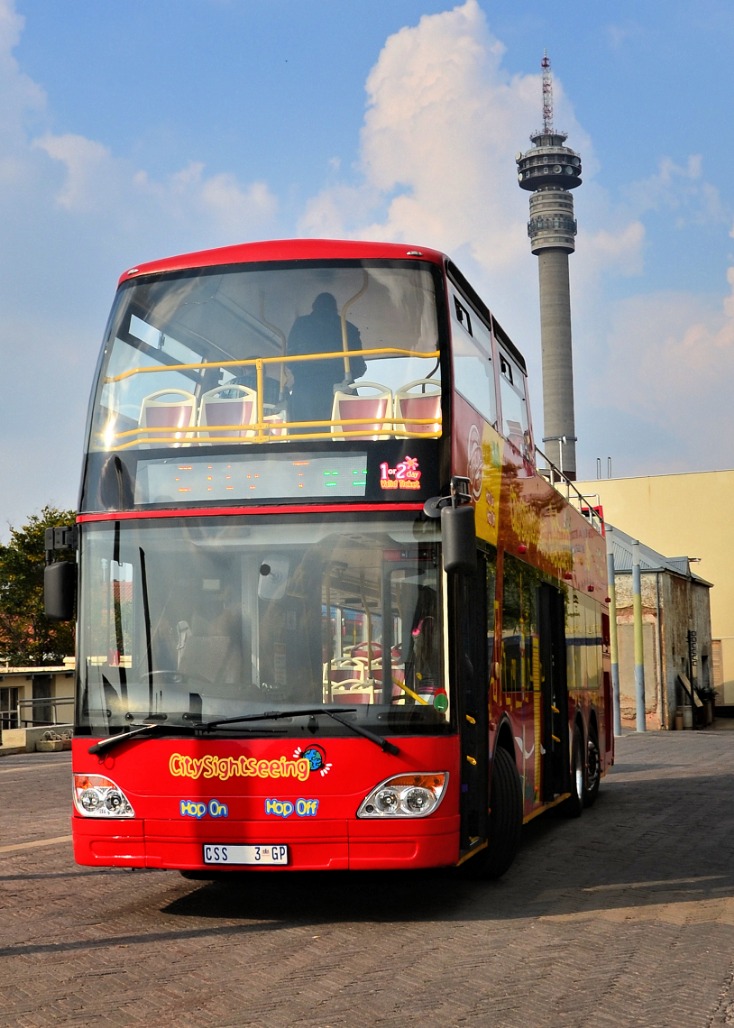
Q: What is a Hop-On Hop-Off bus?
A: It is a sightseeing service where buses run along a fixed route with designated stops. You can board at any stop, visit nearby sights, then catch the next bus to continue the route or return to where you started. Commentary is often available, and tickets cover unlimited rides within a set time window.
Q: Where do these services operate in South Africa?
A: The most popular area is Cape Town, with operators such as City Sightseeing Cape Town and Big Bus Tours Cape Town. Other cities have limited or seasonal services, so it’s important to check the operator’s current routes and stops for Johannesburg, Durban, or other destinations. Availability can vary by season and operator.
Q: How long do passes last?
A: Pass durations commonly range from 24 to 48 hours, and some operators offer 72-hour options. The clock usually starts when you first redeem the ticket, and you can ride as much as you want on the chosen route during that period.
Q: How do I book and what do passes include?
A: You can usually book online in advance or purchase at designated stops or ticket offices. A pass includes unlimited rides on the selected route for the duration of the pass, plus on some days access to additional attractions, discounts at partner venues, or a city map and itinerary suggestions.
Q: What about routes and stops?
A: Routes typically cover major sights such as waterfronts, city centers, Table Mountain viewpoints, museums, and neighborhoods of interest. Stops are clearly signposted and listed in the route map. Check the latest map and timings on the operator’s site before you go.
Q: Are there discounts for kids or seniors?
A: Yes, most operators offer reduced fares for children, and some provide senior discounts. Age brackets and required proof can vary, so confirm at the time of purchase.
Q: Is it safe and reliable?
A: Reputable operators follow safety regulations, have trained staff, and provide route guidance. Sit still while the bus is moving, wear seat belts if available, and follow the crew’s instructions. Weather and traffic can affect schedules, so plan for possible delays.
Q: Luggage and accessibility?
A: Most Hop-On Hop-Off buses accommodate small bags, but there may be limited space for larger luggage. Accessibility depends on the specific vehicle and operator; contact the operator in advance if you need a wheelchair-accessible option or other accommodations.
Q: Language and on-board commentary?
A: Commentary is commonly available in multiple languages, either as live narration or pre-recorded audio guides. Language options vary by route and operator, so check the current language list when you buy your ticket.
Q: What is the cancellation policy?
A: Cancellation policies vary by operator and ticket type. Some tickets offer free cancellation up to a certain time before use, while others are non-refundable. Always review the terms at purchase and consider travel insurance if your plans may change.
Resources and where to find current information
Official operator sites and ticketing pages for Cape Town services; national and city tourism portals; travel review sites for recent rider tips; maps and route guides published by the operators; customer service contact details for accessibility requests or special accommodations; general safety advice from local tourism authorities; travel blogs and forums with up-to-date traveler experiences.
Where to Book and Find Timetables