BMW Bus South Africa: Overview
BMW Bus South Africa offers a concise overview of how the BMW Group engages the South African commercial transport market with bus and mobility solutions. The region benefits from BMW’s global focus on premium engineering, reliability, and after-sales support, translating into fleets that emphasize driver comfort, efficiency, and sustainable transport options. Through local partnerships and tailored services, BMW aims to strengthen urban mobility and coach travel across South Africa while aligning with the country’s evolving transport needs.
Brand Presence and Market Position
Overview: BMW Group South Africa is the local arm of the German automaker, delivering premium mobility to customers across the country. The operation covers national sales, after-sales service, dealer network management, and local fleet solutions, with a manufacturing footprint in the region that supports local assembly and regional export programs. While the core business is passenger cars and light premium vehicles, the company also provides mobility services and fleet partnerships that touch commercial transport, including bus operators and corporate shuttle programs.
Brand Presence: In South Africa, BMW is recognized as a leading premium brand with a dense dealer network in major cities such as Johannesburg, Cape Town, and Durban, complemented by a strong certified pre-owned program and robust after-sales support. The brand’s presence is reinforced through marketing, sponsorships, and experiential events that highlight performance, luxury, and technology. Electrified and high-performance models, together with advanced driver-assistance features, bolster the brand’s image as a modern, dynamic choice for South African buyers and fleet customers.
Market Position: BMW competes in the premium automotive segment against Audi and Mercedes-Benz South Africa, maintaining a strong position through product diversity, local manufacturing capabilities, and a growing electric vehicle lineup. The company’s market stance is supported by a comprehensive dealer network, finance and leasing options, and investment in after-sales excellence. As demand shifts toward electrification and digital services, BMW South Africa continues to adapt with local introductions of i-series models and intensified customer experience initiatives.
Fleet and Bus Mobility Focus: Although BMW does not manufacture buses, its South Africa arm emphasizes fleet solutions and mobility services for business customers, including private and public sector operators. Through tailored maintenance plans, telematics, and flexible financing, BMW supports corporate shuttle programs, taxi and bus fleets, and other commercial mobility needs, integrating data-driven services with traditional vehicle ownership.
Conclusion: BMW Bus South Africa, understood as part of BMW Group South Africa, maintains a strong brand presence and competitive market position by combining a premium product lineup, a wide dealer network, and evolving mobility services. The company pursues electrification and digitalization while supporting fleet customers and partnerships across South Africa’s transport ecosystem.
Historical Milestones in South Africa
BMW Bus South Africa is the region’s mobility footprint for BMW Group in South Africa, encompassing premium passenger vehicles, fleet services, and bus and shuttle solutions for corporate and public-sector customers. The topic highlights how BMW’s presence in the country extends beyond cars to integrated mobility solutions that support business and transportation needs.
Overview of operations: The South Africa arm supports local assembly, distribution, parts supply, and after-sales service, with a network of authorized dealers across major cities and a workforce that includes engineers, technicians, and customer service specialists. This foundation enables BMW to serve both individual buyers and fleet operators with reliability and premium service.
Historical milestones in South Africa: Entry and market development: BMW Group first established a local presence in South Africa as an importer and distributor, building a strong local demand for premium mobility and setting the stage for broader local-product and fleet solutions in the years that followed.
Local manufacturing footprint: The company developed a local manufacturing and assembly capability in South Africa, installing and operating at a key facility in the Pretoria region to support local assembly, kit assembly, and export opportunities, reinforcing the country’s automotive ecosystem and providing jobs and skills transfer.
Expansion of network and service capabilities: Over the years, BMW Group South Africa expanded its dealer and service network to cover major cities such as Johannesburg, Cape Town, Durban, and Port Elizabeth, improving parts supply and after-sales support for both consumer and corporate fleet customers.
Mobility and bus fleet solutions: BMW Bus South Africa has collaborated with business and public-sector partners to deploy shuttle and bus fleets, leveraging BMW’s engineering expertise to deliver reliable, efficient mobility solutions for employee transport, airport shuttles, and public-private partnerships that support urban mobility needs.
Technology and sustainability milestones: The company advanced its mobility offerings with a focus on efficiency and lower emissions, incorporating hybrid and electric powertrains into its fleet solutions, and exploring sustainable transport options to help cities and corporations reduce their environmental impact.
Skills development and local supplier programs: BMW Group South Africa anchored growth in local capability development, running training programs, apprenticeships, and supplier development projects to support the broader automotive ecosystem and empower local talent.
Governance and brand impact: The presence of BMW in South Africa has contributed to market standards for premium mobility, quality assurance, and a reputation for reliability in both private and fleet segments, including bus and shuttle operators who rely on durable and well-supported vehicles.
Future outlook: BMW Bus South Africa aims to continue expanding mobility services, strengthen its fleet solutions for public and private customers, invest in sustainable transport options, and deepen local partnerships to support South Africa’s evolving transport needs and urban mobility challenges.
Product Portfolio in South Africa
BMW South Africa offers a premium product portfolio focused on passenger vehicles—sedans, SUVs, and performance models—crafted for local tastes, road conditions, and urban mobility needs. The brand does not manufacture buses, but the South African transport market features a robust bus sector from other manufacturers and mobility partners that complement BMW’s extensive dealer network, after-sales service, and flexible financing. Emphasis on efficiency, connectivity, and electrified options positions BMW to meet evolving demand across South Africa’s cities and regions.
City and Shuttle Bus Models
BMW South Africa’s product portfolio focuses on passenger cars, SUVs and electrified mobility rather than direct bus manufacturing. The country does not assemble city or shuttle buses under the BMW badge; instead, city and shuttle bus operations are served by specialist bus builders and fleet operators who may adopt BMW branding for corporate shuttle services or mobility partnerships.
- City bus market in South Africa: typical configurations include low-floor 8-12 meter buses for urban routes with high passenger turnover, an emphasis on accessibility, and compliance with local emissions standards. BMW is not a bus manufacturer in SA, but fleet operators may use premium branding or interior fittings that align with the BMW corporate image.
- Shuttle bus market: corporate, hotel, airport and event shuttles commonly use 4-8 meter minibuses or 9-12 meter standard coaches built by specialist manufacturers. Operators may offer premium interiors and reliable service networks with BMW-branded corporate fleets as part of their mobility solutions.
- Key features for city and shuttle bus configurations in SA: low-floor design for easy ingress and egress, diverse fuel options (diesel, hybrid, electric), strong after-sales support, and adherence to local safety and emissions regulations.
- Opportunities for BMW in the SA bus sector: potential collaborations with local bus builders and fleet operators to provide mobility solutions, telematics, and after-sales support, leveraging BMW brand strength while integrating established bus manufacturing ecosystems.
Intercity and Tour Bus Models
BMW Bus South Africa is exploring how a premium mobility brand could serve the intercity and tour bus segment in the country. The South African market supports extensive intercity travel and tourism, with routes between major cities and tourist destinations. A BMW-branded bus portfolio would emphasize efficiency, comfort, and connected services for operators and passengers alike.
The product portfolio could be organized into two core strands: Intercity coaches and Tour coaches. Intercity models would prioritize high-energy efficiency, shorter cycles, and high-frequency service. Expected characteristics: two- or three-axle configurations, lengths from about 12 to 14 meters for 2-axle, 13.5 to 15 meters for 3-axle; powertrains: diesel with SCR, optional electrified or hybrid variants; lightweight body using aluminum or composite panels; premium interior with ergonomic seating, climate control, LED ambient lighting, driver assistance systems, digital cockpit, telematics for fleet management; luggage compartments; passenger Wi-Fi and USB-C charging; accessible features for disabled passengers.
Tour bus models would be oriented toward longer journeys and tourism, with 12-16 meter configurations depending on 2- or 3-axle setups; emphasis on comfort, noise reduction, and onboard amenities such as enhanced seating, panoramic windows, panoramic roof options, entertainment systems, and large luggage holds. Powertrains would include efficient diesel options and electric or hybrid drivetrains as technology matures in SA; features like adaptive cruise control, predictive maintenance, and remote diagnostics would help operators maximize uptime.
In the South African context, operators look for a strong aftersales network, easy access to service centers, parts supply, and support for local road conditions, with maintenance packages and extended warranties. The BMW-branded portfolio would need to align with local standards and regulations, including safety and emissions requirements, and would benefit from partnerships with established service partners to ensure uptime on long routes between Johannesburg, Cape Town, Durban, and tourism hubs like the Garden Route and the Kruger region.
Market positioning would position BMW Bus South Africa as a premium choice in the intercity and tour segments, focusing on driver and passenger comfort, connected fleet management, and total cost of ownership advantages through efficiency and reliability. Competition currently comes from global bus manufacturers with established local networks; to succeed, a hypothetical BMW offering would need to complement existing offerings with superior digital services, integrated telematics, driver assistance technology, and a compelling service proposition.
Overall, a BMW Bus South Africa product portfolio for intercity and tour models would reflect the country’s travel patterns and tourism economy, delivering premium cabins, efficient powertrains, and strong service support. As mobility shifts toward electrification and data-driven fleet management, a BMW-branded approach could resonate with operators seeking a premium, connected solution for South Africa’s diverse routes.
Electric and Hybrid Bus Options
BMW bus South Africa: The landscape for buses in South Africa is changing with a growing push toward electrification in urban transport. While BMW Group South Africa does not currently manufacture buses, the company is actively exploring how its electrification platforms, charging solutions, and connected mobility services can support city fleets through partnerships with bus OEMs, operators, and infrastructure providers.
In the South African market, a broad mix of electric and hybrid buses is available through global manufacturers and local distributors. Electric buses from brands such as BYD, Volvo, Scania, and Mercedes-Benz are deployed on urban routes and BRT corridors, while hybrid buses help fleets transition with reduced emissions and better fuel efficiency.
Electric and hybrid bus options: Electric buses provide zero tailpipe emissions and quiet operation, expanding possibilities for city centers. In South Africa, operators typically use depot charging at garages as well as opportunity charging at termini or depots. Battery-electric ranges vary with route load and climate. Hybrid buses combine an internal combustion engine with an electric drive to cut fuel consumption and emissions during the transition, offering a lower-risk path for routes with limited charging capacity.
BMW’s potential role: BMW Group South Africa could contribute to this landscape not as a bus manufacturer, but as a partner in electrified mobility. Potential offerings include integrated fleet electrification strategies, charging infrastructure planning and management, telematics and fleet analytics, driver training, maintenance packages, and aftersales support through BMW and partner networks. BMW could also bring premium driver comfort and in-cabin technology insights to urban bus operations, along with sustainable financing and asset management solutions.
Local considerations and opportunities: Key considerations for deploying electric and hybrid buses in SA include grid reliability, charging infrastructure availability, spare parts and service networks, and total cost of ownership. Local incentives, public-private partnerships, and local content requirements can influence procurement. Partnerships with local operators and vehicle body builders can help tailor buses for South Africa’s climate and road conditions.
Conclusion: While BMW is not currently a bus builder in South Africa, the company’s expertise in electrification, digital services, and premium mobility could complement the growing electric and hybrid bus ecosystem, supporting operators and cities as they transition to cleaner public transport.
Manufacturing, Assembly and Local Sourcing
BMW’s operations in South Africa exemplify how manufacturing, assembly and local sourcing come together to power mobility for the region. From plant-floor assembly of vehicles and bus fleets to sourcing parts from local suppliers, the approach strengthens jobs, skills and service networks while meeting global quality standards. Local content, supplier development and coordinated logistics enable reliable production pipelines that serve both South African customers and regional routes.
Local Assembly Facilities
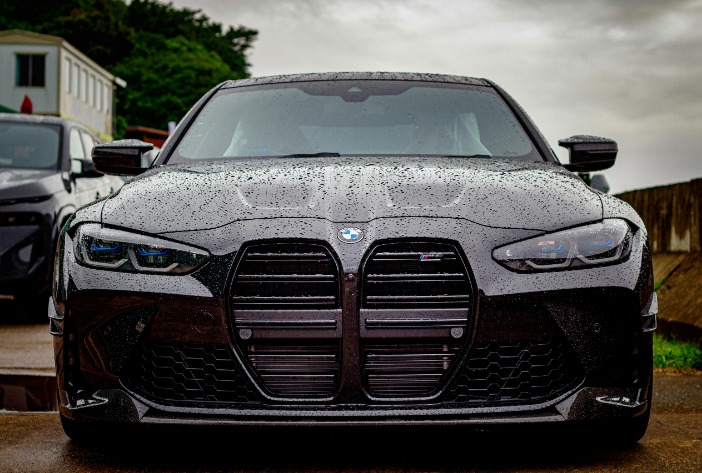
BMW South Africa anchors the regional automotive ecosystem by integrating manufacturing, assembly and local sourcing into a coherent strategy that supports mobility, including bus fleets used by public operators and corporate customers.
Local assembly facilities: BMW operates two key plants in South Africa—the East London Plant and the Rosslyn Plant. These plants assemble vehicles for the domestic market and export, using CKD modules as well as fully built units, depending on demand. The facilities contribute to regional employment, training and supplier development.
Manufacturing and assembly approaches: The plants combine global engineering standards with local content, integrating components sourced locally where possible and maintaining strict quality controls, just-in-time logistics and continuous improvement across lines that support both passenger vehicles and fleet applications including buses.
Local sourcing: BMW SA’s supplier network spans metal stamping, plastics, electronics, upholstery, tires and service parts. The company actively develops local suppliers, supports capability building and works with government programs to increase local content and supplier resilience, enabling more of the value chain to occur within South Africa.
Local content and the bus sector: From a bus perspective, the same local sourcing and assembly ecosystem can support fleet procurement and maintenance for bus operators and public transit authorities that rely on BMW-backed mobility solutions. While BMW primarily produces passenger vehicles, the surrounding ecosystem strengthens bus fleets through parts, services and potential collaboration with bus bodybuilders and operators.
Performance and future: The emphasis on local assembly aligns with South Africa’s Automotive Master Plan and local content targets, promoting sustainable manufacturing, job creation and export opportunities. Ongoing investments in electrification, digitalization and training are expected to shape BMW’s bus and transport solutions in the region.
Conclusion: BMW’s bus-related activities in South Africa are shaped by a robust manufacturing footprint, strong local sourcing and collaborative partnerships across the automotive and transport sectors.
Supply Chain and Local Content
BMW Group South Africa serves as a strategic manufacturing and assembly hub for the company in the southern African region, driving local value-add, employment and exports while aligning with national industrial policies that encourage local sourcing and supplier development. The focus extends beyond car production to strengthening the broader mobility ecosystem in South Africa through robust procurement practices and collaboration with local suppliers.
The manufacturing footprint centers on high-precision assembly operations supported by advanced automation, stamping, body shop, paint work and final assembly. The plant’s capability to adapt to different models and trim levels enables efficient production for domestic customers and regional export markets, while rigorous quality systems ensure that every vehicle meets BMW’s global standards.
Assembly and local sourcing are underpinned by a deep supplier network across South Africa, with BMW Group South Africa investing in supplier development programs, technical training and quality improvement initiatives. Local content is pursued through long-term supplier relationships, joint development projects, and the integration of locally manufactured components and subassemblies, in line with the Automotive Production and Development Programme requirements.
BMW Group South Africa manages a resilient supply chain that combines domestic manufacturing with regional sourcing and imported critical components. Logistics networks, warehousing, and transport echelons are optimized for just-in-time delivery, while supplier qualification, audits, and continuous improvement programs help ensure ethical sourcing, compliance and environmental responsibility across the value chain.
Local content strategies are driven by policy and by BMW’s own commitments to transformation and skills development. The company collaborates with local universities, training centers and engineering institutes to grow capability in design, manufacturing, and quality assurance, expanding job opportunities and helping to build a more inclusive automotive sector in South Africa.
In the broader South African mobility landscape, the strength of BMW Group South Africa’s manufacturing and local-content program supports not only passenger vehicles but also the resilience of transport networks, including bus fleets, by fostering a capable supplier base and robust logistics that benefit the entire automotive ecosystem.
Export Capabilities
BMW Group South Africa operates a robust manufacturing and assembly footprint that serves local demand and export markets while integrating with a broad regional mobility ecosystem. The focus remains on passenger vehicles, but the site and its supplier network contribute to the country’s automotive manufacturing narrative and, in turn, the broader concept of local sourcing and export capabilities in the context of South Africa’s transport sector, including bus fleets operated by public and private partners.
Manufacturing and assembly capabilities in South Africa include stamping, body in white, welding, painting, and final assembly, supported by advanced automation, quality management, and a skilled workforce. The facilities are designed for flexible production, enabling the assembly of different model variants for domestic and regional markets. Lean manufacturing practices and continuous improvement programs help BMW maintain efficiency, reduce waste, and meet international safety and environmental standards.
Local sourcing and supplier development are central to BMW’s South African operations. The company collaborates with a network of local suppliers to meet a significant share of components and services, aligning with the Automotive Production and Development Programme’s local content objectives. Through supplier development initiatives, training, and capacity building, BMW aims to strengthen the domestic value chain, create jobs, and foster sustainability across the ecosystem.
Export capabilities are a strategic priority, with vehicles produced in South Africa destined for regional markets across Africa, as well as export to other continents where appropriate. Strong logistics links, port infrastructure, and adherence to international standards enable reliable delivery while maintaining competitive lead times. BMW’s export activities are supported by regulatory compliance, certification, and a global distribution network that ensures after-sales support and parts availability internationally.
Bus manufacturing and provisioning in South Africa is not the domain of BMW. The BMW Group’s local footprint focuses on passenger vehicles and related mobility services. In the context of bus fleets, operators typically source from specialist bus manufacturers, but BMW’s broader mobility portfolio supports fleet management, corporate vehicle programs, and partnerships that complement public transport and private mobility solutions in South Africa.
Looking ahead, BMW South Africa plans to continue investing in local manufacturing capabilities, expanding supplier development, and enhancing export readiness to strengthen South Africa’s position in the regional automotive value chain while contributing to job creation, skills development, and sustainable mobility.
Technologies and Safety
Technologies and safety define BMW’s bus initiatives in South Africa, where advanced driver-assistance systems, efficient propulsion, and intelligent connectivity aim to improve reliability and passenger protection on both urban routes and longer intercity services. From collision avoidance and adaptive cruise control to reinforced cab design and real-time monitoring, these buses blend cutting-edge technology with rigorous safety standards to tackle South Africa’s diverse roads.
Safety Systems and Ratings
In South Africa, safe passenger transport is a priority for operators serving busy urban routes and long-distance corridors. BMW Group’s presence in the country is primarily through passenger cars and corporate mobility programs, and although BMW does not manufacture conventional buses, the safety technologies developed by BMW for its vehicles increasingly influence fleet operations and shuttle services in South Africa. This article looks at Technologies and Safety, Safety Systems and Ratings as they relate to BMW-related bus and shuttle contexts in the South African market.
Technologies from BMW that underpin safety in fleets used in South Africa include driver assistance and active safety features that can be shared with fleet operators and implemented in BMW-powered shuttle fleets. Core systems include adaptive cruise control, collision avoidance with automatic emergency braking, lane keeping and lane change assist, blind spot monitoring, and parking assistance with surround view. In practice, these technologies help reduce fatigue and reaction time for drivers on busy routes and improve passenger protection during braking or cornering.
When bus and coach operators in South Africa adopt modern safety systems, the safety philosophy extends beyond the vehicle to the fleet operation. Electronic stability control, anti-lock braking, and tire pressure monitoring are standard safety elements that help prevent loss-of-control on wet or uneven roads. Advanced safety features such as pedestrian detection and autonomous emergency braking can mitigate urban risks, while driver monitoring and cabin surveillance support safe driving behavior and quick responses in emergencies.
Safety systems are reinforced by strong ratings from independent bodies. Global NCAP and other regional programs provide star ratings and test results that buyers and operators use to compare safety performance across models and generations. BMW vehicles that perform well in these assessments typically earn high ratings for adult and child occupant protection, which in turn informs fleet procurement decisions in South Africa and supports safer bus and shuttle operations in the market.
In the South African context, purchasing decisions for BMW-powered shuttle fleets or buses involve more than equipment alone. Fleet managers consider maintenance reliability, service networks, driver training, and telematics that monitor braking, acceleration, and route risk. Operators increasingly integrate safety audits, seat belt compliance, emergency exit procedures, and CCTV into daily operations to protect passengers and reduce risk on routes that traverse urban centers and rural corridors alike.
Ultimately, the convergence of BMW’s safety technologies with South Africa’s transport needs is driving safer bus and shuttle experiences. As technology evolves—through connected services, improved sensors, and data-driven fleet management—the safety of passengers in BMW-backed transit operations in South Africa is supported by robust engineering, recognized safety ratings, and proactive operator practices.
Connectivity and Infotainment
BMW South Africa is expanding mobility solutions with a focus on bus technology, safety, connectivity and infotainment designed for local roads and urban environments.
- Technologies powering the bus: modular electric propulsion options, high-energy-density batteries, energy management, lightweight composites, advanced driver-assistance sensors, and OTA software updates to keep systems current.
- Safety innovations: automatic emergency braking, adaptive cruise control, lane-keeping assist, blind-spot monitoring, pedestrian and cyclist detection, reinforced passenger cabins, emergency exits, and fatigue monitoring for drivers.
- Connectivity and Infotainment: in-bus Wi-Fi, real-time travel information, passenger displays with multilingual announcements, vehicle-to-infrastructure data, 5G connectivity, and seamless app integration for tickets and service updates.
- Operational and city integration: telematics for fleet management, predictive maintenance, remote diagnostics, route optimization, and data analytics to improve reliability and reduce downtime.
Driver Assistance and Autonomy
BMW buses in South Africa are exploring technologies and safety systems that merge driver assistance with the potential for autonomy on urban routes. As South Africa expands its public transport network, the ability to reduce driver workload, improve reaction times, and enhance passenger safety through advanced sensor suites and connected software becomes a priority for operators and manufacturers alike.
Core technologies include adaptive cruise control with Stop & Go, forward collision warning, automatic emergency braking, and lane-keeping assistance. These features, adapted from passenger cars, help long vehicles maintain safe following distances, respond to sudden traffic changes, and stay centered in lane lines in busy city corridors where buses frequently interact with other vehicles and pedestrians.
For safety in urban environments, bus-specific sensors enhance awareness around the vehicle. Pedestrian and cyclist detection near stops, cross-traffic alerts at intersections, and 360-degree camera systems aid drivers during boarding, alighting, and tight turns. Digital maps and real-time traffic data enable smarter speed management and smoother deceleration in built-up areas.
Autonomy and driver assistance for buses can progress in stages. Level 1 and Level 2 automation combine driver control with assistance features, while Level 3 and Level 4 concepts envision remote monitoring or automated operation on fixed routes or dedicated lanes. In South Africa, any higher levels would likely start on controlled corridors with robust oversight, operator training, and clear accountability for safety outcomes.
Implementing these technologies in South Africa faces challenges such as road surface variability, lighting conditions, and pedestrian-heavy environments. Maintenance of sensors in dusty or rainy climates, cybersecurity of connected fleet systems, data privacy, and regulatory approvals all require local adaptation. Infrastructure upgrades, clear standards for commercial autonomy on public roads, and collaboration among manufacturers, operators, and government agencies are essential for scalable deployment.
BMW’s technology platforms—such as sensor suites, connectivity, telematics, and driver-assistance software—can be integrated with bus platforms through partnerships and adaptations. Fleet management solutions enable remote diagnostics, predictive maintenance, route optimization, and safety monitoring. When applied to buses in South Africa, these tools support safer, more reliable service, better incident response, and opportunities for electrification and shared mobility.
In summary, Technologies and Safety, Driver Assistance, and Autonomy have meaningful implications for BMW buses in South Africa. By combining proven ADAS, data-driven fleet management, and careful program planning, operators can advance safer street-level mobility while navigating local conditions and regulatory frameworks.
New Mobility and Sustainability Initiatives
New Mobility and Sustainability Initiatives in South Africa are reshaping urban transport, with BMW Bus South Africa advancing electrified fleets, smarter fleet management, and green partnerships to reduce emissions and boost resilience.
Electric Public Transport Initiatives
Emissions and Efficiency Standards
BMW Group South Africa is advancing new mobility and sustainability initiatives in the bus sector, with a focus on reducing emissions, increasing efficiency, and integrating buses into broader urban transport networks.
New mobility initiatives involve collaborations with city authorities, bus operators, and local suppliers to pilot electric and hybrid buses, deploy charging infrastructure, and develop data-driven ride- and route-planning solutions that improve reliability and accessibility for residents.
Emissions standards are central to the approach, with efforts to align heavy-vehicle specifications with stringent international benchmarks and to accelerate the adoption of zero-emission bus fleets where feasible, while supporting transitional technologies such as hybrid and battery-electric propulsion.
Efficiency standards emphasize advanced propulsion systems, battery management, regenerative braking, and lightweight vehicle design, along with intelligent energy management that minimizes energy use across routes and reduces maintenance costs for operators.
The focus on sustainability extends to lifecycle thinking, including local sourcing of components, responsible battery logistics, and programs to extend vehicle longevity through spare-part availability, service support, and driver training that maximizes fuel and energy efficiency.
Policy and industry collaboration are key, with BMW Group South Africa working to align industry standards, support regulatory frameworks for charging infrastructure, grid readiness, and incentives that accelerate the transition to cleaner public transport.
Overall, the BMW bus initiatives in South Africa aim to demonstrate practical pathways to cleaner, more efficient urban mobility, while supporting economic development, job creation, and healthier cities through better air quality and reduced congestion.
Recycling and Sustainable Materials
BMW bus South Africa highlights how New Mobility and Sustainability Initiatives intersect with the country’s public transport needs. This piece explores how emissions reduction, recycling, and sustainable materials inform mobility strategies in South Africa’s bus and wider transport ecosystem.
New mobility at BMW centers on electrification, hybrid technologies, and modular platforms designed for scalable deployment across vehicles and services. In South Africa, these approaches can support cleaner urban transport by enabling electric bus pilots, fleet optimization, and digitally connected service ecosystems that reduce downtime and energy use.
Recycling and sustainable materials are core to BMW’s design and manufacturing. The company pursues higher recycled content, lower virgin plastics, and the use of sustainable materials such as recycled textiles and natural fibers where feasible. In the South African context, these practices can bolster local recycling industries and help bus operators lower lifecycle costs while meeting environmental targets.
Lifecycle thinking and the circular economy underpin BMW’s approach, including take-back and remanufacturing programs that refurbish or repurpose components at end of life. This reduces waste and strengthens the resilience of supply chains for local bus projects that incorporate BMW-powered systems and components.
Local manufacturing and supplier collaboration are important in South Africa, where BMW has invested in a sustainable footprint and energy efficiency measures at its facilities. Through local sourcing and robust supplier standards, BMW can influence the materials and components used in bus fleets and mobility services, reinforcing sustainable procurement across the value chain.
Digital and data-driven mobility platforms—from connectivity and telematics to fleet management—enable better route planning, energy management, and predictive maintenance for buses. These capabilities help reduce idle times, improve reliability, and support smarter, more sustainable public transport in South African cities.
In summary, the synergy of new mobility, sustainable materials, and recycling within the BMW bus South Africa context points toward a future where public transport becomes cleaner, more efficient, and aligned with a circular economy approach that benefits operators, passengers, and the environment.
After-Sales, Service Networks and Support
In South Africa, BMW bus after-sales, service networks and support are built around a nationwide network of authorized service centers, genuine parts, and trained technicians dedicated to keeping fleets on the road. From preventive maintenance and diagnostic troubleshooting to 24/7 roadside assistance and vehicle health monitoring, BMW’s bus support ecosystem aims to minimize downtime for operators across the country while delivering consistent, high-quality service and a responsive customer experience.
Maintenance Programs for Public Fleets
In South Africa, public fleets that deploy BMW buses rely on a robust after-sales framework, an extensive service network, and tailored maintenance programs to maximize uptime, safety, and total cost of ownership. BMW Group South Africa supports fleet operators with a national footprint of authorized service centers and trained technicians designed to handle the unique needs of bus operations.
The after-sales ecosystem typically includes official spare parts supply, diagnostic tools, and standardized service processes to ensure consistency across all vehicles in the fleet. With a focus on vehicle integrity, authorized centers can perform routine servicing, diagnostics, recalls, and warranty administration, while maintaining comprehensive digital service records that are accessible to fleet managers.
Service networks and support extend beyond scheduled visits. Many programs offer 24/7 roadside assistance, on-site or mobile servicing, and remote diagnostics through telematics. Fleet managers can access a centralized support portal for real-time status updates, maintenance histories, and proactive recommendations to prevent unscheduled downtime.
Maintenance programs for public fleets are often customizable and designed around the operational realities of city and rural routes. Options include mileage-based scheduled maintenance, time-based inspections, and condition-based maintenance driven by telematics data. Plans may cover preventive checks on braking systems, tires, suspension, and emission controls, as well as contingency measures for spare parts stocking and warranty handling.
For public fleets, the primary benefits are higher vehicle uptime, more predictable budgeting, improved safety compliance, and simplified procurement and administration. A well-structured maintenance program reduces breakdown risks, extends asset life, and supports driver training initiatives, ensuring consistent performance across the fleet.
Successful implementation in South Africa requires alignment with local regulations, parts availability, and service-level agreements that specify response times, turnaround targets, and on-site support. Data privacy and cyber-security considerations for telematics data should be addressed in the contract, alongside clear roles for fleet managers and service providers.
BMW Group South Africa emphasizes a collaborative approach, leveraging its national network and partner workshops to tailor after-sales and maintenance solutions to public fleet needs. Early engagement with the service ecosystem helps define maintenance windows, spare parts stocking strategies, and training programs that keep buses on the road and compliant with safety and environmental standards.
In practice, public fleet operators should map their routes, define service requirements, and negotiate comprehensive SLAs that cover preventive maintenance, breakdown support, parts supply, and performance reporting. A well-orchestrated after-sales and maintenance program can transform total cost of ownership into a more predictable, lower-risk operation for BMW bus fleets in South Africa.
Parts Availability and Service Centers
BMW Bus South Africa operates with a dedicated after-sales framework that mirrors BMW Group standards, focusing on uptime, safety, and total cost of ownership for bus fleets across the country.
Service networks and support are delivered through a nationwide network of authorised distributors and service centres located in major cities. Trained technicians use BMW-approved diagnostic tools and parts to perform scheduled maintenance, preventive checks, and repairs, with a strong emphasis on minimizing downtime for operators. Fleet customers can access 24/7 support lines, efficient service scheduling, and warranty services that align with BMW’s global service practices.
Parts availability is ensured through regional distribution hubs that stock genuine BMW bus parts and accessories. This network supports fast replenishment to service centres, with common items like filters, brake components, suspensions, and electronic modules prioritized for rapid turnaround. Reliable parts supply helps keep service intervals predictable and reduces idle time for bus fleets.
Service centres are equipped to handle heavy-duty commercial vehicles, featuring bus-specific hoists, diagnostic rigs, and testing equipment for brakes, steering, and safety systems. Many centres offer on-site or rapid-turnaround services, digital service records, and integration with remote diagnostics to support proactive maintenance planning.
For fleet operations, BMW Bus South Africa provides maintenance programs, service level agreements, and telematics-enabled support to optimize uptime and operating costs. Flexible options such as loan vehicles, mobile service units, and centralized reporting help operators manage large fleets efficiently while maintaining BMW’s quality and safety standards.
Overall, BMW Bus South Africa aims to deliver a robust, country-wide after-sales experience with accessible service networks, reliable parts availability, and dedicated support centers designed to keep bus fleets on the road and performing at their best.
Fleet Management Solutions
BMW bus South Africa combines global engineering with local service excellence to support commercial bus operators. The focus is on after-sales, service networks, and fleet management solutions that maximize uptime and safety.
After-Sales Excellence: The program centers on authorized service centers, OEM-certified technicians, and access to genuine spare parts. Predictable maintenance, transparent warranty options, and factory-supported training help keep fleets compliant and performing at peak levels over the life of each bus.
Service Networks and Support: A nationwide network covers key urban and regional hubs in South Africa, featuring dedicated bus service facilities, mobile service fleets, and 24/7 roadside assistance. An easy online service booking system and a complete service history enable operators to plan downtime precisely and reduce disruption to schedules.
Fleet Management Solutions: A digital suite integrates telematics, maintenance planning, driver performance analytics, fuel efficiency monitoring, and route optimization. This combination helps operators lower operating costs, extend asset life, and improve safety and on-time performance.
Local Implementation: Parts logistics are tailored to South Africa’s geography and supply chains, with technicians trained to BMW standards and supported by remote diagnostics and proactive maintenance alerts. The aim is to anticipate issues before they impact service levels or passenger experience.
Operator Benefits: Higher vehicle uptime, predictable maintenance budgeting, and improved resale value are complemented by enhanced safety, easier regulatory compliance, and a cleaner transition as fleets evolve with new technologies and compliance requirements.
Sustainability and Modernization: The fleet management approach supports evolving powertrains and energy management strategies, including consideration of hybrid and electric configurations where appropriate, with scalable tools to optimize charging, energy use, and lifecycle planning for a greener footprint.
Why South Africa: In a market with strong demand for reliable public and private transport, an integrated after-sales and fleet management offering from BMW bus South Africa helps operators meet service promises, manage costs, and drive long-term fleet performance across the lifecycle of their buses.
Regulatory Environment and Market Dynamics
The regulatory environment in South Africa shapes how BMW approaches bus and commercial-vehicle markets, with safety, emissions, and procurement standards guiding product design and fleet adoption. Market dynamics—urban growth, public transport reforms, and competition from established brands—drive demand for reliable, efficient buses, while local partnerships, after-sales networks, and cost-competitiveness determine BMW’s ability to operate successfully in the South African bus sector.
South Africa Public Transport Regulations
The regulatory environment for public transport in South Africa shapes how urban and intercity travel is planned, funded, and operated, and it also influences the adoption of new fleets such as BMW bus South Africa propositions as cities modernize their networks.
The National Land Transport Act of 2009 establishes the framework for integrated public transport networks (IPTN) and creates the permit system for operators, including Public Transport Operator Permits (PTOs) and planning responsibilities for municipalities and provinces.
Key actors include the Department of Transport at national level, provincial and city authorities, and bodies responsible for safety standards and vehicle compliance, with the public transport sector consisting of long-distance operators, municipal bus fleets, and the dominant minibus taxi sector, all interacting under reform efforts and funding mechanisms such as public transport subsidies and infrastructure grants.
Public transport networks in major cities have pioneered bus rapid transit (BRT) systems like MyCiTi in Cape Town and Rea Vaya in Johannesburg, while other urban networks rely on contracted services with private operators under IPTN plans and government funding streams such as PTIS and related subsidies.
Market dynamics are shaped by tenders, subsidies, and regulatory incentives, with competition among municipal operators, private bus companies, and intercity providers, as well as a gradual shift toward integrated ticketing, unified timetables, and better safety and accessibility standards.
For BMW bus South Africa, the evolving regulatory and market environment presents opportunities to introduce advanced, low-emission bus technology, collaborate with local OEMs and fleet operators, and participate in electrification programs, while complying with vehicle safety, environmental, and procurement standards required by DoT, NRCS, and municipal authorities.
Overall, the regulatory framework aims to create safer, more efficient, and more integrated public transport, while market dynamics continue to evolve through subsidies, tenders, and partnerships, potentially opening ways for new entrants and technology providers to contribute to South Africa’s public transport future.
Market Demand, Tenders and Pricing
South Africa’s regulatory framework for buses operates through a mix of safety, environmental, and procurement rules that any entrant like a BMW bus program must navigate. Vehicle type approvals are overseen by the National Regulator for Compulsory Specifications (NRCS) in conjunction with standards set by the South African Bureau of Standards (SABS). Compliance with safety, emissions, crashworthiness, and conformity of production governs whether a bus may be marketed, sold, or used in public transport fleets in the country. Emission standards are aligned with international norms, and manufacturers typically demonstrate environmental performance through homologation documentation before tender qualification.
Market dynamics in South Africa show a mature bus sector with established global OEMs and a range of customers from city authorities to parastatal operators and private operators. Demand is driven by urban bus rapid transit programs, municipal fleet renewal aims to improve reliability and passenger safety, and school and corporate transport contracts. While price sensitivity remains high in public-sector tenders, operators increasingly evaluate total cost of ownership, fuel efficiency, reliability, spare parts availability, and service network depth when comparing candidates, creating opportunities for technology-enabled and well-supported suppliers, including potential entrants from BMW’s ecosystem.
Market demand in major metros is shaped by population growth, urban congestion, and policy focus on safer, cleaner transport. In the context of a BMW bus initiative or partnership, demand would hinge on offering competitive total cost of ownership, long warranties, robust after-sales support, and a compelling value proposition around fuel efficiency, reduced maintenance downtime, and possible electrified or hybrid solutions to meet city sustainability goals. Local content requirements and the ability to integrate with existing fleet management systems also influence buyer interest.
Tenders and pricing in South Africa’s public transport sector follow formal procurement channels under the Preferential Procurement Policy Framework Act (PPPFA) and related BBBEE considerations. Bidders must provide comprehensive technical proposals, price quotes, lifecycle cost analyses, and evidence of local presence, skills transfer, and after-sales service capability. Local content thresholds and supplier development commitments can improve bid evaluations, while warranties, spare-parts availability, training for operators and maintenance staff, and a clear service-level agreement shape winning bids. Currency and import duty implications affect landed costs for imported bus platforms or components.
For a BMW bus initiative, a practical strategy would consider a local assembly or CKD (complete knock-down) approach to meet local content goals, while leveraging BMW’s engineering standards, efficiency, and global supply chains. Partnerships with established South African bus bodybuilders or OEMs could accelerate certification, provide a ready service footprint, and align with procurement expectations around support and parts. A successful entry would emphasize a credible ecosystem for maintenance, parts availability, driver training, and hybrid or electric propulsion options to align with public sector sustainability targets and evolving tender criteria.
In summary, regulatory compliance, market dynamics, and procurement rules shape how a BMW bus offering could compete in South Africa. The strongest prospects arise from combining robust safety and emissions compliance with a compelling total cost of ownership proposition, a solid after-sales network, and a strategy that aligns with local content policies and the needs of urban transport authorities seeking reliable, efficient, and sustainable bus solutions.
Partnerships with Government and Operators
BMW buses in South Africa must navigate a complex regulatory environment and shifting market dynamics that shape how a bus venture could scale with government and operator partnerships.
- Regulatory framework and compliance: The National Land Transport Act and related regulations govern route licensing, permits, and public transport operations; oversight bodies such as the National Public Transport Regulator set standards for safety and service quality; vehicle safety, roadworthiness, and environmental requirements are enforced by SABS and environmental authorities; import duties, VAT, and local content rules influence cost and feasibility for new bus models.
- Market dynamics and demand: Urban growth, traffic congestion, and the push for safer, more reliable public transport drive demand for modern, low‑emission fleets; municipalities and provincial authorities are key buyers through tenders and procurement programs, often favouring total cost of ownership, reliability, and after‑sales support over upfront price.
- Government partnerships: Procurement pipelines, policy alignment with the National Transport Master Plan, and potential incentives for clean mobility create opportunities for collaboration; public‑private partnerships can support capital expenditures, infrastructure readiness, and long‑term service agreements for buses and charging or fueling infrastructure.
- Operator partnerships: Strong relationships with bus operators require robust maintenance networks, spare parts supply, telematics, and driver training; value can be created through integrated fleet management, data analytics, and favorable service terms tied to uptime guarantees and performance metrics.
- Local manufacturing and supply chain: Opportunities exist for local assembly or sub‑assembly work, supplier development, and job creation, which align with local content and B-BBEE objectives; currency and import dependencies influence component sourcing and total landed cost.
- Technology and green mobility: Electric and other low‑emission bus technologies, coupled with charging or hydrogen infrastructure, align with environmental goals and potential government subsidies; digital fleet management and predictive maintenance improve reliability and lifecycle costs.
- Risks and mitigations: Procurement cycles, policy continuity, regulatory delays, and competitive pressure from established OEMs require a clear route‑to‑market strategy, strong local partnerships, and risk sharing with operators and financiers.
- Strategic opportunities for BMW: Leveraging global engineering expertise, scalable service networks, and potential local content partnerships can position BMW as a premium yet cost‑effective option for urban fleets; collaboration with government and operators can unlock long‑term revenue streams through tenders, maintenance contracts, and data‑driven mobility solutions.
Public Perception and Case Studies
Public perception of BMW buses in South Africa is shaped by concerns about reliability, cost, and safety, as well as impressions of quality and innovation associated with a premium automaker expanding into urban transit. This piece introduces case studies that examine pilot deployments, rider experiences, operator partnerships, and the broader impact on city mobility, showing how branding, performance, and service quality influence acceptance and policy decisions.
Customer Testimonials and Case Studies
Public Perception and Case Studies around BMW buses in South Africa explore how fleets, operators, and passengers view the brand in daily use, and how real-world deployments shape trust and adoption. This article presents illustrative case studies and testimonials to highlight success factors and challenges in the South African context.
-
Public Perception in South Africa
In South Africa, BMW buses are often perceived as premium transport options for corporate shuttle services, luxury tour operators, and specialized events. Public sentiment is influenced by ride comfort, safety, energy efficiency, the breadth of aftersales support, access to parts, and the BMW brand’s reputation for reliability. Local operators note that the BMW badge can elevate perceived quality, while price sensitivity remains a factor for some buyers and transit planners.
-
Case Study: Corporate Shuttle Fleet (Hypothetical)
A South African financial services firm implemented a small fleet of BMW buses for executive shuttle services between campuses. Metrics showed uptime of 98%, reduced average travel times, and higher employee satisfaction scores. The case highlighted positive feedback on interior comfort, quiet cabins, and streamlined maintenance logistics via the local BMW Africa service network. Challenges included coordinating driver training and ensuring rapid parts availability for rare service events.
-
Case Study: Tourism and Conference Transport (Hypothetical)
A luxury travel operator partnered with a BMW bus provider to transport conference delegates and safari clients across Gauteng and the Western Cape. Results included improved client satisfaction, smoother airport transfers, and enhanced brand alignment. Key lessons included tailoring luggage configurations, providing multilingual onboard information, and scheduling for peak demand while minimizing idle time.
-
Customer Testimonials
Operators and riders shared experiences such as “The ride is exceptionally smooth, and the cabin is remarkably quiet for long transfers,” and “Service response from the local BMW team was quick and professional.” Fleet managers praised the consistency of performance, availability of genuine parts, and the clarity of maintenance reporting. Passengers appreciated clean interiors, ample luggage space, and reliable timetables that reduce waiting during busy travel days.
-
Takeaways for Public Perception and Deployment
To sustain a positive perception for BMW buses in South Africa, stakeholders should focus on a robust service network and fast parts supply; transparent, data-driven maintenance reporting; clear value propositions for premium clients; and community engagement around responsible mobility and job support in the regions served. Marketing that aligns BMW with safety, efficiency, and comfort can help convert curiosity into trust among operators and passengers alike.
Brand Reputation and Safety Record
BMW’s presence in South Africa’s mobility landscape is shaped by premium branding, corporate fleet engagement, and ongoing safety and reliability narratives. While BMW does not manufacture buses, its vehicles and fleet solutions influence public perception of mobility quality in SA.
- Public Perception in South Africa
- Premium status and desirability in urban markets
- Local service network and after-sales experience shaping trust
- Cost of ownership and maintenance considerations
- Fleet and shuttle programs by South African businesses affecting visibility
- Case Studies
- Illustrative Case Study 1: Corporate fleet program in major SA cities—driver training, telematics, and service support contributed to route reliability and perceived safety.
- Illustrative Case Study 2: Public-facing safety communications and recalls handling—clear messaging and dealer coordination preserved customer trust.
- Brand Reputation and Safety Record
- Engineering heritage and performance focus contribute to a positive reputation
- Safety features and ratings across model lines influence perceptions of safety in South Africa
- Commitment to compliance, local CSR, and community engagement bolster brand trust
Conclusion: In the South African market, public perception of BMW’s mobility solutions—whether as premium passenger vehicles or as part of corporate fleets—depends on reliability, service quality, safety performance, and transparent communication during safety events.