

Industry Overview of Bus Manufacturing in South Africa
South Africa’s bus manufacturing industry stands at the crossroads of urban mobility, public transport policy, and regional demand, blending local assembly with international partnerships. Domestic producers supply city and intercity buses, while engineers focus on safety, reliability, and compliance with emissions standards to serve densely populated metros and growing townships. With skilled labour, supportive regulation, and a push toward sustainable propulsion, the sector aims to expand capacity and improve affordable mobility across the country and the region.
Historical development of bus manufacturing in South Africa
The industry overview of bus manufacturing in South Africa shows a specialized sector serving urban public transport fleets and regional coach markets, acting as a regional manufacturing hub for Southern Africa.
The industry structure combines original equipment manufacturers (OEMs) with local assembly facilities, dedicated bus body builders, and a broad aftermarket ecosystem that provides parts, maintenance, and service networks. Fleet renewal driven by municipal and private operators, supported by national transport policy, shapes demand for new buses and midlife upgrades.
Historical development traces back to the mid-20th century when international OEMs established local assembly to serve South Africa and neighboring markets. Over the decades, Mercedes-Benz South Africa, Volvo, and MAN built manufacturing and assembly capabilities, while local body builders specialized in city buses, coaches, and paratransit vehicles. The post-apartheid era brought policy reforms and public transport modernization programs that spurred investment in newer, more accessible, and more efficient buses, including the rise of low-floor designs and standardized components for easier maintenance.
Today, South Africa hosts a mix of global OEM activity and robust local capacity. Global manufacturers with a local presence provide turnkey buses and chassis, while indigenous body builders design and assemble bus shells, interiors, and fittings to meet South African standards. The supply chain extends to engines, transmissions, electrical systems, tires, and maintenance services, supported by depot networks and private workshop facilities across major cities and municipalities.
Technological trends in the sector focus on accessibility, emissions, and total cost of ownership. There is a growing preference for low-floor city buses, cleaner powertrains, and fuel-efficient solutions, with pilots and gradual adoption of hybrid and electric buses in major cities. The market also accommodates aging fleets and second-hand imports, with demand for spare parts and skilled maintenance personnel to keep buses on the road.
Challenges facing the industry include capital intensity, reliance on government procurement cycles, currency and import price volatility, and the need to build local technical skills and aftersales capacity. Policy continuity, investment in public transport infrastructure, and programs that support local content and technology transfer will influence the sector’s resilience and growth trajectory.
Looking ahead, the South African bus manufacturing sector is poised for growth as urban mobility expands, public transport networks modernize, and regional demand in Southern Africa increases. Collaboration among OEMs, local body builders, and public authorities will be key to expanding capacity, delivering sustainable mobility solutions, and strengthening the maintenance ecosystem across the industry.
Current market size, demand, and growth drivers
South Africa’s bus manufacturing industry sits at the convergence of urban mobility reform, public transport upgrading, and regional logistics needs.
As of the mid-2020s, domestic bus production and demand are modest but stable, with annual output in the low thousands of units and a market value measured in the multi‑billion rand range.
Demand is driven by municipal fleet renewals, expansion of urban and intercity networks, school and shuttle services, and the ongoing development of Bus Rapid Transit systems in major metros, all of which provide a steady base for orders.
Growth drivers include sustained government transport investment programs, procurement policies that favor local content, public‑private partnership models, and a shift toward cleaner buses, including electric and hybrid options, to meet emissions targets and operating cost goals.
The industry typically comprises global OEMs with local assembly and body builders, supported by a network of suppliers for chassis, engines, bodies, and maintenance services, with a growing emphasis on local content and after‑sales support.
Key challenges include tight municipal budgets, currency and import cost pressures, aging legacy fleets requiring replacement, financing constraints for large orders, and the need to build local technical capacity for advanced propulsion systems.
Looking ahead, the market is likely to see gradual growth driven by electrification pilots, scorecarded local content policies, and expanding export opportunities to neighboring African markets and the wider SADC region, backed by skills development and regional trade cooperation.
Local Bus Manufacturers
South Africa’s local bus manufacturers play a key role in shaping affordable, dependable public transport across cities and townships. They combine local design and assembly with international chassis and technology to deliver robust buses that cope with varied climates and road conditions. By building and maintaining fleets domestically, they support jobs, skills development, and a sustainable urban mobility framework while serving municipal and operator needs.
Major national manufacturers and assemblers
South Africa has a mature bus manufacturing and assembly sector that combines local body builders with international OEMs to supply municipal, commuter and coach markets across the region.
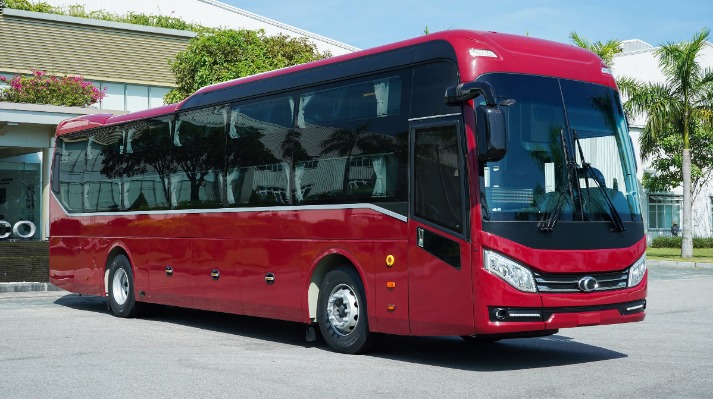
Local bus manufacturers and assemblers play a crucial role by designing bus bodies, converting chassis for specific routes, and providing maintenance support. Many of these firms operate as CKD assemblers, receiving semi-knocked-down kits or fully built chassis from global manufacturers and completing the bus with local bodywork and interiors.
There is a network of smaller specialist coachbuilders concentrated in the Eastern Cape and Gauteng, focusing on bus interior fit-outs, refurbishments and after sales service for fleets operated by municipalities and private operators.
Major national manufacturers and assemblers in South Africa include subsidiaries and local operations of global brands that assemble or manufacture buses for Southern Africa. These brands provide complete buses or chassis with locally assembled bodies to meet local standards and climate conditions.
Mercedes-Benz South Africa is a leading player, with a long history of producing and assembling buses for South Africa and the region, including city buses and coaches. Other brands with local assembly or manufacturing footprints include Volvo Group South Africa, MAN Truck & Bus South Africa, Scania South Africa, Iveco South Africa and Isuzu South Africa.
These OEMs often assemble locally using CKD kits or complete bus kits, leveraging South Africa’s skilled workforce and a developed after sales network. Local content rules and fleet procurement cycles influence the mix of locally assembled and imported bus products.
In addition to full scale assembly, the market relies on local bus body builders who tailor designs for municipal routes, school transport, airport shuttles and long haul coaches, alongside national distributors who manage parts, service and warranties.
The South African bus manufacturing and assembly landscape continues to evolve with fleet renewal programs, alternative fuel strategies and public transport upgrades driving demand for efficient, durable buses built to operating conditions in Southern Africa.
Product ranges: city buses, coaches, and minibuses
South Africa hosts a growing base of local bus manufacturers and body builders dedicated to serving municipal fleets, intercity operators, and private transport providers. The emphasis on local production helps create jobs, supports a national repair and parts network, and enables vehicle customization for varied urban and rural routes.
Product ranges in the South African market are organised around three main classes: city buses, coaches, and minibuses. City buses are the backbone of urban transit, typically offered in 8 to 12 metres in length with low-floor configurations and multiple doors to speed passenger flow. Longer versions and articulated designs are used on higher-capacity routes or BRT corridors.
Coaches are built for comfort on longer trips, with 12 to 60 seats depending on configuration, robust luggage compartments, climate control, and features such as aisle lighting and passenger information systems. They are commonly mounted on heavier chassis and designed to handle long-distance service and demanding road conditions across major corridors.
Minibuses serve paratransit, shuttle, and rural feeder services. In South Africa these are often built on light commercial chassis and accommodate between 8 and 20 passengers. They balance compact size with interior flexibility, enabling easy access in tight streets and low-floor layouts for step-free boarding where required.
Local manufacturers pair regional design expertise with international chassis suppliers such as Isuzu, Mercedes-Benz, Iveco, and Hino, enabling builders to tailor products to municipal standards, fuel choices, and maintenance networks. This collaboration supports a range of bodies—from compact urban shuttles to full-size coaches—mounted on a shared platform family.
In the South African context, procurement often centers on tendered fleet renewal programs, city bus contracts, and Bus Rapid Transit (BRT) initiatives. Local body builders respond with adaptable interiors, accessibility features, and digital fare and telemetry systems to meet operator requirements and regulatory expectations.
Future directions include electrification and hybrid options, aligned with growing air-quality targets and cost of ownership considerations. Several local manufacturers are developing or integrating battery-electric and plug-in hybrids, alongside turn-key maintenance support to ensure dependable operation across urban and regional routes. Skills development and after-sales service networks remain a priority to keep fleets on the road and extend vehicle lifespans.
Facilities, capacity, and regional presence
South Africa’s bus manufacturing sector is a focused but evolving space that supports municipal fleets, school transport, tourism coaches, and private operators across the region. The landscape combines local assembly operations and body-building studios with the activities of multinational original equipment manufacturers that supply chassis and complete buses for the Southern Africa market.
Local manufacturers and assembly facilities typically specialize in integrating imported chassis from global OEMs with locally produced coachwork, interiors, and electrical systems tailored to South African conditions and regulatory requirements. This model enables fleets to meet local demand while leveraging global engineering standards for safety, reliability, and emissions compliance.
Facilities in the local industry generally feature dedicated bus assembly lines, body-building bays, paint shops, electrical harness workshops, and quality-control and testing areas. Many campuses also house parts warehouses, training centers for technicians and fitters, and aftersales service hubs designed to support warranty work and rapid maintenance in urban and rural routes.
Capacity varies widely by plant and contract. Some operations run at modest output levels to service regional fleets and refurbishments, while larger facilities supported by municipal renewal programs or private sector orders can produce hundreds of units annually. Capacity is often linked to tender cycles, funding availability for public transit, and the ability to source components locally or import them efficiently.
Regional presence is concentrated in key provinces. Gauteng acts as the logistics and distribution hub, with dense service networks and access to major repair facilities. The Eastern Cape has historical strength in vehicle manufacturing and remains a focal point for bus body-building and mid-size coach production. KwaZulu-Natal hosts several assembly and refurbishment operations, serving the eastern and southern markets. The Western Cape, while smaller, emphasizes customization, high-end builds, and maintenance services, particularly for urban routes and private operators. Rural and peri-urban routes across provinces often rely on regionally adapted solutions from local facilities to meet budget and terrain challenges.
Overall, local bus manufacturing in South Africa continues to adapt to public transit modernization programs, funding cycles, and evolving emission standards, with growth opportunities tied to fleet renewal, safety upgrades, and expanded regional service networks.
International Brands with Local Operations
International brands with local operations are shaping South Africa’s bus manufacturing scene by blending global technology with local expertise. Through local assembly plants, regional service networks, and partnerships with South African suppliers, these brands deliver safer, more efficient buses while meeting local standards and procurement needs. Their presence supports public transport initiatives, creates skilled jobs in engineering and maintenance, and strengthens the domestic value chain through sustained after-sales and parts support.
Global OEMs with SA assembly facilities
In South Africa, the bus industry blends international brands with local operations to meet regional demand. Global OEMs maintain assembly facilities or CKD kits that support SA’s public transport fleets and coach markets, while local bodybuilders complete vehicle bodies to specific specifications.
- Mercedes-Benz South Africa (MBSA) operates a dedicated bus assembly facility in East London. As part of the Daimler Truck group, MBSA assembles and supports a range of city buses and coaches for local fleets and export markets, integrating SA-sourced components and local service networks.
- Volvo Buses South Africa maintains a strong regional presence through the Volvo Group, often combining CKD or fully assembled chassis with bodies produced by SA coachbuilders. The network provides local service, parts, and training to support city and intercity buses across Southern Africa.
- Scania South Africa provides bus and coach offerings via its South African subsidiary, with locally assembled chassis and a focus on long-haul and intercity markets, supported by a regional parts and service network.
- Iveco South Africa participates in the local market by supplying buses and chassis, often via CKD kits assembled locally with bodywork by SA partners, serving municipal and operator fleets with a focus on efficiency and durability.
- MAN Truck & Bus South Africa operates in the market with a local presence that includes aftersales support, parts distribution, and, where applicable, assembly of bus chassis or complete buses through partnerships with local bodies, targeting municipal and operator customers.
- Additionally, many South African buses are built through collaborations between global OEMs and local bodybuilders, which assemble cabin shells, floors, and bodies on CKD-provisioned chassis to tailor fleets to municipal contracts and operator specifications.
Recent partnerships and joint ventures
South Africa’s bus manufacturing landscape features international brands with local operations that supply urban and rural transit, school transport, and contract-services fleets. These brands combine local assembly or distribution with regional service networks, and they frequently collaborate with local coachbuilders to tailor complete buses to South African conditions.
Global bus brands such as Mercedes-Benz (Daimler), Volvo Buses, Scania, MAN Truck & Bus, and Iveco Bus maintain a local presence through dedicated subsidiaries or import distributors. Their operations typically include local sales, parts supply, after-sales service, and, in some cases, assembly of CKD kits or complete vehicles for the South African market. Partnerships with local bodybuilders help adapt chassis and drivetrains to municipal tender requirements while addressing reliability, spare parts availability, and support across the country.
Recent partnerships and joint ventures in South Africa have focused on localisation, knowledge transfer, and electrification. International brands have formed collaborations with local bus bodybuilders and engineering firms to assemble complete buses domestically, supporting fleet modernization while meeting local content ambitions. In addition, several players are pursuing joint ventures or partnerships to pilot and scale electric and hybrid bus platforms, aligned with city mobility programs and national emission reduction goals.
The impact includes growth in local employment, skills development, and a more robust after-sales ecosystem, but challenges remain in ensuring consistent local content, navigating procurement rules, and building a reliable charging and maintenance network for electric buses. Government policies and tender programs continue to shape partnerships, encouraging brands to deepen their local footprint and invest in training, spare parts, and long-term service commitments.
As South Africa’s public transport ambitions expand, international brands with local operations will likely deepen collaborations with local manufacturers and municipal fleets, accelerating new bus technology adoption, including electric and fuel-efficient designs, and strengthening the country’s bus manufacturing ecosystem.
Impact on local employment and technology transfer
Electric and Alternative-Fuel Buses in South Africa
South Africa’s bus manufacturing sector is rapidly evolving as electric and alternative-fuel buses enter city fleets and regional service routes. Local assembly plants and international OEMs are increasingly collaborating to supply electric, hybrid, and CNG buses, supported by government incentives, charging networks, and service partnerships tailored to the needs of SA municipalities. Fleet operators are embracing lower operating costs and reduced emissions, while manufacturers focus on rugged designs that withstand Africa’s roads and climates. This article explores the key players within South Africa’s bus manufacturing landscape and how they are shaping the country’s electric and alternative-fuel transit future.
Adoption rates, incentives, and policy landscape
South Africa’s bus manufacturing landscape is increasingly oriented toward electric and other alternative-fuel technologies, reflecting both global industry trends and local policy objectives. The market combines global OEMs with local assembly and integration, creating a growing ecosystem for electric buses, hydrogen fuel-cell concepts, CNG and biofuel options. The topic of bus manufacturers in South Africa encompasses multinational players with established presence here and domestic firms that assemble or convert buses for municipal fleets.
Adoption rates and fleet composition remain modest but are expanding. By the mid-2020s the on-road electric and alternative-fuel bus fleet was measured in the low hundreds, with the majority deployed in major metros such as Cape Town, Johannesburg and eThekwini. Key delivery partners include BYD, Volvo Buses South Africa and Scania Southern Africa, which have supplied electric and hybrid buses under city contracts and tenders. Pilot programs for hydrogen and CNG buses are testing performance in select corridors, while refurbishments and conversions of existing diesel buses are also part of the transition strategy.
Incentives to accelerate adoption include fiscal and procurement levers intended to lower the total cost of ownership. The sector benefits from the Section 12L energy-efficiency tax deduction for qualifying equipment, which can apply to electrified fleets and charging infrastructure. Financing support from development finance institutions such as the IDC and DBSA, as well as concessional city contracts and public-private partnership structures, also help operators defer upfront capital outlays. At the policy level, procurement rules and green procurement policies in some municipalities prefer lower-emission buses where technically feasible.
The policy landscape in South Africa combines national transport strategy with city-level programs. National plans emphasize cleaner urban mobility within the Integrated Public Transport Network framework and are supported by programs to modernize fleet and infrastructure, including charging and grid integration. The automotive policy environment has included efforts to promote local content and skills development as part of the Automotive Master Plan discussions and sector-wide roadmaps for electric-muel buses, with potential export opportunities to neighboring markets once local capacity scales. Regulatory developments around charging standards, grid access, and EV incentives continue to evolve.
For bus manufacturers operating or considering expansion in South Africa, the implications are clear: opportunities exist to assemble, customize, service, and maintain electric and alternative-fuel buses for a growing municipal market; success hinges on building robust aftersales networks, securing favorable financing, aligning with local content goals, and collaborating with city authorities on tenders and charging infrastructure. As policy and market signals firm up, the SA bus manufacturing sector is positioned to become a regional hub for electric buses and related technologies.
Notable electric bus models and charging infrastructure
South Africa’s bus manufacturing and urban transit sector is increasingly embracing electric and alternative-fuel buses as cities seek cleaner air and lower operating costs. While most of the battery-electric and CNG buses in service are imported from global OEMs, South Africa’s procurement programs and service networks are building a foundation for a more localised ecosystem around bus operation, maintenance and charging infrastructure.
Notable electric bus models commonly seen in South Africa include the BYD eBus family, which provides 12‑metre and smaller 8‑ to 10‑metre configurations used by major cities such as Cape Town and Johannesburg. Volvo Buses has introduced electric models such as the 7900 Electric and is pursuing deployments in municipal fleets. Other OEMs active in the market supply electric or hybrid city buses, including Scania with Citywide electric variants and Mercedes-Benz with eCitaro options in trials and early deployments. These models are supported by dealer networks and aftersales in country corridors.
Charging infrastructure for these fleets typically relies on depot and opportunity charging, with DC fast charging and pantograph-based charging to keep buses on the road between shifts. Suppliers and integrators in South Africa install charging hardware from international vendors, and some projects are bundled with energy storage and solar to improve grid resilience. Public and private sector partnerships are accelerating the expansion of charging corridors at depots in large municipalities, while pilot programs test smart charging and vehicle-to-grid concepts.
The South African market faces challenges that influence how quickly electric and alternative-fuel buses scale. Upfront capital costs are higher than for diesel buses, even as running costs and maintenance can be lower. Grid capacity, reliability, and the availability of trained technicians affect rollout speed. Financing options, long-term service agreements, and local value-chain development will determine how quickly domestic assembly, conversion, and maintenance capabilities grow alongside imports.
Looking ahead, the bus manufacturing landscape in South Africa is likely to see closer collaboration between OEMs, local distributors, and public authorities. As municipalities expand electric fleets, opportunities will emerge for localized assembly, retrofit programs, and smarter charging management. The result could be a more robust, service-oriented ecosystem that supports electric and other alternative-fuel buses, with improved air quality and lower total cost of ownership for city transit operators.
Battery supply chain, lifecycle, and sustainability
South Africa is steadily expanding its electric and alternative-fuel bus segment as cities seek cleaner, quieter transit options and municipalities look to modernize fleets while cutting operating costs.
The South African market is served by global OEMs with local footprints, including Volvo Buses South Africa, Mercedes-Benz South Africa with bus operations in East London, and Scania South Africa, alongside a network of local body builders and assembly partners that outfit chassis for municipal, commuter, and tourist fleets.
Municipalities and operators are piloting electric buses on high-traffic corridors and busy city routes, supported by investments in charging infrastructure, depot upgrades, and grid planning. The presence of public procurement programs and city-level transit initiatives helps accelerate the transition to low-emission buses, while operators test different drive cycles and charging strategies to fit local demand patterns.
Battery supply chains in South Africa are increasingly understood as a strategic bottleneck and opportunity. The country currently relies heavily on imported lithium-ion cells and modules, with local integration occurring at OEM and partner facilities for battery packs, thermal management, and safety systems. A growing emphasis on battery recycling and second-life applications for stationary storage is beginning to materialize, supported by regional players exploring repurposing from municipal fleets and industrial facilities.
Lifecycle considerations for electric and alternative-fuel buses in South Africa cover total cost of ownership, reliability, maintenance, and end-of-life management. Battery health and replacement cycles influence ongoing operating costs, while spare parts supply, technician training, and service networks determine fleet uptime. Lifecycle assessments encouraged by operators and regulators help quantify emissions reductions, energy use, and broader environmental benefits over the vehicle’s service life.
Sustainability outcomes hinge on multiple factors, including emissions reductions from powered fleets, improvements in urban air quality and noise, and the integration of renewables to lower daytime charging costs. Achieving these benefits requires robust charging infrastructure, resilient grid planning, and policies that encourage domestic value addition, battery recycling, and circular-material approaches to reduce waste and dependence on imported components.
For South Africa to maximize the growth of electric and alternative-fuel buses, the ecosystem must evolve to include stronger local content in body fabrication and component supply, investment in technician training, and partnerships with universities and research institutes. Developing a local battery assembly and recycling sector, coupled with standardized procurement and performance benchmarks, can attract investment, create jobs, and accelerate the scale-up of sustainable public transport across cities.
Public Sector Procurement and Policy Environment
Public sector procurement in South Africa shapes the operating environment for bus manufacturers by linking demand to policy objectives such as transformation, localisation, and value-for-money. Tender frameworks guided by the Preferential Procurement Policy Framework Act, BBBEE codes, and sector-specific localisation rules steer government purchases toward domestically assembled buses and related equipment. For South Africa’s bus manufacturers, this policy environment creates opportunities through multi-year vehicle provisioning programs while also imposing compliance requirements on supply chains, quality standards, and reporting. The balance of open competition with targeted support aims to drive industrial development, job creation, and sustainable public transport solutions across urban and rural routes.
Procurement frameworks, standards, and tender processes
Public sector procurement in South Africa operates within a robust policy environment that directly affects bus manufacturers seeking to supply city fleets and rural transit services. The constitutional principle of fair, equitable, transparent, competitive procurement is reinforced by the PFMA and the Preferential Procurement Policy Framework Act. Public procurement aims to drive transformation, transparency, and value for money in the bus sector, while also promoting local industry and BBBEE objectives.
Procurement frameworks in SA are implemented through National Treasury policies, along with provincial and municipal SCM policies. Buyers use open tendering for high-value bus contracts, requests for quotations (RFQ) for smaller orders, and framework agreements that allow repeat supply of buses and related services. Bids are typically published on the eTender portal and suppliers must be registered on the Central Supplier Database (CSD) to participate.
Standards and compliance are essential. Bus manufacturers must meet road safety, environmental, and quality standards. In South Africa, conformity is governed by SABS standards and compulsory specifications enforced by the National Regulator for Compulsory Specifications. Internationally recognized standards such as ISO 9001 for quality management and ISO 14001 for environmental management are often included in supplier requirements. Where relevant, vehicles must comply with UN/ECE safety norms and be tested for roadworthiness and emissions.
Tender processes for buses typically involve an invitation to tender, bid submission, conformance checking, and evaluation by a bid committee. Evaluation combines price with BBBEE and other prequalification criteria, with local content and enterprise development becoming increasingly important in scoring. Municipal and provincial buyers may use two-stage processes for complex fleet procurements, and there is an emphasis on performance guarantees, maintenance support, and lifecycle cost considerations. Post-tender processes include contract awarding, standstill periods, and contract management through service level agreements.
For bus manufacturers, the public sector environment creates opportunities and risks. Opportunities include access to large fleet deals, long-term maintenance contracts, and potential localisation through supplier development programmes. Risks involve compliance costs, the need for co-operation with local partners, and the requirement to meet BBBEE and local content targets. Successful participation typically requires a credible local presence, a demonstrable track record in safety and reliability, robust after-sales support, and alignment with public sector procurement cycles and budgets.
In the South African context, prominent international bus manufacturers with local operations often tailor their offers to meet public sector requirements by aligning product specs with local route conditions, fuel efficiency, spare parts availability, and lifecycle costs. The growing focus on urbanisation, public transport integration, and green procurement further shapes how bidders present proposals and how fleets are planned, financed, and operated in South African cities and towns.
Local content requirements and import tariffs
South Africa’s bus manufacturing sector operates at the intersection of public sector demand and a policy framework aimed at boosting local content, transformation, and industrial development.
Public sector procurement and policy environment: Government fleets are typically acquired through national and local procurement channels that follow the Preferential Procurement Policy Framework Act and National Treasury regulations. The process emphasizes price, compliance, and social equity objectives, often applying BBBEE preference points and local supplier requirements to reward South African ownership, jobs, and enterprise development. Public transport programs—including municipal bus fleets and citywide bus rapid transit projects—rely on transparent tender processes and prequalification criteria that favor bidders with the capacity to deliver at scale and maintain service standards.
Local content requirements: To stimulate domestic value addition, the automotive sector operates under local content rules embedded in the Automotive Production Development Programme and related dti policies. Bids for government fleets may be evaluated with local content as a key criterion, and vendors are typically required to declare the percentage of components sourced or manufactured in South Africa. Higher local content thresholds translate into greater eligibility for incentives and procurement preference, encouraging suppliers to invest in domestic chassis, body-building, electrical systems, engines, and other key components necessary for bus assembly and maintenance.
Public sector procurement as a driver for bus manufacturing also interacts with transformation goals. Local content programs incentivize collaboration with South African suppliers, supplier development, and enterprise development obligations. This creates opportunities for local body builders, component manufacturers, and service providers to participate in long-term fleet contracts, provided they meet quality, after-sale support, and safety standards required by public operators and regulatory authorities.
Import tariffs and their role: South Africa applies an import tariff regime through SACU that covers motor vehicles and components. Tariffs on fully assembled buses and on imported vehicle parts influence the cost structure of both domestic assembly and cross-border sourcing. Tariff design commonly favors locally produced buses by encouraging CKD (completely knocked down) imports and local assembly, while reducing reliance on imports for critical components when local suppliers meet required standards. The interplay between tariffs, local content targets, and incentives can shape the competitiveness of bids for public sector fleets.
Policy and market dynamics for bus manufacturers: The combination of public sector demand, local content incentives, and tariff protections supports a domestic supply chain capable of meeting specification, safety, and maintenance requirements. However, manufacturers must invest in skills, certification, and after-sales networks to sustain government contracts. Collaborations with Tier 1 and Tier 2 suppliers, adherence to safety standards, and alignment with B-BBEE and National Regulator obligations are essential to succeed in public sector procurement for buses.
Opportunities for growth include expansion of urban transit programs, rising demand for accessible and low-emission vehicles, and the potential for locally designed and built buses tailored to South African road and climate conditions. Success requires ongoing alignment between policy instruments, tariff policy, and the capacity of domestic manufacturers to deliver complete, compliant fleets within the procurement timelines and service requirements set by public sector agencies.
Policy impact on industry growth and modernization
Public sector procurement and the policy environment in South Africa play a decisive role in shaping the growth and modernization of bus manufacturing. Policy instruments, procurement rules, and industrial strategies determine how quickly local players can expand production, adopt new technologies, and scale to meet public transport needs across municipalities and national corridors.
- Procurement frameworks: The PPPFA and PFMA guide how buses are purchased by national and local government, balancing price with transformation goals, local content, and supplier development, creating a stable demand channel for bus manufacturers.
- Local content and B-BBEE: Local content targets and transformation criteria influence supplier choices and encourage investment in local assembly, parts supply chains, and job creation in the bus sector.
- Automotive policy instruments: The Automotive Production and Development Programme (APDP) and related incentives support investment in equipping plants for bus assembly, tooling, and R&D, including capabilities for electric and hybrid buses.
- Electrification and modernization: Policy pushes toward low-emission public transport drive bus manufacturers to develop EV platforms, battery integration, charging infrastructure compatibility, and smart maintenance solutions.
- Public transport planning: National Transport Master Plan and provincial plans shape demand forecasts, route planning, and infrastructure investments, guiding manufacturers on standard configurations and service networks.
- Financing and risk mitigation: Public funding, concessional loans, and guarantees reduce capital risk for new plant expansion or technology upgrades, encouraging long-term investment.
- Skills, standards, and aftersales: Policy emphasizes training, safety and quality standards, and a robust service network, prompting manufacturers to invest in skills development and nationwide support.
- Regional opportunities and export potential: A coherent policy environment supports regional procurement and export readiness, improving competitiveness of SA bus brands in southern Africa and beyond.
- Policy challenges: Fragmentation between national and local authorities, changes in tariff and procurement rules, and currency volatility can affect the timing and scale of investments in bus manufacturing.
Overall, a stable, predictable policy environment that aligns public sector procurement with local manufacturing capabilities and modernization goals can accelerate growth of the South African bus manufacturing sector, spur job creation, and support the transition to cleaner public transport.
Market Segments and Customer Requirements
Market segments for bus manufacturers in South Africa span urban public transport operators, school and commuter fleets, long‑distance coaches, tourism and charter services, and accessibility‑focused fleets. Customer requirements vary by segment but commonly include reliability and low total cost of ownership, safety and emissions compliance, configurable interiors (seating, luggage, wheelchair access), fuel options and performance on varied road conditions, strong after‑sales support and readily available spare parts, and favorable warranties with fleet‑wide telematics and maintenance programs.
Urban transit buses and city fleet needs
South Africa’s urban transit bus market serves multiple segments: city and metropolitan transport authorities that procure and operate fleets; private operators that run contracted routes; paratransit and shuttle services; and tourism or event-based transport tied to city centers. Each segment has distinct procurement drivers and time horizons, but all expect buses that deliver reliable service in dense urban environments.
Urban buses come in configurations suited to different route demands. Typical city fleets use 12m standard buses for busy inner-city corridors and 18m articulated units on high-capacity routes. Low-floor entry, wide doors, and seating that balances capacity with passenger comfort are common requirements. Buses must perform reliably in hot, dusty climates and operate across varied urban topographies with frequent stops and short dwell times.
Customer requirements focus on uptime and total cost of ownership. Fleets expect robust regional service networks, readily available spare parts, and predictable maintenance costs. Standardized, modular components help simplify repairs across multiple depots, while warranties and support packages reduce risk for public authorities and operators alike.
Propulsion options are evolving. Diesel remains prevalent, but fleets are increasingly evaluating compressed natural gas, hybrid, and full-electric solutions for city corridors. Key considerations include range, charging time, depot infrastructure, lifecycle costs, and the ability to meet emission targets. Electric buses are being piloted on congested routes where dwell times and charging opportunities align with service patterns.
Accessibility and safety are non-negotiable. Low-floor platforms with kneeling capability, wide entry doors, and spaces for wheelchairs or mobility devices are standard. Driver comfort, clear sightlines, and ergonomic cabin layouts support safer operation. Modern safety systems, stable braking, and proven reliability are valued for reducing on-road incidents and maintenance demands.
Technology and fleet-management capabilities are increasingly decisive. Telematics and on-board diagnostics enable remote fault finding, real-time monitoring of performance, and predictive maintenance. Integration with route planning, traffic signal priority, and depot scheduling improves reliability and reduces fuel consumption and delays.
Depot and infrastructure considerations shape vehicle choices. Electric deployments require charging infrastructure, grid capacity, and safety systems at depots. Spare parts storage, technician training facilities, and a clear maintenance plan across provinces are essential to sustain city fleets and minimize downtime between service windows.
Procurement frameworks in South Africa emphasize life-cycle cost, reliability, and after-sales support. Local content and B-BBEE considerations influence tender evaluation, encouraging partnerships with locally based distributors, service networks, and parts suppliers. Demonstrating local assembly, parts availability, and a robust nationwide service footprint can be a competitive advantage.
Market dynamics show that public authorities often bundle vehicle procurement with financing and long-term service arrangements, while private operators demand predictable performance and concession terms. In all cases, after-sales capabilities and the ability to keep fleets road-ready are key differentiators for winning bids and maintaining urban mobility commitments.
For South Africa, the path to successful urban bus fleets lies in aligning market segments with customer requirements: reliable uptime, lifecycle efficiency, flexible configurations, and strong local support networks. Manufacturers that offer adaptable designs, future-ready propulsion options, and comprehensive service ecosystems are best positioned to meet the needs of SA city fleets.
Intercity coaches and long-distance service requirements
Market segments and customer requirements shape the products of bus manufacturers in South Africa, particularly for intercity coaches and long‑distance services.
Intercity coaches serve routes between major cities and tourism hubs, requiring comfortable long‑haul seating, efficient boarding and alighting, generous luggage capacity, and rugged reliability to cope with varied road conditions.
Long‑distance coaches emphasize maximum uptime, sustained comfort on multi‑hour trips, strong climate control, and fuel‑efficient performance to manage high mileages across sparsely serviced corridors.
Across segments, operators demand low total cost of ownership, wide service and parts networks, predictable maintenance costs, and safety features that protect passengers and drivers.
South African market needs also drive design choices such as robust suspension tuned for country roads, corrosion resistance in coastal environments, easy access for maintenance, and durable interiors that stand up to heavy use.
Powertrain and technology considerations include efficient engines and transmission pairings, options for alternative fuels, and fleet management tools that monitor performance, fuel consumption, and maintenance needs.
The competitive landscape in South Africa features global OEMs with established local assembly and networked after‑sales support, complemented by local body builders and integrators capable of delivering turnkey intercity and long‑distance configurations.
For manufacturers, success lies in offering configurable interiors, reliable parts supply, and a service footprint that minimizes downtime while meeting stringent safety and emissions standards.
Minibuses, paratransit, and the South African taxi market
Innovation, R&D and Skills Development
Innovation, research and development, and robust skills development are shaping South Africa’s bus manufacturing sector. Local manufacturers collaborate with universities, tech firms, and government initiatives to advance cleaner propulsion, safer vehicle design, and smarter fleet management, while dedicated training programs upskill workers for high-tech production, maintenance, and support services that sustain a competitive industry.
Research collaborations, localised components, and design
South Africa’s bus manufacturers are building a resilient ecosystem that blends global technology with local design and manufacturing capabilities to meet urban mobility needs.
Innovation sits at the core of the sector, with progress in electric and hybrid drivetrains, lightweight materials, connected fleet management, and intelligent maintenance systems helping operators reduce operating costs and downtime while improving reliability on busy urban routes.
R&D and Skills Development go hand in hand as OEMs partner with technical colleges, universities, and industry bodies to upskill engineers, fitters, electricians, and technicians. Apprenticeships, graduate programmes, and targeted training help build a workforce capable of designing, assembling, and servicing modern buses, supported by incentives from government and industry peers.
Research collaborations extend to universities, national laboratories, and international partners, creating shared facilities for battery safety testing, powertrain research, and data analytics. Open innovation projects and joint testing centres accelerate technology transfer and help local firms validate new concepts before bringing them to market.
Localised components are a strategic priority, with emphasis on building supply chains that source seating, interiors, wiring harnesses, chassis components, and other critical parts from South African suppliers. Local content strategies reduce import exposure, stimulate jobs, and foster a more resilient automotive supply chain across regions such as Gauteng and the Eastern Cape.
Design in the SA context focuses on route-specific needs, rugged urban conditions, and user experience. Buses are designed for easy maintenance, accessibility for all passengers, and modular interiors that can be reconfigured for different routes. Safety, reliability, and climate resilience inform the overall architecture, while data-enabled features support driver assistance and fleet optimization.
Policy and market frameworks, including procurement programmes for public transport and support mechanisms for local manufacturing, help create demand certainty for long-life assets like buses. Investment in charging infrastructure, sustainable energy solutions, and training pathways further strengthen the sector’s ability to deliver affordable, high-quality mobility solutions for South African cities.
Together, innovation, R&D and skills development, research collaborations, localised components, and thoughtful design position South Africa’s bus manufacturers to meet growing urban mobility needs with sustainable, locally grounded solutions.
Skills development, training programs, and workforce readiness
South Africa’s bus manufacturing sector is pursuing innovation, strong R&D, and comprehensive skills development to meet urban mobility needs and support local industry. With assembly plants and component suppliers, the industry is focusing on cleaner propulsion, digital diagnostics, and resilient supply chains, while investing in people through structured training and workforce readiness initiatives.
- Innovation and R&D ecosystems in South Africa’s bus sector, including collaboration with universities and CSIR to pilot electric and hybrid propulsion, telematics, and modular designs.
- Electric, hybrid, and alternative-fuel propulsion as core R&D focus areas to meet urban emission targets and reduce operating costs for municipalities.
- Skills development and training programs: structured apprenticeships, learnerships, technician and artisan training funded by SETAs and the Automotive Production and Development Programme, aligned to the National Qualifications Framework.
- Workforce readiness through digital literacy and diagnostic competence: use of onboard diagnostics, remote monitoring, predictive maintenance, and data-driven decision making.
- Hands-on factory training and supplier development: on-site training at assembly plants, component suppliers, and vendor-managed programs to build a robust local value chain.
- Public-private collaboration and policy support: incentives under APDP and automotive transformation initiatives that incentivize skills upliftment and local content.
- Challenges and opportunities: addressing the skills gap in metalwork, electronics, and software, while leveraging public funding and international partnerships to accelerate innovation.
Technology transfer and supplier ecosystem
South Africa’s bus manufacturing sector sits at the crossroads of urban mobility, municipal fleet renewal and regional trade. Local assembly facilities, component suppliers and service networks connect global OEMs with South African demand, creating an emerging ecosystem that blends international technology with local adaptation. The focus is on reliable, affordable buses that meet rigorous safety, maintenance and life-cycle cost requirements for city, minibus and school bus operations.
Innovation, research and development play a central role as manufacturers tailor products to the African environment. Partnerships with universities and the Council for Scientific and Industrial Research enable testing of energy efficiency, electrification options, durable drivetrains and resilient body structures. Companies invest in data-enabled telematics, predictive maintenance and driver-assistance features to improve uptime and passenger safety while reducing operating costs.
Skills development is embedded in the sector’s growth plan through apprenticeships, technician training, and engineering programs. Vocational training bodies, industry forums and OEM-led academy programs equip workers with electrical, welding, assembly and software skills. Government and industry initiatives support local internships, on-the-job training and pathways for young graduates into manufacturing and design roles.
Technology transfer mechanisms are increasingly common through joint ventures, supplier development programs and long-term supplier contracts. Localized design and manufacturing knowledge flows—from chassis assembly to body-building, electrical systems and test procedures—are accelerated by shared standards, common platforms and open collaboration with global partners. This transfer underpins faster adaptation of new technologies and more robust after-sales services.
The supplier ecosystem thrives on local content and capability-building. Tier 1, 2 and 3 suppliers provide seats, interiors, electrical harnesses, lighting, HVAC, tires and software, while SMEs contribute tooling, machining and specialised components. OEMs run supplier development programs, supplier days and co-innovation projects to raise quality, reduce cost and build export-readiness. A robust cluster of suppliers supports resilience and scale for both domestic fleets and regional export opportunities.
Looking ahead, continued policy support, investment in R&D, and a vibrant skills pipeline will strengthen South Africa’s position as a regional hub for bus manufacturing. Emphasis on electrification, cleaner fuels and smart fleet management will drive demand for innovative products and a deeper, more capable supplier network.
Challenges and Opportunities in the SA Bus Manufacturing Sector
South Africa’s bus manufacturing sector stands at a pivotal crossroads, balancing persistent challenges with significant growth opportunities for a modern, climate-friendly public transport system. Manufacturers face rising component costs, volatile exchange rates, and fragile supply chains, along with skills gaps and the need to meet stringent safety and emissions standards. Yet the market also offers strong upside: government fleet renewal and procurement drives; momentum toward electric and low-emission buses; opportunities to bolster local sourcing, export to regional markets, and build resilient, job-creating manufacturing ecosystems.
Financing models, ownership structures, and risk management
South Africa’s bus manufacturing sector stands at a pivotal point as urban mobility expands and public transport networks undergo modernization. Local assembly and component integration support job creation, skills development, and regional supply chains, while aided by targeted procurement policies and public-sector demand—particularly for urban and school-bus fleets and for BRT systems across major cities.
Challenges facing the sector include a fragile global and local supply chain for vehicle components, long lead times for critical parts, and volatility in input costs such as steel, copper, and batteries. Power outages and rising energy costs disrupt production and raise overheads. A persistent skills gap and the need for high-quality aftersales capabilities constrain productivity. Import competition and policy uncertainty add price pressure, while access to affordable financing for fleet orders remains tight for some operators and OEMs.
Financing models in SA’s bus sector span upfront bank loans, operating and finance leases, vendor and OEM financing programs, and public-private partnerships. Development finance institutions and government-backed credit facilities can support green and public-transport electrification, enabling lower total cost of ownership through subsidies, grants, or concessional lending. Fleet owners increasingly evaluate lifecycle costs, with pay-as-you-go or performance-based financing and maintenance contracts becoming common to manage residual-value and warranty risk.
Ownership structures in SA bus manufacturing range from wholly foreign-owned operations and joint ventures with local players to locally owned groups and black-owned enterprises seeking equity participation. Local content aspirations, supplier development requirements, and transformation policies influence investment decisions, governance, and access to finance. Diverse ownership structures can improve resilience and supplier networks but may also complicate decision-making, capital allocation, and risk sharing across the value chain.
Effective risk management in the sector focuses on currency and price risk, supply chain diversification, and robust procurement. Strategies include long-term supply contracts, multiple-tier supplier bases, inventory buffers for critical components, and comprehensive warranty and service agreements. Compliance with safety and environmental standards, managing fleet performance, cyber risk in telematics and ITS, and insurance against operational and liability risks are essential components of a mature risk framework.
Opportunities abound in green mobility, hybrid and electric buses, and retrofitting existing fleets with energy-efficient systems. South Africa’s regional footprint offers export potential into the SADC market, while local content and manufacturing capability can support regional demand. Partnerships with municipalities, bus rapid transit agencies, and private operators can accelerate fleet renewal. Skills development, R&D in battery technology and charging infrastructure, and OEM-localized assembly can strengthen competitiveness and create higher-value jobs.
To capitalize on these opportunities, the SA bus manufacturing sector requires coordinated policy support, accessible financing, and clear risk-management frameworks that align with national transport and industrial-development goals. A mix of local-content incentives, targeted capital-raising, and robust aftersales ecosystems can spur sustainable growth for manufacturers, suppliers, and operators alike.
Macroeconomic factors affecting demand and investment
The South Africa bus manufacturing sector sits at a crossroads, balancing domestic demand drivers with macroeconomic headwinds and a shifting global mobility landscape.
Macroeconomic factors such as modest GDP growth, elevated inflation, and higher interest rates influence both the willingness of operators to invest in new fleets and the cost of capital for manufacturers. Exchange rate volatility adds to the cost of imported components and technologies, while energy price dynamics and intermittent electricity supply increase production costs and risk across the supply chain.
Public sector demand remains a key pillar for the industry, driven by urban mass transit investments and national transport strategies. Government programs to expand and modernize bus fleets, including potential BRT expansions, create near-term tender opportunities but also demand stringent compliance with local content thresholds, procurement timelines, and rigorous cost-benefit justifications.
Private operators are discussing fleet renewal cycles and longer-term total cost of ownership. Financing remains a constraint for some operators, even as interest rates ease in cycles. Manufacturers that can offer favorable financing, predictable maintenance costs, and reliable after-sales support are better positioned to win long-duration contracts.
The local supply base poses both a challenge and an opportunity. A robust, locally integrated supply chain for chassis, engines, electric drivetrains, and parts can reduce lead times and currency risk, but it requires ongoing investment in skills, tooling, and scale. Skills development, labor productivity, and industrial relations also shape production efficiency and unit costs.
Environmental and energy transition factors are reshaping product portfolios. The push toward electric buses, battery technology, charging infrastructure, and safe, compliant electrification raises the need for specialized engineering, testing, and after-sales networks. Deployment timelines depend on grid capacity, funding for charging infrastructure, and clear standards for interoperability and safety.
Opportunities abound in electrification and green mobility. Local assembly and integration of electric bus platforms, partnerships with utilities and municipalities, and participation in funding programs for clean transportation can unlock new demand. Export potential exists in the SADC region and neighboring markets where urban transit upgrades are underway and demand for reliable, low-emission buses is rising.
Strategic collaborations can accelerate growth, including joint ventures with OEMs, technology suppliers, and financing partners. A focus on modular designs, rapid reconfiguration for different routes, and strong after-sales networks can enhance fleet uptime and reduce lifecycle costs for customers.
Overall, the trajectory for South Africa’s bus manufacturing sector hinges on policy continuity, steady public investment, a competitive cost structure, and a well-supported transition to electric mobility. With careful management of macroeconomic risks and a proactive stance on local content, skills, and export growth, the sector can contribute meaningfully to jobs, mobility access, and urban sustainability.
Export potential to neighboring markets and regional growth
The bus manufacturing sector in South Africa is at a turning point, positioned to leverage urbanisation, regional trade and a growing appetite for modern, low-emission public transport. Local manufacturers have deep engineering capabilities and an established after-sales ecosystem, but must navigate a complex mix of policy, financing and infrastructure challenges to realise its full potential both domestically and across the region.
Key challenges include the high up-front capital required for modern bus lines, volatility in the rand, and the vulnerability of the supply chain to global shocks. Dependence on imported components, long lead times, and sporadic power supply disrupt production and add costs. Skilled labour shortages, limited domestic supplier base for advanced drivetrains, and the need to achieve robust safety and emissions certifications can slow scale-up. Competition from cheaper, imported buses and used equipment also pressures price and margins.
On the opportunities side, strong demand from city authorities for reliable, safe and cleaner transport creates a ready market for new buses, especially as many municipalities plan to modernise fleets and implement bus rapid transit systems. Government programmes that favor local content, supplier development and public-private partnerships can unlock financing and reduce total cost of ownership. The shift toward low- and zero-emission buses, including diesel-electric hybrids and battery-electric options, offers a path to green jobs and export-readiness in line with national climate targets.
Regulatory alignment with international emissions standards and vehicle safety requirements helps SA buses compete regionally. While local standards evolve, manufacturers can partner with regulators to ensure compliance while accelerating time-to-market for new models. Standardising performance metrics and maintenance protocols also enhances reliability in competing markets and supports durable, service-oriented export propositions.
Export potential to neighbouring markets is a core growth vector. SADC member states and neighbouring economies share similar transport challenges and can benefit from regional supply chains, maintenance networks and spare parts availability. The African Continental Free Trade Area (AfCFTA) provides tariff relief and a broader market, encouraging cross-border bus sales and CKD assembly arrangements that reduce costs and shorten delivery times.
To capitalise on regional growth, SA bus manufacturers should build regional after-sales and service hubs, develop local content strategies that involve adjacent countries’ suppliers, and pursue joint ventures with OEMs to share technology, risk and investment. Efficient logistics corridors, predictable border procedures and regional financing instruments can lower the total cost of ownership for operators and improve your competitiveness in markets beyond South Africa’s borders.
Strategic customer-focused steps include establishing CKD and CBU assembly lines that can be scaled for different markets, investing in battery electric or alternative-fuel platforms to meet preferred regional options, and building certification trails that reassure operators across borders. Developing a robust parts distribution network, training regional technicians and offering comprehensive warranties increases uptime and reduces fleet operating costs for regional operators.
Regional growth in urban mobility, rising city budgets, and a preference for modern, safe fleets create continued demand for dependable bus manufacturers. South African producers can position themselves as regional integrators—combining chassis, bodywork, electrical systems, and after-sales support—while exporting knowledge and maintenance capabilities to neighbouring markets. Partnerships with local governments and development banks can also unlock long-term financing for fleet upgrades.
Unlocking sustained export growth will require policy consistency, investment in skills and infrastructure, and a clear framework for local content and regional partnerships. Public procurement rules that recognise regional suppliers, access to export credit facilities, and targeted research funding will help the sector scale. By combining domestic strengths in engineering with a strategic regional footprint, South Africa’s bus manufacturers can become a linchpin of regional mobility—and a catalyst for regional economic growth.
Case Studies and Notable Projects
Case studies and notable projects in South Africa’s bus manufacturing landscape illustrate how local builders, international partners, and city fleets come together to shape urban mobility. Notable efforts include pilots of electric and hybrid buses, fleet modernizations for metropolitan networks, and selective local assembly that boosts skills and supply chains. These initiatives showcase public‑private partnerships, maintenance and financing models, and the push toward cleaner, safer, and more reliable public transport across major cities and regional hubs.
City fleet deployments and outcomes
South Africa’s bus manufacturing sector features a mix of European and Asian OEMs with strong local assembly, engineering support, and aftersales networks. Domestic production by companies such as Volvo Buses South Africa, Mercedes-Benz South Africa, Scania Southern Africa, and MAN South Africa underpins city fleet modernization programs, enabling operators to replace aging fleets with more reliable, fuel-efficient, and lower-emission buses.
Case Study: In a major port city, the transport authority partnered with a South African bus producer to replace a large portion of its diesel urban buses with hybrid and pure electric models. The project included on-site training, battery and powertrain integration, and charging infrastructure development. Outcomes cited by the authority included improved service reliability, reductions in urban emissions, quieter operations, and lower daily maintenance costs due to standardization and better diagnostic tools.
Case Study: A metropolitan corridor implementing a bus rapid transit style network worked with a local assembly partner to supply low-floor city buses equipped with modern safety and accessibility features. The project delivered improved boarding times, increased passenger comfort, and better route alignment through integrated fleet management systems. Early results highlighted higher on-time performance and a modest drop in fuel consumption per kilometer as the fleet transitioned to cleaner powertrains.
Case Study: In regional and peri-urban areas, a SA manufacturer supplied a fleet of traditional and low-floor coaches to link towns with commuter hubs. The deployment supported safer, more reliable daily travel for residents, created skilled maintenance and driving jobs, and streamlined spare parts supply chains through local manufacturing networks.
Notable projects and outcomes across these deployments show a pattern: strong local design and build capability, closer aftersales support, smoother integration with city ICT and fare systems, and a path toward electrification that aligns with municipal sustainability goals. These cases illustrate how bus manufacturers in South Africa contribute to resilient urban mobility while transferring technology and skills to local workforces.
As city fleets continue to modernize, South Africa’s bus manufacturers are increasingly positioned to lead electrification and hybridization efforts, balancing cost, reliability, and environmental considerations for urban and regional transport networks.
Public-private partnerships and funding mechanisms
South Africa’s bus manufacturing landscape blends global original equipment manufacturers with local assembly and body-building capacity, shaped by public-private partnerships (PPPs) and targeted funding programs. This ecosystem supports urban mobility upgrades in major metros while aiming to build resilience through domestic manufacturing and skilled jobs. PPPs are widely used to finance fleet replacement, maintenance, and road-based infrastructure linked to bus operations.
Case study: Johannesburg’s Rea Vaya BRT shows how PPPs can align fleet procurement with long-term service delivery. The city partnered with private operators under concession-type arrangements, backed by national procurement rules and development finance. International bus manufacturers secure supply agreements to provide modern, accessible, low-floor vehicles and maintenance support, synchronized with spare parts supply and driver training for the concessionaires.
Case study: Cape Town’s MyCiTi BRT demonstrates another model where city governance, private operators, and financiers collaborate to deliver rapid transit by bus. Funding combined municipal capital budgets, national government grants, and concessional finance from development banks. Vehicle supply and lifecycle support were arranged through tender processes that encouraged participation by international OEMs and local bodybuilders, strengthening local capacity alongside imported platforms.
Notable projects across the country have leveraged funding mechanisms designed for urban mobility. Public-private partnerships, for example, typically feature long-term operations and maintenance contracts, with risk-sharing structures that shift certain responsibilities to the private partner while the public sector preserves oversight. Funding often layers capital grants, low-interest loans, and concessional finance from institutions such as the Development Bank of Southern Africa (DBSA) or similar DFIs, supplemented by municipal guarantees.
Manufacturing and supply chain implications: SA’s bus industry benefits when PPPs drive demand for locally assembled and customised buses. Local bodybuilders work with global OEMs to fit standard platforms to SA road conditions and passenger needs, while after-sales networks, training, and spare parts supply are embedded in private-sector partnerships. Government policies that encourage local content and green technologies help domestic manufacturers grow and compete.
Future outlook: electric and alternative-fuel buses are moving into SA fleets, with PPPs and funding schemes evolving to cover charging infrastructure, depot upgrades, and warranty-backed maintenance. The combination of public demand and private capital can accelerate the introduction of cleaner, quieter buses and expand domestic capabilities in vehicle assembly, engineering design, and servicing.
Conclusion: Public-private partnerships and diverse funding mechanisms have been pivotal in expanding bus manufacturing and modernising urban fleets in South Africa. By aligning the interests of city authorities, national government, DFIs, and international OEMs, the country can sustain a robust manufacturing base while delivering safer, more reliable, and greener public transport.
Future Outlook and Strategic Recommendations
The future outlook for bus manufacturers in South Africa combines strong demand from urban transit projects with the push toward low-emission fleets and local content rules. Strategic recommendations focus on expanding domestic supply chains, accelerating EV and hybrid technologies through public procurement and partnerships, investing in service and maintenance networks, upskilling the workforce, and pursuing regional export opportunities to reduce dependence on imports.
Trends likely to shape the SA bus manufacturing industry
The future outlook for bus manufacturers in South Africa is shaped by rapid urbanization, renewed public transport reform, and a regional push toward cleaner, more efficient fleets.
Trends likely to shape the industry include the rapid electrification of urban bus fleets, with battery electric buses and plug-in hybrids favored for city routes where depots and charging infrastructure are feasible. Hydrogen fuel cell buses may find niche roles on longer intercity and trunk routes where charging opportunities are limited. The industry will also lean on modular, scalable platform designs that share core components across different bus lengths to reduce unit costs, while placing increasing emphasis on total cost of ownership, lifecycle performance, and reliability over upfront price alone.
Public policy and procurement will steer demand through mandates for low-emission fleets, longer-term planning horizons for fleet renewal, and procurement frameworks that reward local suppliers, maintenance networks, and aftersales capability. Governments at national and municipal levels are likely to use concessional financing, grants, and performance-based contracts to accelerate adoption of cleaner buses and to stimulate a more predictable order flow for manufacturers.
Local content and the domestic supplier network will be central to industry resilience. Building a robust ecosystem of South African component manufacturers, battery pack assembly, charging equipment, and service partners will reduce import dependency, shorten lead times, and support job creation. Strategic partnerships with global battery and high-tech component suppliers can help bridge local capacity gaps while ensuring access to cutting-edge technology.
Financing and business models will shift the economics of bus ownership. Wheel-to-wheel financing, fleet-as-a-service arrangements, and public-private partnerships can lower barriers to entry for municipalities and operators, while performance guarantees and service-level agreements help manage risk for buyers and banks alike. A clear focus on life-cycle costs, including maintenance, energy consumption, and resale value, will be essential to win long-term customer trust.
Digitalization and data analytics will enable smarter fleets. Telematics, predictive maintenance, route optimization, and remote diagnostics will reduce downtime and extend bus life. Standardized data interfaces and cybersecurity measures will be important to protecting sensitive information while enabling real-time decision-making for operators and city planners.
Skills development and workforce readiness will be critical as the industry shifts toward electrified and connected buses. Training programs in battery maintenance, high-voltage safety, software updates, charging infrastructure operation, and fleet management will be needed. Partnerships with technical colleges and universities can help build a pipeline of engineers, technicians, and supervisors with SA-specific expertise.
Infrastructure readiness is a prerequisite for widespread adoption. Urban and depot charging capacity must expand in parallel with fleet renewal, supported by grid upgrades and, where feasible, onsite renewable energy to reduce peak demand. Interoperability standards for charging, battery safety, and vehicle electronics will help ensure a smoother rollout across cities and regions.
Regional growth and export potential present additional opportunities. South Africa can position itself as a regional hub for SADC markets by aligning homologation, safety standards, and aftersales networks, while diversifying supply chains to mitigate currency and supply shocks. A phased approach to certification and export readiness will help manufacturers access neighboring markets with comparable regulatory environments.
Strategic recommendations for industry players include: developing a national bus manufacturing plan with clear targets for zero-emission adoption and local content; investing in local battery assembly and key components to reduce import exposure; forming long-term partnerships with battery suppliers, charging infrastructure providers, and grid-scale integrators; building a nationwide service and parts network to support municipal fleets; pursuing innovative financing models and performance-based contracts; prioritizing workforce training and safety programs; aligning standards across SA and the region to simplify certification and aftersales; and establishing South Africa as a regional export hub with a robust logistics and regulatory framework.
Strategic recommendations for manufacturers, policymakers, and suppliers
Future Outlook for bus manufacturers in South Africa is shaped by rapid urbanization, ongoing public transport modernization, and a policy push toward lower-emission fleets. The market is likely to see a steady mix of renewed diesel buses, hybrids, and a growing share of electric buses as cities seek to expand reliable transport while reducing urban air pollution.
Public procurement will remain a key demand driver, with metros planning BRT networks and feeder services that require high-quality, durable vehicles and reliable maintenance ecosystems. Local content and supplier development policies, together with access to concessional finance, will influence the timing and scale of orders.
Electrification presents a major medium-term opportunity, including fully electric and plug-in hybrid buses. Success will depend on affordable batteries, robust charging infrastructure, and grid readiness, as well as hot-stacking of charging on depots and along corridors. South Africa can leverage regional demand in the SADC market to achieve scale while building domestic capabilities in battery integration, motor systems, and telematics.
Manufacturers should pursue modular, platform-based designs that can switch between diesel, hybrid, and electric propulsion without major retooling. Strengthening local assembly and a resilient supplier network will reduce exposure to global supply shocks. Emphasis on total cost of ownership, uptime, maintenance efficiency, and telematics-enabled fleet management will be decisive for long-term contracts. Collaborations with financing partners, OEMs, and city authorities to pilot and scale EV fleets are also critical.
Policymakers should provide a stable, predictable policy environment that supports fleet renewal and EV adoption. This includes clear procurement rules, targeted incentives or tax relief for EV buses, and funding mechanisms for charging infrastructure and grid upgrades. Investing in local content support, workforce training programs, and certification standards will help build a capable domestic ecosystem. Streamlining permitting, reducing import barriers for critical components, and fostering PPPs in pilot corridors will accelerate deployment.
Suppliers—especially battery and traction motor vendors, chassis subsystems, and telematics providers—should work toward localizing production, building after-sales networks, and aligning with SA quality standards. Long-term supplier partnerships, transparent pricing, and flexible financing arrangements can help OEMs manage cost pressures. Investing in quality assurance, repairable designs, and battery recycling will improve lifecycle sustainability and public acceptance.
Together, these steps can position South Africa as a regional hub for bus manufacturing, service, and innovation, supporting cleaner mobility, jobs, and urban resilience while aligning with national climate and transport objectives.