
Overview of bus tours in South Africa
South Africa offers a diverse array of bus tours that capture the country’s spectacular landscapes, wildlife, and vibrant cities. From Cape Town and the iconic Garden Route to Kruger National Park safaris and the scenic Drakensberg highlands, guided and hop-on-hop-off itineraries let travelers cover highlights at a comfortable pace. Whether you seek wildlife encounters, wine country experiences, or cultural city tours, bus tours provide flexible, affordable access to South Africa’s wide-ranging wonders.
Definition and scope of typical bus tours
Bus tours in South Africa provide organized road travel experiences using coaches or minibuses to visit multiple attractions, with guides, logistics handling, and often included accommodation and meals. They cover wildlife safaris, coastal routes, cultural heritage sites, and city sightseeing, catering to different budgets and travel styles.
- Definition and scope: A bus tour is a scheduled travel experience where passengers travel by road in a bus or coach along a planned itinerary, with some services included (such as guides, accommodation, meals, or park fees) and a focus on efficient transportation between major stops.
- Typical formats: Day trips that start and finish in a city, multi-day itineraries that traverse regions, and longer circuits that link several regions such as the Western Cape, Garden Route, and Kruger Park area.
- Popular themes and routes: Cape Town and the Winelands, the Garden Route along the southern coast, Kruger National Park and Panorama Route, KwaZulu-Natal coast, and Eastern Cape safari coast.
- What is included: Transport by coach or minibus, professional guide commentary, optional entrances or park fees, lodging on overnight tours, and some meals or tasting experiences depending on the package.
- Types of service: Escorted group tours with a guide, small-group tours, hop-on-hop-off sightseeing buses, and private charters for families or specialized groups.
- Duration and pacing: Ranging from 1-day excursions to 7- to 14-day expeditions, with varying daily schedules and travel times to balance sightseeing and rest.
- Booking and planning tips: Book through licensed tour operators or reputable travel agencies, compare inclusions, check itinerary details, and consider weather and peak seasons for wildlife or coastal routes.
Key benefits of exploring by coach
South Africa offers a tapestry of landscapes, cultures and experiences, and bus tours provide an accessible way to explore them with the guidance of an expert crew and the comfort of a fixed itinerary.
Bus tours in South Africa cover everything from short city intro trips to extended journeys along iconic routes such as the Garden Route, the Winelands, the Highveld and Kruger Park region. Most tours include comfortable coach travel, a mix of accommodation, some meals, and guided activities, with itineraries designed to maximize time at key sights while minimizing the hassle of self-driving and logistics.
Popular routes and highlights include Cape Town and the Atlantic Seaboard, the winelands around Stellenbosch and Franschhoek, the scenic Garden Route with Knysna and Plettenberg Bay, the dramatic Panorama Route, the Drakensberg highlands, and wildlife experiences in Kruger National Park or nearby game reserves. Some tours combine cultural encounters with wildlife, coastal exploration with wine tastings, or history-rich visits to places like Robben Island or Soweto.
Key benefits of exploring by coach include safety and comfort, as professional drivers handle navigation and road conditions, leaving you free to relax, soak in views, or chat with fellow travelers. Guides provide context on history, wildlife, culture and local tips, turning a trip into a learning experience. Group travel can be cost-effective, with shared transport, accommodations, and entry fees.
Other advantages are time efficiency and stress-free logistics, since operators arrange routes, overnight stays, and activities, letting you see more in a shorter period. Coaches are designed for comfort on long days, and departures from major hubs make it easy to start your journey without long private transfers. For travelers who enjoy social experiences, meeting new people is a natural part of a coach tour.
Tips for choosing a tour include checking what is included (accommodation quality, meals, entry fees), the group size, pace, and departure dates, as well as cancellation policies and travel insurance. Consider your interests—wildlife, wine, culture or scenery—and pick a route that suits your timeframe and budget. Pack layers, sun protection, and a travel adaptor, and be ready to embrace the comfort of a well-planned South African journey.
Popular regions and routes
South Africa’s bus tours unlock a country of dramatic coastlines, rugged mountains, and iconic wildlife. Popular regions and routes include the Garden Route along the southern coast with forests and beaches, the Panorama Route through the Highveld canyons and waterfalls, and the Winelands around Cape Town. Travelers also sample wildlife safaris in Kruger, explore KwaZulu-Natal’s coastal belt, and connect vibrant cities like Cape Town, Johannesburg, and Durban on convenient, comfort-focused itineraries.
Western Cape: Cape Town, Winelands, and Garden Route
Bus tours in South Africa’s Western Cape are a popular way to explore three iconic regions: Cape Town, the Winelands, and the Garden Route, all linked by coastlines, mountains and comfortable coaches.
Cape Town is the starting point for many itineraries. A typical bus tour covers the city’s highlights such as the Victoria & Alfred Waterfront, Bo-Kaap, and the cable-car views from Table Mountain, with day trips to the Cape Peninsula including Hout Bay, Chapman’s Peak Drive, and Cape Point.
Winelands experiences focus on Stellenbosch, Franschhoek and Paarl. Bus tours often include winery visits, tastings, cellar tours, and scenic backdrops of rolling vineyards and mountains. Lunch at a vineyard restaurant and a stroll through historic towns add culture and flavor to the day.
Garden Route itineraries run along the coast from near Cape Town to Port Elizabeth, with popular stopovers such as Knysna, Plettenberg Bay, Wilderness and Tsitsikamma. Bus trips combine coastal scenery, indigenous forests, lagoons and wildlife with activities like boat cruises, forest walks and optional adventure experiences.
Duration and style vary: short city and Winelands tours can be 1-2 days or a long weekend, while Garden Route trips are typically 3-7 days with several overnight stays. Operators offer hop-on-hop-off options, fixed-day itineraries, or multi-day packaged tours tailored to different interests.
Practical tips include booking with licensed operators, checking boarding points in Cape Town, confirming luggage allowances, and considering the season. Spring and autumn offer mild weather and fewer crowds, while summer brings beaches and busier schedules.
Sample routes to consider include a Cape Town city and Peninsula loop, a Stellenbosch-Franschhoek wine route, and a Garden Route circuit from Cape Town through Knysna and Plettenberg Bay to Port Elizabeth.
Eastern Cape: Coastal towns and wildlife highlights
The Eastern Cape coastline is a treasure for bus tours in South Africa, weaving together sandy shores, dramatic cliffs and wildlife encounters within reach of coastal towns. Two standout routes—the Sunshine Coast corridor and the Wild Coast stretch—showcase lively fishing towns, surfing towns and nature reserves that fit neatly into multi-day itineraries.
Sunshine Coast towns along the eastern edge of the province mark the popular gateway route. Port Elizabeth, now known as Gqeberha, serves as a major starting point, followed by Jeffreys Bay, famed for world-class waves, then St Francis Bay and Port Alfred as you trace the coast toward East London. On these journeys you’ll enjoy sea breezes, coastal walks and viewpoints where whales and dolphins are sometimes spotted offshore.
Wildlife highlights along this coast sit just a short drive inland from Port Elizabeth. Addo Elephant National Park is the flagship reserve, offering sightings of elephants, buffalo, rhino and lions in a malaria-free setting. Nearby private reserves such as Shamwari and Kariega provide guided safaris and close-up encounters with a range of big‑game species, often in the same day as shoreline stops.
Further east, the Wild Coast section presents a more rugged, less developed coastline. Towns such as Coffee Bay, Hole in the Wall and Port St Johns are known for dramatic cliffs, pristine beaches and Xhosa culture. Day trips or overnight stays can include Mkambati Nature Reserve, river mouths and scenic hikes, with the chance of seeing whales along the coast at certain times of the year.
Bus tour routes often bundle these coastal experiences with wildlife aims. A Sunshine Coast itinerary emphasizes coastal towns, coastal reserves and a mid-route safari stop, while a Wild Coast extension focuses on remote beaches, cultural villages and protected coastal reserves. Many operators offer 2–5 day packages with included accommodation, guide commentary and optional add-ons like boat trips or seabird watching.
Tips for the route include checking the season for marine life and whale watching, booking in advance for popular reserves, and planning enough time for scenic coastal hikes. Whether you want a beach-forward journey or a wildlife-rich safari skyline, the Eastern Cape’s coast offers accessible bus tours that connect culture, coastline and creatures in one memorable ride.
KwaZulu-Natal: Durban, Midlands, and wildlife hubs
Durban serves as the coastal gateway for popular bus tours in KwaZulu-Natal, linking city beaches with the inland Midlands and some of South Africa’s finest wildlife experiences. This guide highlights three core focuses for touring by bus: the Durban coastline, the Midlands region, and the wildlife hubs that anchor northern and coastal routes.
From Durban, the most popular routes head north to legendary wildlife destinations and coastlines. A typical bus itinerary to Hluhluwe-Imfolozi Park travels along the N2 toward the Hluhluwe area, offering a full-day safari experience or an overnight stay inside the reserve. Another common route follows the coast up to iSimangaliso Wetland Park around St Lucia and Cape Vidal, where boat safaris, estuary cruises, and wildlife viewing along sandy beaches are highlights. Extended tours may combine coastal stops with visits to smaller reserves or beaches along the Dolphin Coast.
The Midlands region is reached by a short hop inland from Durban or Pietermaritzburg, and is famed for its rolling hills, craft towns and green valleys. Bus tours typically visit Howick, Hilton and Nottingham Road, with time built in for Howick Falls, farm stalls, craft studios and scenic viewpoints. Multi-day Midlands itineraries partner with nature reserves and easy forest trails, giving passengers a relaxed hillside escape and opportunities to sample local produce and hospitality.
In KwaZulu-Natal’s wildlife hubs, three major magnets stand out. Hluhluwe-Imfolozi Park is one of Africa’s oldest game reserves and a stronghold for the Big Five, offering guided game drives and night safaris on many itineraries. iSimangaliso Wetland Park, a UNESCO World Heritage site, protects diverse ecosystems from mangrove-lined estuaries to pristine beaches and offshore reefs, with options for boat cruises, snorkeling and wildlife spotting from St Lucia to Cape Vidal. Further inland, Mkuze Game Reserve and the nearby Pongola area provide dense wildlife concentrations, birding, and savanna landscapes, while Kosi Bay offers coastal lagoons and turtle viewing along the northern coast.
Practical notes for bus tours include booking with licensed operators, choosing between large-group and small-group experiences, and checking whether park entry fees, meals, and accommodations are included. Dress for changeable weather, carry sunscreen and binoculars, and respect wildlife and park rules. Most itineraries operate seasonally, with best wildlife sighting success in the dry winter months when animals gather around water sources.
Whether you’re after an ocean-facing city break, a lush Midlands escape, or a wildlife-filled safari circuit, Durban-based bus tours offer a connected way to experience KwaZulu-Natal’s three signature regions in a single journey.
Safari and wildlife-focused itineraries
Embark on a South Africa bus tour focused on safaris and wildlife, weaving thrilling game drives with scenic routes through national parks, reserves, and coastal landscapes for an unforgettable, comfort-forward itinerary.
Big Five reserves accessible by bus
South Africa offers safari and wildlife-focused itineraries centered on the Big Five reserves that are accessible by bus, making it a budget-friendly option for travelers who prefer ground transport and guided experiences.
Kruger National Park stands as the centerpiece for big-game safaris, with numerous bus-based overland tours originating in Johannesburg and Pretoria. These itineraries typically combine several days of guided game drives in open safari vehicles with stays in rest camps or private concessions near major gates such as Phabeni, Orpen, and Crocodile Bridge, and often pair the park visit with a scenic drive along the Panorama Route.
Pilanesberg National Park offers a malaria-free alternative within reach of Johannesburg, easily covered on short multi-day bus tours or day trips that include morning and afternoon game drives. Close by, you can combine a visit with a stay in the Sun City area for a convenient, family-friendly wildlife getaway.
In the Eastern Cape and the Gateway to the Garden Route region, Addo Elephant Park near Port Elizabeth is a popular malaria-free reserve reachable by long-distance bus tours. Multi-day itineraries may pair drives through Addo with coastal stops along the Garden Route, giving you a chance to spot elephants, buffalo, lions, and other members of the Big Five.
KwaZulu-Natal clusters of wildlife areas around Durban offer bus-based itineraries that blend Hluhluwe-Imfolozi Park, famed for rhino conservation and dense wildlife, with iSimangaliso Wetland Park’s coastal beaches and wetlands. A common format is a Durban-based start with guided safaris in Hluhulu-Imfolozi and a side trip to St Lucia for boat and beach experiences.
For itineraries, look for operators that provide licensed guides, pre-booked game drives, and comfortable transport on a fixed schedule. Open safari vehicles, small-group pickups, and hotel-to-hotel lodging can all be part of a bus-based plan. The best times for Big Five sightings are early morning and late afternoon, when animals are most active.
Sample routes you might find on a bus-based wildlife circuit include a Kruger-focused loop from Johannesburg lasting four to six days, a malaria-free Pilanesberg and Sun City short break, an Addo and Garden Route coastal combo from Port Elizabeth, and a KwaZulu-Natal coast-and-wildlife circuit that links Hluhluwe-Imfolozi with iSimangaliso. Each route emphasizes guided game drives, wildlife viewing, and comfortable overnight stays without self-drive logistics.
Travelers choosing bus tours can enjoy social interaction with fellow wildlife lovers, reduce planning overhead, and access conservation-minded lodgings. With a focus on the Big Five and responsible wildlife viewing, these itineraries showcase South Africa’s diverse habitats—from savannas and forests to wetlands and coastlines—and bring wildlife encounters within easy reach for travelers using scheduled or overland bus tours.
Day trips versus multi-day safaris
South Africa’s bus tours offer a convenient gateway to safari and wildlife experiences, combining transport, accommodation, and guided game drives into one low-stress package. When planning a wildlife itinerary, travelers often choose between day trips that squeeze in a taste of the wild and longer multi-day safaris that deliver deeper, closer encounters with Africa’s big mammals and birds.
Day trips are ideal for first-time visitors or travelers with limited time. From Johannesburg or Pretoria, many operators run full-day or split-day trips to Pilanesberg National Park, where rangers lead the morning and afternoon drives in search of elephants, lions, rhinos, buffalo, and other wildlife. In coastal cities like Cape Town, shorter wildlife add-ons may include seal colonies along the Atlantic Seaboard or penguin watching at nearby reserves, paired with scenic coastal stops. Day trips maximize wildlife viewing in a single day, but they usually mean a busy schedule and little chance for the deeper, changing wildlife dynamics that longer trips offer.
Multi-day safaris, often based in comfortable lodges or camps, let you explore larger landscapes and a wider array of species. In South Africa, classic routes include Mpumalanga and Limpopo’s Kruger National Park ecosystems, where two to seven nights may combine multiple game drives, sleep-safe transfers between camps, and optional night drives. Some itineraries weave in the Drakensberg highlands or the Hluhluwe-Imfolozi and Addo Elephant regions, providing a mix of savanna, woodland, and coastal habitats. With longer stays, guides can tailor drives to seasonal wildlife movements, birding opportunities, and sightings of the Big Five with greater reliability than a single-day trip.
When choosing between day trips and multi-day safaris, consider your pace, budget, and wildlife interests. If your focus is birds, you may want longer stays in diverse habitats; if you want intense big‑game sightings, a Kruger-area itinerary with multiple drives is ideal. Bus-based safaris typically include most meals, lodge or camp accommodation, park fees, and the guide service, with transfers between locations arranged on an efficient route. Some operators offer a mix of bus travel and short internal flights to cover vast distances without long bus hours, preserving more time for game drives.
Practical tips for wildlife-focused bus tours include checking the size of the group, vehicle comfort, and the guide’s wildlife credentials. Look for itineraries that emphasize ethical wildlife viewing, maintain park rules, and minimize disruption to animals. Consider the season: the dry winter months usually yield cleaner sightings near water sources, while the green summer brings superb birding and lush scenery, though some areas may be more crowded. Ensure you have the right gear for early-morning drives, and be prepared for early starts and long drives between stops.
Whether you prefer a snappy day-trip taste of Africa’s wildlife or a longer, immersive safari that unfolds across diverse landscapes, bus tours in South Africa provide reliable access to wildlife-rich destinations with the convenience of a guided itinerary.
Wildlife experiences on coastal and inland routes
South Africa is a treasure trove of safari and wildlife experiences, especially when you explore it on purpose-built bus tours that stitch together coastal scenery and inland reserves into one unforgettable itinerary.
On the coastal stretch known as the Garden Route, a bus itinerary winds from Cape Town along dramatic cliffs to Plettenberg Bay and Knysna, with chances to spot Cape fur seals at Mossel Bay and offers whale-watching in season from Hermanus. Marine experiences include close encounters with dolphins, penguins at Boulders Beach near Cape Town, and optional add-ons such as boat safaris to see seabirds and seals along the coastal reserves. Further north, iSimangaliso Wetland Park on KwaZulu-Natal’s coast offers snorkeling with sea turtles, dugongs, and seasonal whale watching, often included in longer coastal-and-safari packages.
Inland safaris center on reserves that safeguard the Big Five. The Kruger National Park is the flagship, with guided game drives observing elephants, lions, rhinos, leopards, and buffalo. For malaria-free options, Addo Elephant National Park near Port Elizabeth and Hluhluwe-Imfolozi Park in KwaZulu-Natal offer rewarding wildlife experiences without the risk of malaria. South Africa’s inland routes also include the dramatic Panorama Route in Mpumalanga, where acacia savanna meets deep gorges between game drives.
Many bus itineraries blend coastal beauty with inland wildlife by pairing a Garden Route journey with a safari segment in Addo or Hluhluwe-Imfolozi, or by linking Cape Town’s coast with a flight to Kruger for a fly-in safari. The result is a multi-stop adventure that lets you watch whales and seals along the coast before stepping into a sunlit savanna for close-up wildlife encounters.
Tips for wildlife-focused bus tours include traveling in the dry season when animals gather around waterholes, arriving early for game drives, and choosing itineraries that balance long driving days with comfortable rest stops. Pack neutral clothing, good footwear, a reliable camera, a sunhat, sunscreen, and a compact binoculars set. If you are prone to seasickness, take motion sickness remedies for the coastal legs; some days may include ferry or boat trips as part of the itinerary. Book guided walks and night drives where permitted to experience nocturnal species not visible in daytime safaris.
Bus tours suit travelers who want to cover diverse habitats without the stress of self-drive logistics. A good operator pairs local guides with carefully timed game drives, ensures overnight stays in wildlife-friendly lodges, and curates scenic off-road viewpoints along the coast. Shared travel moments on a bus also offer practical value and sustainability, with fewer vehicles on the road and opportunities to meet fellow wildlife enthusiasts.
Sample coastal-and-inland wildlife itinerary: start in Cape Town with a day of penguin watching and coastal viewpoints, proceed along the Garden Route with wildlife stops at Mossel Bay, Plettenberg Bay, and Knysna, reach Port Elizabeth for Addo Elephant National Park, and then transfer to a flight to Kruger or Hluhluwe-Imfolozi for a classic inland safari before returning via Johannesburg or Pretoria. This kind of multi-leg bus itinerary lets you savor marine life, seabirds, and savanna wildlife in one seamless journey.
Cultural, historical, and culinary experiences
South Africa’s bus tours weave culture, history, and cuisine into one immersive journey. From Cape Town’s iconic coastline to the winelands, townships, and ancient landscapes, you’ll meet local guides, hear stories of the country’s diverse communities, and savor dishes from braai and bobotie to biltong and rooibos tea as you travel between remarkable sites and flavors.
Soweto, Johannesburg, and Apartheid landmarks
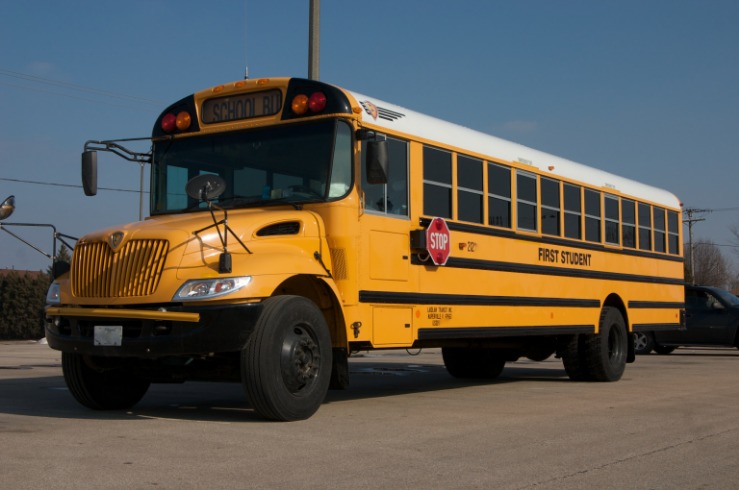
Explore South Africa from the seat of a comfortable bus and discover a country of contrasts, where cultural richness, historical memory, and a vibrant culinary scene unfold along the routes of Soweto, Johannesburg, and beyond.
In Soweto, a half-day or full-day bus excursion feels like stepping into living history. Stops at Vilakazi Street allow visitors to see Mandela House and wander the neighborhood where musicians, artists, and families maintain a strong culture of community. The Regina Mundi Church and Hector Pieterson Museum provide context on the 1976 uprisings, while street markets offer mosaic flavors and crafts that showcase township life.
As the bus rolls into central Johannesburg, the city reveals its modern skyline alongside memories of the past. A city-center drive may include stops in Maboneng for street art and cafes, the Newtown precinct for theaters, and Constitution Hill where the old Fort Prison stands as a reminder of political struggle. The route often includes brief walks or photo stops at landmarks that mark the transition from apartheid to democracy.
Key apartheid landmarks anchor many tours: the Apartheid Museum in Johannesburg provides immersive exhibits of the system and the people who opposed it, while Constitution Hill, the old prison complex now a heritage site, reinterprets the site as a sanctuary of democracy. Visitors gain a deeper understanding of how laws shaped daily life and how communities rebuilt themselves after 1994.
Culinary highlights accompany the journey. Stops may feature braai-style cookouts in township venues, offering classic pap and vleis, chakalaka, and social hospitality. In markets and eateries, travelers can sample biltong, droëwors, koeksisters, malva pudding, and other South African favorites, reflecting a fusion of African, Dutch, and Indian flavors that form the country’s palate.
Beyond history and food, bus tours offer cultural experiences through music, dance, storytelling, and local guides who share personal memories and legends from Soweto and Johannesburg. Visitors may learn about jazz clubs, gospel choirs, and hip hop scenes that thrive in urban South Africa, giving a multi-sensory portrait of the nation’s creativity.
To make the most of a bus tour, choose operators with knowledgeable guides, comfortable vehicles, and respectful itineraries. Consider seasonality, safety, and accessibility, and plan for a flexible schedule that allows time to stroll markets, take photographs, and pause at memorials to reflect on the history and the hope that continues to shape South Africa today.
Bus tours in South Africa illuminate how culture, memory, and flavor intersect in Soweto, Johannesburg, and the places that define the struggle for freedom, making a day on the road a memorable education in the country’s past and its dynamic present.
Cape Town’s cultural districts and Robben Island
Embarking on a bus tour in South Africa opens doors to cultural, historical, and culinary experiences that linger long after the journey ends.
Cape Town’s cultural districts—Bo-Kaap with its colorful houses, Woodstock’s evolving arts scene, and the historic District Six area—offer a tapestry of stories, spice-laden aromas, and vibrant street life that bus routes are tailor-made to showcase.
Robben Island stands as a powerful historical anchor on many Cape Town itineraries. A ferry trip from the V&A Waterfront delivers visitors to the island’s prison and limestone quarry, where guided tours, often led by former inmates, bring to life the country’s struggle for freedom and reconciliation.
In Bo-Kaap, the Cape Malay influence shines through architecture, mosques, and a kitchen that invites tastings of fragrant curries, saffron rice, and sweet treats. A bus tour can pause for a guided stroll, providing glimpses into daily life and the community’s rich heritage.
The District Six Museum offers a poignant counterpoint to the city’s beauty, preserving memories of forced removals and the resilience of a community. Including a reflective stop on a bus route helps travelers connect the city’s past to its present cultural heartbeat.
Woodstock and its surroundings have transformed into a hub of street art, boutique galleries, craft markets, and hip eateries. A bus itinerary through this area pairs urban culture with artisan coffee, eateries, and a taste of modern Cape Town creativity.
Culinary moments on these tours range from sampling Cape Malay curries in Bo-Kaap to fresh seafood along the Atlantic coast and indulgent lunches at winelands-adjacent estates. Many itineraries also feature optional wine tastings in nearby Constantia, adding a vineyard chapter to the day.
Open-top double-decker and hop-on-hop-off bus formats offer flexible exploration, with multilingual commentary that brings Cape Town’s neighborhoods to life and allows travelers to linger at spots that captivate them.
When planning a South African bus tour that includes cultural districts and Robben Island, book ahead, check ferry and tour times, and consider a combined itinerary to balance city sights with the island experience. This approach yields a rich blend of culture, history, and cuisine in a single, immersive day.
Wine routes, food experiences, and markets
South Africa’s bus tours offer a rich tapestry of cultural, historical, and culinary experiences, weaving together vibrant city life, sweeping coastlines, and rolling wine lands into one accessible journey.
Cultural and historical itineraries bring travelers face to face with the country’s diverse roots. Stand at the doors of Soweto’s townships, visit the Apartheid Museum, and reflect on Robben Island’s storied past. District Six in Cape Town and the Zulu heritage of KwaZulu-Natal offer deeply personal stories, while bilingual guides share local songs, languages, and crafts that illuminate daily life across South Africa’s many communities.
Wine routes form a cornerstone of many bus tours through the Cape Winelands. The Stellenbosch and Franschhoek valleys are famed for centuries of winemaking, where grand estates welcome visitors for cellar tours, barrel tastings, and food pairings amid mountain backdrops. The Paarl route adds dramatic granite hills and elegant estates, while the Constantia Valley near Cape Town pairs historic wine with coastal views.
Culinary experiences shine as you move from estate to estate and market to market. Braai fires, traditional Cape Malay curries, fresh seafood on the coast, and farm to fork meals showcase a nation of bold flavors. In markets and village eateries, tastings of biltong, dry wors, bobotie, rusks, and spice blends offer a savory education in South Africa’s street-food culture. Cooking classes and chef-led demonstrations often accompany tours, adding hands-on flavor to the journey.
Markets are vibrant hubs where food, crafts, and music mingle. In Cape Town, the Oranjezicht City Farm Market and the nearby V&A Waterfront Food Market tempt with seasonal produce, artisanal cheeses, pastries, and street-food stalls. Woodstock’s Old Biscuit Mill hosts weekend markets with designers, farmers, and live performances. Greenmarket Square in the city center offers crafts and curious finds. Similar markets appear in Stellenbosch, Paarl, and Jo’burg districts, each with a unique local rhythm.
Travelers choosing bus tours can expect comfortable seating, bilingual guides, and efficiently timed itineraries that balance free time with planned experiences. Depending on length, tours span from two days to two weeks, with overnight stops in winelands towns, coastal towns, and historic towns. Booking in advance, checking for seasonal wine festivals, and confirming accessibility for all riders helps ensure a smooth experience.
Whether your interest lies in heritage, wine, or a tasting menu on wheels, South Africa’s bus tours deliver a layered, flavorful journey that showcases culture, history, and hospitality alongside landscapes you will remember for a lifetime.
Family-friendly and accessibility considerations
Family-friendly bus tours in South Africa emphasize accessibility and clear, inclusive English communication. Operators increasingly offer wheelchair‑accessible vehicles, priority seating, and stroller-friendly boarding, plus routes with safe, kid‑friendly stops and engaging guides. By prioritizing plain language, captions or multilingual support, and safety briefings suitable for all ages, travel in South Africa becomes enjoyable and welcoming for families and travelers with diverse needs.
Family-focused itineraries and activities
Family-friendly bus tours in South Africa offer a comfortable way to explore a diverse landscape while keeping children engaged and safe. Planning with accessibility in mind helps families with young children, seniors, or travelers with mobility challenges enjoy a smoother experience.
When evaluating tours, look for accessibility features such as step-free entry, low-floor or ramp-accessible buses, designated wheelchair and stroller spaces, secure seating with seat belts, and clear visual and audible information. Operator teams should be trained in assisting families, and tours should provide child-friendly commentary or multilingual audio guides to keep kids engaged between stops.
Family-focused itineraries typically blend iconic sights with interactive activities. In Cape Town, a hop-on hop-off circuit can pair stops at the V&A Waterfront, the Two Oceans Aquarium, and the Cape Point or Table Mountain area, with gentle beach strolls at Boulders Beach to see penguins. In the Garden Route, kid-friendly options include Mossel Bay’s seals and sea life attractions, Knysna’s waterfront and markets, and wildlife experiences at Monkeyland and Birds of Eden, followed by safe family beach days in Plettenberg Bay.
Across South Africa, bus tours can tailor pacing to different ages. Shorter loops with frequent rest stops suit toddlers and weary parents, while longer routes offer wildlife safaris, interactive museums, and gentle nature walks that are accessible for many families. Always check which attractions along the route are accessible and whether lunches, snacks, and child-friendly meal options are available on board or at stops.
Practical planning tips include confirming accessibility policies in advance, reserving space for wheelchairs or strollers, requesting family-friendly seating together, and ensuring availability of child-safe restraints. Bring essentials such as snacks, water, sunscreen, hats, and a small bag for changes, and verify toilet access and rest-stop timing so little ones aren’t rushed.
Choosing the right family-focused bus tour in South Africa means balancing comfort, accessibility, and engaging activities for all ages. With careful planning, families can enjoy scenic routes, wildlife encounters, and cultural experiences that create lasting memories together.
Accessibility for mobility-impaired travelers
Family-friendly bus tours in South Africa can be wonderful experiences for all ages, including travelers with mobility challenges. Accessibility and services vary by operator, route, and vehicle, so planning ahead is essential. The following considerations can help families and mobility-impaired travelers choose tours that prioritize safety, comfort, and inclusion.
- Operator accessibility claims: verify documented accessibility features such as wheelchair entry, ramps or lifts, tie-downs for wheelchairs, and space for mobility devices. Ask how wheelchairs are secured on the coach.
- Boarding and seating: ensure step-free boarding, wide doors, and flexible seating to accommodate companions, carers, and passengers who use mobility aids. Confirm whether an accompanying person receives any required seating accommodations.
- Vehicle type and comfort: check that the coach type supports your needs (for example, kneeling feature, extra legroom, and stable suspension). Confirm climate control and smooth ride expectations for sensitive travelers.
- Onboard facilities and breaks: most coaches have limited or no accessible restrooms; plan for accessible stops with ramps or step-free routes. If a toilet is essential, confirm availability on the day and at major stops.
- Route planning and terrain: some routes include uneven pavement, cobbles, stairs at viewpoints, or outdoor attractions. Look for itineraries that offer accessible viewpoints and alternate routes when needed.
- Assistance and guides: confirm staff training in assisting mobility-impaired travelers and whether they provide pre-arranged pickup/drop-off help at hotels, airports, or ports.
- Family-friendly features: for travelers with children, check stroller policies, seating for families, availability of child-friendly meals or snacks, and any safety features like seat belts and child seats where appropriate.
- Planning documents and formats: request materials in accessible formats if needed (large print, simple language, or translations) and ensure you have a clear contact for accessibility-related questions.
- Health and safety planning: carry medications, a basic first aid kit, and emergency contact information; discuss any medical equipment and power needs with the operator (e.g., oxygen tanks, collapsible wheelchairs).
- Cancellation and flexibility: choose operators with inclusive policies that allow changes for medical or mobility reasons, and confirm what happens if accessibility accommodations cannot be provided on a given date.
Safety and comfort on longer coach journeys
South Africa’s bus tours offer a family-friendly way to explore some of the world’s most spectacular landscapes, from Cape Town’s coast to the Garden Route and the savannahs around Kruger. Planning for family-friendly features, accessibility, and safety makes longer coach journeys more comfortable for everyone.
Family-friendly considerations: Booking seats together, space for strollers, and child-friendly facilities on board are important. Ask about booster seats or child restraints and whether the coach layout accommodates families with young children. Operators may offer entertainment options, kid-friendly routes, and flexible break schedules.
Accessibility considerations: For travellers with mobility needs, choose coaches with low floors, wheelchair ramps, or lifts and ample space to maneuver mobility devices. Confirm the availability of accessible seating, wide aisles, and priority boarding. Ensure staff can assist with boarding and exiting and that any service animals are welcome.
Safety on longer journeys: Reliable operators employ licensed, trained drivers who observe regulations and take regular rest breaks. A well-maintained coach should have seat belts, functional lighting, clearly marked emergency exits, and a stocked first-aid kit. Ask about the emergency procedures and the location of the nearest medical facilities along the route.
Comfort on long coach journeys: Look for coaches with comfortable seating and adequate legroom, climate control, and smooth suspension for South Africa’s varied roads. On-board restrooms, secure luggage storage, and amenities such as USB charging ports, Wi-Fi, and refreshments can dramatically improve comfort during long days.
Practical tips for families: Schedule breaks at kid-friendly venues, bring snacks, water, activities, and portable entertainment. Pack sun protection, light jackets, and comfortable footwear. Consider noise-reduction headsets for sensitive children and plan shaded seating.
Accessibility and safety planning for diverse routes: If you or a family member uses mobility aids, confirm dimensions and that the bus can accommodate your equipment. For scenic drives through mountain passes or coastal roads, discuss ventilation, window screens, and potential seasickness remedies.
What to pack and prep: Copies of IDs/passports, medical information, a small first-aid kit, medications with dosing instructions, sunscreen, hats, insect repellent for certain regions. Bring a refillable water bottle, snacks, and a light blanket for cooler evenings.
Booking and vendor tips: Confirm the operator’s policy on child seating and accessibility, ask about the frequency and length of rest stops, and verify on-board amenities. Read reviews about family-friendliness and accessibility; confirm all special requirements in writing before travel.
Planning and practical tips
Planning a bus tour in South Africa blends spectacular scenery with practical steps to travel safely and comfortably. Start by sketching your route, comparing operators, and booking in advance, especially during peak season. Pack efficiently, bring essential documents, stay hydrated, follow safety tips, and leave time for local experiences along the way.
Best seasons, weather, and sea conditions
Planning a bus tour in South Africa? Here are planning and practical tips, plus the best seasons, weather, and sea conditions to help you plan.
- Planning and practical tips: Choose a route that matches your interests (Cape Town and Western Cape, Garden Route, Kruger National Park and Panorama Route, KwaZulu-Natal coast). Decide between fixed itineraries or flexible hop-on hop-off options, estimate travel time and rest days, check luggage allowances, and verify driver fatigue policies. Book with reputable operators, confirm insurance and emergency procedures, and consider a mix of coach travel with overnight stays to reduce fatigue.
- Best seasons by region: Cape Town and the Western Cape are lovely in spring (September–November) and autumn (March–May) with mild temperatures and clearer seas; the Garden Route shares similar patterns. Kruger National Park is best in the dry winter season (May–September) for wildlife viewing and easier game drives. KwaZulu-Natal coast is warm year-round, with cooler, drier conditions in the winter months and hotter, more humid summers; shoulder seasons can offer comfortable weather and fewer crowds.
- Weather and sea conditions: The Atlantic side around Cape Town tends to be cool and windy, with colder sea water (rough seas more common in winter). The eastern coast faces the warmer Indian Ocean, where sea temperatures rise in summer. Always check local forecasts before coastal stops and swim only where advised by lifeguards. Coastal drives can be affected by fog, rain, or strong winds at certain times of the year.
- Coastal and wildlife experiences: Hermanus whale watching is strongest in winter to early spring, while coastal towns along the Garden Route offer scenic seas and beaches with variable conditions. Wildlife viewing in Kruger is best during the dry season when animals congregate around water sources. Plan activities for days with calmer seas if you want beach or boat experiences.
- Packing, safety and on-road tips: Pack layers, sun protection, a hat, sunscreen, reusable water bottle, snacks, a compact first-aid kit, and a power bank. Bring comfortable walking shoes, a light rain jacket, and insect repellent. Keep valuables secure and carry copies of important documents. Schedule regular rest breaks (every 2–3 hours of driving) and stay informed about road conditions on N and R routes commonly used by major tours.
Duration, pacing, and daily schedules
- Define your route and total trip duration: Choose a focused coastal loop along the Garden Route, a wildlife‑centered Kruger extension, or a broader circuit that includes Cape Town, the Winelands, the Drakensberg, and KwaZulu‑Natal.
- Estimate daily driving time and travel breaks: Most long bus legs are between 3 and 6 hours with occasional longer stretches; build in 2–3 travel days per week plus rest or explorer days.
- Balance sightseeing with rest: Plan at least one full rest day every 4–5 days to recover and absorb new surroundings without burning out.
- Consider seasonal weather and road conditions: Winter rains in the Western Cape can affect travel times; Kruger and the Lowveld are hot in summer and may expose you to malaria in endemic areas—adjust dates and activities accordingly.
- Check luggage limits and on‑bus amenities: Confirm luggage allowances, seating options, and accessibility needs with the tour operator in advance.
- Book key components early: Reserve accommodations in popular towns, national parks, and intercity legs well ahead, especially in peak season (December–January and school holidays).
- Build in buffer time for wildlife drives and local experiences: Allocate half‑ or full‑day blocks for safaris, township visits, cultural performances, or wine/farm stops to enrich the itinerary.
- Safety and practicality: Keep valuables secure, have a mobile data plan, carry a printed itinerary and emergency contacts, and know the return or last‑drop policy for each day.
- Flexibility and contingencies: Have a plan B for weather disruptions, road closures, or a day when a site is unexpectedly unavailable—this reduces frustration and preserves momentum.
Duration and pacing guidelines help tailor a trip to your energy level and interests. Below are example structures to consider for common South Africa bus tours.
- Garden Route highlights (4 days): Day 1: Cape Town to Hermanus with a whale‑watch stop; Day 2: Hermanus to Knysna via land and coast; Day 3: Knysna to Plettenberg Bay and Robberg Nature Reserve; Day 4: Plettenberg Bay to Cape Town, with a coastal scenic drive and winery stop, return by late afternoon.
- Kruger region and Panorama route (5 days): Day 1: Fly into Johannesburg or panorama town, transfer to Gweru? (adjust as needed) and settle in; Day 2: Panoramas of the Blyde River Canyon and Bourke’s Luck Potholes; Day 3–4: Kruger National Park safari drives (two half‑day and one full day); Day 5: Return to base with a relaxed afternoon in a local town.
- Cape Town, Winelands, and coastal towns (7–9 days): Day 1–2: Cape Town sightseeing (Table Mountain, V&A Waterfront); Day 3–4: Day trips to Stellenbosch/Franschhoek and wine tastings; Day 5–7: Coastal towns along the False Bay or Atlantic Seaboard with beaches and hikes; Day 8–9: Garden Route detour or additional cultural experiences before departure.
Packing lists and on-board amenities
Planning and practical tips for bus tours in South Africa
- Choose routes that match your interests (Garden Route coastal scenery, Kruger National Park wildlife, Panorama Route mountains) and consider how much time you have for road travel versus sightseeing.
- Research operators: read recent reviews, confirm departure points, schedules, luggage limits, and cancellation policies.
- Book in advance for peak seasons but allow flexibility for weather, and verify whether pick‑up/drop‑off points are convenient to your accommodation.
- Assess driving distances and road conditions; some routes involve long stretches of secondary roads—plan rest stops and overnight stays accordingly.
- Budget for transport, accommodation, activities, and meals; factor tipping and park entrance fees into your total.
- Health and safety: check malaria risk in the Kruger area, bring prescribed medications and travel insurance, and keep copies of documents.
- Weather planning: South Africa’s climate varies by region—pack layers, sun protection, and rain gear; prepare for cool evenings on coast or highland sections.
- Documents and money: carry a passport, visas if required, travel insurance, credit/debit cards, and some local cash; keep digital backups of important documents.
- What to pack and what to leave behind: minimize luggage to maximize comfort on the bus and during hotel changes.
- Accessibility and comfort: if traveling with children, seniors, or mobility needs, confirm seating options and restroom access on the coach.
Packing lists
- Passport and copies, visa documents (if required), travel insurance details.
- Clothing for variable weather: lightweight layers, a warm jacket for evenings, comfortable shoes, and a swimsuit if your route includes beaches or hotel pools.
- Toiletries and personal care items; small first aid kit; sunscreen, sunglasses, insect repellent, lip balm.
- Medications: bring enough supply for the trip, with prescriptions or generic names; include motion sickness remedies if needed.
- Electronics: phone, camera, chargers, adapters (South Africa uses Type M and Type C plugs, 230V); power bank; USB car charger if permitted.
- Snacks and a reusable water bottle; a small daypack for excursions between stops.
- Documents: printed itineraries, hotel confirmations, emergency contacts, and copies of important documents.
- Extras: a small towel or travel towel, plastic bags for wet clothes, and a lightweight rain shell.
On-board amenities
- Seating comfort and space; air conditioning or heating levels may vary by operator—dress in layers.
- Wi‑Fi availability and in‑bus entertainment options; some coaches offer audio guides or GPS commentary.
- Power outlets and USB ports; bring a portable charger as a backup if your device is power‑hungry.
- Rest stops and toilet facilities; most longer routes include regular breaks for meals and stretching.
- Luggage storage: overhead compartments and under‑bus storage; verify luggage allowances with the operator.
- Refreshments: water, tea/coffee, snacks; check if meals are included or if there are onboard catering options.
- Safety features: seat belts, emergency instructions, and staff briefings; know exit locations in case of an emergency.
- Accessibility: inform the operator in advance if you need assistance, as some buses offer wheelchair spaces or easier access seating.
Operators, bookings, and value
South Africa’s bus tour operators bundle scenic routes from Cape Town’s Table Mountain to the Garden Route and Kruger Park into easy itineraries. With straightforward bookings, a range of options, and transparent pricing, travelers can compare operators to maximize value, secure seats, and enjoy comfortable coaches, knowledgeable guides, and curated experiences that bring the country’s culture, landscapes, and wildlife to life.
Choosing reputable operators
Bus tours in South Africa offer a way to see the country’s diverse landscapes—from the dramatic coastlines of the Cape to the savannas of the savanna and the mountains of the Drakensberg. To ensure a smooth experience, focus on operators, how you book, and the value you’re getting for your money.
Choosing reputable operators means looking for licensed transport providers with well-maintained fleets, regular safety checks, and drivers who are trained not only in driving but also in guest safety and, ideally, regional knowledge. Reputable operators often belong to industry associations such as South African Tourism Services Association (SATSA) or other recognized bodies, and they publish clear safety and maintenance procedures, emergency contacts, and driver accreditation information.
When it comes to bookings, decide whether you prefer booking directly with the operator or through a travel agent or tour platform. Read the terms and conditions carefully—especially cancellation policies, deposits, final payment deadlines, and refund rules. Confirm what is included in the price (transport, accommodation, meals, park fees, guides) and what is extra (entrance fees, beverages, optional activities). Keep a confirmation number, receipts, and a contact for support during your trip.
Value is about more than the lowest price. Compare inclusions and experience quality: the length and pace of the itinerary, the comfort of the vehicle, luggage allowances, rest stops, and the expertise of guides. A higher price may reflect better vehicle standards, smaller groups, and knowledgeable guides who provide context about local culture, wildlife, and history. Watch out for hidden costs such as entrance fees, meals, or activities that are billed separately, which can offset a seemingly low headline price.
To judge reputability, read independent reviews on trusted platforms and look for consistent comments about punctuality, safety, and the reliability of driver guides. Ask operators for a sample itinerary and a list of included services, fleet age and maintenance records, emergency procedures, and 24/7 support contacts. A reputable operator will be transparent about driver qualifications, vehicle inspections, insurance coverage, and what happens if a schedule changes due to weather or road conditions.
South Africa-specific considerations can affect value and safety. Some routes involve long drives between key destinations, so comfort and rest opportunities matter. Malaria risk, if visiting certain reserves, should guide health precautions and vaccination planning. In tourist hubs, use official pickup points and avoid off-site arrangements. Bring valid identification, travel insurance, and a plan for contingencies such as flight changes or weather disruptions. Clear communication about daily start times, lunch stops, and final drop-off points helps prevent misunderstandings during the trip.
Booking tips at a glance: verify itinerary length and pacing, confirm inclusions, review cancellation and refund terms, check vehicle type and seating, ensure a clear luggage policy, confirm safety credentials and driver qualifications, and keep all contact information. If a deal sounds too good to be true, ask for a written breakdown of what you’re paying for and request references to verify reliability. With a careful choice of operator, straightforward booking terms, and an eye on value, a South African bus tour can be a memorable and rewarding way to explore the country.
What’s included, add-ons, and hidden costs
South Africa bus tours offer diverse landscapes, vibrant cities, and unforgettable wildlife experiences. This guide covers Operators, Bookings, and Value, What’s Included, Add-ons, and Hidden Costs to help you plan a smooth and enjoyable trip.
- Operators
- Fleet quality and safety: modern coaches, seat belts, regular maintenance, and on-board amenities.
- Guides and language options: experienced guides, local insights, and multilingual support.
- Licensing and accreditation: licensed operators with regulatory compliance and safety records.
- Local support: 24/7 assistance on tour and reliable on-ground logistics.
- Bookings
- Where to book: official operator websites, reputable travel agencies, and trusted aggregators.
- Payments and deposits: clear payment schedules, secure methods, and refund terms.
- Cancellation and changes: policies, deadlines, and penalties for changes.
- Group and private options: availability of private tours, customizable itineraries, and minimum group sizes.
- Value
- Price versus experience: compare itineraries, pacing, and comfort against cost.
- Itinerary quality: whether routes cover your must-see destinations like Cape Town, the Garden Route, or Kruger National Park.
- Inclusions vs extras: weigh what’s included (meals, activities, entry fees) against optional extras.
- What’s Included
- Transportation between destinations: coach travel with regular departures and reliable timing.
- Acommodation: level of lodging provided (budget to luxury) and location quality.
- Meals: breakfasts, dinners, or picnics as specified in the itinerary.
- Entrance fees: national park entries, attractions, and guided activities when included.
- Add-ons
- Extra excursions: wildlife safaris, city tours, wine tastings, or adventure activities.
- Upgrades: better seating, private transfers, or luxury vehicle options.
- Travel enhancements: domestic flights, rail transfers, or extra nights in key cities.
- Hidden Costs
- Park and attraction fees: some items may be charged separately from the base tour price.
- Tipping: drivers, guides, and support staff may expect gratuities.
- Fuel surcharges and peak-season adjustments: price changes tied to fuel costs or holidays.
- Visa, insurance, and incidental costs: ensure you budget for travel insurance and any visa requirements.
Cancellation policies and refunds
Bus tours in South Africa offer a convenient way to explore diverse landscapes, wildlife, and cultures—from the coastline along the Garden Route to the plains of the Kruger and the vibrant cities of Cape Town and Johannesburg. When planning a trip, understanding operators, bookings, value, and cancellation policies helps you choose confidently and travel with peace of mind.
- Operators: Choose operators with clear licensing, safety records, and well-maintained fleets. Reputable companies typically provide trained guides, GPS tracking, and insurance coverage for passengers. Look for itineraries that match your interests, whether it’s wildlife safaris, scenic drives along the Garden Route, winelands tours, or cultural experiences in townships and historic sites. Check reviews, confirm vehicle comfort (air conditioning, seating, accessibility), and verify inclusions such as park entry fees, accommodations, and meals.
- Bookings and value: Bookings are usually via online platforms, travel agents, or directly with operators. Compare what’s included: accommodation, meals, park or entrance fees, guides, and transfers between stops. Value comes from a balanced itinerary, knowledgeable guides, good pacing, and reliable logistics. Consider group size (small groups can offer a more personalized experience) versus larger coach tours, and assess flexibility for date changes, upgrades, or customizable options.
- Cancellation policies and refunds: Policies vary by operator but commonly involve deposits and balance payments. Refunds may be full if canceled long enough before departure, partially refundable closer to travel dates, or non-refundable within a certain window. Some tours offer credit vouchers instead of cash refunds. Weather, strikes, or other force majeure events can affect refunds, so read terms carefully, note deadlines, and understand how refunds are processed and how long it takes to receive them.
When selecting a tour, compare itineraries that fit your interests—wildlife experiences, coastal routes, mountain scenery, or Cape Town and Cape Town’s surrounding attractions—and verify safety standards and customer support during the trip.
Safety, sustainability, and responsible travel
Safety, sustainability, and responsible travel are the guiding principles of bus tours in South Africa, where well-trained drivers, modern coaches, and clear safety briefings help travelers explore iconic routes with confidence. Tour operators prioritize responsible itineraries that minimize environmental impact, support local communities, and protect wildlife and cultural heritage through responsible viewing practices and waste reduction. By choosing licensed providers, respecting conservation guidelines, and engaging respectfully with people and places, travelers can enjoy South Africa’s diverse landscapes—from coastal scenery to vibrant cities—while leaving a positive footprint for future visitors.
Travel safety, health considerations, and insurance
Bus tours across South Africa offer sweeping landscapes, dramatic coastlines, and intimate encounters with wildlife, but safety, sustainability, and responsible travel should guide every itinerary.
Safety on the road starts with choosing licensed operators who maintain their coaches, conduct regular safety checks, and train drivers to manage long hours and challenging road conditions. Before you book, ask about vehicle age and maintenance, the driver’s rest breaks, emergency procedures, and how the tour handles breaks and night driving. During the trip, wear seat belts where available, follow the crew’s instructions, and carry essential items such as water, a basic first-aid kit, medications, copies of important documents, and a phone with local emergency numbers.
Health considerations vary by region. Some tours include stops in malaria-risk areas, notably parts of Limpopo and Mpumalanga near Kruger National Park, so consult a travel health clinic about prophylaxis and bring insect repellent, suitable clothing, and sun protection. Ensure you are up-to-date on routine vaccines and any recommended vaccines for your itinerary. Pack a small personal first aid kit, any prescription medicines, and keep hydrated, especially in hot inland regions. Use bottled or treated water where advised and practice good food hygiene.
Stay aware of urban safety: keep valuables secure, use reputable operators to arrange transfers between stops, and avoid flashing cash or expensive gear in crowded areas. At wildlife reserves or parks, respect posted guidelines, stay in designated areas, never approach animals, and listen to guides about safe distances and noise levels.
Insurance: Purchase travel insurance that includes medical emergencies and evacuation, trip cancellation or interruption, and coverage for lost or delayed luggage. Check whether activities on your itinerary—such as walking safaris, boat rides, or zip-lining—are covered or require additional riders. If you have pre-existing medical conditions, secure appropriate coverage and keep a copy of prescriptions.
Sustainability and responsible travel go hand in hand with safety. Choose operators who support local communities, hire local guides, and invest in vehicle maintenance and environmental practices. Favor groups that minimize plastic waste, offset carbon emissions, and use fuel-efficient buses when possible. Respect wildlife and communities: stay on marked paths, avoid disturbing animals, support locally owned accommodations and eateries, and bring a reusable water bottle and bag to reduce single-use plastics.
Before you depart, review the itinerary for rough travel times, climate variations, and potential health considerations; pack appropriately for sun, heat, and rain; keep digital and physical copies of important documents; know how to contact your operator in an emergency, and have local emergency numbers saved on your phone. By prioritizing safety, health, insurance, and sustainable practices, bus tours in South Africa can be enjoyable, memorable, and respectful of people, cultures, and the environment.
Environmental practices on tours
Bus tours across South Africa offer dramatic coastlines, rolling savannahs, and vibrant cities, but safety, sustainability, and responsible travel must guide every journey.
Safety begins with choosing licensed operators who meet national regulations, verify their vehicles are roadworthy, and employ trained drivers who observe hours of service and fatigue management. Look for operators who provide seat belts, clear emergency procedures, first aid kits, and up-to-date insurance for passengers and baggage.
On the road in South Africa, routes vary from busy urban corridors to remote rural stretches. Travelers should stay informed about the day’s route, planned rest stops, and weather conditions. Drive on the left, be prepared for sudden changes in traffic, pedestrians, livestock, or roadworks, and report any concerns to your guide or the operator immediately.
Environmental practices on bus tours are essential to protect the country’s diverse landscapes. Prefer buses with lower emissions or modern diesel engines, and support operators that monitor fuel use, minimize idling, and maintain fleets to reduce breakdowns. Seek tours that plan efficient routes, reduce detours, and avoid unnecessary backtracking to cut carbon emissions.
Stops at parks and wildlife reserves should be conducted with respect for wildlife and habitats. Stay in designated viewing areas, keep noise to a minimum, never feed animals, and follow park rules. In sensitive ecosystems, guided interpretive stops help travellers learn without disturbing fragile habitats.
Responsible travel in South Africa also means supporting communities and local cultures. Choose operators who employ local guides, partner with community projects, and use locally owned accommodations and services. Show respect for local customs, dress modestly when visiting rural communities or sacred sites, and purchase goods directly from residents to support livelihoods.
Reducing your travel footprint includes carbon awareness and offsetting. Choose itineraries that minimize total driving distance, consolidate overnight stays, and help operators implement eco-driving and energy-saving practices. Consider carbon offset programs for your trip and support accommodations and tours that publish sustainability reporting and operate with transparent environmental policies.
Practical traveler tips include bringing a refillable water bottle, small reusable bags, and sun protection for long days outdoors. Pack light to improve fuel efficiency, respect local rules, and keep valuables secure. Be mindful of personal safety, especially in crowded or unfamiliar areas, and follow your guide’s safety briefings at all times.
Tour operators can advance environmental practices by training drivers in eco-driving techniques, scheduling meaningful stops that minimize resource use, providing recycling options, and partnering with eco-certified lodges. Pre-trip information should include local wildlife guidelines, cultural etiquette, and safety procedures to empower travellers to make responsible choices.
By prioritizing safety, sustainability, and respectful engagement, bus tours in South Africa can deliver memorable experiences while protecting people, wildlife, and landscapes for future travellers.
Community engagement and conservation support
Bus tours in South Africa offer breathtaking scenery from coastal vistas to iconic savannas, but safety, sustainability, and responsible travel are essential for a memorable and respectful experience.
Safety comes first: choose licensed operators with well-maintained vehicles and trained drivers; verify vehicle age, maintenance records, seat belts, first aid kits, fire extinguishers, and GPS tracking. plan contingencies for weather, medical needs, and emergencies, and be aware of health considerations in malaria zones and high-altitude areas.
Sustainability matters: look for operators investing in newer, cleaner buses or offsetting carbon, and choose itineraries that minimize backtracking. support local economies by staying in community-approved accommodations, buying from local artisans, reducing single-use plastics, and traveling with reusable water bottles and minimal packing.
Responsible travel means respecting local cultures and communities: seek permission for interactions, especially in townships and rural areas, and support guided experiences that benefit locals fairly. photograph with consent, avoid purchasing artifacts or wildlife products, and maintain a respectful distance when viewing animals in the wild.
Community engagement is a key measure of impact: tours should employ local guides, drivers, and artisans, providing fair wages and training opportunities. a portion of profits can fund community projects and conservation initiatives, and partnerships with community conservancies should be prioritized to ensure lasting benefits for residents.
Conservation support should be explicit: contributions and tour fees should bolster national parks, conservation programs, anti-poaching efforts, habitat restoration, and wildlife corridors. choose operators that adhere to ethical wildlife viewing guidelines and educate travelers about ecosystem protection rather than exploitation.
Practical tips for a responsible trip: verify safety records and travel insurance, pack according to SA climates, carry copies of documents, and keep valuables secure. follow local road rules and park guidelines, particularly in reserves like Kruger, and travel with a reputable guide who emphasizes safety, respect, and learning.
When safety, sustainability, and community-mindedness are integrated into a bus tour, travelers in South Africa can enjoy unforgettable landscapes while protecting people, wildlife, and habitats for future generations.
Sample itineraries and case studies
Explore sample itineraries and case studies for bus tours in South Africa, offering practical examples of routes, pacing, and planning from coastal Cape Town to the Garden Route and Kruger National Park, with notes on operator choices, accommodations, and traveler experiences to help you design an engaging, safe journey.
One-week coastal and winelands circuit
A one-week coastal and winelands circuit offers a balanced mix of ocean scenery, wildlife encounters, and cellar-door tastings across the Western Cape.
Itinerary A — Classic Cape Town base and circular route.
Day 1: Arrive in Cape Town, meet your guide, and enjoy a light orientation drive past the V&A Waterfront and the Bo-Kaap district.
Day 2: A full-day Cape Peninsula excursion including Hout Bay, Chapman’s Peak Drive, Cape Point, and a visit to Boulders Beach to see the penguin colony.
Day 3: Transfer to the Cape Winelands for Stellenbosch, a stroll through the historic town, and a first round of wine tastings at a Stellenbosch winery; overnight in Stellenbosch.
Day 4: Franschhoek wine country with wine tastings at several estates or a Franschhoek Wine Tram experience; enjoy lunch in Franschhoek Village and overnight there.
Day 5: Continue in Franschhoek or travel to nearby Paarl for more tastings, then head to Hermanus for coastal scenery; overnight in Hermanus.
Day 6: Coastal return toward Cape Town via scenic towns such as Betty’s Bay or Kleinmond, with optional whale viewing depending on the season; overnight in Cape Town.
Day 7: Free morning for last-minute shopping or a Robben Island excursion, then departure.
Itinerary B — Winelands first, then coast and back to Cape Town.
Day 1: Arrive in Cape Town and transfer inland to Franschhoek for a tranquil start among the vines.
Day 2: Franschhoek wineries with tastings and a scenic lunch; overnight in Franschhoek.
Day 3: Drive to Stellenbosch for more tastings and a stroll through the Old Town; overnight in Stellenbosch.
Day 4: Head to the coast and spend the afternoon in Hermanus for coastal views and whale watching (seasonal); overnight in Hermanus.
Day 5: Return toward Cape Town along the coastline, stopping at key viewpoints and penguin colonies if desired; overnight in Cape Town.
Day 6: Cape Town city day with optional Table Mountain or Robben Island visit, plus a relaxed wine tasting in Constantia if time allows.
Day 7: Departure.
Case studies give a sense of how these itineraries work in practice.
Case Study 1: Family group on a Classic Cape Town circuit. A family of 40 opted for a large, comfortable bus with a guided driver, kid-friendly winery stops, and penguin-viewing at Boulders Beach. The pacing featured ample rest breaks, shaded picnic lunches, and easy-access walks, making it enjoyable for all ages. The result was a relaxed week with lots of photo opportunities and minimal hassle around logistics.
Case Study 2: Seniors travel club focusing on scenery and wine. This group valued smooth road tempo, frequent shaded rest stops, and curated tastings at top-tier Stellenbosch and Franschhoek estates. The guide highlighted accessible routes, offered lunch options with vegetarian choices, and included downtime for a nap between outings—leading to consistently high satisfaction and repeat bookings.
Case Study 3: Student sustainability tour. A university-affiliated group used a smaller, eco-friendly bus to visit coastal towns and conscientious wine producers. They combined field studies with winery conversations about water use and soil stewardship, scheduled longer breaks for beaches and viewpoints, and kept a tight but flexible itinerary to accommodate weather. Feedback emphasized learning experiences, affordable pricing, and safety during coastal excursions.
Three-day safari-and-city combination
Three-day safari-and-city bus tours across South Africa blend urban exploration with wildlife experiences, offering compact, easy-to-book itineraries for travelers who want to see a lot in a short time.
Sample itinerary 1 — Cape Town base with a private game reserve safari: Day 1 introduces Cape Town’s highlights such as the V&A Waterfront, Table Mountain cableway view, and Bo-Kaap colors with a guided city walk. Day 2 is a full-day safari at Aquila Private Game Reserve, including two game drives and a ranger-led briefing on the Big Five. Day 3 combines a scenic coastal drive along Chapman’s Peak with a penguin visit at Boulders Beach before returning to the city or continuing the tour by bus.
Sample itinerary 2 — Johannesburg base with Pilanesberg safari: Day 1 covers a Soweto and central city tour, including constitutional court or murals, and a short township meal experience. Day 2 is a day trip to Pilanesberg National Park for morning and afternoon game drives, with a picnic lunch in the reserve. Day 3 includes a visit to the Cradle of Humankind or a Pretoria highlights loop before the bus returns to the city or passes on to the next stop.
Sample itinerary 3 — Port Elizabeth base with Addo Elephant Park: Day 1 explores Port Elizabeth’s harbor, boardwalk, and art scene. Day 2 is a safari day at Addo Elephant Park with guided drives and wildlife talks. Day 3 features a coastal return journey with beach stops and a final city briefing, followed by transfer to the next destination or an overnight stay.
These itineraries are commonly offered on clean, modern coaches with bilingual guides, included meals where possible, and optional add-ons for wine tastings or cultural performances to suit different budgets and pace preferences.
Case study 1 — Cape Town Aquila route: A mid-size operator piloted the three-day Cape Town city plus Aquila safari itinerary with a standard 24-seat bus. The results showed high satisfaction, with average guest ratings above 4.7 out of 5 and a 15% higher occupancy than the previous month. On-time schedule adherence and ranger-led interpretive talks were cited as major positives, while feedback on travel time prompted slight timetable adjustments to balance driving and game-viewing windows. Repeat bookings within six months increased by a third.
Case study 2 — Johannesburg Pilanesberg route: A family-focused version of the three-day package reported strong demand from first-time African travelers. The operator tracked a 28% rise in family groups, with guided kid-friendly activities and shorter idle times between drives. Safety metrics remained excellent and all guides received formal child-safety training. Net promoter scores improved, and dealers reported stronger partnerships with local communities around Pilanesberg.
Case study 3 — Addo route from Port Elizabeth: An operator serving coastal clients observed better wildlife sightings and guest engagement after integrating a dedicated wildlife-spotting talk and a flexible lunch option in Addo. The three-day plan reduced transfer times by combining beach stops with the safari day, and customer reviews highlighted the value of the scenic return journey along the coast. The program also proved resilient to seasonal demand, with steady bookings during shoulder months.
Multi-region circuit: Cape Town to Johannesburg by coach
Sample itineraries and case studies for a multi-region circuit: Cape Town to Johannesburg by coach illustrate how bus tours in South Africa weave coastal scenery, Karoo landscapes, wildlife encounters, and urban experiences into a single journey.
Itinerary A — 7 days: Cape Town to Johannesburg via Garden Route and Karoo highlights. Start in Cape Town with a coastal day before heading along the Garden Route to Mossel Bay and Knysna, then continue to Tsitsikamma National Park for forest scenery and a suspension bridge walk. From there, drive to Port Elizabeth and a day on a nearby game drive in Addo Elephant National Park. Move inland to the Karoo town of Graaff-Reinet for stargazing and a museum visit, then travel to Bloemfontein for a taste of Free State culture. The final leg takes you to Kimberley for a Big Hole historic stop before finishing in Johannesburg. This itinerary balances scenic coastal stops with wildlife, culture, and comfortable overnight stays in traveler-friendly towns.
Itinerary A — day-by-day highlights. Day 1: Cape Town to Mossel Bay with ocean vistas and a potential whale-watching stop (seasonal). Day 2: Mossel Bay to Knysna via coastal roads and the Knysna Heads for forest-fringe scenery. Day 3: Knysna to Port Elizabeth, with a morning detour to Tsitsikamma National Park and the Storms River suspension bridge. Day 4: Port Elizabeth to Addo Elephant National Park for a morning or afternoon wildlife drive, overnight near Port Elizabeth. Day 5: Addo to Graaff-Reinet through rolling Karoo plains and a gallery or museum visit in Graaff-Reinet. Day 6: Graaff-Reinet to Bloemfontein for a cultural stop, possibly the Oliewenhuis Art Museum. Day 7: Bloemfontein to Johannesburg via a break at Kimberley to view the Big Hole and learn regional mining history before arrival in the city.
Itinerary B — 10 days: Cape Town to Johannesburg with extended Garden Route and interior culture. Begin in Cape Town and loop along the Garden Route through Mossel Bay and Knysna, then pause in Plettenberg Bay and Tsitsikamma for forest and coast experiences. Continue to Port Elizabeth and Addo Elephant Park for wildlife, then move inland to Graaff-Reinet for Karoo scenery and stargazing. From Graaff-Reinet travel to Cradock and then Bloemfontein, soaking in Free State towns and a few cultural stops. A longer inland leg takes you to Kimberley for the Big Hole, then a final run to Johannesburg with a stop in Carletonville or a Krugersdorp-area heritage site. This itinerary suits groups seeking a deeper blend of coastal beauty, wildlife encounters, Karoo quiet, and urban arrivals.
Itinerary B — day-by-day highlights. Day 1: Cape Town to Mossel Bay, coastal scenery along the way. Day 2: Mossel Bay to Knysna, exploring forests and waterfronts. Day 3: Knysna to Plettenberg Bay and Tsitsikamma for hiking and a bridge walk; onward to Port Elizabeth. Day 4: Port Elizabeth to Addo Elephant Park for a guided wildlife drive. Day 5: Addo to Graaff-Reinet, Karoo town with a fossil or museum visit. Day 6: Graaff-Reinet to Cradock and onward to Bloemfontein for a cultural evening. Day 7: Bloemfontein to Kimberley, visiting the Big Hole and mining history. Day 8-9: Kimberley to Mafikeng or Potchefstroom for regional culture and museums. Day 10: Potchefstroom to Johannesburg with a final city orientation tour.
Itinerary C — 12–14 days: A broader circuit with more wildlife, towns, and cultural stops. Start in Cape Town and follow the Garden Route to Mossel Bay, Knysna, Plettenberg Bay, and Tsitsikamma. Then go to Port Elizabeth and Addo Elephant Park for extended wildlife time before heading into the Karoo, visiting Graaff-Reinet and Beaufort West, and looping toward the Free State with stops at Colesberg and Bloemfontein. Continue to Kimberley for the Big Hole, then move into the Highveld region with a planned stop at a close-by wildlife reserve such as Pilanesberg or a Magaliesberg scenic area, before arriving in Johannesburg. This longer circuit allows more wildlife drives, longer cultural experiences, and time to absorb regional cuisine and crafts along the way.
Case study 1 — a family-friendly 7-day Cape Town to Johannesburg circuit. The Thompsons joined Itinerary A to celebrate a milestone with two teenagers. They valued safe, comfortable overnight stops in towns with family-friendly activities, guided wildlife experiences near Addo, and easy access to scenic stops like Tsitsikamma. The coach schedule allowed for ample rest, and the guides arranged optional short walks and local dining that highlighted South African flavors. They returned with photos of Knysna forest, Addo elephants, and a memorable Karoo stargazing night, remarking that the pace felt balanced for all ages.
Case study 2 — a corporate incentive program on a 10-day cycle. A regional company chose Itinerary B to combine team-building with sightseeing. The programme included moderated group discussions in the mornings, collaborative problem-solving activities at the Karoo towns, and curated cultural experiences in Bloemfontein and Kimberley. The group appreciated structured downtime between long travel legs, Wi-Fi-equipped coaches, and on-site guides who could tailor content for different departments. Feedback highlighted increased camaraderie, improved cross-team communication, and a stronger interest in South Africa’s regional diversity.
Case study 3 — a solo traveler on a 12–14 day circuit. A solo traveler used Itinerary C to explore a broader slice of South Africa, focusing on wildlife, landscapes, and local cuisine. The plan allowed time in Knysna, Tsitsikamma, and Addo, with optional detours to a nearby game reserve and a cultural daytime market in Graaff-Reinet. The traveler appreciated flexible pacing, affordable accommodation options, and the chance to meet other travelers on the coach. The journey ended in Johannesburg with a city tour and a relaxed final evening in the Maboneng district, reflecting on the country’s varied regions and warm hospitality.