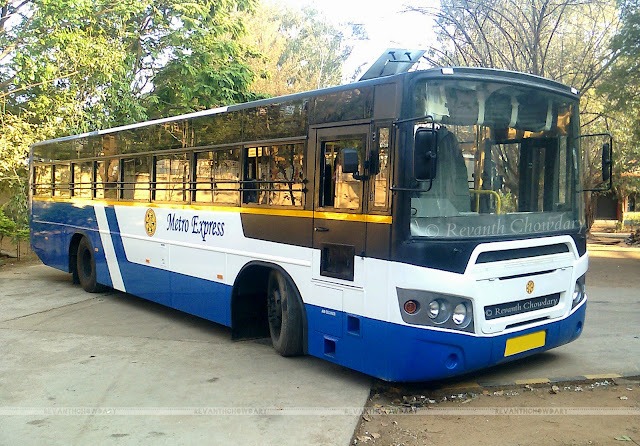

Swiss Express Bus South Africa: Overview
Swiss Express Bus South Africa provides a reliable intercity bus service that blends Swiss efficiency with South African travel needs, delivering comfortable, punctual journeys across key routes. With modern coaches, strong safety standards, and easy online booking, the service aims to connect major cities and towns with convenient, value-driven travel.
Brand Identity and Mission
Swiss Express Bus South Africa aims to redefine long-distance travel by blending Swiss standards of reliability with local market needs. The brand is built on predictable schedules, rigorous safety protocols, and a focus on traveler comfort from departure to arrival.
Overview: The network covers major corridors across South Africa, connecting Johannesburg, Cape Town, Durban, Pretoria, and regional hubs. The fleet of modern coaches is equipped with comfortable seating, climate control, free Wi-Fi, and generous luggage allowances. Journeys are supported by real-time tracking, easy mobile booking, and a transparent fare structure.
Brand Identity: Swiss Express Bus South Africa borrows its brand promise from Swiss heritage—precision, quality, and hospitality. The visual identity favors clean lines, a restrained color palette of red, white, and dark tones, and a focus on legibility. The service culture emphasizes courteous staff, punctual operations, and consistent experiences across all touchpoints, from online portals to on-board announcements.
Mission: The mission statement centers on moving people safely and efficiently while delivering exceptional value. The company seeks to raise industry standards through continuous improvement, employee development, and customer feedback loops. Core commitments include safety first, punctuality, accessibility for all travelers, and responsible business practices.
Customer Experience and Operations: A digital-first approach underpins booking, boarding, and journey management. Customers can book online or via mobile apps, receive e-tickets, and access real-time journey updates. On-board service emphasizes comfort, quiet cabins, and helpful staff who speak multiple languages to serve diverse travelers.
Sustainability and Community: Swiss Express Bus South Africa integrates environmental stewardship into its operations with efficient fuel use, low-emission propulsion options where feasible, and programs to offset travel emissions. The brand also supports local communities through supplier partnerships, job creation, and training programs that promote safe driving and hospitality skills.
Future Outlook: The company plans to expand routes, invest in next-generation coaches with enhanced safety features, and deepen partnerships with regional tourism to boost travel across the country while maintaining the Swiss standard of service.
Service Model and Offerings
Swiss Express Bus South Africa delivers premium coach travel across major routes in South Africa, drawing on Swiss service principles to emphasize safety, punctuality, comfort, and reliability.
Overview: The company operates a modern fleet of coaches designed for long-distance comfort, regular maintenance, and compliance with local regulations. The network targets key corridors linking Gauteng, the Western Cape, and KwaZulu-Natal, with coordinated timetables and reserved seating.
Service Model: Booking can be done online, via a mobile app, or through call centers. The service offers express routes for faster journeys and standard routes with more stops. Real-time trip updates, seat selection, flexible ticket options, and straightforward change policies form the core of the experience.
Offerings: The coaches provide ergonomic seats, generous legroom, air conditioning, Wi-Fi, power outlets, and onboard entertainment. Luggage policies are clearly stated with allowances for bags and carry-ons, and staff assist with luggage handling where needed. Accessibility features and assistance services are available for travelers with mobility needs.
Safety and sustainability: The operator maintains rigorous safety protocols, including regular vehicle inspections, driver training, fatigue management, and emergency procedures. The fleet emphasizes efficiency and lower emissions through optimized routing and newer, fuel-efficient models.
Customer experience and value: Transparent pricing, easy booking, friendly customer support, and a loyalty program reward repeat travelers. The aim is to provide a reliable, comfortable travel option that mirrors Swiss standards within the South African context.
Conclusion: Swiss Express Bus South Africa strives to set a benchmark for long-distance road travel by combining Swiss quality principles with local expertise to connect cities and regions across the country.
Routes, Coverage, and Destinations
Swiss Express Bus South Africa introduces its routes, coverage, and destinations in a quick overview. The network traces major corridors between city hubs and regional towns, offering broad coverage across provinces with frequent departures. Destinations include Cape Town, Johannesburg, Pretoria, Durban, Port Elizabeth, Bloemfontein, and other key stops, helping travelers plan efficient cross-country trips and local hops.
Major Hubs and Corridors
Swiss Express Bus South Africa operates an intercity coach network designed to connect major cities across the country with reliable schedules and comfortable travel options. This overview covers its routes, geographic coverage, principal destinations, key hubs where services converge, and the main corridors that shape the network.
Routes: The backbone routes link Gauteng with the country’s leading provincial capitals and coastal cities. The Johannesburg to Cape Town route follows the N1 through the Free State and Western Cape, with daytime and overnight options. The Johannesburg to Durban corridor travels along inland routes toward KwaZulu-Natal, stopping in Pietermaritzburg and coastal towns. Western Cape services extend from Cape Town to the interior towns such as Worcester and George, and down to Port Elizabeth via the N2. Northern routes connect Bloemfontein and Kimberley with Pretoria and Johannesburg, while the eastern leg reaches East London and Port Elizabeth via links through the Eastern Cape. Seasonal and tourism‑oriented services are also offered along the Garden Route to Knysna and Mossel Bay.
Coverage and Destinations: Swiss Express Bus South Africa operates across multiple provinces, covering Gauteng, Western Cape, Eastern Cape, KwaZulu-Natal, Free State, Limpopo, and parts of the Northern Cape. The core destinations include Johannesburg, Pretoria, Cape Town, Durban, Bloemfontein, Port Elizabeth (Gqeberha), East London, Nelspruit (Mbombela), Polokwane, Kimberley, George, Knysna, Mossel Bay, and Worcester. In addition to long‑haul routes, the network serves regional shuttles linking regional capitals to nearby towns, enabling affordable day trips and commuter travel.
Major Hubs: The network centers on strategic interchanges. Johannesburg Park Station acts as the largest hub in the north, with connections to national routes and regional lines. Cape Town Station operates as the western gateway for routes to the Western and Northern Cape towns and the Garden Route. Durban Station anchors the eastern coastline and inland connections toward Pietermaritzburg and inland towns. Pretoria Station supports northern and central Gauteng corridors, while Bloemfontein serves as a central hub linking the Free State with the north and south. Port Elizabeth (Gqeberha) Station provides access to the eastern cape routes, and George acts as a southern gateway for the Garden Route network.
Corridors: The service corridors structure frequency and fleet deployment. The Gauteng–Western Cape corridor ties Johannesburg and Pretoria to Cape Town with stops in major towns along the N1, enabling overnight and daytime services. The Gauteng–KwaZulu-Natal corridor connects Johannesburg with Durban via the interior and coastal towns, supporting high‑frequency daytime departures. The Garden Route corridor runs along the coast from Cape Town to George, Knysna, Mossel Bay, and Port Elizabeth, balancing tourism with commuter travel. The Free State–Eastern Cape corridor links Bloemfontein and Kimberley with Port Elizabeth and East London, facilitating regional travel and business routes. Seasonal and tourist-oriented services supplement core corridors to respond to holidays and events.
City and Rural Coverage
Swiss Express Bus South Africa operates a cross-country express network that links major urban hubs with a growing selection of towns along the national corridors. This article outlines Routes, Coverage, and Destinations, with a focus on City and Rural Coverage, to help travelers understand where the service runs and who it serves.
Routes are planned around high-demand corridors that connect business districts, airports, and tourism centers. The core network prioritizes hub-to-hub journeys between the largest cities and then expands to secondary towns along the same routes. Typical routes follow the main national routes, offering direct or semi-direct services with limited intermediate stops to reduce travel times. Seasonal adjustments may add or suspend certain legs to match demand and road conditions.
Coverage describes how widely the service reaches across urban and rural areas. In cities, coverage centers on major terminals and transit interchanges, with frequent departures during peak hours. In rural areas, Swiss Express Bus extends to smaller towns and districts that are on or near the main corridors, providing a mobility option where rail or private car travel is less practical. The network is designed to balance frequency, reliability, and geographic reach.
Destinations span a mix of capital cities, provincial metros, and important regional towns. In the urban heartland, travelers can expect connections between economic centers and cultural hubs. In addition to major cities, the service serves gateway towns that act as access points to tourist attractions and natural landscapes. The emphasis is on predictable schedules and comfortable travel between widely separated destinations.
City coverage focuses on centralized terminals and accessible pick-up points within metropolitan areas. Swiss Express Bus marks stops near central business districts, shopping districts, and transport hubs, enabling easy transfers to local buses, trains, or ride-sharing services. The fleet’s amenities are tailored to urban travelers who may need quick boarding, reliable timing, and clear visibility of next departures.
Rural coverage prioritizes reach into towns and districts beyond the capital cities. Service in rural zones often requires longer journeys with occasional longer gaps between departures. To support rural mobility, the timetable emphasizes regular routes during daytime hours, with some evening options for essential travel. Last-mile connections to farms, mining settlements, and service towns are often coordinated through partner networks or local shuttles.
Together, Routes, Coverage, and Destinations define Swiss Express Bus South Africa’s approach to city and rural coverage, offering travelers a practical option for intercity journeys while widening access to regional economies and tourism routes. Check the latest schedule and terminal information before planning trips, as routes and stops can change with seasons and road conditions.
Cross-Border Routes (if any)
Swiss Express Bus in South Africa operates as an express long-distance coach service focused on fast, direct connections between major urban centers and tourist hubs across the country.
Routes: The network centers on the Gauteng hub and extends to the Western Cape along the N1 corridor, linking with stops in the Western Cape and along the Garden Route, as well as connections to KwaZulu-Natal via Durban and to the Eastern Cape via Port Elizabeth and East London. Primary routes typically run between Gauteng and the Western Cape, with secondary legs servicing Mbombela (Nelspruit), Bloemfontein, and coastal cities for tourism and business travel. Schedules emphasize day-time and night-time departures to maximize time on the road.
Coverage: The service focuses on the most populated and economically active provinces: Gauteng, Western Cape, KwaZulu-Natal, and Eastern Cape, with additional coverage in Free State, Limpopo, Mpumalanga, and North West. The operation prioritizes major city corridors and tourism routes, with central boarding and alighting points at central bus stations or city centers. Frequency varies by route, with higher frequencies on core links and lower on longer-haul legs.
Destinations: Core destinations include Johannesburg, Pretoria, Cape Town, Durban, Port Elizabeth, East London, Bloemfontein, Mbombela (Nelspruit), Polokwane, and Kimberley. Some routes offer seasonal or limited-stop variants to popular tourist spots along the Garden Route, Drakensberg gateway towns, and game reserves.
Cross-Border Routes: There are currently no confirmed cross-border routes operated by Swiss Express Bus. If cross-border services are introduced, they would require regulatory approvals, border-processing arrangements, and partnerships with neighboring-country operators, with itineraries likely connecting major hubs such as Johannesburg or Cape Town with border towns and gateway cities in neighboring countries. Passengers would need appropriate travel documents and may experience longer border procedures.
For up-to-date information on routes, coverage, and new destinations, consult the official Swiss Express Bus schedule page or contact customer service.
Fleet and Technology
Swiss Express Bus South Africa is redefining fleet and technology in regional travel by pairing a modern, well-maintained fleet with advanced digital systems. Real-time telematics, predictive maintenance, and route optimization keep buses running safely and on time, while passenger-focused technology—from digital ticketing to live trip information—enhances the traveler experience. Rooted in Swiss engineering principles, the approach emphasizes efficiency, reliability, and lower emissions across South Africa’s express routes.
Bus Types and Specifications
Swiss Express Bus South Africa operates as a premium intercity coach service, bringing Swiss engineering standards to major routes across South Africa. The fleet blends reliability, efficiency, and comfort to connect cities, ports, and tourism hubs.
Fleet and technology: The backbone is a modern fleet of long-distance coaches featuring lightweight frames and aerodynamically tuned bodies. Engines are Euro 6-compliant diesels with automatic transmissions, delivering smooth power and improved fuel economy. Telematics systems provide real-time tracking, remote diagnostics, and predictive maintenance alerts to minimize downtime. Onboard connectivity includes Wi-Fi and charging points for passengers.
Bus types: The offering includes full-size intercity highway coaches for long-distance trips, luxury executive coaches with enhanced seating and amenities for corporate travel, standard coaches for regional routes, and compact shuttles for city airport transfers. Configurations typically range from around 40 to 57 passenger seats depending on the model and layout.
Specifications: Typical 12–13 meter coaches are powered by engines in the 350–480 horsepower range, with torque optimized for sustained highway performance. Seating layouts often feature reclining seats with generous legroom, climate control, USB charging, and memory foam cushions. Luggage capacity is designed to accommodate baggage for long trips, with underfloor compartments of ample volume. Safety features include ABS, ESP, electronic stability control, tire pressure monitoring, reinforced crash structures, and robust braking systems.
Technology and comfort: Some units offer onboard entertainment options, dedicated luggage handling areas, and advanced noise reduction materials. Driver assistance features may include adaptive cruise control, lane-keeping assist, and collision warning on higher-speed models. Digital signage and passenger information systems keep travelers informed about stops and connections.
Maintenance and sustainability: The fleet is kept in peak condition through routine maintenance, scheduled servicing, and dedicated South Africa-based support centers. Emissions compliance is a priority, with Euro 6 powertrains and ongoing exploration of hybrid or alternative power solutions for future routes.
Service network and routes: Swiss Express Bus South Africa maintains a nationwide service network with on-road support partners and regional depots to ensure rapid response for breakdowns and timely schedule adherence along major corridors linking Johannesburg, Cape Town, Durban, and other destinations.
In summary: The emphasis on a modern fleet, high-quality technology, diverse bus types, and passenger-focused specifications positions Swiss Express Bus South Africa as a leading option for reliable, comfortable long-distance travel within the country.
Real-Time Tracking and Apps
Swiss Express Bus in South Africa is embracing fleet modernization and technology to redefine intercity travel, focusing on reliability, safety, and passenger convenience.
The fleet comprises modern coaches equipped with advanced telematics, GPS tracking, and engine diagnostics that monitor performance in real time. These features help optimize fuel use, reduce downtime, and ensure that the buses meet stringent safety standards while delivering a smoother ride for passengers.
Real-time tracking and automatic vehicle location systems allow operators to see each bus on a live map, monitor speed and door status, and respond quickly to incidents. Passengers benefit from accurate ETAs and live updates through digital displays at depots and on mobile apps, improving trip planning and reducing wait times.
Passenger apps play a central role in the Swiss Express Bus experience. Features include easy online booking, mobile ticketing, seat selection, and contactless payments. The apps also provide live bus locations, push notifications for delays, and accessibility options to assist riders with different needs.
Fleet management uses predictive maintenance analytics that aggregate data from engine sensors, brake wear, tire health, and climate systems. This proactive approach minimizes unplanned breakdowns, extends vehicle life, and lowers operating costs, all while maintaining high safety and comfort standards.
The combination of real-time data and smart routing allows Swiss Express Bus to optimize schedules, reduce idle time, and respond to changing traffic conditions. Dynamic routing helps minimize travel time for passengers and improves on-time performance across the network.
In the South African context, compliance with local regulations, data privacy, and cybersecurity is foundational. The operation partners with telecom providers for reliable connectivity, ensures secure payment processing, and adheres to safety and passenger rights guidelines to build trust with riders and authorities alike.
Looking ahead, the Swiss Express Bus initiative in South Africa may expand into electrified or hybrid fleets, supported by robust charging infrastructure and energy management systems. AI-driven route optimization and remote diagnostics will further enhance efficiency, safety, and the overall passenger experience.
Maintenance and Upskilling
Swiss Express Bus South Africa combines Swiss engineering rigor with South African routes to deliver reliable travel through a modern fleet, advanced technology, proactive maintenance, and committed upskilling for staff.
Fleet and technology underpinning Swiss Express Bus South Africa emphasizes a balanced mix of long-haul coaches and regional shuttles designed for comfort, safety, and efficiency. The fleet prioritizes modular interiors for quick reconfiguration, low-emission propulsion where feasible, and durable components chosen for high uptime in varied South African conditions. Telematics, real-time tracking, and passenger information systems enable precise capacity planning, dynamic routing, and improved reliability across busy corridor movements.
Connected vehicle technology is at the core of operations, with on-board diagnostic systems feeding a centralized fleet management platform. Real-time engine and tire monitoring, brake and suspension analytics, and GPS-based route optimization help reduce fuel consumption, shorten downtime, and enhance safety. Safety features such as electronic stability control, collision avoidance assist, and secure passenger boarding interfaces are integrated to support both drivers and passengers across urban and rural segments.
Maintenance at Swiss Express Bus South Africa is built around predictive and preventive practices rather than reactive repairs. A digital maintenance log records component lifecycles, service intervals, and warranty data, allowing maintenance hubs to anticipate part needs and schedule downtime with minimal disruption. Remote diagnostics enable technicians to identify potential issues before they become faults, while standardized OEM service protocols ensure consistent quality across the fleet.
A nationwide service network supports rapid response to faults and routine maintenance. Spare parts is kept in regional depots aligned with service centers, reducing lead times and helping maintain high vehicle availability. Regular depot-based inspections, tire management programs, and battery health checks for any electric or hybrid concepts are part of a holistic approach to keeping the fleet on the road.
Upskilling is treated as a strategic asset, with structured programs for drivers, technicians, and operations staff. Drivers receive ongoing training in safe driving, defensive driving, passenger assistance, and the proper use of on-board systems, complemented by simulator-based practice for complex scenarios. Technicians participate in hands-on modules covering electrical, mechanical, and telematics diagnostics, with certifications aligned to international standards and OEM requirements.
Knowledge transfer is reinforced through partnerships with Swiss manufacturers and local technical institutes. Joint workshops, exchange visits, and internships accelerate the flow of best practices in maintenance planning, fault diagnosis, and reliability engineering. Language and cultural training supports smoother collaboration across international teams, ensuring that Swiss standards translate effectively on the ground in South Africa.
Upskilling also extends to safety and customer service, recognizing that reliable fleets rely on well-prepared people. Training includes emergency procedures, first aid, crowd management, and accessible service design. Managers and planners receive capacity-building in data-driven decision making, performance measurement, and continuous improvement techniques to sustain high levels of service quality.
The integration of fleet technology and upskilling yields tangible benefits for Swiss Express Bus South Africa. Improved vehicle availability, shorter service intervals, and more accurate predictive maintenance translate into fewer cancellations and delays. Enhanced driver competence and better vehicle performance contribute to safer journeys and more consistent customer experiences, strengthening the brand’s reputation across South Africa.
Environmental considerations are addressed through efficiency-focused fleet design and supporting technologies. Aerodynamic coaching, tire optimization, and efficient HVAC systems reduce energy use, while the potential for future adoption of hybrid or electric propulsion is evaluated within the regulatory and infrastructure context of South Africa. The approach balances today’s operational realities with long-term sustainability goals.
In summary, Swiss Express Bus South Africa demonstrates how a modern operator can marry fleet technology with rigorous maintenance and comprehensive upskilling. The result is a dependable passenger experience, lower lifecycle costs, and a workforce equipped to evolve with evolving transport technologies in South Africa.
Ticketing, Pricing, and Promotions
Swiss Express Bus South Africa offers straightforward ticketing, clear pricing, and time-limited promotions to make intercity travel simple and affordable. Customers can book online or at service outlets, compare fare options including advance purchase and flexible tickets, and enjoy occasional discounts, student and senior rates, and loyalty promotions as part of a smooth journey across the country.
Booking Platforms
Swiss Express Bus South Africa is a modern intercity bus operator providing fast, comfortable travel between major South African cities. Ticketing is designed to be simple and digital, with multiple channels to suit travellers’ needs.
Ticketing options include online booking via the official Swiss Express website, a mobile app, and in-person purchases at staffed ticket counters. E-tickets and QR code boarding passes ensure quick validation at the bus station, while seat reservations can be made in advance for popular routes.
Pricing is based on distance, demand, and the level of service chosen. Base fares are set to be accessible, with dynamic pricing that may adjust for peak travel periods or last-minute bookings. Discounts may apply for advance purchases, off-peak travel, students, seniors, and groups, with terms varying by route.
Promotions routinely help stretch travel budgets. Look for periodic promotions such as seasonal discounts, loyalty rewards, bundle deals (bus fare plus extras like luggage allowances or city passes), and exclusive promo codes offered through the official app or email newsletter.
Booking platforms include the official Swiss Express website and mobile app, which offer secure payments, real-time seat maps, and easy itinerary management. Some travellers also use reputable third-party platforms for comparison or package deals, but it is important to verify terms, service fees, and the accuracy of route details before purchase.
Payment options typically cover major credit and debit cards, EFT/bank transfers, and mobile wallets common in South Africa. The platform should support encrypted transactions, clear refund policies, and straightforward changes to bookings, subject to fare rules.
Tips for getting the best value include booking in advance for popular routes, traveling during off-peak times, comparing fare options (express versus standard service), and signing up for promotions. It is also wise to review cancellation windows and potential fees so you can adjust plans with minimal loss.
Swiss Express Bus South Africa is committed to reliable service, transparent pricing, and responsive customer support. By using official channels for booking and keeping an eye on promotions, travellers can manage their trips efficiently and with confidence.
Fare Structure and Passes
Swiss Express Bus South Africa provides reliable intercity and commuter bus services across major routes in the country. This overview covers how ticketing, pricing, promotions, fare structure and passes work to help travelers plan, save, and travel with ease.
Ticketing is digital-first, with online booking via the official Swiss Express website and mobile app, as well as ticket counters at major terminals. Passengers can choose e-tickets or printed receipts, and payments are accepted by card, mobile wallets, and cash where available. For groups, corporate accounts and event organizers can arrange seating and billing in advance.
Pricing is designed to reflect distance, demand, and service level. Fares typically vary by route and time of day, with higher prices during peak periods and on popular corridors. The system commonly uses fare zones or distance bands, and adult, child, student, and senior categories may have different rates. Taxes and service fees may apply, and prices are subject to change without notice.
Promotions include loyalty rewards, early-booking discounts, bundle offers, and seasonal campaigns. Students and seniors may access additional concessions, while group bookings often attract reduced fares. Promotional codes and limited-time deals are published on the official site and app, with terms and expiry dates clearly stated.
Swiss Express offers passes and multi-ride options to suit regular travelers. Common options include day passes for unlimited travel on a 24-hour window, several-day passes, and monthly or 30-day passes that cover a set number of trips. Reloadable travel cards or wallet balances enable easy top-ups, and passes are typically valid on eligible routes and services, with transfer policies and extension options outlined in the terms.
To maximize value, compare routes and times, travel in non-peak periods when possible, and consider passes for frequent journeys. Check the terms for transferability, refunds, and expiration dates before purchasing. The official site and app provide fare calendars, route maps, and the latest promotions to help you plan.
For the latest information on tickets, prices, and passes, always consult the Swiss Express official portal or contact customer service. This ensures you access current discounts, availability, and any new passes introduced for Swiss Express Bus South Africa.
Discounts and Loyalty Programs
Swiss Express Bus South Africa offers a range of ticketing, pricing, and promotions designed to make travel easy, affordable, and rewarding for all passengers.
- Ticketing options
- Online booking through the official Swiss Express Bus South Africa website and mobile app
- Ticket counters at major hubs and bus stations
- Phone booking and email reservations
- Seat selection and e-tickets for a contactless travel experience
- Pricing structure
- Flexible fares versus fixed fares depending on route, time of day, and demand
- Peak and off-peak pricing, plus advance purchase discounts
- Regional versus long-distance routes; class options (Standard, Comfort)
- Taxes, service fees, and price guarantees with transparent pricing
- Promotions and discounts
- Early bird promotions for advance bookings
- Group and family discounts for multiple passengers
- Student, senior, and first-time traveler discounts
- Promotional codes, seasonal sales, and partner promotions with tourism boards and local businesses
- Loyalty programs
- Swiss Express Rewards: earn points per trip, redeemable for free rides or upgrades
- Tiered status (Silver, Gold, Platinum) with benefits like priority boarding and seat upgrades
- Partner program benefits with rail, airline, and hospitality partners in South Africa
- Joining and redemption: sign up on the website or app; how points are earned and used; terms
Customer Experience and Accessibility
Swiss Express Bus South Africa is redefining customer experience by putting accessibility at the heart of every journey. From easy online booking and clear, multilingual information to wheelchair‑friendly seating, priority assistance, and accessible onboard services, the service shows how inclusive design and responsive support can transform travel for all passengers.
Onboard Services and Comfort
Swiss Express Bus South Africa brings a new standard in cross-country travel by pairing Swiss precision with South African hospitality. The focus is on customer experience and accessibility from booking to arrival, with a service designed to be reliable, comfortable and easy to use for travelers across Gauteng, KwaZulu-Natal, the Western Cape and beyond.
Customer experience starts with effortless booking and clear information. The service offers a user friendly online booking platform and multilingual support, ensuring travelers in different regions can reserve seats, choose accessibility options, and receive confirmation in their preferred language. Helpful staff at major terminals provide guidance and a smooth handover to the bus crew.
Accessibility is built into every step of the journey. Step free entry and low floor designs make boarding simple for wheelchairs, mobility aids and parents with strollers. Wheelchair spaces are clearly identified, with secure seating, accessible restrooms, and adaptive ramps where needed. On-board announcements and Braille signage complement accessible digital tools to assist travelers with vision or hearing differences.
Onboard services and comfort are prioritized on Swiss Express Bus. Passengers can enjoy reliable Wi-Fi, charging ports at many seats, and convenient USB sockets. The catering program offers beverages and light snacks, while seats provide ergonomic support, adjustable headrests and generous legroom. Climate control and quiet zones help maintain a comfortable environment for work or rest.
Comfort extends to travel ambiance and ergonomics. Modern suspension reduces road vibration, high-quality seating cushions support long journeys, and cabin lighting adapts to time of day to reduce fatigue. Clear signage, intuitive seat maps, and a calm, courteous crew make long trips feel shorter.
Safety and security accompany every journey. Buses are equipped with CCTV, seat belts, and real-time vehicle tracking for customers to monitor progress. Routine safety briefings, driver training focused on accessibility needs, and strict sanitization protocols ensure secure, pleasant travel experiences.
Customer experience in practice includes responsive support and feedback loops. Post-journey surveys, customer care channels, and a commitment to continuous improvement help Swiss Express Bus South Africa learn from every trip. The aim is to adapt routes, timetables, and onboard services to evolving passenger needs and the realities of South African road networks.
Swiss Express Bus South Africa invites you to experience travel designed around people. With a focus on accessibility, comfort, and dependable service, it aims to connect communities, support inclusivity, and make every journey as smooth as possible.
Accessibility and Support
Swiss Express Bus South Africa is committed to delivering a superior customer experience while ensuring accessibility for all travelers. By placing people first, the company aims to remove barriers that prevent seamless journeys from booking to arrival.
Every touchpoint is designed with the passenger in mind: clear pricing and route information, user-friendly online booking, punctual departures, comfortable seating, clean buses, and friendly service from drivers and support staff. The experience is built around predictability, reliability, and warmth, so travelers can plan with confidence and enjoy a stress-free trip.
Accessibility begins at the boarding point. Swiss Express Bus South Africa equips its fleet with low-floor entries or ramps, secure wheelchair spaces, and clearly labeled priority seating. Onboard, passengers receive audible stop announcements and clear visual signage to assist people with vision or hearing impairments, while trained staff are ready to assist with boarding, luggage handling, and transfers between connections.
The digital experience is designed to be accessible: the website and mobile app use plain language, support keyboard navigation, and provide text alternatives for images. Color contrast is tested for readability, and the platform offers multilingual support to reflect South Africa’s diverse languages, ensuring that route information and booking steps are understandable for all users.
Support channels are available pre- and post-travel, including phone, email, live chat, and social media. Customer service teams are trained to respond promptly and with empathy to accessibility-related concerns, and there is a transparent feedback loop that tracks issues, responses, and resolution times. A dedicated accessibility section on the site highlights services, policies, and assistance options.
Safety and accessibility go hand in hand. Compliance with local transport regulations and ongoing accessibility audits help ensure that every journey remains safe and inclusive. Clear announcements, staff presence at key stations, and proactive assistance reduce barriers for travelers who may require extra support during check-in and boarding.
Swiss Express Bus South Africa invests in staff training on inclusive service, disability awareness, and multilingual communication. Partnerships with disability and community organizations inform practice and drive continuous improvement so that services evolve with the needs of travelers across the country.
By aligning customer experience with accessibility and robust support, Swiss Express Bus South Africa aims to make nationwide travel easier for students, families, seniors, workers, and visitors alike. The company invites feedback and looks forward to growing a more inclusive network with every mile traveled.
Safety, Security, and Compliance
Swiss Express Bus South Africa places Safety, Security, and Compliance at the core of every journey. Through rigorous vehicle maintenance, driver training, secure boarding procedures, and strict adherence to local regulations, the service aims to protect passengers and staff while delivering reliable travel. Ongoing safety culture, transparent incident reporting, and continuous improvement ensure a trustworthy experience for travelers across South Africa.
Safety Protocols
Swiss Express Bus South Africa prioritizes Safety, Security, and Compliance in every journey, blending Swiss operating standards with South African regulatory requirements to protect passengers, staff, and communities.
Safety protocols start with rigorous vehicle maintenance and daily pre-trip inspections. The fleet undergoes scheduled servicing, fault-trace monitoring, and timely replacement of tires, brakes, lights, and safety systems. Before every trip, drivers complete a standardized safety briefing and checklists covering route hazards, weather conditions, rest breaks, and passenger safety. Onboard safety equipment includes seat belts where fitted, clearly marked emergency exits, fire extinguishers, first aid kits, and spill containment materials. Boarding and alighting procedures are supervised by trained staff to prevent slips, trips, and crowding, and a no-smoking policy is enforced.
Driver training and operational protocols ensure consistent safety performance. All drivers hold appropriate qualifications and Professional Driving Permits for heavy-vehicle operation, along with ongoing training in defensive driving, safe passenger handling, first aid, and emergency response. Fatigue management is embedded through regulated driving hours, mandated rest periods, and real-time monitoring where applicable. Route risk assessments identify potential hazards such as high-traffic corridors, construction work, and vulnerable stops, guiding speed limits and spacing to reduce risk.
Security measures are designed to deter crime, protect valuables, and ensure passenger confidence. Access to vehicles is controlled at designated boarding points, with staff supervising boarding and alighting. The fleet is equipped with covert and visible CCTV, GPS tracking, and panic alarms linked to a centralized operations center. Baggage may be subject to basic screening, with secure storage compartments and procedures to prevent theft. Collaboration with local law enforcement and security agencies ensures rapid response to incidents, while passenger awareness campaigns promote vigilance and personal safety.
Compliance rests on meeting South Africa’s regulatory framework and international standards. The operator adheres to the National Road Traffic Act and associated regulations, maintains valid operator permits and vehicle roadworthiness certificates, and follows safety and environmental guidelines established by national and provincial authorities. Data protection is ensured under POPIA, with limited, purpose-bound collection of passenger information and robust data security controls. The organization also pursues internationally recognized safety management frameworks such as ISO 39001 for road traffic safety and ISO 45001 for occupational health and safety, to drive continuous improvement.
Emergency response and incident management are built around documented procedures, drills, and rapid communication. In the event of a collision, breakdown, or medical emergency, passengers are guided to assembly points, first responders are notified, and authorities are informed in line with regulatory requirements. The operations center maintains real-time incident logs, coordinates with hospitals and SAPS, and conducts post-incident reviews to identify root causes and preventive actions. Clear passenger communications, multilingual announcements, and easily accessible emergency contact information are standard features on every bus.
Data privacy and cybersecurity underpin passenger trust. Personal data collected for ticketing, reservations, and safety monitoring is minimized, encrypted, and stored securely, with access limited to authorized personnel. Third-party service providers undergo due diligence, data processing agreements, and ongoing monitoring. Employees receive regular training on data protection, phishing awareness, and secure handling of information, while systems are protected against intrusion and monitored for suspicious activity.
Continuous improvement is driven by regular internal and external audits, performance metrics, and incident reviews. Key indicators cover on-time performance, safety incident rates, near-misses, vehicle condition, passenger feedback, and security breaches. Findings feed into corrective and preventive actions, updated training, and investment in safer technologies. Management reviews ensure alignment with evolving legislation and stakeholder expectations.
Swiss Express Bus South Africa remains committed to safe, secure, and compliant operations through disciplined safety protocols, robust security measures, and rigorous regulatory adherence. By integrating Swiss-quality standards with local requirements, the service aims to protect passengers, staff, and the communities it serves while delivering reliable, comfortable travel.
Regulatory Compliance
Swiss Express Bus South Africa is built on a framework of safety, security, and regulatory compliance to deliver reliable travel services across South Africa. The company combines rigorous standards, advanced technology, and proactive governance to protect passengers, staff, and partners.
- Comprehensive safety standards and vehicle maintenance: Regular inspections, preventive maintenance, certified repairs, and compliance with national and international vehicle safety guidelines.
- Professional driver training and operations: Accredited driver training, fatigue management, adherence to speed limits, and clearly defined emergency procedures.
- Vehicle technology and safety features: Modern fleets equipped with telematics, GPS tracking, CCTV, seat belts, and automated safety systems.
- Passenger security and onboard safety: Secure boarding, trained security personnel, onboard incident reporting, and clearly marked emergency exits.
- Accessibility and passenger comfort: Services designed for accessibility, wheelchair ramps or lifts, priority assistance, and clear communications for all travelers.
- Regulatory compliance and licensing: Compliance with South Africa’s transport regulations, licensing, insurance, route authorizations, and record-keeping.
- Data privacy and information security: Secure booking systems, protection of personal data, and controlled access to sensitive information.
- Incident reporting, investigation, and continuous improvement: Structured processes for near-miss and incident reporting, root-cause analysis, corrective actions, and safety culture development.
- Stakeholder collaboration and community safety: Engagement with authorities, road safety campaigns, and partnerships with local communities to enhance transport safety.
Sustainability and Environmental Impact
Swiss express bus services in South Africa promise a greener mode of long-distance travel by prioritizing efficiency, cleaner propulsion, and smarter routing. With low-emission fleets, optimized loading, and coordinated schedules, they aim to shrink per-passenger emissions compared with cars or regional flights, while reducing congestion and noise in communities. The environmental impact hinges on energy sources, fleet technology, maintenance practices, and the willingness of travelers to shift toward bus travel. This introductory overview outlines how sustainability is embedded in planning, operations, and policy considerations for Swiss-style express buses in South Africa.
Emissions and Eco-Friendly Initiatives
Swiss express bus South Africa is increasingly aligning its intercity services with sustainability goals, drawing on Swiss standards of efficiency and environmental stewardship to reduce the footprint of long-distance travel across the region.
Emissions and efficiency form the core of a modern operation. The fleet would prioritize the latest generation engines that meet stringent international standards, coupled with clean exhaust aftertreatment, aerodynamic coach design, and low rolling resistance tires. Idle-reduction and eco-driving training for drivers further cut fuel use and emissions, while real-time telematics monitor fuel consumption, tyre pressures, and maintenance needs to keep the fleet operating at peak efficiency.
In the near term, a Swiss express bus operator in South Africa would balance diesel coaches with hybrid and electric trials on suitable routes. Blends of renewable fuels such as hydrotreated vegetable oil (HVO) or biodiesel can lower lifecycle emissions while the charging and refueling network is expanded. As technology and grid capacity mature, the long-term plan may include fully electric or hydrogen-powered coaches on corridors with sufficient energy infrastructure.
Energy management at depots supports overall sustainability. On-site solar installations paired with battery storage reduce dependence on the grid during peak demand and load shedding periods, while energy‑efficient lighting, heating, ventilation, and intelligent climate control shrink daily consumption. Charging infrastructure for electric or plug-in hybrid buses is planned with careful load management to minimize disruptions to operations.
Operations adopt data-driven route optimization to shorten distances, improve punctuality, and reduce idling. Telematics and analytics enable dynamic scheduling, better asset utilization, and proactive maintenance, all of which lower emissions and noise. Thoughtful seating configurations, occupancy planning, and public‑facing messaging emphasize comfort and sustainability for passengers, while partnerships with local suppliers reduce transport miles in the supply chain.
Local impact is a priority. The Swiss express bus South Africa program seeks to create skilled jobs, training and apprenticeship opportunities, and fair procurement practices that strengthen communities along major corridors. Improved air quality, reduced congestion, and quieter routes contribute to healthier streetscapes, while independent audits and transparent reporting on carbon footprints build trust with customers and regulators.
Challenges exist, including upfront capital for new engines or electric fleets, the need for reliable charging or fueling infrastructure, and ensuring maintenance standards across borders. A sustainable financing strategy—combining fleet renewal subsidies, green bonds, and public‑private partnerships—helps spread cost and risk. Close collaboration with regulators, urban planners, and energy providers ensures alignment with South Africa’s transport and environmental goals.
Overall, Swiss express bus South Africa can set a high bar for sustainable long-distance travel by combining Swiss efficiency with South Africa’s growing emphasis on cleaner transport. Through cleaner propulsion, smarter operations, and engaged communities, the service can deliver reliable, comfortable journeys while protecting local environments for years to come.
Waste Management and Recycling
A Swiss express bus service operating in South Africa aims to redefine long-distance travel by combining Swiss engineering precision with a strong commitment to sustainability.
Environmental impact and carbon footprint: The service targets lower emissions through high-capacity occupancy, optimized routing, and modern low-emission buses, with an eye toward eventually transitioning to electric or hybrid fleets where grid and charging infrastructure allow.
Vehicle design and efficiency: Swiss design emphasizes aerodynamics, lightweight materials, efficient drivetrains, regenerative braking, and real-time energy management to cut energy use and extend fleet life.
Renewable energy and charging: For electric buses, charging stations powered by renewable energy and smart charging help avoid peak grid demand and reduce overall life-cycle emissions.
Waste management: On-board waste separation, minimal single-use packaging, and partnerships with local recyclers; if catering is available, use compostable or recyclable materials and run waste reduction campaigns.
End-of-life and recycling: Battery recycling programs, tire recycling, and responsible disposal of fluids; a take-back scheme for used components supports extended producer responsibility.
Operations and procurement: Sustainable procurement from local South African suppliers reduces transport miles, supports the local economy, and aligns with lifecycle environmental costs and Swiss sustainability standards.
Community and policy: The service interacts with urban and rural communities to improve air quality, reduce congestion, and collaborate with government and NGOs on mobility, safety, and environmental education.
Conclusion: The Swiss express bus concept in South Africa demonstrates how international engineering can advance sustainable transport by integrating efficiency, waste management, and recycling within the local context and energy landscape.
Partnerships and Industry Collaboration
Partnerships and industry collaboration are central to Swiss Express Bus South Africa’s approach to delivering reliable, efficient transportation. By aligning with local operators, technology partners, and regulatory bodies, the company pursues safe operations, shared platforms, and enhanced passenger experience, while supporting sustainable mobility and regional growth across South Africa.
Tourism Boards and Local Authorities
Swiss Express Bus South Africa envisions a model of mobility built on robust partnerships and industry collaboration, linking tourism boards, local authorities, and transport providers to create seamless travel experiences across the country.
Tourism boards and provincial tourism authorities play a pivotal role in shaping routes, marketing campaigns, and visitor itineraries that showcase South Africa’s diverse landscapes. Through co-branding, seasonal promotions, and joint travel packages, Swiss Express Bus can help visitors move efficiently between key destinations such as coastal towns, winelands, game reserves, and city centers, while tourism boards provide insider knowledge on attractions, cultural events, and sustainable experiences.
Local authorities contribute essential support for route planning, safety standards, and infrastructure development. Close collaboration with municipalities ensures compliant licensing, standardized safety checks, and coordinated traffic management for busy corridors. Joint efforts also focus on accessibility, park-and-ride facilities, and safe bus stops, enhancing the overall reliability and appeal of intercity and interprovincial travel.
Industry collaboration extends across the transport ecosystem. Partnerships with bus manufacturers and maintenance networks ensure high safety and reliability standards, while technology providers enable seamless ticketing, real-time scheduling, and multilingual customer support. Working with energy suppliers and mobility innovators supports transitions toward cleaner fuels and future-ready fleets, aligning with sustainability goals.
The economic and community impact is a central consideration. Local job creation, technical training for technicians and drivers, and opportunities for small businesses along route corridors contribute to inclusive growth. Procurement from regional suppliers and long-term maintenance partnerships help stimulate regional economies while maintaining service quality.
Public-private partnerships offer a route to scale and resilience. Government incentives, tourism levies, and sustainability funds can support fleet expansion, route trials, and capacity-building programs. Transparent governance, performance metrics, and shared risk management enable steady progress toward more connected travel networks.
Among the challenges are regulatory harmonization, cross-border coordination across provinces, and financing for large-scale infrastructure upgrades. Proactive dialogue with national transport authorities, safety regulators, and industry groups can help align standards, expedite approvals, and create clear investment pipelines that benefit passengers and local communities alike.
Ultimately, Swiss Express Bus South Africa aims to demonstrate how strategic partnerships, tourism collaboration, and proactive engagement with local authorities can deliver reliable, sustainable, and enjoyable travel experiences that expand access to South Africa’s rich destinations.
Travel and Corporate Partnerships
Swiss Express Bus South Africa is redefining intercity travel by building a network powered by strong partnerships and industry collaboration. The focus is on reliable scheduling, comfort, and efficiency, made possible through collaboration with travel, hospitality, and transport partners across the region.
Partnerships with national and provincial tourism boards, regional convention bureaus, and major attractions enable bundled travel experiences that showcase South Africa’s diverse destinations. By aligning schedules with popular tourist routes and offering joint promotions with hotels, lodges, and activity providers, Swiss Express Bus South Africa helps visitors plan seamless trips from arrival to departure.
Corporate travel is a central pillar of the company’s strategy. Working with travel management companies and corporate accounts allows businesses to implement consistent travel policies, centralized billing, and duty-of-care standards. Tailored corporate packages, negotiated rates, and loyalty incentives simplify travel for employees while providing finance teams with transparent reporting and cost control.
Industry collaboration extends beyond travel and hospitality. Swiss Express Bus South Africa engages with bus manufacturers, technology providers, and road safety organizations to advance fleet reliability, passenger safety, and operational efficiency. Co-investment in telematics, predictive maintenance, and digital ticketing helps reduce downtime and improve on-time performance across the network.
In practice, travel and corporate partnerships translate into tangible offers such as bundled travel passes, multi-city itineraries, and exclusive access to partner venues. Seasonal campaigns connect travelers with curated experiences, and loyalty programs encourage repeat journeys. Integrated ticketing with hotel and activity partners provides a one-stop solution for planning and booking.
Sustainability is embedded in the collaboration model. Partnerships with fuel providers, energy innovators, and vehicle manufacturers support ongoing efforts to reduce emissions, optimize fuel efficiency, and explore alternative propulsion options. Joint environmental initiatives, including carbon offset programs and community mobility projects, demonstrate a shared commitment to responsible travel.
Like any large-scale operation, Swiss Express Bus South Africa navigates regulatory, safety, and data privacy considerations as part of its partner ecosystem. Clear agreements, robust standards, and transparent data practices are essential to maintaining trust across all stakeholders while delivering a consistent passenger experience.
The future rests on deeper integration and broader collaboration. Plans include expanding API-based integrations with airline and hotel partners, enhancing real-time travel information for corporate clients, and growing cross-border partnerships to connect South Africa with neighboring markets. A connected travel ecosystem will enable smoother journeys, richer traveler insights, and greater value for customers, partners, and the broader industry.
Market Position and Competitiveness
Swiss Express Bus South Africa positions itself as a premium yet accessible coach service, blending Swiss efficiency with local market needs. Its competitiveness rests on modern fleets, punctual scheduling, comfortable seating, and transparent pricing supported by seamless online booking and multilingual customer service. By targeting key corridors—Johannesburg to Cape Town, Johannesburg to Durban, and Pretoria to Bloemfontein—and forming partnerships with tourism and corporate clients, the operator aims to differentiate through safety standards, real-time tracking, and a strong focus on passenger experience, loyalty, and sustainable practices.
Competitive Landscape in South Africa
Swiss Express Bus South Africa is positioning itself in a crowded long‑distance road travel market by emphasizing reliability, safety, and efficiency as its core differentiators. In a country with strong demand for intercity mobility, the operator seeks a premium segment by combining Swiss operational discipline with local service standards to attract business travelers, tourists, and regular commuters.
Market position hinges on a clear value proposition: consistent on‑time performance, well‑maintained fleets, and a seamless booking experience. Swiss Express Bus South Africa aims to build trust through standardized maintenance regimes, rigorous driver training, and transparent pricing. A carefully curated route network—initially focusing on high‑traffic corridors such as Johannesburg to Cape Town and Johannesburg to Durban—helps establish brand visibility while reducing initial capital risk. Complementary services, including comfortable seating, reliable Wi‑Fi, and convenient check‑in options, contribute to a perception of quality relative to incumbents.
In the competitive landscape, established players like Intercape, Greyhound SA, City to City, and Translux represent formidable benchmarks in terms of scale, route density, and bargaining power with suppliers. Swiss Express Bus South Africa differentiates itself by branding around Swiss efficiency and customer service culture, investing in driver professionalism, and leveraging digital ticketing and dynamic pricing. The operator may pursue strategic partnerships with hospitality groups and tourism operators to create bundled offerings, thereby widening its value proposition beyond simple point‑to‑point travel.
Key competitive factors shaping success include pricing elasticity, frequency of departures, route coverage, and reliability. While price remains a pivotal consideration, reliability and safety often command premium segments, particularly for business travelers and long‑distance trips. On‑board amenities, real‑time service updates, and user‑friendly mobile booking channels are likely to influence repeat patronage. Operational excellence in fuel management, vehicle maintenance, and accident prevention will also determine long‑term sustainability in a market with challenging road conditions and regulatory scrutiny.
The regulatory environment in South Africa, including driver hours rules, vehicle roadworthiness, and operator licensing, creates both constraints and opportunities. A rigorous compliance program helps reduce safety incidents and maintenance costs over the long run, while adherence to local regulations signals credibility to customers and partners. Market entrants often compete on the speed of onboarding compliance and the ability to scale routes without sacrificing safety or service quality.
Looking ahead, Swiss Express Bus South Africa will need to balance rapid network expansion with a disciplined approach to fleet utilization and service levels. The competitive advantage will likely come from a combination of operational rigor, differentiated customer experience, and adaptive pricing that reflects demand patterns and travel seasonality. If executed well, Swiss Express Bus South Africa can carve out a defensible position in the market by delivering consistent quality, transparent pricing, and dependable schedules that meet the expectations of both local riders and visitors seeking reliable intercity travel.
Pricing and Value Proposition
Swiss Express Bus South Africa positions itself as a premium long-distance coach service that brings Swiss-style efficiency to the South African road network. By focusing on reliability, comfort and safety, the brand aims to connect major cities with direct routes and predictable schedules, typically serving corridors such as Johannesburg to Cape Town, Johannesburg to Durban, and other high-demand routes.

Market position and competitiveness: The company differentiates through a commitment to on-time departures, professional driver training, rigorous fleet maintenance, and passenger-centric amenities. Features like ergonomic seating, ample legroom, clean restrooms on board or at depots, onboard Wi-Fi, power outlets, climate control, and dedicated safety protocols contribute to a perceived premium experience compared with typical budget operators.
Competitive landscape: In SA, long-distance bus travel is served by several established players. Swiss Express Bus South Africa competes on reliability, service quality, and digital convenience rather than solely on price. Its competitive edge rests on advanced routing, real-time vehicle tracking, user-friendly online booking, and straightforward cancellation policies. Potential challenges include price sensitivity, competition from rail or air travel, and the need to maintain consistent service across routes.
Pricing and value proposition: The pricing strategy combines value-based pricing with competitive market rates. Premium pricing is justified by superior comfort, safety, and punctuality, with flexible fare classes (economy, comfort) and time-of-day pricing. Value-added options such as luggage allowances, guaranteed seats, meal bundles, or loyalty discounts can improve perceived value. Transparent pricing, clear terms, and easy refunds reinforce trust and aid conversion from browsers to bookers.
Value proposition: Swiss Express Bus South Africa promises a travel experience that respects passengers’ time and safety. The brand emphasizes Swiss standards in maintenance, training and process discipline, delivering dependable schedules, minimal delays, clean cabins, and attentive service. The result is a higher perceived return for money spent, especially for business travelers and planning families who value predictable travel and comfortable, connected journeys.
Strategic considerations: Growth opportunities lie in expanding routes with underserved corridors, partnerships with corporate travel programs, and improving digital tooling for seamless booking and customer support. Risks include regulatory changes, fuel price volatility, and reputational damage from service interruptions. A balanced approach combines disciplined operations, continuous fleet upgrade, and customer-first policies to sustain differentiation.
In summary, Swiss Express Bus South Africa aims to capture market share by delivering a premium, reliable, and convenient travel experience that justifies a price premium while offering clear value to travelers who prioritize time, safety and comfort.
Future Developments and Roadmap
Swiss Express Bus South Africa is outlining its future developments and roadmap, focusing on expanded express routes, a modern, low-emission fleet, and a seamless passenger experience. The plan prioritizes safety, reliability, and digital convenience, with milestones for fleet renewal, upgraded maintenance hubs, and integrated ticketing and real-time passenger information over the coming years. It also envisions partnerships with local authorities to improve cross-border and regional connectivity while pursuing sustainable growth.
Expansion Plans and New Routes
Swiss Express Bus South Africa is outlining a forward-looking strategy to connect major cities with reliable, comfortable, and sustainable bus travel. The forthcoming developments and roadmap focus on expanding coverage, upgrading the fleet, and delivering a seamless customer experience across the country and into the region.
The roadmap is organized into three practical phases. In the short term, the priority is fleet modernization, digital ticketing enhancements, and improving safety and reliability on key national corridors within the next 12 to 24 months. Mid-term milestones focus on expanding the route network to additional South African cities and establishing robust depot infrastructure and maintenance capabilities. The long-term plan envisions regional expansion beyond national borders, scalable partnerships, and ongoing investments in technology, sustainability, and customer service that position Swiss Express Bus South Africa as a leading intercity travel provider.
Fleet modernization remains a central pillar. The plan includes introducing a mix of energy-efficient coaches, with an increasing share of electric and hybrid buses as charging and maintenance networks mature. Upgraded depots will feature rapid charging bays, solar power generation, and optimized maintenance workflows to minimize downtime. On-board technologies will include driver-assist systems, enhanced HVAC efficiency, and standardized safety features to raise comfort and safety across all routes.
Digital transformation is designed to deliver a smoother passenger journey. A refreshed mobile app and website will enable seamless booking, contactless payments, and real-time vehicle tracking. Customers will receive proactive trip alerts, multilingual support, and accessible design options. Back-end systems will use data analytics to optimize timetables, predict maintenance needs, and improve on-time performance, creating a more reliable service for both leisure travelers and daily commuters.
Within South Africa, new routes are planned to connect Johannesburg, Pretoria, Cape Town, Durban, and other major urban centers. Proposed additions include Johannesburg to Durban via efficient coastal corridors, Johannesburg to Cape Town with high-frequency departures on popular travel days, and Cape Town to Port Elizabeth routes to support tourism and regional commerce. Additional links to Bloemfontein, East London, and the Rustenburg region will broaden access to underserved markets, with careful timetable design to minimize transfer times and maximize reliability.
Looking beyond borders, Swiss Express Bus South Africa intends to establish initial cross-border corridors into neighboring states. Early plans target routes toward Maputo in Mozambique and Windhoek in Namibia, with feasibility work underway for further options into Botswana and Zimbabwe. These corridors will be pursued through partnerships with local operators, regulatory alignment, and safety standards that match the South African network.
Sustainability is a sustained priority, with goals to reduce emissions, improve fuel efficiency, and lower the overall carbon footprint. Investments will include electric and hybrid buses, solar installations at depots, and energy management systems. The company will explore carbon offset programs and collaborative projects with tourism boards and municipalities to promote greener travel options while maintaining affordability and accessibility for travelers across the region.
Strategic partnerships will underpin the expansion, including collaborations with government agencies, tourism authorities, corporate travel managers, and logistics partners. Shared ticketing platforms, synchronized timetables with other public transport providers, and joint marketing initiatives will help accelerate network growth while maintaining high safety and service standards.
Customer safety and service excellence will remain a core focus as the network grows. Initiatives include comprehensive driver training, continuous safety audits, on-board safety ambassadors on select routes, and enhanced customer support through a 24/7 call center. Feedback channels will be strengthened to quickly address concerns and continuously improve the travel experience for all passengers.
Technological Upgrades and Digital Experience
Swiss Express Bus South Africa envisions a future where fast, comfortable, and safe cross‑country travel is powered by smart technology and a customer‑centric digital experience.
Our roadmap for the next five years prioritizes expanding key corridors, increasing frequency on core routes such as Johannesburg to Cape Town, Johannesburg to Durban, and Cape Town to Port Elizabeth, while laying the groundwork for regional connections.
Technological upgrades will modernize the fleet with low-emission powertrains, enhanced telematics, and predictive maintenance. Buses will feature energy-efficient propulsion, intelligent HVAC systems, and modular interiors designed for rapid reconfiguration based on demand.
We are building a robust charging and energy management network at major depots and termini, including fast charging along primary corridors and potential battery swap options to minimize downtime during peak service windows.
Onboard experiences will be enriched with high‑speed Wi‑Fi, USB charging, intuitive passenger information displays, and multilingual announcements to serve a diverse traveler base across South Africa.
The digital experience will be anchored by a refreshed mobile app and online portal offering digital ticketing, contactless payments, seat selection, real‑time bus tracking, dynamic ETAs, and personalized trip reminders.
Security and safety features will be enhanced with high‑definition CCTV, real‑time incident reporting, driver assist technologies in line with local regulations, and ongoing training aligned with POPIA data privacy requirements.
Strategic partnerships with tourism bodies, airports, hotels, and regional transit networks will extend the Swiss Express ecosystem, enabling seamless multi‑modal travel and unified ticketing across partner services.
Governance and milestones will be defined around phased deployments, pilot programs on flagship routes, and transparent reporting on environmental impact, passenger satisfaction, and reliability metrics to guide investment decisions.
Future enhancements to the digital experience include AI‑driven journey planning, smarter ETAs, proactive disruption alerts, expanded accessibility features, and continued investment in data security and privacy to protect customer information.
Through these developments, Swiss Express Bus South Africa aims to deliver dependable, sustainable, and digitally enriched journeys that connect communities, spur economic growth, and redefine express bus travel in the region.