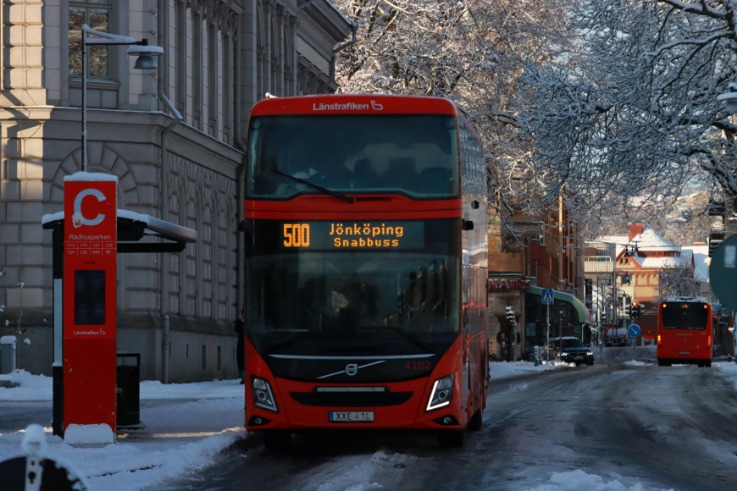

Overview of Volvo Buses in South Africa
Volvo Buses has established a strong foothold in South Africa, supplying modern, reliable bus solutions to urban and intercity networks across the country. Through a local presence and service network, Volvo supports public transport by delivering efficient diesel and hybrid buses, with focus on safety, comfort, and low emissions, helping operators meet growing passenger demand while reducing operating costs. The lineup covers city buses, intercity coaches, and scalable configurations, backed by Volvo’s global training, parts supply and aftersales support in the region.
Brand Presence and Market Share
Volvo Buses has established a robust footprint in South Africa, delivering city, intercity, and coaching solutions tailored to local operators. The brand is part of Volvo Group and relies on a dedicated local network to provide sales, service, and parts support, ensuring uptime for fleets across major provinces.
- Extensive dealer and service network across Gauteng, Western Cape, KwaZulu-Natal, and other regions.
- Comprehensive aftersales with readily available parts and trained technicians.
- Driver and technician training programs to enhance safety and reliability.
- Diversified product range including city buses for urban contracts, intercity buses for regional services, and coaches for long-distance transport.
- Active participation in public transport tender programs and operator partnerships in major cities.
- Strong emphasis on safety, fuel efficiency, and emissions compliance aligned with SA standards.
- Progressive adoption of electrification and alternative propulsion, aligning with city initiatives for cleaner public transport.
Market Share and Competitive Position
In the South African market, Volvo Buses competes with global and regional players such as Mercedes-Benz, Scania, MAN, and BYD. Volvo maintains a solid presence in urban and intercity fleets, often securing a meaningful share of new bus orders in city contracts where uptime, driver comfort, and total cost of ownership are critical. The market remains dynamic, with tender cycles and fleet renewal programs shaping demand, and Volvo continues to leverage its reliability, safety features, and comprehensive service network to sustain its position in the competitive SA bus market.
Key Milestones in South Africa
Volvo Buses in South Africa combines global engineering with local expertise to support reliable, safe, and efficient public transport and passenger services. The Volvo brand in South Africa emphasizes durable buses, strong aftersales, and a network of dealers and workshops that serve operators across major cities, regional routes, and school transport corridors. With a long-standing commitment to safety, comfort, and performance, Volvo Buses aims to meet the diverse needs of South African operators.
- Market entry and local support: Volvo established a dedicated local sales, parts and service network to back operators in Gauteng, the Western Cape, KwaZulu-Natal and other regions, ensuring high uptime and quick access to parts.
- Expanded dealer and service footprint: A growing network of authorized service centers and mobile service teams to support fleets nationwide, backed by trained technicians and genuine parts.
- Model adoption and adaptation: Deployment of Volvo city and intercity bus platforms adapted for South Africa’s routes, focusing on durability, fuel efficiency, and driver comfort.
- Safety and driver assistance: Introduction of Volvo safety systems, including advanced braking, stability control, and assistive technologies to enhance passenger safety on urban and rural routes.
- Emissions and engine upgrades: Alignment with local emission standards, adoption of Euro 4/Euro 5/Euro VI compliant engines as available, and options for cleaner propulsion where feasible.
- Aftersales training and support: Ongoing training programs for drivers and technicians to improve uptime, maintenance planning, and total cost of ownership for operators.
- Public transport modernization collaborations: Partnerships with operators and authorities to support bus rapid transit and integrated urban mobility initiatives across major cities.
- Electric and hybrid initiatives: Exploration and deployment of electric and hybrid buses in select corridors, contributing to South Africa’s sustainability goals and reducing urban emissions.
- Localization and job creation: Efforts to localize components and services to strengthen supply chains and support local jobs while delivering dependable buses locally.
- Industry recognition and performance: Volvo Buses in South Africa earning a reputation for reliability, safety, and strong aftersales service, helping operators achieve lower lifecycle costs.
Product Portfolio and Innovation
Volvo Bus South Africa is advancing a diversified product portfolio that includes city buses, intercity coaches, and electric and hybrid models, reflecting a strong focus on sustainable mobility. Through ongoing innovation in drivetrains, electrification, connectivity, and safety systems, Volvo tailors solutions for South Africa’s urban corridors and transport operators seeking efficiency, reliability, and lower emissions.
City Buses and Coaching Buses
Volvo Buses South Africa offers a diversified product portfolio and a strong focus on innovation to meet the needs of urban transit and intercity travel across the country.
City buses in the portfolio emphasize accessibility and durability for busy urban corridors. Low-entry configurations enable easy boarding for all passengers, while wide doors and robust suspensions support reliable daily operation in congested cities. Operators can choose from standard city buses and articulated urban models to match capacity targets, with efficient diesel engines and options for low-emission performance.
Coaching buses are designed for long-haul comfort and efficiency, featuring spacious seating, climate control, luggage capacity, and ergonomic driver environments. These coaches are well suited for intercity routes, charter services, and contract operations, offering stable road manners, strong safety systems, and comprehensive service support.
Volvo Buses South Africa integrates product design with digital and mobility innovations. The portfolio benefits from hybrid and electric propulsion options, advanced chassis and drivetrain engineering, and connectivity solutions that support fleet management, maintenance planning, and remote diagnostics through telematics platforms.
In line with urban mobility goals, the company offers electrified and hybrid offerings to reduce emissions on city routes, supported by charging solutions and service networks that simplify transition for operators.
Safety and driver ergonomics are central, with features such as advanced braking systems, collision avoidance, lane keeping assist, stable handling, and intuitive driver displays that help reduce fatigue and improve road safety.
Volvo Buses South Africa collaborates with operators to tailor configurations for local routes, while providing strong aftersales support, spare parts availability, and training programs for drivers and technicians through a wide service network.
The focus remains on delivering a reliable product portfolio that aligns with South Africa’s mobility challenges, combining durability, comfort, and sustainable transport solutions for cities and intercity travel.
Electrification and Hybrid Solutions
Volvo Bus South Africa offers a comprehensive portfolio designed for urban, intercity, and specialty transport, combining safety, reliability and efficiency with strong local service support.
- City buses: single‑deck models for busy urban routes with low emission engines and modern passenger comfort.
- Intercity and touring coaches: durable drivetrains and optimized fuel efficiency for long‑distance travel.
- Hybrid solutions: parallel and mild‑hybrid configurations to reduce fuel consumption on high‑demand networks.
- Electric and e‑mobility options: battery‑electric buses with depot charging, scalable energy storage, and integration with charging infrastructure.
- Connected services: telematics, remote diagnostics and fleet optimization through Volvo’s connectivity platforms.
- Service and support: locally tailored maintenance, parts logistics and uptime guarantees to keep fleets on the road.
Electrification and Hybrid Solutions in South Africa are at the core of Volvo Bus SA’s strategy to lower operating costs, reduce emissions, and improve reliability for operators and municipalities. The company collaborates with customers to tailor charging strategies, energy management, and depot infrastructure to fit local needs and grid conditions, while ensuring service continuity and driver acceptance.
- Modular powertrain architecture enables seamless switch between diesel, hybrid and electric configurations as requirements evolve.
- Battery technology and thermal management tuned for South African climates and operating terrains.
- Charging infrastructure planning, including depot and opportunity charging, aligned with grid and renewable energy integration.
- Advanced safety and driver assistance systems that enhance urban safety and passenger confidence.
- Remote diagnostics and predictive maintenance to maximize uptime and minimize lifecycle costs.
- Local testing and demonstration fleets in partnership with cities to validate performance in real-world conditions.
Volvo Bus South Africa remains committed to sustainable public transport solutions that support the country’s mobility goals while delivering safety, efficiency and reliability for operators and passengers alike.
Safety and Driver Assistance Technologies
Volvo Buses South Africa stands at the forefront of urban and intercity mobility, delivering a diversified product portfolio built to meet South Africa’s demanding road conditions and operator needs. The company combines robust bus platforms with a local service network, parts availability, and aftersales support to keep fleets on the move and passengers safely transported.
Product portfolio: city buses for dense urban routes, intercity and express coaches for longer journeys, and high-capacity commuter models designed for efficiency and reliability. Volvo Buses South Africa offers options across drive trains, including diesel, hybrid, and electric propulsion, with bus bodies and chassis optimized for South African routes and climate. The lineup emphasizes durability, ease of maintenance, and compatibility with operator requirement for uptime and passenger comfort.
Innovation is embedded through digital and connectivity solutions. Volvo Connect and telematics enable remote diagnostics, real-time vehicle health monitoring, and proactive maintenance scheduling, helping operators optimize uptime and route planning. In collaboration with customers, Volvo develops tailor-made configurations, lifecycle services, and data-driven insights to lower total cost of ownership.
Safety and driver assistance are core to Volvo Buses South Africa’s offering. Standard and optional systems include adaptive cruise control, automatic braking with pedestrian and cyclist detection, collision warning, lane keeping support, and electronic stability control. Blind spot information systems, driver alert support, and fatigue monitoring help keep drivers focused and protect vulnerable road users in urban environments and on long-distance legs.
To maximize the benefits of these technologies, Volvo provides intensive operator and driver training, safety campaigns, and fleet safety audits. Local training centers, field-based service engineers, and digital learning platforms ensure drivers and maintenance teams understand how to exploit the technology to improve safety, efficiency, and comfort for passengers.
In South Africa, Volvo Buses actively pursues cleaner mobility with electrified and hybrid options, energy-efficient drivetrains, and support for fleet transitions to sustainable transport. The company supports charging infrastructure planning, route optimization, and partnerships with operators and authorities to realise safer, quieter, and more efficient public transport.
Volvo Buses South Africa remains committed to a future where its product portfolio, innovation ecosystem, and safety-driven technology empower operators to deliver safer, more reliable, and more comfortable mobility across the country.
Manufacturing, Assembly and Local Operations
Volvo Bus South Africa anchors its regional presence with integrated manufacturing, assembly and local operations designed to bring durable, safe public transport closer to customers across the continent. The facility combines body fabrication, final assembly and quality checks with a robust supplier network and in-country service capabilities, enabling faster delivery, easier maintenance and strong aftersales support. Local operations emphasize training, parts availability, and sustainability, aligning production with regional demand while upholding Volvo’s safety and environmental standards.
Local Assembly Facilities
Volvo Bus South Africa forms a crucial part of the Volvo Group’s regional operations, delivering reliable, safe and efficient bus solutions to the Southern Africa market. The company prioritizes local manufacturing, assembly and operations to meet growing demand for city, intercity and school transport while supporting jobs and skills development across the region.
Manufacturing in South Africa blends local content with globally sourced components to balance price, availability and international safety standards. Final assembly and integration of Volvo driveline systems, chassis and safety features are performed locally, with CKD (completely knocked down) kits and semi-knockdown approaches used to adapt products to local regulations and operator needs. Local manufacturing also helps shorten lead times and improve spare parts availability for fleets across the region.
Local assembly facilities are strategically located to serve major metropolitan areas and transport corridors. These sites bring together Volvo Group standards with local body builders and suppliers to complete the bus bodies, electrical systems and interior fit-outs, then conduct comprehensive performance checks before delivery. The arrangement supports flexibility in model configurations, seating layouts and options tailored to municipal and operator requirements.
Quality and compliance are central to Volvo Bus South Africa’s local operations. The facilities operate under Volvo Group quality management practices and align with South African standards for safety, emissions and accessibility. Rigorous testing, road trials and after-delivery support ensure that buses meet operator expectations for reliability, uptime and lowest total cost of ownership.
Aftersales services and local operations are supported by a nationwide service and parts network. Volvo Bus South Africa maintains parts hubs, trained service technicians and digital service tools to monitor fleet performance, schedule maintenance and minimize downtime. Local training programs build the skills of technicians, drivers and operators, reinforcing safety, efficiency and lifecycle value.
The local manufacturing and assembly ecosystem also stimulates the broader economy by developing supplier capabilities, creating skilled jobs and enabling knowledge transfer. Partnerships with local engineering firms, fabricators and component suppliers help strengthen the regional supply chain and position Volvo Buses as a long-term partner for public transport projects and private fleets in South Africa and neighboring markets.
Looking ahead, Volvo Bus South Africa plans to expand its local capabilities to support growing demand, align with evolving mobility patterns and decarbonisation goals. Investments in manufacturing flexibility, new model configurations and electrified bus options are expected to enhance local content, reduce lifecycle costs and deliver sustainable transport solutions for cities and operators across the region.
Supply Chain and Sourcing
Volvo Bus South Africa is part of the Volvo Group’s global bus business, delivering safe, efficient and reliable public transport solutions to cities and private operators across South Africa and Southern Africa. The operation blends manufacturing, assembly and sophisticated local operations with a resilient supply chain to meet market demand while supporting local industry and skills development.
Manufacturing in South Africa combines imported components from Volvo’s global network with locally sourced parts into a comprehensive production flow. The facility focuses on chassis assembly, cab integration, wiring harness assembly, painting, final assembly and rigorous quality checks that meet both Volvo Group standards and South African regulatory requirements. Lean manufacturing, automation and continuous improvement programs help improve productivity, reduce waste and ensure consistent build quality.
Local operations collaborate with certified coachbuilders who complete the bus bodies to Volvo-chassis configurations, enabling customization for seating layouts, door systems, accessibility features and climate control tailored to SA and regional markets. This collaborative model supports shorter lead times for customers and allows for serviceability and maintainability that align with local road conditions and operator needs. A network of service points, training centers and field engineers ensures uptime and support across major urban and rural routes.
Volvo Bus South Africa maintains a diversified supply chain across South Africa and neighboring markets. The sourcing strategy emphasizes local content where feasible, with suppliers integrated through a formal approval process, performance monitoring and compliance with Volvo’s sustainability and ethical sourcing policies. A regional parts distribution capability ensures timely availability of spare parts, while supplier development initiatives build capability in advanced manufacturing, quality management and safety standards. Digital tools, demand planning and close coordination with operators help manage inventory, minimize downtime and improve reliability.
Future-focused areas include progress in e-mobility and alternative fuels, with pilots and trials for battery-electric and hybrid bus configurations, as well as efforts to expand local training in EV maintenance and charging infrastructure. Volvo Bus South Africa actively participates in industry partnerships to promote safer, cleaner transport, and programs that support skills development and local entrepreneurship among suppliers and job seekers.
Through these activities, Volvo Bus South Africa aims to strengthen mobility for communities, reduce emissions and foster a robust local ecosystem.
Local Employment and Skills Development
Volvo Buses South Africa plays a pivotal role in the manufacturing and assembly ecosystem, delivering reliable transport solutions while fostering local employment and skills development. The operation emphasizes local content, sustainable practices, and a strong customer service network across the region.
-
Manufacturing and Assembly: Volvo Buses South Africa operates a manufacturing facility that assembles bus chassis and complete buses, incorporating imported components with a growing share of local content. The process emphasizes quality assurance, safety, and environmental standards, with modular assembly lines designed to adapt to different models and customer specifications.
-
Local Operations: The local operation integrates logistics, supplier engagement, and after-sales support to ensure efficient delivery and uptime. The facility collaborates with local suppliers for components, upholstery, and electronics, and maintains a service network across major urban centers to minimize downtime for fleets.
-
Local Employment: Volvo Buses South Africa contributes to job creation across engineering, operations, maintenance, and support roles. The company emphasizes inclusive hiring, fair labor practices, and ongoing career opportunities for a diverse workforce, including women in manufacturing and transport.
-
Skills Development: The company runs apprenticeship programs, technician training, and partnerships with technical universities and TVET colleges. Training covers advanced manufacturing techniques, electrification, diagnostics, safety, and continuous improvement methodologies to build a skilled local workforce for current and future bus technologies.
Market Strategy and Public Transport Partnerships
Volvo Buses in South Africa is pursuing a market strategy rooted in sustainable mobility and close collaboration with public transport authorities and operators. By aligning product development with the needs of urban and peri-urban routes, Volvo SA aims to promote reliable, low-emission fleets through partnerships for fleet renewal, financing, and maintenance support. The approach emphasizes electrification and alternative fuel options, local service networks, and data-driven operations to improve punctuality, passenger experience, and total cost of ownership. Through targeted partnerships with city authorities and bus operators, Volvo Bus South Africa seeks to accelerate the modernization of public transport while driving local skills development and economic growth.
Bus Rapid Transit and Government Tenders
Volvo Bus South Africa is aligning its market strategy with South Africa’s public transport ambitions, focusing on reliability, low lifecycle costs, and strong local support to win tenders for Bus Rapid Transit and other citywide fleets. The approach emphasizes a full mobility solution rather than a single product, combining advanced propulsion options, robust servicing, and digital fleet management to meet the expectations of municipalities and transport authorities.
The market strategy centers on a local presence that extends beyond the sticker price of a bus. Volvo aims to offer lifecycle certainty through a wide local service network, parts availability across major urban centers, driver training, and maintenance contracts that guarantee high uptime. By presenting flexible financing models and transparent total cost of ownership analyses, Volvo seeks to become a trusted partner for city authorities planning long‑term fleet upgrades and new BRT corridors.
Public transport partnerships are pursued through collaboration with national and local government bodies, transport authorities, and private concessionaires. Volvo supports public‑private partnerships by co‑designing corridor concepts, depot and maintenance facility planning, and ITS integration. These partnerships often include skills transfer, local supplier development, and employment opportunities aligned with BBBEE goals, ensuring the contracts contribute to broader economic transformation while delivering dependable bus service.
In the Bus Rapid Transit arena, Volvo positions its vehicles as integral components of efficient, high‑capacity corridors. Key features include articulated and high‑capacity buses optimized for rapid boarding and alighting, proven reliability in demanding urban environments, and propulsion options that match emission targets and fuel strategies. BRT fleets are paired with integrated passenger information systems, smart fare collection, and vehicle tracking to deliver seamless service and real‑time operational insights for transit agencies.
Government tenders require thorough tender readiness, compliance with local content and empowerment requirements, and a compelling lifecycle cost argument. Volvo South Africa emphasizes early engagement with procurement teams, rigorous pre‑bid technical and financial proposals, and well‑structured maintenance and aftersales SLAs. Evaluation criteria in tenders typically weigh price against lifecycle costs, reliability, spare parts availability, network coverage, and the proven performance of previous deployments, and Volvo aims to demonstrate a strong track record and robust risk management plans.
Ultimately, Volvo Bus South Africa seeks to be the partner of choice for cities expanding and modernizing public transport. By combining a competitive product range with a sustainable service model, local empowerment, and comprehensive BRT ecosystem support, Volvo aims to help South African urban areas achieve safer, cleaner, and more reliable public transit—and to secure government tenders that reflect a shared commitment to accessible mobility and economic development.
Private Operators and Fleet Modernization
Volvo Buses South Africa is shaping its market strategy around partnerships with public transport authorities and private operators to accelerate fleet modernization, standardize safety and emissions, and improve passenger experience across the country.
- Public transport partnerships: aligning with national and local authorities to participate in tender programs, BRT schemes, and modernization plans with clear timelines and performance metrics.
- Private operators collaboration: offering lifecycle services, financing options, and competitive total cost of ownership to support operator profitability and reliability.
- Fleet modernization: introducing Euro 6/VI engines, electric and hybrid propulsion, low-floor designs for accessibility, and standardized vehicle platforms to streamline maintenance.
- Service and maintenance ecosystems: expanding certified service networks, telematics, remote diagnostics, and predictive maintenance to maximize uptime.
- Financing and ownership models: bus leasing, energy contracts, and bundled service agreements to reduce upfront capex and align incentives with performance.
- Local content and skills development: sourcing components locally when possible, building local assembly capabilities, and investing in workforce training.
- Digital and passenger experience: integrated mobility apps, real-time passenger information, and data-driven route optimization to attract riders and justify investment.
By combining these elements, Volvo Buses South Africa can strengthen its competitive position, support sustainable urban mobility, and deliver reliable, efficient fleets to both public agencies and private operators.
Service, Support and After-Sales Network
Volvo Bus South Africa provides a comprehensive service, support and after-sales network designed to keep fleets on the move. Through a nationwide network of authorized service centers, trained technicians, genuine parts and proactive maintenance plans, operators benefit from maximum uptime, predictable costs and rapid support, backed by 24/7 roadside assistance and Volvo’s global standards with local expertise.
Service Centers and Spare Parts Availability
Volvo Buses South Africa offers a comprehensive Service, Support and After-Sales Network designed to maximise fleet uptime and safety for operators across the country. The network combines authorised service centers, a robust parts distribution system and dedicated customer support to ensure Volvo buses perform to their best over the life of the vehicle.
Service centers are located in key metropolitan regions and staffed by factory‑trained technicians who use the latest diagnostic tools and equipment. These centers operate to Volvo’s standards for service quality, safety checks and emission compliance, with ongoing training programs to keep technicians up to date with new bus models and system technologies.
Spare parts availability is a cornerstone of the after‑sales network. Volvo Buses South Africa maintains regional parts distribution and warehousing to ensure genuine parts are accessible when needed. A streamlined ordering process and rapid dispatch reduce lead times, helping to keep buses operating with minimum downtime.
In addition to on‑site service, Volvo Buses South Africa provides remote diagnostics and technical support through a dedicated helpdesk. Connected vehicle data enables proactive maintenance planning, fault diagnosis and timely guidance, which helps operators schedule maintenance before issues affect service reliability.
Mobile service units and on‑site support add another layer of responsiveness. When on‑site maintenance or minor repairs are required, mobile workshops can reach customer locations, performing routine servicing, safety inspections and quick fixes to keep routes on schedule.
Flexible maintenance programs and service agreements are available to suit different operator needs, from preventative maintenance schedules to usage‑based plans. These options help customers manage total cost of ownership, plan parts and labor more effectively, and maintain consistent service quality across their fleets.
Operators looking to access Volvo Buses South Africa’s service network can contact authorities through authorised Volvo dealers and the national service channels. The emphasis across the network is reliability, transparency and ongoing support to ensure public transport, coach and corporate bus fleets stay safe, compliant and productive.
Maintenance Programs and Warranties
Volvo Bus South Africa offers a comprehensive service, support and after-sales network designed to keep public transport and commercial fleets moving reliably across the country. The network combines Authorized Service Partners, regional support centres and mobile service teams, all backed by Volvo’s global service standards adapted to South Africa’s operating environment.
Service and after-sales network: Volvo Bus South Africa maintains an established nationwide footprint with Authorized Service Partners in major regions such as Gauteng, Western Cape, KwaZulu-Natal and Eastern Cape. These partners provide routine maintenance, urgent repairs, technical advice and access to genuine Volvo parts to minimize downtime.
Maintenance programs: Customers can choose preventive maintenance packages that cover scheduled inspections, parts replacement and wear components, with service intervals aligned to the bus model and usage. Options include fixed-price maintenance plans, telematics-driven maintenance via Volvo Dynafleet, and proactive service scheduling to optimize uptime.
Warranties: Volvo Bus South Africa offers warranty coverage on new buses with terms defined by model and program, typically including key components and driveline. Extended warranty options may also be available through maintenance contracts, providing predictable cost of ownership and enhanced residual value.
Parts and logistics: Genuine Volvo parts are stocked at regional hubs to support fast turnaround times. A reliable parts supply chain, together with efficient delivery and nationwide courier options, helps keep service intervals on track.
Technology and diagnostics: Remote monitoring and diagnostics via Volvo Dynafleet give operators real-time visibility into vehicle health, fuel use and performance. This enables proactive maintenance planning, faster fault resolution and fewer service interruptions.
Fleet and customer support: Dedicated account management, service history tracking and transparent warranty and maintenance claims help customers plan budgets, compare costs and manage risk. Training and knowledge transfer are part of the ongoing support ecosystem.
Local capabilities and training: Volvo partners in South Africa invest in technician training, on-site support and certified service processes to ensure workshop excellence, safety standards and consistent quality across the network.
Compliance and safety: The after-sales ecosystem is aligned with South Africa’s regulatory requirements and safety standards, ensuring buses remain compliant, safe and reliable on regional roads and urban corridors.
In summary, Volvo Bus South Africa is committed to a robust service, support and after-sales proposition that combines a wide network, flexible maintenance programs and strong warranties to maximise fleet uptime, safety and total cost of ownership.
Digital Services and Telematics
Volvo Buses South Africa offers a comprehensive service, support and after-sales network designed to maximize uptime and lifecycle value for fleet operators. Combined with digital services and telematics, the network supports customers from the sale into the long-term operation of their buses.
The after-sales network is built on authorized service centers and a nationwide parts and service footprint. Trained technicians use OEM tools and genuine Volvo parts to deliver maintenance, repairs, and warranty administration. Mobile service teams extend coverage to depots and on-route service to minimize downtime.
Digital services empower operators with online service scheduling, remote diagnostics, and fleet insights. Volvo Connect and other connected services enable operators to monitor vehicle health, predict service needs, and streamline maintenance planning with the Volvo Buses network.
Telematics and data analytics provide real-time monitoring of vehicle performance, location, fuel efficiency, driver behavior, and fault codes. Remote diagnostics enable early fault detection and proactive maintenance, reducing unscheduled downtime and improving safety.
In South Africa, this integration delivers tangible benefits: higher vehicle uptime, optimized maintenance windows, reduced life-cycle costs, better compliance with safety and environmental standards, and improved resale value.
Volvo Buses supports customers with ongoing training for drivers and technicians, a robust parts supply chain, and digital escalation paths. The close collaboration with local dealers ensures fast access to parts, warranty support, and tailored service agreements.
Overall, the Volvo Buses service, support and after-sales network, enhanced by digital services and telematics, aims to keep South African fleets productive, profitable, and safe.
Electrification and Sustainability Initiatives
Volvo Bus South Africa is driving electrification and sustainability in public transport by expanding its electric and hybrid bus offerings, investing in charging infrastructure and service networks, and partnering with cities to reduce emissions and improve air quality. This approach aims to deliver reliable, zero-emission mobility while supporting local jobs and a more sustainable transport future for South Africa.
Electric Bus Deployments in South Africa
Volvo Bus South Africa is at the forefront of electrification and sustainability in South African urban mobility, aligning its bus portfolio with the country’s decarbonisation goals and the need for reliable public transport outcomes.
Across South Africa, cities are piloting electric and hybrid buses to reduce greenhouse gas emissions, improve air quality, and lower operating costs. Volvo Bus South Africa supports these programs with a full lifecycle approach, including vehicle design, service, and data-driven fleet management.
Volvo’s electrified buses in the region combine zero-emission powertrains with energy efficiency features such as regenerative braking, advanced propulsion systems, and robust battery technology. The company emphasizes modular platforms to enable rapid deployment and easy maintenance within existing depot operations.
In city deployments, Volvo works with authorities and operators to tailor solutions to local needs, including appropriate charging strategies, route planning, and driver training. Pilot projects and subsequent scale-ups in major urban centers showcase how electric buses can be integrated into busy commuter networks while minimizing disruption to services.
Charging infrastructure is a critical pillar in the Volvo South Africa electrification program. The company collaborates on depot charging solutions, on-route charging where applicable, and integration with renewable energy sources to maximize sustainability and minimize grid impact. Remote monitoring and data analytics help operators optimize charging windows and vehicle uptime.
From an environmental perspective, electrified buses reduce tailpipe emissions and noise in densely populated areas. Volvo Bus South Africa highlights lifecycle thinking, including high-quality batteries, service and support, recycling plans, and responsible end-of-life management to ensure long-term sustainability of the fleet.
Economically, electric and hybrid buses can offer compelling total cost of ownership through lower fuel costs and reduced maintenance, despite higher upfront capital expenditure. Volvo Buses South Africa supports operators with financing options, after-sales service, and maintenance packages designed for the South African operating environment.
Looking ahead, Volvo Bus South Africa aims to expand electric bus deployments through partnerships with metropolitan councils, national agencies, and private operators. The company continues to invest in local training, after-sales support, and collaborations with energy providers to build a robust, sustainable public transport system for South Africa’s cities.
Charging Infrastructure Partnerships
Volvo Bus South Africa is accelerating electrification and sustainability across urban bus networks, aligning with global Volvo Group ambitions and South Africa’s climate and mobility objectives. The focus is on zero-emission solutions, safer and more comfortable buses, and a robust service ecosystem that supports customers in transitioning to cleaner public transport.
Electrification initiatives are being introduced into city fleets through battery-electric and hybrid models designed for the unique operating environments of South African towns and cities. Volvo Bus South Africa works with operators to demonstrate performance, reliability, and total cost of ownership, while tailoring vehicle specifications to route profiles, passenger demand, and charging capabilities.
Charging infrastructure partnerships are a cornerstone of these efforts. The company collaborates with energy providers, grid operators, municipal authorities, and technology partners to deploy depot charging, as well as on-route and multi-source charging solutions. Smart charging and energy management systems help balance demand with grid capacity, integrate renewable energy, and ensure high availability for bus fleets.
Beyond buses and charging, Volvo Bus South Africa pursues sustainability through lifecycle thinking, responsible procurement, and skills development. Initiatives include battery management and second-life planning, recycling and circular-economy practices, and a local service and support network that minimizes downtime and maximizes vehicle lifespan, contributing to lower environmental impact and job creation.
Looking ahead, Volvo Bus South Africa aims to expand zero-emission mobility across major urban corridors by deepening partnerships, investing in charging infrastructure, and continuing to innovate in electrified propulsion and connected digital services. The goal is to help cities move more sustainably while delivering reliable, affordable public transport for communities.
Lifecycle Emissions and End-of-Life
Volvo Bus South Africa is advancing electrification and sustainability across its product portfolio and service network to support cleaner, safer urban mobility in South Africa. The company emphasizes a lifecycle perspective, integrating environmental stewardship into vehicle design, manufacturing, operation, and end-of-life management.
Electrification initiatives encompass expanding the range of electrified buses offered in the local market, including battery-electric and hybrid configurations, and building charging and energy-management capabilities in collaboration with transport authorities and operators in major cities. The goal is to reduce local emissions, improve air quality, and provide reliable public transport options with minimal downtime.
Lifecycle emissions assessments highlight that electric buses can deliver significant emissions savings over their lifetime, especially when powered by a cleaner grid and when vehicles are designed for longevity and efficient maintenance. In South Africa’s context, the carbon intensity of electricity affects the overall benefit, so Volvo Bus South Africa emphasizes efficient propulsion, regenerative braking, weight optimization, and end-of-life recycling to minimize emissions across the entire lifecycle.
End-of-life considerations for buses and batteries are integral to Volvo Bus South Africa’s sustainability approach. The company supports responsible battery recycling and aligns with partners to recover and repurpose materials, while exploring second-life uses in stationary storage or other applications where battery performance remains adequate. Dismantling, material recovery, and safe disposal follow local regulatory standards and international best practices.
Beyond technology, Volvo Bus South Africa pursues partnerships that build local capability, including technician training, supply chain localization where feasible, and community engagement to raise awareness of sustainable mobility. These initiatives help cultivate a skilled workforce and broader acceptance of electrified buses in South African cities.
Through a lifecycle-focused strategy—electrification, emissions-aware operations, responsible end-of-life handling, and local capability-building—Volvo Bus South Africa aims to support resilient, low-emission public transport that aligns with South Africa’s climate and urban development goals.
Training, Knowledge Transfer and Local Workforce Development
Volvo Bus South Africa is advancing Training, Knowledge Transfer and Local Workforce Development to build a skilled, local and sustainable bus industry. Through structured training programs, on-site coaching, and partnerships with technical colleges, Volvo transfers critical expertise in assembly, electrical and propulsion systems, diagnostics, and safety compliance. These efforts create local employment, strengthen supplier capability, and support reliable public transport across South Africa by ensuring workers are proficient and empowered to maintain and improve Volvo buses in the region.
Training Facilities and Programs
Volvo Bus South Africa places a strong emphasis on training, knowledge transfer, and local workforce development to support its manufacturing, service, and aftersales network across the country. The company aims to build a sustainable ecosystem of skilled technicians, engineers, and operators that aligns with South Africa’s skills priorities and Volvo Group’s global standards.
Training facilities and programs are delivered through a dedicated academy and on-site workshops that feature modern classrooms, hands-on labs, and driving simulators. These facilities offer structured programs for apprentices, technicians, engineers, and fleet operators, complemented by e-learning platforms that enable continuous upskilling for staff across the business.
Knowledge transfer at Volvo Bus South Africa leverages the Volvo Group’s global best practices in maintenance, diagnostics, safety, and quality assurance. Local teams benefit from on-site mentors, periodic secondments to regional or international facilities, remote learning, and standardized operating procedures that reflect Volvo’s international norms, ensuring consistent service and repair standards.
Local workforce development is a central pillar, with a focus on hiring locally and upskilling through learnerships and apprenticeships. Partnerships with local TVET colleges, technical training institutions, and SETAs help build a steady pipeline of qualified workers. Volvo Bus South Africa also emphasizes workforce diversity and inclusion, offering opportunities to women and underrepresented groups while supporting local job creation and career progression.
Training programs cover the full spectrum of bus technology and service skills, including diesel and alternative propulsion systems, electrical/electronic diagnostics, chassis and body systems, and safe workshop practices. In-house labs replicate real workshop environments, and technicians gain hands-on experience with diagnostic tools and simulation software to prepare for complex servicing and maintenance tasks.
Driver and operator training is another key component, focusing on safe driving practices, fuel efficiency, fleet management, and effective use of telematics and service information systems. This program helps customers maximize uptime, reduce operating costs, and extend the life of Volvo buses in the South African market.
Volvo Bus South Africa collaborates with government, industry bodies, and education partners to enhance knowledge transfer and supplier development. By engaging with local suppliers and SMEs, the company promotes capability building, quality improvements, and adherence to Volvo’s standards across the supply chain, reinforcing local content and economic development.
Overall, the training and development initiatives at Volvo Bus South Africa are designed to deliver a skilled, resilient, and locally rooted workforce able to support sustainable mobility in the region. The programs aim to shorten the path from training to productive employment, while ensuring high-quality service, safety, and innovation across Volvo’s South African operations.
Apprenticeships and Certification
Volvo Bus South Africa is committed to developing local talent through comprehensive training, knowledge transfer and targeted workforce development programs that support the manufacture, maintenance and operation of sustainable public transport.
Knowledge transfer is built into every phase of engagement, from onboarding and mentorship to hands-on shopfloor training and digital learning modules. Experienced engineers and technicians from Volvo Group share best practices in quality, safety, and efficient service delivery and work closely with local teams to codify procedures that improve reliability and uptime of buses in the region.
Local workforce development focuses on creating long-term career paths for South Africans by upskilling apprentices, technicians and engineers, and by engaging communities through outreach and collaboration with technical colleges. The program emphasizes local content, supplier development and inclusive opportunities that help communities participate in the growth of the mass transit sector.
Apprenticeships and certification are central to Volvo Bus South Africa’s strategy. The company runs structured apprenticeship programs aligned with the National Qualifications Framework, and in partnership with relevant industry bodies and SETAs, these programs cover trades such as mechanical fitting, electrical and instrumentation, diesel systems, welding and body building. Apprentices typically spend a mix of on-the-job training and theory, culminating in trade certificates and nationally recognised qualifications that open doors to advanced work in manufacturing and service.
Certification also extends to Volvo-specific competencies, including diagnostic tools, safety standards and quality assurance. Technicians undergo Volvo Group certification processes and operator training that enable them to maintain and repair Volvo Buses safely and efficiently, using specialised equipment such as VIDA diagnostics where appropriate and required.
Collaboration with local technical colleges, polytechnics, universities, suppliers and government agencies underpins these programs. Volvo Bus South Africa partners to develop curricula, deliver practical workshops and provide access to real-world projects, ensuring graduates meet the needs of the bus industry and are ready to contribute from day one.
The impact of these initiatives is felt in higher local content, improved employability and clearer career progression for technicians, engineers and supervisors. By investing in people, Volvo Bus South Africa strengthens the resilience of the local supply chain and supports sustained economic development in the regions where buses are built and serviced.
Looking ahead, Volvo Bus South Africa is expanding its training to address the skills required for electric and hybrid buses, battery systems and high-voltage safety. New curricula, simulated labs and industry-recognised certifications will ensure the workforce stays at the forefront of technology while continuing to grow local capacity and leadership in Africa’s public transport sector.
Impact on Public Transit and Urban Mobility
Volvo Bus South Africa is shaping urban mobility by supplying modern, efficient buses that emphasize safety, accessibility, and lower emissions. By upgrading fleets with cleaner propulsion and reliable performance, Volvo supports more dependable public transit, helps shorten wait times, and enhances comfort for riders across South Africa’s major cities. This shift enables greater modal share of buses over private cars, improves air quality, and ties into bus rapid transit and integrated ticketing initiatives through partnerships with operators and city authorities. As electrification and alternative-fuel solutions mature, Volvo Bus South Africa plays a key role in expanding sustainable and inclusive transit networks that connect neighborhoods, business districts, and underserved communities.
Reliability, Efficiency and Passenger Experience
Volvo Bus South Africa plays a pivotal role in shaping public transit by supplying city buses and coaches designed for South African routes, backed by a nationwide service and parts network that helps keep fleets on the road.
By introducing reliable, durable buses with modern drivetrains, VBSA contributes to urban mobility by improving fleet reliability, maintenance planning, and uptime across city corridors.
Efficiency is enhanced through engine options (diesel, hybrid, and electric) and energy-management features that cut fuel use and emissions, while remote diagnostics and local service centers help reduce downtime and optimize operations.
Passenger experience improves with low-floor designs for accessible entry, spacious interiors, ergonomic seating, climate control, quiet cabins, and real-time traveler information that helps people plan their journeys more effectively.
Safety and driver-assist technologies in Volvo buses, combined with driver training and strong aftersales support, reduce accident risk and create a safer shared space on urban streets.
Environmental and policy alignment is a key driver, with electrified and hybrid buses offering lower emissions and quieter operation, supporting city air-quality targets and the transition to cleaner public transit in South Africa’s major urban centers.
The economic and social impact includes job creation in maintenance, service, and parts supply, upskilling local technicians, and helping operators extend the life of their fleets through a robust support ecosystem.
Overall, Volvo Bus South Africa’s portfolio and service model strengthen public transit by delivering reliable, efficient, and passenger-friendly solutions that advance urban mobility and transform the everyday experience of commuting.
Urban Mobility Solutions and Fleet Modernization
Volvo Bus South Africa is playing a pivotal role in reshaping public transit and urban mobility by supplying modern bus fleets, electrified propulsion options, and a service network tailored to South Africa’s cities. Through local partnerships and a focus on reliability, safety and driver training, Volvo aims to support cities in delivering efficient, accessible transport for all residents.
The impact on public transit is multifaceted: improved reliability and uptime through robust vehicles and remote diagnostics, greater passenger comfort with low-floor, accessible designs, and enhanced safety features. Modern Volvo buses reduce emissions and noise, contributing to cleaner air and better urban environments, which helps expand the reach of transit to underserved neighborhoods.
Urban mobility solutions from Volvo in South Africa include integrated mobility concepts that combine buses with feeder services, BRT corridors, and data-driven route optimization. Electric and hybrid models offer a path to zero-emission fleets in dense corridors, while on-board and city-wide information systems improve passenger experience and wayfinding. Local maintenance and servicing ensure high availability and quick response to faults, keeping networks productive.
Fleet modernization covers more than new buses. It encompasses depot upgrades, charging infrastructure for electric fleets, telematics for predictive maintenance, and digital fleet management. Retrofitting options and modular bus designs enable cities to scale services as demand evolves. Over the lifecycle, operators can reduce fuel usage, lower maintenance costs, and improve total cost of ownership.
Economic and social benefits accrue from fleet modernization as well: job creation in service, maintenance, and training, capacity-building for local technicians, and the development of local supply chains. Volvo’s presence in South Africa includes training programs, after-sales support, and a network of service partners that helps sustain high-performance urban bus operations.
Challenges remain, including upfront capital costs, charging and grid readiness for electric fleets, and the need for aligned urban planning and policy support. Volvo supports customers with financing, turnkey project delivery, and ongoing service to reduce risk and ensure smooth transitions to modern fleets and new mobility patterns.
In summary, Volvo Bus South Africa anchors a broader shift toward sustainable urban mobility by delivering reliable public transit solutions, advanced urban mobility concepts, and comprehensive fleet modernization. The result is cleaner streets, better access to work and education, and more resilient cities capable of handling growing urban populations.
Regulatory Environment and Compliance
Regulatory environment in South Africa shapes how Volvo Bus South Africa designs, builds, and maintains its buses, prioritizing safety, emissions, and roadworthiness. The company must navigate type approvals and conformity assessments conducted by bodies such as NRCS and SABS, comply with the National Road Traffic Act and related regulations, and meet driver and maintenance standards set by national and provincial authorities. Ongoing compliance covers environmental requirements, safety standards, and after-sales service obligations to ensure reliable operation on South African roads.
Safety Standards and Emissions Regulations
Volvo Buses South Africa operates within a regulatory framework that governs road safety, vehicle integrity, and environmental impact. Key players include the National Regulator for Compulsory Specifications (NRCS), the South African Bureau of Standards (SABS), and national and provincial road authorities within the Department of Transport. Buses entering and operating in South Africa must comply with the applicable compulsory specifications, type approvals, and ongoing roadworthiness requirements as part of the DoT and NRCS regime.
Safety standards for buses in South Africa are driven by compulsory specifications and associated standards that cover vehicle structure, occupant protection, braking and stability systems, lighting, and accessibility. Volvo Buses South Africa pursues conformity of production and periodic safety testing to ensure that each vehicle meets the required safety specifications before sale, during service life, and in the event of recalls. The company also adheres to driver training, vehicle maintenance programs, and security measures mandated by local regulations and industry best practices.
Emissions and environmental regulations are administered under the National Environmental Management: Air Quality Act and related regulations, with national ambient air quality standards guiding mobility emissions. Vehicle emission testing, conformity verification, and, where applicable, procurement of low-emission technologies are part of the regulatory environment. Volvo Buses South Africa supports these objectives by offering diesel, hybrid, and increasingly electric bus options that meet current and anticipated emission standards, and by engaging in lifecycle thinking from design to end-of-life disposal.
Commercial and public transport operators must also navigate government procurement rules, local content and B-BBEE considerations, and, where relevant, incentives for clean vehicles or public transport upgrades. Volvo Buses South Africa works with customers, regulators, and suppliers to ensure compliance across the supply chain, including safety recertification, spare parts approvals, and warranty management. Local partnerships and training networks help maintain compliance with evolving standards in a dynamic market.
In summary, the regulatory environment in South Africa requires Volvo Buses South Africa to maintain a robust compliance program that aligns safety, performance, and environmental objectives with national laws and standards. By staying current with NRCS and SABS requirements, supporting customers with compliant fleets, and advancing low-emission and electrified bus technologies, Volvo Buses South Africa positions itself to meet regulatory expectations while contributing to safer roads and cleaner air.
South African Vehicle Standards and Certification
Volvo Bus South Africa operates within a tightly defined regulatory environment that governs road vehicle safety, performance and environmental impact. Compliance with South African Vehicle Standards and Certification frameworks is essential for any bus model to be sold, registered or operated in the country.
The core pillars are the National Regulator for Compulsory Specifications (NRCS), the South African Bureau of Standards and the Department of Transport together with the Road Traffic Management Corporation. The NRCS administers compulsory specifications for road vehicles and components, and type approval and conformity of production requirements ensure that buses meet minimum safety and performance criteria before they can be imported or manufactured locally. SABS standards underpin many voluntary and supporting tests, and are often used by manufacturers as a basis for demonstrating compliance with NRCS requirements.
Volvo Bus South Africa aligns its product development and supply chain to these standards. Each new bus model intended for the South African market undergoes documentation and testing to establish compliance with applicable compulsory specifications and relevant SANS or ISO standards. In practice this involves compiling technical files, providing test results for systems such as braking, steering, occupant protection, lighting, and emissions, and obtaining a Certificate of Conformity or equivalent evidence from the responsible regulator before registration with the DoT and licensing authorities.
For import and local assembly, Volvo Bus South Africa coordinates with NRCS-accredited testing facilities and, where appropriate, SABS or other verification bodies to confirm conformance of the complete vehicle and key components. The process also covers conformity of production for any local assembly to ensure ongoing compliance during model lifecycle. Compliance with environmental requirements, including vehicle emissions, is addressed in line with national air quality policies and standards that apply to heavy vehicles and buses.
Beyond the technical approvals, Volvo Bus South Africa must maintain ongoing compliance through regular vehicle fitness testing, roadworthiness inspections, and adherence to safety, maintenance and operator requirements governed by the Department of Transport and provincial licensing authorities. The company’s local operations therefore emphasize robust documentation, testing partnerships, and continuous monitoring to ensure that Volvo buses used across South Africa meet regulatory obligations, protect passengers, and support sustainable transport goals.
Future Outlook and Growth Opportunities
Volvo Bus South Africa is poised for sustained growth as regional demand for reliable, efficient, and environmentally friendly buses increases. The outlook centers on fleet modernization, expanding electrified and hybrid offerings, and strengthened after-sales support, backed by strategic partnerships with operators, municipalities, and policymakers. With local expertise, a growing service network, and a focus on safety, uptime, and total cost of ownership, the company aims to capture new market opportunities while advancing cleaner urban mobility across Southern Africa.
Expansion Plans and Market Projections
Volvo Bus South Africa stands at a pivotal point as cities across the country accelerate their public transport modernization and fleet renewal programs. With a reputation for reliability, safety and driver comfort, Volvo’s local operations are geared to support operators through durable buses, advanced propulsion options and a robust after-sales network that minimizes downtime.
Future growth opportunities center on electrification and clean mobility, digital fleet-management, and enhanced maintenance services. Volvo Bus South Africa is positioned to capitalize on demand from metropolitan councils and private operators looking to modernize urban routes, intercity connections, and school services with lower total cost of ownership, lower emissions and better safety features. Hybrid and full-electric platforms, along with connected services for telematics and predictive maintenance, can differentiate Volvo in competitive tenders.
Expansion plans focus on strengthening the local footprint and service capabilities. This includes expanding regional service centers in key hubs such as Johannesburg, Cape Town and Durban, investing in technician training programs, and potentially increasing local assembly or CKD kit capabilities to shorten lead times and reduce import exposure. Strategic partnerships with municipalities, transit agencies and bus operators will drive pilot projects and scale-up electric-bus deployments, while a dedicated focus on charging infrastructure, depot readiness and uptime services will underpin reliability.
Market projections for Volvo Bus South Africa are shaped by urbanization, government transport initiatives and tender cycles. The outlook supports moderate to strong growth in bus demand over the next five to seven years, with a gradual shift toward electrified and hybrid fleets as earlier generations retire and operators replace aging stock. Electric buses are expected to gain share gradually, with larger deployments tied to municipal BRT schemes, national clean-transport incentives, and financing models that reduce upfront costs. Volumes will also be influenced by currency trends, parts supply, and the velocity of South Africa’s infrastructure funding programs.
In summary, Volvo Bus South Africa envisions a future defined by sustainable mobility, expanded service coverage and closer collaboration with public and private fleet operators. By aligning product development with local demand, investing in training and local capabilities, and pursuing strategic partnerships, Volvo aims to capture growth opportunities while continuing to deliver reliable performance and high levels of uptime across South Africa’s bus networks.
Innovation Roadmap and R&D
Volvo Buses South Africa is positioning itself to capitalize on rapid urbanization and the push for cleaner, more efficient public transport across major South African cities. The outlook combines a shift to electrified fleets, ongoing modernization of maintenance and service networks, and a focus on local capabilities to meet city throughput and reliability requirements. The company aims to deepen its market reach through strategic partnerships, tailored financing, and a robust R&D program that adapts global Volvo technology to regional conditions.
- Electrification acceleration with battery electric and hybrid buses in metro corridors, supported by scalable charging infrastructure and grid readiness projects.
- Partnership-driven growth with city authorities, operators, and transport agencies to deploy complete bus-rapid transit and trunk-service solutions.
- Maintenance and service excellence through a regional after-sales network, spare parts optimization, and predictive maintenance offerings to minimize downtime.
- Localization of supply chains and assembly capabilities to increase resilience, create jobs, and reduce lead times for parts and buses.
- Financing models and asset-management services that lower total cost of ownership for municipalities and operators.
- Skills development programs and ecosystem-building with local technical institutes to build a capable workforce for design, assembly, and service.
- Export potential within Southern Africa and nearby markets by leveraging Volvo’s global platforms adapted for regional conditions.
Innovation Roadmap and R&D
- Next-generation propulsion systems, including improved battery chemistries and thermal management to extend range and reduce charging time.
- Advanced charging solutions, including depot and opportunity charging, energy-smart scheduling, and grid interaction to support reliability.
- Digital fleet management, telematics, and data analytics to optimize uptime, route performance, and passenger experience.
- Safety and driver-assist technologies adapted for high-temperature, dusty operating environments common in SA cities.
- Thermal and climate resilience in vehicle design, including HVAC efficiency and cabin durability in extreme heat.
- Localization of electronics and components to reduce dependence on imports and improve serviceability.
- R&D partnerships with universities and national labs to explore lightweight materials, corrosion resistance, and long-life components.
- Pilot programs in Johannesburg, Cape Town, and Durban to validate performance in local conditions and inform mass rollout plans.