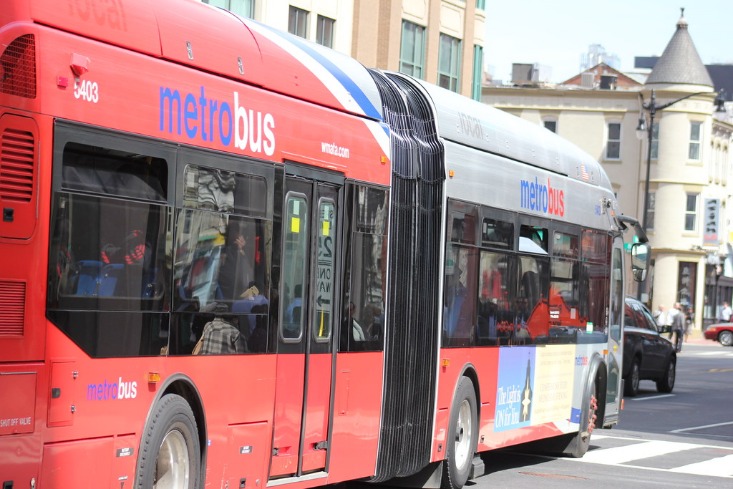

Overview of Metrobus South Africa
Metrobus South Africa is a public bus operator that forms part of the country’s urban mobility landscape, offering scheduled city and commuter services across multiple municipalities. It connects residential areas with workplaces, schools, and essential destinations, aiming to provide affordable, reliable transportation. By focusing on accessibility and integration with other transport modes, Metrobus supports reduced congestion and greater mobility for South Africans.
Origins and Establishment
Metrobus South Africa is a public transport bus operator that serves urban and peri-urban areas across South Africa, operating scheduled bus services under contracts with city and provincial transport authorities. It is part of the broader effort to provide safe, reliable, and affordable mass transit and to support integrated transport networks alongside rail, minibus taxis, and emerging bus rapid transit systems.
Origins of the Metrobus concept trace to South Africa’s post-apartheid era, when municipalities sought to formalize and modernize urban bus services formerly dominated by informal minibus operations. The aim was to create standardized fleets, improve safety and accessibility, and reduce congestion by coordinating routes and schedules.
Establishment of Metrobus or Metrobus-style operations generally occurred through municipal or parastatal entities formed in the late 1990s and early 2000s, often through public-private partnerships or franchise agreements. These arrangements were designed to grant operators long-term concessions in exchange for investment in vehicles, maintenance, and professional management, under the oversight of city transportation departments.
Operations typically cover central business districts and surrounding suburbs, with fleets ranging from standard mid-size buses to articulated units depending on demand and contract terms. Services emphasize punctuality, safety, accessibility for people with disabilities, and integration with other modes of public transport such as rail and bus rapid transit.
Over the years Metrobus has faced challenges common to urban bus systems, including funding pressures, fare viability, maintenance requirements, and competition from informal taxis. Despite these obstacles, the operator network has contributed to expanding mobility, catalyzing economic activity, and supporting policy goals on sustainable transport and reduced emissions.
Today, Metrobus remains a component of South Africa’s metropolitan transport landscape, working with municipalities to deliver reliable transit options, improve commuter experience, and align with national plans for integrated transport, passenger information systems, and greener fleets.
Mission and Core Values
Metrobus South Africa is a public transport operator delivering scheduled bus services across major urban corridors in South Africa. It is focused on providing affordable, reliable and accessible mobility to commuters, helping to connect neighborhoods with work centers, schools, and amenities.
Operating within the wider public transport framework, Metrobus collaborates with local municipalities and national transport authorities to plan routes, maintain a modern fleet, and uphold safety standards. The service aims to provide predictable timetables, reasonable fares, and services that meet the needs of diverse riders, including those with mobility challenges and families.
Mission: To deliver safe, reliable, affordable public transport that connects communities, enhances mobility, and supports economic activity while contributing to environmental sustainability.
Core values: Safety first; Customer focus; Integrity and ethics; Teamwork; Professionalism and excellence; Accountability; Innovation and continuous improvement; Sustainability and environmental stewardship; Inclusivity and accessibility.
Metrobus South Africa is committed to ongoing improvement, community engagement, and transparent operations as it works toward a resilient and people-centered urban transport system.
Service Network and Routes
In South Africa, metro bus networks are built around a set of main corridors that form the backbone of city-wide travel, with feeder routes feeding into central interchanges. These service networks prioritize trunk routes with high frequency and reliability, paired with secondary routes that reach residential areas and peri-urban zones. Interchanges and terminals enable transfers, while fare structures, accessibility features, and real-time information aim to make riding Metro Bus convenient for daily commutes across major urban areas.
Geographic Coverage
Metrobus networks in South Africa are urban bus systems designed to move large numbers of people quickly across city centers, suburbs, and major transport hubs. The service network and routes are planned to balance speed, coverage, and affordability to support daily commuting and access to work, education, and services.
Design principles include trunk routes on high-demand corridors and feeder routes that pull passengers from residential areas toward interchange points. A hub-and-spoke layout helps minimize transfers and optimize vehicle utilization, while bus lanes and prioritized signals in some cities help improve reliability.
Typical route types include frequent mainline or trunk services that operate in peak times, feeder routes serving neighborhoods, cross-town connectors, express services for longer trips, and limited post-midnight services where available. Schedules are tuned to reflect commuter flows, with higher frequency during mornings and evenings.
Geographic coverage is city-specific and strongest in the country’s largest metros. In practice, Metrobus networks are concentrated in major urban centers such as Cape Town, the Johannesburg-Pretoria region, and Durban, with additional networks in other growing urban areas. Coverage extends from central business districts to dense suburban rings and commuter suburbs beyond the core city center.
Integration with other transport modes is a key goal. Timetables and routes are coordinated with rail and intercity bus services, and some networks offer integrated fare systems or day passes to encourage seamless transfers at common interchange points such as city bus stations and park-and-ride facilities.
Riders can access service information through official maps, route brochures, and digital platforms, including real-time updates where available. Stops are typically labeled with route numbers, destinations, and transfer points, and customer service channels provide timetable information and service alerts.
Overall, the Metrobus service network and routes in South Africa aim to deliver broad geographic coverage within major urban areas while maintaining practical travel times and affordable fares, and they continue to evolve with urban growth and transport policy.
Primary Corridors and Hubs
Metro bus networks in South Africa form a vital thread of urban mobility, connecting townships, suburbs, central business districts, and intermodal hubs to support daily commuting and economic activity. These networks are designed to be expansive yet practical, balancing coverage with efficiency to serve large populations while keeping travel times reasonable.
Service networks and routes are built around a mix of trunk or main routes that carry high passenger volumes and numerous feeder routes that feed into those main corridors. Trunk lines prioritize reliability and speed, often featuring higher frequency during peak hours and simplified routes to minimize delays. Feeder services extend the reach of the network into residential areas, schools, and workplaces, creating a seamless flow from home to work or study. Timetables are typically harmonized to improve transfers, with night and weekend services adjusted to demand patterns in different parts of the city.
Primary corridors in South African metro bus systems are the backbone of efficiency. These corridors run along major arterials and connect peripheral districts with central activity hubs. They are designed to provide fast, relatively direct travel between key nodes such as the CBD, university campuses, government precincts, airports, and large employment centers. In many cities, express or limited-stop options operate on these corridors to reduce travel times for long-distance trips, while local services preserve access to neighborhoods and commercial zones along the route.
Hubs and interchanges are essential for enabling smooth transfers between bus services and other modes of transport. The most important hubs typically include central bus stations, major railway stations, and large shopping centers or government complexes, where passengers can switch from bus to rail, taxi services, or pedestrian-friendly routes. Park-and-ride facilities, sheltered waiting areas, and well-lit transfer points contribute to safer and more convenient journeys, encouraging greater use of public transport.
Operational efficiency relies on integration across modes and consistent service planning. In practice, this means synchronized timetables with rail and other urban transport services, unified fare systems, and real-time passenger information. Integrated ticketing and contactless payments simplify travel across buses and trains, while coordinated planning helps minimize transfer times and improve overall reliability. Strong emphasis is also placed on accessibility, with fleets that accommodate wheelchairs, strollers, and assistance needs, as well as safety measures for all passengers.
Challenges include traffic congestion, budget constraints, and maintaining high levels of reliability and safety. Weather, road works, and fleet uptime can affect adherence to schedules, which in turn influences public confidence. Municipal plans often address these issues by investing in dedicated bus lanes or signal priority where possible, expanding and modernizing fleets with low-emission or electric options, and leveraging data analytics to optimize routes and frequencies. Community engagement and partnerships with a range of stakeholders help adapt networks to changing demographics and travel patterns.
Looking to the future, South African metro bus networks aim to expand primary corridors and upgrade hubs to support greater modal integration. Expectations include more robust express services on key routes, wider adoption of real-time passenger information, and continued deployment of cleaner vehicle technologies. By strengthening trunk routes, improving feeder networks, and enhancing interchanges, metro bus systems can offer faster, more reliable, and more accessible mobility across major cities and towns in South Africa.
Fares, Ticketing, and Accessibility
Metrobus South Africa operates urban bus services with a focus on affordable fares, convenient ticketing options, and inclusive accessibility. This introduction highlights how fares are structured, what ticketing methods are available (smart cards, contactless payments, mobile tickets), and the accessibility features that help all riders, including people with disabilities, seniors, and those with mobility challenges. From low-floor buses and ramps to audible announcements, clear signage, and multilingual support, Metrobus aims to make travel easier and more inclusive for everyday commuters and visitors alike.
Fare Structures and Passes
Fares, Ticketing, and Accessibility are central to the way metro bus networks operate across South Africa. In cities such as Cape Town, Johannesburg, Pretoria, and Durban, operators aim to provide affordable, reliable transport that is easy to use for residents and visitors alike.
Ticketing options typically include pre-paid smart cards, contactless card payments, and mobile wallet payments, with cash on board still available in some routes. Top-up outlets, kiosks, and online recharging are common to ensure commuters can keep their fares ready before travel.
Fare structures vary by network. Some systems use a flat fare per ride, while others apply distance-based pricing that leverages trip length. Many networks also implement peak and off-peak pricing, weekend rates, and concessionary fares for eligible students, seniors, and people with disabilities.
Passes and discounts offer additional value. Daily, weekly, and monthly passes can provide unlimited or capped travel within a period, making longer commutes more affordable. Eligibility rules for reduced fares usually require proof of status, such as student ID, senior status, or disability documentation.
Accessibility is a priority in modern metro buses. Vehicles are often low-floor with ramps or lifts, kneeling capability, and reserved spaces for wheelchair users. Onboard announcements—audio and visual—and clear external route information help riders with sight or hearing impairments. Stops and stations are increasingly designed to be accessible with tactile paving and accessible boarding.
How to use fare systems effectively: plan your route and check the fare in advance, top up your card before travel, and remember to tap or scan at the start of each ride. Keep your ticket or card handy in case a fare inspection occurs, and use official apps or websites to verify routes, schedules, and fare changes.
Overall, South Africa’s metro bus fares, ticketing methods, and accessibility features are evolving with technology and policy reforms. The goal is to make public transport more affordable, easier to use, and accessible to a broader range of travelers.
Ticketing Platforms and Validation
South Africa’s metro bus networks are continually evolving to make travel cheaper, easier to tickets, and more accessible. This article focuses on Fares, Ticketing, and Accessibility, along with Ticketing Platforms and Validation within systems such as Metrobus in Cape Town and related urban networks.
Fares in SA metro bus networks are typically structured to balance affordable access with subsidy and operational costs. Common models include zone-based or distance-based fares, peak and off-peak pricing, and concessions for learners, students, pensioners, and persons with disabilities. Some networks offer daily or weekly caps and monthly passes to encourage regular travel, and there is ongoing work toward broader fare integration between bus, rail, and other public transit modes to reduce the total cost of travel for riders who switch modes.
Ticketing options usually combine physical cards or digital wallets with cash or card-on-bus alternatives. Riders can use rechargeable smart cards, contactless bank cards, or mobile apps to purchase and store value, with single-ride tickets, day passes, and longer-term passes available. In many networks, top-ups can be done online, via mobile apps, or at ticket offices and kiosks. Some operators also accept cash on boarding for very short trips, though this can be limited or discouraged to speed up boarding and reduce handling.
Accessibility is a core consideration in metro bus systems. Buses are often low-floor or equipped with ramps and kneeling functionality to aid wheelchairs and people with reduced mobility. Onboard announcements, visual signage, braille or high-contrast information, and accessible entrances support riders with sensory or mobility needs. Ticketing devices and validators are designed to be reachable and usable by people with disabilities, and staff are trained to assist during boarding and ticket validation.
Ticketing platforms in SA metro networks include smart card systems, contactless payment platforms, and mobile ticketing apps. Modern platforms emphasize interoperability so a rider can use the same card or app across multiple operators or modes where possible. This may include NFC-enabled card readers on buses, QR-based tickets for smartphones, and optional mobile wallets tied to bank accounts or telecom operators. Operators also invest in real-time balance checks, top-up reminders, and customer support channels to manage issues quickly.
Validation is the process that confirms a fare has been paid. On most metro buses, riders validate by tapping their card, scanning a mobile ticket, or presenting a validated QR code at an on-board reader or roadside validator. Some networks require tap-on only, while others require both tap-on and tap-off to calculate distance-based fares. Validation data supports enforcement, fare completeness, and service planning, and may be used to provide riders with journey receipts or balance updates. Operators typically have clear policies for lost or invalid tickets and fare evasion penalties, with contingencies for assistance in case of the system failing.
As South Africa expands urban mobility, fare simplification, accessible design, and robust validation systems will remain central to a user-friendly metro bus experience. Continued investment in digital platforms, driver training, and inclusive design will help ensure that all residents can rely on affordable, convenient, and accessible bus services.
Accessibility and Inclusivity
Metrobus South Africa forms a cornerstone of urban transport, providing essential bus services that connect neighborhoods to work, education, healthcare, and social opportunities across major cities. The network aims to offer reliable, safe, and affordable travel while supporting inclusive access for all residents and visitors.
Fares across the Metrobus network are designed to be affordable for everyday travelers. Many routes use a distance-based or zone-based structure, with lower costs for shorter trips and higher costs for longer journeys. Concessions are typically available for students, pensioners, and people with disabilities, helping to reduce the burden on low-income riders. In many areas, pass options such as weekly or monthly passes can lower the per-trip price for those who travel regularly, and discount schemes may apply to job seekers or youth programs. Transparent fare information at stops and on vehicles helps riders plan their journeys and budget accordingly.
Ticketing civilities include cash payments when boarding and increasingly digital options that speed up boarding and improve accountability. Pre-paid smart cards, contactless payment methods, and mobile ticketing apps are being piloted or rolled out to enable quick tap-and-ride experiences. On-board validation and clear fare signage assist riders in understanding their purchases. The goal is to move toward interoperable ticketing across modes so that a rider can use a single method to travel across different operators and legs of a journey.
Accessibility is central to Metrobus service design. Low-floor buses with ramps or kneeling features allow easier boarding for wheelchairs, strollers, and riders with limited mobility. Dedicated wheelchair spaces, priority seating, and space for assistive devices ensure that people with disabilities can travel with dignity. Stops and stations aim to include audible and visual information about upcoming arrivals, route changes, and safety notices, with clear, high-contrast signage and multilingual materials to reach a broad audience. Staff training emphasizes safe, respectful service for all passengers, including those with impairments.
Inclusivity extends beyond physical access to include language, culture, and safety. Information is provided in multiple local languages where possible, and announcements are designed to be understood by riders with varying literacy levels. Partnerships with disability advocates, schools, and community organizations help shape services around real needs, while feedback channels allow riders to report barriers and propose improvements. By prioritizing inclusive design and equitable pricing, Metrobus can support economic participation for people from all backgrounds and abilities.
Real-world challenges include maintaining reliable service, upgrading ticketing systems, and ensuring stop accessibility amid aging infrastructure. Funding constraints, vandalism, and capacity limits can affect reliability and passenger experience. However, continued investment in low-floor fleets, improved stop access, expanded concession programs, and interoperable ticketing offer opportunities to improve the user experience and broaden public transport use among underserved communities.
Ultimately, fares, ticketing, accessibility, and inclusivity are interconnected in Metrobus South Africa’s mission to provide affordable, safe, and dignified travel for all. By aligning pricing with needs, simplifying payment, and removing physical and informational barriers, the network can support inclusive growth and healthier cities.
Fleet and Technology
Fleet and technology are reshaping metro bus operations in South Africa, where operators like Metrobus are modernizing fleets with cleaner and more efficient vehicles, advanced telematics, and real-time passenger information. From GPS tracking and route optimization to maintenance management and electric or hybrid buses, the focus is on reliability, lower emissions, and better service for urban commuters across major cities such as Cape Town.
Bus Fleet Composition
Fleet and Technology shape the performance of metro bus networks across South Africa, where cities balance capacity, reliability and passenger experience by shaping bus fleet composition and adopting modern technology to streamline operations.
Bus fleet composition in urban networks typically combines 12-metre standard buses for feeder and local routes, 18-metre articulated buses for trunk corridors and high-demand lines, and smaller midi buses for off-peak or secondary routes. Operators also maintain a reserve of spare vehicles to cover maintenance, breakdowns and peak-period demand, helping to maintain service levels in dense urban corridors.
Accessibility is a key design principle in fleet composition. Most new fleets are low-floor with step-free entry, wide doors for faster boarding, designated spaces for wheelchairs and strollers, and clear visual and audible information to aid passengers with limited mobility.
Technology drives efficiency and passenger experience. Telematics, GPS tracking and automatic vehicle location systems enable real-time fleet monitoring, accurate headways, and better incident management. Onboard cameras, automatic doors, and driver-assistance features improve safety, while passenger information systems provide real-time arrival times and service changes to riders.
Powertrains and energy management are increasingly part of the mix. Diesel remains common, but there is growing interest in hybrid and electric propulsion as part of urban sustainability goals. Electric buses require depot and opportunity charging infrastructure, suitable scheduling to maximize uptime, and careful life-cycle planning to manage total cost of ownership in reducing emissions and noise in dense city environments.
Maintenance, parts supply, and skilled workforce are essential to sustain modern fleets. Depot facilities, routine servicing, and access to spare parts determine how reliably buses can stay on the road. Training for drivers and technicians, as well as standardized maintenance protocols, support longer vehicle life and safer operation in busy metropolitan networks.
Data integration and digital planning enable better route design and service adjustments. Advanced analytics inform vehicle allocation, timetable optimization, and demand-responsive adjustments, while digital ticketing and fare-management pilots improve convenience for riders and simplify revenue collection for operators.
Across South Africa’s metro areas, fleets are evolving toward a more balanced mix of vehicle types, advanced safety and information technologies, and cleaner propulsion options. This evolution supports higher service quality, greater accessibility, and more sustainable urban transport in the country’s growing metropolitan regions.
Environmental Initiatives and Emissions
Public transport in South Africa is increasingly driven by metro bus networks adopting modern fleet technology to reduce emissions and improve reliability. As cities grow, the push to modernize fleets and deploy cleaner propulsion systems becomes central to mobility, air quality, and economic development.
Fleet and Technology: The core of the transformation is replacing aging diesel buses with a mix of hybrid, fully electric, and cleaner diesel vehicles. Transit agencies use telematics, GPS tracking, and onboard diagnostics to monitor routes, fuel use, maintenance needs, and driver behavior. Real-time passenger information and automated fare collection improve service visibility and efficiency. Depot management includes energy-efficient lighting, smart charging for electric buses, and data-driven maintenance planning to extend vehicle life.
Environmental Initiatives: Procurement policies increasingly favour low-emission vehicles and retrofit options, with goals to reduce lifecycle emissions. Cities are piloting solar photovoltaics at depots, energy recovery where possible, and regenerative braking systems. Integrated land transport plans align bus networks with non-motorized transport corridors to maximize mode shift from private cars to buses, buses using dedicated lanes, and bus rapid transit corridors.
Emissions and air quality: Buses contribute to urban emissions, but modern fleets can sharply lower particulate matter and NOx. Emission reductions hinge on new propulsion, cleaner fuels, and maintenance. South Africa faces air quality challenges in major metros, making bus electrification and cleaner diesels a priority for health, climate, and economic productivity. Monitoring programs track emissions by route and vehicle type to inform procurement and retrofits.
Policy, partnerships, and funding: The transition is supported by national and local policy frameworks, air quality plans, and funding from grants and development finance. Public-private partnerships and international finance help accelerate electrification projects, charging infrastructure, and skills development in the transport sector. Local manufacturers and service providers benefit from working with metro bus operators to build capacity and sustain the fleet.
Case examples and future outlook: Cities across South Africa are expanding e-bus pilots, introducing shorter-range electric buses for busy corridors, and deploying charging depots with fast chargers. The pace of change will depend on grid capacity, battery costs, maintenance capacity, and political will. The vision is a cleaner, quieter, and more reliable metro bus network that serves growing urban communities while cutting emissions and supporting inclusive mobility.
Conclusion: By integrating fleet modernization, advanced technology, and strong environmental initiatives, South Africa’s metro bus system can deliver tangible improvements in emissions, efficiency, and rider experience. The combination of smarter fleets, cleaner propulsion options, and supportive policy creates a pathway toward sustainable urban transport.
Onboard Technology and Passenger Information
Fleet and Technology in South Africa’s metro bus networks are transforming urban mobility, delivering more reliable services for residents of major cities such as Gauteng, Western Cape and KwaZulu-Natal. Operators like Metrobus in Tshwane have begun integrating modern fleet management and onboard information systems to improve safety, efficiency and passenger experience.
Fleet composition and procurement emphasize accessibility, efficiency and lower emissions. Modern metro buses are typically low‑floor, air‑conditioned, and equipped with CCTV, on‑board diagnostics and adaptive suspension. Operators are gradually expanding electric and hybrid options, alongside clean diesel fleets, with telematics that monitor fuel consumption, maintenance needs and driver performance. Centralized fleet management helps optimize routes, schedules and spare parts inventory at depots.
Onboard technology focuses on safety, comfort and data collection. Telematics provide real‑time vehicle location, speed, and fault alerts to operations centers. On‑board cameras and safety systems aid incident review, while passenger counters and occupancy sensors help operators match capacity to demand. Some buses also include USB charging outlets and multilingual audio/visual announcements to support diverse riders.
Passenger information systems keep riders informed wherever they travel. Real‑time arrival displays at stops, as well as onboard electronic displays, show ETA and service status. Public transport apps and SMS services deliver live updates, take trip requests and help plan connections. Contactless payment options and smart cards streamline boarding, while multilingual announcements and clear route maps improve accessibility for all users.
Implementation challenges include maintenance costs, vehicle downtime, and the need for robust cybersecurity and data governance as more connected devices come online. Successful programs require strong partnerships between metro authorities, operators and technology providers, plus ongoing staff training and customer communication to maximize adoption and trust among commuters.
Looking ahead, South Africa’s metro bus sector is likely to accelerate electrification, expand real‑time information coverage and deepen integration with other modes, such as rail and paratransit. Through fleet modernization and onboard technology, metro bus services aim to offer safer, cleaner, and more reliable journeys for millions of riders across the country.
Operations, Safety, and Standards
Metro Bus South Africa anchors urban mobility through efficient operations, strong safety practices, and compliance with high standards for performance, accessibility, and environmental stewardship, ensuring dependable service for commuters across major cities.
Operational Excellence and Reliability
Metrobus South Africa operates urban and suburban bus networks to connect communities, reduce congestion, and improve access to work, education, and services. Central to its mission are strong operations, rigorous safety practices, and adherence to national and international standards that drive reliability and quality of service.
Operations in Metrobus South Africa focus on effective fleet management, route planning, dispatch, and scheduling. Modern operations use route optimization, real-time tracking, and centralized control to align vehicle availability with demand. Integrated ticketing, feeder services, and coordinated timetables help create predictable journeys for passengers and improve overall network responsiveness.
Safety is a core pillar, encompassing driver selection and training, passenger safety, vehicle safety features, and robust incident reporting. Driver recruitment emphasizes integrity, road-safety competence, and ongoing refresher training in defensive driving, passenger assistance, and emergency procedures. On-vehicle safety features such as CCTV and emergency intercoms support safe travel, while fatigue management and incident investigation programs drive continuous improvement.
Standards management ensures consistent quality across operations. Metrobus aligns with national transport regulations, maintenance and vehicle standards, and quality management processes. Routine vehicle inspections, preventive maintenance, and calibrated asset records underpin reliability. Compliance with recognized standards—including quality, safety, and environmental frameworks—helps ensure consistent performance and accountability.
Operational excellence and reliability are pursued through performance measurement, continuous improvement, and asset optimization. Key metrics include on-time departures, vehicle availability, breakdown rates, and passenger satisfaction. The organization practices preventive maintenance, data-driven decision making, and lifecycle planning for fleet and depot assets, supported by digital tools and telemetry that provide real-time visibility into operations.
In practice, achieving high reliability requires collaboration among operations, maintenance, safety, and regulatory teams, as well as partnerships with suppliers and authorities. Training, standardized procedures, and clear governance structures foster a safety culture and ensure that reforms in one area support improvements in others. Public confidence grows when reliability and safety are visibly prioritized through transparent reporting and consistent performance.
Through disciplined operations, rigorous safety practices, and adherence to established standards, Metrobus South Africa aims to deliver safe, reliable, and accessible mobility for urban communities while supporting sustainable city transportation goals.
Safety Protocols and Training
Metrobus in South Africa delivers urban transit services across major corridors with a focus on reliability, safety, and standards. This overview highlights Operations, Safety and Standards, and Safety Protocols and Training as they apply to metro bus services.
- Operations
Overview: Operations cover route planning, timetabling, fleet management, depots, and service delivery targets to meet rider demand while controlling cost and maintenance needs.
Key practices: real-time vehicle tracking, dynamic scheduling adjustments, fare integration, accessibility features, customer information systems, and robust incident response for delays or disruptions.
- Safety
Safety culture and governance: risk assessment, safety audits, and continuous improvement across all levels of the operation, from drivers to maintenance staff.
Regulatory compliance: adherence to South African road laws, vehicle safety inspections, driver licensing, and operator compliance programs with municipal and provincial authorities.
- Standards
Standards alignment: operations align with national and local standards for service reliability, vehicle maintenance, emissions, and accessibility, with periodic audits and performance reporting.
Maintenance and quality: vehicles follow OEM and manufacturer maintenance schedules, with standardized inspection checklists, parts tracking, and depot-based workshops to ensure roadworthy fleets.
- Safety Protocols and Training
Driver training: initial induction, defensive driving, hazard perception, passenger assistance, emergency procedures, and refresher courses; includes first aid and CPR certification for staff.
Operational protocols: pre-trip checks, route risk assessments, secure cash handling and fare collection, CCTV and security procedures, fatigue management, and escalation paths for incidents.
Emergency response: clear procedures for accidents, medical events, hijack or robbery incidents, communications with emergency services, and post-incident review and support for affected staff and passengers.
Maintenance and Compliance
Metro bus services in South Africa form a vital part of urban mobility, connecting communities with work, education, and services while complementing rail networks and other forms of public transport.
Operations focus on route optimization, timetable reliability, and efficient fleet management. Operators plan routes to maximize coverage, minimize travel times, and ensure seamless interchange with rail and other transit modes. Depot and fleet management coordinate bus allocation, fueling, cleaning, and maintenance scheduling, while digital tools such as GPS, telematics, and real-time passenger information systems enable centralized control, performance monitoring, and rapid incident response.
Safety is central to every metro bus operation. This includes comprehensive driver training and certification, fatigue management, adherence to road rules, and the use of on-board safety equipment. Passenger safety is strengthened through accessible design, secure boarding and alighting procedures, on-board CCTV, and clear emergency procedures. Regular safety drills, incident reporting, and coordinated emergency response plans help reduce risk and protect riders and staff.
Standards govern how metro bus services are planned, delivered, and assessed. Compliance covers national and local regulations such as road traffic laws, vehicle safety and emissions standards, and operator accreditation. Buses and routes must meet safety and accessibility requirements, with quality management practices (often aligned with SA standards or ISO frameworks) guiding performance, customer service, and continuous improvement.
Maintenance ensures vehicle reliability and passenger safety. This encompasses preventive maintenance schedules, routine servicing, tire, brake, and engine inspections, and timely repairs. Depots maintain records of service histories, manage spare parts, and coordinate breakdown response. The integration of telematics supports predictive maintenance by monitoring mileage, wear, and component health to prevent unexpected outages.
Compliance involves regular audits by transport regulators, licensing verifications, fare integrity checks, and adherence to environmental and labor regulations. Transparent reporting, driver and staff training compliance, accessibility commitments, and adherence to procurement and safety standards are essential to sustaining trust in metro bus systems and delivering high-quality, safe public transport for South African cities.
Passenger Experience and Engagement
Passenger experience and engagement in South Africa’s metro bus networks focus on reliable, safe, and accessible travel, where riders receive clear information, timely updates, and respectful service. Real-time trip data, user-friendly signage, multilingual communication, and accessible facilities help riders plan and navigate their journeys with confidence. Authorities and operators increasingly seek rider input through feedback channels to shape routes, timetables, and amenities, ensuring metro bus services meet community needs and boost mobility for all.
Customer Service Channels
Passenger Experience and Engagement are central to Metrobus South Africa, where reliable service, safe travel, and clear information shape daily commutes for thousands of riders across major corridors. By prioritizing how passengers interact with the network, the operator can convert every trip into a positive experience and turn feedback into concrete improvements.
Passenger experience comprises reliability, affordability, comfort, safety, accessibility, and information. For commuters who depend on Metrobus to reach work, school, and essential services, punctual departures, clean vehicles, well‑maintained shelters, and predictable routes are as important as price and convenience.
Engagement goes beyond one‑way communication. It means creating two‑way channels where riders feel heard and see action. Metrobus South Africa can cultivate a culture of listening by inviting feedback at stops, online, and via mobile channels, then closing the loop with timely responses and visible fixes.
Traditional customer service channels lay the foundation for access: staffed service desks at major terminals, a central call centre, email contact, complaint forms, and noteable on‑bus assistance points. Well‑trained staff can help with fare questions, accessibility needs, route guidance, and safety concerns.
Digital channels extend reach and speed. A well‑designed mobile app with real‑time tracking, service updates, and ticketing, together with SMS, USSD, WhatsApp, and social media messaging, keeps riders informed even when they are on the move. Proactive alerts about delays, detours, or service changes reduce confusion and frustration.
In‑vehicle and on‑street engagement shapes the day‑to‑day experience. Clear PA announcements, courteous conductors, visible customer service ambassadors, and accessible infrastructure help riders navigate busy corridors. Consideration for multilingual needs, hearing or vision impaired passengers, and the elderly is essential to inclusive service.
When disruptions occur, rapid, transparent communication matters. Metrobus should provide timely disruption notices, alternative route guidance, and fair compensation or reimbursement policies where appropriate. A post‑incident debrief and a public report on root cause helps rebuild trust.
Data and analytics turn feedback into momentum. Regular passenger surveys, Net Promoter Score tracking, usage analytics, and complaint trend analysis inform service design and workforce training. Dashboards shared with stakeholders demonstrate progress and accountability.
Accessibility and inclusion are non‑negotiable. This means embracing features such as priority seating, ramps or lifts for wheelchairs, audible stop announcements, large print signage, and language options that reflect South Africa’s diversity. Training for staff on inclusive service delivery ensures all passengers can travel with dignity.
Partnerships with communities, employers, schools, transport authorities, and disability groups amplify the reach of passenger engagement. Regular feedback forums, town halls, and pilot programs help test new ideas before scaling them across the network.
Looking ahead, Metrobus South Africa can continue investing in customer‑centric tools: modern ticketing, contactless payments, improved real‑time information, and a culture of service excellence. By aligning passenger experience and engagement with clear service standards, the metro bus network can deliver safer, smoother, and more connected journeys for all South Africans.
Rider Feedback and Service Improvements
Metrobus South Africa is placing passenger experience and engagement at the heart of its operations, recognizing that rider feedback drives service improvements and supports sustainable transit across major corridors.
- Passenger Experience and Engagement
- Real-time service information through mobile apps, SMS alerts, and station displays to keep riders informed about arrivals, delays, and disruptions.
- Accessible tram and bus stops, compatible ticketing options, and clear multilingual signage to serve diverse communities.
- Enhanced onboard cleanliness, safety protocols, and customer service training for drivers and station staff to foster a courteous travel environment.
- Engagement initiatives such as rider forums, community events, and partnerships with commuter associations to co-create service improvements.
- Rider Feedback Channels
- Dedicated digital platforms, hotlines, and physical feedback kiosks at depots to capture passenger experiences in real time.
- Regular rider surveys on key routes, peak periods, and service changes to quantify satisfaction and identify pain points.
- Active monitoring of social media and complaint resolution dashboards to ensure timely responses and accountability.
- Transparency about feedback outcomes, including publishing improvement plans and progress updates.
- Service Improvements
- Data-driven scheduling and frequency adjustments to reduce wait times and avoid crowding on high-demand routes.
- Route optimization, new express services, and synchronized transfers to improve overall network efficiency.
- Maintenance and fleet modernization programs to boost reliability, comfort, and accessibility of vehicles.
- Clear communication during disruptions, with rapid recovery strategies and estimated restoration times for riders.
These efforts aim to elevate the overall passenger experience, increase rider engagement, and drive continuous service improvements across Metrobus South Africa.
Public Policy and Governance
Public policy and governance shape how metro bus systems in South Africa are planned, funded, and held to account, striving to deliver affordable, reliable, and inclusive urban mobility. Through integrated transport planning, regulatory oversight, and municipal and national collaboration, metro bus networks aim to align service delivery with social equity, economic development, and environmental goals while addressing governance challenges such as funding stability, performance monitoring, and stakeholder engagement.
Regulatory Framework
Public Policy and Governance in South Africa frame how metro bus services are planned, financed, and regulated to deliver accessible mobility for all urban residents. In this context, operators such as Metrobus operate within a broader system of policies, laws, and forums that seek to reform transport as a public good rather than a private privilege.
The policy objective is to build integrated public transport networks that connect townships and city centers, reduce dependence on private vehicles, cut travel times, and lower emissions. Metrobus, as a bus service provider in major metros, is expected to align with national and municipal plans that promote safe, reliable, affordable, and user-friendly transport for commuters.
South Africa’s regulatory framework for bus services rests primarily on the National Land Transport Act, 2009 (Act No. 5 of 2009). The act establishes the framework for public transport networks, licensing of operators, and the awarding of service concessions or contracts. It also creates the National Public Transport Regulator, which oversees compliance, routes, tariffs, safety standards, and service quality across metropolitan networks that include Metrobus operations.
Governance is multi-layered. National policy set out by the Department of Transport guides overarching goals, while provincial transport departments coordinate planning and funding within their borders. Municipalities and metro councils, which own or contract bus services, translate policy into local Integrated Public Transport Plans and networks that determine where Metrobus operates, what routes are offered, and how services are coordinated with other modes such as rail and paratransit.
Concessions and procurement are central to how Metrobus services are delivered. Public transport concessions involve competitive bidding, performance requirements, asset and route management, and oversight to ensure service levels, reliability, and safety. The regulator and the municipality monitor operator performance, enforce compliance with contracts, and adjust service provision to changing demand patterns.
Fare policy and subsidies are typically aligned with public accountability and equity goals. Tariffs are shaped within the regulatory framework and municipal budgets, with considerations for affordability, cross-subsidization, and transparency. The governance system also provides for passenger rights, complaint handling, and mechanisms to address disruptions in service or safety concerns about Metrobus operations.
Safety and standards are central to public transport governance. Vehicle and driver standards, licensing, roadworthiness checks, and operator safety management systems are mandated under the NLTA and related regulations. The National Public Transport Regulator and municipal safety units oversee compliance, inspections, and enforcement to reduce accidents and improve passenger confidence in metro bus services.
Several challenges shape Metrobus governance and policy implementation. The interplay with the informal minibus taxi sector, funding constraints for capital and operations, aging fleet, data fragmentation, and the complexity of coordinating multiple role players at national, provincial, and local levels can hinder performance. Governance also contends with ensuring transparent procurement, avoiding regulatory capture, and building trust with communities through meaningful public participation.
On the opportunity side, reforms aimed at closer policy alignment, integrated ticketing, and better data sharing across modes can improve Metrobus performance. Expanding the IPTN approach, standardizing service delivery, and investing in digital fare systems, real-time passenger information, and reliable maintenance regimes can boost efficiency and rider experience. A well-governed Metrobus system can contribute to urban resilience, climate goals, and economic inclusion.
In sum, the future of Metrobus in South Africa depends on coherent public policy, robust governance structures, and a regulatory framework that balances competition with public service obligations. When national standards, provincial coordination, and municipal planning converge, Metrobus can be an integral element of an accessible, safe, and sustainable urban transport system.
Role of Municipalities and Transport Authorities
Public policy and governance shape how metro bus networks operate in South Africa, translating policy aims into day-to-day mobility for millions. In the metro context, bus services—often branded as Metrobus in some cities and connected to larger systems such as MyCiTi in Cape Town and Rea Vaya in Johannesburg—are central to delivering affordable, safe, and accessible urban transport. The effectiveness of these systems depends on clear roles for municipalities and transport authorities within a national framework that stresses integration and equity.
Policy framework: South Africa’s transport policy is anchored in the National Land Transport Act (No. 5 of 2009) and related White Papers, which establish the framework for integrated public transport planning. The Act creates district and metropolitan transport authorities to coordinate transport across multiple municipalities, supports the development of an Integrated Public Transport Network (IPTN), and sets standards for service delivery, safety, and subsidy administration.
Role of municipalities: Municipalities are the primary implementers of public transport at city level. They license routes, manage local concessions, set service standards, and invest in infrastructure such as bus corridors and stops. They also drive land-use planning and urban design to encourage transit-oriented development, ensuring that metro bus services connect with rail, BRT, and pedestrian networks to maximize accessibility.
Role of transport authorities: Transport authorities—often regional or metropolitan entities under the NLTA—coordinate planning across municipal boundaries, develop IPTN maps, regulate operators, and allocate subsidies. They are responsible for interoperability, fare integration, timetabling, information systems, and safety oversight, ensuring that different service providers operate as a coherent network rather than a collection of isolated routes.
Metro bus in South Africa: Metro bus operations exist within several cities as municipally owned or contracted services that form the backbone of daily urban travel. They work alongside high-capacity systems like MyCiTi in Cape Town and Rea Vaya in Johannesburg to create an integrated transit network. The objective is to provide reliable, affordable service with predictable frequencies, corridor-focused planning, and easy interchanges for commuters who rely on buses for most of their journeys.
Funding and accountability: Public transport subsidies come from national and provincial budgets, with municipalities contributing operating funds and infrastructure investments. Contracts with private operators or public operators require performance-based incentives and strict safety, accessibility, and customer service standards. Transparent reporting, fare policy alignment, and independent monitoring help ensure accountability to riders and taxpayers.
Challenges and opportunities: Fragmentation between municipalities, limited cross-border coordination, and funding volatility can hinder IPTN delivery. Strengthening the DMTA framework, expanding integrated ticketing, deploying digital information and data analytics, and prioritizing safe, accessible infrastructure are key steps. Embracing public–private partnerships, citizen engagement, and climate-resilient planning can improve metro bus performance and support broader governance objectives in South Africa.
Challenges and Future Directions
South Africa’s Metro Bus networks face a range of challenges as they strive to deliver reliable, affordable urban mobility, from funding gaps and aging fleets to maintenance constraints, safety concerns, and fragmented governance. Looking ahead, the most promising directions include fleet modernization with electric and low-emission buses, integrated fare and timetable systems aligned with rail and other transit modes, and bus rapid transit and smart-city solutions to improve reliability and first/last mile connections. Realizing these gains will require sustained investment, coordinated policy across municipalities, workforce development, and data-driven planning that aligns transport with regional growth, environmental goals, and social equity.
Funding and Financial Sustainability
Metrobus in South Africa faces a set of intertwined challenges and a clear need for future growth within the broader public transport strategy. The system operates within a complex urban mobility landscape that includes rail, minibus taxis, and feeder services, demanding coordination and adaptable planning to improve reliability and accessibility for commuters across cities.
Key challenges include aging bus fleets and maintenance backlogs, variable funding and subsidy cycles, security concerns and vandalism, and inconsistent service levels that affect reliability. Regulatory and governance fragmentation across municipalities can hinder long-term planning and seamless integration with other modes. Fare affordability for low-income riders, limited real-time information, and gaps in route optimization further complicate operations, while capital-intensive modernization requires sustained financial support and risk management.
Future directions to improve performance involve fleet renewal with energy-efficient and possibly electric buses, pilot electrification programs, and the adoption of data-driven route optimization and real-time passenger information systems. Strengthening integration with rail networks and other transit modes, expanding digital ticketing and cashless payments, and creating unified scheduling and fare structures can enhance user experience. Investments in safety, driver training, and maintenance capacity, along with public-private partnerships and clear governance frameworks, can help align Metrobus with a modern, resilient BRT-like backbone for urban mobility.
Funding and financial sustainability hinge on diverse revenue streams and prudent financial management. Stable government subsidies from national, provincial, and municipal levels, plus dedicated grants for fleet modernization and infrastructure, are essential. Farebox revenue, concessionary schemes for students and the elderly, and revenue from advertising or public-private partnerships can supplement public funding. Long-term financial planning should emphasize performance-based subsidies, competitive procurement, and cost-efficiency measures such as preventive maintenance, asset standardization, and optimized procurement. Exploring supplementary revenue opportunities like park-and-ride facilities and commercial partnerships can also support sustainability, while policy coherence and multi-year budgeting reduce uncertainty and help secure infrastructure and fleet upgrades.
Urban Mobility Integration and Smart City Initiatives
Metrobus networks in South Africa play a critical role in urban mobility, connecting residential areas to employment centers and complementing rail, minibus taxis, and other public transport modes. In fast growing cities, Metrobus must address reliability, affordability, safety, and accessibility to ensure inclusive transport for diverse communities while contributing to reduced congestion and emissions.
Challenges and Future Directions: The Metrobus system faces funding constraints, procurement delays, and aging fleets that strain maintenance budgets and service reliability. Urban growth, dense traffic, and legacy road networks complicate efficient routing, while security concerns and driver shortages affect operations. Fragmented governance between metropolitan authorities and provincial transport departments can slow decision making, hinder standardization, and delay capital projects. Looking ahead, future directions include modernizing fleets with electric or hybrid buses, exploring public–private partnership models, and expanding data-driven planning such as demand forecasting, dynamic routing, and real-time vehicle tracking. Investments in bus priority infrastructure, dedicated lanes, improved depots, and reliable energy supply will be essential to deliver faster, more comfortable services. Efforts to simplify fare structures, expand uniform ticketing, and onboard/offboard payment methods will help broaden access and boost ridership.
Urban Mobility Integration: Effective metro bus systems require seamless links with rail networks, minibus taxis, and last‑mile services. Coordinated timetables, unified ticketing, and shared interchanges enable smoother transfers, while park‑and‑ride facilities and feeder services extend reach to underserved neighborhoods. Emerging MaaS pilots can offer customers one digital platform for trip planning, booking, and payment across modes, supported by data sharing and common standards to reduce transfer friction and improve reliability.
Smart City Initiatives: As cities pursue smarter infrastructure, Metrobus can leverage smart traffic management, vehicle tracking, and predictive maintenance to improve reliability and safety. Real‑time passenger information, mobile ticketing, and digital dashboards for operators support better decision making. Investment in CCTV, lighting, and road safety at bus lanes reduces crime and incidents. Data governance, privacy protections, and open data policies are essential for trust and innovation, while pilot projects in major cities test electrified fleets, energy storage, and solar charging solutions to reduce grid strain and emissions.
Expansion Plans and Modernization
Metrobus networks in South Africa are central to urban mobility, connecting townships, suburbs, and business districts across major cities. As cities grow and travel demand increases, challenges to service quality, reliability, and affordability become more pronounced, making modernization and expansion essential for a sustainable transport system.
Key challenges include aging fleets and spare-parts shortages that drive maintenance backlogs and higher operating costs. Fleet modernisation requires capital outlays for new buses, engines meeting emission standards, and training for technicians and drivers, which are often constrained by budget cycles and procurement delays.
Operational reliability is affected by congestion, traffic signal coordination gaps, and limited dedicated bus lanes, leading to delays and reduced on-time performance. Security concerns, fare evasion, and vandalism can degrade rider experience and deter potential users, underscoring the need for integrated security measures and smarter fare systems.
Fragmented governance and funding across national, provincial, and municipal levels can slow decision-making and complicate fleet replacement and expansion. Aligning procurement, maintenance, and service planning with broader transport strategies (BRT, rail, and minibus-taxi networks) is critical for creating a seamless travel experience.
Future directions prioritize modernization through digitalisation and data-driven operations. Real-time passenger information, live vehicle tracking, and mobile or contactless fare payments improve convenience and transparency. Centralized fleet management, predictive maintenance, and route optimisation can lower downtime and extend asset life.
Expansion plans focus on growing coverage in high-demand corridors and improving peri-urban connectivity. This may include new or expanded routes, additional depots, and more buses to reduce crowding during peak periods, as well as better integration with other modes such as rail, MyCiTi-style BRT, and taxi services for end-to-end journeys.
Modernization also embraces low-emission and alternative-fuel buses, including electric and compressed natural gas (CNG) options, along with the necessary charging and fueling infrastructure. Solar-powered depots, energy management, and regenerative braking can help reduce total cost of ownership and urban emissions while supporting cleaner city environments.
Infrastructure and urban planning will need to advance alongside fleet upgrades. Investment in bus priority lanes, upgraded bus stops, accessible design for persons with disabilities, and traffic signal priority will improve reliability and user experience while encouraging more people to switch from private cars to public transport.
Strategic partnerships with manufacturers, financiers, and international development partners will be important to mobilize funds for capital expenditure and to transfer knowledge on best practices in fleet maintenance, safety, and operations. A phased, risk-managed rollout with clear performance metrics can help ensure that expansion and modernization deliver measurable improvements in service, affordability, and accessibility for all South Africans.