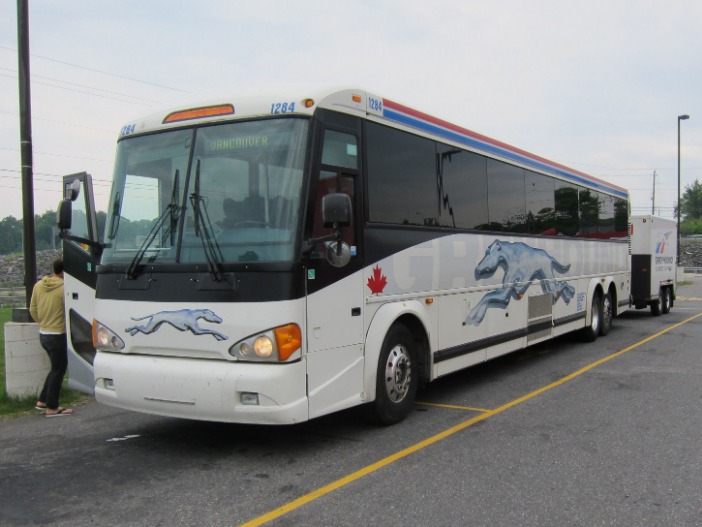

Overview of Bus Booking in South Africa
Bus booking in South Africa blends online platforms, travel agents, and in-person ticket offices to connect major cities such as Johannesburg, Cape Town, Durban, and Port Elizabeth. Passengers can compare prices, check schedules, and reserve seats in advance with operators like Greyhound SA, Intercape, and City-to-City. Tickets are often available online or at terminals, with e-tickets, varied baggage rules, and options for comfort classes on modern coaches.
Definition and Scope
Bus booking in South Africa refers to the process of reserving seats on scheduled buses for travel within the country. It covers intercity and cross-provincial trips, typically conducted by coach operators and regional carriers, and can be done via operator websites, phone lines, travel agencies, or online aggregators.
The scope includes long-distance intercity coaches linking major urban centers such as Johannesburg, Cape Town, Durban, Pretoria, and Port Elizabeth, as well as regional routes connecting smaller towns. It also encompasses cross-border services offered by some operators to neighboring countries and the use of intercity networks that connect rural and peri-urban areas.
Booking is increasingly digital, with online platforms that compare schedules and prices, direct operator portals, and traditional booking channels such as call centers and travel agents.
Passengers can choose seat type, luggage allowances, meal services, and flexible or fixed-date options; some platforms provide real-time seat maps and electronic ticket delivery.
Payments are typically via credit or debit cards, EFT, or mobile wallets; e-tickets are delivered by email or SMS; many operators offer refunds or changes within policy terms.
The sector is subject to transport regulations and licensing for intercity operations and safety standards; operators must comply with safety guidelines, vehicle maintenance, and driver hours rules; safety concerns remain a focus for regulators and consumers.
Seasonality affects demand, with peaks around public holidays and school vacations; digital adoption has increased access and transparency; however, reliability and comfort levels vary across operators and routes, especially on longer or rural trips.
Key Terms and Common Abbreviations
Overview of Bus Booking in South Africa: Bus booking in South Africa has become more convenient thanks to online platforms, mobile apps, and established operators that connect major cities and regional towns across provinces such as Gauteng, the Western Cape, KwaZulu-Natal, and the Eastern Cape. Leading long-distance operators include Greyhound SA (which consolidates Translux and City-to-City routes), Intercape, and Baz Bus for backpackers, along with regional services that cover key corridors. Passengers can book online via official websites or apps, at bus terminals, or through accredited travel agents. Services range from economical intercity options to comfortable coaches with features like air conditioning, reclining seats, WiFi, and power outlets. Common routes include Johannesburg to Cape Town, Cape Town to Port Elizabeth, and Durban to Johannesburg, with fares varying by route, time of day, and demand. Offers such as early-bird discounts, student and senior concessions, and group rates help travellers plan affordable trips.
Booking process and travel experience: To book, search for available routes on your chosen date, compare operators, and select a service that fits your schedule and budget. You will enter passenger details (names as on IDs, ID or passport numbers, contact information), choose seat preferences if offered, and proceed to payment. Accepted methods often include debit/credit cards, bank transfers, and mobile wallet options where supported. After payment you receive an electronic ticket or booking reference, which you can store on your phone or print. On departure day bring your ID and the ticket or booking reference, and arrive ahead of the operator’s check-in time. At the terminal, present your ticket and ID to staff and follow boarding procedures. Luggage allowances vary by operator, so check the policy in advance and label bags clearly.
Safety, inclusions, and tips: Bus travel in South Africa is generally safe and affordable, but travellers should keep personal belongings secure and use licensed operators. Verify departure boards, terminal pickup points, and any required security checks. Some long-distance coaches offer extras such as extra legroom, on-board refreshments, WiFi, and charging ports. If travelling during peak seasons, book early to secure seats, and be aware of potential schedule changes or delays. Cancellation and change policies apply; refunds are usually subject to fees and timing, so review the terms before purchase.
Key terms: E-ticket is a digital ticket stored on your device or email; a boarding pass is the permission slip to board the bus; a PNR (Passenger Name Record) contains your booking details; an itinerary is the planned route with times; seat allocation indicates the assigned seat; luggage allowance is the permitted weight and number of bags; check-in is the process of confirming your presence before departure; a layover is a scheduled stop where you may change buses or wait for the next service. Understanding these terms helps ensure a smooth booking and travel experience.
Common abbreviations: SA stands for South Africa; ETD stands for Estimated Time of Departure; ETA stands for Estimated Time of Arrival; PNR stands for Passenger Name Record; GDS stands for Global Distribution System; ID stands for Identity Document; A/C stands for Air Conditioning; Wi‑Fi stands for Wireless Fidelity. These abbreviations frequently appear on tickets, manifests, and online booking confirmations, helping travellers quickly interpret times, passenger details, and onboard features.
Popular Bus Operators and Routes
Popular bus operators in South Africa include Intercape and Greyhound, offering long‑distance services between major cities with a focus on comfort and reliability. Common routes connect Cape Town, Johannesburg, Durban, Port Elizabeth, and Bloemfontein, with schedules that suit both business travelers and backpackers. Booking can be done online through operator websites or trusted travel platforms, often with flexible fares and luggage options. For travelers using bus bookings in South Africa, these operators provide a practical, affordable way to hop between the country’s key hubs and scenic routes without the hassle of domestic flights.
National and Regional Operators
Bus booking in South Africa connects travelers to the country’s major cities and regional towns through a mix of national and regional operators. The long-distance coach network is built around trusted brands, reliable schedules, and a variety of service levels to suit budget and comfort preferences.
Greyhound South Africa is one of the best-known national operators with a long-standing network that links Cape Town, Johannesburg, Durban, Port Elizabeth, Bloemfontein, and East London. Their routes cover the country’s primary highway corridors, making it a popular choice for travelers planning cross‑country trips or multi‑city itineraries. Greyhound also offers passes and return options that can simplify planning and budgeting for multi‑stop journeys.
Intercape is another major national operator known for its extensive coverage across South Africa. The company runs multiple daily departures on core routes and serves popular corridors such as Cape Town to Johannesburg, Cape Town to Durban, and Johannesburg to Port Elizabeth, among others. Intercape emphasizes comfort and convenience, often with longer, scenic routes and a reputation for reliable on‑time service.
Other national and regional brands operate across different parts of the country, complementing the big operators by serving additional towns and provinces. Brands like City-to-City and Translux are active in several corridors and regional networks, offering routes that connect provincial capitals with smaller centres. These operators help fill gaps between the major hubs and provide travelers with more options for regional travel.
Regional operators focus on specific provinces or clusters of towns, delivering shorter intercity connections with flexible schedules. In the Western Cape, for example, regional services connect Cape Town with nearby towns and coastal routes. In the Eastern Cape and KwaZulu-Natal, regional networks link coastal cities and inland towns, making it easier to explore local attractions, business centers, and university towns without needing a cross‑country trip.
When booking a bus in South Africa, it helps to compare operators on several factors: price, travel time, luggage allowances, onboard facilities, and the frequency of departures. Checking official operator websites and reputable booking platforms can reveal current routes, seasonal adjustments, and any travel advisories. Planning in advance, especially for high‑season travel or public holidays, can secure the best fares and seating options.
In summary, South Africa’s bus network blends strong national operators with responsive regional services, offering a range of routes from cross‑country journeys to province‑level hops. This diversity makes bus booking a flexible and affordable way to explore the country’s cities, scenery, and culture.
Major Routes and Destinations
Bus booking in South Africa offers a practical way to travel between the country’s major cities, with a wide network of routes, comfortable coaches, and flexible ticket options that suit budgets and schedules.
Popular bus operators in South Africa include Intercape, Greyhound SA, City to City, and Translux. These companies operate across the main corridors and provide a mix of day and overnight services, with online booking systems and ticket offices at regional hubs.
Intercape is known for long distance routes connecting Cape Town, Johannesburg, Pretoria, Port Elizabeth and Durban, along with other urban centers. Greyhound SA also covers key routes across the country and is favored by travelers who value reliability. City to City specializes in frequent, city‑to‑city services between Johannesburg, Cape Town and other major towns, while Translux focuses on domestic routes and night services. Together these operators create a broad and competitive market for bus travel in South Africa.
Major routes include Cape Town to Johannesburg, Cape Town to Durban, Johannesburg to Durban, and Johannesburg to Port Elizabeth, along with Cape Town to Port Elizabeth and Bloemfontein connections. There are also routes linking smaller cities such as George, East London and Nelspruit with the big urban centers, making it easy to plan multi‑city itineraries.
Key destinations served by the top operators are Cape Town, Johannesburg, Durban, Port Elizabeth (Gqeberha), Bloemfontein, East London, George, and Nelspruit (Mbombela). Many services also offer connections to popular tourist towns and regional airports, enabling simple door‑to‑door travel within South Africa.
When booking a bus in South Africa, compare schedules, fare classes, luggage allowances, and whether seats can be reserved. Book in advance for popular travel periods or holidays, consider overnight routes to save on accommodation, and check the operator’s policy on cancellations and rescheduling. Pick a coach with comfortable seating, air conditioning, and onboard facilities if available, and arrive early at the departure point to collect boarding passes.
Whether you are planning a budget trip or a comfortable cross‑country journey, South Africa’s bus network provides extensive options for exploring major cities and hidden gems alike. Booking ahead ensures you secure the best rates and preferred seats, making bus travel a convenient choice for exploring the country.
Booking Platforms and Tools
Booking platforms and tools for bus travel in South Africa streamline how travelers compare routes, schedules, and fares across operators. Online aggregators, mobile apps, payment gateways, and route-planning features help passengers quickly find departures, reserve seats, and manage tickets, while operators gain insights through analytics and dynamic pricing.
Online Travel Agencies
Bus travel in South Africa is supported by a growing ecosystem of booking platforms and online travel agencies (OTAs) that simplify planning and ticketing for domestic journeys.
Booking platforms for bus travel aggregate schedules from multiple operators, offer real-time seat availability, fare comparisons, and flexible search filters by origin, destination, date, and duration, allowing travelers to quickly find the best option.
Online travel agencies extend reach for operators by distributing inventory to a wide audience, managing commissions, handling customer support, and presenting bundled offers that include return trips or add-ons.
Key tools include channel managers, centralized booking engines, and API integrations that keep live inventory in sync across sites, mobile apps, and meta-search platforms.
In the South African market, payment tooling must support rand pricing, local payment methods, EFT transfers, and secure card payments, while ensuring compliance with data privacy regulations.
Mobile-first design matters since many travelers book on smartphones; OTAs optimize for slow networks, offline readiness, and simple, clear checkout flows.
Operators can use revenue management tools and dynamic pricing to respond to demand, adjust inventory allocation, and maximize yield across routes with varying capacity.
Trust and safety are essential: clear terms and policies, transparent cancellation and refund rules, rider safety information, and reliable customer support help build confidence.

Local challenges include ensuring accurate, up-to-date schedules across provinces, handling road conditions, and managing disruptions from weather or strikes that affect bus services.
Future trends include AI-powered search and recommendations, digital/mobile tickets, contactless boarding, loyalty programs, and closer integration with rail and air options for multimodal trips.
Best practices for platforms and operators in South Africa include vetting partner operators, protecting passenger data, offering multilingual content, and providing responsive help desks and clear dispute resolution paths.
By leveraging robust booking platforms and tools, South Africa’s bus travel market can offer more transparent pricing, wider choice, and a smoother experience for both locals and visitors.
Direct Operator Portals
Booking platforms and tools are transforming how travelers in South Africa plan and purchase intercity bus journeys, while direct operator portals give bus operators control over inventory, pricing and customer relationships.
Booking platforms include meta-search engines, global distribution systems, and standalone booking engines that aggregate schedules from multiple operators, compare prices, show seat availability, and process secure payments in real time across desktop and mobile devices.
Direct operator portals provide a dedicated storefront for an individual bus company, offering real-time inventory feeds, dynamic pricing, flexible fare rules, and customer data ownership, which helps operators optimize yields and build loyalty programs without relying solely on third-party aggregators.
South Africa’s bus network features long-distance services linking major cities such as Johannesburg, Pretoria, Cape Town, Durban and Port Elizabeth, with seasonal demand fluctuations, weekend travel and school holidays driving capacity needs. Operators also serve cross-border routes to neighboring countries, which may require visa, currency and customs considerations integrated into the booking flow.
Technically, the backbone is often an API-driven ecosystem: booking engines push inventory to portals and OTAs, seat maps reflect bus layouts, fare types and rules are encoded, and tickets are issued as e-tickets or QR passes that travellers can scan on boarding. Payment integrations cover cards, EFT, and select mobile wallets, with robust reconciliation and refund workflows.
Security and compliance are critical in South Africa, where POPIA governs data privacy and PCI DSS governs card payments. Booking platforms and operator portals should enforce encryption, secure storage of passenger data, clear consent, and transparent cancellation and refund policies in line with local consumer protection norms.
For operators, analytics from platforms reveal demand patterns by route, date, and customer segment, enabling targeted pricing, promotions, and capacity planning. For travel sellers, dashboards and API hooks enable real-time stock checks, pricing optimization, and automated ticketing across channels.
From a traveler perspective, a seamless booking experience across channels—mobile apps, web portals, and agent desks—includes intuitive search, clear fare rules, easy changes, reliable e-tickets, and supported refunds, with multilingual support and accessible design to serve a diverse South African market.
When choosing a platform, operators weigh SaaS versus on-premises options, integration requirements with existing ERP and CRM systems, and cost models that include setup, monthly fees, and per-ticket charges. A phased rollout with data migration, staff training and SEO-focused content helps ensure adoption and discoverability in the South African market.
Emerging trends point to AI-driven pricing, chat and voice assistants for customer inquiries, contactless boarding, and deeper collaborations between operators and travel ecosystems to deliver a more cohesive bus travel experience across South Africa.
Mobile Apps and Wallet Integration
Booking platforms and tools are reshaping how travelers in South Africa book long-distance bus travel, offering centralized search across operators, real-time seat availability, and hassle-free payment flows for routes such as Johannesburg to Cape Town, Durban to Johannesburg, and Port Elizabeth to Cape Town.
In the South African market, major operators like Intercape and Greyhound SA maintain their own booking portals, while third-party aggregators pull schedules from multiple operators to deliver a single search experience. This multi-operator approach helps travellers compare prices, pickup points, and journey times without visiting several websites.
Core booking platform features include route and date search, filters for departure times, duration, and price, interactive seat maps, fare rules, baggage allowances, and digital tickets. Many platforms also display real-time inventory so you can avoid overbooking and quickly spot cancellations or changes.
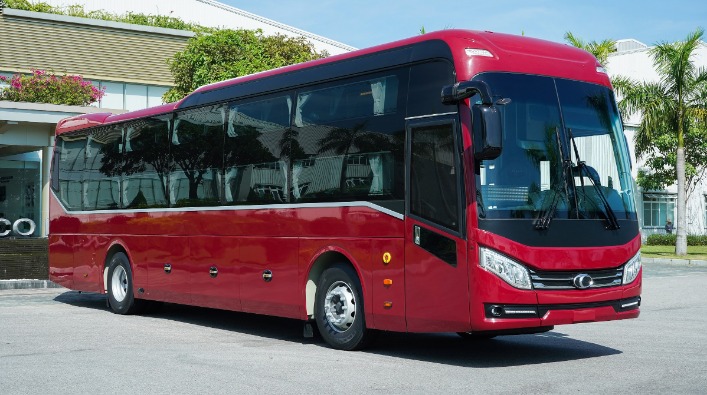
Mobile apps are central to the experience, enabling plan-and-book on the go, instant booking confirmation, mobile boarding passes, and push notifications for gate changes or delays. Offline access to itineraries and maps can help when data connectivity is limited in rural travel corridors.
Wallet integration is increasingly common in South Africa. Booking platforms can accept local wallets such as FNB eWallet and Absa eWallet, as well as popular digital wallets like Zapper and SnapScan, and card-based wallets such as Apple Pay and Google Pay. Local payment gateways like PayFast or PayGate are often used to route wallet payments securely, fast-tracking checkout for South African travellers.
Security and compliance are critical, with platforms adopting PCI-DSS standards, tokenized card details, and optional 3D Secure authentication to protect both operators and travellers during online transactions.
For reliability and a smooth experience, platforms should support flexible ticketing options (e-ticket, QR code on mobile, and printable receipts), easy cancellations or date changes within policy windows, and clear baggage policies to prevent surprises at boarding.
Tips for bus travellers in South Africa include checking operator safety and reputation, verifying pickup and drop-off points in major cities, travelling with adequate daylight margins on longer legs, and using wallet payments to speed up checkout and protect card details. Always carry a digital or printed receipt and the boarding QR code for quick verification at the station.
Looking ahead, Booking platforms and tools in South Africa are likely to deepen wallet integrations, offer seamless loyalty programs across operators, provide API-based integrations for corporate travel, and introduce live vehicle tracking and contactless boarding to streamline the journey from booking to on-board experience.
In sum, the fusion of comprehensive booking platforms, mobile apps, and wallet-ready payments is making bus travel in South Africa more accessible, transparent, and convenient for residents and visitors alike.
Tickets, Fares, and Discounts
Touring South Africa by bus opens a range of Tickets, Fares, and Discounts. Tickets may be singles or returns, with fares that vary by route, operator, and booking window; online purchases often unlock the best prices. Discounts frequently include student and senior rates, child fares, group bookings, and seasonal promotions, while additional savings come from off-peak travel and advance purchase options.
Pricing Structures
Bus booking in South Africa involves understanding tickets, fares, and discounts to find the best value for your trip. This overview covers common ticket types, how fares are structured, and the discounts you might access when traveling by bus.
- Ticket types
- One-way tickets: valid for a single journey between two points.
- Round-trip or return tickets: cheaper than two one-way fares and include a defined return date.
- Open-ended or flexible tickets: allow travel on a range of dates or multiple segments within a period.
- Group and multi-journey passes: discounted rates for multiple travelers or repeated use.
- Fare components
- Base fare: the core price per distance or route.
- Surcharges: peak-time, express service, seat selection, or luggage handling.
- Taxes and service fees: administrative charges applied during booking.
- Dynamic pricing: prices may rise closer to departure or during high demand.
- Discounts and concessions
- Student discounts: ISIC or operator-specific student cards.
- Seniors and pensioners: age-based concessions on select routes or operators.
- Children and youth fares: reduced rates for young travelers, often with ID requirements.
- Group discounts: lower per-person prices for parties traveling together.
- Promotions and bundled passes: special deals when booking online or via apps.
- Pricing structures by service
- Long-distance intercity coaches: tiered pricing by service level (standard, comfort, executive).
- Metro or regional buses: time-based pricing, zoned fares, or flat-rate city passes for daily travel.
- Advance purchase vs. flexible fare: cheaper if booked early; more expensive to buy last-minute.
- Season tickets and business passes: monthly or quarterly passes for regular commuters.
- Booking tips
- Shop around: compare operators, schedules, and prices on official sites and trusted booking platforms.
- Check terms: refunds, rebooking, expiry dates, and baggage rules.
- Use apps and e-tickets: store your ticket on your phone to speed up boarding and reduce paper waste.
- Look for discounts: student IDs, senior cards, bundle deals, and loyalty programs.
Student and Senior Discounts
Booking a bus in South Africa is straightforward, with multiple operators offering online and in-person services. Tickets, fares, and discounts vary by route, time of day, and provider, so understanding the options can help you save money and travel more comfortably.
Tickets can be purchased online through operator websites or mobile apps, at bus terminals, or via travel agents. Most operators issue e-tickets that are emailed or sent by SMS, while some routes still offer paper tickets collected at the time of travel. A ticket typically shows the route, date and time, passenger name, seat number, and fare type, and you may be asked to present ID at boarding.
Fares depend on distance, service level, and demand. Booking early, choosing return journeys, or traveling in off-peak periods can lower prices. Some routes have fixed tariffs, while others vary by day or season. Be aware of extra charges for luggage, seat selection, or changes to your booking.
Discounts are commonly offered by many operators to attract customers. In addition to standard promotions, look for loyalty programs, special offers for group bookings, or corporate prepaid accounts. Discounts may also apply to children, students, seniors, or other groups, depending on the provider and route.
Student discounts are a popular way to cut travel costs. To qualify, you usually need a valid student ID or an accepted student card such as ISIC. Discounts are typically available at booking or at the counter and may apply to specific routes or times; some operators require the same discount to be shown on both outbound and return journeys.
Senior discounts are offered by many operators for travelers aged around 60 or older, though the exact age threshold and rate vary. You’ll usually need a government-issued ID or eligibility card to claim the discount. Some routes or booking channels may have restrictions on when senior fares apply, so check the terms before you buy.
Practical booking tips: compare several operators for the same route, check baggage allowances, and confirm whether the discount applies automatically or requires a promo code or ID. Always verify the fare and any changes or cancellation penalties before paying, and keep your ticket until you have completed travel.
By planning ahead and checking the available discounts for your route in South Africa, you can lower travel costs while choosing convenient departure times and comfortable services for your bus journey.
Group Bookings and Special Rates
Ticketing with long-distance buses in South Africa is designed to be flexible and affordable, with a range of fares, discounts, and options for group bookings and special rates. Whether you are planning a short hop between cities or a multi-city itinerary, knowing how tickets and prices work helps you save money and travel comfortably.
Tickets are available as one-way, return, or open-return passes and can be issued as e-tickets or printed vouchers. When booking online or at a ticket outlet you will usually receive a booking reference and a barcode or QR code for boarding. Some operators offer mobile boarding passes that you can display on your phone, while others require that you collect physical tickets at the counter prior to departure. Always check the exact pickup method when you buy.
Fares in South Africa are influenced by distance, service level, and time of travel. Distances between major cities, peak travel periods, and demand all push prices up or down. Typical options include standard and premium seating, with additional charges for luggage or extra legroom. Taxes, surcharges, and peak-season adjustments may apply, and some operators offer bundled return tickets or multi-trip passes for frequent travellers.
Discounts are available for various categories and promotions. You may find reduced fares for students or learners with a valid student card, senior citizens and pensioners, children under a certain age, or travellers on off-peak days. Loyalty programmes or booking portals sometimes provide online-only deals or cumulative discounts after a number of trips. Always carry the required ID or cards to prove eligibility at check-in or boarding.
Group bookings typically apply to ten or more travellers and can unlock substantial savings. For groups, operators may offer dedicated booking lines, set seat blocks, and flexible payment terms. Special group itineraries, customised pickup points, and return-day planning are common, and one group leader often takes responsibility for coordination, deposits, and bringing the group together on the day of travel. Check cancellation and rebooking penalties before you confirm.
Special rates cover charter or coach hire for schools, sports teams, tour groups, corporate events, or religious organisations, as well as school excursions and wedding transfers. Travel agencies and tour operators may negotiate exclusive rates or bundles that include multiple legs or return trips. Seasonal promotions, early-bird discounts, or weekend specials are frequently offered, so it pays to compare several options and book in advance.
To get the best value, compare prices across operators and trusted booking sites, review terms and conditions, and confirm luggage allowances and boarding requirements. Always verify the exact fare before payment, note change and cancellation penalties, and be aware of the last check-in time. Using official operator sites or reputable agents reduces the risk of overpayment or counterfeit tickets.
In South Africa, road travel is widely used for intercity connections, but plan for potential delays and check live travel advisories. Keep your ticket handy, arrive early, and ensure you or your group adheres to safety and security guidelines during long journeys. By understanding Tickets, Fares, and Discounts, Group Bookings and Special Rates, you can tailor a South Africa bus trip that fits your budget and schedule.
Payment Methods and Currency
When booking a bus in South Africa, you’ll typically pay in South African Rand (ZAR) using familiar methods such as credit or debit cards, instant EFT through your bank, or mobile wallets. Most operators display prices in ZAR, and if you’re paying from abroad, currency conversion or foreign fees may apply, so review the total before confirming.
Accepted Payment Types
Booking a long-distance or intercity bus in South Africa gives you a range of payment options. All prices are shown in South African Rand (ZAR), and the payment method you choose will determine how quickly your ticket is issued and whether you can reserve seats in advance.
Accepted credit and debit cards include Visa and Mastercard, with American Express sometimes available depending on the operator. Card payments typically go through secure gateways and support online purchases, mobile checkout, and point-of-sale terminals at ticket counters.
Electronic funds transfers are common, including Instant EFT that lets you pay directly from your bank account. Major South African banks such as FNB, Standard Bank, ABSA, Nedbank, and Capitec are often supported, and you can complete the payment without leaving your online booking flow.
Mobile wallets and digital payments are increasingly supported. Look for options like SnapScan or Zapper, and other wallet or mobile banking apps that your operator or booking platform may offer. These are convenient if you have a linked account or card on file.
Cash payments at a counter or through partner agents may be possible in some cases, but this is less common for online bookings. If you prefer paying in cash, check the operator’s payment options or contact customer support to confirm availability and locations.
Currency and refunds: bookings are typically processed in ZAR. If you use an international card, your bank or card network may apply foreign transaction fees or offer dynamic currency conversion. Refunds, if permitted, are usually returned to the original payment method in ZAR according to the operator’s refund policy and processing times.
Currency Considerations and Refunds
When booking bus tickets in South Africa, understanding payment methods and currency helps you avoid surprises and get the best value whether you’re traveling regionally or cross-country.
Most South African bus operators and ticket platforms accept major bank cards (Visa, Mastercard, and often American Express), online bank transfers (EFT) via instant EFT providers, and online wallets such as PayFast, PayGate, SnapScan, and Zapper. Some operators also support mobile payments such as Apple Pay or Google Pay where the platform is integrated with card networks. If you book at a counter or through a partner agent, you may be able to pay with cash or a card there as well. Always check the payment options at checkout because availability can vary by operator and route.
South Africa uses the rand (ZAR) as its currency. Some booking platforms show prices in ZAR by default, while others offer the option to display prices in your home currency through dynamic currency conversion. Be aware that paying in your home currency can incur extra fees and a less favorable exchange rate due to dynamic currency conversion. If possible, choose to be charged in ZAR to ensure the rate is set by your card issuer rather than a merchant’s conversion rate. Also check for any foreign transaction fees your card may charge.
Refund policies depend on the operator and the fare type you choose. Fully flexible fares typically offer full refunds with little to no penalties, while restricted or promotional fares may incur cancellation fees or be non-refundable. If a refund is possible, refunds are usually returned to the original payment method and can take several business days to appear on your statement, depending on the bank and processor. To avoid losing money, review the fare rules before booking and contact the operator or platform’s support as soon as you need to cancel or change a ticket.
Tips for smoother transactions: verify the currency at checkout, read the cancellation and refund terms, keep your booking reference handy, use secure networks when paying online, and watch for any additional surcharges from payment methods or currency conversion. If you’re booking from outside South Africa, allow extra time for refunds and consider paying in ZAR when possible to minimize exchange-rate risk.
Travel Tips and Best Practices
Traveling by bus in South Africa offers affordable, comfortable ways to see the country, but a few practical tips help you book and travel with confidence: compare operators and schedules, book in advance to secure seats and fares, verify safety and licensing, check luggage allowances and pickup points, keep your documents handy, arrive early, and stay aware of your surroundings; pack light, stay hydrated, and plan for peak travel times, transfers, and potential delays.
Choosing Reliable Operators
Booking a bus in South Africa can be a convenient, cost-effective way to travel between cities and towns, but the quality of your experience hinges on choosing a reliable operator. These tips cover travel practices, safety considerations, and practical steps to help you book with confidence.
Choose licensed operators with valid permits. Look for operators that are registered with the relevant transport authorities and display their operating license and route permits. Check the operator’s years in service, fleet details, and prefer those that publish clear contact details and a physical address.
Check safety and maintenance. Ensure the bus is roadworthy with a valid Roadworthy Certificate, functioning seat belts, and trained drivers who observe speed limits and rest breaks. Inquire about maintenance schedules and whether vehicles are regularly serviced and cleaned to standard.
Compare schedules, reliability, and service quality. Review departure times, travel durations, and on-time performance where possible. Look for real-time tracking, clear passenger information, and a transparent cancellation policy. Avoid operators that lack published terms or charge excessive cancellation fees.
Review reputation and sources. Read independent reviews on reputable platforms and check how the operator handles social media inquiries. Seek feedback from fellow travelers about punctuality, comfort, and customer service. If an operator has frequent unresolved complaints, consider alternatives.
Pricing and transparency matter. Be wary of prices that seem too good to be true. Confirm what is included in the fare (baggage allowance, seat selection, insurance) and ask about extra charges for luggage, late pickups, or changes. Obtain a written quote and booking confirmation before payment.
Luggage and comfort. Know the luggage policy, including weight limits, number of bags, and any oversized items. Check for amenities such as air conditioning, comfortable seating, USB charging, and toilet facilities, especially on longer routes.
Safety at stations and during travel. Plan to arrive early at the departure point to avoid stress. Keep valuables with you when possible and stay aware of your surroundings at busy stations. If traveling in a group, coordinate pickups and drop-offs to reduce risk.
Booking tips and practical steps. Book in advance for popular routes and peak travel times. Confirm the operator’s cancellation and refund policy, and use official or well-known platforms to minimize risk of scams. Save all tickets and receipts in case after-sales help is needed.
What to do if something goes wrong. If you encounter service failures or safety concerns, contact the operator directly and document issues with receipts or tickets. If unresolved, escalate to consumer protection authorities or the relevant road transport regulator for guidance and resolution.
By verifying licensing, safety standards, transparency, and reputation, you can confidently book a South Africa bus trip that meets your needs and delivers a reliable travel experience.
Seat Selection and Luggage Rules
Traveling by bus in South Africa can be affordable, convenient, and surprisingly scenic. When booking, a few best practices help you choose a route, seat, and luggage setup that fit your schedule and budget.
Start by choosing reliable operators and routes. Look for established intercity lines such as Intercape and Greyhound SA, and compare schedules, safety records, and fare structures. Consider journey length, frequency of departures, and whether overnight options exist to save on accommodation while maximizing travel time at your destination.
Booking tips include planning ahead and using official operator websites or reputable travel platforms. Check cancellation and change policies before you buy, and opt for ticket options that offer flexibility if your plans might shift. If a mobile ticket is available, save a digital copy to your phone to avoid last‑minute printing or scanning issues at the station.
Seat selection can significantly impact comfort on longer trips. For daytime travel, window seats offer views and a sense of enclosure, while aisle seats provide easier access to restrooms. If motion sensitivity is a concern, front or middle sections tend to have less noticeable sway than the rear. For overnight journeys, a quieter car or seats away from restrooms may improve sleep, and seating near the front can make disembarking quicker at your stop.
On the day of travel, arrive early at the departure point to account for station checks, luggage drop, and boarding calls. Bring a valid photo ID because many domestic bus services require it for ticket verification. Have your itinerary, ticket barcode, and operator contact details handy in case you need assistance at the station.
Luggage rules vary by operator, so verify free checked luggage allowances and any limits on carry‑on bags. Pack light where possible, and use sturdy, labeled bags. Keep valuables, travel documents, and essential items with you in a personal bag during the journey. Attach luggage tags, and consider securing bags with zip ties or strap retainers to deter opportunistic theft during stops.
Cross‑border travel is possible on some routes from South Africa to neighboring countries. If you plan to travel to Botswana, Namibia, or Zimbabwe, check visa requirements, passport validity, and whether the operator provides border crossing assistance. Keep your passport, visas, and any required health or travel documents in an easily accessible place, and allow extra time for border procedures and potential delays.
Safety and security should be a priority throughout your trip. Stay aware of your surroundings at stations and on the bus, store luggage in designated areas, and never leave bags unattended during stops. If you notice anything suspicious or feel unsafe, contact station staff or the operator’s helpline immediately and seek alternatives if necessary.
When things don’t go as planned, stay flexible. Common issues include delays, cancellations, or changes in arrival times. Have a backup plan, know the operator’s support channels, and consider travel insurance for added protection against unexpected disruptions.
In summary, successful bus travel in South Africa blends careful operator selection, advance booking, thoughtful seat choice, and prudent luggage planning. With these practices, you can enjoy comfortable, efficient journeys between cities and beyond the borders with confidence.
Boarding Procedures and Timeliness
Booking a bus journey in South Africa can be cost-effective and comfortable when you plan ahead. To help you travel smoothly, here are practical tips on booking, boarding, and staying on schedule.
Start by comparing major operators such as Intercape and Greyhound SA, along with regional coaches. Check schedules, durations, and fare types (economy, express, and return tickets). Use official operator sites or reputable travel portals to ensure you get valid tickets and transparent cancellation policies.
Plan ahead for peak travel periods and school holidays, and book early to secure the best seats and prices. Have your ID or passport ready, and be prepared to provide passenger details as required by the operator. Electronic tickets stored on your phone are common, but printouts may be accepted at some stations.
Choose seating based on your needs. Day trips may benefit from front seats for smoother rides and potential Wi‑Fi access, while overnight journeys might require extra legroom or a quieter compartment. Pack a small carry-on with your essentials and use a secure bag with a name tag.
Payment and tickets: use secure payment methods and save your booking reference. Carry a valid photo ID when boarding, as most operators require it. Some trips also require a mobile number to receive updates and your boarding barcode.
Luggage and packing: most long-distance buses allow a larger checked bag and a smaller carry-on; check the operator’s limits before packing. Label bags clearly, keep valuables with you, and avoid leaving luggage unattended in terminals. Pack a light evening kit for comfort on overnight services (neck pillow, blanket, water).
Boarding procedures: arrive at the terminal at least 30–60 minutes before departure to find your gate or platform. Go to the designated check-in counter or boarding area, present your ID and ticket, and have your bag checked if required. Follow gate announcements and board when your group or row is called. Keep your seat assignment in mind and store luggage in the correct storage area.
Terminal safety and etiquette: use official terminals and avoid touts offering cheaper seats. Stay aware of your surroundings, keep belongings close, and report lost items to staff. If you have connecting buses, verify the next departure and allowed transfer times.
Timeliness and delays: road conditions in South Africa can affect schedules, especially during weather or peak traffic. Build a buffer into your plans, and monitor operator updates via their app, SMS, or station boards. If you miss a connection, contact the operator promptly to explore alternatives; many routes offer rebooking options within the same day.
On the road: stay hydrated, dress in comfortable clothing, and bring snacks for longer trips. If you’re prone to motion sickness, sit in a stable row and consider over‑the‑counter remedies. Respect fellow passengers, use headphones for media, and follow any on‑board rules from the operator.
Arrival and onward travel: know your drop‑off point at your destination and plan how you’ll reach your hotel or meeting point. Some terminals have taxis or ride‑hailing services; it’s wise to pre-arrange a pickup or know the official taxi ranks to avoid scams.
Local tips for travel in South Africa: keep valuables secure, use reputable operators, and respect local safety guidance. Learn a few phrases in English or isiZulu to help in customer service interactions. Always check your travel documents, and have a backup plan if a bus is delayed or canceled.
Safety, Security, and Reliability
Safety, security, and reliability are paramount when booking bus travel in South Africa. Reputable operators, verified drivers, secure payments, and data protection help protect passengers, while well-maintained fleets and reliable schedules keep trips on track. From city commutes to countrywide journeys, a trusted bus booking platform prioritizes safety and transparency from booking to arrival.
Passenger Safety Tips
When booking a bus in South Africa, safety, security, and reliability should guide your choice. By selecting reputable operators and clear booking platforms, you reduce risks and improve your travel experience across cities and towns.
Safety and security start before you board. Verify that the operator holds valid licenses and that the vehicle is well maintained. Check driver qualifications, hours of service compliance, and ensure there are secure places for luggage. If belts are fitted, use them, and keep valuables with you rather than in overhead compartments or external luggage areas.
Reliability means dependable schedules, accurate itineraries, and transparent policies. Look for operators that offer real-time updates, trackable trips, and clear information on delays, cancellations, or rescheduling. Read reviews about punctuality and passenger treatment, and choose platforms that provide straightforward refunds and customer support.
Passenger safety tips for terminals and on the bus include arriving early to the correct departure point in well-lit areas, staying aware of surroundings, and avoiding distractions that could invite theft. Keep your personal items close, use security features at the terminal, and follow crew instructions on boarding, seating, and emergency procedures. If traveling at night, prefer well-monitored terminals and seating near the front of the bus or in staffed areas.
South Africa-specific safety reminders emphasize traveling with established brands known for safety records, avoiding unverified operators, and booking through reputable sites. Share your travel details with a friend or family member, avoid carrying large sums of cash, and trust only official boarding points. When in doubt, contact the operator’s customer service before you travel.
During the journey, maintain awareness of your surroundings, keep doors and windows secure when in motion, and use seat belts if available. Choose seats in visible areas with staff oversight when possible, and refrain from distracting the driver or engaging in unsafe behavior. Know the location of emergency exits and the procedure to follow if you encounter an issue mid-trip.
If you feel unsafe at any point, alert the driver or staff immediately, and contact the operator’s emergency line. For urgent safety concerns, you can dial local emergency numbers such as 112 from a mobile phone, or 10111 for police assistance in South Africa. Document any incident and seek help from authorities or the operator as soon as possible.
Security at Bus Terminals
Safety, security, and reliability are essential pillars of a modern bus-journey experience in South Africa, especially when booking a trip and traveling through busy terminals. A well-designed system combines secure terminals, trusted operators, and clear travel information to protect passengers from risk and to provide dependable service.
Security at bus terminals in South Africa often includes visible security personnel, well-lit approaches, CCTV coverage, and efficient crowd management. Terminals that invest in trained staff and rapid response protocols can deter theft, prevent confrontations, and help passengers find their departure gates or boarding points with ease. For travelers, choosing terminals with a strong security presence and clear wayfinding reduces anxiety and improves the overall travel experience.
Passenger safety also hinges on secure handling of baggage and secure access to buses. Terminals that separate boarding zones, enforce controlled entry, and monitor luggage handling minimize loss or tampering. Reputable operators typically implement standard procedures for loading and unloading, and many provide real-time information on gate changes, delays, or platform assignments via mobile apps or information boards.
From the booking side, security means protecting personal and payment information. Reputable bus-booking platforms use encrypted connections, comply with data protection standards, and offer secure payment methods. Clear terms, transparent fare breakdowns, and legitimate operator partnerships help travelers avoid fraud and ensure that tickets are valid for the intended journey.
Reliability in South Africa’s bus network depends on several factors: disciplined fleet maintenance, accurate scheduling, and proactive communication about changes. Operators that invest in well-maintained vehicles, routine safety checks, and driver training tend to run on time more often. Booking platforms that provide real-time updates, reliable e-tickets, and accurate boarding information contribute significantly to a smooth travel experience, especially when weather or traffic conditions affect routes.
Effective reliability also involves terminal coordination. Real-time platform assignments, clear departure boards, and timely notifications about gate changes help passengers navigate busy terminals and minimize missed departures. Partnerships between booking platforms and operators that standardize timetable data reduce confusion and support punctual boarding.
Tips for travelers booking bus trips in South Africa include choosing services from established operators with visible security measures at terminals, reading recent traveler reviews, and downloading the booking app for real-time alerts. It is also wise to arrive early, carry only essential items, and keep valuables secure while in transit. By prioritizing safety, making informed booking choices, and staying aware of your surroundings, you can maximize safety, security, and reliability across the journey.
Lost Property and Assistance
Booking a bus in South Africa should prioritize safety, security, and reliability from the moment you choose a service to the moment you arrive at your destination.
Safety and security start with selecting licensed operators and well-maintained coaches. Look for operators accredited by the national transport regulator, vehicles that comply with safety standards, and drivers who have completed background checks and relevant training. At terminals, choose well-lit, staffed areas and keep your belongings in sight.
On the bus, keep valuables secure—use luggage compartments and personal bags with your own lock if possible. Do not leave bags unattended and avoid sharing belongings with strangers. Follow the crew’s instructions, wear seat belts if provided, and stay seated during travel as required. If you feel unsafe, alert the crew or seek assistance from terminal staff.
Reliability comes from clear schedules, timely updates, and straightforward policies. Book with operators that publish real-time departure and arrival information, offer live tracking or communications via apps, and provide transparent refunds or rescheduling options in case of delays or cancellations. Having a backup plan and knowing where to get help can reduce stress if plans change.
Lost property and assistance: if you lose an item, contact the operator’s help desk or the terminal’s lost-and-found as soon as possible. Provide a full description of the item, where and when you last had it, your booking reference, and your contact details. You may be asked to provide proof of ownership. Most operators keep unclaimed items for a defined period and will guide you through retrieval. If you are still traveling, report it to the current operator for further assistance.
Emergency and support: in urgent situations, contact local authorities or the bus operator’s emergency line. In South Africa, you can dial 112 from a mobile phone for emergency services, or reach police at 10111 and ambulance at 10177. For accessibility or special assistance needs, request help when booking or contact customer service ahead of your trip.
By choosing reputable services, staying vigilant, and knowing where to seek help for lost items, you can travel safely and reliably on South Africa’s bus network.
Customer Service and Support
Customer service and support in South Africa’s bus booking scene connect travelers with reliable, affordable journeys from the moment they start their search to the moment they arrive at their destination. Responsive help desks, multilingual assistance, clear fare and policy explanations, and easy booking changes empower passengers to compare routes, track buses, manage refunds, and navigate delays with confidence.
Contact Channels
Effective customer service and support are essential for bus booking in South Africa, where travelers rely on accurate information, timely updates, and smooth problem resolution to reach their destinations.
Most bus operators provide multiple contact channels to suit different needs. These typically include toll-free or local phone lines for urgent assistance, email for written inquiries, and live chat on the operator’s website or mobile app for quick responses. Many services also offer an in-app messaging feature that keeps all communication tied to your booking.
In addition to direct channels, digital platforms play a key role. WhatsApp Business numbers are common for sending booking confirmations, itinerary changes, and status updates. Social media profiles on platforms like Facebook, X, and Instagram can be used for general inquiries and public notices about delays or service changes.
For in-person support, staffed help desks and ticket counters at major terminals provide face-to-face assistance, along with on-site staff who can help with check-in, luggage questions, or accessibility needs. Clear signage and multilingual support help travelers who prefer languages other than English.
Self-service options empower customers to manage bookings independently. Online portals and mobile apps let you search routes, view fare rules, modify or cancel reservations, and request refunds where eligible. A comprehensive FAQ or knowledge base can answer common questions about luggage limits, seating, boarding procedures, and canceled trips.
To get the best possible service, have your booking reference, passenger names, travel date and route, and a concise description of the issue ready. If contacting by phone or chat, note the time of day and any error messages you saw. Respect each channel’s response times, and if your issue isn’t resolved promptly, request escalation to a supervisor or a dedicated escalation team.
Handling Delays and Cancellations
Customer Service and Support in bus booking in South Africa is essential when journeys face delays or cancellations. A strong support system helps travelers stay informed, rebook quickly, and minimize disruption to plans. This article outlines how passenger service teams operate, what travelers can expect, and best practices for handling delays and cancellations in the South African bus network.
When you book a bus trip, clear communication is the foundation of good service. Operators should provide transparent terms before purchase, including refund or rebooking options, and expected response times for inquiries. In South Africa, most operators offer multiple channels for support, such as phone lines, email, live chat, and social media, with a commitment to respond within a stated window.
Delays happen due to weather, traffic, road works, or load-shedding disruptions. Customer service should monitor trips in real-time where possible and proactively inform passengers of delays along with revised departure times. If a delay causes missed connections, agents should assist with alternative routes or next available departures and help with onward travel arrangements when possible.
Cancellations require careful handling. Good practice includes offering a choice between a full refund, a credit for future travel, or rebooking on the next available service without heavy penalties. The policy should be clearly communicated at purchase and at the time of cancellation, with details on how refunds are issued and expected processing times.
To get help quickly, have your booking reference, passenger name, travel date, and the route handy. Contact channels should be active and monitored during peak travel periods. If you are not satisfied with the initial response, ask for escalation to a supervisor or a specialized support team, and keep a record of all communications.
When delays disrupt travel plans, travelers should request written confirmation of any changes, including new departure times and any compensation offered. If you encounter poor service or a refused refund, you may file a complaint with the National Consumer Commission or use the operator’s formal grievance process. Keeping receipts and timelines helps support your case.
Tips for travelers include choosing flexible fares where possible, reading the terms and conditions before booking, and maintaining digital copies of tickets. Consider travel insurance that covers trip disruption. If you have a tight connection, discuss options during booking or at the counter to minimize risk of missed connections.
For bus operators and support teams, prompt updates, empathetic language, and clear next steps build trust. Training should cover managing delays, handling high-volume inquiries, and resolving disputes efficiently. Providing alternatives, such as rebooking on another service in exceptional cases, can also improve the customer experience while maintaining service reliability.
Effective customer service around delays and cancellations on South Africa’s bus network ultimately keeps travelers confident and safe. By combining transparent policies, accessible support channels, and proactive communication, operators can reduce frustration and help passengers reach their destinations with minimal disruption.
Regulatory and Consumer Rights
In South Africa, regulatory and consumer rights protect bus travellers from booking to arrival. The Consumer Protection Act, enforced by the National Consumer Commission, requires clear pricing, honest advertising, fair cancellations and refunds, and reliable service standards from operators. Regulators also oversee safety, timetable accuracy, and the disclosure of booking terms so travellers can make informed choices and seek redress if services fall short.
South African Transport Regulations
Booking a bus in South Africa is governed by a framework of transport regulation and consumer rights that protect travellers.
The regulatory backbone is the National Land Transport Act of 2009, which created a unified approach to road passenger services and set minimum standards for safety, accessibility and service quality. It also established the National Public Transport Regulator (NPTR) to issue Public Transport Operating Licences to bus operators and to oversee routes, fares and operator compliance within the integrated public transport network. Operators must hold a valid PTO to run a scheduled bus service, and services must meet safety, vehicle fitness and driver standards as prescribed by law.
South Africa’s Consumer Protection Act (CPA) protects all travellers as consumers of transport services. When you book a bus, you have the right to clear information about the service, including the operator’s identity, operating licence details, total price, terms of booking and any additional charges. You are entitled to service that is safe, fit for purpose and delivered as advertised, and you may seek redress for misleading advertising, poor service or unsafe conditions.
When booking a bus in South Africa, review the operator’s terms and conditions, confirm your fare and seat or boarding point, check what is included in the price (baggage allowances, seat selection, refunds) and ensure you receive a booking confirmation and a receipt. Prefer platforms that disclose the PTO/licence information and provide transparent cancellation policies. If the booking involves a ticket from a platform, read their terms too, as they may have separate refund rules.
In the event of delays, cancellations or changes, you may be entitled to a refund, alternatives or re-routing arranged by the operator, depending on the circumstances and the terms. The CPA allows you to seek redress if the service is not delivered as promised, or if information provided to you was false or misleading.
If you have a complaint about licensing, safety or operator compliance, contact the National Public Transport Regulator or your provincial licensing authority. For consumer issues under the CPA, you can approach the National Consumer Commission or your provincial consumer protection body. Retain all receipts, booking references and communications to support your case.
Tips for a smoother bus booking experience include verifying the operator’s PTO status, checking vehicle safety and seatbelt provisions where available, comparing prices across reputable platforms, and keeping a record of all terms and dates for cancellations or changes.
Refunds, Cancellations, and Dispute Resolution
The bus booking market in South Africa is governed by the Consumer Protection Act and overseen by the National Consumer Commission. When you buy a bus ticket, you as a consumer have rights to clear information, fair treatment, and access to dispute resolution if something goes wrong with your booking or travel.
You should receive price transparency and clear terms and conditions before you commit to a purchase. This includes accurate travel times, service levels, baggage allowances, change policies, and any extra charges. Information given online or offline should be truthful and not misleading, and you should be able to review the terms before payment.
If the operator cancels a journey or fails to provide the service as advertised, you are generally entitled to a full refund or a suitable alternative travel arrangement at no extra cost. If there is a delay or other issue, you may be offered a refund, a rebooking, or compensation in line with the operator’s terms and applicable consumer protection rules. Refunds should be issued back to the original payment method within a reasonable period, and you should keep all booking records and receipts.
Cancellation by you typically follows the ticket terms. Many bus tickets are non-refundable or carry a cancellation fee, while some offer flexible options such as date changes or credit notes. Always review the cancellation policy before booking and keep your booking reference and terms in a safe place to avoid surprises.
Dispute resolution begins with the operator’s customer service. Communicate in writing, document timelines, and keep copies of all correspondence. If the issue is not resolved promptly, you can file a complaint with the National Consumer Commission. The NCC can investigate, facilitate mediation, and provide guidance on your rights. If you remain dissatisfied, you may pursue remedies through the courts (for example, the Magistrates Court or Small Claims Court) or other official dispute-resolution avenues available in South Africa.
Tips to protect yourself include reading terms carefully before purchase, saving all receipts and booking references, using secure payment methods, and booking through official channels. For cross-border or intercity routes, confirm the operator’s registration and licensing, and understand how rights and remedies apply to your specific journey under South African consumer protection law.
Regional Travel Considerations
Regional travel considerations when booking a bus in South Africa include safety and operator reliability, travel times between major centers, and seasonal demand. Plan for route options along corridors like Johannesburg–Cape Town, Durban, and the Western and Eastern Capes, and check luggage allowances, payment methods, and provincial road conditions. Being aware of peak holiday periods, weather impacts, and choosing reputable operators helps ensure a smoother trip.
Domestic Travel Tips
If you’re planning regional travel in South Africa by bus, start with a clear plan of routes, times and what you’ll need on board. Regional travel considerations and domestic travel tips can help you get the best value, safer journeys and a smoother booking experience.
Regional travel considerations include connecting major cities such as Johannesburg, Pretoria, Cape Town, Durban, Bloemfontein and Port Elizabeth. Distances are long, schedules vary by operator, and night buses are common for covering ground efficiently. Weather and road conditions change by province; for example, winter rain along the coast can slow trips, while inland routes may experience dust or fog.
Booking tips: use reputable bus operators, compare several options, and read baggage allowances before you buy. Book in advance during peak travel periods; check ticket types (non-refundable vs flexible), and confirm whether the fare includes seat selection. Collect e-tickets when possible and download operator apps for real-time updates.
Domestic travel tips: arrive early at the terminal, carry a valid ID or passport for domestic travel, and keep valuables secure. Verify pickup points because some operators use shared terminals. Check cancellation policies and what happens if you miss a bus. If you’re traveling with children or with accessibility needs, confirm assistance options in advance.
Practical packing and comfort: bring light layers for air-conditioned buses, a travel pillow, water bottle and some snacks. Pack a small bag in cabin with essentials; store larger luggage in the hold as directed. Label bags clearly and keep important documents with you.
Safety and security on the road: avoid leaving bags unattended at stations, stay aware of your surroundings, and use reputable operators. If you’re on an overnight route, pick seats near exits and carry a small flashlight and portable charger if available.
Technology and amenities: many South African buses offer Wi‑Fi and charging ports on newer fleets, but it varies; confirm when booking. Some routes offer on-board entertainment or planned rest-stops with meals; plan accordingly and factor these into your bus booking decisions.
Sample route ideas for planning your bus booking in South Africa include Johannesburg to Cape Town, Durban to Johannesburg, and Port Elizabeth to Cape Town. For each route, compare operator schedules, travel times and comfort levels, and consider overnight options to save on hotel costs while maximizing your time at destinations.
Cross-Border Travel and Border Controls
Regional travel planning for bus trips starting in South Africa often involves crossing into neighboring countries, so understanding regional borders and border controls is essential for smooth booking and travel.
Before you book, research routes offered by cross-border bus operators and confirm that your ticket covers border crossings, immigration checks, and any visa requirements for your destination.
Documents and visas: A valid passport is usually required for cross-border bus travel, typically with at least six months validity. Some destinations require visas or e-visas; check the consulate guidance well in advance. In some cases you may need a Yellow Fever certificate if you have recently traveled from or through certain risk countries.
Border crossing procedures: On many routes, the coach stops at border posts where you and your luggage will go through immigration and customs. Some operators process these formalities on board or in a designated area at the border, while others require you to exit the bus briefly with your bags. Acceptance of foreign permits, vehicle checks, and potential delays can vary by border and time of day.
Time and connections: Border delays can disrupt schedules, so choose itineraries with generous layovers or buffer time between connections. If you have a tight schedule, verify transfer policies and whether you may miss a connection due to border checks.
Health and safety: Ensure you have travel insurance, carry any required health documents, and be aware of vaccination requirements for your destination country. Pack basics like water, snacks, and a light jacket for long border crossings.
Money and contact: Carry local currency for border towns, although many borders and buses accept card payments. Ensure your mobile phone will work in bordering countries or consider an international SIM or roaming plan.
Booking tips: Read the terms and conditions for cross-border tickets, confirm luggage allowances for border checks, and ask the operator about visa assistance. If you travel with group or family, request group reservations and seating together. Keep digital and physical copies of your travel documents.
Regional travel considerations also include seasonal weather and road conditions in southern Africa; plan for possible roadworks or floods that affect border routes. By researching ahead, you can enjoy affordable and convenient bus travel from South Africa to nearby regions while staying compliant with border controls.
Environmental Impact and Sustainable Travel
Traveling by bus in South Africa offers a greener alternative that helps reduce carbon emissions, traffic, and fuel use compared with short-haul flights or car-based trips. Sustainable travel here means choosing reliable bus services with modern, efficient fleets, transparent emissions information, and routes planned to minimize detours and idle time. When you book a bus in South Africa, look for operators committed to cleaner propulsion, fuel efficiency, and offset programs, supporting regional accessibility while protecting landscapes and communities for future journeys.
Bus vs Other Modes
Travelers looking for sustainable options in South Africa can consider bus travel as a lower-carbon alternative to flying or driving long distances. This article explores the environmental impact of bus travel, compares it with other modes, and offers tips for sustainable booking in South Africa.
Environmental impact and sustainability:
- Lower emissions per passenger-kilometer than private cars and many short flights when buses are full.
- Emissions depend on fleet age, engine technology, route efficiency, and occupancy; newer fleets and direct routes improve performance.
- Diesel buses can emit pollutants such as NOx and particulates; improving standards and maintenance reduces these risks.
- Electric and hybrid buses offer near-zero tailpipe emissions and can boost sustainability if supported by clean electricity and charging infrastructure.
- Bus networks can reduce congestion and improve local air quality in busy corridors when integrated with broader transport planning.
Bus travel versus other modes in South Africa:
- Vs planes: Buses typically emit less CO2 per passenger on longer journeys but take more time; ideal for budget-conscious travelers and routes with limited flight options.
- Vs trains: Train networks in SA are varied by region; buses offer greater route flexibility and reach towns not served by rail, though trains may be more efficient on certain corridors.
- Vs private car: Buses reduce per-person energy use and traffic and avoid parking hassles in city centers, though car travel can be more convenient for remote or late-night trips.
- Practical considerations: Buses can be affordable, widely available, and easy to book online; some long-haul services offer sleeper options and onboard amenities that boost comfort.
Booking tips for sustainable travel in South Africa:
- Choose operators with newer fleets, good maintenance records, and transparent safety standards.
- Book direct routes to minimize transfers and additional energy use from detours.
- Travel in off-peak times to support higher occupancy and efficient vehicle utilization.
- Look for electric or hybrid bus options on your route and support providers investing in cleaner transport.
- Consider overnight services to maximize seat occupancy and reduce separate accommodation and transport needs.
Green Initiatives by Operators
Bus booking in South Africa is not just about getting from one city to another; it sits at the crossroads of accessibility, affordability, and environmental responsibility. As travelers increasingly seek sustainable options, the environmental impact of bus travel and the green initiatives by operators become key factors in choosing services and routes.
Environmental impact and efficiency: Buses, when well maintained and operated at high occupancy, typically emit fewer kilograms of CO2 per passenger than private cars, helping to lower per‑capita emissions on popular corridors such as Johannesburg to Durban or Cape Town to the Garden Route. The overall benefit depends on fleet age, maintenance, and how directly routes are run. Advances in engine technology, fuel quality, and driver behavior can further reduce emissions, while the electricity mix powering electric buses determines the true green benefit in a given region.
Sustainable travel practices for bus travelers include weighing options for direct or limited‑stop journeys to minimize energy use and idle time, opting for digital tickets to cut paper, and traveling with light baggage to improve vehicle efficiency. Supporting operators with clear environmental information, and choosing services that publish energy or emissions data, helps shift the market toward greener transport.
Green initiatives by South African operators are broad and evolving. Many are upgrading fleets to newer, lower‑emission engines or exploring hybrids, biodiesel blends, or compressed natural gas. Pilot programs for electric buses are expanding in select corridors, while depots increasingly install solar panels, LED lighting, and water‑saving systems. Customer‑facing measures such as waste recycling at terminals, paperless ticketing, and eco‑driving training for drivers also contribute to lower environmental impact and more responsible travel planning.
Industry and policy support helps accelerate these changes. Certification schemes and industry bodies encourage operators to pursue greener credentials, and tourism initiatives in South Africa promote low‑carbon travel. Where available, tourists can look for operators with verifiable emissions data, sustainability reports, or green certifications, and use booking platforms that highlight these practices alongside price and schedule.
For travelers planning a bus trip in South Africa, choosing operators with visible environmental commitments, booking direct routes to reduce fuel waste, and offsetting residual emissions are practical steps. By supporting green initiatives in the bus network today, travelers contribute to cleaner air, quieter routes, and a more sustainable travel ecosystem for communities across the country.