
Overview of Bus Travel in Japan
Bus travel in Japan offers a reliable and efficient way to explore both bustling cities and scenic rural areas, complementing the country’s renowned rail network. From local city buses and suburban routes to highway coaches and overnight services, buses connect destinations where trains don’t reach and often do so at affordable fares with comfortable, well-maintained vehicles. In major cities, IC card systems and clear route information help travelers navigate with ease, while scenic routes and airport shuttles add flexibility for visitors touring the archipelago.
Key Characteristics of Japanese Bus Networks
Bus travel in Japan forms a crucial complement to the rail network, offering coverage in cities, suburbs, and rural areas where trains are less frequent. In major urban areas, efficient city buses connect neighborhoods with train stations and airports. Intercity highway buses provide affordable links between large hubs, and rural communities rely on local buses and demand-responsive transport.
Key components include city and suburban bus networks operated by municipal and private companies, intercity highway buses such as Willer Express and JR Bus Group, and rural routes maintained by prefectural or community operators. Highway buses often offer comfortable seating, luggage space, and longer-distance routes that compete with rail for price and travel time.
Ticketing and payment: Most buses accept cash and IC cards. In urban areas, you typically board at the front and tap an IC card or pay a fare when boarding; in some buses you pay on exit. IC cards like Suica and Pasmo are widely accepted in Tokyo and other major cities; other regions use Icoca, Pitapa, or local cards, with increasing interoperability between networks.
Timetables and reliability: Japan is known for punctuality. Local buses may run every 15 minutes or less in cities, but rural routes can be infrequent and sometimes operate only on certain days. Always check current timetables via official apps or station information boards.
Service language and information: Major stops and highway bus terminals usually have English signage and announcements, but some rural stops retain only Japanese. Digital route planners and apps provide English translations for many routes.
Intercity travel: Highway buses connect Tokyo, Osaka, Kyoto, Fukuoka, Sapporo, and other centers. They are often cheaper than Shinkansen for solo travelers and offer overnight options. Booking platforms include the providers’ apps and aggregator sites; advance booking is recommended for popular routes or during holidays.
Local travel and sightseeing: City buses help reach attractions not directly served by trains. In regions with scenic routes, consider a day pass or a multi-ride ticket where available. Some tourist passes integrate bus and other transport to save money.
Accessibility and luggage: Most buses provide space for luggage; low-floor buses serve accessible travel. Inform conductor or driver about large luggage; some long-distance buses have dedicated storage compartments.
Practical tips for travelers: Use maps or transit apps to verify routes; consider combining trains with buses to optimize travel time; carry cash if your card isn’t accepted; check if rail pass covers bus routes if using national rail passes; be mindful of quiet and orderly conduct on buses.
Overall: Japan’s bus networks offer extensive coverage, reliable service, and convenient options for both daily commuting and travel between cities. By understanding the different types and common practices, travelers can choose the most efficient and economical way to get around.
Typical Fares, Passes, and Payment Methods
Bus travel in Japan offers a comprehensive and affordable way to navigate both urban centers and rural towns. In most areas, local city buses handle short hops and feeder routes to train stations, while highway buses connect cities over longer distances. Japan’s bus network is known for punctual schedules, clean vehicles, and reliable service, with major cities offering bilingual route maps and staff assistance, while rural routes may rely more on local signage and timetable boards.
Typical fares depend on the service and the distance traveled. Local city buses usually have a starting fare around 210–230 yen, with additional charges based on distance. Short hops within a city are often under 500–600 yen, while longer city or suburban trips can approach 800–1,000 yen. Highway and overnight buses are priced by distance and comfort level, and rural routes may use flat fares or require exact change.
Passes and discount tickets can simplify travel. In cities that use IC cards, Suica, Pasmo, ICOCA, PiTaPa and other contactless cards are widely accepted on buses, allowing simple tap-and-go payment. For visitors, there are regional and city passes that offer unlimited bus rides for a day or more, such as Kyoto City Bus and Kyoto Bus passes or Kansai region passes that cover multiple operators. These passes can be a good value if you plan to do several bus trips in a short period.
Payment methods vary by operator and region. The most common option is tapping an IC card or paying cash when boarding; many buses also accept contactless credit cards and mobile wallets on newer vehicles. In busy urban routes you typically board at the front, tap or pay, and alight at the back door, but some rural buses or special routes may require different procedures—so check the fare display or ask the driver if unsure.
Tips for travelers include checking route numbers and stops in advance using local transit apps or signage at the stop, budgeting for fare ranges, and allowing extra time for connections. If you’re visiting major cities, consider a regional or city pass to maximize value, and remember that IC cards are convenient across most urban buses, often with English-language support on signage and readers.
Types of Bus Services in Japan
Japan’s bus travel ecosystem includes several distinct services: urban city buses that navigate crowded centers, highway or express buses that link major cities with longer-distance comfort, local rural or community buses serving towns and scenic countryside, airport shuttles and intercity coaches for connections between stations and major tourist spots, and night buses that offer economical overnight journeys across the country.
Local City Buses
Japan’s bus network is an essential part of mobility for both residents and visitors, offering convenient options to navigate cities, suburbs, and even intercity trips. This article outlines the main types of bus services you will encounter, with a focus on Local City Buses.
Local city buses are the backbone of urban transport. They operate within cities or metropolitan areas, connecting neighborhoods to train stations and key destinations. These services are usually run by municipal transit departments or private operators under contract with the city. Buses follow fixed routes and timetables, with higher frequency near central districts and major transit hubs.
Routes and coverage vary by city, but most local city buses share common features: clear route numbers, destination signs at the front and rear, and accessibility options. In busy areas you’ll find frequent service, while suburban routes may run less often, especially on weekends or holidays. Many cities also operate special feeder lines to help passengers reach railway stations and shopping districts.
Fare and payment are straightforward in most cases. IC cards such as Suica, Pasmo, Icoca, and others are widely accepted on urban buses, allowing tap-on payment at the reader near the driver. Cash fares are available as well, typically paid when boarding or alighting depending on the city’s system. Some rural or older routes may still use a numbered ticket system for boarding, with the fare calculated when you alight.
Information for riders is commonly available at bus stops and on timetable boards, with route maps and destination indicators. Many cities provide real-time or semi-real-time updates through mobile apps or transit websites, and some offer bilingual signage or apps to help visitors navigate.
In addition to municipal services, urban areas often include services from private bus operators that run within the city or between nearby towns. These operators may partner with the city transit authority to coordinate schedules and fare structures, making it easier to transfer between bus and train.
Beyond local buses, Japan also offers highway (express) buses that connect major cities along expressway routes. These intercity services are typically longer, cheaper than trains for the same routes, and often require advance booking. They are popular for overnight travel and day trips between metropolitan areas, though stations and boarding procedures can differ from local buses.
Airport limousine buses are a common and convenient option for travelers, providing direct service between airports and city centers, hotels, or major railway stations. These buses are designed for luggage and comfort, with clear signage and often fixed stops, making them a popular choice for visitors arriving with bags.
Community buses, or municipal “community transport” services, operate in less populated or suburban areas where regular train or bus service is limited. These small, low-frequency buses may require advance reservation and focus on connecting residents to rail stations, medical facilities, and essential services. They play a vital role in rural mobility and can be essential for seniors and people with mobility needs.
Tourist and sightseeing buses are a distinct category designed for visitors who want convenient access to major attractions. These can include hop-on hop-off routes, open-top buses in historic districts, and guided tours. They are often operated by private companies and marketed specifically to tourists, sometimes with multilingual audio guides.
Tips for riding buses in Japan: check the city’s official transit app or website for current timetables and route details, have an IC card ready, be prepared for door-to-door boarding or alighting depending on the service, and plan extra time in case of traffic or late trains. With a little planning, buses offer a flexible and affordable way to explore Japan beyond the railway network.
Intercity and Highway Buses
Bus travel in Japan offers a practical alternative to trains for long-distance journeys and city-to-city connections. The country has a dense network of intercity and highway buses that link major urban centers with regional and scenic areas, often at lower fares than the Shinkansen.
Intercity buses are long‑distance services that connect cities across prefectural borders and regions. They typically operate on major expressways and use designated terminals or large bus stops in city centers. Reservations are usually recommended on popular routes, and fares can be cheaper than high‑speed rail, with options that include comfortable seating, extra legroom, and sometimes onboard Wi‑Fi or power outlets.
Highway buses, known in Japanese as 高速バス (kosoku basu), form the core of long‑distance road travel. They are designed for longer trips along expressways and emphasize reliability, comfort, and a fixed schedule. Many routes cover the main corridors between Tokyo, Osaka, Nagoya, Fukuoka, Sapporo, Hiroshima, and other major cities, and some services operate overnight to save on lodging costs.
Overnight buses are a popular option for long hops between cities. They often feature reclining seats, semi‑reclining seats, or, on some premium services, sleeper style arrangements. The benefit is arriving in the morning while keeping daytime travel costs low. Booking in advance helps secure a preferred seating type and seat location.
Booking and fares are typically handled through operator websites or apps, with English options on major providers. Tickets are usually paid by credit card, and mobile or printed tickets are common. It is common to choose specific seats, boarding points, and sometimes luggage allowances during the booking process.
Practical tips for intercity and highway bus travel in Japan include checking the departure and arrival points in English on timetables, arriving a little early at busy stations, and labeling luggage clearly. Buses generally provide clear signage at major hubs, and staff can assist in English at large terminals. For travelers on a budget, buses can be a comfortable and economical way to cover long distances while sightseeing en route.
Night Buses
Bus travel in Japan offers a wide range of options for exploring the country, from city routes to long-distance journeys and night travel.
Intercity highway buses connect major cities along expressways with comfortable seating, luggage storage, and often free Wi-Fi. These services run on fixed routes such as Tokyo to Osaka or Nagoya and can be an economical alternative to the Shinkansen, especially for travelers on a budget or with flexible schedules. Many highway buses offer reserved seating, varying levels of legroom, and on some routes even premium orovernight options.
Night buses are a popular choice for long-distance travel, designed to maximize daytime sightseeing time. They operate with a range of seating configurations, from wide reclining seats to semi‑sleeper and sleeper variants. Night buses let passengers travel between cities while sleeping, which can save both time and hotel costs. Booking is common, and luggage rules vary by operator, so it’s good to check ahead.
Local city buses form the backbone of urban transit in Japan, serving neighborhoods, shopping districts, and major train stations. They run frequently, accept IC cards like Suica and Pasmo, and connect with rail networks. Fares are typically based on distance, and buses in larger cities often display route information in both Japanese and English to help visitors navigate.
Airport buses, or airport limousine buses, shuttle travelers directly from airports to central districts, major hotels, and train stations. These services provide a convenient transfer option for travelers with luggage, and they can be a reliable alternative to rail or taxi, especially when carrying heavy bags.
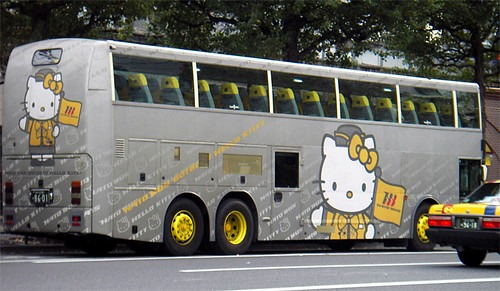
Sightseeing and tour buses offer guided routes around cities and famous districts, sometimes with live commentary or audio guides. Open-top and double-decker options are common in tourist-heavy areas, providing convenient access to landmarks without the need to navigate transfers.
Rural and community buses serve smaller towns and rural areas where regular train services may be limited. These community buses connect villages, farms, and local amenities, helping residents reach essential services and travel within sparsely populated regions. Schedules can be less frequent and may require careful planning.
Charter and tour buses are available for groups, schools, corporate events, or private excursions. These buses can be rented with dedicated drivers, flexible itineraries, and customized stops, making them a practical choice for large groups or special occasions.
Tips for night buses and general bus travel in Japan: book in advance for popular routes, check luggage allowances and storage options, and confirm pick-up and drop-off points. Consider seating type (reclining seat vs. sleeper) and onboard amenities when choosing a service. Using IC cards for city buses and knowing the rail connections helps create a smooth, cost-effective travel plan.
Major Operators and Networks
Japan’s bus network is built around major operators and integrated networks that connect cities, suburbs, and rural towns. The JR Bus Group operates extensive highway routes that complement the railway system, while private rail companies such as Odakyu, Keio, Hankyu, Nankai, Meitetsu, and Tobu run large local and intercity bus services that link rail hubs with surrounding communities. Long-distance highway buses from Willer Express and other carriers offer affordable cross-country travel, and regional operators like Nohi Bus, Alpico Kotsu, and Kanto-area fleets connect mountain towns and regional centers, creating a dense, convenient web for travelers across Japan.
Urban Transit Agencies (Cities like Tokyo, Osaka, Kyoto)
Bus travel in Japan offers a practical, often affordable alternative to trains for urban and suburban trips. Across major cities such as Tokyo, Osaka, and Kyoto, a mix of municipal bureaus, private rail groups, and national networks operate extensive bus routes that connect neighborhoods, business districts, and tourist sites. IC card interoperability makes city bus travel convenient across operators.
In Tokyo, the backbone of bus service is the Toei Bus, operated by the Tokyo Metropolitan Bureau of Transportation, which runs many routes in the 23 wards and nearby suburbs. Complementing Toei are private bus companies affiliated with rail groups, including JR Bus Kanto, Keio Bus, Odakyu Bus, Tokyu Bus, and others that link residential areas to stations and shopping districts. The network is designed to connect with Tokyo’s subway and rail lines, making it possible to transfer between a train and a bus at major hubs. Most buses in Tokyo accept IC cards such as Suica and Pasmo, easing fare payment across operators.
In Osaka, the core urban system is served by Osaka City Bus, operated by the Osaka Municipal Transportation Bureau, with dense coverage in the city center and along important arterials. This municipal network is supplemented by private operators such as Hankyu Bus, Keihan Bus, Kintetsu Bus, and Nankai Bus, which extend services into suburbs and across the wider Kansai region. Buses in Osaka synchronize with nearby subway and rail lines to provide first- and last-mile connections, and IC cards like ICOCA and PiTaPa work across many operators.
Kyoto’s bus scene centers on Kyoto City Bus and Kyoto Bus, two large operators that manage the narrow, historic streets of central Kyoto and the temple districts. Kyoto City Bus is strong for sightseeing routes within the city, while Kyoto Bus operates extended routes to surrounding towns and rural areas. Private players such as Keihan Bus and Kintetsu Bus also operate in the region, linking Kyoto with Osaka, Shiga, and Nara. Intercity travel may use highway buses or rail-linked services, but within the city the buses provide essential access to heritage sites and neighborhoods not served by rail.
Beyond city limits, intercity and highway buses are a popular option for long-distance travel in Japan. Operators like Willer Express and various JR Highway Bus services connect Tokyo, Osaka, Kyoto, and other cities at affordable rates, while private bus companies tied to railway groups offer regional services. These buses often provide comfortable seating, luggage space, and long-haul routes that complement shinkansen and domestic flights.
Most major urban bus networks in Japan accept contactless IC cards. In Tokyo and the Greater Tokyo Area, Suica and Pasmo are widely usable on Toei and private buses. In Osaka and the Kansai region, ICOCA and PiTaPa are common, with many operators supporting cross-compatibility through nationwide cards. Some smaller or rural routes may still require cash, so carrying a small amount is useful.
When riding, check the bus display for numbers and destinations; in many cities passengers board at the front and alight at the rear, and you may settle the fare at a card reader near the front, or when exiting at the back in some hills. Signs are often in Japanese, with some English. For sightseeing in Kyoto, consider using the city bus routes that loop around the historical sites, and allow extra time during mornings and evenings when traffic is heavy.
Understanding the major operators and networks in Tokyo, Osaka, and Kyoto helps plan efficient bus trips within Japan’s urban landscapes. A combination of municipal, private, and highway services, plus interoperable IC cards, makes bus travel a flexible option for residents and visitors alike.
Regional Highway Bus Companies
Japan’s long-distance bus system provides affordable travel between major cities and regional destinations, complementing rail and air travel. The network is built around a few large operators with nationwide coverage, plus many regional companies that specialize in local routes and tourism corridors. This overview highlights the major operators and networks, and the key regional highway-bus players across Japan’s main islands.
- Willer Express — A leading private operator with a nationwide highway-bus network, offering many routes, night services, and regional passes that connect Tokyo, Osaka, Kyoto, Nagoya, Sapporo, Fukuoka, and more. Known for easy online booking and multi-city itineraries.
- JR Bus Group — The expressway-bus arm of the Japan Railways Group, operating extensive networks across different regions through companies such as JR Bus Kanto, JR Bus Tohoku, and JR Bus Hokuriku. They link major cities with rail connections and provide comfortable services with reserved seating.
- Keio Highway Bus — Operated by Keio Bus, serving Tokyo-centered routes to Osaka, Kyoto, Nagoya, and other destinations, including night services and direct connections to residential areas in suburban Tokyo.
- Meitetsu Highway Bus — Run by Nagoya-based Meitetsu Group, connecting the Tokai region with Tokyo, Osaka, and other urban centers. Popular for trips to Takayama, Shirakawa-go, and the Hokuriku region.
- Nishitetsu Highway Bus — The Nishi-Nippon (Nishitetsu) network provides long-distance services from Kyushu to Tokyo, Osaka, and other major cities, complementing rail travel and offering convenient city-center pickup points.
- Nohi Bus — A central Japan operator known for routes linking Takayama, Matsumoto, Kanazawa, Nagoya, and Tokyo, often serving tourism hubs in the Japanese Alps and Hokuriku corridor.
- Hankyu Highway Bus — Kansai-based operator with routes connecting Osaka and Kobe to Tokyo and other major cities, as part of the Hankyu travel network.
- Chuo Kotsu — Regional operator operating in Nagano and Shinshu areas, with highway-bus routes to Tokyo and neighboring prefectures as part of the Chuo Express Bus network.
- Regional players and tourism corridors — In addition to the big names, numerous prefectural and private operators run seasonal or route-specific services (for example to ski resorts, hot spring towns, and heritage areas), forming dense regional networks that complement the nation-wide networks.
Tips: compare fares, check seat types (reserved seating is common; some routes offer non-reserved options), and book in advance especially during peak seasons. Using the major networks can save money for city-to-city hops and provide overnight options to maximize sightseeing time.
Planning a Bus Trip in Japan
Planning a bus trip in Japan opens up a reliable, budget-friendly way to explore beyond the shinkansen. From the ultra-punctual urban networks to scenic rural routes, buses connect cities and villages with comfort and efficiency, while offering opportunities to observe daily life and local scenery. A bit of preparation—familiarity with passes, timetables, and etiquette—helps travelers ride smoothly and maximize their journey.
Finding Schedules, Fares, and Routes
Planning a bus trip in Japan offers a practical way to explore both urban hubs and rural gems. Buses connect destinations that trains rarely reach and provide scenic routes through countryside, coastal towns, and national parks. A bit of planning goes a long way because schedules, fares, and language can vary between operators and regions.
Finding schedules begins with checking official bus company websites, which usually publish English and Japanese timetables. In cities, major operators show frequent services and fare tables, while regional or rural lines may publish only a few days in advance. For long-distance travel, highway bus providers like Willer Express and JR Bus Group list routes, times, and prices, and map apps can help you visualize connections.
Fares on Japan buses are typically calculated by distance for city buses and by segment for highway buses. You will often pay upfront or on boarding; many buses accept IC cards such as Suica, Pasmo, Icoca, and others, though some smaller routes require cash. If you plan to reserve a seat on a highway bus, expect online payment and a printed or mobile voucher.
Routes are shown on route boards at stops, on operator sites, and in mapping apps. Urban networks use a grid of lines and transfer points, while rural routes may run only a few times a day and sometimes seasonally. When combining buses with trains, allow extra time for transfers and confirm that the timetable aligns with your connecting trains.
Booking and planning steps: 1) decide your destinations and preferred travel days; 2) search schedules on official sites or with maps; 3) compare fares and travel times; 4) reserve seats when required, especially on popular routes or during holidays; 5) prepare your IC card or sufficient cash; 6) download offline maps and keep station names in English and Japanese.
Practical tips: learn a few essential phrases for bus travel, like asking for the fare or confirming the next stop; carry a printed hotel or address in the local language; arrive at the stop a few minutes early; be prepared for occasional delays in rural areas due to weather or traffic; and always check the last bus back to your hotel.
Planning example: if you want to reach a rural castle town from Tokyo, look up the nearest highway bus stop, compare a direct long-distance option versus train plus local bus, and choose the route with the best balance of price and time. For trips in Kyoto, city bus passes or IC cards can save money, while for Hokkaido or Kyushu you may rely more on highway buses or intercity trains.
With a little preparation, bus travel in Japan can be comfortable, affordable, and convenient. By checking schedules in advance, understanding fare options, and knowing how to read route information, you can design smooth journeys that extend your sightseeing beyond the major rail lines.
Useful Apps and Websites
Planning a bus trip in Japan can be a practical and affordable way to reach both city centers and scenic rural areas. Buses form an extensive highway network that complements trains, offering direct routes between many destinations and overnight options to save time and hotel costs.
Long-distance highway buses are a popular choice for travelers who want to cover ground without changing trains, especially for routes that are less convenient by rail. They often offer comfortable seating, power outlets, and sometimes Wi‑Fi. Overnight services can be a good way to maximize sightseeing time while reducing accommodation expenses.
Useful apps and websites for planning your trip include Google Maps, which can show bus routes, timetables, and real-time arrivals. NAVITIME Japan Travel is another strong option for transit planning in Japan, with English support and a focus on multi‑modal routes. For booking and comparing options, Japan Bus Online (japanbusonline.com) aggregates many operators and offers English pages. Willer Express is a well-known highway-bus operator with an English site and app for reserved seats on long-distance routes. JR Bus Group sites provide schedules for intercity buses operated by Japan Railways, while regional operators like Nohi Bus have English pages for popular circuits. Rome2rio can help you compare options and find connections across different transport modes.
When searching for routes, start with your origin and destination and select the bus option. Compare travel times, prices, and boarding points, and pay attention to whether a seat reservation is required. If you book through major operators, you’ll usually receive a QR or email confirmation that you can show on your phone at boarding.
Booking tips: reserve seats in advance, especially during peak travel seasons and holidays. English support is available on many major sites, but you can still use the Japanese pages with the help of a translation app if needed. Most operators accept credit cards online, but some routes or terminals may require payment in cash on the day. Save a digital copy of your booking and bring a printed receipt if possible; you may need to show the booking at the boarding point.
On the day of travel, arrive at the bus stop a little early to locate the correct platform and boarding zone. Have your booking ready, and keep your passport handy if required for identity checks. Buses typically have luggage storage under the vehicle; check each operator’s limits and label your bags clearly. Large or unusual items may require special handling, so review the baggage policy in advance to avoid delays.
Travel tips to make your bus trip smooth: consider an overnight service if you want to save time and hotel costs, and bring snacks since long journeys can be quiet between stops. Quiet, courteous behavior is appreciated on Japanese buses, and remember that seats are often arranged for optimal comfort on longer rides. If you’re exploring rural areas, having offline maps or a portable Wi‑Fi device can be very handy once you’re off the highway.
Understanding Route Numbers, Stops, and Transfers
Planning a bus trip in Japan can be straightforward when you understand route numbers, stops, and transfers. This guide covers where to find information, how to read signs, and tips for a smooth journey on both city buses and highway buses.
Understanding Route Numbers
- Route numbers identify a specific service and are displayed on the bus front, the sides, and on stop signage. When planning, compare the number with your map or timetable to confirm you are boarding the correct line.
- In many cities, the route number is paired with a destination name. Use destination displays in Japanese and English if available to verify you are headed to the right area.
- Highway and express buses often use different numbering or codes from city buses. If you are taking a long-distance ride, check both the route number and the operator to ensure you have the right bus and seat reservation if required.
- Always check the latest information on reliable apps or official operator sites, as route numbers and stops can change due to construction or schedule adjustments.
Stops and Transfers
- Bus stops show the route numbers and destinations served, along with timetables and sometimes English signage at major hubs. Pick out your stop name in advance and listen for the announcement or look for the stop list on the bus.
- When transferring between lines, identify the transfer hub and the timing window for connections. Some systems allow you to use a single IC card fare across lines, while others require separate payments for each leg.
- If you are unsure about the correct stop, ask the driver, a station attendant, or fellow passengers. In larger cities, staff and many locals can provide English help at major terminals and bus terminals.
- Rural or less frequent routes may have irregular schedules. Plan ahead, have a backup plan, and check for any service changes on the day of travel.
Practical Planning Tips
- Use maps and transit apps such as Google Maps or Navitime Japan to plan your route by bus, including the route number, stops, and transfer points.
- Check timetable and service frequency for the day of travel. Holidays and weekends often run on a different schedule.
- For long-distance highway buses, consider making a seat reservation in advance online or at a ticket counter, especially during peak travel seasons.
- Be prepared to pay with cash or an IC card. IC cards like Suica, Pasmo, Icoca, and others are accepted on most urban buses, but rural routes may require exact cash fare.
- Carry a small amount of local cash and have your destination written in Japanese if possible to show to drivers or locals when needed.
- Fare types and pricing vary by operator: highway (long-distance) buses, local city buses, and overnight services each have different price structures.
- Distance and route length strongly influence fares; longer trips cost more, but highway buses are often cheaper per kilometer than trains.
- Overnight buses can save on hotel costs but check comfort and sleep quality if you value a good rest.
- Booking early or choosing midweek travel can secure lower fares; last-minute tickets are sometimes more expensive or sold out.
- Luggage rules vary by operator; plan for any extra charges if you have large suitcases or extra bags.
- Seat types and amenities (reserved seats, extra legroom) can affect price.
- Payment and booking methods: many operators offer online booking and IC card payments, but some may require cash or credit on board.
- Factor transfer costs and city transit connections when planning multi-leg trips, as these can add up.
- Regional bus passes: some regions offer unlimited or discounted bus travel within a defined area and time period; check with local tourism boards or operator websites.
- City or prefecture deals: urban areas may provide day passes for bus networks or discounted sightseeing bundles that include bus travel.
- Long-distance route passes: a few operators offer multi-ride or multi-journey passes covering several routes, which can be cheaper than buying single tickets.
- Student, senior, and group discounts: identification or eligibility requirements apply; discounts vary by operator and region.
- Travel bundles: packages that combine bus travel with attractions, museums, or rail connections can offer significant savings.
- Seasonal promotions and off-peak pricing: look for promotions during festivals or low-demand periods.
- Coupons and booking platforms: some platforms offer discount codes or member-only prices for advance purchases.
- Combine with regional rail passes or tourist passes: in some areas, you can pair bus travel with other transit discounts for broader savings.
- Noto Peninsula Coastal Route, Ishikawa Prefecture: ride along the Sea of Japan coast from Kanazawa toward Wajima and Suzu, passing rugged cliffs, lacquer workshops, and small fishing villages with morning markets and salt air.
- Fuji Five Lakes Route, near Mount Fuji: long-distance buses from Tokyo to Kawaguchiko and nearby towns, offering iconic views of Mount Fuji on clear days and ample time to stroll lakeside villages and soak in onsen.
- Iya Valley and Oboke Gorge Route, Shikoku: a remote mountain corridor with vine bridges, emerald rivers, and cedar forests, where villages feel untouched by time and the view from the bus is part of the experience.
- Kumano Kodo and Nachi Gorge Route, Kii Peninsula: buses connect Shingu, Nachi Falls, and Kumano Taisha through forested routes and hot-spring towns, revealing sacred trails and dramatic coastline.
- Sanriku Coast Route, Tohoku: coastal buses along the rugged northern coast—from Aomori to Iwate and Miyagi—showcasing cliffside views, tidal inlets, and resilient fishing communities.
- Furano and Biei Rural Route, Hokkaido: from Sapporo or Asahikawa, buses traverse pastel fields, rolling hills, and farmland that bloom with lavender in summer and glow with color in autumn.
- Aso to Takachiho Gorge Route, Kyushu: highland journeys around the Aso caldera through rural farms and volcanic landscapes, ending at the dramatic Takachiho Gorge with stops at nearby onsen towns.
Riding Experience and Practical Tips
Riding buses in Japan is a comfortable and efficient way to explore cities, mountains, and coastlines, with clean vehicles, quiet interiors, and punctual schedules that help you plan your day. Signs and announcements are often in both Japanese and English, and many services accept IC cards like Suica, Pasmo, or Icoca for easy fare payment. Practical tips: check the route and timetable in advance, have exact change where needed, ride from the front and exit at the rear doors, respect priority seating, store luggage in designated areas, and be prepared for language gaps on rural routes. Highway buses can be a good value for long trips—book ahead, arrive early, and enjoy the smooth ride and scenery.
Boarding Etiquette and Language Tips
Riding buses in Japan blends punctuality with quiet, comfortable travel, whether you’re navigating a city route or boarding a long-distance highway bus.
Riding Experience: In cities, buses run like clockwork, with clean interiors, clear route displays, and often bilingual announcements on major lines. Long-distance and overnight highway buses offer roomy seats, adjustable recline, and onboard toilets, designed to make cross-country trips smoother. Regardless of the type, expect a calm atmosphere and courteous staff.
Practical Tips: Plan ahead by checking timetables online or at stop boards. In many areas you can use an IC card such as Suica, Pasmo, ICOCA, or PiTaPa to board quickly (tap on entry). If you’re paying cash, have exact change ready for the fare box. For highway buses, buy tickets in advance or at the stop; keep your ticket handy as you board, and listen for stop announcements. For luggage, place larger bags in the undercarriage hold and keep essentials with you in the seat area.
Boarding Etiquette: Japanese bus stops operate with lines that help manage crowds—queue up, let passengers alight before you board, and step aside to give space to others. Board from the front door, greet the driver with a polite “Sumimasen” if you need help, and show or scan your ticket or IC card as required. If you need to stand, keep the aisle clear and avoid blocking other passengers’ seats.
Seating and Quiet on Transit: Keep voices low, put phones on silent, and resist eating or drinking if the bus is crowded or short-haul; on some longer routes occasional snacks are allowed. Respect priority seats for the elderly, pregnant, or disabled, and be mindful of others who may need more space.
Language Tips: Useful phrases can smooth every ride. Sumimasen (Excuse me) to get attention; Eigo ga hanasemasu ka? (Do you speak English?); Onegaishimasu (Please) when buying a ticket or asking for help; Kono basu wa destination made ikimasu ka? (Does this bus go to destination?). Arigatou gozaimasu (Thank you). If you’re unsure where to alight, you can ask: Bus stop name, Sumimasen, koko de orimasu ka? (Excuse me, is this my stop?).
Quick safety and convenience tips: Keep valuables secure, and if you miss your stop, stay calm and explain politely to the driver or staff. For night buses, bring a neck pillow and a blanket if allowed, and wear comfortable clothing. By following these tips, you’ll enjoy reliable, comfortable, and respectful bus travel across Japan.
Reservations and Seat Availability
Riding long-distance buses in Japan combines affordability with a surprisingly comfortable experience, especially on newer highway coaches. Most services offer wide, reclining seats with generous legroom, footrests, and quiet interiors designed for relaxed travel. Many buses include features such as personal reading lights, USB charging ports, climate control, and clean onboard restrooms on longer routes. For overnight trips, sleep-friendly seating and a calm cabin help travelers rest during the journey.
Practical tips: When choosing a seat, window seats are popular for sleeping because you can lean against the glass and fewer interruptions. Aisle seats are handy if you expect to use the restroom or want to stretch your legs. If you’re traveling with companions, try to reserve adjacent seats in the same row. Pack a neck pillow, an eye mask, and a light blanket if one isn’t provided. Bring water and light snacks, and check whether your chosen service offers onboard sales or vending.
Reservations and seat availability: In Japan, most highway buses require advance reservations, especially on popular routes and around holidays. Major operators such as Willer Express and the JR Highway Bus network provide English-language booking options and seat maps. Popular routes like Tokyo-Osaka or Tokyo-Kyoto tend to sell out quickly, particularly in Golden Week, Obon, and New Year. Some services still offer non-reserved seating on certain routes, but the majority are reserved with assigned seats.
How to book: To book, start at the operator’s site or a reliable booking platform. Select your route and date, choose the bus type (day or night), pick a seat, enter passenger details, and complete payment. After purchase you’ll receive an electronic ticket or QR code. You can usually use a mobile ticket for boarding, but some operators still require printing.
Boarding and seating: On the day of departure, arrive about 15-30 minutes before the scheduled time. At the stop, check the display boards for the correct bus and platform, then present your ticket or QR code to the staff. Luggage goes into the undercarriage compartment; you’ll typically be allowed one large suitcase and one smaller bag, plus a small item you carry on. Keep aisles clear and store your bags in the designated areas. Respect quiet etiquette in the cabin and speak softly if you need to communicate with fellow passengers.
Luggage specifics: Luggage policies vary by operator, but a typical allowance is one large suitcase stored under the bus and a smaller bag that you carry aboard. Put valuables and essential items in your carry-on to access easily during the trip. If you have oversized or unusually heavy luggage, contact the bus company in advance to arrange alternatives or check-in options. Always label your bags with your name and contact information.
Night buses and comfort: Night-time services can be especially convenient, letting you save a day of travel time. Bring earplugs and an eye mask for better sleep, and dress in comfortable layers since cabin temperatures can vary. Some night buses offer more compact, semi-reclining seats with enough space to sleep, while others have standard reclining seats; choose according to your comfort needs. If you’re sensitive to motion or light, consider selecting a seat toward the middle of the bus to minimize vibrations.
Language, navigation, and planning: English-language pages exist for many operators, and station signage in major hubs is often bilingual. Use map apps to locate the departure point and check last-mile connections to your hotel or station. If you need assistance, staff are generally helpful, and ticket desks at major stops can provide guidance in English. For ultimate flexibility, plan buffer time for transfers in case of delays, especially when connecting to trains or flights.
Bottom line: Bus travel in Japan offers a cost-effective, comfortable alternative to trains for many routes. With advance reservations, careful seat selection, and simple packing for luggage, you can enjoy a smooth, efficient ride between cities while keeping travel costs down.
Luggage, Accessibility, and Comfort
Riding a bus in Japan is a practical and comfortable way to travel between cities, complementing trains and flights with direct routes and often lower prices. Highway buses connect major hubs like Tokyo, Osaka, Kyoto, Nagoya, Hiroshima, and Sapporo, as well as regional towns, offering a range of daytime and overnight services. Punctual timetables, clear signage, and English-friendly ticketing make bus travel accessible for both locals and visitors.
Riding Experience and Practical Tips: Buy tickets online in English when possible, or at the station from a ticket counter or vending machine. Reserved seating guarantees you a seat together with your travel companions, while non-reserved seats are usually cheaper but booking in advance is still recommended. Plan to arrive at the bus stop 15–30 minutes before departure; have your ticket QR code or printout ready, and keep a copy of your passport if required. Onboard, keep the aisle clear, use headphones for entertainment, and be mindful of temperature—air conditioning can be strong, so bring a light jacket. If you’re traveling overnight, consider a seat with more recline or a blanket if offered by the company; not all buses provide blankets, so pack layers.
Luggage: Luggage space is limited on highway buses. Most operators allow one large suitcase stored in the undercarriage plus a smaller personal bag that can sit by your feet or on your seat if allowed. Check the operator’s policy in advance, and label your bags clearly. Keep valuables with you in a carry-on bag. Pack lighter where possible and avoid overpacking to speed up boarding and disembarkation.
Accessibility: Accessibility varies by operator and coach model. Some highway buses provide wheelchair access and dedicated spaces, ramps, and priority seating, but not all routes offer full accessibility. If you require a wheelchair or other accommodations, contact the operator ahead of time to confirm what is possible on your specific trip, and consider routes served by larger terminals with staff assistance. In major cities, you’ll find more accessible options at airports and central stations, while more rural routes may have more limited facilities.
Comfort: Most long-distance buses use 2+2 seating with generous legroom relative to city buses, and seats often recline for overnight trips. Quiet cabins and on-board lighting adjust for day or night travel, and some services provide onboard restrooms. Noise levels are generally kept low, and many operators offer power outlets or USB charging at seats on newer buses. For a smoother ride, choose a premium or reserved seating option if available, and bring a neck pillow or blanket for overnight journeys.
Budgeting and Cost Considerations
Budgeting for bus travel in Japan means weighing upfront ticket prices against travel time and comfort. Long-distance highway buses are often much cheaper than shinkansen, but you may spend more time on the road, so plan for overnight options to save on lodging. Look for advance-purchase fares, regional passes, and discount cards (IC cards like Suica or Pasmo can help with easy fare payments on many routes), and compare operator options such as Willer Express and JR Bus. Factor luggage rules, seat selection fees, and potential extra charges for express services or city center drop-offs. Consider seasonal price swings around Golden Week, Obon, and New Year, and build flexibility into your itinerary to maximize value.
Comparing Bus, Rail, and Air Travel Costs
Budgeting for travel in Japan often comes down to choosing among buses, trains, and air travel. When the topic is bus travel, you can cover large distances for far less money than a bullet train or a domestic flight, but you trade time, comfort, and reliability for the savings.
Long-distance highway buses in Japan typically cost roughly 3,000 to 12,000 yen for daytime routes between major cities, with sleeper or night buses usually at the higher end. Popular operators like Willer Express and JR Bus groups frequently offer discounted routes, especially when you book in advance or travel off-peak. Night buses can push the total cost lower by saving a hotel night, but they require longer travel times and can be less comfortable for some passengers.
Prices vary by region and season. Off-peak travel, midweek departures, and advance bookings tend to secure the lowest fares, while holidays such as Golden Week, Obon, and New Year see price spikes. Some routes have fixed timetables, while others use dynamic pricing similar to airfares, so checking multiple dates and times can yield substantial savings. Luggage allowances on buses are often more generous than some low-cost airlines but more limited than trains, so plan accordingly.
Rail travel, especially Shinkansen, is faster and highly convenient but usually costs more. A typical Tokyo to Osaka Shinkansen fare ranges from about 14,000 to 28,000 yen one-way, depending on train type, seat class, and whether you buy a reserved seat. If you are traveling with Japan Rail Pass holders or can use regional passes, rail costs can be mitigated for longer trips. For short, busy corridors, rail can still be cheaper per hour when factoring time value and comfort.
Domestic air travel can be surprisingly economical on certain routes if you catch sales with low-cost carriers such as Peach or Jetstar Japan. One-way fares often start around 5,000 to 10,000 yen, but peak-season tickets and add-ons for luggage can push the total higher. Airports like Narita, Haneda, Kansai, and other regional hubs are well connected to city centers, but add travel time to reach the airport. For trips with many transfers or bag heavy travelers, buses or trains can still win on total door-to-door time and cost.
Practical budgeting tips include using fare comparison sites and alert services, booking several weeks to months ahead on long routes, and considering night buses to eliminate hotel costs. Weigh total door-to-door time, and include airport or bus terminal transfers when comparing air or rail options. If you are traveling with others, group discounts and shared hostel stays can further reduce per-person costs. Consider a transit pass only if you will use many trips within a city or region.
Case examples help illustrate the trade-offs. Tokyo to Kyoto by highway bus can cost as little as 3,000 to 5,000 yen and take around 6 to 8 hours, while the Shinkansen usually runs 2 hours at 14,000 to 25,000 yen depending on the seat and train. A domestic flight on the same route is typically more expensive than the bus unless you snag a sale, but total travel time may be shorter if you factor airport transfers. For longer journeys like Tokyo to Sapporo, the bus can cost 8,000 to 20,000 yen with overnight options, the Shinkansen around 20,000 to 40,000 yen, and a low-cost flight may start near 10,000 yen but with baggage and transfer considerations.
Bottom line: if you value savings over speed, long-distance buses offer the best yen-per-kilometer for many routes in Japan, especially when booked early and used for overnight travel. If time is critical or you need high comfort, rail or air might be worth the extra cost, with careful comparison of total door-to-door time and fees. Tailor your budget to your route, season, and tolerance for travel time, and you can maximize value on a Japan trip.
Discounts, Passes, and Regional Deals
Budgeting for bus travel in Japan requires balancing fare types, route lengths, comfort levels, and travel style, while watching for savings from passes and regional deals. Whether you’re cruising between cities on highway buses or navigating local routes, a little planning goes a long way toward keeping costs manageable.
Discounts, passes, and regional deals can dramatically reduce travel costs. Here are common options to explore.
Routes and Destinations Worth Exploring
Japan’s bus network opens a different doorway to the country, threading together bustling cities, remote towns, and dramatic coastlines. Whether you ride an overnight highway service between Tokyo and Osaka, hop local routes through the Japan Alps, or trace coastal paths along Shikoku and the Izu peninsula, buses offer affordability, flexibility, and a slower, more intimate view of everyday life.
Scenic and Rural Journeys
Japan’s bus network opens doors to scenic and rural corners that trains rarely visit, letting you slow down and experience coastlines, forests, and mountain passes up close. From the Sea of Japan’s rugged peninsulas to the caldera landscapes around Mount Fuji, these routes reward patient travelers with authentic landscapes and local culture.
Urban to Suburban Day Trips
Japan’s bus network offers a flexible, affordable way to turn a city into a launching pad for a day of exploration, from bustling urban centers to tranquil suburban escapes.
In Tokyo, highway buses depart from major hubs such as Shinjuku’s Expressway Bus Terminal and Tokyo Station and head toward Hakone, Gotemba, and the Fuji Five Lakes. The trips can fit a full day: depart in the morning, enjoy ropeways, lake views, and hillside towns, then return by evening with comfortable seating and scenic inland routes.
Another classic Tokyo-area day trip by bus is Nikko. Regular highway buses from Shinjuku or Tokyo Station whisk you into the hills for shrines, waterfalls, and forest trails, with plenty of time to survey the UNESCO-listed Toshogu Shrine and the surrounding natural beauty before heading back.
Heading north, Sapporo’s highway buses make Otaru a timeless coastal half-day or full-day option. The route offers canal-side charm, glassware shops, and fresh seafood, all within an easy ride that leaves space for a relaxed stroll along the otaru canal and back to the city for dinner.
In western Japan, Osaka serves as a practical base for nearby nature-and-history day trips. A short bus ride can take you to Minoo Park for a forested hike to a waterfall, followed by a soak in Arima Onsen for a restorative afternoon, all within a single day without rushing between trains and transfers.
Kyoto-area buses connect central city hubs to Arashiyama and Sagano, where bamboo groves, river trails, and temple towns unfold at a slower pace. A Kyoto day trip by bus lets you sample temple visits, scenic riverside walks, and tea-house breaks without the frequent transfer changes of rail routes.
If you’re hopping around Kyushu, Fukuoka’s Nishitetsu buses offer direct runs to Dazaifu’s ancient temples and hillside tea houses. A well-timed morning departure can yield a rich cultural circuit and a relaxed ride back to the city for evening plans.
Tips for successful bus travel in Japan: buy tickets ahead of time for long-distance routes, choose a reliable operator, and verify pick-up locations at major terminals. Travel light, carry a power bank, and check timetables for day trips that hinge on a punctual return. Many highway buses provide panoramic views and generous luggage space, offering a comfortable alternative to trains for scenic, low-stress day trips.
Case Studies: Tokyo to Mount Fuji, Kyoto to Nara
Bus travel in Japan opens a practical and scenic way to reach both iconic sights and tucked-away landscapes. From the ultramodern bustle of Tokyo to the tranquil temples of Kyoto and the dramatic skies around Mount Fuji, highway buses offer a comfortable, cost-conscious alternative to speedy trains.
Routes and Destinations Worth Exploring with buses in Japan span major cities and rural corners. Highway buses link Tokyo, Osaka, and Kyoto with towns along the way, and regional lines reach lake districts, national parks, and historic sites. The network offers daytime rides with scenic glimpses and overnight options to maximize your travel time, often at a fraction of the cost of the shinkansen. Modern buses vary, but many offer comfortable seats, luggage storage, and occasional onboard service.
Case study: Tokyo to Mount Fuji. One of the most popular bus journeys connects Tokyo’s Shinjuku or Tokyo Station with Kawaguchiko or Fujiyoshida, serving the Fuji Five Lakes area. Direct highway buses operate from Shinjuku Expressway Bus Terminal and occasionally from Tokyo Station, taking about 2 to 2.5 hours depending on traffic. Fares typically range around 1,000 to 2,500 yen one-way. The Kawaguchiko hub provides easy access to Lake Kawaguchi, Fuji-Q Highland, and hiking trails toward the Fifth Station. Booking in advance is wise during peak seasons; you can reserve online or at the terminal, and you’ll usually have assigned seats and luggage allowances.
Case study: Kyoto to Nara. Buses run between Kyoto and Nara as an economical option alongside trains. Highway and express services connect Kyoto Station and central Nara areas with a travel time around 1 to 1.5 hours and fares in the range of roughly 800 to 1,800 yen depending on the service. In practice, many travelers choose the train for speed (about 45–60 minutes by JR or Kintetsu), but a bus can be appealing when you’re staying in a specific neighborhood or traveling with heavy luggage. Check schedules in advance and be prepared for possible longer travel times on local routes.
Tips for bus travel in Japan include checking live schedules and seat availability online, arriving early at the terminal, and having a backup plan in case of traffic. Consider passes like a Willer Express pass or regional bus passes if you plan several long rides; bundled tickets can offer substantial savings. Luggage allowances are usually generous, but oversized items can require a separate fee. Many buses accept IC cards and credit cards, but some cheaper services still prefer cash, so bring a small amount just in case. Finally, keep an eye on weather and seasonal routes, since Mount Fuji and some rural routes can operate with differing schedules.
Exploring Japan by bus reveals routes and destinations that trains may overlook, delivering scenic travel at a gentle pace and a favorable price point for budget-conscious travelers.
Safety, Sustainability, and Etiquette
Bus travel in Japan blends safety, sustainability, and etiquette to create a smooth and considerate experience. For safety, queue politely, let passengers alight before you board, hold the handrail, and keep the aisle clear while listening for stop announcements. For sustainability, buses are a low‑emission travel option that helps reduce traffic and pollution, so plan trips with timetables in mind and use a rechargeable IC card like Suica or PASMO to ride efficiently. For etiquette, speak softly, avoid loud phone calls, offer your seat to seniors, disabled passengers, or travelers with small children, and thank the driver when you alight; eating on most buses is discouraged and personal space should be respected.
Reliability, Accessibility, and Comfort
Traveling by bus in Japan offers a practical and comfortable way to explore the country, with a strong emphasis on safety, sustainability, etiquette, reliability, accessibility, and comfort guiding every journey.
Safety remains a top priority in Japan’s bus system. Professional drivers adhere to strict rest rules and traffic regulations, buses undergo rigorous maintenance, and riders are asked to follow clear safety briefings and posted guidelines. Many long-distance coaches feature seat belts, well-lit exits, and on-board emergency procedures, while ticketing and routing information are accurate and up-to-date through official apps and terminals.
Sustainability is a visible benefit of choosing the bus. Buses carry many passengers per trip, helping reduce road congestion and emissions compared with individual car travel. Operators increasingly deploy efficient diesel engines, hybrid powertrains, and practices like maintaining optimal tire pressure and light-weight interiors to lower energy use. For travelers, choosing a bus over a private car or domestic flight can be a greener option, especially on popular routes.
Etiquette on Japanese buses emphasizes consideration for others. Queue at designated stops, board in order, and offer priority seating to elderly, pregnant travelers, and people with mobility challenges. Keep voices soft, silence ringtones, and speakers or phones on mute; avoid strong odors from food or fragrant items; store luggage in designated compartments and keep aisles clear. Returning kindness and patience helps everyone have a smoother ride, especially during peak times or in busy urban routes.
Reliability is a hallmark of bus travel in Japan. Timetables are carefully observed, with express services designed to minimize delays. Real-time updates through operator apps, digital boards, and customer service help passengers track departures and arrivals. It’s wise to book in advance for popular routes, arrive early at bus stops, and have a backup plan in case of weather-related disruption.
Accessibility is increasingly supported by a mix of low-floor buses, step-free entrances, and clearly marked onboard spaces. Some services offer ramp access, wheelchair seating, and assistance from staff at major terminals. Stops and ticket desks typically provide information in both Japanese and English where needed, and many operators accept IC cards, online bookings, or credit cards to aid travelers with different needs. Availability can vary by region, so checking with the operator before travel is wise.
Comfort on Japanese buses is designed for long journeys as well as short hops. Modern highway coaches feature roomy, reclining seats, ample legroom, and dependable climate control. Clean interiors, convenient luggage compartments, and, on select routes, onboard Wi-Fi and power outlets add to convenience. Overnight or sleeper options offer quiet, comfortable rest with well-organized facilities, and bus operators often emphasize a calm, respectful atmosphere to help passengers arrive relaxed.
Green Buses, Quiet Cars, and Respectful Transit Behavior
Bus travel in Japan blends reliability with thoughtful etiquette and a commitment to sustainability. Whether you ride a city bus, a regional service, or a highway coach, you will notice punctual schedules, clean vehicles, and a culture that favors quiet efficiency in daily commuting and sightseeing.
Safety on Japanese buses starts with planning your ride and boarding in an orderly fashion. Allow passengers to alight before you board, and hold onto handrails as you enter or exit. Pay attention to the doors, and press the stop request button when you need to signal a stop. Be mindful of priority seating for the elderly, pregnant travelers, wheelchair users, and people with strollers, and keep aisles clear so everyone can move safely.
Sustainability and etiquette go hand in hand on Japanese buses. Many buses run on low-emission engines, hybrids, or electric propulsion, helping to reduce air pollution and noise. To speed boarding and fare collection, use an IC card such as Suica, Pasmo, or ICOCA where available, and keep cash handy for occasional routes that do not support contactless payments. Carrying a reusable bottle and minimizing disposable waste are common practices, and passengers typically keep the interior clean by not leaving litter behind.
Green Buses are a visible part of Japan’s public transport landscape. These buses highlight energy-efficient models, quieter engines, and smoother rides. In many cities you can spot eco-friendly buses on major corridors, contributing to cleaner air, less vibration, and a more comfortable experience for residents and visitors alike.
Quiet Cars or quiet zones on buses reflect another facet of Japanese transit etiquette. On routes that designate quiet sections, passengers are encouraged to keep conversations low, mute loud phone calls, and use headphones for audio. Even when a full quiet car is not available, many riders naturally maintain a calm, respectful atmosphere, especially during early morning and late evening service.
Respectful transit behavior is expected across Japan’s bus networks. Queue at stops in an orderly line, let others exit first, and offer your seat to those who need it more. Speak politely, refrain from eating strong-smelling foods, and avoid smoking in or near bus shelters and vehicles. Keep your belongings close to you and avoid blocking entrances or seating aisles, and if you need help, ask a driver or staff member courteously.
Practical tips for riding buses in Japan include checking route numbers and arrival times on displays or apps, listening for bilingual announcements where available, and having a convenient method of payment ready. If you are unsure about a stop or connection, don’t hesitate to ask a local passenger or staff member. By following safety guidelines, embracing eco-friendly practices, and showing consideration for fellow riders, you can travel comfortably and respectfully on Japan’s buses.
Future Trends in Japanese Bus Travel
Japan’s bus travel is entering a transformative era driven by clean propulsion, digital services, and integrated transport planning. Electrified and hydrogen buses, along with bus rapid transit and on-demand microtransit, are expanding routes in cities and rural areas alike. Real-time passenger information, seamless fare systems, and multimodal apps will boost reliability and convenience as rail networks complement short- and long-distance journeys.
Digital Ticketing, Contactless Payments, and Real-Time Tracking
Japan’s bus travel network is evolving rapidly as cities and rural areas adopt digital tools to improve reliability and convenience. Across metropolitan routes and regional corridors, operators are embracing digital ticketing, contactless payments, and real time tracking to deliver a seamless passenger experience while supporting efficiency, safety, and sustainability.
Digital ticketing is turning every journey into a single tap. Many operators now offer QR code tickets in mobile apps, with the option to store e-tickets offline for travel abroad or in areas with weak connectivity. Integrated systems link with IC cards like Suica, Pasmo, ICOCA, and compatible wallets so a single card or cardless phone can pay fares across train lines and buses.
Contactless payments are expanding beyond cash and magnetic cards. NFC-enabled smartphones and smart cards work at most bus readers, enabling Apple Pay, Google Wallet, and other mobile wallets. Tourists and residents benefit from faster boarding, reduced contact, and universal fare acceptance during transfers between bus services and rail networks.
Real-time tracking is reshaping how riders plan and ride. GPS and vehicle sensors feed live bus locations, current speed, and predicted arrival times into passenger apps, digital signage at stops, and public dashboards. Advanced routing and alerts help travelers avoid delays, while some fleets publish data to third parties for multimodal trip planning.
Cities like Tokyo and Osaka are deploying comprehensive digital ecosystems, while rural and mountainous regions pilot demand-responsive and on-demand services that can be triggered by real-time passenger demand. Multimodal apps increasingly show connections between buses and trains, tourist routes, translated information, and accessibility features for visually or mobility-impaired travelers.
These trends support inclusion, efficiency, and resilience. Digital and contactless payments make public transport easier for visitors and residents alike, reducing the need for cash. Real-time data improves punctuality and helps operators adjust service levels during disruptions such as weather events or infrastructure maintenance.
Looking ahead, the bus network in Japan is likely to incorporate AI-enabled demand responsive routing, energy-efficient electric buses, and pilot autonomous shuttles in business districts or campuses. Interoperability standards, open data portals, and continued collaboration among operators, city authorities, and payment providers will drive a more connected, sustainable, and user friendly bus experience for all travelers.
Smart Mobility, Regional Collaboration, and Tourism Growth
Bus travel in Japan sits at the intersection of punctual public service and evolving smart mobility, with long-distance highway coaches, urban route networks, and rural shuttles forming a backbone for both residents and visitors. The coming decade will reshape how travelers plan, pay for, and experience bus journeys through digital tools, cleaner fleets, and closer regional collaboration.
Smart mobility will redefine the passenger experience through seamless ticketing, real-time updates, and integrated multimodal itineraries. Mobile apps will combine buses with trains, ferries, and bike sharing into Maas-style journeys, while multilingual information, dynamic pricing, and contactless payments shorten wait times and reduce friction for both domestic and international travelers.
Fleet modernization is likely to accelerate, with electric, hybrid, and hydrogen buses expanding in metropolitan areas and tourist corridors. Charging and refueling networks near depots and along major routes will be planned to minimize downtime, supported by government subsidies, private investment, and partnerships with energy providers. The result will be lower emissions and quieter streets, especially in historic or scenic districts.
Regional collaboration will play a central role in knitting together urban centers with remote towns. Local governments, transport operators, and tourism bodies are increasingly sharing data, standardizing fare structures, and coordinating timetables to create coherent cross-prefectural routes. Joint procurement and maintenance programs will lower costs while expanding service frequency in sparsely populated areas.
Tourism growth will be supported by targeted bus itineraries that showcase regional strengths—from alpine routes and coastal drives to heritage towns and agricultural experiences. Domestic travelers, along with easing visa policies for international visitors, will discover convenient bus access to rural attractions and national parks. Guided audio, comfortable seating, and accessible designs will broaden appeal to families, seniors, and travelers with mobility needs.
Challenges remain, including workforce shortages, weather-related disruptions, and the need for robust safety models as usage patterns shift toward on-demand services and microtransit in smaller communities. Addressing these issues will require coordinated investment in training, cyber-physical security, and resilient infrastructure, as well as ongoing public communication about safety and reliability.
Overall, the future of bus travel in Japan looks set to be more connected, sustainable, and traveler-friendly. By embracing smart mobility, fostering regional collaboration, and aligning tourism strategies with transit planning, Japan can expand access to diverse regions while maintaining the reliability and quality that riders expect from Japanese public transport.