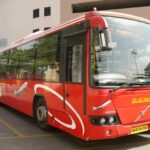

Overview of the Greyhound Bus Experience in South Africa
The Greyhound bus experience in South Africa blends reliability, comfort, and broad reach across major cities, offering modern coaches, spacious seating, and useful onboard amenities that make long journeys more manageable. Passengers benefit from clear schedules, online booking, and a straightforward service model backed by trained staff focused on safety and punctuality. With routes covering Cape Town, Johannesburg, Durban, and other destinations, Greyhound provides an affordable option for exploring South Africa’s diverse landscapes, from coastal highways to inland plains, while giving travelers options for daytime or overnight trips and flexible fare choices.
Historical Context and Market Position
The Greyhound bus experience in South Africa offers long-distance intercity travel with a focus on comfort and reliability, connecting major urban centers such as Johannesburg, Cape Town, Durban, and Port Elizabeth. Passengers typically choose Greyhound for predictable schedules, standardized service across routes, and the convenience of central terminals.
Historical context: The Greyhound brand arrived in South Africa as part of the regional expansion of Greyhound Lines in the late 20th century. The South African intercity bus market has since evolved through deregulation and post‑apartheid market reforms, which opened routes to multiple operators and heightened competition. Over the years, ownership changes, safety and maintenance standards, and transport policy shaped how Greyhound operated in the region.
Market position: Historically Greyhound SA positioned itself as a premium cross‑country coach option, emphasizing comfortable seating, air conditioning, and predictable timetables. In the modern market, competition from operators such as Intercape and other regional coaches has influenced route coverage, pricing, and brand visibility, leading to a more dynamic and fragmented long‑distance bus landscape.
Network and service characteristics: Core routes typically linked Johannesburg, Cape Town, and Durban with key regional hubs, supported by regular daily departures and centralized ticketing. Services commonly offered include reserved seating, luggage allowances, and structured rest stops along the highway, with onboard amenities varying by service level and vehicle type.
Customer experience: Booking is usually available online and at terminal offices, with clear seating assignments and itineraries. Passengers plan around travel times, with predictable check‑in windows and luggage handling procedures. Onboard comfort—air conditioning, reclining seats, and restrooms—tends to be a differentiator, while the frequency of services can affect flexibility and price.
Market position today: The South African intercity bus market remains competitive, with operators like Intercape and other regional providers offering similar long‑distance options. Greyhound’s current network size and schedule frequency can vary by year, but the brand continues to be associated with a recognizable international name and a framework for consistent cross‑country travel.
Outlook and trends: The market is moving toward enhanced digital booking, real-time updates, and improved passenger amenities, including connectivity and more sustainable fleet options. As tourism rebounds and domestic travel evolves, Greyhound South Africa may invest in network optimization, partnerships, or refreshed services to maintain relevance alongside competing operators.
In sum, the Greyhound bus experience in South Africa blends the reliability of long‑distance coaching with the country’s diverse routes and changing market dynamics, offering travelers a practical alternative to air travel for intercity journeys while adapting to regulatory, economic, and consumer shifts.
Network Coverage and Typical Routes
Greyhound South Africa offers long-distance intercity bus travel across major urban centers and regional towns, delivering a travel experience focused on comfort, reliability and value. Passengers typically enjoy modern coaches, supportive on-board service, and a straightforward booking process that suits both leisure travellers and business travellers alike.
- Overview of the Greyhound Bus Experience in South Africa
- Modern fleet and comfort: air-conditioned coaches with padded seating and sufficient legroom on many routes.
- Booking and boarding: simple online or on-site booking, mobile e-tickets and clear coach boarding procedures.
- On-board service: occasional snacks or drinks on longer trips; power outlets and Wi-Fi may vary by coach and route.
- Safety and reliability: professional drivers, strict adherence to timetables, and routine vehicle maintenance.
- Network Coverage
- Geographic reach spans major provinces such as Gauteng, Western Cape, Eastern Cape, and KwaZulu-Natal, plus other regional hubs.
- Key hubs include Johannesburg and Pretoria in Gauteng, Cape Town in the Western Cape, and Durban in KwaZulu-Natal, with connections to other cities like Bloemfontein, Port Elizabeth and smaller towns.
- Service type focuses on domestic routes within South Africa, providing cross-provincial connections and day-to-day travel options for residents and visitors.
- Ticketing and schedules are coordinated to offer multiple daily departures on busy routes, with advance booking recommended for peak periods.
- Typical Routes
- Johannesburg to Cape Town: a spine route linking the economic hub in the north to the popular destination in the south.
- Johannesburg to Durban: north-south corridor along inland and coastal regions, connecting Gauteng to KwaZulu-Natal.
- Cape Town to Port Elizabeth and East London: coastal routes along the Garden Route corridor, linking the Western and Eastern Capes.
- Pretoria/Johannesburg to Bloemfontein: central routes across the Free State for regional travel and business.
- Durban to Port Elizabeth or George and other coastal towns: longer cross-country trips that cover significant scenic and agricultural regions.
Inside the Bus: Cabin Design and Comfort
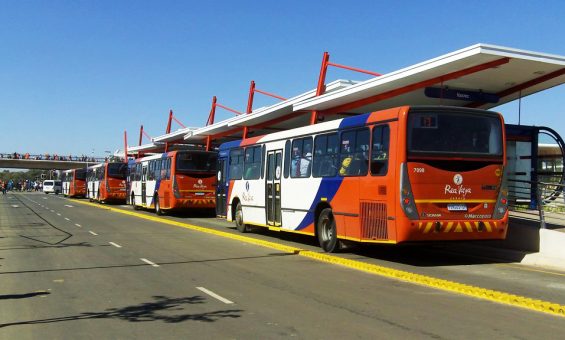
Inside the Bus: Cabin Design and Comfort offers a look at Greyhound buses in South Africa, where cabin design blends practicality with passenger comfort. Ergonomically shaped seats, generous legroom, adjustable headrests, and thoughtful luggage storage create a relaxed travel atmosphere. Climate control, soft lighting, and sound-dampening features help cushion long hauls across the country, while accessible layouts ensure easier boarding and seating for all travelers.
Seating Layout and Legroom
Inside the Greyhound South Africa bus, the cabin is designed to balance efficiency with passenger comfort on long intercity trips. From the moment you step aboard, the interior emphasizes clean lines, durable materials, and smart use of space to keep travelers relaxed and focused on the journey.
Seating layout and spacing are built around a single wide aisle and a 2+2 seating arrangement, which provides shared comfort without crowding. Overhead luggage racks run above each row, and large windows offer views of the South African landscape while reducing cabin glare.
Seat pitch and legroom are a key concern on long rides. In Greyhound South Africa buses, the typical seat pitch is about 31–33 inches (79–84 cm), with some models offering slightly more where possible. This creates a comfortable stretch for legs on most routes, along with the ability to shift positions during the journey.
Seats are ergonomically shaped with padding and lumbar support, featuring adjustable headrests and reclining backs. Seat width generally falls in the 17–19 inch (43–48 cm) range, enough to accommodate different body sizes without making the row feel cramped. Armrests on most seats can be raised or lowered to suit personal preference.
To maintain comfort across long distances, cabins typically include individual climate control or zone cooling, adjustable air vents, and subdued interior lighting. Some buses offer USB charging ports or standard power outlets at each seat, plus optional Wi‑Fi for on‑board connectivity.
Storage is practical: roomy overhead bins for small items, a dedicated space for coats, and ample undercarriage luggage compartments for suitcases and bags. The interior color schemes and materials are chosen to minimize glare and wear, creating a calmer ride environment.
Lighting, seating materials, and cabin acoustics are tuned to reduce fatigue. There are clearly marked safety features, with seat belts on every seat, visible emergency exits, and accessibility options for passengers with mobility needs where available.
Overall, the Greyhound South Africa interior prioritizes a balance of comfort and practicality, making long journeys across the country more manageable through thoughtful cabin design, spacious seating, and accessible amenities.
Seat Materials and Comfort Features
Inside the Bus: Cabin Design and Comfort, Seat Materials and Comfort Features examines how long-distance travel in South Africa’s Greyhound fleet balances practicality with passenger comfort.
The cabin design prioritizes clear sightlines, intuitive passenger flow, and a quiet, distraction-minimized environment. The driver area remains separated from the passenger cabin to provide a sense of security and calm, while wide aisles and thoughtfully placed seating help make boarding, luggage stowage, and moving through the bus smooth. Overhead luggage racks and under-seat storage maximize space without compromising legroom, and large windows invite natural light and views of the South African landscape during long journeys.
Seat materials and comfort are at the heart of a relaxing ride. Most Greyhound SA coaches use high-back seats with quality foam padding designed to hold their shape over hours of use. Upholstery choices typically balance durability with comfort, leaning toward fabrics or vinyl that resist stains and are easy to clean. The seating layout often aims for generous seat pitch and ergonomic contours, with features like adjustable headrests and modest recline to support different traveling postures without crowding the aisle.
Comfort features extend beyond the seat itself. Individual readers lights and accessible air vents allow passengers to tailor their microclimate and lighting without disturbing others. Many buses in the network offer charging options such as USB ports and power outlets at seats, enabling travelers to keep devices powered on long trips. Wi‑Fi connectivity and onboard entertainment streams are common expectations on newer fleets, helping to pass the hours in the cabin. Thoughtful amenities such as foldable tray tables and securing straps for personal items add convenience during rest stops or overnight journeys.
Lighting, climate control, and acoustics are engineered to create a stable traveling environment. Soft, ambient LED lighting reduces glare and helps with reading without creating harsh reflections on the windows. Climate control systems aim to maintain a comfortable temperature across different weather conditions, while sound-dampening materials and well-ventilated cabins minimize outside noise and cabin chatter, fostering a calmer travel atmosphere even on busy routes.
Safety and accessibility are integral to the cabin experience. Clear signage marks emergency exits, and buses are equipped with safety features such as fire extinguishers and first-aid supplies. Some Greyhound SA coaches provide accessible seating and easy-to-reach features for travelers with mobility needs, plus secure luggage compartments and seat belts where fitted. A design emphasis on robust construction, regular maintenance, and crew training contributes to a dependable, comfortable ride for all passengers across South Africa’s Greyhound network.
Overall, Inside the Bus: Cabin Design and Comfort, Seat Materials and Comfort Features highlights how Greyhound SA combines durable materials, ergonomic seating, and modern conveniences to create a comfortable and efficient long-distance travel experience.
Luggage Storage and Accessibility
Inside the Greyhound bus network in South Africa, the cabin design focuses on calm comfort for long journeys. The interior blends practical materials with a clean aesthetic, creating a space that feels tidy and easy to maintain while offering a few touches of comfort for passengers on the road.
Cabin design and comfort: Seating is arranged to balance capacity with personal space. Seats are typically cushioned with supportive backrests and adjustable headrests, allowing travelers to find a relaxed posture for hours on the move. A wide aisle helps with movement, while ambient lighting and climate control contribute to a calm atmosphere. Many coaches include individual features such as USB charging points and accessible reading lights to support work, rest, or entertainment during the trip.
Luggage storage and accessibility in the cabin are designed to keep bags secure yet reachable. Smaller carry-on items can often be placed in overhead racks, while larger suitcases go into external underfloor compartments that run along the underside of the bus. Inside the cabin, there’s usually room for personal items on the seat or in a small pocket, but most travelers rely on the luggage bays for bulk storage. Clear labeling and organization help speed loading and reduce crowding at stops.
Accessibility features are offered where possible, with some coaches providing designated seating, wider aisles, and ramp access for travellers with mobility devices. The availability of wheelchair access or dedicated space can vary by route and bus model, so checking with the operator ahead of time is recommended. On arrival and boarding, staff assistance is available at major terminals to help with luggage and seating arrangements.
In terms of comfort during the journey, the focus is on steady climate control, a relatively quiet cabin, and a predictable service schedule that minimizes disruptions. Depending on the service level, passengers may have access to on-bus amenities such as onboard Wi‑Fi, entertainment or refreshments at stops, and reliable rest-stop intervals that help break up the trip and ease fatigue.
Tips for travellers: arrive early to allow time for luggage check-in and seat selection if offered, pack a small essentials bag for hand luggage, and be mindful of luggage size and weight limits to fit in the compartments. Keeping valuables with you in the cabin reduces risk and helps you stay comfortable throughout the trip.
Overall, the interior of Greyhound buses in South Africa aims to combine practical storage with comfortable seating and accessible design, making long-distance travel between cities a smoother and more predictable experience.
Onboard Amenities and Services
On Greyhound buses in South Africa, onboard amenities and services are designed to keep travelers comfortable and connected on long journeys. Expect comfortable seating with ample legroom, climate control, and occasional rest breaks, along with amenities like power outlets or USB charging where available, Wi-Fi if offered on your route, onboard entertainment, and a selection of snacks and beverages served by courteous staff. Availability can vary by route and bus, so it’s worth checking your booking details for specifics.
Power Outlets, Wi-Fi, and Entertainment
Inside Greyhound bus South Africa, onboard amenities and services vary by route and vehicle, but you can generally expect a comfortable long-distance journey with a focus on convenience and safety. The exact features depend on the fleet you board.
Power outlets: Many of Greyhound’s newer coaches include power outlets or USB charging ports at seats, allowing you to charge devices during the trip. Availability can differ by bus and route, especially on older coaches, so it’s wise to bring a portable charger as a backup.
Wi-Fi: Wi-Fi is offered on select Greyhound South Africa services. Passengers can connect to the onboard network to browse, check emails, or download content, though speeds may vary and streaming can be limited, particularly on busy routes or in remote areas.
Entertainment: Entertainment options vary. Some buses may feature screens or a selection of films or travel information on board, while others rely on passengers’ own devices. If you want guaranteed entertainment, download movies or podcasts before boarding and use the Wi-Fi if available.
Amenities and comfort: Most long-distance Greyhound coaches provide reclining seats, air conditioning, and onboard restrooms. Cold drinks or light snacks may be offered on longer routes, and some tickets include beverages. Luggage policies typically allow carry-on and checked bags, but it’s best to verify limits for your specific route.
Tips for travellers: Check the amenities listed for your specific route and bus, as features can vary. Bring a portable charger, headphones, and offline entertainment as a backup. Arrive early to locate boarding areas, and keep valuables secure during the trip.
Refreshments, Snacks, and Policy on Food
Greyhound South Africa provides long-distance bus travel with a focus on comfort and convenience. The onboard experience can vary by route and vehicle, so it’s a good idea to check your specific service when you book.
Onboard amenities and services typically include climate control, comfortable seating with adequate legroom, and well-maintained interiors. Many coaches feature reading lights, power outlets or USB charging ports on newer models, and clear onboard information displays or announcements. Some routes also offer onboard restrooms and Wi‑Fi where available. Accessibility features are provided on selected services.
Refreshments and snacks are generally available for purchase on longer journeys or on routes that offer an on-board cafe or snack service. You may find a selection of beverages such as tea, coffee, water, soft drinks, and light snacks. On select services, complimentary beverages or snacks may be provided, but availability is not guaranteed and varies by service.
Policy on food on board emphasizes keeping the bus clean and comfortable for all passengers. Food is typically allowed, but passengers should avoid strong odors, messy items, and foods that could easily spill. Please dispose of all rubbish in the provided bins and keep aisles clear. Outside alcoholic beverages are not permitted, and smoking is prohibited on all Greyhound South Africa buses. Pets are generally not allowed unless they are service animals, and other policies may apply on certain routes.
Tips for travelers: check the exact amenities listed at booking, and if you have dietary or accessibility needs, contact the service desk ahead of time to confirm what’s available on your specific journey.
Information Displays and Announcements
Greyhound South Africa operates intercity routes between major cities, and onboard amenities, information displays, and announcements are designed to make long journeys comfortable and easy to follow.
Onboard amenities include comfortable seating with adequate legroom, climate control for varying weather, and generous luggage storage in overhead compartments and under-bus bays.
Some coaches offer additional comforts such as USB charging ports and complimentary Wi-Fi so passengers can work or stream during the ride; on select journeys, light snacks or beverages may be available.
Information displays inside the coach show route progress, the next stop, and connections to other services. The primary language on displays is English, with multilingual announcements used as needed.
Public announcements before departure and along the way inform passengers of upcoming stops, delays, connections, and safety reminders; drivers or conductors provide audible updates to ensure everyone stays informed.
Accessibility and assistance: Greyhound South Africa aims to accommodate travellers with mobility needs; staff can help with boarding and seating arrangements on many routes; service animals are allowed where permitted, and specific accessibility options can be confirmed with customer service.
Tips for a smooth trip include arriving early, having your ticket or booking number handy, knowing baggage limits, and keeping personal belongings secure. If you require special arrangements, contact the service ahead of time to ensure the best possible experience.
In summary, onboard amenities and clear information displays are part of Greyhound South Africa’s effort to make intercity bus travel comfortable and well-informed.
Safety, Security, and Compliance
Safety, security, and compliance on Greyhound Bus South Africa shape every journey, from well-maintained coaches and trained drivers to on-board security measures and clear emergency procedures. The service adheres to national transport regulations, privacy and data handling rules, and safety standards, while robust risk management and transparent policies help protect passengers and ensure reliable operations.
Emergency Equipment and Procedures
Safety, security, and compliance are central to Greyhound South Africa’s intercity travel, supporting reliable service and protecting passengers, staff, and cargo on every journey. This article outlines the key elements of how safety is designed, maintained, and tested, and how emergency equipment and procedures are integrated into day-to-day operations.
Regulatory framework and compliance: Greyhound South Africa operates within a framework of national road transport laws, vehicle standards, and operator licensing. Drivers receive certified training, vehicles undergo regular maintenance checks, and incident reporting is standardized to ensure accountability. Compliance also covers passenger safety rules, vehicle loading limits, driver fatigue management, and adherence to speed and traffic regulations as set by the relevant transport authorities in South Africa.
Vehicle safety features and maintenance: Long-distance coaches are equipped with robust safety systems, including properly functioning lighting, braking systems, seatbelts, and tires. Pre-departure checks verify fuel, oil levels, brakes, steering, airbags where fitted, fire suppression equipment, first aid supplies, and emergency exits. Routine inspections target tire tread depth, wheel alignment, suspension, and electrical integrity to prevent breakdowns and reduce risk on highways.
Emergency equipment: On Greyhound SA coaches, you will typically find fire extinguishers (ABC-rated), a well-stocked first aid kit, emergency hammers, reflective safety vests for crew and passengers, and warning triangles or flares. Emergency exit signage and illuminated exit paths are kept clear, with drills conducted to ensure quick access to exits in an emergency. Passengers are encouraged to know the location of emergency equipment as part of the safety briefing conducted at boarding or during stops.
Emergency procedures: Before each trip, drivers provide a safety briefing that covers seating, belt use, emergency exits, and actions to take in fire, collision, or medical emergencies. In an incident, the driver follows a defined chain of communication with the operations center, dispatching authorities as required and coordinating with onboard staff. Evacuation procedures emphasize orderly, calm movement to muster points away from traffic and hazards, with staff guiding passengers and accounting for all occupants at the point of safety.
Security measures: Protecting passengers and baggage from theft or harm is a priority. Onboard security includes trained drivers and crew, controlled access to the passenger cabin, CCTV where permitted, and secure luggage compartments. Passengers are advised to keep personal belongings secure, report suspicious activity, and follow crew instructions during any security-related event. Operational controls also address anti-hijacking practices, secure handling of cash and tickets, and routine risk assessments of routes and terminals.
Accessibility and inclusivity: Safety procedures accommodate all travellers, including children, elderly passengers, and people with disabilities. Aids such as priority seating, assistance during boarding and disembarkation, clear signage, and accessible emergency exit routes help ensure everyone can travel safely. Crew are trained to provide respectful assistance and communicate clearly with passengers who require additional support during emergencies.
Crisis management and incident response: In the event of a major incident or disruption, Greyhound SA follows a crisis management protocol that prioritizes passenger safety, accurate information, and rapid liaison with emergency services. Post-incident support includes medical assistance, accommodation or transport arrangements where needed, and a formal incident review to prevent recurrence and improve procedures.
Training and continual improvement: Ongoing training programs cover safety protocols, emergency response, security awareness, customer service under stress, and regulatory changes. Regular drills, audits, and third-party safety assessments help maintain high standards, while passenger feedback is used to refine equipment, procedures, and communication.
In all operations, the aim is a safe, secure, and compliant travel experience for every Greyhound South Africa passenger. Clear procedures, well-maintained equipment, vigilant staff, and open channels for reporting concerns contribute to confidence and peace of mind on every journey.
Driver Training and Passenger Safety Protocols
Safety, Security, and Compliance are foundational to Greyhound South Africa’s passenger service, guiding how we operate, train staff, and protect travelers on intercity journeys.
Greyhound South Africa maintains a rigorous safety framework that starts with the vehicle itself: routine, documented pre-departure inspections; a sustained maintenance program; checks of brakes, tires, lights, and steering; secure luggage compartments; and the availability of emergency equipment including fire extinguishers, first-aid kits, and clearly marked emergency exits.
Driver training and qualification are central to our safety model. All drivers complete accredited programs covering defensive driving, route knowledge, journey planning, fatigue management, and customer service; ongoing mentoring and periodic re-certification; and regular refreshers on emergency procedures, including evacuation and first aid.
Passenger safety protocols focus on clear, consistent guidance for travelers. We provide safety briefings at boarding, enforce seat belt use where fitted, outline rules against standing while the bus is in motion, and accommodate children and passengers with mobility needs. We also provide guidance on secure baggage stowage and offer assistance to elderly or disabled passengers as part of a respectful, inclusive service.
Security measures are integrated across operations. On-board CCTV and monitoring, driver partitions, secure communications with dispatch, and panic alarms enhance protection for both passengers and crew. Security personnel or escorts may be deployed on high-risk routes, and staff receive ongoing training in threat recognition, incident reporting, and coordination with local authorities, including cooperation with South Africa’s police services when required.
Compliance and governance are aligned with national and regional standards. We operate in accordance with South Africa’s National Land Transport Act and other applicable road traffic laws, maintain proper licensing and operator permits, and undergo regular safety audits. Incident reporting to authorities, data privacy practices, and contractor vetting are part of our commitment to ethical, transparent operations.
In the event of any incident, Greyhound South Africa activates a clear response protocol: immediate safety actions, medical assistance if needed, securing the scene, notifying authorities, and communicating with passengers. We conduct root-cause analyses, implement corrective actions, update policies as needed, and retrain staff to prevent recurrence, all in service of safer, more reliable travel for our customers.
Cleaning, Hygiene, and Maintenance Standards
Greyhound South Africa prioritizes passenger safety, security, and compliance alongside thorough cleaning, hygiene, and maintenance standards to ensure reliable and comfortable long-distance travel across the country.
- Safety, Security, and Compliance
- Regulatory framework: adherence to the National Road Transport Act, National Land Transport Act, and Road Traffic Management requirements, including vehicle roadworthiness certificates and driver hour restrictions.
- Driver training and fatigue management: ongoing defensive driving courses, route familiarization, and fatigue risk management to reduce incident risk.
- Passenger safety and security: clear boarding procedures, secure luggage handling, on-board security measures, emergency communication plans, and incident reporting protocols.
- Emergency preparedness: established evacuation procedures, regular drills, accessible first aid kits, and clearly marked emergency exits.
- Cleaning and Hygiene
- Cleaning protocols: between-trip wipe-downs of high-touch surfaces, seat backs, armrests, tray tables, and handrails; daily deep cleans of the interior and restrooms where applicable.
- Sanitization and disinfection: use of approved cleaning agents, routine sanitization schedules, and validation of product contact time.
- Ventilation and air quality: proper ventilation practices, functioning HVAC systems, and maximized fresh-air exchange where possible.
- Passenger hygiene support: provision of hand sanitizers, signage promoting hygiene, and contactless ticketing and payment options.
- Maintenance Standards
- Preventive maintenance: a scheduled program aligned with manufacturer recommendations and regulatory guidance for brakes, tires, suspension, steering, engine, transmission, and cooling systems.
- Safety equipment and compliance: routine checks of fire extinguishers, first aid kits, emergency triangles, and reflective gear; verification of functional safety systems.
- Record-keeping and audits: thorough service logs, defect reporting processes, and third-party inspections as required by regulators and the operator’s internal standards.
- Operational compliance and continuous improvement
- Route and licensing compliance: adherence to approved routes, schedule accuracy, and proper licensing for all operated services.
- Accident and incident response: established reporting timelines, investigation procedures, and corrective actions to prevent recurrence.
- Quality assurance: periodic internal audits and customer feedback loops to enhance safety, cleanliness, and reliability across the fleet.
Ticketing, Boarding, and Customer Experience
Greyhound Bus South Africa offers a streamlined journey from booking to boarding, focusing on simple ticketing, clear boarding procedures, and a positive customer experience. With online and mobile ticketing, passengers can select routes, compare fares, and secure seats in minutes, while at the station, clear signage and staff assistance guide travelers through check-in, luggage handling, and boarding gates. The experience emphasizes punctuality, safe travel, clean coaches, courteous service, and accessible options to meet diverse passenger needs across the country.
Booking Platforms, Fare Structures, and Ticket Types
Greyhound buses in South Africa offer extensive intercity travel with a focus on reliability, comfort, and value. Ticketing, boarding procedures, and customer experience are designed to be simple, with multiple booking channels and easy fare choices across major routes.
Booking platforms: You can book on the official Greyhound SA website, via the mobile app, by calling a central reservations line, or through authorised travel agents and ticket offices. When booking, you select your route, date, passenger count, and preferred fare. You receive an electronic ticket by email or within the app, and you can present a mobile ticket at boarding.
Ticket types: Typical options include one-way tickets, return tickets, and multi-trip passes for frequent travellers. Fare types range from saver or non-changeable fares to more flexible options that allow changes or refunds, subject to conditions. There are discounts for students, seniors, and group bookings, as well as special rates for corporate travel.
Fare structures: Prices depend on distance, time of day, and demand, with dynamic pricing that rewards early bookings and off-peak travel. Peak-season surcharges may apply during holidays. Fares usually include a basic luggage allowance; excess baggage or special items may incur fees. Prices typically include applicable taxes where required.
Boarding: On the day of travel, passengers should carry their ID and the ticket (print or digital). Boarding gates typically open well before departure; passengers are invited to present their ticket for verification and to board in a safe, orderly manner. Buses load luggage at designated bays; keep valuables with you and ensure you arrive early to allow time for check-in and security checks if applicable.
Customer experience: The experience focuses on punctuality, courteous staff, clean coaches, and a smooth journey. Real-time updates are provided via the app or SMS where available, and help desks are available at major terminals. Where available, onboard amenities such as Wi-Fi and charging ports may enhance comfort on longer trips.
Accessibility and safety: Greyhound SA aims to accommodate travellers with mobility needs, with accessible seating options and assistance on request. Standard safety practices include seat belts where fitted, regulated passenger limits, and routine vehicle checks to help ensure safe travel across routes.
Tips for travellers: Book early to secure your preferred fare, and print or download your e-ticket. Arrive at least 30-60 minutes before departure for check-in, especially for longer routes. Check baggage allowances and keep essential items in your carry-on. If you need to change a booking, contact customer service as soon as possible to understand any fees or conditions.
Boarding Procedures, Seat Allocation, and Crowding Management
Greyhound bus services in South Africa focus on seamless ticketing, smooth boarding, and a positive customer experience across long-distance routes. The following overview covers ticketing, boarding procedures, seat allocation, and crowding management as implemented on Greyhound South Africa services.
-
Ticketing and Fare Options: On Greyhound South Africa, passengers can purchase tickets online, via mobile apps, or at the station counters. Fares vary by route and service level, with standard, flexible, and promotional fares. It is recommended to review fare rules, savings opportunities, and any change or refund policies at the time of purchase.
-
Boarding and Check-In Procedures: Arrive with enough time for check-in and boarding. A valid photo ID is typically required to collect tickets or board. Passengers should have their mobile or printed ticket, and luggage may be subject to size limits and check at the station. Boarding sequences and gate assignments are communicated at the station to help manage lines efficiently.
-
Seat Allocation and Comfort: Seat allocation can vary by service; some Greyhound routes may offer assigned seating while others operate on a first-come, first-served basis on board. For comfort, coaches are equipped with air conditioning, comfortable seating, and restrooms on longer journeys, with additional provisions such as power outlets where available.
-
Crowding Management and Passenger Experience: To minimize crowding, stations implement clear queue guidance, dedicated staff to assist, and careful scheduling of departures. Boarding areas may use markers to maintain orderly lines, while vehicles are cleaned and sanitized between trips. For families and travelers needing extra time, priority assistance may be available.
Handling Delays, Cancellations, and Customer Feedback
Greyhound South Africa provides long-distance bus service across major cities. This article covers ticketing, boarding, and customer experience, and explains how delays, cancellations, and customer feedback are handled to support travelers on Greyhound buses in South Africa.
- Ticketing and Booking
Tickets can be booked online through the Greyhound SA website, at designated booking offices, or via call centers. When booking, travelers should ensure names match their identification, select the fare that fits their needs, and choose seats if available. Tickets are issued digitally and should be presented at check-in along with a valid ID. Changes or refunds depend on the fare type and ticket conditions, with possible modification fees.
- Boarding Process and Onboard Experience
Arrive early for boarding, typically at least 30 minutes before departure. Boarding is announced at the station, and passengers scan their ticket at the gate before proceeding to assigned seats. Luggage guidelines apply, with allowances and restrictions communicated at booking and boarding. Staff support is available for accessibility needs, and on-board safety, cleanliness, and customer service are prioritized to ensure a comfortable journey.
- Handling Delays and Cancellations
Delays may occur due to traffic, weather, or operational issues. Greyhound SA communicates delays through station boards, SMS, or email when contact details are on file. In case of cancellations, travelers can rebook onto the next available service or request a refund according to the fare rules. In some cases, vouchers or credits may be offered for future travel as part of service recovery.
- Customer Feedback and Service Recovery
Customers can provide feedback through Greyhound SA contact channels including phone, email, and social media. Responses are typically acknowledged promptly and investigated by a dedicated team. When faults are identified, the company aims to recover service, offer apologies where appropriate, and provide remedies such as fare credits, updated travel arrangements, or expedited rebooking as part of service recovery.
Route Experience: Scenes Through South Africa
Route Experience: Scenes Through South Africa invites you on a Greyhound bus journey that threads through a country of contrasts, from the sunlit Cape winelands to the rugged coastlines of the Garden Route. Along the route, passengers glimpse vibrant towns, distant mountains, and sweeping savannahs, discovering culture, history, and modern life in motion. This introduction previews the mood and scenery of traveling by bus across South Africa, where every mile offers a new scene to absorb and a story to tell.
Major Corridors: From Cities to Towns
Route Experience: Scenes Through South Africa, Major Corridors: From Cities to Towns unfolds on the Greyhound bus in South Africa, tracing the country’s major arteries from metropolitan hubs to quieter towns and back again.
On the Johannesburg to Cape Town corridor, the Greyhound ride carries passengers from the Highveld plains into the arid beauty of the Karoo, passing Bloemfontein, Colesberg, and Beaufort West, then threading through the winelands near Stellenbosch and Paarl before arriving at the ocean-front bustle of Cape Town.
On the Johannesburg to Durban corridor, the bus climbs from the interior into KwaZulu-Natal’s green highs, crossing Harrismith and the Midlands, rolling toward Pietermaritzburg, and finally easing down toward the coast into Durban’s subtropical light.
The Cape Town to Port Elizabeth corridor along the Garden Route threads coastal cliffs and forested valleys, with towns such as Mossel Bay, Knysna, Plettenberg Bay, Storms River, and Jeffreys Bay punctuating the journey before the bus turns inland toward Port Elizabeth.
Across the central belt, the Bloemfontein to Kimberley and Upington stretch offers a different kind of travel—sunset oranges over the Free State veld, diamond-town echoes, and long horizons that frame the northern reach of the country.
Between these major routes, smaller towns and side roads reveal daily life: roadside markets, vendors selling biltong and boerewors, dairy farms and citrus groves, and communities living in ways that are visible only from a moving bus window.
On board experiences and practical notes: Greyhound buses in South Africa offer comfortable seating and regular stops that invite a stretch and a bite, making long drives feel more social and navigable than a quick hop between cities.
Whether you chase sunrise over the Karoo, the misty edges of the Garden Route, or the bustling markets of Durban, the route experience from cities to towns reveals a country of contrasts, where roads knit together urban energy with rural heritage into a continuous narrative of South African life.
Scenery, Cultural Stopovers, and Rest Areas
Route Experience: Scenes Through South Africa on Greyhound buses invites you to trace a moving mosaic of landscapes, from sunlit plains to rugged coastlines, as you travel between major cities and cultural hubs.
Scenery shifts with every mile: the vast Highveld’s pale horizons, the sculpted valleys of the Karoo, the dramatic Drakensberg ranges, and the lush green belt along the southern and eastern coasts. On some routes you glimpse the rolling wine lands, the golden grasslands, and the iconic coastal cliffs that frame shipwrecks and sea spray.
Cultural stopovers offer more than a pit stop. In market towns and historic districts, you can sample street foods, see beadwork and crafts, and dip into museums that tell stories of ancient migrations, colonial history, and the diverse communities that shape modern South Africa. Look for local guides or small galleries that reflect Xhosa, Zulu, Sotho, and Afrikaans influences in architecture, music, and language.
Rest areas along the Greyhound route provide practical comfort and momentary scenery breaks: clean restrooms, snack bars, shaded seating, and spaces to stretch your legs while you watch the landscape unfold. Some stops have quiet gardens, sprawling lawns, or lookout points that frame distant hills or a coastline you’ll soon cross.
Routes vary, but a journey by Greyhound across South Africa often blends city energy with rural quiet, offering a rhythm of long horizons and lively towns. Whether you’re heading from Johannesburg toward Cape Town, or tracing the coast toward Durban, you’ll encounter wind-swept plains, mountain backdrops, and the chance to meet travelers and locals along the way.
Practical tips for enhancing the experience: book in advance for preferred seats, carry a light jacket for chilly early mornings on the road, and pack snacks for longer legs between stops. Respect local customs, be mindful of bus etiquette, and keep valuables secure while you rest or sleep on board.
In the end, the Greyhound bus experience in South Africa is not just transport—it’s a moving showcase of scenery, culture, and resting places that echo the country’s hospitality and variety, turning a journey into a series of memorable snapshots.
Sustainability and Environmental Practices
Greyhound South Africa is committed to sustainability and environmental stewardship, prioritizing fuel-efficient, modern buses, route optimization, and proactive maintenance to cut emissions. The program includes recycling and waste reduction at depots, responsible fleet operations, and partnerships to support carbon-offset initiatives and community environmental projects. Through these practices, the company aims to offer reliable intercity travel with a lighter environmental footprint for travelers across South Africa.
Fuel Efficiency, Emissions Reduction, and Fleet Modernization
Greyhound South Africa operates long-distance intercity bus services that connect major cities, towns, and tourism hubs, and sustainability is a core consideration in its operations to lower emissions, improve fuel efficiency, and support resilient travel across the country.
Sustainability practices in this context include ensuring responsible depot management, waste reduction, recycling programs, and water conservation at terminals. The company collaborates with suppliers who share environmental commitments, uses energy-efficient lighting and equipment in garages and stations, and prioritizes procurement of parts and materials with lower environmental impact wherever possible.
Fuel efficiency is pursued through a combination of driver training, route optimization, and vehicle design considerations. Eco-driving programs teach drivers to anticipate traffic, maintain steady speeds, and minimize harsh braking, while telematics and route planning help choose the most efficient paths. Buses with aerodynamic design features, well-maintained engines, and properly inflated tires contribute to lower fuel consumption and cost per kilometer.
Emissions reduction relies on maintaining clean engines and using technologies that limit pollutants. Regular maintenance and compliance checks ensure engines perform at peak efficiency, while exhaust treatment systems help reduce particulate matter and nitrogen oxides. When appropriate, retrofits or upgrades such as particulate filters and exhaust catalysts are pursued to meet or exceed current emissions standards and improve air quality along busy corridors.
Fleet modernization is a strategic focus, with investments in newer, cleaner buses that meet higher environmental standards, including Euro VI-equivalent ratings where available. In addition to replacing aging vehicles, the operator explores retrofitting older models with emissions-reduction equipment and leveraging telematics for remote diagnostics and proactive maintenance. The move toward more efficient powertrains, potential hybrid options, and consideration of alternative fuels aligns with evolving technology and regulatory environments.
Operational efficiency and infrastructure improvements support sustainability as well. Advanced depot facilities may feature on-site solar installations, energy-efficient lighting, and water-saving measures. Enhanced maintenance facilities and spare parts logistics reduce downtime and waste, while partnerships with local authorities and industry groups help align Greyhound South Africa with national energy and transportation goals.
Passengers benefit from quieter, cleaner, and more reliable travel experiences, including reduced noise along routes, improved air quality at stops and along corridors, and a consistent commitment to responsible travel that supports tourism and community well-being across South Africa.
In summary, sustainability at Greyhound South Africa encompasses environmental practices across operations, a strong emphasis on fuel efficiency and emissions reduction, and an ongoing fleet modernization program to deliver a cleaner, more reliable intercity travel network for the country.
Waste Management, Recycling, and Onboard Hygiene
Greyhound Bus South Africa is committed to sustainability and environmental stewardship across its operations, aiming to reduce emissions, minimize waste, and promote cleaner travel for passengers and communities.
The company operates a modern, well‑maintained fleet designed for fuel efficiency and lower emissions, with regular maintenance, eco‑driving training for drivers, and route planning that prioritizes shorter distances and smoother traffic flows to cut fuel use and idle time.
Waste management and recycling are integrated into every trip. Onboard recycling bins and clear waste separation at depots help divert plastics, paper, and cans from landfills. The program emphasizes reducing single‑use items, encouraging passengers to bring reusable bottles and containers, and partnering with local recycling services to responsibly collect and recycle materials from buses and stations.
Onboard hygiene is a core priority. Cleaning and sanitization protocols are implemented between trips, including disinfection of high‑touch surfaces, seats, and aisles. Hand sanitizers and hygiene reminders are available for passengers, and crews follow enhanced cleaning routines to maintain a fresh and safe travel environment.
The approach also involves engaging passengers and the wider community in sustainable travel practices, providing educational information about reducing waste and emissions, and offering options for carbon‑neutral travel where available. Depots and terminals support energy efficiency through responsible procurement, waste reduction programs, and collaboration with local partners for recycling and environmental initiatives.
Looking to the future, Greyhound Bus South Africa is exploring opportunities to further reduce its environmental footprint, including greener procurement, pilot programs for alternative fuels or electric/hybrid trials where feasible, and continuing to optimize operations to balance reliability, safety, and sustainability for South African travelers.
Practical Tips for Passengers
Practical tips for passengers traveling with Greyhound in South Africa help you stay comfortable, safe, and on schedule across the country. From choosing the right seat and packing light to managing luggage, staying hydrated, and observing bus etiquette, this guide covers essential advice for a smooth journey on the Greyhound network.
What to Pack, What to Expect, and Timing
Planning a Greyhound bus trip in South Africa? Here are practical tips to help you travel comfortably, pack smart, and stay on schedule.
-
Practical Tips for Passengers
Arrive at the departure point early and have your ticket and ID ready. Familiarize yourself with the route, boarding point, and any transfer procedures. Keep valuables with you and store luggage in designated areas to avoid obstructing aisles. Respect fellow passengers and staff, follow safety instructions, and stay aware of your surroundings during the journey.
-
What to Pack
Bring a valid ID or passport, printed or digital Greyhound South Africa ticket, water bottle, snacks, a light blanket or jacket, headphones, a portable charger, and any medications with a copy of prescriptions. Pack lightweight, weather-appropriate clothing, sun protection for daytime trips, a small backpack for essentials, and entertainment for the ride. If traveling with kids, include games and extra snacks.
-
What to Expect
Expect comfortable seating where available, on-board amenities vary by service, and occasional rest stops. Baggage allowances differ by route, so check your ticket details. Some routes offer restrooms on the bus or at stops. Delays can occur due to traffic or roadworks, so stay flexible and listen for announcements from the driver or staff.
-
Timing
Check schedules in advance and book early on busy routes. Arrive well before departure to account for check-in and boarding procedures. Factor in peak travel times and possible delays, and allow extra transfer time if you have connections. Keep your itinerary updated and have a backup plan in case of schedule changes.
Safety Precautions, Health Considerations, and Comfort
Traveling with Greyhound South Africa offers long-distance options between major cities, with a focus on comfort and practicality. To make your journey safe, healthy, and comfortable, here are practical tips for passengers, safety precautions, health considerations, and comfort ideas.
- Planning and boarding: book in advance with Greyhound South Africa, check the latest schedules, print or have a mobile ticket ready, and arrive at least 20–30 minutes before departure. Pack a small bag with essentials and label your luggage clearly.
- Onboard safety: listen to safety briefings, fasten seat belts where provided, keep aisles clear, secure overhead luggage and personal items, and follow crew instructions at all times.
- Security of bags and valuables: keep valuables with you, use a secure bag, avoid leaving items unattended at stops, and report any suspicious activity to staff.
- Health and hygiene: stay hydrated, carry a refillable water bottle, bring healthy snacks, practice hand hygiene, and take breaks during stops to stretch and rest your eyes; bring any medications you may need.
- Comfort and climate: wear layered clothing, bring a light blanket or travel rug, consider a neck pillow and earplugs, choose seating based on your preference (window for leaning or aisle for easier movement), and keep a small travel kit for personal comfort.
- Stops and safety around towns: use official Greyhound stops and facilities, avoid walking alone at night near terminals, use licensed taxis or rideshares for onward travel, and plan transfers in advance.
- Health considerations for travel in South Africa: be aware of local health advisories, protect yourself from sun and heat at outdoor stops, know where to find medical help near major terminals, and contact Greyhound South Africa’s support if you have special health needs before travel.