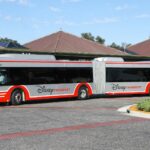
Overview of Bus Travel Companies
Bus travel companies offer a range of transportation services that connect cities and regions with affordable, flexible options. From national carriers and regional operators to intercity coaches and private shuttles, these firms compete on routes, comfort, schedules, and price, using modern fleets, online booking, and real-time tracking to meet the needs of daily commuters, tourists, and students alike.
Definition and Scope
Bus travel companies are transportation providers that operate motor coaches and other large passenger vehicles to move people along scheduled routes, on charters, and for organized tours. They range from regional operators to multinational fleets and serve urban, rural, and international travel markets.
- Intercity and regional operators offering scheduled routes and transit-like service between cities and towns.
- Charter and private hire services providing customized trips for groups, corporate events, weddings, or special occasions.
- Tour and sightseeing operators offering guided itineraries and day or multi-day trips for tourists.
- School and university transportation services moving students between campuses or to events.
- Airport shuttles, hotel transfers, and other last-mile services connecting travelers with accommodations and transit hubs.
- Express and premium services delivering faster routes, luxury seating, or enhanced onboard amenities.
- Fleet types and technology including coaches, minibuses, GPS tracking, online ticketing, and mobile apps for booking and real-time updates.
- Safety, regulation, and accessibility focusing on driver training, safety standards, accessibility for disabled travelers, and compliance with local laws.
- Market structure, competition, and trends including consolidation, partnerships with rail or airlines, and sustainability initiatives.
Understanding the scope helps identify opportunities for customers and operators alike in terms of service coverage, pricing, and experience.
Market Size and Growth
Overview of bus travel companies encompasses a diverse mix of private coach operators, large intercity networks, public transit agencies, and digital platforms that connect riders with bus services. Operators range from national carriers and regional networks to smaller niche players serving charter, sightseeing, and tourism routes, all competing to provide affordable, reliable, and convenient transportation options.
The market is structurally segmented by intercity and regional routes, charter and tour services, commuter and school transportation, and tourism-driven operations. Intercity and charter segments often operate under varied regulatory frameworks across jurisdictions, while private operators compete with public providers on price, service frequency, network reach, and passenger experience. Digital platforms and aggregators increasingly influence route discovery, pricing, and booking behavior, shaping competition across the sector.
The global bus travel and coach services market is sizable, with annual revenue measured in the hundreds of billions of U.S. dollars. Growth has been steady but uneven: mature markets show modest expansions while high-potential regions in Asia-Pacific and Latin America demonstrate faster growth, driven by urbanization, tourism expansion, and investments in public transit infrastructure. Post-pandemic demand has rebounded in many regions, and the market is expected to grow at a low-to-mid single digit compound annual rate over the next five years.
Key market drivers include increasing urban mobility needs, rising tourism and travel activity, affordability compared with air travel for shorter routes, and policy shifts toward low-emission and sustainable transport. Investments in fleet modernization—especially electric and hybrid buses—alongside enhanced safety standards, improved accessibility, and integrated ticketing systems also support growth and competitiveness.
Challenges facing the sector comprise competition from budget airlines and ride-hailing services, high capital expenditure for new buses and charging infrastructure, driver shortages, regulatory complexity, and ongoing maintenance costs. Economic cycles, fuel prices, and macro uncertainty can also impact demand patterns and profitability across operators and regions.
Trends shaping the landscape include accelerated electrification and alternative-fuel adoption, expanded intercity corridors supported by cross-border agreements, and closer integration with rail networks to create seamless multimodal journeys. Digital ticketing, dynamic pricing, real-time fleet management, and data-driven customer experiences are increasingly central to performance and growth strategies for bus travel companies.
Global players in intercity and coach travel include notable brands such as FlixBus, Greyhound, Megabus, National Express, and regional operators like ALSA and regional subsidiaries, alongside numerous local and national networks. Partnerships with original equipment manufacturers, charging infrastructure providers, and mobility platforms are common as operators modernize fleets and expand service offerings.
Regional snapshots show North America and Europe maintaining robust intercity and commuter networks, with rapid electrification and modernization in many markets. Asia-Pacific stands out as the fastest-growing region, driven by urban expansion, improving road connectivity, and government programs to boost public transit and reduce congestion. Latin America and Africa are expanding connectivity to bridge urban and peri-urban areas, supported by infrastructure development and tourism growth, though exposure to regulatory and investment risk can vary.
Outlook for the sector emphasizes opportunities from electrification programs, cross-border corridor development, and stronger integration with rail and other modes. Operators that invest in reliability, safety, digital customer experiences, and sustainable fleets are well positioned to capture rising demand and navigate evolving regulations and competitive dynamics.
Key Segments (Intercity, Charter, Tour, Shuttle)
Bus travel companies connect people and destinations through a variety of coach and minibus services, offering a flexible and often economical alternative to rail or air travel. These operators manage fleets that range from luxury coaches with plush seating and amenities to smaller vans for niche routes, and they serve markets around the world using a combination of fixed schedules, charters, and tour itineraries. The core value proposition is convenient door-to-door or city-to-city transport, with emphasis on reliability, clear pricing, and accessible booking channels. The industry is shaped by regulation, safety standards, and the growing importance of digital ticketing and real-time trip information.
Intercity bus services focus on long-distance or medium-distance travel between cities. Operators on this segment emphasize frequent departures, predictable travel times, and comfort over longer durations. Modern intercity fleets typically include coach seats with ample legroom, power outlets, Wi‑Fi, and onboard restrooms. Pricing tends to be tiered by seating class or flexibility, with online booking platforms offering seat maps and dynamic pricing. The business model benefits from high passenger volumes, efficient fleet utilization, and partnerships with tourism boards or regional planners to improve regional connectivity.
Charter services are booked by groups, corporations, schools, or event organizers who need a private, customizable transportation solution. In this segment, customers specify departure times, routes, stops, and the number of passengers, and the operator provides a dedicated vehicle or fleet, a professional driver, and often additional staff or equipment. Revenue is primarily generated through hourly or daily charters, with variation for distance, vehicle type, and service level. Operators must handle licensing, insurance, safety checks, and contingency planning to accommodate changes in group size or itinerary.
Tour bus operations package sightseeing and multi-day itineraries for visitors looking to explore destinations with guided commentary and structured schedules. Tour services may rely on a single operator offering the full package or collaborations with local attractions, hotels, and cruise lines. Key features include licensed tour guides, curated itineraries, luggage handling on multi-day trips, and coordinating transfers between transit hubs and attractions. Revenue is driven by per-passenger tour prices, optional add-ons, and cross-sell opportunities such as attraction tickets and hotel accommodation packages.
Shuttle services provide fixed or semi-fixed point-to-point transport for airports, hotels, business campuses, malls, and residential complexes. Shuttles often run on predictable frequencies and are designed for short to medium distances with a focus on punctuality and reliability. They may operate under a contract with property owners or transit authorities, or as a stand-alone service offered to travelers and employees. Convenience features include luggage handling, accessibility options, and real-time tracking. Revenue is typically contract-based or subsidized, with service levels governed by performance metrics.
Across these segments, the bus travel market is defined by competition among national operators, regional fleets, and digital booking platforms. Operators deploy fleet optimization, route planning software, and telematics to improve utilization, maintenance, and driver management. Online marketplaces and aggregators have expanded access to timetables, fares, and seat selection, while safety, regulatory compliance, and branding influence consumer choice. In many regions, partnerships with transit authorities, tourism boards, and event organizers help expand reach and stabilize demand.
Technology adoption is central to modern bus travel, with electronic ticketing, contactless payments, mobile apps, and passenger information systems enhancing the customer experience. Electrification and the use of hybrid propulsion are growing, driven by emissions targets and cost savings on fuel. Infrastructure such as depots with charging capabilities, route optimization algorithms, and predictive maintenance reduce downtime and extend fleet life. Customers increasingly expect real-time updates on delays, seat availability, and accessibility options.
Key challenges include driver shortages, regulatory compliance across jurisdictions, high capital and maintenance costs, and sensitivity to fuel prices. Seasonal demand, route profitability, and risk management for long-distance journeys require careful planning. Opportunities lie in expanding regional connectivity, forming alliances with rail or ride-hailing services, leveraging data analytics for pricing and allocation, and accelerating sustainability initiatives to attract environmentally conscious travelers. The ongoing recovery of tourism and corporate travel post-pandemic also supports growth in all segments.
When evaluating bus travel companies, travelers and planners should consider fleet variety, route coverage, service reliability, safety records, pricing transparency, booking convenience, and sustainability commitments. Each segment—intercity, charter, tour, and shuttle—serves different needs, and a diversified operator can offer integrated solutions that connect people, places, and experiences efficiently and affordably.
Business Models of Bus Travel Companies
Bus travel companies combine transportation and service design to move people efficiently and affordably. Their business models center on high-capacity routes, fleet utilization, and dynamic pricing to maximize load factors, with ticket sales as the core revenue stream. Many operators also diversify through ancillary services—baggage handling, onboard Wi-Fi, tours, and partnerships with hotels or tourism operators—and sometimes offer subscriptions or corporate charters. Success depends on reliable scheduling, strong networks, and data-driven optimization that enhance customer experience and enable growth across regions.
Public vs Private Operators
Bus travel companies operate under a spectrum of business models that reflect policy goals, market structure, and capital requirements. The most visible split is between public (government-run) operators and private (for-profit) operators, but many markets use hybrids such as concessions, franchise schemes, or public‑private partnerships to balance coverage, efficiency, and affordability.
Public operators are typically owned by national, regional, or municipal authorities. Their purpose often extends beyond profit to ensuring basic mobility, universal service coverage, and social equity. Revenue comes from a mix of farebox income and regular subsidies or cross-subsidies from general budgets or dedicated transport funds. Pricing is frequently constrained by policy, and routes may be retained or subsidized even when profitability is low to serve rural areas or off-peak times.
Private operators rely on market incentives. They win routes through competitive procurement or operate on open access where services can respond to demand. Their primary revenue is fares, complemented by ancillary services, corporate partnerships, and sometimes long‑term financing or leasing of vehicles. Efficiency drives cost control: tighter scheduling, higher vehicle utilization, dynamic pricing, and outsourcing non-core activities such as maintenance or cleaning to subcontractors.
Hybrid models mix elements of both. Governments may grant concessions or franchises that hold exclusive rights to operate certain corridors or networks for a defined period in exchange for meeting performance targets and investing in fleet upgrades. In these setups, the public entity might provide subsidies or cap fare levels, while the private operator bears performance risk and the day‑to‑day operational burden.
Revenue and cost structures differ accordingly. Public operators often carry larger pension liabilities or legacy assets and rely more on subsidies to stabilize service levels, while private operators emphasize capital discipline and asset turnover. The ownership of buses—whether fleets are public, leased, or privately owned—affects maintenance cycles, depreciation, and renewal planning. Fuel, labor, and maintenance remain the largest cost blocks in both models, but the mix and risk exposure shift with ownership and contract design.
Regulation shapes outcomes. Many systems impose minimum service obligations or performance-based contracts, linking subsidies or concessions to on‑time performance, accessibility, and safety standards. Public operators may be judged against equity and coverage goals, while private operators might be measured on efficiency, customer satisfaction, and route profitability. Transparent tendering, robust data, and independent oversight help align incentives with public objectives.
Technology and trends are reshaping business models. Digital ticketing, dynamic pricing, real‑time occupancy data, and integrated mobility platforms enable both public and private operators to optimize routes and reduce empty runs. Electrification or alternative fuels alter capital and maintenance costs and can trigger new funding mechanisms. Partnerships with rail, ride-hailing, or municipal agencies can create multimodal networks that improve accessibility while spreading risk across modes and operators.
Ultimately, there is no one-size-fits-all model. The most effective approach aligns governance, subsidies, and market incentives with policy goals—quietly balancing coverage and affordability with efficiency and innovation. Public and private operators each bring strengths: public operators can guarantee essential service and equity, while private operators can drive competition, investment, and customer-centric services. Hybrid arrangements often offer the best chance to deliver reliable, affordable bus travel that serves both urban cores and regional communities.
Direct Booking vs Aggregators
Bus travel companies build their commercial strategy around how they distribute tickets, price seats, and manage customer relationships. The two broad pathways—direct booking and aggregators—shape revenue, control, and growth trajectory, and many operators blend elements of both to balance reach with margin.
Direct booking models revolve around the operator’s own sales channels, including websites and mobile apps, sometimes supported by call centers and corporate sales teams. The benefits are clear: higher control over pricing, branding, and customer data; stronger margins from eliminating middlemen; and the ability to tailor loyalty programs and service standards. Challenges include the need for robust technology, ongoing marketing to drive traffic, and the costs of payment processing, fraud prevention, channel management, and customer service across the lifecycle of a ticket.
Aggregators and multi-operator marketplaces list seats from multiple operators on a single platform, giving travelers a convenient search and booking experience and enabling operators to reach new customers without heavy marketing spend. For bus companies, aggregators can dramatically increase visibility in regional and long-distance networks, support comparison shopping, and provide bundled itineraries that cross operator boundaries. Revenue typically comes from commissions or service fees, and operators may also pay for premium listings or allocation guarantees. The trade-off is a tighter grip on margins, potential pricing pressure, and varying rules around data sharing and branding on the platform.
Many operators adopt a hybrid approach, running direct sales as the core channel while leveraging aggregators to fill gaps in reach, especially for new routes, off-peak itineraries, or international markets. Channel management becomes critical in this model: maintaining inventory parity where required, synchronizing pricing and seat availability, and ensuring consistent customer service across channels. The balance of control and exposure depends on fleet size, route density, and the operator’s IT maturity in integrating with distributor APIs and real-time inventory feeds.
Beyond distribution, business models differ in how value is captured. Direct channels typically monetize through ticket margins, upcharges for seat selection, luggage, or onboard services, and corporate or group contracts. Aggregators may command commissions, promote ancillary services, and occasionally offer marketing partnerships. Operational costs include payment processing, refund handling, dynamic pricing systems, and data analytics to optimize yield across channels. A well-structured pricing strategy—considering demand, competition, and route profitability—helps preserve margins in both direct and aggregator environments.
Customer data and experience diverge as well. Direct-booking engines collect rich CRM data, enabling personalized offers, loyalty programs, and seamless post-trip support. Aggregators provide a frictionless discovery experience but can fragment data across platforms, complicating relationship management and repeat business. Operators often implement data-sharing agreements or unified CRM layers to harmonize cross-channel insights, ensuring consistency in service quality, refunds, and communications regardless of how a ticket was purchased.
The regulatory and competitive landscape also influences model choice. Privacy rules, accessibility requirements, and ticketing standards affect how operators design their platforms and handle data. Route density, peak travel periods, and regional demand patterns shape whether a lean direct-booking approach suffices or whether broader exposure through aggregators is essential. In markets with strong brand loyalty and high repeat business, direct channels tend to outperform; in fragmented markets or where network effects matter, aggregators can accelerate growth.
In short, the business model of a bus travel company is a strategic decision about where to sell, how to price, and how to engage travelers over time. Direct booking emphasizes control, margins, and brand equity, while aggregators offer scale, reach, and convenience. A thoughtful blend—tailored to route structure, IT capability, and customer expectations—often delivers the best balance between profitability and growth.
Partnerships with Travel Platforms
Bus travel companies operate with multiple business models that emphasize affordability, efficiency, and scale. They leverage fleet utilization, network planning, and customer-centric services to compete in a crowded transportation landscape and often collaborate with travel platforms to reach a wider audience.
- Direct ticket sales and dynamic pricing: The core revenue model relies on selling seats through owned channels (websites, mobile apps, contact centers) with dynamic pricing that adjusts by demand, seasonality, and route profitability.
- Fleet ownership and asset mix: Companies balance owned, leased, and outsourced coaches to optimize capital expenditure, maintenance, and utilization; high-load routes favor owned buses for reliability, while ancillary markets may use third-party operators.
- Ancillary revenue streams: Baggage fees, on-board services (refreshments, Wi‑Fi), premium seating, and packages (city passes, guided tours) boost margins beyond base fares.
- Channel strategy and distribution: A multi-channel approach combines direct bookings with travel platforms, travel agencies, and corporate sales to maximize reach while maintaining price controls and service standards.
- Partnerships with travel platforms: Platforms such as OTAs, meta-search engines, and bus aggregators provide broad visibility; they compete on price, coverage, and convenience, often via commission-based or CPA agreements.
- Revenue sharing and commission models: Partnerships incentivize platforms through commissions or revenue-sharing arrangements, with performance-based terms tied to bookings, conversions, or repeat passengers.
- Data-driven pricing and personalization: Integrating platform data enables dynamic pricing, targeted promotions, and loyalty programs that reward repeat customers and increase lifetime value.
- Customer experience and service differentiation: Focus areas include punctuality, comfort, seat selection, reliable customer support, and flexible ticketing (changes, refunds) to reduce churn.
- Regulatory, safety, and sustainability considerations: Compliance with safety standards, insurance, and environmental goals influence fleet procurement, route choices, and marketing claims.
B2B vs B2C
Bus travel companies operate under two main business-model tracks: B2B and B2C. Operators run fleets of coaches and minibuses, and they structure pricing, distribution, and customer relationships around whether they sell to businesses or directly to travelers.
In a B2B model, a bus company sells capacity and services to other businesses rather than to end consumers. Typical buyers include corporations for employee commuting and event transport, schools for field trips, tour operators and travel agencies, and logistics firms needing group transport. Revenue often comes from long‑term contracts or volume-based rates, with service-level guarantees and predictable utilization driving cash flow.
The B2C model focuses on direct sales to individual travelers through branded channels and marketplaces. Key elements include a user-friendly booking experience, transparent pricing, on-time performance, and value-added services such as seat selection, luggage allowances, Wi‑Fi, and onboard concessions. Revenue mainly comes from ticket sales, with additional income from ancillary services like premium seats, travel insurance, or partner offers.
Many firms operate hybrid and B2B2C models, mixing direct consumer sales with resales through tour operators, event organizers, or online travel platforms. Hybrid strategies can improve capacity utilization by filling seats through multiple routes and customer segments, while ensuring steady business with corporate or operator partners.
Technology and operations underpin both models. Centralized ticketing and revenue management, API integrations for partners, route optimization, real-time occupancy tracking, and dynamic pricing help balance supply and demand. For B2B, dedicated account management, contract management systems, and performance dashboards are essential; for B2C, a seamless app or website experience, loyalty programs, and reliable customer support matter most.
Regulatory and safety requirements shape every bus travel business. Driver hours, vehicle inspections, insurance, accessibility rules, and environmental standards influence operating costs and service design. In some markets, subsidies or quotas for regional or rural routes push operators toward partnerships and B2B contracts to sustain connectivity.
Competitive dynamics vary by region. Large national operators may rely on network effects and volume pricing, while smaller, regional players compete on reliability, price, and niche services such as school transport, private charters, or ongoing corporate mobility programs. Effective differentiation comes from reliability, safety record, fleet quality, and the ability to tailor offerings to business or consumer segments.
Choosing between B2B and B2C strategies, or pursuing a blend, depends on fleet size, capital availability, market structure, and the ability to manage partner relationships and customer experience at scale. A clear value proposition for each channel, supported by robust technology and strong safety practices, is key to sustainable growth in bus travel.
Fleet, Technology, and Sustainability
Bus travel companies are reimagining their fleets with electric, hybrid, and low-emission buses, while deploying telematics, GPS-based routing, and passenger apps to boost reliability and comfort. Technology enables proactive maintenance, real-time scheduling, and seamless ticketing, turning trips into smoother journeys. At the same time, sustainability guides decisions about fuel efficiency, lifecycle management, and urban air quality, making bus travel a cleaner, more efficient option for communities and travelers alike.
Fleet Composition and Capacities
Bus travel companies are increasingly defined by how their fleets are assembled, the technologies they deploy, and their commitments to sustainability. The interplay between fleet composition, capacity planning, and environmental goals shapes reliability, passenger experience, and total cost of operation across urban, regional, and long-distance routes.
Fleet composition is the foundation of service capability. Most operators maintain a mix that typically includes city buses for dense urban networks, intercity coaches for longer trips, and, in markets with demand for high capacity or scenic routes, double-deck or articulated models. Standard city buses commonly seat around 40 to 60 passengers, with additional standing capacity that can push total capacity well above the seated figure. Intercity coaches usually offer 30 to 60 seats with higher comfort features for longer durations. Articulated and double-deck units may exceed 60 seats and 80 passengers when standing are included, enabling efficient service on busy corridors. A prudent spare ratio—often in the 5–15% range—helps absorb maintenance downtime and peak demand surges without compromising timetables.
Technology underpins every aspect of modern fleet operations. Telematics, automatic vehicle location, and onboard diagnostics enable real-time visibility into asset health, utilization, and adherence to schedules. Driver assistance systems, collision avoidance, and lane-keeping features enhance safety, while GPS-based routing and dynamic scheduling improve reliability on variable-demand routes. Fare collection has shifted to contactless payments, mobile apps, and QR-based ticketing, delivering faster boarding and better data for demand forecasting. Centralized fleet management platforms tie together maintenance, fueling, and utilization data to optimize uptime and reduce operating costs.
Sustainability is no longer an afterthought but a core driver of fleet strategy. Operators pursue emissions reductions through cleaner propulsion, energy efficiency, and smarter operations. Procurement preferences increasingly favor low-emission technologies, spare parts availability, and lifecycle cost considerations. Lifecycle assessment of vehicles, batteries, and powertrains helps compare total environmental impact against performance and total cost of ownership. Complementary actions—route optimization, demand-responsive services, and passenger education on sustainable travel—amplify the environmental benefits of the chosen fleet mix.
Electric propulsion has become a central pillar of sustainable fleets in many regions. Battery-electric buses offer near-zero tailpipe emissions for urban corridors, with typical ranges tailored to route length, climate, and passenger load. Charging strategies vary: depot charging for overnight replenishment, opportunity charging at busy termini, or centralized fast charging for mixed fleets. Hydrogen fuel cell buses provide longer range and rapid refueling in some contexts, acting as a complement to battery-electric vehicles where long routes or limited charging infrastructure prevail. Hybrid and biodiesel options remain part of transition plans, especially where upfront capital constraints or infrastructure development pace necessitate staged deployment.
Capacity planning and fleet age management are tightly linked. Operators forecast demand based on ridership trends, seasonal variation, school contracts, and tourism flows, then size the fleet to meet service levels with acceptable headways. A balanced mix of vehicle types supports route flexibility and surge capacity. Regularly scheduled maintenance, condition-based monitoring, and a defined replacement cycle—often 7 to 12 years for buses depending on duty cycle and technology—help sustain reliability and resale value while maximizing total cost of ownership.
Passenger experience and safety are central to decisions about fleet and technology. Comfortable interiors, accessible designs for riders with mobility needs, climate control, and low-noise operation influence rider satisfaction and modal shift. Safety features such as cameras, emergency exits, clear wayfinding, and consistent driver training contribute to trust and repeat travel. Transparent information systems—real-time arrival updates, service alerts, and multi-language support—enhance the user experience and encourage higher utilization of bus travel as a sustainable mobility option.
Ultimately, bus travel companies succeed by aligning fleet composition and capacities with technology-enabled operations and robust sustainability programs. Strategic investments in versatile vehicle types, data-driven maintenance, and clean propulsion technologies enable reliable service, lower environmental impact, and a better travel experience for passengers across urban and regional networks.
Safety Technology and Maintenance
Bus travel companies are reshaping transportation through integrated fleets, advanced technology, and a focus on sustainability to improve reliability and rider experience.
Fleet management emphasizes scalable, modern fleets: electric buses, hybrid options, and low-emission vehicles; careful depot planning, charging infrastructure, and route optimization to minimize downtime and maximize uptime.
Technology drives efficiency: telematics track vehicle health and position, predictive maintenance reduces unexpected breakdowns; route optimization and dynamic scheduling improve on-time performance; passenger apps and digital ticketing enhance convenience.
Sustainability initiatives focus on aggressive emission reductions with electric fleets, renewable energy at depots, energy-efficient operations, lifecycle assessments for buses and parts, and partnerships with cities to support low-emission corridors and bus rapid transit.
Safety technology includes ADAS such as automatic emergency braking, adaptive cruise control, lane-keeping, collision avoidance, and blind-spot monitoring; CCTV and driver monitoring systems improve security; fatigue detection and safety protocols address human factors.
Maintenance relies on preventive maintenance schedules, remote diagnostics, and reliable OEM service networks; spare parts management and standardized inspections reduce downtime and extend bus life through data-driven planning.
Riders and communities benefit from transparent data sharing with authorities, accessibility features, inclusive design, and continuous investment in safety and reliability for urban travel.
Investing in fleet modernization, technology, and sustainability positions bus travel companies to deliver reliable, safe, and cleaner transportation while supporting urban resilience.
EV and Alternative Fuel Adoption
Bus travel companies are transforming fleets through modernization, digital technology, and sustainable practices to meet passenger demand while reducing emissions and operating costs.
- Fleet modernization: transitioning from diesel to electric, hybrid, and alternative fuel buses, upgrading chassis, smarter propulsion, and modular maintenance to extend vehicle life and reliability.
- Technology integration: leveraging telematics, route optimization, real-time passenger information, predictive maintenance, and contactless payments to improve reliability and the customer experience.
- Sustainability and emissions: adopting low- and zero-emission vehicles, renewable-powered charging infrastructure, and green procurement policies to meet regulatory targets and community expectations.
- EV and charging infrastructure: creating comprehensive electrification plans, battery management, fast and smart charging at depots, and energy management systems that coordinate with the grid.
- Alternative fuels: using CNG, LNG, biodiesel, and hydrogen as transitional options where full electrification is not yet feasible, with lifecycle emissions considered.
- Operations and efficiency: route optimization, fleet consolidation, depot planning, idle-time reduction, and eco-driving training to lower costs and improve service.
- Technology partnerships: collaborating with OEMs, energy providers, software developers, and public agencies to accelerate adoption and standardization.
- Passenger experience: onboard Wi-Fi, USB charging, real-time updates, and accessible design to attract more riders to bus travel.
- Policy and incentives: leveraging government programs, funding, and clean-vehicle certifications to reduce total cost of ownership and speed up implementation.
- Future outlook: scalable electrification, integrated mobility solutions, and data-driven decision-making shaping the evolution of the bus travel sector.
Telematics and Data Analytics
Bus travel companies are reshaping mobility through integrated fleet management, advanced technology, and a strong focus on sustainability to deliver reliable, efficient, and eco-friendly services for commuters and travelers.
Telematics platforms collect real-time data from every bus, including location, speed, engine performance, fuel usage, door operations, and idling. This visibility enables operators to monitor asset health, optimize routes, detect anomalies, and respond quickly to incidents, improving safety and on-time performance.
Data analytics turn raw telemetry into actionable insights. By analyzing route performance, dwell times, passenger loads, and driver behavior, companies can optimize schedules, reduce unnecessary mileage, and improve fuel efficiency. Predictive analytics forecast maintenance needs, helping avoid breakdowns and extend bus life.
Sustainability is increasingly integrated into fleet strategy. Operators are expanding electrification and alternative fuel adoption, deploying charging infrastructure, and evaluating hydrogen or hybrid options for different routes. Data-driven decisions optimize energy use, minimize emissions, and lower total cost of ownership through better battery management and lifecycle planning.
Fleet optimization extends beyond the bus to operations. Dynamic scheduling, demand-responsive transport, and real-time passenger information systems improve service reliability and accessibility. Telematics data supports smarter vehicle allocation, lane routing, and congestion-aware dispatch, delivering a better passenger experience with fewer delays.
Maintenance and reliability benefit from continuous monitoring. Predictive maintenance uses sensor data to identify wear, track tire and brake health, and schedule service before failures occur. This reduces downtime, extends asset life, and lowers maintenance costs while maintaining safety standards.
Safety, compliance, and passenger trust are strengthened through digital records, speed control, fatigue monitoring, and driver coaching. Transparent reporting and continuous training supported by analytics help meet regulatory requirements and promote responsible driving practices.
Data governance and cybersecurity are essential as fleets become more connected. Bus travel companies implement data minimization, access controls, and encryption, while collaborating with public authorities to share anonymized data for planning and optimization, all within privacy frameworks and regulatory requirements.
Looking ahead, partnerships with technology providers, open data sharing with transit networks, and standardization of telematics platforms will accelerate adoption. For bus travel companies, the fusion of fleet discipline, intelligent analytics, and sustainable technologies promises improved service quality, reduced environmental impact, and a more resilient transportation ecosystem.
Accessibility and Universal Design
Bus travel companies are reshaping travel by focusing on fleet quality, technology integration, sustainability, and accessibility to serve diverse riders more effectively.
- Fleet: Modern fleets include low-emission and electric buses, coach-bus hybrids, and well-maintained vehicles. Companies invest in vehicle-to-vehicle safety, real-time diagnostics, and standardized interior layouts to simplify boarding and improve comfort.
- Technology: Online booking, mobile apps, real-time tracking, dynamic pricing, contactless payments, and fleet management software enable smoother journeys. Telematics help with maintenance scheduling, driver performance, and route optimization.
- Sustainability: Operators pursue lower emissions through electric or hydrogen buses, renewable energy for depots, regenerative braking, and efficient routing. They often publish carbon footprints and pursue certifications or offsets to appeal to eco-conscious travelers.
- Accessibility and Universal Design: Equal access from booking to boarding, with level boarding where possible, priority seating, audible stop announcements, visual displays, and multilingual support. Websites and apps follow accessible design guidelines to assist passengers with disabilities.
Services and Customer Experience
For bus travel companies, delivering reliable services and a positive customer experience means balancing punctuality, comfort, safety, and clear communication. From simple online booking and on-board amenities to responsive support and seamless transfers, the focus is on making passengers feel valued from ticket purchase to arrival.
Scheduling, Ticketing, and Reservations
Bus travel companies are increasingly focused on delivering seamless services and outstanding customer experience across every touchpoint from scheduling to ticketing and reservations. This article explores how operators can optimize services, scheduling accuracy, ticketing ease, and reservation processes to satisfy travelers who demand reliability, value, and clarity.
On-board experience matters: comfortable seats with adequate legroom, clean interiors, climate control, reliable Wi-Fi, charging outlets, and accessible facilities. Passengers appreciate attentive staff, multilingual support, and real-time trip updates delivered through apps, SMS, or on-board announcements. A clean, well-maintained fleet and predictable safety routines reinforce trust and comfort for every journey.
Efficient scheduling requires data-driven planning, clear timetables, and reliable execution. Operators balance route density with travel time, offer early-morning and late-evening services, and optimize for peak demand periods. Transparent schedules, consistent timekeeping, and easy access to timetable information reduce confusion, while seamless interchanges and through-ticketing enhance convenience for multi-leg trips.
Ticketing should be frictionless: online booking, mobile tickets, and barcode or QR code redemption enable quick access. Wallet integration, contactless payments, and clear fare rules improve ease of purchase and reduce payment friction. Transparent pricing, flexible fare options, discounts for students or seniors, and straightforward refund or change policies help travelers plan with confidence. A clear seat map, add-ons for luggage, and options for group or corporate bookings add value.
Reservations should support intuitive seat selection, hold-and-pay features, and straightforward modifications. A clean reservation summary, easy changes to dates or routes, and robust customer support reduce anxiety when plans shift. Accessibility seating, service-animal policies, and language support enhance inclusivity and ensure all travelers can reserve a suitable option for their needs.
To deliver excellence, bus operators must integrate reservation systems with scheduling, ticketing, CRM, and dispatch into a cohesive omnichannel flow. Proactive support, real-time disruption notifications, and data-driven personalization build trust and loyalty, while stringent safety and hygiene standards reinforce confidence in every leg of the journey.
As the bus travel market grows, operators who invest in intuitive digital experiences, reliable schedules, fair pricing, and helpful service at every step will stand out by turning occasional travelers into repeat customers and encouraging longer itineraries and inter-city exploration.
Onboard Services and Comfort
Bus travel companies today differentiate themselves through services and a focus on customer experience, turning a simple ride into a reliable, pleasant journey. The overall experience starts long before boarding and continues well after arrival, with clear information, easy booking, and responsive support shaping traveler perceptions.
Ticketing and reservations are foundational to the experience. Transparent pricing, flexible fare options, straightforward online booking, and mobile apps streamline the process. Clear seating charts, real-time availability, simple changes or cancellations, and instant confirmations reduce friction and build trust with passengers across generations and regions.
Customer service, from the first contact to post-travel follow-up, plays a pivotal role. Multichannel support—phone, chat, email, and social media—paired with empathetic, knowledgeable staff helps resolve issues quickly. Real-time travel updates about delays, gate changes, or weather disruptions keep passengers informed and reduce anxiety during the journey.
Onboard comfort is a core differentiator for bus operators. Seats with adequate legroom, ergonomic design, and dependable reclining mechanisms improve long-haul comfort. Thoughtful climate control, quiet cabins, and adjustable lighting create a restful environment, while clean interiors and well-maintained restrooms support overall well-being during the trip.
Onboard amenities amplify comfort and convenience. Free or affordable Wi-Fi and power outlets or USB ports help passengers stay connected and productive. Availability of snacks or beverages, accessible seating for passengers with mobility needs, and clear, audible announcements contribute to a smoother ride, while clean, well-equipped restrooms and orderly storage for bags enhance ease of travel.
Accessibility and safety are essential elements of every good service. Smooth boarding and disembarkation for all passengers, including those with reduced mobility, families with strollers, and the elderly, demonstrate inclusive design. Visible safety features, clear safety demonstrations, regular vehicle maintenance, seat belts, and professional drivers bolster confidence in the journey.
Reliability and freshness of fleet services reinforce the customer experience. Well-maintained buses, on-time performance, and consistent cleaning schedules create predictability travelers rely on. Transparent policies on baggage, stops, and allowed items, along with courteous, professional crews, help ensure a stress-free travel experience from start to finish.
Customer Support and Feedback
Bus travel companies compete on more than just routes; they win by delivering seamless services and compelling customer experiences from the moment a ticket is booked to the moment the journey ends. A strong focus on customer support and feedback closes the loop, turning passenger experience into lasting trust and loyalty.
- Booking and access: intuitive online booking, clear route options, live seat maps, secure payments, and flexible cancellation policies.
- Pre-journey information: clear boarding instructions, luggage policies, accessibility details, and real-time alerts for delays or gate changes.
- Onboard comfort and amenities: clean buses, comfortable seating, climate control, ample storage, Wi‑Fi, power outlets, restrooms where available, and quiet zones.
- Punctuality and reliability: on-time departures, real-time updates, proactive disruption notices, and contingency plans for delays or detours.
- Customer support: multiple channels (phone, chat, email), 24/7 assistance, fast response times, skilled agents, and clear escalation paths.
- Feedback and continuous improvement: post-trip surveys, NPS tracking, analysis of trends, visible actions on feedback, and transparent roadmaps.
- Safety, security, and accessibility: regular maintenance, driver training, safety protocols, accessibility options for riders with mobility needs, and clear signage.
- Loyalty and value: transparent fares, fair refund policies, loyalty programs, occasional offers, and clear information about policy rules.
By aligning services, support, and feedback workflows, bus travel companies can deliver consistent, trustworthy experiences that encourage repeat journeys and positive word-of-mouth.
Accessibility and Inclusivity
Bus travel companies are redefining the customer experience by placing services, accessibility, and inclusivity at the heart of their operations.
Strong service design for bus travel includes easy ticketing across channels, clear timetables, options for flexible fares, reliable real-time updates, predictable luggage handling, and responsive customer support.
Customer experience goes beyond transport from A to B; it starts at booking and extends to every touchpoint on board: courteous staff, clean vehicles, comfortable seating, climate control, clean restrooms, accessible information, and dependable onboard Wi-Fi or power outlets.
Accessibility is a core requirement: low-floor or kneeling buses with ramps or level entry; wide doors; priority seating; step-free boarding; audible and visual travel information; multilingual announcements; braille or large-print signage; accessible ticket machines and online booking that supports screen readers.
Inclusivity in bus services means more than compliance; it requires inclusive marketing, diverse staff, and fare options that accommodate families, seniors, people with disabilities, caregivers, and low-income travelers.
Technology supports inclusivity: apps designed for accessibility, compatible with screen readers; adjustable text sizes; voice commands; offline maps; live disruption alerts; options to save accessibility profiles.
Safety and reliability underpin trust: rigorous maintenance, regular safety checks, transparent incident reporting, clear emergency procedures, and staff training to assist diverse passengers in a calm and respectful way.
Operators can strengthen Services and Customer Experience by partnering with disability organizations, conducting accessibility audits, inviting user feedback, and pursuing certifications that recognize best practices in accessibility and service quality.
By prioritizing services, accessibility, and inclusivity, bus travel companies can create a more welcoming, efficient, and equitable transportation network.
Pricing, Routes, and Network Coverage
Pricing, routes, and network coverage are the backbone of modern bus travel companies. Transparent pricing with tiered fares, advance-purchase discounts, and occasional promos helps travelers compare options and plan budgets. A broad route network connects regional towns, major cities, and cross-border corridors, with schedules designed for commuters, tourists, and long-distance journeys. Strong network coverage ensures frequent departures, reliable connections, and easy transfers, often integrating with other transport modes to create flexible, door-to-door travel experiences.
Pricing Strategies and Fare Classes
Pricing, Routes, and Network Coverage are core elements of a bus travel company’s strategy. A clear plan for where services run, how frequently they operate, and what customers pay shapes both demand and profitability.
Routes and Network Coverage determine how easily passengers can reach their destinations. Companies design a mix of direct intercity services, longer-haul routes with limited stops, and regional feeders that connect smaller towns to major hubs. A hub-and-spoke strategy helps concentrate resources at premium terminals, while a few long direct services appeal to travelers seeking convenience. Night buses, early-morning departures, and seasonal routes expand coverage and optimize fleet utilization while balancing operating costs.
Pricing strategies include dynamic pricing that adjusts fares based on demand, time to departure, and seat availability. Advance purchase discounts reward early-booking behavior, while last-minute fares may be higher on popular routes or lower to fill unsold seats. Bundles and passes, such as multi-ride cards or weekly/monthly subscriptions, encourage repeat travel and improve cash flow. Loyalty programs, corporate accounts, and group discounts provide predictable revenue and appeal to frequent travelers and businesses. Regulatory constraints and competition influence how aggressively carriers price services, particularly on heavily subsidized or regulated corridors.
Fare classes or service tiers help tailor value to different passenger segments. Common classes include Economy or Standard fares with restricted changes and limited baggage allowances, and Premium or Flexible fares that allow free changes, refunds, and seat selection. Some operators offer Student, Senior, or Youth discounts, as well as child fares for younger travelers. In addition to price, fare classes may differ in baggage limits, onboard services, reserved seating, and access to express routes or faster checkpoints at terminals.
Pricing and route design are interdependent. Higher fare classes may be paired with premium routes and higher-frequency services on busy corridors, while lower-priced options target dense regional networks or off-peak times. Seasonal demand, school holidays, and tourism trends lead to periodic adjustments across routes with matching pricing bands to balance load factors and margins.
A well-balanced network prioritizes accessibility for rural areas alongside high-demand metro links. Investment in terminals, maintenance facilities, and digital ticketing improves reliability and transparency. Transparent pricing across routes, clear fare class descriptions, and easy-to-understand fare rules help passengers compare options and choose the best value for their needs.
Route Planning and Frequency
Bus travel companies design pricing, routes, and network coverage to deliver affordable, reliable journeys for passengers across cities and regions. By combining pricing strategies with carefully planned routes and a connected network, they aim to maximize both convenience for riders and efficiency for operations.
Pricing models vary by operator but most rely on base fares complemented by dynamic pricing, advanced-purchase discounts, and passes. Dynamic pricing adjusts fares in response to demand, time of day, and seat availability, while early-booking discounts encourage planning and help operators smooth demand. Regional passes or multi-ride tickets offer savings for frequent travelers, and student, senior, or loyalty discounts help widen accessibility. Some operators also run bundled options that combine bus travel with local transit or rail connections.
Transparency is critical: published fare bands, clear terms, and upfront information about any extra charges for luggage, seat selection, or premium services help build trust and reduce last-minute price shocks. Seat reservations may carry a separate fee on long routes, and peak-period pricing is commonly communicated in advance so customers can choose off-peak travel when possible.
Routes and network coverage describe where a bus company operates and how extensively it serves a region. A robust network typically mixes high-frequency urban corridors with longer intercity links and cross-border routes, often organized around hubs or interchange points. Partnerships with other operators, airports, rail services, and local transit agencies help extend coverage beyond the core network.
Network planning considers population density, economic activity, tourism demand, and connectivity with other transport modes. Operators prioritize routes that connect major cities, business districts, universities, and event venues, and they adapt coverage seasonally for holidays or peak travel periods. Effective networks also anticipate future growth and align with regional development plans.
Route planning sets which routes to operate, their termini, and how often they run. Planners use demand forecasts, past booking patterns, and socio-economic data to design timetables that balance coverage with reliability. On busy corridors, high-frequency services with short headways reduce crowding and waiting times, while slower, more scenic or rural routes may run less often but connect important towns.
Frequency management includes decisions about peak vs off-peak headways, night services, and express versus local variants. Operators may deploy express services with limited stops to cut travel time between major centers, and night buses to support overnight workers or late travel. Real-time data and fleet monitoring allow adjustments to frequency in response to events, weather, or disruptions.
Effective pricing, routes, and network coverage are interdependent. A well-priced ticket that offers value on core routes is more attractive when those routes operate frequently and connect to a wide network. Conversely, a strong network and reliable frequencies enhance the perceived value of pricing, making bus travel a competitive option for both commuters and travelers.
Network Coverage by Region
Bus travel companies offer a mix of pricing, routes, and network coverage that reflects regional markets, seasonality, and operator strategies.
- Pricing: Typical fares vary by distance, time of day, and demand. Common elements include base fares, peak surcharges, advance booking discounts, multi-ride passes, corporate and student rates, luggage allowances, and refund or change policies. Some operators use dynamic pricing to fill seats on high-demand routes.
- Routes: Intercity and cross-city routes form the core, with hub-and-spoke networks centered on major terminals. Routes may include overnight services, daytime connections, frequency by day, seasonal corridors, cross-border services, and feeder connections to regional networks.
- Network Coverage: This covers how widely a company serves urban, suburban, regional, and rural areas, the density of routes around ticketing hubs, fleet availability, and partnerships with other operators to extend reach.
- Network Coverage by Region:
- North America: Wide intercity coverage with frequent daytime and overnight departures, extensive cross-border services in the United States and Canada, and a growing network of long-distance routes supported by coach operators and integrated booking platforms.
- Europe: High-density routes, strong cross-border connectivity, standardized schedules, and regional express services that link capitals and major cities with frequent departures.
- Asia-Pacific: Rapid growth in intercity corridors, dense urban networks, and increasing use of night buses, with coverage expanding into secondary cities and rural links in large economies.
- Latin America: Intercity buses connect major cities and tourism hubs, with regional networks and varying levels of border crossing infrastructure and comfort levels on long-haul services.
- Africa: Coverage concentrates on key corridors and capital cities, with ongoing expansion into regional centers and emphasis on affordable transport, though routes may be less frequent in remote areas.
- Middle East: Strong cross-border routes around the Gulf region, with high-frequency services between major urban centers and international connections in gateway cities.
Seasonal and Peak Travel Dynamics
Bus travel companies shape mobility by offering affordable, reliable services that connect cities, towns, and rural areas. Pricing, routes, and network coverage work together to determine what travelers can access, when, and at what value, while seasonal and peak travel dynamics test the flexibility of fleets and schedules.
Pricing for bus travel combines fixed fares with flexible options. Core fares usually reflect distance, service level, and travel time, with express or premium routes carrying higher prices. Many operators use dynamic or demand-based pricing to fill seats, raising rates during peak periods and reducing them for early bookings or off-peak times. Discounts for students, seniors, groups, and multi-ride passes are common, along with loyalty programs and bundled deals that include transfers or cross-network tickets. Additional charges may apply for seat selection, extra luggage, or pets, and some operators levy cancellation or change fees. Clear pricing transparency and predictable fare structures help customers compare options across operators and channels, whether booking online, via mobile apps, or at ticket offices.
Routes and network coverage are planned to balance profitability with accessibility. Operators deploy hub-and-spoke patterns in dense corridors to maximize frequency and convenience, while maintaining point-to-point services on popular routes. A robust network often includes rural connections, feeder services to rail stations, and cross-border links for regional travel. Intermodal integration—sharing ticketing, schedules, and passenger information with rail and bus partners—improves seamless travel and expands reach. Timetables are designed to optimize transfers, reduce layover times, and align with maintenance windows, while fleets and depots are allocated to sustain core routes and urgent seasonal surges. Effective route planning also considers accessibility, on-time performance, and sustainability goals, including electric or low-emission buses on high-traffic corridors.
Seasonal and peak travel dynamics push operators to adapt quickly. Holidays, school vacations, long weekends, and major events create spikes in demand that require forecast-driven capacity planning, scheduled extra services, and, at times, higher pricing. Weather-impacted seasons can alter reliability, prompting contingency schedules, alternative routes, and real-time passenger notifications. Off-peak periods allow operators to deploy maintenance windows and fleet rotations, helping extend vehicle life and keep delays minimal. Seasonal promotions and time-limited passes incentivize travel during slower periods, while advanced bookings for popular routes help secure seats during peak times. Overall, successful bus networks balance price signals, service levels, and capacity to maintain consistent availability and value for travelers throughout the year.
In practice, bus travel companies strive to align pricing, routes, and network coverage with predictable demand while remaining agile for seasonal shifts. By offering transparent fares, well-planned routes, and resilient peak-time operations, they aim to deliver convenient, affordable travel that supports everyday commuting and regional tourism alike.
Regulation, Safety, and Compliance
Regulation in the bus travel industry governs vehicle safety, driver qualifications, hours of service, insurance, and consumer protections, creating a framework that helps ensure reliable and accountable service. Safety programs focus on regular vehicle maintenance, crash-prevention measures, driver training, and emergency preparedness to safeguard passengers and crews. Compliance ties these requirements together through audits, reporting, and transparent practices, guiding bus operators to deliver safe, punctual, and responsible travel experiences for the public.
Licensing, Permits, and Audits
Regulation, safety, and compliance are foundational for bus travel companies. They shape how services are planned, delivered, and monitored, and they protect passengers, drivers, and the public while enabling reliable, accessible transportation.
Regulatory frameworks establish licensing, vehicle and equipment standards, driver qualifications, hours of service, insurance requirements, accessibility obligations, and data protection rules. Operators must understand the specific rules that apply in each country, state, or region where they operate.
Licensing and permits drive legitimate operation. An operator license or concession is typically required to run scheduled services, while route permits, charter permits, and vehicle registration ensure routes and fleets meet public interest and safety standards. Renewal cycles, financial solvency tests, and proof of compliance with maintenance and safety rules are common prerequisites.
Permits and authorizations often come with conditions. Operators may need to demonstrate adequate dispatch and maintenance capabilities, demonstrate insurance coverage, and show plans for accessibility, environmental impact, and passenger rights. Fees, annual reporting, and audits can be part of the permit regime.
Safety responsibilities cover vehicle standards, maintenance regimes, and safe driving practices. Regular inspections, preventive maintenance, brake and tire checks, emergency equipment, seat belts where required, and systems for rapid defect reporting are essential. Companies also implement safe driving policies, fatigue management, and driver training on evacuation procedures and passenger assistance.
Compliance programs formalize how a company stays within the rules. A safety management system or equivalent policy documents commitments to governance, training, incident reporting, data retention, privacy, and accessibility. Records of maintenance, driver logs, inspections, and complaints should be kept and reviewed regularly.
Audits and inspections are a regional reality. Regulators may perform scheduled and surprise inspections, fleet checks, and review of records. Internal audits help verify procedures, while third party audits can validate safety management systems and environmental practices. When gaps are found, corrective action plans and follow up audits ensure continuous improvement.
Licensing and permits intersect with audits and financial viability. Operators should prepare for renewals by maintaining up to date licenses, insurance, and financial statements. Regular driver licensing checks, police or background checks for drivers, and record keeping support compliance during audits.
Best practices for bus travel companies include establishing a strong compliance culture, investing in fleet management and telematics, enforcing maintenance schedules, training staff, and maintaining transparent communications with regulators and passengers about safety standards and incident handling.
International or cross border operations may require additional standards such as tachographs, driver hour rules, customs considerations, and harmonized safety protocols. Companies operating across borders should monitor evolving regulations and align their programs with international conventions and best practices.
Driver Training and Staffing
Regulation, Safety, and Compliance form the backbone of responsible bus travel companies, aligning operations with government rules, industry standards, and the expectations of passengers and regulators. A strong framework helps ensure reliability, protect passengers, and support sustainable growth.
- Regulatory framework: licensing, vehicle standards, safety equipment requirements, and route approvals.
- Driver hours, working time, and rest requirements to prevent fatigue and maintain alertness.
- Vehicle inspections, maintenance schedules, and safety system checks (brakes, tires, lights, suspension).
- Accident and incident reporting, data collection, root-cause analysis, and corrective actions.
- Passenger safety and accessibility standards (wheelchair access, seating, emergency exits, and consumer rights).
- Environmental and emissions compliance, fuel efficiency, and noise controls.
- Data protection, privacy of passenger information, ticketing and payment security, and cybersecurity of operational systems.
- Audits, licensing renewals, sanctions management, and continuous improvement obligations.
Effective safety and compliance programs are integrated into daily operations with clear ownership, documented policies, and regular audits. Key elements include risk assessment, preventive maintenance, driver safety routines, emergency response planning, and incident learning. A strong safety culture encourages staff to report hazards and near-misses, with management acting on findings to prevent recurrence.
Driver Training and Staffing
Driver onboarding should include background checks, licensing verification, and screening for medical fitness. Training programs must cover defensive driving, passenger management, safety protocols, regulatory compliance, and the use of ticketing and dispatch systems. Ongoing professional development, periodic requalification, and simulation-based practice help maintain high competency. Staffing practices should ensure adequate coverage for peak periods, planned absences, and contingency operations, with clear shifts, equitable scheduling, and succession planning.
By aligning regulation, safety, and staffing with day-to-day operations, bus travel companies can deliver safer journeys, improve customer trust, and reduce operational risk.
Safety Standards and Incident Response
Regulation governs every stage of bus travel, from licensing and operation to maintenance and passenger rights. For bus travel companies, compliance is not just a legal obligation but a baseline for safety, reliability, and customer trust.
Regulatory frameworks require operators to obtain licenses from national or regional transport authorities, maintain sufficient insurance, and meet standards for vehicles and drivers. Licensing typically entails proof of financial footing, a clean safety record, and adherence to hours-of-service rules, routine vehicle inspections, and driver training mandates. Authorities may conduct inspections, audits, and incident reporting to monitor ongoing compliance.
Safety standards cover vehicle design, equipment, and maintenance. Buses must meet technical requirements for braking, steering, lighting, seat integrity, signage, emergency exits, and anti-overcrowding features. Operators implement preventive maintenance schedules, systematic defect reporting, and regular inspections. Driver training emphasizes defensive driving, passenger safety during boarding and alighting, distraction management, and effective communication with travelers. Accessibility requirements, including wheelchair lifts or ramps and clear instructions, are increasingly incorporated.
Compliance also encompasses data protection, consumer rights, and fair business practices. Operators collect and process passenger information in accordance with privacy laws, ensure transparent ticketing and pricing, and honor contractual terms with clients such as schools, tour operators, or corporate accounts. Compliance programs cover labor standards, anti-corruption rules, ethical sourcing, and vendor performance monitoring.
Incident response planning defines how a company acts in emergencies. Immediate steps include ensuring scene safety, accounting for passengers, providing medical assistance, and notifying emergency services and the appropriate transport authority. Post-incident activities include formal reporting, cooperating with investigators, reviewing CCTV and telematics data, conducting root-cause analyses, and implementing corrective actions to prevent recurrence. Clear, timely communications with the public, customers, and regulators are essential while protecting privacy.
Ongoing safety and compliance depend on continuous improvement. Companies adopt safety-management systems, pursue external certifications, and deliver regular training for staff and drivers. Regular audits, performance metrics, and supplier oversight help maintain high standards and readiness for regulatory review.
Through rigorous regulation, proactive safety planning, and accountable incident response, bus travel companies can deliver reliable, safe, and accessible transport that meets legal requirements and earns passenger confidence.
Data Privacy, Security, and Compliance
Regulation, Safety, and Compliance in bus travel companies encompass the laws, standards, and practices that govern how services are delivered, how risks are managed, and how passenger data is protected.
- Regulatory framework and licensing
- Licensing and operator authorization to provide passenger transport services
- Vehicle and operator registrations, inspections, and compliance with national or regional transport authorities
- Route approvals, service level requirements, and fare transparency
- Environmental and emissions standards applicable to fleets
- Vehicle safety and maintenance standards
- Regular inspections, preventive maintenance, and safety equipment checks
- Maintenance records, recall management, and parts traceability
- Compliance with seat belts, braking, tire, and lighting requirements
- Collision avoidance systems and modern safety technologies where applicable
- Driver qualification and hours of service
- Mandatory licenses, medical fitness, and background checks for drivers
- Hours-of-service limits and fatigue management programs
- Training on safety procedures, passenger assistance, and emergency actions
- Drug and alcohol testing programs and compliance with reporting rules
- Passenger safety, accessibility, and emergency readiness
- Emergency exits, evacuation procedures, and passenger guidance
- Accessibility compliance for persons with disabilities and mobility devices
- Real-time safety communications, incident reporting, and post-incident reviews
- Cabin cleaning, hygiene, and contamination prevention where relevant
- Data privacy and protection of passenger information
- Compliance with data protection laws (consent, minimization, purpose limitation)
- Secure collection, storage, and processing of PII such as names, contact details, payment data
- Data retention policies, deletion timelines, and user rights (access, correction, erasure)
- Privacy notices, customer rights requests, and privacy by design in booking systems
- Data security and cyber resilience
- Access controls, authentication, and least-privilege principles
- Encryption in transit and at rest, secure software development practices, and vulnerability management
- Security monitoring, incident response planning, and regular tabletop exercises
- Third-party risk management, supplier security assessments, and contractual security obligations
- Compliance governance, audits, and reporting
- Formal compliance programs, roles, and accountability at the executive and operational levels
- Internal and external audits, corrective action plans, and performance metrics
- Regulatory reporting, incident notification timelines, and regulatory liaison processes
- Whistleblower policies and mechanisms for reporting concerns
- Third-party and supplier risk management
- Due diligence for contractors, maintenance providers, and tech vendors
- Contractual obligations for safety, data handling, and incident response
- Ongoing performance monitoring and remediation of non-compliance
- Business continuity planning that covers subcontracted services
- Incident response, breach notification, and crisis management
- Defined incident response playbooks for safety, data breaches, and service disruption
- Timely notification to authorities, customers, and stakeholders as required by law
- Communication plans to preserve passenger trust during and after incidents
- Post-incident analysis, remediation, and improvement actions
- Transparency, consumer protection, and fare integrity
- Clear terms of service, pricing, refunds, and complaint handling
- Non-discrimination practices and accessible information for all customers
- Accurate marketing claims and avoidance of deceptive practices
- Public disclosure of safety performance indicators where appropriate
Market Leaders and Regional Players
Market leaders in the bus travel industry typically offer nationwide coverage, reliable schedules, and modern fleets, while regional players excel with local routes, personalized service, and flexible pricing. Together, they shape travel options for commuters, tourists, and long-distance travelers by balancing scale, efficiency, and local expertise.
Global Leaders
The intercity bus market is led by Market Leaders who run expansive networks, Regional Players who dominate specific geographies, and Global Leaders whose reach spans continents. Here is a concise view of each category and typical examples in the bus travel industry.
- Market Leaders
These operators push scale, frequency, and brand power. They invest in digital ticketing, dynamic pricing, and cross-border partnerships to connect major hubs with secondary cities. Their networks often set industry standards for reliability, safety, and customer experience.
Examples commonly cited in international markets include FlixBus in Europe and North America, and traditional full-service carriers that operate across several countries such as National Express. These players compete on route density, seat availability, and integrated mobility options.
- Regional Players
Regional players focus on specific countries, regions, or corridors, delivering tailored schedules, localized pricing, and strong knowledge of the markets they serve. They excel at feeder services, last-mile connections, and partnerships with larger networks to extend reach without losing local competitiveness.
Common regional footprints include Western Europe, Southeast Asia, and North American intra-country routes, where these operators serve towns and cities that larger networks barely touch.
- Global Leaders
Global leaders maintain a transcontinental footprint by combining owned fleets, joint ventures, and cross-border booking platforms. They offer unified apps, multilingual support, and consistent service standards to travelers who move between regions.
Prominent examples include networks that operate across multiple continents, such as FlixBus and Greyhound, along with other international alliances that enable cross-border itineraries and integrated ticketing. These players push scale while trying to preserve local service quality.
North America Leaders
The North American intercity bus market blends the reach of national networks with the nimbleness of regional operators, creating a mix of stability and room for competition. Market leaders offer extensive route maps, frequent departures, and integrated ticketing, while regional players focus on localized demand, personal service, and feeder connections to the big networks. Across Canada and the United States, cross-border routes are a growing focal point as travelers seek affordable, convenient alternatives to rail and air travel.
Market Leaders. Greyhound remains the most recognizable and widely deployed intercity brand in North America, boasting the largest route network and a long track record in serving both major hubs and smaller towns. Megabus has reimagined the cost curve with ultra-low fares and high-frequency service on key corridors, appealing to price-sensitive travelers and students. FlixBus, the digital-first entrant, is expanding across major cities and cross-border routes by leveraging an app-first experience, dynamic pricing, and partnerships with local operators to extend its coverage.
Regional Players. Independent operators such as Adirondack Trailways and Peter Pan Bus Lines specialize in high-density corridors within specific regions, delivering reliable schedules, local knowledge, and strong ties to community travel. Ontario Northland serves northern Ontario with scheduled intercity routes that connect rural communities to urban centers, often integrating with rail and air networks. These regional carriers frequently act as feeders to the national networks, helping to knit together a broader, multi-operator travel ecosystem.
Cross-border dynamics. North America’s cross-border routes rely on a mix of legacy carriers and regional partners to provide practical options for travelers moving between the U.S. and Canada. The growth of cross-border ticketing and coordinated schedules has reduced transfer friction, making bus travel a more competitive option for longer trips, weekend getaways, and regional business travel.
Market trends and service quality. Across the board, fleet modernization, onboard amenities like Wi-Fi and power outlets, improved safety protocols, and more transparent fare structures are expected to persist. Digital booking, real-time tracking, flexible cancellation policies, and loyalty programs help both market leaders and regional players differentiate themselves in a crowded space and convert more travelers into repeat customers.
Conclusion. North America’s bus travel landscape is anchored by enduring market leaders while flourishing with regional players that cater to local demand. Together, they expand mobility options, unlock affordable travel, and push the sector toward more efficient, customer-friendly operations.
Europe Leaders
Europe’s intercity bus market is led by a few pan‑European operators and supported by a dense layer of regional players. The following outlines identify market leaders and regional players shaping cross‑border and domestic travel across the continent.
- Market Leaders
- FlixBus (Germany) — the largest pan‑European intercity network, known for its online platform, low fares, and rapid expansion across markets.
- National Express (United Kingdom) — a leading domestic operator with extensive coach routes and growing international connections through partnerships.
- BlaBlaCar Bus (France) — a major presence in Western Europe, leveraging its ride‑sharing platform to offer long‑distance bus services.
- Regional Players
- ALSA (Spain) — a long‑standing national operator with broad coverage in Spain and meaningful cross‑border services into nearby countries.
- RegioJet (Czech Republic) — a growing Central European operator providing cross‑border routes in Czechia, Slovakia, Poland, Austria, and neighboring markets.
- Regional and national operators across Italy, France, and the Nordics — focusing on specific corridors, seasonal demand, and hub networks to serve regional travelers.
Asia-Pacific Leaders
The global bus travel market is shifting from a traditional timetable mindset to a passenger-centric, tech-enabled ecosystem. Market leaders stand out through broad route networks, modern fleets, integrated digital ticketing, and partnerships with cities and tourism bodies. Regional players tend to win in local markets by offering reliable schedules, strong customer service in local languages, and feeder connections to rail or air networks. In Asia-Pacific, leadership reflects a mix of large, government-backed operators and nimble private brands that tailor services to dense urban corridors and long-distance routes alike.
Global market leaders include FlixBus, Greyhound, Megabus, and National Express. These operators compete on network breadth, frequency, pricing, and sustainability initiatives such as electric fleets or carbon reduction programs, while also investing in mobile apps, loyalty programs, and seamless cross-border booking where regulations allow.
Regional players span continents and markets. In Europe, ALSA remains a prominent Iberian and cross-border operator with long-standing customer relationships. In North America, Peter Pan Bus Lines and other regional carriers serve major corridors with predictable schedules and localized service. In India, SRS Travels and several state and private operators maintain dense intercity and cross-state networks, while online booking platforms complement physical ticket offices. In Asia-Pacific more broadly, many markets rely on a blend of state-run networks and private operators to cover vast domestic routes.
Asia-Pacific Leaders: Across Asia and the Pacific, leadership rests on a blend of public sector networks and private brands. India hosts large state-backed players such as KSRTC and TNSTC that operate thousands of routes across states, alongside private operators like SRS Travels that serve rapid cross-state connections. Japan features Willer Express, a leading private long-distance brand known for comfortable onboard experiences and punctual service. China and other large APAC markets are driven by local operators with extensive regional networks, complemented by digital booking platforms that enable cross-border travel within the region.
Future drivers in Asia-Pacific and beyond include electric and hydrogen buses, smarter fleet management, dynamic pricing, and safer, more comfortable passenger experiences. Market leaders will increasingly rely on data analytics to optimize routes, reduce downtime, and offer personalized journeys that connect rural towns with urban hubs.
Latin America Leaders
Market dynamics in bus travel show a split between Market Leaders with global reach and Regional Players strong within specific geographies. In Latin America, leaders blend local networks with regional expansion and digital booking adoption.
- Market Leaders
- FlixBus — global intercity operator known for digital-first booking, wide route coverage in Europe and North America, and growing partnerships with local operators.
- Greyhound — long-standing North American network, modern fleet, nationwide routes, and online ticketing integration.
- National Express — major coach operator in the UK and Europe with diversified services and a robust network.
- Regional Players
- Regional operators with dense domestic networks and multi-brand strategies to serve different price points and service levels; these players often collaborate with global platforms to reach broader audiences while preserving local route focus.
- Latin America Leaders
- ADO (Autobuses de Oriente) — Mexico-based operator with the largest long-distance network in Mexico and strong Central American routes, widely used by travelers for reliable intercity travel.
- Grupo Senda — Mexican operator with brands such as Estrella Blanca and Futura, providing extensive coverage across Mexico and competitive long-distance service in the region.
- Emerging regional players — many Latin American operators are expanding through improved service levels, digital ticketing, and cross-border partnerships to compete with larger global platforms.
Africa Leaders
Market Leaders and Regional Players: Africa Leaders in Bus Travel illustrate how intercity bus networks are evolving across the continent.
Global market leaders in intercity buses include FlixBus in Europe, Greyhound in North America, and Megabus in several markets. They have driven consolidation, digital booking, modern fleets, and cross-border routes that set the benchmark for service levels and ticketing.
In Africa, bus travel remains a vital, affordable mobility option that connects cities and cross-border corridors, often serving as the primary alternative to air travel for medium-distance journeys. The market features a mix of longstanding national operators and faster-growing regional players.
Southern Africa Leaders: Intercape Mainliner stands out as a regional lead operator in Southern Africa, with routes across South Africa, Namibia, Botswana, Zimbabwe, and beyond. Other significant players include Translux and Greyhound SA, which collectively offer extensive networks and passenger reliability, supported by newer booking options and fleet upgrades.
West Africa Leaders: In Nigeria and surrounding countries, ABC Transport, Chisco Transport, and God Is Good Motors (GIGM) operate large cross-border networks and have pushed digitization through online ticketing, mobile apps, and cross-border service standards. They have helped raise accessibility and price competition across the region.
East Africa Leaders: Modern Coast of Tanzania is commonly cited as a leading East Africa operator, with services extending to neighboring countries and a focus on safety, comfort, and digital ticketing. Other East African carriers are expanding across borders to serve Kenya, Uganda, Rwanda, and beyond, leveraging regional transport corridors.
Regional players and innovation: Across Africa, regional players increasingly adopt online ticketing, route optimization, and safety programs, while collaborating with international partners to improve maintenance and fleet quality. The market also sees growth in cross-border permits and harmonized timetables to facilitate longer journeys.
Future outlook: The sector expects continued consolidation, more cross-border routes, investments in coach quality and safety, and stronger regulatory frameworks to standardize operations. For travelers, this means more reliable service, clearer pricing, and increasingly digital experiences.
Conclusion: Africa’s bus travel leaders combine legacy networks with modern technology to provide affordable, reliable mobility across vast and diverse markets, while regional players continue to shape service quality and route coverage.
Challenges, Trends, and Future Outlook
Bus travel companies are navigating a fast‑changing landscape marked by rising costs, stricter emissions rules, and intense competition from rail, ride‑hailing, and online platforms. Key trends include electrification and alternative fuels, real‑time booking and dynamic pricing, improved onboard comfort, and data‑driven operations that boost reliability. Looking ahead, the sector is likely to expand multimodal networks, advance zero‑emission fleets, leverage digital connectivity, and partner with authorities to offer affordable, convenient, and sustainable mobility options for all regions.
Competition from Cars, Rail, and Airlines
Bus travel companies face a dynamic market shaped by urbanization, environmental concerns, and evolving traveler expectations. They must balance cost pressures, safety requirements, and the need to offer reliable, comfortable service across diverse regions while competing with other modes of transport.
- Challenges include rising fuel and driver costs, fleet renewal capital expenditure, regulatory compliance and emissions targets, labor shortages, schedule reliability, and the need to maintain high safety standards amid evolving technology.
- Trends include electrification and alternative fuels for lower emissions, investment in modern, comfortable buses, digital booking and dynamic pricing, data analytics for operational efficiency, and greater integration with multi-modal transport networks and city mobility platforms.
- Future outlook suggests growth in regional and intercity corridors where buses offer lower fares and convenient city-center departures; continued fleet modernization, strong partnerships with rail and air hubs, and policy support for sustainable transport are likely to shape expansion and profitability.
- Competition from cars highlights the rise of ride-hailing, car-sharing, and flexible private transport that appeals to door-to-door convenience; buses respond with park-and-ride options, express services on key corridors, and price advantages at scale.
- Competition from rail emphasizes higher-speed, high-capacity networks along busy routes; buses compete by filling gaps in areas rail serves less efficiently and by offering cheaper, more flexible travel with better final-destination connectivity and station access integration.
- Competition from airlines is strongest on longer intercity journeys; buses can outcompete on shorter routes, city-center to city-center convenience, and lower total travel cost by offering bundled options, luggage strategies, and smoother security-free check-ins; partnerships with airports and flight schedules can expand reach.
Overall, success for bus travel companies will hinge on operational efficiency, sustainability, and strategic partnerships that link bus services with rail and air networks to create seamless mobility options.
Sustainability and Emissions Targets
Bus travel companies face a range of challenges that shape every strategic decision, from operating costs and fuel price volatility to driver shortages and the need for ever-tight safety and reliability standards. Aging fleets, the capital intensity of replacing or upgrading buses, and maintenance backlogs can squeeze margins, while congestion, traffic patterns, and schedule reliability influence passenger experience. Regulatory pressure on emissions, accessibility requirements, and labor regulations add compliance costs, and intense competition from rail, airlines for longer trips, and ride-hailing platforms requires constant efficiency improvements and differentiated service.
Trends shaping the sector include rapid electrification and the exploration of alternative fuels such as hydrogen and CNG, driven by falling battery costs and stronger environmental mandates. Operators are investing in route optimization, predictive maintenance through IoT, and real-time passenger information to boost reliability and reduce downtime. Digital ticketing, dynamic pricing, and on-demand or flexible routing are expanding capacity on non-peak times and underserved corridors. Partnerships with cities and transit authorities, integrated mobility platforms, and a focus on safety and accessibility are enabling more seamless intermodal travel and improved passenger experience.
The future outlook for bus travel companies envisions greater integration with other transport modes, expanded networks, and increased public investment in high-quality bus services. Long-distance and international bus options may grow as cross-border travel routines recover, supported by standardized ticketing and interoperable services. Firms that scale efficiently, invest in flexible fleets, and adopt clean technologies are well-positioned to benefit from urban planning shifts toward bus rapid transit corridors and lower car dependency. Technological adoption, resilience planning, and adaptive business models will be key as markets recover from disruptions and demand patterns evolve.
Sustainability and emissions targets are central to strategy, with many operators committing to net-zero goals and substantial emissions reductions by mid-century. This typically involves transitioning to 100% low- or zero-emission buses where feasible, expanding electric charging or hydrogen refueling capabilities, and ensuring cleaner energy sourcing for operations. Lifecycle and supply-chain emissions are increasingly tracked, with reporting aligned to established frameworks and procurement policies favoring energy-efficient, durable fleets. Regulatory incentives, public funding, and private partnerships are expected to accelerate investments in clean fleets, performance-based maintenance, and advanced analytics to maximize efficiency and minimize environmental impact.
Digital Transformation and Booking Platforms
Bus travel companies are at a crossroads where traditional operations meet rapid digital disruption. Customer expectations for easy, transparent booking, reliable schedules, and comfortable travel are rising, while competition comes from rail, airlines, ride-hailing, and emerging mobility platforms.
Across jurisdictions, regulatory complexity, fare transparency mandates, and safety standards create ongoing compliance costs. Driver and staff shortages, scheduling inefficiencies, fleet maintenance, and fuel price volatility squeeze margins. Add pressure to reduce emissions and improve sustainability while maintaining reliable service across regional networks.
Trends fueling transformation include omnichannel booking experiences, mobile apps with real-time seat maps, digital tickets, and contactless payments. Airlines-like loyalty programs, dynamic pricing, personalized offers, and seamless cross-border itineraries through booking platforms are shaping consumer behavior. Onboard services such as Wi-Fi, charging, and ergonomic seating are becoming differentiators.
Booking platforms are central to distribution, enabling multi-operator catalogs, API integrations with operators and payment providers, and white-label solutions for regional carriers. Aggregators and marketplaces are driving shopper confidence but require robust revenue management, fair cancellation policies, and clear service level agreements. Interoperability across networks and currencies enables travelers to plan complex trips with a single checkout.
Digital transformation brings core capabilities: routing optimization and capacity planning powered by AI, predictive maintenance using IoT sensors, and telematics to monitor vehicle health and driver behavior. Cloud-based platforms, data analytics, and cybersecurity are essential to protect passenger data. Electrification and charging infrastructure planning, energy management, and fleet-wide sustainability dashboards support greener operations.
The future outlook for bus travel companies includes continued electrification and possibly hydrogen or hybrid buses, with longer-range options addressing intercity routes. Partnerships with rail and airlines for seamless multi-modal journeys, and government incentives to accelerate sustainable transport, will reshape networks. Personalization, resilience to disruption, and a reinforced emphasis on safety and accessibility will redefine customer trust.
To thrive, operators should pursue a modular digital platform strategy that can scale with growth, partner with booking platforms and aggregators, invest in intuitive user experiences, and build robust data capabilities for demand forecasting and dynamic pricing. A focus on driver recruitment and retention, sustainable operations, and transparent policies will help bus travel carve out a resilient, customer-first future.
Regulation Changes and Policy Shifts
Bus travel companies face a range of challenges in a rapidly evolving transportation landscape. Fluctuating fuel costs and the need to invest in cleaner fleets raise operating expenses. Hiring and retaining qualified drivers remains a persistent bottleneck, compounded by stricter safety and working-time regulations. Competition from low-cost airlines, rail services, and ride-hailing apps pressures yield and market share, while maintaining high on-time performance and passenger satisfaction requires sophisticated scheduling and maintenance. Infrastructure constraints, such as terminal capacity and parking at hubs, can limit growth. Additionally, the push toward digital ticketing and dynamic pricing requires upfront technology investment and data security measures, with customers expecting seamless end-to-end experiences.
Several trends are reshaping the sector and pointing toward the future. Electrification and alternative propulsion are gaining momentum, with electric and hydrogen buses reducing emissions and operating costs in some markets, supported by government incentives and clean-air policies. Digital platforms, contactless payments, real-time tracking, and mobile ticketing improve convenience and reduce friction for travelers. Operators are exploring on-demand and hub-and-spoke networks, partnerships with rail, and cross-border collaborations to offer integrated multi-modal journeys. Fleet upgrades, telematics, predictive maintenance, and data analytics enhance reliability and safety. Demand for sustainable and accessible travel is rising, prompting investments in low-floor design, accessibility features, and multilingual customer support. Markets that successfully integrate multi-modal options and reliability are likely to see steady passenger growth, even as price sensitivity remains high.
Regulatory frameworks are shifting as governments pursue decarbonization, safety, and consumer protection. Emission standards and low-emission zones incentivize fleet electrification but also raise procurement and maintenance considerations. Driver hours-of-service rules, minimum wage, and labor protection policies affect operating models and route schedules. Cross-border services face harmonization requirements, visa and customs controls in some regions, and data privacy rules for ticketing platforms. Public procurement programs and subsidies for green fleets influence capital investment decisions and the pace of electrification. Finally, accessibility mandates and passenger rights regulations require inclusive design, clear information, and complaints handling, shaping service standards across operators.
Innovation in Fleet and Services

Bus travel companies operate in a time of rapid change, where regulatory shifts, urban mobility needs, and technology-driven expectations shape how intercity and regional networks are planned, operated, and experienced. This article highlights the central challenges, the evolving trends, and the forward-looking innovations in fleet and services that define the sector today and tomorrow.
Key challenges facing bus travel companies include compliance with increasingly stringent emissions and safety standards, the persistent driver shortage, and the rising cost of fuels and spare parts. Capital-intensive fleet renewal cycles require substantial upfront investment in efficient, low-emission vehicles. Urban congestion, changing passenger behavior, and the need to maintain high reliability under adverse weather add complexity to scheduling and capacity management. Competition from high-speed rail, airlines on longer routes, and digital-first ride-hailing platforms pressures operators to differentiate on service quality, pricing, and convenience, while ensuring resilience in supply chains and cybersecurity for connected buses and ticketing systems.
Trends shaping the industry center on electrification and alternative propulsion, improved data analytics, and enhanced passenger experiences. Electric and hydrogen buses, hybrid models, and more efficient diesel options are accelerating as cities pursue decarbonization goals. Real-time data, predictive maintenance, route optimization, and dynamic scheduling help maximize asset utilization and reduce total cost of ownership. Multimodal integration, on-demand shuttle services, and cross-operator partnerships are enabling seamless travel across buses, rail, and micro-mobility, while sustainability reporting and social license to operate gain importance for public perception and funding eligibility. Passenger-centric features such as onboard Wi‑Fi, contactless payments, and accessible design are raising expectations for comfort and convenience.
Looking ahead, the future of bus travel companies is likely to be defined by decarbonization commitments, supportive policy frameworks, and smarter urban planning that favors bus rapid transit and efficient interchanges. Government subsidies, grant programs for zero-emission fleets, and toll or congestion relief for public-transport users can accelerate adoption of clean technologies. Autonomous and level-4-capable buses remain an area of experimentation, with potential to enhance service frequency and safety in controlled environments, while ongoing advances in battery technology, charging infrastructure, and energy management will influence total fleet costs and reliability. The most successful operators will blend robust operations with flexible business models that monetize data, services, and partnerships beyond traditional ticketing.
Innovation in Fleet: Driverless capabilities may eventually complement human-operated routes, while modular, scalable bus designs enable rapid adaptation to demand and route changes. Battery technology improvements, higher energy density, faster charging, and intelligent energy management reduce downtime and extend route cycles. Depot and opportunity charging, solar-assisted systems, and enhanced maintenance analytics support lower total cost of ownership. Telemetry, remote diagnostics, and over-the-air software updates keep fleets safer, compliant, and up to date with the latest features and safety standards. Accessibility-focused designs, low-floor configurations, and improved seating arrangements expand the market to more travelers, including those with mobility needs.
Innovation in Services: The emphasis on customer experience drives innovations in ticketing, scheduling, and information services. Mobile apps with real-time tracking, flexible rebooking options, dynamic pricing, and seamless multimodal itineraries are becoming standard. Contactless payments, e-wallets, and integrated loyalty programs improve convenience and retention. Data-driven route optimization and demand-responsive transport enable more efficient service patterns, particularly in regional or lower-density corridors. Partnerships with content providers, hospitality services at stops, and bundled experiences can differentiate brands, while rigorous safety and cleaning protocols reassure passengers in a post-pandemic context.
In sum, bus travel companies that combine cleaner fleets, smarter operations, and elevated customer experiences are well positioned to meet evolving expectations and policy goals. The challenges are substantial, but so are the opportunities to redefine urban and regional mobility through sustainable, connected, and service-focused bus travel.
How to Choose a Bus Travel Company
Choosing a bus travel company sets the tone for your trip. To select well, consider safety and maintenance records, on-time performance, route coverage and frequency, clear and fair pricing, flexible booking and cancellation policies, comfortable seating and amenities, and reliable customer service. Reading reviews and comparing itineraries helps you weigh options quickly and pick a dependable partner for your journey.
Compare Routes, Schedules, and Availability
Choosing a bus travel company can shape your entire trip. With many operators offering routes, schedules, and varying levels of service, it pays to compare options before you buy a ticket. This guide explains how to select a bus travel company and how to compare routes, schedules, and availability effectively.
Safety and reliability should come first. Verify that the operator holds the required licenses and insurance, and check their safety record and maintenance standards. Look for well maintained fleets, trained drivers, and transparent policies on delays, refunds, and accessibility.
Routes and coverage: Start by mapping the places you need to go. Compare which operators serve your origin and destination, and whether they offer direct routes or require transfers. Consider hub cities, nightly services, and seasonal routes that may affect your plans.
Schedules and frequency: Review departure and arrival times, the frequency of trips, and the reliability of service. Look for real-time updates, mobile apps, and clearly stated transfer times. If you travel overnight, check seat type and comfort features.
Availability and booking options: Check how far in advance tickets go on sale, how many seats are held for sale, and whether you can reserve seats or change dates easily. Consider group bookings if traveling with a party, and whether last-minute seats are available at a reasonable price.
Pricing and value: Compare base fares and all extra charges such as baggage fees, seat selection, and onboard amenities. Read the cancellation and change policies, especially for flexible trips. Remember that the cheapest fare may come with restricted options.
How to compare effectively: Use official operator sites and reputable aggregators to list your travel options, then align routes, times, and prices side by side. Note total travel time, transfers, and baggage allowances, and verify payment methods and refund terms.
Tips for a smooth booking: read customer reviews focusing on punctuality and comfort, check safety ratings, and confirm accessibility options if needed. Try to book early for popular routes, and compare at least three providers to get a clear sense of value.
Practical checklist: origin and destination, travel date, preferred departure window, baggage needs, accessibility requirements, budget, and cancellation tolerance. Keep a copy of the ticket and the operator’s contact information.
Conclusion: The best bus travel company for you balances safety, convenience, and value. By comparing routes, schedules, and availability across several operators, you can find a service that fits your itinerary and budget while offering reliable support throughout your journey.
Evaluate Comfort, Seating, and Amenities
Choosing a bus travel company can shape your entire trip. When you evaluate options, comfort, seating, and onboard amenities are key factors alongside price and schedule.
Start by matching routes and schedules to your plans. Consider travel time, the frequency of departures, and whether the company offers direct routes or transfers.
Safety and reliability should be non negotiable. Check that the operator holds proper licenses and certifications, and review their safety records and maintenance practices.
Fleet quality matters as well. Look for information about the age and condition of buses, maintenance intervals, and whether the company uses newer models with modern safety features.
Evaluate seating and comfort. Look for adequate seat pitch, width, and upholstery, as well as smooth reclining mechanisms and supportive headrests.
Consider seating configuration and access. Check whether seats are arranged two by two or one by two, the presence of an aisle, legroom for your height, and whether there are power outlets or USB ports at the seat.
Amenities that improve the ride can make long trips easier. Free or paid Wi‑Fi, charging options, clean restrooms, climate control, and light refreshments are common perks to compare.
Accessibility and inclusivity also matter. Look for wheelchair accessibility, priority seating, and clear information for travelers with limited mobility.
Pricing, terms, and value. Compare total costs, including seat selection fees, baggage allowances, and cancellation policies. Read the fine print on refunds and changes.
Reviews and transparency. Read traveler reviews from multiple sources to gauge punctuality, cleanliness, and customer service. Be cautious of biased or anecdotal claims.
Before buying a ticket, test the process. Preview the seat map, ask questions to the company’s support team, and confirm what happens if a schedule changes.
Bottom line: create a comparison based on routes, safety, comfort, amenities, accessibility, pricing, and reviews to pick the best fit for your trip.
Assess Safety, Maintenance, and Driver Qualities
Choosing a bus travel company involves more than price. You should evaluate safety, maintenance, and the driver’s qualities to ensure a smooth trip.
Safety begins with licenses and regulatory compliance. Look for operators that hold the required operating licenses, insurance coverage, and adhere to national transport safety regulations. Verify that the company complies with industry standards and publishes any safety certifications or ratings when available.
Assess safety features of the fleet: seat belts, functioning emergency exits, fire suppression equipment, and clear passenger information systems. Ask about evacuation procedures and how drivers are trained for emergencies, including real-world drills and post-incident reviews where applicable.
Maintenance and fleet quality: Check the age of the fleet, maintenance schedules, and access to maintenance records. Reputable companies typically perform regular inspections by certified technicians and use recognized service partners. A transparent maintenance history reduces the risk of breakdowns mid-journey.
Driver qualities: Experienced drivers with proper licensing (such as CDL or equivalent) and hours-of-service compliance are essential. They should undergo thorough background checks, defensive driving training, and customer service coaching. Multilingual abilities can also improve on-board communication in diverse regions.
Booking and service reliability: Consider route options, punctuality, baggage policies, and on-board amenities. Read policies on cancellations and refunds, and assess how responsive the company is to schedule changes or emergencies. A company that offers clear contact channels and contingency plans tends to be more trustworthy.
How to compare: Check official safety records or inspection reports when available, read independent reviews, and verify insurance coverage and liability limits. Look for transparency about maintenance practices, driver qualifications, and accident history, not just marketing claims.
Questions to ask before booking: What licenses do you hold? How often are vehicles inspected and by whom? What is your maintenance schedule and record-keeping process? How are drivers trained and vetted? What are your policies on delays, cancellations, and refunds? Do you provide real-time tracking and on-board safety features?
Red flags: vague or evasive answers, lack of published maintenance data, a fleet with outdated vehicles and no maintenance history, inconsistent safety messaging, or limited insurance information and dispute resolution options.
Practical tips: arrive early at the terminal, confirm the bus number and driver name before boarding, and document any observed issues on arrival. Keep emergency numbers and your trip details handy, and know how to contact the company quickly in case of delays or changes.
With careful evaluation, you can choose a bus travel company that emphasizes safety, keeps a well-maintained fleet, and employs professional drivers for a reliable trip.
Check Pricing, Policies, and Flexibility
Choosing the right bus travel company can influence safety, comfort, schedule reliability, and overall value for your trip. Use these guidelines to compare options and pick a provider that fits your itinerary and preferences.
Start with reliability and safety. Check that the operator holds current licenses and safety certifications in the regions you will travel. Look for a well-maintained fleet, regular maintenance records, and drivers who are trained and experienced.
Assess route coverage and schedule density. A company with broad routes and frequent departures offers more flexibility, shorter connections, and less waiting.
Evaluate fleet quality and onboard amenities. Consider seat comfort and legroom, climate control, cleanliness, Wi‑Fi, power outlets, restrooms, and available luggage space.
Price and hidden costs. Compare base fares plus all add-ons such as seat selection, extra luggage, boarding fees, and change or cancellation penalties. The lowest advertised price is not always the best value if fees erode the savings.
Policies that matter. Review cancellation and change policies, including time limits, penalties, and whether tickets are transferable or name changes are allowed. Check how refunds are issued and the timeline for refund processing.
Flexibility for changes. Look for options like free or low-cost date changes within a window, flexible rerouting if connections change, and the ability to switch to alternate routes or operators if needed.
Booking and support. Ensure the booking process is clear and secure, with transparent terms. Confirm accepted payment methods, how tickets are delivered (email or mobile boarding pass), and reliable customer support for changes or emergencies.
Luggage and accessibility. Know luggage allowances, weight limits, and any extra fees for oversize or extra bags. If you need accessibility services or assistance, verify what is possible and how to request it in advance.
Read reviews and trust signals. Look for recent traveler feedback on punctuality, driver professionalism, vehicle cleanliness, and how issues are handled. Consider operators with consistently strong safety and service records.
Practical steps to compare. Define your itinerary, shortlist operators, compare total costs and terms side by side, read the fine print, and reach out to support with any questions before booking.
On the day of travel, have a backup plan. Save your ticket, confirm the pickup point and time, arrive early for check-in, and bring any necessary travel documents. Being prepared helps you navigate delays or changes smoothly.
Case Studies and Examples
Case studies and examples illuminate how bus travel companies design routes, optimize schedules, and deliver dependable, affordable service to riders. By examining real-world scenarios—fleet upgrades, dynamic pricing, safety and maintenance programs, digital booking improvements, and sustainability initiatives—readers gain practical insights into what drives success and how challenges are addressed in the bus industry.
Case Study: Intercity Bus Network in Europe
This article examines case studies and examples of intercity bus networks in Europe, focusing on how bus travel companies build scalable, cross-border services that connect cities from the Baltic states to the Iberian Peninsula.
European intercity bus networks have grown alongside digital platforms that aggregate routes from multiple operators. A typical setup combines a centralized booking system, standardized branding, and a roster of partner coaches that operate under common service expectations. This model allows a single ticketing experience for travelers and broad coverage without the heavy capital costs of owning a large fleet across many markets.
Case study: FlixBus. Launched in the early 2010s, FlixBus rapidly expanded across Europe by partnering with local and regional bus operators under a franchise-like framework while maintaining a single branded service and online ticketing system. The approach minimizes capital risk for the network while enabling fast route additions and cross-border connections. FlixBus emphasizes dynamic pricing, real-time seat availability, and mobile boarding passes, illustrating how a technology-driven platform can scale a pan-European network through operator partnerships and efficient routing.
Case study: traditional and evolving cross-border networks. European networks historically relied on coalitions of national operators that coordinated schedules under umbrella brands such as the long-standing cross-border coach networks. In recent years these networks have integrated with modern digital marketplaces, sometimes rebranding or merging with newer platform-led operators to compete with the FlixBus model. The emphasis remains on cross-border timetables, bilingual or multilingual customer support, and seamless booking across multiple countries, which requires harmonized ticketing standards and consistent safety practices.
Key enablers across these case studies include unified online booking, transparent pricing, and standardized service expectations (such as on-board amenities, Wi-Fi, and luggage policies). The use of a central platform allows operators to share capacity, optimize loads on longer routes, and offer green travel options as part of a broader sustainability narrative. Travelers benefit from predictable schedules, clear price comparisons, and the ability to plan multi-leg trips across several countries in a single checkout flow.
Challenges and considerations. Regulated markets, passenger rights rules, and varying national requirements can complicate cross-border operations. Maintaining service quality across a network of partner operators requires rigorous partner onboarding, continuous monitoring, and clear service-level agreements. Language diversity, currency handling, and local tax rules are operational hurdles that networks must address to deliver a smooth user experience across dozens of markets.
Impact and takeaways for bus travel companies. Intercity bus networks in Europe demonstrate how platform-based models can disrupt traditional transit markets by offering flexible capacity, competitive pricing, and broad geographic reach without assuming full ownership of the fleet. The most successful networks balance rapid expansion with consistent service quality, regulatory compliance, and effective customer support. For new entrants, forming strong operator partnerships, investing in user-friendly booking technology, and emphasizing reliability can be decisive factors in building a durable cross-border network.
Case Study: Regional Bus Service in Asia
Case studies can illuminate practical ways bus travel companies improve reliability, affordability, and customer experience. This article presents Case Study: Regional Bus Service in Asia, focusing on a hypothetical operator that links rural towns with regional centers across multiple countries and demonstrates how strategy, technology, and partnerships can transform regional mobility.
Background and scope. AsiaLink Regional Buses, or ALRB, operates across three neighboring markets in Southeast Asia. The network links agricultural towns with regional hubs, tourist routes, and freight towns, offering daily intercity services, seasonal charters, and cross border connections. The operator maintains a fleet of several hundred vehicles and a workforce of drivers, mechanics, planners, and customer service staff to sustain coverage and reliability.
Objectives included increasing ridership, improving on-time performance, reducing travel time, expanding coverage to new towns, and keeping fares affordable for local residents and travelers. The case also considered regulatory compliance, safety standards, and environmental goals as core constraints and opportunities.
Approach and network design. The operator adopted a hub and spoke layout centered on regional capitals, with feeder routes to smaller towns. A data driven route optimization process analyzed demand, seasonality, and peak travel periods to adjust frequencies and align with rail or maritime connections where available. Cross-border corridors were pursued through joint permits, standardized timetables, and shared ticketing services.
Technology and ticketing. A single digital platform enabled end to end ticketing, seat reservations, and mobile boarding passes. Real time GPS tracking and ETA updates improved reliability and customer communication. The system also supported dynamic pricing for peak periods and off peak promotions to balance demand and maximize capacity utilization.
Fleet and maintenance. The operator modernized the fleet with fuel efficient and low emission buses, including electric or CNG options where permitting and infrastructure allowed. Telematics monitored engine health, tire pressure, fuel consumption, and driver behavior, enabling proactive maintenance and safer operations. Depots were upgraded with charging stations and standardized maintenance procedures.
Operations and safety. A standardized driver training program covered defensive driving, safety checks, passenger assistance, and emergency response. Safety audits, CCTV at depots and on vehicles, and clear incident reporting improved accountability. Public perception benefited from predictable schedules, clean buses, and courteous staff.
Results and impact. Over the first two years the network saw higher ridership, improved on-time performance, and greater coverage of rural towns. Customer satisfaction rose, while operating costs per kilometer decreased through improved route efficiency and better utilization of the fleet. Emissions dropped due to the shift toward cleaner buses, and cross border travel became smoother thanks to the shared ticketing and coordinated schedules.
Lessons for other bus travel companies. Key takeaways include the value of cross border coordination, the importance of an integrated digital platform, the need for phased fleet modernization, and sustained engagement with regulators, operators, and communities. Building trust with customers through reliable service and transparent pricing often yields the strongest long term growth.
Examples of similar initiatives in Asia. In India, state run and private regional networks have leveraged standardized routes and digital ticketing to connect district towns with cities, while in Southeast Asia operators have piloted cross border corridors that pair bus services with rail and ferries. Across the region, cities and provinces are experimenting with low emission fleets and shared mobility partnerships to extend regional connectivity while reducing congestion and pollution.
Conclusion. The case study highlights how a regional bus service in Asia can scale by aligning network design, technology, sustainability, and governance with the needs of riders, local economies, and regulators. For bus travel companies seeking growth, the blend of data driven planning, customer focused service, and strategic partnerships offers a practical blueprint for resilient regional mobility.
Case Study: Charter Bus Company Model
Case Studies and Examples: Case Study: Charter Bus Company Model. This article examines how charter bus operators structure their businesses, deliver reliable transport, and scale operations through a focused case study approach. It highlights practical insights drawn from real-world bus travel companies and provides a replicable model for new entrants and existing operators.
- Overview of the Charter Bus Company Model: defining core services, fleet scope, routes, and service levels.
- Fleet and Maintenance: fleet sizing, procurement strategies, preventive maintenance schedules, safety standards, and utilization optimization.
- Operations and Scheduling: charter pricing structures, customer booking flows, dispatch efficiency, route planning, and on-time performance targets.
- Safety and Compliance: driver recruitment and training, licensing verification, safety programs, incident response, and regulatory adherence.
- Technology and Dispatch: GPS tracking, mobile reservations, electronic logging, maintenance software, and data-driven utilization analysis.
- Sales and Marketing: identifying market segments (corporate events, school groups, tour operators, sports teams), bidding processes, contract management, and venue partnerships.
- Customer Experience: streamlined booking experience, transparent pricing, proactive communication, comfortable on-board amenities, and post-trip feedback loops.
- Financial Model: revenue streams, cost structure, capital expenditure planning, profitability metrics, and break-even analysis.
- Sustainability and Community Impact: fuel efficiency, alternative propulsion options, waste reduction, and carbon reporting.
- Case Study Takeaways: critical success factors, common risks, and steps to replicate the Charter Bus Company model in other markets.
Case Study: Low-Cost Bus Operator Strategy
Case studies of low-cost bus operator strategy illustrate how travel companies can offer affordable, reliable service by focusing on efficiency and digital sales rather than frills.
A typical low-cost model leverages a lean fleet, high utilization, direct online sales, unbundled services, and disciplined cost control to keep fares low while maintaining service reliability.
Case Study: SwiftLine Bus Co. is a fictional example designed to highlight how a regional operator can scale on a tight margin. Launched to serve corridors between mid-sized cities with strong commuter demand and limited rail competition, SwiftLine offered base fares in the 4–12 euro range and aimed for high-frequency departures on core routes. The company standardized on a single 50-seat coach, negotiated long-term maintenance contracts, and implemented a rapid turnaround process at regional depots to maximize the number of trips per day.
Network design in the SwiftLine model focused on direct point-to-point routes rather than multi-leg journeys that complicate operations. The aim was to minimize transfer times and avoid reliance on expensive hub operations. Strategically, SwiftLine prioritized corridors with predictable demand, used secondary terminals that offered lower parking and en route access costs, and maintained flexibility to reallocate capacity to peak periods or weather disruptions.
Pricing and demand management were central to the strategy. SwiftLine used dynamic pricing within a constrained inventory model, offering advance-purchase discounts, time-limited flash sales, and segment-specific pricing for students, seniors, or weekend travelers. Tickets were primarily sold online or through a mobile app, with unbundled optional add-ons such as reserved seating, extra luggage, or onboard Wi-Fi as paid extras to protect base fares while creating incremental revenue.
Fleet and operations emphasized standardization and efficiency. A single coach model simplified maintenance and driver training, while high-density seating and optimized turnaround times reduced idle equipment. Maintenance agreements with external partners provided predictable costs, and telematics supported proactive maintenance, driver performance monitoring, and accurate schedule adherence. Scheduling focused on short cycle times, with drivers running tight shifts to maximize daily departures per route.
Customer experience under the low-cost model was intentionally pared back but reliable. The core promise was punctuality, clean and comfortable seating, straightforward booking, and transparent fare policies. Optional services were clearly priced, and refunds or changes were managed in a way that preserved basic profitability without eroding trust.
Technology and data played a pivotal role. A robust booking engine, real-time vehicle tracking, and queue management at depots helped maintain high on-time performance. Data on load factors, route profitability, and peak demand informed adjustments to schedules, pricing, and capacity allocation. The company also invested in mobile-friendly user interfaces and seamless digital ticketing to minimize handling costs and improve the customer experience.
Market positioning and competition required careful navigation. Low-cost operators face price pressure from other bus services, rail, and emerging mobility options. Success depended on maintaining consistently high load factors, controlling unit costs, and differentiating through reliability and ease of use rather than attempting to compete on luxury or speed alone. Strategic partnerships with local tourism boards, event organizers, or campus networks helped fill peak demand and broaden the addressable market without sacrificing margins.
Industry examples illustrate how real operators have implemented similar principles. FlixBus built a transnational network with dynamic pricing, standardized fleets, and a strong online booking platform to achieve high utilization across borders. Megabus and BlaBlaCar Bus leveraged low fares, route concentration in popular corridors, and aggressive marketing to drive volumes. These operators demonstrate the viability of a lean, digitally driven model when aligned with regulatory compliance, safety standards, and reliable service levels.
Key takeaways for aspiring low-cost operators include prioritizing utilization and cost discipline, investing in scalable digital sales and operations platforms, designing direct and predictable routes, unbundling pay-for-service elements, and maintaining a strong emphasis on safety and reliability. By combining a lean cost base with disciplined pricing and proactive network management, bus travel companies can deliver affordable options that appeal to price-sensitive travelers while sustaining sustainable margins.