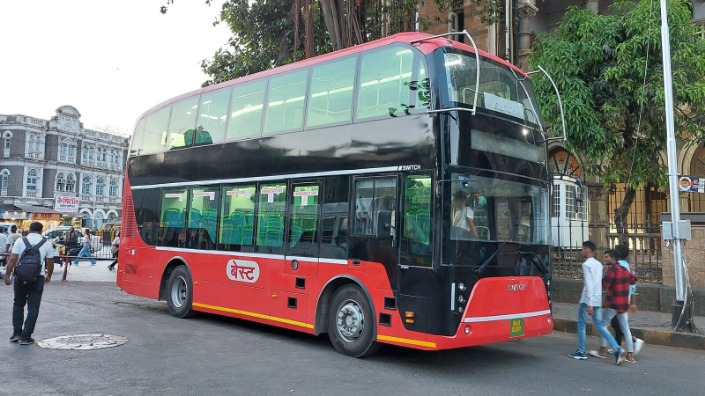

Overview of bus travel to South Africa
Bus travel to South Africa provides affordable, flexible access to a diverse country and its neighbors. Long-distance coaches connect major cities such as Johannesburg, Cape Town, and Durban with regional routes from Namibia, Botswana, Zimbabwe, Mozambique, and Eswatini, while domestic services link towns across the country. Booking is typically online or through travel agents; border crossings require valid documents, and journey times vary by route and terrain. Check current schedules, border requirements, and safety tips before you depart.
Key cross-border routes into South Africa
Bus travel to South Africa offers a budget-friendly gateway into Southern Africa, with an extensive network of routes linking neighboring countries to Johannesburg, Cape Town, Durban, and other major destinations. Intercity operators such as Intercape and Greyhound SA typically run long-distance services that cross borders, while regional buses connect key border towns and cities. Booking in advance is often wise, especially during holidays or peak travel periods, and travelers should be prepared for border checks, possible delays, and overnight journeys.
From Zimbabwe, the most established cross-border link into South Africa runs from Beitbridge to Johannesburg or Pretoria. Buses operated by large regional companies commonly travel overnight or during the day, crossing into South Africa at a major border post. Travel times are typically around 12 to 16 hours, depending on border processing and road conditions.
Namibia-to-South Africa routes originate in Windhoek and head toward Johannesburg, Cape Town, or other South African cities. Operators such as Intercape and other regional carriers offer these services. These journeys are long and frequently overnight, with travel times in the vicinity of 22 to 28 hours depending on the final destination and any stops along the way.
Botswana-to-South Africa routes are popular for travelers heading to Johannesburg or Pretoria, often crossing the border at the northern edge of South Africa. Typical trips take about 6 to 8 hours, though border delays can extend travel times, especially during busy periods or with checks at the border post.
Mozambique-to-South Africa routes exist but are less frequent than the neighboring-country options. Buses from Maputo and other Mozambican towns may connect to Johannesburg or Pretoria through border crossings such as Ressano Garcia/Giriyondo, with journey times commonly in the 24 to 36-hour range depending on stops and border processing times.
Eswatini (Swaziland) offers cross-border bus routes to Johannesburg, Durban, and sometimes Cape Town, with origin points in Manzini or Mbabane. These trips are commonly 6 to 9 hours to major South African cities, though longer schedules can occur if connections are involved or delays arise at border posts.
Lesotho provides another cross-border option, with buses from Maseru crossing at Maseru Bridge into South Africa and continuing to Bloemfontein or Johannesburg. Typical travel times range from 6 to 9 hours, depending on the final destination and border conditions.
Practical planning tips include checking the operator’s official timetable and border-post operating hours ahead of travel, ensuring your passport and any necessary visas are in order, and budgeting extra time for potential delays. Carry sufficient water and snacks for long rides, pack light but keep essential items in carry-on luggage, and verify luggage allowances with the carrier. For safety and comfort, choose reputable operators, read passenger reviews, and confirm terminal locations and pickup points in advance.
Overall, bus travel into South Africa remains a flexible and affordable option for regional travelers, offering direct routes to major cities and convenient connections across Southern Africa. Always verify current schedules with the specific bus company before planning your trip, as routes and times can change with seasons and border policies.
Common gateways and entry points
Bus travel to South Africa offers an affordable and widely used option for regional and international visitors, with coaches linking major cities to Johannesburg, Pretoria, Cape Town, and beyond. Long-distance buses are popular for their reliability, luggage capacity, and the chance to see landscapes along the route, though trip times can be longer than flying.
Across the region, several operators run cross-border services that connect neighboring countries with South Africa. Common players include large regional operators and local blackout-period services that focus on specific routes. Travel times and comfort vary by operator, but many coaches offer air conditioning, reclining seats, and onboard amenities, with some routes offering border assistance on longer journeys.
Common gateways and entry points by road include Beitbridge Border Post from Zimbabwe on the N1 into Gauteng and surrounding areas; Lebombo Border Post (Ressano Garcia) connecting Mozambique with the Mpumalanga and Gauteng corridors along the N4; Oshoek Border Post between Eswatini and South Africa on the N4; Kopfontein and Pioneer Gate border posts between Botswana and South Africa on the N4 corridor; and the Namibian crossings at Vioolsdrift and Noordoewer along the routes toward the Northern Cape and on to other inland hubs.
Border crossings can add a period of processing time, so travelers should anticipate waits for passport control, customs, and vehicle checks. Keeping documents ready, such as passports, visas if required, and any vaccination certificates or import permits, can speed up the process. It’s also common for buses to pause at border posts for crew to complete formalities, so plan for extra time when booking connections.
When planning a trip described as bus za kwenda south africa, it helps to verify the latest schedules and border requirements with the operator or a reputable travel advisory source, arrive early at the departure point, and have backup plans in case of delays. Carry some local currency for border fees or meals, and know the typical luggage allowances for the specific service you choose.
Major bus operators and services
South Africa is served by a group of major long-distance bus operators that connect cities across the country with reliability and comfort. Leading players include Intercape, Greyhound SA, and City to City, along with other regional services such as Baz Bus that cater to different budgets and travel styles. These operators offer express routes between Cape Town, Johannesburg, Durban, Pretoria, and other centers, with modern coaches, online booking, luggage allowances, and onboard amenities to make long trips more convenient.
Intercape and national networks
South Africa’s long-distance bus network connects the country’s major cities and regional hubs, offering a practical option for travelers and locals alike.
Intercape is one of the most prominent long‑distance coach operators in South Africa. The Intercape Mainline network links Cape Town, Johannesburg, Pretoria, Durban, Port Elizabeth, East London, Bloemfontein and other cities with regular departures and a choice of travel times to suit different schedules.
Intercape offers different service levels for long trips, including standard day services and sleeper coaches for overnight journeys. Coaches are typically air conditioned and designed for comfort on long rides, with luggage allowances and straightforward online booking to reserve seats in advance.
Across South Africa, national bus networks are built around a few core hubs—primarily Johannesburg, Cape Town and Durban—connecting provinces such as Western Cape, Eastern Cape, KwaZulu-Natal, Free State and Limpopo. Schedules usually run daily along the main corridors, with express options and slower routes that stop at additional towns along the way.
These national networks usually publish timetables on operator websites and travel portals, and travelers can choose between faster express services or more affordable options that serve a wider set of destinations. The networks are designed to facilitate affordable travel for work, study and tourism across the country.
Cross-border services exist as part of the broader Southern Africa network: some operators, including Intercape, run trips into neighboring countries, providing connections to destinations in Namibia, Botswana and Zimbabwe. Travelers should check current schedules, visa or permit requirements, and border crossing times when planning cross-border journeys.
Greyhound SA and other international brands
South Africa’s long-distance bus network features a mix of local operators and international brands, offering connectivity between major cities and regional destinations. The market is led by well-established SA operators alongside the presence of the Greyhound brand in the country.
Greyhound SA provides intercity services linking Cape Town, Johannesburg, Durban, Port Elizabeth, Bloemfontein and other hubs. The fleet typically offers air conditioning, comfortable seating, on-board rest stops for longer journeys, and online booking options. Luggage allowances vary by route, so travellers should check the operator’s policy when planning multi-city trips.
Intercape operates one of the largest domestic coach networks with routes across the country, including connections between Cape Town and Johannesburg, Pretoria, Port Elizabeth, and beyond. Intercape markets standard day trips and longer overnight services, with comfortable coaches, onboard facilities, and ticket offices or agent networks for easy reservations.
City-to-City is another prominent SA operator with routes linking major metropolitan areas, frequently serving travel between Cape Town, Johannesburg, Pretoria and coastal cities. Their services emphasize reliable schedules, competitive pricing, and booking convenience through online portals and agent networks.
Baz Bus serves the backpacker market with hop-on-hop-off routes along the Garden Route and into Cape Town, offering flexible itineraries, social atmospheres, and partnerships with budget-friendly accommodations and activities.
On the international front, Greyhound is the most widely recognized global brand operating within South Africa, while other big-name carriers have limited direct operations in the country. Some international platforms partner with local operators or run cross-border services to neighboring countries, but the SA market remains dominated by established domestic coaches.
Typical services across these operators include online booking, reserved seating, luggage allowances (which vary by operator and route), on-board amenities such as air conditioning and Wi‑Fi where available, and scheduled stops at rest facilities. Travel times vary by distance and route, so planning ahead helps with connections and transfers.
Tips for choosing a bus service to South Africa: compare routes and durations, check fare types and luggage rules, read passenger reviews, and book in advance during peak travel seasons. Always verify current schedules, border requirements if crossing out of SA, and safety guidelines before departure.
Local and boutique operators serving tourist routes
South Africa’s long-distance and tourist-friendly bus network blends major national operators with small local and boutique services that make exploring the country practical and affordable. Whether you aim to hop between cities or follow a scenic route along the Garden Route, there are options that suit backpackers, families and international visitors alike.
Major bus operators in South Africa include Intercape and Greyhound SA, which operate wide networks linking major cities across the country. These operators typically offer multiple service levels, from daytime express coaches to sleeper options, with online booking, baggage allowances and on board amenities. They are reliable for intercity travel and provide frequent departures, making it easier to plan multi city trips.
Local and boutique operators cater to tourists who want a more curated or scenic experience. The Baz Bus, a famous backpacker shuttle, runs along the Western Cape and Garden Route, connecting Cape Town with Knysna, Plettenberg Bay and Port Elizabeth and stopping at popular hostels and beaches. In major tourist hubs you will also find smaller outfits offering day trips and short hops—wine tours in the Cape Winelands, coastal trips to Hermanus, or safari transfers near wildlife parks—often with flexible schedules and a more intimate, small-vehicle feel.
Tips for travelers include checking the latest timetables online, booking in advance for peak seasons, comparing door-to-door journey times, and confirming luggage allowances. Safety and comfort vary by operator, so read recent traveler reviews and choose seats with good legroom and air conditioning where possible. For multi city itineraries, pairing a major operator’s long distance leg with a boutique operator for day trips can be a practical and cost effective approach.
Whether you are chasing major city connections or scenic, boutique routes through South Africa, the bus options provide flexibility to tailor your journey across diverse landscapes and attractions.
Popular routes and destination cities
Popular bus routes to South Africa connect the country’s main cities with regional hubs across southern Africa. Typical itineraries include high-traffic links between Johannesburg and Cape Town, Johannesburg and Durban, and coastal trips to Port Elizabeth, with cross-border services from Maputo, Gaborone, Harare, Maseru, and Mbabane guiding travelers into South Africa before continuing to other destinations.
Domestic routes within South Africa
South Africa’s domestic bus network links major cities and popular destinations, offering affordable and frequent services across the country. Here are some of the most popular routes and the cities you can reach by bus.
- Johannesburg to Cape Town — a long cross-country route along the N1, served by operators such as Intercape and Greyhound; destination cities: Johannesburg and Cape Town; typical travel time around 22–24 hours.
- Johannesburg to Durban — inland-to-coastal route connecting Gauteng and KwaZulu-Natal; travel time around 9–12 hours; popular for quick intercity trips.
- Cape Town to Port Elizabeth (Gqeberha) — scenic Garden Route corridor along the eastern coast; travel time roughly 10–12 hours; often used by holiday travelers.
- Pretoria/Johannesburg to Bloemfontein — central route linking Gauteng/Free State; travel time around 6–9 hours; convenient for accessing central South Africa.
- Johannesburg to Mbombela (Nelspruit) — gateway to Mpumalanga and Kruger National Park; travel time about 5–9 hours depending on stops.
- Durban to East London — coastal east coast route through KwaZulu-Natal to the Eastern Cape; travel time typically 8–12 hours; used by travelers exploring the coast.
- Port Elizabeth (Gqeberha) to Johannesburg or Cape Town — long-distance southern routes; travel times often 12–18 hours depending on stops and service.
Cross-border routes from neighboring countries
South Africa sits at the heart of Southern Africa’s overland bus network, drawing travelers from neighboring countries with fast, affordable cross-border services. Popular routes link major border towns to South Africa’s biggest cities, with Johannesburg and Pretoria serving as the main hubs, followed by Cape Town, Durban, and Bloemfontein. This article highlights the most-used routes and the destination cities you’ll reach when you travel by bus from nearby countries to South Africa.
From Botswana, the most travelled route is Gaborone to Johannesburg, offering a direct connection to South Africa’s economic capital. Buses also run from Gaborone to Pretoria, and some operators provide longer journeys to Cape Town and Durban with a change of vehicles along the way.
Zimbabwean travelers commonly head to Johannesburg and Pretoria, with Harare and Bulawayo serving as the main departure points. Beitbridge or Musina border crossings connect Zimbabwean routes to South Africa, and some services continue on to Durban or Cape Town via major hubs in Johannesburg.
Namibians often travel from Windhoek to Johannesburg or Cape Town, with routes continuing to Pretoria and other coastal cities by connecting services. Windhoek to Bloemfontein is less common but possible through longer itineraries.
From Mozambique, Maputo is a frequent starting point for journeys to Johannesburg and Pretoria, with crossings at the Ressano Garcia border. Some routes also run to Nelspruit (Mbombela) near the Kruger Park, giving access to eastern South Africa and the Lowveld.
Eswatini’s Mbabane and Manzini export routes toward Johannesburg, with direct services and day-long trips that pass through border posts at Lavumisa or Ngwenya, depending on the operator. Durban is another common final destination on longer itineraries.
In Lesotho, Maseru serves as a gateway to South Africa, with buses connecting to Bloemfontein, Johannesburg, and Pretoria through the border at or near the Caledon and Mohales Hoek crossings, though schedules vary by season and operator.
From Zambia, cross-border options exist mainly as through-services via neighboring countries, with some operators running routes toward Johannesburg with connections through Botswana or Zimbabwe. The most-used entry point into South Africa is through the Beitbridge border or other major crossings into Limpopo or Gauteng, depending on the operator.
When planning cross-border bus travel, check visa requirements and passport validity, book in advance especially during holidays, carry some local cash for border fees, and prepare for long journeys with rest stops. Choose reputable operators, confirm baggage limits, and have a plan for staying connected once you reach Johannesburg, Cape Town or the coastal cities.
Bus travel to South Africa from neighboring countries offers a mix of speed, affordability, and comfort, with a network that connects border towns to the country’s major cities. By knowing the popular routes and destination cities, you can plan efficient itineraries and enjoy the journey as part of your Southern African adventure.
City-to-city corridors and hubs (Johannesburg, Cape Town, Durban)
Bus travel to South Africa offers a practical way to explore the country, with a network that centers on major hubs and key city routes. This article focuses on popular routes, destination cities, and the city-to-city corridors that connect Johannesburg, Cape Town, and Durban.
Popular routes and destination cities include Johannesburg to Cape Town, a long-haul route that traverses the Highveld and the Karoo to the Western Cape; Johannesburg to Durban, which moves from the inland plains to the KwaZulu-Natal coast; and Cape Town to Durban, a coastal cross-country journey along the southern edge of the country. In addition, inland connections extend from Johannesburg to Bloemfontein and to Nelspruit (Mbombela), while coastal and Garden Route links connect Cape Town with Port Elizabeth (Gqeberha) and East London.
City-to-city corridors and hubs revolve around three core cities. Johannesburg serves as the inland hub, linking the north and northeast with the country’s southern routes and acting as a gateway for many longer journeys. Pretoria, often paired with Johannesburg, contributes to the same networks. Durban functions as the KwaZulu-Natal gateway, connecting the eastern coast to inland routes through major towns along the KwaZulu-Natal coast. Cape Town anchors the Western Cape, offering connections up the coast and inland toward the interior, and acting as a southern terminus for several coastal routes.
Travel times vary by leg and route, with Johannesburg to Cape Town typically taking around 20 hours by coach and Durban to Johannesburg around 6 to 8 hours. The Cape Town to Durban corridor can exceed a day, reflecting the vast distance along the southern coastline. Overnight services are common on longer legs, with the coastal towns of Mossel Bay, Knysna, George, Port Elizabeth, and East London often appearing as stopover points that let travelers rest and enjoy scenery along the way.
Tips for planning these trips include booking in advance with reputable operators, checking schedules for day vs. overnight services, and packing for long rides and variable weather. By focusing on the Johannesburg–Cape Town–Durban axis and the surrounding towns, travelers can navigate South Africa’s bus network efficiently while enjoying the journey between these major hubs.
Booking, schedules, and fares
Booking a bus to South Africa is quick and simple, with online platforms and local agents offering seats, up-to-date schedules, and transparent fares. You can compare departure times, journey durations, and service levels—from economy to comfortable options—before securing your ticket. Fares vary by distance, operator, and season, and many routes include luggage allowances and on-board amenities; always review border requirements and cancellation policies before travel.
Where to book bus tickets
Booking a long-distance bus to South Africa is straightforward when you know where to look for schedules and fares. You can book online, at bus terminals, or through travel agents, and you can compare options across several operators to find the best price and the right comfort level.
Where to book bus tickets to South Africa: Start with reputable operators such as Intercape and Greyhound SA for direct routes within South Africa and to neighboring countries. You can also use major online travel platforms that list multiple operators, and visit local travel agencies at major border towns and city centers to secure seats on popular routes.
Check schedules: Schedules are route-specific and can change seasonally. Domestic routes often run daily, with more frequent departures on weekends and holidays. Cross-border services may have fixed days per week and longer border-processing times. Always verify departure times on the operator’s site or your ticket platform close to your travel date.
Fares and value: Fares depend on distance, service level, and whether a return deal is available. Economy seats are typically the cheapest, with higher fares for semi-luxury or VIP coaches, extra luggage, or sleeper seating on overnight routes. For longer journeys, consider whether a flexible ticket or advance purchase saves money. In most cases, booking in advance yields the best prices, especially during peak travel seasons.
How to book: Use the operator’s official site or app to select your route, date, and seat. You can also compare prices on aggregator portals and then book directly with the operator or through the platform’s checkout. At the time of booking, have your passenger details ready and ensure your chosen travel document is valid for border crossings if you are traveling cross-border.
What to bring and tips: Pack light but bring essentials for the journey and check luggage allowances. For cross-border trips, have your passport, visas (if required), and any health documents handy. Arrive at the departure point a little early, and confirm the pickup point and boarding procedure to avoid delays.
Bottom line: Booking, schedules, and fares are easy to navigate once you know the main operators and tips to save money. Start with Intercape and Greyhound SA for reliability, check schedules online, compare fares, and book ahead to secure the best deal for your trip to South Africa.
Understanding schedules and frequency
Booking long-distance buses to South Africa can be straightforward when you understand schedules and fares. This guide explains how to find reliable services, read departures, and compare prices so you can plan trips with confidence.
To book a bus, start with the operator’s official website or a trusted travel-platform. You can also use local travel agencies in cities near you. Have your travel documents ready, including your passport and any visa requirements for border crossing. Payment is usually by credit or debit card, and some platforms offer mobile payments. Check each option’s cancellation terms, change fees, and whether there are any extra charges for luggage or seat selection.
Understanding schedules and frequency is key to avoiding missed departures. Many routes in southern Africa operate daily or several times per week, but frequency can vary by season, day of the week, and public holidays. International routes may have longer gaps if border checks are slow, so always allow extra time for customs and immigration when crossing borders. Time zones can be different near borders, and some operators publish times in local time, so confirm the time format before you buy a ticket.
When you read a bus schedule, note the departure time, the duration of the trip, and any layovers or border stops. Some services are direct, while others stop at towns for short breaks. Overnight buses show an arrival time the next day. If you’re using a multi-leg journey, check how long you have to change buses and where transfers occur. Also verify luggage allowances and whether holds are secured for your bags at border points.
Fares vary with distance, demand, and service level. Standard seats are cheaper than recliner or sleeper options. Prices tend to rise closer to the departure date, so booking in advance can save money. Look for off-peak discounts, return-trip deals, or multi-city passes. Cross-border trips may quote in different currencies, so pay attention to exchange rates and any extra border fees or visa-related costs that may apply.
Practical tips to smooth your booking and travel: compare multiple operators for the same route, read recent traveler reviews, and confirm the latest departure times a day before travel. Ensure you have the required travel documents for border control, including any visa or vaccination requirements. Keep a printed or digital copy of your ticket and a backup plan in case schedules change due to road conditions or weather.
Common routes you may consider include Johannesburg to Cape Town, which is often an overnight or long daytime journey; Durban to Johannesburg, typically a same-day or overnight trip; and cross-border options like Maputo to Johannesburg or Harare to Johannesburg, where durations depend on border procedures and road conditions. Always check the current operator schedule for precise times, durations, and available fare classes for your travel window.
By planning ahead, understanding the schedule structure, and comparing fares, you can book reliable bus services to South Africa and choose options that fit your budget and timetable.
Typical fares and payment options
Booking a bus to South Africa from neighboring countries is a practical option for travellers and workers alike. This guide covers how to book, what schedules look like, and typical fares and payment options on bus routes heading to major South African cities. For Swahili-speaking travellers, these are often described as bus za kwenda South Africa.
Booking basics: You can book online directly with regional bus operators that run cross-border services, or use travel portals and aggregators that compare schedules and fares. In border towns you may also find local travel agents who can arrange everything for you. When you book, you’ll usually select origin, destination, date, and seating class, add luggage options, and receive an e-ticket by email or SMS.
Schedules: Frequencies vary by route and season. Major routes typically offer daytime and overnight departures, with several options per week or per day on popular paths. Travel times depend on distance and border processes and can range from a few hours for short hops to well over a day for longer trips. Always verify the latest timetable and allow extra time for visa checks or customs where applicable.
Fares: Typical one-way prices depend on distance, seating class, and how far in advance you book. Shorter cross-border hops can start around 30-60 USD, while longer or overnight trips often range from 80-150 USD or more. Prices are higher during peak travel periods such as holidays. Luggage allowances and extra charges for excess or special baggage may affect the total price, so check the operator’s policy when you book.
Payment options: Most operators accept credit and debit cards for online purchases. Bank transfers (EFT) are common for local customers, and some stations allow cash payments at the counter or on departure if space is available. In several African corridors, mobile money options (such as M-Pesa or MTN Money) and mobile wallet payments (like South Africa’s SnapScan or Zapper) are increasingly supported for online bookings or at the counter. Always confirm the accepted methods at the time of booking to avoid surprises at the station.
Tips: Always verify border crossing requirements, have your passport and visas ready if needed, and check visa/permit rules for South Africa. Book in advance during peak seasons, confirm luggage policies and cancellation terms, and use reputable operators or trusted agents to reduce the risk of delays or overcharging. If in doubt, contact the operator’s support line for current schedules and payment options.
Border crossing, visas, and documentation
Travel by bus to South Africa begins at the border, where you will need a valid passport, any visa required for your nationality, and supporting documents such as return tickets and proof of accommodation. Check current visa policies in advance, as some travelers require visas or eVisas while others can enter visa-free. At border control you’ll present your documents, declare restricted items, and comply with health requirements like vaccination certificates if applicable. Having everything ready can make the journey smoother on bus routes into South Africa.
Passport, visas, and cross-border requirements
If you are traveling to South Africa by bus, you will pass through border posts where immigration and customs checks are conducted. Getting the right documents in order is essential to avoid delays.
Health requirements and travel insurance
Bus travel to South Africa (bus za kwenda South Africa) involves border crossing, visas and documentation, as well as health requirements and travel insurance. This guide provides practical information for passengers planning overland journeys into South Africa by bus.
- Border crossing, routes, and timing
When traveling by bus, you typically cross one or more land borders at official border posts. Border crossing times vary by country, time of day, and season. Be prepared to present your passport, any required visas, and your bus ticket. Some routes may require manual luggage checks and separate immigration and customs controls. Plan for delays, keep your important documents easily accessible, and follow the bus crew’s instructions to speed up the process.
- Visas and documentation
Visa requirements depend on your nationality. Some travelers are visa-exempt for short stays, while others must obtain a visa before travel. Key documents usually include a passport valid for at least six months beyond your intended stay, at least two blank visa pages, a return or onward ticket, proof of accommodation, and proof of sufficient funds. Minors may need consent letters if traveling with one parent or guardian. Check whether an eVisa is available for your nationality and how long processing takes. Always verify current rules with the South African embassy or Department of Home Affairs before travel and carry digital copies of important documents.
- Health requirements and vaccinations
Health requirements include routine immunizations and any country-specific advisories. A Yellow Fever vaccination certificate is required if you are arriving from or transiting through countries with risk of yellow fever transmission. In malaria-risk areas (such as certain northern regions near Kruger National Park), discuss prophylaxis with a travel clinic. Carry your prescription medications in their original packaging, and bring a basic first-aid kit. Some borders or operators may have health declaration forms or additional checks, so be prepared to answer health-related questions.
- Travel insurance
Strong travel insurance is highly recommended for bus trips into South Africa. Look for coverage that includes medical expenses, hospital treatment, emergency medical evacuation or repatriation, trip cancellation, and loss or delay of luggage. Ensure the policy is valid for South Africa and any regions you will visit on the journey. Keep both digital and printed copies of your policy and emergency contact numbers, and verify that the insurer provides 24/7 assistance while you are on the road.
- Practical tips for a smooth journey
Book with reputable bus operators and confirm border stop times. Have local currency for minor fees and keep valuables secure. Carry photocopies of your passport and visas, and store copies online as a backup. Stay informed about any changing entry requirements and health advisories, and allow extra time for border procedures to avoid missing connections.
Practical tips for border formalities
Border crossing by bus to South Africa requires proper documentation and awareness of visa rules. This guide offers practical tips for border formalities, visas, and what to prepare before you travel by bus.
Before you travel, verify visa requirements for your nationality. Some travelers can enter South Africa without a visa for short stays; others must obtain a visa in advance or use an eVisa program where available. Always check the official South Africa Department of Home Affairs website or your country’s SA embassy for the latest rules.
Documentation you should have includes a passport valid for at least 30 days after your planned departure from South Africa, with at least two blank pages; a visa or eVisa approval if required; proof of onward or return travel; proof of accommodation; travel insurance; and, if applicable, a Yellow Fever certificate for travellers arriving from countries with yellow fever risk. Carry copies of your documents—both paper and digital—so you can access them if the originals are lost.
Medicines and valuables require extra care. Carry essential medicines in their original packaging with the prescription or a doctor’s note, especially if you travel with controlled substances. Avoid bringing restricted or prohibited items. If you carry large amounts of cash or valuable items, declare them at customs if required by border control.
At the border, have your documents ready for inspection. Present your passport to the immigration officer, provide your visa if required, and answer questions about the purpose and duration of your visit. You may need to fill out a customs declaration and declare any goods. Follow staff instructions carefully and be prepared for a possible secondary inspection.
Baggage inspections are common at land borders. Keep important items—passport, money, medicines, and travel documents—in an easily accessible carry-on. Pack lightly to speed the process, and ensure your luggage complies with the border’s rules on prohibited items. Do not leave valuables unattended, and cooperate with border officers during any scans or searches.
Money, phones, and connectivity matter on border days. Carry enough local currency for small expenses and have a payment method for larger costs. Have offline copies of important numbers, including your embassy or consulate, and consider a local SIM or roaming plan so you can contact family or your bus operator if needed.
Practical tips for bus travelers include arriving early at the border, traveling light, and staying patient through queues. Ask your bus operator for the border procedure they follow, as some operators handle certain steps for you. Stay with your fellow travelers if you’re in a group, and keep the seat and bus information handy for when you rejoin the vehicle after border checks.
Border routes to South Africa come from several neighboring countries, including Zimbabwe, Botswana, Namibia, Mozambique, Eswatini, and Lesotho. Each border post has its own timings, procedures, and potential delays, so check current guidance for your exact route and allow extra time in your travel plan.
If you encounter difficulties, remain calm and polite. If entry is delayed or denied, ask for the reasons and request guidance from the border officers or your bus staff. Keep contact details for your embassy or consulate handy, and where possible, have copies of your documents to share with authorities or your travel insurer.
Travel tips and traveler considerations
Whether you’re planning a bus journey to South Africa or traveling within the region, practical travel tips and traveler considerations can make the trip smoother. This guide covers choosing reputable bus operators, understanding visa and border requirements, booking and ticketing, packing and baggage allowances, safety and personal security, health and insurance, money and payments, and tips for navigating busy stations and long overland routes.
Luggage guidelines and packing tips
Bus travel to South Africa can be an affordable way to move between major cities and scenic routes, but it requires careful planning and flexible travel habits.
Before you travel, confirm visa and passport requirements, ensure your passport has at least six months’ validity, and check any health or vaccination advisories. For some routes you may pass through neighboring countries where visas or transit rules apply, so have digital and printed copies of your travel documents and contact details for your embassy.
Choose a reputable bus operator by reading current reviews, comparing on-time performance, safety records, and baggage policies. For overnight journeys, sleeper or semi-sleeper buses can be more comfortable, but verify seat configuration, power outlets, Wi-Fi, and rest-stop plans.
Luggage guidelines: most long-haul services allow one large suitcase in the hold plus a small carry-on, with weight limits typically ranging from 20–30 kg for the checked bag and 5–7 kg for a carry-on, though this varies by operator. Never store valuables in checked luggage; keep important documents, medications, and electronics with you in a secure day bag.
Packing tips: travel light to ease loading and transfers. Pack a climate-appropriate wardrobe for South Africa’s diverse weather—layers for cool evenings, a waterproof jacket, comfortable shoes, and a swimsuit if you plan coastal stops. Essentials include a passport, tickets, money and cards, phone and charger, adaptor for South Africa’s Type M outlets, medications, basic first aid, sun protection, insect repellent, reusable water bottle, snacks, and a small flashlight.
On the bus, stay hydrated, take breaks at official stops, and carry earplugs, a neck pillow, and a sleep mask for longer trips. Keep valuables in a money belt or zipped bag, and be mindful of pickpockets in crowded border towns. If you feel unwell or cramped, speak to the crew.
Crossing borders and customs can add time. Have your passport, visas, eTA if applicable, and any required health certificates ready. Label your bags, keep a photo of your documents, and stay with your luggage when stopping at border posts. Plan extra transfer time in big cities.
Money, connectivity, and local tips: carry some South African rand for immediate needs; many towns accept cards, but cash is handy at smaller stops. Consider buying a local SIM or eSIM for data on the road. Learn a few local phrases, note emergency numbers, and respect local customs and safety advisories.
Conclusion: with careful preparation, bus travel to South Africa can be rewarding and economical. Pack thoughtfully, respect luggage limits, and stay informed about routes and border requirements to minimize delays.
Safety, security, and personal precautions
Traveling by bus to South Africa can be an economical and flexible way to explore the region, but it also requires planning and caution. This guide covers travel tips, safety, security, and personal precautions to help you have a smooth journey from departure to arrival.
Choose reputable bus operators with good safety records. Look for established names like Intercape, Greyhound SA, and Baz Bus in southern Africa, and read recent traveler reviews. Avoid unlicensed operators or offers that seem too cheap, and confirm routes, schedules, and baggage limits before you buy a ticket.
Book in advance when possible, especially during peak travel seasons. Keep digital and printed copies of your tickets, passport, and visa documents. Check border crossing times and plan for potential delays. If you’re using multiple legs, note transfer times and location at each stop to minimize confusion.
Before you travel, verify visa requirements for the country you are entering and ensure your passport is valid for at least six months beyond your planned return date. Carry a copy of your travel insurance, and note the emergency numbers for South Africa (such as 112 or 10111 for police) and your home country’s embassy or consulate contact details.
On the bus, protect your belongings. Use a durable lock for checked luggage, and keep valuables like money, phones, and passports with you in a daypack rather than in outer pockets or unattended bags. Sit near the driver or in well-lit areas when possible, and avoid displaying expensive electronics or jewelry.
Be mindful at stops: use reputable facilities, stay with fellow travelers if you’re unsure, and never leave belongings unattended. If you need to stretch, use designated rest areas and avoid walking alone after dark in unfamiliar neighborhoods. When using restrooms or buying snacks, keep an eye on your bags and count your valuables when you board back.
Border crossings can be lengthy. Pack light snacks and water, have your passport and documents ready, and answer border officials honestly. Respect local laws and customs, declare items if required, and be patient if queues are long. If you feel unwell or have a problem mid-journey, contact the bus company staff for guidance rather than improvising in unknown areas.
South Africa has rich but diverse safety considerations. Plan your route to stay in safer neighborhoods, especially in major cities. Use registered taxis or rideshares for short trips at night, avoid isolated areas, and keep valuables out of sight. Stay connected by sharing your itinerary with someone back home and using offline maps in case data access is limited.
Health and personal precautions matter on long bus journeys. Bring sunscreen, a hat, water, and a small first-aid kit. If you have food allergies or medical needs, carry essential medications with you and a note from your doctor if necessary. Stay hydrated, rest when you can, and be mindful of fatigue, especially on overnight routes.
In case of emergency, know how to contact the bus operator’s support line, local emergency services, and your embassy. Save important numbers in your phone and have a backup paper copy. With careful planning, choosing reliable operators, and staying aware of your surroundings, bus travel to South Africa can be a rewarding experience.
On-board amenities and comfort for long journeys
Traveling by bus to South Africa combines affordability with the scenery of Southern Africa. For long journeys, good preparation and practical on‑board choices can make the ride comfortable, safer, and more enjoyable.
Plan your route, check schedules and travel times, and compare operators. Overnight buses can save a night in a hotel, but review seat comfort, air conditioning, and toilet availability. Always book with licensed operators, keep a digital and printed ticket, and confirm luggage allowances before you go.
Documents and border considerations: carry your passport, visa if required, and any vaccination certificates. Some routes involve crossing borders; factor in extra time for immigration checks. Have copies of important documents in a separate bag and carry a small amount of local currency for border tolls and snacks.
On-board amenities and comfort: many long-distance buses offer reclining seats, adequate legroom, air conditioning, and clean toilets. Some buses provide power outlets, USB charging, Wi‑Fi, a snack or meal service, and blankets or pillows. Check what is included when you book and bring your own neck pillow and earplugs if you want extra rest.
Packing and personal comfort: wear loose, layered clothing, comfortable shoes, and bring a refillable water bottle. Pack a small day bag with essentials: a phone charger, headsets, medications, wet wipes, hand sanitizer, snacks, and a light jacket for chilly evenings on the road. Use a travel scarf or blanket if you want extra warmth.
Safety and security: keep valuables close, use a money belt or hidden pouch, and avoid flashing electronics at stops. Have your essential documents in your carry-on and a copy on a separate safe place. Be mindful at border checkpoints and follow crew instructions. If traveling at night, choose seats near the middle of the bus and stay aware of your surroundings.
Health and hygiene: stay hydrated but avoid overdrinking; avoid heavy alcohol; use sanitiser; wash hands when possible. If you have dietary restrictions, bring your own snacks. Take breaks at border stops to stretch legs and improve circulation on long rides.
Arrival planning: on arrival, know your final stop, taxi or bus connections, and local safety. Have a backup plan in case of delays or a missed connection. Using offline maps and a local SIM card can help you navigate unfamiliar cities after you reach your destination.
Conclusion: with careful planning, bus journeys to South Africa can be comfortable and cost-effective while offering a chance to see landscapes and towns along the route.
Practicalities and logistics
Practicalities and logistics for traveling by bus to South Africa involve planning ahead with visa and border requirements, choosing reputable cross-border routes, and booking trips in advance. Schedules, luggage limits, and on-board amenities vary by operator, so compare fares, transit times, and safety records, and carry local currency or a mobile payment method for gate fees and snacks. Also factor border crossing times, health and insurance needs, and passport validity to ensure a smooth journey into South Africa.
Connectivity and SIM cards
If you’re planning to travel by bus to South Africa, here are practicalities and logistics to help you prepare, along with tips on staying connected with SIM cards and data.
- Plan routes and timelines: identify routes from your starting country to South Africa, and note major hubs such as Johannesburg, Pretoria, Cape Town, and Durban, along with transfer points.
- Check border and visa requirements: verify passport validity, visa needs for South Africa and any transit countries, vaccination rules, and whether you need onward travel visas.
- Choose reputable operators: compare bus companies on safety, comfort, schedule frequency, multilingual support, and refund or change policies.
- Understand travel durations and comfort levels: long journeys can span multiple days; look for overnight options, seat pitch, air conditioning, USB charging, Wi‑Fi, and restroom access.
- Luggage rules and packing: confirm luggage allowances, secure valuables, carry a small daypack for border checks, and pack essentials like medications and copies of documents.
- Plan for border crossings: prepare for potential delays, have ready copies of documents, and know the process for passport checks, customs, and any required health certificates.
- Security and safety: travel during daylight where possible, stay aware of your surroundings at bus terminals, keep valuables secure, and have a plan for emergencies.
- Budget and currency: budget for ticket costs, meals, border fees, and local transport; carry some local currency for small expenses and know where to exchange money safely.
- Connectivity and SIM cards: research SIM options for your route, consider buying a local SIM on arrival, compare data bundles, check coverage for rural areas, and keep your phone unlocked for easy SIM swaps.
- Data and offline access: download offline maps and important documents, save bus operator contact details, and use messaging apps for hotel and guide communications.
- Staying connected on the road: identify reliable charging spots at bus stations, carry a portable charger, and keep essential numbers saved in your contacts.
- Local transport from terminals: plan how you’ll reach your final destination from major terminals—pre-arranged shuttles, taxis, rideshare apps, or scheduled public transport.
- Documentation and backups: carry digital copies of your passport, visa, travel insurance, and tickets, plus a spare photo ID in case of loss.
- Health and comfort on long journeys: bring water, snacks, a compact travel pillow, a light blanket, and any necessary medications to stay comfortable between stops.
Currency, payment methods, and budgeting
Practicalities and logistics of travelling by bus to South Africa require careful planning of routes, schedules, border crossings, and terminal arrangements.
Plan your route by comparing long-distance bus companies that operate into South African cities such as Johannesburg, Cape Town, Durban, Pretoria, and Bloemfontein. Check the origin point and final destination, typical travel times, average speeds, and the amenities offered on board, such as seating class, rest stops, Wi‑Fi, and power outlets. During busy seasons, book in advance to secure the best seats and prices.
Border crossing considerations: If you are traveling from a neighboring country, you will pass through a border post where passports, visas (if required), and health documentation are checked. Ensure your passport is valid for the required period and that you have any necessary visas or permits for entry into South Africa. Allow extra time for queues and inspections, and keep digital and physical copies of important documents accessible.
Luggage and safety: Check luggage allowances with your bus company before packing. Pack a secure daypack for valuables, keep your passport and essential items with you, and label bags. Use lockable luggage and consider travel insurance. At large terminals, stay aware of your surroundings and keep an eye on belongings, especially during transfers and overnight waits.
Currency and money management: The official currency in South Africa is the rand (ZAR). In border towns you may encounter other currencies, but once you are in SA you will need rand. Plan a mix of cash and cards; carry some small notes for taxis, snacks, and tips. ATMs are widely available in cities and many towns; however, cash can be scarce in very rural areas, so plan ahead.
Payment methods for bus bookings: Many operators offer online booking and accept major credit or debit cards, as well as electronic payments in some cases. Some terminals accept cash on the day of departure. If you book online, keep your confirmation and e-ticket handy. Be aware of any currency conversion fees or service charges.
Budgeting: Build a realistic budget by estimating the bus fare, accommodation if the journey spans the night, meals, local transport, and any border or visa fees. Intercity bus fares vary by distance, comfort level, and operator; expect a broad range. Add a contingency for delays, changes, or emergencies, and compare prices across operators to maximize value. Packing snacks and a refillable water bottle can further reduce daily costs.
Tips to improve practical planning: photos of documents, backup digital copies, and a printed copy can save time; check the latest travel advisories and border requirements; travel during daylight for safety where possible; and give yourself buffer days when connecting with other transport.
Conclusion: With careful planning of routes, currency management, payment options, and budgeting, bus travel into South Africa can be a cost-effective and rewarding way to move between the region.
Environmental impact and sustainability
As travelers consider bus routes to South Africa, the environmental impact and the quest for sustainability take center stage. Long-distance bus travel often carries a smaller carbon footprint per passenger than flying, helps reduce road congestion, and supports affordable cross-border transport across Southern Africa. This introduction explores how routes, cleaner fuels, efficient scheduling, modern low-emission buses, and conscious passenger choices can make bus travel to South Africa greener and more sustainable.
Bus travel vs other transport emissions
Travelers planning trips to South Africa can lower their environmental footprint by choosing sustainable bus travel when possible. Environmental impact and sustainability vary by mode, vehicle technology, fare choices, and occupancy.
Comparing emissions per passenger-kilometer shows that coaches and buses generally offer lower emissions than air travel and often similar or better performance than private cars when occupancy is high. Rail can be competitive but depends on the electricity mix and network reach in the region.
- Buses and coaches: High passenger occupancy reduces emissions per person; modern long-distance coaches are designed for efficiency and can run on diesel, with potential for electrification or biofuels in future. Typical per-passenger emissions are lower than flying and often lower than driving a car with multiple passengers.
- Cars and ride-sharing: Emissions rise when trips are solo or with few passengers; a bus carrying many travelers can beat a private car, but a sparsely filled bus may be less efficient. Route optimization and vehicle efficiency matter.
- Rail and intercity trains: Rail can offer very low emissions per passenger-km, especially with low-carbon electricity. In several parts of Africa, rail networks are less developed, which can limit options for a trip to South Africa.
- Air travel: Typically the highest per-passenger emissions for long-distance international segments and time-sensitive trips. When possible, choosing bus or rail and direct routes can substantially reduce footprint.
- Strategies to improve sustainability: choose high-occupancy or direct bus routes to minimize fuel use, select operators with modern, efficient fleets, consider carbon offset programs, and support policies that expand electrified or cleaner-fuel buses and robust, low-emission transport networks.
In practice, for travel to South Africa, a careful choice of bus operators, route planning, and occupancy levels can yield meaningful environmental benefits while still meeting travel needs.
Eco-friendly practices by operators
Common challenges and troubleshooting
Planning a bus trip to South Africa can be rewarding, but travelers frequently encounter common challenges that call for quick troubleshooting. Language differences, shifting schedules, visa and border requirements, and ticketing or luggage issues are typical hurdles along the road. This intro highlights common problems and practical tips to keep your journey smooth and on track.
Delays, cancellations, and refunds
Traveling by bus to South Africa can be affordable and scenic, but travelers often face common challenges such as delays, cancellations, and varying refund rules. Being prepared can help you navigate these issues with less stress.
Common challenges include schedule changes, border checks, long waits at stations or borders, luggage limits, and safety concerns. Troubleshooting quickly means checking the official operator timetable close to departure, confirming border entry requirements, carrying both printed and digital tickets, keeping contact details for customer service, and having a backup plan in case the service is altered.
Delays are frequently caused by heavy road traffic, border post queues, weather conditions, roadworks, or mechanical issues. To manage delays, monitor live status updates via the operator app or official social channels, stay in touch with the bus company, consider alternative routes or connections, and if a delay disrupts connections, request a rebooking or overnight accommodation where offered by the operator or travel policy.
Cancellations can occur for weather, safety concerns, or vehicle problems. When cancellations happen, review the operator’s policy for rebooking or refunds, ask for the next available service, or request a refund if you prefer. Policies vary by fare type, so it helps to know whether your ticket is refundable or non-refundable before you travel.
Refunds require documentation and patience. Typically you’ll need your booking reference, passenger details, proof of payment, and the original payment method. Processing times can range from a few days to a few weeks depending on the operator and method of refund. If a refund is delayed, contact customer support, and keep a record of all communications.
Practical tips for bus travel to South Africa include choosing licensed operators, checking route maps and schedules, reading recent passenger reviews, and buying refundable or flexible fares when possible. Plan with extra time for border procedures, ensure you have the necessary visas or entry documents, pack essential documents and a small amount of local currency, and consider travel insurance that covers delays or cancellations.
If problems arise, act quickly: document the issue with photos or receipts, request written confirmations of any rebooking or refunds, keep a record of all communications, and escalate to consumer protection or the operator’s higher-level support if needed. By staying proactive and informed, you can reduce the impact of delays, cancellations, and refunds on your trip by bus to South Africa.
Border delays and solutions
Bus travel to South Africa can be economical and scenic, but it also comes with common challenges that travellers should anticipate.
Key challenges often include documentation and visas, language barriers, timing and scheduling, safety concerns, and luggage or baggage restrictions. Understanding these in advance helps you plan and respond quickly when issues arise.
Border delays are a frequent hurdle on routes into South Africa. Queues for immigration and customs, paperwork checks, health declarations, and occasional vehicle inspections can extend travel times by hours, especially during holidays or peak travel periods.
Before you depart, verify entry requirements for South Africa from your country, ensure your passport is valid for at least six months, and check whether a visa or e-visa is needed. Carry digital and printed copies of your documents, and have additional passport photos, travel insurance details, and accommodation information ready.
Booking and payment issues can also cause stress. Use reputable operators, confirm departure times and pickup points in writing, and keep a receipt or ticket code. If you’re using third‑party sellers, beware of scams and verify contact details before paying.”,
On the day of travel, allow extra time for check‑in, luggage handling, and border formalities. Pack essentials in an easily accessible bag, stay within weight limits, and keep important documents in a secure, waterproof pouch.
When you reach the border, be prepared for long queues and multiple checks. Have your passport, visa (if required), vaccination certificates, and any special permits ready. Declare valuables honestly to avoid delays or fines, and cooperate calmly with border staff to speed up the process.
If you encounter delays at the border, practical troubleshooting includes staying in contact with the bus operator for updates, using real‑time messaging if the service offers it, and keeping a buffer of extra cash for unexpected fees. Having alternative contact numbers for rescheduling or rerouting can also help, especially for overnight journeys.
Solutions to border delays often involve planning and choice of route. Consider booking direct or fewer‑stops routes to minimize handoffs, travel during off‑peak times when borders are less crowded, and select operators with transparent schedules and reliable customer support. Request any available fast‑track options or pre‑clearing where offered and feasible.
Additional tips include monitoring travel advisories, carrying basic medical supplies, securing valuables against theft, and arranging travel insurance that covers delays and cancellations. Knowing your route, border posts (such as Beitbridge, Lebombo/Ressano Garcia, and posts near Eswatini and Lesotho borders), and typical processing times will help you plan a smoother trip by bus to South Africa.
With careful preparation and flexible planning, you can navigate common challenges and border delays more smoothly, making your bus journey to South Africa safer and more enjoyable.
FAQ for bus travel to South Africa
This FAQ covers practical information for travelers considering bus travel to South Africa (bus za kwenda South Africa) and aims to answer common questions about routes, visas, time, and safety.
Q: Where do international buses to South Africa typically depart, and what routes are common? A: Buses to South Africa usually originate in neighboring countries such as Zimbabwe, Botswana, Namibia, Mozambique, Eswatini and Lesotho, and they commonly terminate in major South African cities like Johannesburg, Cape Town and Durban. Some routes may also connect through regional hubs to other countries.
Q: Do I need a visa to travel to South Africa by bus? A: Visa requirements depend on your nationality and country of residence. Some travelers can enter visa-free for short stays, while others must obtain a visa in advance. Always check the South African Department of Home Affairs and your local embassy for the latest rules before you travel. Ensure your passport is valid for at least six months and has blank pages.
Q: How do I book a bus ticket to South Africa? A: You can book through the operator’s official website, a regional travel agent, or at the bus terminal. For cross-border routes, compare schedules, check entry requirements, and confirm baggage allowances before payment.
Q: How long do bus journeys to South Africa take? A: Travel times vary by route and border crossings. Some trips can be long overnight journeys that take many hours or even a full day or more, especially if you are crossing multiple borders or waiting at borders.
Q: What luggage is allowed on cross-border buses? A: Buses usually allow standard checked luggage and a carry-on. Typical allowances range from 20 to 40 kg of checked baggage per passenger, plus a small carry-on, but you should verify with your operator for exact limits and any fees for excess baggage.
Q: What documents do I need at the border when crossing into South Africa by bus? A: Bring your passport, a valid visa if required, and any transit documents. Some borders require onward entry stamps or vaccination records. Have funds for border fees and ensure you can present all documents to border officials when asked.
Q: Is bus travel to South Africa safe? A: Choose reputable, licensed operators with good safety records. Check bus conditions, seat belts, and driver credentials. Avoid traveling alone at night if possible, keep valuables secure, and be aware of common travel scams around border areas.
Q: What should I expect in terms of cost? A: Prices vary by distance, operator, and season. Early bookings and off-peak travel can save money, but cross-border routes often cost more than domestic trips. Compare several operators and read reviews.
Q: What facilities are available on long-distance buses to South Africa? A: Many long-distance buses offer comfortable seats, air conditioning, and sometimes Wi-Fi or power outlets. Food and restroom access vary by operator, so check what is included and what you may need to purchase onboard.
Q: Any tips for a smooth border crossing by bus? A: Before you travel, confirm border opening hours, have all documents ready, arrive early, and follow the driver’s instructions. Some borders may require you to exit the bus for immigration checks, so stay with your belongings and maintain privacy about personal information.
Q: What if there are delays or cancellations? A: Contact the bus operator as soon as possible for rebooking options. Know your insurance and travel refund policies, and have a backup plan for accommodation or onward transport in case of delays.