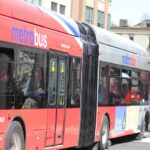

Overview of Midi Buses in South Africa
Midi buses in South Africa are mid-sized coaches typically seating around 30 to 40 passengers, offering a flexible option for regional travel, school and corporate shuttles, and medium-distance tours. They sit between minibuses and full-size coaches, delivering better fuel efficiency and accessibility to smaller towns, while remaining capable of comfortable long journeys and adaptable for diverse routes and operators across the country.
Definition and scope of Midi buses
Midibus operations in South Africa form a niche segment of the country’s public transport network, filling the gap between smaller minibuses and full-size urban buses. Midibuses are used on scheduled routes, school transport, and charter work where larger buses are impractical or uneconomical.
Definition and scope: A midibus is a mid-sized passenger vehicle, typically around 8 to 9 meters in length and configured to carry about 25 to 40 passengers. It sits between the small minibus taxis used for local sharing and the standard 12-meter city buses on busier routes. In South Africa, midibuses are employed on urban feeder routes, rural links, and contract services that require more capacity than a minibus taxi but less than a full-size bus.
Role in South Africa: Midibuses provide flexible capacity for municipalities and private operators. They are commonly deployed on short to medium routes with moderate passenger demand, serve as feeders to central bus networks or BRT systems, and support school fleets and corporate shuttles. They help improve frequency and reliability in areas where large buses are not sustainable.
Regulatory and market context: In South Africa, midibus operations fall under national transport policy and local licensing regimes. Operators must meet vehicle safety, roadworthiness, and operator licensing requirements, as well as maintenance standards. The market includes a mix of municipal contracts, private fleet ownership, and tendered services, with some support from public transport funding programs.
Technology and sustainability: The midibus segment is gradually adopting more efficient diesel engines, manual or automatic transmissions, and safety features such as CCTV and accessible design. There is growing interest in electric or hybrid midibuses for inner-city routes as part of public transport modernization and air quality goals.
Conclusion: Midibuses offer a practical balance of capacity, maneuverability, and operating cost, making them a valuable component of South Africa’s public transport landscape alongside minibuses and full-size buses.
Key uses and market segments in SA
A midi bus in South Africa is a mid-sized passenger vehicle typically seating around 22 to 35 passengers, positioned between smaller minibus taxis and full-size coaches. In SA, midi buses are a flexible mobility option that supports dense urban routes, peri-urban corridors, school transport, corporate shuttles and tourism-related services, bridging capacity gaps where a full-size coach would be impractical.
Market structure and operation: The midi bus segment sits within South Africa’s long-standing minibus taxi ecosystem, where operators run route-based services under permits and driving regulations. Many operators upgrade to midi buses to improve comfort, safety and reliability, often funded through finance, leasing or fleet-management arrangements, and aligned with regulatory safety and vehicle-standards requirements.
Key uses and market segments in SA include public transport fleets using midi buses to increase passenger capacity on busy urban corridors; corporate and government shuttle services that move employees between offices, airports and transit hubs; tourism and private charter operators that run day trips, game drives and sightseeing excursions; school transport fleets moving learners on safer, dedicated routes; and event or stadium shuttle services that handle large crowds with predictable capacity.
Ownership and procurement: Midi buses are sourced from new-vehicle programs, local assembly and import channels, or via pre-owned fleets renovated for safety and efficiency. Fleet owners range from small cooperatives to large transport companies and leasing groups, often with telematics and fleet-management support to optimize routes, fuel use and maintenance schedules.
Regulatory and safety notes: Operators must meet vehicle fitness, operator-permit and road-safety requirements, with ongoing inspections, driver training and maintenance regimes. In recent years there has been emphasis on safer, more compliant fleets and improved passenger experience to reduce accidents and incidents on busy SA corridors.
Trends and market opportunities: The SA midi-bus market is influenced by urban growth, demand for reliable last-mile transport and the push for safer, cleaner fleets. There is growing interest in fuel efficiency, lower-emission powertrains, and telematics-enabled fleet optimization. Public programs and private partnerships aim to modernize fleets, boost safety and deliver better service quality across city and regional networks.
Conclusion: Midi buses fill a critical niche in South Africa’s transport landscape, offering scalable capacity, better safety and comfort than older minibuses while remaining cost-effective for operators and users. The sector continues to evolve with technology, regulation and evolving mobility needs, making midi buses a key component of SA’s mobility future.
Regulatory and Compliance Environment
In South Africa, midi buses operate under a layered regulatory framework that covers public transport licensing, vehicle safety, and roadworthiness. The National Land Transport Act and related regulations establish route-based licenses and oversight by the National Public Transport Regulator, with provincial authorities administering minibus taxi operations. Vehicles must meet Road Traffic Act requirements, pass roadworthiness tests, and comply with safety, maintenance, and environmental standards set by the SABS and national environmental laws. This compliance regime emphasizes safety, accountability, and ongoing oversight for midi bus operators across the country.
Vehicle standards and safety requirements
South Africa’s regulatory and compliance environment for midi buses is shaped by national transport law, safety standards, and enforcement at national and provincial levels. Operators must secure the correct licenses, ensure vehicle safety compliance, and pass regular roadworthiness checks to operate legally.
Key regulatory bodies include the Department of Transport, the National Regulator for Compulsory Specifications (NRCS), and the South African Bureau of Standards (SABS). The Road Traffic Management Corporation (RTMC) coordinates oversight of road traffic management, while the National Road Traffic Act and the National Land Transport Act govern licensing, permits, and public transport operations, including midi-bus services.
Compulsory specifications (CS) administered by the NRCS establish safety and performance requirements for motor vehicles and critical components. Midi buses imported or locally assembled for use on South African roads typically must comply with applicable CS and obtain conformity documentation before registration, effectively providing a type approval framework.
The SABS provides standards and conformity assessment services that complement CS by validating components such as braking systems, lighting, emissions, and passenger safety equipment. Where relevant, SABS certification or product marks may be used to demonstrate compliance to buyers and regulators.
Vehicle safety requirements for midi buses commonly cover occupant protection (appropriate seating with restraint systems), clearly marked emergency exits, fire safety equipment, clear visibility, and reliable braking and stability features. Compliance with lighting, signalling, and tire standards is also enforced, alongside measures to ensure safe operation of doors and accessibility features where applicable.
For roadworthiness and operation, midi buses must comply with the Road Traffic Act and regulations, maintain valid vehicle licensing, and pass periodic safety inspections. Operators and drivers may require operator permits under the NLTA and must follow regulations that govern minibus taxi services, including adherence to service routes, fares, and professional driving standards.
Imported midi buses or locally assembled units should undergo type approval or CS conformity assessment before registration. The process may involve NRCS and SABS audits, documentation of component origins, and certification marks to prove compliance with required standards.
Ongoing compliance includes routine maintenance of braking systems, tires, and suspension; regular emission checks where applicable; driver training; and adherence to safety and service regulations. Regulators at national and provincial levels actively enforce requirements, and violations can result in fines, vehicle impoundment, or suspension of licenses, underscoring the importance of continuous compliance for midi-bus operators in South Africa.
As South Africa continues to reform its public transport landscape, there is a growing emphasis on improved safety, accessibility, and standardization for midi-bus services. Operators that align with a clear regulatory framework can participate more effectively in both formal bus contracts and trusted minibus taxi operations, contributing to safer and more reliable passenger transport across the country.
Emissions and fuel regulations in SA
The regulatory and compliance environment for midi buses in South Africa shapes how operators procure, run, and maintain fleets, with emphasis on safety, emissions and fuel efficiency.
- Regulatory scope and responsible agencies: road transport authorities, environmental agencies and safety regulators oversee vehicle type approvals, safety certifications, and ongoing compliance for midi buses operated by municipalities, schools, or private fleets.
- Emissions standards and testing: midi buses must meet national emission limits established by environmental and transport authorities, with mandatory emission testing and certification at accredited laboratories and periodic inspections to verify ongoing compliance.
- Fuel quality and efficiency: regulations govern fuel specifications and quality controls to support clean combustion, while fleet operators are encouraged to adopt efficient drivetrains, telematics, and maintenance practices that reduce fuel consumption and emissions.
- Vehicle safety and roadworthiness: annual or periodic roadworthiness inspections, compliance with bus body and chassis standards, and mandatory safety features are enforced to protect passengers and other road users.
- Imported and locally manufactured midi buses: importers and manufacturers must obtain approvals and certifications, comply with local content and localization rules where applicable, and provide after-sales support and warranty coverage.
- Compliance in practice for operators: procurement decisions, financing, and maintenance planning are influenced by regulatory requirements, penalties for non-compliance, and incentives for cleaner fleets or retrofit programs.
Key considerations for fleet managers include staying updated on regulatory changes, engaging with accredited testing and certification bodies, and planning retrofit options to align with evolving emission and safety standards in the midi bus sector.
Registration and licensing process for Midi buses
Midibus operations in South Africa are governed by a layered regulatory framework that blends general road traffic rules with specific public transport requirements. The regulatory backbone comes from the National Road Traffic Act and the National Land Transport Act, with the Road Traffic Management Corporation and the Department of Transport shaping national policy, compliance, and enforcement. Registration, licensing, and safety for midi buses are implemented through eNatis and provincial transport regulators, guided by safety standards from the South African Bureau of Standards and transport inspectors.
Key Acts and bodies to know include the National Road Traffic Act 93 of 1996, which governs licensing and roadworthiness, and the National Land Transport Act 5 of 2009, which introduces route-based operating licenses for public transport. The RTMC coordinates national transport information and compliance, while the Department of Transport develops policy and oversight. Vehicle registration, licensing, and records are managed electronically via eNatis, and safety standards are supported by SABS. Approved Inspection Authorities issue roadworthy certificates, and provincial regulators handle operator permits and route licenses for PSVs such as midi buses.
Registration of a midi bus typically follows these steps: if the vehicle is new, ensure it meets safety standards and obtain a valid roadworthy certificate from an Approved Inspection Authority. Secure proof of ownership, insurance, and business registration details. Use eNatis to register the vehicle and obtain a registration certificate and number plates, then arrange licensing at the local licensing department and pay the required fees. Keep the roadworthy certificate current, as renewal is required on a schedule determined by the regulator and local procedures.
Roadworthy and safety compliance are essential for midibus operations. Midi buses intended for passenger service must meet safety requirements, including functioning safety systems and appropriate seating and passenger amenities. The roadworthy certificate must be kept up to date, and the vehicle must comply with applicable dimensions, weights, and equipment standards as specified by SABS and DoT regulations. Regular inspections and maintenance are critical to sustaining compliance and safe operation on public roads.
If the midi bus is to operate as a Public Service Vehicle (PSV), you will need an operator permit and a route license under the National Land Transport Act. The licensing process is typically handled by the provincial regulator and involves submitting fleet details, business registration documents, proof of insurance, driver records, and a maintenance plan. There may be public consultation or hearings, and once granted, the permit is renewed periodically according to provincial rules and the terms of the license. Vehicles used on licensed routes must remain compliant with the permit conditions and ongoing safety requirements.
Other compliance considerations include import and conformity requirements if the midi bus is imported, such as import permits, customs clearance, and a Certificate of Conformity from the country of origin. Tax and VAT requirements apply for commercial operators. Operators should also ensure driver training, testing, and background checks as required by the regulator, maintain appropriate passenger liability insurance, and keep thorough records for inspections by RTMC, DoT, or provincial authorities. Staying aligned with NLTA and PSVs regulations is essential for lawful operation and ongoing service reliability.
Practical steps for operators include engaging a reputable fleet management or compliance service, checking provincial regulatory requirements, ensuring all licenses, permits, and roadworthy certificates are current, and keeping meticulous records for inspections and renewals. Regularly review regulatory updates from the DoT, RTMC, and your provincial regulator to ensure your midi bus fleet remains compliant and ready for safe operation on South Africa’s roads.
Manufacturers, Importers, and Local Assembly
In South Africa, the midibus sector relies on a three‑way approach of manufacturers, importers, and local assembly to meet public transport and shuttle needs. Manufacturers design and build midibuses for durability on demanding routes; importers bring in international models and components; and local assembly facilities finish vehicles with ready-to-use interiors, compliance fittings, and branding to suit South African regulations and customer requirements.
Local assembly vs. import strategies
In South Africa, the midibus segment serves urban mobility needs for short- to medium-range routes, school transport, and corporate shuttles. This article examines how manufacturers, importers, and local assembly players operate within this market, and how local assembly compares with importing strategies for midibuses in South Africa.
Manufacturers in the midibus space typically design complete chassis-and-body solutions or supply complete buses to fleets. In South Africa, this includes building vehicles that meet local road traffic regulations, fuel-performance targets, and after-sales service expectations. Successful manufacturers focus on a reliable parts and service network, compatibility with existing fleets, and predictable lead times to align with school contracts and public taxi reform programs.
Importers bring in completed midibuses or semi-knocked-down CKD/SKD kits from manufacturers abroad. They can offer a wider range of models, advanced features, and capitalize on favorable exchange rates. However, importers face risks such as import duties, currency volatility, longer logistics chains, and the need to establish local service and spare parts supply to keep fleets operational.
Local assembly refers to erecting CKD/SKD kits or complete buses within South Africa, often in collaboration with established component suppliers. Local assembly creates jobs, supports local content targets, and enables faster after-sales support. It also helps manufacturers meet policy incentives, such as those tied to local content requirements and government programs that promote domestically produced vehicles.
Deciding between local assembly and importing depends on volumes, model mix, and total cost of ownership. Local assembly benefits include reduced import duties for parts and vehicles, shorter turnaround times for local fleets, and stronger after-sales support. Import strategies offer broader product choice and potentially lower upfront capital expenditure. A blended approach—assembling core models locally while importing niche or higher-end configurations—often delivers the best balance of price, reliability, and serviceability in the South African market.
South Africa’s automotive policy environment, including local-content targets and incentive programs, influences midibus strategies. Providers can leverage supplier development programs, training, and certification processes to improve quality and uptime. Compliance with the National Road Traffic Act, SABS standards, and ecosystem requirements for spare parts distribution remains critical for fleet operators and OEMs alike.
Fleet operators evaluating midibuses should weigh total cost of ownership, maintenance availability, spare parts accessibility, and warranty coverage. Geography, fuel type, and after-sales network determine uptime and life-cycle costs. Partnerships with manufacturers or importers that offer robust service agreements, transparent pricing, and local training tend to yield higher fleet reliability in the South African context.
In summary, a thoughtful mix of local assembly and import strategies is typically best for the South African midibus market. Local assembly supports job creation and local content goals while keeping after-sales service responsive; importing provides model variety and flexibility. Freed from a one-size-fits-all approach, operators and investors can tailor their midibus strategies to market demand, policy incentives, and the realities of South Africa’s transportation ecosystem.
Major manufacturers and distributors in South Africa
Midi buses play a key role in South Africa’s urban and peri-urban transport, offering a compact alternative to full-size coaches while maintaining sufficient seating for commuter routes. In the South African market, the midibus segment relies on a mix of local assembly, direct imports, and extensive after-sales support through manufacturer-distributor networks.
Manufacturers with a direct presence or local assembly in South Africa include Mercedes-Benz South Africa (MBSA) and Volvo Buses South Africa, both operating local assembly and service networks for midibus models used by municipalities, bus operators, and schools. European and global players such as MAN Truck & Bus South Africa and Scania South Africa also supply bus chassis and complete midibus configurations through local distributors. In addition, Japanese brands like Isuzu and Hino are active in the lightweight and mid-size bus market through SA-based distributors.
Local assembly in SA is supplemented by CKD (complete knock-down) and kit-based programs that allow midibus models to be assembled locally to meet local regulatory and cost requirements. MBSA and Volvo Buses SA have historically leveraged local manufacturing capabilities for certain bus models, providing parts and maintenance networks across major cities.
Importers and distributors of midibuses in South Africa include a cluster of Asian brands widely used in government and private fleets. Yutong South Africa, King Long South Africa, Higer South Africa, and Foton South Africa operate as importers and distributors of complete midibus units or major chassis for local adaptation. These brands are well represented in school transport contracts, commuter routes, and private hire fleets.
Major manufacturers and distributors in the SA midibus market also emphasize service networks and spare parts availability, which influence fleet uptime and total cost of ownership. MBSA and Volvo Buses SA run extensive regional service centers; Yutong, King Long, Higer, and Foton maintain regional depots and parts distribution through authorised dealers. This ecosystem supports fleet operators in meeting regulatory standards and achieving reliable daily operation.
Market trends in South Africa show continued demand for midibuses due to growing urban transit needs and school transport programs. Operators evaluate options across traditional European brands with robust after-sales and modern features, and rapidly growing Chinese brands that offer competitive price points and local support through SA distributors. The choice often depends on factors such as route length, passenger demand, operating costs, and access to maintenance and spare parts.
Pricing trends and total cost of ownership
The midi bus segment in South Africa is a crucial part of urban and peri-urban transport, bridging the gap between minibuses and larger coaches. Midi buses typically accommodate about 12 to 30 passengers and are used by private operators, schools, and corporate shuttle services across major cities and townships.
Manufacturers from around the world supply midi-bus platforms that suit South Africa’s market, with many models built on light-commercial van chassis or van-derived bodies. Key players include global brands whose vans form the basis for mid-size buses, and a number of SA-based distributors partner with them to provide local service, warranties, and parts. Where volume and regulation support demand, some manufacturers offer local assembly to meet local content requirements and to reduce landed costs.
Importers play a central role in the SA midi-bus market, especially for models not assembled locally. They manage distribution networks, aftersales support, and ensure a steady supply of spare parts. Competition among importers helps keep warranty coverage and service availability within reach of transport operators.
Local assembly in South Africa is supported by policy programs that encourage domestic manufacturing, enabling CKD or SKD kits to be converted into finished midi buses. This can lower costs for operators, provide quicker access to parts through local networks, and align with vehicle homologation and road-traffic regulations. Local assembly also helps standardize aftersales and training for drivers and mechanics.
Pricing for new midi buses has been influenced by global supply chains, currency movements, and local tax regimes. Rand volatility against major currencies can lift landed costs for imported chassis and bodies, while annual VAT and any applicable duties shape the sticker price. As operators seek greater reliability and lower maintenance downtime, demand for newer, fuel-efficient or compliant models may push prices higher, but the growing availability of locally assembled variants can provide more price competition and better aftersales packages.
When evaluating total cost of ownership, operators should consider upfront capital expenditure, financing terms, depreciation, fuel consumption, maintenance, parts availability, and insurance. Midi buses with common chassis share a large pool of spare parts and trained mechanics in SA, which can reduce downtime and maintenance costs. Resale value depends on brand reputation, reliability, and the strength of service networks. A strong aftersales package and predictable maintenance can lower TCO even if upfront price is slightly higher.
Overall, the South Africa midi-bus market remains dynamic, with manufacturers, importers, and local assembly all shaping pricing and total cost of ownership. Operators who factor in local support, regulatory compliance, and TCO when choosing a model are best positioned to secure reliable transport at predictable costs.
Market Demand and Use Cases
Market demand for MIDI bus solutions in South Africa is rising as local studios, live venues, and educational institutions seek robust, cost-effective ways to network keyboards, controllers, and DAWs. Use cases span touring rigs that require reliable MIDI routing, classroom environments where students learn sequencing and performance setup, church worship teams coordinating multiple keyboards and software tracks, and post-production facilities linking synths with editing workflows. As South Africa’s music, film, and events industries grow, scalable MIDI bus architectures that are easy to deploy and maintain are becoming essential for creative workflows across the country.
Public transport and paratransit demand
In South Africa, midi buses—medium-sized urban coaches seating roughly 18 to 30 passengers—are increasingly positioned as a practical option for modern public transport and paratransit services.
Market demand is shaped by rapid urban growth, aging fleets, and the need for reliable, safer, and more comfortable journeys. Cities such as Johannesburg, Cape Town, and Durban continue to expand transport corridors, while commuters seek predictable travel times and better user experiences.
In public transport, midi buses fit well as feeder vehicles to rail lines and bus rapid transit corridors, operating on high-frequency routes that require quick turnarounds and easy accessibility. They are also suited for shuttle services to airports, corporate campuses, shopping centers, universities, and large event venues where a moderate capacity with good maneuverability adds efficiency.
Paratransit demand remains a significant component of mobility in South Africa. Midi buses can be configured for accessibility, with low-floor designs, ramps or underfloor lifts, and spaces for wheelchairs and assistance devices. When integrated with the formal network, paratransit services become more reliable and ride-safe, offering scheduled or on-demand options that complement non-mobility constrained travelers’ needs.
Operationally, midi buses offer a balance between size, maneuverability, and total cost of ownership. Their fuel efficiency and smaller depreciation relative to full-size coaches can reduce monthly operating costs, while simpler maintenance networks help operators minimize downtime. A robust supply of parts, qualified technicians, and local service centers are essential to maintain uptime in the regional market.
Financing and procurement are pivotal for market uptake. Government fleet renewal programs, subsidies for accessible transport, and public-private partnerships can lower barriers to adoption. Leasing models and staged investments allow operators to upgrade fleets without a large upfront outlay, while packaged maintenance and warranties improve total cost of ownership comparisons against older minibuses.
Barriers exist, including price sensitivity, import duties, and the need for reliable after-sales support in regional areas. Opportunities lie in local assembly, standardized configurations for accessibility, and a strong aftermarket parts ecosystem. Aligning policy, financing, and operator training will help midi buses scale effectively and support safer, more efficient urban mobility in South Africa.
Ultimately, midi buses can bridge gaps between traditional minibus taxis and larger buses, providing flexible capacity for peak and off-peak demand while enhancing the accessibility of paratransit services. With coordinated planning, investment, and a focus on reliability and accessibility, the South African market can leverage midi buses to improve public transport performance and rider experience.
School and private shuttle segments
The market for midi buses in South Africa is expanding as cities grow, schools enroll more pupils, and private shuttle operators seek cost-efficient transport solutions. Midi buses, typically seating around 8 to 30 passengers, fit between minibuses and full-size coaches, offering a balance of maneuverability, capacity, and operating cost that suits many routes across the country.
In the school transport segment, midi buses are favored for feeder routes and short daily trips where compact size helps navigate narrow suburbs and busy pick-up points. Schools look for reliable performance, robust safety features, and easy maintenance to support high daily mileages and strict timetables. The total cost of ownership is often more favorable than larger coaches when fleets must cover multiple small routes.
For private shuttle operations, midi buses support hotel and airport transfers, corporate campus shuttles, and event transport. Operators value predictable fuel consumption, dependable uptime, and integration with fleet-management systems for GPS tracking, scheduling, and driver performance monitoring. Leasing and service packages that cover maintenance and parts are common to reduce downtime and ensure consistent service levels.
Common use cases include school runs that connect feeder communities to urban centers, private shuttle services for hotels and business parks, airport transfers for business travelers, and contract work for universities and campuses. In tourist regions, midi buses can support small-group tours and day trips where larger coaches are unnecessary or impractical.
Market drivers in South Africa include rising urban populations, traffic congestion creating demand for efficient point-to-point travel, and schools consolidating transport to improve safety and cost control. The moderate size and price of midi buses align with procurement budgets and financing options available to private operators and educational institutions, enabling quicker fleet expansion where needed.
Safety and regulatory compliance shape demand. Vehicles must meet South African roadworthiness standards, permit requirements for school transport, child seat and seatbelt laws, and driver training rules. Operators increasingly deploy telematics, CCTV, and real-time monitoring to meet safety expectations and improve route efficiency.
Challenges include parts availability and after-sales support, especially in rural areas, as well as depreciation and the need for reliable service networks. Fuel price volatility and the total cost of ownership must be weighed against the benefits of mid-size capacity. Financing terms and maintenance contracts are critical to keeping fleets up and running.
Opportunities lie in the shift toward eco-friendly transport, with options for compressed natural gas (CNG) and electric midi buses to reduce emissions on busy city corridors. Telematics-enabled operations, shared fleets, and public-private partnerships can improve utilization. A growing network of service centers and parts suppliers in major cities supports scalability for school and shuttle fleets.
Overall, the midi bus sits as a practical middle ground in South Africa’s transport mix, offering enough capacity for medium-duty routes while maintaining agility and lower running costs compared with larger coaches. For schools and private shuttle operators, the right midi bus can deliver safer, more reliable services, improve on-time performance, and shorten total transport costs as demand grows.
Tourism, events, and corporate transport
In South Africa, the midi bus segment occupies a crucial niche between minibuses and full-size coaches, offering capacity for mid-sized groups with highway-worthy comfort and lower operating costs than larger coaches.
Market demand for midi buses is driven by tourism operators, hotels and lodges offering shuttle services, corporate campuses, and event logistics. Typical configurations range from 20 to 35 seats, making them versatile for city tours, airport transfers, and private charters while maintaining maneuverability on narrow streets and tight access routes common in many South African towns.
In tourism, midi buses support domestic and international travel by connecting guests with lodges, game reserves, and coastal destinations. They enable day trips to key attractions, provide reliable airport-hotel shuttles, and form the backbone of regional tour networks where larger coaches would be impractical or too costly for smaller groups.
For events, midi buses offer scalable transport solutions for conferences, concerts, sports matches, and festivals. They can shuttle attendees from transport hubs to venues, handle VIP and staff movement, and adapt quickly to fluctuating attendee numbers with flexible seating configurations and luggage space for event gear.
Corporate transport uses include employee shuttles, on-site campus transit, and client hospitality services. Midi buses support predictable schedules, route optimization, and driver retention through comfortable, safe transport options, while integration with fleet management systems improves utilization and tracking for corporate accounts.
South Africa’s growing tourism sector, improving road networks, and demand for sustainable, cost-efficient group transport create favorable conditions for midi buses. Fleet operators look for reliable after-sales support, easy access to spare parts, fuel-efficiency, and compliant safety features to meet regulatory requirements and client expectations.
Challenges include ensuring robust service networks across provinces, financing for mid-sized fleet investments, maintenance cycles to prevent downtime, and adapting to regulatory changes around vehicle standards and driver working hours.
Overall, midi buses in South Africa provide a flexible, economical solution for tourism, events, and corporate transport, helping operators grow capacity without the overhead of larger coaches while delivering reliable, comfortable journeys for passengers.
Technical Specifications and Vehicle Configuration
Technical specifications and vehicle configuration are central to Midi Bus operations in South Africa, shaping choices around size, powertrain, weight, and seating to suit urban routes, intercity travel, and rural access. Understanding engine options, transmission types, axle configurations, dimensions, passenger capacity, accessibility features, and safety systems helps operators optimize performance, fuel efficiency, maintenance, and regulatory compliance for a diverse South African market.
Engine options, transmissions, and performance
In South Africa, midi buses fill a critical niche for urban and regional transport, offering a compact footprint with passenger capacity typically in the mid-20s to low-30s. They are commonly used for commuter routes, school shuttles, airport transfers, and charter services, where maneuverability and efficient fuel use matter in busy city streets and on shorter intercity runs.

Technical specifications and vehicle configuration for a SA midi bus typically emphasize right-hand drive layout, robust body-on-frame or semi-integrated designs built on van-based or light commercial chassis. Lengths range around 7.0 to 8.5 meters with seating up to 22–32 passengers, depending on configuration, plus standing room in some urban variants. GVW commonly sits between 6.5 and 8.5 tonnes, with 1–2 entry doors and optional kneeling or ramp accessibility for step-free passenger flow. Interiors often include air conditioning, passenger information systems, CCTV, and durable seating suited to high-traffic daily use. Many operators choose skid-steer or independent front suspension for better ride comfort on mixed road quality found across SA routes.
Engine options for SA midi buses are predominantly diesel, featuring four- to six-cylinder inline engines with common-rail direct injection, turbocharging and intercooling. Power ratings typically span from roughly 120 kW (about 160 hp) to 210 kW (about 280 hp), with torque in the range of 500–900 Nm depending on displacement and configuration. Emission compliance in SA equipment varies by model and year, including Euro IV to Euro VI variants. Electric and hybrid configurations are increasingly offered by manufacturers as an option for lower operating costs and reduced emissions, while some operators consider compressed natural gas (CNG) or LNG variants where available.
Transmissions paired with these engines commonly include 5- to 6-speed manual options, 6- to 8-speed automatic gearboxes, and automated manual transmissions (AMT) for reduced driver workload and smoother shifts in city traffic. Some models offer 6-speed semi-automatic or dual-clutch setups, with torque-converter automatics favored for heavier daily duty. Final-drive ratios are chosen to balance urban acceleration with highway cruising efficiency, and some configurations provide hill-hold or crawl modes to handle steep SA gradients.
Performance characteristics for SA midi buses reflect their role as passenger conveyances rather than performance machines. Top speeds typically range from 95 to 110 km/h on open roads, with real-world cruising speeds in urban corridors of 40–80 km/h depending on traffic. 0–100 km/h acceleration often falls in the 14–25 second band depending on weight, engine power, and drivetrain. Fuel consumption is influenced by payload, route profile, and air-conditioning load, with typical values widely varying but commonly in the 8–14 L/100 km range for diesel variants under mixed duty. When properly maintained and loaded, these buses deliver reliable, predictable performance suitable for SA service requirements.
Seating arrangements and accessibility features
Midi buses in South Africa occupy a practical niche between minibuses and full-size coaches, offering roughly 20 to 30 seats in a compact, maneuverable package that suits urban routes, airport shuttles, and regional feeder services.
Technical specifications for typical midi buses used in South Africa include overall length from 7.0 to 8.5 meters, width around 2.0 to 2.3 meters, and a passenger floor that enables relatively low step heights for easier boarding. Powertrains are usually turbocharged diesel engines in the 120 to 180 kW (about 160 to 240 hp) range, paired with manual six-speed or automatic transmissions of six to nine speeds. Emissions packages commonly meet Euro 5 or Euro 6 standards, with ABS, stability control, and modern engine management for efficiency and reliability. Fuel capacity ranges roughly 140 to 240 liters, depending on the market and configuration, delivering typical ranges suitable for urban and short regional runs.
Vehicle configuration choices focus on maximizing passenger flow and ease of service. Chassis and bodywork can be front‑engine with a cab‑over style, or more commonly a rear‑engine layout that creates a flat, easy‑to‑clean interior. Doors are typically 1 or 2, with variations including single or double entry and sometimes a front or centre door for efficient boarding. Low‑floor or step‑free entries are offered on the urban variants, with floor heights frequently in the 300 to 600 mm range to simplify access. Interior height is designed to give a roomy feel, while luggage compartments under the floor or behind the rear doors provide adequate space for baggage and service equipment. Adjustable air suspension and seat mounting systems help balance ride comfort with rugged road conditions common in SA.
Seating arrangements for midi buses are commonly 2+2 across a narrow aisle, with seat pitch around 780 to 820 millimeters. In urban configurations some operators prefer removable or foldable seats to reconfigure spaces for standing passengers or wheelchairs during peak hours. Options include high‑back, upholstered seats with armrests and secure anchorage points, plus dedicated areas for luggage or standing passengers. The design typically allows for modular seating to adapt to different routes, such as school runs, shuttle services, or commuter lines, while preserving enough aisle width for safe passenger movement.
Accessibility features are a key focus for midi buses in South Africa. Many models offer a ramp or powered door for step‑free entry, with kneeling suspension to reduce the step height during boarding. A dedicated wheelchair bay with securement anchors and seatbelt restraints enables one or more wheelchairs to travel safely, while aisle seating near priority areas helps passengers with mobility needs. Visual and Audible stop announcements, high‑contrast signage, and tactile indicators facilitate use by passengers with vision or hearing impairments. Interior lighting, clear wayfinding, and driver assistance systems support safer, more reliable operations in urban fleets.
Operators also consider serviceability and parts availability across South Africa, choosing midi buses with widely supported engines, common components, and a global service network to minimize downtime. Custom configurations are available through regional OEM partners to meet local route patterns, passenger expectations, and regulatory requirements, while preserving the core benefits of a compact, efficient mid‑sized bus for SA markets.
Electrical, HVAC, and comfort systems
In South Africa, midi buses are a versatile solution for urban transport, shuttle services, and school trips, offering a balance of passenger capacity and maneuverability. The following overview covers typical technical specifications and vehicle configurations, electrical systems, and HVAC and comfort features found on midi buses operating in South Africa.
- Technical specifications and vehicle configuration
- Chassis and body: mid-length platform (about 7.5–9.0 meters), low- to mid-floor designs for easy boarding, two or three entry doors, seating typically 16–26 passengers with possible foldable or removable seats to increase luggage space.
- Powertrain: diesel engines common, power ranges 150–250 hp, torque 500–650 Nm, transmissions manual or automatic, rear-wheel drive being common; compliance with Euro III/IV/V/VI depending on market.
- Suspension and handling: front independent suspension, rear leaf or air suspension, disc brakes on all wheels, stabilizer bars; turning radius suitable for urban streets.
- Safety and regulatory: ABS, EBD, ESP optional, tire pressure monitoring, standard emergency exits, seating belts, fire extinguisher; weight ratings: gross vehicle weight typically 5,000–7,500 kg depending on configuration.
- Electrical system
- Electrical architecture: 24V main system with 12V auxiliary circuits; high-capacity battery bank to power interior electronics; alternator sizing around 120–180 A; DC-DC converter for 12V accessories.
- Lighting and entertainment: LED interior lighting, exterior lighting (headlamps halogen or LED), dash display, infotainment with Bluetooth/USB, optional rear-view cameras, navigation.
- Charging and comfort: USB ports at seating rows, possible wireless charging, power outlets for drivers; electrical harness routing for reliability in hot SA climate.
- HVAC and comfort systems
- Air conditioning: roof-mounted or dash-integrated A/C, sometimes front and rear zones depending on bus size; refrigerant options R134a or more modern R-1234yf; refrigerant charges optimized for climate in SA.
- Ventilation: fresh air intake with cabin recirculation, cabin air filtration; optional cooling for luggage compartments.
- Acoustic and thermal comfort: double-glazed windows, insulation to reduce engine heat and road noise; comfortable seating with adequate legroom; optional climate control for rear seats in higher-end configurations.
- Interior and amenities
- Seating and layout: 2- to 3-abreast seating, foldable or fixed armrests, seating upholstery designed for high-traffic ops; anti-slip flooring; accessible seating and handrails for boarding.
- Storage and luggage: dedicated luggage hold, overhead compartments, bag hooks near doors; interior layout supports quick boarding and alighting for urban routes.
- Passenger comfort: reading lights, HVAC vents at each row, water bottle holders, signage for route and stops; accessibility features for elderly and disabled passengers.
After-Sales, Maintenance, and Parts
Across South Africa, Midi bus operators depend on robust After-Sales service, comprehensive Maintenance planning, and a ready supply of Parts to ensure uptime, safety, and cost efficiency from city routes to rural services.
Service networks and warranty coverage
In South Africa, midibus operations rely on a robust after-sales, maintenance, and parts network to keep fleets on the road. Operators of midibuses—from school contracts to regional shuttle services—benefit from manufacturer-backed support, local distributors, and a growing ecosystem of service centers designed to minimize downtime and maximize uptime.
After-sales and service networks in South Africa commonly include authorized dealers with regional workshops, diagnostic capabilities, and trained technicians. These networks extend across major metros such as Johannesburg, Cape Town, and Durban, with regional workshops in key corridors to support both urban routes and rural operations. Mobile service units and on-site support are often available for fleet customers, reducing the need to transport vehicles for routine maintenance or minor repairs.
Maintenance and parts supply are structured around scheduled service intervals that cover core systems like engine, transmission, braking, suspension, and electrical networks. Genuine parts, accessories, and wear items are stocked at regional depots or distributed via authorized channels to ensure quick turnaround. Operators should expect clear maintenance timetables, standardized service checklists, and transparent pricing, with access to alternative parts where approved by the manufacturer to balance cost and reliability without compromising performance.
Warranty coverage for midibuses in South Africa typically includes a defined period or mileage limit, such as a few years or up to a specified kilometer threshold, with separate terms for major drivetrain components. Warranty eligibility usually requires service to be performed by authorized centers, proper maintenance documentation, and adherence to the manufacturer’s service schedule. Exclusions commonly apply to misuse, accidents, non-genuine parts outside approved alternatives, and off-road or improper operation. Owners can often extend warranty through manufacturer-approved programs for additional value and peace of mind.
For fleet operators, practical steps improve after-sales outcomes: verify the network of authorized service centers before purchase, confirm a parts supply plan with guaranteed lead times, and keep comprehensive service records to support warranty claims. Consider optional extended warranties or maintenance plans tailored to regional driving conditions, and ensure access to roadside assistance or emergency support for remote routes. A strong local service network in South Africa helps midibus operators stay compliant, minimize downtime, and deliver reliable transport services across diverse environments.
Parts availability and supply chains in SA
In South Africa, midi buses are a practical solution for urban transport, school shuttles, and flexible tour services, making after-sales support, maintenance, and parts availability critical to uptime and total cost of ownership.
After-sales networks in SA typically combine authorized service centers, independent workshop networks, and mobile technician teams that can respond to routine service or urgent repairs. Manufacturers and local distributors often offer warranty programs, training for local technicians, and diagnostic tooling to ensure that maintenance aligns with the vehicle’s specifications and safety standards.
Maintenance for a midi bus in South Africa emphasizes preventive care due to high daily utilization in urban routes and variable road conditions. Regular checks on the engine, transmission, brakes, suspension, tires, cooling and HVAC systems, batteries, and electrical wiring are essential. Fleet operators commonly adopt preventive maintenance schedules, track service intervals, and use telematics or fleet management tools to anticipate service needs and minimize unscheduled downtime.
Parts availability in SA rests on a mix of local distributors, regional warehouses, and international suppliers. Critical components such as filters, belts, brake consumables, engine and drivetrain parts, electrical components, and HVAC spares are typically stocked in major cities and at regional hubs. When parts are not on the shelf, distributors usually offer next-day or 2–3 day delivery from regional or international stock, with occasional longer lead times for specialized assemblies.
Supply chains face challenges common to many import-reliant markets: currency fluctuations, customs clearance processes, port congestion, and logistics delays. Durban and Cape Town act as key import gateways, while Johannesburg and surrounding hubs serve as distribution centers for parts and service support. Fleet operators should plan for delays by maintaining a practical parts inventory, establishing relationships with multiple reputable suppliers, and considering remanufactured or compatible parts where appropriate to reduce downtime while meeting safety and warranty requirements.
To mitigate risk, operators can negotiate service-level agreements with service providers, invest in technician training, and implement a proactive parts planning strategy that aligns with expected maintenance cycles. Local partnerships with trusted distributors can improve access to genuine or approved parts, while monitoring for counterfeit or substandard components helps protect warranties and vehicle reliability.
Overall, a robust after-sales and parts ecosystem in South Africa enhances the reliability and Resilience of midi bus fleets, enabling efficient operation across urban routes, school transport, and short-haul services while supporting predictable maintenance costs and quicker returns to service.
Maintenance best practices for reliability
For midi bus fleets in South Africa, effective after-sales, maintenance, and parts management are essential to reliability, uptime, and total cost of ownership. Local conditions such as high temperatures, dust, long distances, and varied road quality amplify the impact of poor maintenance, making a structured approach vital for operators, service providers, and manufacturers alike.
After-sales support in South Africa should be built on an authorized service network with clearly defined service level agreements, readily accessible spare parts, and trained technicians. This includes regional workshops, mobile service teams, and remote diagnostics capabilities. A regional presence reduces downtime, speeds repairs, and ensures that warranty terms are honored. Transparent escalation paths, clear fault codes, and predictable turnaround times help operators plan around maintenance windows and minimize service disruption.
Maintenance best practices begin with a formal preventive maintenance program aligned to the midi bus’s usage profile. Create standardized checklists for daily, weekly, and monthly tasks, plus more thorough inspections at service intervals. Embrace condition-based monitoring where feasible—telemetry for engine, transmission, electrical systems, and safety systems can trigger proactive interventions before failures occur. Pair scheduled maintenance with root-cause analysis of any faults to prevent recurrence and continuously improve reliability metrics.
Parts strategy should balance original equipment manufacturer (OEM) parts with reliable aftermarket alternatives where appropriate, always prioritizing compatibility and safety. Maintain a robust parts forecast and stocking policy that accounts for lead times, depreciation, and regional demand. Ensure critical components—filters, belts, electrical connectors, brake components, and safety items—are stocked in reachable hubs. Establish clear warranty coverage for parts, and implement an obsolescence plan to avoid stranded inventory as models evolve.
Reliability improvements rely on data-driven decision making. Track key performance indicators such as mean time between failures (MTBF), mean time to repair (MTTR), spare Parts fill rate, and maintenance compliance rates. Use failure mode and effects analysis (FMEA) to identify high-risk components and implement design or process tweaks. Foster a culture of continuous improvement through regular reviews, lessons learned reports, and feedback loops between drivers, technicians, and maintenance planners.
Operationally, tailor maintenance to South Africa’s specific environments: high-heat corridors, dusty rural routes, and urban networks with stop-and-go traffic. Schedule maintenance during cooler parts of the day when possible, employ dust-control practices, and ensure cooling systems are up to standard. Invest in technician training focused on diagnostics with the vehicles’ electronic control units, as well as safety-critical systems. Establish clear documentation for all service activities, ensuring traceability and enabling quick audits or recalls if necessary.
In summary, reliability for midi bus operations in South Africa hinges on a robust after-sales framework, disciplined maintenance programs, and a strategic approach to parts availability. When these elements are integrated, operators gain higher uptime, lower operating costs, and safer, more predictable service for passengers across diverse South African landscapes.
Financing, Incentives, and Ownership Models
Financing midi buses in South Africa hinges on balancing upfront capital with dependable operations, with owners turning to traditional loans, lease or hire-purchase arrangements to acquire mid-size fleets for urban routes. Incentives from government and development programs, including grants and tax relief aimed at cleaner, safer, and more accessible public transport, help accelerate fleet renewal and emission reductions. Ownership models range from outright purchase and operating leases to public-private partnerships and fleet-as-a-service, enabling operators to scale networks, manage risk, and align incentives with service quality and long-term sustainability.
Lease vs. purchase options for Midi buses
In South Africa, midi buses are a versatile solution for urban and peri-urban transport, offering a balance between capacity and maneuverability for dense routes, shuttles, and feeder services. Operators consider financing, incentives, and ownership models carefully to optimize total cost of ownership and service reliability.
- Financing options in South Africa include traditional bank term loans, hire-purchase and finance leases from vehicle financiers, and operating or full-service leases from bus fleets. Many operators combine dealer finance with bank facilities to align depreciation with cash-flow needs, especially when upgrading to safer, compliant midi buses.
- Ownership models range from outright ownership by an operator or fleet company to fleet-as-a-service arrangements where a provider retains ownership and the operator pays periodic fees. Public-private partnerships with municipalities or transport authorities for long-term concessions are also used on select corridors.
- Lease vs purchase considerations include cash flow impact, maintenance responsibilities, residual value risk, and tax treatment. Leases tend to offer predictable monthly costs and easier upgrades, while ownership provides asset value and potential depreciation benefits. Evaluate service plans, parts availability, warranty terms, and driver training when deciding.
- Incentives and subsidies in South Africa may come from national or provincial programs aimed at safer, greener, and more reliable public transport. This can include procurement preferences under B-BBEE policy, VAT considerations for input tax credits for VAT-registered buyers, and grants tied to fleet upgrades that meet safety and emissions standards.
- Tax and financial planning considerations include depreciation for asset value on books, VAT input recovery for VAT-registered buyers, and the impact of fuel efficiency and maintenance costs on total cost of ownership. Working with a local financial adviser familiar with transport assets helps tailor a financing and ownership model to route structure, budget limits, and repayment horizons.
Financing sources and credit considerations in SA
In South Africa, financing midi buses for urban routes requires balancing upfront capital expenditure with ongoing operating costs, while navigating incentives, ownership options, and credit terms that suit fleet renewal programs for cities and private operators alike.
Finance sources typically include commercial banks with vehicle financing divisions, asset-based lenders, and specialized fleet or vehicle lessors offering finance leases, operating leases, or hire-purchase arrangements.
Development finance institutions such as the Industrial Development Corporation (IDC), the National Empowerment Fund (NEF), and the Small Enterprise Finance Agency (SEFA) can provide longer-tenor facilities, credit enhancement, or equity-style funding for midi-bus fleets that create jobs, support local suppliers, or enable green or energy-efficient routes.
Government incentives and tax considerations vary by year and by locality. Potential advantages can include energy-efficiency tax deductions under Section 12L of the Income Tax Act for investments that demonstrably reduce energy use, B-BBEE alignment that improves access to funding or supplier terms, and potential grant or subsidy programs tied to public transport renewal or green fleet initiatives.
Ownership models for midi buses include: outright purchase financed with a loan; finance lease or operating lease where the operator avoids ownership risk or shares residual value with a financier; hire-purchase arrangements; public-private partnerships or municipal outsourcing where a city contracts the operation while the fleet remains under a private or joint ownership structure; or vendor finance programs from OEMs.
Credit considerations for South African midi-bus deals include assessing debt service coverage and ability to meet repayments (DSCR), loan-to-value ratios, tenor alignment with fleet life (typically 5–8 years or longer for diesel or CNG buses depending on the model), interest rates and fees, currency or supplier risk for imported buses, down payments, and the reliability of maintenance and spares supply.

Operational and financial due diligence should also cover maintenance obligations, warranty terms, guaranteed uptime, service contracts, fuel efficiency, driver training costs, and residual value assumptions at the end of the contract or loan term.
Practical steps to secure finance include preparing a robust business case with route networks, projected fare revenue, occupancy, and cash flow; obtaining clear maintenance and parts-support commitments; engaging OEMs or financiers early to explore vendor finance or structured deals; and ensuring compliance with RSA safety and emissions standards.
Local context matters: many incentives or favorable terms may be tied to city or provincial programs, so collaboration with municipal transport authorities and provincial economic development agencies can help unlock subsidies or grant support for midi-bus fleets.
Overall, a well-structured combination of finance, incentives, and clear ownership models can help South African operators renew midi-bus fleets while controlling total cost of ownership and maintaining reliable urban transport.
Government incentives or public transport grants
Financing midi buses in South Africa combines private capital, government support, and innovative ownership models to support urban mobility. This article covers financing options, ownership structures, and government incentives or public transport grants relevant to midi bus operations in South Africa.
- Financing options for midi buses:
Options include outright purchase, commercial vehicle loans from banks or non-bank lenders, operating leases, finance leases, and public-private partnerships. Leasing can reduce upfront costs and preserve capital; consider total cost of ownership, maintenance plans, and warranty terms. For operators, banks may require business plans, cash flow projections, and collateral. Development finance institutions (DFIs) such as the IDC or DBSA can provide tailored loan products for public transport equipment, often with longer tenors and more favorable pricing for metro and municipal projects.
- Ownership models for midi bus fleets:
Ownership can be direct (operator owns the fleet), public ownership with private operation (municipal or national assets leased to operators), or PPP arrangements where risk and responsibility are shared. Fleet ownership might affect depreciation, tax treatment, and access to incentives. Some operators prefer a lease model to transfer maintenance responsibility to the lessor and to preserve capital for service expansion.
- Government incentives and public transport grants:
National and provincial programs may offer grants or subsidies for the procurement of compliant, low-emission midi buses, especially for urban networks or BRT-adding routes. Grants may cover part of the vehicle cost, maintenance facilities, or infrastructure such as depots and maintenance yards. There are also tax incentives and import duty relief for clean buses under certain schemes. The Integrated Public Transport Network Grant (IPTNG) and related municipal grants have historically supported network expansion, while newer programs in some provinces may target emissions reduction and peri-urban routes. Always verify current schemes with the Department of Transport, National Treasury, and relevant provincial or municipal transport departments to ensure eligibility and application requirements.
- Practical steps to access incentives:
Identify eligible programs at national, provincial, and municipal levels; prepare a robust business case with route analysis, passenger demand, energy efficiency, and life-cycle cost. Engage with DFIs and commercial lenders early, present a vehicle specification that meets local standards, and align with public transport policy objectives. Consider partnerships with OEMs, turnkey operators, or consortium bids to improve competitiveness for grant-funded procurements.
Case Studies and Regional Insights
Case studies and regional insights into Midi Bus operations in South Africa reveal how urban routes, intercity links, and rural connections shape performance, safety, and rider experience across the country. By comparing provincial initiatives, this introduction highlights fleet adaptations, regulatory contexts, and service design choices that inform operators, policymakers, and travelers alike.
Case study: Municipal fleet integration
This article presents case studies and regional insights on municipal fleet integration in South Africa, with a focus on Midi Buses as a scalable solution for urban mobility.
- Context and objectives: In a mid‑size South African city, the municipality sought to modernize public transport by integrating a midibus fleet to supplement existing larger buses, reduce operational costs, and improve service on feeder routes.
- Solution: Midi bus configuration—8 to 12 meters, accessible low‑floor design, diesel and electric variants—was chosen for maneuverability in dense urban corridors and fare integration with existing systems.
- Procurement and financing: A phased procurement through public tender, supported by municipal budgets and national grants; partnerships with manufacturers and local training providers.
- Implementation: Pilot in two core corridors, with a dedicated depot, maintenance plan, and real‑time tracking; driver training and passenger information systems deployed.
- Operations and integration: Integration with existing timetable, route planning software, ticketing interfaces; feeder routes connect with main trunk lines to improve network connectivity.
- Regulatory and safety: Compliance with National Land Transport Act guidelines, vehicle inspections, licensing, and safety standards; security measures on board and at stations.
- Regional insights: Urban geography affects route design; in coastal regions like Cape Town and dense metro areas like Gauteng, midibuses improve access to neighborhoods with narrow streets; weather and climate considerations influence electric bus performance and charging planning.
- Impact metrics: Metrics tracked include on‑time performance, passenger boardings, modal shift from private to public transport, total cost per kilometer, maintenance downtime, and emissions reductions.
- Challenges and mitigations: Delays in spare parts, financing cycles, and training needs; mitigations include local maintenance hubs, long‑term supply agreements, and data‑driven demand forecasting.
- Lessons learned: Start with a limited network for validation, ensure strong governance and stakeholder alignment, invest in driver and technician training, and plan for scalable electrification where feasible.
Case study: Private school shuttle services
Case Studies and Regional Insights: Case study: Private school shuttle services in English. This article explores Midi bus deployments in South Africa’s private school sector, with regional insights across Gauteng, Western Cape, KwaZulu-Natal and beyond, and a detailed case study of a Gauteng-based shuttle service.
-
Regional landscape and demand
Across South Africa, private schools increasingly rely on shuttle services to transport students from feeder neighborhoods to campuses. Midi buses, with seat counts typically in the 16–27 range, offer a balance of capacity and maneuverability for urban routes, campus entrances, and limited-street corridors. In Gauteng, Western Cape, and KwaZulu-Natal, demand peaks during weekday mornings and afternoons, with high emphasis on safety, on-time performance, and real-time communication with parents.
-
Case study: Private school shuttle service in Gauteng
A Johannesburg-area private school operates a small fleet of Midi buses (two 22-seat units and one 16-seat unit) to serve six feeder zones. Routes are designed to minimize travel time while maximizing coverage, with morning pickup windows from 06:30 to 07:15 and afternoon drops from 15:30 to 17:00. Implementations include GPS tracking, digital manifesting, and routine driver training focused on passenger safety. Impact metrics show improved on-time arrivals, reduced parental concerns, and measurable reductions in late-running bus trips. Challenges include traffic congestion on key corridors and driver availability; solutions involve staggered start times and dedicated loading/unloading zones at campuses.
-
Regional insights: Western Cape and KwaZulu-Natal patterns
In coastal provinces, terrain and urban sprawl influence route design. Midi buses are favored for their ability to navigate hilly streets and narrow access points near schools. Cape Town and Durban metro areas show strong demand for after-school program shuttles, requiring flexible schedules and contingency plans for weather-related delays. Regional procurement practices emphasize certified operators, vehicle maintenance standards, and adherence to school transport regulations.
-
Operational model and technology integration
Successful cases combine route optimization software with telematics, enabling dynamic re-routing in response to traffic and changing bell times. School administrators coordinate with operators through a shared SLA that covers safety, vehicle readiness, and communication protocols with parents. Midi buses support door-to-door or hub-and-spoke models, depending on neighborhood density and campus layout, with multiple pick-up points per zone to balance capacity and wait times.
-
Key takeaways and best practices
Important factors include clear safety policies, driver training focused on student engagement, regular vehicle maintenance, and transparent communication with families. Regional insights suggest tailoring fleets to local traffic patterns and climate, ensuring compliance with South Africa’s transport regulations, and building partnerships with reputable operators to sustain service quality as demand grows.
Regional variations: City vs rural markets
Case studies and regional insights into the midi bus market in South Africa reveal how city cores demand high-frequency, predictable service while rural networks require flexible, affordable connections that can operate with limited infrastructure and maintenance support.
City market case study: In a major metropolitan corridor, a midi bus fleet was deployed to shuttle passengers from townships to rail stations and business districts. The operation emphasized standardized routes, timed departures, and coordinated handovers with feeder modes, improving reliability and reducing wait times for commuters who previously relied on crowding into minibuses.
City market case study: A coastal megacity integrated midi buses with a larger trunk service, using dedicated lanes or priority at key intersections to maintain headways during peak periods. The asset mix favored 12‑ to 14‑meter midi buses, chosen for their balance of passenger capacity and maneuverability on narrow urban streets, with maintenance hubs located near depots for quick turnaround.
Rural market case study: In Eastern Cape and parts of KwaZulu-Natal, midi buses supported village-to-clinic and school routes where demand is seasonal and dispersed. Operators faced higher per-rider costs but noted gains in accessibility and social inclusion. Success depended on modular routes, simple fare structures, and partnerships with community-based transport associations to organize trips.
Regional insights: procurement, financing, and governance shapes outcomes. Urban deployments commonly use city-led procurement or concession models with performance targets and integration into existing tariff structures, while rural programs lean on government subsidies and multi-operator co-ordination to cover low-density corridors. Spare parts availability, local technician training, and a reliable supply chain are repeatedly cited as critical success factors for midi buses in all regions.
Regional variations in road conditions, climate, and traffic patterns influence vehicle choice and maintenance. Urban roads favor compact midi buses with good turning radius and adherence to axle-load limits, whereas rural routes benefit from robust suspension and higher ground clearance to cope with rough surfaces. electrification is being explored in pockets of city networks, with charging infrastructure and total cost of ownership considered in the planning stages.
What this means for South Africa is that MIDI bus strategies must be context-specific. Policymakers and operators should align with taxi associations to ease transition, invest in driver training and safety features, and build regional maintenance hubs to reduce downtime. When cities and rural districts collaborate on standard specifications and data sharing, the midi bus can help close mobility gaps while supporting less congested and more affordable transport in South Africa.
Future Trends and Opportunities
As South Africa’s audio and music production scene grows, the MIDI bus ecosystem is set to deepen interoperability, affordability, and remote collaboration. Future trends include compact, USB-C powered interfaces, cloud-enabled workflows, and standardized MIDI over Ethernet, unlocking new opportunities for studios, live venues, and education institutions across the country. Manufacturers, retailers, and educators can capitalize on expanding demand for accessible MIDI solutions, collaborative tools, and local content creation to drive innovation in South Africa’s music technology sector.
Electrification and alternative propulsion
In South Africa, midi buses are emerging as a flexible urban transport solution that fits middle-mile routes, BRT feeder lines, and peri-urban services, making them a key platform for the country’s mobility transition.
Electrification is accelerating due to air quality goals, quieter operation, and lower operating costs. Battery technology is improving, with higher energy density and lower costs, enabling electric midi buses to cover daily city routes with depot charging, while fast charging and opportunistic charging along corridors can extend service reliability. When total cost of ownership is calculated alongside maintenance and electricity prices, electric midi buses become increasingly compelling for SA operators.
Alternative propulsion options beyond pure battery electric include hydrogen fuel cells for longer routes or higher duty cycles, as well as hybrid-electric configurations and CNG-dedicated variations as transitional steps. South Africa’s evolving energy mix—comprising more renewable generation—will influence charging strategies and green power sourcing for fleets, while energy storage at depots and microgrids can improve reliability and help manage grid demand.
Opportunities for midi buses in SA include domestic manufacturing and assembly, conversions of existing diesel midi fleets to electric propulsion, and expanded aftermarket service networks. Local supply chains for batteries, motors, power electronics, and charging infrastructure can create jobs and reduce import exposure. Public‑private partnerships and city procurement programs can unlock financing for depot upgrades, charging systems, and spare parts pools, accelerating fleet renewal.
Challenges remain, including grid capacity in larger cities, reliable and affordable battery supply, spare parts availability, and safety and standards for high‑voltage systems. A supportive regulatory framework is needed to encourage investment while ensuring safety, interoperability of charging hardware, and data security. Building local technical expertise through training is essential to sustain a thriving electric midi bus ecosystem.
In the South African context, city-scale pilots and collaborations among OEMs, local bus builders, energy providers, and operators are shaping the market. The midi bus opportunity aligns with broader mobility goals by delivering practical, affordable, and resilient transport for densely populated urban areas and growing regional corridors. As policies, financing, and local capacity mature, midi buses can play a pivotal role in SA’s cleaner, more connected transport future.
Digitalization and fleet management
The midi bus segment in South Africa is at a tipping point where digitalization and fleet management modernization can transform reliability, cost efficiency, and service quality across urban and peri-urban corridors.
Future trends in midi bus operations include electrification or hybrid propulsion, with operators piloting 8-12 meter buses that fit existing depots and routes while meeting urban emission targets and passenger comfort expectations.
Digitalization enables real-time tracking, telematics, predictive maintenance, and data-driven route planning, helping operators optimize energy use, reduce downtime, and improve on-time performance for busy commuter corridors.
Opportunities exist in retrofit markets to upgrade older midi bus fleets with modern telematics, energy management systems, and smart charging, creating longer service life, better reliability, and lower total-cost-of-ownership for operators.
Financing and business models are evolving, including public-private partnerships, concessional financing, and pay-as-you-go or subscription services that lower upfront costs and align incentives for reliable service delivery and emissions reductions.
South Africa-specific considerations include evolving public transport policy, funding mechanisms, skills development, and the expansion of local maintenance and repair networks, along with the need to build out charging infrastructure to support electric midi buses in dense urban areas and smaller towns.
Operational benefits of embracing digitalization in midi bus fleets include improved on-time performance, enhanced driver safety and training through data insights, reduced fuel consumption, and a more engaging passenger experience with digital fare systems and real-time service information.
For stakeholders—operators, municipalities, and financiers—the path forward lies in aligning data platforms, charging and energy infrastructure, workforce development, and transparent regulatory frameworks to unlock the growth opportunities offered by digitalized midi bus fleets in South Africa.
Safety innovations and autonomous considerations
In South Africa, the MIDI bus concept envisions a mid-sized, intelligent bus platform designed to improve urban mobility through modular design, connected services, and sustainable propulsion. By focusing on mid-size vehicles that can operate efficiently on dense routes, MIDI buses aim to bridge micro- and metro-level transit while enabling easier fleet upgrades.
Future trends and opportunities for MIDI buses in South Africa include a move toward modular chassis and body configurations that allow quick upfits, scalable battery systems, and shared digital ecosystems. Operators can pair MIDI buses with data-driven route planning, demand-responsive services, and multimodal links with rail and minibus-taxi networks, unlocking new revenue models and local manufacturing opportunities.
Safety innovations are central to the MIDI bus vision. Advanced driver assistance systems, collision avoidance, automatic emergency braking, pedestrian and cyclist detection, electronic stability control, and intelligent speed adaptation can reduce rear-end and intersection incidents. In-cabin and external CCTV analytics, remote vehicle health monitoring, and geofenced safety zones further boost passenger protection and incident response times.
Autonomous considerations begin with clearly defined pilots in controlled urban corridors. Levels of autonomy may range from driver-assist on busy routes to supervised autonomous operation on selected lanes, with robust teleoperations as a fallback. Critical questions include data governance, cyber security, compatibility with South Africa’s traffic laws, and the development of standards for V2X communication, localisation requirements, and safe handover procedures.
South Africa-specific implementation factors include capital discipline for public agencies, incentives to spur local manufacturing, and training pipelines to reskill drivers and technicians. Infrastructure readiness, such as reliable power for charging, depots with charging and maintenance capabilities, and intelligent transport systems integration, will shape adoption timelines. Public trust and transparent safety case development will also influence procurement decisions.
To realize the MIDI bus opportunity, stakeholders should align policy, standards, and funding mechanisms, begin with pilot programs in major cities, and build local ecosystems of suppliers, software partners, and service providers. Collaboration among government, operators, manufacturers, and academia can accelerate testing, data sharing, and safety validation while ensuring that equitable access and job creation are central to the rollout.
Stakeholder Map and Resources
Stakeholder mapping and resource planning are essential for navigating the Midi Bus sector in South Africa. By identifying influential players—from national and municipal transit authorities to bus operators, unions, suppliers, and local communities—organizations can align objectives, manage expectations, and marshal the people, funding, and assets required to deliver reliable, accessible bus services. This introductory overview highlights how a thoughtful stakeholder map and resource plan support informed decision-making and effective collaboration in Midi Bus initiatives across South Africa.
Key players: operators, regulators, manufacturers
The midi bus segment in South Africa serves as a critical link in urban mobility, offering a balance between capacity and maneuverability for dense city routes. A stakeholder map focused on midi buses helps identify who creates value, enforces rules, and supplies the vehicles and services needed to keep fleets running, while clarifying the resources each player relies on.
A stakeholder map for the midi bus ecosystem typically groups actors into operators, regulators, manufacturers, financiers, service and maintenance providers, training bodies, and end users. Mapping influence and interest across these groups supports planning, risk management, and effective collaboration for procurement, deployment, and operations.
Operators include municipal and parastatal fleets, private shuttle and commuter operators, and franchise holders who run midi buses on urban corridors. Their resources needs center on reliable vehicles with appropriate capacity, low running costs, spare parts availability, driver training, and access to depots and charging or fuel infrastructure for clean fleets.
Regulators encompass national and municipal authorities such as the Department of Transport, the RTMC, and city transport departments, along with standard bodies like the NRCS and SABS. They establish licensing, route concessions, safety and environmental standards, passenger rights, accessibility requirements, and procurement rules which shape vehicle specifications, performance, and interoperability for midi buses.
Manufacturers and their local partnerships supply midi buses and related bodywork, including global OEMs with South Africa operations such as Mercedes-Benz (MBSA), Volvo Group South Africa, Scania, MAN Truck & Bus South Africa, and Isuzu South Africa, as well as regional distributors and Chinese brands that participate in the market. Local assembly and bodybuilding partners add versatility, customization, and aftersales support for spare parts and warranties on midi bus fleets.
Financiers and insurers, maintenance and service networks, training institutes, and unions also shape the midi bus ecosystem. Development finance institutions, banks, and government grant programmes provide capital for new fleets or green upgrades; service networks ensure timely maintenance; training bodies deliver driver, technician, and safety programs; and unions represent workforce interests in working conditions and skill development.
Key resources to manage this map include fleet data, route demand analytics, spare parts inventories, depot and maintenance capacity, funding pipelines, and regulatory timelines. Building strong information channels between operators, regulators, and manufacturers helps coordinate procurement cycles, maintenance planning, and the rollout of new technologies such as electric midi buses or alternative fuels.
By aligning stakeholders and clarifying resource flows, the midi bus sector in South Africa can improve reliability, reduce operating costs, and expand access to efficient urban transport. A living stakeholder map should be reviewed regularly to reflect policy changes, market shifts, and technology advances in the midi bus space.
Regulatory agencies and industry bodies in SA
This article maps the Stakeholder Map and Resources for the MIDI bus sector in South Africa, highlighting how regulation, industry groups, and funding networks shape minibuses and their role in urban and rural mobility.