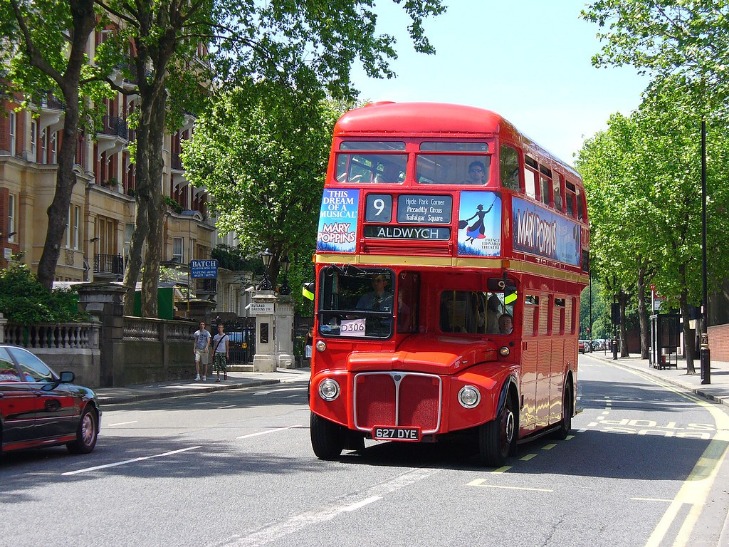

Overview of London’s bus network
London’s bus network is one of the world’s most extensive and iconic, weaving through every borough with red double-decker buses at its heart. Operated by Transport for London (TfL), it complements the Tube and rail network with frequent daytime routes, easy pay-as-you-go options, and reliable night services that keep the city moving after dark. Whether tackling central corridors or exploring outer neighbourhoods, buses offer affordable, direct travel and a quintessential glimpse of everyday London life.
Coverage and network scale
London’s bus network is a core part of the city’s public transport system, operated by Transport for London (TfL). It complements the Underground, Overground and rail services, providing extensive, city‑wide coverage that links neighborhoods, town centres and transport hubs. The fleet is modern and increasingly low‑emission, with low‑floor buses designed for accessibility and a fare system that accepts Oyster cards, contactless payment cards and mobile payment apps. Buses run from early morning to late at night, and the network includes a comprehensive Night Bus service on many corridors.
Coverage and geography: London’s bus routes reach every borough of Greater London (the 32 London boroughs and the City of London), with a dense core in central and inner London and broad suburban coverage into outer boroughs. High‑frequency corridors concentrate along main arterial routes between major hubs, with routes that feed into the Tube and rail stations. Night Buses extend the reach after dark to many central and outlying areas, helping maintain city‑wide mobility.
The network size is substantial: London operates hundreds of bus routes on a fleet of several thousand vehicles. There are tens of thousands of individual bus stops across the capital, giving dense access to residents and visitors. This scale supports high frequency on core routes (often every few minutes in peak times) and reliable connections across the day, with reduced service levels at night on some routes and on holidays.
Connectivity and accessibility are central to the design: most buses are low‑floor and accessible to wheelchairs and prams, and many stops feature real‑time arrival information. TfL provides journey planning tools and real‑time updates via its website and mobile apps, and the payment system enables quick boarding with contactless payment or Oyster cards, speeding up trips and reducing dwell times at stops.
Network management and future developments: TfL uses dedicated bus lanes and priority signals to keep buses moving through congested areas, and works with boroughs to optimise routes and timetables. The bus network is also part of TfL’s broader decarbonisation plan, with ongoing rollout of electric and other low‑emission buses, fleet modernisation, and attempts to improve reliability and air quality across the city. The Night Bus network continues to expand on demand and across more corridors as demand evolves.
In summary, London’s bus network offers broad coverage, high scale and strong integration with other transport modes, making it a cornerstone of travel within the city for residents, workers and visitors alike.
Key operators and governance
London’s bus network is one of the largest and most used in the world, providing comprehensive daily coverage across the city and connecting with the Underground, Overground and rail lines. Buses are a vital part of transport for residents and visitors, offering frequent daytime services and an extensive night-time network that keeps the capital moving after dark.
Governance of the bus network is led by Transport for London (TfL) on behalf of the Mayor of London. TfL designs routes, sets service levels, and funds the network, while private bus operators run the services under contracts tendered by TfL. This arrangement aims to deliver universal access, reliable frequencies, and integrated fares across modes.
Key operators in London include Arriva London, Go-Ahead London, Stagecoach London, Metroline and Transdev London, among others. These operators run services from multiple depots across the city and compete on some routes while adhering to TfL standards for fleet, safety, accessibility and timetable reliability. The majority of services are tendered by TfL, with some commercially operated routes in areas where demand supports them.
Fares are integrated across modes, with Oyster and contactless payment accepted on all buses, and a daily cap that helps riders save on longer journeys. The network also provides concessionary fares for eligible groups, and many buses use low-floor, step-free design to aid accessibility. Real-time arrivals and journey planning information are available via TfL’s apps and partner platforms.
Night buses, designated with an N prefix, extend the network after regular Underground hours and connect major hubs and residential areas. These services ensure 24/7 mobility for workers, students and late-night travelers, complementing the day timetable.
London is actively expanding zero-emission and low-emission buses as part of a broader clean-air and climate strategy. TfL and operators are investing in electric and hybrid vehicles, bus priority measures, and new depot infrastructure to improve reliability and reduce emissions while keeping services frequent and affordable.
Travel planning is straightforward with TfL’s Journey Planner, the official TfL Bus App, and partner platforms. Passengers can tap in with Oyster or contactless cards and benefit from the daily cap across the network, with detailed route and live arrival information available before and during a journey.
Planning a bus journey in London
Planning a bus journey in London is a convenient and affordable way to explore the city, with an extensive network of routes that connect major sights, neighborhoods, and transport hubs. Start by checking live timetables and route maps, decide on a ticket option (Oyster, contactless, or travelcard), and use a journey planner to estimate travel times. With a little planning, you can navigate busy streets, enjoy reliable services, and see London’s landmarks from a fresh perspective.
Using journey planners and real-time updates
Planning a bus journey in London can be simple and efficient when you use journey planners and real-time updates.
- Start with a journey planner: use the Transport for London (TfL) journey planner or the TfL Go app to map your route by bus, and consider mixing with Tube or rail if it saves time.
- Check real-time updates before you travel: look for live bus times, service alerts, and crowding indicators to pick a good departure and to anticipate delays.
- Choose the best route: compare options by number of changes, total journey time, and walking distance to bus stops; central corridors often offer the most frequent services.
- Know your stops and interchanges: identify stops with step-free access where possible, and plan transfers at major interchanges such as Victoria, Liverpool Street, Stratford, or Paddington to simplify connections.
- Plan for disruptions: if roadworks or diversions affect a route, the planner will usually suggest alternatives and updated arrival times.
- Pay and accessibility: most buses are accessible with low floors and spaces for wheelchairs; pay with contactless cards or Oyster and have your payment ready when boarding.
- Save time with tips: use bus lanes where available, avoid peak congestion if you can, and set up alerts in your planner for changes to your route.
- Night buses and late travel: if you’re out late, check the Night Bus network (prefix N) for overnight options and plan your return.
- Keep safety and courtesy in mind: let passengers alight before boarding, hold onto rails, and wait behind the curb line at stops until the bus arrives.
Understanding routes, numbers, and frequency
Planning a bus journey in London is simple when you know how routes, numbers, and frequency work. This guide helps you plan efficiently and travel with confidence.
Key steps include finding your route, checking frequency, and knowing payment methods.
- Define your start and end points and check which bus routes serve your area. Use the TfL Journey Planner or a map to confirm the best option.
- Check the route number and any letters. London buses use numbers such as 12, 63, or N29 for night services; X prefixes indicate express routes on some corridors.
- Look at frequency and reliable times. In the daytime many routes run every 4–8 minutes in busy corridors; evenings and weekends are less frequent. For late-night travel, plan for longer waits.
- Plan your stop and boarding location. Find the nearest bus stop with real-time arrivals, and note the direction you need to travel.
- Consider alternatives and walking distances. If one route is crowded or unlikely to run on your travel time, see if another route or rail link is faster.
- Prepare payment and ticketing. Use Oyster or contactless payment, or a Travelcard. Many buses accept contactless cards or devices.
- Understanding routes
- Understanding numbers
- Frequency and timing
- Live updates and planning tools
- Accessibility and step-free access
Tips: Always check live updates on the day of travel and allow extra time for delays. London buses connect well with rail services, making it easy to plan multi-leg journeys.
Tips for avoiding delays
Planning a bus journey in London is easy when you know the best tools and simple tips to keep things moving smoothly.
Start with a clear plan: identify your start and end stops, check which bus numbers serve your route, and consider routes that use bus lanes to avoid congestion. TfL’s Journey Planner is a reliable first step, and you can also view live stop boards for the next buses.
Check live times and service updates before you travel. Use the TfL Go app or the official TfL website to see real‑time arrivals, and read the notices on bus stop signs about diversions or delays.
To avoid delays, try to travel outside the busiest times where possible, or choose a route with frequent, reliable services. If roadworks or events are affecting your route, be prepared with an alternative number or a different stop nearby.
On the day, have your payment ready. If you use contactless payment, simply tap in when you board and you won’t need to tap out. If you use an Oyster card or travelcard, top it up and keep it handy.
Board at the front doors when you can, allow passengers to alight first, and watch the bus driver’s information screen for the next stop. Press the bell to request a stop in good time and move to the centre of the bus to give others space.
Get the most from a multi‑leg journey by linking bus travel with the Tube or rail network. In London, many journeys are smoother when you combine a bus with a short tube ride or rail connection, and the TfL Journey Planner can help you combine options into one ticketed trip.
Night buses, with the N prefix, operate across London to extend late‑hour travel. If you’re out late, check which night routes serve your area and plan your return trip in advance.
Accessibility matters too. Most London buses are low‑floor and step‑free, but if you’re travelling with a wheelchair, pram, or large luggage, look for routes with easy access and plan your stop accordingly.
Quick tips: keep an eye on the countdown signs at stops, check for service updates during your journey, stand away from the doors if the bus is crowded, and have a backup plan in case your preferred route is delayed.
Ticketing and payment on London buses
London buses use a contactless and Oyster pay-as-you-go system: you tap in when you board with an Oyster card, a contactless debit or credit card, or a mobile wallet, and you don’t tap out at the end of your journey. Cash payments on buses are rarely accepted, so plan to use a card or Oyster. Fares are capped daily, so the more you travel, the more you save within the same day or week, making bus travel across the capital an affordable choice for getting around London.
Oyster, contactless payments, and smartcards
London buses use a straightforward ticketing system based on pay-as-you-go and smartcards. When you board a bus, you simply tap your payment method on the reader near the front door, and the fare is charged automatically. There’s no need to tap out when you alight, making boarding quick and easy.
Oyster is TfL’s reusable smartcard. You can load credit or Travelcards onto it and top up at Tube and rail stations, on Oyster vending machines, or online. On buses, Pay As You Go fares are deducted from your Oyster balance when you tap in.
Contactless payments are widely accepted on London buses. Use a contactless debit or credit card, or a mobile wallet such as Apple Pay or Google Pay. Tap the card or device on the reader when you board. The fare is the same as Oyster Pay As You Go, and you are automatically capped for the day across the TfL network where applicable.
Smartcards include the Oyster card and related digital options, with Oyster being the main card used on London buses. You can register your Oyster to protect your balance, enable Auto Top Up, and replace the card if it’s lost or stolen. Balances and journeys can be managed in your online account.
Cash payments on buses are still accepted on some services, but using Oyster or contactless is quicker and safer. If paying with cash, you’ll need the exact fare as the driver may not carry change. Wherever possible, use Oyster, contactless, or a mobile wallet to speed boarding.
Other ticket options include Travelcards and passes loaded onto Oyster, or paper tickets where available. A Pay As You Go balance or Travelcard on Oyster can be used on all London buses, as well as on the Tube, tram, DLR, and rail services within London. Check your pass type and validity before travel.
Tips for travellers: always tap in on boarding, keep your card or device handy, and check the fare caps in the TfL app or website. If you move between buses or modes, your PAYG balance may be capped, so you won’t be charged more than the daily limit. Plan ahead for peak times when readers can be busy.
Daily and weekly caps, refunds and transfers
Ticketing and payment on London buses is designed for speed and flexibility, with options that work across the entire TfL bus network. The main ways to pay are Oyster cards, contactless debit or credit cards, and mobile payments such as Apple Pay or Google Pay. Cash is not widely accepted on modern routes, so most travellers use a card or smart card to tap on.
On boarding, you tap your Oyster or contactless card on the reader at the front of the bus. The system calculates the fare automatically and applies any applicable caps for that day or week. If you use a travel card or a tied payment method, the correct fare is deducted from your account balance or card limit, with caps managing overall spending.
Daily and weekly caps: If you pay by pay‑as‑you‑go, fares on buses are capped daily and weekly to prevent high costs. The daily cap stops further charges once the maximum for that day is reached, and the weekly cap stops charges across the seven‑day period. Caps apply to all bus journeys made with the same payment method within the cap period.
Refunds: If you are charged incorrectly or your payment method didn’t register properly, you can request a refund through TfL or your payment provider. You may need to provide journey details, the card used, and approximate times. Refunds are processed once the error is verified, and timelines can vary.
Transfers: Transfers between buses are possible within a defined window after your first tap. If you travel on multiple buses within that window, you typically won’t incur extra charges beyond the cap. Remember to tap on each bus so the fare system records your journeys and applies caps correctly.
Tip: For the smoothest experience, set up an Oyster card or a mobile wallet and keep your device ready. Always check the latest caps, transfer rules, and refunds on the official TfL site or in the payment app you use, as guidelines can change.
Concessions and travel cards
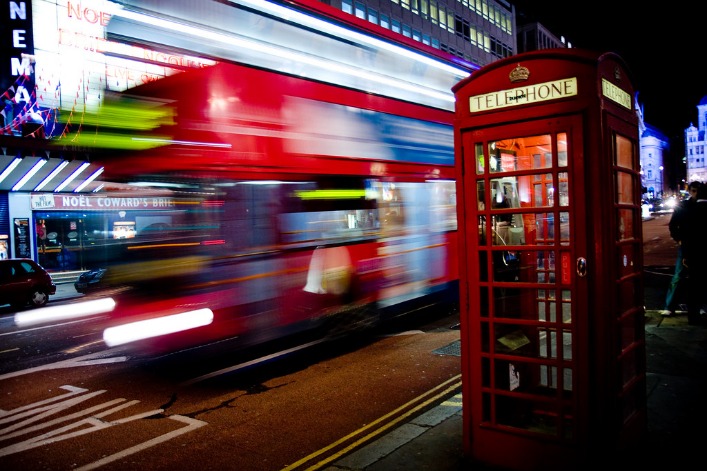
Ticketing and payment on London buses are designed to be quick and simple, with several options that work across the capital. The core idea is that you pay as you go for most journeys, but there are concessions and travel cards for eligible travellers that can reduce costs or offer free travel.
Most people pay for a single bus journey using a contactless payment method. You can tap a contactless debit or credit card, or use a mobile wallet (such as Apple Pay or Google Pay) on the bus reader. An Oyster card is also accepted and can be topped up with credit or Travelcards. When using a card or Oyster on a bus, you only tap on boarding; there is no need to tap off at the end of the journey.
Bus fares are charged as you go, with a daily cap that limits the total amount you will pay in a single day. If you reach the cap, further bus journeys within that day are effectively free. The system applies the best fare automatically, so the more you ride the more you will save under the cap.
Travelcards and paid-for passes can be loaded onto an Oyster card or used with contactless for access to unlimited travel in chosen zones. A 7-day, monthly, or longer Travelcard provides unlimited travel across London buses and other TfL services within the zones covered by the card. Visitors can opt for a Visitor Oyster Card as a simple pay-as-you-go option or rely on contactless for travel within the same system.
Concessions are available for eligible travellers. The 60+ Oyster photocard and Freedom Pass holders can travel free on London buses. Disabled Persons’ Oyster photocard holders may also qualify for free or discounted travel. There are additional options for students and younger travellers, such as the 16+ Oyster Photocard, which offers reduced fares for eligible schemes. To check eligibility, you should apply through Transport for London or your local council and obtain the appropriate photocard before travelling.
How to get and use these options: order an Oyster card online or pick one up at Tube stations or Oyster Ticket Stops. Apply for photocard concessions if you are eligible. Load credit or a Travelcard onto the Oyster, or set up a Contactless method on your phone or card. Always tap on boarding a bus, and if you hold a Travelcard, your journey may be covered by the Travelcard price, not the PAYG rate.
Tips for travellers: plan ahead by checking fare caps and zone coverage, keep your Oyster and devices accessible, and remember that buses accept tap-to-pay but you should tap on boarding. If you’re visiting, a Visitor Oyster Card or a contactless card is usually the easiest way to pay while exploring London’s bus network.
Popular routes and city highlights
London’s bus network is a practical gateway to the city’s iconic sights, with popular routes weaving from Westminster and the Thames to the West End and the City. Hop on near Victoria or Trafalgar Square and ride past Big Ben, Buckingham Palace, the Tate Modern, St Paul’s, and the Tower of London, then hop off for a quick stroll along the South Bank or through Covent Garden. It’s a budget-friendly way to soak up city highlights while experiencing London’s everyday rhythm.
Core east-west and north-south corridors
London’s bus network offers an affordable and convenient way to explore the city, with frequent daytime services, an extensive reach, and easy contactless payments. Buses connect neighborhoods from riverside streets to bustling markets, cultural hubs, and business districts, making it easy to travel without a Tube ride.
Popular routes and city highlights: Many central routes stop at iconic sites such as Westminster, Buckingham Palace, the Houses of Parliament, the London Eye, Covent Garden, Trafalgar Square, the South Bank, St Paul’s Cathedral, and the Tower of London. A single journey can sweep from the West End theatres to the City skyline, passing classic landmarks and riverside views along the way.
Core east-west corridors: The main east-west spine links west London with central and eastern districts. Buses run from areas like Hammersmith or Shepherd’s Bush through Paddington and Marylebone, across Trafalgar Square and the Strand, through the City, and out toward Tower Hill and east London. This corridor lets you explore museums, markets, theatres, and riverside walks with frequent stops.
Core north-south corridors: The north-south backbone carries travelers from the northern suburbs down toward central London and across to south London. Buses connect Finchley and Archway through Camden and Bloomsbury, into the City and South Bank, and onward toward Kennington, Brixton, and Croydon. These routes link parks, universities, nightlife, and transport hubs, keeping central access easy for residents and visitors alike.
Tips for bus travel in London: Use TfL’s Journey Planner to map routes and live times, pay with contactless or Oyster, and take advantage of 24-hour and night services. Many routes are step-free and accessible, and you can interchange with the Underground or rail networks at key hubs to reach farther corners of the capital.
Night Bus network and overnight travel
London’s bus network is a practical way to explore the city, day and night, offering direct routes between major sights and neighborhoods. From Buckingham Palace to Trafalgar Square, the South Bank to Canary Wharf, buses connect central landmarks with outer boroughs and are frequently used by locals and visitors alike.
Popular routes weave through central London to highlight iconic sights: routes that pass Buckingham Palace, Westminster, Big Ben, the Houses of Parliament, Westminster Abbey, Trafalgar Square, Covent Garden, Piccadilly Circus, the National Gallery, St James’s Park, and the South Bank attractions around the London Eye. Outside the centre, routes link Marylebone, Paddington, Victoria, King’s Cross, and the City, making it easy to reach museums, markets, and historic areas without a car.
London’s Night Bus network, identified by routes prefixed with N, keeps the city moving after the Tube stops running. Night buses cover central corridors and many outer areas, connecting major interchanges such as Victoria, Piccadilly Circus, Trafalgar Square, Liverpool Street, and Canary Wharf. They run from late evening until the early hours, offering a budget-friendly option for overnight travel.
Fares on night buses use the same payment methods as daytime services. You can pay with Oyster or contactless card, or use a Travelcard for extended coverage. It’s worth topping up journeys or planning with the TfL Journey Planner to avoid long waits at night and to check for any planned engineering works that affect routes.
Tips for overnight travel: stay aware of your surroundings, stand at well-lit stops, and keep essential belongings close. If you’re unsure which stop to alight at, ask the driver or fellow passengers, and plan a short walk or taxi if needed to reach your final destination safely. Be mindful that night services may run less frequently than daytime ones and routes can vary on weekends or during events.
For smooth late-night travel, consider combining bus routes with river services or rail links where available, and map out a simple route back to your accommodation. Buses also provide a flexible option for reaching places that are closed to cars or outside Tube hours, giving you the freedom to explore London’s neighborhoods at your own pace.
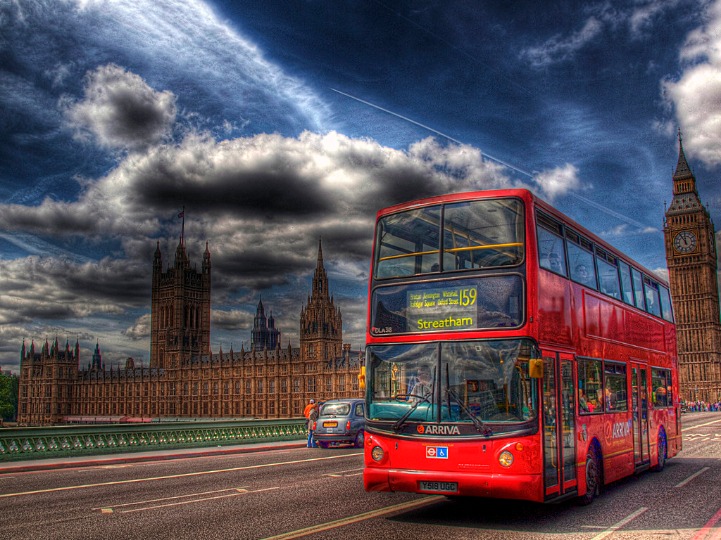
Whether you’re visiting London for a weekend or living here, the bus network offers a reliable, cost-effective way to experience the city’s highlights and keep exploring through the night.
Landmarks and scenic routes served by buses
London’s bus network offers a front row view of the city’s neighborhoods and a convenient way to see famous landmarks without changing trains. Popular routes thread central London and along the River Thames, connecting royal palaces, museums, markets and parks with easy, frequent journeys.
Popular routes and city highlights: Buses travel through Whitehall, Trafalgar Square and Covent Garden, offering glimpses of Buckingham Palace, the Houses of Parliament and Big Ben as you ride. Continuing along the riverfront or the West End, they pass the National Gallery, the South Bank, and key sights such as the London Eye, the National Theatre and the Tate Modern. A ride toward the City and Docklands brings you close to historic streets, modern towers and bustling markets.
Landmarks you can spot from many bus routes include Buckingham Palace, the Houses of Parliament and Big Ben, Westminster Abbey, the London Eye, St Paul’s Cathedral, Tower Bridge and the Tower of London, the British Museum and the Tate Modern. These icons connect people with centuries of history while you ride between neighborhoods.
Scenic routes: The riverfront stretch along the South Bank offers sweeping views of the skyline, bridges and green spaces from Westminster to Tower Bridge. Longer journeys toward Greenwich, Richmond or Hampstead Heath bring green parks, riverside paths and leafy streets into the cityscape, letting you enjoy London’s varied scenery from a moving vantage point.
Tips for enjoying bus travel: plan with a map or travel app, board at the front, and pay with an Oyster card or contactless payment for quick taps on boarding. Buses run day and night on many routes, with frequent service and routes designed to let you hop off near museums, galleries, parks and viewpoints.
Accessibility and passenger experience
London’s bus network prioritizes accessibility and a positive passenger experience with low-floor buses, ramp access, and priority seating, complemented by clear audio and visual announcements and onboard assistance. Step-free entry at many stops, accessible ticketing, real-time information, and intuitive design help riders of all ages and abilities travel with confidence across the capital. By focusing on inclusive design and dependability, bus travel in London aims to be convenient, comfortable, and welcoming for everyone.
Low-floor buses and boarding procedures
Accessibility and passenger experience are central to bus travel in London. The city prioritises seamless journeys for everyone, including passengers with mobility impairments, parents with prams, older travellers, and visitors exploring the capital.
Low-floor buses form the backbone of the London fleet, with step-free entry from curb to interior. The first door usually incorporates a ramp or a kneeling mechanism to align the floor with the kerb, and there is space reserved for wheelchairs or mobility scooters with restraints to keep equipment secure during the ride.
Boarding procedures are designed to be quick and inclusive. You typically board at the door and tap in with an Oyster card or contactless payment on the reader near the driver. If you need a ramp or other assistance, tell the driver, who can help deploy the accessible entry and guide you to the dedicated space for a wheelchair or mobility aid.
Passenger experience on London buses is enhanced by clear audio-visual information. Buses announce next stops and display route numbers and destinations, aiding navigation for those with visual or hearing impairments. Inside the bus there are dedicated spaces for wheelchairs and mobility devices, Priority seating for those who need it, and accessible grab handles and wide aisles to accommodate strollers or bags. Real-time arrival information and network planning tools help riders choose routes with the most accessible options.
Stops and wayfinding are designed with accessibility in mind. Raised kerbs where possible, tactile paving, and clearly marked bus stops help passengers with limited mobility or reduced vision. TfL continues to upgrade the fleet and infrastructure, aiming for a consistently accessible experience across the network.
London’s bus accessibility also benefits from staff training and passenger support. Drivers and conductors are trained to assist passengers with mobility needs, and TfL provides guidance and support lines for people who require extra help planning journeys or coordinating assistance on the day of travel. Passengers are encouraged to plan ahead using the TfL Journey Planner and to check live service information before travelling.
Practical tips for a smooth journey include allowing extra time, arriving at the stop a little earlier, using the front door for boarding and alighting, and using the bell button to request a stop if you need to get off between scheduled stops. If you travel with a carer or companion, it can be helpful to register any assistance needs with TfL’s accessibility services in advance.
Onboard information and wayfinding
London’s buses are designed to be accessible and welcoming for all travellers. The focus on passenger experience means that travel across the capital can be easier for wheelchair users, people with mobility aids, parents with prams, and those needing clear information along the route.
Onboard information is delivered through a combination of audio announcements and visual displays. Every bus provides audible announcements of upcoming stops and major landmarks, and most vehicles also show the next stops and route information on easy-to-read screens. This redundancy helps people with different hearing or sight abilities navigate confidently.
For wayfinding, the system uses clearly marked route numbers, frequent stops and consistent signage at stops. Route maps are present at many major stops, and digital displays provide real-time arrival estimates. TfL’s Journey Planner and apps allow you to tailor plans to accessible options, such as step-free routes and bus stops with accessible access.
Accessibility features include low-floor, step-free entry, wide doors, dedicated wheelchair bays with space and anchor points, and priority seating. Buses are equipped to accommodate mobility aids and prams where space allows, and staff are trained to assist.
To support passengers with visual or cognitive accessibility needs, announcements are clear and simple, with high-contrast displays and pictograms at stops. Some stops include tactile paving and braille signage, helping travellers locate the right bus and understand routes.
Real-time information is provided through on-street displays where available and via TfL apps. You can track buses in real time, get arrival predictions, and receive alerts if services are disrupted. This reduces uncertainty and improves planning for travellers with complex itineraries.
London’s bus network benefits from consistent design standards across operators, so a passenger who knows one route can carry that knowledge to others. Staff and bus drivers are trained to assist with boarding, alighting, and using assistive devices, creating a calmer, safer journey.
Practical tips for riders: check the Journey Planner for step-free routes and accessible stops; when boarding, use the accessible doors and press the on-board call button if you need assistance; carry an Oyster or contactless payment to speed up boarding; and consider travelling outside peak times if possible for space and comfort.
Looking to the future, London continues to evolve its bus travel with better signage, more voice and visual guidance, and increased coverage of accessible information so everyone can explore the city with confidence.
Safety, priority seating, and assistance
Bus travel in London is central to how residents and visitors move around the city, offering wide coverage, frequent services, and ongoing improvements to accessibility and passenger experience.
Accessibility on London buses starts with low-floor, step-free entry and level boarding on most routes, with ramps on many models and kneeling buses to make boarding easier for people with mobility aids or pushchairs. Inside, there are designated spaces for wheelchairs and mobility aids, wide aisles, and clear signage to help passengers navigate. Buses also provide visual stop announcements and audible information to assist riders in locating stops and connections, while bus stops themselves increasingly offer tactile guidance and accessible seating nearby.
Passenger experience is supported by real-time information, fare flexibility, and comfortable conditions. Most London buses accept contactless payment, Oyster cards, and mobile tickets, with live timetable updates through apps and electronic display boards on many stops. Buses are kept clean, climate-controlled, and driven by trained professionals who follow safety and accessibility standards to minimize disruption and delays.
Safety on London buses includes driver training in safe boarding and deboarding, on-board CCTV, secure seating and handrails, and procedures to handle incidents quickly. Operators maintain high cleaning standards and regularly inspect buses for accessibility features to ensure seniors, disabled riders, and families can travel with confidence.
Priority seating is provided for those who need it most, including older people, pregnant passengers, and people with disabilities. The priority seating area is clearly signposted near the front of the vehicle. When you don’t need the seat, offer it to someone who may benefit, and use the space responsibly to allow easy access for wheelchair users and those with strollers or large bags. Always follow the driver’s instructions regarding seating and boarding, especially at busy times.
Assistance can be arranged if you need help getting on or off, finding a seat, or understanding where to connect to another service. You can signal the driver for help, use designated assistance services provided by TfL and bus operators, and plan in advance if you require extra time. Customer support is available to arrange tailored assistance and accessible travel information across London’s bus network.
Together, these features and services make London bus travel more inclusive, reliable, and safer for everyone, from visitors exploring the city to residents commuting day by day.
Etiquette, safety, and practical tips
When riding a London bus, practice good etiquette by letting passengers alight first, giving up a seat to older or disabled travelers, and keeping conversations quiet and devices at a low volume. For safety, hold the handrail on every step, stand clear of doors when the bus is stopping, and keep bags and personal belongings close and secure. Practical tips include using contactless payment on entry, checking live route and stop information, queuing politely at stops, and planning ahead with a map or app to make your journey smoother and safer.
Boarding, paying, and alighting etiquette
Bus travel in London is a practical way to get around the city, and good etiquette makes the experience smoother for everyone. Plan ahead, queue patiently at stops, and be mindful of other passengers as you ride.
Queue at the stop in an orderly line and let people alight before you board. Board via the front door and tap in using a contactless card, Oyster card, or Travelcard. If you have a valid pass, have it ready to show the driver if asked. Move towards the interior after you’ve paid so others can board without delay and avoid blocking the doors.
Most riders pay by tapping in at the front with contactless or using Oyster or a Travelcard. If you need change or assistance, ask the driver politely. Keep your payment ready to speed boarding and remember that cash is not the preferred option on many routes; use electronic payment where possible to help the service run smoothly.
Alight through the rear doors when possible and allow those with mobility needs or who are elderly to exit first. Press the stop button in good time to signal your stop, and when the bus halts, gather your belongings and move away from the doors so other passengers can exit. If you need extra time, take it once you’re clear of the door area.
Safety on London buses includes holding onto rails or seats if you’re standing, keeping the aisle clear, and avoiding blocking the doors. Be aware of your surroundings when the bus is moving, and watch for traffic when you step off onto the pavement. Keep bags and personal items under control and avoid playing loud music or having conversations that disturb others.
Practical tips for a smoother ride include checking live bus times and routes before you travel, using the front doors to board, and giving up priority seats to those who need them. If you’re traveling with a stroller or wheelchair, let the driver know so they can assist and direct you to the appropriate doors. For accessibility, assistive devices and service animals are accommodated where possible.
If you need help, don’t hesitate to ask the driver or staff at stops. Assistance dogs are welcome, and most drivers are happy to provide a little extra help with boarding or finding a seat. By following these guidelines, you’ll contribute to safer, faster, and more comfortable bus journeys across London.
Managing luggage and accessibility needs
Traveling by bus in London offers a practical way to see the city, with extensive routes and frequent services. This article covers etiquette, safety, and practical tips for managing luggage and accessibility needs on London buses.
Etiquette on London buses includes letting passengers alight before you board, giving up priority seating to those who need it, and keeping the aisles clear. If you can, move to a seat so others have space to stand. Keep conversations at a respectful volume and use headphones for music or videos. Eating and drinking is best avoided on crowded routes, and bulky bags should be kept to the side to avoid blocking doors and the flow of boarding and alighting.
Safety starts with mindful boarding and alighting. Hold onto handrails when the bus is moving or stop-starting, and step carefully to avoid tripping on the curb or the bus step. Stand behind the yellow line while the doors are opening or closing, and watch your belongings so they don’t roll into the doorway. If you use a mobility aid, inform the driver if you need a ramp or space, and follow the driver’s instructions to stay safe and comfortable during the trip.
Practical planning helps make buses in London smoother. Use the Transport for London Journey Planner and the Next Buses/Countdown signs at stops to time your journey. Most buses in London accept contactless payment cards, Oyster cards, or mobile payments, and you don’t need to buy a ticket on board. Remember to tap on when you board; you don’t tap off when you alight, and fares are capped daily. If you’re transferring to another bus or mode, give yourself a bit more time in busy periods.
Managing luggage on London buses requires a light touch. Space on standard buses is limited, so try to travel with carry-on luggage only and avoid bringing large suitcases on crowded routes. Keep bags close to your body or on your lap to avoid blocking the aisle or doors. If you travel with a pram or stroller, fold it when you’re not using the dedicated space that some buses provide, and always be ready to move to free up space for other passengers. If you have bulky luggage or mobility equipment, speak with the driver beforehand to determine the best approach for your journey.
Accessibility is a key feature of many London buses. Most buses are low-floor with a ramp and designated space for wheelchairs or mobility scooters, and there are priority seats near the entrance. If you need assistance, tell the driver; they can deploy the ramp and help you board safely. Buses often have audible and visual stop announcements to help you know when your stop is coming. It’s a good idea to check your route in advance to see which stops have step-free access and whether a specific bus can accommodate your mobility device or pram.
Traveling with children or shopping can add extra considerations. For families, plan ahead where possible and use the front area or near the doors that are easiest for loading strollers and bags. Teach children to stay close, listen for announcements, and thank the driver when exiting. If you’re traveling late at night, stay in well-lit areas and keep an eye on belongings; use secure stops and pedestrian-friendly routes whenever possible.
In summary, courtesy, preparation, and awareness help ensure bus travel in London is smooth and inclusive. By following etiquette, staying mindful of safety, planning ahead, and understanding luggage and accessibility needs, you can navigate the city’s buses confidently and comfortably.
Travel tips for visitors and locals
Travel by bus in London is a practical way to explore the city, connecting neighborhoods quickly and affordably. This guide covers etiquette, safety and practical tips for visitors and locals alike.
Etiquette at bus stops and on board: queue in order, let passengers alight before you board, offer a seat to the elderly, pregnant or disabled, and keep conversations quiet so others can rest or work.
Boarding and payment: have your payment ready—tap on with a contactless card or an Oyster card when you board. There is no need to tap off on buses, as fares are capped automatically; look for the route number and destination on the front and sides of the bus to confirm you’re boarding the right service.
On the bus: keep aisles clear, store bags on your lap or under the seat, and avoid blocking the doors. Do not eat or drink on most buses, and keep phones on silent to minimize disruption. Smoking and vaping are not allowed on London buses.
Safety on and around the bus: hold onto rails when standing, especially on crowded services, and watch your step when boarding and alighting. Stand back from the doors as the bus begins to move. If you have a mobility aid or luggage, give yourself extra space and signal your needs with the driver or staff.
Security and personal belongings: keep valuables close, be aware of pickpockets in busy central areas, and avoid leaving bags unattended near the doors or aisles.
Travel tips for visitors: plan ahead with TfL Journey Planner, check live arrivals at your stop, and note transfer options between bus and Tube lines. If you’re staying in central London, consider routes that minimize transfers and avoid peak commuting times when possible.
Payment tips for visitors: most buses accept contactless payment from cards and smartphones, and Oyster cards. If you forget to tap on, your fare will be charged according to the maximum applicable fare for the day. The daily cap helps keep costs predictable.
Night travel: night buses serve areas after standard hours. If you’re out late, locate a well-lit stop, keep your voice down, and plan your return ahead of time. Night buses can be less crowded but may run less frequently, so check the timetable.
Tips for locals: use bus lanes where available to speed up journeys, and consider off-peak travel on busy corridors. If you use a mobility aid, most buses have wheelchair spaces and low floors to help access. When possible, give up a seat to those who need it and be patient during busy periods.
Accessibility and assistance: London buses are designed to be accessible for many users, with low floors, audio-visual stop announcements on many services and dedicated spaces for wheelchairs. If you need assistance, you can contact the bus operator or TfL help lines in advance.
Practical travel mindset: prepare for changes, have a backup plan if a route is diverted, and stay respectful to staff and fellow passengers. With these tips, bus travel in London can be safe, comfortable and enjoyable for everyone.
Future developments and sustainability
London’s bus travel is entering a greener era, with plans for zero‑emission fleets, faster charging, and cleaner depots that cut emissions and improve air quality. Future developments include expanding electric and hydrogen buses, enhanced bus priority lanes, real‑time travel information, and more integrated, demand‑responsive services that connect communities to rail and the rest of the transport network, helping London move efficiently while reducing its environmental footprint.
Electric buses and zero-emission targets
London’s bus system is a vital artery of the city, moving millions daily across boroughs. In the push toward sustainability, future developments are centred on cleaner propulsion, smarter operations and closer integration with rail and active travel networks. London’s bus travel is evolving with ambitious plans to reduce emissions while keeping services frequent and affordable.
Electric buses are at the forefront of this shift. The capital has been expanding its all-electric and hybrid fleets, supported by a growing network of depot charging, on street rapid chargers and battery technology that extends range with every generation. Operators are adopting zero emission buses on high demand corridors, improving air quality around busy streets while maintaining reliability and capacity.
Zero emission targets are anchored in the Mayor and Transport for London strategy. The plan envisions a timetable where the majority of new buses are zero emission within the coming years and the existing diesel fleet is progressively replaced. Procurement policies prioritise electric and hydrogen propulsion, and the charging and refuelling infrastructure is being expanded to support round the clock services.
Looking further ahead, future developments include on route charging, vehicle to grid concepts, smarter maintenance and data driven scheduling. Hydrogen electric buses complement battery electric models on routes where longer range or rapid refuelling is advantageous. Digital information, real time passenger updates and digital ticketing will improve the passenger experience, while bus priority measures and integration with rail and cycling infrastructure will make travel across London faster and more sustainable.
For travellers, this means cleaner air near bus corridors, quieter rides and more predictable timetables as the fleet turns over to zero emission technologies. As London builds out charging and refuelling networks and refines operations, bus travel remains a flexible, affordable option for residents and visitors who want to move around the city with lower environmental impact.
Bus priority and traffic management improvements
London is shaping a more sustainable and reliable bus network by combining zero-emission fleets, smarter traffic management, and stronger bus priority across the capital. Future developments aim to cut emissions, improve air quality, and deliver faster, more predictable journeys for residents, workers, and visitors alike.
Bus priority corridors and lanes are expanding to reduce delays. New or upgraded bus lanes, reduced pinch points, and improved signaling will help buses keep to timetable while other traffic flows are managed around them. These measures also support wider urban space strategies, making streets safer and more pleasant for pedestrians and cyclists.
Traffic management improvements include advanced traffic signal priority for buses, real-time traffic data shared with operators and passengers, and adaptive timing that responds to congestion and incidents. London’s network digitalisation enables better journey planning and more reliable connections between bus routes and rail services.
The fleet is increasingly zero-emission, with electric and hydrogen buses rolling out across London. Depot charging, on-route charging where appropriate, and new maintenance facilities support longer-range operation and quieter, cleaner buses. Freight and courier integration may also be explored to reduce bus route congestion.
Accessibility and passenger information are central, with step-free buses, improved shelter design, real-time occupancy and crowding data, and easier payment and ticketing through contactless and mobile options. Clear signage and consistent bus stop layouts help visitors navigate the network more easily.
As these developments unfold, Londoners can expect cleaner air, more reliable services, and shorter, less chaotic journeys. The combined focus on sustainability, technology, and inclusive design supports a more resilient transport system that underpins the city’s economic vitality and quality of life.
Digitization, live data, and passenger apps
London bus travel is gearing up for a future shaped by sustainability, digitization, live data, and user-friendly passenger apps. As the city pushes cleaner transport, riders benefit from better information, faster journeys, and smarter services that connect with the wider public transport network.
- Future sustainability: London is expanding electric and low-emission buses, supported by charging infrastructure at depots and along key corridors. The ongoing shift toward zero-emission vehicles aims to reduce air pollution and carbon emissions while maintaining reliable service for residents and visitors.
- Digitization of operations: Bus fleets are increasingly managed with digital tools that improve route planning, maintenance, and energy use. Open data and APIs enable cities, operators, and developers to create integrated solutions that enhance reliability and performance across routes in London.
- Live data and real-time information: Real-time arrivals, service alerts, and crowding indicators help passengers plan departures and adjust plans on the fly. This live data feeds into journey planners and travel apps to provide accurate, up-to-date options.
- Passenger apps and digital services: Apps such as official transport apps and third-party platforms deliver ticketing, fare information, personalised notifications, and seamless contactless payments. Mobile and wearable devices enable easier access to timetables, route changes, and disruption alerts.
- Accessibility and user experience: Real-time data and streamlined digital interfaces support inclusivity, with features like accessible timetables, multi-language options, and offline capabilities to serve diverse riders across London.
- Urban integration and resilience: Enhanced bus priority, better integration with rail and cycling networks, and robust responses to weather and disruptions help London’s buses keep people moving efficiently while aligning with broader urban mobility goals.