

Overview of Bus Travel in Iceland: Reviews and Perspectives
Bus travel in Iceland provides a practical, scenery-rich way to explore the island—from Reykjavík’s regional routes to remote villages and national parks. This overview of reviews and perspectives highlights reliability, coverage, pricing, and seasonal variations, along with the mix of public services, private tours, and self-guided itineraries that shape the Icelandic bus experience.
What Travelers Look For in Bus Services
Bus travel in Iceland offers a practical way to explore the country’s dramatic landscapes, from Reykjavík to remote towns and along the ring road. This article provides reviews and perspectives on what travelers look for in bus services, including seasonal variations, coverage, comfort, and value.
Travelers evaluate Icelandic bus services across several core factors: how well the network covers their desired destinations, how reliable schedules are in changing weather, the comfort of the vehicle, pricing, and the ease of booking. Reviews often highlight the mix of modern long-distance coaches and smaller regional buses, along with the impact of winter road conditions on timetables and connections.
- Coverage and frequency: Long distances and sparse rural routes mean travelers value clear maps, predictable timetables, and connections between major towns and sights.
- Punctuality and reliability: Weather and road closures can cause delays; riders look for real-time updates and consistent service when planning multi-leg trips.
- Comfort and amenities: Clean buses, comfortable seating, adequate heating, luggage storage, and sometimes Wi‑Fi or charging outlets enhance the travel experience.
- Pricing and booking: Transparent fares, user-friendly online booking, English-language support, and options like multi-ride passes or country-wide passes add value for longer itineraries.
- Luggage policies: Reasonable luggage allowances and easy access to storage spaces are important for travelers carrying gear for Icelandic adventures.
- Accessibility and information: Clear information in English, helpful staff or drivers, and support for mobility needs improve the overall experience for many travelers.
- Driver professionalism and safety: Courteous drivers who provide route information and drive safely in challenging conditions are frequently noted positively in reviews.
- Scenic value and route experiences: Some routes offer especially scenic journeys, though long travel times and limited stops can affect sightseeing plans.
- Seasonality and weather impact: Winter storms, road closures, and reduced services require flexible planning and contingency options for travelers.
Tips for getting the most out of Icelandic bus travel include booking ahead for popular routes, checking winter schedules and potential delays, verifying luggage allowances, and considering passes for extended trips to maximize value. Pairing bus travel with selective car rentals or domestic flights can also help optimize time and access to hard-to-reach areas.
How Reviews Are Collected (Sources and Bias)
Iceland’s bus network offers a practical way to explore the country without a car. This overview looks at reviews and traveler perspectives, and explains how reviews are collected, including sources and potential biases.
- Coverage and routes: Buses connect major towns and popular sites, but the network is more limited in rural areas and off-season; many routes have infrequent departures.
- Timeliness and reliability: Schedules can be affected by weather, road conditions, and seasonal demand, leading to sometimes variable punctuality.
- Value and ticketing: Prices are generally higher than domestic rail in some regions; passes or combo tickets can offer value, but many trips are paid per leg for shorter distances.
- Comfort and accessibility: Buses are typically comfortable for long daytime rides but can be crowded on peak days; accessibility varies by vehicle and route.
- Staff and service: Customer service, multilingual options, and real-time updates on delays are frequently cited topics in reviews, with mixed experiences.
- Scenery and experience: The journey itself is often praised for scenic views and opportunities to see Iceland’s landscapes en route.
How reviews are collected (Sources and Bias)
- Online review platforms: Google Maps, TripAdvisor, and similar sites accumulate user ratings and narrative feedback, often highlighting punctuality, routes, and value.
- Official operator sites and tourism portals: Bus company pages and national or regional tourism boards publish schedules, policy notes, and customer communications that influence perceptions.
- Social and community channels: Reddit threads, travel forums, and Facebook groups discuss recent trips, weather impacts, and route changes in real time.
- Travel blogs and media reviews: Detailed itineraries and comparisons provide context beyond simple ratings, including route suggestions and tips for the season.
- In-person feedback and surveys: Some operators solicit passenger feedback directly, and surveys may capture issues not visible on public platforms.
Bias and interpretation
- Selection bias: People with strong opinions (very positive or very negative) are more likely to post, skewing overall impressions.
- Seasonal and weather bias: Summer travel is more common and can reflect brighter, clearer experiences; winter conditions may lead to harsher assessments.
- Reporting bias by route: Popular routes (for example, Reykjavík to popular sightlines) receive more reviews than remote lines, skewing overall sentiment.
- Platform bias: Different platforms attract different demographics; reviews on Google Maps may emphasize practicality, while travel blogs may emphasize scenery and experience.
- Language and translation bias: Reviews in Icelandic, English, or other languages may be translated imperfectly, affecting tone and nuance.
Tips for evaluating Iceland bus travel reviews
- Check recency: prioritize reviews from the current season to account for weather and schedule changes.
- Compare multiple sources: read reviews from at least two platforms and cross-check with official timetables.
- Pay attention to route and season: ensure the review reflects the same route and time of year you plan to travel.
- Note reviewer context: look for notes on weather, fatigue, group size, and whether the trip was a transfer, a scenic ride, or a long-haul.
- Consider official information: corroborate reviews with operator announcements about delays, changes, or policy updates.
In sum, reviews of Icelandic bus travel provide valuable real-world insights but must be weighed with awareness of biases, seasonality, and the limited scope of the network. Reading across platforms and comparing with official schedules will yield the most balanced view.
Public Bus Network in Iceland
The public bus network in Iceland offers an affordable, eco-friendly way to explore the country’s dramatic landscapes, from Reykjavík and the Golden Circle to remote coastal towns and highland routes. This piece on bus travel Iceland reviews surveys routes, schedules, reliability, and pricing, and shares practical tips for planning smooth journeys across cities and countryside.
Urban and Regional Coverage (Strætó and beyond)
Public bus travel in Iceland centers on Strætó, the main urban network for Reykjavik and the surrounding municipalities. The system is built for city commuting and short regional hops, offering a practical alternative to driving in the capital area and providing a straightforward way to reach nearby towns during a visit.
Urban coverage in the capital region is the strongest part of the network. Strætó operates a dense set of routes that connect Reykjavik with neighboring municipalities such as Kopavogur, Hafnarfjordur, Mosfellsbaer, and Seltjarnarnes. Buses are frequent enough for daily errands and sightseeing, with a focus on ease of transfer and reliable timetables that help visitors orient themselves in the city.
Regional coverage and beyond exist, but the reach outside the capital is more limited. Strætó runs some intercity connections to towns in the southwest and west of Iceland, yet frequencies drop on weekends and outside peak travel times. Travelers planning day trips or casual hops should expect longer waits and plan ahead rather than relying on a tightly woven rural timetable.
Beyond Strætó, there are private and seasonal services that connect Iceland’s bigger tourist draws with Reykjavik and surrounding towns. These services cater to travelers heading to places like the Golden Circle, the South Coast, and Snæfellsnes at peak times, but schedules can vary with the season and weather. For many visitors, a rental car or a guided tour remains the most practical option for exploring rural routes.
Ticketing and payment options are designed for flexibility. Tickets are typically available via a mobile app or at ticket offices, and some routes allow on-bus payment with exact change. Strætó also offers passes and multi-ride options for regular travelers, making it convenient to use the network without purchasing a ticket for every ride.
Practical tips for planning a bus trip in Iceland include checking the Strætó app for real-time arrivals and service alerts, especially in winter when weather can affect schedules. Be prepared for reduced services on Sundays or outside peak hours, and consider backup plans if you are traveling long distances or on tight timelines.
From a traveler’s perspective, reviews of Strætó tend to highlight reliability, modern buses, and clear route information in the urban core. In rural stretches, feedback often points to longer travel times and sparser frequencies, underscoring the difference between city travel and intercity connections in Iceland. Overall, Strætó provides solid value for city exploration and practical hops around the southwest, while broader Iceland adventures may benefit from additional transport options.
In summary, if your stay centers in Reykjavik, Strætó covers most daily needs with ease and clarity. For broader Iceland exploration, combine bus travel with a rental car or curated tours to access the more remote regions and seasonal sights that lie beyond the urban network.
Seasonal Variations and Weather Impacts
The public bus network in Iceland is most developed in the capital region, where Strætó bs runs a dense city and suburban network that connects neighborhoods, the airport, and nearby towns. Outside Reykjavik, services exist but are much less frequent, often seasonal, and designed to complement private car travel and domestic flights. For travelers who prefer a low-emission option or who want to avoid self-driving, bus travel offers a steady, budget-friendly way to reach popular routes, with some scenic day trips available directly by bus.
Summer (June–August) brings a noticeable expansion in routes and departures, as increased daylight and high tourist demand push operators to add trips to the Golden Circle, South Coast towns, and other scenic stops. Buses may run later in the day, and weekend service often improves. In shoulder seasons, schedules tighten: fewer departures, more limited coverage, and occasional changes to timetables. In winter, service is the most limited and weather-impacted; storms, snow, and icy roads can delay or cancel trips, especially on rural routes or highland connections. Operators may adjust by using longer intervals or substituting with alternative routes, and travelers should anticipate possible delays.
Weather in Iceland can be highly variable and can affect bus travel in many ways. Strong winds can make high-sided buses feel unstable on exposed coastal roads, snow and ice can slow speeds or close routes, rain can reduce visibility and road grip, and sudden storms can lead to temporary suspensions. In winter, daylight is short, so travel times may feel longer and night travel may be limited. Always check the latest timetable and road conditions before departure, and allow extra time for connections in case of weather-related delays.
Reviewers note that in Reykjavik and the surrounding area, Strætó buses are generally reliable, clean, and affordable, with straightforward payment and helpful staff. Day trips and regional routes are praised for their scenery and convenience for budget travelers, but rural services can be sparse and unreliable during bad weather. Many visitors appreciate that bus travel avoids parking challenges in the city and minimizes driving in icy conditions, while others warn that gaps between services in remote areas require careful planning and flexibility.
Practical tips: plan with the Strætó app or website, check real-time updates, and buy tickets in advance where possible. In the capital region, a contactless card or mobile payment is often accepted on board, and some routes offer day passes. In rural Iceland, carrying a backup plan—such as a rental car, domestic flight, or scheduled tours—helps during winter or shoulder seasons. Pack warm clothing, a waterproof layer, and a small snack; winter buses may have limited amenities.
Private Bus Operators and Tour Buses
Private bus operators and tour buses offer convenient, guided options for exploring Iceland’s dramatic landscapes, from cascading waterfalls to volcanic shores. In reviews of bus travel in Iceland, travelers praise the comfort, punctual schedules, knowledgeable drivers, and the ability to cover remote highlights without navigating unfamiliar roads.
Golden Circle and South Coast Day Trips
Private bus travel in Iceland blends comfort, flexibility, and local knowledge, with reviews frequently highlighting how private operators and tour buses handle iconic routes like the Golden Circle and South Coast day trips.
- Private Operators: Pros often include customizable itineraries, smaller groups, and direct hotel pickups, with reviewers noting punctuality and driver knowledge about geology, folklore, and offbeat stops.
- Tour Buses: Larger coaches offer reliable schedules, on-board commentary, and accessible options for first-time visitors, though some praise the quieter routes offered by private tours.
- Golden Circle Day Trip: Reviews commonly cite Thingvellir, Geysir, and Gullfoss as highlights, with efficient itineraries that balance timing and photo opportunities; disadvantages may include crowds at peak season.
- South Coast Day Trip: Travelers praise waterfalls like Seljalandsfoss and Skógafoss, black sand beaches, and glacier views; some note long driving times but rewarding scenery.
- Guides and Commentary: Positive feedback often mentions enthusiastic guides, language options, and helpful safety notes; occasional critiques focus on scripted narratives or pace.
- Vehicle Comfort and Accessibility: Reviewers appreciate clean buses, reclining seats, and Wi-Fi on some operators; accessibility for mobility devices varies by operator.
- Pricing and Value: Many posts emphasize transparent pricing, optional add-ons (extra stopovers, glaciers), and value for money considering Icelandic travel costs.
- Booking Tips: Best reviews include early booking, reading cancellation policies, and checking pickup points; winter tours may require weather contingency plans.
Remote Destinations and Glacier Expeditions
Bus travel in Iceland blends private operators and tour buses to unlock remote landscapes and glacier adventures. Reviews commonly highlight flexibility, safety, and access to places off the standard tourist path. From highland tracks to glacier trails, these services help travelers experience Iceland’s interior with local expertise.
- Private bus operators offer customizable itineraries to remote destinations such as Landmannalaugar, Fjallabak Nature Reserve, Thorsmork, and the Highlands, often using 4×4 coaches and door-to-door pickup. Travelers appreciate tailored pacing, private guide commentary, and the ability to skip crowds, though schedules depend on weather and road conditions.
- Tour buses provide structured itineraries to major sights plus select off-the-beaten-path stops, with English-speaking guides, fixed departure times, and predictable pacing. Reviewers note consistent comfort, clear commentary on geology and folklore, and convenience for solo travelers who want company.
- Glacier expeditions are a major draw, with options on Vatnajökull, Langjökull, and Sólheimajökull. Reputable operators pair certified guides with safety gear, briefings, and routes appropriate for varying fitness levels, though some itineraries involve long drives between glacier sites.
- Access and seasonality matter. Remote destinations often require favorable weather, road openings, and daylight. Summer offers the broadest access, while winter can bring road closures, snowdrifts, and variable driving conditions that influence itineraries and cancellation policies.
- Vehicle quality and comfort influence reviews. Passengers look for heated interiors, clean seating, ample space for gear, climate control, and occasionally onboard Wi-Fi or USB charging for longer days in the elements.
- Planning and value. Private itineraries tend to be pricier but offer flexibility, while standard tour buses deliver value with included guides and predictable costs. Reading cancellation terms, insurance, and what’s included (food, gear rental) helps travelers compare options.
- Responsible travel and safety. Reviewers praise operators who follow local regulations, minimize environmental impact, use certified guides, and practice safe glacier-walking protocols, including proper PPE and briefings.
Pricing, Tickets, and Passes
Pricing, Tickets, and Passes shape how travelers move around Iceland by bus. Based on reviews, Icelandic bus services typically offer single-ride fares, day passes, and multi-ride cards, with varying validity and regional coverage. Understand payment options, fare rules, and tips for getting the best value when planning routes between towns, airports, and popular sights along the Ring Road.
Ticketing Systems, Apps, and Online Booking
Bus travel in Iceland is commonly reviewed for pricing, tickets, passes, ticketing systems, apps, and online booking. This overview reflects traveler experiences with Strætó in the Reykjavik region and the country’s intercity coaches, focusing on how pricing works, what passes exist, and how easy it is to book and ride.
Pricing, Tickets, and Passes are often described as generally reasonable for short urban trips, with additional discounts for students, seniors, and sometimes families. Urban networks typically offer single-ride fares as well as passes or day passes that can provide savings for frequent riders. Long-distance or intercity journeys tend to be more expensive, but many travelers feel the comfort and reliability justify the price, especially when booking in advance or buying multi-ride options where available.
Ticketing Systems vary by operator but are increasingly modern. Most services support contactless payments via cards and mobile wallets, and many offer official apps to buy tickets or load passes. A minority of routes may still accept cash on board, but cash use is becoming less common. Travelers frequently note that card readers and top‑up systems work well overall, though occasional glitches or delays can occur during peak times or with app-based tickets.
Apps play a central role in the booking and travel experience. The official Strætó app typically provides route planning, live bus times, and the ability to purchase tickets or load passes for use on urban routes. Users praise the convenience and real-time updates, while some report sporadic issues with syncing or occasional UI quirks. Many travelers also rely on general mapping apps for planning and live transit information, which complements the official tools.
Online Booking for longer journeys is commonly available and widely used. Booking websites and operator portals let travelers reserve seats on intercity coaches, select dates, and pay by card. In peak tourist seasons, booking ahead is strongly recommended to secure a seat and avoid last-minute price increases or sold-out routes. Some services offer flexible tickets or clear cancellation policies, while others have more rigid terms, so reviewing the policy before purchasing is advisable.
Practical tips from reviews include checking schedules in advance, especially for rural routes with limited departures, and allowing extra time for transfers and potential weather-related delays. Having a backup payment method, downloading the official app, and keeping a digital or physical copy of your ticket can help avoid hiccups. Overall, travelers frequently commend the accessibility of online booking and the growing support for modern payment methods, while noting that rural coverage can be inconsistent and pricing can vary significantly by route and season.
Value for Money and Hidden Fees
Bus travel in Iceland is a mix of practical city commuting and scenic intercity journeys. When reading reviews, readers pay attention to pricing, tickets, passes, value for money, and any hidden fees that could surprise travelers.
- Pricing, Passes, and Fare Structures: In Iceland, fares vary by operator and route. City travel in Reykjavik often uses contactless payment with steady per-ride pricing, while long-distance services charge by distance with occasional peak-season surcharges. Some operators offer day passes, multi-ride cards, or discounted passes for students, seniors, and families. If you plan several trips in a short window, a pass or bundle can represent solid value; otherwise pay-as-you-go can be cheaper for a single journey.
- Tickets and Booking Experience: Tickets can often be purchased on board or through the operator’s app or website. Long-distance routes usually require advance booking, especially in summer, and e-tickets are common. Some services permit boarding with printed tickets or confirmation codes. Check whether you can reserve seats and whether luggage limits affect your trip.
- Value for Money and Comfort: For travelers making multiple stops within cities or traveling along popular tourist corridors, passes that cover several rides can save money and simplify planning. Intercity stretches vary in comfort and frequency; some buses offer Wi-Fi, roomy seating, and scenic routes that justify higher costs. Weigh the convenience of a fixed price for multiple trips against the cost of individual tickets for fewer journeys.
- Hidden Fees and Fine Print: Watch for additional charges such as luggage handling, seat reservations, or online booking fees. Some routes may impose peak-time surcharges or require a minimum purchase for credit card payments. Weather-related delays and schedule changes can disrupt plans, so review refund policies and what happens if a service is canceled or diverted.
Quality and Comfort on Board
When traveling by bus in Iceland, quality and comfort on board set the pace for the journey. Reviews consistently highlight ergonomic seats, adequate legroom, steady climate control, and smooth rides even on winding coastal routes, along with clean facilities, reliable Wi-Fi, and convenient charging ports. Passengers value panoramic windows that frame Iceland’s dramatic landscapes, friendly onboard staff, and thoughtful amenities like blankets and local information, which together make long trips feel relaxed rather than rushed.
Seating, Space, and Climate Control
Quality and Comfort on Board, Seating, Space, and Climate Control are common focus points in reviews of bus travel Iceland-wide, helping travelers gauge what to expect on routes between Reykjavik, Akureyri, and remote destinations.
- Quality and Comfort on Board: Reviews praise clean, well-maintained interiors on newer buses and a generally smooth ride through Iceland’s landscapes. In longer tours, amenities like power outlets and Wi-Fi are noted on select operators, while older fleets may offer more basic comfort. Quiet cabins and professional drivers are frequently highlighted as positives, with occasional remarks about vibration on rough roads in certain weather conditions.
- Seating: The seating experience varies by operator. Most buses use ergonomic seats with adequate lumbar support and adjustable headrests, and some offer extra legroom on premium routes. Reclining seats, fold-out tables, and accessible seating exist on many long-haul coaches, though seat pitch can feel tight on budget services during peak travel times.
- Space: Interior space typically balances seating density with luggage storage, including underfloor compartments and overhead racks. On popular tourist routes, some buses may feel crowded, but designers usually optimize aisles and access to luggage to keep the cabin comfortable for most travelers.
- Climate Control: Climate control is a frequent topic in reviews. Heating is essential for Iceland’s cold winters and is generally effective, while air conditioning is more common on newer fleets for the warmer months. Individual vents and adjustable warmth help, but passengers may still experience variability between buses or trips, so layering clothing is advised.
Wi-Fi, Power, and On-board Amenities
Bus travel in Iceland is as much about the journey as the destination. Reviews consistently highlight quality and comfort on board as a deciding factor when choosing operators for routes between Reykjavik, Akureyri, and remote towns. Passengers notice thoughtful seating, smooth suspension on bumpy roads, and well-maintained interiors that make long legs easier to handle.
Quality and Comfort on Board: Most long-distance Icelandic buses offer ergonomic, adjustable seats with generous legroom and supportive headrests. The best operators use climate-controlled cabins, adjustable air flow, and quiet interiors to minimize road noise. Floor layouts typically maximize aisle space and enable easy boarding with roomy pockets for personal items.
Comfort continued: Storage is essential in Iceland where many trips include bulky jackets and cameras. Buses usually provide overhead compartments and a dedicated area for backpacks near the seat. Legroom remains comfortable even on the standard class, and the ride is optimized by modern suspension tuned for highway and rural roads. Clean interiors, good lighting, and regular cleaning schedules are noted in reviews.
Wi-Fi: Many routes in Iceland now offer onboard Wi-Fi, but coverage can vary with terrain. Reviews commonly report reliable connectivity on major corridors near Reykjavik and during daylight hours, with occasional drop-offs when leaving urban centers or crossing highlands. Speeds are typically adequate for messaging and light browsing, but streaming video or large downloads may be unreliable in remote stretches.
Wi-Fi tips: Expect login via a captive portal or a simple password. Keep expectations realistic for remote regions; have offline maps or guide apps ready. Some operators offer free Wi-Fi with advertising, or paid upgrades for higher bandwidth. If Wi-Fi is essential, check recent operator-specific reviews before purchase.
Power and Charging: USB ports and power sockets are a frequent plus in Icelandic buses, with many seats equipped with USB-A and USB-C outlets. A few Scandinavian-influenced operators still provide traditional 230V sockets at select rows. The charging rates vary, so plan to start with a full battery and carry a portable charger for longer routes.
On-board Amenities: In addition to toilets on many long-distance buses, amenities can include complimentary bottled water, light snacks, and coffee. Some services offer panoramic windows for sightseeing, printed route information, and audio commentary. A few operators provide quiet zones or reading lamps, and most buses maintain a clean, modern feel with minimalist Icelandic design cues.
Tips for choosing: Check recent trip reviews for the specific route and bus model. Look for notes about seat padding, legroom, restroom cleanliness, and whether the Wi-Fi was reliable. On highland trips in winter, wind and weather can affect comfort; select operators with flexible seating or fixed schedules and clear guidance about delays. Booking a newer bus model often yields the best balance of comfort and amenities.
Driver Conduct and Safety Measures
Bus travel in Iceland is a popular way to explore dramatic landscapes, from waterfalls to volcanic plains, and recent reviews consistently show that quality and comfort on board, driver conduct, and safety measures significantly shape the traveler experience.
Quality and Comfort on Board: Reviewers frequently note comfortable seating with adequate legroom on newer coaches, along with effective climate control that keeps cabins warm in winter and pleasantly cool in summer. Smooth suspension helps absorb bumps along rural routes, and clean interiors with tidy aisles contribute to a relaxed ride. Many services offer conveniences like power outlets and free Wi-Fi, though availability can vary by coach and season. Ample luggage storage and well-organized seating arrangements also receive positive mentions, particularly on longer trips between Reykjavik and towns on the Ring Road.
Quality and Comfort on Board: Additional considerations include window views for sightseeing, quiet cabins that minimize engine noise, and accessible seating for travelers with mobility needs. Reviewers often praise punctual departures and clear announcements, which enhance comfort by reducing uncertainty and delays during busy travel periods.
Driver Conduct: Reviews consistently praise drivers for safety-minded, professional conduct. Passengers value drivers who are punctual, courteous, and knowledgeable about local routes and weather conditions. Multilingual drivers or guides are especially appreciated by international travelers, as are clear pre- and post-trip safety briefings, practical driving tips, and readiness to assist with boarding, luggage handling, or directions to facilities and attractions.
Driver Conduct: motorists who demonstrate smooth acceleration and braking, adaptive pace in gusty coastal winds, and careful navigation of Iceland’s narrow or winding roads are frequently highlighted as elevating the overall experience. A driver who balances sightseeing commentary with a focus on safe driving tends to leave travelers with a sense of security and comfort throughout the journey.
Safety Measures: Operators in Iceland emphasize robust safety protocols. This includes regular vehicle inspections, maintained safety equipment, and protocols for adverse weather or road closures. Trained staff on board provide first aid kits, emergency contact information, and clear procedures for mishaps or delays. In newer fleets, seat belts are available on eligible seats, and buses are equipped with navigation and communication systems to coordinate with regional transport authorities during weather events.
Safety Measures: Additional assurances come from adherence to speed limits, mandatory rest breaks for long trips, and routine security checks. Reviews also note visible signage and staff availability to assist passengers during boarding, as well as strict cleanliness and sanitation practices, which contribute to a sense of safety and reliability on Icelandic bus journeys.
Overall, reviews of bus travel in Iceland commonly reflect a positive balance between comfort, conscientious driving, and solid safety practices. Travelers often cite well-maintained coaches, attentive drivers, and transparent safety protocols as key factors that make Icelandic bus travel a dependable option for exploring the country’s stunning landscapes.
Punctuality, Reliability, and Service Frequency
Bus travel reviews in Iceland focus on three key factors: punctuality, reliability, and service frequency. On-time departures help travelers stick to ambitious itineraries across glaciers and waterfalls, reliable operators build trust for day trips and longer journeys, and consistent service frequencies ensure remote towns stay connected, making Iceland’s stunning routes easier to plan and enjoy.
On-Time Performance: A Traveler’s Perspective
Across Iceland, bus travel offers a patient, scenic way to explore a country of waterfalls, black beaches, and volcanic landscapes. In reviews from travelers, punctuality, reliability, and service frequency often determine whether a trip feels effortless or a little frantic before a connection.
Punctuality matters most in a country where weather can turn schedules on a dime. In urban routes around Reykjavik, Strætó buses typically arrive and depart on time, with occasional delays in heavy snow or on busy evenings when lines back up at stops. The best rule of thumb is to check the live timetable on the Strætó app and to allow a small buffer for wind, ice, or detours.
Reliability extends beyond a single bus. A reliable operator means clean buses, courteous drivers, and consistent service across the day. In Iceland, that reliability is noticeable on main routes between Reykjavik and nearby towns, and on the longer coach services that connect major destinations. Rural lines can be more variable, especially in shoulder seasons when service frequency drops or if winter road conditions affect travel.
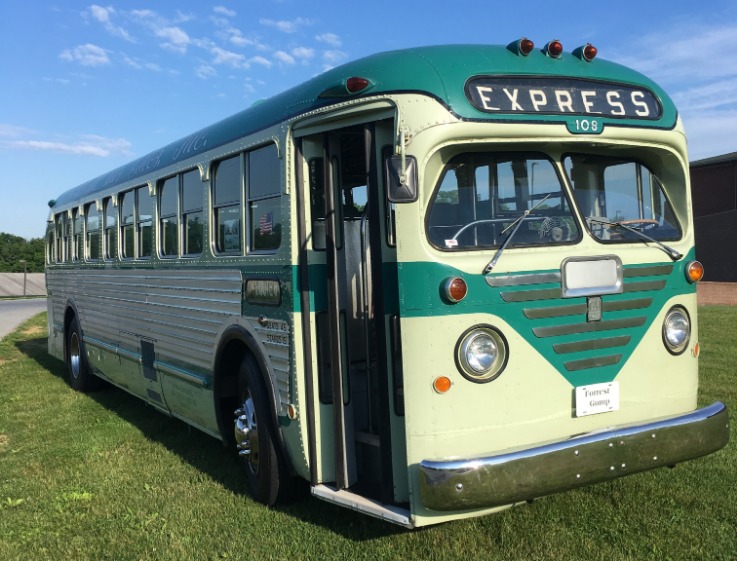
Service frequency varies sharply by region. In the capital area, there is frequent service with many options during the day and reasonable late-evening coverage. In rural Iceland, you may wait several hours between departures, and some routes require careful planning around the timetable. The key for travelers is to map connections in advance, print or save times, and consider overnight stays if a connection is missed.
On-time performance, from a traveler’s perspective, is a blend of posted schedules and real-world conditions. Most trips I’ve taken maintain close alignment with the timetable, but the weather, road closures, or late arrivals of connecting services can push departures and arrivals off by 5–15 minutes, sometimes more. If you have a tight bus-to-bus connection or want to catch a domestic flight, give extra time and monitor live updates.
Tips for getting the most out of Icelandic bus travel: use the Strætó app to see live departures and plan transfers, carry a compatible payment method (contactless card or the Strætó app), and book long-distance leg tickets where possible. If you’re visiting in winter, pack warm layers in case you end up waiting longer at stops, and always check the weather forecast before heading to remote stops.
Overall, bus travel in Iceland can be a dependable and rewarding way to see the country, with punctuality and service frequency improving with urban routes and presenting a more relaxed rhythm in rural areas. For travelers compiling Iceland reviews, the feeling you leave with is that a good bus plan — tempered by weather — makes the difference between a rushed sprint and a comfortable, scenic journey.
Delays, Cancellations, and Contingency Plans
Bus travel in Iceland is a popular way to explore the country, and reviews often focus on punctuality, reliability, and how frequently services run, especially when comparing city routes to more remote rural lines.
Punctuality, reliability, and service frequency vary by route. In the Reykjavík urban network, buses tend to be punctual and run at regular intervals many times a day, making city travel convenient and predictable. On longer or rural routes, frequency drops and gaps between departures can be longer, particularly on weekends or outside peak tourism seasons, which means travelers may need to plan ahead and allow extra time.
Delays are usually caused by weather and road conditions. Winter storms, snow, ice, or strong winds can slow travel or force detours, and rural roads may close temporarily, leading to unexpected delays or cancellations. Even in the shoulder seasons, events such as maintenance or adverse conditions can affect schedules on some routes.
Cancellations occur mainly on sparsely served routes or during severe weather when safety concerns arise. Contingency plans that travelers often rely on include checking real-time updates from the operator app or website, staying informed via stop announcements, and having a flexible itinerary with backup options such as car rental, domestic flights, or alternative day-by-day planning if a connection is missed. Carrying warm clothing and food and leaving extra time for connections can also mitigate the impact of interruptions.
In reviews, the best practice for navigating Iceland by bus is to combine a solid understanding of typical service patterns with up-to-date trip alerts. Expect efficient service and reliable urban travel, but be prepared for slower schedules and possible disruptions on rural routes, especially in winter, and plan accordingly to keep your Iceland adventure on track.
Accessibility and Inclusivity
Accessibility and inclusivity guide every journey on Iceland’s bus network, as reflected in traveler reviews that value step-free boarding, wheelchair access, clear signage, and supportive, respectful service for riders of all backgrounds. This introductory look examines how operators address practical access needs, provide accessible information, and foster welcoming experiences across bus travel in Iceland.
Mobility Accessibility for Wheelchairs and Strollers
Accessibility and inclusivity are central to bus travel in Iceland, and reviews across urban and rural routes highlight how well wheelchair users and parents with strollers can navigate boarding, seating, and alighting. The experience varies by operator, fleet age, and route, but progress is evident in station layouts, vehicle design, and traveler information.
- Vehicle design and boarding: Many modern intercity and city buses feature low-floor entry, step-free access, and kneeling or ramp-assisted doors to ease wheelchair and stroller boarding.
- Wheelchair spaces and safety: Accessible buses typically include designated wheelchair spaces with securement points and clear signage, though availability can vary by time of day and route.
- Door width and interior space: Reviews often point to generous door widths and aisle clearance on longer routes, but rural services may have older fleets with tighter access.
- Stroller accommodations: Strollers are commonly allowed in accessible areas, yet some operators restrict stroller use during peak hours; consider folding larger strollers where required.
- Accessibility information and planning: Travelers benefit from checking operator websites or calling ahead to confirm accessibility features, reserve space if needed, and understand alternative options for segments with limited access.
- Reliability and service inclusivity: While Reykjavik tends to have more accessible services, rural routes may be less consistent; reviews emphasize allowing extra time for boarding and alighting in adverse weather conditions.
Inclusive travel also depends on clear information, trained staff, and responsive customer support that can assist riders with mobility devices throughout their journey.
Audiovisual Information accessibility and Language Support
Accessibility and Inclusivity in Iceland’s bus travel are a recurring focus in reviews. The network is widely used by locals and visitors, and operators have made strides toward easier boarding, seating, and navigation. Many buses are designed with low floors for step-free access, and there are reserved spaces for wheelchair users and mobility aids. While progress is evident, reviewers often point out that availability can vary by region and by specific routes, so checking ahead remains important.
Audiovisual Information accessibility is also improving. Reviews note that route displays and electronic timetables help riders plan trips, and where available, audio announcements aid travellers with visual impairments. In Reykjavík and popular tourist corridors, announcements and screens are common, though consistency can vary on smaller towns and night services. Having information in multiple formats—visual displays, audio announcements, and digital maps—helps a broad range of riders.
Language Support is a key consideration for tourists. In Iceland, most journey information is available in Icelandic and English, and many staff and digital platforms offer English language support. Maps, apps, and customer service lines commonly provide English options, which makes it easier for international travellers. Some rural services may rely more on Icelandic signage, so using translation apps or asking for help can improve the experience.
Practical tips for travellers: Use the Strætó app or official website to check accessibility features and current schedules; contact customer service with any accessibility requests in advance; arrive early and allow extra time in winter conditions; carry a basic plan B for routes with limited service.
Overall, reviews suggest Iceland’s bus travel is moving toward greater accessibility and inclusivity, with ongoing enhancements in audiovisual information and language support. Travelers who plan and verify in advance can have a smooth and inclusive experience.
Environmental Impact and Sustainability
Bus travel in Iceland offers a low-emission alternative to private cars, and reviews frequently highlight efficiency, route coverage, and the potential for sustainable tourism. This introductory piece examines the environmental impact and sustainability of Icelandic bus networks, including emissions, energy sources, and responsible travel practices mentioned by travelers. By comparing experiences, it shows how buses can reduce congestion and protect fragile landscapes while remaining a convenient way to explore the country.
Electric Buses and Emissions Reduction
Environmental impact and sustainability shape every traveler’s decision when choosing bus travel in Iceland, and reviews from visitors consistently assess how buses perform in real life on the road to and around Iceland’s iconic landscapes. The conversation centers on emissions, energy sources, and how routes are designed to minimize ecological footprint while maximizing comfort and convenience.
Electric buses play a key role in reducing emissions in urban and tourist corridors. In Iceland, the electricity grid is largely powered by renewables such as geothermal and hydro, which means electric buses can operate with minimal tailpipe emissions and a low overall carbon footprint. Reviewers notice the quiet cabins, instant torque, and the sense that travel between Reykjavik, Selfoss, and the south coast feels cleaner than in many other European destinations.
Emissions reduction is most evident when buses are well utilized. A full or near-full bus replaces many single-occupancy cars, cutting per-passenger CO2 and reducing local air pollutants in towns where air quality matters for residents and visitors alike. The impact is amplified on scenic routes where long drives can sentence travelers to diesel fumes; a single electric bus can transform a busy corridor into a cleaner, more enjoyable experience.
Reviews often highlight how sustainability-focused transport choices influence overall trip quality. Buses that offer reliable schedules and comfortable seating help visitors swap private cars for shared, less-polluting journeys. In Iceland, that means using buses to access geothermal sights, waterfalls, and national parks with fewer cars on the road, which helps protect fragile ecosystems and reduces congestion near popular stops.
Despite the environmental benefits, challenges remain. Cold weather can affect battery efficiency and charging times, and rural routes may require longer wait times or limited frequency, which can influence travel planning. Some routes rely on diesel or hybrid fleets in winter, and infrastructure for rapid charging in remote areas is still expanding. Reviews often note these trade-offs and suggest planning ahead for seasonal schedules.
To maximize sustainability, operators and travelers can prioritize electric or hybrid fleets where available, support expanded charging networks, and choose routes with high passenger loads. Icelandic transport planning that emphasizes energy efficiency, route optimization, and overnight charging helps cut emissions further and sustain tourism, without sacrificing safety or reliability.
Travelers who read Iceland bus reviews emphasize practical tips: check whether the route offers electric buses, verify charging stops and journey times, and book ahead in peak seasons. Pair bus travel with careful packing, responsible tourism practices, and respect for natural sites to ensure that emissions reductions translate into lasting environmental benefits.
In sum, bus travel in Iceland demonstrates how sustainability and emissions reduction can align with the thrill of exploring a country renowned for its landscapes. Electric buses, renewable energy-powered grids, and thoughtful route design collectively lower the environmental footprint of tourism while keeping journeys comfortable, scenic, and accessible to all who wish to experience Iceland responsibly.
Efforts in Waste Management and Noise Reduction
Traveling by bus across Iceland offers a way to witness its dramatic scenery while keeping a lighter environmental footprint.
Environmental Impact and Sustainability: Reviews consistently note that bus travel can lower per-capita emissions compared with private cars or domestic flights, especially when fleets include modern, low-emission vehicles and when Iceland’s renewable-powered electricity grid is leveraged by electric or hybrid buses on key routes.
Efforts in Waste Management: Operators and terminals commonly emphasize waste separation and recycling, provide guidance on minimizing single-use plastics, and encourage passengers to bring reusable bottles and containers, helping to reduce litter and waste in fragile environments.
Noise Reduction: The shift toward electric and hybrid buses, along with careful maintenance and speed controls, contributes to quieter rides, which travelers appreciate on rural routes and near towns and natural sites where serenity enhances the experience.
Reviews and impressions: Travelers often praise clean, well-maintained buses, accurate scheduling, and clear information about sustainability efforts, noting that responsible waste practices and quieter fleets enhance the overall enjoyment of sightseeing.
Practical guidance for travelers: When booking, look for routes indicated as using newer, lower-emission fleets; carry a reusable bottle and reduce disposable packaging; respect onboard waste policies; and plan longer stops to minimize environmental impact while still enjoying the landscapes.
Conclusion: Iceland’s bus travel scene is increasingly aligned with environmental and sustainability goals, offering comfortable, scenic journeys that prioritize waste reduction and quieter operations, as reflected in positive reviews from visitors and locals alike.
Traveler Tips and Best Practices
When planning Iceland bus travel, rely on recent reviews and follow practical tips to ride comfortably and efficiently: book popular routes in advance, especially in summer; check timetables for daylight and weather-related changes; dress in layers and bring a waterproof jacket, sturdy shoes, and snacks; carry water and a small bag for essentials; have local currency or a mobile payment method ready; arrive early at stops and be flexible with delays caused by roads or weather; review notes on amenities and stops from operators to choose the most comfortable option.
Booking Strategies and Peak Season Tips
Bus travel in Iceland offers scenic routes and a budget-friendly way to explore the country, but reviews consistently show that reliability and convenience vary by season and by route.
Traveler tips and best practices include checking seasonal schedules in advance, arriving early at pickup points, and carrying warm layers since buses can get chilly between towns. Have a backup plan for weather-related delays, keep phone charging and offline maps ready, and prefer direct routes when the timetable allows to minimize connections. In rural areas, building in extra transfer time is common due to occasional weather-related delays.
Booking strategies: use official operator websites to compare routes and prices, and read the cancellation terms before paying. For long trips, compare express buses versus local lines, and consider a multi-ride pass if you plan several segments. If you fly in, look for bundled tickets that combine airport transfers with onward bus travel. Reserve seats on peak-season routes well in advance to avoid sold-out buses, and beware of hidden fees for luggage or seat selection.
Peak season tips: June through August sees the most travelers and the tightest schedules, so book early and expect higher prices. Midday departures may fill quickly, so aim for morning or late afternoon slots to enjoy daylight and reduce crowds. Be prepared for longer wait times between connections and plan extra days for weather delays, especially in spring and fall when storms can disrupt service.
From reviews, most travelers praise the scenery and affordability of bus travel, as well as helpful drivers and clean buses. Common complaints focus on limited late-night options, gaps in rural routes, and occasional delays during winter. Some routes require several connections, which can add travel time, so reviews often recommend overnighting in key towns to maximize daylight.
Practical packing for Icelandic bus trips includes a compact daypack, a light waterproof jacket, sturdy footwear, and a warm layer for chilly buses or ocean winds. Bring snacks and a reusable bottle, and check luggage policies before you go; large suitcases may be restricted on smaller buses and require storage at depots. Have a printed map or offline access to timetable information, since cell service can be spotty in rural areas.
For a Ring Road style itinerary by bus, segment trips into 2–3 day hops to maximize daylight in summer and align with service frequencies. Start in Reykjavik, add a day trip to the Golden Circle, then move to towns like Selfoss, Vik, and Hofn as schedules permit, and plan an overnight stop in Akureyri if heading north. If time is limited, prioritize direct routes and scenic day trips from Reykjavik or Akureyri rather than trying to hop to every town via multiple connections.
Ultimately, bus travel in Iceland can be a rewarding way to see the country through locals and reviews, balancing cost with the freedom to stop where timetables allow. Use reviews to set expectations, adapt to seasonal schedules, and keep flexible plans as you map your route.
What to Pack and How to Prepare for Icelandic Weather
Travel by bus in Iceland offers a practical way to see dramatic landscapes while sticking to a budget, and many traveler reviews highlight the steady rhythm, scenic views from the window, and the chance to meet fellow explorers without the stress of driving.
Plan ahead by checking routes and timetables for the season, since schedules can vary and some routes run less frequently in winter. Booking long tours or popular day trips in advance helps secure a seat and may come with useful cancellation policies.
What to pack starts with layered clothing. Bring a warm base layer, a thermal top or fleece, a windproof and waterproof outer shell, and a hat, gloves, and scarf. Pack waterproof pants, sturdy waterproof boots, extra socks, sunglasses, sunscreen, and a lightweight travel towel. Don’t forget a reusable water bottle, snacks, a power bank, chargers, and a universal adapter for 230V sockets.
Icelandic weather changes quickly and can be windy and wet even on mild days. Wind chill can make a comfortable day feel very cold, so layering is essential. In summer you may experience long daylight hours, while winter brings short days and the potential for road closures, so plan with flexibility and check forecasts before departures.
Think about luggage and comfort on the bus. Use a small daypack for essentials you want to keep with you, and store larger bags in the luggage compartment according to the operator’s rules. Keep valuables, medicines, travel documents, and a spare change of clothes easily accessible in case of delays.
On the bus, follow common etiquette: be on time for boarding, store bags safely, keep aisles clear, and use headphones and quiet voices to respect others. Bring a light blanket or scarf for extra warmth, as air conditioning or heater settings can be unpredictable on different vehicles.
Be prepared for safety and weather-related considerations. Winter routes may close due to snow or ice, and strong winds can affect travel times. Always listen to the driver and check official road condition updates, especially if you plan to rely on buses for longer trips between towns.
Reviews often note that public and tour buses are reliable but can fill up quickly in peak season. Have a backup plan for connections, allow extra time for weather-related delays, and consider a flexible itinerary. If available, use operator apps for live updates and mobile ticketing to minimize surprises.
Bottom line tips: pack for all conditions, book major legs in advance, stay flexible with your schedule, and choose routes with favorable reviews for punctuality and comfort. Bus travel in Iceland can be a smooth, scenic, and social way to explore the island when you prepare and pack thoughtfully.
Case Studies: Route-Specific Reviews
Case studies: Route-Specific Reviews examine how individual Icelandic bus itineraries perform, highlighting reliability, comfort, price, and practical tips for travelers. In the context of bus travel in Iceland, these route-focused assessments compare journeys along key paths—such as connections between Reykjavik and regional hubs or segments of scenic routes around the Ring Road—to help readers plan trips with confidence.
Reykjavik City Loop and Surroundings
Case studies of bus travel in Iceland examine route-specific reviews, with Reykjavik City Loop and its surroundings as a focused example. The aim is to compare real-world experiences, track reliability, coverage, and value for travelers who rely on public buses to explore the city and nearby areas.
Case Study 1: Reykjavik City Loop — overview and core impressions. The City Loop is designed to shuttle visitors around central Reykjavík with frequent service, straightforward boarding, and clear signage. Many riders find it a practical backbone for a day in town, connecting major sights such as Hallgrímskirkja, Harpa Concert Hall, Sun Voyager, and the Perlan while linking hotels, museums, and shopping districts.
Operational dynamics and timing. Frequency tends to be high in the summer and on weekdays, with reduced schedules in early mornings, late evenings, and in the off-season. Pass options like all-day tickets or multi-ride cards simplify travel, and the ability to pay with contactless cards or a mobile app is a plus for tourists who arrive without local cash. Buses are generally low-floor and accessible for strollers and wheelchairs.
Stops, pacing, and traveler feedback. The loop emphasizes urban accessibility over scenic drives, so the value lies in predictable cadence and proximity to downtown landmarks. Typical stops include central avenues, the Hallgrímskirkja area, Harpa, and waterfront viewpoints, with easy transfers to other routes that reach museums, parks, or the harbor.
Case Study 2: Surroundings and outward connections — neighborhoods, coastlines, and day-trip bases. Beyond the City Loop, Strætó links Reykjavík with nearby suburbs such as Hafnarfjörður and Kópavogur and provides routes toward coastal areas and parklands. For travelers aiming to reach natural sites beyond the urban core, the network offers practical hops and the opportunity to combine bus travel with longer walks or shorter guided excursions.
Practical notes for routes outside the center. Review timetables for weekends and holidays, as gaps between buses can stretch longer than in the city core. Use the Strætó app to track real-time arrivals, verify fares, and plan multimodal connections. In some cases, a guided day tour may offer time savings and easier logistics when visiting iconic Icelandic sights outside Reykjavík.
Takeaways for travelers evaluating bus travel in Iceland. The Reykjavik City Loop stands out as a reliable, cost-effective way to access the heart of the city, while surrounding routes extend reach to neighborhoods, beaches, and natural areas. When you pair route-specific reviews with practical planning, you can decide when bus travel fits your itinerary versus renting a car or booking guided trips.
Golden Circle Bus Tours: Pros and Cons
Case studies in bus travel Iceland reviews illuminate how route specifics shape the experience. By looking at different itineraries and operator practices, travelers can see how timing, stops, and guide quality influence enjoyment, frustration, and value. This approach helps explain why a Golden Circle tour can feel magical to some and rushed to others, while a ring-road or Snæfellsnes excursion can feel expansive or exhausting depending on pace and expectations.
Case Study: South Coast and Jokulsarlon extensions illustrate how distance and weather affect a route-specific review. On a day trip from Reykjavik to Vik, travelers often praise the dramatic waterfalls, black-sand beaches, and glacier views, but note that long driving hours and early starts can wear on those with limited time. Stops at Seljalandsfoss and Skógafoss provide photo opportunities, yet some tours condense visits, leaving little time to explore footpaths or to photograph in changing light. Winter departures can struggle with shorter daylight, higher wind, and icy roads, which influences safety briefings, perceived punctuality, and overall satisfaction. The Jokulsarlon add-on offers striking glacier lagoons and icebergs, but the extended drive can strain the day and increase the chance of fatigue, making this case study a cautionary tale about balancing spectacle with comfort.
Case Study: Snæfellsnes Peninsula tours demonstrate the value of route diversity. These trips often present rugged coastlines, lava fields, basalt cliffs, and volcanic landscapes in a single day, which many travelers appreciate for its variety. The quieter nature of Snæfellsnes compared with the Golden Circle means fewer crowds and more relaxed photo opportunities, but some guests find the drive longer and the pace slower, with fewer high-impact stops on the itinerary. Guides who weave folklore and geology into commentary tend to elevate the experience, while those who focus mainly on logistics may leave visitors wanting more storytelling and context. This case study shows how route specificity can create a more intimate Icelandic landscape experience when viewers want breadth without the overwhelming crowds of more popular routes.
Golden Circle Bus Tours: Pros and Cons. The Golden Circle is the classic Iceland day tour, typically covering Þingvellir National Park, Gullfoss waterfall, and the Geysir geothermal area within a compact itinerary. Pros include a clear, efficient path to three of Iceland’s most iconic sites, the benefit of a knowledgeable guide who provides historical and geological context, and the convenience of door-to-door or centrally located pickups with a comfortable, climate-controlled vehicle. The tour format often includes commentary on local culture, safety briefings, and built-in opportunities for restrooms and a quick snack at planned stops, which can make a short day feel well-rounded for first-time visitors.
Golden Circle Bus Tours: Cons. On the downside, the tight sequencing of sites can translate into crowded viewpoints and limited time at each stop, reducing opportunities to linger for photography or a slow, contemplative exploration. The fixed schedule leaves little room for spontaneous detours or extended walks, and peak-season demand can result in busier streets and longer lines at gift shops or eateries. Some tours also add optional extras or lunch stops at commercial venues, which can increase overall costs and dilute the focus on natural scenery. Weather, particularly in shoulder seasons, can also impact the experience, as heavy winds or rain may hamper outdoor viewing and comfort during stops.
Practical takeaways for evaluating route-specific reviews and Golden Circle tours. When assessing a route-specific tour, consider your pacing needs, preferred length of day, and appetite for guided narration versus independent exploration. For the Golden Circle, read multiple operator reviews to gauge how they balance timing, crowd management, and storytelling. Check the duration at each site, confirm vehicle comfort and accessibility, and ask about winter adjustments for safety and hours of daylight. A well-chosen tour should align with your priorities—whether that means a richly narrated, time-efficient showcase of Iceland’s highlights or a more relaxed, photography-friendly journey with ample breathing room at each stop.
South Coast and Glacier Lagoons: Experience Variations
Case studies of Iceland bus travel reviews explore how route-specific experiences shape what travelers say, with the South Coast and the Glacier Lagoons forming two distinct narrative threads in English-language feedback. Reviewers compare pacing, scenery, and comfort, and they note how guides, buses, and weather influence the overall impression.
South Coast route case studies highlight frequent stops at Seljalandsfoss and Skógafoss, the black-sand beaches near Vík, and optional detours to glaciers or nearby viewpoints. Review patterns show high praise for dramatic waterfalls and volcanic landscapes, but some travelers fault the long driving hours, weather delays, and crowds at popular photo points. Those traveling with families or first-time visitors often emphasize accessibility and shorter walks, while adventure-focused travelers look for extra viewpoints or hiking breaks.
Glacier Lagoons case studies focus on the Jökulsárlón area and Diamond Beach, with reviews often splitting between those who see the lagoon as a pinnacle moment and those who find the time allocation tight. Some travelers appreciate the tranquil beauty and the opportunity to see floating icebergs, while others complain about wind, rain, and late returns. Commentary frequently notes whether a short boat tour is included or if the plan relies on a long walk along the shore, and the quality of photography conditions is a common theme.
Across English-language reviews, language use reveals tone and expectations rather than a single consensus. American English readers may describe experiences with more colloquialisms and a brisk, outcome-oriented tone, while British English readers may emphasize practicality, pacing, and logistical details like ticketing and seating. Some reviews mention the guide’s narration style, the clarity of directions, and the availability of subtitles or multilingual commentary, underscoring how language and presentation shape perceived value.
Readers planning a trip can draw patterns from these case studies: check the day length and driving time, verify whether stops include time for photos and short walks, assess weather contingencies for coastal and glacial sites, and confirm language options for guides or audio aids. Since South Coast and Glacier Lagoons reviews can diverge on crowd levels and itinerary length, comparing multiple English-language sources helps set realistic expectations and pick a tour that matches priorities such as photography opportunities, accessibility, and pace.
In summary, route-specific reviews in English reveal how the South Coast and Glacier Lagoons offer contrasting experiences, with language shaping how travelers frame the beauty, exertion, and practicality of these Iceland bus journeys.
Conclusion and Recommendations
In conclusion, bus travel in Iceland offers an accessible way to explore the country’s dramatic landscapes and small towns, with reviews consistently praising reliability, comfort, and helpful staff, especially during the high season. Travelers note that routes cover the Ring Road and major towns well, though services can be sparse in the countryside and weather can disrupt schedules, particularly in winter. Overall, buses provide good value for travelers who plan ahead and stay flexible.
Recommendations: Plan your itinerary around reliable schedules, book longer trips in advance during summer, and have backup options for remote legs. Check official timetables daily, download mobile alerts, and allow extra time for weather-related delays. Pack warm layers, waterproof gear, and a travel adapter, as long drives can be exposed to Icelandic weather. Consider combining bus travel with domestic flights or car rental if time is short or you want to reach hard-to-reach sights; for a more relaxed pace, stay in towns with frequent connections and take day trips. When budgeting, compare the cost of multi-ride passes or bundles if available against single-ticket options, and keep cash or card handy as payment policies vary by operator.
For a smoother experience, choose operators known for punctuality and clear communications, travel in the shoulder seasons to balance crowds and service frequency, and leave room for spontaneous detours to waterfalls and landscapes that await along the route.