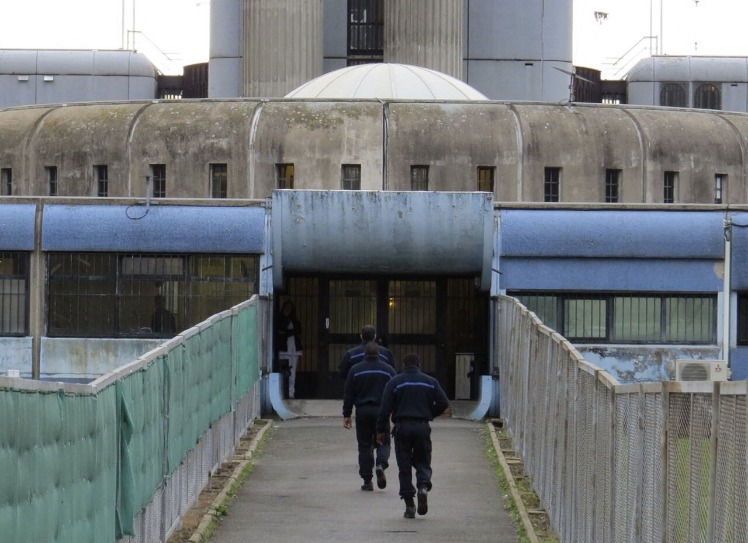

Overview of prison bus systems in South Africa
In South Africa, prison bus systems are a critical component of the correctional services framework, coordinating the secure transfer of detainees between facilities, courts, and medical sites. Managed by the Department of Correctional Services, these operations balance safety, security, and efficiency through standardized routes, trained transport officers, and armored vehicles, while facing challenges such as long distances, overcrowding, and backlogs. This overview highlights the key elements of inmate transport, the roles of staff, and the safeguards designed to minimize risk during transfers.
Purpose and functions
Prison bus systems in South Africa coordinate the secure transport of inmates between correctional facilities, courts, hospitals, and other approved sites. They form a vital component of the national corrections framework, balancing public safety with custodial responsibilities.
The Department of Correctional Services (DCS) is the lead agency responsible for planning, staffing, and operating transport services. Vehicles used for inmate transport include purpose-built buses and vans, equipped to maintain security and track movements during transfers.
Purposes of prison transport include moving sentenced prisoners between facilities, transporting inmates to court appearances, escorts to medical appointments, and transfers to alternate facilities or parole boards. Transport also supports pre-trial custody, ensuring secure movement while risk is assessed.
Key functions include risk assessment prior to each trip, route planning, scheduling, and coordinating with court orders. Transport teams operate in secure convoy formations with trained escorts, restraints, and communications equipment. Checks at handover points ensure proper identity verification and chain of custody of inmates.
Operations include routine, non-emergency transfers, emergency movements when required, and long-distance inter-provincial trips. Some journeys involve medical escorts for inmates who need treatment outside the facility, or transfers to specialized facilities.
Safety measures are designed to minimize escapes and injuries and to protect staff and the public. This typically includes dual-crew staffing, use of restraints such as handcuffs and secure transport cells, and continuous radio or digital communications. Vehicles may be equipped with CCTV, GPS tracking, and secure locking mechanisms.
Transport procedures are governed by the Correctional Services Act and related regulations, policies, and standard operating procedures. These rules set requirements for staff training, inmate handling, medical care during transit, and dignity and safety considerations.
Challenges facing prison transport include overcrowding, budget constraints, staffing shortages, and the logistical complexity of coordinating movements across provinces. Efforts to improve include better scheduling, investment in secure vehicles, enhanced staff training, and clearer accountability mechanisms.
Overall, the prison bus system is a practical backbone of South Africa’s corrections framework, enabling controlled movement, securing legal processes, and ensuring access to essential services while maintaining safety.
Key players and agencies
Overview of prison bus systems in South Africa: Prison transport is a specialized part of the country’s correctional services, responsible for moving detainees between facilities, to court appearances, medical appointments, and other authorized destinations. The system is designed to maintain security, protect the rights of detainees, and minimize disruption to the wider justice process.
Operations and fleet: The Department of Justice and Correctional Services (DoJ&CD) is the primary authority responsible for inter-prison and court transfers. Transfers are managed by dedicated logistics units within correctional services, which may operate in-house vehicles or contract private security transport firms for certain routes. Prison transport vehicles are equipped with secure compartments, restraints, controlled access, GPS tracking, and on-board monitoring to ensure custody and safety. Escorts may involve trained custodial officers, and high-risk transfers can attract support from the South African Police Service (SAPS).
Scheduling and routes: Movement is coordinated to align with court calendars, prison schedules, and medical or other appointments. Route planning weighs security, efficiency, and the availability of staff and vehicles. In rural and remote provinces, transport arrangements may rely on longer travel times and contingency plans for delays, with a focus on minimizing risk and ensuring timely appearances in court.
Key players and agencies: The DoJ&CD sits at the center of prison transport, setting policy, protocols, and budgets. SAPS provides escort support for higher-risk transfers and major events. Oversight and accountability come from bodies such as the Auditor-General of South Africa (AGSA) through procurement and fleet audits, and Parliament’s Portfolio Committee on Justice and Correctional Services which reviews policy and spending. Vehicle maintenance and fleet procurement may involve the Department of Public Works and Infrastructure or other public-sector fleet managers, with private security firms engaged under contract to deliver transport services where appropriate.
Challenges and reforms: The prison bus system faces financial constraints, aging fleets, maintenance backlogs, staffing pressures, and security incidents. Reforms focus on improving fleet reliability, standard operating procedures, staff training, data-driven route optimization, and tighter contract management with private providers to ensure custody standards are met while delivering efficiency and value for money.
Impact on detainees and rights: A core objective is to safeguard detainee rights during transport, including humane treatment, access to legal representation, medical care when needed, and appropriate searches and restraints that conform to policy. The security framework aims to prevent escapes and assaults while ensuring transparency and accountability for custodial staff and contractors.
Conclusion: South Africa’s prison bus systems are a multi-agency operation that hinges on DoJ&CD leadership, supported by SAPS, oversight bodies, and contracted transport partners. Ongoing reforms emphasize safer, more efficient transport with stronger governance, to uphold public safety and the rights of detainees throughout movement.
Regulatory framework and standards
Prison bus transport in South Africa is guided by a composite regulatory framework that blends national legislation, departmental policies, and industry standards to safeguard safety, security, and humane treatment during conveyance. Central elements include the Correctional Services Act and related regulations, transport and vehicle standards, escort procedures, staff training, risk assessment, and incident reporting, with oversight by the Department of Correctional Services and external auditors to ensure compliance across provinces and contractors.
National regulations governing transport of inmates
In South Africa, the transport of inmates by prison buses is governed by a layered regulatory framework that combines constitutional rights, national legislation, and departmental standards. The aim is to ensure secure, humane, and traceable movement of detainees between facilities, court appearances, and other authorized locations.
Constitutional and statutory basis: The Constitution guarantees the dignity and rights of detained persons, and the Correctional Services Act provides the framework for custody, care, and movement of inmates, including escort and transport operations. The Criminal Procedure Act supports transport to court as part of legal proceedings and sets procedures for the handling of accused and convicted persons.
National regulations and departmental policies: The Department of Correctional Services issues national standard operating procedures and transport policies that specify roles, reporting lines, risk assessment, and handover protocols. Transport operations must comply with these SOPs, including pre-transport checks, route planning, and incident reporting.
Vehicle and equipment standards: Prison transport vehicles must be fit for purpose, with secure compartments, appropriate restraints, monitoring capabilities, communication devices, and emergency equipment. Vehicles must comply with road traffic regulations and be subject to regular maintenance and inspections.
Security and risk management: Escorts are assigned based on risk assessment. The procedures cover search, restraint use, handling of vulnerable detainees, de-escalation training, and contingency plans for medical emergencies, escapes, or security incidents.
Personnel qualifications and training: Correctional Services officers involved in transport undergo mandatory training in custody management, escort procedures, use of force within policy, first aid, and incident reporting. Background checks and ongoing refresher training are required.
Oversight, accountability and compliance: Transport operations are subject to internal audits, incident reporting systems, and external oversight to ensure adherence to standards. Non-compliance can trigger disciplinary action or operational reviews. The focus remains on ensuring safety for inmates, staff, and the public, and on supporting legal processes by providing reliable escort to court appearances.
Role of the Department of Correctional Services
The regulatory framework governing prison bus transport in South Africa rests on a combination of constitutional protections, governance policies, and codified standards that cover the custody and movement of inmates. These foundations ensure that transport operations are lawful, safe, and respectful of prisoners’ rights during transfers between facilities, to courts, or to approved service providers.
Key legislation includes the Constitution of South Africa, which guarantees fundamental rights that apply to all detainees and inmates, and the Correctional Services Act 111 of 1998 (as amended). This Act authorises the Department of Correctional Services (DCS) to establish, manage, and operate correctional facilities and to arrange the transfer of inmates, including transport by road. The Act outlines governance, accountability, and the powers needed to implement secure and humane movement of prisoners as part of custody management.
Standards and norms are laid out in the National Core Standards for Correctional Services, which set minimum requirements for safety, security, humane treatment, and orderly operations within correctional environments, including transport. In addition, the National Norms and Standards for Correctional Services provide detailed guidance on transport operations—covering vehicle standards, staffing, training, risk assessment, procedures for loading and unloading, monitoring, and documentation to support consistent practice across facilities.
The Department of Correctional Services is responsible for developing and enforcing these standards, and for the overall governance of prison bus operations. Its role includes policy formulation, fleet management, procurement and maintenance of transport vehicles, recruitment and training of Transport Officers, and the creation and enforcement of standard operating procedures for inmate movement. The DCS also oversees compliance with human rights obligations, safety protocols, and reporting requirements to internal and external audit and oversight bodies.
Coordination with other agencies is a key aspect of the regulatory framework. The DCS works with the South African Police Service (SAPS) for escorted transfers to court appearances and external facilities when security classifications require it. It also interacts with the Department of Transport on matters such as vehicle standards, licensing, road-safety compliance, and driver qualifications. Oversight mechanisms, including internal audits and independent monitoring, help ensure adherence to established norms and address any deviations in transport practice.
In the context of the prison bus ecosystem in South Africa, transport operations encompass inter-facility moves, court appearances, medical visits, and other sanctioned movements. Security features commonly incorporated into transport vehicles include reinforced compartments, secure seating arrangements, CCTV coverage, GPS tracking, and robust access controls. Policies on the use of restraints, loading and handover procedures, and transport documentation—such as manifests and custody handovers—are governed by the regulatory framework and national standards to protect safety and rights while maintaining custody integrity.
Overall, the regulatory framework and standards governing prison bus operations in South Africa aim to standardize practice, ensure lawful and safe prisoner transport, and provide clear accountability for the Department of Correctional Services. Ongoing reforms focus on fleet modernization, enhanced training, better data and monitoring systems, and stronger interagency collaboration to support safer, more efficient movement of inmates across the correctional system.
Standards for vehicle safety and staffing
South Africa’s prison bus transport is governed by a layered regulatory framework that integrates correctional services policy with national road safety and vehicle standards. This overview highlights the main regulatory anchors and the standards for vehicle safety and staffing when transporting detainees in South Africa.
- Regulatory framework for prison transport
- Correctional Services Act and related Prisons Acts set the mandate, duties and accountability for transporting detainees.
- National road and traffic legislation, including the National Road Traffic Act and related regulations, provide general vehicle safety and operation requirements that apply to transport vehicles used by correctional services.
- Oversight and standards bodies such as the Department of Transport, the Road Traffic Management Corporation (RTMC) and the South African Bureau of Standards (SABS) establish compliance, inspections and safety standards for vehicles and equipment.
- Policy guidance from the Department of Correctional Services and contractual frameworks with external transport providers define procedures, reporting, and accountability during detainee transport.
- Standards for vehicle safety in prison buses
- Vehicle design and integrity: transport vehicles used for detainees must meet safety standards for structural integrity, secure enclosures, safe ingress/egress and appropriate compartmentalization to minimize injury risk and escape attempts.
- Restraints and security features: mechanical restraints, locking mechanisms, anchor points, reinforced flooring and secure seating arrangements to safely immobilize detainees while allowing for monitoring and access by staff.
- Hazard prevention and emergency readiness: fitted with functional intercoms, alarm systems, CCTV where appropriate, first aid equipment, fire extinguishers, clearly marked emergency exits and evacuation procedures.
- Maintenance, inspections and compliance: routine maintenance, service schedules and periodic safety inspections aligned with SABS and OEM recommendations and recorded compliance evidence.
- Standards for staffing and operations
- Competent staff: officers assigned to prisoner transport must be trained custodians with qualifications in restraint, conflict de-escalation, incident response, first aid and detainee welfare.
- Staffing models and roles: clear assignments for driver, escort officers and support personnel, with procedures for handover, headcounts, medication management and detainee accountability during transfer.
- Health and safety and welfare: medical screening before transport when needed, monitoring for medical conditions, hydration and provisions for vulnerable detainees, and procedures to manage emergencies.
- Security and risk management: adherence to use-of-force policies, incident reporting, coordination with prisons, police and emergency services, and drills for escapes or disturbances during transfers.
- Implementation and governance
- Policy development, auditing and compliance: standard operating procedures, regular audits and training updates to ensure ongoing alignment with national standards and correctional service requirements.
- Procurement and contractor oversight: vetting of transport providers, driver licensing checks, and performance monitoring to ensure safe and secure transfers.
- International and regional alignment: reference to global best practices for prisoner transport and alignment with SA road safety objectives to minimize risk and improve welfare during transfers.
Fleet composition and procurement
Fleet composition for prison transport in South Africa is built to maximize security and efficiency, typically blending secure prisoner coaches, escort and support vehicles, and spare units to maintain continuous operations. Procurement is driven by government tenders and lifecycle planning, emphasizing tamper‑resistant fittings, maintenance-friendly design, local manufacturing where possible, and timely replacement through public‑sector contracts or partnerships with private providers to meet safety and budget constraints.
Types of prison buses used

In South Africa, the fleet of prison buses is a vital component of the correctional system, enabling secure movement of inmates between facilities, courts, and medical appointments while maintaining safety for staff and the public.
Fleet composition typically includes prisoner transport vehicles, escort and security vehicles, staff shuttle buses, and maintenance support vehicles. The mix is designed to cover long-distance transfers, urban corridors, rural routes, and emergency response needs, with redundancy to reduce downtime in critical operations.
Types of prison buses used in South Africa range from armoured prisoner transport vehicles with reinforced cabins and containment compartments to modified standard buses that provide secure holding cells for short transfers. Some operations rely on standard passenger coaches converted to include detention modules, while smaller groups or local transfers may use secure vans or midibus configurations.
Procurement is conducted under national public procurement rules, often through competitive tenders and framework contracts managed by national or provincial authorities. Suppliers are evaluated on security compliance, after-sales support, maintenance capability, and total life-cycle cost, with emphasis on reliability and safety performance over the vehicle’s lifespan.
Key procurement criteria include capacity to carry the expected number of inmates, robust security features (such as reinforced locking, CCTV, secure partitions, and tamper-resistant fittings), occupant safety (seat belts, crash protection), ease of maintenance, fuel efficiency, and adaptability to local road conditions. Contracts frequently require service networks, spare parts availability, and formal maintenance schedules to minimize downtime.
Delivery models in use include long-term maintenance and upkeep contracts, vendor-managed fleets, and occasionally public-private partnerships to ensure continuity of operations. Governments may also mandate local content or BEE considerations, pushing suppliers to establish local assembly, parts supply, and training programs within the country.
Challenges facing the prison bus fleet in South Africa include aging stock, maintenance backlogs, budget constraints, and the need for standardized specifications across provinces. Reforms focus on modernising the fleet, centralising procurement to achieve economies of scale, improving maintenance regimes, and investing in driver and escort training to enhance safety and operational efficiency.
Advances in fleet management, such as telematics, route optimization, real-time monitoring, and dashboard analytics, support safer, more reliable operations. A well-procured, properly maintained fleet reduces transfer times, lowers incident risk, and contributes to humane treatment of inmates while ensuring the safety of staff and the public.
Procurement processes and tenders
The prison bus fleet in South Africa is a specialized arm of the correctional system, designed to move detainees securely between facilities, to and from court appearances, and for other authorized transfers. Fleet planning is led by the Department of Correctional Services and coordinated with broader government procurement processes to ensure reliability, safety, and compliance with security standards.
Fleet composition for prison transport typically includes prisoner transfer vehicles (PTVs) and larger secure transport buses, each with configurations that maximize safety and containment. PTVs are usually purpose-built or retrofitted vans with reinforced partitions, secure holding compartments, tamper‑evident seals, and controlled access points. Buses provide higher capacity for court runs or multi‑inmate movements, with reinforced floors, cage protection, and multiple locking mechanisms. Supporting vehicles for escorts, maintenance, and rapid response may accompany the core fleet. Interiors are designed for ease of cleaning and sanitisation, and vehicles often feature CCTV, GPS tracking, secure communications, and climate control to maintain a controlled environment during transit.
Common procurement drivers for prison transport fleets include safety credentials, reliability, ease of maintenance, and lifecycle cost. Vehicle specifications emphasize robust build quality, secure locking systems, crashworthiness, and the ability to integrate with existing radio and monitoring networks. In South Africa, procurement policies also consider accessibility for security staff, drivability under various road conditions, and the availability of spare parts and service networks across provinces to reduce downtime.
Procurement processes and tenders for prison buses follow public sector SCM guidelines. Planning stages include a needs assessment, a business case, and a budget projection aligned with the National Treasury framework and the Department’s strategic objectives. Vendors respond to competitive bids or tenders advertised on national platforms, with clear technical specifications, safety and security standards, and service expectations. The tender may specify prequalification criteria, technical compliance requirements, and a minimum warranty period or warranty terms for maintenance and parts.
Technical specifications usually require compliance with South African vehicle safety standards, vehicle homologation, and adherence to security features such as reinforced partitions, tamper‑proof locks, and secure passenger compartments. Tender documents also address local content targets, manufacturing or assembly conditions, and training for drivers and maintenance staff. Vendors are typically required to provide lifecycle cost analyses, spare parts availability, and a defined support plan, including after‑sales service levels and response times.
Evaluation of bids generally combines technical merit with price. A typical approach uses a two‑stage or combined process: an initial compliance and technical evaluation to ensure all safety, security, and regulatory requirements are met, followed by financial evaluation. Weightings may allocate significant emphasis to total cost of ownership, durability, maintenance support, and the supplier’s track record in similar deployments. The process includes due diligence on vendor qualifications, reference checks, and vetting of security credentials before award.
Contract awards for prison transport vehicles involve formal, auditable arrangements with defined delivery schedules, training commitments, and maintenance agreements. Contracts cover not only the initial vehicle delivery but also warranties, spare parts supply, field service, and components replacement over the fleet’s lifecycle. Payment milestones are typically linked to delivery milestones and acceptance testing, with service level agreements to ensure vehicle uptime and readiness for court appearances and inter‑facility transfers.
Transformation and local content considerations are often integrated into tenders in line with South Africa’s BBBEE and local procurement policies. Preference may be given to suppliers with robust local manufacturing, assembly capabilities, or strong local employment impact, provided they meet technical and cost requirements. Suppliers should anticipate potential alignment with broader public‑sector goals, including job creation and skills development in the security vehicle sector.
Vendors aiming to win prison transport tenders should maintain a clear compliance record, demonstrate proven capability in secure passenger transport, and show readiness to support long‑term after‑sales service. For prospective bidders, early engagement with the procurement authority, careful tailoring of vehicle specifications to the department’s security standards, and robust lifecycle proposals can improve competitiveness in this sensitive, high‑impact category.
Maintenance and depreciation
In South Africa, prison bus fleets are a critical component of the correctional system, enabling secure transfer of detainees between facilities, courts, and other venues. Effective fleet composition, procurement, and ongoing maintenance influence safety, reliability, and total cost of ownership. This article outlines key considerations in fleet mix, procurement strategies, maintenance regimes, and depreciation planning for prison transport in South Africa.
Fleet composition for prison transport typically combines several vehicle types: standard secure transport coaches for routine interfacility transfers, smaller secure vans for court appearances or high-frequency routes, armored escort vehicles for high-risk transfers, and dedicated command or support vehicles. The interior is configured with reinforced partitions, lockable custody compartments, tamper-evident seals, CCTV, intercoms, GPS tracking, and appropriate restraints and seating to separate prisoners by risk level. A balanced mix maximizes capacity while preserving security, ensures operational flexibility across peak transfer periods, and minimizes the risk of delays or security breaches.
Procurement is usually conducted through public-sector tender processes that emphasize safety, interoperability, and total life-cycle cost. Requirements typically cover crashworthiness, prison custody capabilities, ease of decontamination, and compatibility with existing communications and dispatch systems. Contracts may include supply with maintenance, long-term service agreements, and performance-based logistics to ensure uptime. Preference is often given to suppliers with local manufacturing or assembly capabilities and proven compliance with South African safety and security standards, while also ensuring access to spare parts and trained technicians across regions.
Maintenance programs for prison transport vehicles are rigorous and continuous. Preventive maintenance schedules address core systems such as braking, suspension, transmission, door mechanisms, locking systems, CCTV, and communications gear. Regular inspections, replacement of wear items, and timely repairs are essential to keep custody features functional. A robust maintenance plan includes a reliable spare-parts pipeline, mobile or regional service centers, driver and technician training, and performance metrics that track vehicle availability, mean time between failures, and incident rates. Route-specific considerations, such as coastal corrosion exposure or extreme heat, influence maintenance intervals and protective coatings.
Depreciation and asset life-cycle planning are fundamental to budgeting and procurement decisions. Buses and specialized prison transport vehicles are depreciated over their estimated useful lives, typically on a straight-line basis, with life expectancies that reflect duty cycles, maintenance realities, and residual values. In government accounting, depreciation affects annual budgets, replacement planning, and the ability to justify new procurements. Proper depreciation modeling also informs refresh cycles, the scheduling of large-scale fleet overhauls, and the phasing-in of newer, safer, and more efficient custody vehicles as technology and safety standards evolve.
Operational realities in South Africa—such as security risk, terrain diversity, and regional maintenance access—drive decisions about fleet size, spare ratios, and geographic dispersion of service hubs. Integrating secure vehicle design with cost-effective procurement, disciplined maintenance, and transparent depreciation practices helps deliver safer prisoner transport, reduces downtime, and supports accountable public spending within the correctional system.
Operations: routes, procedures, and daily routines
Operations of prison transport in South Africa revolve around carefully planned routes, standardized procedures, and consistent daily routines that safely move detainees between facilities, court appearances, and approved programs. Planning covers route optimization, security checks, and handover protocols, while daily operations include vehicle schedules, staff rotations, inmate accountability measures, and routine maintenance to ensure reliability and compliance with human rights standards.
Route planning and security zones
Prison bus operations in South Africa are a specialized form of custodial transport designed to move inmates between facilities, courts, and medical sites with safety, efficiency, and accountability as the core objectives.
Route planning begins with a risk-based assessment of potential corridors, timing, and known hazards. Planners evaluate traffic patterns, road conditions, and weather, aiming to select routes that minimize exposure to public spaces while allowing predictable, timely departures and arrivals. Coordination with facility management, local police, and traffic authorities provides real-time insights and contingencies.
Security zones define the layered controls along a transport operation. At the facility gates and transfer points, stringent identity checks, roster verifications, and secure access protocols are used. En route, controlled corridors and monitored stops ensure continuous visibility through communications links, CCTV where available, and predefined handover points. Arrival and release areas maintain strict separation from the public and require formal sign-offs before inmates are transferred to another controlled environment.
Operational procedures cover pre-trip, in-transit, and post-trip activities. Pre-trip checks include vehicle condition, restraints, inclusive inmate rosters, and briefing of staff on roles and contingency plans. In transit, staff maintain continuous communication, enforce rules, conduct periodic counts, and log movements in a custody register. Post-trip activities review any incidents, update records, and secure the vehicle and equipment for the next shift.
Daily routines balance safety with efficiency. Drivers perform vehicle walk-arounds, refuel and service schedules, and ensure security equipment is functional. Escort officers verify inmate accountability, manage discipline, and coordinate with control rooms during handovers. Briefings cover route changes, potential delays, travel times, and emergency procedures to ensure everyone understands their responsibilities.
Emergency planning and contingencies form a core part of operations. Procedures exist for medical emergencies, passenger distress, vehicle breakdowns, and security incidents, with predefined escalation paths and backup resources. Communications protocols ensure rapid notification of control centers, police, and facilities, while alternate routes and safe stopping points minimize risk during disruptions.
Compliance, training, and documentation underpin every transport run. Regular drills reinforce standard operating procedures, chain-of-custody practices, and incident reporting. GPS tracking and audit trails provide accountability and support continuous improvement across routes, zones, and staffing.
Effective prison transport in South Africa requires collaboration across institutions, clear governance, and a focus on public safety. By aligning route planning with security zoning, documented procedures, and disciplined daily routines, operations strive to protect inmates, staff, and communities while maintaining lawful and humane handling of every transport.
Inmate handling and supervision
Prison bus operations in South Africa are coordinated to move inmates between facilities, courts, and approved medical appointments while prioritizing safety, security, and humane treatment.
Routes are planned to balance security with efficiency, taking into account road conditions, travel time, court schedules, and potential risk factors. Transport plans are reviewed, alternate routes are prepared for disruptions, and real-time tracking and communication systems help maintain visibility across the journey.
Buses used for inmate transport are designed or upgraded for secure movement, featuring reinforced compartments, controlled entry points, CCTV coverage, intercoms, and secure seating arrangements. Escort by trained transport officers accompanies every trip, with clear protocols for communication, handover, and accountability.
Pre-trip procedures include vehicle inspections, fuel and equipment checks, and verification of the inmate roster, custody level, and medical needs. A formal handover from the originating facility is recorded, passed along in a transport manifest, and any contraband checks or searches are completed before departure.
During transit, custody officers perform headcounts at departure, during key waypoints, and before arrival. The control room maintains continuous contact, and any security incidents or medical concerns are escalated promptly. Inmates are seated according to risk classification, with appropriate restraints and privacy considerations, while maintaining dignity and safety.
On arrival, a controlled disembarkation is conducted, followed by a formal handover to the receiving facility. The vehicle is secured, post-journey checks are performed, and all documentation is completed and archived for audit purposes.
Daily routines for transport staff include shift handovers, vehicle maintenance planning, routine security briefings, and training refreshers. Operations centers coordinate with facilities to align transport schedules with court lists, medical appointments, and rehabilitation programs, while welfare checks ensure inmates’ basic needs are met during and after travel.
Inmate handling and supervision emphasize safety, rights, and dignity. Risk assessment informs escorting practices, with separation of higher-risk individuals when necessary and strict adherence to use-of-force policies, de-escalation techniques, and privacy considerations. Medical, dietary, religious, and cultural needs are respected, and confidential information is protected in accordance with policy and law.
Training and oversight cover legal responsibilities, security procedures, emergency response, and incident reporting. Supervisors monitor adherence to protocols, conduct audits, and facilitate continuous improvement through reviews of transport manifests, incident logs, and feedback from facilities and officers.
Compliance hinges on a clear legal and policy framework, accurate record-keeping, and regular audits. Transport operations incorporate lessons learned from past experiences, adapt to changes in court calendars and road networks, and strive to minimize disruption while maintaining the highest standards of safety, security, and humane treatment for all inmates.
Visitation, medical, and legal access during transport
Operations of prison transport in South Africa involve moving inmates between correctional facilities, courts, and other approved destinations. The Department of Correctional Services (DCS) coordinates routes, staffing, and safety measures to protect inmates, staff, and the public while upholding prisoners’ rights.
Routes and scheduling are planned according to security risk, geographic coverage, and facility needs. Transfers are timed around court appearances and medical appointments, with contingencies for delays. Vehicles are escorted by trained officers and monitored in a central control room.
Procedures and daily routines include pre-departure counts and inventories, search of bags and person, and the securing of inmates with restraints as required. The transport team consists of a driver and security escorts who stay in contact with the control room. On arrival at each stop, handover procedures ensure custody remains with staff.
Visitation during transport is generally not permitted. Any contact with legal representatives or family is arranged through authorized channels, typically at designated transfer points or receiving facilities, and may require prior approval and supervision. Confidential legal communications are protected under policy.
Medical access during transport follows formal procedures. Inmates receive pre-transfer medical screening; on-route medical needs are addressed by the escort team with qualified medical staff when available, or by detouring to the nearest approved medical facility. Medical information accompanies the inmate securely.
Legal access in transit is limited. Inmates may request access to legal counsel through escort staff, and arrangements such as secure teleconference or phone calls may be provided where policy allows. All requests, communications, and legal consultations are documented to maintain custody integrity.
Safety and compliance are integral. Staff receive ongoing training in de-escalation, use of restraints, emergency procedures, and rights-based treatment. Vehicles are equipped with security features, CCTV, GPS tracking, and reliable communications. Routes and procedures are reviewed by supervisors and inspectors.
Context in South Africa includes long travel distances and varied terrain between facilities, which requires careful planning and contingency planning. The aim is to balance security with humane treatment, legal rights, and orderly operations.
These operations reflect standard practice for transporting detainees in South Africa and illustrate how routes, procedures, daily routines, visitation, medical, and legal access are managed to support safe, lawful, and dignified transfers.
Safety, security, and incident history
Safety and security on South Africa’s prison buses are critical, as authorities work to prevent escapes, assaults, and the smuggling of contraband while safeguarding staff and inmates. The incident history—including hijackings, attempted escapes, and transport-related violence—has driven reforms in vehicle design, escort protocols, and monitoring, underscoring the ongoing pursuit of safer, more accountable prisoner transport.
Notable incidents involving prison buses
Safety, security, and incident history of prison buses in South Africa highlight ongoing challenges in secure inmate transport. The sector relies on armored buses, trained guards, route planning, and strict procedures to minimize risk to inmates, staff, and the public. Notable incidents have spurred reforms, investments in technology, and closer inter-agency cooperation to reduce the chance of hijackings, escapes, and violence during transfers.
- Hijackings and attempted escapes during prisoner transfers: Armed attacks on bus convoys have led to inmate escapes or recapture efforts and prompted reviews of escort protocols, vehicle armor, and communication systems.
- Insider or external complicity and security breaches: In some cases, investigators have cited potential insider collusion or external actors exploiting gaps in security, underscoring the need for rigorous screening and chain of custody for inmates and equipment.
- Aggressive incidents against staff or bystanders: Transport teams have faced assaults, intimidation, and collateral risk to bystanders when buses are intercepted or attacked.
- Vehicle and operational safety concerns: Faulty maintenance, mechanical failure, or challenging road conditions have increased the risk of incidents during transit, beyond intentional attacks.
- Reforms and countermeasures following incidents: In response, authorities have expanded the use of armored transport, GPS and CCTV monitoring, dedicated secure transport units, staff training, and standardized transfer procedures to improve safety and security.
Security features: restraints, escort staff, tracking
Prison bus transport in South Africa plays a critical role in moving inmates between facilities, courts, and treatment programs while balancing safety, security, and humane treatment.
Safety and security strategies center on vehicle design, physical restraints, and standardized operating procedures. High-security transports often use armored buses or reinforced vans with segregated compartments to separate drivers, escorts, and inmates. Restraints may include handcuffs, waist chains, and, in higher-risk cases, additional leg restraints or secure seating arrangements to prevent tampering. Before each journey, comprehensive checks are conducted, including contraband searches, secure door and hatch tests, and confirmation of inmate identities and transfer paperwork.
Escort staff are a core element of the security model. Trained correctional officers staff the transport, supported by a supervising officer when needed. In higher-risk transfers, additional personnel from specialized units may be deployed to provide tactical support and maintain orderly containment. Escorts coordinate communication with a central control room, the sending and receiving facilities, and, if required, external law enforcement agencies. Clear chain-of-command and incident-response protocols ensure a rapid and coordinated response to any disturbance.
Tracking and monitoring technologies enhance accountability and situational awareness. Vehicles are equipped with GPS tracking to provide real-time location data, while onboard communications ensure constant contact with a central control center. CCTV coverage inside the transport aids observation of inmate behavior and staff actions, and geofencing or route monitoring helps verify adherence to planned paths. Maintenance of tracking logs and communication records supports investigations if an incident occurs.
Incident history in South Africa’s prison transport context has included occasional escape attempts, assaults on staff during transfers, and security breaches during movement between facilities. Such events have driven reviews of risk classification, route planning, and staffing levels. In response, agencies have implemented tighter pre-transfer risk assessments, enhanced training on de-escalation and control techniques, improved vehicle and equipment standards, and more rigorous post-incident investigations and accountability measures. Ongoing reforms aim to reduce risk, increase transparency, and ensure humane treatment while maintaining public safety.
Overall, the modern prison bus system in South Africa emphasizes layered security, disciplined escort operations, and robust tracking to manage safety, minimize incidents, and support effective inmate transport within the correctional system.
Emergency protocols and incident response
Safety and security of prison transport in South Africa involve structured policies, robust vehicle design, staff training, and coordinated emergency response. This article outlines the key elements, incident history, and response protocols for prison buses in the country.
- Safety and security framework
Transport of prisoners is governed by the Department of Correctional Services (DCS) policies and national protective service guidelines. Standard procedures include risk-based route planning, risk assessment, and incident reporting to ensure accountability and continuous improvement.
- Vehicle design and security measures
Prison buses use reinforced compartments to separate inmates from guards, with secure cages, interior partitions, high‑strength upholstery, and restraints. Vehicles are equipped with GPS tracking, CCTV monitoring, secure communications, route change capabilities, and panic buttons for guards.
- Staff training and operating procedures
Escort teams are trained in de‑escalation, when necessary use of restraints, communications with control rooms, and emergency actions. Regular drills cover hijack scenarios, vehicle immobilization, and medical response.
- Incident history and risk patterns
Over time, the most common safety issues involve hijack attempts, escape attempts during transfers, assaults on staff, and contraband smuggling. Incidents have occurred along long rural routes and in urban corridor transfers, guiding risk-based routing and additional escorts in higher‑risk lanes.
- Emergency protocols and incident response
Emergency procedures emphasize immediate safeguarding of people, containment of inmates, and rapid notification of authorities. Steps typically include securing the vehicle, performing a headcount, contacting the control room, coordinating with police and medical services, implementing a contingency plan to reroute to safe facilities, and documenting the incident for investigation.
- Coordination with law enforcement and medical services
Mutual aid arrangements ensure timely police response, emergency medical care, and incident investigation. Communication protocols, incident command structures, and joint exercises improve coordination during real events.
- Continuous improvement and recommendations
Ongoing efforts focus on improved vehicle technology, enhanced route planning, more extensive staff training, better data collection on incidents, and transparent reporting to bolster public safety and inmate welfare.
Challenges and controversies
Discussing the prison bus in South Africa reveals the challenges and controversies that surround English-language coverage, from safety and human rights concerns to race, stigma, and the choice of terms that shape public perception and policy responses.
Overcrowding impact on transport
In South Africa, the transport of prisoners by bus is a critical but troubled part of the criminal justice system. Overcrowding in detention facilities and court calendars places heavy demand on prison buses and routes, creating a web of challenges and controversies that ripple through security, human rights, and public perception.
One major challenge is the aging and limited fleet of transport vehicles. Buses frequently break down, forcing days of cancellations or last-minute replacements. Staffing shortages, including guards and drivers trained to manage high-risk populations, compound delays and raise safety concerns during transfers between prisons and courts. Overcrowding within the buses themselves, sometimes exceeding capacity, increases the risk of injuries, reduces visibility for officers, and makes routine searches and restraints less effective. Long journeys across South Africa’s vast geography expose inmates and staff to fatigue, heat, and poor ventilation, with consequences for medical needs and security.
Controversies swirl around how prisoners are transported, including questions about dignity, restraint practices, and the use of private contractors. Human rights groups and unions have criticized transport arrangements when standards vary by province or contractor, arguing that overcrowded or poorly supervised buses amount to cruel or degrading treatment. Tender processes for transport contracts have also attracted scrutiny for potential corruption, lack of transparency, and inconsistent enforcement of safety and security standards. Public debates frequently touch on privatization versus state-operated fleets and the proper allocation of scarce resources within the corrections system.
Overcrowding intensifies all transport-related pressures. When buses carry more prisoners than safe capacity, boarding and disembarkation become slower, routes are extended, and misspending occurs, delaying court appearances and sentencing. Chronic overcrowding reduces the ability to separate high-risk inmates from others, complicating risk management and emergency responses. The cumulative effect is higher transportation costs per inmate, greater exposure to security incidents, and a backlog that exacerbates delays in the justice system.
Additionally, overcrowded transport can compromise detainee and staff welfare, with limited access to sanitation, food, and medical care during long transfers. The perception of inhumane treatment can undermine trust in the justice system and invites scrutiny from watchdogs and international bodies. Ensuring accountability for transport operations, addressing staffing gaps, and maintaining a transparent reporting mechanism are essential to mitigate these risks.
Potential reforms include investing in a modern, properly sized fleet and rigorous driver-guard training, standardizing operating procedures across provinces, and improving data collection to track transport times, delays, and incidents. Expanding the use of remand hearings through video conferencing could reduce the number of prisoners moved for court appearances, easing the transport burden. Where private contracts exist, robust oversight, independent audits, and strict safety criteria should be mandatory to prevent cost-cutting at the expense of security and dignity. A broader policy shift toward reducing overcrowding in prisons and more efficient case flow can also lessen transport demand over time.
In sum, the challenges and controversies of prison bus transport in South Africa reflect deeper pressures within the criminal justice system. Addressing overcrowding and improving transport requires a coordinated effort across government departments, stronger governance, and a commitment to protecting the rights and safety of both inmates and staff while ensuring public confidence in the system.
Human rights and treatment concerns
Prison bus transport in South Africa sits at the intersection of logistics, security, and human rights. Transporting inmates between facilities is a routine operation, but it exposes systemic tensions and raises serious questions about dignity and safety during custody transfers.
Challenges include overcrowding in prisons, which drives more frequent transfers and longer journeys. The fleets used for conveyance are often aging and under-resourced, leading to breakdowns, delays, and unpredictable schedules that compound stress for inmates and staff alike.
Controversies surround the use of private contractors and outsourced transport services. Questions have been raised about oversight, consistency of safety standards, and potential profit-driven practices that may conflict with the welfare and rights of detainees during transit.
Human rights and treatment concerns focus on basic protections during movement. Inmates may encounter cramped seating, insufficient access to food and water, limited opportunities for restroom breaks, and delayed medical attention. Inadequate ventilation, heat, or cold can exacerbate vulnerability, particularly for the elderly, ill, or pregnant detainees.
Safety risks are a constant feature of transit. The process of boarding and disembarking, the handling of restraints, and interactions between inmates can lead to injuries or incidents of violence. Staff safety is also a concern, as transport environments can become volatile in the absence of robust protocols and training.
Human rights advocates highlight concerns about the use of restraints and the extent to which inmates’ dignity is preserved during long journeys. Issues such as gender segregation, the treatment of vulnerable individuals, and the potential for mistreatment or neglect during transit demand careful scrutiny and clear guidelines.
Policy responses emphasize standardization and accountability. Calls for national minimum standards for transport, independent oversight, transparent reporting, better vehicle maintenance, GPS tracking, in-vehicle cameras, and clearer medical and dietary provisions aim to reduce abuses and improve safety for both inmates and staff.
Addressing the challenges and controversies of prison bus operation in South Africa is essential to uphold human dignity, ensure humane treatment, and strengthen trust in the correctional system as a whole.
Budget constraints and ageing fleet
Prison bus transport in South Africa is a critical component of the corrections system, moving detainees between facilities, courts, and medical appointments while attempting to keep staff, inmates, and the public safe.
It faces persistent challenges and controversies in South Africa, including security risks during transfers, incidents of escapes or attempted escapes, crowding and delays, and concerns about the adequacy of staffing and training for high-risk transports. Media reports and court cases have highlighted gaps in risk assessment, use of restraints, and adherence to standard operating procedures, which can fuel public scrutiny and undermine confidence in the system.
Budget constraints shape every aspect of prison bus operations in South Africa. Limited funding affects maintenance, spare parts, fuel, insurance, and the ability to hire and retain trained drivers and escorts. Procurement delays and aging procurement practices can slow down the replacement of vehicles or the rollout of safety upgrades. In times of austerity, the system may prioritize urgent needs over preventive maintenance, leading to higher long-term costs and greater downtime.
The fleet itself is aging in South Africa’s corrections system, with many buses operating beyond their intended service life. Age brings more frequent breakdowns, reduced reliability, higher fuel consumption, and greater maintenance costs. Components such as hydraulic systems, braking, and seat restraints require regular replacement, and shortages of spare parts can extend downtime. An older fleet also carries greater risk in emergency situations and can compromise the safety of inmates and staff during transfers.
Reforms and strategies in South Africa focus on risk-based scheduling, improved maintenance regimes, and exploring partnerships with manufacturers and delivery partners to modernize the fleet. Some approaches include introducing dedicated high-risk transport units, upgrading training for drivers and escorts, installing basic safety equipment, and pursuing longer-term capital expenditure plans for new buses and replacement parts. Transparency in procurement and oversight aims to reduce corruption risks and improve public accountability.
Addressing these issues requires sustained funding, political will, and strong governance to ensure that prison transport meets safety, legal, and human-rights standards in South Africa while managing costs in a resource-constrained environment.
Impact on inmates, staff, and communities
In South Africa, prison buses are a pivotal link in the criminal-justice system, moving inmates between facilities, courts, and work programs. The impact reaches inmates, staff, and communities: for detainees, transport affects safety, access to legal processes, education, and rehabilitation; for correctional staff, it shapes workload, security, and morale; and for nearby communities, bus movements influence safety perceptions, traffic, and public trust in how justice is carried out.
Health, safety, and well-being of detainees
Prison transport buses in South Africa operate as the backbone of the correctional system, moving detainees between facilities, courts, and program sites. The design and management of these vehicles influence security, efficiency, and the daily reality for inmates, staff, and surrounding communities.
For inmates, transport is a period of high risk and significant stress. Overcrowded buses, prolonged confinement, exposure to heat or cold, and limited access to water or sanitation can undermine health and dignity. The risk of injuries during transfers, during loading and unloading, and in route incidents is elevated when security controls are aggressive or mismanaged. Prolonged transport can disrupt medical appointments or rehabilitation sessions, contribute to anxiety and trauma, and compound existing health conditions, especially for elderly or disabled detainees.
Staff face safety challenges and workload strain. Escorts must balance security with humane treatment, and any lapse can lead to injuries or confrontations. Long hours, exposure to violence, and the stress of enforcing rules on crowded vehicles contribute to fatigue and burnout. Adequate training, safe equipment, and clear operating protocols are essential to reduce violence, escape attempts, and errors in judgment during transport.
Communities along transport routes are affected by security concerns and resource demands. Incidents such as escapes or vehicle breakdowns can strain local policing, emergency services, and public perception of safety. Traffic disruptions, road closures for transports, and the visibility of armed guards can influence how communities view the corrections system and shape trust in the justice process.
Health considerations during transport include infectious disease control, hydration, nutrition, rest, and access to medical evaluation. Detainees lose the opportunity for personal healthcare during travel, making pre- and post- transport screening critical. Adequate ventilation, climate control, sanitation, hand hygiene, and continuity of care for chronic conditions are essential to safeguard well-being and reduce health disparities among inmates while in transit.
Overcrowding, aging fleets, and limited funding compound risks on prison buses. Vehicle maintenance lapses can lead to mechanical failures or unsafe restraints. Corruption or poor oversight may affect the integrity of transport operations. Without robust risk assessments, data collection, and accountability, mistakes in transport can escalate injuries or incidents.
Best practices include dedicated transport units with trained escorts, standardized risk assessments for each trip, GPS tracking and CCTV, secure loading zones, medical check-ins before and after journeys, and ensuring detainees are treated with dignity. Investing in newer, properly equipped buses, climate control, and accessible facilities for disabled detainees improves outcomes for all stakeholders. Community engagement and transparent reporting help restore trust in the system.
Improving prison transport in South Africa requires integrated policy efforts, funding, and continuous monitoring to protect inmates, staff, and communities while supporting safety and rehabilitation objectives.
Staff workload and safety
In South Africa, prison transport buses are a daily reality for moving inmates between facilities, to court appearances, and—when appropriate—to medical appointments. The safety and efficiency of these operations affect not only the prisoners and staff involved but also the communities through which convoys travel and the courts that rely on timely appearances.
Impact on inmates: Transfers are high-stress moments. Limited movement, tight restraints, and long hours in vehicles can exacerbate anxiety and agitation. Delays or disruptions can infringe on legal rights to timely appearance, while medical needs can go unmet during extended travel. The quality of care, privacy, and contact with families during and after transport also shapes inmates’ sense of dignity and their rehabilitation prospects.
Impact on staff: Transport officers and escort teams face heavy workloads and safety risks. They must plan routes, manage restraints, monitor behavior, and respond to potential incidents inside the vehicle or en route. The hazards include aggression from inmates, attempts at self-harm or escape, vehicle breakdowns, and accidents on public roads. Fatigue, stress, and long hours can affect decision-making and health.
Impact on communities: Prison convoys traverse busy streets and rural routes alike. Road safety is a concern for other road users, especially in emergency responses or high-speed pursuits. Delays to public traffic, noise, and the perception of a high-security presence can influence community sentiment toward the justice system. Efficient, well-managed transport systems can reduce spillover risk and improve public trust.
Operational and policy challenges: Prisons in South Africa contend with overcrowding, aging transport fleets, and budget constraints. Inadequate maintenance, insufficient spare parts, and limited dedicated transport personnel can lead to delays, breakdowns, and safety vulnerabilities. Clear standard operating procedures, risk assessments, and oversight are essential to ensure every transfer adheres to best practices.
Paths to improvement: Investment in purpose-built transport units or well-maintained vehicles with proper restraints and safety features; enhanced training in de-escalation, first aid, and crisis response; real-time tracking and communications between facilities, courthouses, and escort teams; minimum medical readiness for transfers; scheduling that minimizes transfer durations; and stronger coordination with courts, police, and communities to reduce unnecessary movement.
Conclusion: The prison bus system is a critical component of the South African justice ecosystem. Its impact on inmates, staff, and communities hinges on safety, efficiency, and humane treatment. Thoughtful reforms—focused on safety, workload management, and public confidence—are essential to ensure transfers support lawful processes without compromising people’s safety.
Effect on community trust and perception
The prison bus system in South Africa is a critical yet often overlooked element of the criminal justice pipeline, transporting inmates between facilities, courts, and treatment centers and shaping experiences for inmates, staff, and communities.
For inmates, transport conditions can affect safety, dignity, and access to justice. Crowded or poorly maintained buses can raise risk of injury, dehydration, and heat or cold exposure, while long journeys and repeated transfers intensify stress and anxiety. Regular transit to court can increase opportunities for timely hearings, but disruptions, delays, or security checks can lengthen pre-trial detention and create feelings of powerlessness. Reintegration-oriented transport programs, when respectful and well-structured, can support contact with families and legal representatives, while mismanagement undermines rehabilitation efforts.
For staff, transporting inmates is a demanding assignment that hinges on security, professional protocols, and mental resilience. Escorts, secure vehicles, and coordination with court and prison systems require careful planning; gaps in staffing, vehicle maintenance, or communication can elevate risks of escapes, assaults, or injuries. Overwork and fatigue, limited resources, and exposure to danger can erode morale and trust in the system, while transparent reporting and rigorous training can bolster confidence in safety standards.
For communities along transport routes, prison buses influence daily life, road safety, and perceptions of policing. Frequent convoys can disrupt traffic, create noise, and generate anxiety about security. Positive community interactions—clear communication about schedules, safe transport practices, and visible oversight—can reduce stigma and improve relations with residents. Conversely, reports of abuse, delays, or accidental harm can harden distrust toward authorities and reinforce stereotypes about the criminal justice system.
Effect on community trust and perception: When the system demonstrates reliability, respect for rights, and accountability in transport, public confidence in the justice process can grow. Efficient, humane prisoner transit signals that authorities are serious about procedural fairness and rehabilitation. However, failures—such as injuries, mistreatment, missed court appearances due to transport problems, or opaque investigations into incidents—tend to erode trust and feed narratives of state neglect or heavy-handed control.
In South Africa, where the balance between security, human rights, and resource limits is continually tested, improvements to prison bus operations can yield broader social benefits. Investments in properly maintained vehicles, appropriate staffing levels, digital routing and scheduling, independent oversight, and community reporting channels can enhance safety and transparency. When transport practices align with legal protections and the rehabilitative goals of sentencing, inmates may experience more predictable routines, staff may perform with greater confidence, and communities may perceive the justice system as fairer and more accountable.
Ultimately, the prison bus is more than transport; it is a conduit for dignity or danger, a daily interface between the state and the people it serves. By prioritizing safe, humane, and efficient prisoner movement, South Africa can strengthen trust, reduce harm, and support reintegration within a complex social landscape.
Technologies and modernization efforts
Technologies and modernization efforts are reshaping prison transportation in South Africa, where newer prison buses are equipped with GPS routing, real-time monitoring, biometric validation, secure communications, and integrated data systems. These innovations aim to enhance safety for officers and detainees, improve scheduling reliability, and strengthen accountability across facilities, courts, and law enforcement networks as detainees are moved between sites.
Tracking and communications systems
In South Africa, prison bus transport is increasingly being viewed through the lens of security, reliability, and modern technology, with modernization efforts aimed at improving safety for both detainees and staff while increasing operational efficiency.
Tracking and location technologies form the backbone of these modernization efforts. Global positioning systems (GPS) and automatic vehicle location (AVL) enable real-time visibility of each vehicle, showing exact routes, stops, and estimated arrival times. Geofencing and route-optimization algorithms help planners minimize risks, avoid high-crime corridors, and respond quickly to incidents or deviations from the schedule.
Communications systems are being upgraded to support secure, uninterrupted contact between drivers, escorts, and control centers. Encrypted radio and data links, mobile command centers, and resilient backhaul networks ensure that crews can request support, report incidents, and coordinate responses even in challenging environments.
Onboard sensors and media capture enhance accountability and situational awareness. Modern prison transport vehicles can be equipped with high-definition cameras, interior and exterior surveillance, door and locking sensors, and tamper-detection mechanisms. Real-time video feeds and event-triggered recordings support post-incident investigations and deter attempted escapes.
Integrated data platforms bring together tracking, communications, and vehicle health information. A centralized Transport Management System (TMS) or equivalent platform consolidates schedules, routes, inmate manifests, maintenance alerts, and incident reports, enabling data-driven decision-making and performance monitoring across the fleet.
Implementation faces several challenges, including funding limitations, the need for staff training, and the requirement for interoperability across different agencies and service providers. Strengthening cyber security, ensuring reliable connectivity in rural areas, and maintaining equipment to withstand harsh environments are ongoing priorities in the South African context.
Despite these hurdles, the modernization of prison bus operations offers clear benefits: improved safety for officers and detainees, greater transparency and traceability of movements, faster incident response, and more efficient use of resources. As technology evolves, South Africa’s correctional system can expand capabilities through scalable, standards-based solutions that support continuous improvement in transport security and logistics.
Vehicle safety upgrades and redesigns
Prison transport in South Africa is undergoing a period of modernization, with a growing emphasis on technologies and redesigned vehicles to improve safety, accountability, and operational efficiency.
Modernization efforts leverage telematics and digital systems that provide real-time route tracking, mileage, and vehicle health data, as well as digital custody manifests, inmate tagging, and audit trails for handoffs between facilities. Integration of CCTV, remote monitoring, and standardized reporting enhances incident response and transparency across provinces.
Vehicle safety upgrades focus on reinforcing the physical barrier between drivers and detainees, deploying secure partitions, crash-tested seating, reinforced doors, and tamper‑evident locking mechanisms. Additional safety features include redundant power and braking systems, emergency intercoms, panic buttons, and comprehensive CCTV coverage with secure data storage.
Redesigns in the vehicle interior prioritize risk reduction and rapid emergency access. Modular interiors with separate zones for drivers and inmates, reinforced, shatter‑resistant windows, improved ergonomic seating, and clearly defined egress routes reduce opportunities for contraband or escape and facilitate safer transfers to and from custody facilities.
Adopting these changes presents challenges, including the cost of modern fleets, the need for ongoing technician training, and the maintenance burden on regional workshops. Ensuring interoperability of systems, consistent standards across provinces, and robust supply chains for spare parts are critical to sustaining improvements.
Looking ahead, the modernization program may explore hybrid or electric propulsion to lower emissions and noise on urban routes, along with solar or battery-backed power for essential subsystems. The goal is a resilient, traceable, and safer prison transport capability that can adapt to evolving security requirements.
Data collection, monitoring, and reporting
Real-time monitoring centers provide centralized oversight with dashboards that display live bus locations, route deviations, dwell times, and alerts for tampering, safety incidents, or out-of-route events, enabling rapid decision making and response.
Reporting processes translate collected data into compliance and performance insights, including daily route and handover reports, maintenance and asset utilization dashboards, incident analyses, and formal submissions to oversight and parliamentary bodies when required.
The modernization effort yields tangible benefits such as enhanced safety for staff and detainees, reduced delays and unauthorized stops, better asset management, transparent audit trails, and improved coordination across agencies involved in secure transport and custody management.
However, challenges remain, including substantial upfront and ongoing costs, interoperability across different systems and vendors, ensuring data privacy and cybersecurity, and maintaining operations in remote areas with limited connectivity.
Looking ahead, South Africa’s prison transport sector is exploring AI-driven route optimization, predictive maintenance, and tighter integration with national justice information systems, supported by standardized data models and governance to sustain efficient, accountable, and safer bus operations.
Future outlook and policy directions
Looking ahead, South Africa’s prison bus system is poised for safer, more efficient transport through policy directions that emphasize standardized fleets, trained security personnel, and transparent oversight. The future outlook centers on risk-based routing, better compliance with human rights standards, and reduced turnaround times through centralized booking and data sharing. Policy directions will likely promote modernization of transport fleets, stricter maintenance schedules, GPS and CCTV monitoring, and partnerships with accredited service providers to curb corruption and improve safety for inmates and staff while supporting the broader justice system’s performance.
Proposed reforms and funding strategies
Future outlook and policy directions for prison transport in South Africa point toward safer, more efficient, and rights-respecting management of detainee movement. A focus on standardized fleet specifications, centralized procurement, stronger governance, and lifecycle funding aims to reduce risk, cut costs, and align transport with rehabilitation goals.
- Standardized fleet and governance: Establish national standards for prison transport vehicles, security features, and operator qualifications, with a centralized governance body to ensure compliance across provinces.
- Modernization of the fleet and operations: Replace aging buses with purpose-built secure transport, featuring reinforced compartments, tamper-resistant fixtures, CCTV, GPS tracking, and reliable communication systems; implement route optimization and strict schedule adherence practices.
- Human rights and safety integration: Ensure detainee rights are protected during transit, with humane treatment, medical access, and emergency response protocols; incident reporting and independent monitoring mechanisms.
- Data-driven oversight and accountability: Deploy digital tracking, telematics, and performance dashboards; require regular audits and public reporting on transport incidents, maintenance, and cost per kilometer.
- Staff training and professionalization: Develop standardized training for transport officers, including security, de-escalation, first aid, and anti-corruption measures; establish certification and career progression paths.
- Procurement reform and market engagement: Move to centralized, transparent procurement with clear performance-based specifications; encourage competition while ensuring security requirements are met; explore public-private partnerships for design, financing, and maintenance where appropriate.
- Funding strategies and lifecycle financing: Combine capital budgets, multi-year rolling plans, and concessional financing; use public-private partnerships, equipment leasing, and dedicated maintenance funds to manage lifecycle costs.
- Maintenance, spare parts and supply chains: Create national maintenance hubs, ensure predictable parts supply, and implement preventative maintenance regimes to minimize downtime and total cost of ownership.
- Risk management and continuity: Develop contingency transport plans for strikes, security incidents, or fuel disruptions; establish backup routes and cross-provincial mutual aid arrangements.
- Legislative alignment and oversight: Update correctional and transport-related legislation to codify standards, accountability, and oversight by Parliament or an independent inspectorate; streamline cross-department collaboration between Correctional Services and Transport.
- Public accountability and community engagement: Publish performance metrics, engage with civil society on transport safety, and respond to concerns about costs, efficiency, and detainee welfare.
- Timeline and phased implementation: Propose a phased rollout over 3-5 years with milestones for fleet replacement, training, governance, and funding reforms; include pilot programs to refine specifications before scaling.
Judicial and human rights considerations
The future outlook for prison bus operations in South Africa sits at a critical juncture where safety, dignity, and reform converge. As the system seeks to modernize transport, policy directions and judicial oversight will shape how detainees are moved between courts, facilities, and community placements, with a focus on reducing risk and upholding human rights.
- Policy directions and fleet modernization: establish national transport standards for custody vehicles, including seating, ventilation, accessibility for detainees with disabilities, segregation of high‑risk units, anti‑escape features, and a plan to phase in modern fleet across provinces; ensure sustainable funding for procurement, maintenance, and replacement cycles.
- Safety, security and human rights safeguards during transit: comprehensive driver and escort training, clear protocols on restraints, observation and medical care during movement, limits on transfer durations, robust incident reporting, and independent review mechanisms to prevent abuses.
- Judicial oversight and accountability: ensure transport practices are subject to judicial review when rights are alleged to be violated; use of body cameras or in-cab recording where lawful; accessible remedies for complaints; consequences for misconduct.
- Governance, oversight and transparency: strengthen the role of the inspectorate of prisons, ombudspersons, and civilian monitors; publish transport incident data and annual reports; independent audits of contractors and operations.
- Policy alignment with justice reform and alternatives: link transport policy to broader reforms such as reducing remand detention, improving court processing times, and expanding community corrections to lower unnecessary inter‑facility movement.
- Equity, dignity and human rights considerations: ensure equitable transport for all detainees, including women, juveniles, the elderly, and persons with disabilities; safeguard privacy, language access, and culturally appropriate care; address trauma and mental health needs during transit.
- Private sector involvement and governance: evaluate the use of private contractors against public delivery, enforce binding standards, and ensure sanctions and accountability for failures; require transparent tender processes and performance reporting.
- Technology, data, and interoperability: adopt GPS tracking, real-time monitoring, CCTV inside vehicles, secure digital logs of movements, and data-sharing agreements that protect privacy while enabling oversight; ensure interoperability across provinces and courts.
- Judicial and human rights jurisprudence: recognize constitutional rights during movement, adhere to international standards such as the Mandela Rules and OPCAT principles, and integrate findings from relevant case law into practice and training.
- Impact assessment, research and continuous improvement: pilot innovative transport models, conduct cost‑benefit analyses, study effects on safety, mental health, and rehabilitation, and adjust policies based on evidence and stakeholder input.
Potential impact of integrated transport solutions
The future outlook for prison bus operations in South Africa is being shaped by security imperatives, human-rights standards, and the drive to integrate transport planning with broader justice and public safety policy. This article examines how policy directions and integrated transport solutions could reshape how detainees are moved, with a focus on safety, efficiency, and accountability.
Policy directions include centralizing fleet management, standardizing vehicle procurement and maintenance, and building a digital backbone that connects dispatch, routing, tracking, and incident reporting across departments such as the Department of Correctional Services, the Police Service, and the Department of Transport. These steps aim to reduce fragmentation and improve governance, budgeting, and oversight.
Integrated transport solutions can link prison transport with broader transport networks and public safety operations. Real-time tracking, route optimization, risk-based scheduling, and data sharing can reduce response times to incidents, minimize transfer delays, and improve detainee welfare. Clear guidelines on staff training, confinement standards, and oversight remain essential as systems become more connected.
Beyond safety, integrated solutions offer potential cost savings through maintenance scheduling, spare parts pools, and better fleet utilization. They can also lower environmental impact by enabling more efficient routes and, where feasible, the deployment of cleaner vehicles. In tandem with digital visits and remote hearings, fewer transfers may be needed for some processes, balancing security with access to justice.
Implementation challenges include high upfront investment, strong governance requirements, and the risk of corruption if procurement is not properly safeguarded. Building capacity in data management, cybersecurity, and vehicle maintenance is critical, as is independent oversight, performance metrics, and regular audits. Engaging civil society and prisoners’ representatives helps ensure policies respect rights and dignity.
The short and medium term outlook favors pilots in high-need corridors, followed by scaled rollouts aligned with national transport plans. Public-private partnerships and concession models could support maintenance and modernization while ensuring accountability. Investments in electric or hybrid buses, telematics, and solar charging infrastructure could deliver long-term savings and resilience against fuel price volatility.
Overall, the future of prison bus transport in South Africa lies in a carefully coordinated mix of policy alignment, digital transformation, and integrated operations. When designed with safety, rights, and transparency at the core, integrated transport solutions can reduce risk, cut costs, and improve the efficiency and reliability of detainee movements while supporting broader public safety goals.