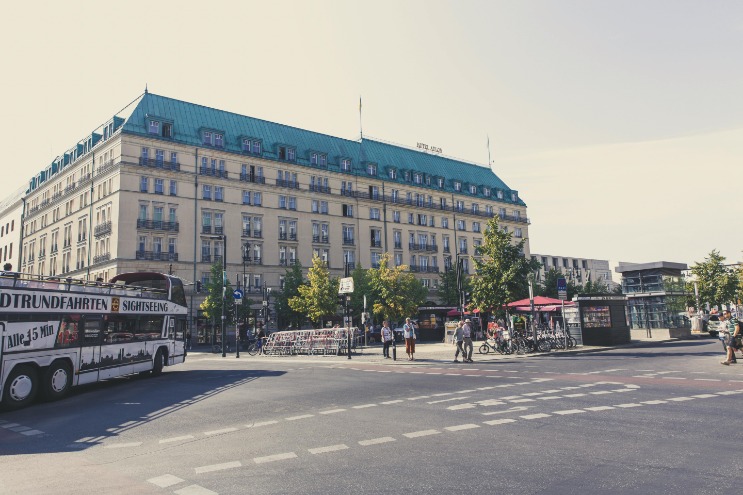

Overview of Bus Travel in Germany
Germany offers a well-developed bus travel network that complements rail services, with extensive regional routes and popular long-distance coaches connecting major cities and scenic towns. Buses provide affordable, convenient options for trips across the country, often with easy online booking, integrated ticketing in many cities, and connections to trains at key hubs, making bus travel a practical and sustainable choice for locals and visitors alike.
Key Trends and Growth
Germany has a well-developed bus travel network that complements rail and air travel, offering affordable, flexible options for domestic and cross-border journeys. Intercity coaches connect major cities quickly and directly, while regional services serve smaller towns and routes that are less well covered by trains.
The long-distance intercity bus market began expanding significantly after 2013, when Germany opened up long-distance passenger transport to competition across the European Union. This liberalization spurred new brands and routings, creating a dense, low-cost alternative to rail for many travelers.
Today, FlixBus is the best-known operator and has driven much of the market’s growth, but a range of regional and international networks compete on price, frequency and convenience. The market relies heavily on digital platforms for booking, seat selection and real-time updates, making travel planning straightforward for both locals and visitors.
Route networks concentrate on major corridors linking Berlin, Hamburg, Cologne, Frankfurt, Munich and other big cities, while weekend or seasonal services expand coverage to popular tourist destinations. Cross-border connections extend into neighboring countries such as the Czech Republic, Poland, Austria and the Netherlands, and many routes offer overnight journeys with sleepers or reclining seats.
Pricing remains a key draw, with dynamic fares that can undercut rail prices, especially for early bookings or last-minute deals. Flexible ticketing, transferable passes and multi-ride options have become common, encouraging both residents and students to choose coaches for occasional trips as well as routine commutes.
Night buses have grown in popularity, allowing travelers to maximize daytime activities and save on accommodation. This trend is supported by comfortable seating, onboard power supplies and amenities designed for longer journeys.
From a sustainability perspective, coaches as a mode of transport are generally more fuel-efficient per passenger than cars and many trains. Operators are increasingly investing in newer, lower-emission vehicles, with Euro VI engines, modern aerodynamics and onboard technologies. Cities also pair bus networks with urban mobility goals, including low-emission zones and park-and-ride facilities.
Challenges remain, including competition from high-speed rail on some corridors, occasional service disruptions, and the tight labor market for qualified bus drivers. In rural areas, maintaining consistent service levels can be difficult when demand is lower, prompting public support and subsidies in some regions.
The COVID-19 pandemic reshaped travel patterns, with short-term declines followed by a strong recovery as restrictions eased. Many operators adapted by adjusting frequencies, offering flexible tickets and focusing on domestic routes, leisure markets and last-minute demand, which in turn accelerated the shift toward bus travel in some segments.
Looking ahead, the German bus market is expected to continue growing, supported by ongoing cross-border expansion, refinements in ticketing and baggage policies, and greater integration with rail networks. Investments in cleaner buses, electric charging for intercity fleets and smarter dispatch systems are likely to improve reliability and environmental performance, keeping bus travel a competitive option for both everyday trips and longer holidays.
Benefits and Limitations Compared to Rail
Bus travel in Germany offers a dense intercity and regional network that complements the rail system. Modern coaches connect major metropolitan areas, university towns, and many rural communities, often with affordable fares and convenient city-center drop-offs. Operators range from large national companies to regional services, and tickets are widely available online or at stations. The network also covers cross-border routes to neighboring countries, making Germany a practical hub for European bus travel.
Compared with rail, bus travel provides flexibility, often lower prices, and extensive reach to towns not directly served by rail. Buses can offer direct city-center to city-center connections and simpler boarding in many places. However, travel times can be longer on busy routes, and frequency may be lower on rural corridors, especially outside peak hours. Accessibility, luggage handling, and on-board comfort can vary by operator and route.
- Extensive coverage including towns not served by rail
- Frequently lower ticket prices than rail on many routes
- Flexible door-to-door options with city-center departures and arrivals
- Easy online booking and cross-operator comparisons
- Direct connections between multiple destinations on popular corridors
- Longer travel times than rail on many main routes
- Less consistency in journey times due to road traffic and incidents
- Variable onboard comfort and amenities across operators
- Fewer high-frequency services in rural areas, especially outside peak times
- Transfers or longer total travel times when connections are needed
Network and Coverage
Germany’s bus travel network offers extensive coverage that links major cities, regional centers, and many rural towns, making long-distance and local journeys affordable and convenient. Intercity and regional bus routes form a dense web that complements the country’s rail system, with frequent services along key corridors and reliable feeder connections to towns off the rail network. This integrated network enables door-to-door travel, connections to airports and train stations, and easy access to popular destinations across Germany. As demand for flexible, cost-effective travel grows, buses continue to expand coverage into peripheral regions, supporting both business travel and tourism.
National Intercity Routes and Hubs
Germany’s intercity bus network provides extensive national coverage, linking most major cities with direct, affordable services. The market is led by FlixBus, which operates the majority of long-distance routes, complemented by regional carriers that fill in gaps in rural areas and during peak travel times.
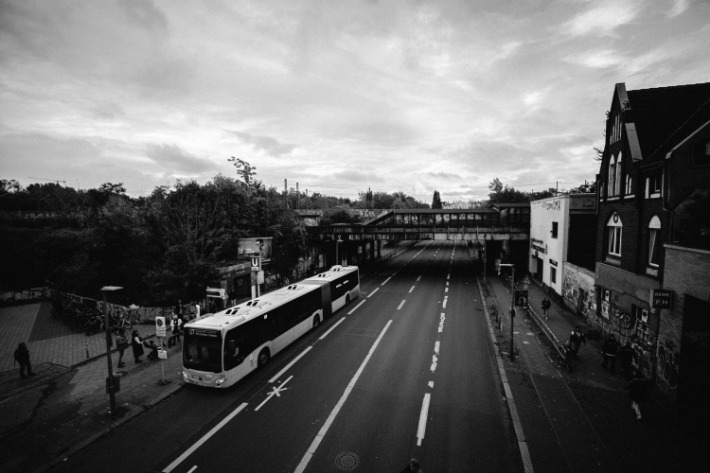
Network and coverage: Buses connect Germany’s core urban centers—Berlin, Hamburg, Munich, Cologne, Frankfurt, Stuttgart, and Leipzig—with frequent daily departures. In addition to these backbone routes, feeder services reach many smaller towns, and night buses offer overnight travel options that extend the reach of the network beyond daytime schedules.
National intercity routes: The backbone corridors emphasize city-to-city connections include Berlin–Hamburg–Cologne–Frankfurt–Munich, which links the north, west, and south of the country. Other important routes run from Berlin via Dresden and Leipzig toward the Czech and Polish borders, and from Frankfurt through Stuttgart to Nuremberg and beyond. These routes are designed to maximize direct connections while enabling easy transfers at hub cities.
Hubs: Central bus stations in major cities act as transfer points for long-distance journeys. Notable hubs include Berlin Central Bus Station, Hamburg ZOB, Cologne ZOB, Frankfurt ZOB, Munich ZOB, Stuttgart ZOB, Hanover ZOB, and Nuremberg ZOB. These hubs concentrate multiple lines, making it simpler to switch services and plan multi-city trips.
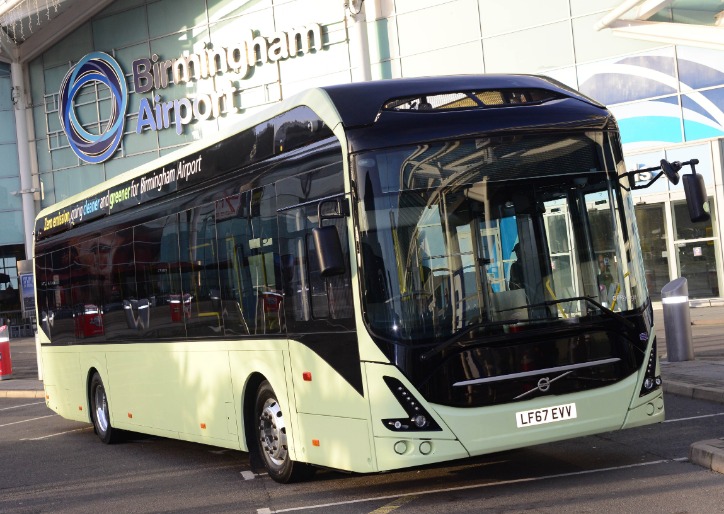
Hub design and operations: Hubs are typically located near main railway stations or city centers, enabling seamless transfers between bus and rail. From these points, passengers can reach a wide range of destinations in a single day, while regional feeders extend coverage to smaller towns. Service frequency varies by season, weekday versus weekend demand, and the operator’s scheduling cycles.
Future and cross-border context: National intercity bus networks also connect to neighboring countries, supporting trips to Austria, the Czech Republic, and Switzerland. As rail travel remains more expensive or slower on certain routes, intercity buses provide a cost-efficient and flexible alternative for many travelers, particularly students and budget-conscious visitors exploring Germany and beyond.
Regional and Rural Services
Germany’s bus travel network offers regional and rural coverage through a mix of public authorities, transport associations, and private operators, designed to connect towns, villages, and rail hubs even in sparsely populated areas. Coverage varies by region, with dense networks around cities and more limited service in remote districts, where solutions such as demand-responsive transport supplement fixed routes.
- Structure and governance: Transport associations (Verkehrsverbünde) coordinate timetables, fares, and ticketing across multiple operators, creating a unified regional system that simplifies travel for passengers.
- Coverage patterns in rural areas: Fixed bus lines often run to rail stations or larger villages, but many areas rely on demand-driven services or occasional routes named “Bedarfsgerecht” or “Angebotsformen” to maintain essential links.
- Funding and policy: Public funding, including federal Regionalisierungsmittel and state GVFG grants, supports regional bus operations and fare integration; policy aims to improve rural accessibility and reduce car dependence.
- Fare integration and tickets: Regional transit tariffs allow single tickets or passes valid on buses and trains within the same region, enabling easier transfers and predictable costs for travelers.
- Service types: Regular scheduled services, school transport contracts, and on-demand minibuses or taxi-based services fill gaps in rural coverage; some regions operate “Sammeltaxi” or demand-responsive transport (DRT).
- Timetable frequency and reliability: Urban cores have frequent services; rural routes may be hourly or less, with seasonal adjustments; reliability depends on road conditions and network integration.
- Night and weekend services: Where demand exists, some towns operate night routes; rural areas typically have limited late-night or weekend service, with connections optimized to rail timetables.
- Intermodal connections: Emphasis on coordinating bus services with regional rail to provide seamless journeys to larger hubs; park-and-ride facilities help users reach the rail network efficiently.
- Future projects and challenges: Digitization, real-time travel information, and improvements in demand-responsive transport aim to close gaps in rural areas; challenges include driver shortages and budget constraints.
- Booking and reservations
- Online and app-based booking is common, with major operators like FlixBus offering booking platforms for long-distance routes, and regional carriers handling city-to-city connections across Germany.
- Some routes and services require advance reservations, while others allow you to buy tickets without booking; check the operator’s policy for your specific trip.
- Tickets are typically issued as mobile e-tickets or printable PDFs; carry a valid ID and note any fare restrictions, changes, or refunds tied to your fare type.
- Fares and passes
- Prices vary by route, date and time, and by how far in advance you book; many operators offer cheaper fares for early bookings or off-peak travel.
- Fare types range from non-refundable or changeable options to flexible fares that allow changes and cancellations, often with different ticket validity windows.
- Regional or city passes may offer unlimited travel within a defined area for a day or several days, providing savings for tourists and residents exploring multiple towns.
- Discounts
- Student, senior, and youth discounts are commonly available from major providers; proof of eligibility may be required at the time of boarding or check-in.
- Group discounts and family tickets can reduce the price for two or more travelers traveling together.
- Promotions, promo codes, newsletters, and partner programs can yield occasional price cuts or bundle deals.
- Loyalty programs
- Some operators offer loyalty programs or subscriptions that reward frequent travelers with credits, discount vouchers, or free trips after meeting certain criteria.
- Benefits may include priority boarding, reserved seating, or exclusive access to sales, depending on the program.
- Read terms and conditions, including expiration dates and transferability, before joining.
- Travel passes
- Regional travel passes and city cards provide unlimited or unlimited-style travel within a defined area for a day, weekend, or longer period, useful for sightseeing.
- Germany’s nationwide Deutschlandticket covers local and regional transport across many regions for a monthly fee where available; check participating bus routes in your itinerary.
- Combine passes with day passes for trams, buses, and regional trains to maximize savings on multi-stop trips.
- Planning and travel experience: compare operators like FlixBus and other regional lines, review schedules, and book early for the best prices and seat choices.
- Onboard comfort: look for comfortable seating, adequate legroom, climate control, and quiet zones on overnight routes.
- Wi-Fi: expect onboard Wi-Fi on many routes, but plan for variable speeds and outages; have offline maps or content ready.
- Amenities and services: check for USB charging, power outlets, restrooms on longer journeys, and luggage allowances to fit your packing needs.
- Practical tips: arrive early, keep your ticket handy, know transfer points, and follow operator rules to ensure a smooth trip.
- Plan and book with reputable operators. Major German and European brands like FlixBus and BlaBlaCar Bus operate nationwide routes; check timetables, real-time updates, and fare rules before you go. Consider flexible tickets if your plans might change.
- Tickets, fares, and apps. Use official operator sites or apps to buy mobile or printed tickets; keep a copy accessible. Note your seat and any luggage restrictions, and review cancellation/change policies before booking.
- Luggage and packing. Most operators allow a large suitcase in the hold and a small carry-on plus a personal item; avoid exceeding limits to prevent extra fees. Label bags and keep important items with you during the trip.
- Boarding, seating, and on-board conduct. Arrive at the stop a few minutes early; present your ticket when boarding; keep aisles clear; fasten seat belts where provided; follow the driver’s instructions and avoid loud behavior or blocking exits.
- Safety on the bus. Follow all safety announcements, use handrails, and be careful when boarding and exiting. If you travel with children, secure them and comply with local rules about seating and supervision. Do not bring dangerous items on board.
- Security and avoiding scams. Buy tickets only from official operator sites or authorized resellers; beware of offers that seem too cheap or suspicious; never share your payment details with unknown sources; keep valuables with you and secure bags in the luggage hold or under your seat as appropriate.
- Documents, identification, and regulations. Carry valid ID or passport; for domestic travel within Schengen, a valid ID is usually enough, but border checks can occur on some routes. Have your visa or entry requirements sorted if traveling to non-EU destinations. Some discounts require student or youth cards; carry any applicable cards.
- Cross-border travel considerations. If your route crosses an international border (for example Germany to Austria or Switzerland), have your passport ready; be aware of possible border checks and time delays; buses may stop at border offices for inspections.
- Accessibility and assistance. If you require mobility help or seating for a wheelchair, contact the operator in advance to arrange assistance and ensure a suitable bus is available.
- Comfort and planning for long trips. Bring water, a small snack, headphones, a portable charger, and a light jacket; consider rest stops if the operator schedules them; dress comfortably and use the rest breaks to stretch.
- Delays, disruptions, and emergencies. Check the operator app or website for real-time updates; know the local emergency numbers (112 for emergencies; 110 for police in Germany); if you miss a connection, contact the operator promptly for options.
- EU, EEA, and Swiss citizens can travel with a valid national ID card or passport; no visa is needed for short stays within the Schengen area.
- Non-EU/EEA travelers typically need a valid passport; a Schengen visa may be required depending on nationality and the purpose/duration of stay. Check visa requirements before you travel.
- UK citizens generally need a passport to enter Germany by land or bus; national ID cards are not accepted for entry.
- Travelling with minors: carry the child’s passport or ID and any required consent documents if crossing borders, especially when traveling with one parent or as an unaccompanied minor.
- Ensure passport or ID validity beyond your travel dates; many countries require a minimum validity period, and some border checks may verify this.
- For travelers on bus routes that stay within the Schengen area, routine border checks are uncommon, but random checks can occur near external borders or during special operations. Always have your documents ready for inspection.
- Schengen visa holders can move within Schengen states, including Germany, using a single visa where applicable; verify the visa type and entry limits on your visa documentation.
- Some bus operators may request documentation at booking or boarding; digital copies are increasingly accepted, but carrying printed copies as backups is wise.
- When crossing external borders, allow extra time for checks, have the necessary permits and visas ready, and follow the instructions of border authorities and bus staff.
- Extensive cross-border routes: German bus operators run international lines to Austria, Czechia, Poland, the Netherlands, Belgium, Luxembourg, France, Denmark, and Switzerland, enabling affordable day trips and weekend getaways.
- Intermodal connections with trains: Bus services connect to key railway stations, offering last-mile links to regional and long-distance trains, with hubs that simplify transfers between long-distance rail and coach travel.
- Airport access: Dedicated airport coach networks provide direct connections from German cities to major airports such as Berlin Brandenburg, Munich, Frankfurt, Hamburg, Düsseldorf, and Cologne, as well as cross-border airports in neighboring countries.
- Domestic regional networks: Within Germany, regional and feeder buses connect smaller towns to railway hubs, improving access to rural areas and speeding connections to rail services.
- Ticketing and fare integration: Many providers offer flexible tickets that combine bus and rail segments or enable seamless boarding at transfer points, making cross-border trips smoother.
- Popular operators and offerings: FlixBus and other international coach companies maintain extensive networks from German cities, offering competitive prices and modern fleets, while regional bus services partner with rail to extend reach.
- Practical planning tips: Use operator apps and rail apps to map connections, check real-time timetables, and book through tickets that include transfers between buses, trains, and airports.
- Sustainability and Accessibility: Modern low-floor buses with step-free boarding, priority seating, acoustic and visual stop announcements, clear route maps, and staff trained to assist passengers with mobility, hearing, or visual needs.
- Environmental Impact: Buses generally produce lower CO2 emissions per passenger than private cars, especially with high ridership. Germany is expanding electric buses and hydrogen fuel cell options, increasing charging infrastructure, and gradually replacing older diesel fleets to meet stringent Euro standards.
- Green Options and Investment: Public funding supports electric and alternative-fuel buses, bus rapid transit corridors, and integrated ticketing with rail networks. Operators like FlixBus and regional providers leverage efficient routing and cross-modal connections to promote greener travel choices.
- User Experience and Accessibility in Practice: Real-time information, multilingual trip planning, and accessible ticketing reduce barriers. Park-and-ride facilities and well-connected regional networks make bus travel a convenient option for sustainable tourism and daily commuting alike.
- Plan ahead using the local Verkehrsverbund or operator’s accessibility guides to find routes with level boarding and ramp access.
- Look for low-floor or kneeling buses, wide doors, and reserved wheelchair spaces on the bus you will use.
- Utilize audio and visual next-stop information, route maps, and tactile indicators where available; if not, ask staff for assistance.
- Check ticketing options: many cities offer accessible tickets online or via apps with accessible features; consider contactless payments.
- Prepare for boarding: if you need assistance, contact the operator in advance or at the time of travel; some services provide boarding support at major hubs.
- Carry essentials about accessibility needs, emergency contacts, and any medical information that may help during travel.
- Respect space for mobility devices and keep the wheelchair area clear; use foldable or compact devices when appropriate.
- Service animals are generally allowed; inform the operator if you travel with a service animal.
- Choose routes or times that maximize sustainability, such as higher-occupancy services or electric buses, and consider traveling off-peak to support network efficiency.
- In case of disruptions, check real-time status via apps or station displays and explore alternative routes or replacements offered by the operator.
- Romantic Road (Romantische Straße) – Würzburg to Füssen; medieval towns, Rothenburg ob der Tauber, Neuschwanstein; ideal for multi-day bus itineraries with scenic photo stops.
- Burgenstraße (Route of Castles) – Mannheim to Prague; a string of medieval castles including Heidelberg Castle and Burg Eltz; great for castle-hopping by bus.
- Bayerische Alpenstraße (Bavarian Alps Scenic Route) – Alpine scenery, lakes, and mountain passes; connects touring towns around the Bavarian Alps.
- Fachwerkstraße (Timber-Frame Road) – Historic half-timbered towns; photo-rich stops in Rothenburg ob der Tauber, Quedlinburg, and Celle.
- Mosel Valley Scenic Route – Moselle River vineyards, castle ruins above the river, and opportunities for vineyard visits and wine tastings.
- Schwarzwaldhochstraße (Black Forest Scenic Route) – Black Forest landscapes, pine forests, and viewpoints near Baden-Württemberg.
- Popular Scenic Routes by Bus
- Romantische Straße (Romantic Road) – Würzburg to Füssen; rolling hills, fairy-tale towns, and castles like Neuschwanstein.
- Deutsche Alpenstraße (German Alpine Road) – Lindau to Schönau am Königssee; alpine vistas and lake towns.
- Schwarzwaldroute (Black Forest Route) – Baden-Baden to Freudenstadt through dense forests, waterfalls, and quintessential Black Forest villages.
- Burgenstraße (Castle Route) – Mannheim to Prague; castles, medieval towns, and riverside scenery.
- Weinstraße and Mosel Route – Pfalz vineyards and Moselle valleys; scenic wine towns like Neustadt and Cochem.
- Thematic Bus Routes and Cultural Itineraries
- Museum and Bauhaus Trail – Berlin, Dresden, Weimar and Dessau connect to art, design, and 20th-century history.
- Castle and Wine Culture – castles of the Rhine and Moselle regions paired with wine towns and tastings.
- Rail-and-Boat Styled Cultural Routes – combine lake and river towns with museums in Munich, Nuremberg, and Regensburg.
- UNESCO World Heritage Circuits – Würzburg Residence, Berlin’s Museum Island, Cologne Cathedral and others.
- City-Hopping Itineraries
- Berlin to Hamburg – quick hop through Germany’s north, with stops in Lübeck and Elbe river culture.
- Munich, Nuremberg, and Regensburg – Bavarian medieval and modern culture with convenient bus links.
- Cologne, Düsseldorf, Bonn – Rhine-Rhine corridor of cathedrals, museums, and riverfront scenery.
- Frankfurt, Mainz, Heidelberg – finance to ancient university towns and romantic river views.
Seasonal and Tourism Routes
Germany’s intercity and regional bus network offers a dense, affordable way to travel between cities and explore the countryside, complementing the rail system with flexible routes and frequent departures.
Network and coverage: Major intercity operators connect Berlin, Hamburg, Munich, Cologne, Frankfurt, Stuttgart, Düsseldorf, Leipzig, and Nuremberg with frequent daytime and night services. Regional carriers extend coverage into smaller towns and rural areas, often linking to rail stations for seamless transfers. Cross-border routes connect Germany with neighboring countries, enabling trips to the Netherlands, Denmark, Poland, Austria, and the Czech Republic, which makes bus travel convenient for short regional hops and longer multi-country itineraries.
Seasonal and tourism routes: In winter, buses serve Bavarian and Alpine ski towns such as Garmisch-Partenkirchen and Oberstdorf, while summer schedules expand to popular coastlines and lakes. Tourism-focused corridors include the Baltic Sea islands like Rügen and Usedom, the Mecklenburg Lake District, Lake Constance, and scenic routes through the Black Forest and the Romantic Road. These seasonal services boost capacity during holidays and provide direct access to major tourist centers without the need to drive.
Planning tips: When sifting through options, check seasonal timetables and book in advance during holidays or peak travel periods. Many routes offer online booking, seat reservations, and flexible fare options, making it practical to combine long-distance trips with local bus or rail connections for a full German itinerary.
Operators and Market Landscape
Germany’s bus travel market blends major national and international operators with a dense network of regional players. FlixBus remains a dominant force in long‑distance coach travel, while local firms feed feeder routes to cities and airports. The competitive landscape centers on route coverage, price, reliability, and digital booking, with European regulations and environmental goals shaping fleet choices and partnerships with rail and tourism services. As travelers seek convenient, affordable intercity trips, the market evolves through network expansion, strategic partnerships, and data‑driven capacity planning.
FlixBus and Other Major Operators
Bus travel in Germany has become a central part of the country’s transport mix, connecting cities and regions with affordable, flexible services that complement rail and air travel. Since liberalization of the long-distance coach market in the 2010s, operators have built dense networks that span domestic routes and cross-border links into neighboring countries.
The market today is led by FlixBus, which operates as a platform and branding owner rather than a traditional bus company. FlixBus coordinates its routes, pricing and customer experience, while contracting the actual road services to a network of partner operators. This model allows rapid scale and a consistent customer interface across many routes.
FlixBus’s strength lies in its expansive route network, user-friendly app, and dynamic pricing. The brand has grown beyond Germany to become a European-wide network, enabling seamless intercity journeys with integrated booking for multi-city trips. Most journeys are powered by partner operators under contract, enabling FlixBus to offer a broad schedule without owning a large fleet itself.
Beyond FlixBus, the German long-distance coach landscape features other established operators that compete on specific corridors or regional markets. RegioJet, a Central European carrier, runs cross-border routes such as Prague–Berlin and Prague–Dresden, attracting travelers seeking connections into Central Europe. Transdev’s Eurolines network historically provided cross-border services into Germany, though many routes have been folded into or aligned with FlixBus’s network. BlaBlaCar’s BlaBlaBus has also appeared in the market, but its presence has fluctuated with corporate strategy and market conditions.
Market dynamics in Germany are shaped by consolidation and competition across borders. The open-access framework for long-distance road passenger transport has encouraged partnerships and route sharing among operators, while regulation around safety, emissions, and passenger rights influences fleet choices and service quality. The result is a highly integrated travel experience for customers, with a few large players and several specialist operators serving niche corridors.
Competition with rail remains a key factor. Deutsche Bahn’s long-distance trains offer fast, reliable services between major hubs, but buses often win on price and reach into smaller cities and regional centers, creating a complementary travel ecosystem for travelers who value flexibility and cost efficiency. For many travelers, the choice comes down to schedule, price, and convenience of connections rather than a single transport mode.
From the passenger perspective, the market offers consistent pricing, online booking, and modern coaches with amenities like Wi-Fi and power outlets. The emphasis on digital-first booking, real-time updates, and multi-city itineraries has positioned German intercity bus travel as a practical option for budget-conscious travelers, students, and cross-border visitors.
Looking ahead, the market is likely to see further cross-border expansion within Europe, continued use of contracting models, and an emphasis on sustainability. Operators are experimenting with alternative fuels and electric buses on selected routes, and customers can expect enhancements in scheduling, reliability, and on-board comfort as the sector competes for price-sensitive and value-seeking travelers.
In Germany’s transport landscape, FlixBus remains the benchmark for long-distance road travel, while other operators diversify routes and collaborate with local carriers to maintain a competitive, multi-modal ecosystem that connects the country’s cities with the broader European network.
Regional and Local Bus Companies
Bus travel in Germany is characterized by a two-tier system that blends nationwide long-distance networks with extensive regional and local services. The market has evolved around private and publicly owned operators, supported by a dense web of regional transport associations that coordinate timetables, fares, and ticketing across modes.
Operators and market landscape: The long-distance segment is dominated by FlixBus, a brand built to offer nationwide and cross-border routes with a modern app and a flexible pricing model. Since its growth began in the mid-2010s, FlixBus has expanded to many European routes and formed partnerships with other carriers, while a smaller number of regional and international operators maintain feeder connections. The regional and local market, by contrast, consists of municipal utilities, private regional operators, and cooperative transport networks that run city buses, suburban services, and rural routes. These operators typically work under public transport contracts and coordinate with the relevant Verkehrsverbund or transport association in their area.
Regional and local bus companies: In Germany, the regional bus network is heavily shaped by public transport associations that manage fares and integrate services across the rail and bus networks. City-owned or city-supported operators such as transit authorities, municipal utilities, or regional champions run the core daytime routes and night services, often using electric or low-emission buses on key corridors. Private regional firms participate in tendered routes, bringing service diversity and specialized services such as tourist or school buses. The tendering process under European procurement rules influences route design, frequency, and sustainability goals, driving consolidation in some markets while preserving local choice in others.
Ticketing and integration: A hallmark of the German bus market is fare integration within regional networks. Combined tickets, day passes, and monthly passes can cover bus, tram, and regional rail, with real-time information and mobile apps provided by the Verkehrsverbund or the operator. Digital modernization, fleet electrification, and the adoption of low-emission or zero-emission vehicles are priorities for cities seeking to reduce urban traffic and pollution. In rural areas, regional services face challenges of demand variability and funding, while urban corridors continue to attract investment and innovation in service quality and reliability.
Market dynamics and future outlook: The market remains competitive, with continued emphasis on sustainability, passenger experience, and coverage. Policy support, urban planning, and EU funding for bus electrification and alternative-powered fleets are likely to shape the next decade. Operators that can blend reliable regional feeder networks with high-frequency urban services and seamless ticketing will be best positioned to capture demand as travel patterns recover post-pandemic and as work-from-anywhere trends stabilize.
Partnerships with Rail, Airports, and Tourism Boards
Germany’s intercity bus travel has evolved into a dense, affordable network that complements the high-speed rail system, connecting major cities with regional hubs and popular tourist routes. The market is led by a dominant operator, FlixBus, backed by a growing ecosystem of regional players and cross-border services that together expand coverage across Germany and into neighboring countries.
Operators and market landscape: FlixBus emerged as the clear leader after acquiring MeinFernbus in 2013, building a Europe-wide platform based on app-based booking, flexible pricing, and a uniform standard of comfort and safety. The network includes a mix of national and international services, with BlaBlaCar Bus competing in several markets and smaller German operators focusing on specific corridors or city-to-city routes. The result is a competitive market that emphasizes schedule frequency, reliability, and price parity with rail for suitable journeys.
Rail partnerships and intermodal strategies: Intermodal travel is a growing theme as operators seek to combine the speed of rail with the reach of bus networks. Partnerships and pilot programs with rail operators and mobility platforms aim to provide through-ticketing, synchronized timetables, and seamless transfers at major hubs such as Berlin, Munich, and Hamburg. These collaborations help travelers choose door-to-door options and encourage the use of buses for first- and last-mile connectivity to stations and airports.
Partnerships with airports: Long-distance bus operators increasingly connect city centers with major airports, offering direct routes and designated pickup and drop-off points near terminals. Through-ticketing and co-branded services with airports—such as connections to Frankfurt, Munich, and Berlin airports—help travelers combine bus travel with air travel, while reducing car congestion and parking demands at terminals.
Partnerships with tourism boards: National and regional tourism boards in Germany collaborate with bus operators to promote access to scenic regions, heritage towns, and seasonal routes. Campaigns highlight coach travel as a sustainable, cost-effective way to reach destinations like Bavaria’s Alpine towns, the Romantic Road, the Black Forest, and the Baltic Sea coast. Tourism boards may provide marketing support, route endorsements, and itineraries that integrate bus travel with local experiences and accommodations.
Market dynamics and future outlook: The German market continues to benefit from regulatory liberalization within the EU, ongoing digitalization, and a push toward sustainable mobility. Investments in multi-modal platforms, improved ticketing, and data sharing help operators optimize timetables and capacity. As consumer appetite for affordable, flexible travel grows, intercity buses are likely to expand corridors, forge new rail and airport partnerships, and strengthen ties with tourism initiatives while seeking to improve service quality and environmental performance.
In summary, operators and market players in Germany are reshaping long-distance and regional travel by prioritizing intermodal options, airport connections, and tourism collaborations. This ecosystem positions bus travel as a practical alternative to rail on many routes, while preserving the ability to offer value-driven travel experiences across the country.
Booking, Fares, and Passes
Booking a bus trip in Germany is quick and flexible, with national and regional operators and easy online or app reservations. You can choose saver, standard, or last‑minute fares on carriers like FlixBus and local lines, with prices driven by distance, time of day, and advance purchase. Passes such as the Deutschlandticket and regional transport passes offer access to many local and regional buses, helping frequent travelers save on regular hops across cities and states. When planning, compare providers, check terms, and look for bundled rail and bus options for extra value.
Online Booking Platforms and Mobile Apps
Bus travel in Germany blends an extensive regional network with modern booking options. Whether you’re planning a cross‑country trip or a local hop, understanding how to book, what fares and passes are available, and which online platforms and mobile apps to use will help you travel smoothly.
Booking options include direct purchases from operators such as FlixBus for long‑distance routes and regional operators for local buses, as well as third‑party platforms that compare and book across networks. The advantage of a direct booking is clear terms and potential loyalty benefits; aggregators help compare times and prices across FlixBus, regional operators, and other carriers.
Online platforms popular in Germany include Omio and Trainline, which consolidate schedules and fares from bus and rail operators, plus the operators’ own apps and websites such as FlixBus and Deutsche Bahn. These platforms typically provide e‑tickets, mobile boarding passes, and user reviews. Always verify the route specifics and whether a fare includes luggage or seat reservations.
The main mobile apps you’ll use are FlixBus, DB Navigator, and the Omio or Trainline apps. The FlixBus app lets you search routes, purchase tickets, store digital tickets, and receive real‑time updates. DB Navigator focuses on trains but can link to regional bus services in some networks and provide cross‑operator ticket options. Omio/Trainline apps offer price comparisons and mobile tickets across carriers.
Fares for bus travel in Germany vary by operator, distance, demand, and booking window. Long‑distance buses often use dynamic pricing, with cheaper fares when booked well in advance and during off‑peak times. Deutschlandticket (49 euros per month) covers local transport, including buses and trams in participating networks, but does not apply to long‑distance coaches. Regional promotions, student discounts, and occasional operator deals can also reduce costs.
Pass options include nationwide and regional choices. Deutschlandticket provides nationwide access to local transport and buses on participating networks. Regional Länder‑Tickets (for example Bayern‑Ticket, Niedersachsen‑Ticket, NRW‑Ticket) offer fixed‑price day passes for travel on many local and regional services within a state or cross‑border areas, often valid for multiple passengers. Always check which services and time windows are covered by a specific pass on the day you travel.
Booking tips include comparing platforms for the best price, noting baggage policies, and understanding ticket delivery—many operators provide a QR code you can show on your phone rather than a printed ticket. If traveling across borders, confirm any ID or visa requirements for the route. Booking in advance can yield lower fares on popular routes, while some routes offer last‑minute deals.
For a smooth trip, map transfers between buses and trains, keep an eye on connection times, and use real‑time alerts in apps to adapt if schedules shift. If you travel frequently, consider a pass like Deutschlandticket or a Länder‑Ticket for potential savings on multiple trips within a region.
Germany’s bus travel ecosystem combines a diverse set of operators, transparent pricing, and user‑friendly digital tools to help you book quickly and explore the country from city centers to scenic rural routes. By using the right app, platform, and ticket type, you can tailor trips to your schedule and budget.
Pricing Structures and Fare Types
Booking, Fares, and Passes, Pricing Structures and Fare Types in bus travel Germany cover a mix of national and regional options that shape how you plan, pay, and ride. Germany’s bus network includes long-distance services by private operators and a dense web of regional and city buses operated within regional transport associations. Tickets can be booked online, via apps, or purchased on site, depending on the operator and the network you’re using.
Booking options for long-distance and intercity buses are primarily via operator websites and mobile apps. FlixBus, one of the largest operators, allows you to search routes, compare prices, and reserve seats online or in the app, with digital tickets stored on your phone. Some routes are also sold through third‑party platforms, but it is generally best to buy from the official operator to access the latest schedules and flexible fare rules.
For regional and city buses, most tickets are integrated into a regional fare system managed by a Verkehrsverbund or transit authority. Tickets are commonly purchased through official apps (for example BVG Fahrinfo, VBB, MVG, HVV, or VRR), at vending machines at stations, or at staffed counters. In many cases, you can use a single ticket that covers multiple modes within a city or region, including buses, trams, and local trains, depending on the network’s rules.
Fares in Germany’s bus networks are built around a few core products: single tickets, day passes, and longer-term passes. In cities with integrated networks, prices are usually divided into zones, and a ticket must cover the zones you will use. The nationwide Deutschlandticket, introduced in 2023, offers unlimited local and regional transport across Germany for a fixed monthly price, typically valid on buses and regional trains within participating networks, but not on long-distance services such as Intercity or high-speed trains. In addition, many regions offer Länder-Tickets or regional day passes that allow unlimited travel within a state on a given day for a fixed price.
Pricing structures vary by operator and region. Long-distance bus operators use dynamic or tiered pricing with advance purchase discounts and occasional flexible fares. Regional networks usually sell time-limited passes (24 hours, 48 hours, 7 days, or monthly) and zone-based pricing. Some networks offer early-bird or saver fares during off-peak hours or for groups. Tickets may also be bundled with transfers between modes within the same network.
Fare types commonly include: single tickets for a single ride; day passes or 24/48/72 hour passes; weekly and monthly subscriptions; group or family passes; and special economy tickets offered by private operators. The Deutschlandticket is a major national option for unlimited local and regional travel, while Länder-Tickets provide cost-effective options for exploring a single state. City-specific passes may also offer discounted rides for residents and frequent travelers.
Tips for saving money and ensuring smooth travel: compare prices across operator sites and the regional transit app; check transfer rules and validity for your exact route; verify whether the Deutschlandticket or a regional pass covers your entire itinerary; validate your ticket where required, either by scanning a mobile ticket or validating a paper ticket on boarding; book long-distance seats in advance to secure lower fares; and consider a regional pass if you plan multiple trips within a region.
Understanding Booking, Fares, and Passes in Germany’s bus travel networks helps you choose the right option for your trip, whether you are hopping between cities on a long-distance bus or exploring urban and regional routes in a single region.
Discounts, Loyalty Programs, and Travel Passes
Bus travel in Germany offers a mix of national routes and regional services, with flexible booking options, varied fares, and a range of passes and discounts to suit different itineraries.
Planning and Travel Experience
Planning a trip by bus in Germany blends practical route planning with the joy of slow travel. Start by mapping your route with reliable timetables from regional and national services, compare prices, and decide whether a rail pass or a series of point-to-point tickets suits your itinerary. On the road, you’ll enjoy comfortable coaches, frequent rest stops, and punctual timetables that connect bustling cities and fairy-tale towns alike. With apps for live updates and easy online booking, a well-prepared bus journey can be affordable, flexible, and rich in local flavor.
Timetables, Frequency, and Seat Availability
Travel by bus in Germany offers affordable and flexible options for getting around the country, from major cities to smaller towns. Planning a journey around timetables, price, and seating helps create a smooth travel experience and lets you focus on the scenery and stops along the way.
Planning and travel experience: start with a route search on operator websites and comparison platforms. The bus market is dominated by large operators like FlixBus, with regional carriers covering shorter hops and connections to towns off the rail network. You can compare departures, durations, and prices in one place, and read traveler reviews to gauge comfort and reliability. Most long-distance coaches provide modern amenities such as free Wi-Fi and power outlets on many routes, though offerings can vary by service.
Timetables: schedules are published well in advance and updated in real time. Timetables typically show daily departures with additional options on weekends or during peak travel periods. Look for changes on holidays and seasonal events, and use operator apps or websites for live updates on delays, platform changes, or bus stop locations in urban centers.
Frequency: on core corridors, departures are frequent—often every one to two hours during the day. Between major hubs like Berlin, Hamburg, Munich, and Cologne, you’ll usually find multiple daily options. In more rural areas or for less popular routes, departures can be every few hours or less, so planning ahead is especially important outside the big cities.
Seat availability: seat options vary by operator and fare type. Standard tickets are often non-reserved, meaning seating is open on boarding and your exact seat may be assigned on the bus. Some routes or special fare types offer optional seat reservations for an extra fee. During busy periods, arriving early helps secure a preferred seat and a smoother boarding process.
Booking tips: book in advance to lock in the best prices, especially for popular routes and holiday periods. Use price alerts and flexible dates if your schedule allows. Check luggage rules, as most long-distance buses include at least one carry-on and a larger suitcase in the hold, with limitations that vary by operator. Confirm the boarding point and arrive a little early to allow time for QR code scans or ticket validation at the stop.
On the day of travel: buses in Germany often depart from central bus stations, dedicated coach terminals, or sometimes city center stops linked to train stations. Have your digital or printed ticket ready for scanning, and be prepared to present it at boarding. If you have mobility needs or require extra luggage space, contact the operator in advance to arrange accommodations where possible.
In summary, planning and navigating timetable options, frequency, and seat availability are key to a positive bus travel experience in Germany. With clear route options, real-time updates, and practical tips for seating and packing, you can explore the country efficiently and comfortably by bus.
Boarding Procedures, Luggage, and Accessibility
Planning a bus trip in Germany offers a budget-friendly and flexible alternative to trains or flights. The country has a well-developed intercity bus network that connects major cities like Berlin, Hamburg, Munich, Cologne, and Frankfurt, as well as scenic routes along the Rhine and Bavarian countryside. When planning, compare operators such as FlixBus and other regional lines, check timetables for the times that suit you, and consider night services to save on overnight accommodation. Booking in advance often secures the best fares, but last-minute seats are sometimes available. Most buses offer modern amenities and a straightforward travel experience, with apps and websites making ticketing, seat selection, and route planning easy.
Boarding procedures are simple and driver-assisted. Arrive at the stop a few minutes early, have your ticket ready on your phone or as a printed copy, and present it to the driver or conductor when boarding. Many operators allow digital tickets with QR codes that can be scanned at the door, while others require a paper ticket. Buses typically board through the main door, and seating is on a first-come, first-served basis unless you have a reserved seat. Keep your ticket handy in case you need to show it during the ride. If you require assistance, contact the operator in advance or arrive early to coordinate with staff at the stop or terminal.
Luggage policies vary by operator, so always check the ticket details for included baggage allowances. In most cases you can bring at least one large suitcase that goes into the undercarriage compartment and a smaller bag for the cabin or a rack above your seat. Space on coaches is limited, especially on popular routes, so travel light where possible and label your bags with your contact details. Keep valuables with you and avoid storing important items in the luggage hold. Fees may apply for extra or oversized items, so if you’re traveling with sports equipment or multiple bags, confirm the limits when you book.
Accessibility is increasingly addressed on German intercity buses, but availability can vary by route and operator. Many newer coaches offer low-floor entry, ramps, or lifts for wheelchair users, and some buses provide a designated space for mobility devices. When accessibility is important, book early and specify your needs, as advance notice helps staff arrange assistance at stops and on board. Major hubs and stations often have staff to help with boarding, ticketing, and getting to connecting services. Service animals are typically allowed, and if you rely on specific accommodations, contact the operator ahead of time to confirm what is possible on your chosen route.
Onboard Comfort, Wi-Fi, and Amenities
Planning and travel experience are central to bus travel in Germany, where a dense network connects major cities with frequent departures and competitive prices. When planning a trip, compare operators, check transfer times, and consider seasonal crowding during holidays or festivals to secure the best itineraries.
Onboard comfort matters as much as the timetable, with buses designed for ease on long rides. German intercity services typically offer comfortable seating, adequate legroom, climate control, and smooth road performance, with some coaches providing quiet zones for restful overnight journeys.
Wi-Fi on board is a common feature on many intercity services in Germany, though speeds and reliability can vary by route and vehicle. It’s wise to assume variable performance and have offline maps or content ready as a backup during longer trips.
Amenities on buses and at stops can enhance the journey, including USB charging ports, overhead storage, clean restrooms on longer trips, and sometimes snacks or beverages for purchase. Luggage policies usually allow a main suitcase in the hold and a small bag aboard, with size and weight limits defined by the operator.
Practical Tips for Travelers
Germany’s bus network offers affordable and convenient travel between cities and regions. For a smooth trip, buy tickets in advance when possible, use the official apps to check schedules, and carry a valid ticket and a form of ID. Note boarding points and luggage limits, especially on regional buses, and plan for transfers and urban transit connections. With these practical tips, bus travel in Germany can be punctual, budget-friendly, and enjoyable.
Safety, Security, and Regulations
Bus travel in Germany is a popular, affordable way to explore the country. This guide provides practical tips for travelers, focusing on safety, security, and regulations to help you navigate both long-distance and regional bus journeys with confidence.
Refunds, Cancellations, and Changes
Traveling by bus in Germany can be economical and convenient, but understanding refunds, cancellations and changes helps you avoid headaches. Here are practical tips for navigating German bus travel with confidence.
Before you buy, compare routes and operators. The largest bus network in Germany is operated by FlixBus, but other regional and international carriers may serve your route as well. Look at arrival and departure times, boarding points, luggage rules and the fare type. Flexible or saver fares determine how easily you can change plans or get a refund.
Refunds and cancellations: Many standard tickets are non-refundable, and changes can incur a fee or be refused. Flexible tickets usually allow changes and cancellations with little or no extra cost. Be sure to read the fare rules on your booking page. If the operator cancels a trip, you are typically entitled to a refund or an alternative itinerary.
How to request a refund or a change: Use the operator’s app or website to submit a cancellation or change request. Have your booking reference, passenger name, travel date and route ready. If the request is approved, the refund is typically returned to the original payment method within a few days to a couple of weeks.
Cancellations by you or changes on short notice: If you need to cancel, do so as early as possible to reduce fees. Some tickets allow free changes; others charge a fee or deduct the ticket value. If you miss a departure, contact customer service promptly to discuss options.
Delays and disruptions: In case of delays or cancellations, contact the operator to request an alternative bus or a refund of unused portions. Save receipts for any extra costs like meals or overnight accommodation. Some operators offer compensation for significant delays; policy varies.
On the day of travel: Arrive early at the departure point, verify your platform and boarding time, and have a digital or printed ticket ready. Keep your ID with you; some carriers require identification for international routes.
Luggage and seating: Check luggage allowances before you go; most intercity buses permit a large suitcase in the cargo hold and a small bag on board. Prohibited items and oversized bags may incur fees or be refused. Seat reservations are not always required, but some services offer premium seats.
International routes and border checks: When traveling across Germany’s borders, carry your passport or ID. Border checks in the Schengen area are often minimal, but be prepared for verification during some routes or peak periods.
Language and help: English is commonly understood at major stations and by the operators, but having a few German phrases or a translation app can help when you need directions or to explain a change.
Accessibility: If you have mobility needs or require assistance boarding, contact the operator in advance so they can arrange help.
Money-saving tips: Book early to access cheaper fares, compare flexible vs non-flexible options, and check for student or senior discounts where available. Some routes offer off-peak discounts.
Travel insurance: Consider travel insurance that covers trip cancellations, delays and medical needs to protect yourself beyond the bus ticket terms.
Bottom line: Read the terms before you buy, keep your booking details handy, and know your rights if plans change. With a little preparation you can ride Germany’s buses smoothly.
Tips for Long-Distance Bus Travel in Germany
Traveling by long-distance bus in Germany can be an affordable and convenient way to cover long distances between cities. Here are practical tips to help you plan, book, and ride with confidence.
Start with planning: compare routes and times across the main operators that serve Germany, with FlixBus being the most prominent. Check where buses stop—central bus stations (ZOB) or city street stops can vary from city to city—and note transfer times if you have connections.
Book your tickets early when possible to secure the best fares and preferred seating options. Use the operator’s app or website for digital tickets, and keep a copy on your phone. Printed tickets are rarely required, but a screenshot can help if your phone loses signal.
On the day of travel, arrive at the boarding point with enough time to locate the correct stop and platform. Have your ticket or QR code ready and bring a valid ID if requested. Some routes may require you to show identification at the driver’s checkpoint.
Know the luggage rules before you go. Most buses allow at least one large suitcase and one smaller bag, plus a personal item you can keep with you. Pack lightweight, label bags, and place valuables in your carry-on to avoid misplacement at boarding.
Pack for comfort: dress in layers, as bus temperatures can swing. A light blanket, a neck pillow, earplugs, and noise-canceling headphones can make long rides easier. Bring water and a few healthy snacks, since service options at stops vary by route.
WiFi and power outlets vary by bus and route. Don’t rely on constant connectivity; charge devices beforehand and carry a portable charger. If you need to work, choose buses that advertise power outlets and read the terms in advance.
Plan for stops and rest breaks: most long-distance buses pause at service areas with restrooms and refreshment options. Use these breaks to stretch, use the restroom, and hydrate. Keep an eye on the timetable so you don’t miss a scheduled stop.
Travel etiquette and safety matter: keep aisles clear, use headphones for media, and speak softly. Always buckle up when the seat belt sign is on, and secure loose items. Save conversation for quiet moments and respect fellow passengers’ comfort.
Accessibility matters: if you have mobility needs or require assistance, contact the operator ahead of time to arrange seating, space for a wheelchair, or help with boarding. Most major operators offer some level of accessibility support.
Ticket changes, refunds, and cancellations vary by operator and fare type. Flexible or semi-flexible fares are worth the extra cost if your plans might change. Consider travel insurance for added protection against delays or changes.
Look for money-saving tips: travel midweek or during off-peak times for cheaper fares, compare prices across operators, and watch for special promotions. Loyalty programs or bundled routes can also yield discounts over time.
Domestic travel in Germany via bus is usually straightforward, and most routes are within the Schengen area. Carry a valid ID, and be prepared to present it if asked. For cross-border trips to neighboring countries, have your passport or national ID ready for border checks if they occur.
If you’re connecting to airports or major rail hubs, verify your stop location and allow extra time for transfers. Some routes connect directly to airports or central stations, which can save you long city-center transfers.
In sum, with smart planning, clear ticketing, and basic comfort and safety tips, long-distance bus travel in Germany can be a practical, cost-effective way to explore the country and reach your next destination with ease.
Cross-Border Travel and Connectivity
Cross-border travel and connectivity are reshaping how we discover Europe, with Germany’s bus networks at the center of many affordable, flexible journeys. From daily international routes linking Berlin, Munich, and Hamburg to neighboring capitals, to cross-border connections toward Prague, Vienna, and beyond, modern coaches offer convenient alternatives to rail and air while supporting sustainable mobility and regional exchange across borders.
Travel to Neighboring Countries
Cross-border travel and connectivity are essential in Europe, linking people, markets, and cultures across borders. In Germany, bus travel plays a pivotal role in connecting cities with neighboring countries, offering affordable, flexible routes that complement trains and flights.
Germany serves as a hub for a dense network of international coach services. FlixBus, in particular, operates a wide web of routes from major German cities to neighboring countries and beyond, creating affordable options for weekend getaways, business trips, and student travel. These buses connect Germany with Austria, the Netherlands, Belgium, France, the Czech Republic, Poland, Denmark, and Switzerland, among others, often serving central hubs such as Berlin, Hamburg, Munich, and Cologne as gateways to Europe.
Common cross-border corridors include Berlin to Prague and to Warsaw, Munich to Vienna and Zagreb, Frankfurt to Paris and Geneva, Cologne to Amsterdam, Hamburg to Copenhagen, and Stuttgart to Zurich. These routes support quick connections between cultural capitals, university towns, and regional centers, allowing travelers to explore neighboring countries without relying on air travel. The large-scale network also enables multi-country itineraries that are convenient for short stays and long weekends.
Travelers can expect modern coaches with comfortable seating, onboard Wi-Fi, power outlets, and luggage compartments. Ticketing is typically done online via operator apps or websites, with options for through-tickets that align with rail schedules in some cases. Booking in advance often yields the best prices, though last-minute deals can appear. Travel times vary by route but are frequently competitive with trains for certain city pairs, and buses may offer more frequent departures on popular corridors.
Cross-border bus travel benefits regional connectivity by lowering travel costs, expanding access to rural or smaller cities, and supporting local tourism and cross-border commerce. For students and start-ups, these services provide flexible mobility to collaborate across borders and explore opportunities in neighboring countries. The flexibility of a bus network also helps spread economic activity more evenly across regions that are linked by road but not always by rail.
In the Schengen area, routine border checks between Germany and many neighboring countries are typically not required, which facilitates smooth, long-distance bus travel. Still, travelers should carry a valid form of identification, as border controls can be reintroduced temporarily for security or health reasons. When planning trips through multiple countries, it is prudent to verify visa requirements if traveling from outside the EU or Schengen area and to check for any travel advisories or health measures that may affect cross-border journeys.
As Europe continues to prioritize sustainable mobility, bus travel from Germany to neighboring countries remains an important option for reducing emissions per traveler compared with short-haul flights and car travel. Integrated timetables, through-ticketing where available, and partnerships with rail networks help create a cohesive cross-border travel ecosystem that strengthens regional connectivity while offering travelers a practical, economical way to explore Europe from Germany onward into its neighbors.
Border Control, Documentation, and Passport Rules
Bus travel is a central part of cross-border connectivity in and around Germany, linking major cities with neighboring European countries and supporting regional mobility for commuters, students, and travelers.
Border control and documentation on bus routes in Germany follow Schengen rules. While routine border checks on land routes between Germany and most neighboring Schengen countries are rare, occasional checks can occur, especially at external borders or during heightened security alerts. Always carry valid travel documents and be prepared for verification by authorities or bus staff.
Connections with Trains and Airports
Cross-border travel and connectivity in Europe increasingly rely on a seamless network of buses, trains, and airports. In Germany, bus travel plays a pivotal role by linking cities and regions with neighboring countries, complementing high-speed trains and major air hubs.
Sustainability and Accessibility
Germany’s bus network demonstrates how sustainability and accessibility can travel together: clean, efficient fleets powered by electric and alternative fuels reduce emissions while extensive route planning and real-time information make journeys smoother. Modern low-floor buses with ramp access, wide doors, priority seating, and clear audio-visual announcements help riders with mobility, vision, or hearing needs navigate routes confidently, ensuring that bus travel across the country is both greener and more inclusive.
Environmental Impact and Green Options
Germany’s bus travel landscape blends Sustainability and Accessibility with practical environmental benefits, offering reliable, affordable transportation that connects cities and rural areas while prioritizing inclusive design for all riders.
As Germany continues to deploy green fleets and enhance accessibility, bus travel remains a cornerstone of sustainable mobility across the country.
Accessibility for Disabled Travelers
Bus travel in Germany combines sustainability and accessibility to provide a transport option that lowers emissions and improves mobility for disabled travelers. Clean fleets, efficient routes, and inclusive design help more people choose bus travel over cars.
Public transport networks across Germany are organized by regional and city authorities, known as Verkehrsverbund. Many urban buses are low-floor or kneeling with ramps, wide doors, and spaces for wheelchairs or mobility devices. Electric and hybrid buses, as well as alternative fuel options, are expanding to reduce air pollution and climate impact while maintaining reliable service for all riders.
To make journeys smoother, travelers can use accessible planning tools and seek support when needed, ensuring that sustainability and accessibility go hand in hand on every trip.
Popular Scenic and Thematic Bus Routes
Germany offers a rich tapestry of bus travel that showcases its landscapes and culture. Popular scenic routes wind along the Rhine Gorge, through the Bavarian Alps, and around Lake Constance, letting travelers glimpse castles, vineyards, and lakeside towns from the comfort of a coach. Thematic itineraries highlight wine and castle tours, fairy-tale routes, and nature escapes in national parks and forested regions. Whether a dawn ride along ancient rivers or a sunset circuit through historic towns, these routes make exploring Germany’s diverse regions easy and memorable.
Romantic Road, Route of Castles, and Scenic Corridors
Germany offers a network of scenic and thematic bus routes that let travelers explore landscapes, historic towns, and fairy-tale castles from comfortable seats along the way.
Popular Scenic and Thematic Bus Routes open a spectrum of experiences from medieval towns to Alpine landscapes, with themes like romance, castles, wine, timber-framed towns, and mountain scenery guiding the itinerary.
The Romantic Road (Romantische Straße) is the quintessential route for bus travelers, linking Würzburg to Füssen with stops that include Rothenburg ob der Tauber, Dinkelsbühl, and the approach to the fairytale Neuschwanstein Castle. Bus services often offer day tours or multi-day itineraries with guided commentary and convenient hotel connections.
The Route of Castles (Burgenstraße) weaves through southwestern Germany toward Prague, connecting a string of impressive fortresses such as Heidelberg Castle and Burg Eltz. A bus itinerary along this route emphasizes castle interiors, ramparts, scenic river viewpoints, and nearby towns with medieval town walls and markets.
Scenic Corridors include a network of Ferienstraßen and regional corridors that link rural valleys, river bends, and mountain foothills. The idea is to traverse longer, mostly traffic-calmed routes that expose travelers to the Rhine and Moselle valleys, Black Forest edges, Bavarian Alps foothills, and timber-framed towns in the Weser and Harz regions. These corridors are ideal for relaxed, multi-day bus trips with carefully planned stops.
When planning a bus trip, check seasonal scenery, daylight hours, and local tour operators offering guided day tours or flexible hop-on-hop-off passes for these routes.
City-Hopping and Cultural Itineraries
Germany offers a rich palette for bus travelers: iconic scenic by-bus routes, thematic itineraries that reveal culture and history, and efficient city-hopping between dynamic urban centers. Here are popular options to inspire your next journey by bus across the country.