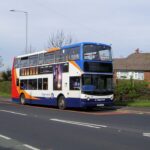
Planning a Bus Trip to Zimbabwe
Planning a bus trip to Zimbabwe offers a budget-friendly way to explore the country’s landscapes and vibrant cities. This guide helps you map routes from neighboring countries, check visa and border requirements, choose reliable service providers, and plan time for crossings, border formalities, and travel between places like Harare, Bulawayo, and Victoria Falls.
Overview of Bus Networks to Zimbabwe
Planning a bus trip to Zimbabwe involves mapping routes, understanding the main networks, and preparing for border crossings. This guide outlines how to approach planning, what to expect on major bus routes, and practical tips to help travelers move between Harare, Bulawayo, Mutare and other towns with confidence.
Overview of bus networks to Zimbabwe includes international and domestic options. International services frequently originate in regional hubs such as Johannesburg or other major cities in southern Africa and terminate in Harare or Bulawayo. Within Zimbabwe, a network of intercity coaches connects Harare, Bulawayo, Mutare, Gweru, Kadoma, Masvingo and surrounding towns, offering daytime services that vary by operator and season. Travel times are influenced by road conditions, border procedures, and the pace of border queues at Beitbridge, Chirundu, Nyamapanda and other crossings.
From South Africa, the Beitbridge route is the most common overland corridor into Zimbabwe. Buses departing from Johannesburg or Pretoria often travel through the Beitbridge border post and continue to Harare or Bulawayo. Expect border processing times that can be longer on weekends or public holidays, and plan for a slower start or finish to the day if crossing during peak periods. Some operators offer day or overnight options, with varying levels of comfort and luggage allowances.
Cross-border services from neighboring countries such as Botswana, Zambia and Mozambique connect with Zimbabwe at key entry points. Buses from Botswana or Zambia may approach Zimbabwe via the Plumtree or Chirundu crossings, linking into Harare, Mutare or Bulawayo as routes allow. From Mozambique, travelers often use routes that connect at Mutare toward Harare or other inland towns, with Beira corridor connections loosely shaping the regional network. Timetables and frequencies can shift with seasonality and traffic conditions, so checking current schedules close to travel dates is important.
Inside Zimbabwe, the main intercity bus network centers on Harare and Bulawayo as hubs, with regular services to Mutare in the east and Gweru and Kadoma in the central region. Harare serves as the primary gateway point for many long-distance services, and several operators run multiple daily departures to towns across the country. Domestic routes may have fewer departures on weekends or public holidays, and some routes run only seasonally or via shared minibus services during off-peak times. Booking ahead is advisable if you want a guaranteed seat, especially during busy periods.
When planning a route, consider the following: identify your start point and destination, check whether the service is direct or requires a transfer, and confirm luggage allowances and terminal pickups. Some operators use city bus terminals, while others pick up along major roads or at central bus stations. Local taxi or ride-hailing options can help connect from a hotel or airport to the departure point. If you are traveling with a group, inquire about group rates or private hire options that some operators may offer for longer journeys.
Seasonality and timing affect bus travel in Zimbabwe. Rainy season can slow travel on certain routes, while holidays and school breaks can increase demand and ticket prices. Nights on under-ventilated buses or older fleets may be less comfortable; if comfort is a priority, look for operators known for newer buses or better seating. It is common to encounter border delays during peak hours, so budgeting extra time for border crossings is wise.
Border and visa considerations are part of planning. Nationalities with visa-on-arrival or e-visa options may cross Beitbridge, Chirundu, Nyamapanda or other borders depending on the route. Always carry your passport, any required visas, and a copy of your travel itinerary. Some borders may require proof of onward travel, cash in a usable currency, or a return ticket. Keep in mind that some border crossings can experience occasional closures or slower processing due to security checks or public holidays, so having a flexible plan helps.
Safety and comfort tips for bus travel in Zimbabwe include choosing reputable operators with good safety records, reading recent traveler reviews, and confirming the bus type, seat configuration, and air conditioning. Bring water, snacks, a light jacket, and a small pillow for longer journeys. Store valuables securely and use the bus company’s official pickup points to reduce the risk of scams. If you have specific accessibility or comfort needs, contact the operator in advance to confirm available accommodations.
Practical packing and money matters are straightforward but worth noting. Pack light luggage and use sturdy bags with locks. Local currency is commonly used for on-board purchases and on minor routes, but many operators and border towns also accept widely used currencies. Have some local cash for small expenses and a credit or debit card for larger purchases when possible. A functioning mobile SIM with data can help you check live schedules, border conditions, and taxi options in real time.

Sample itinerary ideas include a Harare-to-Bulawayo day trip or a multi-city loop that begins in Harare, travels to Mutare via the eastern corridor, and returns through Gweru and Kadoma. A longer plan could start in Johannesburg and traverse Beitbridge to Harare, spend several days exploring Harare and nearby towns, then proceed to Bulawayo and the Matabeleland region or Kawara areas depending on interests. Tailor routes to your interests, whether you want to explore city culture, national parks, or rural landscapes, and plan rest days for acclimatization and unexpected delays.
Resources for planning include checking official transport regulators, consulting operator websites for up-to-date schedules, and reading traveler forums for recent experiences. While schedules can change, the general principle remains: identify a reliable route, confirm border procedures, and build buffer time into your plan. With careful planning, a bus trip to Zimbabwe can be a flexible, affordable, and rewarding way to explore this diverse country.
Major Origins and Routes
Routes and Border Crossings
Bus travelers heading to Zimbabwe will navigate a practical network of routes and border crossings that link major cities to neighboring countries. From Harare or Bulawayo, popular itineraries head toward Beitbridge on the South Africa border, offering a corridor to Johannesburg and other South African hubs, while routes toward Chirundu connect Zimbabwe with Zambia for onward travel to Lusaka and beyond. For crossings from the east, Machipanda provides access to Mozambique, with options toward Maputo and the Mozambican interior, and Nyamapanda serves as another crossing into Mozambique along the northern route. Along these corridors, border posts typically require standard travel documents, and buses may operate with customs checks, visa requirements, and schedule adjustments depending on the border and time of day.
From South Africa: Beitbridge and Beyond
From Botswana and Namibia
Bus travel to Zimbabwe from Botswana and Namibia typically centers on crossing the Zambezi and Caprivi regions, with Victoria Falls serving as a major gateway for onward journeys to Harare, Bulawayo, and other cities in Zimbabwe.
From Botswana, the common overland route heads northeast toward Kasane and crosses into Zambia at the Kazungula border area. The Kazungula Bridge connects Botswana to Zambia across the Zambezi River, after which buses usually travel to Livingstone and then cross into Zimbabwe at the Victoria Falls border post. From there, travelers can continue to Victoria Falls town or link up with services bound for Bulawayo, Harare, or other destinations in Zimbabwe. Border formalities can take time, so it’s wise to allow several hours for transfers at Kazungula and the Zimbabwean side near Victoria Falls.
From Namibia, the typical route to Zimbabwe begins in Windhoek and proceeds east into the Caprivi (Zambezi) Region toward Katima Mulilo. Buses commonly cross into Zambia at Sesheke (the Katima Mulilo–Sesheke border), then continue to Livingstone and cross into Zimbabwe at the Victoria Falls border post. After entering Zimbabwe, you can head to Victoria Falls town and then onward to major cities such as Harare or Bulawayo, or connect to other destinations by road. Travel times can be lengthy because of border checks and long distances, so plan for overnight legs if needed.
Border posts and practicalities you should know include: the Botswana–Zambia crossing at Kazungula, the Zambia–Zimbabwe crossing at Victoria Falls, and the Namibia–Zambia crossing at Katima Mulilo–Sesheke. Visa requirements vary by nationality, with Zimbabwe offering eVisas or visas on arrival for some travelers, while Botswana and Namibia often require separate permits or visas depending on your passport. Always check current entry rules before you travel, ensure your passport is valid for at least six months, carry identification and copies of travel documents, and have local currency or widely accepted currencies for border towns.
Tips for planning: confirm schedules with reputable bus operators in advance, as long-distance services can change seasonally; expect border delays and plan buffer time; travel with light baggage for easier transfers; and stay informed about currency use and local driving times. Once you reach Zimbabwe, Victoria Falls is a common starting point for exploring the country, with road links extending to Harare, Bulawayo, and the eastern and southern regions by bus or minibus services.
From Zambia and Mozambique
If you’re planning bus travel to Zimbabwe from Zambia or Mozambique, here are the main routes and border crossings you’re likely to use.
From Zambia, the most common overland routes head south from Lusaka toward Harare, crossing the border at Chirundu on the A1. This is the main, relatively direct corridor for buses traveling between Zambia and central Zimbabwe. Another popular option starts in Livingstone or Victoria Falls and continues into Zimbabwe via the Victoria Falls border post, then proceeds to towns such as Hwange, Bulawayo and Harare. Schedules vary by operator, but many long-distance buses run with day-trip or overnight options.
Chirundu border post sits on the Zambian–Zimbabwe border and handles passenger and cargo traffic for the Lusaka–Harare corridor. Expect passport control, vehicle permit checks, and sometimes cash payments for road duties. Border formalities can take from 30 minutes to a few hours, depending on queues, time of day, and customs checks. It is wise to carry a copy of your passport, a spare photo, and cash in local currency for minor fees.
From Livingstone/Victoria Falls route: The drive from Livingstone to Victoria Falls border post usually takes a few hours, then the crossing into Zimbabwe is followed by roads to Bulawayo or onward to Harare. Buses on this route may connect to major hubs or be direct to Harare, but expect border checks and possible overnight delays.
From Mozambique, the two main land crossings into Zimbabwe are Machipanda and Nyamapanda. The Machipanda border post sits on the Beira corridor near the town of Manica; buses from Maputo or Beira commonly cross here and then continue via Mutare to Harare. The Nyamapanda crossing lies further north along the Beira–Harare route and is used by some services that run between Maputo or Beira and Mutare/Harare.
Hours and visa rules: Border posts typically operate during daylight hours, with occasional 24-hour facilities for freight traffic. As rules and hours change, always check current information with your bus operator. Visa requirements vary by nationality; many SADC travellers can negotiate visas on arrival or have simplified processes, but always verify before departure.
Tips for the journey: Book tickets with reputable operators, confirm luggage allowances, carry water and snacks, keep valuables secure, have small bills handy for border fees, and allow extra time for border processing. Planning ahead on route options, border procedures, and paperwork will help you reach Zimbabwe’s towns such as Harare, Bulawayo, Mutare, or Victoria Falls more smoothly.
Ticketing, Fares, and Booking
Ticketing for bus travel to Zimbabwe combines ease of online booking with clear fare structures. You can reserve seats in advance via official operator sites or at depots, receive e-tickets or paper vouchers, and choose from one-way, round-trip, or multi-journey passes. Fares vary by distance, service level, and border-crossing requirements, with occasional discounts for early bookings, groups, or students. Planning ahead helps secure preferred times and smooth cross-border travel into Zimbabwe.
Where to Book: Platforms and Agencies
Typical Ticket Prices by Route
If you’re planning bus travel to Zimbabwe, understanding ticketing, fares, and booking options helps you plan efficiently. Key cross‑border routes connect major South African hubs like Johannesburg with Harare and Bulawayo, and from there you can reach towns such as Victoria Falls, Mutare, and other Zimbabwean centers. Prices vary by route, service level, and how far in advance you book.
Tips for Secure Reservations
Planning a bus trip to Zimbabwe involves understanding ticketing, fares, and booking, along with tips for securing reservations that won’t derail your travel plans.
Ticketing options include direct bookings on official operator websites, regional bus ticket platforms, and travel agencies at major hubs. When traveling to Zimbabwe, routes commonly connect through neighboring countries and border towns into Harare, Bulawayo, Mutare, and Victoria Falls. Always prefer official channels to avoid counterfeit tickets and last‑minute fare hikes.
Fares and pricing vary by distance, service level, and whether the service is direct or requires connections. Standard seats are the least expensive, with larger seats or express services costing more. Some operators offer round‑trip discounts, student rates, or promotions for advance bookings, especially during off‑peak seasons or holidays. Be sure to check what currency the fare is quoted in and whether there are any booking fees or surcharges for online payments.
Booking steps are straightforward: choose your route and date, compare times and vehicle types, select a seat if offered, enter passenger details, and complete payment. You’ll usually receive an electronic ticket by email or via a mobile wallet; save or print it, and bring it on travel day. Check baggage allowances ahead of time and confirm passport and visa requirements for border crossing if you’re entering Zimbabwe from another country.
Tips for secure reservations include using official sites or trusted platforms, comparing prices and schedules, and reading the operator’s cancellation and refund policies. Do not pay by unfamiliar bank transfer or to personal accounts, and look for HTTPS indicators or secure payment gateways. Keep your ticket confirmation, reference number, and customer support contact handy, and beware of offers that seem too good to be true.
Border and travel considerations are important when traveling to Zimbabwe by bus. Plan for border crossing times at Beitbridge or other land checkpoints, and ensure your passport is valid for the duration of your stay. Check visa requirements in advance, and carry any required documents, such as invitation letters or onward tickets. Have sufficient local or hard‑cash currency as some border posts and arrivals prefer cash payments for fees.
At the station and on board, prioritize safety and comfort. Choose reputable operators, arrive early, and keep valuables secure. If you’re traveling at night, confirm the operator’s safety record and the vehicle’s security features, and avoid leaving belongings unattended. If possible, share itineraries with a friend or family member and keep emergency contacts handy.
By planning ahead, comparing options, and reserving through trusted channels, you can simplify bus travel to Zimbabwe and focus on the journey and the places you’ll visit.
Travel Times, Schedules, and Comfort
Bus travel to Zimbabwe offers varying travel times, schedules, and comfort levels depending on origin, route, and operator. Many services provide daytime and overnight options with published timetables and online booking, but journey lengths can range from a few hours to longer multi‑hour trips across regions. Comfort depends on the vehicle: newer coaches with air conditioning and comfortable seating tend to be nicer, while older buses may be plainer; checking recent reviews and the latest timetable helps set expectations for your trip.
Average Travel Times by Route
Travel Times, Schedules, and Comfort for bus travel to Zimbabwe vary by route, operator, and border conditions. This overview focuses on average travel times by route, typical schedules, and what to expect in terms of comfort for long-distance bus trips into and within Zimbabwe.
Average travel times by route vary with distance, road quality, and border delays. The times below give typical ranges for common routes used by bus travelers heading to Zimbabwe.
Johannesburg, South Africa to Harare, Zimbabwe: 12–16 hours on standard overnight coaches, with border crossings at Beitbridge adding 1–4 hours depending on traffic and paperwork. Some premium services may be faster, while budget services can stretch toward the upper end of the range due to stops and checks.
Pretoria or Gauteng to Harare: 11–14 hours in many direct services. Overnight departures are common, with arrivals in the morning or early afternoon. Border procedures and road conditions can shift this by a few hours.
Bulawayo to Harare: 7–9 hours on typical routes. This domestic leg is shorter, but durations vary with road works, weather, and the specific route chosen, which can affect stops along the way.
Mutare to Harare: 5–7 hours. Mutare sits to the east of Harare, and shorter distance generally means a quicker trip, though mountain roads and border checks can still influence timing.
Victoria Falls to Harare: 7–9 hours. Scenic but winding roads and occasional border or cargo checks can extend the journey, especially during peak travel periods.
Beitbridge border crossing to Harare routes: 8–12 hours. Border traffic and customs at Beitbridge can add 1–4 hours. Some travelers take alternative routes via Bulawayo, which changes the clock but can alter total time.
Lusaka, Zambia to Harare, Zimbabwe: 18–28 hours. This longer cross-border trip involves multiple checks and longer highway sections, with schedules and delays highly sensitive to border and road conditions.
Maputo, Mozambique to Harare: 26–30 hours. A lengthy overland journey crossing several provinces and borders, typically done by long-haul coaches with planned overnight stops for rest.
Domestic routes inside Zimbabwe: Harare to Masvingo: 4–6 hours. Harare to Bulawayo: 7–9 hours. Harare to Mutare: 5–7 hours. Distances and road conditions drive these times, with winter weather potentially slowing progress in some stretches.
Schedules and frequency for buses to Zimbabwe vary by season and operator. Major hubs like Johannesburg and Victoria Falls commonly offer daily services, including overnight departures, while some routes in rural or border areas run only a few times per week. Border crossing hours, public holidays, and security checks can affect departure times, so always confirm schedules with the operator close to your travel date.
Comfort on long bus journeys to Zimbabwe ranges widely by price and bus class. Standard coaches may offer basic seating with air conditioning and a restroom, while semi-sleeper and sleeper buses provide reclining seats or bunk-style berths for overnight travel. Many longer routes include rest stops, drinking water, and sometimes snacks. On newer or premium buses you may find USB charging, Wi-Fi, extra legroom, and blankets; older or budget units are more likely to have limited amenities and tighter seating. Vehicle age, maintenance, and driver practices greatly influence overall comfort and travel experience.
Practical tips for comfort and planning: book ahead on popular routes, choose reputable operators, and consider overnight journeys to maximize time and comfort. Pack a lightweight blanket, a small pillow, snacks, water, and a charged phone or power bank. Dress in layers to adapt to varying temperatures on air-conditioned buses, and arrive early at the pickup point to avoid last-minute stress.
Vehicle Types and Onboard Comfort
Travel times for bus travel to Zimbabwe vary by route and border conditions, but you can expect cross-border journeys from Johannesburg or Pretoria to Harare to take roughly 12–18 hours, often with an overnight departure and early-morning arrival. Trips from Bulawayo to major hubs in South Africa similarly run long hours with border stops. From Lusaka or Livingstone in Zambia, journeys to Harare commonly take around 8–12 hours, depending on road conditions and how long a border queue lasts. Border formalities at Beitbridge or other crossings can add an hour or more, especially at peak times. Schedules range from daily services on the busiest routes to several-times-per-week on smaller connections; many operators run overnight options so you reach destinations by dawn. When planning, factor in potential delays due to weather, road works, and passport or visa checks, particularly if you are crossing multiple borders.
Vehicle types range from standard intercity buses with 2×2 seating to premium VIP coaches with extra legroom. Some routes offer sleeper or semi-sleeper buses with reclining seats that convert to beds, or bunks for longer journeys. Onboard comfort features can include air conditioning, adjustable headrests, reading lights, and USB charging outlets or power sockets. Many coaches provide bathrooms onboard, scheduled rest stops, and sometimes free bottled water or snacks; Wi-Fi is less common but may be offered by select operators. Luggage is stored in overhead racks or underfloor bays, and seat pitch plus vehicle cleanliness greatly affect comfort. When booking, check what is included (meals, blankets, pillows, charging options) and read recent passenger reviews to choose a reliable operator.
Luggage, Baggage, and Packing Tips
Travel by bus to Zimbabwe connects major regional hubs with Harare and Bulawayo, with the most reliable services running from South Africa, Botswana, Zambia, and Mozambique. The journey from Johannesburg or Pretoria to Harare is the most popular route, while longer cross-border trips to Bulawayo or to border towns along Beitbridge are also common. Buses remain a cost effective option for overland travel, with several operators offering day and night services.
Travel times vary by route and border delays. From Johannesburg to Harare, expect roughly 14 to 20 hours of road time, depending on the time spent clearing customs and the road conditions. Pretoria and Johannesburg departures typically fall in the same range. If you’re heading to Bulawayo, the ride can run 10 to 14 hours with Beitbridge crossing; Lusaka to Harare is often 12 to 16 hours. Note that schedules can be affected by weather, roadworks, and border queues, so it’s wise to build in a buffer when planning connections.
Bus schedules range from daily to several times per week depending on the operator and season. Night buses are popular for saving daytime travel and accommodation costs, though seat comfort varies. Standard coaches offer basic seating and air conditioning, while some operators provide semi-sleeper or sleeper seats with extra legroom, onboard toilets, and occasional Wi‑Fi. Boarding times can be flexible, and tickets are sometimes sold at terminal counters or online; booking ahead is advisable during peak travel periods.
Luggage allowances are usually around 20 to 30 kg of checked baggage per passenger plus a small carry-on, but this varies by operator. Most buses provide a cargo hold for bulky bags, with a separate hand luggage allowance for items needed on board. Label bags clearly and remove valuables from checked luggage. Do not carry prohibited items and be prepared for border checks; keep essential documents and a change of clothes in your day bag in case of delays.
Packing tips: bring a weather-appropriate wardrobe; Zimbabwe has a varied climate, so layers help. Pack comfortable clothing for long hours on the road, a light jacket for evening chills, and sturdy shoes. Essentials include passport, visas, copies of documents, local currency or cards, water bottle, snacks, any required medications, basic first aid, sunscreen, insect repellent, power adapters for Type G outlets, chargers, and a portable charger. Pack toiletries in leak-proof containers. For border crossings, carry a spare passport photo and photocopies of important documents.
Before you travel, check current schedules with your operator or travel portals, and confirm border opening times and visa requirements for your nationality.
Border Procedures, Visas, and Documentation
Traveling by bus to Zimbabwe involves understanding border procedures, visa requirements, and the documents you’ll need. Before you depart, check that your passport is valid for at least six months beyond your planned stay and confirm whether your nationality requires a visa, a visa on arrival, or an eVisa in advance. At the border, carry your passport, any visa or eVisa confirmation, proof of onward travel, and accommodation details, plus any health or customs forms that may be required. Some travelers may need vaccination certificates (for example yellow fever) depending on their country of origin. Allow extra time for crossings and stay updated on current rules, as border procedures can change.
Passport, Visa, and Entry Requirements
Bus travelers planning to enter Zimbabwe should understand border procedures, visa requirements, and the documentation you’ll need. This guide covers what to expect at land borders when coming by bus from neighboring countries such as South Africa, Botswana, Zambia, and Mozambique.
Passport and visa requirements for Zimbabwe vary by nationality. In many cases a valid passport is required, and you may need a visa before you travel or you may be able to obtain a visa on arrival or use an electronic visa (eVisa) depending on your country of citizenship. Always check the latest rules with official sources such as the Zimbabwe Department of Home Affairs or a Zimbabwean embassy or consulate before you travel, as policies can change and some borders may offer only certain visa options.
Your passport should be valid for at least six months beyond your intended date of entry and have at least one blank page for entry stamps. Some border posts may require additional pages for multiple entries. If you are traveling with children, ensure their passports are valid and carry any required consent or custody documents for minors crossing international borders.
In addition to a passport and visa (if required), you may need proof of onward travel or a return ticket, proof of sufficient funds for your stay, and a confirmed place of accommodation. If you are using a bus operator to handle part of the process, ask in advance what documents they require you to have on hand. If you plan to use an eVisa or visa-on-arrival option, have digital copies or a printed confirmation handy, as some borders ask for it at immigration.
Yellow fever vaccination requirements are relevant for travelers coming from certain countries or regions. Zimbabwe may request proof of yellow fever vaccination from travelers arriving from areas where yellow fever is a risk. If you are coming from a country with such risk, carry your International Certificate of Vaccination or Prophylaxis. Malaria is present in some parts of Zimbabwe, so consider appropriate precautions and medication if advised by a healthcare professional.
Minors have additional documentation requirements in some cases. If you are traveling with children, you may need a consent letter from the other parent or guardian, a birth certificate to prove guardianship, and copies of passports. Always verify these requirements with the border authorities or your bus operator well in advance to avoid delays.
Border procedures typically involve immigration and customs checks. At the border, you should present your passport, visa or eVisa confirmation (if applicable), and any required travel documents. You may be asked to fill out arrival cards, declare belongings, and pay visa fees or border charges. Goods carried by passengers are subject to declaration; keep receipts for items you declare, and be prepared for inspections of luggage and bus baggage.
For bus travelers, timing at land borders can vary. Some crossings experience congestion, especially Beitbridge on busy travel days. Arrive early, keep your documents organized, and follow the signage and instructions from border officers. If you are traveling with a tour or bus company, the crew may assist with forms or pre-clearance steps, which can speed up the process.
Before you depart, verify current entry requirements with official sources such as the Zimbabwe Department of Home Affairs, the Zimbabwean embassy or consulate, or your bus operator. Whichever route you choose, having accurate information about visa options, border hours, and required documentation will help ensure a smoother bus trip into Zimbabwe.
Border Crossing Tips and Delays
Bus travel to Zimbabwe begins long before you reach the border, and smooth border procedures can save you time and stress. Being prepared with the right documents and a clear understanding of what to expect at immigration will help you move faster through checkpoints.
At the border you typically approach immigration first, where your passport is checked and any visa requirements are verified. If you need a visa, you may apply in advance or on arrival (or via an electronic visa system where available). The bus operator often provides a manifest for passengers and can assist with paperwork, but you should still have your own passport, photos if required, and funds for fees. You may also be asked to declare luggage, agricultural items, and currency, and to open bags for inspection by customs officers.
Visas and Documentation: Ensure your passport is valid for at least six months beyond your planned stay. Check whether your nationality requires a visa in advance, can obtain a visa on arrival, or can use an electronic visa system. Bring a passport photo if required, proof of sufficient funds, and any supporting documents the visa office asks for. A Yellow Fever vaccination certificate is required for travellers arriving from or transiting certain countries, and may be requested at the border. For bus travel, you may also need a temporary import permit for the vehicle and travel documents for the bus operator.
Border Crossing Tips: Arrive early to avoid last‑minute delays, especially during peak travel periods or holidays. Carry cash in currencies accepted at the border for visa fees and small charges, and have a card or mobile money option if available. Bring copies of important documents, keep originals safe in a secure place, and be polite and patient with staff. Follow the instructions of officials, declare anything required, and refrain from making offers or accepting bribes. Keep your belongings with you and know where your luggage is at all times.
Delays: Expect possible delays from long queues, customs checks, paperwork issues, or weather. Holidays, weekends, and peak travel times tend to increase wait times. If your bus is in transit between countries, the border may require all passengers to disembark temporarily for inspection, which can add to your total travel time. Build a buffer into your schedule to avoid missing connections or onward buses.
Practical reminders for border travel by bus include packing light, keeping essential items in your carry-on, and having a ready plan if you reach the border after hours. Note the contact details of the bus company, local embassy or consulate, and emergency numbers for the country you are visiting. Prepare a simple itinerary, a bankable cash reserve, and digital backups of important documents stored offline, such as scans or photos. Finally, check official government travel advisories for the latest visa rules, vaccination requirements, and border procedures before your trip.
By staying informed and ready, you can navigate border procedures, visas, and documentation with confidence on a bus trip to Zimbabwe.
Safety, Health, and Travel Tips
If you’re planning bus travel to Zimbabwe, this quick guide covers safety, health, and practical tips to help you travel with confidence: choose reputable bus operators, confirm border crossing times, and stay alert on the road; for health, ensure required vaccines, protect against malaria, carry essentials like medications and a first-aid kit, drink safe water, and practice good hygiene; and for travel logistics, keep copies of your documents, have local currency or reliable payment options, and know how to contact local help if needed.
Safety Considerations on Long-Distance Buses
Traveling by long distance bus to Zimbabwe can be a convenient way to see the terrain and reach major cities such as Harare and Bulawayo. Prioritizing safety, health, and practical travel tips helps ensure a smoother journey across borders and through busy bus networks. Start with choosing a reputable operator, confirming the route, and understanding what to expect at border crossings.
Before you board, research the bus company’s safety record, maintenance standards, and route details. Look for licensed operators with transparent schedules and reliable customer support. Confirm the boarding point, ticket terms, and what happens if the bus is delayed or canceled. If possible, read recent traveler reviews and ask for a contact number you can reach during the trip.
On the road, prioritize basic safety practices. Wear seat belts if available, avoid distractions while the vehicle is in motion, and stay aware of exit routes and emergency equipment. Rest when fatigue hits, and avoid traveling overnight in areas with higher security concerns. Keep valuables close and secure, and store bags in approved luggage compartments or with a trusted travel partner rather than leaving them unattended.
Health considerations are important for long journeys. If malaria risk exists in your route, consider a prophylaxis plan recommended by a healthcare professional, use insect repellent, wear long sleeves at dawn and dusk, and sleep under a bed net if available. Pack a small medical kit with bandaids, antiseptic, pain relievers, a thermometer, any prescribed medications, and copies of important prescriptions.
Hydration, food safety, and personal hygiene matter on long bus rides. Bring bottled water, snacks that won’t spoil easily, and hand sanitizer. Be mindful of food safety when stopping at towns or rest areas—use clean water for washing fruits or vegetables if you buy them, and avoid eating perishable items that have been left unrefrigerated for long periods.
Border crossings between neighboring countries and Zimbabwe require careful preparation. Carry your passport, visas if needed, and any required health documents. Pack equivalents for currency exchange and be aware of potential delays at immigration and customs. Have patience, follow posted signs, and keep your documents in an easily accessible yet secure place.
Protecting your money and personal information is essential. Use official ticket booths or trusted agencies, avoid displaying large sums of cash in busy stations, and consider travel cards or secure digital payments where available. Be cautious of scams or overfriendly strangers offering unsolicited help with your luggage or paperwork.
Plan for comfort and timing. Dress in layers, bring a light jacket or shawl for air-conditioned buses, and wear comfortable shoes. If you have specific health needs or issues with motion sickness, consult a professional for appropriate remedies and bring them along. Schedule rest stops to stretch, use restroom facilities, and refresh before continuing the journey.
When you arrive in Zimbabwe, choose safe accommodations and verified transportation to your next destination. Seek advice from local travelers or staff at your lodging about safe neighborhoods and reputable taxi services. If you travel at night, stick to well-lit routes and ride with a known operator or recommended local service.
In an emergency, know whom to contact: local emergency numbers, your embassy or consulate, and the bus operator’s help desk. Keep a small list of important contacts in your phone and a printed backup. With careful planning, awareness of safety and health considerations, and respect for local conditions, a long-distance bus trip to Zimbabwe can be enjoyable and stress-free.
Health Precautions and Vaccination Guidance
Safety, health, and travel preparation are essential for a smooth bus journey to Zimbabwe. Plan ahead, stay aware of your surroundings, and carry the right documents and supplies to handle common travel scenarios.
Before you travel, verify entry requirements, choose licensed bus operators, and pack essentials for long trips. Being prepared helps reduce delays and stress at borders and on the road.
- Choose licensed, reputable bus companies with good safety records; verify schedules, luggage allowances, and terminals; prefer operators that maintain buses and provide seat belts.
- Bring your passport, visa documents, and health records; carry photocopies separately and keep originals secure in a hotel safe or a money belt.
- Avoid night travel on unfamiliar routes; plan daytime connections and allow extra time for border crossings and potential delays.
- Stay connected: have a working mobile phone, consider a local SIM, and share your itinerary with family or friends; know how to contact local emergency services.
- Stay alert at bus stations and during transfers; use official stations, beware of pickpockets and scams, and keep valuables secure.
- On long journeys: bring water, snacks, a basic first-aid kit, any required medications, and a small blanket; stretch during breaks to reduce fatigue.
- Health precautions for malaria and other illnesses: use insect repellent (DEET or alternatives), wear long sleeves and trousers after dark, and sleep under a bed net if your accommodations lack screens; discuss malaria prophylaxis with a clinician based on your itinerary and health history.
- Vaccinations and health documents: ensure routine vaccines are up to date; Hepatitis A and Typhoid vaccines are commonly advised for travel to Zimbabwe; consider Hepatitis B, Rabies, and other vaccines for longer stays or rural travel; Yellow Fever vaccination may be required or recommended depending on your travel history—check current rules with official sources and carry proof if needed.
- Water and food safety: drink bottled or properly boiled water; avoid ice from unknown sources; eat foods that are thoroughly cooked and prepared in hygienic conditions; wash hands regularly with soap or sanitizer.
- Border and travel documentation: check visa requirements in advance; carry passport-size photos, proof of onward travel, and proof of accommodation; verify whether you need a visa on arrival or an eVisa for your nationality.
Health and safety resources: consider registering with your country’s embassy or consulate if they offer a travel registry; know the locations of major hospitals in Harare, Bulawayo, and near tourist areas; in an emergency, contact local authorities and your embassy for assistance.
Travel insurance: obtain a policy that covers medical costs, evacuation, trip delays, and lost baggage; ensure it includes coverage for malaria treatment if applicable and any situation that could affect border travel or longer bus itineraries.
Money, Payments, and Currency
When you travel by bus to Zimbabwe, money and payments are a practical part of the journey. In cities and border towns, US dollars and South African rand are widely accepted, while the local Zimbabwean dollar (ZWL) is used for everyday purchases in many shops and at smaller services. Most bus operators, vendors, and roadside eateries still prefer cash, so carry a mix of small denominations and be prepared for cash-only payments at rural depots; card acceptance is limited outside major hubs. Check current exchange rules and rates briefly at the border, and use licensed banks or reputable bureaux for currency exchange to avoid scams.
Currency in Zimbabwe and Payment Methods
When planning bus travel to Zimbabwe, understanding money, payments, and currency can make your journey smoother from the border to your destination.
Zimbabwe operates a multi-currency economy. Since 2019 the Zimbabwean dollar (ZWL) is the official currency, but prices are often shown in US dollars (USD) or South African rand (ZAR), and many travelers carry USD cash for major purchases. Cash remains widely accepted at depots, border posts, and small shops, though the mix of currencies can vary by city and operator.
For travelers, the most practical approach is to carry a small amount of USD in crisp, recent bills for tickets and border fees, plus some ZWL for local purchases if you’ll be in smaller towns where USD is scarce. Be aware that exchange rates can vary, and counterfeit notes exist, so only exchange with reputable bureaux or banks and keep receipts from changes.
Payment methods at bus stations and on buses include cash payments at ticket counters, and increasingly mobile money for small add-ons or snacks. EcoCash is the dominant mobile wallet in Zimbabwe, and some operators and outlets accept payments via EcoCash or similar wallets (OneMoney, etc.). A growing number of larger operators also accept debit or credit cards at major depots where card terminals are available, but card acceptance is not universal, especially in rural routes.
When booking in advance, some operators offer online ticketing and card payments, but many routes are still cash-based at the point of purchase. Always confirm with your operator about accepted currencies and methods before you travel; if online options exist, using a card can reduce the need to carry large amounts of cash.
Cross-border bus travel from neighboring countries often requires cash or local currency for border fees, road tolls, and some operator deposits. If you’re coming from South Africa, Botswana, or Mozambique, check current border payment practices; always have a mix of USD and local currency and be prepared for long waits at border posts, where cash is commonly used.
Tips for a smoother trip: carry small denomination notes, keep money in a secure wallet, use reputable exchange bureaus, and keep mobile money handy for on-the-go payments. Save confirmation numbers for online bookings and carry identification for ticket collection.
In summary, bus travel to Zimbabwe is supported by a diverse money landscape: a primarily cash-based system backed by a widely used mobile money network, with card payments expanding in urban depots. By knowing what currencies are accepted and which payment methods you can use, you can focus on the journey rather than the transaction complications.
Tipping Etiquette and Onboard Purchases
Traveling by bus to Zimbabwe requires planning for money, payments, and currency as part of your itinerary. This guide covers what currencies you might encounter, how to pay on intercity buses, tipping etiquette, and how onboard purchases typically work along these routes.
Zimbabwe uses a mixed currency environment where travelers commonly encounter US dollars and local currency in circulation. The Zimbabwean dollar (ZWL) is the official local currency alongside bond notes and coins, and many places also price items in US dollars. Banknotes and coins of small denominations can be hard to come by, so carrying a mix of cash in both USD and ZWL helps. If you need to exchange money, use official bureaux de change at banks or airports rather than street traders, and compare rates before exchanging.
Intercity bus operators typically take cash for tickets, often in USD or ZWL. Card payments are less common, especially on smaller routes or at bus termini. In major towns and cities you may find some operators that accept mobile money or card payments, but cash remains the safest option. It’s wise to confirm payment methods when you book or at the ticket office before you travel.
Onboard purchases such as bottled water, snacks, or light meals are usually cash-based, sold by crew members during the journey. Bring small denominations to make change easier, and keep money separate from valuables. In some cases, you may be able to pay via a mobile wallet, but this isn’t universal, so do not rely on it exclusively.
Tipping is appreciated but not compulsory. If you receive good service from the driver or conductor, a small tip in cash at the end of the ride is common. Consider 1–5 USD or the equivalent in local currency per person for a lengthy journey, and a few extra coins for luggage assistance. In rural routes or local services, rounding up the fare or adding a modest tip in ZWL can go a long way. Use cash because it’s the most reliable method on buses.
Plan ahead with a mix of cash in USD and ZWL, keep money organized in a pouch or wallet, and avoid flashing large sums. If you must exchange money, use official venues and verify denomination legitimacy. For longer trips, carry a small amount of emergency cash and a backup payment method in case a bus operator or staff do not have change for large notes.
Mobile money platforms such as EcoCash are widely used in Zimbabwe for everyday payments and at some shops and services. If you have access to EcoCash or other digital wallets, load a modest balance for on-the-road purchases and emergencies. Remember that network coverage can vary, so don’t rely solely on digital payments on a long-distance bus journey.
When crossing borders or entering Zimbabwe, expect different currency practices at border posts. Always keep your passport handy and be prepared to use local currency for small purchases in border towns. Check visa and currency rules in advance and stay aware of pickpockets in crowded areas. By planning cash, digital payment options, and tipping modestly, you can travel by bus to Zimbabwe smoothly.
With the right mix of cash, a basic understanding of local currency use, and sensible tipping etiquette, bus travel to Zimbabwe can be straightforward and comfortable. Pack small denominations, confirm payment options with your bus operator, and enjoy the journey as you move between cities and parks across the country.
Planning and Practical Resources
Planning a bus trip to Zimbabwe combines practical resources with savvy route research. Start by mapping available cross-border services into Harare, Bulawayo, or Victoria Falls from South Africa, Botswana, or Zambia, and confirm schedules, border crossing times, and visa requirements well in advance. Gather essential resources such as current exchange rates, mobile data and SIM options, travel insurance, and emergency contacts, plus luggage allowances and local accommodation near your arrival point. Booking ahead during peak seasons helps secure seats, while a flexible plan accommodates border delays and local transit. Have offline maps and the contact details of the nearest embassy or consulate handy for a smoother journey.
Official Transport Authorities and Regulations
Official transport authorities and regulations
- Ministry of Transport and Infrastructure Development (MITD) – policy development, licensing frameworks for public transport and cross-border bus services.
- Zimbabwe National Roads Administration (ZINARA) – administration of road user charges, tolls, and related regulatory fees that can affect routes and fares.
- Zimbabwe Republic Police, Traffic Department – enforcement of road rules, driver licensing standards, and PSV (public service vehicle) compliance checks.
- Vehicle Inspection Department (VID) – vehicle safety inspections and roadworthiness certificates for public service vehicles.
- Public service vehicle licensing and permit authorities – processes for operator licenses and route permits; check with MITD for the current licensing body and requirements.
- Border and cross-border transport regulations – border posts such as Beitbridge and Chirundu, with requirements for passports, visas, customs declarations, and cross-border vehicle permits where applicable.
- Regional cross-border transport bodies – guidance on operator permits and bilateral arrangements for cross-border bus services (where relevant to your route).
- Passenger safety and fare transparency guidelines – rules on ticketing, seating, luggage allowances, and passenger rights for cross-border services.
Practical resources for planning and travel
- Official operator schedules and booking platforms – use the websites or offices of licensed cross-border bus operators for up-to-date timetables, prices, and online booking.
- Border post information and processing times – check Beitbridge, Chirundu, or other relevant border post hours, peak times, and document requirements before departure.
- Entry requirements and visas – verify passport validity, visa requirements, and any special entry conditions with Zimbabwe Immigration or your country’s embassy.
- Vehicle and operator documentation – ensure the bus has current PSV licenses, roadworthiness certificates, and any cross-border permits required for your route.
- Safety, baggage, and passenger rights – confirm allowed luggage, onboard safety equipment, and understand what to do in case of delays or disruptions.
- Payment options and currency notes – plan for cash and card acceptance at border towns and with operators, noting that payment methods may vary by operator and location.
- Travel advisories and contacts – obtain current safety and travel advisories from your government or embassy, and keep emergency contacts handy while abroad.
Maps, Apps, and Travel Guides
Planning a bus trip to Zimbabwe combines practical resources with local knowledge. This guide covers planning steps, maps, apps, and travel guides to help you reach Harare, Bulawayo, Victoria Falls, and other towns by road from neighboring countries.
Planning resources and border basics: start by confirming routes and schedules with reputable regional operators, such as Intercape and other cross-border shuttles operating in Southern Africa. Check visa requirements, passport validity, and any health or vaccination rules on official government sites or Zimbabwean embassy pages. Book in advance for peak travel periods, and clarify payment methods with the operator (some accept cash, others require mobile or card payments). Allow extra time at border crossings, as queues and inspections can vary with season.
Maps and route planning: for city-to-city navigation use Google Maps or Maps, but for long-distance routes, look up operator websites or travel-planning aggregators like Rome2rio, Omio, or Busbud to compare options, durations, and prices. Carry offline maps (Maps.me or similar) in case data roaming is limited, and note border town terrain and road conditions, which can vary between dry and rainy seasons.
Apps and booking tools: use apps to search schedules, track departures, and book tickets when available. While some operators publish mobile apps, others rely on phone or WhatsApp inquiries and email bookings. Global travel apps like Rome2rio or TripAdvisor can help you compare routes and read recent traveler experiences, but always confirm details with the operator as schedules can change quickly.
Travel guides and official resources: consult established guides such as Lonely Planet Zimbabwe, Bradt’s Zimbabwe, and Rough Guides for background on routes, visas, safety, and local customs. The Zimbabwe Tourism Authority website and regional tourism boards offer current destination information, visa rules, and event calendars. Reading travel blogs and expat guides from reliable sources can provide practical tips on border crossings, currency, and day-to-day travel in major towns.
Practical tips to keep in mind: carry sufficient cash in widely accepted currencies (USD and regional currencies) and have some local change for small purchases at bus stations and border posts. Bring passport copies, a spare photo, and travel insurance. Be aware of luggage limits and secure your bags at stops, and allow for potential delays at borders. Finally, verify current schedules close to your departure date, as services can be disrupted by weather, maintenance, or policy changes.