

Bus Travel Name List: Categories
Bus Travel Name List: Categories provides a concise overview of the naming schemes used for bus services, showing how names are grouped into routes and numbers, operators and fleets, fares and service levels, amenities and features, regional and language variants, and branding identifiers.
Functional Names
Bus Travel Name List: Categories, Functional Names in English. This guide presents common name categories and functional naming patterns used for buses and bus services, helping operators, marketers, and travelers recognize service types at a glance.
Categories include vehicle types, service levels, route styles, and business models. Vehicle types include City Bus, Intercity Coach, Minibus, Double-Decker, and Articulated Bus. Service levels include Local, Express, Rapid, Limited, and Night. Route styles include Urban, Suburban, Rural, and Airport Shuttle. Business models include Scheduled Service, Charter, Tour, Private Hire, and School Bus. Accessibility and comfort features such as Wheelchair Accessible and VIP or Executive variants can also form category groupings.
Functional names use patterns that describe the service, speed, capacity, or branding goals. Common functional elements include Local or City for area scope, Express or Rapid for speed, Line, Link, Way, and Route for connectivity, and Coach, Mini, Midi, or Max for capacity. Branding suffixes like Link, Express, Line, Way, Shuttle, and Cruise are paired with place or route concepts to create memorable service names. Additional descriptors such as Night, Campus, or Airport indicate a specialized use.
Examples of combined names include CityLink Express, MetroLine Local, Airport Shuttle Pro, UrbanExpress One, CoastRunner Coach, NightOwl Bus, BlueLine CityLink, Sunrise Express, GreenLine Shuttle, CampusLoop Mini, InterCity Voyager, and SilverWing Intercity.
Descriptive Names
Bus travel name lists gather the naming patterns used by operators to label routes, services, and fleets in English. This guide explores categories and descriptive naming styles that help riders recognize speed, territory, and experience at a glance.
Route based names describe where a bus goes, often using geography or neighborhoods. Examples include Coastline Express, Mountain Pass Local, City Circle Shuttle, Riverfront Connector, and Valley Line Explorer.
Service level names signal speed and convenience. Common choices are Express Link, Rapid Connect, Limited Stop, Local Hopper, Night Owl, or Overnight Coach, each hinting at frequency and timing.
Branding themes and heritage names evoke character or history. You might see Heritage Line, Pioneer Trail, Emerald Coast Voyager, Golden Gate Coach, or Capital Heritage Route to suggest tradition, premium service, or regional pride.
Vehicle type and seating class names describe the onboard experience. Examples include Executive Coach, Sleeper Deluxe, Semi Sleeper, Standard Coach, Double Decker, and Compact City Bus, often paired with a route or service label.
Regional or cultural names tie a service to a place or community. Names like Dakota Spirit, Fjord Runner, Sonoma Valley Breeze, Pine Ridge Connector, and Harborlands Memorial are playful but location anchored.
Seasonal and time oriented names capture travel moments. Examples include Summer Breeze, Winter Wanderer, Autumn Explorer, Springline Express, and Holiday Route, often used for seasonal schedules or special events.
Sustainable and modern tech inspired names emphasize efficiency and green travel. Look for EcoLine, GreenPath, Clean Ride, Solar Coach, or Blue Sky Transit to signal environmental focus and innovation.
Tips for crafting descriptive names: keep them short, memorable, and pronounceable; reflect geography, speed, or service level; maintain consistency across a network; avoid overly similar names that confuse riders; test with target audiences.
In practice, a well designed bus travel name list blends several categories, yielding a cohesive branding system like Coastline Express, Emerald Coast Voyager, and Local Connector, with distinctive vehicle and service labels that guide riders quickly to the right option.
Playful Names
This guide presents a bus travel name list organized by categories and playful names in English.
Categories to consider when naming a bus service include: Fleet style (classic, modern, double-decker, electric), Route vibe (coastal, mountain, city, rural), Mood or tone (whimsical, bold, calm, retro, futuristic), Cultural or regional themes (local landmarks, language puns, city nicknames), Target audience (family-friendly, student, tour group, solo traveler), and Occasion or service type (express, sightseeing, charter, night service).
Playful names by category: Fleet style — The Classic Cruiser, The Modern Muse, Double-Decker Dynamo, Eco Ranger; Route vibe — Coastal Comet, Mountain Maverick, City Glide, Riverside Rambler; Mood — Whimsy Wagon, Bold Boulevard, Calm Caravan, Nostalgia Nomad; Cultural themes — Thames Voyager, Bay City Bugle, Alpine Adventurer, Prairie Pioneer; Audience — Family Fun Bus, Student Sprint, Senior Safari, Concierge Caravan; Occasion — Weekend Wanderer, Sunrise Sprinter, Night Owl Express, Holiday Hop; Brand alignment — Adventure Ace, Voyager Vanguard, Explorer Express, Journey Junkie.
Elegant and Premium Names
A well-crafted bus travel brand begins with a name that conveys reliability, style, and travel excellence. This Bus Travel Name List presents categorized options and elegant, premium names to inspire operators, charters, and travel brands.
Categories covered include Classic, Modern, Luxury, Eco-friendly, Adventure, Night Service, Corporate, Vintage, Family, and Charter.
Classic: Grand Heritage Coach, Regal Century Line, Noble Crest Transit, Imperial Avenue Bus, Monarch Route, Prestige Classic.
Modern: ApexPulse Transit, VelocityLine Coach, NovaWay Bus, SummitShift Transport, OptiLux Transit, Meridian Glide.
Luxury/Premium: Luxora Elite Bus, Royal Crest Transit, Platinum Voyager, Emerald Grand Line, Sovereign Coach, Opulent Pathways.
Eco-friendly: GreenGlide Transit, PureLeaf Bus, EcoNova Line, VerdantWay Coach, SolarTrax, BluePlanet Ride.
Adventure/Explorer: Trailblazer Transit, Frontier Quest Coach, SummitRidge Bus, Wanderlust Line, Odyssey Path, QuestVoyage.
Night Service: Midnight Velvet Bus, Nocturne Express, Duskline Transit, Starry Night Coach, Twilight Voyager, NightOwl Transit.
Corporate/Executive: Prestige Exec Bus, Summit Corporate Line, Pinnacle Partners Transit, Meridian Elite Coach, Crownline Corporate, EliteSphere Transit.
Vintage/Heritage: RetroLux Bus, HeritageLine, ClassicCaravan, Epoch Coach, Old World Transit, Timeless Route.
Family/Intercity: FamilyLink Express, Harmony Route Coach, SafeHarbor Transit, CozyWay Bus, BrightPath Intercity, UnityLink Travel.
Charter: CharterPulse, Prime Charter, Elite Charter, Sovereign Charter, Apex Charter, Premier Route.
Naming tips: aim for clarity, avoid overused terms, test readability at a glance, and consider domain and trademark availability to ensure a strong, durable brand.
Regional and Local Theme Names
Bus travel name lists help shuttle, tour, and coach operators communicate service style, geographic focus, and the promise of a journey.
Categories of bus travel names include descriptive, aspirational, evocative, cultural and regional, historical, safety and comfort oriented, eco-friendly, luxury, and budget friendly options.
Descriptive and functional names convey the service type and route clearly: Coastal Coach, CityLink Express, Riverside Line, Mountain Trail Transport, Harbor View Transit, Pacific Route.
Aspirational and evocative names evoke travel dreams and positive experiences: Sunrise Journey, Horizon Express, Voyager Line, Liberty Lane, Aurora Transit, Summit Path.
Cultural and regional themes draw on place names, languages, and heritage: Nordic Northway, Alpine Adventurer, Caribbean Cruiser, Savannah Spirit, Andes Express, Baltic Breeze, Great Plains Traveler, Outback Trail.
Regional and national theme names reference broader geographic flavor: Continental Coach, Iberian Way, Mediterranean Breeze, Nordic Route, Pacific Northwest Passage, Sahara Star, Nile Runner, Andes Way.
Local and city-level theme names anchor a brand in a place: Garden City Transit, Harbor View Lines, Riverside Rambler, Old Town Express, Lakeside Loop, Maple Street Coach, Hillcrest Hauler, Rivergate Route.
Humor and playful names can humanize a brand: Busy Bee Transit, Happy Trails Bus, Cozy Coach, Laughing Line, Sunny Side Shuttle.
Tips for selecting a name include keeping it simple and pronounceable, avoiding overly long strings, checking domain availability and trademark status, ensuring the tone matches the target riders, and testing reactions with potential customers.
A strong bus travel name should be clear, memorable, and scalable, aligning with your service categories while inviting riders to embark on a dependable journey.
Functional Names Examples
Functional names in English are terms that describe the function or service of something, helping people understand meaning at a glance. In bus travel, labels such as Express, Local, Night, Airport Shuttle, and Rapid indicate service type, while destination cues like Downtown, Terminal, and Riverside guide riders to routes; this short bus travel name list shows how functional naming aids navigation for travelers.
RouteRunner
Bus travel name lists blend practicality with brand appeal, offering ideas for services, apps, and companies that help riders navigate city and long‑haul networks. This article highlights Functional Names Examples and a branded concept called RouteRunner as you assemble a memorable naming set for buses and transit apps.
Functional names describe an action or service, making it easy for customers to grasp what the product does. Examples include RoutePlanner, TicketScanner, FareEstimator, ScheduleSync, SeatSelector, PassengerLocator, TripTracker, RouteOptimizer, CityCommute, and BusLink.
RouteRunner is a strong functional-branded name that implies speed, reliability, and live routing. It works well for a bus network app or service that guides riders along routes, updates live bus positions, and suggests efficient trips based on traffic and schedules.
Here is a bus travel name list that blends functional clarity with brand appeal: RouteRunner, FleetPath, CityRide, ExpressWay Bus, PulseTransit, BusTrail, NexBus, UrbanLink, GoLine, TrailTransit, WayfareBus, GlideRoute, and SunRoute.
Tips for choosing functional names include using clear verbs or nouns, keeping the phrase short and easy to pronounce, checking for trademark conflicts, and verifying domain and social handle availability before finalizing.
Whether you settle on a purely functional set or embrace a branded concept like RouteRunner, a clear bus travel name helps riders discover routes, schedules, and services with confidence.
TransitPilot
Functional names are descriptive terms that clearly convey purpose and role for bus travel features. In TransitPilot, a set of functional name examples helps users and developers understand capabilities at a glance.
- TransitPilot RouteFinder
- TransitPilot StopSync
- TransitPilot FareFlow
- TransitPilot RealTimeTracker
- TransitPilot ScheduleSync
- TransitPilot PassengerAssist
- TransitPilot TripPlanner
- TransitPilot ArrivalAlerts
- TransitPilot BusLocator
- TransitPilot PeakTimeOptimizer
- TransitPilot ServiceAlerts
- TransitPilot AccessibilityGuide
BusLink
Functional names for bus travel convey purpose, reliability, and easy recall. Here is a list centered on BusLink and related travel names that could work for routes, services, or apps.
- BusLink Express
- BusLink Local
- BusLink Connect
- BusLink Rapid
- BusLink Plus
- BusLink Route
- BusLink Metro
- CityLink Bus
- TransitLink Bus
- RouteLink Bus
- GoBus Link
- SwiftLink Bus
- UrbanLink Bus
- Gateway Bus Link
- BridgeLink Bus
StreetStride
Functional names in transportation branding clearly convey service purpose and movement. StreetStride is a functional name that hints at urban travel and steady progress.
These names help riders understand what to expect at a glance, from routes and speed to coverage and reliability.
StreetStride breakdown: Street signals urban routes; Stride suggests consistent forward motion; together they create a name that’s easy to pronounce and remember.
Functional bus travel name ideas: CityLink Express, RouteRunner Bus, MetroMove, UrbanRoute, StreetStride, CityLine Express, Pathway Transit, CrossTown Coach, MainStreet Shuttle, NeighborhoodLink, QuickBus Route, MetroPath Coach, FleetForward Transit.
Tips for selecting a functional bus name include keeping it short, using clear geographic or movement cues, testing pronunciation, and checking for domain and trademark availability.
StreetStride as a case study shows how a simple pairing can suggest both city scale and reliable service.
Descriptive Names Examples
Descriptive names in English use adjectives, imagery, and place references to create clear, memorable labels. In a bus travel name list, these descriptive names help travelers quickly sense routes, features, and experiences—city landmarks, scenic journeys, and efficient connections. This short intro shows how such naming patterns can organize a collection of bus line names that are informative and catchy.
Coastline Connector
Descriptive Names Examples, Coastline Connector: a bus travel name list that captures the feel of coastal journeys and connections between seaside towns.
- Coastline Connector — links major coastal cities along the shore
- Seaside Express — fast service between popular beach towns
- Harborline Express — routes through busy harbor districts
- Atlantic Breeze Route — traverses the eastern coastline with ocean views
- Pacific Rim Link — spans the western coast from port to port
- Sunset Coast Shuttle — picturesque trips along the evening shoreline
- Bayside Express — quick connections between bayside communities
- Shoreline Spirit — a relaxed, scenic coastal journey
- Lighthouse Loop — touring lighthouse sites along the coast
- Coastal Vista Line — panoramic coastal scenery on every trip
- Beachfront Express — speedy service along the sandy shoreline
- Harbor to Hills Connector — routes from port towns up into coastal hills
Urban Shuttle Pro
Urban Shuttle Pro — a descriptive name that signals a professional, city-focused shuttle service.
CityLink Express — emphasizes direct city links and fast travel between neighborhoods.
MetroMove Express — conveys quick, metropolitan movement across urban routes.
Skyline Route — evokes city views and elevated convenience for urban travelers.
Night Owl Shuttle — suggests late-night reliability for late commuters and city nightlife.
Riverfront Connector — highlights scenic routes and easy connections along the waterfront.
Uptown Breeze Bus — conveys a smooth, hassle-free ride through higher-density districts.
HarborLine Transit — references coastal or port-adjacent routes with dependable service.
CitiPulse Bus — implies fast, heart-of-the-city service with timely arrivals.
Downtown Direct — communicates straightforward, fast trips focused on central districts.
PulseCity Commuter — evokes steady, reliable daily travel for professionals navigating the city.
StreetSwift Metro — suggests rapid, frequent service across major urban streets and corridors.
EcoCity Shuttle — signals environmentally friendly, efficient city travel options.
Neighborhood Link Rapid — highlights quick connections between residential areas and business districts.
Sunrise Express
Descriptive bus travel names convey destination, mood, and reliability at a glance, helping travelers feel confident about their journey and making schedules easy to remember.
Here are illustrative descriptive names you might see on bus services: Sunrise Express, Sunset Voyager, Coastal Runner, Mountain Crest Coach, Prairie Pathway, Riverbend Rambler, Desert Wind Transit, Harbor Link, Skyline Sprint, Midwest Meridian.
Other evocative options by theme include: Aurora Arrow, Glacier Glide, Oasis Voyager, Canyon Carriage, Summit Shuttle, River Line Rover, Bay Breeze Bus, Echo Valley Express.
Tips for crafting strong descriptive names: keep it simple and memorable, pair a geographic or scenic cue with a motion or travel term, avoid hard spellings, and strive for a name that matches the service’s route and vibe.
When a bus line has a well-chosen descriptive name, travelers can quickly sense the route feel—mountain, coast, desert, or city—and remember the service for future trips.
Harbor Hop
Descriptive Names Examples for Bus Travel show how route names can evoke place, mood, and journey. In English, a good name blends imagery with rhythm to hint at scenery, pace, and experience for riders.
Harbor Hop is a standout example of a descriptive bus name. It uses alliteration, coastal imagery, and a promise of short hops between waterfront stops, signaling a relaxed and scenic coastal route.
Coastal Cruiser, Seaport Sprint, Bayliner Bus, Harborlink Hauler, Sea Breeze Shuttle are coastal naming options that pair imagery with movement.
River Run, Lakeside Link, Riverside Rambler, Brookside Breeze are river and lakeside inspired options that suggest fluid travel and scenic water views.
Mountain Glide, Summit Shuttle, Alpine Arrow, Ridge Runner evoke elevation and panoramas, hinting at routes through hills and high vistas.
Downtown Drifter, Metro Messenger, City Connector, Urban Explorer convey city center routes or urban transit with a brisk pace.
Sunrise Sprint, Sunset Express, Dusk Drive, Twilight Trek wrap journeys in the cadence of the day, ideal for early or evening services.
Heritage Hop, Old Town Coach, Vintage Voyager, Classic Corridor tap into nostalgia and traditional travel experiences.
Tips for crafting descriptive bus names include blending place cues with movement verbs, using alliteration for memorability, and keeping the tone aligned with the ride style.
Playful Names Examples
Playful names can turn a routine bus ride into a tiny adventure. This bus travel name list offers playful examples—clever puns, alliterations, and travel-themed twists that are easy to remember for shuttles, tours, and charter services. Use these lighthearted options to give your vehicle a friendly, inviting identity that travelers will recall.
BusTastic
Here is a playful list of bus travel names to spark wanderlust and brand vibes, with BusTastic standing out as a showcased option.
BusTastic, Roamobile, WheelyGoodTime, Dash & Bus, TourTrolley, CitySlicker Seats, MetroMirth, TrailBlazer Transit, SunChaser Shuttle, SkylineSprint
Alliterative and themed picks for branding and route lists: BreezyBus, BusyBee Bus, BrightRide, SunsetCruise Bus, RiversideRover, SafariSeat, CampusCruiser, NightOwl Transit, StarryRoute
Use these names as inspiration for routes, tours, or a fleet identity, mixing punny humor with local flavor to keep riders smiling as they ride.
WanderWheels
Playful Names for Bus Travel: WanderWheels and a World of Whimsy
Crafting a memorable bus travel brand starts with a playful name that signals adventure, reliability, and fun. WanderWheels serves as a prime example of a name that blends wandering spirit with motion, inviting riders to explore with ease.
WanderWheels, JoyRide Express, RoadSprout Coach, BreezyBus, FleetFoot Transit, TrailBlazer Transport, PuddleJumpers, GlobeTrotter Buses, SunRoute Shuttle, HappyTrails Transport
ChariotChorus, MileMirth, JauntJet, NomadNook, RouteRover, WanderWave, SunsetShuttle, RoamRider, TrekkerTransit, BreezeBus
Tips for choosing playful names: pick something easy to pronounce, with positive connotations; check for domain and trademark availability; ensure it scales as you expand routes; test with friends for memorability.
With WanderWheels as a core inspiration, you can mix whimsy and clarity to build a bus travel name list that resonates with travelers and sounds good on signage, apps, and marketing.
Happy Hopper
Playful Names for Bus Travel: Happy Hopper and friends. A bus route can feel friendlier with a clever name, and a memorable label helps riders connect with the service. Here is a bus travel name list with playful examples that fit different vibes, from cheerful to adventurous.
Playful Names Examples: Happy Hopper, Sunny Sprinter, Cozy Commuter, Jumping Jubilee, Breezy Bus, Neon Navigator, Midnight Mover, Trailblazer Transit, Whimsy Wagon, River Run Rover, City Sprinter, Pocket Rocket Bus, Glitter Glide.
Animal-themed options add character: Happy Hopper, Busy Beetle Bus, Otter Express, Falcon Flyer, Koala Commuter, Dolphin Dash, Foxy Flyer, Panda Path, Eagle Route.
Alliterative options for easy recall: Sunny Sprinter, Merry Metro, Jazzy Journeys, Glitter Glide, Brisk Borough Bus, Bubble Bus, Prancing Passenger Path.
Mood-based names by vibe: Morning Rush Rambler, Evening Explorer, Weekend Wanderer, Quiet Quester, Night Owl Network.
Tips for choosing: pick a name that fits the route’s character, ensure clarity on signs and maps, consider your audience, test a few options with riders, and keep it simple and legible at a distance.
With a playful name, a bus service can feel approachable and memorable, inviting riders to see commuting as a small, enjoyable part of the day.
Skyline Sprinter
Playful names for bus travel add personality to routes, fleets, and the rider experience. Skyline Sprinter is a standout example that blends city imagery with a sense of speed and reliability.
Urban speed themed names include Skyline Sprinter, City Dash, Metro Zoom, Streetline Runner, and Skyward Shuttle. These titles hint at swift service while nodding to tall buildings and urban skylines.
Nostalgic and friendly options evoke comfort and familiarity. Try Riverside Rover, Sunset Rambler, Morning Meadow Coach, Harborlight Hop, and Friendly Frontier Express for a warm, approachable vibe.
Whimsy and fun names bring a light touch to travel. Examples like Giggle Wagon, Peppermint Pony, Rainbow Route, Whistle-Wind Wagon, and Bubble Bus make riders smile and remember the ride.
Geography and landmark inspired names create a sense of place. Coastal Cruiser, Alpine Express, Valley Voyager, Harbor Highlight, and Prairie Pathway tie routes to locations or scenery.
Performance and reliability oriented options still feel upbeat: Swift Service, Momentum Express, Jetset Journey, Nimbus Navigator, and Pulse Passenger Carrier pair energy with practicality.
Tips for crafting playful bus travel names: keep it short, catchy, and easy to pronounce; mix imagery with speed or comfort; test with riders or staff; ensure it fits the service level and branding; consider alliteration or rhymes for memorability.
With a well-chosen name like Skyline Sprinter, a bus fleet can communicate tone at a glance and help riders feel connected to the city they travel through.
Regional and Local Theme Names
Regional and local theme names breathe character into bus travel, tying routes to places riders recognize and remember. By mirroring geography, landmarks, neighborhoods, and local culture, these names help map systems feel familiar and inviting. This guide introduces a curated list of bus travel names drawn from regions and communities, offering ideas for distinctive, accessible route branding.
City-Themed
Regional and Local Theme Names can give bus travel services a sense of place, connecting riders to the character of the towns and regions they pass through. The following list provides city-inspired and regionally themed name ideas that work well for routes, fleets, or service lines.
Great Lakes Limited
Bay Area Breeze
Pacific Coast Express
Rocky Mountain Roamer
Desert Mirage Express
Adirondack Arrow
Sierra Nevada Sprinter
Gulf Coast Cruiser
Metro Connector
Downtown Dash
Uptown Express
City Center Cruiser
Riverside Route
Main Street Messenger
Midtown Mover
Old Town Trail
Harborview Hop
Capitol City Carrier
Plaza Pathway
Civic Center Shuttle
River and Waterfront
When branding a regional bus service, regional and local theme names can instantly convey place, pride, and convenience. These names help riders connect with local identity while signaling reliability and route focus. Incorporating river and waterfront imagery can further anchor the brand in the geography, appealing to residents and visitors alike.
Regional and Local Theme Names emphasize a sense of place. They pull from neighborhoods, streets, historic districts, attractions, and local culture. They tend to be straightforward and easy to pronounce, which helps in booking and signage. Examples: Old Town Line; Market Square Express; Cedar Grove Connector; Hillcrest Hopper; Maple District Drive; Lakeside Local; Sunset Boulevard Bus; Mountain View Express.
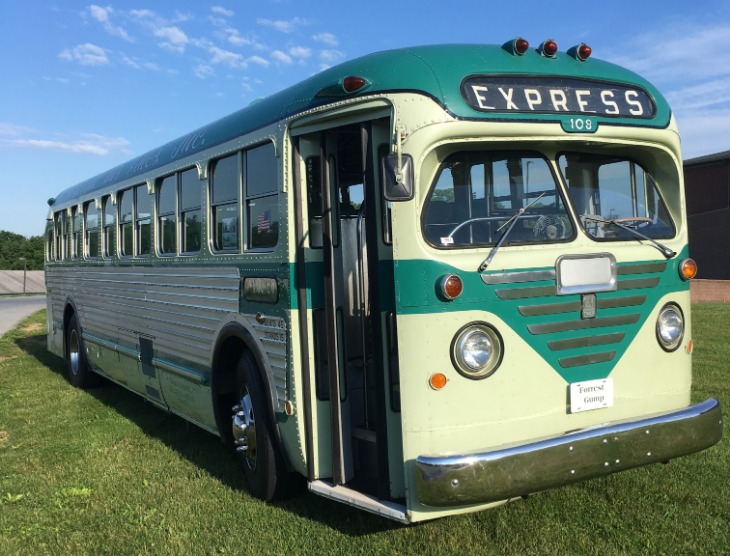
River and waterfront themed names evoke water imagery and coastal or riverside scenery. They work well for routes that travel along rivers, harbors, or waterfront districts, and they often feel welcoming to tourists seeking scenic or leisure trips. Examples: Riverfront Runner; Harborline Hop; Marina Mover; Quay Quest; Waterfront Way; Bridgeview Bus; Rivergate Route; Bayfront Breeze; Tidewater Transit.
Tips for building a cohesive bus name list include keeping names concise and easy to remember, using a consistent naming family across routes, pairing names with colors or route numbers for quick identification, avoiding duplicates, and checking local trademarks or existing brands to prevent confusion.
Sample bus travel name list: Old Town Line; Market Square Express; Cedar Grove Connector; Hillcrest Hopper; Maple District Drive; Lakeside Local; Riverfront Runner; Harborline Hop; Marina Mover; Quay Quest; Waterfront Way; Bridgeview Bus; Rivergate Route; Bayfront Breeze; Tidewater Transit.
Mountain and Trail
When naming bus services, regional and local theme names tie routes to place identity and traveler experience, while mountain and trail themes evoke outdoor adventure and reliability for riders.
Regional and Local Theme Names: Cascadia Connector; Bay Area Express; Gulf Coast Glider; Great Lakes Line; Hudson River Hop; Pacific Northwest Passage; New England Navigator; Silicon Valley Sprinter; Tidewater Transit; Blue Ridge Rover; Central Valley Voyager; Prairie Pathliner; Sunbelt Sprint; Harbor City Hop; Delta Shuttle.
Mountain and Trail Names: Summit Shuttle; Peak Pathway; Ridge Runner; Alpine Express; Trailhead Transit; Mountaintop Messenger; Glacier Glide; Timberline Transit; Canyon Caravan; Crestline Coach; Sierra Spirit; Snowcap Shuttle; Highland Hauler; Moraine Messenger; Trekker Transit.
Use these names to craft branding that reflects place, landscape, and the sense of movement your bus network aims to convey, helping riders connect with their journeys before they even board.
Coastal and Beach
A bus travel name list organized by regional and local themes and coastal and beach vibes helps operators convey place, character, and destination feel. Here are category examples you can use or adapt for fleets and routes.
Regional and Local Theme Names include: Prairie Path Transit, Great Lakes Local Line, Cascadia Connector, Appalachian Express, Hudson Valley Hop, Adirondack Route, Delmarva Link, Central Valley Coach, Great Plains Transit, Bay State Local Line.
Coastal and Beach Theme Names include: Harbor Breeze Bus, Seaside Shuttle, Beachfront Express, Coastline Cruiser, Oceanview Transit, Tidal Wave Coach, Pierside Passenger Line, Sunset Beach Transit, Shoreline Sprinter, Lighthouse Lane Express.
Branding and Naming Tips
Branding a bus travel service begins with a compelling name. In this short guide, we explore branding and naming tips that help you build a memorable bus travel name list, capture the spirit of adventure, reliability, and convenience, and make your routes stand out to riders both near and far.
Know Your Audience
Branding and naming are more than words; they shape perception, trust, and the speed at which travelers connect with your bus service. When you craft a naming list, you must align with who you are serving and why they ride—the heart of branding is knowing your audience.
Know your audience: urban commuters seeking reliability; vacationing families; students; international travelers; budget travelers; regional tourists. Each group has different values: time savings, comfort, price, accessibility, and friendliness. Use language that resonates: direct and practical for commuters; adventurous and aspirational for tourists; simple and friendly for families. Also consider language diversity, accessibility, and readability across signage and digital channels.
Branding foundations: define your brand promise (reliability, safety, efficiency, comfort), tone of voice, and visual cues. Decide whether your names are functional (CityLine Express), evocative (Sunrise Trails), or invented (Voyago). For bus travel, consistency across name, logo, color, and tagline builds recognition and trust as you scale routes and markets.
Naming tips: keep it short (2-3 syllables), easy to pronounce, and easy to spell; avoid overlapping with existing brands; ensure positive connotations in target languages; test for misreadings or awkward translations; check domain availability and trademark conflicts; choose a name that scales beyond a single city; consider how it looks in logos and on vehicles; use alliteration or rhythm to improve recall; avoid overly generic terms that blend in.
Creating a bus travel name list: start with your brand pillars and audience insights; brainstorm wild-card words related to travel, roads, speed, comfort, and destinations; pair concepts with concise second words (Line, Express, Transit, Shuttles, Co.) to create a roster of options; create variations that evoke reliability (Safe, Secure) or experience (Smooth, Scenic); test for clarity in signage and mobile screens; narrow to 8-12 strong contenders before testing with real users.
Bus travel name list (sample options you can adapt): Skyline Shuttles, MetroRoute Express, JourneyLink Buses, Sunrise Trails Transit, PacificPath Coaches, VoyagerLine, TrailLink Transit, BlueRail Buses, Coastline Connect, GlideWay Coaches, Nimbus Express, VelvetRoute Buses, PeakWay Shuttles, UrbanPulse Transit, VoyagerBus, CompassPath Coaches.
To validate: gather feedback from potential riders using quick surveys on catchiness and pronunciation; run quick A/B tests on landing pages or ad copy; test logo and vehicle decals for legibility at a distance; confirm trademark clearance in all target markets; refine names based on this feedback and maintain a small, cohesive set ready to deploy across routes.
With a clear audience lens and a disciplined naming process, a bus travel brand can build recognition quickly. A strong name is the first mile of trust, guiding travelers from first glance to first ride.
Keep It Simple and Memorable
Branding and naming a bus travel service is about crafting a name that travels with the brand. The goal is clarity, memorability, and a vibe that resonates with travelers seeking reliable journeys and pleasant rides.
Keep it simple and memorable. Aim for two syllables or fewer when possible, use easy spellings, and avoid numbers or hyphens that slow recognition. A short, crisp name is easier to recall, repeat, and fit on signage, tickets, and logos.
Make it relevant to the bus travel experience. Let the name hint at movement, routes, comfort, speed, or regional flavor. Words that evoke direction, journey, horizons, or city connections help travelers instantly grasp what you offer.
Develop a naming list with a structured process. Start with themes like movement, routes, or scenery, generate 20 to 30 options, then filter for pronunciation, distinctiveness, and trademark availability. Test top picks with real people, and check domain and social handle availability to keep branding consistent online.
Here are example names you can adapt for a bus travel service: SwiftBus, HorizonRide, SkyLineCoach, CityPath Transit, AtlasMove, VoyagerBus, PulseLine, CompassRide, RiversideExpress, SummitWagon, NeonLane, VistaWay, NorthStar Transit, SunRoute, GlideBus, MetroNomad, TrailWagon, UrbanVoyage, RouteNest, EchoBus, AxisTransit, QuickTrip Bus, FleetPath.
Next steps include verifying trademark status, securing a matching domain name, and ensuring social handles are available. Once you settle on a name, design a simple logo and a short tagline that reinforce the same travel-focused story you started with, keeping consistency across all touchpoints.
Check for Availability
Branding and Naming Tips for a Bus Travel Brand: crafting a strong name matters because it sets first impressions, influences trust, and helps people remember your routes and service levels. This guide focuses on practical tips for naming and checking availability, with a ready-to-use list of bus travel name ideas you can adapt or validate.
Start with clarity about your brand positioning: who you serve (budget travelers, students, families, business travelers), the vibe (friendly and reliable, adventurous and fast, premium and comfortable), and the value you deliver (affordability, speed, comfort, eco-friendliness). A name that signals these elements will help attract the right customers and reduce marketing friction.
Naming tips to consider: keep it short and easy to pronounce, avoid complicated spellings, and aim for a distinctive sound that stands out in search results. Use travel-related words (route, voyage, express, road, hitch, lane) in creative combinations, or invent a unique, memorable word that’s easy to remember and spell. Check for potential misreadings or negative connotations across languages if you’re aiming for international reach.
Availability checks are essential before you commit: secure a matching domain (preferably .com, or a reputable alternative like .travel or your country code if you operate regionally). Search for social media handles on the main platforms and aim for the same name across channels. Run a basic trademark search in your jurisdiction (for the U.S., use USPTO TESS; in Europe, check EUIPO; and do local searches as needed) to avoid infringing an active mark. If your preferred name is taken or restricted, consider close variants or a name-with-subtitle approach (example: “Cityway Bus Co. — express service”).
Bus travel name ideas to start your checklist: CityLine Bus, RouteRover, SkylineExpress, VoyagerTransit, TrailblazerBus, EcoWay Bus, ExpressWagon, MileMarkerBus, OpenRoadBus, NomadLines, WanderBus, BlueRoute Coach, RampartRide, AnchorTransit, PulseBus, AtlasTransit, GlideBus, SummitExpress, SunriseCoach, TrekkerBus.
Next steps: once you have a short list, test it with potential customers or stakeholders, check search engine visibility for the terms, and run quick checks for domain and handle availability. Narrow to two or three favorites and confirm with a trademark search and a short mental test to ensure the name fits your brand story and operational scope.
Avoid Cultural Missteps
Branding and naming for a bus travel brand requires balancing clarity, memorability, and a sense of journey. A well-chosen name helps travelers remember your service, trust its reliability, and envision the experience of the trip, from city hops to scenic routes. When the goal is a bus travel name list, you want options that are easy to pronounce, scalable across markets, and adaptable to future routes and services.
Core branding principles for bus travel include clarity of meaning, a tone that matches your service level (affordable, premium, family-friendly, adventure-focused), and a name that can grow with your business. Favor short, rhythmic names that roll off the tongue, pair well with a strong logo, and work in digital spaces like domains and social handles. Consider the emotional cues you want: trust, excitement, safety, and convenience.
Naming tips for bus travel that yield practical options: start with core values (reliability, comfort, speed, safety), brainstorm related imagery (roads, horizons, journeys), test pronunciation in your key markets, and ensure the name is easy to spell in search engines. Create variations that include location hints or service levels (Regional, Express, City) and keep the core word simple so it scales across languages.
Avoid cultural missteps by vetting names for cross-language meaning, avoiding stereotypes or culturally specific phrases that may not translate, and checking trademarks and domain availability. Run quick checks in the languages of your target markets, consult speakers from those markets, and consider how the name sounds when spoken aloud in different accents. Documentation of your brand voice and a simple pronunciation guide helps maintain consistency across teams and regions.
Bus travel name list ideas you can adapt: CityWander Coach; PulseLine Bus; SwiftTrail Transit; HarborWay Coaches; NomadRoute Bus; TrailLink Transit; VistaVoyage Bus; Sunrise Shuttle; MetroTrail Coaches; GoldenRoute Transport; RiverPath Bus; OpenRoad Express; NorthStar Transit; Coastline Coaches; VoyagerBus; PathFinder Transport; AuroraRoute Coaches; PrismRide Bus; BrightWay Transit; Skyline Shuttle; AtlasWay Coaches; EchoTrail Bus; Westward Wheels; SunRoute Express; HorizonLink Bus.
Sample Name Lists by Region
Sample Name Lists by Region shows how to organize bus travel rosters with region-specific name lists. This short introduction presents example lists for different areas, illustrating naming patterns, regional abbreviations, and practical tips for efficient check‑in, ticketing, and route planning when buses travel across cities and borders.
European Inspirations
Sample Name Lists by Region: European Inspirations for bus travel brand names. This guide offers regionally themed name ideas to spark branding for bus tours and intercity journeys across Europe.
Northern Europe: NordicVoyage, FjordBus, BalticTrail, VikingExpress, ArcticHopper, CopenhagenCarriage, OsloSights, HelsinkiHorizon
Western Europe: ChannelCoast, ParisianExpress, AlpinePass, EmeraldCoastline, ContinentalCruise, RhineRover, CeltRoute, IberianWaves
Southern Europe: SunnyCoast, MediterraneanMiles, CorsicaCaravel, AndalusianTrail, AdriaticWay, TuscanTour, IberiaBus, GreeceGlide
Central Europe: DanubeDrift, AlpineBridge, PraguePath, ViennaVoyager, BudapestBlue, RhineRoute, CarpathianCoach, CentralCross
Eastern Europe: EastSprint, SlavicPath, CarpathianCaravan, KyivConnect, MoscowMeander, BalkanBridge, TransCarpathiaTrail, DanubeDream
North American Inspirations
Sample Name Lists by Region: North American Inspirations for Bus Travel Names. This collection provides ready-to-use bus travel name ideas inspired by North American geography, culture, and iconic imagery.
- North American Inspirations
- Great Lakes Express
- Prairie Sky Coach
- Maple Leaf Route
- Blue Ridge Rambler
- Desert Sun Transit
- Canyon Crest Coaches
- Coastline Connector
- Rocky Mountain Run
- Northern Lights Line
- Pacific Crest Transit
- Golden Gate Route
- Mississippi River Voyager
- Bayou Breeze Bus
- Eastern Seaboard Express
- Sunrise Summit Coach
Asian Inspirations
This collection offers sample bus travel name lists organized by region with Asian inspirations, suitable for transit services, tours, and shuttle operations.
East Asia: Sakura Express, Jade Dragon Line, Pearl River Connector, Fuji Spirit Coach, Bamboo Grove Route, Celestial Lantern Transit
Southeast Asia: Angkor Explorer, Bali Sunrise Shuttle, Bangkok Riverside Run, Komodo Coastline Coach, Mekong Mist Route, Ha Long Bay Voyager
South Asia: Ganges Voyager, Himalayan Pathways, Indus Valley Rambler, Kathmandu Circuit, Monsoon Trail, Rajputana Roamer
Central Asia: Silk Road Express, Tian Shan Trekker, Pamir Pass Path, Karakorum Caravan, Steppe Wind Route, Alai Valley Link
West Asia: Levant Lantern Line, Anatolia Trail, Persian Gulf Voyager, Caspian Coast Connector, Desert Mirage Route
These lists offer regional flavor and Asian inspirations to help shape bus travel brands with destination character, heritage, and a sense of journey.
Other Regions
Sample bus travel name lists by region, including a dedicated Other Regions section, to inspire brand ideas for bus services or to organize travel options for travelers.
- North America
- Maple Transit
- Blue Ridge Express
- Coastline Bus
- Europe
- Continental Coach
- Capitol Route Bus
- EuroVoyage Bus
- Asia
- Zenith Transit
- Pacific Swift
- MetroLink Bus
- Australia & Oceania
- Southern Cross Bus
- Outback Express
- Harbor City Transit
- South America
- Andes Runner
- Amazonia Coach
- Pacifica Bus Line
- Other Regions
- Global Metro Lines
- Intercontinental Bus Co.
- Remote Routes Express
How to Use These Names
How to Use These Names in English: For a bus travel name list, keep names simple, pronounceable, and evocative. Match the name to the route’s vibe—coastal, scenic, or rapid—and blend geographic cues with travel imagery so signs, itineraries, and blogs feel clear to English-speaking readers.
Vehicle Naming
Naming buses and routes in English helps branding and memorability for a bus travel service. This guide explains how to use these names, with suggestions and a ready-to-use list.
How to use these names: align each name with your brand and service level, use consistent forms across the fleet, choose names that are easy to pronounce and remember, avoid offensive or confusing terms, and check that the name fits your marketing and signage needs. Use names on tickets, route maps, on-bus displays, and in announcements to reinforce recognition.
Strategies for creating names include mixing location cues with mood or action (City Link Express, Coastal Breeze Route), keeping the length short (one to two words works best), pairing with a simple slogan, and applying the same naming pattern across all routes to create a cohesive system. Consider your target riders—commuters, tourists, families—and tailor the tone accordingly, from practical to premium to adventurous.
Here is a ready-to-use bus travel name list organized by common patterns: CityLink, Riverside Express, OceanView Line, MountainPath Transit, ValleyVista Express, HarborWay, CentralPoint Express, EastEdge Transit, NorthStar Route, SunsetTrail, SwiftWay, BrightRide, QuickVoyage, GlideExpress, SummitLine, SeamlessRoute, VoyagerExpress, PathfinderTransit, TrailblazerBus, FalconTransit, EagleView, PegasusExpress, OdysseyBus, PioneerPath, RouteOne, RouteSeven.
Route Branding
A strong bus route branding starts with how you name and present each line. A clear naming system helps riders recognize routes at a glance and reinforces the overall travel experience.
Begin with a naming framework: pick one or more themes (historic sites, neighborhoods, or landmarks) and attach a consistent format for all routes (for example, a color or style plus a function like Express or Local).
When selecting names, prioritize clarity, memorability, and pronunciation. Keep them short, avoid similar-sounding options, and ensure they work on signage and digital maps.
Translate names into a branding system: assign a color, an icon, and a type style for each theme, and create a shared style guide so every asset feels cohesive.
Apply the names across every touchpoint: bus livery, route maps, stop signs, timetable sheets, mobile apps, ticket designs, and spoken announcements.
Localization and accessibility matter: provide translations where needed, choose high-contrast colors, and select legible fonts to support riders with vision impairments.
Test and refine: run rider surveys or quick A/B tests to see which names are easiest to remember and fastest to recognize; use findings to adjust.
Practical governance: maintain a central naming registry, a concise style guide, and assign route-brand owners to approve changes and avoid drift.
Sample naming schemes you might use include Heritage Routes (Heritage Loop, Old Town Line), Waterfront Routes (Harbor Express, Marina Local), and Neighborhood Routes (Centerview Local, Eastside Connector). Add color-coded options such as Blue Line, Green Route, Red Express to reinforce branding.
Implementation steps: audit current names and maps, define taxonomy and branding assets, design the visuals and signage, pilot the new names on a subset of routes, then rollout citywide and update all digital and print materials.
Marketing and Merch
A solid bus travel name list is more than a random assortment of titles—it’s the backbone of your brand and the loudest signal to potential riders. When you know how to use these names, you can craft campaigns, merchandise, and a coherent customer experience that makes riders choose your fleet over competing options.
Start by sorting the names by vibe and target audience. Group them into categories like adventurous routes, family-friendly trips, premium express services, eco-friendly voyages, and city-to-city hops. This helps you assign the right name to the right service, ensuring consistency across schedules, signage, and marketing materials.
Turn each name into a marketing beacon. Create one clear promise or tagline for every name, then weave that message through ads, social posts, email campaigns, and on your web pages. For example, a name that feels fast and sleek can pair with copy like “Speedy crossings, friendly service,” while a family-friendly name can emphasize comfort, safety, and convenience.
Apply the names to visual branding elements such as fleet livery, logos, and signage. Use a distinct color family and legible typography for each name group, while maintaining a cohesive overall look so the fleet is instantly recognizable. Consistent use of the same logo problem-solver and color system helps riders associate the name with reliability on every bus and at every stop.
Think about merchandise that amplifies each name. T-shirts, hats, mugs, stickers, luggage tags, enamel pins, and travel journals all provide touchpoints for fans and riders. Print the name and a short slogan or route detail on merch to reinforce brand identity. Limited-edition items tied to seasonal routes or festivals can boost demand and word-of-mouth buzz.
Boost your online presence by creating dedicated pages for each name and feature a route map, schedule, and fare details. Use the name in page URLs, meta titles, and headers to improve search visibility. Rich content—route highlights, rider tips, and route-specific blogs—helps search engines understand the relevance of each name and keeps riders engaged.
Offline marketing channels still matter. Include the name list in brochures at travel fairs, partner with hotels and tour operators to distribute collateral, and use the names in in-station digital signage. Consistent name usage across tickets, boarding passes, and staff uniforms reinforces brand trust with every encounter.
Maintain governance around the names to protect your brand. Create a brand guide that covers tone of voice, permissible variations, logo usage, and color specs. Check for conflicts with existing trademarks, and establish a simple approval process for new names or variations to avoid confusion as your fleet grows.
Measure success by tying each name to concrete metrics. Monitor booking rates, route occupancy, merch sales, social engagement, and brand searches. Run A/B tests on taglines and visuals tied to different names to learn which combinations drive awareness and conversion most effectively.
Quick starting plan: pick your top five names, craft a one-line promise for each, assign a visual style, and outline two merch items per name. Then deploy a small pilot across one or two routes, gather rider feedback, and scale what works across the rest of the fleet.