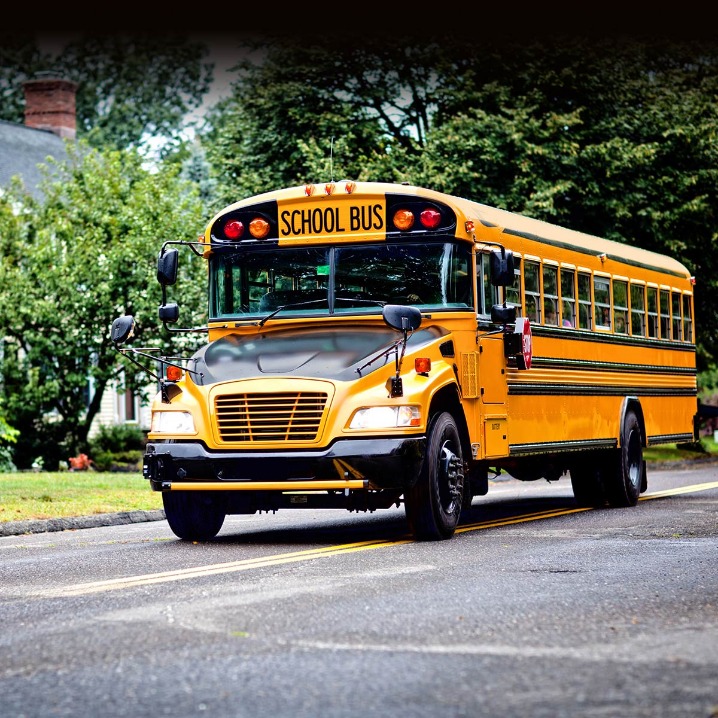

Overview of Bus Travel in the Netherlands
Bus travel in the Netherlands offers a reliable, well-integrated way to explore both cities and the countryside. Regional and urban services connect towns with frequent schedules, modern fleets, and easy transfer options using the OV-chipkaart or contactless payments. Whether you’re cruising through the Randstad, visiting historic towns, or hopping between villages, buses complement trains as a flexible, affordable part of the Dutch public transport network.
Network and Coverage
The Netherlands has a well-developed bus network that forms a key part of the public transport system alongside trains and trams. Bus travel is convenient for short trips within cities, as well as for connecting smaller towns and rural areas. The network is regionally organized and integrated with ticketing, schedules, and real-time information to help travelers plan smooth journeys.
Network and coverage: In major urban areas such as Amsterdam, Rotterdam, The Hague, and Utrecht, buses run with high frequency and broad coverage, including late-night services on weekends. In rural parts, buses fill gaps between rail lines and towns, though service frequency tends to be lower. The system is designed to link city centers with suburbs, business districts, and regional rail hubs, creating a dense hub-and-spoke structure that supports efficient transfers.
Regional structure and operators: Public transport in the Netherlands is coordinated by regional authorities and operated by multiple companies under concession contracts. Operators include a mix of national and regional names depending on the region, and services are scheduled to connect with trains and other local transit. Local authorities oversee timetables, prices, and connections to ensure riders can transfer smoothly between buses, trains, trams, and metro lines.
Ticketing and planning: A unified OV-chipkaart system enables travel across buses, trams, and trains, with options to top up and manage credit. Increasingly, contactless debit/credit cards and mobile wallets are accepted on buses, making boarding faster for many travelers. For planning, 9292.nl and the 9292 app provide live departure times, transfers, and platform information, and these tools integrate with other transport apps to help find the quickest routes.
Night and weekend services: In major cities, Nachtbus routes offer late-night connections on weekends and some holidays, supporting workers, students, and nightlife. During the day, bus frequencies are highest on commuter corridors and near city centers, while rural lines may run only a few times per day, requiring a bit more planning for longer trips.
Accessibility and sustainability: Dutch buses are increasingly accessible, with many low-floor models and priority seating for wheelchairs and strollers. Real-time arrival displays and audible announcements improve usability for all passengers. The fleet is trending toward electric or hybrid propulsion, backed by public investment to cut emissions and noise, especially on inner-city and high-traffic routes.
Planning tips: Check routes and frequencies in advance, especially in rural areas where services can be sparse or variable. When boarding, validate your OV-chipkaart or contactless card at the reader; keep your card ready for the journey and to verify transfers. Allow extra time for connections if you’re changing lines, and use journey planners to compare options and identify the most reliable routes.
Overall: The bus network in the Netherlands offers extensive urban coverage and solid regional links, complemented by an integrated fare system and robust planning tools. It remains a reliable option for daily commuting and for exploring the countryside, with ongoing upgrades to fleets and services that improve speed, reliability, and sustainability.
Intercity vs Local Services
The Netherlands has an extensive and well-integrated bus network that complements trains and bikes to connect cities, towns, and rural areas. In bus travel, a useful distinction is between intercity-style services that link major hubs with fewer stops and local services that serve neighborhoods and smaller communities with frequent stops.
Intercity-style bus services are designed for quicker journeys between larger towns and regional centers. They typically run on longer routes, skip many of the smaller stops, and aim to minimize travel time between key destinations. These services are useful when you need to travel between cities or travel across regions without taking multiple local buses or transfers. Timetables are planned to match peak travel patterns, and reliability is generally strong, although schedules can vary by region and time of day.
Local bus services focus on accessibility and coverage within towns and rural areas. They stop more frequently and connect residential neighborhoods with city centers, train stations, shopping districts, schools, and local amenities. In cities, local buses form the backbone of short trips and provide essential last-mile connections from rail or metro stations to homes and workplaces. Frequencies are highest during weekdays and in urban cores, with adjustments for evenings and weekends.
Tickets and fares in the Netherlands are designed for integration. The OV-chipkaart (or contactless payment where available) enables single, day, or longer passes across many operators and regions. Many travelers use regional or national transit passes, and some operators offer day tickets or multi-ride options. Timetables and route information are widely available through planning tools such as 9292.nl and operator apps, which provide real-time updates, platform changes, and disruption notices.
Planning a trip by bus is straightforward: check the regional network and confirm whether your route is an intercity or local service. In urban areas, buses often connect seamlessly with trains and trams, making multi-modal trips easy. In rural parts, expect longer gaps between buses and plan ahead. Real-time information, accessible timetables, and clear transfers help keep journeys smooth, even when roads or weather affect services.
Practical tips include using buses for local travel within cities or to reach nearby towns, while trains remain the fastest option for longer distances. If you need to bring a bicycle, most operators permit bicycles outside peak hours or on specific buses, but rules vary by operator and service, so check in advance. Always carry your OV-chipkaart or payment method, and plan with a reliable planner to account for changes in schedules or service disruptions.
Major Bus Operators in the Netherlands
Bus travel in the Netherlands is served by several major operators that connect cities, towns and villages across the country. The landscape is led by national and regional providers such as Arriva, Connexxion, Qbuzz, Hermes, and RET, with additional long‑distance services from international operators like FlixBus. Together, these companies offer a dense network of frequent routes, modern buses, and coordinated ticketing that make exploring Dutch cities and landscapes by road convenient and approachable.
National Operators
Bus travel in the Netherlands is organized around regional concessions and tendered contracts, with several national operators providing extensive networks across multiple provinces.
Arriva Netherlands operates widespread bus services across many Dutch regions, including Groningen, Drenthe, Overijssel, Gelderland, North Brabant, and parts of South Holland. It runs multiple regional routes under contract to provincial authorities and urban networks, and it is part of the international Arriva group owned by Deutsche Bahn.
Connexxion is one of the country’s largest bus operators, with a broad footprint in North Holland, South Holland, Gelderland, Utrecht, Flevoland, and other areas. It runs a wide range of regional and suburban services and is part of the Transdev group, which manages several European public transport brands.
Qbuzz operates several large regional concessions in the Netherlands, notably in the Utrecht region and parts of South Holland. It is known for frequent, high-capacity services and modern fleets, and it is associated with the Keolis group in the Dutch market.
Keolis Nederland oversees multiple concessions across the country and often operates under the Qbuzz brand in some regions. It focuses on delivering regional bus services under tender agreements and emphasizes customer experience, reliability, and digital ticketing.
Syntus, historically a strong eastern Netherlands operator, is now part of Keolis Nederland and continues to serve several routes in Gelderland and Overijssel under the Keolis umbrella. The Syntus brand remains familiar to many travelers in those regions.
In the Netherlands, national reach comes from these large groups winning regional contracts, rather than a single nationwide operator. Most bus travel is organized through regional authorities, with operators competing for concessions to cover urban, suburban, and rural routes. Travelers often benefit from integrated timetables, multi-operator ticketing, and modern fleets across these major national players.
Regional and Local Operators
Bus travel in the Netherlands is organized through a mix of national, regional, and local operators, with most services arranged under regional concessions managed by provinces or municipalities. This structure supports both city networks and extensive intercity and rural links, making it possible to travel efficiently across the country by bus.
Major national operators in the Dutch market include Arriva, Connexxion, Keolis Nederland (formerly Syntus), and Qbuzz. Arriva operates across several provinces as part of Deutsche Bahn’s mobility division, providing a wide set of suburban and regional routes. Connexxion runs large regional networks and intercity connections in multiple provinces and is associated with Transdev Netherlands for several concession areas. Keolis Nederland operates in eastern and southern parts of the country under the Keolis brand, including areas that previously used the Syntus name. Qbuzz serves the Groningen-Drenthe region and the Utrecht area under concession contracts. Together, these operators cover most non-city bus travel and link rural areas with urban centers.
Regional and local operators form the backbone of everyday travel in many Dutch towns and countryside areas. In cities, municipal operators run the core urban networks and often provide links to regional services operated by larger private companies. For example, Amsterdam’s GVB operates the city’s bus network (alongside trams and ferries), Rotterdam’s RET covers the local bus network, and The Hague’s HTM runs its own urban buses. These city networks connect with regional services to create comprehensive travel options for residents and visitors alike.
Beyond the big city networks, regional and local operators offer services that connect smaller towns, villages, and rural areas to the urban hubs. These services are typically organized under provincial concessions and may be operated by a mix of national operators and smaller regional carriers. Travelers commonly rely on these networks for daily commuting, school trips, and access to regional towns, with schedules coordinated to integrate smoothly with trains and other public transport options.
Planning a trip in the Netherlands often means checking both city networks and the surrounding regional operators to map the best route. Whether traveling within a major city, between cities, or into more rural areas, the Dutch bus system aims to provide reliable connections through a diverse set of operators operating under a coordinated framework.
Charter and Special Services
Major bus operators in the Netherlands provide both scheduled public transport and charter or special services across the country. This overview highlights the key players and how they support charters, school trips, corporate events, tourism, and other group travel needs.
Arriva Nederland operates extensive regional networks across multiple provinces and offers charter and group travel through a dedicated events and group travel division. Their charter services are used by schools, sports teams, and corporate groups, with a fleet mix that typically includes coaches and minibuses for various group sizes and itineraries.
Connexxion, one of the large national operators, serves central and western regions with a broad fleet and a flexible charter offering. They provide customized solutions for school transport, day trips, sightseeing charters, and corporate event shuttles, often coordinating with local authorities and partner agencies to meet specific requirements.
Keolis Nederland, which continues operations in regions formerly branded as Syntus, delivers charter and private hire options through its dedicated teams. They assist schools, tour organizers, and businesses with tailored itineraries, transit planning, and on‑the‑ground coordination for events and group travel.
Qbuzz focuses on regional networks in areas such as Utrecht and nearby corridors and also provides charter services within its service areas. Their charter offerings cover group travel for schools, businesses, and event organizers looking for reliable regional transport solutions.
Municipal operators like RET in Rotterdam, HTM in The Hague, and GVB in Amsterdam are primarily focused on city and regional networks, but they can accommodate charter or special service requests, often by coordinating with event planners and partner transport providers for larger events or school shuttles in the city context.
In addition to the big-name operators, a network of independent coach hire companies supports charter and special services across the Netherlands. These specialists handle airport transfers, sightseeing tours, long-distance charters, and customized itineraries, frequently working with travel agencies, schools, sports clubs, and corporate clients to deliver tailored transport solutions.
How to arrange a charter in the Netherlands typically involves contacting the operator’s charter or private hire desk, specifying group size, dates, pick-up and drop-off locations, and any accessibility needs. Dutch bus operators employ drivers with appropriate licenses (category D for large buses and D1 for certain minibuses) and often Code 95 for professional driving hours. It is common to request a written quote, confirm vehicle type and seating, and review insurance, cancellation terms, and any route permit requirements for special events.
Tickets, Fares, and Passes
In the Netherlands, bus travel is organized around a clear system of tickets, fares, and passes. You may pay per ride with single tickets, use disposable tickets on some regional networks, or load value onto an OV-chipkaart or contactless payment method for broader validity. For flexible travel, day passes and multi-day passes offer unlimited or discounted rides across participating routes, while regional transit authorities often bundle bus and rail options into combined travel cards. Check the local operator’s rules for price and validity, as these vary by city and region.
Single-Trip Tickets
Tickets, Fares, and Passes for bus travel in the Netherlands cover a range of options designed for both occasional riders and frequent commuters. The system blends single-trip tickets with longer-term passes and regionally issued travel products to fit different travel patterns across cities and rural areas.
Single-Trip Tickets: A single-trip ticket covers one journey by bus from boarding to alighting. In many cases you can buy this on the bus from the driver using cash or contactless payment, or you can use an OV-chipkaart or a mobile app to pay for a fare. When using an OV-chipkaart or a contactless card, you typically need to check in before you board and check out when you leave, with the fare calculated by distance or by the fare zones you travel through.
Fares and zones: Fares vary by operator and region. Some areas price fares by distance, others use a zone system where the cost depends on how many zones you travel through. Always confirm the local fare map for the city or region you’re visiting, because a short inner-city trip can be significantly cheaper than a longer regional ride.
Passes and multi-trip options: For regular travelers, passes and multi-trip options can offer savings. These include day passes (for unlimited travel within a day), multi-day passes, and longer-term subscriptions. Many passes can be loaded onto an OV-chipkaart or purchased as electronic tickets via operator apps, making it easy to travel across multiple days or regions without buying individual single-trip tickets.
Tips for travelers: Plan ahead with a route planner or the local operator app to check fares and valid zones before you travel. If you’re using a card, remember to check in and out where required to ensure you’re charged the correct fare. If you think you’ll be riding several times in a day or week, compare the cost of a day pass or a regional pass to see if it offers better value than buying single-trip tickets each time.
Day Passes and Multi-Trip Cards
Tickets, fares, and passes for bus travel in the Netherlands vary by region, but there are common systems to understand. Most networks use either an OV-chipkaart, a nationwide reusable smart card, or contactless payments with a debit or credit card or a mobile wallet. You can also encounter single-journey or day tickets sold by some operators, and regional or tourist passes that bundle travel in a city or area.
The OV-chipkaart is the backbone of Dutch public transport. You load credit or travel products onto the card and tap in when you board and tap out when you leave. Fares are calculated by the distance or zones you travel, and the system works across many bus, tram, metro, and train services. If you don’t have an OV-chipkaart, most operators also accept contactless payments from compatible cards or mobile wallets for pay-as-you-go journeys.
Day passes or unlimited-use tickets give a fixed period of unlimited travel on a network. In cities like Amsterdam, a 24-hour day pass on the local operator’s network allows unlimited bus, tram, and metro rides within that city area for a full day. Some regions or tourist offerings also provide 1-day, 2-day, or 3-day passes that cover travel across multiple modes or a broader area.
Multi-trip cards refer to tickets that give multiple rides, or time-limited multi-journey access, rather than a single ride. These can include a set number of trips (for example, 10-ride or 20-ride options) or time-based passes (such as a weekly or monthly pass). They are usually region- or operator-specific and may be loaded onto an OV-chipkaart or purchased as a printed ticket, depending on the network.
In some rural or less-serviced routes you can still buy single-journey or day tickets on board a bus, sometimes with cash or a card. However, the preferred and most convenient method across the country is to use an OV-chipkaart or a compatible contactless payment method, often via the operator’s app or a service desk. Always check the local operator’s site or the national planning tools for the exact options available where you are traveling.
Planning and buying travel is easiest with local resources. Use planning sites like 9292.nl to map your trip and see which fare options apply, or check the official pages of the bus operator in the area you’re visiting. If you’re staying for a while, consider getting an OV-chipkaart and loading the most suitable products for your typical routes, or use a tourist-friendly pass where offered for seamless, consolidated travel.
Contactless and Mobile Payments
Travelling by bus in the Netherlands is supported by a nationwide card system and strong regional networks. Here is a concise guide to Tickets, Fares, and Passes, and how Contactless and Mobile Payments work on Dutch buses.
- Tickets and passes: Use an OV-chipkaart, either personal or anonymous, to ride most buses. Load credit or a regional pass on the card and tap in when you board, and tap out where required. In some cities you can also buy single-journey tickets or day passes from the driver or via local apps, with tourist passes available in major cities.
- Fares and caps: Fares are typically region-based and may depend on distance or zones. With an OV-chipkaart, daily caps help limit how much you pay in a single day, so frequent travelers won’t be charged more than the cap for that region.
- Card types and passes: Personal OV-chipkaart offers discounted rates for eligible groups, while anonymous cards provide pay-as-you-go travel. Some regions offer time-based passes (such as day passes or multi-day passes) and tourist passes for broader city-area travel.
- Contactless and mobile payments: Most Dutch buses accept contactless payments from debit or credit cards, and many support mobile wallets like Apple Pay and Google Pay. Tap the card or device on the reader when boarding; some services may require tapping in and out.
- Practical tips: Check regional rules before traveling, ensure your payment method is ready, and consult the local transport authority for current ticket options and prices. If unsure, ask the driver or use the regional information desk for guidance.
Timetables, Scheduling, and Real-Time Information
Timetables, scheduling, and real-time information sit at the heart of bus travel in the Netherlands. Clear timetables show when buses depart and arrive, smart scheduling keeps services reliable across cities and regions, and live updates from apps and displays alert passengers to delays or changes, helping riders plan their journeys with confidence across Amsterdam, Rotterdam, and beyond.
Finding Schedules and Routes
In the Netherlands, bus timetables, scheduling, and real-time information are tightly integrated across operators, making it easy to plan travel from any city to another. The national journey planner 9292.nl is a common starting point, and major operators like GVB, RET, HTM, Arriva, Connexxion, and Qbuzz publish schedules that feed into this system. English language options are often available, helping visitors navigate the network.
Finding schedules and routes is straightforward. Open 9292.nl or the operator app, enter your origin and destination, and choose a date and departure or arrival time. The planner returns multiple route options, showing transfer points, total travel time, and walking steps if you need to link to a tram or train. You can filter by the fewest transfers, fastest trip, or lowest price where tickets apply.
Real-time information keeps you informed about delays, cancellations, and platform changes. On many bus stops you will see live departure boards; the 9292 app and most operator apps refresh in real time and show the exact minutes until departure. If a bus is delayed, the app typically updates accordingly and may suggest alternative routes or times.
Timetables and frequency vary by time of day and region. In the daytime, many urban and regional buses run every 10 to 30 minutes, while some rural routes may be less frequent. Night buses, known as Nachtbus in larger cities, provide limited service after midnight on select corridors. Always check the live status as schedules can shift on weekends and holidays.
In major cities, you often ride with a single operator: Amsterdam uses GVB for buses, trams, and metros; Rotterdam uses RET; The Hague uses HTM; Utrecht and the surrounding area may involve U-OV and regional operators such as Arriva or Qbuzz. In rural areas, Arriva, Connexxion, and Syntus frequently operate the local bus networks. The national planner will show which company runs your chosen route.
Transfer planning is a key advantage of the Netherlands network. When planning a trip with multiple legs, the planner will show transfer points and walking times between stops. It also helps you compare options with different transfer counts. Allow extra time for connections, especially during peak hours or in stations with crowds.
Tickets and payment options are flexible. You can pay with an OV-chipkaart (where available), contactless bank cards, or mobile wallets on many buses. Some routes and regions still require pre-purchased tickets via the operator app or the 9292 site. The 9292 planner often shows the applicable fare for each option, helping you estimate costs before boarding.
Tips for a smooth journey: check your route with the latest real-time data before leaving, bring a small buffer for connections, and have a backup plan in case of delays. English language help is widely available on 9292 and many operator sites, making it easier for travelers to navigate the Netherlands’ bus network.
Real-Time Tracking and Updates
Timetables, scheduling, and real-time information are core to bus travel in the Netherlands, where dense urban networks meet regional services to create a widely connected country.
Timetables are published by each operator and coordinated through national planning tools such as 9292.nl, which aggregates data from operators like GVB, RET, and regional bus companies. Timetable data covers every line, with separate schedules for weekdays, weekends, and holidays, and it shows the first and last departures, typical headways, and transfer points.
Scheduling in Dutch buses often follows predictable patterns, with high-frequency services in cities and suburban areas, reduced frequencies in rural parts, and special services on holidays. Many cities offer night buses on weekends, and some regions operate express or direct services for common commuter corridors.
Real-time information keeps travelers up to date. Buses report their location via Automatic Vehicle Location systems, and estimated arrival times are updated continuously. Apps such as 9292 and others display real-time ETAs at stops, delays, cancellations, and alternative routes when disruptions occur. Data is commonly delivered via GTFS real-time feeds, enabling consistent updates across apps and digital displays.
Real-time tracking is visible at major stops and stations through electronic timetables or LED boards that show the next arriving buses. On personal devices, you can watch the bus’s current position on a map, see its destination, and receive ETA updates and service alerts in real time.
How to use in practice: Before traveling, check 9292.nl or a mapping app, choose a route, verify the ETA and transfer times, and enable notifications if you have a tight schedule. In the Netherlands, you commonly pay with an OV-chipkaart or contactless payment, and you may need to tap in and out at your origin and destination. Always consider buffer time for transfers and potential delays.
Real-time information and tracking improve accessibility and reliability, helping travelers plan around disruptions, find alternative routes, and minimize waiting times. The system is designed to be resilient, with continuous data feeds from operators, open data portals, and ongoing improvements to coverage and accuracy.
Whether you are commuting in Amsterdam, traveling between cities in the Randstad, or exploring rural routes, timetables, scheduling, and real-time updates make bus travel clearer, more predictable, and easier to navigate in the Netherlands.
Planning Across Regions and Borders
Timetables, scheduling, and real-time information form the backbone of bus travel in the Netherlands, where a dense web of regional and city networks intersects with national routes to connect towns and cities efficiently. Planning across regions and borders relies on accurate timetables and live updates to minimize waiting and ensure smooth transfers.
In the Netherlands, the central timetable hub is 9292.nl, which aggregates data from many bus operators and creates door-to-door itineraries. Individual operators also publish timetables on their websites and apps. Major city networks like GVB in Amsterdam and RET in Rotterdam provide city-specific timetables, while regional operators such as Connexxion, Arriva, Qbuzz, and Syntus publish their own schedules for provincial and intercity routes. Timetables vary by day type, with separate editions for weekdays, weekends, holidays, and sometimes seasonal or night services. Tickets are typically loaded onto an OV-chipkaart or purchased via mobile apps, and many services now support contactless payments on board where allowed.
Reading timetables effectively means noting departure times, first and last buses, and typical headways between vehicles. When planning connections, allocate enough transfer time at hubs or major stops, especially where multiple lines converge. Urban routes often run at high frequency during the day, while rural routes may be hourly or only run on certain days. Always check the specific date and route details, as weekend or holiday schedules can differ significantly from weekday timetables.
Real-time information is increasingly integrated into planning tools and at stops through live vehicle locations, estimated arrival times, and disruption notices. The 9292 app and website display current ETAs, platform numbers, and delay alerts by pulling data from operators’ GPS systems. Stops may feature electronic boards with live updates, and many operators issue service advisories on their apps and social channels during roadworks, strikes, or other disruptions. A data connection helps, but offline itineraries or downloaded maps can be useful in areas with weak signal.
Planning across regions and borders is common for travelers who connect Netherlands cities with neighboring countries or travel long distances within the country. Cross-border planning uses multi-country journey planners and, for longer trips, international operators such as FlixBus that originate or terminate in Dutch cities. When travelling across borders, verify schedules from both the Dutch timetable sources and the foreign operator, and allow extra time for transfers or border checks if applicable. Real-time updates can come from different apps, so consider using multiple sources to improve reliability on international legs.
Practical tips for travelers include checking 9292.nl or the relevant operator app well before departure, building in extra transfer time at busy hubs, and ensuring your OV-chipkaart or payment method is valid on all segments of the route. If you expect changes, consider flexible tickets or tickets that allow changes without penalties. For cross-border trips, be aware of currency and payment options for the foreign operator and carry any required travel documents as appropriate. By combining reliable timetables with real-time information, bus travel in the Netherlands can be smooth, even when planning across regions and borders.
Routes and Regional Coverage
In the Netherlands, bus travel weaves together city-center routes and regional connections to link towns, villages, and rural areas. Regional coverage is organized by provinces and municipalities, with dense networks around the Randstad and quieter routes in countryside regions, often coordinated with rail services for seamless transfers. Understanding how lines are planned, scheduled, and integrated helps travelers navigate both local hops and longer regional journeys across the country.
Amsterdam and Surrounding Area Connectivity
Routes and regional coverage in the Netherlands bus network place a strong emphasis on Amsterdam and its surrounding municipalities. In Amsterdam, the city network is dense and well integrated with rail, tram, and metro lines, while regional services extend outward to Zaanstad, Amstelveen, Haarlemmermeer, Hoorn, Purmerend, and beyond, creating seamless connections for residents and visitors alike.
Within the city, GVB operates an extensive bus network that links Amsterdam Central Station, Amsterdam Sloterdijk, Amsterdam Zuid, and other neighborhoods with frequent routes throughout the day. The network is designed to support intra-city travel as well as easy transfers to trams and the metro for longer trips across the metropolitan area.
Night and weekend services complement daytime routes, ensuring connectivity after late events or for shift workers. Buses supplement the rail and tram networks, helping maintain mobility when other modes are less frequent.
Direct connections to Schiphol Airport and major hubs like Amsterdam Central, Amsterdam Sloterdijk, Haarlem, and Alkmaar link the city to national and international travel. From Amsterdam, regional buses reach nearby towns and suburbs with regular frequencies driven by demand.
Regional coverage in the Amsterdam region is provided by operators such as Connexxion and other Noord-Holland-based companies. These operators run routes into Zaanstad, Purmerend, Beemster, Hoorn, Lelystad, and Haarlem, creating a web of services that maintain good links between towns and the city. The regional network is coordinated to align with rail timetables and shared ticketing schemes.
Ticketing is integrated through the OV-chipkaart system and contactless payments, with many lines allowing day passes or multi-ride tickets that are valid across buses and trains in the region. Passengers can plan multi-modal trips that combine bus with rail for efficient travel across the province.
For planning routes and checking timetables, rely on official planners such as 9292 and the transport operators’ apps. Look for service alerts during holidays or road work, and verify stop locations as some routes serve suburban stops rather than city centers exclusively.
Overall, routes and regional coverage around Amsterdam deliver strong connectivity for urban and suburban travel. The network supports a smooth flow of people between Amsterdam and its surrounding area, with frequent services, reliable interchanges, and integrated ticketing that makes bus travel in the Netherlands convenient for locals and visitors alike.
Rotterdam, The Hague, and Utrecht Corridor
The Rotterdam–The Hague–Utrecht corridor is a vital spine for bus travel in the Netherlands, linking three major cities with their surrounding towns and campuses. This article outlines Routes and Regional Coverage along this corridor, highlighting how buses supplement rail, where to expect high-frequency services, and how to plan trips across cities.
In Rotterdam, the bus network serves both inner-city neighborhoods and the broader Randstad hinterland. Frequent feeders radiate from Rotterdam Centraal and other central hubs toward suburbs such as Schiedam, Vlaardingen, Barendrecht, and Spijkenisse, with connections to regional towns along major highways. The network also provides essential links to the Port of Rotterdam and university districts, ensuring commuters and students have reliable alternatives to driving.
The Hague region focuses on Den Haag Centraal and Hollands Spoor as interchange points, with dense services to Zoetermeer, Leidschdam-Voorburg, Delft, and coastal towns along Scheveningen. Buses extend coverage to suburban neighborhoods and business parks, feeding rail services to other Dutch cities and facilitating easy transfers for work and study across the Randstad.
In Utrecht, the core is Utrecht Centraal, complemented by feeder routes to Nieuwegein, Houten, Zeist, and Maarssen. Bus services connect campuses and city districts with rail lines to Amsterdam, Rotterdam, and The Hague, including express links to neighboring towns and villages along the A12 corridor to support commuting and regional travel.
Across the corridor, express bus services and daytime networks are timed to align with rail schedules, enabling smooth transfers at major hubs. Night buses extend coverage after dark, supporting shift workers and late-night travelers who need reliable alternatives to driving.
Regional integration and planning across Rotterdam, The Hague, and Utrecht are strengthened by coordinated timetables and shared ticketing, enabling seamless multi-operator journeys. Digital planning tools and ticketing systems allow travelers to plan intercity trips, check live service updates, and pay with universal transit methods, making bus travel along this corridor efficient and accessible.
Practical tips for travelers include checking service changes ahead of time, taking advantage of park-and-ride facilities near peripheral towns to reduce city congestion, and using feeder buses to reach central rail hubs. With strong coverage in the big cities and reliable connections to surrounding communities, the Rotterdam–The Hague–Utrecht corridor offers reliable bus travel across the Netherlands’ busiest regional spine.
Groningen, Eindhoven, and Beyond
Across the Netherlands, bus travel binds cities and regions with a dense web of routes that connect student towns, business districts, and rural communities. From the compact streets of Groningen to the high-frequency corridors around Eindhoven and the broader Brabant region, the network serves locals and visitors alike, offering a flexible alternative to trains for regional journeys.
Routes are organized around regional hubs and intercity corridors. In cities like Groningen and Eindhoven, central stations act as major interchange points where local city buses meet longer regional lines. Country-wide, buses complement rail by serving towns that trains don’t regularly reach and by offering direct links between smaller centers and larger cities. Real-time updates and timetable apps help travelers navigate multiple operators and transfer times.
In Groningen, the network is centered on the city and the province, with frequent routes operated by local carriers connecting the university quarter to peripheral towns such as Haren, Zuidhorn, and Delfzijl. The main intercity connections run along the northern corridor toward Assen and beyond, while regional lines weave through the landscape to smaller communities, ensuring access to schools, hospitals, and markets without a car.
Eindhoven’s bus network is anchored by Eindhoven Centraal and the surrounding suburban stops, with Hermes and regional operators coordinating a dense timetable. Local routes circle the city and reach neighbor towns such as Helmond and Veldhoven, while longer regional lines knit Brabant together and offer connections toward Den Bosch, Tilburg, and Breda. Night services and daytime frequencies vary by route, but frequent options keep the city moving even outside peak hours.
Beyond Groningen and Eindhoven, the Netherlands’ bus system blankets the country with intercity and regional lines that bridge provinces. In rural areas, buses may run less frequently but still provide essential links to rail stations, medical facilities, and schools. Planning tools like 9292 or regional journey planners bring together timetables from multiple operators, enabling seamless transfers and day trips that showcase the Dutch countryside as well as urban destinations.
Tips for travelers: check the latest timetables close to departure, note transfer times, and consider multi-operator planning apps to confirm which operator serves each leg of a journey. A unified fare card (OV-chipkaart) works across operators, and in many regions you can buy tickets that cover several legs or waive the need for cash on buses. Always verify last-mile options from the station to your final destination, as some towns rely on feeder buses or demand-responsive services.
With thoughtful planning, routes and regional coverage in the Netherlands make it easy to travel from Groningen to Eindhoven and beyond by bus, enjoying reliable services, scenic drives through rural landscapes, and easy access to major urban centers alike.
Rural and Intercity Coverage
The Netherlands has a highly integrated public transport network where buses play a crucial role in connecting cities, towns and rural areas. Routes and Regional Coverage are designed to keep communities linked to train lines and regional hubs, while also serving local neighborhoods and intercity corridors.
Routes and regional coverage are strongest in the densely populated Randstad area, where high-frequency bus services run alongside trains. Branded rapid or regional lines, often referred to as R-net or similar networks, offer frequent all-day service between major cities and outer suburbs. These routes typically run every 10 to 20 minutes during peak hours and offer reliable connections to central railway stations, airports and shopping districts, forming a backbone for daily commuting and weekend travel.
Rural coverage, by contrast, presents a different picture. In sparsely populated areas, buses run less frequently and often rely on regional subsidies or community-based services. Some provinces deploy flexible or demand-responsive buses for rural routes, while neighborhood buses and local shuttle services help residents reach larger bus stops or nearby towns. Timetables may emphasize peak periods and market days, with occasional daytime gaps that require planning in advance.
Intercity coverage by bus in the Netherlands is more limited than rail, with buses mainly serving corridors where rail is slower or less convenient, or acting as last-mile links to train stations. Long-distance or intercity bus services exist to bridge gaps between towns and regions, and they may complement rail travel on busy or seasonal routes. In practice, most long-distance intercity travel is still done by train, with buses stepping in where trains do not reach every center.
Planning and ticketing are streamlined across providers. Buses accept the national public transport card and many operators publish real-time information and route planning through unified tools, making it easier to combine bus and train journeys. Local operators also maintain apps and schedules specific to their networks, while national planning platforms help travelers compare options across regions.
Practical tips for travelers include checking up-to-date timetables before departure, especially for rural routes, and using planning tools to verify transfer times between buses and trains. If you are exploring a rural area or planning a day trip across multiple towns, consider regional passes or day tickets where available, and always allow buffers for connections during peak hours or at busy transfer points.
Overall, the Netherlands offers extensive bus routes and regional coverage that complement rail across urban, suburban and rural landscapes. While intercity bus options are more limited than rail, buses provide essential coverage in areas where trains do not run as frequently, ensuring accessible travel throughout the country.
Accessibility, Comfort, and Services
In the Netherlands, bus travel blends Accessibility, Comfort, and Service to create convenient, inclusive journeys. Buses feature low floors, ramps or level boarding for wheelchairs and strollers, wide doors, and priority seating, with clear visual and spoken announcements to guide riders of all needs. Passengers enjoy comfortable seating, climate-controlled interiors, and smooth, reliable rides supported by real-time travel information and multilingual signs. Integrated services—easy ticketing with OV-chipkaart or contactless payments and smart route planning—connect towns and cities, making every trip more comfortable and accessible.
Accessibility Features and Assistance
Public bus travel in the Netherlands is designed to be accessible, comfortable, and reliably supported by a dense network of operators across cities and rural areas.
Accessibility features include low-floor buses with step-free entry, wide doors for easy boarding, and spaces reserved for wheelchairs or mobility devices. Inside, clear signage, priority seating, and real-time audio and visual information help all passengers navigate routes with confidence.
Comfort comes from well-maintained interiors, climate control, and thoughtful layouts that provide ample legroom and storage for bags and mobility devices. Many buses offer comfortable seating, smooth rides, reliable heating or cooling, and enough space for luggage and mobility aids.
The network is complemented by reliable timetables, frequent services on busy routes, and integrated planning with trains in many regions. Ticketing is easy with OV-chipkaart, contactless payments, and often mobile apps. Real-time updates via apps and displays help you plan and adjust. Staff and service centers provide assistance as needed.
If you need help before or during travel, many operators offer assistance services. You can request boarding help, guidance to seats, or help storing mobility devices by contacting the operator or the stop’s information desk. Assistance can be arranged online or by phone, and is designed to be available for travelers with reduced mobility, visual or hearing impairments, or parents with strollers. In-vehicle announcements and accessible passenger information systems aid navigation.
Plan ahead with journey planners such as 9292.nl to check which buses have low-floor entry and where to request assistance. Look up real-time information, accessible stops, and ticket options before you travel. If you need help on the day of travel, contact the operator’s customer service or the help desks at major hubs.
Facilities on Buses (Wi-Fi, Seating, Luggage)
Bus travel in the Netherlands offers a reliable, comfortable way to navigate cities and regions, with a focus on accessibility, comfort, and practical onboard services. From busy city routes to longer intercity connections, Dutch buses are designed to serve a broad range of passengers and needs.
Accessibility is built into most urban and regional buses in the Netherlands. Many vehicles are low floor with step-free entry, wide doors, and kneeling or ramp-assisted boarding. There is usually space near the front for wheelchairs or mobility scooters, and priority seating is clearly marked for those who need it. Visual and audible announcements help passengers with vision or hearing challenges, and routes and stops are often shown on screens or in timetable apps. If you have specific accessibility needs, check the operator’s website or contact the service desk in advance for assistance.
Comfort levels vary by service type. City and regional buses typically offer standard seating with modest legroom and a straightforward interior, while newer intercity coaches emphasize improved comfort with more comfortable seats, better climate control, and smoother rides. On longer journeys, quiet zones may be available on some services, and luggage storage is usually placed near the doors for easy access.
Wi-Fi availability on Dutch buses depends on the operator and route. Long-distance and international coaches are more likely to offer onboard Wi-Fi, sometimes free or via a login provided by the service. USB charging ports or power outlets may also be available in newer buses, and passenger information screens keep you updated on the journey. For city buses, Wi-Fi is less common, so check the operator’s app or website before you travel.
Seating arrangements are designed to be flexible. In many urban buses you can choose a seat after boarding, but priority seating remains at the front and near doors for those who need it. On intercity buses, seats are typically numbered and can be reserved on some routes. If you need extra space or room for a mobility aid, contact the operator in advance to confirm seating options and reserve space where possible.
Luggage policies differ by service. On city buses, space for bags is limited, so travel light is advisable and bulky luggage may not be allowed on board. On regional and long-distance services, there is usually a dedicated luggage compartment under the bus, with additional overhead racks. Typical allowances include one large suitcase and one smaller bag; bulky items should be checked with the operator if allowed, and you should keep valuables with you on board.
Practical tips for a smooth trip: use 9292.nl or the operator’s app to plan routes and check accessibility and live updates, arrive a few minutes early, and have your ticket ready on your phone or printed. If you require assistance, ask the driver or station staff; many operators offer special assistance for wheelchair users or travelers with mobility needs.
Overall, bus travel in the Netherlands combines accessible design, comfortable options on longer routes, and a range of onboard services to support luggage handling and connectivity, making it a convenient choice for exploring the country.
Tips for Travelers
Bus travel in the Netherlands offers a convenient and affordable way to explore cities and countryside. Plan ahead with route planners, use an OV-chipkaart or contactless payment, and check real-time schedules for weekends and holidays. Be prepared for bike racks on many buses, mind the stops in busy towns, and keep your valuables secure as you enjoy efficient, scenic journeys through Dutch landscapes.
Buying and Validating Tickets
Traveling by bus in the Netherlands is a practical way to get around cities and regions. Here are tips for buying and validating tickets to keep your journey smooth.
Ticket options include the OV-chipkaart (a reusable smart card), contactless payments with bank cards or smartphones, city transit apps, and, for longer trips, intercity bus operators like FlixBus. Cash is rarely accepted on buses, so plan ahead.
OV-chipkaart cards can be purchased or loaded at stations, vending machines, and service desks in many cities, or ordered online for home delivery. You can load credit or buy travel products and then use the card on most buses, trams, and trains.
Many Dutch buses accept contactless payment. You can tap a contactless debit or credit card, or use Apple Pay, Google Pay, or another digital wallet when you board. These payments are generally the same price as with an OV-chipkaart.
Some cities offer mobile apps (for example, GVB in Amsterdam, RET in Rotterdam, HTM in The Hague) to buy tickets or top up your balance. The 9292 journey planner also helps you find routes and fares. If you buy a digital ticket, keep it visible on your phone to show to an inspector if needed.
For longer trips between cities, or when using international operators, purchase tickets online in advance and bring the QR code or e-ticket on your phone.
Validating your ticket: with an OV-chipkaart, tap the card on the reader when you board; in many networks you do not need to tap out, but follow local guidance. With a digital ticket in an app, have the ticket ready to show the inspector, and with a contactless card, tap the reader on boarding.
Be mindful of inspections: bus staff or inspectors may check tickets any time. If you cannot show a valid ticket, you may be fined. If you forget to validate, contact the operator or purchase a single-ride ticket as soon as possible to avoid penalties.
Tips for travelers: plan your route in advance with the 9292 app, check transfer times, and consider buying a day pass if you plan multiple rides. In major cities, buses are wheelchair accessible and signage in English is common. In quieter rural areas, service may be less frequent, especially on Sundays.
Signage and assistance: In the Netherlands, English-speaking staff are common in major networks, and drivers can often help you with payments or ticket validation.
By understanding these options and validating properly, you can enjoy efficient and affordable bus travel across the Netherlands.
Language, Signage, and Customer Service
Travel by bus in the Netherlands offers a dense network that connects cities and towns with reliable schedules. Planning ahead and knowing a few essentials can make your ride smooth and comfortable.
Tips for travelers start with ticketing. Get an OV-chipkaart or use contactless payment where available, and top up as needed. Many buses allow contactless bank cards or mobile wallets, but having a reusable card can save time on busy routes. Use apps or station machines to check fares, balance, and peak-hour surcharges.
Language is usually friendly for travelers. Dutch is the official language, but English is widely spoken in transport hubs, customer desks, and information screens. Learning a few Dutch phrases such as “Alstublieft” (please) and “Dank u wel” (thank you) can help in queues or when asking for help.
Signage at stops and aboard buses is designed to be clear. Look for route numbers, final destinations, and next-stop announcements on digital boards or paper timetables. In big cities, signs are often bilingual or include English translations. If you’re uncertain, use a travel planner like 9292.nl or Google Maps to confirm the right bus and stop.
Customer service is accessible but may vary by operator and city. In larger hubs, information desks, station staff, or helplines can assist with tickets, route changes, or lost items. When you need help, have your route, stop, and time ready, and use the official contact channels of the bus operator for fastest service.
Tickets and fares are straightforward once you know the system. The OV-chipkaart remains a common way to pay, but many cities support contactless payment with cards or mobile devices. A day pass or regional pass can save money on multiple trips. Keep receipts or confirmations in case you need a refund or assistance later.
Getting around major cities like Amsterdam, Rotterdam, The Hague, or Utrecht is convenient thanks to frequent services and well-signposted routes. Night buses and special lines run to key districts, airports, and train stations. Check the timetable in advance and allow extra time for transfers during evenings or weekends.
Accessibility and comfort are considered on most Dutch buses. Many buses are low-floor and equipped with ramps or lifts, priority seating, and space for wheelchairs or strollers. If you need assistance boarding, flag the driver a moment ahead of your stop or use station staff for guidance at larger hubs.
Practical travel tips include avoiding peak commuting times if you want a quieter ride, especially on popular routes. If you’re carrying luggage or bicycles, check space rules with the operator and use the rear doors when exiting if allowed. Always validate or tap in on boarding and observe local etiquette, such as giving up seats for older travelers or those with disabilities.
Safety, Etiquette, and Security
Bus travel in the Netherlands is a practical and comfortable way to explore cities and the countryside alike. This guide offers practical tips on travel planning, safety, etiquette, and security for travelers using buses in the Netherlands.
Tickets and passes: Most riders use an OV-chipkaart, a reusable smart card, or a contactless payment method. You typically top up the card and tap in when boarding. Some operators also sell single tickets or day passes, and long-distance lines like FlixBus operate with online tickets. For planning, use 9292.nl or the operator app to see schedules and transfers.
Planning and timing: Buses are frequent in big cities and less so in rural areas. Plan ahead, especially for late evenings or intercity connections. Always check the latest timetables before you travel, and allow extra time for transfers. Use 9292.nl, the operator app, or Google Maps for door-to-door planning.
Boarding and fares on buses: When boarding, give priority to people who need assistance and allow passengers to exit before you board. Many buses require you to validate your ticket or tap your card on entry. If you’re unsure, ask the driver or a fellow passenger. Keep your ticket handy in case an inspector asks to see it.
Safety on the move: Keep valuables in sight and avoid showing large sums of cash. Pickpockets sometimes operate at busy stops or on crowded buses. Stay aware of your surroundings, especially at night or in quieter neighborhoods. Sit near the middle of the bus or near the driver if you feel uncomfortable.
Security and emergencies: If you notice suspicious behavior, inform the driver immediately. Most buses have an emergency stop button or a help intercom. In case of delay or issues with your ticket, contact the operator’s customer service. In case of a medical emergency, call local emergency number 112.
Etiquette and local norms: Queue at stops in an orderly line and let passengers alight before boarding. Keep noise to a minimum, use headphones for audio, and avoid eating strong-smelling foods on board. If you have a bicycle, check the bike policy of the operator; many routes require you to use external bike racks or have limited space inside. Be respectful to drivers and fellow travelers.
Accessibility and inclusion: Many services offer priority seating for seniors, pregnant travelers, and people with mobility challenges. If you require assistance, contact the operator in advance or ask the driver. Cards or apps can help you find accessible routes and stop locations.
Respect for the environment and rules: Smoking is banned on all buses, and eating and drinking rules vary by operator. Keep conversations considerate and avoid blocking aisles. Always have your ticket visible for inspectors.
Digital Tools and Technology
Digital tools and technology are reshaping bus travel across the Netherlands, making journeys faster, easier, and more connected. From real-time arrival boards and route planners to mobile tickets, contactless payments, and on-board Wi‑Fi, riders can plan trips across cities, track buses in real time, and move seamlessly between services. As data-driven routing and digital infrastructure expand, the Dutch bus network becomes more accessible, efficient, and sustainable for residents and visitors alike.
Mobile Apps and Digital Tickets
Digital tools and technology are transforming bus travel in the Netherlands, enabling easier planning, real‑time updates, and seamless digital tickets across cities and regions.
- Planning and timetables: Use journey planners like 9292.nl and map apps to combine bus routes with trains or trams, with real‑time delays and platform information.
- Real‑time information at stops: Digital displays and mobile apps provide live arrival times, service changes, and detour notices, helping you choose the fastest route.
- Mobile apps from operators and portals: Official apps from national and regional operators, plus third‑party planners, let you search trips, save frequent routes, and receive notifications.
- Digital tickets and contactless payments: Buy or store tickets in apps, scan QR codes or use contactless payment cards and mobile wallets for a smoother boarding experience.
- OV-chipkaart and digital integration: For travellers with an OV-chipkaart, top‑ups and balance checks can be managed through compatible apps and devices where available.
- Accessibility and user experience: Apps offer features like large text, voice guidance, offline maps, and easy switching between routes to support all travellers.
- Security and privacy: Use trusted apps, review permissions, and protect personal data when storing tickets or payment details on devices.
- Tips for a smooth journey: Plan ahead, check for disruptions before you travel, carry a backup plan, and have a lightweight digital wallet ready for payment on the go.
Real-Time Tracking and Journey Planning
Digital tools and technology are transforming bus travel in the Netherlands, turning routine rides into efficient, data-driven journeys. Real-time information, mobile apps, and smart planning platforms help riders navigate a dense network of regional and city buses with confidence and ease.
Across the country, buses are equipped with automatic vehicle location systems that feed live position data to national and operator apps. Global standards like GTFS and GTFS real-time enable live maps, ETA updates, and service alerts, so a rider can see where a bus is now, expected arrival times, and any delays.
Journey planning in the Netherlands blends buses with trains, trams, ferries, bikes, and walking in a single view. Apps such as 9292 and major mapping services let travelers plan door-to-door trips, optimize transfers, estimate total travel time, and factor accessibility options, luggage, or slow-walking speeds into the plan.
Digital ticketing supports quick, cashless travel. The OV-chipkaart framework, along with mobile wallets and contactless payments, makes it easy to pay for rides without buying paper tickets. Many journeys can be started with a smartphone or smart card, and real-time fare information helps travelers keep track of costs.
Benefits include higher reliability, reduced waiting times, easier planning for commuters and visitors, and better capacity management for operators. Real-time data supports proactive maintenance, dynamic rerouting during disruptions, and smarter crowd control at busy interchanges.
However, challenges remain. Ensuring data privacy, maintaining robust connectivity in rural areas, and providing offline options are essential. Digital tools must be accessible to all users, including non-native speakers and people with limited digital skills.
Looking ahead, MaaS platforms, open data, and wider integration with bike-sharing and e-scooter networks will deepen the ease of multi-modal travel. Standardized data feeds, AI-driven disruption notices, and personalized travel assistants will further streamline planning and on-the-ground experiences in Dutch bus networks.
Overall, the Netherlands continues to lead in applying digital tools to bus travel, delivering accurate real-time tracking, flexible journey planning, and seamless, ticketing-enabled mobility for locals and visitors alike.
Pricing, Subsidies, and Discounts
Pricing for bus travel in the Netherlands blends pay-as-you-go fares with regional price structures and subscription passes, supported by government subsidies to keep services affordable and accessible across urban and rural areas. The OV-chipkaart system enables easy, nationwide use on multiple operators, while discounts and passes—such as student, senior, and multi-ride tickets—make frequent or long-distance travel more economical. Together, these elements shape a practical, commuter-friendly framework for bus travel in the Netherlands.
Discounts, Passes, and Travel Cards
Bus travel in the Netherlands is priced to be affordable and accessible, with a mix of regional networks, a national fare system, and subsidies designed to encourage public transport use while keeping prices predictable for travelers.
Pricing is primarily built around the OV-chipkaart system. Travelers can use an anonymous OV-chipkaart or a personal card linked to a subscription. Fares on buses are typically calculated by distance or zone, though some networks also offer flat-rate rides within certain areas. In many places you can pay with a top-up card, or choose a travel pass that covers a set period for unlimited or discounted travel within a region.
Subsidies and funding for bus travel come from both national and local authorities. These subsidies aim to keep fares affordable, support accessibility, and reduce car use in favor of public transport. There are schemes and eligibility criteria for students, seniors, people with low incomes, and individuals with disabilities, as well as region-specific discounts or residents’ arrangements offered by local authorities or operators.
Discounts for various groups are common, though they vary by region and operator. Youth and student discounts are often available through specific travel products, and children or young travelers can benefit from reduced fares in many networks. Seasonal or promotional discounts may also appear from time to time, and some areas provide lower fares during off-peak hours or on certain routes.
Passes and travel cards come in several forms. The OV-chipkaart supports both anonymous and personal cards, with subscription-based passes offered by regional transport authorities or individual operators. These passes can be weekly, monthly, or longer in duration and are typically region- or network-specific. In addition to local passes, there are travel cards and passes marketed to visitors or tourists that provide convenient access across multiple networks for a fixed period.
How to choose: use journey-planning tools like 9292.nl to compare pay-as-you-go pricing versus passes, and check the website of your regional operator for available passes and discounts. If you travel frequently, a subscription might save money; if you travel occasionally, pay-as-you-go with stored value could be cheaper. Always verify eligibility for student, senior, disability, or low-income discounts and consider regional options that cover the networks you use most.
Sustainability and Environmental Impact
In the Netherlands, bus travel stands as a cornerstone of sustainable mobility, offering a low-emission alternative that helps reduce car use and urban air pollution. Public operators are expanding zero-emission buses and renewable-powered charging, while smart route planning and passenger-focused services improve efficiency, cut CO2 and particulate matter, and quiet the streets, making cities more livable.
Electric and Hydrogen Buses
Sustainability in bus travel within the Netherlands is driving a shift toward zero-emission fleets, with electric and hydrogen buses playing key roles in reducing urban air pollution and greenhouse gas emissions while keeping mobility reliable and affordable for residents and visitors.
Electric buses offer clear advantages for Dutch cities: they run with locally zero tailpipe emissions, contribute to better air quality in dense urban areas, and benefit from high energy efficiency. They can be deployed with depot charging overnight or through limited on-route or rapid charging, enabling routes with frequent service and long daily operation. As renewable electricity grows in the Dutch grid, the overall climate benefit of electric buses improves, making them a cornerstone of city-level decarbonization strategies.
Hydrogen buses present a complementary option, especially on longer routes or corridors where charging time or battery size would otherwise limit service frequency. Fuel cell buses refuel quickly, similar to diesel, and can cover longer daily distances without the need for extensive charging infrastructure. The environmental performance of hydrogen buses depends on how the hydrogen is produced; green hydrogen, generated from renewable energy, yields substantially lower lifecycle emissions than fossil-based hydrogen and aligns with ambitious decarbonization goals.
The Netherlands combines national support with regional deployment to expand zero-emission bus networks. Public authorities and transit operators are funding vehicle procurement, charging and fueling infrastructure, and grid-ready depots. This coordinated approach helps standardize maintenance, training, and data sharing, which in turn improves reliability and passenger experience across cities and transit regions.
Lifecycle and environmental impact considerations are central to choosing electric or hydrogen buses. Battery production, recycling, and second-life use influence the overall footprint of electric buses, while hydrogen production methods determine the true climate benefits of fuel-cell fleets. In both cases, the emissions released during manufacturing, operation, and end-of-life depend on the energy sources used. In the Netherlands, a rapidly decarbonizing electricity grid and growth in renewable energy contribute to stronger positive outcomes for both technologies over their lifetimes.
Beyond emissions, electric and hydrogen buses offer quieter operation and improved urban livability, with reduced noise at city speeds and in residential neighborhoods. Operational challenges include higher upfront capital costs, the need for skilled maintenance for new propulsion systems, and the development of reliable charging and fueling networks. Effective route planning, fleet management, and stakeholder collaboration are essential to maximize uptime and passenger convenience while keeping total cost of ownership favorable.
In Dutch cities, fleets are increasingly integrating electric and hydrogen buses through pilots and gradual rollouts. Amsterdam, Rotterdam, The Hague and other municipalities are testing and expanding zero-emission options, supported by regional transit authorities and national funding programs. These efforts aim to demonstrate scalable models for fleet replacement, infrastructure readiness, and service continuity while pursuing ambitious air-quality and climate targets.
Looking ahead, the Netherlands is likely to pursue a blended mix of electric and hydrogen buses, leveraging the strengths of each technology to meet different urban and regional needs. Innovations in battery technology, hydrogen production, and charging or fueling logistics, together with steady policy support, are expected to drive deeper decarbonization of the bus network and further integration with rail and active travel, making bus travel in the Netherlands cleaner, quieter, and more reliable.
Greener Routes and Practices
Public bus travel in the Netherlands is a cornerstone of a sustainable transport system. Buses help reduce road congestion and lower greenhouse gas emissions per passenger compared with car trips, especially when powered by renewable energy. Dutch cities have long prioritized clean air, dense networks, and accessibility, making bus travel a practical and low-impact choice for daily mobility across urban and rural areas.
Greener routes and practices begin with smarter planning and efficient operations. Transit planners use data on demand, traffic patterns, and interchange opportunities to minimize detours and avoid unnecessary mileage. Bus lanes, signal priority, and coordinated timetables speed trips, reduce idling, and improve reliability, encouraging people to choose public transport over cars.
Electrification and alternative fuels are central to the Netherlands’ bus strategy. Battery-electric buses are expanding across major cities, with charging at depots and on-route fast chargers enabling longer ranges with minimal downtime. Hydrogen and other low-emission technologies are also tested in pilot services where appropriate, offering quiet, emission-free operation and rapid refueling where electricity may be constrained.
Charging infrastructure and the energy supply matter as much as the vehicles themselves. Operators prefer green electricity contracts or on-site solar power to ensure that the electricity used for charging comes from renewable sources. Grid integration, smart charging, and energy management reduce peak demand and help the power system accommodate large fleets of electric buses.
In practice, Dutch operators are expanding electric fleets in cities such as Amsterdam, Rotterdam, The Hague, and Utrecht, along with regional networks around Groningen and Brabant. Public-private partnerships support financing, maintenance, and depot upgrades, enabling fleets to grow while keeping operation costs predictable for municipalities and riders alike.
Greener bus travel also means better integration with other modes. The Netherlands emphasizes intermodal planning, bicycle access, and seamless ticketing to make bus trips convenient. Many routes link with rail, metro, and cycling networks, while facilities like protected bus stops and clean, quiet buses improve the rider experience and help reduce private car use.
Policy and planning frameworks reinforce sustainable practice. Local authorities set targets for zero-emission bus fleets, accelerate retirements of diesel buses, and deploy electrification subsidies and procurement standards that favor low- and zero-emission vehicles. Public awareness campaigns and real-time information systems help passengers choose greener routes and travel times.
Choosing a bus in the Netherlands offers a tangible way to travel with a smaller environmental footprint. By supporting greener routes, electrification, and integrated mobility, the Dutch bus system continues to evolve toward cleaner air, quieter streets, and more accessible mobility for residents and visitors alike.
Safety, Regulations, and Passenger Rights
In the Netherlands, bus travel is shaped by a strong focus on safety, clear regulations, and clear passenger rights. Operators must meet regular vehicle inspections and safety standards, comply with EU rules on coach and bus services, and adhere to Dutch consumer protection laws, with oversight by relevant national authorities. Passengers can expect transparent fare information, assistance for travelers with disabilities or reduced mobility, and straightforward rights to refunds or compensation in case of cancellations or delays, along with accessible channels to raise concerns about safety or service quality.
Tickets, Penalties, and Enforcement
In the Netherlands, bus travel is built on a solid safety framework that combines European guidelines with Dutch rules. Vehicles undergo regular safety inspections and routine maintenance; drivers receive professional training, have valid licenses, and comply with hours-of-service regulations; buses are equipped with standard safety features such as emergency exits and fire safety equipment, and operators work to ensure accessibility for passengers with reduced mobility; regional and national authorities coordinate with operators on safety incidents and emergency response.
Regulations and passenger rights are anchored in EU directives and Dutch law. Operators must hold appropriate operating licenses, and vehicles must meet safety and accessibility standards. The European Union’s passenger rights framework for coaches and buses requires information before and during a journey, assistance in case of delays or cancellations, and opportunities for refunds or rebooking. In the Netherlands, the public transport network is supported by oversight from the national inspectorate and regional authorities to enforce these rights and ensure reliable service; passengers with disabilities are supported with accessible vehicles and assistance.
Tickets and payment: Passengers commonly use the OV-chipkaart, a national smart card, for most bus journeys, with contactless payment options available on many services. You can also buy single-ride tickets, day passes, or period passes at ticket machines, via operator apps, or onboard on some routes. Validation typically involves tapping the card on a reader when boarding; always keep your ticket or card until the end of the journey in case of checks. Operators publish terms, including refund or rebooking policies in case of service disruption.
Penalties for fare evasion or improper conduct are set by operators and enforced by on-board inspectors and local authorities. If you travel without a valid ticket, you may receive a fine, which varies by operator and region, and may be subject to payment or appeal procedures. Repeat offenses can lead to higher penalties or required court action. Even with a valid ticket, passengers are expected to follow safety rules and instructions from staff; violations can lead to penalties or removal from service.
Enforcement is carried out by a mix of actors: transport operators’ inspectors, municipal transport authorities, and national bodies such as the Dutch Inspectorate for Environment and Transport (ILT). They conduct ticket checks, safety inspections, and compliance audits to uphold standards. If you believe your rights were not respected, you can lodge a complaint with the operator, the regional transport authority, or ILT, which provide recourse and avenues for resolution.
Passenger Rights and Service Quality
Bus travel in the Netherlands is supported by strong safety standards, clear regulations, and a commitment to passenger rights and high service quality across cities and regions.
- Safety: Dutch bus fleets follow rigorous vehicle maintenance and inspection schedules; professional drivers receive ongoing training; buses use accessible, low‑floor designs with space for wheelchairs and strollers; emergency procedures and reporting channels are in place to protect passengers.
- Regulations: Oversight is provided by national and European authorities, including Inspectie Leefomgeving en Transport and consumer regulators; services are often delivered under regional concessions or public service contracts; operators must comply with data, ticketing, and environmental rules, and EU passenger rights rules guide how delays or cancellations are handled.
- Passenger rights: Under EU Regulation 181/2011, travelers must receive information, assistance, and reimbursement or rerouting in case of delays or cancellations; accessibility rights protect disabled and mobility-impaired travelers; operators must have clear complaint and remedy processes and provide help for missed connections.
- Service quality: Operators strive for reliable on‑time performance, appropriate frequency, and good route coverage; real-time information is provided via apps and stop displays; ticketing is simple with OV-chipkaart and contactless options; customer service, cleanliness, comfort, and easy access to support are prioritized to improve overall travel experience.
Future Developments and Trends
Future bus travel in the Netherlands is moving toward cleaner, smarter, and highly integrated mobility. Electrification, hydrogen, and improved charging and depot efficiency will shrink emissions and downtime, while high-frequency networks, bus rapid transit corridors, and optimized regional services expand access. Digital ticketing, real-time data, and mobility-as-a-service platforms will weave buses with trains, cycling, and on-demand options, supported by policy targets and EU funding to accelerate fleet renewals and inclusive, affordable travel.
Upcoming Network Expansions
The Dutch bus network is poised for a period of transformation driven by climate goals, urban growth, and a push for more convenient travel. In the coming years, future developments will reshape how people move by bus across cities and the countryside.
Fleet electrification and alternative propulsion will dominate rolling stock upgrades. By the end of the decade most municipal fleets are expected to be zero-emission, using electric buses with interchangeable battery systems or hydrogen fuel-cell vehicles. Depots will be equipped with rapid charging, while some routes will feature on-route charging to maximize downtime.
Network expansions will focus on high-frequency corridors that connect major urban centers and regional hubs. Rapid Bus and bus rapid transit-like corridors will aim for frequent service, limited stops, and dedicated lanes to match rail-like reliability. Planned extensions will improve rural coverage and connect airports, train stations, and business districts.
Ticketing and information systems will become more seamless. Multimodal apps will integrate bus, train, bike-share and car-sharing, with contactless payments, digital tickets, and real-time crowding information. Data sharing between operators will enable dynamic timetables and better service planning.
Urban and interurban infrastructure will evolve with more bus priority, new bus lanes, and signal pre-emption at junctions. Cities will invest in bus-only bridges, protected corridors, and upgraded stops with shelter, lighting, and accessibility features. These changes will reduce travel times and improve reliability in dense urban areas.
New service models will expand coverage in evenings and weekends. Demand-responsive transport and flexible shuttles will fill gaps in rural and peri-urban areas, managed through smart dispatch and ride-pooling. Collaboration between rail and bus operators will create smoother door-to-door journeys with synchronized timetables.
Equity and accessibility will be central, with step-free buses, low-floor designs, and audible and visual travel information. Operators will also focus on quieter, low-emission operations to minimize noise and air pollution in residential zones.
Funding and governance will increasingly blend national, regional and European programs. Public-private partnerships and concession models will finance expansions, while performance-based contracts encourage on-time reliability. The Netherlands aims to maintain a cohesive, user-friendly bus network that complements rail, cycling, and walking for a complete transport system by 2030 and beyond.
These developments will position bus travel in the Netherlands as a more attractive, sustainable, and accessible option for commuters and visitors alike, with faster connections, better coverage, and smarter services.
Smart Mobility and Integrated Transport
The Netherlands is shaping the future of bus travel through electrification, digitalization and coordinated planning that connects cities, towns and rural areas into a seamless mobility system. As urban density grows and climate goals tighten, buses are increasingly positioned as the backbone of smart mobility and integrated transport.
Electrification takes center stage with expanding fleets of battery electric buses and, in selected corridors, hydrogen fuel cell buses for longer routes. Depot-based charging, on-street fast chargers and advanced energy-management systems reduce emissions, lower operating costs and ensure reliability even on high-frequency services in cities like Amsterdam, Rotterdam and Utrecht.
Data-driven operations and smart mobility are transforming timetable design and passenger experience. Real-time vehicle tracking, predictive maintenance, dynamic scheduling and AI-assisted dispatch help keep buses punctual and resilient. Integrated ticketing and MaaS apps allow travelers to plan trips across bus, tram, metro and train in a single interface.
Integrated transport in the Netherlands is pursued through regional coordination of timetables, unified fares and shared data standards. High-frequency bus corridors and Bus Rapid Transit lines, such as the R-net network in the Randstad, illustrate how rapid, reliable bus travel can rival rail in terms of convenience while preserving flexibility.
Smart mobility also means better accessibility and passenger experience. Modern stops with real-time arrival displays, shelter, and step-free access, along with inclusive design and safety improvements, ensure equitable service for all travelers and improve perceived reliability.
Rural and regional coverage is reinforced by demand-responsive transport pilots that complement fixed routes. Flexible routing and on-demand buses can connect smaller communities to rail hubs and larger bus networks, reducing the need for private cars while maintaining service quality in less dense areas.
Policy and investment frameworks in the Netherlands prioritize low-emission fleets, charging infrastructure, digital platforms and data-sharing. Procurement rules increasingly favor electric vehicles and green energy, and authorities support interoperability so passengers can use a single account across multiple operators and modes.
Looking ahead, the Dutch bus system aims to deliver more reliable, cleaner and convenient travel by 2030 and beyond, with smarter networks, broader MaaS integration and a more connected, resilient public transport system that can adapt to changing mobility patterns and climate imperatives.