
Overview of South Africa Sightseeing Buses
South Africa’s sightseeing buses provide flexible, guided city tours across major destinations such as Cape Town, Johannesburg, Durban, and Pretoria. These hop-on-hop-off services and loop routes offer curated commentary, convenient pick-up points near top attractions, and easy access to museums, beaches, and wildlife experiences, giving visitors a convenient overview of the country’s diverse landscapes, culture, and history from comfortable, vantage points.
Cape Town: V&A Waterfront and Table Mountain Corridor
South Africa sightseeing buses provide a city-wide, flexible way to discover Cape Town’s iconic sights, offering curated routes, on-board commentary, and easy access to neighborhoods and natural landmarks. Two standout elements on the Cape Town circuit are the V&A Waterfront hub and the Table Mountain Corridor, each delivering a distinct perspective on the city’s marine charm and mountain majesty.
The V&A Waterfront serves as the main launch point for many hop-on, hop-off sightseeing buses in Cape Town. From the waterfront, routes arc along the Atlantic Seaboard and into the central city, passing viewpoints of the harbor, Robben Island vistas, and famous landmarks around the downtown core. On this leg, you can easily combine a stroll through the V&A Market, a ride past the Cape Wheel, and a connection to the city bowl, making it an ideal introduction for first-time visitors.
The Table Mountain Corridor is the scenic mountain-facing leg of the Cape Town sightseeing network. Buses travel toward the foothills and lookout points that frame Table Mountain’s flat summit, with stops near Sea Point, the Camps Bay stretch, and the base of the Table Mountain Cableway on Tafelberg Road. This corridor emphasizes panoramic ocean and mountain views, with commentary highlighting the city’s geography, climate, and history.
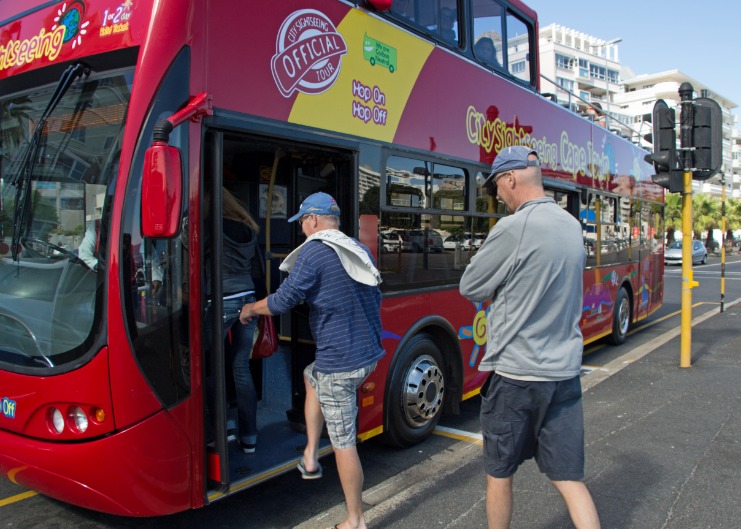
Typical features of these sightseeing buses include open-top double-decker designs, multi-language audio guides, and a hop-on, hop-off ticketing model that lets you tailor a day around 1–2 key spots or a full circuit. Tickets are usually valid for 24 to 48 hours and may include combo passes with other attractions. Buses run at regular intervals, but timing can vary by season, so checking the current timetable is helpful, especially for sunset or peak-tourism days.
Tips for a great experience: wear comfortable shoes, bring a light jacket for breezy sea and high-altitude viewpoints, and use the bus as a low-effort way to choose where you’ll linger. Take advantage of the V&A Waterfront’s dining and shopping options between rides, and use the Table Mountain Corridor to align a cable car trip or a nature walk with your sightseeing schedule. Overall, South Africa’s sightseeing buses offer a convenient, scenic gateway to Cape Town’s coast and granite sentinel, Table Mountain.
Johannesburg: City Center to Soweto Highlights
South Africa sightseeing buses provide a convenient, flexible way to explore Johannesburg from the City Centre to Soweto, with live commentary, iconic landmarks, and a window into the country’s history and culture.
Johannesburg city center to Soweto routes typically cover a loop that starts in the CBD, includes historic sites like Constitution Hill, vibrant neighborhoods such as Maboneng and Newtown, and then ventures into the townships of Soweto, where visitors can disembark to explore on foot.
Soweto highlights include Vilakazi Street, home to Mandela House and the area’s lively street life; the Hector Pieterson Memorial and Museum, which commemorates the 1976 student uprising; and the Walter Sisulu Square in Kliptown, a cultural and market hub.
On board, guests enjoy informative commentary—often available in multiple languages—and sometimes onboard guides who share stories about Apartheid, urban development, and SA culture. Many operators offer hop-on, hop-off schedules, allowing flexible time at each stop.
Practical tips: check the timetable and map before you go; dress for the weather; wear comfortable shoes for walking at stops; keep valuables secure; and consider combining a city tour with a Soweto township excursion for deeper context. Night tours may offer different perspectives of the city lights.
Why this experience matters: a sightseeing bus route from City Centre to Soweto provides a compact, accessible overview of Johannesburg’s diverse neighborhoods, architecture, and memorials, along with the energy and resilience of South Africa’s people.
Safety and comfort: choose reputable operators, listen to safety briefings, and stay in groups when you detour from the main route. Pre-booking can secure preferred times, while some packages include museum or theater entry.
Conclusion: for first-time visitors, a Johannesburg City Centre to Soweto sightseeing bus is a practical, engaging way to frame your understanding of South Africa’s urban landscape and history, with stops that bring you close to key moments and communities.
Durban: Golden Mile and uShaka Marine World Route
South Africa sightseeing buses in Durban offer a convenient and flexible way to explore the city’s coastal highlights from an open-top vantage point, with a focus on the Golden Mile beachfront and the family-friendly uShaka Marine World route.
The Golden Mile is Durban’s iconic stretch along the beachfront, where palm-lined promenades, sandy beaches, and lively public spaces form the core of the sightseeing route. On the bus you’ll enjoy sweeping sea views, photo-worthy viewpoints, and easy access to seaside attractions, parks, and promenade entertainment along the way.
The route typically operates as a hop-on, hop-off service, allowing passengers to board at central hubs or hotel stops and alight at places of interest. Buses run at regular intervals, and a ticket is usually valid for a day or two, giving you the freedom to explore the Golden Mile, stroll the beaches, and plan a visit to uShaka Marine World without missing the next bus.
uShaka Marine World is the major anchor stop on the route, combining aquarium exhibits, a world-class water park, aquatic entertainment, shopping, and dining. Visitors can disembark to explore the marine life displays, enjoy interactive exhibits, or take a break at nearby eateries before catching the next bus to continue the coastal loop.
The on-board experience typically features live or recorded commentary in multiple languages, highlighting Durban’s history, culture, and waterfront development. The open-top design provides unobstructed views of the coastline, the bay, and the city skyline, making it ideal for first-time visitors and photo enthusiasts alike.
Practical tips for riding include checking the timetable in advance, planning around peak sun and heat, and considering a combined ticket or online booking for potential discounts. Bring sunscreen, a hat, water, and comfortable walking shoes for easy exploration at stops like the Golden Mile and uShaka Marine World.
Overall, Durban’s Golden Mile and uShaka Marine World route offers a compact, family-friendly introduction to the city, delivering sea breezes, urban scenery, and convenient access to top attractions in one engaging sightseeing experience.
Garden Route and Regional Bus Experiences
The Garden Route in South Africa offers a scenic, accessible sightseeing bus experience that hugs the coastline from Mossel Bay to Knysna and Plettenberg Bay. Regional bus services connect charming towns, dramatic cliffs, forested hills, and sparkling beaches, giving travelers a relaxed way to discover diverse landscapes, wildlife encounters, and coastal culture along one of Africa’s most beloved routes.
Smaller Town Stops and Scenic Lookouts
Embark on a South Africa sightseeing bus along the Garden Route to experience dramatic coastlines, forests, and small towns with big character.
- Garden Route and coastal towns: From Mossel Bay to Knysna and Plettenberg Bay, the bus route threads past thick fynbos, river estuaries, and golden beaches. Lookouts like the Bloukrans Bridge Viewpoint offer sweeping ocean panoramas, while Storms River Mouth invites walkers and hikers to pause for the sea breeze.
- Regional bus experiences: Regional bus services connect these towns with comfortable seats, panoramic windows, and occasional guided commentary. Expect efficient schedules, scenic detours through forests, and opportunities to hop off for short explorations or meals in seaside villages.
- Smaller town stops: En route you can linger in Wilderness, Sedgefield, or Nature’s Valley for a taste of laid-back coastal life, markets, and fresh seafood, with friendly locals and photo-worthy streetscapes.
- Scenic lookouts: Use the stops for viewpoints at Knysna Heads, Storms River Mouth, and the cliffs above Plettenberg Bay to photograph dramatic coastlines, dolphins, and distant headlands.
- Tips for the journey: Check timetables in advance, pack layers for rapidly changing coastal weather, and bring a camera to capture misty forests, huge trees, and sweeping seascapes.
Coastal Drive Options and Overnight Extensions
The Garden Route is one of South Africa’s most celebrated coastal journeys, and a South Africa sightseeing bus can turn the route into a relaxed, narrated adventure.
Garden Route and Regional Bus Experiences: From Cape Town to Port Elizabeth, regional intercity buses offer regular services that pass through iconic towns such as Mossel Bay, George, Knysna, Plettenberg Bay, and Storms River. These rides give you a practical, budget-friendly way to cover the route while leaving the road for short explorations on stopovers.
Coastal Drive Options: The primary coastal option runs along the N2, hugging the Indian Ocean and threading through sea-facing towns, forests, and lagoons. Along the way you can hop off at Mossel Bay for the Diaz Museum, Knysna for its famous Heads and lagoon, Plettenberg Bay for Robberg Peninsula, and Tsitsikamma for forest canopies and suspension bridges. If you prefer a slower pace, detours to side roads offer beaches and viewpoints that highlight the coastline’s rugged beauty.
Overnight Extensions: Overnight extensions let you linger in the places that capture you. A two or three night stay around Knysna and Plettenberg Bay lets you explore the Featherbed Nature Reserve, famous beaches, and forest canopies. A night in Storms River Mouth or Tsitsikamma makes room for hiking, canopy tours, and a night under the stars. If wildlife calls, a short extension to Oudtshoorn for ostrich farms and the Cango Caves, or a longer leg to Addo Elephant National Park near Port Elizabeth, adds a different rhythm to the journey.
South Africa sightseeing buses often include onboard commentary, photo stops, and flexible schedules that suit travelers who want a relaxed pace. Combine a guided bus experience with self-guided detours, wine tasting in the region around Knysna and Plettenberg Bay, and seafood feasts along the coast.
When planning, consider the season: the coast can be windy and rainy in winter; summer brings long beaches and busy towns. Booking ahead for peak periods is recommended, and packing light, comfortable clothing, a waterproof layer, sunglasses, and a good camera makes the ride more enjoyable. Ensure you confirm luggage allowances with the operator and verify the timetable, as services can vary by season.
Whether you ride the Garden Route by a dedicated sightseeing bus or mix bus travel with short road trips, the journey rewards with ocean views, forest trails, wildlife, and a sense of South Africa’s coastal character.
Route Formats and Ticketing
South Africa’s sightseeing bus networks offer flexible route formats—from hop-on hop-off circular routes that let you explore at your own pace to fixed, guided tours with set schedules. Ticketing options are equally varied, with single-ride tickets, day passes, and multi-day passes available online or on board, plus mobile e-tickets and contactless payments for quick entry across major cities such as Cape Town, Johannesburg, and Durban.
Hop-On Hop-Off Passes
South Africa’s sightseeing buses offer flexible route formats and ticketing options designed for travelers who want to see major sights at their own pace. These services are built around hop-on hop-off concepts that let you explore a city, then jump back on when you’re ready.
Route formats typically include circular loops that start and end at a central hub, as well as linear routes that connect key neighborhoods and attractions. Stops are positioned at popular venues such as city centers, waterfronts, lookout points, museums, and marketplaces, with frequent departures to suit different schedules.
In Cape Town, for example, routes often cover the City Bowl, V&A Waterfront, and the Table Mountain precinct, with optional extensions to the Cape Peninsula. Other cities with sightseeing buses in South Africa may offer coastal or urban routes that showcase Soweto, Nelson Mandela Bay, or inland heritage sites.
Ticketing formats usually include single-ride tickets, day passes, and multi-day passes. Passes are typically valid for 24, 48, or 72 hours and grant unlimited hops on the designated routes within that window. Tickets can be bought online, at stop kiosks, or onboard, and many offers include discounts for children and seniors.
Hop-On Hop-Off Passes explain: you pay for the pass and can board any bus at any of the stop points within the route; you can stay on for a full loop or hop off to visit an attraction and simply catch the next bus later. Passes often come with an illustrated map and multilingual audio commentary, sometimes available via a mobile app.
When buying, check what’s included: whether entry to attractions or walking tours is bundled, whether the pass covers multiple routes in a city, and any blackout dates. Compare online bundles and on-site purchases for best value, and consider combination passes with other activities.
Tips for South Africa routes: check departure times and first/last bus, plan around traffic, and dress for wind and sun since many buses are open-top. Look for accessibility options if needed and carry a form of payment accepted on board, typically cards or mobile wallets.
A sample day might start with a morning hop-off at a museum or lookout, a midday break at the waterfront, and an afternoon ride to a winery route or coastal viewpoint, ending with a sunset return on the loop. By using a Hop-On Hop-Off Pass, you gain flexibility to customize your itinerary while keeping transport simple during your South Africa sightseeing.
Fixed-Tour Timelines and Night Tours
South Africa sightseeing buses offer a convenient way to explore major cities and iconic landscapes such as Cape Town, Johannesburg, Durban, and the Garden Route, with routes designed for visitors who want flexibility and value.
Route formats include hop-on hop-off (HOHO) services with multiple stops at key attractions, fixed circular or linear routes that run on a strict timetable, and express services that cover the highlights with fewer stops. Buses are often open-top for better views in daylight and enclosure options for cooler weather or late in the day, and commentary is typically multilingual.
Ticketing options usually start with a single-ride ticket and extend to day passes or multi-day passes that allow unlimited boarding within the validity window. Many operators offer mobile tickets or QR codes for easy boarding, with discounts for children, seniors, or families, and bundles that include entry to certain attractions or museums. Transfers between routes are sometimes included, depending on the pass.
Fixed-tour timelines are standard across many networks: pre-announced departure times, regular interval departures (often every 15–30 minutes), and full-route journey times ranging from one to two hours per circuit. Some routes begin in the morning and run through the afternoon, while others offer extended evening services aligned with sunset views. Seasonal schedules may adjust how late routes operate and which stops are included.
Night tours offer a different perspective by highlighting illuminated city centers, waterfronts, and landmark sights after dark. These tours are operated on select routes in cities like Cape Town and Johannesburg, often with onboard commentary or a live guide and sometimes including a short stop for photos. Night tours are generally shorter in duration and may pair with wine or dining experiences in certain itineraries.
When choosing a route, match stops to your itinerary, check the timetable and map, and consider a multi-day pass if you plan to linger. Booking online can secure seats and sometimes provide better prices, while mobile apps can offer live bus tracking and route updates. Dress for changing weather, bring sun protection by day and a light jacket by night, and be mindful of safety and pickpocket awareness in busy areas.
South Africa sightseeing buses provide a flexible, scenic, and convenient way to see urban highlights and coastal scenery while learning about the country’s rich culture and history through on-board commentary and curated stops.
Multilingual Commentary and Mobile Apps
South Africa’s sightseeing buses offer a flexible way to explore major cities and iconic landscapes from a comfortable vantage point. Operators in Cape Town, Johannesburg, Durban and along the Garden Route provide routes that cover the highlights, with easy transfers between stops and scenic coastal drives.
Route formats vary to suit different schedules and interests. Most operators use hop-on hop-off loops that connect popular neighborhoods and landmarks. Some cities offer a single circular route that runs at a fixed cadence throughout the day, while others publish multiple routes that intersect at central hubs. In Cape Town, for example, a city loop might include the V&A Waterfront, Bo-Kaap, the Table Mountain area, and the Kirstenbosch region, with optional coastal extensions during peak season. The Garden Route and other scenic tours tend to add half-day or full-day itineraries with preselected viewpoints and guided commentary.
Ticketing options cater to different plans and budgets. You can choose a single-ride ticket for a day, or a multi-day pass that allows unlimited hops within the validity window. Many operators sell online passes with instant e-tickets and QR codes for quick scanning on board. Mobile wallets and contactless cards are increasingly accepted, making purchases smoother. Family and group rates, child discounts, and combo passes that bundle other attractions are common. Refunds and exchange policies vary, so check terms at purchase.
Multilingual commentary is a key feature for international visitors. Audio guides are frequently offered in languages such as English, Afrikaans, isiXhosa, isiZulu and Sesotho, with additional German, French and Portuguese options for broader audiences. Some buses provide live bilingual guides, while others deliver pre-recorded tracks synchronized to the GPS location so you hear the right language at each stop. Quiet zones or headset options help ensure clear listening in busy areas, and many operators consider accessibility needs for hearing or vision challenges.
Mobile apps augment the touring experience. Apps provide real-time bus tracking, route maps, and stop-by-stop guidance, letting you plan day trips with confidence. You can switch language settings, download audio for offline use, and store digital tickets for on-board scanning. Push notifications alert you to approaching stops, special offers, or service changes. Some operators also integrate with local attraction or dining apps, creating a convenient, all-in-one travel companion.
Using these formats and tools, travelers gain flexibility to linger at favorites or skip lines during peak times. The combination of route variety, easy ticketing, multilingual commentary, and mobile app support makes exploring South Africa’s cities and landscapes more accessible, enjoyable and efficient for visitors from around the world.
Practical tips can help you get the most from a day on the bus: check the timetable and what passes include before you buy, download the operator’s app in advance, and choose a language you’re comfortable with. Start at a central hub to maximize options, and plan longer stops at must-see landmarks if you want deeper exploration. Bring a charger for devices, and have a backup plan for unpredictable weather or peak-season crowding. With good planning, a sightseeing bus becomes a convenient gateway to South Africa’s vibrant urban and coastal scenery.
Onboard Experience and Accessibility
South Africa’s famed sightseeing buses offer more than iconic views from Table Mountain to the coastline; they promise an inclusive onboard experience that blends engaging commentary with thoughtful accessibility. Modern fleets feature step-free entry, priority seating, and wheelchair access, along with multilingual audio guides and captioning to help visitors of all abilities enjoy the journey. Clear signage, easy-to-find pickup points, and routes that traverse major sights ensure everyone can explore with confidence and comfort.
Seating, Climate Control, and Comfort
A South Africa sightseeing bus offers a curated window into the country’s standout landscapes and cities, with a focus on onboard experience, accessibility, seating, climate control, and comfort.
Onboard experience ranges from panoramic views on an open-top deck to comfortable seating inside the coach, with commentary that highlights history, culture, and scenery. Multilingual audio guides and occasional live guides help visitors understand landmarks such as Cape Town’s coastline, Robben Island, the Garden Route, and the Winelands, enriching the overall journey.
Accessibility features vary by operator, but many modern sightseeing buses provide step-free entry, wide doors, and designated wheelchair spaces or priority seating. It’s important to confirm accessibility options when booking and to ask about any specific equipment or assistance available for mobility needs.
Seating design directly influences comfort. Look for wide, well-padded seats with ample legroom and clear sightlines to the surroundings. Lower decks offer shade and protection from wind, while the open-top deck provides expansive views and fresh air. Some buses offer reserved seating or sun-protective canopies to enhance comfort during long routes.
Climate control is a key factor in comfort, especially given South Africa’s diverse climates. Enclosed coaches typically feature air conditioning or heating to maintain a steady cabin temperature, while open-top buses rely on natural ventilation and sun exposure. In coastal cities, weather can shift quickly, so layers and a flexible seating choice help keep passengers comfortable.
Overall comfort is influenced by ride quality, noise levels, and amenities. A smooth suspension and well-maintained interiors reduce fatigue on longer tours, while clear windows and steady pacing help with photography and sightseeing. Depending on the operator, additional comforts such as water, Wi-Fi, or onboard information screens may be available to enhance the experience.
To make the most of your trip, consider your accessibility needs, seating preference, and climate expectations when selecting a route. Bringing a light jacket, sunscreen, and a hat can improve comfort, and planning for optimal sightseeing times can reduce crowds and glare—making a South Africa sightseeing bus a relaxing way to discover diverse regions.
Wheelchair and Stroller Accessibility
South Africa sightseeing buses offer a convenient way to discover major cities with panoramic views and flexible itineraries. Whether you’re visiting Cape Town, Johannesburg, Durban, or Pretoria, the onboard experience is designed to let you see landmarks from comfortable seats, with informative commentary and easy transitions between stops.
Onboard experience typically includes a choice between open-top and enclosed decks, depending on the weather and route. Open-top decks provide expansive, unobstructed views, while shaded or climate-controlled lower decks offer protection from sun and rain. Buses usually come with safety rails, non-slip flooring, and clear seating areas. Many operators provide audio guides or multilingual commentary to help you learn about sites as you travel, and some offer live guides for deeper insight at key stops.
Wheelchair accessibility varies by operator and vehicle type, so it is important to check in advance. Some buses offer step-free entry, fold-out ramps, or dedicated wheelchair spaces with secure seating. Reserved seating and priority assistance may be available, and staff can help with boarding and disembarking at stops. Not all routes or vehicles are fully accessible, and accessibility features can differ from city to city, so pre-booking and confirming the exact vehicle type is recommended.
Stroller accessibility is commonly supported on many lower-deck areas, with wide doors and space to store a folded stroller during the ride. Some buses may require strollers to be folded for upper decks or certain seating areas, so it’s wise to bring a compact stroller and to check the operator’s policy when booking. If you anticipate needing extra time at stops or assistance with boarding, notify the operator in advance to ensure a smooth experience.
Tips for travelers with accessibility needs: contact the operator before your trip to confirm wheelchair or stroller accommodations and to reserve accessible seating if required; arrive early for check-in and boarding assistance; keep a copy of any accessibility documentation or notes about mobility needs; plan routes with accessible stops and consider weather considerations for open-top decks; and communicate any special assistance needs to staff so they can provide tailored help at loading points and during transitions between buses and stops.
Overall, South Africa sightseeing buses can be a highly accessible way to explore the country’s cities, with varying levels of wheelchair and stroller support dependent on the operator. By confirming specifics in advance and choosing routes that match your accessibility needs, you can enjoy a comfortable and informative sightseeing experience across the region.
Safety Protocols and Driver Qualifications
A South Africa sightseeing bus offers an inviting way to explore iconic landmarks and diverse landscapes, from Cape Town’s Table Mountain to the vineyard-studded valleys of the Western Cape and the coastal routes along the Garden Route. The onboard experience is designed to maximize comfort, visibility, and storytelling for visitors of all ages.
Onboard Experience and Accessibility: Modern buses provide large panorama windows, clear seating arrangements, and options for open-top or climate-controlled environments depending on the season. The fleet includes accessible seating, wheelchair ramps or lifts, and priority seating near the front of the cabin. Audio and visual information is offered in multiple languages, with printed route maps, color-coded signage, and QR codes for easy access to city guides. For guests with mobility challenges, dedicated spaces and gentle boarding procedures help ensure a smooth start to the journey.
Onboard amenities and safety briefings add to the experience. Trained crew members announce key landmarks and safety points at the start of each tour, provide kid-friendly content and quiet zones for rest, and offer bottled water or light snacks on longer routes. Clear reminders about personal belongings, return times, and designated viewing areas help maintain a comfortable environment for everyone on board.
Safety Protocols: South Africa sightseeing operators implement comprehensive safety measures aligned with national regulations. Buses are maintained to high standards, with seat belts installed for all seats, first-aid kits, fire extinguishers, and clearly marked emergency exits. Regular safety inspections, GPS tracking, and window monitoring ensure rapid response to incidents. Operators also create risk assessments for each route, considering road conditions, weather, and wildlife or urban hazards that may affect tourists.
Operator procedures emphasize hygiene and crowd management. Regular cleaning between tours, hand sanitizer availability, and careful crowd guidance at loading and unloading points reduce contact and congestion. Briefings cover what to do in emergencies, how to evacuate safely, and how to contact local emergency services if needed.
Driver Qualifications: Drivers on South Africa sightseeing routes are selected for both driving skill and customer service. They hold appropriate licenses and professional driving permits (PDP) where required, with a clean driving record and ongoing assessments. Training includes defensive driving, first aid, crowd management, and route knowledge, including traffic patterns in major hubs such as Cape Town, Johannesburg, and coastal towns. Language skills in English and common local languages help crews communicate with international visitors, while tour chronologies and safety talk scripts are standardized to ensure consistency.
Company ethos and local partnerships underpin a respectful passenger experience. Guides and drivers are encouraged to share cultural context responsibly, highlight conservation considerations, and advise on safety norms in busy urban centers and on scenic drives. Accessibility remains a core priority, with ongoing enhancements to vehicles and information services to accommodate travelers with varying needs.
By prioritizing onboard experience, accessibility, safety protocols, and well-trained drivers, South Africa sightseeing tours strive to deliver memorable, safe, and inclusive adventures that showcase the country’s beauty while respecting guests’ comfort and well-being.
City-Specific Planning Tips
City-Specific Planning Tips for a South Africa sightseeing bus: plan around each city’s highlights and practicalities—Cape Town pairs Table Mountain and the V&A Waterfront, Johannesburg emphasizes urban landmarks and safe routes, Durban favors coastal drives along the Golden Mile, and Pretoria blends political sites with leafy suburbs. Check seasonal weather, operating hours, and ticket options, book in advance, choose a reputable operator with multilingual guides, and bring sunscreen, water, and a flexible schedule for traffic and delays.
Cape Town: Best Times for Table Mountain and Waterfront
City-Specific Planning Tips: Cape Town — Best Times for Table Mountain and Waterfront when you’re using a South Africa sightseeing bus. This guide helps you map timing around two top anchors of a Cape Town itinerary.
Table Mountain is typically most reliable in clear skies from early morning to late afternoon. Try to aim for a slot around 7:30–11:00 and then again in the late afternoon around 16:30–18:00 during sunny months. In winter daylight hours are shorter, so adjust accordingly. Remember, visibility can vanish quickly if sea fog rolls in; if you see a clear window, book a slot early.
The cableway is weather dependent. Strong winds, dense fog, or rain can close it with little warning. Check the official live status before heading up, and have a backup plan such as quick access viewpoints on the lower slopes or nearby Signal Hill or Lion’s Head. If it is closed, many visitors still enjoy the area’s walking trails and restaurants with views.
The V&A Waterfront is at its most relaxed early in the day and again as the sun goes down. For a sightseeing bus, aim to arrive before mid-morning to catch harbor views, then leave time for a waterfront walk, a quick harbor cruise, or a shopping break. Weekdays tend to be calmer than weekends in peak season. Sunset is particularly beautiful along the docks, and dining options are best when the lights come on.
When you’re using a South Africa sightseeing bus, use the route planner to line up Table Mountain and Waterfront on the same day. On some routes you’ll be dropped at the V&A Waterfront stop, which makes it easy to pair a boat cruise or a stroll with your cableway window. Consider a multi-day pass that covers both sites and use the hop-on, hop-off model to adapt to weather or crowds. Carry a small bag with water, sun protection, and a light layer for the ocean breeze.
Cape Town’s coastal climate can be windy and changeable. Pack layers, sunscreen, sunglasses, and a refillable water bottle. Wear comfortable walking shoes for table-top hikes and waterfront promenades. Stay aware in crowded areas and keep valuables secure, especially on busy bus stops and markets.
Sample day: start with an early Table Mountain visit to beat crowds and capture clear views, then head to the V&A Waterfront by bus for lunch, a quick harbor cruise, and a sunset stroll along the piers. If the cableway is on a weather hold, plan the Waterfront-first option and ride the table-top later in the afternoon if visibility clears.
Book tickets in advance when possible, especially for the cableway and popular waterfront activities, and keep an eye on weather alerts. Combining a Cape Town sightseeing bus pass with reserve-time slots can save time and help you maximize your days.
Johannesburg: Traffic Patterns and Historic Stops
Johannesburg is a dynamic gateway for a South Africa sightseeing bus itinerary, offering a mix of modern city life and deep history. City-specific planning helps you navigate traffic and make the most of historic stops that tell the story of this region.
Traffic patterns in Johannesburg vary by day and area. Weekday rush hours typically peak from about 6:30 to 9:00 in the morning and 16:30 to 19:00 in the evening, with the M1 and M2 corridors, as well as the N1 and other major routes, experiencing heavy congestion. The central business district and northern suburbs can see delays due to events, construction, and high volumes of traffic feeding into the city. Weekends can be calmer, but afternoon events or sports fixtures can cause surprises. Plan extra time and stay flexible.
Public transport and taxi culture shape how you move around. Johannesburg relies on a mix of private cars, buses, and minibus taxis, so expect a dynamic traffic environment on busy routes. Buses on the Rea Vaya network may have slower travel times during peak hours, so check live updates and allow for longer transfers. If you are on a sightseeing bus, use official stops and follow the schedule to maximize each historic stop without rushing.
Historic stops to include on your Johannesburg itinerary include Mandela House on Vilakazi Street in Soweto, a symbol of Nelson Mandela’s early years; Constitution Hill, a precinct that houses the Constitutional Court and a museum complex telling South Africa’s constitutional story; the Apartheid Museum near the Gold Reef City area, which offers a comprehensive overview of apartheid’s history; the Hector Pieterson Memorial and Museum in Soweto, commemorating the 1976 student uprising; and the Origins Centre Museum at the University of the Witwatersrand in Braamfontein, which explores the origins of humankind and South Africa’s rich cultural history. The Gold Reef City precinct also provides a historic mining context in a themed setting.
Planning tips for a smooth city sightseeing bus experience: book routes in advance when possible, verify the day’s stop times, and build a little buffer into your schedule for traffic or weather changes. Start early to enjoy pleasant weather and lighter traffic, wear comfortable shoes for walking at stops, bring water, and stay aware of your belongings in crowded areas. Consider pairing a daytime route with a short sunset segment to capture both the city’s architecture and its historical landmarks under different light.
Sample day idea: begin with Constitution Hill and nearby CBD architecture, then head to Braamfontein for the Origins Centre, move on to Soweto for Mandela House, stop at the Hector Pieterson Memorial, and finish at Gold Reef City for a mining-history backdrop. Adjust the order based on the day’s timetable and your interests to craft a memorable South Africa sightseeing bus experience.
Durban: Beach Proximity and Coastal Scenery
Durban is a city of warm beaches and dramatic coastal scenery, making it a perfect fit for a South Africa sightseeing bus itinerary. Here are city-specific planning tips to maximize beach proximity and coastal views on your Durban trip.
Choose accommodation with easy beach access and convenient bus stops in mind. The central beachfront areas along the Golden Mile and North Beach place you within walking distance of big stretchs of coastline, and many hop-on hop-off routes in Durban are designed to loop by uShaka Beach, the promenade, and nearby attractions. If you want the easiest access to both sunbathing and sightseeing, staying near the beachfront makes it simpler to hop off, snap photos of the Indian Ocean, and rejoin the bus without long transfers.
Plan your days to balance beach time with coastal scenery viewpoints. Durban’s coastline offers long, palm-flanked promenades, sea spray along Marine Parade, and scenic viewpoints overlooking the ocean. A city sightseeing bus can help you cover several coastal highlights in a single day, from the lively beachfront to quieter northern stretches with expansive sea views. Use the bus schedule to time early morning beach visits and late afternoon photo stops when light best flatters the water and skyline.
Consider the timing and pace of travel to make the most of beach proximity. Peak beach crowds tend to build on weekends and sunny public holidays, so aim for early morning departures or late afternoon return to the bus route. If you’re cruising the coast toward Umhlanga or Ballito, factor in traffic along the Marine Drive corridor and the potential for slowdowns during school holidays. A flexible hop-on-hop-off pass lets you linger at a favorite spot and jump back on when the next bus arrives.
Weather and sea conditions can shape your experience on the coast. Durban enjoys a warm subtropical climate with the sea at comfortable temperatures for most of the year. Winters (June to August) are milder and often drier, great for long beach walks and photography with softer light, while summers (October to March) bring brighter sun and bigger surf. Pack a light jacket for evenings and bring sunscreen, a hat, and a reusable water bottle for day-long excursions along the coast.
Safety and practicalities on coastal trips deserve attention. Stay hydrated, apply sunscreen regularly, and keep valuables secure while you enjoy beach areas and outdoor stops. On the bus, follow the operator’s guidelines, stand clear of open doors at stops, and watch for weather changes that may alter sea views or walking paths along the promenade. If you’re exploring near the river estuary or rocky cliffs, stay on designated paths and heed local safety advisories.
A sample Durban day itinerary with a sightseeing bus approach could start with a morning at uShaka Beach and the adjacent marine precinct, followed by a loop along the Golden Mile to catch viewpoints of the Indian Ocean and the skyline. From there, ride to Moses Mabhida Stadium or other coastal landmarks for photo stops, then finish with a sunset ride along the coast toward North Beach or Umhlanga Rocks, depending on your interests and bus schedule. This approach highlights both beach proximity and the sweeping coastal scenery that defines Durban.
In short, plan around beachfront stays, predictable bus routes, and the rhythm of Durban’s coastline to maximize your South Africa sightseeing bus experience. With careful timing, you can enjoy easy beach access and memorable coastal vistas in one cohesive day of travel.
Seasonality and Best Times to Book
Seasonality shapes your experience on a South Africa sightseeing bus, with warm summers and mild, dry winters that influence travel patterns from Cape Town to the Garden Route. The best times to book are typically the shoulder seasons—spring (September–November) and autumn (March–May)—when conditions are pleasant, crowds are thinner, and prices are often lower, though you should plan ahead for peak holiday periods in December and January. To lock in good seats and fares, book early, compare operators, and stay flexible around local events and school holidays.
Weather Patterns, Crowds, and Off-Peak Advantages
A south africa sightseeing bus opens up a loop of iconic experiences—from Cape Town’s dramatic coastline to the wildlife vistas of the Kruger and the sweeping scenery along the Garden Route. Seasonality shapes when you’ll see the best weather, the fewest crowds, and the most favorable prices, so planning around the calendar can pay off with a richer, more relaxed trip.
Seasonality and best times to book vary by region and by what you want to do. Peak travel runs during the South African summer and school holidays, roughly December to January, with Easter periods often adding another rush of visitors. If you’re after the best combination of price and availability, consider booking shoulder seasons such as March to May or September to November. These windows typically offer mild weather, clearer paths for sightseeing, and fewer crowds, while still delivering good accessibility to major stops on a sightseeing bus route.
Weather patterns differ across the country. Cape Town and the Western Cape enjoy warm, dry summers and wet, cooler winters, so the best beach and outdoor days tend to be in the southern hemisphere’s summer. The Garden Route shares the coastal climate but can see more pronounced rainfall in winter. In the Eastern Cape and Durban regions, you’ll encounter subtropical heat with higher humidity. The Kruger region swings between hot days and cooler nights, with the dry season (roughly May to September) often offering better wildlife viewing as animals congregate around water sources. In short, plan for coastal sun in summer, and prepare for more variable conditions inland and in the east during winter and spring.
Crowds tend to surge in major hubs and along famous routes during school holidays and long weekends. Cape Town, the Winelands, and the Garden Route attract many families in December and January, while Kruger draws wildlife enthusiasts during the dry-season peak. If you’re flexible, weekday departures and Tuesday to Thursday travel windows can help you dodge the heaviest crowds, with quieter experiences at wildlife reserves and popular stops.
Off-peak advantages are plentiful. Prices for bus passes, lodges, and add-ons often drop outside peak periods, and seat availability tends to be higher, giving you more choice and less competition for preferred times. You’ll experience shorter queues at attractions, more personalized attention on guided segments, and the chance to savor destinations at a slower pace. Wildlife viewing is strong in the dry season, but in tropical regions you may also find lush scenery and vibrant life after rain in the shoulder seasons. Choosing off-peak travel can also mean cooler mornings in safari itineraries and more comfortable bus rides overall, especially during the hottest parts of summer.
Tips to maximize a south africa sightseeing bus trip include booking well in advance if you’re traveling during peak months, checking cancellation policies, and planning a flexible route that can shift with weather or closures. Pair your bus itinerary with a few pre-booked activities on key days, keep a pack of layerable clothing for temperature swings, and stay open to minor route changes that can unlock quieter stops and better photo opportunities on off-peak days.
Photography Tips for City and Coastal Views
Seasonality and best times to book shape how you experience a South Africa sightseeing bus, especially when you’re chasing city skylines and dramatic coastal views. Light, crowds, and prices shift with the seasons, so planning around weather patterns and peak travel periods can elevate both your photos and your day on the road. Cape Town is the flagship city for most routes, with other coastal stops offering complementary scenes along the country’s stunning coastline.
In the Western Cape, Cape Town enjoys warm, dry summers from November to February with long daylight hours, while autumn and spring bring milder weather and fewer crowds. Winter (June to August) can be cool and windy with more occasional rain, which can affect light quality and visibility from high viewpoints. Along KwaZulu-Natal’s coast, including Durban, you’ll find a subtropical climate with hot summers and drier, pleasant winters; shoulder seasons around May and September often provide clear skies and comfortable temperatures for coastal photography. If you’re combining a city tour with coastal stops, aim for shoulder seasons to balance light, crowds, and costs.
Best times to book depend on your priorities. For peak travel periods and holidays, book tickets well in advance and consider midweek departures or multi-route passes to maximize flexibility. For photography, you’ll usually get the best light and fewer people early in the morning or during the golden hour just before sunset. If you want vibrant city silhouettes against a dramatic sky, a late afternoon or blue-hour booking on coastal routes can yield striking images of both the skyline and the sea.
Photography tips for city views: choose vantage points such as the V&A Waterfront, Signal Hill, or the top deck where available to include table mountain silhouettes or tall city towers in your frame. A wide-angle lens (around 16–35mm on full-frame) helps capture sweeping skylines, and stopping down to f/8–f/11 with ISO kept low reduces noise while maintaining sharpness. Shoot with the bus moving slowly to minimize motion blur, and brace your camera against the railing or use a stabilized handhold when possible. Clean the windows or shoot at angles that minimize reflections, and consider a polarizing filter to deepen the sky and reduce glare on glass and water.
Photography tips for coastal views: photograph along the Atlantic Seaboard—Sea Point, Clifton, and Camps Bay offer dramatic ocean horizons, cliffs, and headlands that pair beautifully with city silhouettes in the background. A polarizer helps manage glare from waves and spray, while longer exposures can render silky water if you have a stable shot, though shooting from a moving bus makes long exposure tricky. Look for foreground anchors like rocky outcrops, lighthouses, or boats to add depth, and keep horizons level to avoid tilted seascapes. Protect lenses from spray and wind, and be prepared to adjust quickly as clouds roll in over the sea.
Practical tips for shooting from a sightseeing bus: opt for an open-top deck on clear days for the best mobility and views, but bring sun protection and a light rain jacket for changing weather. Keep your camera ready with quick access, and avoid leaning on glass to reduce reflections; if possible, choose seats with a clean, unobstructed view. Regularly wipe windows if you can and angle your shots to minimize glare. Have a backup plan for light and weather—clear evenings may yield the best coastal silhouettes, while overcast days can still produce moody cityscape photos with strong contrast.
Pairing Bus Tours with Other Experiences
Pairing bus tours with other experiences elevates a South Africa sightseeing itinerary by combining easy, scenic routes on a reliable bus with immersive activities. From Cape Town’s city and coast to the Garden Route, travelers can add a wildlife safari, a Stellenbosch or Franschhoek wine-tasting day, a Robben Island tour, or a coastal hike and beach stop, creating a flexible, multi-sensory adventure that showcases landscapes, wildlife, culture, and cuisine in one cohesive plan.
Cultural Attractions, Museums, and Markets
Pairing a South Africa sightseeing bus experience with other activities turns a day of travel into a tapestry of culture, history, and flavor. By weaving museum visits, markets, and cultural attractions into the itinerary, travelers can maximize time and immersion while avoiding the stress of coordinating multiple stops.
In Cape Town, a city-sightseeing bus can serve as a gateway to iconic cultural attractions. Hop off near the District Six Museum to walk the stories of urban life, then ride to Bo-Kaap to explore its colorful houses and Cape Malay culture. Combine this with a visit to Robben Island and a stop at the V&A Waterfront markets for crafts and street food.
Pairing with markets amplifies the sensory punch of a South Africa sightseeing bus route. At the Oranjezicht City Farm Market or Neighbourgoods Market in Cape Town or Johannesburg’s popular Braamfontein market, travelers can taste local dishes, mingle with makers, and pick up crafts as a natural extension of a museum-led afternoon.
Along the Garden Route or in Durban, link a scenic bus tour with the low-key charm of local museums and markets. The uShaka Marine World can pair with the KwaZulu-Natal Museum or Phansi Museum for a dose of art and heritage, followed by a stroll through markets to try coastal seafood and crafts.
In Johannesburg, the Apartheid Museum pairs well with a constitutional walk and a Maboneng precinct stroll, ending with a Neighbourgoods Market visit for artisanal foods. These connections help visitors grasp South Africa’s complex history while savoring contemporary culture.
To make the most of a pairing, choose a base hub for your South Africa sightseeing bus and tailor the day around a theme—history, art, or food. Look for bundled tickets that include museum entry and market tastings, and allow buffer time for short transfers between stops.
Whether you’re cruising Cape Town’s coastline or riding the inland routes, pairing a sightseeing bus with museums, markets, and cultural attractions creates an enriched, efficient way to experience South Africa’s diverse heritage.
Wine, Wildlife, and Nature Day Trips
South Africa’s sightseeing buses provide convenient access to major cities and iconic landscapes, making it easy to pair city touring with day trips focused on wine, wildlife, and nature.
- Wine and winelands: From Cape Town routes, add an excursion to Stellenbosch or Franschhoek for vineyard tastings, cellar tours, and lunch at a winery.
- Wildlife encounters: Combine a city loop with a safari day trip to Aquila Private Game Reserve, Addo Elephant National Park, or a penguin colony at Boulders Beach for close‑up wildlife experiences.
- Nature day trips: Extend a Cape Town itinerary with a Garden Route segment, or visit Tsitsikamma for forest hikes and dramatic coastlines, balancing scenic views with gentle trails.
- Coastal and marine experiences: Pair bus travel with whale watching in Hermanus, seal experiences along the False Bay coast, or marine reserves along the Garden Route for a maritime perspective.
- Cultural and scenic combos: Include Robben Island, a Table Mountain summit, and the Cape Point route as a cohesive day that blends history, geology, and breathtaking scenery.
- Practical planning tips: Align departure times, check transfer windows, and consider overnight stays or multi‑day passes to minimize backtracking and maximize time for experiences.
Practicalities: Tickets, Access Points, and Safety
Practicalities for a South Africa sightseeing bus include straightforward ticket options, clear access points for boarding, and practical safety reminders. Tickets can usually be purchased online, at central depots, or from the tour operator, often with day passes or multi‑day options. Access points are typically city‑center hubs and major stops; arrive a little early and follow the operator’s boarding cues. For safety, keep belongings secure, follow the guide’s instructions, wear seat belts where provided, and stay aware of your surroundings in busy areas and during transfers. Always check the operator’s current routes, schedules, and safety guidelines before you travel.
Where to Board and Ticket Validation
South Africa sightseeing buses offer a convenient way to see major sights in cities such as Cape Town, Johannesburg, and Durban. Practicalities to plan for include tickets, access points, safety, where to board, and how ticket validation works.
Tickets: Most operators provide a range of options, including single-ride tickets, day passes, and multi-day passes. You can usually buy online in advance, at official ticket offices or kiosks at popular stops, or directly on the bus if space allows. Payment methods typically include cash, debit or credit cards, and contactless payments. Some passes activate on first use and remain valid for a set period (for example 24 or 48 hours) or for the number of days advertised. Always check the terms of your chosen pass.
Access points: Buses run to designated access points or stops highlighted on the official route map. In Cape Town, for example, routes commonly service waterfront hubs, central city stops, and popular attractions, with maps or apps showing exact stop locations and timetable details. Always verify the latest stop list for your chosen tour operator.
Where to board: Go to a designated stop along the route and wait at the marked area. Have your ticket ready to show the driver or conductor when asked. If you’re using a hop-on, hop-off service, you can board and alight at any official stop within the ticket’s validity period. If you’re unsure, ask at the information desk at a stop or check the operator’s app or website.
Ticket validation: Validation is typically done by the onboard staff or at the point of boarding. A time-based pass is usually activated on first boarding and remains valid for the chosen window during that day or days. Some tickets use a QR code or digital pass that staff scan or tap on entry. Keep your ticket or digital pass easily accessible throughout the ride in case you’re asked to show it again.
Safety: Prioritize personal safety and belongings. Stay with your group, hold onto rails when boarding or moving around, secure valuables, and be mindful of crowds at busy stops. Follow all staff instructions, respect posted safety guidelines, and avoid leaving bags or loose items on seats where they could fall or obstruct aisles. Travel during daylight hours when possible, and check local advisories or operator guidance for any safety updates.
Health, Safety, and Travel Insurance Considerations
- Tickets
- Types: day passes, multi-day passes, or single-ride tickets; check if the operator offers combo tickets that include museum entries or city passes.
- Where to buy: official operator websites, authorized agents, or official ticket counters near major attractions; avoid street touts offering unusually low prices.
- Validity and timing: note the validity period, whether passes cover consecutive days, start times, and last bus departures.
- Refunds and exchanges: review the operator’s policy for weather- or political-change disruptions; many tickets are nonrefundable but may offer exchanges.
- Access Points
- Boarding locations: common hubs in Cape Town, Johannesburg, Durban, and other cities; look for central stops near waterfronts, city centers, and major hotels.
- Ticket verification and boarding: bring printed or digital tickets, allow extra time during peak periods, and follow official boarding procedures.
- Facilities and accessibility: confirm wheelchair access, step-free entry, and space for strollers or large bags where needed.
- Safety around access points: use official queues, avoid crowded areas for ticketing, and secure valuables to prevent theft.
- Safety, Health, and Travel Insurance Considerations
- Onboard safety: heed safety briefings, stay seated while the bus is moving, use seat belts if provided, and keep hands and belongings secure.
- Personal health and comfort: stay hydrated, wear sun protection, and carry a small first-aid kit; dress for varied coastal and inland climates.
- Malaria and health advisories: if visiting malaria-prone regions (parts of the northeast for Kruger-adjacent routes), consult a travel health professional about prophylaxis and insect repellent; verify any required vaccinations.
- Travel insurance: ensure coverage for medical emergencies, trip cancellation or interruption, baggage loss, and emergency evacuation; check for exclusions and pre-existing-condition coverage; confirm that tours and activities included with the pass are covered.
- Documentation and security: carry copies of passport, visa (if required), and emergency contacts; store valuables securely and use official ticket channels to avoid scams.