
Overview of Open Top Bus Tours in South Africa
Open top bus tours in South Africa provide a convenient, flexible way to see the country’s highlights from Cape Town to Durban. These hop-on, hop-off routes offer panoramic views from sunlit decks, onboard commentary, and a choice of urban landmarks, coastal scenery, and cultural sites. With multiple stops at beaches, waterfronts, museums, and lookout points, they’re ideal for first-time visitors and travelers who want to explore at their own pace while learning about South Africa’s rich history and diverse landscapes.
Definition and Concept
Open-top bus tours in South Africa offer a flexible and scenic way to explore major cities from a double-decker bus with an open upper deck. In cities such as Cape Town and Johannesburg, these tours let visitors see diverse landscapes—from coastal promenades to urban skylines—at their own pace, with preplanned routes and hop-on, hop-off stops along the way. Ticket options typically cover 24 or 48 hours, allowing visitors to hop off at landmarks, neighborhoods, and viewpoints that interest them, then rejoin the next bus when it suits their schedule.
Definition and Concept: An open-top bus tour is a sightseeing service that uses a double-decker or elevated open-top bus. The core concept combines a fixed city route with the option to hop on and off at designated stops, along with live or recorded commentary in multiple languages, highlighting history, culture, architecture, and natural landmarks. The open deck provides panoramic views, while the route is designed to cover the main sights in a compact time frame.
How they work: In South Africa, tours are typically operated by national or global providers and run on day passes or multi-day passes. Buses run on set loops with multiple stops; passengers can board at any stop and reboard later the same day or next day. Commentary is usually offered via headphones or an onboard guide in several languages. Some routes include combined experiences with ferries or cableways for Cape Town, though the bus itself remains a convenient way to reach many attractions.
Benefits and considerations: Benefits include ease of planning, panoramic views, and the ability to cover several sights in a single day without worrying about transport between sites. They are especially convenient for first-time visitors, families, and those with limited time. Weather can affect the experience, as the upper deck is exposed to sun and wind, and rain can alter visibility. It’s wise to check the operator’s schedule, season, and accessibility options for wheelchairs or strollers.
Practical tips: Choose a 24- or 48-hour pass to maximize flexibility; pick a route that hits your top priorities; wear sun protection; bring a light jacket; check whether headphones are provided; verify accessibility options; plan to stop at flagship sights early in the day to avoid crowds. In Cape Town or other South African cities, these tours pair well with other experiences such as guided walks, museum visits, and a cable car ride up Table Mountain or a visit to the V&A Waterfront.
Conclusion: Open-top bus tours in South Africa offer an engaging, flexible, and immersive way to see urban and coastal highlights. They complement other forms of travel and can be tailored to different interests and schedules, making them a popular option for visitors seeking an overview of South Africa’s diverse cities.
Why Open Top Buses Are Popular for Sightseeing
Open top bus tours in South Africa offer a convenient, flexible way to explore the country’s major cities and scenic coastlines from a panoramic vantage point.
Operators typically run hop-on hop-off routes on open-air double-decker buses, with multiple routes, frequent departures, and onboard or downloadable audio guides that provide context about the sights you pass.
Cape Town is a standout destination for open-top sightseeing, with routes that showcase the V&A Waterfront, Table Mountain views, the City Bowl, and the scenic Atlantic coast, offered by major operators such as Big Bus Tours and City Sightseeing.
Beyond Cape Town, open-top tours are popular in Johannesburg (often covering Soweto and the city center), Durban (the Golden Mile and coastal landmarks), and Nelson Mandela Bay in Port Elizabeth, giving visitors an efficient way to sample each city’s highlights and nearby attractions.
Why Open Top Buses Are Popular for Sightseeing
They provide unobstructed, 360-degree views of landmarks and streets, making it easy to spot and photograph iconic sites without long walks between stops.
The hop-on hop-off format offers flexibility to tailor your day, enabling you to linger at must-see spots or hop off for a deeper look and rejoin a later bus to continue the route.
Open-top decks create an immersive, atmospheric experience that many travelers find more enjoyable and engaging than enclosed tours, especially in mild South African climates.
Practical tips for making the most of these tours include checking schedules and routes ahead of time, choosing mornings or late afternoons to avoid peak sun, bringing sunscreen and a hat, wearing comfortable shoes, staying hydrated, and planning to combine with other activities like a cable car ride, a safari day, or a beach visit.
Whether you are a first-time visitor or a local looking to explore a new side of a city, open top bus tours offer a relaxed, informative, and photographer-friendly way to experience South Africa’s urban and coastal landscapes.
Key Features of Open Top Buses
Open-top buses in South Africa blend a classic double-decker design with a fully open upper deck to deliver panoramic city and coastline views. They typically run hop-on hop-off routes between major attractions, offering multilingual audio guides or commentary for a richer experience, along with comfortable seating on the lower deck and easy access between stops. Practical features include sun protection for the top deck, optional rain covers, secure handrails, and accessibility options on some models, coupled with efficient engines that balance performance with lower emissions—making them a popular way to explore Cape Town, Durban, and other coastal cities.
Open-Air Deck and Panoramic Views
Open top buses in South Africa offer a distinctive way to discover cities and coastal scenery, combining an open-air upper deck with wide, panoramic views.
Design and safety: most open top tours use a two-level layout with a secure upper deck and a sheltered lower deck. Sturdy rails, clear step markings, and easy boarding points help keep passengers safe as routes wind through busy streets and waterfronts.
Panoramic views: the core feature is uninterrupted sightlines in every direction. From the front rows you can gaze out over Table Mountain and the Atlantic coast, while throughout the upper deck the 360-degree perspective captures city skylines, passing landmarks, and photo-worthy angles.
Open-air deck experience: the top deck provides fresh air and sun-soaked seating. Many buses include shading options such as retractable canopies or sun screens to balance sun exposure with comfort, making it ideal for daylight sightseeing.
Information and narration: onboard narration in multiple languages and optional headset audio guides help visitors learn about landmarks as they ride. Stops are mapped to major attractions, enabling you to hop off where you want and resume later.
Routes and flexibility: hop-on hop-off concepts let you create your own schedule, with frequent stops at places like waterfronts, museums, markets, and viewpoints. Panoramic windows and open decks ensure you don’t miss photo-worthy moments between stops.
Photo opportunities and accessibility: the open deck is excellent for photography with natural lighting and unobstructed angles. Some operators offer lower-deck accessibility options to accommodate wheelchairs or strollers, while upper deck access may involve stairs.
Practical tips for riders: wear sunscreen and a hat, stay hydrated, and plan for longer time on clear weather days to maximize views. Check weather and schedule, and capture the best light during morning or late afternoon trips.
Onboard Commentary and Multilingual Options
Open top buses in South Africa offer a panoramic way to explore iconic cities and attractions such as Cape Town, the V&A Waterfront, Table Mountain, Robben Island, and the Cape Peninsula. With an elevated, open-air deck, passengers enjoy unobstructed views and photo opportunities while travelling on a flexible hop-on hop-off route.
Key features of open top buses in South Africa include an open-top design on the upper deck for 360-degree visibility, comfortable seating with shaded areas, and weather protection measures such as a retractable canopy or wind screens on cooler days. Buses typically have a lower deck with climate control, easy access, non-slip steps, and handrails for safety. Many operators also provide accessibility options for wheelchairs and strollers on certain routes, though top-deck access may be limited for some passengers.
Onboard commentary is central to the experience, delivered through personal headsets with pre-recorded narration in multiple languages. The commentary highlights landmarks, local history, culture, and practical tips, and is often GPS-triggered to play at relevant stops. Some operators also offer live guides who provide additional insights and respond to questions, enhancing the storytelling aspect of the tour.
Multilingual options are a major convenience for international visitors. Headsets allow selection of languages such as English, Afrikaans, German, French, and Spanish, with some services adding Mandarin, Portuguese, Italian, or other languages depending on the season and operator. The audio channels are usually adjustable by the passenger for volume and can be muted when not desired.
In the South African context, open top tours are especially popular around Cape Town and the Western Cape, where routes cover Table Mountain viewpoints, the Cape Peninsula, the City Bowl, and waterfront attractions. Weather can change quickly, so travellers are advised to bring sun protection, a light jacket, and water. Checking timetables and language availability in advance helps ensure a smooth experience, and hopping off at selected stops allows time to explore sites more closely.
Overall, open top buses in South Africa combine scenic vistas with informative narration and flexible scheduling, making them a convenient and engaging way to experience major landmarks while accommodating diverse linguistic preferences.
Safety, Accessibility, and Comfort
Open top buses in South Africa offer a distinctive way to explore cities such as Cape Town, Johannesburg, and Durban, delivering panoramic views of landmarks like Table Mountain and the coastline while keeping a light, airy feel above street level.
Key features typically include a two-deck design with an open top deck for unobstructed sightseeing, a comfortable lower deck with seating, clear multilingual audio commentary, and easy-to-use hop-on hop-off routes that let visitors tailor their sightseeing schedule.
Safety is a priority with sturdy guard rails around the upper deck, non-slip stairs, clear evacuation routes, and operational controls that limit speed on busy city streets. Buses are equipped with first aid kits, fire extinguishers, and trained drivers who follow route-specific safety procedures and weather advisories.
Accessibility features vary by operator but many open top buses in South Africa offer accessible boarding with ramps or kneeling steps, dedicated wheelchair spaces, and assistance from trained staff. Some routes provide audio or visual aids and adjustable seating to improve comfort for travelers with mobility needs.
Comfort on board comes from well-padded seating, shade options on the upper deck where available, climate-controlled interiors on the lower deck, and practical touches like sufficient handrails and convenient storage for bags and cameras. Some tours also provide sunshade awnings and ponchos to cope with sudden showers, ensuring a pleasant ride even in changeable weather.
For best experience in South Africa, plan around the weather and crowd levels, wear sunscreen and a hat, stay hydrated, and arrive early at popular pickup points. If traveling with youngsters, check if the operator offers family-friendly seating arrangements and child-friendly guides or commentary options.
Open top buses remain a popular and flexible way to discover South Africa’s cities, combining iconic views with a comfortable, safety-conscious, and accessible travel experience that suits solo travelers, families, and groups alike.
Popular Cities and Routes in South Africa
Explore South Africa from an open-top bus as you ride through popular cities and routes such as Cape Town’s V&A Waterfront and Table Mountain, Johannesburg’s Soweto and city loop, and Durban’s beachfront circuit, with Garden Route towns offering scenic day trips. These hop-on, hop-off tours deliver flexible, panoramic views and easy access to top attractions across the country.
Cape Town: Waterfront, Table Mountain, and City Centre Routes
Open-top bus tours are a popular way to explore South Africa’s cities, offering panoramic views and flexible sightseeing. In Cape Town, the standout routes cover the Waterfront, Table Mountain, and the City Centre, letting visitors hop off at major sights and hop back on for more views of the coastline and the mountains.
The Waterfront route sweeps along the V&A Waterfront and the harbour, with stops near landmarks such as the Clock Tower and the Two Oceans Aquarium. From the upper decks you can spot Robben Island in the distance and get dramatic views of Table Mountain as you cruise along the coast.
The Table Mountain route focuses on the mountain’s iconic silhouette and the dramatic city backdrop. Look for vantage points along Signal Hill and the Atlantic coastline from the open-top deck, and consider pairing the tour with a ride up Table Mountain on the cable car for a full panorama of the city and ocean.
The City Centre route dives into Cape Town’s urban heartbeat, passing through De Waterkant, the Bo-Kaap, Adderley Street, Green Market Square, and Parliament. It’s a convenient way to access museums, cafés, and botanical spots like Company’s Garden while enjoying sweeping views from the upper deck.
Tips for travelers: check the timetable, choose a pass that covers multiple routes, and be prepared for wind on the open deck. Early mornings and late afternoons offer softer light for photos, and combining a bus tour with a cable car ride or a ferry trip can enrich your Cape Town experience.
Johannesburg and Pretoria: Urban Sightseeing Routes
Open top bus tours in South Africa offer a sweeping view of urban life, and nowhere is the mix of skyline and street life more evident than in Johannesburg and Pretoria, two cities that pair modern towers with historic streets.
Johannesburg route highlights include a central loop that climbs past the CBD, with stops near Constitution Hill, the bustling markets along the city’s core, and the arts districts of Braamfontein and Newtown, plus the vibrant Maboneng Precinct for street art, cafés, and galleries. Some operators also connect to Soweto for a half or full day, offering insights into the township’s history and culture alongside the city’s high-rise panorama.
Pretoria route highlights include a government-centered circuit around Church Square and the Union Buildings, with stops near Freedom Park, the residential and leafy avenues of Arcadia and Sunnyside, and connections toward the Hatfield and Brooklyn areas known for their parks, markets, and student life. The route blends monument-studded viewpoints with botanical and cultural stops that showcase the city’s varied character.
Soweto extensions and cross-city connections are a common feature of Johannesburg and Pretoria itineraries, giving visitors the option to pair a city center ride with a deeper look at South Africa’s past and present through sites like historical streets, museums, and community markets that bloom around key neighborhoods.
What you get on board is a flexible experience: hop-on hop-off access lets you stay longer at stops that interest you, open-air decks offer panoramic photo opportunities, and onboard commentary—often available in multiple languages—gives context to the landmarks and neighborhoods you pass. Some tours include guided highlights, while others allow you to explore at your own pace with a day or multi-day pass.
Tips for a great ride include checking the timetable for frequent departures, choosing a multi-day pass if you want to linger in neighborhoods or add a Soweto day trip, and dressing for sun on the top deck with sunscreen and a hat. Bring water, a light jacket for breezy upper deck moments, and a camera to capture the skyline against the city streets.
Open top bus sightseeing in Johannesburg and Pretoria offers a convenient way to sample urban South Africa from a comfortable vantage point, combining iconic landmarks with lively precincts and easy access to culture, history, and everyday city life.
Durban and the Golden Mile Seaside Route
Open-top bus tours offer a flexible way to explore South Africa’s most beloved cities, with hop-on hop-off routes that reveal coastlines, markets, and iconic landmarks at your own pace.
In Cape Town, a flagship open-top route guides visitors from the V&A Waterfront through the city bowl toward Table Mountain views, with stops that let you explore the historic Bo-Kaap, the colorful harbor, and beaches along the Atlantic Seaboard.
Durban is famous for its Golden Mile and tropical climate, and an open-top bus lets you ride along the beachfront, past uShaka Marine World and the Moses Mabhida Stadium, with the Golden Mile Seaside Route offering a scenic loop that ties together the promenade, beaches, and urban parks.
Nelson Mandela Bay in Port Elizabeth is another popular gateway for open-top tours, where routes traverse the beachfront, the Boardwalk and Summerstrand, giving visitors a chance to sample the city’s maritime heritage and vibrant street life.
Most open-top bus networks are hop-on hop-off, with 24- to 48-hour passes, multilingual commentary, and convenient online tickets. They are a convenient way to cover a lot of ground, snap photos from the open deck, and decide which attractions deserve a longer visit.
Tips for a great trip: check the timetable for peak seasons, dress for sun and wind, bring sunscreen and a hat, and start early or late in the day to avoid the midday heat. Some routes offer live guides, while others provide pre-recorded commentary and map apps for easy planning.
Open-top buses bring South Africa’s coastal cities to life, letting you experience the Golden Mile in Durban and discover Cape Town’s dramatic outlooks, while linking several popular destinations in a single, family-friendly sightseeing experience.
Other Coastal and Regional Options
Open-top bus tours in South Africa offer a panoramic, flexible way to explore major cities and the coastline, letting you see top sights with the option to hop off at places you want to linger.
In Cape Town, the best-known routes typically loop from the V&A Waterfront through the central city, up and down the Atlantic Seaboard, and back again, with convenient stops for Table Mountain viewpoints, the City Bowl, and the Waterfront. Many operators also offer extensions or separate Peninsula trips that glide along the coast toward Camps Bay, Clifton, and Chapman’s Peak, delivering dramatic sea vistas and photo stops.
Johannesburg and Pretoria offer urban hop-on hop-off experiences that cover the city’s museums, markets, and skyline, with optional expansions to nearby Soweto to see historic streets, murals, and cultural sites. These city tours are a good fit for visitors looking to sample South Africa’s urban culture in a single day.
Durban’s coastal routes tend to follow the Golden Mile along the beachfront, connecting the city centre with uShaka Marine World and the bustling marina area, while adding scenic ocean views and stops at parks and viewpoints along the way.
Beyond the big cities, other coastal and regional options shine along the Garden Route and eastern coast. Knysna, Plettenberg Bay, Mossel Bay, George, and Port Elizabeth (Gqeberha) are popular for longer, scenic loops that trace cliffs, lagoons, and pristine beaches, with chances to combine city sights with nature reserves and marine life experiences. Hermanus is well known for whale watching and makes a memorable addition to a coastal circuit.
Tips for open-top bus travel in South Africa: check the operator’s reliability and ticket inclusions, confirm routes and stops, and plan for weather changes and strong sun. Peak season (summer and holidays) can be busy, so book in advance, carry a light jacket for higher elevations, and bring water and sun protection. If you have limited time, choose a popular city loop and save longer regional excursions for a separate day trip.
Overall, open-top buses provide a convenient, low-stress way to sample South Africa’s diverse coastlines and cities from the comfort of a scenic premier vantage point.
Operators and Availability
Open-top bus tours in South Africa offer a scenic, hop-on hop-off way to explore iconic cities while learning about culture and history. Operators in Cape Town, Johannesburg, and Durban provide scheduled routes and flexible ticket options, with seasonal availability and frequent departures to suit visitors’ plans.
Major Tour Operators in South Africa
Open-top bus tours in South Africa provide a flexible way to see major cities and coastal routes from a panoramic perspective, with hop-on hop-off access to top attractions, beaches, and viewpoints. In several cities you can combine city sights with scenic peninsula drives, making it a convenient option for first-time visitors and repeat travelers alike.
City Sightseeing Cape Town is a leading operator in Cape Town, offering hop-on-hop-off open-top buses that connect highlights such as the V&A Waterfront, Table Mountain viewpoints, the City Bowl, and the Cape Peninsula. The service typically runs multiple routes with frequent departures, and tickets are usually valid for 24 to 48 hours, with easy online booking and on-board information in multiple languages. Weather and wind can affect operations, so check the day’s status before you go.
Big Bus Tours operates an open-top sightseeing service in major South African cities including Cape Town, providing red and blue routes that cover key sites such as the Waterfront, Greenmarket Square, and coastal spots along the Peninsula. Passes often include unlimited hops on a chosen window and can be extended for several days, with buses running at regular intervals throughout the day and seasonal adjustments during winter months.
Gray Line South Africa offers open-top bus experiences in Cape Town and other hubs such as Johannesburg, pairing sightseeing routes with commentary and optional add-ons. Their passes tend to be flexible, with day passes or multi-day options, and schedules are updated seasonally to reflect traffic and weather conditions.
Availability can vary by city and season, so always consult the operator’s official site or authorized partners for real-time schedules, live updates, and ticketing. In peak seasons—especially Cape Town’s summer—buses frequently run every 15 to 30 minutes, while winter timetables may see longer gaps or occasional service suspensions. Booking in advance is recommended for groups, especially during holidays and events.
When planning, consider combining an open-top bus pass with other attractions such as a Table Mountain cable car visit, Robben Island tours, or a city walking tour to maximize value. Accessible seating, on-board commentary options, and multilingual guides are common features to look for, but confirm with the operator at booking.
Ticketing Options: Single Tickets, Passes, and City Bundles
Open-top bus tours in South Africa offer a scenic and flexible way to explore major cities. Availability and routes vary by city and season, with operators providing a range of ticketing options to suit different schedules and budgets.
-
Operators and Availability
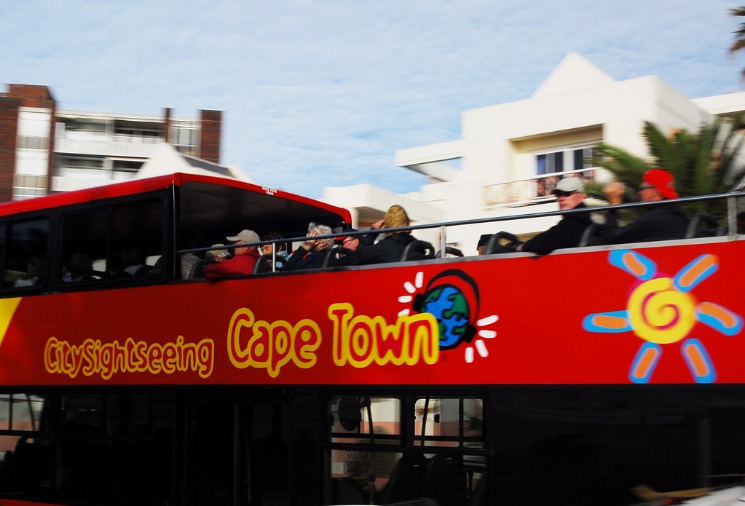
In Cape Town, City Sightseeing Cape Town operates open-top routes with iconic red double-decker buses, typically on a seasonal schedule aligned with peak tourist periods. Other cities such as Johannesburg, Durban, and Port Elizabeth have limited or seasonal open-top services, often run by City Sightseeing or local tour operators. Always check the operator’s official site for current routes, start times, and frequency, as weather and city events can affect service.
-
Ticketing Options: Single Tickets
Single tickets allow access for a defined period, usually 24 hours from the time of first use or from first boarding. They are ideal for travelers who want to hop on and off a few times or who are visiting for a short stay. Some single tickets may include extras like maps, discounts at partner attractions, or optional guided tours.
-
Ticketing Options: Passes
Passes come in 24, 48, or 72-hour formats and provide unlimited hops within the validity period. These passes are cost-effective for visitors planning a full day of sightseeing across multiple stops. Some passes include additional perks such as guided or audio tours, river cruises, or discounts at partner attractions.
-
Ticketing Options: City Bundles
City Bundles combine the open-top bus experience with other city attractions, such as museums, wildlife encounters, or cultural experiences. Bundles offer bundled pricing and convenience, allowing visitors to maximize their time without purchasing each ticket separately. Availability varies by city and season, so verify what’s included and how to redeem.
Schedules, Frequency, and Seasonal Variations
Open-top buses in South Africa offer a practical way to see major cities from an elevated vantage point, with hop-on hop-off routes designed for sightseeing and easy access to top attractions.
Operators and availability: The best-known networks are concentrated in Cape Town, where City Sightseeing runs a reliable open-top loop with stops around the V&A Waterfront, the city centre, and popular beaches. In Durban and other cities, open-top routes are available through local operators or seasonal services, with coverage expanding during peak tourist periods and holidays. Availability can vary by weather and day of the week, so checking the operator’s official site or local tourism information ahead of your trip is wise.
Schedules: Most routes begin late morning and run through the afternoon, typically starting around 09:00–10:00 and finishing by 17:00–19:00. Some operators extend service into the early evening during the peak tourist season, and there may be different schedules on weekends and holidays.
Frequency: During peak season you can expect headways of roughly 15–20 minutes on the main loop, with 30–60 minute intervals in the off-peak months. Weekends or festival days can bring shorter gaps, while maintenance days may see temporary reductions in service.
Seasonal variations: Demand is highest in South Africa’s summer (roughly November to February), when warm weather and holidays boost ridership. Winter (June to August) brings quieter periods and sometimes reduced frequencies or limited routes. Weather conditions such as strong winds or rain can shorten open-top operations in Cape Town, while coastal routes may benefit from stable weather in the shoulder seasons.
For travelers planning, always check the latest schedules and ticket options on the operator’s site, as routes and times can change with weather, maintenance, and city events.
Planning Your Open Top Bus Experience
Planning your open top bus experience in South Africa means selecting routes that reveal coastlines, city streets, and natural scenery, while balancing schedules, weather, and ticket options. From Cape Town’s Table Mountain views to Durban’s sunny promenades and Johannesburg’s urban character, an open‑top tour offers flexible hop‑on hop‑off stops, photo‑worthy panoramas, and easy access to highlights—so map your route, check departure times, and pack sunscreen and water for a smooth ride.
Best Time to Ride and Weather Considerations
Planning your open top bus experience in South Africa unlocks a carefree way to see iconic sights while enjoying fresh air and panoramic views. Open top bus tours, offered in major cities, let you hop on and off at convenient stops, so you can tailor each day to your interests and pace.
To start, choose a reputable operator and route that matches your city and interests. In South Africa, you’ll commonly find city sightseeing brands offering Cape Town, Johannesburg, and Durban routes. Look for routes with English commentary, clear maps, reasonable frequencies, and ticket options that fit your schedule, such as 24- or 48-hour passes or combinations with nearby attractions.
Consider what you want from the experience when selecting tickets. Some passes include multiple routes or free entry to certain attractions, which can save you money. Check whether transfers between routes are allowed and how long the on-board commentary lasts. If you’re short on time, a single-loop route with timed stops can still provide a memorable overview of the city.
Best time to ride depends on location and season. In Cape Town and coastal areas, late spring to early autumn (September to April) offers pleasant temperatures and longer daylight, ideal for outdoor viewing. Early mornings or late afternoons often deliver cooler comfort and softer light for photography. Durban tends to be warm and humid most of the year, so mid-morning or late afternoon rides can feel comfortable, while Johannesburg experiences sunny days in summer and cooler evenings, with winter being dry and crisp.
Weather considerations are essential for an open top experience. The top deck is exposed to wind, sun, and sudden changes in weather. Apply sunscreen, wear sunglasses and a hat, and carry a light layer for shade or wind. Bring a compact rain jacket or poncho in case of showers, especially during the Cape Town windy season. Stay hydrated and protect devices with a small bag or pouch that slides securely beneath your seat.
Practical tips maximize comfort and safety. Arrive early at popular loading points to secure a preferred seat and to understand the route map. Keep valuables secure and use a small, comfortable bag. If you’re traveling with kids, check accessibility options and plan shorter hops to avoid fatigue. Some buses have lower decks or covered areas; if you prefer shelter, confirm whether the lower deck is open during your chosen time.
In Cape Town, you’ll likely ride routes that explore the V&A Waterfront, the central city, and coastal viewpoints, with views toward Table Mountain and the Atlantic coast. Wind can be stronger near the ocean, so plan accordingly and consider a flexible itinerary that allows you to pause for a photo or a quick coffee when the weather shifts.
In Johannesburg, routes often cover a mix of urban landmarks and museums, with commentary in multiple languages. The summer months can bring storms and heat, so an afternoon ride may include shaded sections and shorter exposure to direct sun. If you’re visiting for business or a shorter trip, a single loop with key stops can still deliver a strong sense of the city’s character.
For Durban, expect a tropical climate with warmth most of the year and occasional showers. A mid-mafternoon ride can pair well with seaside scenery and green parks, and you’ll often get lush coastal views along the route. Check the schedule for routes that pass along the beachfront and inland neighborhoods to capture both seaside air and urban life.
Ultimately, plan around the forecast, choose a route that matches your interests, and stay flexible. An open top bus experience in South Africa offers a memorable, easy way to preview a city, snap standout photos, and decide which neighborhoods deserve deeper exploration on another day.
Route Planning and Must-See Stops
Planning your open top bus experience in South Africa can be a great way to see multiple cities from above and soak in the scenery without long walks between sights.
When selecting an operator, look for reputable hop-on hop-off services that operate in major SA destinations. In Cape Town you’ll commonly find routes that loop the central sights and the Atlantic coastline, with the option to hop off at popular neighborhoods, museums, and viewpoints. Other cities with open-top tours include Durban and Johannesburg, offering their own routes that highlight coastal promenades and urban landmarks.
Best times to ride depend on the city and season. Cape Town tends to be pleasant in spring and autumn; summer brings sunshine but can bring coastal winds. Durban is warm year-round with humidity. In all cases wear sunscreen, bring a light jacket for breezy viewpoints, and plan around peak traffic times to maximize time on the bus rather than in queues.
Plan your route by identifying your must-see stops and the amount of time you want to spend there. Start with a central hub such as the V&A Waterfront or the stadium area, then map a loop that minimizes backtracking. If your ticket allows, combine a bus ride with a local attraction like the Table Mountain Cableway or a boat trip to Robben Island for a fuller Cape Town experience.
Must-see stops on a Cape Town open-top tour commonly include the V&A Waterfront, the Bo-Kaap colorful houses, Signal Hill or a similar vantage point for city views, and the Camps Bay coastal strip for a sea breezy photo stop. Don’t miss Green Point, the Seaboard promenade, and sunset views from Signal Hill or Lion’s Head if the weather allows. Add Kirstenbosch Gardens if the route includes a stop near the eastern suburbs.
Practical tips: buy a day-pass or multi-route ticket if available, check the timetable for the last return, and bring water and sunscreen. Use the hop-off opportunities to explore a neighborhood on foot, but respect local traffic and weather conditions—open-top buses can be chilly when the wind picks up and very hot when the sun is strong and there is little shade.
Safety and etiquette: follow the operator’s guidelines, stay behind the rails while the vehicle is moving, and keep valuables secure while you ride. An open-top experience is best enjoyed with flexible planning, so leave some slack in your schedule to accommodate weather changes or a particularly inviting view stop.
Family-Friendly Tips and Accessibility
Safety, Regulations, and Courtesy
Safety, Regulations, and Courtesy guide every open-top bus ride in South Africa. Operators adhere to transport rules and safety checks, while passengers follow conduct guidelines to keep hands inside and respect fellow travelers and communities as they explore iconic routes across the country.
Passenger Rules and Safety Protocols
Open-top buses in South Africa provide unforgettable city and coastal views, but safety, regulatory compliance, and courtesy are essential for a smooth and enjoyable experience.
On all open-top tours, passengers should remain seated while the vehicle is moving, hold onto handrails when standing is necessary, and keep their arms and heads inside the bus at all times. Do not lean over railings or attempt to exit during a stop unless instructed by the guide. Children should be supervised by an adult, and smoking or vaping is strictly prohibited. Personal belongings should be secured, and aisles kept clear to allow quick exit in an emergency.
Operators of open-top buses in South Africa operate under the National Road Traffic Act and related transport regulations. Vehicles must be roadworthy, licensed, and maintained to safe standards; drivers typically require a valid professional driving permit and the operator may need municipal or provincial permits for tours. Capacity limits, insurance, and regular safety checks are standard requirements. Where seat belts are fitted, passengers must use them. Weather restrictions and route approvals may also apply.
Staff training includes emergency procedures, with clearly marked emergency exits, audible and visible instructions, and access to a first aid kit and a fire extinguisher. In the event of an incident, remain calm, follow the guide’s directions, evacuate in an orderly fashion if required, and use designated exits. Do not attempt to re-board until the crew has confirmed it is safe.
Courtesy on open-top tours includes respecting other passengers, locals, and wildlife when routes pass through sensitive areas. Keep noise at a considerate level, refrain from blocking other passengers’ views, and do not obstruct stopping points. Dress appropriately for sun exposure, wear sunscreen, hats, and sunglasses, and stay hydrated. When a stop is announced, board and alight only at designated points.
Open-top experiences are weather dependent. The weather can change quickly; guests should pay attention to the guide’s weather advisories and seek shelter when rain, strong winds, or storm warnings are issued. The operator may close the roof or cancel a leg of the tour for safety reasons.
Operators should provide accessible information about seating and boarding for guests with mobility impairments. Where possible, assistance is offered at designated stops and routes, and alternative arrangements or routes may be provided. Passengers with medical devices or needs should inform operators in advance so staff can assist.
Choosing licensed, insured operators helps ensure compliance with safety standards and local regulations. Passengers should read posted safety notices and comply with crew instructions; return policies, liability disclaimers, and emergency contact numbers are typically provided at the boarding point or on the bus.
Enjoy the view and culture of South Africa responsibly by prioritizing safety, following regulations, and showing courtesy to fellow travelers and local communities.
Security and Emergency Procedures
Open top bus tours in South Africa offer vibrant city and coastal scenery from a unique vantage point, but safety, regulations, courtesy, security and emergency readiness are essential for a confident and enjoyable experience.
Safety first means remaining seated while the bus is moving, keeping hands and arms inside and away from railings, and supervising children at all times. Wear sun protection, stay hydrated, and secure loose items to prevent them from becoming projectiles or tripping hazards. Follow the driver’s instructions at all times and observe posted safety signs and capacity limits.
Regulations governing open top sightseeing buses are designed to protect passengers and crews. Operators should be licensed and insured, vehicles regularly inspected, and drivers trained in passenger safety, first aid and emergency procedures. Pre‑departure safety briefings, clear route information, clearly marked exits, functioning fire extinguishers and first aid kits, and adherence to speed and traffic rules are standard expectations. Operators should maintain records of maintenance, incident reporting and customer feedback to ensure continuous safety improvement.
Courtesy on board means respecting other passengers and staff. Keep noise at a considerate level, yield seats to children, seniors and people with disabilities, and avoid blocking aisles or overhead signage. Do not obstruct cameras or speakers, and dispose of rubbish in designated bins. Photography and filming should not intrude on fellow riders’ privacy or safety, and travelers should help others when boarding or alighting at stops.
Security considerations include staying aware of your surroundings and safeguarding valuables. Do not leave personal belongings unattended, report suspicious behavior to the driver or security staff, and cooperate with on‑board security measures. When possible travel with your companions and use official, licensed operators with visible identification and contact details. If specific security guidance is provided by the operator, follow it promptly.
Emergency procedures on an open top bus should be clear and practiced. In a medical emergency or accident, alert the driver immediately, call local emergency services if needed, and use any on‑board intercom or alarms. Follow the driver’s instructions to move to designated assembly points, access emergency exits as directed, and stay calm while awaiting assistance. For lost children or vulnerable passengers, notify crew and maintain a secure, easily visible meeting point until help arrives.
In South Africa, crime risk and road conditions vary by city and neighborhood. Plan daytime tours with official operators, keep valuables out of sight, and store items securely when boarding or disembarking. Check weather and route advisories, and know the operator’s emergency contacts and procedures before departure. If you have any safety concerns, raise them with the crew or stop at a safe, approved location.
Open top bus experiences combine memorable views with practical safety and courtesy. By following regulations, staying aware, and cooperating with crew instructions, passengers help create a secure and enjoyable journey for everyone on board.
Value, Experience, and Photography
Value, Experience, and Photography come to life on an open-top bus tour through South Africa. The value is clear: a flexible, affordable way to see landscapes and cities at your own pace, with hop-on, hop-off access to photogenic stops. The experience is immersive and cinematic—wind in your face, 360-degree views of Cape Town’s coastline and Table Mountain, urban murals, and wide horizons rolling by. For photography, the elevated seat offers dramatic angles, changing light, and candid street scenes that invite you to capture the essence of South Africa from a fresh, movable vantage point.
What’s Included in Tickets
Open top bus tours in South Africa offer a convenient way to explore major cities such as Cape Town, Johannesburg, and Durban from a rooftop vantage point. These double-decker buses let you see landmarks like Table Mountain, the V&A Waterfront, the city skyline, and coastal routes while staying comfortable and entertained with on-board commentary.
Value comes from the flexible hop-on hop-off format, easy city access, and bundled tickets that include multiple stops or attractions. A day or multi-day pass lets you design your own itinerary, return to favorite spots, and avoid expensive per-attraction admissions. Many operators also offer student, senior, or family discounts.
Experience on an open-top bus blends scenic views with cultural immersion. You rise above street level for dramatic photo opportunities, catch sweeping panoramas of coastal cliffs and mountains, listen to expert narration, and stop at iconic venues to stretch your legs. The cadence of the ride with occasional photo stops makes sightseeing relaxed and immersive.
Photography tips for open-top buses: shoot with a fast lens or a moderate zoom to capture both cityscapes and details through windows; shoot in the golden hours of early morning or late afternoon for warm light and fewer crowds; keep a steady grip on the handrail and brace against movement; be mindful of glare and reflections, and use polarizing or window-cleaning cloth if available; hold the camera low for horizon-wide shots or high for skyline frames.
What’s included in tickets typically includes unlimited or a set number of hops on the route, narrated commentary in multiple languages, a map or app access, and access to designated stops with easy boarding. Some passes include discounts or entry to nearby attractions, free walking tours, river cruises, or museum admissions. Check the ticket details for validity period, routes, and any blackout dates.
Practical planning tips: check the weather and bring a light jacket for breezes on the upper deck; wear comfortable shoes; keep valuables secure; arrive early to board near the main hub; and consider a sunset route for dramatic photos. Public transport links and shuttle options may be available at some hubs.
Open-top bus tours in South Africa offer a compelling blend of value, experience, and photography opportunities, letting you see vibrant cities from a fresh perspective while keeping your schedule flexible and your camera ready.
Photo Opportunities and Signature Views
An open top bus in South Africa offers a flexible, accessible way to sample the country’s most photographed cities from a single elevated seat. In Cape Town, for example, routes sweep past the Table Mountain view, the V&A Waterfront, Bo-Kaap, and the Atlantic coastline, giving visitors a bird’s-eye sense of the city’s geography before they step off to explore on foot.
Value comes from a combination of affordable passes, hop-on hop-off freedom, and the ability to combine with other attractions. With a single ticket you can travel between key neighborhoods, ride at your own pace, and choose how long you stay at each stop, which makes a day of sightseeing efficient and cost effective.
The experience is as much about the ride as the destinations. The open air top deck delivers fresh air, wide visibility, and a sense of movement that puts you above the crowds. A guide or pre-recorded commentary adds context about history, culture, and landscapes, enriching photo stops and giving you ideas for additional explorations once you alight.
Photography thrives on an open top bus, especially when you are high above traffic and lined up with landmarks. Take advantage of golden hours for softer light and dramatic silhouettes, keep your camera level for clean horizons, and shoot with a moderate shutter speed to keep motion blur under control from the passing streets. Capture iconic landmarks such as Table Mountain, the Atlantic coastline, the V&A Waterfront, and the sandy beaches of Camps Bay from sweeping, unobstructed angles. A quick window reframe can reveal a street scene, a mountain backdrop, or a bustling market, all from a single vantage point.
Signature views are what many riders remember most. In Cape Town the sight of Table Mountain rising above the city, the winding coastline of the Atlantic seaboard, and the silhouette of the V&A Waterfront create instantly recognizable postcards from the upper deck. For a broader tour experience, bus routes often include market squares, historic neighborhoods like Bo-Kaap, and coastal outlooks that transform with the light, delivering signature vistas that stay with you long after the ride ends.
Environmental Impact and Sustainability
Open-top buses in South Africa offer vibrant city and coastal sightseeing while highlighting the need for environmental responsibility. Operators are increasingly adopting cleaner technologies, efficient routing, and sustainable practices to reduce emissions, conserve energy, and protect local ecosystems. By balancing tourism with air quality, noise management, and waste reduction, these tours can contribute to a greener travel culture across Cape Town, Johannesburg, and beyond.
Fleet Emissions and Green Initiatives
Open top buses in South Africa offer iconic sightseeing experiences while balancing guest enjoyment with environmental responsibility. The sustainability of these services hinges on how fleets are powered, how routes are planned, and how operators invest in cleaner technologies and practices.
Fleet emissions for diesel-powered open top buses typically include carbon dioxide, nitrogen oxides, and particulate matter. These buses often operate in busy urban and touristic corridors with frequent accelerations and short trips, which can raise fuel use and emissions if not managed carefully. Regular maintenance, efficient engines, and clean fuels are essential to curb their environmental footprint.
In South Africa, many tour bus fleets rely on modern, clean diesel engines, with ongoing efforts to reduce emissions through better maintenance, engine upgrades, and adherence to fuel and exhaust standards. Some operators also explore partnerships to monitor air quality at popular stops and to phase in cleaner technologies as part of broader city sustainability goals.
Green initiatives being pursued include switching to low-sulfur or unleaded fuels, implementing idle-reduction practices, and providing eco-driving training to drivers to optimize fuel efficiency. Tire maintenance, weight reduction through thoughtful vehicle upgrades, and route optimization are practical steps that can cut fuel use and emissions while preserving passenger comfort and reliability.
Hybrid and electric propulsion is increasingly on the horizon for open top buses in South Africa. Pilot programs and partnerships are exploring battery-electric or hybrid configurations, with charging infrastructure at depots or key turnaround points. Where full electrification isn’t yet feasible, plug-in or range-extended hybrids can offer meaningful emission reductions while maintaining the sightseeing experience.
Operational strategies also play a crucial role. Efficient route planning, minimizing idle time, and coordinating with city transportation systems help reduce overall emissions. In addition, using energy-efficient auxiliary systems, regenerative braking where available, and data-driven maintenance schedules can extend vehicle life and lower environmental impact.
Touristic hubs like Cape Town and other major cities are increasingly integrating sustainability into their open-top bus programs through regulatory support, public-private partnerships, and investor interest in greener fleets. These efforts aim to improve air quality for residents and visitors while sustaining the economic benefits of tourism in a responsible way.
Ultimately, the environmental impact of open top buses in South Africa will improve as operators adopt cleaner fuels, advance electrification where practical, and implement smarter operations. With continued investment, policy support, and collaboration across the tourism and transport sectors, open-top sightseeing can remain a vibrant, lower-emission feature of the country’s urban and coastal experiences.
Supporting Local Tourism and Communities
Open top bus tours in South Africa offer a distinctive way to explore iconic cities while highlighting environmental stewardship and community benefit.
Environmental impacts of open top buses include fuel use, exhaust emissions, noise, and traffic congestion. In vibrant urban areas such as Cape Town, Johannesburg, and Durban, thoughtful planning can minimize these effects and preserve the aesthetics of scenic routes and historic neighborhoods.
To reduce the environmental footprint, operators can invest in electric or hybrid propulsion, optimize routes to shorten mileage, and adopt idle-reduction practices. Fleet management strategies, such as higher-capacity buses that maximize occupancy and energy-efficient engines, also help lower emissions per rider.
Supporting local tourism and communities means connecting tours with local experiences. Partnerships with township guides, local artisans, and family-owned eateries can enrich itineraries, create fair-wage jobs, and ensure revenue circulates within communities along the route rather than leaking to distant suppliers.
Benefits to communities extend beyond immediate employment. Training programs in customer service, safety, and languages, as well as opportunities for local operators to contribute content and storytelling, empower residents and foster pride in regional heritage while preserving cultural sensitivity and historical accuracy.
Operational best practices include driver training focused on safety and accessibility, multilingual commentary, and routine maintenance that minimizes environmental impact. Transparent reporting on emissions, waste management, and supplier ethics helps build trust with visitors and local stakeholders.
In South Africa, successful open top bus initiatives often pair with conservation and urban renewal efforts, offering experiences that educate visitors about local ecosystems, cultural diversity, and sustainable development. When designed with communities in mind, these tours can become a catalyst for responsible travel that benefits both people and places.
By embracing cleaner technology, deliberate planning, and strong local partnerships, open top bus tourism in South Africa can deliver memorable experiences for visitors while protecting the environment and supporting vibrant communities.
Case Studies: City-Specific Highlights
Case Studies: City-Specific Highlights in Open-Top Buses across South Africa showcases how city tours using open-top buses highlight landmarks, coastal scenery, and cultural experiences, with insights into routes, schedules, ridership, and tourism impact in places like Cape Town, Johannesburg, Durban, and Port Elizabeth.
Cape Town Open Top Route Case Study
Case Studies: City-Specific Highlights — Cape Town Open Top Route Case Study
Cape Town’s Open Top Route Case Study examines how a city-specific sightseeing experience uses the open-top bus format to showcase iconic landscapes and diverse neighborhoods. The route typically threads along the Atlantic Seaboard and central city, weaving together natural scenery with cultural landmarks to create a compact, city-appropriate experience for visitors with limited time.
Key stops commonly featured include the V&A Waterfront for shopping and harbor views, the lower slopes of Table Mountain and Signal Hill for panoramic perspectives, Bo-Kaap for its colorful houses and historical narratives, Green Point and the Stadium precinct for sports and urban views, and the City Bowl area near Long Street for dining and heritage sites. A full loop often runs in 2–3 hours, with hop-on, hop-off privileges that extend across a 24- to 48-hour period, depending on the operator’s ticketing package.
Operated with open-top double-decker buses, the route emphasizes on-board commentary in multiple languages, with a mix of live guides and pre-recorded audio. Schedules typically feature frequent headways in peak season and reduced frequency in shoulder months. Ticketing is commonly digital, with QR codes and mobile apps enabling easy boarding and stop-tracking. The route is designed to minimize hills and use dedicated lanes where possible to improve reliability during windy Cape Town conditions.
Economic impact: the route supports local businesses through visitor spillover to restaurants, shops, and cultural sites, often forming part of broader city tourism marketing campaigns. Socially, it increases access to heritage neighborhoods and offers guided narratives that highlight local communities. Sustainability considerations include attempts to shift to low-emission fleets (hybrid or electric where feasible), efficient route planning to reduce idle times, and waste-reducing boarding procedures.
Key lessons from Cape Town’s experience include tailoring routes to seasonal weather, ensuring safety and accessibility, integrating with other transport modes (harbors, rail, and attractions), and delivering engaging, multilingual commentary that respects local history and languages.
Overall, the Cape Town Open Top Route showcases how a city-specific open-top bus program can deliver a compact, memorable visitor journey while supporting tourism growth and local economies, provided that operations are aligned with city planning, weather realities, and sustainability goals.
Johannesburg Urban Sightseeing Case Study
Johannesburg’s open-top bus tours have become a focal point of urban sightseeing, offering visitors a curated window into the city’s diverse neighborhoods and history. This case study examines how an open-top bus service functions as a city-specific highlight within South Africa’s tourism ecosystem, highlighting route design, rider experience, economic impact, and lessons for future urban mobility projects.
The core route typically weaves through the central business district and adjacent cultural quarters, stopping at landmark sites such as Constitution Hill, the Apartheid Museum, Newtown’s science and cultural precinct, Maboneng’s creative district, Braamfontein’s galleries and cafés, and the Gold Reef City vicinity. A city loop may be complemented by extensions to Soweto, allowing visitors to experience township heritage on a single ticket, with hop-on hop-off flexibility that suits varying schedules.
Onboard commentary in multiple languages provides context about South Africa’s history, architecture, and urban development. Audio guides and live guides cover key sites, with accessibility features such as step-free entry, ramp access, and clearly marked stops. Timed departures synchronized with major events help maximize sightseeing time while reducing wait times for riders.
Open-top tours contribute to local economies by driving footfall to neighborhoods beyond the central business district, including Maboneng, Newtown, and Braamfontein, where riders frequently disembark to explore dining, arts, and retail. Partnerships with local tour operators, hotels, museums, and safety programs help diversify visitor experiences and extend the length of stay in the city.
Johannesburg’s dense traffic, variable weather, and safety considerations pose challenges for reliability and rider satisfaction. Fleet maintenance, turnaround times at congested stops, and securing preferred parking locations require coordinated city permissions and robust scheduling. Weather extremes can reduce ridership during winter days and heavy rains, prompting contingency planning and promotional pricing to maintain momentum.
Key lessons include designing flexible routes with core landmarks while allowing extensions to nearby townships; leveraging partnerships with local businesses to create integrated experiences; investing in multilingual commentary and accessibility; using digital ticketing and real-time updates to improve reliability; and coordinating with city agencies on safety and traffic management during peak events.
Case studies of Johannesburg’s urban sightseeing open-top bus indicate that, when well designed, such tours illuminate the city’s urban fabric, stimulate local economies, and offer a scalable model for other South African cities seeking to package open-top touring as a gateway to urban exploration.
Practical Resources
Practical resources for open top bus travel in South Africa help visitors plan efficient, enjoyable trips with clear route maps, schedules, ticket options, and safety tips. This guide highlights essential information for riders—from Cape Town’s iconic waterfront to Johannesburg’s city routes—so you can choose the right pass, know when to ride, and make the most of your sightseeing without hassle.
Where to Buy Tickets
Planning a ride on an open top bus in South Africa? These practical resources and ticket sources help you plan and buy tickets across Cape Town, Johannesburg, Durban, and other cities.
- Official operator websites: Check City Sightseeing and Big Bus Tours for Cape Town, Durban, and other cities; these sites list routes, schedules, and where to buy tickets.
- City and national tourism portals: Cape Town Tourism, Durban Tourism, Gauteng Tourism, and South Africa Tourism provide links to reputable operators and ticket options.
- Online ticket platforms: Viator, GetYourGuide, and Klook often offer open-top bus tickets, refunds, and bundled experiences.
- At the stops or depots: Tickets are often sold at major embarkation points or official depots; some routes allow on-site purchase.
- Mobile apps and digital tickets: Use operator apps or e-tickets; many accept mobile vouchers and payments via Apple Pay or Google Pay.
- Pass options: Look for day passes, 24- or 48-hour passes, and multi-city or combination passes with museums, wine tours, or other attractions.
- Discounts and group rates: Student, senior, child pricing, and group or family packages; check for combo deals with other attractions.
- Alternative options: Private hop-on-hop-off tours may offer customizable routes and pickup points.
- Practical tips: Check weather and cancellation policies, bring sunscreen, confirm ticket validity and redemption rules, and arrive early.
- Accessibility and safety: Some buses are wheelchair accessible; verify accessibility details with the operator and follow on-board safety guidelines.
Useful Contacts and Official Websites
Open top bus tours in South Africa offer a flexible way to see major cities from a double-decker vantage point. Below are practical resources, useful contacts and official websites to help you plan a visit, with a focus on Cape Town and other open-top routes.
- Official operators
- City Sightseeing Cape Town — official site: city-sightseeing.co.za
- Big Bus Tours Cape Town — official site: bigbustours.com
- Practical resources
- Route maps and stop locations for major cities
- Ticket options: single-ride, day passes, or multi-city passes
- Schedule and frequency by season; best times to ride
- Accessibility and seating options
- Weather and dress recommendations
- Useful contacts
- Customer service for City Sightseeing Cape Town
- Guest relations or helpline for Big Bus Tours
- Local tourism offices: Cape Town Tourism, South African Tourism
- Official websites
- City Sightseeing Cape Town: city-sightseeing.co.za
- Big Bus Tours: bigbustours.com