
Visual Language of Bus Travel Photography
Bus travel photography speaks in a visual language of motion, rhythm, and everyday encounters. Framing captures the blur of passing streets, the glow of interior lights, and the graphic lines of doors, wheels, and destination boards. Color cues—from city signage to seat fabrics—help map journeys across neighborhoods and landscapes, turning a routine ride into a narrative of place and time. In this genre, passengers become travelers in the frame, routes become maps, and the act of boarding or alighting reveals culture, mood, and movement.
Color and Light in Bus Interiors
Bus travel photography speaks through the visual language of the interior: rows of seats, window frames, handrails, and the shifting light that travels across passengers as the bus moves along its route.
Color and light inside the bus establish mood, tell stories, and guide the viewer’s eye from foreground to background.
- Color as a narrative: warm yellows and ambers from interior lights paired with cool blues and grays of seats and windows.
- Light as texture: the harsh glare of late afternoon sun on a window, or the soft diffuse glow of ceiling panels shaping shadows along the aisle.
- Framing and rhythm: repetitive seat rows and vertical poles create lines that lead toward the back or toward a decisive moment at a stop.
- Reflections and glass: passersby mirrored in the window, street scenes reflected on the glass, layering interior and exterior.
- Human presence: candid gestures, reading, dozing, or daydreaming, turning the bus into a microcosm of travel.
- Color harmony and clashes: matching or contrasting colors of upholstery, signage, and the world outside to create visual tension.
Tips for capturing color and light in bus interiors: calibrate white balance to interior lighting, use exposure compensation to avoid blown highlights on windows, shoot in RAW, consider bracketing or HDR for high dynamic range, and experiment with angles—low to the floor, high above the seat backs, or through the window for layered scenes.
Angles and Perspectives from Bus Windows
Visual language in bus travel photography emerges from the intimate, moving window view. Each ride becomes a short documentary where the world slides past in strips of light, color, and texture, and the bus window acts as both frame and filter.
Angles and perspectives from inside a bus window create a built‑in grammar: the window’s edge becomes a border, the moving landscape becomes streaks, and a doorway into the city opens at different heights depending on your seat. Look for the moment when the road bends, or when a skyline aligns with the frame, to give your image a sense of direction and momentum.
Composition often relies on the interaction of interior and exterior elements. Use the verticals of lamp posts, trees along the median, or road markings as lead‑in lines that pull the eye toward a subject beyond the glass. The window itself can serve as a natural crop—place a person, a building, or a sign near the edge to create tension or balance inside the rectangle.
Light behaves differently behind glass. Reflections, glare, and the slight tint of the pane can mute colors or create doubles, so anti‑reflective technique and careful timing help. Golden hour light filtered through a bus window can warm buildings and faces; midday sun may produce bold shadows and high contrast, while overcast days soften edges for intimate street scenes.
Motion is a defining trait of bus travel photography. A slower shutter can blur passing scenery into ribbons while keeping a sharp subject near the window, or you can freeze the scene with a faster shutter to capture a moment in time. Panning inside a moving vehicle requires smooth, coordinated movement and deliberate focus; experiment with slight camera pans to exaggerate speed or preserve a sense of stillness in fleeting glimpses.
Subjects through the window range from nearby passengers to distant street life. The frame can tease out anonymity or reveal character in a single silhouette, a bus sign, or a shopfront’s reflections. Look for patterns—row after row of streetlamps, a string of telephone poles, or a repeating storefront—that translate into rhythm when viewed through the moving window.
Technical choices matter: a versatile zoom helps frame tight portraits and wide street scenes from limited angles; a compact prime can sharpen details when the bus window acts as a cropped window. Focus at infinity for distant subjects, or adjust focus to keep a particular foreground feature crisp within the window’s edge. Shoot with a slightly wide aspect to emphasize the horizon line and the sense of travel.
Ethics and safety come first. Do not lean out, keep your camera steady, and respect fellow passengers and pedestrians. If you’re photographing on a bus ride, ask permission when you want a close portrait of a person you’ve met at a stop, and be mindful of privacy and local regulations in different places.
In the end, the visual language of bus travel photography is about capturing motion, mood, and place in a compact frame. By paying attention to angles, window borders, light, and the rhythm of the road, you can turn a routine commute into a series of images that feel cinematic, intimate, and distinctly transportive.
Movement and Rhythm in Transit Shots
Bus travel photography speaks a visual language of movement, rhythm, and everyday motion. It captures the cadence of routes, the momentary theater aboard a moving vehicle, and the city outside that slides past the windows.
Exterior motion relies on the language of speed and trajectories. Shooting from a curb, from a platform, or from another vehicle you can use panning to keep a bus sharp while the world streaks by, or opt for a longer exposure to smear headlights into luminous trails. Repeating lines—road edges, rails, and the bus’s own curves—become musical motifs that translate travel into a rhythm you can hear with the eye.
Inside the bus, rhythm becomes a social score. The verticals of poles, rows of seats, and the repeating pattern of handholds march through the frame. Passengers make fleeting gestures: a raised mug, a dropped phone, a whispered conversation, a glance toward a streetlight. Windows act as both frame and stage, turning strangers into transient characters in a mobile narrative.
Composition wise, bus shots thrive on movement and containment. Leading lines from window frames, seat rows, and the bus’s interior edges guide the viewer’s eye along the corridor of the vehicle. Frames within frames—windows within windows, reflections in glass—add depth and texture, inviting the eye to travel from foreground details to the shifting city beyond.
Light and color shape the mood of transit photos. The glow of street lamps, the blue cast of dawn, or the warm upholstery of a bus interior create palettes that set tempo. Reflections on glass layer scenes, turning exterior and interior elements into collage-like textures that echo the layered realities of commuting.
Rhythm in transit shots often hinges on the cadence of the journey itself. Stops, doors hissing open, passengers stepping off, announcements, and interchange signs punctuate the frame like beats in a song. Repeating patterns—rows of seats, handrails, a line of buses at a terminal—provide tempo and a sense of ongoing motion beyond a single moment.
Storytelling emerges through micro-dramas: a quiet exchange between strangers, a solitary traveler studying a map, a child pressed to a window watching the world hurry by. The bus becomes a moving stage where ordinary moments gain texture, and the rhythm of the route aligns with the viewer’s eye to reveal a broader urban pulse.
Practical notes for achieving these effects include choosing the right lens, using a faster shutter for exterior panning and a steadier hand for interior shots, and embracing bursts to capture fleeting expressions. Consider variances in tempo—shoot a sequence at different speeds to compare clarity and motion—and vary framing to alternate between tight portraits and wide cityscapes perched inside a moving frame.
Ultimately, the visual language of bus travel photography is about translating motion into meaning. By pairing movement, rhythm, and narrative within the confined theatre of a bus, you unlock a portrait of urban life that is both intimate and itinerant.
Styles and Approaches
Bus travel photos offer a playground for different styles and approaches in English-language storytelling, from documentary realism that records routes and stations to lyrical, cinematic captions that capture the mood of a journey, and from minimalist compositions focused on signage and silhouettes to narrative travelogues that pair images with concise commentary about landscapes, schedules, and human moments on the bus.
Candid Moments on Buses
Styles and approaches to candid moments on buses capture the silent stories of travel, where everyday life unfolds in close quarters. This genre blends street photography with documentary observation, using the bus as a moving stage for human interactions, light, and motion.
- Observational candid photography on buses: capture unposed moments—readers, dozing travelers, conversations, and small gestures—as the bus moves through the city.
- Framing with reflections, windows, and interior lines: use the bus’s glass, poles, seat backs, and handrails to create layered compositions and texture.
- Light and color on a moving vehicle: work with natural window light, glare, and the color cast of interior lighting to convey mood; consider exposing to retain highlights and shadows.
- Motion and rhythm: time shots with doors opening, passengers boarding, or a curve in the road to emphasize momentum and routine.
- People and storytelling: focus on expressions, gestures, and micro-narratives—a smile over a cup of coffee, a commuter lost in a newspaper, a child watching the world go by—while respecting privacy and consent.
- Angles and perspective: shoot from the aisle, floor level, or through a windshield, experimenting with low or high vantage points to alter scale and drama.
- Post-processing and series ideas: build photo essays with color grading, black-and-white conversions, or a sequence showing a single route from stop to stop to tell a journey’s arc.
Documentary Street Photography on Transit
Bus travel photos offer a moving stage for documentary street photography, where strangers become characters in a city’s daily script, visible through windows, doors, and the cadence of stops and starts. The bus acts as a portable space for light, gesture, and narrative, turning mundane commutes into stories about time, transit, and human connection.
Styles to consider include candid documentary or reportage, environmental portraits inside the bus, detail-driven vignettes (fare meters, route maps, seat fabrics), and hybrid approaches that blend street scene with architectural context. A classic documentary style emphasizes authenticity and immediacy, while environmental portraits frame a rider against the backdrop of seats, rails, and signage to reveal a personality within transit space. Detail-oriented shots focus on hands gripping a strap, a passport photo on a bag, damp windows, or the texture of a worn seat that hints at the journey’s passage.
Approaches hinge on how you time and frame the moment. Observational work on transit thrives on the decisive moment, anticipating a passenger’s expression as a door opens, or catching a quiet gesture—a head turning, a phone light illuminating a face in low light. Narrative-driven approaches sequence shots along a route, from boarding to alighting, weaving together glimpses of fellow riders, the driver’s routine, and the environment outside the window.
Technical considerations adapt to the moving, glass-rich environment. Prime lenses around 28–50mm on full-frame bodies are versatile for interior scenes; a 24–35mm range offers broad context without excessive distortion. Shoot with moderate shutter speeds (1/125–1/250) to freeze motion while keeping some sense of movement; use higher ISO in dim bus interiors. Be mindful of reflections from windows—angle your position, shoot at angles that minimize glare, or use polarizing technique if possible. Interior lighting can be flat; consider stacking multiple exposures or bracketing to preserve contrast, then balance in post-processing. When shooting from outside, frame through the bus window to incorporate street life while respecting the window’s edge as a compositional frame.
Ethics and consent matter on transit. People on buses are in a shared public space, but proximity can raise sensitivity. When possible, prioritize candid moments that do not intrude on private or vulnerable situations. If a subject clearly objects or if the setting feels intimate, respect boundaries, blur faces when appropriate, and consider local regulations about photographing in public transport environments.
Narrative planning can help turn a series of bus travel photos into a cohesive story. Consider a route’s rhythm—morning commuter crowds, the quiet mid-day, or the crowded evening rush—and assemble a sequence that tracks a journey across stops, neighborhoods, and conversations. Include wider cityscapes glimpsed through windows to situate the bus within its urban ecosystem, alongside close-ups that reveal personal moments. Series work benefits from consistency in framing, exposure, and tone, helping viewers read the ride as a microchronicle of city life.
Post-processing choices shape the final mood. Color can capture the bus’s plastic upholstery, graffiti, and signage, conveying the bus’s character and its passengers’ stories; black-and-white can emphasize gesture, light, and composition. Maintain a consistent palette across a series, refine edges, and consider gentle vignetting or contrast adjustments to emphasize silhouettes or faces. Captions or short descriptors can ground each image in time and place, while a curated sequence invites viewers to follow a route rather than a single frame.
Bus travel photos, when approached with a mindful style and solid technique, become windows into the everyday drama of urban life—people commuting, waiting, sharing space, and moving through a shared vehicle and city. Styles and approaches in documentary street photography on transit invite you to observe, listen, and compose moments that reflect how transit shapes experience, belonging, and memory on the move.
Travel Portraits and Routine Interactions
Bus travel photos capture motion, light, and the quiet drama of everyday routes. They document not only landscapes passing by but also the people who share space during a ride, the routines of boarding and seating, and the little rituals that make a trip memorable. This article explores Styles and Approaches, Travel Portraits and Routine Interactions as they relate to photographing buses and the journeys they power.
Styles and Approaches: In bus photography, you can lean toward documentary realism, candid street photography, or more controlled editorial portraits. A documentary approach favors observational moments—bus doors opening, a commuter adjusting a backpack, the driver glancing back at traffic. A candid travel portrait approach centers a person in a bus or at a stop, balancing environment and subject. The choice of color vs black and white, the use of wide vs tight framing, and the decision to include signs, advertisements, or interior textures all shape the mood.
Travel portraits on a bus are not only about faces but about the surrounding context—the seat pattern, the window glare, the route map, or a rain-streaked glass. A good travel portrait world should feel connected to motion: a smiling conductor with a ticket machine, a child peeking from an aisle, a weary commuter with a book. Techniques include leveraging natural light from windows, shooting at eye level, and sometimes photographing through the glass to add texture and a sense of distance. Patience and rapport help subjects relax, turning a routine commute into a character study.
Routine interactions are the heartbeat of bus travel photography. The exchange of tickets, the nods between driver and passenger, the small conversations that emerge about weather or schedules—these moments reveal culture as much as location. Photograph interactions with permission when possible, avoid disrupting the flow of the ride, and look for micro-dramas: a hand steadying a bag, a child pointing to a map, a driver signaling a stop. A sequence of images can tell a mini-story, from the moment of boarding to the moment of alighting.
Technical choices matter as much as composition. A 35mm or 50mm lens gives a natural perspective for interior shots and close portraits, while a longer lens can isolate a passenger against blurred motion outside the window. Imagine shooting with a fast shutter (1/250s or faster) to freeze wheel rotations, or use a slower shutter for motion blur that conveys speed when you want it. High ISO can help in dim buses, but try to balance noise and detail. Play with white balance to reflect the bus’s lighting, and consider shooting RAW to have flexible post-processing options.
Composition on a moving bus rewards diagonals, repeating patterns, and frames within frames. Seat lines create leading lines toward a subject, while reflections in windows can add layered storytelling. Include signage, route numbers, or the bus logo to anchor the scene in place and time. A tight portrait amid the bustle and an environmental shot that shows the interior can sit side by side to reveal both person and vehicle as a single story.
Ethical awareness is essential. Always respect privacy and seek consent when possible, especially with identifiable people or children. Avoid photographing people in vulnerable moments, such as during grief or distress. If you intend to publish widely, consider blurring faces or obtaining written permission for recognizable portraits. Be mindful of cultural norms about photography on public transit in different cities and countries.
Post-processing can enhance the mood without erasing reality. Subtle color grading to warm browns and cool blues can evoke different times of day. For portraits, skin tones should stay natural, and avoid oversaturation on bus interiors that can cast odd color casts from fluorescent lighting. A consistent editing approach helps a set of bus photos feel cohesive, whether you present them as a portfolio, a zine, or a social media sequence.
Develop a personal practice by riding a few routes regularly, studying the rhythms of a particular bus line, and choosing moments that recur—drivers greeting passengers, the rhythm of the doors, the way passengers settle in. By paying attention to those routine interactions, your travel portraits will become more meaningful and less about isolated snapshots. Over time, your bus travel photography can tell a longer story of place, movement, and human connection.
Editorial and Travel Magazine Edits
Bus travel photos offer a moving canvas to tell stories about routes, landscapes, and the people who ride along them, inviting editors to consider how a sequence can travel from frame to frame and still feel cohesive.
Styles and approaches converge in bus photography through documentary realism, cinematic travelogues, street-inspired captures, and intimate interior portraits. A documentary approach might prioritize candid moments at terminals, on departures, and inside buses where light filters through windows and passengers become characters in a larger journey. Cinematic edits favor mood, with slowed shutter speeds, color grading that enhances dusk or dawn hues, and carefully composed frames that evoke a sense of motion even when the bus is still. Street photography influences push for decisive moments—glances, interactions, or urban textures visible through glass—while interior portraits emphasize people and micro-dramas: a shared joke, a tired traveler, a child tracing a map. Across these styles, the photographer builds a palette: exterior landscapes framed by speeding glass, roadside signs through fogged windows, and the intimate textures of seats, handrails, and luggage. The balance between wide panoramas and tight, character-driven frames is a deliberate choreographing of what the reader is invited to feel.
Approaches for shooting bus travel begin long before the first frame is captured. Planning a route, studying timetables, and identifying prime light conditions—sunrise over a highway, the glow inside a moving carriage at night—helps ensure a navigable arc for the story. Scouting locations along the corridor, coordinating with drivers or guides for access to terminals, and collecting impressions from passengers can seed sequences that feel earned rather than assembled. A strong approach alternates between candid, unposed moments and purposeful compositions: a window frame framing a distant landscape, a neighbor sharing a snack, a conductor filing through a timetable. Respect for privacy and consent remains essential; always consider when a person should be asked before appearing in a published image, and seek releases when necessary in public or semi-private spaces.
Editorial edits for a magazine feature prioritize a clear narrative arc and a lead image that anchors the story. Begin with a wide establishing shot of a city, highway, or terminal to set context, then move into a sequence that reveals interaction, environment, and motion. Cutlines and captions should complement the visuals with concise, informative context—route name, time, location, and a short human moment that connects to the larger journey. A thoughtfully designed edit might group images into acts: arrival, transition, transit, and reflection, with a consistent visual language that guides readers through the route as if they were on board. Tone should be balanced between reportage and lyrical description, ensuring that the editorial voice supports both factual details and emotional resonance.
Travel magazine edits, while staying true to documentary truth, often lean into practicality and immersion. Readers expect maps, itineraries, best times for shooting, and tips for photographing on moving vehicles. Panels or sidebars can present route highlights, food stops, or cultural encounters along the way, while the main sequence maintains momentum through a progression of shots—from exterior shots of the bus against landscapes to interior scenes that reveal the social texture of travel. The edit should feel like a journey in itself, with pacing that mirrors a real trip: quick, kinetic frames during daytime legs, and softer, contemplative images as the route unfolds toward sunsets. Color palettes might be standardized across the spread to preserve visual coherence, or deliberately varied to emphasize mood shifts from bright optimism to introspective quiet.
To translate these styles into a publishable edit, photographers must consider the visual language and technical consistency. Decide on an aspect ratio and color treatment early, so every image feels part of a unified project. Consider whether a color or black-and-white approach best serves the narrative and the regional character of the route. When shooting interiors, pay attention to reflections, seat textures, and symmetry along aisles to create architectural rhythm. Exterior shots benefit from clean horizons, light on the bus roof line, and the hustle of road signage that tells viewers where the journey is taking them. A balanced mix of wide establishing shots, medium-range scenes, and tight portraits of travelers or drivers creates a versatile portfolio that supports both editorial storytelling and travel inspiration.
Practical workflow tips help ensure the bus travel edit lands cleanly in the magazine pipeline. Build a shot list that covers the sequence outline: location, light, subject, and mood for each frame. Capture duplicates in slightly different crops so later layout decisions can explore spreads and verticals. Maintain consistent exposure and white balance across the shoot so the edit reads as a cohesive project rather than a disparate collection. Prepare captions with essential context and evocative nuance, and draft short cutlines that can accompany spreads without crowding the imagery. Deliver a selects set—often 20 to 40 images for a feature—with high-quality TIFFs or RAW files, along with lower-resolution JPEGs for quick review by editors.
A well-crafted bus travel photo edit can become a compact itinerary: a visual map of a journey that reveals place, people, and pace. It invites readers to imagine the sound of wheels on asphalt, the glow of a sunrise through a window, and the shared moments that travel fosters across cultures and landscapes. By integrating strong stylistic choices with disciplined editorial and travel magazine edits, photographers can transform everyday bus routes into compelling narratives that educate, inspire, and move readers from one destination to the next.
Subjects and Scenes
Bus travel photos offer a window into movement and moments on the road. In English captions, describe the subjects—drivers, passengers, buses—and scenes—the stations, streets, and landscapes—that frame a journey. These images tell short stories of routes, rhythms, and everyday travel, inviting viewers to imagine where the next stop might lead.
Passengers and Passerby Interactions
Bus travel photos capture the small dramas and quiet rituals that unfold on daily routes, focusing on Subjects and Scenes that reveal character, mood, and place. The subject can be a single traveler, a pair exchanging a smile, or a crowded scene where motion and stillness coexist. The scene might be the inside of a bus aisle lit by street lamps, a rain-swept window framing a passing storefront, or the bus stop outside a buzzing transit hub. Each frame becomes a vignette of urban life on the move.
Inside the bus, the Subjects range from the weary commuter scrolling through a phone to the cheerful neighbor sharing a quick joke with a stranger. Scenes often show the choreography of travel: a hand steadying a balance as the vehicle lurches, a coffee cup balanced on a knee, a child peering over a seatback with wide eyes. The interplay of light and shadow from the windows can sculpt faces, while the lines of seats and poles guide the eye toward the center of attention, creating a sense of rhythm in the photograph.
Passagers and Passerby Interactions emerge as a core theme. A driver exchanging a nod with a regular rider, a fare inspector offering a courteous reminder, an abrupt but kind gesture when someone drops a bag, or two strangers sharing a seat on a crowded route—all of these moments become visual conversations. Outside, passerby reactions to the bus—curious glances from a sidewalk crowd or a vendor leaning in to greet a passenger—add layers of narrative to the image, connecting the interior world of the bus with the city outside.
Photographers often look for micro-stories in the exchange of glances at a bus stop, where a brief eye contact can tell more than a sentence. The interaction between a driver and a passenger can reveal trust, Routine, and personality—an experienced driver who anticipates stops, a passenger who passengers a book to the next seat, or a child who offers a seat to someone older. These moments encode social behavior that makes bus travel feel less anonymous and more human.
Composition plays a vital role in how these subjects and scenes communicate. Framing through a bus window can juxtapose the interior with the exterior cityscape—wet streets, neon signs, or tall buildings—creating layers of context. Reflections become collaborators, blending faces with storefronts or streetlights to add texture and mood. The diagonal lines of poles and handrails can guide the viewer’s eye toward a focal point, while a shallow depth of field throws the background into softness to isolate a meaningful expression or gesture.
Lighting changes the mood of bus travel photography. Morning light can spill across faces, highlighting a hopeful expression as the city wakes. Midday buses cast hard, crisp shadows that emphasize geometry inside the cabin. Evening and night routes lean on artificial lights—glowing panels, dashboard tones, street lamps—that cast warm or cool tones on passengers, producing cinematic atmospheres that hint at stories unfolding after the last stop.
Scenes vary with route and context. In a crowded urban corridor, everyone becomes part of a moving tableau—earbuds, masks, newspapers, a shared umbrella on a rainy day. On suburban routes, passengers may appear more relaxed, one person dozing while another scans a quiet horizon. Night rides can reveal strangers sharing a moment of quiet solidarity, a rare smile passing between seats, or a silhouette framed by the bus’s headlights against a dark street.
Ethics and sensitivity matter when photographing people in transit. Seek consent when possible, avoid invasive close-ups, and be mindful of privacy—blur faces when necessary or focus on bodies and gestures rather than identifiable individuals. Consider context and purpose: documenting the life of a city through its buses is about storytelling, not exploitation. A respectful approach invites viewers to imagine the stories behind each subject without reducing them to caricature.
Post-processing can enhance the storytelling without overpowering it. Subtle adjustments to contrast and color can separate interior light from exterior scenes, while converting to black and white can emphasize textures—fabric upholstery, rain on windows, or the gleam of a metal pole. Cropping to emphasize a gesture, such as a hand reaching for a strap or a face lit by a screen, can sharpen narrative focus while preserving the human element at the heart of bus travel photos.
Ultimately, bus travel photos celebrate everyday mobility—the people, places, and moments that travel with the city. By foregrounding Subjects and Scenes and exploring Passengers and Passerby Interactions, photographers craft images that feel both intimate and expansive, offering a window into how urban life unfolds one ride at a time.
Bus Drivers and Crew
Bus travel photos capture the everyday drama of motion along city streets and rural corridors alike. They foreground the people who ride, drive, and crew the vehicles, turning routes into moving scenes filled with character, color, and weather.
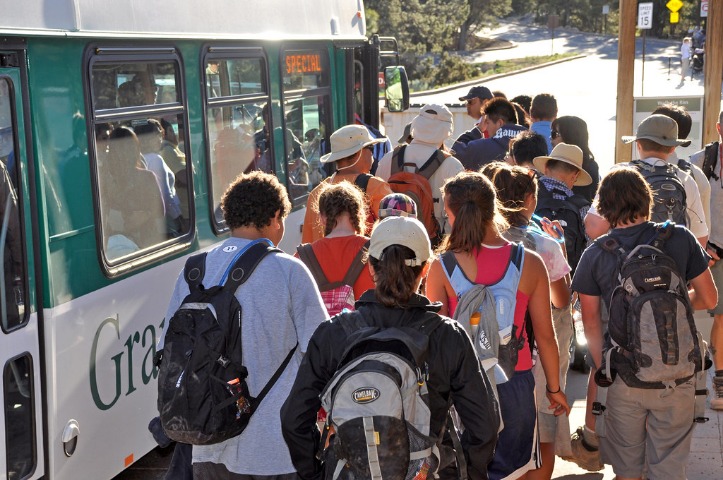
Subjects and Scenes: The drivers are often the heart of the frame. Their hands on the wheel, their expressions during a stop, or their calm posture as the doors hiss open creates a narrative of service and responsibility.
Bus Drivers and Crew: Portraits of drivers in their uniforms, conductors tallying fares, and maintenance staff checking buses in a depot reveal the teamwork behind a daily timetable.
Urban scenes show the bustle of street life: crowded stops, bus lanes, signage, and the way reflections matrix the city into a layered backdrop for a rider’s moment.
Rural and scenic routes offer a different mood: shots along winding roads or along hillside towns with the bus as a moving frame against fields, forests, and open skies.
Lighting and mood play a big role: dawn and dusk cast warm glows and long shadows, while night shots emphasize headlights, taillights, and neon reflections on rain-soaked glass.
Details that anchor a photo include badges, lanyards, fare cards, route numbers, destination boards, uniforms, and signage—elements that place the moment in a particular service and place.
Candid moments add storytelling: a driver sharing a smile with a passenger, a conductor preparing the fare box, or a child peeking from behind a seat—all turning routine travel into human-scale drama.
Ethics and respect matter: seek consent for identifiable portraits, avoid sensitive moments, and be mindful of privacy on board and at depots.
Conclusion: Bus travel photos celebrate mobility and community, turning the everyday commute into a shared spectacle of motion, work, and life on the road.
Transit Hubs: Stations, Stops, and Terminals
Bus travel photos capture the motion, mood, and human moments that unfold along routes, at stops, and inside busy transit hubs.
Subjects range from riders of every age to drivers, conductors, station staff, and curious bystanders. Scenes include the instant of doors opening, the exchange of a fare, the rhythm of a line snaking through a city, and the textures of buses, signage, and architecture that frame the journey.
Transit hubs come in three flavors, each with its own photographic vocabulary: stations, stops, and terminals. Understanding their roles helps you anticipate the stories waiting to be told in your shots.
Stations are the gateways where schedules meet platforms. Look for platforms crowded with passengers, canopies that shelter signage and maps, ticket machines, and the glow of departure boards. Wide-angle views can establish the scale of a station, while tighter frames can highlight a bus pulling in, passengers loading luggage, or a driver checking the mirror before departure.
Stops are the street-level stages of daily life. Photograph bus stops with their shelters, benches, and the street backdrop—pedestrians, storefronts, and traffic. Close-ups of doors, ramps, and step patterns reveal the mechanics of boarding, while long shots can capture the line of buses along a curb and the rhythm of a busy corridor.
Terminals are the interchanges where routes converge and travelers switch modes. Inside a terminal you might shoot signboards, maps, escalators, and crowds flowing between platforms. Exterior shots can show the arrangement of bays, pedestrian plazas, and the way buses circulate in loops around a terminal island.
When composing bus travel photos, look for human moments and the geometry of transit. Use leading lines from ramps, poles, and bus silhouettes to guide the eye toward an arriving bus or a hopeful gaze at a timetable. Try a mix of candid street scenes and purposeful portraits of drivers, fare collectors, or families loading a wheelchair into a bus.
Golden hours — early morning and late afternoon — bring warm light to buses and glass, while overcast days flatten reflections for clean signage and maps. Weather can add drama: rain on a windshield, mist in a terminal corridor, or snow catching in the exhaust plume of a departing coach.
Choose gear that lets you tell stories: a versatile zoom in the 24–70mm range, a compact prime for street portraits, and a faster shutter for motion. Use a slower shutter for blur to convey movement, or a fast shutter to freeze a precise boarding moment. Keep backgrounds uncluttered to ensure the subject stands out.
Captions matter. Include location, date, route numbers, and a brief note about what makes the moment unique — the expression on a rider, the color of the bus, or the architecture of the stop that frames the scene.
Be respectful of privacy and rules in crowded hubs. When possible, ask for permission for portraits, avoid blocking doors or access, and stay mindful of other travelers who may be in a hurry or anxious about safety.
In post-processing, preserve natural color and legibility of signage. Adjust white balance to keep buses true to life, crop to emphasize the narrative rather than the clutter, and consider black-and-white for stark urban scenes that focus on form and human gesture.
Whether you chase the quiet drama of a morning bus ride or the bustling choreography of a terminal, bus travel photos tell the story of movement, connection, and place through people, vehicles, and the spaces that carry us from stop to stop.
Routes, Landmarks, and City Skylines
Bus travel photos invite close encounters with people, places, and everyday motion. Subjects range from smiling travelers and focused drivers to the quiet rituals of commuters who read, nap, or chat through a trip. Scenes unfold inside the bus with rows of seats, maps, and reflections on glass, and outside the window the city becomes a moving tapestry of storefronts, murals, rain-slick streets, and passing traffic.
Routes shape what you can photograph. Urban routes offer bold geometry: junctions, bus lanes, crosswalks, and neon. Rural or coastal routes reveal open skies, fields, ferries, and cliff roads. Planning helps: aim for golden hour when light hits façades and silhouettes; position yourself at or near stops for arriving or departing moments; use window frames as natural frames; be mindful of reflections, glare, and privacy.
Landmarks punctuate journeys. From a bus window, iconic towers, bridges, squares, or cathedral domes pop into view between buildings. Look for repeat glimpses along a route, the way a landmark peeks over rooftops, or a line of lampposts leading toward a monument. Compare contrasts: old monuments against modern glass towers; sometimes night lighting of a landmark against a moving bus creates a dynamic vignette.
City skylines from a moving bus offer layered silhouettes and light trails. At dawn or dusk, skyline outlines merge with street-level activity for dramatic panoramas. Capture long verticals of cranes, spires, and clustered high-rises; use the bus’s motion to convey energy, perhaps with a panning technique to keep the foreground bus slightly sharp while the background blurs. Night shots can feature a sea of windows, illuminated bridges, and reflections on wet streets.
Technical Considerations
Technical considerations for bus travel photography blend camera technique with travel storytelling. To freeze motion on moving buses, use a faster shutter speed and balance exposure with ISO and aperture, while planning for changing light under station canopies or bright sun. Consider white balance adjustments for warm sunset tones or cool morning light, and frame shots to include doors, routes, or signage. Try panning to convey speed while keeping the subject sharp, and stabilize with a solid stance or a compact tripod when safe. Shooting in RAW preserves detail for post-processing and color grading of interiors, reflections on windows, and exterior bus scenes.
Camera Settings for Moving Vehicles
Bus travel photos capture the energy of urban life on the move, but getting sharp, well‑composed images requires paying attention to motion, light, and reflections as the bus speeds by.
Technical considerations include your vantage point (sidewalk, pedestrian bridge, or inside the bus looking out), how changing light affects color on painted surfaces, and the distortion or reflections that glass can introduce into a frame.
Shutter speed guidelines: to freeze motion of a moving bus from the outside, start with 1/500 to 1/2000 second, depending on bus speed and focal length. For a sense of speed with panning, use slower speeds around 1/30 to 1/125 second and pan with the bus to keep it sharp while the background streaks.
Aperture and ISO: aim for enough depth of field to keep the whole bus in focus when shooting at moderate distances, often around f/5.6–f/8 with a tele-zoom. Use Auto ISO to maintain your target shutter speed, but constrain ISO with a reasonable upper limit to avoid excessive noise. If light is low, you may need wider apertures or higher ISO while balancing exposure.
Autofocus and tracking: employ continuous autofocus (AF-C or AI Servo) with subject tracking if your camera supports it, and select a flexible focus area that can lock onto the bus as it approaches. Burst shooting helps capture a decisive moment such as doors opening or a bus cresting a rise.
Lens choice and stabilization: a 70–200 mm or similar tele-zoom gives flexibility for street shots from a distance, while a wider angle is useful for close-ups at bus stops. Stabilization helps at slower shutter speeds, but when panning, some systems perform best with stabilization disabled or set to a dedicated panning mode to avoid fighting the motion.
Through glass and reflections: shooting from inside or through a window introduces reflections and color shifts. Try to shoot when light is even, angle yourself to minimize glare, and consider using a polarizing filter if available. Shooting RAW helps recover dynamic range and white balance later in post.
Composition and timing: look for strong lines from the road, curb, or bus lanes, and frame the bus with its distinctive livery, signage, or route numbers. Capture moments like doors opening, passengers boarding, or the bus cutting a corner against a busy skyline to tell a travel story, and consider whether a straight-on shot or a slight tilt conveys more energy.
Practical workflow: scout locations with a sense of where buses accelerate and where backgrounds will blur pleasantly. Set up for your preferred mode, pre-focus on a spot, and keep a steady stance. Shoot in RAW, check your histogram, and adjust white balance in post to keep colors true to bus paints and signage.
Stabilization and Handling Reflections
Bus travel photos capture the mood of the journey, but they come with unique challenges such as glass reflections, motion, and changing light. This guide focuses on Technical Considerations, Stabilization and Handling Reflections to help you create sharper, more compelling images from the road.
Technical considerations start with gear, lenses, and sensor performance. A mirrorless or DSLR body that handles high ISO with clean shadows gives you flexibility in variable light inside and outside a moving bus. A versatile zoom (for interior shots) paired with a longer lens for exterior frames often works well. Shoot in RAW to preserve dynamic range and color for post-processing. Plan for enough memory and spare batteries, since bus travel shots can involve long days of shooting in changing scenes.
When setting exposure, use manual or semi-automatic modes to control brightness on glass reflections. Meter the scene, check histogram, and consider exposure compensation to prevent blown highlights on windows. White balance can drift with tinted windows and sunrise/sunset light; shooting with a neutral WB (and adjusting in post if RAW) is safer. Autofocus should be reliable; consider single-point or zone AF to target the moving bus or a passerby outside; burst/continuous shooting helps capture decisive moments. If you shoot through glass, focusing on a subject near the glass improves accuracy, and pre-focusing on a point you know will appear can help in dim interior shots.
Stabilization inside a moving vehicle is mostly about technique rather than gear. Brace your elbows on the window frame or a sturdy seat edge, tuck your elbows in, and use a short, steady stance. If your lens has optical image stabilization, enable it, but remember IBIS works best when you’re stationary; in a moving bus you’ll still benefit from smaller, deliberate movements. Use faster shutter speeds to freeze motion outside the bus (for example 1/250 to 1/500 for pedestrians or traffic) while using a wider aperture to maintain exposure; for still scenes or interiors, higher ISO can keep your shutter speed up. When panning to blur the background while keeping a vehicle sharp, practice smooth follow-through and start with slower speeds like 1/60 to 1/125, keeping the subject in focus while the world sweeps by.
Reflections from windows are the main hurdle in bus travel photography. The angle between you, the window, and the scene dramatically changes the visibility of interior reflections. Shoot at a slight angle to the glass, not straight on, and avoid shooting with lights behind you. A polarizing filter can reduce reflections and boost color, but it’s tricky through glass and may darken scenes unevenly; rotate gradually to find the best balance. If you can turn off interior lights or dim them, do so, and avoid shooting during times when the sun is directly behind you. Use a lens hood to reduce flare and keep the glass clean for clear lines; shooting with the window edge or using the window frame as a composition element can also mask reflections.
Other practical tips include wearing dark clothing that doesn’t reflect into the glass and using a hood or hand to shield the front element from stray light. When possible, shoot through the outer pane of the bus window (double-paned bus windows often have two layers; you may be able to shoot through the outer pane to reduce reflections). Clean the glass with a microfiber prior to shooting and avoid touching the glass in between shots. In challenging lighting, consider bracketing exposures and later merging to retain highlight detail from bright windows and keep interior shadow detail from the bus interior.
Post-processing can tame reflections further. Use dehaze, local adjustment tools, and clone/heal tools to reduce stray highlights around the glass. Adjust white balance and color selectively to keep exterior tones natural without oversaturating reflections. Lens corrections and perspective adjustments can help straighten lines and maintain clean edges around bus windows. If you shot at multiple angles, merge or stack exposures to recover detail in both the window highlights and the bus interior.
With thoughtful technical choices, careful stabilization, and smart handling of reflections, bus travel photos can convey motion, mood, and the character of a journey. Practicing on familiar routes and reviewing your shots on a larger screen will help you dial in settings and techniques for the next trip.
Gear and Accessibility in Transit
Bus travel photos capture the rhythm of city life on four wheels, from the glow of interior lights to the motion blur of streets outside. This piece covers technical considerations, gear choices, and accessibility in transit photography to help you tell compelling stories from a bus.
Technical considerations: Shooting on a moving bus tests your ability to balance speed, light, and reflections. Use shutter speeds that suit your subject: around 1/125 for moderate motion, faster for moving people or scenery, or opt for a longer exposure with panning to convey speed. Shoot in RAW to recover highlights and shadows and adjust white balance to account for fluorescent or LED lighting. Enable continuous autofocus and continuous shooting to capture decisive moments. Be mindful of reflections from the windows; shoot at angles, use a lens hood if possible, and wipe the window when you can. Bracket exposures if the scene has high contrast; check the histogram and avoid clipping. Respect privacy and local laws when photographing other passengers; when possible, seek consent if a person becomes a focal point of your shot.
Gear: Interiors reward a versatile setup. A mirrorless or DSLR with a 24-70mm or 35mm lens covers most situations; a wider angle is handy for cramped seats, and a longer telephoto can capture exterior scenes or distant riders from the bus. Smartphones have strong stabilization and computational tricks that work well in limited light. For day-to-day portability, choose a compact body, a small lens, and a comfortable strap or harness. On a bus, tripod is impractical, so rely on handholding technique, leaning against a seat, or using a monopod if allowed. Bring extra batteries and memory cards, a lens cloth for foggy windows, and consider a lens with good sharpness and contrast to cut through glare.
Accessibility: Documenting transit accessibility helps tell inclusive stories. Look for features like low-floor designs, ramps, kneeling buses, priority seating, audible announcements, tactile maps, and accessible boarding. Photograph these features with care and, when possible, obtain consent from riders depicted. Provide alt text and descriptive captions for online galleries to ensure accessibility for readers who rely on assistive technologies. When planning shoots, consider routes and times that maximize visibility of accessibility features and minimize barriers for photographers with mobility or sensory differences. By foregrounding accessibility in bus travel photos, you create a more complete, responsible narrative of urban transit.
Storytelling and Presentation
Storytelling and presentation turn bus travel photos into a cohesive journey rather than a collection of moments. By framing routes, faces, and landscapes as a narrative, you invite viewers to ride along, feeling the rhythm of the road and the stories that unfold through windows and shared journeys.
Captions and Micro-narratives
Bus travel photos capture more than scenes; they carry micro-narratives of routes, stops, and people encountered along the road. Presenting them well turns wanderlust into a coherent story, not just a collection of images.
- Storytelling through sequence: arrange photos to follow a route, a day in the life of a bus ride, or a passenger’s small moment, so viewers follow a journey rather than random frames.
- Captions as micro-narratives: write captions that introduce a character, hint at intention, or reveal a twist of fate at a roadside cafe, not mere dates or places.
- Composition and emphasis: use framing to highlight motion, doors opening, or a gaze from a passenger, guiding the viewer’s eye and shaping the mood.
- Character and place: foreground a person or a landmark to anchor the story; juxtapose strangers with the scenery to suggest connection or distance.
- Sound and rhythm in presentation: vary shot lengths, include wide landscapes, interior shots, and close-ups; pace the sequence to mimic bus travel’s cadence.
- Ethics and captions: respect privacy, blur faces if necessary, and consider consent when sharing intimate moments; let the caption offer context without sensationalism.
- Tools and platforms: decide on a presentation format—photo essay, carousel, or gallery—and tailor captions to the platform’s constraints and audience expectations.
Sequencing and Photo Essays
Storytelling through bus travel photos relies on movement, place, and people converging into a single narrative. Each frame is a sentence in a larger paragraph about routes, schedules, and the quiet drama of daily transit.
Start by naming the story you want to tell: a day along a cross‑country route, a night bus through a mountain pass, or a sequence of towns you pass on the way to a distant neighbor city. Define the arc, the characters (even if mostly strangers), and the emotions you want readers to feel.
Sequencing and rhythm come next. Think in acts: a setup that establishes the place, a journey that moves through time and space, a moment of encounter or reflection, a turning point, and a final destination that brings closure. Use visual rhythm to reflect pace: quick, tight frames for motion and change; longer, contemplative images for pauses.
Plan the lead image to anchor mood and context. An exterior shot of a bus at dawn, or a candid inside view with eyes catching light, can pull readers into the ride. Follow with interior shots that reveal the human texture of travel: hands on a ticket, a smile across the aisle, a window frame catching a passing scene.
Captioning matters. Each image should carry context: where you are, approximate time, who appears if appropriate, and what moment you want the viewer to notice. Let captions connect shots—note recurring motifs such as a red scarf, a weathered seat, or a route number that threads the sequence.
Vary technique to support the story: wide establishing shots of landscapes seen through the bus window, medium shows of passengers and interactions, and tight portraits or details that hint at character. Use reflections and window frames to complicate perspective and suggest movement.
An example sequence might begin with a preboard shot of luggage and timetable, move to the boarding moment, then a series inside the bus showing the road unfurling, a stop at a roadside market, a portrait of a traveler sharing a snack, a long highway sunset, and finally the arrival signage and station lights. The order should feel logical yet lyrical, guiding the viewer through time and place.
Presentation and layout matter in the final display. Keep a consistent color grade to knit the photos into one story, or deliberately switch to black and white for a mood shift. Avoid clutter; let the images breathe, and use space and sequence to imply pace rather than forcing it with captions alone.
Ethics and sensitivity are essential on public transit photography. Seek permission when possible, be mindful of privacy and dignity, and avoid exploiting vulnerable subjects. If someone declines, respect that limit and shift to other frames.
Practical tips: shoot with a plan but stay flexible, carry a lightweight setup for comfort, shoot in bursts for motion, and capture both wide scenes and intimate details. Review your sequence as you shoot to test whether the flow feels coherent across light changes and stops.
Bus travel photos can become powerful photo essays when you balance movement with moment, structure with surprise, and exterior landscapes with interior stories. When views along the road align with human scenes inside, the journey itself becomes the narrative.
Ethics and Representation
Bus travel photographs offer a moving lens on everyday life, turning routes, stations, and shared moments into stories that unfold with every mile. When we approach storytelling and presentation in this genre, ethics and representation are not afterthoughts but essential ingredients that shape what readers see and how they understand the journeys depicted.
Storytelling through bus photos starts with a thread: a route, a theme (loneliness, anticipation, camaraderie), or a character who appears along the way. Build a narrative arc across the series by choosing a mix of broad landscape shots to establish place, interior scenes that reveal mood, and close-ups that capture expressions, textures, and small rituals like ticket checks or coffee stops. Let the sequence guide the viewer from one moment to the next, creating a sense of travel as a continuous conversation rather than a collection of isolated images.
Presentation matters as much as the images themselves. Curation—selecting the right shots, ordering them deliberately, and deciding on tone—determines how the story lands. Pay attention to pacing: alternate quiet, contemplative frames with busier, social scenes; vary angles and distances to create rhythm; and use consistent color or tonal decisions to unify the set. Captions, titles, and minimal on-image text can anchor meaning without overpowering the visuals.
Photography ethics in this context revolve around the people who appear on the bus. Seek consent where possible, especially for close portraits or revealing details. If you cannot obtain consent—such as for candid crowd scenes in a public bus—respect privacy by avoiding identifiable features, blur faces, or crop to focus on context rather than individuals. Remember that passengers have a right to their own dignity, and a photograph should not intrude on personal boundaries for the sake of drama.
Representation means more than avoiding harm; it means foregrounding diverse experiences of bus travel. Be mindful of stereotypes about who travels, where they go, and why. Include passengers of different ages, backgrounds, and abilities, and tell stories that show ordinary lives in ordinary spaces without turning people into caricatures or exotic curiosities. When you feature a place, pair it with honest context about local life rather than clichés.
Captions and context are part of ethical storytelling. Provide clear information about when and where a photo was taken, the route or service, and the observed moment without oversimplifying. If a portrait arises from a private moment, offer to share the image with the subject for consent and possible revision. Use captions to acknowledge limitations—not every scene can tell the whole story of a city or a journey—and avoid sensational or exploitative language.
Consider the ethics of distribution. Public platforms invite wide audiences, so think about how the images may be perceived by communities depicted and by people who might be identifiable. Respect local norms, laws, and cultural sensitivities; when in doubt, err on the side of privacy and dignity rather than virality or shock value.
Post-production choices should reflect honesty. Do not manipulate scenes to misrepresent a route or a day’s mood; avoid removing context, fabricating moments, or pairing unrelated shots to tell a misleading narrative. If you adjust color or light for mood, ensure it still matches the probable reality of the moment and disclose when necessary that edits were made to enhance storytelling rather than distort fact.
Practical tips for ethical storytelling on bus travel photos include gaining consent when feasible, using longer lens to minimize intrusion, and photographing from the periphery rather than from directly across aisles. When approaching subjects, introduce yourself, explain your project, and offer to show the resulting images or provide a way to opt out. Build a habit of reflecting on power dynamics—photographers often hold the frame; use that awareness to treat subjects with respect.
Ultimately, strong bus travel storytelling celebrates shared journeys with honesty and care. The most lasting images are not just beautiful or technically skilled; they invite viewers into a moment, acknowledge the people who make a journey possible, and present the route as a portal to culture, memory, and human connection.
Regions and Perspectives
Regions shape the scenes of bus journeys, and perspectives color every shot. This introduction to bus travel photos written in English invites you to notice how regional landscapes, architecture, and street life appear through different viewpoints—from crowded city routes to quiet rural lanes—revealing how place and point of view guide what we document on the road.
Urban Bus Networks
Regions and Perspectives on urban bus networks come alive through travel photography, where each city reveals its rhythms, colors, and daily rituals.
In Europe, compact networks thread through historic cores, with orderly bus stops, legible signage, and transfers that feel efficient and human scaled. Photos here often balance the clean lines of modern trams and the softer silhouettes of old town façades, capturing a sense of continuity between past and present.
In parts of Asia, the scene is vibrant and crowded: long queues, packed buses, and livery that pops against street markets and towering skylines. The energy comes through in wide-angle shots that include riders, money handlers, and the choreography of boarding, sometimes with scooters and pedestrians weaving through the frame.
Across Africa and Latin America, informal fleets and minibus collectives illustrate improvisation and resilience. Photos may highlight shared interiors, hand-painted buses, and roadside chatter, offering a window into how communities adapt public transport to brisk urban growth and uneven infrastructure.
Photography perspectives shape what you see on city streets. Street-level angles emphasize human scales and the micro-dynamics of boarding, while elevated viewpoints reveal network patterns and bus corridors threading through neighborhoods. Interior shots can convey intimacy or constraint, and framing with reflections or windows adds a layer of narrative ambiguity.
Light and weather color urban bus travel in distinct ways. Dawn mists and late-afternoon sun produce long shadows that sketch routes across square and riverfronts, while rain-slick streets create mirrored surfaces that double the city’s bustle and the glow of route numbers and headlights.
Depots, terminals, and bus stops themselves are social spaces worth photographing. The architecture of shelters, signage, street furniture, and timetable boards frames how people wait, meet, and move, offering regional character even before the vehicle appears.
Documentary storytelling through bus travel photos often centers on people: drivers who greet regular riders, conductors with colorful uniforms, schoolchildren clutching notebooks, and elders negotiating fares. These moments reveal the social fabric that sustains urban mobility across different regions.
Practical tips for capturing regions and perspectives include photographing with consent when people are identifiable, watching for obstructing traffic or signage, and varying your vantage points to convey route networks as living systems rather than static scenes. Aim for a mix of wide cityscapes, mid-range context shots, and close-ups of hands, faces, and livery to tell a complete story.
Together, bus travel photos across regions offer a visual atlas of urban life: diverse networks, shared human experiences, and the everyday magic of moving through a city by bus.
Rural and Intercity Routes
Regions and perspectives unfold along the routes you ride by bus, turning ordinary travel into a gallery of light, color, and memory. This look at bus travel photos invites you to see the world through the bus window, where each mile offers a new frame and a new story.
On rural routes, the landscape moves slowly past—hedgerows, fields, creeks, farms, windbreaks, and weather that shifts the mood from bright to moody. In these photos, the grass might glow after rain, or a lone barn stands against a wide sky, inviting a viewer to linger in the frame.
Intercity routes reveal speed and scale: long highways, distant city silhouettes, bridges, service stations, and the rhythm of towns sweeping past in a blur of signage and traffic. In photos from these routes, urban edges meet open road, and you can glimpse life rushing between stations and skylines.
Regions across a country offer distinct color palettes and textures: snow-capped mountains, turquoise coastal cliffs, golden plains, dense forests, and desert horizons. Bus travel photos capture how geography shapes light, season, and mood, turning a simple ride into a visual map.
People appear in bus travel photos as a quiet chorus: a driver at dawn, a passenger sharing a snack, a child pressed to the glass watching the world go by. Portraits and candid moments grow from respectful observation, and consent or space is part of the process.
Composition tips include using the bus window as a natural frame, looking for reflections that merge interior and exterior scenes, and shooting at eye level to connect with subjects. Look for moments of pause—a glance, a yawn, a map unfolded—and capture them with gentle timing.
Lighting and exposure matter: the soft light of early morning along rural lanes, the strong glare along highways, or the muted tones of an overcast day all shape mood. Shooting through glass benefits from a clean pane, careful angles, and brief adjustments to exposure to manage reflections.
Technical notes: a compact prime or versatile zoom works well on a bus, with focal lengths from 24 to 70 mm covering interiors and landscapes. Try apertures around f/4–f/8 for depth, adjust ISO to keep motion sharp, and use bursts to catch moving scenes without blur.
Practical considerations include being courteous to fellow passengers, avoiding obstruction of aisles, requesting permission for portraits when possible, and respecting privacy. Keep safety in mind—brace yourself for sudden stops and storms, and protect your gear from jostling.
In the end, bus travel photos become a personal atlas of Regions and Perspectives, Rural and Intercity Routes. Each image records a moment on a route, turning a ride into memory and a place into impression.
International Bus Travel Traditions
Bus travel photos capture more than routes; they reveal regional rhythms, architectures, and everyday rituals that color a journey.
Across Europe and North America, the bus becomes a moving through-line that threads together diverse landscapes and urban life. Alpine passes framed by serrated peaks, modern terminals with multi-language timetables, and orderly lineups at stops all offer a sense of belonging to a larger map. The windows function as both diary and lens, recording echoes of station announcements, rail-like schedules, and the quiet drama of a traveler settling into a long day on the road.
In Asia and the Pacific, night buses glow with neon, reflections ripple on window panes, and the interior becomes a temporary home for overnight voyages. Ancient cities flash by in a blur of neon signs, crowded depots brim with conversations in local dialects, and the artistry of bus liveries—often bright and symbolic—tells stories about regions, brands, and the pride of operating companies. Photography from these journeys tends to emphasize light inside the cabin, road silhouettes outside, and the social fabric that forms when strangers share a long seat in darkness.
Africa and the Middle East bring a different tempo: minibuses and long-distance coaches ferry people across deserts, savannas, and coastal plains, with yards alive with vendors, spare parts, and improvised seating. The color and texture of the buses—their patches, stickers, and makeshift repairs—become central motifs, while road edges reveal markets, palm groves, and city skylines that rise and fall with the landscape. Travel photos from these regions often balance kinetic street scenes with the quiet dignity of drivers and passengers navigating challenging routes with resilience.
In the Americas, bus travel weaves together remote villages, bustling capitals, and scenic byways. In rural routes, you may glimpse families boarding at sunlit stops, hand-painted signs along the road, and mountains or deserts opening to wide horizons. In urban centers, depot architecture, bilingual signs, and colorful fleets reflect regional identities. The journey becomes a dialogue between indigenous and modern influences, between history and the present moment, captured through panels, stairs, and the rhythm of arrivals and departures.
Regions shape the perspective of each image. A passenger’s point of view might frame a window as a frame within a frame, highlighting fleeting landscapes and the emotional arc of a trip. A driver’s vantage can emphasize road contours, dashboards, and the intimate choreography of starting and stopping. A street vendor on the curb or a fellow traveler sharing a smile adds a human counterpoint that transforms a mere route into a narrative about community and movement.
Techniques for bus travel photography can elevate these observations. Use natural light to emphasize color and atmosphere, and experiment with motion by panning to convey speed on straight highways or winding mountain roads. Shoot from the aisle to capture passengers with their own stories, but respect privacy and ask when possible. Look for leading lines—the road, the rails, or the aisle—to guide the eye toward a sunset, a city skyline, or a distant horizon. Try reflections in glass to create layered images that juxtapose interior life with exterior scenery.
Photo essays about international bus travel benefit from balance: the grandeur of landscapes, the character of stations, and the intimate moments of daily routine. Seek a rhythm that moves from wide landscape to close detail, from signage in different scripts to the texture of a seat cushion, a ticket clutched in a hand, or a view through a rain-streaked window. These layers collectively celebrate regions and perspectives, turning a simple bus itinerary into a mosaic of cultures, places, and people.