
Overview of Zhongtong Bus in South Africa
Zhongtong Bus in South Africa represents the company’s growing reach into African urban mobility, offering a range of Chinese-built buses and coaches to city fleets and intercity services. Through local distributors and service partners, Zhongtong emphasizes reliability, efficiency, and after-sales support to meet South African standards, supporting modernization of public transport with sustainable, cost-effective options for operators.
Company profile and history in SA
Zhongtong Bus, officially Zhongtong Bus Holding Co., Ltd., is a leading Chinese manufacturer of city buses, coaches, and special vehicles with a broad international footprint. In South Africa, Zhongtong Bus works with local partners to supply fleets for urban transit, intercity services, and educational transport, backed by a global network for parts and after-sales support.
In South Africa, the company profile centers on distribution, service, and parts support rather than local manufacturing. Zhongtong’s SA presence is built through partnerships with regional bus dealers and maintenance networks that provide sales, training, and technical support to operators across major provinces. The focus is on reliable, cost-efficient buses that suit municipal, corporate, and school transport programs.
As a relatively recent entrant in the South African market, Zhongtong has pursued market entry through phased deployments, pilot programs with selected operators, and expansion of its service footprint as demand grows. The history in SA reflects a broader company strategy of building long-term fleet partnerships, emphasizing uptime and spare parts availability.
Zhongtong’s portfolio offered in SA includes city buses, intercity coaches, and school buses, with options ranging from standard diesel to hybrid and fully electric drivetrains. The electric bus lineup addresses urban routes with quiet operation and lower emissions, while diesel and hybrid models provide flexibility for varied route profiles and fueling infrastructures.
To support operations, Zhongtong SA partners provide spare parts supply, diagnostic tools, training for drivers and technicians, and warranty programs aligned with local regulations. This enables fleets to minimize downtime and extend vehicle life.
Several municipal and private fleet trials and deployments in major cities have showcased Zhongtong’s buses for reliability, passenger comfort, and adaptability to local road conditions.
Zhongtong Buses in SA compete with other international brands as well as local suppliers, focusing on total cost of ownership, ease of maintenance, and a strong network of service partners.
With growing interest in cleaner public transport and private fleet modernization, Zhongtong expects continued expansion in South Africa through new contracts, wider dealer networks, and ongoing investments in after-sales support and parts supply.
Zhongtong Bus South Africa is part of a broader strategy to deliver affordable, reliable, and eco-friendly transit solutions to African cities and operators.
Presence and market footprint in South Africa
Zhongtong Bus & Coach, a Chinese manufacturer long known for city buses and coaches, has been extending its global footprint into Africa, including South Africa. The company positions itself as a source of durable, cost-effective transit solutions designed for urban and intercity operations, with an emphasis on after-sales support and long-term service networks.
In South Africa, Zhongtong offers a range of bus and coach products, including standard city buses, intercity coaches, and school/utility vehicles. The lineup typically includes diesel-powered models as well as modern propulsion options such as electric and hybrid configurations, with configurations tailored to local road conditions, passenger demand, and regulatory requirements.
Presence in the country is driven through authorized distributors and regional service partners who provide sales, spare parts, and after-sales support. The focus on parts availability and timely maintenance is central to Zhongtong’s strategy to minimize downtime for operators who depend on reliable mass transit solutions.
The market footprint in South Africa is evolving through pilot projects, demonstrations, and fleet acquisitions by both public- and private-sector operators. While the brand does not yet have a mass-market share, its footprint tends to be concentrated in major urban and provincial hubs where fleets are seeking affordable, locally serviceable buses that meet performance and lifecycle cost expectations.
Competitive positioning blends price competitiveness with robust Chinese engineering and a growing service network. Zhongtong faces competition from established international brands in South Africa and the challenge of building stronger local recognition, spare-parts logistics, and financing options for bus purchasers.
Regulatory and market dynamics, including vehicle emission standards and municipal procurement processes, shape how Zhongtong can scale in South Africa. Opportunities exist in modernizing aging fleets, school-transport fleets, and expanding urban mobility programs where cost-effective, high-availability buses are in demand.
Overall, Zhongtong Bus & Coach is pursuing a measured expansion in South Africa through partnerships and targeted product offerings. The long-term footprint will depend on the strength of local service networks, success in pilot deployments, and the ability to tailor models to South African customers and regulatory requirements.
Key milestones in the SA market
Zhongtong Bus, a leading Chinese bus manufacturer, has pursued a growth strategy in South Africa to serve city and operator fleets with reliable, cost-efficient buses. In South Africa, Zhongtong aims to build a local service and parts ecosystem, support public transit operators, and contribute to sustainable mobility with modern bus designs.
- Market entry and distribution network established to serve municipal and private operators across major cities
- Introduction of model ranges tailored to South African operating conditions, including urban city buses and intercity coaches
- Development of service and parts network, including regional parts hubs and technical support teams to minimize downtime
- Participation in local tenders and procurement programs for bus fleets, aligning with government transport initiatives
- Training and local workforce development through partnerships with South African training institutes and operators
- Strategic partnerships with local dealers and maintenance providers to expand coverage and after-sales support
- Planning for potential local assembly or semi-knock-down (SKD) integration to support job creation and supply chain resilience
- Expanding footprint into Southern Africa markets through regional collaborations and dealer networks
Product Portfolio for South Africa
Zhongtong Bus South Africa offers a diverse product portfolio tailored to the local market, featuring city buses, intercity coaches, school buses, and electric bus options that meet South Africa’s regulatory standards and operating conditions. The lineup emphasizes reliability, low total cost of ownership, and strong after-sales support through a local service network, with configurations tuned for urban routes, long-haul intercity services, and operator requirements across municipalities and private fleets.
Bus models tailored for the South African market
Zhongtong Bus South Africa offers a tailored product portfolio designed for the South African market, featuring models adapted for right‑hand drive, rugged highway conditions, long service intervals, and diverse operator needs. The lineup covers urban city buses, intercity coaches, electric and gas-powered options, and school/shuttle vehicles, with local sales, parts, and service support to keep fleets active across major cities.
- City Buses (8.5–12 m, 2-axle): Robust, low- or mid-floor variants for urban routes, designed for pothole-prone roads, easy accessibility, efficient fuel economy, and options for air conditioning and CCTV to support busy municipal networks.
- Intercity and Suburban Coaches (10.5–13.5 m, 2-axle): Comfortable long-haul travel with generous luggage space, aerodynamic bodies, strong cooling systems, and Euro VI engines to meet emissions standards on SA highway networks.
- Electric City Buses (8.5–12 m): Pure electric propulsion with modular battery packs, fast charging options, and regenerative braking to support high-frequency urban services with low operating emissions and quiet operation.
- Gas-Powered Buses (CNG/LNG, 6.5–12 m): Alternatives to diesel for reduced emissions and operating costs, suitable for municipal fleets where local fueling infrastructure is available and supported by Zhongtong’s maintenance programs.
- Shuttle and Airport Buses (6.5–8.5 m): Flexible, compact vehicles ideal for hotel, airport, and event shuttle duties, with high floor and low floor configurations, wheelchair access, and durable drivetrains.
- School Buses (6–8 m): Safety-focused designs with enhanced visibility, strict seating configurations, and RHD compatibility to meet school transport requirements while delivering reliable performance.
Coach, urban, and commuter configurations
Zhongtong Bus South Africa offers a comprehensive product portfolio designed to meet the country’s diverse passenger transport needs, spanning urban city fleets, long-distance coach services, and dense commuter operations.
Urban buses in the portfolio emphasize low-floor designs for quick boarding and wide doors, typically 8 to 12 meters in length, with flexible seating and accessible configurations, robust suspension for urban streets, and efficient diesel or alternative propulsion options.
Commuter configurations focus on high passenger throughput and durability, featuring 9 to 12 meter profiles, multiple doors, strong acceleration, and reinforced drivetrains to handle frequent stops and urban corridors.
Coach configurations are designed for comfort on longer routes, with 12 to 14 meters, 40+ seats or optional 2+2 seating, luggage compartments, reinforced acoustics and climate control, and amenities like USB charging or Wi-Fi in mid-market trims.
The portfolio includes electric and hybrid options for city corridors and shuttle services, with modular battery packs, regenerative braking, and charging options to minimize emissions and fuel costs in urban environments.
All models are adapted for South Africa’s climate and road conditions, including right-hand drive sourcing, robust dust filtration, cooling systems for heat, and service-friendly modules to ease maintenance.
Zhongtong South Africa supports customers with local spare parts, a regional service network, operator training, and warranty programs to maximize uptime and reliability.
The offering aligns with metro growth, bus rapid transit trials, and municipal transport plans, enabling operators to modernize fleets with safer, quieter, and more efficient vehicles.
With a global engineering backbone and local expertise, Zhongtong Bus South Africa aims to deliver reliable mobility across urban, commuter, and longer-distance routes.
Electric and alternative-fuel options
Zhongtong Bus South Africa offers a diversified product portfolio designed for urban and intercity mobility, with a strong emphasis on electric and alternative-fuel options that suit South Africa’s climate, road conditions, and fleet operations. The range is built to deliver reliability, accessibility, and local service support through a growing network of partners, distributors, and service centers.
Electric buses form the core of the portfolio for city and commuter routes. Typical models range from 8-12 meters in length for urban circulation to 12-15 meters for cross-town corridors, all configured for right-hand drive to match South African road rules. The battery-electric line uses modular lithium-ion battery packs with capacities that support daily urban duty cycles, and charging can be performed via depot overnight charging or fast-charging at select depots using DC equipment or pantograph options. Safety features include regenerative braking, advanced stability systems, cameras, and durable suspensions designed to handle varied road conditions.
Hybrid and alternative-fuel options augment the BEV family. Plug-in hybrids extend the electric range with a compact internal combustion engine, offering smooth operation on mixed routes and helping fleets transition with familiar fuel sources. LNG/CNG variations provide a lower-emission option where refueling infrastructure exists, giving operators flexibility with existing maintenance capabilities while reducing fuel costs and emissions. These options enable a staged transition from diesel to cleaner fuels without sacrificing uptime or route flexibility.
Zhongtong’s South Africa strategy includes localization elements. Buses can be delivered in right-hand drive configuration to suit local regulations, and the range is engineered to tolerate hot climates and dusty urban roads common in South African cities. The company emphasizes spare parts availability, local training for drivers and technicians, and warranty coverage supported by a regional service network to minimize downtime.
To support fleet adoption, Zhongtong provides end-to-end services from initial specification and pilot projects to large-scale rollouts. This includes operator training, route planning assistance, and after-sales parts and service agreements. The portfolio is complemented by modular interiors, passenger safety features, and digital fleet management capabilities to monitor performance, range, and charging status in real time.
With its electric and alternative-fuel product portfolio, Zhongtong Bus South Africa aims to help operators meet tighter emissions targets, reduce fuel costs, and improve urban livability while maintaining the proven reliability and service support expected in the South African market.
Specifications and customization options
Zhongtong Bus South Africa offers a robust product portfolio designed for urban transit, intercity routes, and school transport across the country. With a local service network and parts support, Zhongtong provides reliable vehicles and tailored solutions to meet the needs of South African operators.
Key products cover urban city buses in the 8.5 to 12 meter range, midibus and shuttle models for commuter services, and long‑distance coaches for intercity routes, as well as school buses and passenger vans. The range is built to withstand local road conditions while delivering comfort and safety.
Specifications and performance options include diesel Euro 5/6 engines, and optional alternative drivetrains such as CNG and electric propulsion. Electric models use battery packs in the 180 to 350 kWh range, delivering typical ranges of 200 to 350 kilometers per charge depending on configuration and use. Features like low floor entry, multiple door configurations, and configurable seating (2+2 or 2+3) support diverse route requirements.
Customization options cover interior layouts, seating density, luggage and passenger flow, accessibility features such as kneeling suspension and wheelchair ramps, climate control, and onboard infotainment and driver information systems. Operators can choose branding, livery, color schemes, and safety features such as CCTV and advanced driver assistance systems. Powertrain, wheelbase, and suspension can be tailored to specific road profiles.
Zhongtong Bus South Africa supports local adaptation with compliance to South African standards and certification requirements, including SABS where applicable. The offering includes flexible warranty terms, rapid parts supply through a regional network, and on‑site technician training. A dedicated after‑sales team coordinates spare parts availability, maintenance programs, and remote diagnostics to maximize uptime.
Delivery programs are designed for South African procurement cycles, with possible financing options, turnkey installation, and handover packages. The company emphasizes local support, easy access to spare parts, and efficient service to minimize downtime for operators.
Overall, Zhongtong Bus South Africa combines a broad product portfolio with individualized customization options to meet city, intercity, school, and shuttle transport needs across the country, backed by local service and parts support to ensure reliable operation.
Market Entry, Distribution, and Partnerships
As Zhongtong Bus enters South Africa, the entry strategy emphasizes selecting local distribution partners, compliant market entry, and a robust after-sales network. Building authorized dealer and service-center networks, ensuring spare-parts availability, and forging strategic partnerships with fleet operators and financiers will support growth, reliability, and brand trust in the South African market.
Distribution network and authorized dealers in SA
Zhongtong Bus South Africa is pursuing a structured market entry that leverages a strong distribution network and authorized dealer ecosystem to support sales, service, and parts across the country.
- Market entry strategy
- Define market position for public transport and commercial fleets, considering urban mass transit needs and long-distance coaches.
- Choose entry modes such as direct sales, a local subsidiary, or a partner-led distribution model tailored to South Africa’s regulatory and logistics landscape.
- Align with local homologation, safety, and emissions standards, and plan for localization of parts and service capability where feasible.
- Distribution network design in South Africa
- Develop a multi-tier network with national distributors and regional service hubs to ensure broad coverage and timely support.
- Integrate parts logistics to minimize lead times for spare parts and foster high first-time fix rates at service centers.
- Establish standardized service levels, warranty processes, and training programs across all touchpoints.
- Authorized dealers and network development
- Set clear dealer criteria including service facility capacity, technician competency, workshop equipment, and spare parts inventory levels.
- Implement a structured onboarding program with product training, warranty procedures, and sales-and-marketing support.
- Define dealer contracts, performance metrics, pricing guidelines, and after-sales responsibilities to ensure a consistent customer experience.
- Partnerships and alliances
- Engage fleet operators, public transit authorities, and financing partners to enable bulk procurements and long-term contracts.
- Explore public-private partnerships for urban bus fleets and municipal transport projects.
- Consider local content opportunities, joint ventures, or CKD/CBU strategies to enhance local manufacturing or assembly in South Africa.
- Local market considerations and regulatory alignment
- Navigate South Africa’s import duties, VAT, and trade regulations while exploring potential incentives for public transport modernization.
- Ensure compliance with homologation, type approval, and local safety standards, plus adherence to B-BBEE or other diversity and supplier development policies.
- Value proposition, after-sales, and customer experience
- Offer comprehensive warranties, responsive spare parts supply, and mobile or on-site service capabilities.
- Provide technician training, remote diagnostics, and a centralized parts catalog to support dealer and fleet customers.
- Invest in a digital platform for order tracking, service scheduling, and telematics integration to improve fleet uptime.
Local partnerships and integration with fleet operators
Zhongtong Bus South Africa is pursuing a strategic market entry to supply modern urban and intercity buses, including electric and hybrid models, to South Africa’s growing public transport and private fleet sector. The approach combines local partnerships, robust distribution, and integrated fleet solutions to meet regulatory standards and operator needs.
Market entry begins with regulatory readiness: vehicle homologation, safety certifications, and compliance with the South African National Road Traffic Act, as well as standards from the South African Bureau of Standards. A localization plan addresses local content, skills transfer, and potential assembly or CKD kits to support jobs and reduce import costs. A joint-venture or minority-local-partner structure can facilitate entry into tender processes and municipal fleets.
A multi-channel distribution model is recommended: appointing authorized regional distributors with service and parts networks, establishing dedicated after-sales centers in major urban hubs, and stocking fast-moving parts across depots. A digital ordering and logistics platform can streamline parts supply, while training centers ensure technician certification in electrical powertrains, hydrogen/EV solutions, and traditional diesel platforms.
Key partnerships include fleet operators, municipal transport agencies, financing partners, and local engineering firms. Strategic alliances with banks or leasing companies help operators finance acquisitions, while collaboration with local refurbishment and maintenance providers ensures a sustainable service loop. Procurement through local channels and preferential procurement policies (where applicable) can improve competitive positioning.
Integration with fleet operators focuses on uptime, reliability, and total cost of ownership. Zhongtong Bus should offer telematics integration for real-time vehicle data, predictive maintenance, and driver performance analytics. Joint pilot projects with select operators allow tailoring of bus configurations to route profiles, passenger demand, and climate conditions. Training for drivers and mechanics strengthens trust and reduces downtime.
Risk considerations include currency volatility, import duties, port delays, and competition from established domestic and international brands. A careful B-BBEE-compliant localization plan, transparent governance, and clear warranty coverage support risk mitigation. Local content development, skills transfer, and community engagement can align with government procurement goals.
The value proposition centers on lower total cost of ownership, cleaner operation with electric or hybrid propulsion, robust local support, and flexible configurations for urban and rural routes. A phased rollout with demo fleets and pilot routes demonstrates reliability and performance while enabling operator feedback into product development and services.
By aligning product capability with South Africa’s transport challenges and building a robust local ecosystem of distributors, service centers, and fleet partners, Zhongtong Bus South Africa can establish a sustainable market presence that accelerates modernization of public transport and reduces emissions.
Procurement, tenders, and government collaborations
Zhongtong Bus South Africa aims to establish a strong footprint in the South African public transport sector by delivering safe, reliable, and cost-effective buses tailored to local routes and conditions. The company targets municipal fleets, school transport operators, and private bus operators, aligning its offering with South Africa’s push for enhanced mobility, accessibility, and cleaner transit solutions.
Market entry strategy focuses on regulatory readiness, market intelligence, and partner-led entry. Key steps include compliance with local homologation and safety standards, engagement with licensing authorities, and navigation of procurement frameworks led by the National Treasury. A phased entry plan may begin with pilot deployments in select metro areas to build case studies before wider tenders.
Distribution and after-sales are built around a robust local network. Zhongtong Bus South Africa can appoint regional distributors and authorized service centers, ensuring timely spare parts supply, routine maintenance, and 24/7 technical support. A digital service platform for remote diagnostics, fault codes, and predictive maintenance helps minimize downtime for fleet operators.
Partnerships and alliances are central to credibility and scale. Potential partnerships include local bus manufacturers or assembly facilities for local content, financial institutions for attractive leasing and loan products, and training partners for technician upskilling. Working with city and provincial transport agencies on joint initiatives can accelerate acceptance and deployment.
Procurement, tenders, and government collaborations require readiness for formal bids. Participation on the eTender portal and alignment with BBBEE procurement guidelines, local content targets, and procurement rules increases competitiveness. Demonstrating proven safety, total cost of ownership advantages, and strong after-sales support strengthens bid evaluations. Financing options, performance warranties, and service-level agreements are also critical.
Government collaborations may include pilot programs with city transport departments, participation in bus rapid transit corridors, and green mobility initiatives. Collaboration on electrification projects, charging infrastructure, and fleet modernization aligns with South Africa’s climate and urban mobility goals. Local procurement preferences and supplier development programs can create longer-term partnerships that benefit both Zhongtong and the public sector.
Long-term success depends on a localized value chain, continuous service excellence, and adapting to market feedback. Zhongtong Bus South Africa should monitor regulatory changes, currency exposures, and supply chain risks while expanding its footprint in major metros and regional corridors.

Manufacturing, Assembly, and Localisation
Zhongtong Bus South Africa blends manufacturing, assembly, and localisation to bring durable, locally supported buses to African roads. By establishing regional manufacturing hubs and assembly lines, sourcing key components from local suppliers, and adapting designs to South African conditions, the programme cuts lead times, boosts local jobs, and builds technical capability. Localisation supports tailored solutions for routes, regulations, and maintenance, while upholding global quality standards and contributing to sustainable mobility across communities.
Local assembly strategies and facilities
Zhongtong Bus, a leading Chinese bus and coach manufacturer, has been exploring opportunities in South Africa to serve urban, intercity, and school transport markets. A manufacturing, assembly, and localisation program in South Africa would aim to balance cost efficiency with local job creation, skills development, and compliance with South African automotive policies.
Manufacturing in South Africa can involve a mix of full manufacturing and local assembly from CKD/SKD kits. A typical setup may include stamping and body welding, paint lines, chassis assembly, and final assembly. By adopting modular architecture, Zhongtong can shorten line times, improve quality control, and tailor configurations for local customers such as municipal fleets, bus operators, and schools.
Localisation strategies focus on sourcing a defined percentage of components locally, developing a South African supplier base, and training technicians. This reduces import exposure, creates supply chain resilience, and helps meet local content requirements. Key localisation areas include engines or powertrains, HVAC, electronic control units, braking systems, seating, and interiors, with a focus on compatibility with South African standards and fuel efficiency.
Facilities considerations include proximity to major ports for kit import, access to skilled labor in industrial hubs like Gauteng and KwaZulu-Natal, and a logistics-friendly plant layout. A regional assembly hub can operate in shifts to meet demand, while an on-site paint shop and quality control area ensure consistency. Partnerships with local body shops and paint suppliers help reduce downtime and create a reliable service network.
Engaging with South African policy frameworks, such as local content targets and B-BBEE considerations, supports tender eligibility and long-term growth. A phased localisation plan can set targets to reach 40–60% local content within several years, while a supplier development program nurtures SMEs and builds a robust ecosystem around Zhongtong’s vehicles and services.
To sustain performance in the local market, a network of service centers, spare parts stock, and technician training programs is essential. Local assembly facilities can host training academies, certification programs, and remote diagnostic support to keep buses on the road, reduce downtime, and extend vehicle life.
In addition, sustainable manufacturing practices, energy-efficient facilities, and waste reduction align with South Africa’s environmental goals. Risk management includes diversified sourcing, currency hedging, and contingency plans for supply disruptions, ensuring continuity of supply for operators across the country.
By combining manufacturing, assembly, and localisation strategies, Zhongtong Bus can establish a resilient footprint in South Africa that delivers reliable, affordable buses and a competitive service ecosystem for urban and intercity transport.
Supply chain and local content
Zhongtong Bus South Africa is pursuing a strategy that links manufacturing, assembly, localisation, and a robust supply chain to meet demand across SA and the wider region.
In practice, the distinction between manufacturing and assembly matters. Local assembly of completely knocked-down kits (CKD) or semi-knocked-down kits (SKD) allows for rapid market entry, enables the creation of local jobs, and helps meet government content requirements without the need for full production lines from day one.
A localisation plan may target key components to be sourced locally over time, such as seating, interiors, wiring harnesses, panels, tires, glass, and fluids, while critical powertrain and chassis systems can be sourced from extended supplier networks while gradually transferring knowledge and tooling to the South African operation.
A resilient supply chain for Zhongtong Bus South Africa would integrate local suppliers with international partners, diversify sourcing across multiple ports, and build spare-parts centers and technical training academies. Effective inventory management, vendor quality assurance, and transparent pricing are essential to maintain uptime of bus fleets in cities and contracts across townships, campuses, and operators.
Regulatory alignment is important. South Africa’s automotive policy framework and local content incentives encourage OEMs to develop local supplier ecosystems and labour skills. Compliance with safety, environmental, and quality standards, plus accurate reporting on local content contributions, will help Zhongtong win tenders and strengthen regional credibility.
The benefits for South Africa include job creation, skills transfer, and a more reliable service network for city buses and intercity fleets. Local assembly shortens lead times, reduces import exposure, and can lower total cost of ownership for operators while enabling maintenance and retrofits within a regional hub.
Implementation would typically start with a pilot CKD assembly line, QA and training programs, and long-term supplier development. A phased approach could add local body and interior manufacturing, electronics assembly, and final assembly with a regional logistics spine to serve neighboring markets in SADC.
As Zhongtong Bus South Africa scales, continuous improvement, governance, and community engagement will be essential to maximize social value while maintaining high safety and reliability standards across the bus fleet.
Quality control and compliance with SA standards
Zhongtong Bus South Africa is building a local footprint for manufacturing and assembling buses that meet the demands of the Southern African market while emphasising localisation, quality control, and strict adherence to South African standards.
The manufacturing approach combines CKD (knock-down) kit assembly imported from the Chinese parent with in-country final assembly, body-in-white panels, chassis integration, and painting and finishing performed in South Africa. This modular workflow supports efficient production, easier maintenance of fleets, and faster delivery to customers while keeping control over fit, finish, and safety standards.
Localisation programs focus on developing South African suppliers, transferring knowledge, and creating skilled jobs. By sourcing a growing share of components and subassemblies locally, Zhongtong Bus South Africa strengthens the regional supply chain, reduces lead times, and enhances parts availability for after-sales service.
A rigorous quality control framework guides every stage from inbound inspection to final vehicle acceptance. Key elements include supplier quality assurance, statistical process control, process audits, calibration of measurement equipment, and robust non-conformance and corrective action processes. Traceability across all components ensures that each bus can be tracked for safety and maintenance.
Compliance is anchored in South African standards and regulatory requirements. The company pursues SABS certification and NRCS compliance where applicable, aligns with ISO 9001 quality management principles, and follows automotive-sector expectations such as IATF 16949 guidance for suppliers. Safety, emissions, and roadworthiness criteria are addressed through appropriate testing and documentation.
Vehicles undergo compliance checks for South African road traffic standards, crashworthiness, braking performance, passenger safety systems, and environmental considerations consistent with SA environmental regulations and emission norms.
Local production supports maintenance of spare parts inventories locally, reduces downtime for operators, and enables rapid service through a growing network of authorised workshops and mobile service teams. It also aligns with national policy objectives to promote domestic industry capacity and skills development in the automotive sector.
Dedicated after-sales support, a network of service centres, and training programs for technicians ensure consistent vehicle performance, reliable uptime, and safety across the fleet. Ongoing parts provisioning and remanufacturing options further extend the lifecycle of Zhongtong buses in South Africa.
Continuous improvement programs leverage digital tools, data analytics, and feedback from operators to refine design, assembly methods, and supply chain resilience, supporting longer bus life, better fuel efficiency, and enhanced passenger comfort in the South African context.
Through manufacturing, assembly, localisation, and rigorous quality control aligned with SA standards, Zhongtong Bus South Africa aims to deliver safe, reliable, and environmentally responsible public transport solutions for the region.
Service, Support, and After-Sales
Zhongtong Bus South Africa provides dedicated service, reliable support, and robust after-sales care, ensuring fleet uptime through timely maintenance, genuine parts, and responsive technical assistance across the region.
Maintenance programs and service intervals
Zhongtong Bus South Africa provides a comprehensive service, support, and after-sales framework designed to maximise fleet uptime and lifecycle value for urban, intercity, and school bus operators across the region.
The service network is built around authorised Zhongtong service centres located in key metropolitan areas, supported by mobile service units and a 24/7 call centre. Fleet operators benefit from remote diagnostics, real-time parts availability, and access to a dedicated parts distribution system ensuring genuine Zhongtong components are supplied quickly to minimise downtime.
After-sales support includes standard warranty terms, optional extended warranties, and fully documented service contracts. Customers can pair these with parts kits and labour coverage tailored to specific bus configurations. Dedicated regional account managers and trained technicians provide ongoing guidance, issue resolution, and customised maintenance planning to keep fleets running smoothly.
Maintenance programs and service intervals are aligned with the official Zhongtong service schedule for each model. Typical cycles include routine checks at shorter intervals of 5,000 to 10,000 kilometres, with major services every 20,000 to 30,000 kilometres or on an annual basis, whichever comes first. Services cover engine and transmission systems, cooling, braking, electrical, and safety-critical components, along with tyre condition, filtration, and fluid analysis. Operators are encouraged to maintain a digital service log to track completed work and upcoming milestones.
Parts availability is a core focus, with Zhongtong Bus South Africa maintaining regional stockholding and direct supply channels to minimise lead times. A transparent parts catalogue, express order options, and kit-based servicing help reduce vehicle downtime. Preventive maintenance scheduling is supported by the service centre network, which can generate maintenance calendars and reminders tailored to each vehicle’s age, duty cycle, and operating environment.
Technical support and digital tools underpin service delivery. A customer portal provides access to maintenance records, service history, warranty status, and upcoming intervals. Remote diagnostics and telematics enable proactive issue detection, faster fault resolution, and data-driven planning for repairs, part replacements, and lifecycle optimization.
Parts availability and logistics for SA customers
Zhongtong Bus South Africa is committed to delivering reliable service, robust support, and effective after-sales care to bus operators across the region. Our approach focuses on maximizing uptime, optimizing total cost of ownership, and ensuring safe, comfortable passenger travel with Zhongtong buses in South Africa.
Authorized service partners and workshops across South Africa provide routine maintenance, major repairs, and diagnostics. In addition, mobile service units and field engineers can reach customer sites quickly for preventive servicing, fault finding, and warranty work to minimize downtime.
After-sales support is backed by a dedicated SA service team, a 24/7 helpdesk, and remote diagnostics that connect directly to vehicle telematics. Customers can rely on timely issue resolution, technical guidance, and access to certified technicians trained specifically for Zhongtong models.
Parts availability and logistics are structured through regional warehousing and an established distributor network. A broad catalog of genuine Zhongtong spare parts is kept in stock, with fast import replenishment and priority dispatch for critical items. Orders are fulfilled by air or sea freight, with clear lead times communicated at the point of order.
Warranty coverage and service plans are defined to suit local operation needs, including standard factory warranties and optional maintenance programs. Training is provided for workshop staff and drivers to ensure proper operation, safety, and efficient servicing of Zhongtong buses.
Interchangeability and standardization across Zhongtong bus platforms help simplify parts planning and reduce inventory complexity. Local parts availability is supported by a unified parts numbering system and cross-reference support to minimize backorders.
Digital tools and telematics enable proactive maintenance, service reminders, and remote fault alerts. Customers have access to an online service portal for service history, parts ordering, and status updates, with a named account manager to coordinate all service and logistics needs.
South Africa-specific logistics considerations are addressed in cooperation with local partners to optimize port-to-operator delivery, ensure compliance with import regulations, and maintain reliable stock levels in-country, helping operators keep their fleets on the road longer.
Warranty, training, and customer support
Zhongtong Bus South Africa delivers more than buses; it provides a complete service, support, and after-sales ecosystem designed to keep fleets moving and customers confident. From day one, our South Africa operation aligns with manufacturer standards to ensure reliability, safety, and high uptime across urban and regional routes.
We maintain an authorized service network across major cities, equipped with diagnostic tools and genuine parts. Our technicians undergo rigorous factory certification and ongoing training to align with Zhongtong’s engineering standards. Response times and service levels are defined in regional agreements, with spare parts availability to minimize downtime.
The warranty framework is implemented through the local distributor and covers major vehicle systems for defined periods or mileage, with clear claim processes and required documentation. We also offer extended warranty options and maintenance plans to fit fleet budgets and operational needs.
Training is a core pillar, including initial operator training at delivery, technician certification courses, and periodic refresher programs. Materials include service manuals, diagnostic software access, and e-learning modules to support continuous competence for drivers and maintenance staff.
Our customer support combines dedicated hotlines, email, and online chat with 24/7 roadside assistance for eligible fleets. An online service portal provides real-time service history, recall notices, and easy service scheduling, while field service engineers can be dispatched for on-site maintenance and structured preventive maintenance visits.
By combining local parts stocking, trained technicians, and transparent service levels, Zhongtong Bus South Africa aims to reduce total cost of ownership, maximize vehicle uptime, and ensure safe, compliant operations across school transport, commuter shuttles, and government fleets.
To learn more about service packages, warranty options, and training programs in South Africa, contact your authorized Zhongtong Bus South Africa dealer or service partner.
Regulatory Compliance and Safety
Regulatory compliance and safety are foundational to Zhongtong Bus South Africa’s approach to public transportation solutions. The company aligns its buses with South African road traffic and vehicle standards, as well as international safety norms, ensuring homologation, type approval, and routine roadworthiness checks. Emphasizing robust crash protection, reliability, and operator training, Zhongtong Bus South Africa collaborates with regulators, local authorities, and service partners to meet emissions, safety, and maintenance requirements. This commitment helps fleets achieve compliant operation, safer passenger experiences, and sustainable mobility across the region.
SA road transport regulations and approvals
Regulatory compliance and safety are central to Zhongtong bus operations in South Africa. To operate legally on SA roads, Zhongtong buses must align with national road transport regulations and approvals, and maintain ongoing safety standards.
- Type approval and import compliance: Buses intended for public road use must obtain type approval or homologation under national frameworks such as the National Regulator for Compulsory Specifications (NRCS) and meet applicable South African Bureau of Standards (SABS) vehicle safety standards before registration.
- Safety features and construction: Vehicles must comply with mandatory safety requirements including seat belts for all designated seating, functional braking systems, anti-lock braking systems (ABS) where required, collision avoidance features, and robust vehicle integrity testing.
- Emissions and environmental standards: Buses must meet SA environmental standards for exhaust emissions, with testing carried out by accredited laboratories and documented in compliance records.
- Roadworthiness and fitness testing: Commercial buses undergo periodic roadworthiness checks and a Certificate of Fitness (COF) or equivalent inspection by licensed testing stations to demonstrate ongoing road safety.
- Registration, licensing and administration: Import clearance, VAT, customs duties and correct vehicle registration with the Road Traffic Management Corporation (RTMC) and local licensing authorities are required, along with the allocation of a license disc and number plates.
- Owner and operator responsibilities: Fleet operators must implement maintenance schedules, driver training, tyre management, incident reporting, and safety management systems to sustain compliance over the vehicle’s life cycle.
- Supplier and service network: Local service partners and spare parts availability are essential to maintain safety, regulatory compliance, and support for Zhongtong bus customers in SA.
In practice, Zhongtong Bus South Africa engages with importers, regulators and service networks to ensure that buses entering the market meet the latest regulatory standards and safety expectations, while providing training and support for owners and operators to maintain compliance.
Vehicle safety features and certifications
Zhongtong Bus South Africa is committed to regulatory compliance and safety in delivering reliable public transport solutions tailored to South African operators and road conditions.
In South Africa, new buses must meet Compulsory Specifications (CS) overseen by the National Regulator for Compulsory Specifications (NRCS) and carry documentation such as a Certificate of Conformity (CoC) or equivalent. Zhongtong Bus South Africa aligns its product development and import processes with these requirements to ensure market access and traceability.
Vehicle safety features typically include anti-lock braking systems (ABS), electronic stability control (ESC), reinforced passenger safety cells, seat belts for passenger seating, clearly marked emergency exits, fire extinguishers, and onboard safety systems such as CCTV and passenger information interfaces. Configurations vary by model and customer specification, with safety design integrated throughout the vehicle architecture.
Certification and testing involve coordination with NRCS-accredited testing facilities and SABS to verify compliance with CS and other applicable standards. Zhongtong Bus South Africa also pursues internationally recognized quality management practices, such as ISO 9001, to ensure consistent manufacturing quality and robust documentation for audits and future recertification.
Emissions and environmental compliance are addressed by selecting engine and exhaust configurations that meet local regulations and market expectations, balancing performance with air-quality considerations in line with South African standards.
Local support and service infrastructure include a network of trained technicians, access to spare parts, and warranty and after-sales service designed to sustain regulatory compliance and safety over the bus lifecycle.
Ongoing compliance is maintained by monitoring regulatory updates, model changes, and evolving safety best practices, ensuring Zhongtong Bus South Africa continues to provide safe, compliant buses for fleets operating on South African roads.
Emission standards and compliance measures
Zhongtong Bus South Africa operates within a regulatory environment that emphasizes safety, emissions, and compliance. This article explains how regulatory compliance and safety, as well as emission standards and compliance measures, relate to Zhongtong buses marketed and operated in South Africa.
In South Africa, buses for on‑road use must comply with applicable national regulations, including vehicle safety and environmental standards. Zhongtong Bus South Africa works to align with the Department of Transport’s requirements for commercial buses, the South African Bureau of Standards and the National Regulator for Compulsory Specifications, as well as environmental regulations under national air quality programs. Type approval, conformity of production checks and ongoing compliance documentation are part of the process to bring a bus into service in the country.
Safety features are designed to meet or exceed local and international expectations. Zhongtong Bus South Africa integrates core safety systems such as reinforced crash energy management, seat belts for passengers and crew, emergency exits, clear interior signaling, and electronic stability control. Where applicable, systems and components comply with UN ECE safety standards recognized in South Africa, and the company maintains robust supplier qualification and quality controls to ensure consistent safety performance.
Emissions compliance is addressed through engine and aftertreatment selection that meet the applicable Euro or international standards adopted locally. Zhongtong Bus South Africa selects engines and exhaust aftertreatment solutions to meet current or forthcoming emission requirements (for example Euro 4/5/6 options) and uses OBD and performance testing to verify compliance. The company maintains documentation for regulatory testing, type approval, and warranty claims, ensuring traceability from engine to exhaust treatment to vehicle.
Compliance measures include comprehensive documentation, type approval records, conformity of production, and ongoing regulatory testing. Zhongtong Bus South Africa conducts supplier audits, quality management and training to ensure that components meet South African standards. Service and maintenance procedures follow established guidelines to preserve safety and emissions performance over the bus life cycle.
The local operation collaborates with distributors, service networks and regulatory bodies to ensure timely updates on regulatory changes, training for technicians and drivers, and availability of spare parts. This approach helps to sustain safe operation, accurate warranty service and reliable performance in South Africa’s road conditions.
In addition, Zhongtong Bus South Africa maintains incident reporting, recalls and corrective action processes in line with regulatory expectations, and provides customer support channels to address safety or compliance concerns promptly.
By aligning with South African regulatory requirements and international safety and emissions practices, Zhongtong Bus South Africa supports safe, compliant, and environmentally responsible bus operations across the country.
Customer Success Stories and Case Studies
Customer success stories and case studies highlight how Zhongtong Bus South Africa partners with transit operators to deliver reliable buses, reduce operating costs, and improve rider experience through real-world results and proven performance.
Public transport fleets adopting Zhongtong buses in SA
Zhongtong buses are transforming public transport fleets across South Africa, delivering reliability, efficiency, and improved passenger experience in city networks from Johannesburg to Cape Town and beyond.
Case Study: Johannesburg City Transport Authority launched a 12-month pilot with 40 Zhongtong city buses on high-frequency urban routes. Within the first year, fuel consumption dropped by 14%, maintenance costs fell by 22%, and fleet uptime rose from 88% to 94%.
Case Study: Cape Town Integrated Public Transport introduced 28 Zhongtong low-floor buses to serve core urban corridors. The upgrade delivered a 28% rise in passenger satisfaction, a 12% reduction in average dwell time at stops, and a drop in unscheduled maintenance incidents from 5 per 1,000 km to 2 per 1,000 km.
Case Study: Durban Coastal Corridor expanded with 32 Zhongtong buses to support expanded service hours. Operators reported an 18% reduction in emissions per kilometer and a 15% lower cost per kilometer, along with fewer breakdowns and better on-time performance.
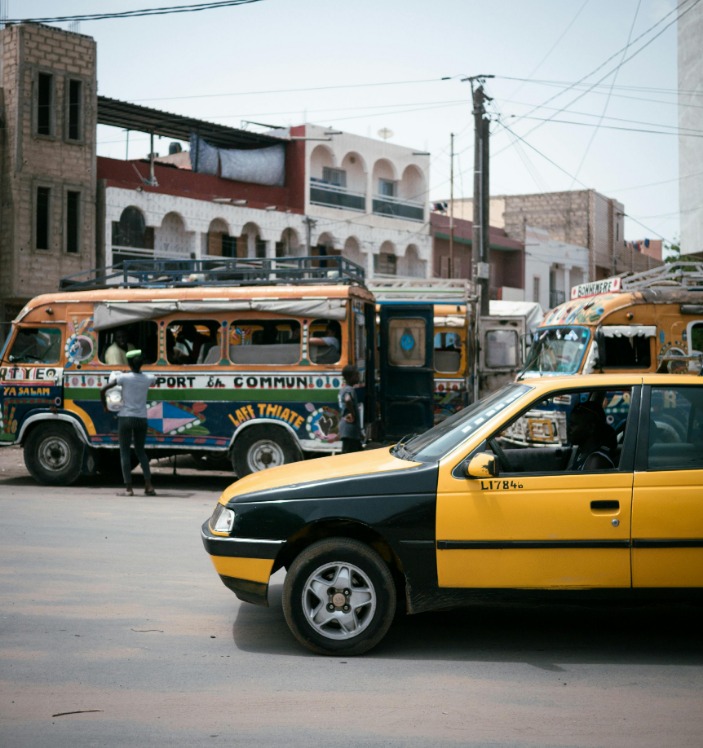
All deployments benefited from Zhongtong’s dedicated South Africa service network, with local parts stocks, a 72-hour parts delivery target, and hands-on technician training at partner workshops. Remote diagnostics and 24/7 support helped keep fleets moving and drivers confident behind the wheel.
These illustrative success stories highlight how Zhongtong buses can help SA cities modernize public transport, improve accessibility, and reduce operating costs while expanding service to more riders. As city networks continue to grow, partnerships with local service providers and ongoing training will be key to sustaining performance and delivering lasting impact.
Private operators and corporate shuttle programs
Zhongtong Bus South Africa highlights customer success stories and case studies that show how private operators and corporate shuttle programs drive value with Zhongtong buses.
For private operators, the emphasis is on reliability, ease of maintenance, and total cost of ownership. Zhongtong offers a range of city buses and midibuses designed for high daily utilization, with parts availability and a local service network to support quick maintenance and minimal downtime.
For corporate shuttle programs, the focus is on capacity, accessibility, and fleet management. Zhongtong’s high-capacity coaches and mid-sized shuttles are designed for campus and site transport, featuring comfortable interiors, low-floor access, safety systems, and telematics that help with route planning, tracking, and preventive maintenance.
Illustrative Case Study: Cape Town Private Shuttle Operator — A Cape Town private shuttle operator replaced an aging fleet with Zhongtong 12-meter city buses. The operator reported uptime improving from the mid-80s percent to the upper-90s, fuel consumption cutting by about 10–12 percent, and a smoother passenger experience thanks to quieter cabins and reliable HVAC systems.
Illustrative Case Study: Johannesburg Corporate Campus — A Johannesburg corporate campus deployed Zhongtong 9-meter shuttles to serve on-campus routes and commuter links to nearby suburbs. The rollout led to a notable reduction in unplanned maintenance, improved driver satisfaction due to ergonomic interiors, and lower emissions per kilometer across the shuttle network.
Illustrative Case Study: Durban Airport Link — An airport shuttle service in Durban added a batch of Zhongtong coaches to handle peak transfers. On-time performance rose to about 98 percent, passenger satisfaction scores improved, and maintenance costs per 1,000 kilometers declined, delivering a steadier and more predictable transport service for travelers.
Across private operators and corporate shuttle programs, Zhongtong Bus South Africa demonstrates how durable vehicles, local service support, and integrated fleet management help operators meet reliability goals, reduce operating costs, and enhance passenger experience.
Total cost of ownership and performance insights
Zhongtong Bus South Africa partners with regional operators to deliver reliable urban and school buses that meet demanding city schedules and school routes. Through customer success stories and case studies, the company demonstrates how a focused total cost of ownership approach and performance insights translate into better service, lower costs, and longer vehicle life.
Across municipalities and fleet operators, these stories highlight how Zhongtong buses address real-world challenges—unreliable service, high maintenance costs, and rising fuel expenses—and turn them into predictable, cost-efficient mobility for passengers and operators alike.
Case Study: City Transport Operator in Gauteng renewed a large urban fleet with Zhongtong models. The operator reported higher uptime, simpler maintenance routines, and improved fuel efficiency, contributing to a lower total cost of ownership over the vehicle lifecycle and delivering more consistent service to commuters.
Case Study: School Bus Services in the Western Cape replaced aging coaches with Zhongtong models designed for student safety and comfort. The switch delivered safer operations, smoother riding experiences for pupils, longer service intervals, and reduced downtime, all of which fed into a stronger overall TCO profile for the fleet.
Total cost of ownership for Zhongtong buses encompasses purchase price, maintenance, spare parts, energy or fuel costs, insurance, depreciation, and downtime. Operators often realize a favorable TCO through modular maintenance plans, strong warranties, extended service intervals, and the reliability that minimizes unscheduled repairs and lost service hours.
Performance insights are gathered through a combination of telematics, diagnostics, and driver feedback. Real-time uptime tracking, route-based energy consumption analysis, brake wear monitoring, and predictive maintenance data empower operators to optimize schedules, reduce fuel and maintenance costs, and extend vehicle life while maintaining high service standards for passengers.
Local after-sales support, a robust parts network, and driver and technician training are key differentiators for Zhongtong Bus South Africa. These elements ensure that performance gains translate into everyday reliability and a positive experience for operators, drivers, and riders alike.
In summary, the customer success stories and case studies from Zhongtong Bus South Africa illustrate how a strong focus on total cost of ownership and ongoing performance insights can deliver dependable transportation solutions that meet the needs of South African cities, schools, and commuters.
Challenges, Risks, and Competitive Landscape
Zhongtong Bus South Africa operates in a competitive and risk‑aware market where regulatory standards, procurement cycles, and currency volatility shape demand, while supply chain disruptions and the transition to electric fleets introduce operational risks. The competitive landscape includes legacy OEMs, new energy vehicle players, and local service networks, demanding strong local partnerships, reliable after‑sales support, and cost‑effective total ownership to win bids and maintain market share.
Local competition and market dynamics
Zhongtong Bus is pursuing opportunities in South Africa’s urban transport market, which combines strong demand for fleet renewal with a mature regulatory regime and a competitive mix of global and local players.
Key challenges include navigating homologation and safety standards, securing reliable after-sales support, and meeting local content or supplier development requirements that influence tender scoring.
Operational risks include currency volatility, import duties, and lead times on components, which can affect pricing and delivery schedules; tender-driven procurement adds exposure to policy changes and winner-takes-most dynamics.
Competitive landscape spans value-focused Chinese brands such as Yutong, King Long, Higer, and BYD in the electric space, alongside established European brands like Volvo, Mercedes-Benz, and Iveco, plus regional service networks.
Local competition and market dynamics hinge on total cost of ownership, reliability, and service accessibility. Operators seek robust service networks, readily available spare parts, and cost-effective financing; demand is shifting toward low-floor, accessible and electric or hybrid models for urban routes.
To win in this market, Zhongtong should consider strong local partnerships, perhaps assembly or final-assembly in-country, build a pan-South-African service and spare-parts network, train service technicians, align with financing partners, and tailor products to local route profiles and climate.
Overall, success depends on balancing competitive pricing with dependable after-sales support, navigating tender processes, and capitalizing on electrification trends while mitigating currency and regulatory risks.
Localization challenges and solutions
Zhongtong Bus South Africa is entering a market that combines growing municipal and private fleet demand with a stringent regulatory environment and intense competition. Success will depend on addressing local challenges, managing risks, and differentiating through reliable products, strong service, and effective localization.
Challenges and regulatory requirements include homologation and safety certification by South African authorities such as the SABS and NRCS, compliance with local standards, import duties and value-added tax, and the need to build a robust after-sales network to guarantee high uptime in varying operating conditions.
Risks encompass currency fluctuations that affect pricing and spare parts costs, reliance on cross-border supply chains, tender award cycles that can delay revenue, and exposure to policy shifts or subsidy changes that influence public transport budgets and fleet replacement cycles.
Competitive landscape in South Africa features established global and regional players, including BYD and Yutong in electrified and conventional buses, Higer and King Long, and traditional providers such as Isuzu, Volvo, Scania, and Mercedes-Benz. Local procurement preferences and total cost of ownership considerations heavily influence tender outcomes, and service coverage, spare parts availability, and fleet reliability are critical differentiators.
Localization challenges include adapting vehicles to South African driving conditions (right-hand drive configuration, climate extremes, dust and rough roads), aligning with local maintenance practices, ensuring timely spare parts supply, and meeting local labeling, warranty, and safety documentation requirements.
Localization solutions involve establishing a South Africa–based assembly or CKD program to increase local content and shorten lead times, building a national parts hub, and training and certifying local technicians. A robust service network with authorized workshops, a clear after-sales plan, and partnerships with local banks or financiers can support fleet adoption. Additional measures include tailoring configurations to local operating environments, implementing telematics and remote diagnostics, and aligning with BBBEE and local procurement policies to improve bid competitiveness.
With a focused localization strategy, Zhongtong Bus South Africa can strengthen its market position, win public tenders, and build a sustainable presence by delivering affordable, reliable buses with strong after-sales support tailored to the South African context.
Strategic risk mitigation
Zhongtong Bus’s expansion into South Africa presents a complex mix of challenges, risks, and competitive dynamics. This analysis outlines key factors shaping the market, along with strategic risk mitigation approaches tailored to Zhongtong Bus in South Africa.
- Challenges
- Regulatory and homologation hurdles: meeting South African safety, environmental, and design standards can affect approval timelines.
- Cost structure and ownership: high upfront capex, access to affordable financing, and currency volatility influence total cost of ownership.
- Aftersales and service network: establishing parts supply, trained technicians, warranty support, and reliable maintenance channels.
- Market dynamics: competition from established brands and dependence on public sector tenders, fleet renewal cycles, and operator preferences.
- Infrastructure readiness: charging and depot facilities for electric buses, grid capacity, and regional maintenance hubs.
- Brand awareness and local partnerships: building trust with operators, municipalities, and financing partners.
- Risks
- Currency and macroeconomic risk: fluctuations in ZAR against major currencies and changes in input costs.
- Regulatory and policy risk: shifts in transport funding, procurement rules, and emission standards.
- Operational risk: supply chain disruptions, long lead times for parts, and quality control for imported components.
- Safety and reputational risk: performance issues or field incidents could damage confidence and market adoption.
- Counterparty risk: financial stress among customers, partners, or suppliers affecting payments and service continuity.
- Competitive Landscape
- Global OEM competition: established players with robust local service networks and favorable financing terms.
- Chinese and EV entrants: brands like Yutong and BYD expanding in SA, increasing price competition and charging ecosystem considerations.
- Procurement dynamics: tender-driven purchases, local content requirements, and partnerships with government transport agencies.
- Aftermarket and service capabilities: reliability of parts supply, maintenance intervals, and telematics offerings shaping total cost of ownership.
- Strategic risk mitigation
- Localization and partnerships: pursue local assembly or CKD options, establish a regional service network, and develop local supplier ecosystems.
- Financing and pricing strategy: offer flexible leasing and service contracts, emphasize TCO, and manage currency exposure where feasible.
- Regulatory engagement: engage early with regulators for homologation processes, safety certifications, and grant eligibility.
- Robust after-sales and digital services: build dense parts distribution, expand dealer coverage, and deploy remote diagnostics with uptime guarantees.
- EV strategy: implement phased electric-bus deployments with pilot programs, invest in charging infrastructure partnerships, and optimize energy management.
- Brand building and localization: operator training, success case studies, and marketing that highlights reliability and economic benefits.
- Risk monitoring and supply chain resilience: diversify suppliers, maintain strategic inventory, and track macroeconomic indicators for proactive planning.
Strategic Outlook and Future Plans
Strategic Outlook and Future Plans for Zhongtong Bus South Africa center on expanding local manufacturing and assembly capabilities, strengthening regional supply chains, and delivering sustainable, affordable bus solutions aligned with South Africa’s urban mobility needs. The plan emphasizes product localization, accelerated adoption of electric and hybrid buses, strategic partnerships with municipalities and operators, and a robust service and parts network to ensure reliable performance and long-term value across major cities.
Expansion and market development strategy
This article presents the strategic outlook and future plans for Zhongtong Bus in South Africa, focusing on expansion and market development to meet urban mobility needs and accelerate fleet modernization across major cities and municipalities.
Market context and opportunity: South Africa is undergoing a transition from aging diesel fleets to more efficient and cleaner buses. Zhongtong aims to address lifecycle cost, reliability, and after sales support, offering a locally relevant mix of standard city buses, low-floor designs, and electric options to suit municipal tender requirements and private transport operators.
Strategic objectives: establish a strong local presence, build a resilient service network, and scale production or assembly to reduce lead times while meeting regulatory standards. Focus on total cost of ownership, product reliability, and aftercare to win long-term contracts with operators, transit authorities, and school transport providers.
Expansion and market development strategy: align product offerings with South African standards and customer needs, including local content in assembly, parts localization, and adaptation for climate and road conditions. Introduce a phased introduction of buses starting with a pilot fleet, followed by larger tender-driven deployments across major metros such as Johannesburg, Cape Town, and Durban.
Distribution and partnerships: establish regional distributors and service workshops in key provinces, build a 24/7 after-sales support line, and partner with local banks and leasing companies to create favorable financing for operators. Collaborate with government, universities, and fleet operators to pilot new technologies and demonstrate reliability.
Manufacturing and supply chain: evaluate a local assembly or CKD kit facility to reduce import duties, shorten lead times, and create local jobs. Develop a robust supply chain for core components with multiple suppliers in regional hubs to mitigate risk and ensure spare parts availability.
Product and technology roadmap: offer a full portfolio including urban low-floor city buses, intercity coaches, and electric buses with modular battery options. Invest in charging solutions, telematics, and predictive maintenance to optimize routing, uptime, and driver performance while improving environmental outcomes.
People, capability, and service excellence: train local technicians, create customer care hubs, and empower local teams with product and service knowledge to deliver fast turnaround times and high first-time fix rates. Establish a knowledge center for parts, training, and safety standards aligned with local regulatory requirements.
Risk management and governance: identify regulatory, currency, and market-entry risks; implement hedging strategies, local partnerships, and phased investment to manage exposure. Maintain an adaptable plan to respond to tender cycles, policy shifts, and competitive dynamics while upholding high standards of quality and safety.
Milestones and KPIs: define targets for regional sales, fleet deployments, service coverage, and local content levels; monitor performance through quarterly reviews and adjust plans to ensure timely delivery of initial pilots, followed by scalable deployment across the country over the next three to five years.
Investment in South Africa ecosystem
Zhongtong Bus South Africa is outlining its strategic outlook and future plans to become a leading provider of safe, reliable, and affordable mobility solutions in the region, with a focus on urban transit, school shuttles, and commercial fleets.
The approach centers on a phased market entry and sustained expansion that strengthens local presence through assembly capabilities, parts localization, and a regional service network designed to minimize downtime for operators and maximize fleet uptime.
Electrification and sustainable transport are core pillars of the strategy, with a clear emphasis on introducing and scaling electric buses, charging infrastructure partnerships, and integration with existing public transport ecosystems to improve urban mobility and reduce emissions.
Investment in the South Africa ecosystem will prioritize local content, skills transfer, and job creation. This includes establishing local supply chains with regional component manufacturers, setting up training centers for technicians and engineers, and building a robust after-sales support network to ensure long-term reliability and customer satisfaction.
Public sector collaboration will be essential. Zhongtong Bus South Africa aims to engage with municipalities, national transport authorities, and financing partners to participate in tenders, tailor fleets to service patterns, and provide financing and maintenance options that lower barriers to adoption for fleet operators.
Product and technology strategy focuses on fleet management and telematics, remote diagnostics, predictive maintenance, and data-driven optimization to help operators reduce total cost of ownership and improve service reliability across urban routes and school networks.
Governance and risk management will address regulatory compliance, safety standards, and alignment with South Africa’s local content and_black-owned supplier development objectives, ensuring that the investment strengthens the local economy while maintaining high quality and safety requirements.
Key milestones over the next three to five years include establishing regional assembly and service hubs, launching pilot electric-bus programs with select cities, expanding the local supplier base, and progressively increasing the share of locally sourced components and maintenance services in the lifecycle of Zhongtong buses in the region.
Overall, Zhongtong Bus South Africa is committed to building a sustainable, scalable ecosystem that supports efficient urban mobility, creates skilled jobs, and contributes to South Africa’s transport modernization goals while delivering reliable transportation solutions for governments, operators, and communities.
Sustainability and future product roadmap
Zhongtong Bus South Africa is aligning its strategic outlook with the region’s growing urban mobility needs, focusing on reliability, local capability, and sustainable transport. The company aims to support city fleets, public programs, and private operators with high-quality buses and after-sales service while adhering to local regulations and safety standards.
- Strategic Outlook and Future Plans: Zhongtong Bus South Africa plans to expand its regional footprint by widening the dealer and service network, establishing regional hubs for maintenance and training, and evaluating local assembly options to shorten lead times and boost local job creation. The product strategy emphasizes urban buses for municipal fleets, mid-size coaches for passenger services, and electric buses to support South Africa’s decarbonization goals. The company will seek partnerships with municipalities, transport authorities, financing partners, and local suppliers to accelerate fleet modernization and ensure reliable after-sales support.
- Sustainability and Environmental Commitments: The company is committed to reducing life-cycle emissions through energy-efficient manufacturing, zero-emission vehicle options, responsible battery management, and recycling programs. It will implement green procurement practices, supplier audits for environmental standards, and data-driven route optimization to help operators lower energy use and noise. Community and employee safety, and compliance with local environmental regulations, are core priorities.
- Future Product Roadmap and Technological Direction: The roadmap envisions modular electric buses with scalable battery packs and meaningful range options for urban and peri-urban routes. It includes depot and on-route charging solutions, connected telematics for remote diagnostics and fleet optimization, and driver-assistance features to improve safety. The plan also allows for exploring hydrogen fuel cell propulsion for longer routes and heavy-duty applications, with phased pilots and learning in collaboration with local partners.
By balancing local execution with global engineering, Zhongtong Bus South Africa expects to deliver sustainable mobility solutions that meet the unique needs of South African cities while building a resilient regional ecosystem.