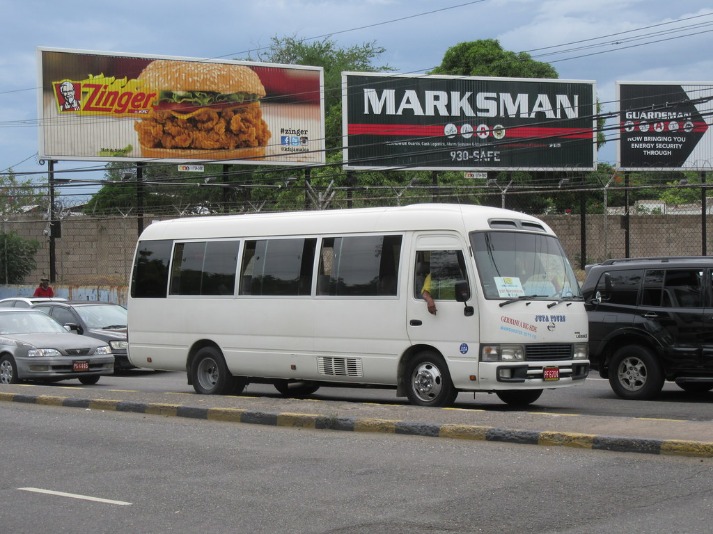

Overview of Hino Buses in South Africa
Hino buses are a familiar sight on South Africa’s roads, serving municipal transit, intercity coaches, and urban shuttle services. With robust diesel engines, modern safety features, fuel efficiency, and a nationwide service network, Hino’s bus lineup supports reliable operation across diverse South African routes.
Brand History and Local Presence
Hino Buses in South Africa form a key part of the country’s commercial-vehicle landscape, delivering reliable intercity, commuter and school transport solutions across urban and rural routes. The local fleet is known for sturdy chassis, efficient diesel propulsion, and comfortable interiors designed to meet the demands of long-distance travel and daily urban service.
Brand History: Hino Motors, Ltd. traces its heritage to 1942 in Japan and has grown into a global leader in heavy-duty trucks, buses and coach products. As part of the broader Toyota Motor Corporation family, Hino has focused on durability, reliability and total cost of ownership, developing a wide range of buses and chassis that cater to regional requirements while maintaining a common commitment to quality and after-sales support.
Local Presence: In South Africa, Hino operates through a dedicated distributor and an established service network that spans major cities and key transport corridors. The local infrastructure emphasizes readily available spare parts, responsive service support, and training programs for drivers and technicians to keep fleets on the road. This network underpins both public sector and private fleet operations, ensuring uptime and predictable maintenance costs.
Market Role: Hino buses are widely used by transport operators for intercity coaches, school transport and urban shuttle services. Operators benefit from Hino’s reputation for durability, strong resale value and robust after-sales support, which helps fleets manage lifecycle costs, minimize downtime and maintain consistent service levels across routes.
Future and Local Adaptation: As South Africa’s bus sector evolves with emphasis on efficiency and emission reduction, Hino continues to align its offerings with local standards and operator needs. This includes ongoing support for maintenance programs, parts availability, and training, as well as exploration of modern powertrains and technology that enhance fuel efficiency and passenger comfort in the South African operating environment.
Market Position and Key Customers
Hino Buses in South Africa represent a durable and economical option for a wide range of passenger transport needs. As a global brand within the Toyota Group, Hino Motors has established a local footprint that focuses on reliable, fuel-efficient buses designed for busy urban routes, school transport, and commuter services. The South African market values vehicles that can withstand the country’s operating conditions while delivering predictable maintenance costs and strong resale value, and Hino’s bus lineup is tailored to meet those expectations.
The Hino bus family available in South Africa spans minibuses through mid-size coaches and full-size intercity models. Typical configurations include minibuses suitable for school and shuttle services, mid-range buses for urban and regional routes, and larger coaches intended for longer distance travel and tour operations. This range enables operators to choose vehicles that match seating capacity, route length, and loading needs, with common variants designed for 14 to 30 seats in the minibus category, mid-size configurations for regional work, and coach options for longer-distance service.
Market position in South Africa emphasizes reliability, fuel efficiency, and total cost of ownership. Hino benefits from a robust local service and parts network that supports rapid maintenance, straightforward servicing, and accessible spare parts across major urban centres. Operators often cite steady performance, good driver comfort, and predictable operating costs as key reasons to choose Hino for daily passenger duties, placing the brand as a strong competitor alongside other established bus manufacturers in the region.
Key customers for Hino buses in South Africa span municipal and government fleets, corporate shuttle programs, private school transport providers, charter and tour operators, and general passenger service companies that operate commuter routes. The appeal to these customers often lies in configurable interior layouts, the ability to tailor vehicles to local regulatory and route needs, and the assurance of a wide aftersales network that minimises downtime and sustains fleet availability.
Looking forward, Hino emphasizes compatibility with evolving emission standards and market requirements by offering efficient diesel options and exploring future propulsion solutions within its bus range. The focus remains on delivering practical, long-term value for South African operators through durable construction, service accessibility, and adaptable configurations that suit a diverse and growing passenger transport landscape.
Product Portfolio in South Africa
Hino’s bus portfolio in South Africa is built to support urban commuting, intercity travel and school transportation, combining durable engineering with efficient fuel economy. Local dealers back the lineup with service, parts availability and training, ensuring fleet reliability across South Africa’s diverse routes. The range emphasizes passenger comfort, safety features and adaptability to regulatory standards, underscoring Hino’s role in powering reliable public transport and commercial fleets nationwide.
City and Midibus Range
Hino South Africa offers a robust product portfolio tailored to the needs of urban mobility in the country, with clear focus on the City Bus range for metropolitan routes and the Midibus range for feeder services, schools, corporate shuttles, and regional travel.
City Bus range: Core 12-metre low-floor city buses designed for high passenger throughput, easy boarding, and driver comfort. Features include low-entry access, spacious seating, climate control, modern onboard information systems, and safety amenities to meet local operator requirements.
Midibus range: 8- to 9-metre class vehicles that strike a balance between maneuverability and capacity, ideal for feeder networks, tourist shuttles, hotel campuses, and municipal routes. These buses offer flexible seating layouts, luggage compartments, and efficient diesel propulsion with strong reliability.
Engines and emissions: Hino continues to equip its SA buses with efficient diesel powertrains aligned to local standards, focusing on durability, fuel economy, and ease of maintenance.
Body and customization: Hino SA works with local body builders to tailor interiors, seating configurations, luggage/storage options, and branding to suit operator needs and route demands.
Service and support: A wide South African dealer network provides parts, maintenance, and after-sales service to maximize uptime and minimize total cost of ownership.
Operator benefits: The combination of robust build quality, available driver training, and predictable maintenance cycles translates into high uptime, lower operating costs, and better passenger experience on city and urban routes.
Conclusion: For South Africa’s urban mobility, Hino’s City Bus and Midibus ranges offer a versatile, reliable portfolio designed to meet diverse route demands with strong local support.
Intercity and Tour Buses
Hino Bus South Africa offers a focused product portfolio designed for the country’s intercity corridors and tourism routes. Operators rely on buses that combine uptime, comfort and efficient running costs to keep fleets on the road across long distances where South Africa’s roads vary in quality.
The lineup centers on the Hino 300 Series for compact mid‑size intercity shuttles and the Hino 500 Series for longer intercity and tour coaches. Both ranges are tuned for South African operation with robust drivetrains, easy maintenance and good parts availability through the local network.
Intercity buses in the Hino South Africa range are built to handle frequent daily duty with efficient engines, strong torque, and designed interiors that accommodate typical operator layouts. Features often include ergonomic driver cabins, accessible entry and exit, luggage bays, climate control, and safety systems suitable for busy intercity routes.
Tour buses from the Hino portfolio emphasize long‑haul comfort and premium travel experiences. They offer larger seating configurations, spacious luggage compartments, advanced suspension for smoother rides, acoustic damping and on‑board amenities aligned with operator branding and passenger expectations for sightseeing and charter work.
Local support is a core part of the Hino South Africa offering. The network provides genuine parts, timely service, preventive maintenance plans and operator training to maximise uptime and protect resale value for intercity and tour fleets.
Customization options cover interior layouts, seating densities, branding, and safety features to comply with South Africa’s regulations and operator requirements. Hino also aligns with emissions standards and the evolving powertrain choices in the market for durability and cost efficiency.
As South Africa’s travel and passenger transport markets rebound, the Hino bus portfolio is positioned to support operators with dependable, fuel‑efficient and serviceable vehicles capable of enduring the country’s road conditions and the demands of both commuter and tourism travel.
In summary, Hino Bus South Africa combines a two‑tier portfolio with local support to serve intercity operators and tour operators seeking practical and comfortable buses built for South Africa’s unique routes.
Electric and Hybrid Bus Options
Hino Bus South Africa offers a broad product portfolio tailored to South Africa’s public transport and fleet needs, with growing emphasis on sustainable mobility through electric and hybrid options. The local operation combines imports, local assembly, and service support to help operators run reliable, low-emission buses.
- Product portfolio in South Africa
- City and shuttle buses built for high-frequency urban routes, optimized for ease of maintenance and passenger comfort
- Intercity and coach models for longer-distance operations, with driver comfort and luggage space considered
- School and commuter minibuses for feeder networks and private fleets
- Fleet services: maintenance packages, parts supply, and aftersales support through the Hino SA dealer network
- Electric and Hybrid Bus Options
- Hybrid buses combining diesel and electric propulsion to reduce fuel use and emissions on busy city routes
- Fully electric bus programs and pilots in cooperation with local partners, with charging infrastructure and depot solutions
- Energy management and telematics for battery health, route optimization, and uptime
- Total cost of ownership considerations, incentives, and prudent deployment strategies in South Africa
- Why Hino for South Africa
- Strong local support network, availability of spare parts, and service expertise to maximize uptime
- Durability in harsh operating environments, with components suited to South Africa’s climate and road conditions
Manufacturing, Assembly, and Local Content
Hino Bus South Africa blends global engineering with local assembly to deliver durable buses for South Africa and the region. Manufacturing and assembly bring together international platforms with local production to ensure reliable service, parts availability, and responsive after-sales support.
Local content is a key driver of this approach, sourcing more components from South African suppliers to create jobs, transfer skills, and strengthen the regional supply chain. This aligns with procurement goals and supports a sustainable public transport fleet across cities and towns.
Local Assembly Facilities and Partners
Hino Bus South Africa is the local arm of Hino Motors, delivering bus chassis and complete bus solutions to public transport operators, school fleets, and corporate shuttles across Southern Africa. The company centers its activity on manufacturing, assembly, and local content to support regional growth, job creation, and reliable after-sales service.
Manufacturing and assembly in South Africa combine imported CKD (Completely Knocked Down) or SKD (Semi Knocked Down) kits with local assembly processes. Finished buses are assembled to meet regional needs, including urban and intercity configurations, with body integration, electrical systems, seating, and interiors completed in country. This approach shortens lead times, enables customization for local routes, and allows adherence to international quality standards while adapting to South African road and climate conditions.
Local content is a core focus for Hino Bus South Africa, with procurement policies aimed at sourcing a substantial share of components locally. Parts such as mechanical assemblies, brakes, steering, suspension, seats, and interior fittings are increasingly sourced from South African suppliers, supported by supplier development programs, training, and quality assurance processes. By expanding local procurement, Hino SA contributes to regional supplier capability, skills transfer, and resilience in the supply chain.
Local assembly facilities and partners form an integrated ecosystem that includes authorized assemblers, contract manufacturers, and a broad dealer network. Partnerships with transport operators, fleet managers, and government-stakeholder programs help tailor bus specifications to demand, mobility patterns, and regulatory requirements. This network ensures effective after-sales service, spares availability, and routine maintenance across major urban centers and fleet hubs.
An ecosystem of partners underpins Hino Bus South Africa, spanning local suppliers, engineering service providers, testing laboratories, logistics specialists, and regional distributors. Strategic collaboration with Toyota Tsusho Africa and other regional entities supports procurement, training, and market expansion, while alignment with national automotive programs helps optimize local content targets and incentives. Together, these partnerships drive continuous improvement in quality, cost-efficiency, and compressor-friendly service for South African customers.
The impact of manufacturing, assembly, and local content is felt through job creation, skills development, and technology transfer within the South African automotive and transport sectors. Ongoing investments aim to expand assembly capacity, increase local content share, and introduce bus models that meet efficiency, safety, and emissions expectations for the region. Hino Bus South Africa remains focused on delivering dependable mobility solutions with strong local partnerships and a resilient, locally embedded manufacturing footprint.
As the market evolves, Hino Bus South Africa seeks to deepen its local presence by expanding assembly capabilities, strengthening supplier networks, and coordinating with fleet operators to optimize lifecycle costs. The result is a robust, locally supported bus offering that contributes to affordable public transport, safer roads, and sustainable mobility across South Africa and neighboring markets.
Supply Chain and Local Sourcing
Hino Bus South Africa anchors its operations on manufacturing and assembly that serve the local market while aligning with global Hino engineering standards. The approach combines local assembly capabilities with the integration of proven components from regional and international suppliers to deliver reliable, serviceable buses for urban, intercity, and educational transport needs.
Manufacturing and assembly in South Africa typically involve a staged process that includes the receipt of CKD kits and selected locally sourced parts, final assembly, painting, and testing. This model enables Hino to tailor buses to South African road conditions, climate, and regulatory requirements while maintaining efficiency through standardized processes and quality controls.
Local content is a strategic focus for Hino Bus South Africa, with procurement practices designed to maximize involvement of South African suppliers. Components such as sheet metal parts, seating, interiors, electrical harnesses, and braking systems are targeted for local sourcing, supporting downstream manufacturing jobs and supplier capacity building while contributing to national industrial policy and BBBEE objectives.
The supply chain for Hino Buses in South Africa emphasizes resilience and transparency. Strong relationships with regional distributors, freight firms, and component manufacturers help secure steady deliveries of parts and subassemblies. The company also emphasizes supplier evaluation, quality assurance, and contingency planning to mitigate disruptions and maintain on-time production.
Local sourcing extends beyond parts to include service networks, training, and maintenance ecosystems. Hino Bus South Africa collaborates with local technical institutions and training partners to transfer skills in welding, painting, electronics, and vehicle diagnostics, ensuring a capable workforce that supports both manufacturing and aftersales service.
Quality, safety, and compliance are central to the local manufacturing and assembly program. Buses produced for the South African market are built to meet national standards and customer requirements, with a focus on robust chassis, reliable drivetrains, and durable interiors. Availability of genuine parts locally supports uptime and total cost of ownership for fleets across municipalities, schools, and private operators.
From a social and economic perspective, manufacturing, assembly, and local sourcing in South Africa contribute to job creation and skills development while fostering regional supplier networks. By integrating local content, Hino Bus South Africa positions itself as a contributor to regional mobility solutions and a partner for public transport modernization initiatives.
Looking forward, the Hino Bus South Africa platform aims to strengthen local supplier ecosystems, expand production capacity where feasible, and continue improving local content while maintaining the reliability and performance that operators expect. The emphasis remains on sustainable transport, practical value for fleets, and a resilient supply chain that can adapt to evolving customer needs.
Standards, Compliance, and Quality
Hino Bus South Africa operates a manufacturing and assembly framework that blends global Hino engineering with local production to serve the Southern African market, emphasizing reliability, serviceability, and value for money in public transport and commercial applications.
Manufacturing and assembly processes in South Africa typically involve CKD (complete knock-down) kits and locally assembled bus bodies, with stamping, welding, painting, and final assembly conducted at dedicated facilities. The approach supports scalable production capacity, skilled employment, and faster delivery of buses aligned to customer specification.
Local content and supplier development are central to Hino SA’s strategy. Through the Automotive Production and Development Programme (APDP) and supplier development initiatives, the company sources a portion of components locally, fosters training and capability building, and collaborates with local suppliers, including minority-owned businesses, to strengthen domestic supply chains and create jobs.
Standards and compliance are anchored in South African and international norms. Hino SA aligns with SABS standards and ISO 9001 for quality management, while automotive suppliers often pursue IATF 16949 or equivalent quality frameworks to ensure component quality, traceability, and continuous improvement across the value chain. Vehicle homologation and regulatory compliance are managed to meet national road and safety requirements.
Quality management and assurance are embedded in every stage of the lifecycle, from inbound component inspection and in-process controls to end-of-line testing and road testing. Robust quality metrics, supplier quality assurance, reliability testing, and warranty data analysis drive continuous improvement and help maintain fleet uptime and operator satisfaction.
Environmental stewardship and workplace safety are integral to manufacturing at Hino SA. The operation typically embraces environmental management systems (ISO 14001) and health and safety standards (ISO 45001 or OHSAS 18001 lineage) to minimize emissions, manage waste, conserve energy, and protect workers during high-volume production and maintenance activities.
Local challenges and opportunities include navigating global supply chains, achieving favorable local content thresholds, maintaining cost competitiveness, and meeting evolving regulatory requirements. Investment in local training, after-sales support networks, and maintenance facilities ensures long-term reliability of Hino buses in South Africa and neighboring markets.
Overall, Hino Bus South Africa positions itself as a manufacturer and assembler of dependable urban and intercity buses by integrating local content with stringent standards, robust compliance, and a continuous quality focus to serve operators, authorities, and passengers across the region.
Sales, Service, and Dealer Network
Hino Bus South Africa offers a comprehensive Sales, Service, and Dealer Network designed to keep operators moving. With a nationwide network of trained sales consultants, factory-certified technicians, and genuine parts, customers benefit from transparent pricing, flexible financing, reliable after-sales support, and responsive service across major cities and rural routes.
Authorized Dealers Network
Hino Bus South Africa delivers a robust approach to sales, service, and dealer support designed to keep passenger transport operators moving with minimal downtime and maximum uptime.
Sales in South Africa connect fleet operators with the right bus solutions, from urban high-capacity models perfect for commuter networks to mid-size coaches for shuttles and school transport. Authorized dealers provide personalised consultations, vehicle demonstrations, and flexible purchasing options tailored to fleet needs, with transparent pricing, financing packages, and ready access to test drives and configurations.
Service is delivered through a nationwide network of authorized service centers staffed by factory-trained technicians and backed by genuine Hino parts. Comprehensive maintenance programs, warranty support, and diagnostics help maximise vehicle availability, while regular service campaigns and recalls are communicated and delivered through the dealer network. Mobile service units may also be available to provide on-site support when required.
The authorized dealer network spans key regions across the country, ensuring timely local support in major cities and strategic rural areas. Dealers uphold standardized service protocols, maintain consistent parts supply, and offer digital service scheduling, transparent quoting, and efficient turnaround times to keep fleets on the road.
Authorized dealers are vetted by Hino South Africa to ensure certified technicians, adherence to safety and regulatory standards, and access to genuine parts. This network guarantees warranty eligibility, participation in service campaigns, and access to technical bulletins and recalls, all designed to protect uptime and operator interests.
For operators, the integrated approach—expert sales guidance, qualified service centers, and a strong national dealer network—translates into higher vehicle availability, lower total cost of ownership, and improved resale value of Hino buses in South Africa.
After-Sales Support and Warranty
Hino Bus South Africa offers a comprehensive approach to sales, service, and support for urban and intercity bus operators across the country, backed by a nationwide dealer network and strong after-sales commitments.
- Sales and Distribution
- Nationwide fleet and government sales teams dedicated to Hino bus buyers, with tailored solutions for urban transit, school transport, and commercial passenger services.
- Flexible procurement options, including direct quotations, on-site demonstrations, and financing through partner banks or captive finance programs.
- Product range includes urban and intercity buses, with options for customization to meet capacity, comfort, and regulatory requirements.
- Service and Maintenance
- Authorized service centers staffed by trained technicians with access to genuine Hino parts and diagnostic tools.
- Structured service plans and preventive maintenance to maximize uptime and total cost of ownership.
- Mobile service units and on-site support to minimize downtime for operators with remote routes or large fleets.
- Dealer Network and Spare Parts
- Extensive dealer footprint across South Africa, providing easy access to sales, service, and parts for bus operators.
- Regional spare-parts hubs ensuring availability of genuine Hino components and fast delivery to service centers and customers.
- Single-point contact for after-sales and warranty matters to streamline claims and support.
- After-Sales Support and Warranty
- Factory-backed warranty on Hino buses with coverage for manufacturing defects; options to extend based on fleet needs.
- Roadside assistance, 24/7 support, and rapid fault diagnosis to reduce breakdown downtime.
- Clear warranty terms, service requirements, and claims processes managed through authorized dealers with genuine parts.
Spare Parts Availability and Logistics
Hino Bus South Africa offers a complete bus solution with sales, service and a nationwide dealer network designed to meet the needs of urban transport authorities, school operators and intercity fleets. The approach emphasizes reliability, fuel efficiency and low total cost of ownership, backed by local engineering, parts availability and responsive support.
Sales and dealer network: An authorised network of Hino bus dealers provides local sales consultancies, demonstrations, and fleet configuration options across key regions such as Gauteng, Western Cape and KwaZulu-Natal, with expansion into other provinces. Dealers assist with vehicle specification, bodywork partnerships, financing, and extended warranty programs to help operators tailor buses to their routes and operating hours.
Service and aftersales: Hino South Africa runs certified service centres staffed by factory-trained technicians equipped with diagnostic tools for buses. Scheduled maintenance, preventive servicing, and timely repairs are supported by spare parts availability, ensuring high uptime for fleet operators. Many dealers also offer mobile service vans to reach customers on-site when needed.
Spare parts availability: Genuine Hino spare parts are stocked locally through a central distribution hub and regional stock to minimise downtime. An online parts portal and direct dealer ordering help operators source components quickly, with documented warranties and quality assurances on all parts used for buses.
Logistics and parts delivery: The parts logistics network is designed to keep buses moving, with efficient warehousing, planned replenishment and dependable delivery to dealers and customers across major urban centres. Logistics teams coordinate lead times, consignments and emergency shipments to support urgent repairs and routine maintenance alike.
Value to operators: The integrated sales, service, and parts ecosystem provides predictable maintenance costs, strong resale value and consistent uptime for Hino buses. Fleet operators benefit from service level agreements, technician training programs, and access to financing options that align with cash flow and route performance.
Conclusion: Through its South Africa operation, Hino continues to support bus operators with a robust dealer network, readily available spare parts and a logistics framework that minimizes downtime while delivering reliable transportation for urban, intercity and school services.
Fleet Solutions and Customer Success
Fleet Solutions in South Africa partners with Hino Bus to help operators optimize the performance and reliability of Hino buses across the country. Through a Customer Success program, clients are guided from onboarding to proactive maintenance, data-driven insights, and tailored support, ensuring uptime, efficient operations, and exceptional passenger service for Hino Bus South Africa fleets.
Public Transport Operators and BRT Projects
Fleet Solutions and Customer Success are central to powering reliable urban mobility in South Africa, especially as Public Transport Operators pursue ambitious Bus Rapid Transit projects. Hino Bus South Africa combines durable city buses with a holistic aftersales ecosystem designed to keep fleets on the move and passengers on time.
Fleet Solutions cover proactive maintenance planning, telematics, remote diagnostics, and a dependable service-partner network. Through Hino’s fleet management tools, operators can monitor vehicle health, schedule services during off peak hours, and optimise driver duty cycles to reduce wear and downtime. Customer Success teams focus on uptime, route reliability, and total cost of ownership, translating data into practical actions for operators.
Customer Success at Hino South Africa translates operator goals into measurable outcomes: increasing fleet availability, reducing unscheduled downtime, shortening maintenance turnaround, and delivering predictable maintenance costs. Regular business reviews, KPI dashboards, and a transparent parts supply chain ensure operators stay ahead of demand on busy urban corridors.
Public Transport Operators rely on buses that can withstand frequent urban stops, high mileage, and demanding duty cycles. Hino buses bring robust drivetrains, efficient engines, and comfortable interiors for both drivers and passengers. A strong local service network and guaranteed parts availability minimise disruption to daily commutes across major South African cities, underpinning confidence in BRT operations.
South Africa’s BRT initiatives in cities such as Cape Town with MyCiTi and Johannesburg’s Rea Vaya depend on standardized, reliable fleets to deliver on-time performance. Hino Bus South Africa collaborates with operators to tailor fleets for BRT lanes, passenger volumes, and peak-hour demand, ensuring buses align with depots, integration with ticketing systems, and future-proofing for electrification pilots where appropriate.
With a national service network, genuine parts availability, and trained technicians, Hino ensures rapid response times and consistent maintenance windows. This reliability is essential for BRT operations, where service interruptions can affect entire corridors and rider confidence.
Customers report improved uptime, better fuel efficiency, and lower total cost of ownership thanks to preventative maintenance and digital monitoring. Real-world outcomes include shorter repair times and smoother coordination between operations and maintenance teams, reinforcing the value of Fleet Solutions and Customer Success in South Africa’s urban mobility landscape.
Ultimately, Fleet Solutions and Customer Success are integral to Hino Bus South Africa’s mission to power safe, efficient, and affordable public transport as BRT projects expand and evolve across the country.
Corporate and Private Fleets
Hino Bus South Africa delivers Fleet Solutions tailored for corporate and private fleets, combining vehicle reliability with a customer success approach that keeps buses on the road and operators thriving.
Fleet Solutions encompass procurement assistance, preventive and corrective maintenance, telematics, driver training, fuel management, and lifecycle planning, all designed to reduce operating costs, improve safety, and optimize route performance.
Customer Success means a dedicated team that guides partners from onboarding through ongoing optimization, with clear KPIs, regular reviews, and proactive support to ensure sustained value and measurable improvements.
Corporate fleets benefit from scalable shuttle and commuter programs, executive transport, or event services. Hino buses are chosen for durability and safety, supported by a wide service network that minimizes downtime and digital tools that monitor vehicle health in real time.
Private fleets, including school transport operators, tour providers, and private hire services, gain from configurable seating, accessibility options, and robust maintenance plans that protect the value of the fleet and enhance passenger experience.
In South Africa, Hino Bus South Africa backs fleets with local service centers, genuine parts, technician training, and regional coverage that ensures quick turnaround and predictable maintenance schedules.

Connected telematics and data analytics enable fleet managers to track performance, optimize fuel use, schedule preventive maintenance, and improve driver behavior, tying together fleet efficiency with customer success through tangible outcomes.
Looking ahead, Hino Bus South Africa is pursuing electrified and hybrid options, partnerships for charging infrastructure, and software-enabled fleet management to meet regulatory requirements and passenger expectations for a cleaner, safer, and smarter public transport ecosystem.
Case Studies and ROI
In South Africa, bus fleets face uptime pressures, safety requirements, and the need to reduce cost per kilometer. Fleet Solutions tailored for Hino Bus South Africa integrate telematics, proactive maintenance, and driver development to drive customer success on every route.
Fleet Solutions comprise real-time telematics that monitor vehicle health, fuel usage, and location; scheduled maintenance triggered by engine data; remote diagnostics that alert workshops before a fault becomes costly; parts logistics and local service support; and driver coaching and route optimization to reduce idle time and improve efficiency.
Hino South Africa emphasizes Customer Success with a structured onboarding process, measurable success plans, and regular business reviews. Local teams across Gauteng, the Western Cape, and KwaZulu-Natal partner with operators to define key metrics, track progress, and ensure rapid issue resolution, building trust and long-term value.
Case study: a metropolitan bus operator in Cape Town adopted Hino Fleet Solutions to replace ad hoc maintenance with a data-driven program. Unscheduled breakdowns fell by 28%, uptime rose from 92% to 97%, and fuel efficiency improved by 6–8%. The combined savings on maintenance and fuel delivered a payback period under 14 months, with ongoing annual savings compounding as routes and schedules evolved.
Case study: a Johannesburg school-transport operator integrated driver coaching, telematics alerts, and optimized routing. Idle time decreased by 12%, engine wear indicators improved, and maintenance windows shifted from emergency repairs to planned servicing. Overall operating costs declined by roughly 15%, delivering a clear ROI within the first year of deployment.
ROI for Fleet Solutions is measured by total cost of ownership reduction: lower maintenance costs, lower fuel consumption, higher utilization, and residual value of buses after their service life. A typical calculation considers upfront implementation costs, ongoing subscription fees, and annual savings from improved uptime, fuel efficiency, and reduced unscheduled maintenance. Payback periods of 9–18 months are common when fleets reach optimal configuration and driver engagement.
Hino South Africa supports these outcomes with a robust local service network, rapid access to genuine parts, remote diagnostics, and training programs for drivers and technicians. The combination of on-site support, digital insights, and a clear customer-success framework helps operators move from cost centers to strategic mobility partners on South Africa’s roads.
For Hino Bus South Africa customers, Fleet Solutions align operational performance with business goals. By prioritizing customer success, case-driven ROI, and ongoing improvements, operators can deliver safer journeys, more reliable service, and lower total costs across urban and rural routes alike.
Technology and Innovation in Hino Buses
Technology and innovation are transforming Hino buses in South Africa, where advanced engine efficiency, cutting-edge safety systems, and digital fleet management are redefining reliability, profitability, and passenger experience for urban routes and rural services alike.
Telematics, Safety, and Driver Assistance
Hino Buses in South Africa are at the forefront of technology and innovation, integrating telematics, safety features, and driver assistance to improve reliability and safety for operators and passengers.
At the heart of Hino’s offering is telematics that connect each bus to a centralized fleet management platform. Real-time vehicle tracking, route optimization, fuel consumption analytics, and idling reduction help operators improve on-time performance and lower operating costs.
Remote diagnostics and over-the-air software updates keep buses current without frequent workshop visits. Data from the telematics system is accessible via cloud dashboards and mobile apps, enabling maintenance planning and proactive repairs.
Safety is embedded in hardware and software. Hino buses deploy robust safety systems such as anti-lock braking (ABS), electronic stability control (ESC), and electronic brake-force distribution (EBD) to maintain traction and stability on diverse South African roads, along with brake assist and hill-start support.
Passenger safety and security features include seatbelts where fitted, reinforced structures, and CCTV or driver observation systems to enhance passenger security during journeys and support incident review if needed. Tyre pressure monitoring and comprehensive braking systems further bolster overall safety.
Driver assistance features such as lane-keeping assist, collision mitigation with automatic emergency braking, adaptive cruise control, and parking sensors are being integrated into newer models to reduce fatigue and improve situational awareness for drivers operating in urban and rural routes.
Together, telematics and driver-assistance systems help operators comply with South African public-transport regulations, monitor driver behaviour, and implement fatigue-management protocols, contributing to safer roads and more reliable services.
Environmental and efficiency benefits accompany these technologies, with Euro 5/6 compliant engines, efficient transmissions, and optimized routing reducing emissions and fuel costs. Hino also explores hybrid and alternative-fuel options to further lower the environmental footprint of South Africa’s bus fleets.
In South Africa, Hino Buses with advanced technology deliver safer, more reliable, and more efficient urban and rural transport, supporting operators, commuters, and communities alike through improved safety, tracking, and performance.
Alternative Propulsion and Future Mobility
Technology and innovation are central to Hino Buses in South Africa, where rugged reliability meets cutting-edge propulsion, connectivity, and passenger experience to support urban transit and intercity travel.
Powered by efficient diesel engines and advanced aftertreatment, Hino buses in the SA market are designed to meet evolving emissions standards while delivering steady uptime in demanding conditions. Sophisticated electronic controls, chassis dynamics, and lightweight design help operators reduce fuel consumption and maintenance costs.
Alternative propulsion and future mobility: Hino is pursuing a portfolio that includes hybrid-electric powertrains and plug-in solutions, with fully electric buses progressing through pilots in markets worldwide. Hydrogen fuel cell technology is also being explored in collaboration with partners as a potential option for longer routes and rapid refueling, underscoring Hino’s commitment to cleaner, quieter operations in South Africa as adoption readiness increases.
Beyond propulsion, Hino’s approach to future mobility emphasizes data and digitalization: remote diagnostics, telematics, and fleet management systems that monitor vehicle health, optimize routes, and improve driver behavior. Integrated passenger information, contactless payments, and fleet-wide analytics support safer, more reliable services and better urban planning.
Within South Africa, Hino works with operators and municipalities to deploy cleaner buses on key corridors, aligning with air-quality goals and Public Transport priorities. The local network provides parts, training, and service support that minimize downtime and extend the life of the bus, creating confidence for operators.
A local emphasis on service, parts supply, and skilled technicians ensures consistent uptime. Hino South Africa’s presence helps operators maximize the return on investment, with configuration options customized for customers’ routes, passenger loads, and climate conditions.
Looking ahead, Hino’s technology roadmap for South Africa envisions smarter, more sustainable mobility: cleaner propulsion options as market readiness grows, digital tools to manage fleets efficiently, and open collaboration with city planners to integrate buses into multimodal transport networks.
Connectivity and Data Analytics
Technology and innovation are reshaping public transportation in South Africa, and Hino Buses sits at the forefront by blending rugged reliability with modern connectivity and data analytics to meet the needs of diverse routes and communities.
Hino South Africa equips buses with advanced telematics, onboard controllers, GPS and cellular connectivity that feed into a cloud-based fleet management platform. This creates a unified view of each vehicle’s health, location, and performance, enabling operators to monitor assets in real time and respond quickly to issues on the road.
Data analytics is the engine behind smarter operations. Predictive maintenance drives uptime by identifying component wear and scheduling service before failures occur, while analytics on engine and fuel performance reveal opportunities to optimize efficiency, reduce idle time, and lower operating costs across urban and rural networks.
Connectivity also supports safety and compliance through real-time remote diagnostics, alerting for abnormal parameters, and the potential for over-the-air updates. These capabilities help ensure that fleets stay compliant with evolving safety standards while minimizing unscheduled downtime.
For South Africa’s varied transport landscape—urban commuter routes, intercity services, school transport, and specialized fleets—the combination of rugged build and data-driven insights translates into reliable service, better route planning, and predictable lifecycle costs for operators and municipalities alike.
Hino South Africa emphasizes local support and training, with a network of service centers, spare parts availability, and cybersecurity measures to protect connected systems. This local readiness ensures that data-driven solutions deliver value without compromising reliability.
Environmental and social benefits accompany these technologies. Improved fuel efficiency and reduced idling contribute to lower emissions, while higher uptime improves passenger access to dependable transport, supporting regional development and everyday mobility for communities.
Looking ahead, Hino continues to explore electrification and hybrid options, along with analytics-driven management of charging infrastructure and energy use. In South Africa, these efforts are aligned with regulatory drivers and urban planning goals, aiming to deliver cleaner, quieter, and more efficient bus operations for cities and towns.
Regulatory Environment and Compliance
Hino Bus South Africa operates within a regulatory framework designed to ensure safety, reliability and environmental responsibility across the passenger transport sector. Compliance covers vehicle approval and ongoing operation, including type approval and homologation under national standards, adherence to road traffic and licensing regulations for roadworthiness and permits, and safety requirements for passenger services under the National Land Transport Act. Environmental standards administered by South African authorities also apply to emissions and fuel efficiency. For both manufacturers and fleet operators, this environment necessitates strong quality management, thorough documentation, and regular inspections to maintain compliant, safe bus services across the country.
South Africa-specific Standards
In South Africa, regulatory compliance for Hino buses sits at the intersection of national road transport law, safety standards, and environmental rules. Operators and the manufacturer must ensure each bus meets registration, operation, and service requirements before entering service and during its lifecycle.
Key bodies and frameworks include the National Road Traffic Act and associated regulations administered by the Department of Transport and the Road Traffic Management Corporation, the National Regulator for Compulsory Specifications, the South African Bureau of Standards, and the national eNatis system for vehicle registration, licensing, and fleet management. Local authorities may impose additional public transport regulations on routes and operating hours.
Vehicle type approval and safety compliance require that Hino buses, whether imported or locally assembled, meet compulsory specifications and obtain certification from the NRCS and conformity assessments aligned with SABS national standards (SANS) for road vehicles and components. Dealers and fleet operators should retain up-to-date compliance documentation to register vehicles and to be eligible for service contracts and government tenders.
Emissions and environmental compliance are part of the regulatory mix. Buses must meet applicable diesel engine emission standards under national air quality regulations, and operators may face periodic emissions testing and certifications, especially for public transport fleets reported to municipal or provincial authorities. Hino SA’s engines and exhaust aftertreatment systems are expected to conform to these requirements to operate in major cities and on intercity routes.
Operational licensing and roadworthiness involve obtaining operator licences or permits for public transport, route authorities, and regular roadworthy tests. Buses must pass prescribed maintenance and safety checks, with records kept for inspections by licensing and traffic authorities. Driver licensing requirements for bus operations and compliance with working hour regulations also apply.
Local manufacturing and procurement considerations, including any local content incentives under national automotive policy, can influence how Hino Buses are produced, sourced, and certified for South Africa. Compliance with local content and supplier quality standards may affect eligibility for public transport contracts and incentives while ensuring reliability and service support across the country.
Aftermarket service, recalls, and warranty must align with regulatory reporting duties. Hino SA and its network should manage safety recalls in collaboration with NRCS and SABS, maintain traceable spare part provenance, and provide compliant maintenance documentation to fleet operators. Transparent recall processes help safeguard public safety and protect operator operations from disruptions.
In practice, successful compliance for Hino buses in South Africa combines pre-delivery checks, robust documentation, ongoing staff training, and a close working relationship with regulators, dealers, and fleet operators. Staying current with amendments to road traffic rules, standards updates, and environmental regulations is essential to minimize risk and maximize uptime in SA’s public transport market.
Emissions, Tax, and Incentives
Hino Bus South Africa operates within a dynamic regulatory landscape that governs safety, emissions, and fiscal policy for public transport vehicles. This overview highlights key areas of regulatory environment and compliance, emissions, tax, and incentives that impact Hino bus operations in South Africa.
- Regulatory Environment and Compliance
Compliance spans vehicle certification, safety standards, and licensing. Operators must adhere to the National Road Traffic Act and related regulations, maintain roadworthy conditions, and ensure drivers hold appropriate licenses. Buses and components may require conformity with standards set by the NRCS and SABS, while eNaTIS handles vehicle registration, licensing, and fleet documentation. Ongoing maintenance, recalls management, and reporting obligations also apply, along with adherence to local bylaws and city transport plans for route approvals and operating hours.
- Emissions
Diesel bus fleets are governed by national and international-style emission standards for heavy-duty engines. Engine certification, after-treatment systems (such as diesel particulate filters and selective catalytic reduction), and fuel quality influence compliance. Operators should maintain documentation for engine certs, perform required emissions testing, and address limits on nitrogen oxides and particulate matter. Emissions compliance is closely linked to vehicle maintenance, fuel quality, and the schedule of fleet modernization.
- Tax
Tax considerations include value-added tax on vehicle purchases, import duties, and ongoing operating taxes such as fuel taxes and licensing fees. South Africa also enforces a carbon tax on fossil fuels, which can affect running costs for diesel buses. Fleets should plan for total cost of ownership by factoring taxes, potential exemptions or rebates, and the possibility of future policy changes that could influence operating economics.
- Incentives
Public transport modernization programs and procurement preferences can support the deployment of compliant buses from manufacturers like Hino. There may be energy-efficiency or low-emission incentives for eligible fleet upgrades (for example, tax incentives under energy efficiency provisions) and potential local subsidies for depots, refueling or charging infrastructure, or alternative-fuel buses. Incentives vary by year and locality, so operators should engage with regulators, national departments, and city authorities to identify current opportunities.
Industry Outlook and Competitive Landscape
The South African bus market is in a phase of modernization driven by urban transit expansion, fleet renewal programs, and a push toward cleaner, more cost-efficient operations. For Hino Bus South Africa, this environment offers opportunities to grow share through reliable diesel and hybrid offerings supported by a wide service network and strong total-cost-of-ownership advantages. The competitive landscape includes major OEMs such as Volvo Buses, Mercedes-Benz, Isuzu, Scania, Iveco, and Tata, along with local builders, all targeting government tenders and operator fleets. Growth catalysts include public transport upgrades, safety and emissions mandates, and the adoption of hybrid and electric buses, while challenges involve tender cyclical volatility, currency-related cost pressures, and the need for localized after-sales support.
Market Trends in Southern Africa
The Southern Africa bus market, with South Africa as the regional hub, is navigating a transition from aging municipal fleets to modern, more efficient transport solutions. For Hino Bus South Africa, the industry outlook is shaped by steady demand in urban and intercity segments, supported by public transport modernization programs and a growing focus on total cost of ownership for fleet operators. As the region urbanizes and mobility needs rise, operators seek durable, fuel-efficient buses with reliable after-sales support to minimize downtime.
Competitive landscape in Southern Africa remains robust, with a mix of local assembly and imported chassis-bus configurations. Key incumbents include Isuzu, UD Trucks, Mercedes-Benz, Volvo, Scania, Iveco, and local body-builders who customize chassis into complete buses. Hino Bus South Africa differentiates itself through a combination of fuel-efficient engines, a proven dealer and service network, and compatibility with popular local body builders to deliver turnkey bus solutions tailored to municipal, school, and intercity needs.
Market trends are skewed toward efficiency, reliability, and lifecycle economics. Diesel-powered aftersales efficiency remains dominant, but operators are increasingly evaluating alternative drive systems, telematics, and maintenance packages. Electrified urban bus trials and the exploration of natural gas or hybrid options are shaping short- to mid-term discussions, even as high upfront costs and charging/refueling infrastructure considerations slow wide-scale adoption in the region.
Another trend is fleet modernization driven by regulatory expectations and urban transport policy. Cities are implementing or planning Bus Rapid Transit (BRT) networks and upgrading school and worker transport fleets, which creates demand for low-floor designs, accessible interiors, and compliant emission configurations. The market is also influenced by tender-driven procurement, financing structures, and local content requirements that push manufacturers to collaborate with regional assembly partners and parts suppliers.
From a regional perspective, Southern Africa’s markets are exposed to currency fluctuations, import duties, and supply-chain disruptions. Cross-border trade among SADC countries influences bus availability and service intervals, while the need for spare parts and skilled maintenance personnel remains a critical success factor for sustaining uptime in municipal and operator fleets. Hino’s regional strategy benefits from a broad African network and partnerships with local distributors to ensure service coverage in urban centers and secondary markets alike.
Strategically, Hino Bus South Africa should continue to focus on strengthening after-sales service, expanding dealer footprints, and promoting affordable financing aligned with operator budgets. Emphasizing locally understood maintenance plans, parts availability, and training can help capture incremental market share as fleet renewal programs accelerate and as customers seek predictable operating costs and reliable performance.
For stakeholders, the industry outlook highlights opportunities in upgrade programs for municipal fleets, growth in bus disposal/reauction markets, and the potential for partnerships with regional consortiums for large-scale contracts. Hino’s ability to offer a complete bus solution—with chassis, body-building, and after-sales support—positions it to compete effectively in Southern Africa’s evolving mobility landscape.
Competitive Position of Hino vs Peers
The South Africa bus industry is undergoing a measured transformation driven by urban mobility needs, fleet renewal programs, and public sector procurement. In the near to mid-term, demand is likely to be shaped by municipal and provincial transport fleets upgrading to safer, more efficient buses, school- and transit-contract operators expanding networks, and operators seeking lower total cost of ownership through better fuel efficiency and parts availability. Macroeconomic volatility, currency swings, and import tariffs affect the price and availability of new buses and spare parts, while government policies encouraging local content and cleaner propulsion systems influence vendor choice. In this context Hino, with its established South African presence, sits at the intersection of reliability, service reach, and price competitiveness.
Competitive landscape: The SA bus market is led by a mix of global truck-bus brands with local assembly and service networks. Isuzu, Hino, and Mercedes-Benz Vans division, along with Volvo/Scania in higher-end segments, compete for municipal and commuter contracts, while Chinese OEMs such as Yutong and King Long have gained traction on price-sensitive tenders. Local and regional service networks, financing options, aftersales support, and spare parts availability play as much a role as sticker price in winning fleet orders. Emissions standards and fuel efficiency also push buyers toward modern diesels and emerging alternative propulsion options.
Competitive position of Hino vs peers: Hino’s advantages include a broad dealer network, strong parts availability, and proven reliability in municipal and commuter fleets, backed by Toyota’s global supply chain and product lineage. Its mid-range bus offerings are commonly seen in SA fleets where total cost of ownership is critical. Against Isuzu, Hino competes on similar reliability and network, with potential differentiator being service coverage and through Toyota Tsusho SA. Against premium players like Volvo/Scania/Mercedes-Benz, Hino often competes on total lifecycle cost and value-for-money rather than luxury features or high-end interior specifications. Chinese brands offer aggressive price competition but may lag on long-term spare parts availability and resale value.
Strategic implications and outlook: Hino should leverage its Toyota-backed service network, warranties, and resale discipline to capture expanding municipal and school-transport contracts, particularly where uptime is paramount. Opportunities exist in modernizing fleets with more efficient diesel engines and hybrid options; potential for collaboration on training and aftersales to improve uptime. However, pressure from lower-cost competitors and currency exposure to imported components could compress margins. Regulatory pushes toward cleaner propulsion and greater local content will benefit vendors with scalable local assembly and a broad service footprint.
Conclusion: The South African bus market remains a multi-brand arena where Hino’s core strengths—reliability, network, and lifecycle cost—support competitive positioning, especially in mid-range urban and school transit segments. Success will depend on expanding local servicing, aligning with public procurement cycles, and staying attuned to evolving propulsion technologies and tender criteria.
Environmental and Social Responsibility
Hino Bus South Africa embraces environmental stewardship and social responsibility as a core part of its mission, shaping cleaner mobility and responsible business practices across the country. By delivering fuel-efficient, lower-emission buses, committing to sustainable supply chains, and investing in skills development, community safety, and local jobs, the company aims to advance transport that protects the environment and benefits South African communities.
Emissions Reduction Initiatives
Hino Bus South Africa is a key player in the local public transport landscape, delivering buses that are built with a clear focus on environmental and social responsibility. The company recognizes that sustainable mobility is essential for cities, commuters, and the economy, and it integrates this understanding into product design, service, and community engagement.
Environmental and emissions reduction initiatives are at the core of Hino Bus South Africa’s strategy. Buses are equipped with modern diesel engines and aftertreatment systems designed to meet or exceed current emissions standards, along with fleet management practices that optimize fuel use and minimize idle time. By combining efficient propulsion, precise engine management, and routine maintenance programs, the company aims to lower exhaust emissions, reduce particulate matter, and improve overall air quality in urban environments.
In addition to engine technology, Hino Bus South Africa emphasizes fuel efficiency through thoughtful vehicle design and operations. Lightweight construction, aerodynamic refinements, and components chosen for durability and low rolling resistance contribute to better fuel economy. Telematics and data-driven route planning help operators reduce fuel consumption and emissions on a day-to-day basis, supporting more sustainable city and suburban travel.
Hino Bus South Africa is also actively exploring and piloting alternative propulsion options and related technologies. By engaging with government agencies, transport authorities, and municipal operators, the company participates in pilots and collaborations that assess hybrid and electric bus concepts, charging infrastructure readiness, and the feasibility of low-emission fleets in various urban contexts.
Beyond the fleet, the company’s environmental and social commitments extend to people and communities. Training and development programs for technicians, engineers, and drivers help build local capacity and ensure that high standards of maintenance and safety are upheld. Local supplier development, job creation, and opportunities for small and diverse businesses are part of Hino SA’s broader social responsibility agenda, which also includes road safety awareness and community outreach initiatives.
Environmental stewardship also guides Hino Bus South Africa’s operations and supply chain. Responsible waste management, proper disposal and recycling of vehicle components, and energy-efficient practices at service centers are prioritized. The company continually reviews procurement choices to favor sustainable materials and processes, reinforcing a greener footprint across the lifecycle of its buses.
By aligning environmental goals with social impact, Hino Bus South Africa supports safer, cleaner, and more inclusive urban mobility. The focus on reliable performance, continuous improvement, and community collaboration positions the company as a partner in South Africa’s journey toward sustainable public transport and broader societal well-being.
Local Jobs and Community Engagement
Hino Bus South Africa continues to position itself as a trusted provider of urban and intercity transport solutions while embedding Environmental and Social Responsibility (ESR) into its business model. The company aims to support safe, reliable mobility for communities and to contribute to South Africa’s sustainable development goals.
Environmental responsibility is at the core of Hino Bus South Africa’s operations. The company focuses on reducing emissions through advanced engine technology and careful vehicle maintenance, optimising fuel efficiency, and complying with local regulations. They implement sound waste management at facilities, recycling programs, and strive for energy efficiency in manufacturing and office spaces, including water conservation and responsible materials handling. They also consider the life-cycle impact of buses, including end-of-life recycling and components reuse.
Local jobs and skills development are central. Hino Bus South Africa commits to creating employment opportunities, local manufacturing and assembly where applicable, and sustaining a skilled workforce through apprenticeships and training programs in engineering, maintenance, and customer support. Partnerships with technical colleges and vocational training providers help develop a pipeline of qualified technicians and engineers, while procurement from local suppliers supports community businesses and helps drive inclusive economic growth. The company aligns with South Africa’s Black Economic Empowerment (B-BBEE) objectives and supplier development initiatives.
Community engagement and social responsibility activities focus on road safety education, school transportation safety, and partnerships with municipalities and non-profit organisations. Hino Bus South Africa engages with communities to address transportation challenges, supports local projects, contributes to disaster relief efforts, and volunteers at community events. Through grants, sponsorships, and collaborative programs, the company aims to improve access to safe transport, enhance road safety awareness, and strengthen community resilience.
Local procurement policies prioritise SMMEs and locally produced components where feasible, ensuring economic benefits stay within South Africa. Transparent supplier development programs help small and medium-sized enterprises grow capacity and quality, while rigorous supplier assessments ensure sustainable and ethical practices across the supply chain. By supporting local businesses, Hino Bus South Africa helps build resilient regional economies and fosters inclusive growth in urban and rural areas.
Looking forward, Hino Bus South Africa seeks to expand its ESR initiatives by embracing cleaner propulsion research, expanding training and internships, and deepening community partnerships with a focus on safe, accessible, and affordable transport for all South Africans. The aim is to contribute to a transportation system that is not only efficient but also socially responsible and environmentally sustainable.
Through its Environmental and Social Responsibility, Local Jobs, and Community Engagement programs, Hino Bus South Africa reinforces its commitment to sustainable mobility that benefits customers, employees, and communities across the country.
Future Roadmap and Strategic Initiatives
Hino Bus South Africa presents a future roadmap and strategic initiatives designed to strengthen customer value, accelerate sustainable mobility, and grow the bus business across the region. The plan emphasizes expanding electrified and hybrid offerings, building a broader service and support network, local skills development, and partnerships with fleets and municipalities to drive reliable, economical transport solutions for South Africa’s public and commercial sectors.
Growth Plans in South Africa
Future Roadmap and Strategic Initiatives for Hino Bus South Africa outline the path to sustainable growth, improved mobility, and local value creation across the country. The plan aligns with South Africa’s transport objectives and urban mobility needs.
- Local manufacturing and localization: Expand CKD assembly and parts sourcing within South Africa to strengthen the supply chain, create skilled jobs, and shorten service times in key markets such as Gauteng, KwaZulu-Natal, and the Western Cape.
- Product portfolio expansion: Introduce a diversified lineup including low‑floor city buses, midibuses, and school buses tailored to municipal routes, campus transport, and private operators, with a focus on safety and reliability.
- Electrification and alternative propulsion: Deploy BEV and hybrid buses for urban fleets, pilot fuel‑cell options for longer intercity routes, and develop partnerships to build charging infrastructure and charging management solutions.
- After-sales excellence and service network: Strengthen nationwide dealer coverage, launch mobile service units, and implement remote diagnostics and extended warranty programs to maximize uptime for operators.
- Digital fleet management and telematics: Offer integrated telematics, route optimization, predictive maintenance, and data analytics to help operators lower operating costs and improve service levels.
- Strategic partnerships and financing: Collaborate with government bodies, fleet operators, and financial institutions to enable affordable procurement, leasing, and incentive programs for cleaner buses.
- Export and regional growth: Position Hino Buses as a regional hub for Southern Africa, pursuing cross-border service excellence and standardized platforms to ease maintenance and procurement in neighboring markets.
- Sustainability and community impact: Focus on reducing total cost of ownership, lowering emissions, and delivering social value through local employment, skills development, and urban mobility initiatives.
Product and Service Innovations on the Horizon
Hino Bus South Africa outlines its future roadmap as a commitment to sustainable, reliable, and people-centric urban mobility. The plan aligns with South Africa’s public transport needs, prioritizing lower emissions, higher uptime, and better passenger experiences across major metropolitan corridors and provincial networks.
Strategic initiatives focus on expanding local capabilities, accelerating electrification, and building an integrated ecosystem. Local assembly and parts resilience reduce lead times and support jobs while a strengthened dealer and service network improves uptime. Strategic partnerships with municipalities, transport authorities, energy providers, and financing partners enable pilot programs and scalable deployments.
Product innovations on the horizon include low-floor city buses with enhanced accessibility, modular body designs adaptable to 12-, 14-, and 18-meter configurations, and propulsion options spanning efficient diesel, hybrid, and battery-electric platforms. Hino is exploring energy-dense batteries, efficient charging solutions for depot and on-route needs, and driver-assist features that improve safety and reliability.
Service innovations center on connected services and predictive maintenance. A continental telematics platform will offer remote diagnostics, uptime monitoring, parts forecasting, and proactive service scheduling. Mobile service fleets, factory-certified technicians, and a digital service app will streamline maintenance, warranty, and spare-parts management for operators.
Energy and charging ecosystems are a critical pillar, with plans to co-create depot vertical charging, solar integration, and grid-ready charging management. Collaborations with utilities and charging infrastructure providers will ease fleet electrification and reduce total cost of ownership for operators.
Customer value is anchored in lower total cost of ownership, higher vehicle uptime, safer operations, and improved passenger comfort. Hino Bus South Africa emphasizes training for drivers and technicians, transparent service metrics, and a clear path to sustainable mobility for public, school, and commercial bus operators.
Timeline highlights include piloting electric and hybrid buses in major city corridors, expanding local assembly in key regions, and maturing digital services to support fleet managers. From pilot deployments to broader market rollouts, the roadmap emphasizes measurable performance, safety, and environmental impact.
By pursuing these initiatives, Hino Bus South Africa aims to lead sustainable public transport adoption, foster local industry growth, and deliver practical mobility solutions that meet the diverse needs of South African operators and passengers for years to come.