
Overview of Higer Buses in South Africa
Higer Buses have established a growing presence in South Africa, offering robust, value-oriented options for urban fleets, intercity coaches, and tourism transport. Operators benefit from a balance of affordable prices, reliable performance, and a growing service and parts network across major cities. With a range of models focused on passenger comfort, fuel efficiency, and easy maintenance, Higer is expanding its footprint in the South African bus market.
History and market entry
Higer Buses in South Africa represent part of a broader trend of Chinese bus manufacturers expanding into Africa, offering city buses and coaches that target fleet operators seeking reliability, ease of maintenance, and competitive pricing for urban and intercity transport.
The Higer portfolio commonly seen in South Africa includes city buses designed for frequent urban service and long-distance coaches for intercity routes. These vehicles are typically positioned on the basis of robust build quality, practical interiors, and favorable total cost of ownership. Local operators value durable components, straightforward maintenance, and the ability to source spare parts through a regional network, factors that Higer has emphasized through its African distribution partners.
History and market entry in South Africa developed as part of the wider wave of Chinese bus brands entering the African market. Higer established relationships with regional distributors and service partners, sometimes utilizing local assembly arrangements to shorten lead times and tailor products to local conditions. The approach has focused on offering cost-effective fleet solutions while building credibility through after-sales support and training programs for maintenance staff and drivers.
Market entry and local operations have revolved around building a network of sales and service centers in major urban areas such as Johannesburg, Cape Town, and Durban. Local assembly or CKD (completely knocked down) options have been used in some cases to meet import logistics and local content preferences. Vehicles must meet South African standards and obtain the necessary homologation, with Higer and its partners coordinating with local regulators to ensure compliance and roadworthiness.
Competition in South Africa’s bus market includes established players like Yutong, BYD, Foton, and other international brands that have strong service footprints and large spare parts networks. Higer’s challenge has been to differentiate through reliable after-sales support, a well-stocked parts supply, and flexible financing options for municipal and private fleet operators. Terrain, climate, and the diverse range of operator needs also require customization and adaptable maintenance plans to keep fleets on the road.
Today, Higer maintains a presence across multiple segments in South Africa, serving private operators, fleet leasing, and select municipal transport requirements. As urban transport planning in the region evolves—alongside considerations for cleaner and more efficient fleets—Higer is exploring opportunities in electrified and alternative-propulsion bus platforms where local demand and regulatory incentives align. The ongoing emphasis remains on delivering value through dependable vehicles, a solid parts and service ecosystem, and responsive local partnerships.
Current models and configurations in SA
Higer Buses have established a growing footprint in South Africa, offering a range of urban, intercity and shuttle platforms designed to meet local operator needs. Through authorised local distributors, service networks and spare parts support, Higer aims to provide reliable public transport solutions tailored to South African routes, climates and duty cycles.
-
Presence and market position
In South Africa, Higer is represented by local distributors who supply buses to city operators, coach lines and shuttle services. The emphasis is on after-sales support, availability of spare parts and training for maintenance teams to keep fleets operating with minimal downtime.
-
Current models offered in SA
Higer typically offers a mix of 12-meter city buses, 13–14-meter intercity coaches, and higher-capacity 3-axle coaches for long-distance or high-demand shuttle services. Configurations are available for urban routes (2-door or 3-door layouts) and longer-haul operations, with low-floor and semi-high-floor options depending on the chassis and market requirements.
-
Configurations and typical features
- 12 m low-floor city buses: designed for urban routes with two or three entry doors, seating in the low-40s to upper-50s, air conditioning, passenger information systems and robust suspension for city roads.
- 13–14 m intercity and suburban coaches: higher passenger capacity, luggage compartments, comfortable seating and amenities suitable for longer trips.
- 3-axle high-capacity coaches: for high-demand services and longer distances, offering greater luggage space and stability on highways.
- Powertrain and options: diesel engines paired with automated or manual transmissions, with configurations tuned to local fuel economy and drive conditions; options for passenger comfort features and accessibility.
-
After-sales and service network
Authorized dealers provide routine maintenance, spare parts supply and technician training across major South African regions to support fleet uptime and lifecycle costs for Higer vehicles.
Fleet operators and usage patterns
Higer Buses have established a niche in South Africa’s bus market, offering a Chinese-made line of city and intercity coaches through local distributors and service partners. Since entering the market, Higer has focused on value-driven offerings that appeal to private operators and shuttle services looking for lower up-front costs and decent fuel efficiency.
Product range and configurations commonly seen in South Africa include urban 8–12 metre city buses used on feeder routes, and 12–14 metre intercity coaches that service longer trips between cities and towns. Operators often equip Higer chassis with interiors tailored to local needs, including standard seating, luggage compartments, and accessible variants for passenger services. Higer’s diesel engines are designed to meet evolving emissions standards and balance performance with fuel economy.
Fleet operators and usage patterns: In SA, Higer buses are deployed primarily by private bus operators that run contracted urban routes, commuter services, corporate or industrial shuttle fleets, and tourism-oriented operators. On urban routes, Higer buses are prized for their relatively compact footprints, comfortable seating, and driver-friendly cabins, which suit dense city traffic. Intercity coaches are used for longer-distance services between metros and regional towns, where reliability and ease of maintenance matter. Some operators also deploy Higer minibuses for school shuttles or employee transport.
Market dynamics and challenges: The growth of Higer in SA is influenced by spare parts availability, a local service network, and total cost of ownership compared with established brands. Availability of trained technicians and timely after-sales support shapes operator confidence. The SA market also values good resale value and reliability in tough driving conditions, which affects how long fleets stay in service and how often they are refreshed. As road networks and passenger demand evolve, Higer continues to expand its footprint through regional dealers and service centers.
Outlook: With a broader product line and improving service support, Higer could become a more common sight on South African roads, particularly in mid-range urban and regional corridors where price, efficiency, and reliability are key. Operators evaluating Higer weigh the total cost of ownership, spare parts accessibility, and local training when planning fleet updates.
Model lineup and specifications
Higer’s bus lineup in South Africa spans urban city buses, mid-size intercity coaches, and full-size long-distance coaches, offering configurations to match operator needs. Each model line emphasizes durability, efficiency and passenger comfort, with a choice of diesel and electric powertrains, varied seating capacities, and modern safety and infotainment features. Specifications vary by model and configuration, but the range is built to meet South African routes, maintenance practices, and operating costs.
City and suburban transit models
Higer buses available in South Africa cover a focused lineup for urban city routes and longer suburban intercity services. This overview highlights the main models used for city and suburban transit and their practical specifications in the South African market.
- City Transit Models
- City Pro 11.0–11.5 m
- Length: 11.0–11.5 m
- Seating: 30–40 passengers
- Engine: diesel
- Power: 220–270 hp
- Transmission: 6- to 7-speed automatic or manual
- Features: low-floor entry, air conditioning, ABS, ESP, CCTV, Euro VI option
- City Eco 10.8–11.3 m
- Length: 10.8–11.3 m
- Seating: 28–36
- Engine: smaller diesel optimized for urban duty
- Power: 180–240 hp
- Transmission: 5- to 6-speed automatic
- Features: enhanced fuel efficiency, low-floor configuration, modern cockpit
- City Pro 11.0–11.5 m
- Suburban Intercity Models
- Intercity Tour 12.5–13.5 m
- Length: 12.5–13.5 m
- Seating: 44–60
- Engine: diesel with higher torque for highway use
- Power: 250–320 hp
- Transmission: ZF or Allison automatic options
- Features: larger luggage compartments, long-range fuel options, air conditioning, enhanced safety packages
- Intercity XL 13.5–14.0 m
- Length: 13.5–14.0 m
- Seating: 50–70
- Engine: high-capacity diesel
- Power: 290–340 hp
- Transmission: automatic
- Features: reinforced suspension for highway duty, high-floor or low-floor variants, comfort-focused seating
- Intercity Tour 12.5–13.5 m
Intercity coaches and long-haul options
Higer Bus South Africa offers a diversified model lineup designed for South Africa’s intercity and long-haul needs, spanning compact city shuttles to full-featured coaches.
The lineup is commonly described in three main segments: city and intercity shuttles for daily commuter services, intercity coaches for longer day trips, and long-haul luxury coaches for extended journeys. Vehicles range in length from about 9 meters for agile city/urban transport up to 14 meters for full-size long-haul configurations, with seating arrangements tailored to each mission.
Intercity coaches are configured to balance passenger comfort with efficient operations. Typical configurations include 28 to 40+ seats, a payload-friendly luggage area, and amenities such as climate control, tinted windows, and on-board information systems. Many models offer optional Wi-Fi, USB charging, CCTV, and ergonomic seating to reduce fatigue on longer routes.
Long-haul options emphasize comfort and capacity for longer trips between major South African corridors. These models commonly feature higher-capacity interiors with 40 to 57 seats, larger luggage compartments, and enhanced suspension systems to smooth highway sections. In-cabin features may include high-back reclining seats, additional legroom, lighting control, power outlets, and entertainment systems for overnight or extended daytime travel.
Powertrains are designed for reliability on long stretches of highway. Engine options typically cover a range from mid- to high-power diesel units, with outputs roughly in the 180 to 420 horsepower range, tuned for strong climbing ability on routes with hills and hot climates. Transmission choices often include automated manual gearboxes or traditional automatics, paired with a robust drivetrain to handle higher passenger loads.
Chassis and safety features are aligned with regional requirements, including robust braking systems, ABS with EBD, stable ride control, and reinforced frames for long service life. Many Higer South Africa models use air suspension on the rear axle for a smoother ride, along with durable tires and crash-tested cabins. Interior features focus on durability and ease of maintenance, with modular layouts for quick cleaning and repairs.
Local support in South Africa covers sales, service, and parts through a network of authorized dealers and service centers. Buyers benefit from warranty terms, scheduled maintenance programs, and access to genuine components, ensuring uptime on busy intercity corridors.
Choosing the right Higer model depends on route length, passenger volume, luggage needs, and climate considerations. For short intercity runs, a compact 9–12 meter coach may provide optimal turns and fuel efficiency, while longer routes may justify a 12–14 meter configuration with higher seating density and larger luggage capacity. A regional consultant can help map configurations to fleet requirements and operating costs.
As the South African market evolves, Higer continues to adapt with compliant emissions packages and parts-channel improvements to support reliable operations across major urban and highway corridors.
Powertrain options: diesel, hybrid, electric
Higer buses in South Africa offer a versatile model lineup designed for urban, intercity and tourist duties, supported by a growing network of local service centers and parts supply.
Model lineup and specifications: The range is built on modular platforms and includes city buses, intercity coaches and touring models. Typical configurations emphasize comfortable passenger spaces, modern driver cabins and advanced safety features such as ABS, ESC, lane-keeping aid and camera-based systems.
Diesel powertrain options: Diesel variants use efficient common-rail engines with emissions aftertreatment and automatic or manual transmissions. These models focus on fuel efficiency, strong torque for heavy loads and reliable performance over long duty cycles.
Hybrid options: Hybrid models combine a diesel engine with an electric motor and battery, delivering lower fuel consumption in urban stop-and-go service, smoother acceleration and reduced emissions.
Electric options: Fully electric versions use large battery packs and electric motors for zero-emission operation in city routes. They support depot charging and can be configured with fast charging where available, along with telematics and remote diagnostics.
South Africa-specific considerations: In SA, operators value robust air conditioning, comfortable interiors for long urban-day duty, and a reliable service network. Higer’s SA offering emphasizes spare parts availability, aftersales support and local training for drivers and technicians.
Choosing the right model: Route length, passenger loads, dwell times, and charging or fueling infrastructure determine the best powertrain. The Higer lineup in South Africa aims to match these needs with diesel, hybrid and electric options on a common platform for easier maintenance.
Manufacturing, distribution, and after-sales support
Higer Bus South Africa combines local manufacturing and assembly, a wide distribution network, and robust after-sales support to deliver dependable buses for urban and intercity transport. By coordinating regional assembly, parts supply, and certified service centers, Higer ensures quality control, timely delivery, and minimal downtime, backed by technical training and responsive customer service for operators across the country.
Local presence: importers, assembly, and training
Higer buses are establishing a robust footprint in South Africa through a coordinated strategy of manufacturing, distribution, and after-sales support that emphasizes local presence and English-language operations.
Manufacturing and assembly align with regional demand, with the option for CKD (complete knock-down) assembly in South Africa or nearby hubs to reduce lead times and support local content development. Global production facilities ensure consistent quality, while local assembly lines adapt models to meet South African regulatory and market requirements, including passenger capacity, comfort, and safety features. Local content can include chassis integration, electrical systems, and interior fittings chosen to suit fleet operators in major cities and rural routes. Quality control, supplier audits, and certifications uphold South Africa’s SANS standards and international safety norms while maintaining competitive pricing.
Distribution is organized through an authorized importer network and regional service partners to ensure rapid parts availability and timely service across urban centers and transport corridors. A well-established supply chain for spare parts minimizes downtime, with parts stocking at regional warehouses and a parts express program for urgent needs. After-sales support includes standard warranties, maintenance plans, and telematics-enabled remote diagnostics that help predict failures before they affect service. Fleet operators receive proactive maintenance scheduling, driver hygiene and safety guidance, and 24/7 roadside assistance where available.
Local presence is built through accredited importers who bring Higer buses into the market and manage regulatory compliance, financing, and value-added services. Assembly partnerships, including CKD programs, enable localized production and faster delivery to customers while creating local jobs and knowledge transfer. Training is a core pillar, with dedicated programs for technicians, fleet managers, and drivers conducted at regional training centers and online. Materials are produced in English to ensure clear understanding and compliance across all levels of operation, from maintenance manuals to safety briefings and operator courses.
Technical training covers electrical systems, engine and drive train maintenance, diagnostics, and preventive maintenance routines, with hands-on sessions using Higer diagnostic tools. Operator training emphasizes safe driving practices, passenger comfort, route familiarity, and incident reporting. Training programs include certifications upon completion and periodic refreshers to align with new models and software updates. In-country training centers are complemented by remote learning modules and multilingual support, though English remains the primary language for manuals and instructor-led sessions in the South African context.
Through manufacturing in collaboration with regional partners, a strong distribution network, comprehensive after-sales support, and a committed local presence, Higer buses aim to deliver reliable mobility solutions for South African fleets while supporting local job creation and skills development in English-speaking programs.
Parts availability and service network
Higer buses have established a growing footprint in South Africa, supported by a structured approach to manufacturing, distribution, and after-sales service that targets uptime and reliability for operators across urban, commuter, and intercity routes.
Manufacturing for South Africa leverages Higer’s global production footprint, with vehicles arriving as complete units or CKD kits through an authorized partner for local assembly where appropriate. This approach helps ensure compliance with South African regulatory requirements, import procedures, and local market demands while maintaining the high build quality associated with Higer products.
Distribution in South Africa is organized around a nationwide network of authorized dealers and distributors that serve major metropolitan areas such as Johannesburg, Cape Town, and Durban, as well as secondary hubs. This network facilitates new vehicle sales, financing options, and fleet customization to meet operator needs, including school transport, long-distance coaches, and municipal contracts.
After-sales support is built around accredited service centers and field service teams that provide preventive maintenance, warranty handling, and repairs. Technical training programs for local technicians, diagnostic support, and access to factory-level service information help ensure that service quality remains consistent with global standards.
Parts availability and service network are core pillars of Higer’s South Africa strategy. Regional parts depots and contracted distributors maintain a ready-supply of common spare parts—such as filters, brakes, belts, and electrical components—to minimize downtime. An online parts catalog and ordering system further streamline replenishment, while regional lead times are managed to support quick turnarounds for fleet operators.
This integrated approach delivers tangible benefits to operators, including higher vehicle uptime, predictable maintenance costs, and improved total cost of ownership. Telematics and remote diagnostics may be offered to support proactive maintenance planning and faster issue resolution, enhancing overall fleet reliability.
As the South African market evolves, Higer continues to expand its service footprint and strengthen local content through partnerships, training, and scalable after-sales infrastructure to meet the needs of bus operators, passenger transport associations, and government contracts.
For operators evaluating public or private transport solutions, engaging with an authorized Higer South Africa dealer provides access to the complete ecosystem of manufacturing quality, distribution efficiency, and a demonstrable service and parts network designed to keep fleets moving.
Warranty terms and maintenance packages
Higer buses are becoming a notable option for public transport, school fleets, and tour operators in South Africa, with a focus on manufacturing, distribution, and after-sales support that keeps fleets on the road.
Manufacturing in South Africa leverages a mix of local assembly and imported modules to balance cost, lead time, and local content support. Partner plants handle complete vehicle assembly, interior fit-outs, and final quality checks under international standards. This approach ensures compliance with South Africa’s safety and environmental requirements while allowing customization for urban routes, long-haul tours, or school services.
Distribution is organized through an authorized network of dealers and service centers across major provinces such as Gauteng, Western Cape, and KwaZulu-Natal, with parts warehousing close to key transport hubs. The network supports regional deliveries, field service units, and rapid spare parts supply to minimize downtime.
After-sales support includes 24/7 roadside assistance, on-site field service teams, and remote diagnostics to monitor vehicle health. Training programs for operators and technicians are offered at authorized centers, and a parts availability guarantee helps operators plan maintenance with confidence.
Warranty terms are provided through the local distributor and vary by model and year. A standard warranty typically covers major mechanical and electrical components for a defined period and/or mileage, with extensions available. To keep the warranty valid, scheduled maintenance must be performed by authorized technicians, and any non-authorized work or modifications could affect coverage. Exact terms should be confirmed on the dealer warranty booklet.
Maintenance packages are available to suit different fleets, from basic scheduled servicing to comprehensive maintenance plans that include parts, fluids, and labor for a fixed term or mileage. Packages can be customized to include priority parts availability, on-site servicing, fleet telematics integration, and pricing stability for the duration of the contract. These plans are designed to reduce unexpected repair costs and keep buses operational.
To learn current terms and locate the closest Higer SA service center, contact an authorized Higer dealer in your area or visit the official Higer South Africa website for the latest program details and pricing.
Performance, safety, and technology
In South Africa, Higer buses are making waves in public transport with a balanced emphasis on performance, safety, and technology. Their robust drivetrains and efficient engines deliver dependable performance on long intercity routes and busy urban corridors, while advanced safety systems—anti-lock brakes, stability control, and collision avoidance—enhance operator confidence and passenger protection. At the technology frontier, touchscreen dashboards, telematics, and driver-assistance features improve route efficiency, maintenance monitoring, and overall service reliability for bus operators and riders alike.
Vehicle performance metrics and drivability
In South Africa, Higer buses are evaluated on a balance of performance, safety, and technology to meet demanding urban and intercity routes. Operators expect reliable drivability across varied road conditions, climate, and traffic, while passengers look for comfort and safety on every trip.
Performance metrics for Higer buses typically center on engine output and torque, gearing, and weight. A robust diesel powertrain delivers strong low-end torque for confident acceleration from stops and steady climbs on SA hills, while transmission choices—manual, automated manual, or fully automatic—maximize smooth shifts and driver control. Key figures include power-to-weight ratio, available torque across engine speeds, and payload capacity, all of which influence daily reliability, route planning, and fuel economy.
Drivability in the SA context depends on responsive steering, compliant suspension, and stable braking. A well-tuned suspension helps absorb potholes and ridges common in urban roads, while ABS and electronic stability control prevent loss of control in wet or uneven conditions. An automated or semi-automatic transmission can reduce driver fatigue on long intercity legs, and predictable accelerator response improves confidence during overtaking and merging in busy traffic.
Safety features in Higer buses prioritize both occupants and pedestrians. Standard active safety systems include anti-lock braking, electronic stability control, hill-start assist, and emergency braking assist, along with driver-assistance cameras and sensors for lane-keeping and blind-spot monitoring where available. Bus manufacturers also focus on robust body structures, emergency exits, clear interior signage, and seat belt provisions to protect passengers on busy SA routes.
Technology and connectivity support performance and safety. Telemetry and fleet-management solutions enable real-time tracking, maintenance planning, fuel monitoring, and driver coaching. On-board diagnostics predict component wear, reducing unscheduled downtime. In the cabin, digital dashboards, infotainment, and climate control systems enhance the passenger and driver experience, while data links help operators optimize routes and scheduling in South Africa’s transport networks.
In South Africa, service networks, parts availability, and local operating conditions shape how Higer buses perform over their lifetimes. Operators benefit from regional after-sales support, access to spare parts, and familiar service standards to keep fleets on the road. Training programs for drivers and technicians, coupled with climate-appropriate cooling systems, fuel options, and robust cooling for hot SA summers, contribute to durable drivability and low total cost of ownership.
Overall, Higer’s approach to performance, safety, and technology aims to deliver dependable drivability for South African operators, with emphasis on efficient power delivery, stable handling, comprehensive safety packages, and digital tools that help fleets run smoothly in diverse urban and intercity environments.
Safety features and compliance
Higer buses have established a growing presence in South Africa, supporting urban, intercity, and tour operations with a focus on reliability, comfort, and value. The local market benefits from a regional service network and a parts supply chain designed to keep fleets on the road in demanding South African conditions.
Performance: Higer buses offer robust diesel powertrains paired with transmissions designed for long service life and efficient operation on South African routes. The engines provide strong low-end torque for climbs and busy city traffic, while optimizing fuel economy on longer trips. A well-tuned chassis and suspension deliver stability and a comfortable ride across varied road surfaces, with higher-spec variants often offering air suspension for even smoother performance on rough highways and towns.
Technology: Modern Higer buses in South Africa feature telematics platforms, onboard diagnostics, and fleet-management integrations that help operators monitor location, uptime, fuel use, and maintenance needs in real time. Digital dashboards, passenger information systems, and connectivity options enhance the passenger experience while enabling more efficient dispatch, routing, and asset utilization.
Safety features: Active safety systems such as anti-lock braking, electronic brake-force distribution, and electronic stability control help maintain control in diverse driving conditions. The vehicles are built with reinforced passenger compartments, crumple zones, and seat belts for all occupants to protect during incidents. Standard emergency exits, clearly marked evacuation routes, and fire suppression equipment are part of the baseline safety package, with optional driver-assistance features like lane-keeping or adaptive cruise control available on certain configurations.
Compliance and safety standards: Buses sold in South Africa are designed and prepared to meet local road-safety and vehicle standards, including type-approval and ongoing roadworthiness requirements. Higer supports operators with documentation and service to help obtain certification and pass regulatory inspections, including maintenance records, warranty support, and access to accredited service centers for ongoing safety checks and repairs.
Conclusion: By combining strong performance, comprehensive safety features, and modern technology, Higer buses aim to deliver reliable, compliant, and comfortable transportation solutions for South Africa’s diverse routes and passenger needs.
Telematics and fleet management integration
Higer buses are increasingly seen as a reliable option for South Africa’s public transit and private fleet operators, delivering a balance of performance, safety, and advanced technology tailored to local routes—from dense urban corridors to intercity corridors across provincial towns.
On the performance front, Higer buses are equipped with robust diesel engines and well-mated transmissions designed for the varied South African terrain and climate. They offer strong torque for climbs, smooth acceleration for urban service, and dependable fuel efficiency, helping operators control operating costs while maintaining predictable journey times for passengers.
Safety is a core focus, with features like anti lock braking systems, electronic braking distribution, and stability control to help drivers manage slippery roads and heavy loads. Many models also emphasize passenger protection through sturdy bodies and reinforced seating areas, while driver assistance features such as speed limiting contribute to safer operation on busy routes. Where configured, seat belts may be provided to enhance passenger safety during travel.
Technological integration begins with onboard telematics that collect data from the CAN bus, sensors, and GPS. Real time vehicle health, fuel consumption, and location information can be monitored remotely, enabling proactive maintenance, fault diagnosis, and route verification. This technology supports operators in reducing unscheduled downtime and improving reliability on high-demand services.
Telematics data can be integrated with fleet management platforms to deliver centralized dashboards, alerts, and reporting. By connecting Higer buses to cloud based systems, operators gain visibility into asset utilization, driver behavior, maintenance intervals, and route performance. API enabled data exchange facilitates seamless integration with existing ERP or transport planning tools, supporting optimization of schedules and resources.
In South Africa, local service networks, spare parts availability, and technician training are essential to maximize uptime. Higer dealers and authorized service centers can support routine maintenance, diagnostics, and timely repairs, while telematics data helps planners anticipate wear points and plan preventive maintenance around peak service periods.
For operators, the result is improved reliability, safer operations, and smarter asset management. Real time monitoring and predictive maintenance can reduce breakdowns, shorten bottlenecks at depots, and lower total cost of ownership. Combined with a made for purpose telematics strategy, Higer buses can help fleets deliver dependable service to passengers while controlling operational risk.
As South Africa continues to expand its bus networks, the collaboration of performance oriented hardware with robust safety systems and advanced telematics positions Higer as a compelling choice for modern fleet operations, enabling smarter, safer, and more efficient journeys across the country.
Market trends, procurement, and competition
Market trends in South Africa’s bus sector are shifting toward modernization of urban fleets, cleaner and more fuel-efficient propulsion, and flexible procurement processes that emphasize total cost of ownership and after-sales support. Purchases are increasingly guided by government and municipal tenders that favor affordable, serviceable, and locally supported solutions, opening space for both established European brands and rising entrants like Higer to compete. The competitive landscape is intensifying as Chinese manufacturers such as Higer expand presence alongside traditional players, prompting operators to weigh price, reliability, spare parts availability, and local maintenance networks when selecting partners for long-term fleet contracts.
Public transport procurement in South Africa
Market trends in South Africa’s public transport procurement are shaped by urban population growth, policy push for cleaner fleets, and funding mechanisms that favor lifecycle cost efficiency. City authorities and provincial agencies are renewing fleets to meet reliability targets while grappling with financing, maintenance capacity, and supplier diversity. In this environment, Higer buses remain a notable player among Chinese and other global manufacturers, offering models suited for urban routes and BRT corridors.
- Market trends: rising demand for mid-to-high capacity city buses, increasing interest in electric, hybrid, and CNG propulsion options, and emphasis on total cost of ownership, fleet reliability, and after-sales support; procurement cycles are influenced by budget commitments and municipal planning.
- Procurement dynamics: tender processes governed by the Public Procurement prescripts and BBBEE considerations; local content requirements and supplier development programs shape bids; financing options from development banks and leasing partners affect the affordability of new buses.
- Competition landscape: a mix of Chinese manufacturers (BYD, Yutong, Higer) and established European and domestic brands compete on price, emissions, range, and service networks; after-sales service, spare parts availability, and warranty terms are critical differentiators in South Africa’s dispersed municipal markets.
- Higer bus positioning in South Africa: Higer leverages competitive pricing, a range of urban and intercity models, and a growing service and parts network; challenges include building local assembly or accredited maintenance capacity and ensuring timely parts supply to distant metros.
- Policy and funding considerations: accelerating electrification programs, grid and charging infrastructure readiness, and clear procurement rules help de-risk investment; incentives, grants, and standardized life-cycle cost analysis support more sustainable capital allocations in public transport.
Overall, the market for higher bus procurement in South Africa is moving toward cleaner technology, stronger supplier partnerships, and robust governance to ensure value for money and service continuity across metropolitan and regional networks.
Competitive landscape: rivals and price positioning
The South African bus market is adjusting to urbanization and municipal fleet refresh cycles, creating steady demand for reliable mass-transit solutions. Higer Bus, a Chinese manufacturer, is pursuing a foothold in South Africa’s mid-market segment by offering affordable, robust city and intercity buses with a focus on total-cost-of-ownership advantages.
Market trends include city-led transport upgrades, tender programs, and pressure to reduce operating costs. Operators seek higher fuel efficiency, longer service intervals, and easier maintenance. The shift toward cleaner powertrains, including diesel efficiency improvements and growing interest in hybrid and electric options, is shaping procurement decisions. Financing is important; fleets are often acquired via a mix of cash, bank financing, and manufacturer-supported schemes, with warranties and service packages influencing buyer choice.
Procurement landscape: In SA, public-sector bus purchases follow SCM processes defined by the National Treasury and local governments. Tenders are published on eTender portals; evaluation emphasizes price and B-BBEE/compliance, with preference points for local content and enterprise development. Operators also require firm after-sales support networks, spare-parts availability, and service intervals that align with route schedules.
Competitive landscape: rivals and price positioning: The SA bus market is led by established brands such as Volvo Buses South Africa, Scania, Mercedes-Benz, MAN, Iveco Bus, and BYD/Yutong (electric and hybrid offerings). Higer positions itself as a more affordable option in the mid-market segment, offering lower upfront capex and compelling total cost of ownership on typical city and regional routes. Price positioning is a key differentiator, but buyers weigh service network, spare parts logistics, and the perceived reliability of the brand.
Competitive dynamics: Key differentiators for Higer include price, payload capacity, durability, and warranty terms; flexible body configurations; and engine options that meet local regulations (Euro 5/6 compliance) and noise/fuels standards. After-sales support and a growing parts network are critical to performance in municipal fleets. Local partnerships and a credible service center footprint improve uptime and lower life-cycle costs.
Outlook for procurement and growth: Higer can win more tenders by strengthening local distribution, providing robust training, and offering attractive finance and maintenance packages. Risks include brand recognition, currency volatility affecting parts costs, and competition from well-established premium brands and new entrants in electric buses. Opportunities lie in mid-sized bus markets, intercity routes, and green fleet pilots where price-sensitive operators want acceptable performance with lower upfront cost.
Financing options and total cost of ownership
Market trends in South Africa’s bus industry are evolving as cities plan expanded public transport networks, including bus rapid transit, minibus-taxi reforms, and emphasis on cleaner fleets. Demand is shifting toward mid-size, reliable buses that can operate on high-utilization routes in dense urban corridors. Operators are weighing diesel against hybrid and electric propulsion as fuel prices fluctuate and total cost of ownership becomes a more central purchasing criterion. For Higer and other OEMs, success hinges on a robust local service network, parts availability, and the ability to tailor configurations for South African routes and climate.
Public procurement in SA follows transparent tender processes managed by municipalities and provincial authorities. Buyers increasingly evaluate lifecycle costs and total cost of ownership, not just upfront price. Competitive bidding often requires demonstrable local support, service centers, driver training, and parts supply chains. Local content and transformation policies influence bids; procurement teams look for partners with established after-sales service footprints, warranty terms aligned to multi-year route operations, and financing options that align with budget cycles.
Higer faces competition from established European brands like Volvo and Mercedes-Benz, as well as other Chinese manufacturers such as Yutong and BYD. In the mid-market segment, price and reliability, service network reach, and warranty support are decisive. Fleet operators compare total cost of ownership, which includes maintenance cost per kilometer, spare parts availability, and downtime. Electric and hybrid buses are increasingly being considered, supported by city pilots and national incentives, which further shapes competitive dynamics. Higer differentiates on lower upfront cost and configurable layouts, but must prove uptime and parts availability across SA’s major metros.
Financing choices in South Africa include bank loans from major lenders, manufacturer financing programs, and operating leases. Public tenders may prefer finance arrangements that match lease terms with contract durations, with options for residual value guarantees or maintenance-inclusive leases. Some operators access government or development finance incentives for cleaner fleets, such as grants or favorable debt terms for EV and hybrid buses. Currency risk and import duties can impact price parity, so local assembly or parts localization can improve financing terms.
Total cost of ownership considerations go beyond the purchase price. Ongoing costs include routine maintenance, spare parts, tires, and labor; energy costs for diesel versus electricity or alternative fuels; insurance, licensing, and taxes; and potential downtime from repairs or recalls. Battery replacement and technology refreshes influence long-term economics for electric buses. Depreciation schedules and resale value also affect TCO. Operators weigh expected fleet utilization, route duty cycles, and maintenance planning when comparing options like Higer with competing brands.
Higer’s strategy in South Africa hinges on building a credible service network, training for drivers and workshop staff, and ensuring a steady supply of spare parts through regional distributors. Demonstration buses and pilot contracts help establish reliability on typical South African routes. Partnerships with local component suppliers, warranty coverage, and responsive aftermarket support are critical to delivering the uptime demanded by urban operators and BRT projects. Competitive financing terms coupled with flexible configurations tailored to high-usage routes can improve Higer’s appeal.
Across market trends, procurement practices, competition, and financing options, South Africa’s bus market is moving toward more sophisticated TCO assessments and cleaner fleets. For Higer, success will depend on service reach, cost discipline, and demonstrated reliability in the country’s diverse operating environments.
Case studies and operator insights
Case studies from South Africa shed light on operator insights into Higer buses, illustrating how fleets are deployed for urban routes, long-distance commuter services, and school transfer programs. These snapshots reveal practical lessons on reliability, maintenance, total cost of ownership, and passenger comfort that help operators optimize performance in South Africa’s diverse mobility landscape.
Case study: municipal fleet deployment
Case studies and operator insights illuminate how municipal fleets in South Africa are adopting Higer buses to modernize urban transit, improve reliability, and enhance rider experience. This case study examines a municipal deployment, detailing the journey from procurement to everyday operations and the lessons learned by operators on the front line.
Context and objectives: Facing aging fleets, high maintenance costs, and growing demand for reliable service, the municipality embarked on a fleet renewal program centered on low-floor, fuel-efficient buses from Higer to deliver better accessibility and lower operating costs.
Deployment details: In a municipal transport program, a South African authority procured 25 Higer low-floor buses tailored for inner-city routes, with features such as step-free entry, air conditioning, real-time passenger information screens, CCTV, and accessible seating for wheelchairs.
Operations model: The buses were allocated to a central depot with a dedicated maintenance contract through a local service partner, ensuring spare parts availability through a regional distributor and on-site technicians for routine servicing.
Operator insights: Drivers noted the smoother ride and better maneuverability on tight urban streets, while maintenance staff highlighted the reliability and ease of fault diagnosis based on onboard diagnostics and standardized componentry.
Performance and impact: The city reported improvements in on-time performance, reduced unplanned downtime, and lower fuel consumption per kilometer compared with the retiring fleet. Passengers cited comfortable ride quality and improved accessibility for people with mobility devices.
Challenges and mitigations: Initial spare parts lead times and limited local skilled technicians required a staged onboarding of technicians and a parts stocking plan. Route profiling and cycle alignment were adjusted to maximize the buses’ efficiency and avoid peak congestion issues.
Lessons learned: Early engagement with operators during route design, comprehensive driver training, and a robust after-sales support agreement were critical to success. The importance of data capture from telematics enabled continuous improvement.
Customer experience and safety: The low-floor design improved boarding times, while cameras and passenger information screens enhanced safety and information access for riders. The municipality also introduced accessibility features and priority seating for seniors and people with disabilities.
Future outlook: Based on positive results, the authority planned to expand the fleet with additional Higer models, including variants optimized for higher-capacity corridors and potential for telematics-based route optimization and preventative maintenance programs.
Conclusion: The municipal deployment demonstrates how operator collaboration, reliable parts supply, and vehicle design tailored to urban needs can deliver tangible benefits in South Africa’s public transport landscape.
Case study: private operator adoption
Case study: Private operator adoption of Higer buses in South Africa. This article examines how a private operator adopted Higer buses to expand service, improve reliability and lower total cost of ownership in South Africa’s evolving public transport market.
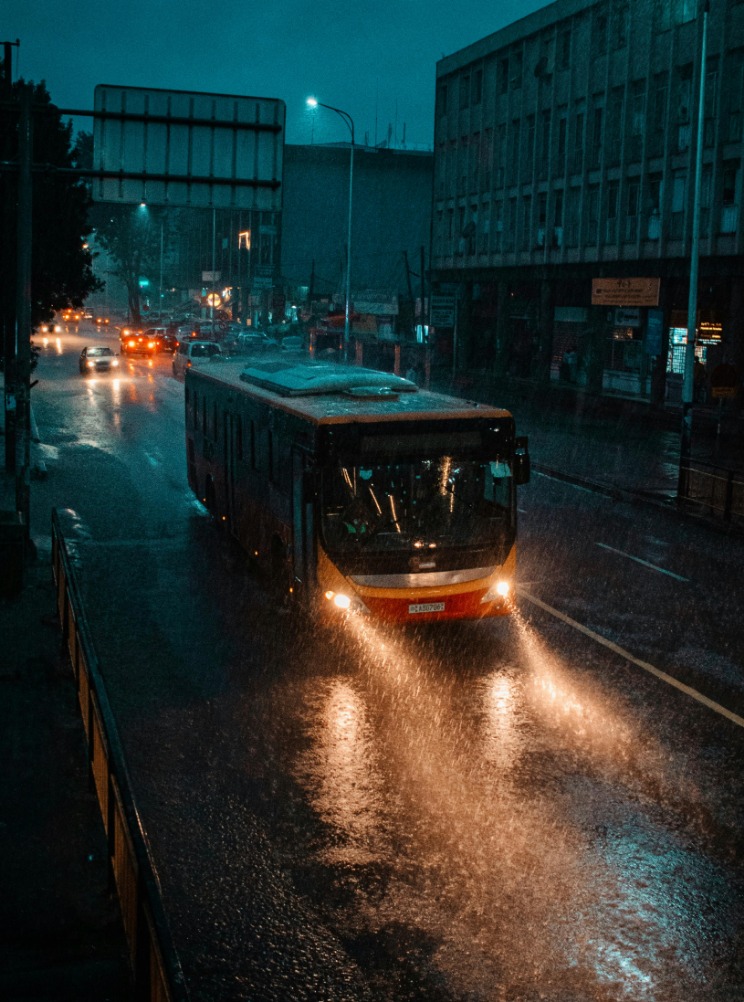
South Africa’s bus market has seen growing private operator involvement to fill service gaps in urban corridors and regional routes. Private players often partner with OEMs to access modern, fuel-efficient buses at predictable operating costs. Higer has gained traction here by offering mid-market models with competitive purchase prices, robust service networks and parts availability through regional distributors.
An anonymized case study operator, Delta Transit, won a multi-year contract in Gauteng to operate a mix of urban feeder and intercity routes. The plan called for a staged fleet replacement: first replacing aging second-hand buses, then expanding to a standardised fleet of 120 new Higer units over three years.
Vehicle selection and deployment: Delta Transit chose 12-meter city buses for around-town routes and 14.5-meter intercity coaches for longer trips, with features such as EURO V diesel engines, ABS, and comfortable seating. The operator partnered with a local Higer distributor to ensure spare parts, a maintenance schedule, and training for drivers and workshop staff.
Implementation challenges: initial parts lead times, the need to train a large driver group on new controls, and aligning maintenance routines with the municipal schedule were challenges. The operator built a regional service hub and kept a spare parts inventory to reduce downtime. Compliance with South Africa’s transport regulations and safety standards was a priority.
Operational outcomes: After one year, on-time performance improved, unscheduled breakdowns reduced, and passenger comfort increased. Fuel efficiency of the Higer buses contributed to lower operating costs, while the standardized fleet simplified maintenance and driver training.
Key operator insights: A staged roll-out with a clear maintenance plan and a reliable spare parts supply is critical. Engaging with a local service network reduces downtime and supports faster issue resolution. A strong after-sales package, including warranty coverage and on-site support, helps manage risk in private contracts. Consideration of total cost of ownership and lifecycle costs informs better procurement decisions.
Lessons for the market: Private operators benefit from accessible financing options, predictable maintenance costs, and good parts supply. Manufacturers and distributors should invest in local service centers and training to strengthen the ecosystem that makes private adoption viable.
Conclusion: Case studies like Delta Transit show that private operator adoption of Higer buses can deliver reliable service with competitive costs in South Africa, provided there is robust support, parts availability and a well-planned fleet rollout.
Maintenance uptime and reliability case findings
Case studies and operator insights from Higer buses in South Africa illustrate how maintenance uptime and reliability influence urban, intercity, and rural service delivery. The findings draw on field deployments across diverse climates, road conditions, and fleet sizes, highlighting what works in practice to keep buses on the road and on schedule.
Case Study 1: Gauteng urban corridor operator. A mid-size city operator added a dedicated Higer urban bus fleet to a high-frequency metro route, supported by a regional service hub and telematics that monitor engine, transmission, and cooling systems in real time. Preventive maintenance (PM) schedules were aligned with OEM recommendations and tuned for peak urban duty cycles. Findings indicate uptime improvement from about 92% to 97% over 12 months, with a mean time between failures (MTBF) of roughly 1,400–1,600 hours depending on route load. Mean time to repair (MTTR) dropped as regional technicians gained familiarity with the platform, aided by on-site spare parts stock. Common wear items shifted toward coolant hoses, belts, and battery terminals, while proactive diagnostics helped catch issues before they escalated, reducing unscheduled downtime by a meaningful margin.
Case Study 2: Western Cape intercity operator. An operator serving coastal and inland intercity corridors deployed Higer coaches with a focus on reliability under heat, dust, and long-range duties. Key improvements came from a robust spare-parts supply at regional depots, enhanced air-filtration maintenance tailored to dusty routes, and driver-aware maintenance routines that emphasized pre-trip checks. The fleet achieved uptime in the high-90s, with MTBF in the 1,200–1,500 hour range. Remote fault alerts and proactive filter replacements helped prevent mid-route failures, and downtime due to wheel and brake wear was reduced through more frequent inspection cycles. Spare-part availability and faster depot turnaround translated into shorter service gaps, typically under 6–8 hours for common line-haul issues.
Case Study 3: Rural/Limpopo province operator. In a network of challenging roads and variable weather, a rural operator used Higer buses equipped with ruggedized components and enhanced suspension tuning. Maintenance protocols emphasized off-road readiness, chassis checks after heavy-duty use, and battery health monitoring in cooler overnight conditions. The reliability trend showed improvements from approximately 95% uptime to 98% during peak harvest and market days. MTBF rose to the 1,500–1,700 hour band as vibration-related wear was mitigated by reinforced mounts and targeted component replacement cycles. A recurring learning was the need for documentation and consistency in PM intervals amid seasonal route changes, which helped stabilize maintenance costs per kilometer.
Operator insights and takeaways. Across these deployments, operators consistently cited five enablers of uptime and reliability for Higer buses in South Africa: first, a local service and parts network that shortens repair times and reduces idle periods; second, data-driven maintenance through telematics that enable proactive, condition-based actions; third, standardized preventive maintenance with route-aware adjustments and clear responsibility boundaries; fourth, driver training and pre- and post-shift checks that catch potential issues before they escalate; and fifth, adaptation to climate and road conditions through targeted component upgrades, spare-part stock planning, and regional maintenance routines. Collectively, these practices translate into higher on-time performance, lower total cost of ownership, and more predictable fleet availability in the South African operating environment.
Conclusion. The case findings from Higer buses in South Africa show that maintenance uptime and reliability are achievable at scale when operators combine telematics-enabled PM, a responsive local service network, and disciplined operating practices. By tailoring maintenance to duty cycles, climate, and road quality, and by empowering technicians and drivers with the right tools and data, Higer deployments can deliver consistent uptime, durable reliability, and improved service levels for passengers across urban, intercity, and rural routes.
Regulatory, environmental, and sustainability considerations
Regulatory, environmental, and sustainability considerations shape the introduction of Higer buses in South Africa. Operators must align with safety and certification processes, roadworthy testing, and emissions standards set by national and local authorities, while procurement policies increasingly favor cleaner, low-emission fleets. Environmental goals drive the adoption of fuel-efficient and alternative-propulsion options, reducing urban air pollution and greenhouse gas emissions in cities such as Johannesburg, Cape Town, and Durban. At the same time, sustainability focuses on lifecycle performance, local maintenance support, spare parts availability, and responsible end-of-life disposal, ensuring that Higer buses deliver reliable service and long-term value within South Africa’s evolving mobility landscape.
Emissions standards and compliance
Regulatory, environmental, and sustainability considerations shape the deployment of Higer buses in South Africa, guiding everything from vehicle design and import to daily operation and end-of-life disposal.
In South Africa, commercial buses are governed by a web of regulations carried by the Department of Transport, the Road Traffic Management Corporation, and safety and environmental standards bodies such as the NRCS and SABS, as well as national environmental laws under NEMA and the National Environmental Management: Air Quality Act. Vehicles must be registered, licensed, and subjected to periodic roadworthiness checks, including the Certificate of Fitness for heavy vehicles. Importers and manufacturers need to demonstrate compliance with applicable compulsory specifications and vehicle safety standards before market entry, and operators must maintain documentation for audits and inspections.
Emissions standards for buses in South Africa are linked to the national air quality framework and reflect an ongoing shift toward cleaner engines. Operators and manufacturers commonly align with Euro-equivalent standards (for example Euro 4 or higher) or enhanced environment-friendly vehicle specifications to meet municipal procurement requirements and international expectations. Where cities or operators run BRT systems, tender conditions often specify the emission level, fuel efficiency, and maintenance performance expected from fleet suppliers.
Beyond compliance, environmental and sustainability considerations focus on reducing fuel consumption, minimizing pollutants, and improving lifecycle impacts. This includes engine technology, aerodynamics, tire design, and retrofit possibilities for older buses. Manufacturers and operators increasingly assess whole-life performance, including production, maintenance, and end-of-life recycling of components such as batteries in electric or hybrid configurations.
Higer buses in South Africa can offer options that support sustainable operations, including diesel-electric hybrids and fully electric models where available, with performance data and warranties aligned to local conditions. In practice, operators look for fuel efficiency, reliability in hot climates, access to spare parts, and strong after-sales support from the local distributor. Environmental management plans, fuel procurement strategies, and maintenance regimes are essential to meet emissions targets and minimize operational risk.
To stay compliant, fleet operators should work with authorized distributors and service partners to ensure proper homologation, timely CoF renewals, and adherence to road-use and licensing requirements. Regular emissions testing, engine maintenance, and software updates help maintain performance within standards. Transparent reporting on fuel consumption and emissions can support audits and enable progress toward sustainability goals.
Overall, regulatory compliance and environmental stewardship are interlinked in South Africa’s urban mobility landscape. For Higer, aligning product specifications with SA standards, investing in local service networks, and adopting cleaner propulsion options can deliver safer, more efficient, and more sustainable bus fleets for South African cities.
Incentives for electric buses and charging infrastructure
Regulatory, environmental, and sustainability considerations shape the adoption of electric buses in South Africa, including models from manufacturers like Higer, as cities seek cleaner, quieter, and more reliable public transport.
Regulatory frameworks in South Africa require electric buses to meet road-traffic safety and vehicle conformity standards, including type approval and compliance checks conducted by the relevant authorities. Operators must obtain route licenses and operator permits under the National Land Transport Act, while the National Regulator for Compulsory Specifications and the South African Bureau of Standards ensure safety and interoperability of vehicles and charging equipment. Standards for electrical installations, charging connectors, and cybersecurity of fleet management systems underpin a safe and consistent charging ecosystem.
Environmental considerations emphasize reducing local air pollution, greenhouse gas emissions, and noise in urban areas. Electric buses can significantly cut tailpipe emissions on busy corridors, contributing to improved air quality and a lower urban heat footprint. A full environmental assessment also weighs the life-cycle impacts of batteries, manufacturing, and end-of-life recycling, encouraging responsible sourcing, battery reclamation, and waste management to minimize environmental harm.
Sustainability in this context includes aligning bus electrification with broader urban mobility goals, such as electrified trunk routes, integrated fare systems, and transit-oriented development. The transition supports resilience through potential use of renewable energy in charging, job creation in design, assembly, and maintenance, and the development of local technical capacity for aftersales and spare parts supply, which is vital for long-term fleet viability of brands like Higer.
Incentives for electric buses and charging infrastructure typically encompass procurement preferences, subsidies, and favorable financing. Potential incentives include national or municipal procurement programs prioritizing low-emission buses, grants or subsidies for charging infrastructure installation, accelerated depreciation or tax incentives for fleet electrification, concessional or blended finance from development banks, and support for public–private partnerships to build and operate charging networks. Local content requirements and performance-based subsidies may further encourage domestic manufacturing and skills development.
In the South African context, grid readiness and reliability influence the pace of electrification. Coordination with Eskom and municipal utilities, demand-side management, and smart charging strategies can mitigate peak-load impacts. Public operators may pilot on-route and depot charging, rooftop solar integration, and corridor-focused charging hubs, often in collaboration with vehicle suppliers such as Higer and infrastructure providers. While challenges exist—grid constraints, maintenance networks, and upfront capital costs—targeted incentives, clear regulatory signals, and integrated urban planning can accelerate the shift to electric buses and a robust charging ecosystem.
Overall, the successful deployment of electric buses in South Africa hinges on a cohesive approach that aligns regulatory compliance, environmental benefits, and long-term sustainability with supportive incentives and pragmatic grid management, paving the way for reliable, low-emission public transport across major cities.
Lifecycle sustainability and end-of-life considerations
Higer buses in South Africa operate within a regulatory, environmental, and sustainability framework designed to ensure safe, reliable, and cleaner public transport across urban and regional networks.
Regulatory considerations include compliance with compulsory specifications overseen by the National Regulator for Compulsory Specifications (NRCS) and adherence to South African Bureau of Standards (SABS) safety and performance standards. Buses intended for public transport require type approval, vehicle registration, and operators must meet licensing, roadworthy inspections, and periodic maintenance checks. Procurement for urban fleets often aligns with municipal transport policies and standards for bus rapid transit (BRT) and other integrated mobility initiatives.
Environmental considerations focus on reducing emissions, improving fuel efficiency, and minimizing noise and lifecycle impact. Buses may need to meet heavy-duty diesel emission standards through advanced engines and after-treatment systems, while cities increasingly incentivize electric, hybrid, or alternative-fuel solutions (such as CNG or LNG) to curb urban air pollution. Lifecycle environmental performance, including production, operation, maintenance, and end-of-life impacts, is an important decision factor for fleet operators and manufacturers alike.
Lifecycle sustainability for Higer buses encompasses design for durability and ease of maintenance, modular components, and access to a robust spare-parts network to maximize uptime. Telematics and preventive maintenance programs support optimized reliability and lower total cost of ownership. A lifecycle assessment approach helps compare options across materials, manufacturing, and end-of-life phases, while considerations for refurbishing or upgrading older units can extend useful life and reduce environmental footprints.
End-of-life considerations include plans for safe decommissioning, recycling, and responsible disposal of all components. In South Africa, this aligns with the Waste Act and emerging end-of-life vehicle and battery management practices, including recycling metals and plastics, tire recycling, and proper handling of hazardous materials from batteries and electrical systems. Extended producer responsibility-like approaches and established reverse logistics channels are increasingly important for maintaining environmental stewardship and reducing waste streams.
For Higer buses operating in South Africa, local supply-chain resilience, aftersales support, and access to parts and trained service networks are essential. Compliance with NRCS, SABS, and local transport requirements must be integrated with fleet operation planning. Aligning with municipal goals for cleaner air, safer streets, and sustainable mobility enhances not only regulatory compliance but also long-term fleet performance and public acceptance across South African cities.
Future outlook and opportunities for Higer in South Africa
South Africa’s growing demand for affordable, clean and reliable urban transport presents a favorable outlook for Higer buses. By aligning with municipal fleet renewal programs, tender opportunities, and potential local assembly or maintenance hubs, Higer can reduce downtime and total cost of ownership while expanding its service footprint. The rise of electric and hybrid bus solutions offers a strong growth path in major corridors and peri-urban routes, supported by a developing service network and strategic partnerships with local operators. This ecosystem, combined with policy support and a growing mobility market, positions Higer for sustained growth in the South African bus sector.
Growth projections and market potential
South Africa’s urban transport market is prime for Higer buses as cities push to modernize fleets, improve reliability, and reduce operating costs.
The growth outlook is shaped by ongoing public transport reforms, fleet renewal cycles in major metros, and a rising interest in electric and hybrid solutions. Municipalities and operators are seeking durable, cost-effective buses with strong local service support, making Higer’s value proposition relevant in the South African context.
Growth projections depend on policy support, financing options, and infrastructure readiness. In the short term, demand for conventional city and intercity buses is expected to steady as operators replace aging stock. The electric and hybrid bus segment could accelerate significantly if there is clear green transport incentives, robust charging infrastructure, and favorable lifecycle economics, potentially yielding a higher growth trajectory for Higer’s EV offerings.
Market potential is strongest in major urban corridors such as the Johannesburg-Pretoria axis, Cape Town, Durban, and secondary cities with expanding commuter needs. Fleet renewal cycles create recurring demand for new buses, while long-distance coaches and school transport contracts remain sizeable avenues for growth. The emergence of turnkey mobility solutions, including maintenance and spare parts networks, further expands the total addressable market for a trusted brand like Higer.
Opportunities for Higer in South Africa include leveraging a competitive total-cost-of-ownership profile, proven reliability, and a broad product range suited to city buses, intercity coaches, and EV models. Local partnerships for distribution, service, and parts supply can enhance uptime and after-sales support, while potential local assembly or kit-based production could help meet local content requirements and reduce lead times for customers.
However, challenges exist, such as competition from established global players, financing risk in municipal procurement, currency fluctuations, and the need to build a robust service and parts network. Addressing these through strong dealer networks, flexible financing options, and comprehensive training will be key to long-term success.
The outlook for Higer in South Africa remains positive with the right mix of product competitiveness, local partnerships, and policy-aligned demand. As public transport modernization accelerates and EV adoption broadens, Higer could capture a meaningful share of the bus market by delivering reliable, affordable, and technologically capable solutions tailored to South African operators.
Strategic partnerships and expansion plans
Higer buses in South Africa face a favorable outlook driven by urban mobility needs, a push toward cleaner public transport, and growing investment in bus rapid transit and regional commuting networks. With a broad product lineup and a focus on total cost of ownership, Higer is well positioned to expand its footprint in the South African market and beyond.
- Strategic market positioning: align with South Africa’s public transport modernization programs and procurement policies that favor reliable, low-total-cost-of-ownership buses, including electric and hybrid models.
- Product and technology leadership: offer a diverse range of rigid buses, intercity coaches, school buses, and electric/new energy options to meet urban and regional demand, with emphasis on durability in challenging road and climate conditions.
- Local content and manufacturing: explore CKD assembly or local parts manufacturing to meet local content targets, reduce lead times, and create jobs.
- After-sales and service network: build a nationwide service and parts network with trained technicians, mobile maintenance fleets, and digital diagnostic tools to minimize downtime for operators.
- Strategic partnerships: collaborate with local bus bodies, chassis integrators, financing institutions, and government agencies to deliver turnkey transport solutions and secure long-term contracts.
- Financing and ownership models: leverage fleet leasing, public-private partnerships, and subsidy-compatible financing to lower barriers for operators to adopt Higer buses.
- Regional expansion: establish a regional hub in Southern Africa to support the SADC region, with plans to serve neighboring countries such as Namibia, Botswana, Zimbabwe, Mozambique, and Lesotho.
- Brand and customer segmentation: target municipal transit authorities, parastatals, school fleets, and tourist operators, tailoring configurations and service packages to each segment.
- Innovation and data-driven services: offer telematics, remote diagnostics, energy management, and predictive maintenance to improve uptime and operating costs.
- Risk management and compliance: monitor currency risks, align with local regulatory standards, and maintain robust warranty and after-sales terms to build trust with customers.
Innovation roadmap: next-generation buses
The future outlook for Higer in South Africa rests on a rapidly evolving urban mobility landscape that demands reliable, cleaner, and cost-efficient public transport. With growing urbanization, government pressure to decarbonize fleets and 2030 targets shaping procurement, Higer has an opportunity to position its buses as a preferred choice for South African cities and private operators looking to modernize their fleets.
Key opportunities arise from public sector procurement, municipal bus contracts, and the modernization of existing BRT and feeder networks. South Africa’s transport agenda prioritizes emissions reductions, operational efficiency, and life-cycle cost savings, creating a favorable environment for next‑generation buses. Higer can leverage this by aligning with national and local policies, contributing to decarbonization roadmaps, and delivering reliable service with strong aftersales support and spare-parts networks to minimize downtime.
Innovation roadmap: next-generation buses. The near-term focus should be electric and plug-in hybrid platforms tailored to South African route patterns and depot infrastructure. This includes BEV buses with modular battery systems that offer flexible range (for example, 250–350 km per charge) and scalable battery configurations, supported by robust depot charging and strategic opportunity charging where routes permit. Hybrid electric solutions can bridge performance gaps on higher-mileage corridors while grid upgrades are being completed. In the medium term, hydrogen fuel cell technology can provide extended-range options for long urban routes and peri-urban services where charging density is challenging. Integrated telematics, vehicle-to-infrastructure communication, and remote diagnostics will enable predictive maintenance and higher uptime. Advanced safety systems, comfortable interiors, and driver-assistance features will improve rider experience and reduce operating costs over the fleet life cycle.
Localization and manufacturing are central to long-term success. A locally assembled or partially localized supply chain can reduce lead times, bolster parts availability, and create skilled jobs. Establishing training programs for technicians, service centers, and sales staff, along with a robust aftermarket network, will support total-cost-of-ownership advantages for operators and foster brand loyalty. Collaborations with local suppliers for components, battery packs, and charging hardware can strengthen resilience and price competitiveness while meeting South Africa’s local content and B-BBEE requirements.
Commercial and regulatory framework. Higer should work with fleet operators and government bodies to design flexible financing models, including public-private partnerships and green financing options that align with fleet renewal cycles. Emphasizing total cost of ownership, reliability, and aftersales service will help win long-term contracts. Regulatory alignment with SA’s transport and energy policies, safety standards, and grid capacity considerations will be critical; articulating a clear migration path from diesel to hybrid and electric fleets will reduce risk for municipalities evaluating new technology.
Market entry strategy and partnerships. A phased approach—pilot projects with select municipalities and operator groups, followed by scale-up in regional markets across SADC—can demonstrate performance, reliability, and cost savings. Strategic partnerships with local energy suppliers to expand charging networks, and with financial institutions to offer attractive financing terms, will accelerate adoption. Building a strong brand presence through demonstrations, customer references, and transparent reporting on uptime and maintenance will support long-term growth in the South African market.
In summary, the opportunity for Higer in South Africa hinges on delivering next-generation, locally supported buses that meet the country’s mobility, financial, and environmental objectives. A well-planned innovation roadmap, coupled with local capacity building and patient, partnership-oriented market entry, can position Higer as a trusted partner in the country’s ongoing fleet modernization and decarbonization drive.