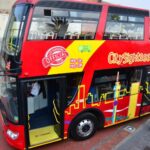

Overview of Shuttle Bus Services in South Africa
Shuttle bus services in South Africa offer reliable, door-to-door transport that complements trains and flights, connecting major cities, airports, and popular tourist destinations. From airport transfers in Johannesburg, Cape Town, and Durban to intercity shuttles and tourism packages, providers mix scheduled routes with on-demand options, supported by modern fleets and safety-focused standards. As the market grows, digital booking platforms and stricter regulations help improve reliability and user experience, though service levels can vary by operator and region.
Definition and Scope of Shuttle Buses
A shuttle bus is a passenger transport service that operates on pre-arranged bookings or fixed routes to move groups between specific locations. In South Africa, shuttle buses typically offer door-to-door or between-destination trips for travellers, employees, students, and event attendees, and they may use minibuses, mid-sized coaches, or vans designed for comfortable seated transport.
In South Africa, shuttle bus services cover a wide range of settings. Common applications include airport connections between major airports (for example, Johannesburg’s OR Tambo, Cape Town International, and King Shaka), hotel-to-airport or city-center shuttles for guests, corporate campus shuttles for employees, university and school transport, and tourism or event shuttle runs linking attractions, conference venues, and accommodation. They can operate as fixed-route services, charter pre-bookings, or on-demand transfers, depending on customer needs and regulatory allowances.
Operators may be private shuttle companies, hotel groups, airlines, travel agencies, or corporate fleets. They typically use a pre-booked model with scheduled departures, or a door-to-door model that picks up passengers at specified locations. Fleet sizes range from small 10–12 seater minibuses to 25–40 seat coaches, with some larger operators offering several vehicle types to handle different groups. Booking channels include phone, websites, mobile apps, or integrated travel platforms.
Shuttle services are regulated under South Africa’s national and provincial transport frameworks. Operators require appropriate permits or licenses, vehicle roadworthiness certificates, and driver qualifications for passenger transport. Compliance covers insurance, safety standards, accessibility requirements, and adherence to traffic regulations. The regulatory environment aims to ensure reliability, safety, and service quality across public and private transport providers.
Many shuttle operators incorporate technology to improve reliability and convenience, using GPS tracking, real-time updates, electronic manifests, and electronic payments. Customer experience is enhanced through pre-booking, clear pickup points, punctuality, and responsive customer service, which is particularly important for airport and hotel transfers where timing is critical.
Looking ahead, shuttle bus services in South Africa are likely to align with broader public transport planning, including integration into urban mobility plans and IPTN initiatives. Trends include greener fleets with lower emissions, more attention to accessibility, and expansion of passenger-focused platforms that combine shuttle services with other transport options. Challenges include licensing backlogs, cost pressures, competition from ride-hailing services, and the need to maintain safety and reliability in diverse urban environments.
Geographic Coverage and Regions
Shuttle bus services in South Africa provide scheduled and on demand transport between airports, hotels, business districts, and popular tourist destinations, offering a cost effective alternative to taxis or car rental for travelers and commuters.
Common shuttle offerings include airport transfers, hotel shuttles, corporate shuttles, and event shuttles. Operators often run shared services with multiple passenger pickups or private door-to-door options for individuals or groups.
Regulation and safety: Shuttle operators typically operate under transport licenses and vehicle roadworthiness requirements enforced by provincial road traffic authorities. Vehicles should carry appropriate insurance, and drivers usually hold professional licenses and customer service training. Many operators also implement GPS tracking and contactless payment.
Geographic coverage and regional networks: In major metro areas such as Gauteng, the Western Cape, and KwaZulu-Natal, shuttle networks are dense, with frequent departures linking airports, business districts, and tourist sites. Long distance shuttles connect Johannesburg, Pretoria, Cape Town, Durban, Port Elizabeth, and Bloemfontein, as well as popular routes to the Garden Route and the Drakensberg.
Regional overview: Gauteng has the highest concentration of operators due to its airports and business hubs; Western Cape centers on Cape Town and the Garden Route; KwaZulu-Natal serves Durban and coastal resorts; Eastern Cape covers Port Elizabeth and the coast with routes to Addo and nearby attractions; Free State connects Bloemfontein with inland towns; Limpopo and Mpumalanga focus on routes to the Kruger Park region and resort towns; North West and Northern Cape have sparser coverage but connect major mining towns and tourism routes.
Booking and pricing: Passengers can book online via operator websites or third party platforms, or arrange through hotels and travel agents. Prices are usually fixed by distance or zone, with higher rates during peak hours or holidays. Shared shuttles are cheaper per person, while private transfers offer convenience at a premium.
Tips and trends: Expect crowding during peak travel periods; check pickup points and luggage limits; ensure clear pickup times; look for operators with clear safety records and reliable contact details. The sector is increasingly adopting digital payments, real time tracking, and accessibility features to serve a broader range of passengers.
Market Segments and Service Types
Market segments for shuttle buses in South Africa include corporate fleets, tourism and hospitality, airports and travel hubs, educational campuses, and government or public sector contracts, each with distinct needs from reliability and capacity to branding and cost. Service types range from scheduled shared shuttles and private charters to on-demand or app-based services, airport transfers, long-distance intercity options, and accessible or eco-friendly vehicles, with variations in size and driver support. These segments and services shape how operators design routes, pricing, and customer experience across major cities like Johannesburg, Cape Town, and Durban.
Airport Shuttles and Timed Transfers
Market segments for shuttle bus services in South Africa are diverse and reflect the country’s mix of business, tourism and education sectors. Corporate travelers move between business districts such as Sandton and Century City, while international and domestic tourists seek convenient connections to the Garden Route, Kruger Park and coastal destinations. Airports, conference venues, universities and schools create steady demand for reliable transfers, and sports events, exhibitions and festival crowds generate group transport needs across major cities.
Service types commonly offered in the South African market include: Shared shuttle services that offer lower fares for passengers headed to similar areas; Private transfers that provide door-to-door service, flexibility and privacy; Scheduled or on-demand shuttle routes operated by hubs or airports; Charter or coach services for groups such as tour operators, corporate events or school trips; Intercity long-distance shuttles that link cities and towns; VIP or executive transfers for business travelers who require premium vehicles and enhanced service.
Airport shuttles in South Africa connect OR Tambo International, Cape Town International and King Shaka International, among others. Typical features include meet-and-greet assistance, luggage handling, and fixed or transparent pricing; some operators offer online booking, real-time tracking and SMS confirmations. Shuttles are scheduled to align with flight arrivals, but passengers should allow extra time for immigration and baggage; peak periods may require pre-booking and seat allocation.
Timed transfers emphasize punctuality and predictable wait times. Operators build buffer times into pickup windows, monitor traffic patterns in cities such as Johannesburg and Cape Town, and use GPS tracking to adjust routes. Clear communication with passengers is essential, with confirmations, reminders and contact details provided at booking. In busy seasons, timed transfers may rely on fleet optimization and multi-drop routes to maintain reliability.
Hotel, Event, and Corporate Shuttles
Market Segments and Service Types in South Africa’s shuttle bus industry connect travelers with hotels, events and corporate campuses, offering targeted solutions for different client needs and capacity requirements.
- Market segments
- Corporate and business travelers requiring reliable airport transfers, timed pickups, and route consistency between offices and hotels.
- Leisure travelers and families seeking affordable, shared transfers or private rides for city sightseeing and resort stays.
- Hotels, resorts and hospitality groups that contract shuttle services to move guests between airports, city centers, and properties, including late-night arrivals.
- Events, conferences and exhibitions that demand large-scale, on-site crowd management, shuttle hubs and timetable coordination.
- Airports, cruise terminals and transportation hubs for last-mile connectivity and express services.
- Educational institutions and campuses requiring student and staff shuttles during term times and special events.
- Service types
- Private hire and charter services for exclusive groups or VIPs.
- Shared or scheduled shuttle services to optimize cost and turnout for multiple passengers on fixed routes.
- Point-to-point and door-to-door transfers for direct, convenient travel between specific locations.
- Airport transfer services with monitoring, meet-and-greet options and baggage handling.
- Event shuttle management including route design, real-time tracking and on-site coordination.
- Long-distance and intercity shuttle offerings for domestic travel between major cities such as Johannesburg, Pretoria, Cape Town, Durban and Port Elizabeth.
- Hotel shuttles
- Partnership models with hotel chains to provide guest transfers from major airports to properties and between properties within a group.
- Fleet considerations such as minibuses and small coaches, accessibility for disabled guests, and 24/7 operations.
- Branding and on-board experience, including luggage handling, Wi-Fi, and multilingual drivers to serve international guests.
- Event shuttles
- Coordination with venues, traffic authorities and organizers to set pickup points, signage and queuing plans.
- Capacity planning for peak hours during conferences, concerts and sports matches at venues across major cities.
- Flexible scheduling and contingency plans for weather delays or late-schedule changes.
- Corporate shuttles
- Employee commuting programs that reduce costs and car traffic, with route optimization and shift-based scheduling.
- Fleet management, safety training, and driver compliance with local regulations (licensing, permits, insurance).
- Technology integration such as mobile apps, live tracking, and reporting for HR and facilities teams; sustainable options like electric vehicles and fuel-efficient buses.
Intercity and Suburban Shuttle Services
South Africa’s shuttle bus sector serves diverse markets and service models, balancing commuter needs with tourist and business travel across urban and rural areas.
- Market Segments
- Commuters: daily travel between residential areas and business districts, with peak-hour corridors around major cities such as Johannesburg, Cape Town, and Durban.
- Tourists and travelers: transfers between airports, hotels, attractions, and coastal or national park routes.
- Corporate and business clients: contracted services for employees, conferences, and events.
- Education and schools: school shuttle operations providing safe daily transport for students.
- Rural and peri-urban communities: services linking townships, villages, and remote settlements where regular public transport is limited.
- Special events: temporary shuttle operations for stadiums, festivals, and large gatherings.
- Service Types
- Intercity shuttle services: long-distance routes connecting major cities and towns with scheduled departures and reserved seating.
- Suburban shuttle services: shorter routes serving metropolitan outskirts, residential clusters, business parks, and airport corridors.
- Door-to-door shuttles: personalized pickups and drop-offs within defined areas for corporate or group travel.
- Shared-ride and partnerships: combined passenger loads to maximize occupancy and efficiency on popular routes.
- Airport and hotel transfers: fixed-schedule or on-demand services catering to travelers and tour operators.
- Charter and contract services: reserved buses for schools, events, tourism groups, or corporate itineraries.
- Express and rapid transit options: limited-stop services prioritizing speed on busy corridors.
Vehicles and Fleet Standards
In South Africa, shuttle bus fleets operate under stringent vehicle and fleet standards designed to ensure safety, reliability, and passenger comfort across airports, business districts, and tourist routes. Regulations cover vehicle design, maintenance schedules, driver training, and accessibility, with oversight from national transport authorities and standards bodies to align with international best practices.
Vehicle Types and Capacities
Shuttle bus operations in South Africa rely on clear Vehicles and Fleet Standards to deliver safe, reliable and cost-effective transport for airports, hotels, business parks and event venues.
Fleet standards cover vehicle age policy, maintenance schedules, preventive maintenance, tyre management, interior cleanliness and safety, accessibility features, and driver training and performance management. These standards help ensure high uptime, predictable service levels and compliance with road safety requirements across the country.
Vehicle types commonly used as shuttle buses in South Africa include small minibuses (roughly 9 to 16 seats), compact shuttle vans (approximately 16 to 22 seats), midi-buses (about 23 to 30 seats) and larger mini-coaches or commuter shuttles (roughly 40 to 54 seats). Operators choose low-floor or high-floor configurations and may specify wheelchair-accessible variants for trips with accessibility needs.
Capacities are typically defined by seating rather than standing spaces, reflecting safety and regulatory norms. Typical practical seating capacities are 9–12 seats for hotel shuttle vans, 14–22 seats for compact shuttle vans, 24–30 seats for midi-buses and 40–54 seats for larger shuttles. Standing room is rarely used in regular service and may be restricted by local rules and operator policy.
Regulatory context in South Africa includes adherence to road traffic legislation, vehicle type approvals, roadworthiness testing, and compliance with standards published by the South African Bureau of Standards (SABS) and other authorities. Operators must ensure seat belt compliance, appropriate emergency exits, fire safety equipment, secure luggage areas, and accessibility requirements where applicable.
Fleet planning and procurement best practices include standardising vehicle types to reduce spares and maintenance costs, selecting models with robust local support and parts availability, and implementing telematics for route optimization, uptime monitoring and driver performance. A formal lifecycle plan defines replacement timelines, depreciation, and budgeting for new technology or cleaner powertrains.
Operational considerations in South Africa also involve building strong service networks across major urban centres such as Johannesburg, Cape Town and Durban, evaluating fuel strategy (diesel, petrol or alternative fuels), and tracking environmental and safety metrics. Many operators are expanding into greener fleets with more efficient engines and, where feasible, low-emission options to meet regulatory expectations and public demand.
In summary, effective shuttle bus fleets in South Africa rely on clear vehicle types and capacities aligned to service patterns, robust safety and accessibility standards, and disciplined maintenance and procurement practices that deliver reliable service while controlling lifecycle costs.
Safety and Accessibility Features
Shuttle bus operations in South Africa rely on clear vehicle and fleet standards to deliver safe, reliable, and accessible transport across urban, peri-urban, and rural routes. Operators integrate regulatory requirements with industry best practices to ensure each vehicle performs consistently under varying road conditions and passenger loads.
Fleet standards typically align with South Africa’s regulatory framework, including vehicle standards set by national authorities and the South African Bureau of Standards. Operators maintain a schedule of regular inspections, servicing, and a formal roadworthiness process, often supported by licensing and insurance requirements. Keeping the fleet within defined age, mileage, and maintenance parameters helps reduce breakdowns, improve reliability, and extend the useful life of vehicles used for shuttle services.
Safety features on shuttle buses in South Africa commonly include seat belts for all passengers, clearly marked emergency exits, and accessible emergency equipment such as fire extinguishers and first aid kits. Modern fleets may incorporate anti-lock braking systems (ABS), electronic stability control (ESP), and speed limiters to assist drivers in maintaining vehicle control. Additional safety aids often include CCTV and monitored panic buttons, driver fatigue management programs, and comprehensive driver training focused on defensive driving, passenger assistance, and incident response.
Accessibility features are increasingly prioritized to serve diverse communities. Many shuttle buses offer wheelchair-accessible designs with ramps or lifts, kneeling capability to lower the doorway height, and wide entry/exit doors. Interiors provide dedicated wheelchair spaces with securement points, priority seating for people with disabilities and the elderly, and non-slip flooring. Clear, high-contrast signage, audible announcements, and, where feasible, tactile or braille indicators help passengers navigate the vehicle, while universal accessibility guidelines guide interior layout and safety considerations.
Operational safety and security extend beyond the vehicle itself. Operators implement driver training in passenger safety, emergency procedures, and conflict de-escalation. Route risk assessments, securement of luggage or equipment, GPS-based tracking, and communication protocols with fleet controllers enhance safety during trips. Public-facing security measures, such as well-lit stops, passenger information systems, and clear incident reporting processes, contribute to a safer travel experience for travelers using shuttle services.
To meet evolving needs, many South African shuttle fleets are adopting sustainability and efficiency measures, including lower-emission engines and transitions to hybrid or electric powertrains where feasible. Standardized maintenance regimes, disciplined procurement practices, and continuous attention to safety and accessibility requirements help operators deliver reliable, inclusive shuttle services that support urban mobility, tourism, and workforce transportation across the country.
Maintenance and Compliance
Shuttle bus operations in South Africa depend on robust Vehicles and Fleet Standards, Maintenance and Compliance to deliver safe, reliable transport for workers, students, tourists and residents. A well managed fleet reduces downtime, improves on-time performance and strengthens public trust in shared mobility services.
Fleet standards in this sector emphasize the suitability and safety of every vehicle. Operators typically choose purpose built minibuses or midibuses with appropriate seating, clear passenger flow, accessible entry and exit points, and clearly marked emergency exits. Vehicles should be equipped with essential safety features, durable interiors, functional visibility for drivers, and signage that informs passengers about rules and safety procedures.
Emissions and fuel efficiency are key components of fleet standards. Shuttle fleets in South Africa are encouraged to align with national and international emission norms where feasible, prioritizing efficient engines, clean fuels, and regular performance testing. Regular maintenance supports optimal fuel economy, lowers environmental impact and helps meet evolving regulatory expectations for urban mobility.
Compliance frameworks govern how shuttle operations are planned and run. The core legal base includes the National Road Traffic Act, the National Land Transport Act and related regulations, together with oversight bodies such as the Road Traffic Management Corporation. The Road Transport Management System, or RTMS, provides a structured approach to quality and compliance for road transport operators, encouraging safe driving, proper vehicle maintenance and accurate record keeping.
Licensing and service permits are central to compliance. Operators must hold valid road transportation licenses and, for heavy vehicles, maintain roadworthiness through periodic inspections and Certificates of Fitness. Ongoing compliance also requires accurate driver licensing, vehicle registration, route permits where applicable, and adherence to permitted operating hours, passenger limits and route schedules.
Maintenance programs are the backbone of a dependable shuttle fleet. A formal preventive maintenance schedule should cover daily checks, weekly inspections, and longer-term service intervals aligned with manufacturer recommendations. Comprehensive maintenance records, including service dates, part replacements, tyre conditions and brake checks, enable proactive planning and regulatory audits.
Key maintenance practices include meticulous tyre management, brake system service, coolant and oil monitoring, filtration and fluid top-ups, battery care, and lighting and electrical system testing. Vehicle wash and interior hygiene, along with seat integrity and safety equipment checks, help extend life and improve passenger comfort and safety.
Data and telematics play an increasing role in fleet standards. Telematics enable real-time tracking, route verification, driver performance monitoring and fuel consumption analysis. Regular reviews of maintenance data, fault codes and service history support proactive repairs, better planning of downtime and improved overall fleet efficiency.
Safety training and driver development are essential to compliance and service quality. Ongoing programs cover defensive driving, load management, passenger assistance, wheel chair accessibility where applicable, and the correct use of safety belts and emergency procedures. Regular drills and refresher courses help keep staff prepared for various scenarios and emergencies.
Challenges facing shuttle fleets in South Africa include funding for modernizing aging fleets, cost of compliant maintenance, and navigating changing regulatory expectations. Opportunities exist through partnerships with municipalities, warranties and service programs with manufacturers, and adopting the RTMS framework to demonstrate reliability and safety to customers and regulators.
In summary, strong Vehicles and Fleet Standards, rigorous Maintenance regimes and strict Compliance practices are essential for shuttle bus operators in South Africa. When implemented consistently, they deliver safer journeys, higher service reliability and a more trusted mobility option for communities across the country.
Operations and Scheduling
Operations and scheduling for shuttle buses in South Africa revolve around delivering reliable, on-time service by aligning fleet availability, driver rosters, route optimization, and maintenance with fluctuating demand across urban and tourist routes, while adapting to traffic, safety regulations, and weather to keep passengers moving safely and efficiently.
Booking Platforms and Reservation Systems
Shuttle bus operations in South Africa rely on integrated scheduling, robust booking platforms, and responsive reservation systems to move travellers between airports, hotels, business districts, and tourist sites. The combination of fleet management, real-time data, and customer-facing technology helps operators meet demand, ensure safety, and optimise costs in a diverse and dynamic market.
- Operations and scheduling: Fleet management, route design, timetabling, maintenance, driver rosters, real-time disruption handling, and compliance with South Africa’s road transport regulations. Use telematics to monitor vehicle health and location and to optimise fuel use and driver performance.
- Booking platforms and distribution: Centralized online booking via a web portal and mobile app, integrations with travel partners and OTA channels, and support for cashless payments (cards, mobile wallets, bank transfers). Real-time seat availability, dynamic pricing, multi-language support, and secure payment processing.
- Reservation systems and customer communication: A unified reservation system links bookings to the shuttle fleet, seat allocation, and pickup points. Automated notifications via SMS/WhatsApp/email confirmations, reminders, and changes, plus a CRM for loyalty programs and post-ride feedback.
- Technology integration and data management: APIs connect booking platforms with enterprise transport software, GPS tracking and ETAs, occupancy analytics, and dashboards for an operations control room. Ensure compliance with POPIA for data privacy.
- Safety, security and accessibility: Vehicle safety checks, driver vetting, incident reporting, on-board safety equipment, accessibility options for wheelchair users, and protocols for emergencies and incident response.
- Performance optimization and metrics: Monitor on-time performance, occupancy and yield, average trip duration, cancellation and no-show rates, maintenance cost per kilometer, and use predictive analytics to match capacity with demand.
- Market considerations in South Africa: Language and cultural diversity, partnerships with airports and hotels, robust mobile payments, security considerations in certain corridors, and weather or road conditions impacting schedules.
Route Planning and Timetables
Shuttle bus operations in South Africa rely on careful planning of routes, schedules, and timetables to move people efficiently between campuses, workplaces, airports, and city centers. A well-designed system reduces travel time, improves reliability, and enhances safety and passenger experience.
Operations and Scheduling: A robust shuttle service uses a clear roster, regular vehicle maintenance windows, and defined service frequencies. Schedulers balance fleet availability, driver hours, and traffic risk to meet service level expectations. Compliance with national road and transport regulations, driver resting periods, and safety procedures is integrated into every plan. Contingency procedures for delays, breakdowns, and incidents are built into shift patterns and spares management.
Route Planning: Planners analyze origin-destination data, demand patterns, and network constraints to design practical routes. In South Africa’s major urban areas, routes connect key points such as campuses, business districts, airports, and hotels, while considering road hierarchies and traffic conditions. Tools like GIS, traffic feeds, and historical data support scenario testing and the creation of alternative corridors for peak demand or roadworks.
Timetables and Headways: Timetables translate routes into predictable services. Headways are set to reflect peak and off-peak demand, with buffer times to absorb minor delays. Schedules include dedicated time windows for pickups and drop-offs at major stops, and minimum service reliability targets. On holidays and weekends, frequencies may be reduced, and weekend timetables are synchronized with adjacent transport services where possible.
Operations and Technology: Modern shuttle services use GPS tracking, digital dispatch, and real-time passenger information. Timetable data is published as GTFS or similar feeds to apps and trip planners, enabling passengers to plan journeys with up-to-date arrival estimates. Operators monitor performance dashboards to detect late runs, cancellations, or deviations and respond quickly with re-routing or driver re-assignment.
Coordination and Safety: Effective shuttle operations require coordination with facility managers, property owners, and transport authorities. Safety policies cover vehicle standards, driver training, passenger safety, and incident reporting. Regular maintenance, pre- and post-shift checks, and a robust incident management process sustain reliability.
Regional context: In cities like Johannesburg, Cape Town, and Durban, shuttle services often support universities, corporate campuses, airports, and hotel districts. Routes are designed to provide reliable linkages to major hubs while avoiding pinch points, and timetables are tuned to local peak flows and event schedules.
Challenges and opportunities: Traffic congestion, roadworks, and weather can disrupt plans, so flexible routing, real-time updates, and proactive maintenance help preserve service levels. Data-driven planning, staff engagement, and clear communication with passengers improve resilience and user trust.
Conclusion: Effective operations and scheduling, thoughtful route planning, and carefully designed timetables are central to successful shuttle bus services in South Africa. By combining data, technology, and stakeholder collaboration, operators can deliver reliable, safe, and convenient services that meet the needs of commuters and travelers.
Peak Times and Demand Management
In South Africa, shuttle bus services form a critical link between residential areas, business districts, airports and campuses, helping to move large numbers of people efficiently in urban and peri-urban environments.
Operations and scheduling for shuttle buses involve designing routes, determining headways, allocating vehicles, and planning maintenance cycles. Key elements include service level targets, depot operations, driver rosters, shift planning, contingency plans for disruptions, and coordination with other transit modes to ensure seamless transfers.
Scheduling approaches combine fixed-route services with set headways in high-demand corridors and time-based frequency planning, while also exploring demand-responsive transport options for university campuses, business parks, and event venues. Route optimization, dynamic reallocation of vehicles, and partnerships with BRT or rail networks help maximize coverage and reliability.
Peak times in South African cities vary by location but typically feature weekday mornings from around 6:00 to 9:00 and evenings from 16:00 to 19:00, with additional surges around airport arrivals, school start and end times, and major events. Campus and business district demand can create secondary peaks, while weather, holidays, and public events frequently alter normal patterns.
Demand management strategies are essential to balance supply with fluctuating demand. These include dynamic headways guided by real-time data, additional trips during surge periods, reservation-based services for large campuses, and express connections between major nodes. Feeder networks, off-peak promotions, and incentives to encourage off-peak travel help smooth load and reduce crowding.
Technology and data play a central role in modern shuttle operations. GPS and automated vehicle location systems, real-time passenger information, and app-based booking enable proactive adjustments to schedules and occupancy. Data analytics forecast demand, optimize crew rosters, and guide preventive maintenance, improving reliability and cost efficiency.
Safety, compliance and risk management are critical considerations. Operators adhere to South African road rules, driver hours and fatigue management regulations, conduct regular vehicle checks, and implement security measures for passengers. Cleaning, sanitization, accessibility features, and incident reporting further support safe, trustworthy services.
Best practices in South Africa include collaboration with employers and universities to align shuttle services with work and class schedules, implement park-and-ride and feeder solutions, and integrate with existing transit networks. Strategic fleet procurement—balancing cost, reliability and environmental goals—along with pilots of electric or low-emission buses can improve sustainability and efficiency.
Effective operations and scheduling for shuttle buses in South Africa require a data-driven, flexible approach that anticipates peak demand, maximizes reliability, and provides safe, affordable mobility. Continuous stakeholder collaboration and adaptive planning are essential to meet evolving commuter needs.
Regulations and Compliance
Shuttle bus operators in South Africa operate within a comprehensive regulatory framework designed to safeguard passengers, drivers, and road users. National transport policy, including the National Land Transport Act and related regulations, requires operating permits, roadworthy vehicles, and licensed, qualified drivers. Compliance covers vehicle safety standards, accurate route and fare information, routine inspections, and ongoing reporting to regulators such as the Department of Transport and the Road Traffic Management Corporation. Together, these rules aim to ensure reliable service, passenger protection, and fair competition in the country’s shuttle-bus sector.
Licensing and Transport Authority Oversight
Shuttle bus operations in South Africa are governed by a layered regulatory framework designed to ensure safety, reliability, and fair access to public transport across cities and suburbs.
At the national level, the National Land Transport Act provides the framework for licensing, route planning, and the governance of public transport services. The Department of Transport sets policy and standards, while an appointed national regulator oversees licensing procedures and compliance. Transport authorities at the provincial level implement licensing, route permits, and operator compliance within their jurisdictions, and enforcement is coordinated with the Road Traffic Management Corporation to improve road safety and traffic management.
Licensing and permits: Shuttle bus operators must obtain a public transport operator permit or equivalent license before starting services, and each vehicle must be registered and licensed for road use. Route permits specify where the shuttle may operate, the service hours, and performance expectations. Operators are expected to maintain up-to-date rider information, schedules, and fare structures as part of regulatory compliance.
Vehicle and driver requirements: Vehicles used for passenger shuttle services must meet roadworthiness standards, with regular inspections and maintenance records. Drivers must hold a valid driving license appropriate for passenger transport and a Professional Driving Permit (PDP) where required, along with medical fitness certificates. Ongoing driver training, defensive driving, and safety briefings are typically required by regulators and operators.
Compliance and safety standards: Operators must maintain safety management systems, incident reporting, and vehicle maintenance logs. Regular audits and inspections by regulatory authorities verify compliance with licensing, route performance, and service reliability. Operators are also expected to comply with road traffic laws, including hours of service rules where applicable and adherence to road safety campaigns.
Oversight and enforcement: The Department of Transport, provincial transport departments, and the national regulator coordinate with the Road Traffic Management Corporation and traffic police to enforce licenses, route permits, and safety standards. Non-compliance can trigger penalties such as fines, suspension or revocation of permits, vehicle impoundment, or blacklisting from future licensing. Repeated violations can result in license withdrawal and operational shutdowns.
Data and transparency: Operators should maintain auditable records of vehicle maintenance, driver rosters, route performance, and fare receipts. Digital systems and fleet management software help regulators verify compliance during inspections and audits.
Best practices for shuttle operators: Build a robust compliance program, appoint a dedicated compliance officer, audit supplier and maintenance contracts, conduct regular driver training, and establish a clear incident reporting process. Engage with regulators, stay updated on regulatory changes, and implement safety improvements proactively.
Conclusion: In South Africa, shuttle bus services operate within a rigorous regulatory environment that balances safety, accessibility, and efficiency. Compliance with licensing, vehicle standards, driver qualifications, and oversight practices is essential to delivering reliable public transport services and maintaining public trust.
Safety Standards and Passenger Rights
Shuttle bus operations in South Africa operate under a tightly regulated framework designed to protect passengers, ensure safety, and deliver reliable service across urban and rural corridors.

Regulations and compliance are primarily governed by the National Land Transport Act (NLTA) and related road transport legislation. Operators providing road passenger services must obtain the appropriate permits and accreditation, and vehicles must be licensed and maintained to meet minimum fitness standards. The National Department of Transport, through the Road Traffic Management Corporation (RTMC) and provincial authorities, administers licensing, vehicle testing, and enforcement, with eNatis handling vehicle and driver records.
Safety standards require compliance with the Road Traffic Act and Public Service Vehicle (PSV) rules. This includes regular roadworthy testing, valid operator permits, and the use of properly maintained buses equipped with functioning safety features. Passengers must wear seat belts where provided, and vehicles must meet minimum safety equipment standards, including fire extinguishers and first aid kits, appropriate braking and tire condition, and safe loading practices. Drivers of shuttle buses typically hold a Professional Driving Permit (PDP) or other professional license appropriate for heavy vehicles, and operators should implement fatigue management and regular training programs for drivers and mechanics.
Passenger rights in SA shuttle services cover safe travel, reliable schedules, clear fare information, and accessible service options. Operators should provide transparent route details, fare structures, and contact channels for complaints, as well as complaint resolution timelines. Public transport policies emphasize accessibility for people with disabilities, including suitable boarding, seating, and assistance where required. Passengers have the right to report unsafe conditions or service failures to regulators or the operator, prompting investigations and remedial action.
Best practices for shuttle operators include keeping up-to-date operator permits and vehicle registrations, maintaining comprehensive maintenance logs, conducting regular driver training, and implementing route management and incident reporting systems. Compliance tools such as fatigue management, driver wellness programs, and safety audits help reduce risk. Operators should also engage with regulators, publish timely service information, and ensure accessibility options where feasible to uphold passenger rights.
Together, these regulations and safety standards aim to make shuttle bus travel in South Africa safer, more reliable, and more passenger-friendly while supporting a compliant and accountable transport sector.
Costs, Pricing, and Value
Costs for shuttle buses in South Africa balance upfront vehicle prices, financing, fuel, maintenance, insurance, and licensing with the value delivered to travelers and operators. Pricing typically reflects route length, service frequency, passenger volumes, and the level of comfort and safety offered. For travelers, competitive fares paired with reliable timetables translate into value, especially when safety standards are clear and predictable. Operators seek sustainable margins through efficient route planning, modern, fuel-efficient fleets, and volume contracts with corporates or tourism groups. In a dynamic market like South Africa, value is not just low price but dependable service, clear pricing structures, transparent terms, and the ability to scale during peak seasons.
Pricing Models and Payment Methods
Shuttle bus services in South Africa operate at the intersection of accessibility, reliability, and affordability, so understanding costs, pricing, and value is essential for travelers and operators alike.
Costs for running a shuttle bus network include fixed costs such as vehicle depreciation, insurance, licensing, and fleet maintenance, plus variable costs like fuel, tires, driver wages, and tolls. In busy corridors such as Gauteng or the Cape Town corridor, congestion and idling can push costs higher, while economies of scale and efficient routing can reduce per-passenger costs.
Pricing models used by South African shuttle operators vary. Common approaches include flat-rate city or airport shuttles, per-kilometer pricing for longer routes, tiered or zone-based pricing, and time-based fares with peak and off-peak differential. Many operators offer subscriptions or season tickets for regular commuters, corporate contracts for businesses, and charter pricing for group events. Some forward-thinking operators experiment with dynamic pricing to match demand, although this is less common in the budget shuttle segment.
Value for the passenger comes from predictability, safety, comfort, and convenience. A higher fare may be justified if the service offers punctual schedules, door-to-door pickups, well-maintained fleets, trained drivers, assistive access for wheelchairs, free Wi-Fi, luggage space, and transparent fare structures with clear terms.
Payment methods in South Africa’s shuttle sector range from cash on boarding to modern digital options. Many operators still accept cash and debit or credit card payments at the point of boarding, while others use EFT for pre-purchased passes or corporate invoicing. Mobile wallet payments are growing, with options like Zapper, SnapScan, and other card-enabled wallets, and some operators support QR code payments or mobile apps that track trips and deliver receipts.
Airport shuttles, city routes, and tourist services across Johannesburg, Cape Town, Durban, and other cities may have different price ranges and value propositions. Intercity or tourism shuttle packages often bundle multiple legs, luggage handling, and meet-and-greet services into a single fare, while commuter shuttles focus on reliability and frequency at lower per-kilometer costs.
When evaluating costs and value, compare total cost of travel, not just the headline fare. Consider frequency, on-time performance, service coverage, accessibility, and after-sales options such as refunds or fare corrections. Look for transparent pricing with published fare tables and clear terms on cancellations or changes.
Pricing is influenced by regulatory requirements, fuel price volatility, and wage inflation in South Africa, as well as competition among operators. Some operators may offer subsidies or corporate deals for large accounts and schools, which can reduce per-passenger costs for specific groups.
Understanding costs, pricing models, and value helps travelers choose services that balance affordability with reliability, and guides operators to design pricing that sustains safe, accessible, and high-quality shuttle networks across South Africa.
Cost-Benefit for Travelers and Businesses
Shuttle bus services in South Africa connect airports, city centers, and tourist destinations with a level of convenience that sits between private car hire and public transport. When evaluating Costs, Pricing, and Value, travelers and businesses alike weigh not only the ticket price but what is delivered in reliability, safety, and time savings.
Shuttle operators incur a mix of fixed and variable costs. Capital outlays for buses or vans, ongoing maintenance and tyres, insurance, fuel, and driver wages form the core, while licensing, roadworthy certificates, road taxes, route permits, and fleet tracking add to the ongoing expense burden. Depreciation and financing costs affect rates for buyers, and security and maintenance in parks and depots contribute to overhead. In South Africa, currency volatility and fuel price swings can push per-kilometre costs higher on busy routes.
Pricing models vary from per-seat fares on scheduled shuttles to private-charter rates for corporate contracts. Operators may charge per trip, per kilometre, or per hour, and many add-ons such as luggage allowances, child seats, Wi‑Fi, and meet‑and‑greet services. Dynamic pricing during peak travel times, seasons, or major events is common, with corporate contracts offering fixed monthly spend and negotiated discounts for volume or long-term commitments.
For travelers, the value equation centers on reliability, safety, and door‑to‑door convenience. A shuttle can save time spent arranging rides, searching for parking, or navigating unfamiliar routes, particularly on long-distance trips or airport transfers. When priced competitively, shuttles can be cheaper than car rental and much less stressful than navigating busy urban roads or crowded taxis, especially for groups or families with luggage.
For businesses, shuttles convert payroll and logistics into predictable, scalable costs. Corporate shuttle contracts can improve employee punctuality, reduce parking demand, and enhance safety by standardising transport with trained drivers and monitored fleets. Fixed monthly contracts or volume discounts enable budget predictability and easier reporting for compliance, while outsourcing transport can free internal resources for core activities.
Cost-benefit analysis for travelers weighs total transport cost against time savings and convenience. Hidden costs include extra luggage, seat reservations, or cancellations. For businesses, the ROI includes lower absenteeism, higher productivity, and potential tax considerations; intangible benefits include improved staff morale and employer branding. Price should reflect service levels: punctuality, route coverage, and safety record.
South Africa’s transport mix includes intercity coaches, Gautrain for rapid rail, and a large informal minibus taxi sector, all influencing shuttle pricing and service expectations. Shuttle operators compete on route coverage, frequency, and perceived safety. Pricing is also shaped by regulatory requirements, driver training, and compliance costs, which can vary by province and route. For travelers and enterprises, partnerships with reputable operators and clear SLAs help maintain consistent value across a volatile market.
When comparing offers, look beyond the headline fare. Check route maps and schedules, luggage allowances, cancellation policies, fuel surcharges, and what is included in the fare. Seek transparent pricing and written SLAs for corporate contracts. For long journeys, consider reliability records, vehicle age, and driver qualifications. In South Africa, choosing operators with visible safety credentials and real-time tracking can boost confidence.
Ultimately, the best shuttle option balances cost with reliability and safety to deliver real value for travelers and businesses alike in South Africa’s dynamic transport landscape.
Challenges and Opportunities
Shuttle bus services in South Africa sit at a crossroads of challenge and opportunity, reflecting a landscape of high urban density, safety concerns, and aging infrastructure while offering a pathway to improved mobility, job creation, and tourism growth. Operators face stringent regulatory requirements, maintenance costs, and fluctuating diesel prices, yet strides in technology, electrification, and public-private partnerships promise cleaner, more reliable last-mile transport, better safety standards, and expanded access for underserved communities. Effective integration with rail, campuses, and business districts, along with targeted funding and skills development, can unlock resilient shuttle networks that move people efficiently while supporting economic growth and social inclusion.
Infrastructure, Accessibility, and Maintenance Challenges
Shuttle bus networks in South Africa form a vital layer of urban and intercity mobility, linking airports, business districts, townships, and suburban hubs to support daily commuting and tourism.
Challenges and opportunities in the shuttle bus sector arise from a mixed transport landscape. The dominant minibus taxi market offers affordable mobility but operates with limited regulation, safety standards, and data collection. Shuttle operators face licensing hurdles, high capital costs for new fleets, and the need to balance profitability with service reliability. Yet there are opportunities to formalize routes, integrate with bus rapid transit and rail networks, leverage government procurement programs to renew fleets, and use information and communication technologies for real time tracking, demand responsive scheduling, and greener operations.
Infrastructure is a core driver of effectiveness. Essential needs include well managed depots and maintenance workshops, fueling and charging facilities for clean fleets, and sheltered, accessible stops with real time information. Traffic signal priority, dedicated bus lanes where feasible, and reliable road maintenance reduce delays and extend vehicle life. In rural and peri urban areas, improving road quality, signage, lighting, and safety features can expand reach and reliability. Public private partnerships can mobilize capital for fleet renewal and the rollout of cleaner propulsion options such as hybrid or electric shuttle buses.
Accessibility is critical to inclusive mobility. Vehicles should be low floor, wheelchair accessible, and equipped with ramps or lifts, with boarding aids that accommodate diverse user needs. Stops should offer step free access, tactile paving, clear signage in multiple local languages, and audible and visual travel information. Multimodal hubs that connect shuttle services with rail, taxi associations, and last mile options help people reach employment centers, clinics, and education facilities more easily. Community engagement and continuous feedback help ensure services meet the needs of aging populations and users who rely on non English languages.
Maintenance challenges frame the reliability and cost of shuttle services. Aging fleets, limited spare parts availability, and variable maintenance skills across regions can lead to frequent breakdowns. Supply chain disruptions, volatile fuel prices, and environmental conditions such as heat and dust accelerate wear on components. Security concerns, vandalism, and theft can affect vehicle uptime and operating costs. Robust maintenance planning, standardized service schedules, technician training programs, and strategic spare parts stocking are essential, as is investing in telematics for predictive maintenance and fault diagnosis to minimize downtime and extend vehicle life.
Digitization, Apps, and Real-Time Tracking
Shuttle bus networks across South Africa connect townships, suburbs, and city cores, forming an essential mobility layer for workers, students, and travelers. These services operate alongside formal bus networks and informal minibus taxis, often filling gaps in underserved corridors. As cities grow and travel demand shifts, operators face the need to improve reliability, safety, and affordability while meeting rising expectations for convenience.
Challenges remain. Investment constraints limit fleet renewal and maintenance. Fuel price volatility, aging diesel engines, and emissions pressures strain operators’ budgets. Safety concerns, criminal activity, vandalism, and regulatory overhead complicate operations. Route planning across crowded urban arteries is difficult, and last-mile connectivity in peri-urban areas can be weak. Access for people with disabilities and the elderly also needs stronger accommodation.
Digitization offers a path forward. Modern fleet-management platforms enable GPS tracking, maintenance schedules, fuel monitoring, and performance dashboards that help operators reduce downtime and optimize routes. Data-driven decisions can improve reliability and planning for peak periods. However, challenges such as inconsistent network coverage, power supply interruptions, and the cost of technology adoption must be addressed, especially in rural or high-need areas.
Apps and digital ticketing are central to improving the passenger experience. Mobile apps can provide route planning, real-time ETAs, fare payment, and service alerts in multiple languages. Cashless payments, offline ticketing options, and smart-card integration reduce queuing and fraud while expanding access for low-income riders. For city authorities, app-based data enriches demand modeling and service design.
Real-time tracking underpins both operations and rider confidence. Live GPS visibility lets dispatchers reallocate vehicles in response to delays or incidents, while passengers receive timely updates and ETAs. When integrated with security and incident-response workflows, real-time data can improve safety, enable crowd management at key stops, and support emergency response. Data privacy and cybersecurity must be safeguarded as these systems scale.
Opportunities abound. Digitization can spur job creation in maintenance, software deployment, and data analytics while enabling smarter city planning and public-private collaboration. Transparent pricing, integrated multi-modal journeys, and reliable shuttle services can attract commuters and tourists, reduce congestion, and cut emissions through more efficient vehicle utilization. Government pilots and incentives can accelerate scale, with a focus on accessible, affordable mobility for all.
To succeed in South Africa, shuttle operators should pilot digitization in high-demand corridors first, build local capacity, and partner with municipalities, tech providers, and finance stakeholders. Emphasizing security, affordability, and user-friendly design will broaden adoption. With careful implementation, digitization, apps, and real-time tracking can transform shuttle bus services into a dependable, inclusive backbone of urban mobility.
Environmental Sustainability and Emissions
Shuttle buses are a cornerstone of urban mobility in South Africa, connecting workplaces, campuses, airports and residential areas where rail reach is limited. As cities seek to reduce congestion and improve air quality, the sector faces a mix of challenges and opportunities that shape decisions about fleet renewal and service design. Environmental sustainability and emissions are central considerations in planning routes, procuring vehicles and designing charging and fueling infrastructure.
Challenges include high upfront costs for electric and other low-emission buses, and the need for depots equipped with charging or refueling. Grid reliability, particularly during load-shedding, complicates charging schedules and can limit service uptime. Maintenance ecosystems, spare parts availability, and the availability of technically skilled drivers and technicians lag behind more mature markets. Fragmented procurement processes and policy uncertainty can slow investment and long-term planning.
Other challenges involve aging diesel fleets that emit large amounts of NOx and particulates, making urban air quality worse. Infrastructure for bus priority lanes, end-of-line facilities and safe passenger access requires capital and urban planning. Financing constraints, uncertain currency costs, and fears of stranded assets in a fast-changing energy transition also weigh on operators and authorities.
Opportunities include government funding and incentives for clean transit, as well as public-private partnerships to share risk and accelerate deployment. The shift to electric or hybrid shuttle buses can deliver lower operating costs over time through reduced fuel spend and maintenance needs, especially with simpler powertrains and regenerative braking. Local manufacturing and assembly of buses, batteries and components can create jobs and build capacity in SA’s Automotive Master Plan. Integrating shuttle services with rail, bus rapid transit and park-and-ride schemes can expand access and reduce car dependence.
From an environmental perspective, electric and low-emission shuttle buses cut tailpipe emissions, improving urban air quality and reducing noise compared with diesel fleets. The climate benefit depends on the electricity mix; in a coal-dominated grid, lifecycle emissions may be higher, but local air quality and heat-noise benefits still favor electrification in dense urban corridors. Deploying solar PV and battery storage at depots can improve energy resilience and further reduce emissions by charging during low-cost, renewable hours. Battery recycling and second-life usage should be part of a sustainable end-of-life strategy.
In South Africa, policy frameworks such as national transport plans and climate commitments are pushing for cleaner, more integrated public transport. Pilot electric-bus programs and fleet replacements are underway in several metros, signaling demand for scalable models. Challenges remain in grid readiness, funding flow clarity, and building a robust supply chain for batteries and charging equipment. A successful transition will require standardised procurement, strong capacity-building, and credible performance-based contracts that reward reliability and emissions reductions.
Ultimately, shuttle-bus operators in South Africa have opportunities to reshape urban mobility by balancing capital costs with long-term savings and environmental gains. A coordinated mix of incentives, infrastructure investment, and market development—paired with urban design that prioritizes bus corridors—can unlock durable reductions in emissions, improve air quality, and deliver inclusive access to jobs and services.
Case Studies and Regional Spotlight
Case Studies and Regional Spotlight offer a concise view of how shuttle bus networks in South Africa are shaping mobility across cities and regions, highlighting operator models, funding, route planning, safety, and community access to work, school, and essential services.
Major Airports and Cities in South Africa
South Africa’s shuttle bus network links major airports with city centers, business districts, and tourism hubs, revealing how operators tailor services to regional demand, safety, and comfort. This case-study focused regional spotlight looks at key airports and cities, showing how shuttle providers adapt to traffic, multilingual travelers, and the needs of business travelers and tourists alike.
- Johannesburg and OR Tambo International — Case study: OR Tambo handles high-volume shuttle demand with a mix of scheduled shared services to central hubs like Sandton and Rosebank, plus private-door transfers to hotels and business districts. Key takeaways include the importance of pre-booking apps, clear airport signage, GPS-tracked vehicles, and trained drivers. Travel times range from about 30 to 60 minutes outside peak traffic, and peak hours require efficient queue management and accurate ETAs. Safety, luggage handling, and accessibility remain priorities for travelers.
- Cape Town International — Case study: Cape Town’s shuttle network serves visitors heading to the city center, the Atlantic Seaboard, and the winelands. Operators leverage hotel partnerships, airport desks, and app-based bookings. Highlights include seasonal demand, multilingual staff, and luggage capacity for longer day trips to the Winelands or coastal towns. Challenges include traffic around central corridors and limited road capacity during peak season, prompting dynamic departures, tiered pricing, and expanded curbside pickup zones.
- King Shaka International (Durban) — Case study: Durban’s shuttles connect King Shaka with Umhlanga, the CBD, and resort zones along the coast. The mix of shared and private transfers serves both holidaymakers and business travelers, with emphasis on GPS tracking, reliability during rain and holidays, and streamlined baggage handling. Routes are influenced by the N2 corridor and coastal hotel clusters, with longer trips to inland towns occurring less frequently but available as a service option.
- Port Elizabeth International (Gqeberha) — Case study: Port Elizabeth’s shuttle services focus on coastal tourism corridors and access to Nelson Mandela Bay Stadium, hotels, and regional towns. Seasonal spikes during holidays are common, balanced by steady business travel. Booking platforms and loyalty programs help stabilize occupancy, while accessibility and luggage handling remain important considerations for travelers with larger bags or mobility needs.
- Regional corridors and cross-city connectivity — Case study: Intercity shuttles link Johannesburg, Pretoria, and other urban centers via major routes such as the N1 and N3, while Cape Town serves as a western hub for tours to the Winelands and Garden Route. Airport-to-airport transfers and multi-stop itineraries illustrate how shuttles bridge air travel with ground transport across provinces. Innovations include integrated booking ecosystems, real-time ETAs, GPS-tracked fleets, and enhanced safety measures across operators.
Successful Shuttle Programs in Johannesburg, Cape Town, Durban
Case Studies and Regional Spotlight: Successful Shuttle Programs in Johannesburg, Cape Town, Durban offer a compact view of how shuttle buses are reshaping mobility in South Africa’s major urban centers.
Johannesburg’s shuttle program focuses on linking major employment hubs with residential areas, with partnerships among city agencies, private operators, and transport tech providers. Routes connect OR Tambo International to business districts, with feeder services to rail stations and park-and-ride facilities. Real-time tracking, standardized branding, and affordable fares have boosted reliability and social inclusion while reducing car dependence during peak hours.
In Cape Town, the shuttle initiative complements the MyCiTi BRT network by serving corridors that face capacity constraints and last-mile gaps. Pilots connect townships such as Khayelitsha and Mitchells Plain to the CBD and Cape Town International, and extend to tourist zones like the V&A Waterfront and Table Mountain access points. Integrated ticketing, coordinated timetables, and accessible fleets have improved travel times for workers and visitors alike.
Durban’s shuttle program targets the hospitality and tourism belt along the Golden Mile and inland business districts, with routes linking King Shaka International Airport area to central and northern townships. The model emphasizes airport transfers, hotel clusters, and port-area commuters, backed by public-private partnerships, sponsorships, and simplified fare structures to sustain operations during seasonal demand swings.
Across the three cities, common success factors include cross-agency governance, standardized branding, and data-driven route optimization. Successful programs align with existing transit networks to enable seamless transfers, offer inclusive pricing, and invest in accessible vehicles and real-time passenger information. Challenges such as funding cycles, licensing, and fleet maintenance require steady backing from municipalities, operators, and private sponsors.
Looking ahead, regional expansion can scale shuttle buses by integrating electric fleets, dynamic routing, and expanded park-and-ride options, while ensuring safety and reliability. These case studies demonstrate how well-planned shuttle programs can relieve congestion, improve access to jobs and tourism, and support equitable urban mobility across South Africa’s major metros.
Future Trends in South African Shuttle Bus Industry
The South African shuttle bus industry is entering a transformative era driven by electrification, stricter safety and accessibility standards, and digital innovations that streamline scheduling, fare management, and real-time passenger information. As municipalities expand public-private partnerships and invest in clean-energy fleets, operators are prioritizing energy efficiency, driver training, and data-driven route planning to improve reliability, reduce costs, and support inclusive urban mobility across major cities and peri-urban corridors. This trend toward modern, connected, and sustainable shuttle services is shaping a more resilient transportation network for South Africa’s growing commuter needs.
Electric and Alternative Fuel Fleets
South Africa’s shuttle bus industry plays a critical role in moving workers, students, tourists, and commuters across major cities and corridors. As urban transport demand grows and climate goals tighten, operators are rethinking fleet technology, operations, and partnerships to deliver safer, reliable, and sustainable service.
Electric fleets are gaining momentum due to rising fuel costs, smarter pricing models, and improvements in battery technology. Depots are progressively installing charging infrastructure, including depot chargers and, where feasible, fast charging along key routes. Advances in energy management, telematics, and route optimization help extend vehicle duty cycles and reduce downtime, improving the overall reliability and total cost of ownership for operators considering an electric option.
Alternative fuels such as compressed natural gas, liquefied natural gas, biodiesel and hydrotreated vegetable oil, as well as hydrogen fuel cells, are being explored as transitional or complementary solutions. Retrofit options allow existing shuttle buses to switch to cleaner fuels with minimal downtime. These fuels offer benefits in range, refueling speed, and lifecycle emissions, but require robust supply chains, refueling infrastructure, and clear finances to scale across diverse routes and terrains.
Operational resilience is a growing priority as South Africa contends with grid reliability challenges. Operators are integrating solar photovoltaic installations at depots, deploying energy storage, and exploring vehicle-to-grid and demand-response concepts to smooth energy usage and protect service levels during outages. Real-time data and predictive maintenance further enhance uptime and safety, while advanced driver-assistance systems help reduce incidents on busy urban arteries.
Policy signals and market mechanisms will shape the pace of electrification and the uptake of alternative fuels. Government and public-private partnerships are likely to drive pilot programs, concessional financing, and incentives for cleaner fleets, alongside local content and skills development initiatives. Local manufacturing and retrofit capabilities can expand job creation while reducing import dependency, provided there is a stable policy framework and access to finance.
Urban and peri-urban corridors—airport shuttles, campus connections, hotel to city centers, and tourism-linked services—will anchor the transition to cleaner fleets. The growth of mobility-as-a-service platforms and integrated transport plans will encourage coordinated scheduling, fare integration, and data sharing across operators, public transit, and ride-hailing services, enhancing travel options and reducing congestion.
Looking ahead, the South African shuttle bus market is likely to move toward a diversified mix of propulsion technologies. Electrification will coexist with well-supported alternative fuels as operators balance vehicle range, refueling or charging infrastructure, and total cost of operation. Standards for charging interfaces, battery safety, and vehicle maintenance will evolve, accompanied by upskilling programs to prepare the workforce for higher-tech fleets and smarter fleet management. The sector stands at a turning point where cleaner, quieter, and more efficient shuttle services can redefine urban mobility in South Africa.
Integration with Public Transport Networks
The South African shuttle bus sector is undergoing a transformation as cities seek to stitch together disparate transport modes into a cohesive Integrated Public Transport Network (IPTN).
Future trends point to electrification and alternative fuels, with electric minibuses and hybrid options expanding along busy corridors, supported by depot charging, mobile charging solutions, and government incentives to lower emissions and operating costs.
Digitalization will reshape operations: real-time passenger information, dynamic scheduling, predictive maintenance, GPS tracking, and centralized data hubs enabling better planning and performance measurement; adoption of GTFS feeds and open APIs will underpin MaaS platforms.
Integration with public transport networks will be a priority, with shuttle buses serving as reliable feeders to trains and BRT lines, harmonized timetables, and a unified fare system that reduces fare fragmentation for passengers.
Policy and regulation will drive reform through the National Transport Master Plan 2030 and IPTN initiatives, standardizing safety and vehicle specifications, formalizing permits, and encouraging responsible private sector participation.
Financing models will mix public funding, private capital, PPPs, and community- or cooperatively owned shuttle fleets, with performance-based contracts to incentivize reliability, safety, and accessibility.
Operations will see smarter routing, demand-responsive transport options in peri-urban areas, and last-mile services integrated with rail hubs, underpinned by data-driven route optimization and flexible shift patterns for drivers.
User experience will improve through enhanced accessibility for people with disabilities, female-friendly services, multilingual information, and safer, well-lit waiting areas at key nodes.
Urban planning will leverage shuttle buses to support transit-oriented development, reduce congestion, and enable compact, walkable neighborhoods by making public transport more convenient and affordable.
Overall, the future of shuttle buses in South Africa hinges on strong governance, interoperable data systems, sustainable financing, and an inclusive approach to service design that aligns with broader public transport goals.
Policy and Investment Outlook
South Africa’s shuttle bus sector is entering a period of rapid change driven by urban growth, tourism, and a push toward safer, more reliable public transport. The focus is shifting from simply moving people to delivering connected, predictable mobility experiences that support city life and economic activity.
Key demand drivers include expanding commuter corridors in major metros, growing university and corporate campus shuttle services, airport and hotel shuttle networks, and tourism-linked routes. As cities densify, shuttle buses play a critical role in last‑mile connectivity, complementing rail, trunk bus networks, and ridesharing platforms while easing congestion and reducing emissions.
Technology and fleet modernisation are redefining the sector. Battery electric buses, hybrid propulsion, and alternative fuels such as CNG and hydrogen are gaining traction as costs fall and charging and refuelling infrastructure expands. Telematics, real-time rider information, digital ticketing, and predictive maintenance are improving reliability, safety, and total cost of ownership for operators and clients alike.
The policy and regulatory landscape is evolving to support formalised, high‑quality shuttle services. The National Land Transport Act framework, city Integrated Transport Plans, and urban mobility strategies are encouraging standardisation, safety, and interoperability. Initiatives to formalise and professionalise the minibus taxi sector, while enabling efficient contract-based operations, are set to unlock scale and improve service quality in shuttle operations.
Investment in the shuttle bus sector is forecast to rise as municipalities, campuses, airports, and private operators seek modern fleets and better service standards. Financing channels from development finance institutions, such as the Development Bank, regional development funds, and private lenders, are increasingly available for fleet replacement, charging infrastructure, depots, and fleet management systems, often through public‑private partnership models and performance-based contracts.
Infrastructure readiness remains a decisive factor. The expansion of charging networks, depot upgrades, and the integration of solar-plus-storage solutions will determine the pace of electrification. Grid capacity, reliability, and the efficiency of energy management will influence fleet deployment plans, with opportunities for microgrids and on-site generation to improve resilience at depots and facilities.
Market structure is likely to shift toward more formalised, contract-based arrangements, with operators adopting tiered service models that combine dedicated shuttle routes for campuses, airports, and business districts with public‑facing shuttle networks. This evolution will favour operators who can deliver on-time performance, safety, and rider experience while meeting environmental and regulatory standards.
Skills development and local content are poised to grow in importance. The shift to electrified fleets will require trained technicians, electricians, and system integrators; local manufacturing and assembly of components can stimulate job creation and industrial capability. Universities and technical colleges are expected to deepen partnerships with industry to support training, certification, and research in transport electrification and fleet management.
Challenges such as load shedding, energy price volatility, currency risk, and regulatory delays pose risks to rapid adoption of new technologies. Robust risk management, diversified energy and charging solutions, collaborative procurement, and clear policy timelines will be essential to sustain investment in newer fleets and avoid project delays that undermine confidence in the market.
Regions with concentrated demand—Gauteng, the Western Cape, and coastal corridor cities—offer early opportunities for pilots that blend campus, airport, and urban shuttle services. Cross‑border tourism corridors and logistics hubs also present incentives for scalable shuttle operations that can improve connectivity between transport modes and stimulate local economies.
Looking ahead, a clear five‑ to ten‑year roadmap is essential. Policymakers should prioritise streamlined procurement rules, enable long‑term concessions aligned with service quality KPIs, accelerate charging infrastructure rollout, and promote local content and skills development. For investors, the win lies in stable policy signals, transparent risk sharing, and partnerships that combine fleet modernisation with digitalisation, energy resilience, and superior rider experience. The shuttle bus sector in South Africa is positioned to become a cornerstone of sustainable urban mobility and a driver of job creation and economic activity as the country moves toward cleaner, smarter transport options.