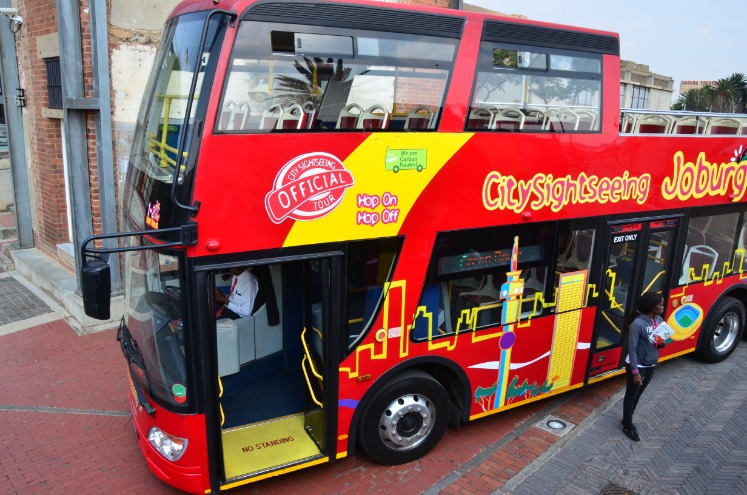

Overview of Sightseeing Buses in South Africa
South Africa’s sightseeing buses provide a flexible, open-top way to explore major cities and scenic routes, with hop-on, hop-off routes and multilingual commentary that help visitors get oriented quickly. In popular destinations such as Cape Town, Johannesburg, Durban, Port Elizabeth, and along the Garden Route, operators showcase highlights from Table Mountain and the V&A Waterfront to historic museums and coastal viewpoints, with routes designed for quick turns around city centers or leisurely full-day experiences. Buses come in double-decker and standard formats, offering day passes or multi-day passes, onboard narration in several languages, and convenient stops near museums, markets, and waterfronts. Whether you want a concise city overview or a relaxed, scenic outing, sightseeing buses are a convenient introduction to South Africa’s culture, history, and landscapes.
Definition and how they operate
Sightseeing buses in South Africa provide a convenient way for visitors to see the country’s major attractions from an elevated, often open‑top vehicle. These buses are typically used for guided city tours and operate in several large tourist cities, including Cape Town, Johannesburg, and Durban, offering a flexible way to explore in a single day or over a few days.
Definition and concept: a sightseeing bus is a dedicated tour bus service designed for tourists. Buses are usually double‑deckers with open tops, traveling along fixed routes with multiple stops at key sights. Services are often run by local operators or international brands and can include hop‑on hop‑off options that let riders board and alight as they wish during a validity period.
How they operate: tickets are typically sold online, at major hotels, visitor centers, or on board. Passes are valid for a set period, commonly 24, 48 or 72 hours, and grant access to one or more routes. Audio commentary is standard, delivered in several languages via headphones, and in some cities live guides may accompany the bus. Buses run on regular schedules, with pickups at designated stops near attractions and hotels.
What you see and how you travel: routes cover major urban highlights such as city centers, waterfronts, landmarks, museums, and viewpoints. In Cape Town, routes often include the V&A Waterfront, Table Mountain area, and Bo-Kaap, while Durban and other cities provide routes that pass beaches, parks and cultural sites. The hop‑on hop‑off design lets you stay longer at places you enjoy and rejoin the next bus when ready.
In South Africa, well‑established operators run sightseeing services in several cities. Cape Town is the most prominent destination with multiple operators offering routes around the peninsula and city center. Johannesburg and Durban also host city sightseeing services that connect travelers with the region’s major attractions and neighborhoods.
Benefits and considerations: sightseeing buses are a time‑efficient way to orient yourself in a new city, compare neighborhoods from an overview, and plan day trips around your interests. They provide a safe, centralized way to travel between attractions and can be a good option for families, first‑time visitors, or travelers with limited time.
Tips for riders: check which routes match your plans, verify ticket validity periods, and book in advance during peak seasons. Bring a light jacket for the open top, apply sunscreen, and wear comfortable footwear. If you want to visit specific sites, note walking times and consider combining with boat trips to Robben Island or shore excursions where available. Accessibility varies by operator, so check for wheelchair access if needed.
In short, sightseeing buses in South Africa offer a practical, flexible way to get an overview of top sights, learn about local history through commentary, and plan deeper explorations at your own pace.
Key advantages for travelers
Sightseeing buses in South Africa offer a convenient and scenic way to explore major cities and coastal regions, combining easy transport with informative commentary and flexible sightseeing schedules.
Across cities like Cape Town, Johannesburg, Durban, and along the Garden Route, open-top double-decker and mini-bus services operate on hop-on, hop-off routes, allowing visitors to see top attractions such as Table Mountain, the V&A Waterfront, Robben Island, Soweto, and uShaka Marine World without the rigidity of fixed itineraries.
Most services run on a hop-on-hop-off model with tickets valid for 24, 48, or 72 hours, giving travelers the freedom to get off at a chosen site, spend time exploring, and rejoin another bus later the same day or the next day.
Key advantages for travelers include convenience and time efficiency, as you can move between major sights without worrying about return transport; flexibility to tailor your day by choosing which stops to visit and how long to stay; informative on-board commentary in multiple languages that provides context about history, culture, and local anecdotes; potential cost savings when compared with buying individual entry tickets and separate transport; open-top routes that offer panoramic views and photo opportunities; suitability for families and first-time visitors, with easy access to popular landmarks and neighborhoods; and the chance to combine scenic routes with wildlife, wine, or coastal experiences in one trip.
When planning, it helps to compare routes and durations, check ticket validity periods, and consider whether a single-city pass or a multi-city option best fits your itinerary. Booking online in advance can secure preferred time slots and sometimes include combo experiences or discounts at partner attractions.
Common routes and typical durations
Sightseeing buses in South Africa offer an easy, family-friendly way to explore the country’s major cities from an elevated, open-top perspective. Most operators provide hop-on hop-off passes, multilingual audio commentary, and flexible schedules so visitors can tailor their day around iconic sights, historic neighborhoods, and waterfronts without worrying about parking or driving.
In Cape Town the best-known option is a city sightseeing service that typically runs a route along the V&A Waterfront, through the central city, and up toward Green Point and the Atlantic coast. A full circuit usually takes about 1.5 to 2 hours, and most 24- to 48-hour passes allow unlimited hops on any route during the validity period. Some operators also offer additional routes that connect popular attractions such as Table Mountain viewpoints, the Camps Bay coast, and the Constantia wine region.
Johannesburg and nearby Pretoria offer routes that traverse the city center, Sandton, and areas like Soweto. A single loop around central Johannesburg can take around 1 hour, with extended routes including Soweto or northern suburbs taking 1.5 to 2.5 hours. Hop-on hop-off passes for 24 to 48 hours are common, making it practical to split the day between a morning city loop and an afternoon excursion to a district like Soweto or another suburb.
Durban’s coastal area is a popular option, with routes that follow the Golden Mile along the beachfront, pass uShaka Marine World, and may extend toward the central business district or the Moses Mabhida Stadium. One loop is typically 60 to 90 minutes, and longer passes allow multiple trips across the day, making it easy to combine seaside stops with urban sightseeing.
Nelson Mandela Bay, centered on Port Elizabeth, also offers a coastal sightseeing service that runs from beachfront neighborhoods through the city center to attractions such as the Boardwalk and Market Square. Typical loop times range from 1 to 2 hours, and passes are frequently valid for 24 to 48 hours to accommodate a relaxed schedule and optional museum and monument visits along the way.
Tips for planning include checking the operator’s schedule for the day, especially in shoulder seasons, and noting that open-top decks can be bright or windy depending on weather. It’s wise to wear sunscreen, carry a light jacket, and plan a few key stops in advance to maximize time at must-see sites. Most routes offer real-time updates and clear boarding points, which helps visitors optimize their day across multiple neighborhoods and landmarks.
Popular Cities and Routes
South Africa’s sightseeing buses offer a convenient way to sample the country’s diverse cities. In Cape Town, a popular City Route weaves from the V&A Waterfront past Green Point and along the Atlantic Seaboard toward Table Mountain’s vistas. In Johannesburg, a Soweto-and-city combination tour highlights urban energy, history, and modern skyline. Durban’s routes along the Golden Mile pair beachfront scenery with cultural stops, while Pretoria and nearby attractions add government precincts and parks to the mix. With hop-on hop-off options, multilingual commentary, and flexible schedules, these buses help travelers tailor a day around iconic landmarks, scenic coastlines, and vibrant neighborhoods—whether you’re chasing Table Mountain, the history of Soweto, or the sun-drenched shores of KwaZulu-Natal.
Cape Town: V&A Waterfront, Table Mountain, and the Atlantic Seaboard
Cape Town is a standout destination on South Africa’s popular sightseeing bus routes, linking iconic highlights such as the V&A Waterfront, Table Mountain and the Atlantic Seaboard with easy hop-on access.
The V&A Waterfront leg of the tour introduces travelers to a lively harbourfront filled with shops, restaurants and entertainment. From the bus you can spot cruise ships and ferries, and you may choose to disembark for a riverside stroll, the Two Oceans Aquarium, or the nearby Watershed market for crafts and snacks.
Table Mountain features are accessible via a stop that brings you within reach of the lower cableway station. Weather permitting, a ride up Table Mountain rewards you with sweeping views over the city and the Atlantic. If the sky is cloudy or windy, plan a backup option along the route to enjoy the city’s neighborhoods and coastline instead.
The Atlantic Seaboard section cruises along the city’s western edge, past Sea Point, Green Point and the seaside villages of Clifton and Camps Bay. Expect sea breezes, palm-lined promenades, and dramatic ocean cliffs; photo opportunities abound at the vantage points along the route.
Practical tips for sightseeing bus travelers include choosing a hop-on hop-off pass to maximize flexibility, budgeting 2–3 hours for each loop, and checking the daily timetable for peak and off-peak times. Bring sunscreen, a hat, water, and a light jacket for coastal winds, and allow extra time if you wish to alight and explore the neighborhoods on foot.
These routes provide a compact, convenient way to experience Cape Town’s coastal beauty and mountain majesty, combining urban waterfront energy with rugged scenery on a single bus itinerary. It is a popular choice for first-time visitors and travelers seeking a stress-free overview of South Africa’s iconic sights.
Johannesburg and Pretoria: City highlights and Soweto tours
Sightseeing by bus is a popular way to discover South Africa’s urban highlights, with iconic routes weaving through Johannesburg, Pretoria, and Soweto for a compact, informative day of culture, history, and scenery.
In Johannesburg, city highlights on a typical bus route include the Apartheid Museum, Constitution Hill, and the vibrant Maboneng Precinct, along with views of the central skyline and bustling markets. A stop near Sandton offers a glimpse of modern commerce and Nelson Mandela Square, balancing history with contemporary city life.
Pretoria features a complementary set of stops such as the Union Buildings for sweeping city views, the Jacaranda-lined Church Square, the Parliament precinct, and the Voortrekker Monument. These stops showcase the formal heart of the capital, its gardens, and its architectural heritage, often paired with a stroll through leafy parks and botanical displays.
Soweto tours on a sightseeing bus deliver a powerful glimpse into township life, with highlights like Vilakazi Street—home to Nelson Mandela’s former house—the Mandela Family Museum, and the Hector Pieterson Museum. Rides through colorful neighborhoods and lively markets offer a human-scale perspective that complements the broader city routes.
Popular routes commonly connect Johannesburg with Soweto for a day out, while Pretoria can be added as a companion trip or a separate day route. Look for itineraries labeled City Sights, Soweto Classic, and Pretoria Highlights, which combine historical sites, cultural stops, and on-board commentary for a well-rounded overview.
Tips for travelers include choosing a licensed operator, checking departure times and duration, and opting for upper-deck seating when weather allows for the best city panoramas. Pairing a bus tour with a short walking segment at key stops can enrich your understanding of South Africa’s urban narrative.
Whether you’re drawn to the energy of Johannesburg, the governance and green spaces of Pretoria, or the historic and cultural resonance of Soweto, a sightseeing bus offers a flexible, informative gateway to South Africa’s most storied city landscapes.
Durban and KwaZulu-Natal coast
Durban and the KwaZulu-Natal coast are among South Africa’s top destinations for sightseeing by bus, offering open-top routes that let you soak up coastal vibes, subtropical scenery, and a blend of cultures in one day or over a weekend.
In Durban itself, a dedicated city sightseeing route lets you hop on and off at highlights such as the Golden Mile beachfront, uShaka Marine World, the colorful Victoria Street Market, and the iconic Moses Mabhida Stadium. The routes are designed for flexibility, with live commentary, panoramic views, and easy connections to nearby reserves, parks, and waterfront restaurants.
Heading north along the coast, the route extends to the Dolphin Coast towns of Umhlanga, Ballito, and KwaDukuza (Stanger), with white-sand beaches, tidal pools, and exhilarating views from scenic coastal roads. Longer itineraries can include stops at Zimbali Coastal Resort and en route to the North Coast’s nature reserves or even guided day trips to the iSimangaliso Wetland Park near St Lucia for whale watching and hippo-boat cruises.
To the south, the KwaZulu-Natal South Coast offers a different flavor: Amanzimtoti, Scottburgh, Umkomaas, Margate, and Port Shepstone line the shore, where the route captures bustling seaside towns, surf beaches, and water-based adventures such as diving at Aliwal Shoal or kayaking along sheltered estuaries.
City sightseeing buses are ideal for first-time visitors and families, with hop-on-hop-off options, on-board commentary, and easy connections to other transport or guided day tours. Check the timetable, weather, and operator route maps, and plan for a mix of beach time, cultural stops, and short walks between stops.
Exploring Durban and the KwaZulu-Natal coast by bus is a convenient way to experience South Africa’s Indian Ocean coastline, from vibrant urban life to unspoiled beaches, wildlife encounters, and a rich blend of Zulu heritage and maritime culture.
Garden Route and Western Cape scenic highlights
South Africa offers a rich tapestry of city vibes, coastal scenery, and winelands best explored on a sightseeing bus. These hop‑on, hop‑off routes simplify city sightseeing while letting you soak up panoramas, cultural hotspots, and insider tips from onboard guides.
Popular cities and routes include Cape Town, Johannesburg, Durban, Port Elizabeth (Gqeberha), and the scenic coastlines along the Garden Route. In Cape Town, a city sightseeing bus can take you to Table Mountain’s lower cable car area, the V&A Waterfront, Bo-Kaap, Camps Bay, and the dramatic Cape Point precinct. Johannesburg and Pretoria offer urban art, history, and neighborhoods like Maboneng and Soweto, while Durban seasonal routes showcase the beachfront checks along the Golden Mile and the bustling Indian Quarter. Port Elizabeth serves as a gateway to coastal stops along the Garden Route, with easy access to beach towns and nature reserves.
The Garden Route itself is one of South Africa’s defining scenic drives. A sightseeing bus along this route curates stops from Mossel Bay to Knysna, Plettenberg Bay, Wilderness, and Tsitsikamma. Expect dramatic coastal cliffs, indigenous forests, lagoons, elephant sightings in forest reserves, and the chance to stretch legs in seaside towns with markets and seafood shacks. Highlights include the Knysna Heads lookout, the Storms River Mouth, and the adventure options near Plettenberg Bay, such as forest canopy tours or a thrill at the Bloukrans Bridge bungee jump.
Western Cape scenic highlights are a treasure trove for bus travelers. From Cape Town, you can extend your ride along the coastal road to Chapman’s Peak Drive for sweeping ocean views, then loop through the Cape Peninsula to Cape Point and the Cape of Good Hope. The Winelands region around Stellenbosch and Franschhoek showcases terraced vineyards and fine dining, often included as a day stop on longer tours. Whale watchers head to Hermanus in season, while the Overberg’s coastal towns offer dramatic cliffs, penguin colonies at Boulders Beach nearby, and offshore islands that complete the scenic mosaic of the Western Cape.
Practical notes for travelers: most sightseeing buses offer flexible tickets with multiple day passes, so you can hop off to explore a town and rejoin a later route. The best time to ride depends on your priorities—wildlife viewing, city lights, or coastal scenery—while summer months bring long days and vibrant waterfronts, and winter brings dramatic sea temperaments and whale season in certain coastal spots. Pair a Garden Route excursion with a Winelands visit for a quintessential Western Cape experience, all accessible via reliable sightseeing bus networks designed for visitors and locals alike.
Operators and Ticket Options
Exploring South Africa by sightseeing bus means comparing operators and ticket options that fit your itinerary. Most cities offer guided routes with flexible passes—from single-ride tickets to 24- or 48-hour hop-on hop-off options—and sometimes combo tickets that include entry to local attractions. Availability and routes vary by operator and city, so check route maps, frequency, and languages to choose the best fit for Cape Town, Johannesburg, Durban, and other destinations.
Major sightseeing bus operators in South Africa
Sightseeing bus travel in South Africa offers a convenient way to see the country’s iconic sights from the open top of a bus. In major cities such as Cape Town and Johannesburg, top operators run hop-on hop-off routes that connect key attractions with flexible schedules.
City Sightseeing is one of the most recognizable operators in South Africa, offering hop-on hop-off services in Cape Town and other cities. Their routes typically cover major landmarks such as the V&A Waterfront, the city’s historic neighborhoods, and viewpoints around Table Mountain, with on-board commentary and multilingual guides.
Big Bus Tours also operates in Cape Town, delivering similar hop-on hop-off experiences with multiple routes and on-board commentary, allowing passengers to tailor their day by boarding at stops near waterfronts, museums, and scenic overlooks.
Ticket options include 24-, 48-, or 72-hour passes that grant unlimited hops within the validity window, with additional benefits such as guided walking tours, discounted entry to attractions, or combo offers with other experiences. Tickets can usually be purchased online in advance or at bus stops, and most passes include audio commentary in several languages for a self-paced city overview.
Tips for using these services include checking current routes and timetables before your trip, noting that schedules can vary by season, and planning around peak sightseeing times. A hop-on hop-off pass is a practical way to cover Cape Town highlights such as the V&A Waterfront, the Table Mountain area, and nearby viewpoints, while in other cities these networks connect you to museums, neighborhoods, and panoramic spots with minimal hassle.
Hop-on hop-off vs guided tours: what’s included
Sightseeing buses in South Africa offer a convenient way to explore major destinations such as Cape Town, Johannesburg, and Durban, with services designed for visitors who want to see highlights at their own pace.
Two common formats dominate the market: hop-on hop-off tours that let you board at stops along a route and stay as long as you wish, and guided tours with a fixed itinerary led by a driver-guide or an English language guide.
Hop-on hop-off tickets are usually sold for a number of calendar days, such as one, two or three days, and grant unlimited boardings within the pass period. The routes cover key sights, with commentary at each stop and a map to help you plan your day.
In most hop-on hop-off services the English language narration is included on the on-board audio, and you may also find multilingual commentary. Some operators offer live English-speaking guides at selected stops or departures.
Guided tours provide a curated experience with a scheduled departure and a fixed route. These tours typically include a dedicated English-speaking guide, and many packages add entry fees to included attractions, hotel pickup or drop-off, and sometimes meals or tastings at stopovers.
Flexibility is the key difference: hop-on hop-off lets you linger where you want and skip what does not interest you, while guided tours maximize efficiency and context with storytelling, statistics and insider tips baked in.
When choosing, check what language options are offered, what is included in the ticket (entrances, meals, or transfers), how long the pass is valid, what routes are covered, and the operating hours and last bus times for the cities you plan to visit.
For many travelers, a combination works well: a hop-on hop-off pass to cover the main sights, plus a day or two of a guided tour to dive deeper into specific areas such as Cape Point, the Winelands, or Soweto, all within the South Africa sightseeing experience.
Passes, durations, and value for money
Sightseeing buses offer a convenient way to explore South Africa’s top cities, from Cape Town’s iconic coastline to the urban skyline of Johannesburg and the seaside vibe of Durban. With open-top double-deckers and on-board commentary, you can get an overview of the city and then hop off to explore places that interest you.
Operators and options vary by city, but most major brands operate hop-on-hop-off services with multiple routes. In Cape Town you’ll typically find City Sightseeing Cape Town and other local operators offering red City Tour routes and blue coastal routes, plus multilingual audio guides and flexible boarding at a network of stops. In Johannesburg and Durban, branded tours or regional operators provide similar two-route systems and add-ons like guided walks or boat connections.
Ticket options are designed for different schedules. Common choices include single-ride tickets for a one-off trip, and unlimited-hop passes for a set period. You’ll often see 24-hour, 48-hour, and 72-hour passes, with some operators offering two- or three-day composites and discount bundles with other attractions or activities.
Passes and durations: A pass’s validity usually begins on the first boarding time and runs for the stated number of hours or days. During the validity window you can hop on and off at any stop, reuse days within the pass, and usually switch between routes. Some combos may add extras like onboard commentary in multiple languages or access to special events.
Value for money: Passes tend to be a good deal if you plan to visit several stops or attractions along the route over multiple days. Compare the price of a multi-day pass against the price of individual tickets and the cost of entry fees to attractions you want to see. Look for bundles that include other experiences or transfers, and check if kids or seniors get discounts.
Tips for choosing: Map the route to your itinerary, check which attractions and neighborhoods are covered, and confirm the start time and frequency of buses. If you’re staying in a compact area, a shorter pass might work, while a longer stay can unlock more value. Weather and sea conditions can affect coastal routes, so have a backup plan for bad days.
Overall, a sightseeing bus in South Africa can offer good value for money, especially for first-time visitors who want a broad overview, easy supervision, and the convenience of moving between neighborhoods with minimal planning.
Onboard Experience and Sights
Experience South Africa from the best seat in the house with a sightseeing bus, where the onboard experience blends comfortable seating, clear commentary in multiple languages, and easy access to iconic sights. Glide past Cape Town’s Table Mountain and the V&A Waterfront, pause for photos at Boulders Beach and Bo-Kaap, and hop off to explore Robben Island or Kirstenbosch Gardens before catching the next panorama-filled leg of the journey.
Commentary, languages, and accessibility
Onboard Experience and Sights on a sightseeing bus in South Africa offer a relaxed, hassle-free way to see iconic coastal cities and breathtaking landscapes from an elevated, panoramic view.
Onboard features typically include an open-top deck with comfortable seating on the upper level and a shaded lower deck, along with clear commentary screens and frequent stops at highlights such as the Cape Town Waterfront, Table Mountain viewpoints, Signal Hill, and the dramatic Atlantic coastline.
Commentary is provided through a choice of pre-recorded audio guides and occasional live guides on select departures. Headsets let you listen at your own pace while the bus moves, and some tours combine city sights with informative narration about history, culture, and local life.
Languages
Audio guides are offered in multiple languages to reflect South Africa’s linguistic diversity, including English, Afrikaans, isiXhosa, isiZulu, Sesotho, Setswana, isiNdebele, Tshivenda, Xitsonga, and Sepedi, with some operators featuring additional dialect options or child-friendly content.
Accessibility
Operators increasingly offer wheelchair-accessible buses with ramps or level entry, space for mobility aids, and priority seating near entrances. Many routes provide step-free access at stops and assistance from staff; however, it’s best to confirm accessibility options and book in advance to ensure the right vehicle and seating arrangements are available for your needs.
Notable viewpoints and photo stops
Experience the best of South Africa from a comfortable sightseeing bus, where onboard narration pairs with sweeping views and photo-worthy stops along iconic routes. This format blends informative commentary with convenient, scenic access to coastal cities, wildlife havens, and dramatic landscapes.
- Onboard experience: spacious seating, shade options, climate control, multilingual audio or live guides, and planned photo breaks at photogenic lookouts.
- Table Mountain and city skyline: dramatic views of the mountain against Cape Town’s skyline from Signal Hill, the V&A precinct, or a dedicated lookout—perfect for skyline and plateau photos.
- Harbor and waterfront vistas: Cape Town harbor, Robben Island glimpses, sailboats, and sunset reflections at the V&A Waterfront for dramatic light.
- Bo-Kaap and cultural highlights: vibrant, colorful facades of Bo-Kaap with the city backdrop for a vivid urban photo stop.
- Lions Head and Atlantic Seaboard: sweeping ocean panoramas, coastal cliffs, and beach silhouettes along Camps Bay and Clifton, ideal for wide-angle shots.
- Chapman’s Peak Drive and cliff vistas: dramatic sea cliffs and sunlit curves along this famed coastal route, with pull-out points for panoramas.
- Cape Point and Cape of Good Hope: rugged coastlines, lighthouse silhouettes, and expansive horizons—great for expansive landscape photography.
- Boulders Beach penguin stop: up-close opportunities with African penguins on the shore, a favorite wildlife shot for families and travelers.
- Garden Route highlights (where offered): Knysna Heads, Featherbed Reserve, Storms River Mouth, and Tsitsikamma forest viewpoints for lush, green scenery and coastal ocean shots.
- Tips for photographers and travelers: time stops for golden hour, respect wildlife and local regulations, and keep gear secure during moving sections of the ride.
Practical Tips for Riders
Practical tips for riders on a sightseeing bus in South Africa help you make the most of every stop. Plan ahead with comfortable clothing, secure belongings, and sun protection, choose vantage seating, and follow local guidelines to stay safe while you soak in iconic landscapes from Cape Town to the Garden Route.
Best times to ride and crowd management
Sightseeing buses in South Africa offer a convenient way to see iconic cities and scenic routes—from Cape Town’s Table Mountain and the V&A Waterfront to the Garden Route and wildlife-rich reserves. Here are practical tips for riders to get the most from your journey while staying safe and comfortable.
Practical tips for riders include arriving early to secure a good seat and a clear view, checking the day’s weather and choosing layers since coastal cities can shift from sun to mist. Wear comfortable shoes, bring sunscreen, a hat, and a refillable water bottle. Keep valuables secure and use a small backpack or crossbody bag. Use the onboard audio guides with headphones to avoid disturbing other passengers, and follow the guide’s announcements for stop times and safety reminders. Stay seated while the bus is moving and hold the rails or seating frames when you travel through curves, and store luggage and bags in designated areas to keep aisles clear for everyone.
Best times to ride depend on the region and the season. Shoulder seasons such as spring and autumn offer pleasant weather and fewer crowds, making it easier to enjoy viewpoints and photo opportunities. In Cape Town, early mornings or late afternoons often deliver the best light for photographs and views, while mid-day can be brighter but busier. In popular routes along the Garden Route or in wildlife-rich areas, early departures can help you beat crowds and heat. If you’re visiting during school holidays or major festivals, expect more people and plan to book tickets in advance and allow extra time for queues.
Crowd management is easier with a little planning. Buy tickets online in advance and choose distinct time slots if offered, or use a hop-on hop-off pass to spread visits across multiple days. Plan boarding points and times with the operator to minimize long queues, and arrive at stops ahead of the scheduled time. At stops, queue in an orderly line and follow staff directions to maintain safety and efficiency. On the bus, keep aisles clear, avoid blocking doors, and supervise children to prevent crowding near exits. For high-demand stops, consider visiting during off-peak hours or using alternative routes to distribute crowds more evenly and preserve a relaxed experience for everyone onboard.
On a sightseeing trip in South Africa, safety and courtesy go hand in hand. Choose licensed operators with good safety records and clear emergency procedures. Keep valuables secure, avoid displaying large amounts of cash, and stay aware of your surroundings at stops. Respect local culture and wildlife guidelines if your route includes natural reserves or coastal viewpoints. By planning ahead, following the crew’s instructions, and choosing times with lighter crowds, you can enjoy a memorable and comfortable sightseeing bus experience across South Africa.
Safety, health, and personal belongings
If you’re exploring South Africa by sightseeing bus, practical tips for riders can help you stay safe, healthy, and organized while you soak in iconic scenery from Cape Town’s coastline to the Garden Route.
Before you board: choose a reputable operator, confirm route and times, and prepare a lightweight bag with essentials. Save the ticket on your phone or carry a printed copy and arrive early to avoid rushing.
On the bus: fasten seat belts if available, stay seated while the vehicle is moving, and listen to the guide and driver. Keep your hands inside and avoid distracting other passengers.
At stops and while boarding: watch your step, hold children’s hands, and use handrails. Be mindful of doors and crowds around traffic.
Personal belongings: use a secure crossbody bag or money belt, keep valuables in front pockets, and avoid displaying expensive items. If the bus offers under-seat storage, use it; never leave bags unattended at stops.
Health and sun safety: South Africa’s sun can be strong. Wear sunscreen, a hat, and sunglasses; stay hydrated with bottled water; dress in lightweight layers to cope with wind or shade changes on open decks.
Malaria and insects: in some rural or coastal malaria areas, check current risk and consult a healthcare professional about prevention. Use insect repellent with DEET, wear long sleeves at dawn and dusk, and sleep under a treated net if staying overnight.
Food and beverages: check whether eating on the bus is allowed. Bring small, non-messy snacks and drink water; dispose of waste properly at designated bins or stops.
Emergency readiness: know the location of exits and first aid supplies, listen for announcements, and tell staff if you or a companion feels unwell. Have a moment to note emergency contacts in case you are separated.
Respect local areas and wildlife: follow rules at viewpoints, maintain a safe distance from animals, and avoid feeding wildlife. Be mindful of cultural sensitivities and letting locals guide you.
What to wear and pack: comfortable shoes, sun protection, a light layer for cooler breezes on top decks, and a small bag for your essentials. If you travel in the rainy season, a compact poncho can be handy.
Finally, plan for the day: review the route, check weather, and know where the bus will return. A prepared traveler enjoys the sights with less stress.
Costs, currency, and payment methods
If you’re planning a sightseeing bus trip in South Africa, here are practical tips covering riders, costs, currency, and payment methods to help you travel smoothly.
- Practical tips for riders
- Choose a reputable operator and check the route map and operating hours.
- Book ahead for popular routes and seasons; confirm the pickup point.
- Arrive early and keep your tickets handy; allow time for security checks.
- Dress for the weather, wear sunscreen, and bring a hat and water.
- Secure your belongings; use a small bag that you can keep under your seat or in your lap.
- Onboard etiquette: stay seated while the bus is moving, listen to the commentary, enjoy the view safely.
- Accessibility: if you require a wheelchair or assistance, contact the operator in advance.
- Safety and etiquette: avoid standing near doors and be cautious at stairs or platforms during boarding.
- Costs and passes
- Most operators offer a hop-on hop-off pass or day passes; pricing varies by city and duration.
- Typical price ranges: budget around a few hundred to around a thousand ZAR for a day pass, depending on city and inclusions.
- Check what’s included: guided commentary, language options, and discounts for attractions or combo tickets.
- Be aware of cancellation and refund policies; some passes are non-refundable.
- Currency and payment methods
- Currency is South African Rand (ZAR). Some operators may display prices in USD or other currencies, but payments are typically in ZAR.
- Most places accept cash in ZAR and major credit/debit cards; increasingly, contactless payments and mobile wallets (Apple Pay, Google Pay) are accepted at ticket counters and on board where available.
- Consider having a small amount of cash for on-bus purchases, tips, or vending at stops.
- ATM withdrawals in major cities can give you cash in ZAR; inform your bank about travel to avoid card blocks.
- Tips: if service was good, 5–10% tip is common for drivers or guides; amounts can be given in cash.
Planning Your Itinerary
Planning your itinerary for a South Africa sightseeing bus trip means picking a core route, mapping key stops, and syncing travel times so you see iconic landscapes without rushing. Start with Cape Town and the Table Mountain area, add the Garden Route for coastline and wildlife, and include a few optional day trips or detours. Consider travel seasons, bus schedules, and rest days to pace your journey and leave room for spontaneous discoveries.
Choosing routes based on interests (nature, culture, architecture)
Planning your itinerary for a sightseeing bus trip in South Africa begins with clarifying your interests and mapping them to the routes available in major cities such as Cape Town, Johannesburg, and Durban. Whether you are drawn to nature, culture, or architecture, a focused plan helps you maximize what you see and minimizes backtracking.
Nature focused routes let you chase iconic landscapes and wildlife. In Cape Town you can couple a city loop with stops at Table Mountain, the Kirstenbosch Botanical Garden, and the Cape Point reserve. For a wider natural experience, consider Garden Route extensions that cover Knysna, Plettenberg Bay, and Mossel Bay, often offered as day trips or multi-day tours by bus operators.
Culture first routes immerse you in South Africa’s history and living traditions. In Johannesburg and Soweto you can visit the Apartheid Museum, Vilakazi Street, and the Hector Pieterson Museum. In Cape Town the Robben Island ferry, the District Six Museum, and the Bo-Kaap neighbourhood reveal diverse cultural layers, often included on hop-on-hop-off itineraries.
Architecture lovers can target routes that highlight historic Cape Dutch homes, colonial and civic buildings, and striking modern designs. Cape Town features Bo-Kaap’s towered gables, the Cape Dutch precincts around Stellenbosch and Franschhoek, and the city’s modern civic architecture. In Pretoria and Johannesburg you may see stately government buildings, jewel-box museums, and contemporary structures as part of guided bus tours.
Plan by day and cluster stops by geography to minimize travel time. Start with a central base, then select two or three routes that complement each other—nature and architecture on one day, culture on another—and allow for downtime to enjoy meals and viewpoints between stops.
Practical tips for a smooth ride: check ticket validity and whether tickets are hop-on-hop-off, book key experiences in advance, wear comfortable shoes, bring water, sunscreen, and a light jacket for open-top buses, and consider weather and safety when planning outdoor stops.
Sample 3-day Cape Town plan: day one, a city loop including Table Mountain views, V&A Waterfront, and the Bo-Kaap area; day two, Robben Island and a cultural walking tour of District Six; day three, a nature day with Kirstenbosch and a scenic drive to Cape Point.
Sample 5-day Garden Route extension: day four travel from Cape Town to Knysna, day five Knysna and Plettenberg Bay, day six Mossel Bay and a coastline excursion, day seven return or continue to Port Elizabeth for additional stops and flights home.
Combining with other attractions and experiences
Planning a sightseeing bus adventure in South Africa can be a smart, flexible way to see top highlights across major cities while keeping travel times manageable.
Begin by choosing your base city and operator. Cape Town, Johannesburg, and Durban host the best known hop-on hop-off services, with 24- or 48-hour passes that let you hop off at landmarks you care about and hop back on when you’re ready.
Map your route around the must-see experiences for each city. In Cape Town, you can pair the bus with a Table Mountain cable car ride, a visit to the V&A Waterfront, a trip to Robben Island, and a wine-tasting day in Stellenbosch or Franschhoek.
In Johannesburg, combine the bus with a Soweto township tour, the Apartheid Museum, and perhaps a safari day trip to Pilanesberg or a nearby reserve.
Durban’s route pairs well with time at the Golden Mile beachfront, uShaka Marine World, and nearby wildlife reserves or a cultural village tour; you can also use the bus as a base to access day trips to beaches and nature reserves along the coast.
Practical tips: check operator maps and real-time updates, buy passes online to save, plan your day around peak traffic, and carry sunscreen, water, and a hat; bring a camera and a light jacket for windy coastal days.
Cape Town sample itinerary: Start with a morning hop-on-hop-off to the V&A Waterfront and Table Mountain area, disembark at Bo-Kaap for a photo walk, continue to Camps Bay for sunset, and consider a Cape Point excursion if available.
Johannesburg sample itinerary: Day 1 hop-on-hop-off to Constitution Hill and Maboneng, with a Soweto stop to visit Vilakazi Street; Day 2 pair the day with a visit to Gold Reef City or a safari trip to Pilanesberg.
Durban sample itinerary: Day 1 along the Golden Mile with stops at uShaka, followed by a cultural experience in the KwaZulu-Natal Midlands; Day 2 relax on the beach or add a coastal day trip to nearby reserves.
Final thought: a sightseeing bus can maximize time and minimize hassle, letting you adjust to weather and interests while still seeing the essence of South Africa’s cities.
Seasonal considerations and weather
Planning a sightseeing bus trip in South Africa means balancing routes, pacing, and weather to maximize views, comfort, and value. Use this guide to shape your itinerary, understand seasonal differences across regions, and anticipate weather conditions that could affect outdoor stops.
- Planning your itinerary
- Identify core routes: Cape Town city loop, the Cape Peninsula and Table Mountain, the Garden Route highlights, and urban circuits in Johannesburg and Durban.
- Set a realistic pace: plan 2–4 days for major regions and allow buffer days for weather delays or unexpected attractions.
- Prioritize a primary pass or flexible hop-on hop-off tickets that match your route and travel style.
- Build time for viewpoints, museums, and waterfront areas; consider day-trip add-ons if your bus pass permits them.
- Seasonal considerations
- South Africa seasons are opposite the northern hemisphere: summer is November to February, winter June to August.
- Cape Town and the Western Cape: dry, sunny summers with windy days; winters are cooler and wetter—pack layers and a rain jacket.
- Garden Route and coastal areas: mild conditions with more rain in winter; spring and autumn are often ideal for outdoor stops and wildlife viewing.
- Johannesburg and the Highveld: hot, afternoon thunderstorms in summer; cool to chilly nights in winter; mornings can be crisp and clear.
- KwaZulu-Natal coast (Durban, iSimangaliso): warm, humid summers and mild winters; humidity can affect comfort, plan bus times for cooler parts of the day.
- Weather fundamentals and practical tips
- Pack layered clothing, a light rain jacket, sunscreen, hat, and comfortable walking shoes for varied conditions.
- Check long-range forecasts for coastal zones and inland routes; coastal fogs and sudden showers can alter sightseeing times.
- Be flexible with bus schedules to take advantage of favorable light for photography or to pause at scenic overlooks.
- Keep hydration and sun protection in mind on hot days; indoor museum visits can provide a cooler break between outdoor stops.
Local Culture and Experiences Along the Routes
A sightseeing bus journey through South Africa offers more than scenery; it unlocks local culture along every route. From Cape Town’s colorful streets to the bustling markets of Johannesburg and along the coastal towns of the Garden Route, travelers encounter traditional crafts, music, and flavors, and hear stories from guides and hosts about heritage and daily life. Along the way you may taste braai and regional street foods, meet artisans, and observe beadwork, drumming, and dance—experiences that deepen the sense of place while keeping the trip respectful and immersive.
Neighborhood highlights near major stops
Local Culture and Experiences Along the Routes: Discover neighborhood highlights near major sightseeing bus stops across South Africa, from Cape Town to Durban, where street life, cuisine, and art come alive between iconic landmarks.
- Cape Town — Bo-Kaap and the Central CBD: rainbow houses, spice markets, Cape Malay cooking, and storytelling by local guides near the main stop.
- Cape Town — V&A Waterfront and Green Point: lively markets, seafood cafes, street performances, and harbor views just steps from the stop.
- Woodstock and Salt River (Cape Town): street art, indie cafés, craft markets, and a growing creative scene close to the route.
- Johannesburg — Maboneng Precinct: galleries, rooftop eateries, markets, and live music within walking distance of the city stop.
- Soweto — Vilakazi Street and surrounding areas: township culture, traditional meals, and performances with guided tours from the stop.
- Johannesburg/North of the city — Newtown and Braamfontein: jazz clubs, museums, murals, and student-friendly cafés near the stops.
- Durban — Grey Street Indian Quarter: spice shops, Durban curries, and bustling markets; a short ride to beachfront culture and live music.
- Durban — Golden Mile and uShaka Marine World: beachfront promenades, street food, crafts, and sunset views near the stop.
Food, markets, and cultural stops
A sightseeing bus tour in South Africa offers a moving portrait of the country’s rich local culture, weaving together city centers, townships, and coastal towns along one memorable ride. Along the routes, travelers glimpse daily life, taste local flavors, and pause at cultural stops that deepen their understanding of the nation’s diverse heritage.
In Cape Town, the route often includes the Bo-Kaap neighborhood with its bright houses and steep streets, where Cape Malay history and cooking come alive. Stops include opportunities to sample curries, samosas, and sosaties, and to learn about the legacy of early communities that shaped the city’s flavors and crafts.
Markets along the route bring color and aroma into the day: Greenmarket Square offers crafts and street food, while the Old Biscuit Mill in Woodstock hosts a bustling market on Saturdays with artisanal treats, baked goods, and locally produced goods that reflect the Cape’s creative heartbeat.
Heading north, a city route may traverse Soweto, where Vilakazi Street and Mandela House anchor a living history lesson. Street vendors share braai aromas, chakalaka and pap, and the chance to see township life up close—an experience balanced with visits to art spaces and community projects in Maboneng or nearby precincts.
On the eastern coast, Durban’s route highlights Indian-influenced cuisine and coastal flavors. Curry and bunny chow aromas drift from family-run eateries, while spice markets and beachfront strolls along the Golden Mile offer a blend of urban energy and seaside calm. Museums and cultural centers such as Phansi Museum and local art galleries reveal Zulu and Indian heritage side by side.
Beyond the cities, the route along the Garden Route invites ocean air and fresh seafood in Knysna and Plettenberg Bay, with coastal markets and craft stalls selling handmade wares. Towns along the line offer gallery stops, storytelling cafés, and insights into Khoisan and Xhosa heritage that enrich a day by the sea.
Across the country, food tells stories of place and people: braai traditions in towns and rural areas, biltong stalls along markets, local coffee roasters, and desserts like koeksisters that link generations of home cooks with travelers seeking comforting flavors after a long day on the road.
Tips for travelers: take a guided portion of the ride to maximize interactions with locals, ask before taking photos of people, tip fairly for food and crafts, and keep valuables secure while enjoying markets and street corners. Respectful curiosity opens doors to more meaningful cultural encounters.
With a sightseeing bus in South Africa, you can sample a mosaic of cultures, languages, and flavors—moving comfortably from bustling city centers to quiet coastal towns while staying connected to the people and places that make each stop memorable.
Accessibility and Sustainability
Accessibility and sustainability are guiding principles for sightseeing buses in South Africa, where inclusive boarding and wayfinding, adaptable seating, and multilingual audio guides welcome all travelers, while efficient routes, low-emission fleets, and ethical partnerships with local communities protect the environment and lift up the people who share these famous landscapes.
Accessibility features for riders with mobility needs
Accessibility and sustainability are guiding principles for South Africa’s sightseeing bus operators, shaping how visitors experience iconic landscapes while protecting communities and the environment. By combining mobility-friendly design with clean-energy propulsion, these tours are opening up Cape Town, Johannesburg, Durban and beyond to travelers of all abilities.
Accessibility features for riders with mobility needs include low-floor entry, wide doors, and step-free boarding. Ramps or integrated lifts support wheelchairs and mobility devices, while kneeling or adjustable suspension helps curb height differences at stops. Interiors provide clear space for wheelchair positions, securement points, and stable handrails to assist all passengers while the vehicle is moving.
Operators emphasize pre-booking options and on-site staff assistance to accommodate individual needs. Clear routes, reachable ticket counters, and multilingual staff help travelers plan ahead, while priority seating is designated near entry points for those who may need extra space or support. Onboard announcements and visual signage improve navigation for riders with sensory impairments.
Safety and compliance are central to service design. Drivers receive accessibility training, and buses conform to local regulations around vehicle dimensions, ramp operation, and passenger safety. Where possible, boarding platforms and stops are chosen for level access, with informative signage at accessible points along the route.
On-board amenities support inclusive experiences. Audio guides, sometimes offered in multiple languages, describe points of interest for visually inclined riders, while large print or braille-friendly maps aid those who rely on tactile or visual cues. Priority seating, securement straps, and space for carry-on mobility aids help ensure comfort and safety during the experience.
Accessibility and sustainability go hand in hand with vehicle technology. Many sightseeing buses in South Africa are transitioning to electric or hybrid powertrains to reduce emissions in busy urban areas and along coastal routes. Energy-efficient lighting, solar charging for devices, and regenerative braking reduce environmental impact, while durable, low-emission designs support cleaner air for residents and wildlife alike.
For travelers seeking iconic experiences, operators are expanding accessible options along popular routes such as the Cape Town waterfront and Table Mountain, the Cape Peninsula, and city tours in Johannesburg and Durban. Inclusive marketing, partner organizations, and feedback channels help improve services and ensure that accessibility keeps pace with growing demand for sustainable travel.
Incorporating accessibility and sustainability not only benefits riders with mobility needs but also strengthens local tourism and communities. Training, employment opportunities, and partnerships with disability groups promote responsible travel that respects culture, nature, and heritage while delivering memorable, low-impact sightseeing across South Africa.
Environmental practices and eco-friendly tips
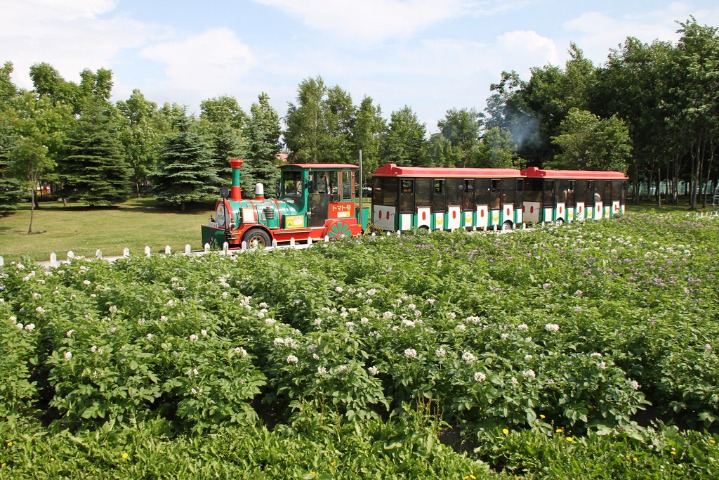
Exploring South Africa by sightseeing bus offers a rich way to see diverse landscapes and cities while emphasizing accessibility and sustainability for a rewarding travel experience.
Accessible sightseeing buses in South Africa aim to provide step-free entry, low-floor designs, and space for wheelchairs in accordance with safety standards. Some operators offer reserved seating, audible route information, and materials in multiple languages. Booking in advance helps confirm features such as wheelchair access, assistance on boarding, and suitable accommodations for travelers with different needs.
Environmental practices include the use of hybrid or electric buses where available, efficient route planning to reduce idle time, and maintenance programs that optimize fuel efficiency. Depots may employ solar energy for charging and lighting, while operators minimize single-use plastics on board and promote recycling. Partnerships with conservation and community programs along popular routes help protect biodiversity, heritage sites, and local ecosystems.
Eco-friendly tips for riders include choosing operators with recognized environmental programs, carrying a reusable bottle, refilling rather than purchasing disposable plastics, and using audio guides instead of printed maps when possible. Riding during shoulder seasons or off-peak times can reduce congestion and emissions, and combining routes can limit total miles traveled.
Ask whether the operator offers carbon offset options or supports local reforestation and wildlife conservation initiatives. Favor buses that use clean fuels, maintain efficient HVAC systems, and keep noise and emissions low. Inquire about accessibility support and whether staff are trained to assist travelers with disabilities and the elderly.
By prioritizing accessibility and sustainability, sightseeing tours in South Africa can support inclusive tourism that benefits communities, protects fragile environments, and preserves cultural sites for future visitors.
Plan ahead, verify details with operators, and choose experiences that align with responsible travel values for a memorable and inclusive journey.