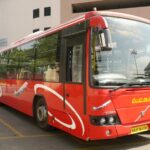

Bus Parts Landscape in South Africa
The bus parts landscape in South Africa is a dynamic mix of OEMs, aftermarket retailers, and regional distributors that keep a diverse fleet on the move across urban and rural routes. With public and private operators maintaining aging fleets, demand spans engines, transmissions, brakes, suspension, electrical components, and body parts, while remanufactured and locally produced items help control costs. Competition between import suppliers and local manufacturers, plus regulatory standards, shapes availability, pricing, and service across the country. A growing emphasis on reliable logistics and after-sales support underpins a resilient market for bus parts in South Africa.
Market players and suppliers
South Africa’s bus parts landscape is characterized by a mix of original equipment manufacturers (OEMs), national distributors, regional wholesalers, and strong aftermarket service networks. Fleet operators—municipal, commuter, school transport, and private long-distance coaches—drive steady demand for reliable spares and a fast supply chain across Gauteng, the Western Cape, and KwaZulu-Natal. The market blends domestic servicing capacity with imports from international brands, supported by growing e-commerce and digital procurement channels.
- Market structure
- Original equipment manufacturers and bus builders supply parts through authorized networks for new buses and warranty work.
- Independent distributors and wholesalers serve fleets of all sizes with a wide range of parts.
- Authorized service centers, workshop chains, and fleet maintenance providers offer repair and parts sourcing.
- Key market players and distributors
- Local distributors with national coverage in Gauteng, Western Cape, and KwaZulu-Natal.
- Regional suppliers focusing on municipal fleets, school transport, and private operators.
- Global brands operating in South Africa via local offices or franchised dealers, including major players in engine, braking, electrical, and filtration segments.
- Major product categories
- Engine and powertrain components (filters, pumps, injectors, turbochargers).
- Braking systems and components (pads, discs, calipers, ABS, ESC).
- Electrical and electronics (ECUs, sensors, starters, alternators, wiring harnesses).
- Suspension, steering, and alignment parts.
- HVAC, climate control, and cabin comfort components.
- Body, interior, seating, and safety equipment.
- Supply channels and procurement trends
- Directly from OEMs or authorized distributors for warranty and guaranteed compatibility.
- Independent distributors and aftermarket brands for non-warranty parts with quick-turn availability.
- Online marketplaces and e-procurement platforms used by fleet managers to streamline stocking and reordering.
- Trends, opportunities, and challenges
- Growing focus on total cost of ownership, durability, and parts compatibility for high-mileage buses.
- Currency volatility and import duties impacting price and lead times for non-OEM components.
- Regulatory emphasis on safety, emissions, and maintenance standards shaping part specifications.
- Data-driven procurement and fleet maintenance adoption improving parts availability and service efficiency.
Standards and regulatory framework
The bus parts landscape in South Africa encompasses original equipment manufacturer components, genuine aftermarket spares, rebuilt and remanufactured parts, and a broad network of local and regional distributors serving municipal fleets, private operators, and long-distance services.
Standards and regulatory framework set the safety, reliability, and interoperability baseline for bus components. In practice, most bus parts and safety-critical items are guided by standards published by the South African Bureau of Standards (SABS) and by compulsory specifications administered by the National Regulator for Compulsory Specifications (NRCS).
Key regulatory bodies include the NRCS, which enforces compulsory specifications for specified vehicle components; the Department of Trade, Industry and Competition (the dti), which oversees import controls and alignment with national standards; and the Department of Transport together with the Road Traffic Management Corporation (RTMC), which implement vehicle safety and roadworthiness regimes, including registration, licensing, inspections, and type approvals where applicable.
Product coverage within the bus parts sector spans braking systems, steering and suspension, electrical and electronic systems, engines and transmissions, cooling and fuel systems, body components, and tires. The market combines OEM parts supplied through manufacturers and authorized dealers with a robust aftermarket segment that includes independent spare parts retailers, refurbishers, and remanufacturers.
Procurement and compliance typically require buyers to verify conformity with NRCS compulsory specifications where applicable, look for the SABS mark or NRCS certification on parts, confirm OEM part numbers, and obtain documentation such as certificates of conformity or test reports. Maintaining supply chain traceability, quality management records, and supplier qualification programs is standard practice for fleet operators and parts distributors alike.
Common challenges include market fragmentation, exposure to counterfeit or substandard parts, lengthy import and clearance times, and currency and duty impacts on pricing. Regulatory alignment with broader international standards and evolving UNECE-type harmonization can influence local compliance requirements, while local content policies and government procurement priorities shape supplier strategies.
Opportunities in the sector include digitization of procurement and cataloging, the growth of e-commerce platforms for spares, and ongoing efforts to localize production or remanufacturing. The evolving landscape is also influenced by shifts toward greener and safer buses, which drive demand for compliant, high-quality parts and the adoption of standardised componentry across fleets.
Propulsion and Engine Systems
Propulsion and engine systems form the core of a bus’s performance, delivering reliable power, efficiency, and control for daily routes. In South Africa, the demand for bus parts—from diesel engines and fuel systems to turbochargers and propulsion electronics—drives a strong local aftermarket and service network. As fleets explore cleaner options, hybrid and alternative-fuel propulsion are expanding the landscape alongside traditional diesel platforms.
Diesel engines used in South African buses
Propulsion and engine systems for diesel buses in South Africa incorporate robust powerplants, fuel and air handling, exhaust aftertreatment, and engine management designed to withstand hot climates and varied road conditions across the country.
- Engine configurations used in SA buses include turbocharged, intercooled inline-6 or V-type diesels in the 8–13 liter displacement range, delivering 200–350 horsepower depending on duty cycle and emission standards.
- Direct fuel injection with electronic control and high-pressure common-rail fuel systems from brands like Cummins, Volvo, Mercedes-Benz, Scania, Iveco, and MAN enable precise injection timing and improved efficiency.
- Air intake and cooling systems with turbochargers, intercoolers, aftercoolers, and robust radiators designed for hot South African climates ensure reliable performance in urban and long-haul routes.
- Exhaust aftertreatment typically includes diesel particulate filters (DPF) and selective catalytic reduction (SCR) with AdBlue/DEF for Euro IV/V engines, reducing emissions.
- Engine management and diagnostics use on-board electronic control units (ECUs) connected via CAN bus, enabling fault-code logging, remote diagnostics, and fleet telematics.
- Drivetrain and transmission options include manual, automated manual transmissions (AMT), or fully automatic gearboxes, paired with the diesel engine for city buses and intercity coaches.
- Maintenance considerations in SA emphasize access to spare parts, local service centers, and training for technicians, with common service intervals for oil, filters, and coolant checks.
- Spare parts and bus components in South Africa are supported by a wide network of distributors and repair facilities in major cities, ensuring parts for engines, fuel systems, and aftertreatment are available.
- Fleet operators optimize fuel economy and reliability through route planning, engine tuning within emission standards, and regular maintenance to mitigate city stop-and-go usage.
Understanding bus parts in South Africa, including propulsion and engine systems, helps operators select reliable diesel engines and maintain efficient fleet operation across the country.
Alternative powertrains and fuel efficiency
In South Africa, bus propulsion and engine systems are at the heart of fleet reliability, operating cost management, and compliance with emission standards. The region’s public transport and long‑haul commuter networks rely on robust powertrains that can withstand hot climates, dusty roads, and varied duty cycles across urban cores and rural routes.
Traditional bus propulsion centers on diesel engines paired with automatic or manual transmissions. Modern heavy‑duty diesels use turbocharging, charge air intercooling, and high‑pressure fuel systems to deliver torque across a wide rpm range. Aftertreatment packages such as diesel oxidation catalysts, selective catalytic reduction, and particulate filters help meet local and international emission targets, while maintenance choices—OEM versus aftermarket parts, scheduled servicing, and diagnostics—determine uptime and total cost of ownership.
Engine systems in buses encompass cooling, fuel, air, lubrication, and electronics that govern performance and longevity. Key components include high‑pressure fuel pumps, common‑rail injectors, cooling circuits, oil circulation, and a network of sensors monitored by on‑board diagnostics. In South Africa, the availability of reputable parts and qualified service technicians for these systems is critical, since downtime translates directly into missed trips and reduced service levels.
Alternative powertrains are increasingly present in the South African market as operators seek lower fuel costs and cleaner operation. Hybrid diesel‑electric buses combine a diesel engine with electric traction motors and batteries to recover energy during braking and improve urban fuel efficiency. Fully electric buses, supported by growing charging infrastructure and fleet electrification programs, offer the potential for zero tailpipe emissions and significant energy savings. Compressed natural gas and liquefied natural gas buses provide another avenue, especially where CNG/LNG refueling networks are established. Hydrogen fuel cells remain an emerging option, with promising efficiency and range but requiring broader energy and maintenance ecosystems.
Fuel efficiency improvements for SA buses also hinge on intelligent route planning, driver training, aerodynamics, and weight optimization. Regenerative braking in hybrids and BEVs recovers energy that would otherwise be lost as heat. Engine downsizing with advanced turbocharging and efficient aftertreatment reduces parasitic losses. Proper tire selection, tire pressure management, and cooling system efficiency contribute to lower rolling resistance and better overall economy. Fleet operators in South Africa increasingly evaluate total cost of ownership across lifecycle stages, from purchase price to spare parts, maintenance intervals, and energy or fuel costs.
Bus parts in South Africa are supported by a mix of original equipment manufacturer (OEM) networks, authorized service centers, and a growing aftermarket sector. Local distributors and importers provide engines, transmissions, turbochargers, filters, sensors, exhaust aftertreatment, batteries, electric motors, inverters, and charging hardware. Central hubs in major cities—Johannesburg, Durban, and Cape Town—facilitate warehousing, regional service, and quick parts delivery to operators across provinces. Remanufactured and refurbished components offer cost‑effective options for aging fleets, provided they meet safety and warranty standards.
Operating in South Africa also demands attention to climate and road conditions. Extreme temperatures, dust, and varied terrain affect cooling capacity, air filtration, and battery performance for electric and hybrid buses. Robust sealing, corrosion protection, and dust‑resistant filtration extend component life, while service networks with skilled technicians ensure timely diagnostics and repairs. Strategic partnerships between operators, parts suppliers, and maintenance facilities help sustain uptime and enable smoother adoption of new propulsion technologies.
In summary, South Africa’s bus market navigates a balance between proven diesel propulsion and evolving alternative powertrains, all anchored by reliable engine systems and ready access to spare parts. Effective maintenance, a strong parts supply chain, and forward planning for electrification and cleaner fuels will continue to shape fuel efficiency, total cost of ownership, and service quality for bus fleets across the country.
Drivetrain and Transmission
In South Africa, the drivetrain and transmission are the heartbeat of a bus’s powertrain, turning engine power into reliable movement for urban routes and long-distance trips. The drivetrain includes the engine, transmission, driveshaft, differential, and axles, all working in harmony to manage torque, speed, and traction across varying road conditions. For operators, well-maintained, authentic bus parts in South Africa—paired with skilled service—mean smoother gear shifts, better fuel efficiency, and less downtime on the road.
Manual versus automatic transmissions
Drivetrain and transmission systems are the backbone of a bus’s performance. In the South African market, bus parts including gearboxes, clutches, torque converters, drive shafts, final drives, and axles all contribute to uptime, fuel efficiency, and reliability on long intercity runs or busy urban routes.
A bus drivetrain refers to the components that transmit power from the engine to the wheels and manage how that power is delivered. Key elements include the engine, the transmission, the driveshaft or drivetrain shaft, the differential, and the axles. The overall design affects not only acceleration and speed but also braking, handling, and the ability to carry heavy passenger loads over varied road conditions common in South Africa.
Manual transmissions in buses are still common in many fleet configurations. They typically offer multiple forward gears (often 6 to 12 speeds in heavy-duty applications), a clutch, and a mechanical gear selection. Advantages include lower upfront cost, simpler field maintenance, and easy parts replacement where workshops are equipped for heavy-duty manuals. Disadvantages include more driver fatigue in stop-and-go urban service and potential handling challenges on hilly routes or with very heavy loads, especially during peak traffic in South African cities.
Automatic transmissions, widely supplied by manufacturers such as Allison, ZF, and Voith, use torque converters or hydraulic couplings and planetary gear sets to shift gears without driver input. They excel in city buses where driver comfort, smooth operation, and predictable performance matter, and they can reduce training needs for new drivers. Modern automatics have improved fuel efficiency and reliability, but they come with higher initial cost, heavier weight, and more complex maintenance demands, which can influence parts availability and service intervals in some South African regions.
In the South African context, automated manual transmissions (AMTs) and other automated systems are increasingly popular for fleets facing driver shortages and urban congestion. These systems automate clutch operation and shifting while retaining many benefits of manual gear selection. Operators often weigh total cost of ownership, maintenance access, and spare parts availability when choosing between a manual, automatic, or AMT configuration for their bus parts inventory.
When selecting between manual and automatic drivetrains for South African routes, factors such as route profile, load, terrain, fuel costs, and the local service network should drive the decision. For long intercity legs with steady speeds, manual transmissions may offer lower maintenance costs and easier field repairs. For busy city routes with frequent starts and stops, automatics or AMTs can improve driver efficiency and passenger experience, provided parts and qualified service are readily accessible.
For buyers and operators sourcing bus parts in South Africa, it is important to ensure compatibility with the engine and axle setup, confirm the availability of spare parts and service technicians, and consider warranty terms. Work with reputable suppliers who can supply heavy-duty gearboxes, clutches, torque converters, and associated drivetrain components that match the specific bus model and operating conditions, plus access to local maintenance networks across major cities and transport corridors.
Axles, gear trains, and drivelines
In South Africa, bus parts focused on drivetrain and transmission are critical for reliability and safety on long-haul and urban routes. This article covers Drivetrain and Transmission, Axles, Gear Trains, and Drivelines as used in South African buses.
- Drivetrain overview: what it includes (engine, transmission, drive shafts) and how power flows from engine to wheels in heavy vehicles, with a note on torque, axle load, and maintenance practices specific to SA roads.
- Transmission systems in SA buses: manual, automatic, and automated manual transmissions (AMT). Common brands used locally (ZF, Voith, Eaton, Dana) and their typical service requirements and service intervals; clutch systems and failure indicators.
- Axles, hubs, and differential configurations: rigid axles, independent suspensions, single vs. tandem axles, hub assemblies, lock nuts, bearings; importance of axle load ratings in municipal and long-distance buses in SA.
- Gear trains and gearboxes: planetary gearsets in automatics, compound gear trains, gear ratios for city vs highway operation; lubrication, oil grades, and filtering; common failure modes like gear wear, bearing play, metal debris; replacement parts sourcing in SA.
- Drivelines and prop shafts: layout of driveline from transmission to rear axle; universal joints and CV joints; balancing, vibration, alignment issues typical on SA roads; anti-vibration mounts and shaft wear.
- Parts sourcing and service in South Africa: availability of OEM and aftermarket components, distribution networks, fitment centers, and compliance with standards; typical lead times and warranty considerations; tips for choosing local suppliers and ensuring proper spec for SA terrain and climate.
- Maintenance and inspection tips for SA operators: regular inspection intervals, rust prevention on driveshafts, CV joints, universal joints, lubrication points, checking for leaks, and adhering to service intervals recommended by manufacturers and SA authorities.
Braking Systems
Braking systems are a safety cornerstone for South Africa’s buses, integrating service brakes, parking brakes, and modern electronic diagnostics to keep fleets on the road. In the bus parts market here, essential components—air brake chambers, hoses, drums or rotors, calipers, ABS modules, and related accessories—must meet local standards and be supported by robust maintenance networks across municipalities and operators.
Service braking and ABS
Braking systems are a core safety and reliability concern for buses in South Africa, where long distances, busy city streets and varied road surfaces demand durable and well-maintained bus parts. This article explains braking systems, service braking and ABS, and how these features fit into the South African market for bus components and maintenance.
Most large buses used on South African roads employ pneumatic (air) braking for the service brake. The system uses an air compressor, air reservoirs, valves, brake lines and brake actuators (chambers) to convert compressed air into braking force at each axle. You may see drum brakes at some axles or disc brakes on the front axle in newer models; both are common in SA bus parts catalogs and maintenance manuals.
Service braking: The service brake is the main braking function during normal operation. When the driver presses the foot brake, air pressure is generated by the service brake valve and routed to the brake chambers via the relay valve or modulator. The air pressure moves the brake pistons or shoes, applying friction to the brake drums or discs and slowing the bus. The amount of braking force is modulated by the valve settings and the driver’s pedal position, and the system relies on proper air pressure, clean lines and leak-free components.
ABS: Anti-lock Braking Systems prevent wheel lock, helping steering control during heavy braking or on slippery surfaces. In buses, ABS typically uses wheel speed sensors, an electronic control unit and a hydraulic or electro-hydraulic modulator to pulse brake pressure at each wheel. In air-brake buses, ABS is integrated with the existing brake control logic, so the electronic unit modulates air pressure to avoid wheel lock while maintaining steering ability. Modern buses may also combine ABS with ESC or stability control for enhanced handling.
Braking system maintenance and South Africa: The bus parts market in SA features both imported components and locally maintained systems. Common suppliers and brands you will encounter include WABCO, Knorr-Bremse, Meritor, Bosch and Haldex, along with local distributors supporting service and warranty. Regular inspection is essential: monitor brake pad or lining wear, rotor or drum condition, look for fluid or air leaks, and ensure the air dryer is functioning and moisture is removed from the tanks. ABS warning lights should be checked during service and any fault codes diagnosed with proper diagnostic tools. Parts availability is generally strong in major urban centers and ports.
Operational tips for SA fleets: Schedule routine brake tests during maintenance windows, check for proper brake balance between axles, and ensure brake performance is tested under load. For buses operating in remote areas, carry spare parts for the braking system, including brake hoses, seals, pressure sensors, and air dryer cartridges. Training for drivers and technicians on braking system indicators and fault codes improves safety and uptime on South African roads.
Conclusion: A reliable braking system, including a dependable service brake and an effective ABS, is essential for safe operation of buses in South Africa. By aligning with the right bus parts suppliers, keeping critical components in good condition and following maintenance best practices, operators can reduce downtime and improve passenger safety.
Retarders, parking brakes, and safety features
Braking systems are a critical safety feature for buses operating in South Africa, where road conditions, climate, and long-distance routes demand reliability and predictable performance. This article covers braking systems, retarders, parking brakes, and safety features as they relate to bus parts and maintenance in South Africa.
A typical heavy bus relies on an air-operated braking system for the service brakes. An air compressor, reservoirs, and a dryer supply pressurized air to brake chambers or brake actuators through a network of valves and hoses. When the driver presses the brake pedal, air pressure activates the brake chambers, pushing the brake shoes against drums or the calipers against discs to slow the vehicle. Regular maintenance includes checking for air leaks, moisture in the lines, proper reservoir pressure, and the condition of hoses, valves, and the brake drums or discs to prevent fade and ensure consistent stopping power.
Retarders are an important feature for long, downhill routes common along South Africa’s highways. A retarder reduces the load on service brakes by slowing the vehicle through alternative means such as engine braking, hydraulic retarders, or electric/eddy-current systems. Retarders help prevent brake fade, extend pad and rotor life, and improve overall control during descent. They are typically integrated with the vehicle’s engine or transmission and complemented by the primary service brakes when needed.
The parking brake on a bus is usually a spring-applied, air-released design or a similar robust arrangement. In normal operation, air pressure keeps the springs released; when air pressure is removed or a release valve is activated, the springs apply the brakes to hold the bus stationary. This system provides a reliable hold when parked on slopes, and it is crucial for safety during boarding and disembarking. Regular checks should confirm proper engagement, release function, and lack of corrosion or sticking in the mechanical linkage.
Safety features that accompany braking systems enhance control and accident avoidance. Antilock Braking System (ABS) prevents wheel lock during heavy braking, helping the driver maintain steering control. Electronic Stability Control (ESC) or Electronic Stability Program (ESP) improves vehicle stability by modulating braking force and engine power in corners or on slippery surfaces. Brake Assist Systems (BAS) detect emergency braking and boost braking pressure for shorter stopping distances. Electronic Brake Distribution (EBD) optimizes the braking force between axles, improving handling under varying loads. Many buses also include hill-start assist to prevent rollback on inclines, and modern fleets may feature predictive braking, lane-keeping cues, and telematics for real-time brake performance monitoring and fault alerts.
In the South African market, bus parts and braking components must meet local standards and be supported by service networks. Reputable suppliers provide brake pads, shoes, drums, discs, brake chambers, air valves, sensors, ABS modules, and retarders with warranties and easy access to spare parts. Regular service and inspections—covering air lines, moisture drains, sensor calibration, and brake balance across axles—are essential to maintain safety and compliance with operator requirements and road authority expectations.
When selecting braking components for a South African fleet, operators should consider climate and dust exposure, road grade and terrain, maintenance access, and the availability of qualified technicians. Compatibility with OEM specifications, robust fault diagnostics, and after-sales support are important. Training for drivers and maintenance staff on brake system operation, fault recognition, and emergency procedures further enhances safety and reliability on South African roads.
Suspension, Steering, and Handling
In South Africa, the performance of buses depends on three core systems: suspension, steering, and handling. The suspension absorbs road shocks to improve ride comfort and tire contact, while the steering system delivers precise control for safe maneuvering. Handling ties these elements together, balancing weight, grip, and stability to ensure reliable operation across varied road conditions. This trio forms the foundation of quality bus parts in the South African market.
Suspension components and ride quality
Suspension, steering, and handling determine how a bus responds to road conditions, carries passengers, and maintains control over long distances. In South Africa, where road quality and traffic patterns vary widely, a reliable suspension and steering system is vital for safety, comfort, and uptime.
Suspension systems in buses differ by design and application. Rigid buses often rely on leaf springs at the front and rear, delivering rugged durability and low maintenance, while many coaches and modern intercity buses use air suspension for adjustable ride height and smoother travel. Some configurations combine coil springs with dampers and anti-roll bars to reduce body sway. Air suspension uses airbags, compressors, reservoirs, and height sensors to maintain a consistent ride height, adapt to payload changes, and level the body on uneven surfaces.
Key suspension components influence ride quality and long-term performance. Springs (leaf, coil, or air chambers) support the vehicle weight; dampers or shock absorbers control spring movement to damp out road irregularities; bushings absorb vibration and reduce noise; control arms and ball joints guide wheel motion; anti-roll bars limit body roll in corners; and air-suspension hardware includes compressors, valves, and height sensors for automatic leveling. Regular maintenance of these parts — checking for cracks, leaks, corrosion, and wear — is essential for consistent ride quality and predictable handling.
Ride quality is affected by a combination of suspension condition, load, tyres, and road surface. A well-tuned suspension smooths out minor imperfections while preserving stability. Poor road surfaces, excessive payload, worn dampers, or misaligned wheels can cause vibrations, banging noises, or uneven tyre wear. Tyre condition, correct inflation, and even weight distribution across axles all contribute to comfort and control. In South Africa, where routes may include rural gravel sections and urban potholes, suspension systems must be robust and responsive to varying road textures.
Steering systems connect the driver to the road and work in concert with the suspension. Typical bus steering arrangements include a steering box or rack-and-pinion, depending on age and model, plus power-assist components, hoses, and a reservoir for hydraulic or electric systems. Steering linkages, tie rods, and joints must be within tolerance to prevent excessive play and ensure accurate tracking. Proper steering geometry, including correct toe-in and appropriate caster angles, supports stable cornering and predictable return-to-center behavior after turns.
Handling encompasses stability, steering feel, braking response, and cornering performance. A bus with well-balanced suspension and properly aligned steering will resist excessive body roll, maintain linear steering input, and distribute braking forces evenly. Dynamic factors such as passenger load, centre of gravity, and axle load distribution influence handling. Vehicles used on diverse South African routes benefit from consistent tyre contact with the road, adequate damping in bumps, and a stable platform during lane changes and curves.
The South African market for bus parts emphasizes the need for durable suspension and steering components. Operators require access to OEM spares, reasonable aftermarket options, and service networks that can source and fit components quickly. Local workshop capabilities, climate considerations, and road-use patterns shape maintenance schedules and component choices, with a focus on reliability and uptime for long-distance operators and urban fleets alike.
Bus parts South Africa entails managing a wide supply chain of springs, dampers, air-suspension parts, bushings, steering gears, racks, pumps, hoses, and related hardware. Quality control, compatibility with bus models, and service support are critical when selecting parts to maintain ride quality and handling. Operators should work with trusted local suppliers and independent workshops that understand the regional road environment and maintenance practices.
Regular maintenance tips for improving suspension, steering, and ride quality include scheduled inspections, listening for unusual noises, checking for leaks or damaged boots, and monitoring tyre wear. Alignments should be verified after major components are replaced or after mounting changes, and tyre pressures should reflect load, speed, and manufacturer recommendations. Periodic testing of steering responsiveness and play helps detect wear early, while checking weight distribution and securing passengers and cargo evenly supports stable handling on varied South African roads.
In summary, suspension, steering, and handling are interconnected to deliver safe, comfortable, and reliable bus operation. By understanding the roles of suspension components, maintaining steering accuracy, and adapting to local road conditions—particularly in the diverse South African context—bus operators can achieve better ride quality, longer component life, and improved passenger experience.
Steering systems and alignment
Suspension, steering, and handling play a central role in the safety and reliability of buses on South Africa’s roads. The way a bus rides, steers, and maintains track affects passenger comfort, fuel efficiency, tire life, and incident-free operation. This article covers how suspension, steering systems and alignment work, with a focus on bus parts available in South Africa.
Suspension systems: On buses, suspension must balance passenger comfort with load capacity and durability. Front suspensions often use leaf springs with dampers or modern air suspension; rear axles may use air suspension or heavy-duty leaf springs. Components include springs, dampers (shock absorbers), anti-roll bars, air springs, bushings, and mounts. Maintenance notes: look for sagging, leaks in air springs, worn dampers, cracked leaves, and noisy or worn bushings. In South Africa’s varied road conditions, air and parabolic springs are common for coaches because they better absorb road irregularities while keeping axle load within limits; choose components that match your axle load, tire sizes, and service profiles.
Steering systems: Buses use robust steering to manage large, heavy front ends. Typical arrangements include recirculating-ball or rack-and-pinion gear with hydraulic power assist. Key components include steering box or gear, racks and pinions, tie rods, pitman arms or idler arms, steering column, power steering pump, and high-pressure hoses. Regular checks are needed for play in the steering linkage, worn gear surfaces, leaks in hydraulic lines, and proper steering effort and return-to-center feel. In fleets that run long routes, a well-maintained steering system improves straight-line stability and reduces driver fatigue.
Handling and alignment: Alignment ensures the bus tracks straight and tires wear evenly. For heavy vehicles, toe-in, camber, and caster should be within manufacturer specs, and adjustments are typically performed after suspension work or major load changes. Air suspension can alter geometry with different ride heights, so some fleets perform load-sensitive alignment or use on-vehicle sensors to maintain correct geometry across configurations. Good alignment improves steering response, reduces tire scrubbing, and lowers fuel consumption.
When sourcing bus parts in South Africa, operators rely on a mix of OEM components from major bus manufacturers and reputable local distributors offering suspension components, steering gear, dampers, air springs, and alignment accessories. You’ll find both original equipment and high-quality aftermarket parts that fit South African service intervals and road conditions. Choosing parts that match your bus model, axle configuration, and local regulatory requirements helps preserve warranty and safety.
Maintenance tips for SA fleets: schedule regular inspections of suspension mounts, air springs or leaf springs, dampers, and bushings; perform periodic wheel alignments after suspension repairs or heavy loads; monitor tire wear patterns for misalignment indicators; check steering play and hydraulic hose condition during routine service; and ensure quick access to qualified technicians who understand heavy-vehicle alignment and steering for buses.
A well-balanced suspension, precise steering, and proper alignment are essential for safe, reliable, and comfortable bus operation in South Africa. Investing in quality parts and timely maintenance reduces wear, improves fuel efficiency, and helps fleets meet roadworthiness standards.
Electrical, Electronics, and Diagnostics
Electrical, electronics, and diagnostics form the backbone of bus parts in South Africa, enabling reliable propulsion, lighting, control systems, and onboard diagnostics across diverse routes and conditions.
Vehicle electrical architecture and harnessing
Electrical, Electronics, and Diagnostics play a central role in how buses operate, from propulsion and power to passenger comfort and safety. In South Africa, bus parts and harnessing must withstand heat, dust, humidity, and long service life while meeting local regulatory and operator needs.
Vehicle electrical architecture in modern buses typically starts with a power source—an engine-driven alternator charging a 24-volt battery bank or a dedicated 24V system for critical circuits. From there, a centralized power distribution system feeds relays, fuses, and control modules that manage engine and transmission, doors, HVAC, lighting, passenger information, and safety systems. Networked controllers communicate over CAN bus networks (often J1939 in heavy vehicles) and sometimes LIN or K-line for sub-systems, with a gateway module coordinating passenger information and telematics.
Harnessing for buses is organized into trunk harnesses and sub-harnesses that route along the chassis and body rails. Designers select robust connectors and multi-core wires rated for 24V operation, high current draws, and environmental exposure. Wiring looms are protected with conduit, loom tape, braided sleeving, and weatherproof connectors. Routing takes into account vibration, route length, service panels, and ease of serviceability, with defined splice points and documented color codes for quick fault isolation.
Diagnostics and fault finding rely on on-board diagnostics and external scan tools. Heavy vehicles use CAN networks such as J1939 for engine and powertrain data, while body ECUs communicate via CAN or LIN. Diagnostics software reads fault codes, monitors sensor data, and records live data streams for troubleshooting. Remote diagnostics and telematics help operators monitor vehicle health, battery state of charge, charging efficiency, and component temperatures from a central fleet system.
Standards and compliance are important for bus electrical work in South Africa. Components and harness assemblies should meet local standards set by the South African Bureau of Standards and OEM specifications. In addition, automotive transient suppression, vibration and thermal testing, IP protection, and electrical safety guidelines apply. For high voltage or advanced driver-assistance components, manufacturers follow safety and functional safety standards and proper training requirements.
South Africa-specific considerations include climate (heat and dust), long service intervals, and diverse operating conditions across urban and rural routes. The supply chain for bus parts relies on local distributors, regional service centers, and importers of OEM and aftermarket components. Technician training and access to diagnostic software are critical, as is the ability to source spare wires, connectors, and harness materials quickly to minimize vehicle downtime.
Common bus electrical parts in South Africa include 24-volt batteries and battery management accessories, alternators and regulators, fuses and relay blocks, solenoids, actuators, door control modules, seat and HVAC controllers, lighting controllers, instrument clusters, CAN gateways, and wiring harness components. Local suppliers and remanufacturers provide harness assemblies tailored to popular bus makes and models, with matching connectors and color-coded wiring schemes to simplify maintenance and repairs.
Future trends in bus electrical systems in South Africa include the adoption of electric and hybrid buses with higher voltage architectures, integrated energy management, and advanced diagnostics. As fleets evolve, robust harness design, modular ECUs, and scalable diagnostics tools will help operators extend life, improve reliability, and reduce downtime on South Africa’s roads.
Lighting, signaling, and fault diagnosis
In South Africa, buses rely on robust electrical, electronics, lighting, signaling, and fault-diagnosis systems to keep urban and rural transit dependable and safe. The effectiveness of these subsystems directly influences on-time performance, passenger comfort, and operator cost containment in a market with diverse routes and climates.
Electrical and electronics architecture in buses typically includes 12V or 24V power networks, a primary starting/charging setup with batteries and alternators, and centralized power distribution. Modern fleets use body control modules, gateway controllers, and multiple electronic control units connected by CAN bus networks (including SAE J1939 for heavy vehicles). These networks coordinate lighting, climate control, door operations, infotainment, and propulsion-related functions, while diagnostic interfaces provide access to fault codes and live data for technicians.
Lighting and signaling systems cover exterior and interior needs. Exterior lighting includes headlights, taillights, turn indicators, brake and tail lamps, hazard flashers, and sometimes daytime running lights, while interior lighting supports driver visibility and passenger comfort. In many South African fleets, LED modules and fault-tolerant lighting designs are common due to their longevity and reduced maintenance. Signaling also encompasses audible alerts and beacon or emergency light configurations in public transport and school-bus applications.
Fault diagnosis and diagnostics involve retrieving fault codes from on-board ECUs via dedicated scan tools, OEM software, or telematics platforms. Technicians interpret J1939 and other CAN-based messages to identify sensor or actuator faults, wiring faults, grounding issues, or failed modules. Routine diagnostics combine code reading with live data monitoring, visual inspection of harnesses, fuses, relays, and earth points, and verification of correct voltage levels across the 12V/24V networks. In-field diagnostics are increasingly supported by remote monitoring and predictive maintenance services delivered through fleet-management systems.
In the South African context, the spare-parts and service network for bus electrical systems is concentrated in major cities and regional hubs. Operators rely on local distributors and authorized service centers for components such as batteries, alternators, fuses, relays, wiring harnesses, lighting modules, and ECU replacements. The availability of parts is influenced by fleet type (municipal, private, commuter), vehicle age, and import timelines, making proactive stocking of critical items and rapid diagnostics a practical necessity for uptime.
Best practices for South African bus operators include implementing a preventive-maintenance program that prioritizes electrical and lighting integrity, maintaining organized spare-parts inventories, and ensuring technicians have access to up-to-date service manuals and diagnostic tools. Training staff in basic electrical fault-finding, wiring inspection, and safe troubleshooting reduces downtime, while regular calibration and validation of lighting and signaling systems promotes road safety and compliance with local regulations.
Battery, alternator, and charging systems
Electrical, Electronics, and Diagnostics are essential for the reliability of bus fleets in South Africa, where long routes and varied climates test electrical systems daily. This article covers Battery, alternator, and charging systems, along with general bus electrical parts and diagnostic practices to keep South African buses on the road.
Batteries in buses are typically 24V DC, often arranged as banks of lead‑acid or AGM cells to provide starting power and to supply lighting, climate control, and onboard electronics. South Africa’s heat accelerates chemical aging and electrolyte loss, so regular battery health checks, terminal inspection, equalization charges where recommended, and a plan for timely replacement are important for fleet reliability.
The charging system centers on the alternator and its voltage regulator, which maintain the battery at a healthy level while the engine runs. In a 24V system the charging voltage is generally around 27 to 28 volts, with the regulator controlling current to avoid overcharging. Modern buses may use smart or alternator‑integrated charging, power management modules, and scheduled charging to balance loads from HVAC, lighting, and telematics.
Electrical distribution and diagnostics in contemporary buses rely on multiplexing and network communication. CAN/J1939 or other vehicle networks connect engine, body, and comfort systems to control modules and diagnostic tools. This networked architecture enables fault codes, live data, and remote diagnostics to pinpoint charging, battery, or wiring issues across a chassis and body systems.
Typical fault symptoms include a dead battery, dim or flickering lights, slow engine cranking, warning lights on the dash, or a battery discharge when the engine is off. A systematic diagnostic approach starts with testing battery voltage and its state of charge, inspecting fuses and grounds, checking belts and alternator connections, and then verifying alternator output with the engine running. If needed, a load test, parasitic drain check, and scanning for fault codes with a commercial vehicle tool guide the investigation.
In South Africa, bus parts and service networks for electrical, electronics, and charging systems are supported by local distributors, workshops, and remanufacturers across major cities. Seek parts that match the 24V system, verify compatibility with your vehicle make and model, and consider local warranties and service support. Reputable suppliers stock batteries, alternators, voltage regulators, sensors, wiring harnesses, fuses, and diagnostic adapters suitable for South African fleets.
Maintenance best practices include regular cleaning of terminals to prevent corrosion, applying protective sprays to reduce oxidation, inspecting wiring harnesses for chafing or water ingress, and ensuring belt tension on the alternator is correct. Establish a routine for voltage checks, battery load testing, and keeping spare parts such as batteries, fuses, and common wiring connectors on hand, aided by a reliable roadside assistance plan.
Investing in proper diagnostics, quality parts, and trained technicians specific to South African bus fleets minimizes downtime and extends vehicle life. A well‑maintained electrical, electronic, and charging system reduces the risk of breakdowns on long routes and supports safer, more reliable operation for passengers and drivers alike.
On-board diagnostics and remote monitoring
South Africa’s bus fleets rely on robust electrical and electronic systems for reliability and safety. On-board diagnostics and remote monitoring are transforming maintenance, improving uptime, and reducing operating costs for operators across urban routes in cities such as Johannesburg, Cape Town, and Durban.
- Electrical systems in buses cover starting, lighting, power for HVAC, and auxiliary loads. In both diesel and electric/hybrid buses, high-voltage safety, DC-DC conversion, and battery management are critical for performance in hot South African climates.
- On-board diagnostics (OBD) and CAN/J1939 networks enable real-time fault detection and rapid troubleshooting. Diagnostic trouble codes, readiness monitors, and live sensor data help technicians identify issues from engine performance to braking and transmission systems.
- Remote monitoring and telematics give fleet managers visibility into location, duty cycles, fuel consumption, battery health, thermal management, and fault alerts. This supports preventive maintenance, route optimization, and downtime reduction across dispersed routes.
- Diagnostics tools and maintenance workflows in South Africa rely on workshop-grade scanners, OEM software, and data from the vehicle’s ECUs. Regular battery testing, alternator checks, insulation resistance tests, and wiring inspections are essential in dusty, heat-prone environments.
- Bus parts sourcing and supply chains within South Africa span distributors across Gauteng, the Western Cape, and KwaZulu-Natal, providing electrical harnesses, ECUs, sensors, actuators, lighting modules, and braking system components with regional support and warranties.
- Remote firmware updates and safety-critical systems such as ABS, ESP, and air-systems are increasingly supported via connected interfaces, reducing service visits and improving safety through timely updates and fault notifications.
- Quality and compliance emphasize using parts that meet OEM specifications and SA standards, ensuring reliability in harsh climates and adherence to heavy-vehicle electrical guidelines.
- Best practices for operators include routine electrical inspections, a structured diagnostic workflow, keeping spare batteries, protecting wiring from heat and dust, and training technicians in CAN/J1939 diagnostics and OEM-recommended procedures.
- Future trends in SA bus diagnostics involve deeper telematics integration with fleet management programs, expansion of electrified and hybrid fleets, and more widespread remote diagnostics and OTA software updates to support maintenance in remote or urban environments.
Fuel, Emissions, and Cooling
In South Africa, bus parts selection centers on balancing fuel efficiency, emissions control, and robust cooling to handle hot climates. From fuel systems and exhaust aftertreatment to radiators and cooling fans, the right components help reduce pollution, cut fuel use, and prevent overheating on long urban and intercity routes. This introduction sets the stage for how these elements work together to deliver cleaner, cheaper, and more reliable bus operation across the country.
Fuel delivery, injection, and management
In South Africa, bus fleets rely on robust fuel delivery, injection, and management systems, along with efficient cooling and emissions control, to perform in climate and market conditions. This article covers key bus parts related to fuel, emissions, and cooling, and how they are managed in the South African context.
- Fuel delivery and management: The fuel system starts with a tank and lines, moves through low-pressure pumps, and ends with a high-pressure injection pump or common-rail rail, injectors, and return lines. In South Africa, diesel quality and supply considerations influence filter systems, water separators, and fuel pressure regulators, as well as reliability under hot weather and long-distance operation.
- Fuel injection and engine management: Diesel engines in buses use either mechanical injection or electronic common-rail systems. Key parts include high-pressure fuel pumps, injectors, rail, and the engine control unit, along with sensors for rail pressure, timing, and temperature. Correct timing and pressure are critical for power, efficiency, and emissions.
- Emissions control: Emission reduction is achieved with components such as exhaust gas recirculation, oxidation catalysts, diesel particulate filters, and selective catalytic reduction for NOx. Maintenance of these systems depends on proper fueling, fuel quality, and regular diagnostics to prevent clogging, soot buildup, and catalyst damage.
- Cooling and thermal management: The cooling system keeps engines, turbochargers, and charge air coolers within safe temps. It includes the radiator, intercooler, water pump, thermostat, cooling fans, hoses, and coolant. In hot South African operating conditions, maintaining coolant quality, fan operation, and proper expansion tank levels is essential to prevent overheating.
- Fuel quality and additives: Diesel fuel quality, sulfur content, and the use of any biodiesel blends affect injector wear, fuel filtration, and emissions equipment. Operators may use approved additives to improve lubricity or protect against microbial growth in tanks, particularly in longer service intervals.
- Diagnostics and maintenance: Regular diagnostics with OBD or ECU scan tools help identify misfueling, injector faults, sensor failures, and emissions-system faults. Maintenance schedules cover filters, pumps, injectors, cooling components, and exhaust aftertreatment, with attention to local service intervals and availability of South Africa–market parts.
- Parts sourcing and local market: South Africa has a network of OEM and aftermarket parts suppliers, distributors, and service centers that support bus fleets. Availability of spare parts, lead times, and warranty terms vary by model and manufacturer, so operators plan parts inventory accordingly.
- Regulatory and market context: Emissions regulations and retrofit programs influence bus parts choices, with a move toward cleaner technologies, Euro-style standards, and potential adoption of SCR/AdBlue or hybrid electric solutions in urban fleets across major cities.
- Practical considerations for South Africa: Fleet operators consider heat tolerance, dust exposure, and maintenance access when choosing fuel, injection, and cooling components. Durable injectors, reliable pumps, robust filtration, and service networks are essential to minimize downtime in South Africa’s road conditions.
Emissions control technologies in SA buses
In South Africa, bus fleets rely on robust fuel delivery, emissions control, and cooling systems to meet performance and environmental targets across diverse climates and road conditions. This article covers fuel, emissions, and cooling technologies common on SA buses and the parts that service them.
- Fuel systems and engine efficiency
- Key components include diesel storage tanks, high‑pressure fuel pumps, common‑rail injectors, and fuel filters that support precise timing and atomization for clean combustion.
- Engine management often pairs turbocharging with electronic control units to optimize power and fuel economy, while sensors monitor pressure, temperature, and injection events.
- Fuel quality and acceptable blends (such as diesel and potential biodiesel initiatives) impact injector life, lubricity, and overall emissions performance in SA fleets.
- Emissions control technologies
- Diesel particulate filters (DPF) trap soot and require periodic regeneration, either passive or active, to maintain flow and efficiency.
- Diesel oxidation catalysts (DOC) reduce hydrocarbons and carbon monoxide before exhaust reaches particulate filters.
- Selective catalytic reduction (SCR) systems use AdBlue/DEF to convert NOx into nitrogen and water, with sensors and dosing units ensuring proper operation.
- Exhaust gas recirculation (EGR) lowers combustion temperatures to reduce NOx formation, working alongside other aftertreatment devices.
- Emissions control systems require routine maintenance, periodic cleaning, and availability of spare parts and service training in SA networks.
- Cooling and thermal management
- Radiators, intercoolers, coolant, and thermostats manage engine temperatures under hot SA conditions, protecting performance and longevity.
- Water and oil cooling systems work together with cooling fans, pumps, and heat exchangers to maintain optimal operating temperatures for engines and transmissions.
- Coolant quality, leaks, and radiator cleanliness are critical maintenance items, particularly in high‑temperature regions and heavy‑duty service.
- Parts availability and servicing in SA
- Original equipment manufacturer (OEM) parts and reputable aftermarket suppliers support SA bus fleets, with distribution networks for brands such as Volvo, Scania, Mercedes‑Benz, MAN, Isuzu, and others.
- Local workshops and mobile service fleets provide maintenance for fuel systems, emissions aftertreatment, and cooling components, helping minimize downtime.
- Fleet operators focus on spare parts stock, training, and regulatory compliance to ensure engines remain within emission standards and operate reliably in varied conditions.
Cooling system components and maintenance
In South Africa, buses rely on durable fuel systems, emissions controls, and cooling systems to perform reliably across varied climates and routes. This article covers fuel, emissions, and cooling, with a focus on cooling system components and maintenance for bus fleets.
- Fuel systems and efficiency
Diesel engines in South African buses use direct injection and often turbocharging to deliver power while controlling consumption. Key elements include the fuel tank, primary and secondary filters, high-pressure fuel pump, injectors, and the fuel rail. Operators should monitor fuel quality, use appropriate filtration, and consider advances like common-rail injection and biodiesel compatibility where approved by the manufacturer. Regular filter changes, checking for water in the fuel, and ensuring correct fuel pressure help prevent injectors from sticking and reduce emissions.
- Emissions controls and compliance
Modern bus engines incorporate emissions aftertreatment such as diesel oxidation catalysts, selective catalytic reduction (SCR), diesel particulate filters (DPF), and exhaust gas recirculation (EGR). Proper maintenance keeps backpressure low and reduces smoke, particulates, and NOx. In South Africa, fleet operators must follow local regulations and service schedules, perform DPF regeneration when required, monitor exhaust sensors, and use high-quality lubricants that do not contaminate aftertreatment systems.
- Cooling system components
The cooling system comprises the radiator, water pump, thermostat, coolant expansion tank, hoses, fans, and heat exchangers for the engine and possibly the cab air conditioning condenser. An efficient cooling network maintains optimal engine temperature, prevents overheating on hot SA days, and supports the performance of turbochargers and aftertreatment systems. Correct coolant concentration, clean radiators, and secure belts are essential.
- Cooling system maintenance
Maintenance tasks include regular coolant level checks, leak inspections, radiator cleaning, thermostat tests, water pump bearing checks, and inspecting hoses for cracks or swelling. Flush and replace coolant at intervals recommended by the engine manufacturer, and use the correct specification for the climate. Inspect electric fans and wiring, ensure the expansion tank cap seals properly, and monitor temperature gauges for anomalies that could indicate a blocked radiator or faulty sensor.
- Thermal management considerations for bus operation
Urban routes with heavy traffic and air conditioning loads can push cooling systems to limits. Ensure adequate airflow with clean radiators and properly sized fans. Plan for dust exposure on South African roads by using protective grille and regular cleaning. A well-maintained cooling system supports engine longevity and comfortable passenger experiences.
- Choosing and sourcing bus parts in South Africa
When selecting parts, prefer OEM or reputable aftermarket components with local support. Source fuel and cooling parts from established distributors in South Africa to minimize downtime. Consider service plans, warranty, and availability of technicians trained on local bus models to keep fleets on the road.
Cab, Interior, and Passenger Safety
In South Africa, bus safety starts with the cab, moves through the interior, and centers on passenger safety. This introduction surveys how cab design, interior layout, and safety features such as seating, handrails, emergency exits, and crash-protected components work together to protect riders on South African roads and highlight key bus parts that keep everyday commuting safe and reliable.
Driver cockpit and ergonomics
Bus design in South Africa emphasizes the cab, interior, passenger safety, and the ergonomics of the driver cockpit to cope with hot climates, dense urban traffic, and long-distance routes.
The cab area is engineered for visibility, accessibility, and durability. Large windshields, wide side windows, and low entry steps improve driver sightlines and ease passenger flow. Robust entrance handrails, non-slip flooring, and reinforced door supports help crew and passengers board safely in city traffic and on long-haul operations. Engine and cooling system layout prioritizes rapid service access and quiet operation inside the cab.
The driver cockpit prioritizes ergonomics to reduce fatigue and improve safety. Adjustable seat height and lumbar support, a reach- and height-adjustable steering column, and well-placed pedals allow drivers of different sizes to adopt a comfortable, safe posture. The instrument panel is designed for quick readability, with clear speed, RPM, fuel, and fault indicators, while control clusters for climate, lighting, wipers, transmission, and door operations are grouped within easy reach to minimize head and hand movement. Noise reduction, seat vibration control, and climate comfort contribute to sustained alertness during shifts.
Inside, passenger safety is supported by sturdy, energy-absorbing seating frames, durable upholstery, and easy-to-clean surfaces. Handrails, overhead grab handles, and vertical poles provide stable support during boarding, alighting, and vehicle movement. Non-slip flooring, clearly marked aisles, and designated priority seating for the elderly or disabled are standard in many SA buses. Emergency exits, escape hatches where fitted, and clear signage enhance rapid evacuation when needed. Some fleets also install CCTV and intercom systems to improve security and response times.
Accessibility features such as low-floor designs, wheelchair ramps or lifts, and retractable seating help passengers with mobility challenges. Exterior safety elements include reinforced bumpers, crash-absorbing structures, compliant lighting and reflective markings, and systems like ABS where mandated by fleet specifications. Regular maintenance intervals ensure that safety components such as brakes, doors, and suspensions perform reliably under South Africa’s varied road conditions.
Local safety and performance standards in South Africa guide bus parts and interior configurations, with manufacturers and operators adopting upgrades to meet evolving regulations. The South African market also hosts regional suppliers who tailor components for heat, dust, and rugged road use, offering air conditioning systems suited to hot climates, durable seat fabrics, and service-friendly interior layouts that keep fleets on the road.
Interior fittings, seating, and safety equipment
Bus parts in South Africa cover the cab, the passenger compartment, and a comprehensive set of safety systems that protect drivers and travelers on a varied and demanding road network.
The cab—or driver’s area—includes the steering column and wheel, pedals, the instrument cluster, and switchgear for steering, braking, and transmission. Ergonomic seating for the driver, adjustable seats, a clear dash, and good visibility through the windscreen are prioritized, along with accessible HVAC controls and functional communication equipment. Durable dash panels and crash-absorbent padding help reduce injury in a collision, while insulation and noise control improve driver comfort on longer trips.
Interior fittings span flooring, wall and ceiling panels, luggage racks, lighting, climate control, and ventilation. Anti-slip flooring, robust handrails and grab handles, and corner protection at aisle ends reduce trip hazards. Interiors are designed for easy cleaning and sanitization, with materials chosen for durability against high passenger turnover and frequent cleaning cycles.
Seating arrangements vary by vehicle type. Intercity coaches typically use fixed seating with generous legroom, while urban artics and minibuses may use bench seating. Upholstery and padding are chosen for daily wear, stain resistance, and passenger comfort. Where required, three-point seat belts or lap belts may be fitted on appropriate seats, with configurations guided by safety standards and operator policy.
Passenger safety equipment includes clearly marked emergency exits—internal and external—with illuminated exit signs and emergency lighting. Fire extinguishers, first-aid kits, and escape hammers are common, while airbags are rare in most bus configurations. Some buses also feature CCTV or passenger assistance devices to deter theft and aid in incident response.
Additional safety features such as handrails, knee clearance, and secure luggage areas help prevent injuries during boarding, alighting, and movement inside the vehicle. Wheelchair-accessible configurations may include dedicated spaces, ramps or lifts, and securing points for mobility aids, depending on the vehicle type and operator capabilities.
Parts sourcing in South Africa includes both original equipment manufacturer (OEM) parts and reputable aftermarket components. Operators prioritize corrosion resistance, durable fittings, and compatibility with local climate conditions, such as heat and dust. Regular maintenance checks, part life-cycle planning, and adherence to service intervals keep cabs and interiors safe and reliable.
Compliance matters influence cab, interior, seating, and safety equipment. Local regulations and standards influence seating belts, emergency exits, fire suppression requirements, and including accessibility features where mandated. Operators work with approved suppliers to ensure parts meet the necessary quality and safety criteria for the South African transport sector.

In summary, the quality of cab design, interior fittings, seating arrangements, and safety equipment defines the safety, comfort, and reliability of buses in South Africa, supporting safer journeys across urban routes and long-distance trips.
Maintenance, Spare Parts, and Logistics in SA
Maintenance, spare parts, and logistics lie at the heart of South Africa’s bus sector, shaping reliability, safety, and uptime for every fleet. Access to genuine and aftermarket bus parts through a network of OEMs, wholesalers, and service centers, combined with efficient warehousing and transport across provinces, underpins effective maintenance programs and smooth operation on South Africa’s roads.
Preventive maintenance schedules
Maintenance, spare parts, and logistics for bus components in South Africa require an integrated approach that aligns vehicle lifecycle with the realities of the local market. A strong focus on preventive maintenance, reliable parts supply, and efficient distribution networks helps public and private operators keep buses on the road and compliant with safety standards.
Maintenance in SA faces specific conditions such as varied climate, dusty rural routes, and dense urban traffic. Operators must balance OEM recommended maintenance with local wear patterns and service intervals. Regulatory expectations, including regular service records and periodic inspections for public transport vehicles, drive the need for disciplined maintenance planning and traceability of parts and work performed.
Spare parts in South Africa are sourced through a mix of original equipment manufacturers, authorized distributors, and reputable aftermarket suppliers. Reliability and warranties matter, so operators often favor OEM or OEM-approved parts for critical systems such as engines, transmissions, brakes, and suspensions. Local stocking at depots around Gauteng, KwaZulu-Natal, and the Western Cape reduces downtime, while cross-border sourcing and import timelines require careful planning for lead times and currency risk.
Logistics and distribution networks for bus parts rely on road and rail corridors, port facilities such as Durban and Cape Town, and regional warehousing. Just‑in‑time or just‑in‑case strategies may be used depending on the model mix and service levels required. Effective logistics also include reverse logistics for warranty parts and returns, and a clear process for authorizing replacements to minimize vehicle downtime.
A preventive maintenance schedule in bus operations includes daily checks for tires and fluid levels, weekly inspections of brakes and electrical systems, and more comprehensive services at defined intervals. Typical planning uses the vehicle service book or OEM guidelines as the baseline, with adjustments for high‑mile routes or extreme heat. Condition‑based maintenance can be integrated by monitoring engine health, air and fuel filters, and brake wear with telematics data.
Spare parts management emphasizes a critical spares list, supplier reliability, and inventory control. High‑demand items such as filters, brake pads, tires, belts, and glow plugs should be stocked at regional depots. Vendor‑managed inventory or consignment stock can reduce downtime, and standardization across model families helps streamline purchasing and warranty handling.
Logistics planning should also account for supplier diversity and regional hubs to mitigate disruptions. A robust procurement cycle, clear lead times, expediting options, and contingency plans for port delays or currency fluctuations keep buses rolling. Training for technicians and parts personnel ensures correct fitment and reduces returns caused by improper installation.
Technology and data play an increasing role in SA maintenance, spare parts, and logistics. Telematics and maintenance management systems track service history, monitor component wear, trigger proactive replacements, and optimize stock levels. Digital catalogs from OEMs and approved distributors speed up part identification and ordering, while barcoding or RFID helps reduce picking errors in depots.
Best practices for the South Africa market include developing close partnerships with local and regional suppliers, maintaining transparent warranty processes, and aligning maintenance cycles with fleet utilization and service windows. For operators serving rural routes, stocking a wider range of wear items and having rapid access to road‑worthy replacements is essential for uptime.
In summary, success in bus parts in South Africa hinges on coordinated maintenance regimes, reliable spare parts supply, and efficient logistics that reflect local conditions. By combining OEM guidance with regional experience, investing in stock at strategic hubs, and leveraging digital tools, SA operators can improve reliability, reduce downtime, and extend the service life of their bus fleets.
Spare parts availability and supply chains
Maintenance, spare parts, and logistics are critical pillars of bus operations in South Africa. The fleet landscape ranges from urban minibus taxis and city buses to long-haul coaches, all with different maintenance cycles and spare parts needs. Efficient maintenance reduces downtime, extends vehicle life, and lowers operating costs across the country.
Maintenance in SA faces several challenges. Aging fleets in many municipalities demand more frequent servicing, while skilled technician availability can be uneven outside major cities. Harsh road conditions, dust, and coastal corrosion also increase wear on engines, drivetrains, and electrical systems, making reliable spares essential.
Spare parts availability and distribution are a mixed picture. A network of authorized dealers and OEM distributors provides genuine parts, while a large aftermarket sector offers alternatives that can shorten lead times and lower cost. Yet parts availability is still highly dependent on imports for many brands, with lead times influenced by customs, currency fluctuations, and global supply pressures. Operators often maintain regional stock, employ vendor-managed inventory, or use consignment arrangements to keep critical items on hand.
Supply chains in South Africa face latency risks from port congestion, rail and road freight constraints, and occasional strikes. The dependence on imported components means that exchange rate movements and import duties can affect spare parts pricing and availability. To mitigate risk, fleets are adopting regional distribution hubs, cross-docking, and just-in-time versus just-in-case strategies, along with local refurbishing and remanufacturing programs where feasible.
Logistics performance is closely tied to the efficiency of the parts ecosystem. Reliable freight corridors, secure warehousing, and robust inventory management enable faster turnaround when a part is needed. Digital ordering platforms, real-time stock visibility, and collaborative planning between operators, OEMs, and distributors help reduce downtime and improve maintenance scheduling.
Government and industry initiatives are gradually improving access to parts. Public procurement rules, standardization efforts, and regional parts management programs can lower cycle times and encourage local repair and remanufacture. Encouraging local assembly or re-shoring of some common components can further reduce lead times and create steadier supply chains for bus fleets.
Best practices for maintenance teams include a preventive maintenance regime aligned with manufacturer schedules, a formal spares policy, and analytics-driven stocking. Building strong partnerships with OEMs and reputable aftermarket suppliers, plus predictable procurement cycles, helps ensure parts are available when needed. Training and knowledge sharing across national and municipal workshops also boosts reliability and resilience.
Overall, the future of bus parts in South Africa rests on balanced local stock, diversified sourcing, and data-driven logistics. By combining preventive maintenance with strategic inventory, operators can keep many of South Africa’s buses on the road reliably and cost-effectively.
Regulatory Compliance and Certification
Regulatory compliance and certification in the South Africa bus parts sector ensures that components such as brakes, steering, suspension, engines, electrical systems, and safety equipment meet established safety and performance standards before they are manufactured, imported, or installed on passenger and commercial buses. In South Africa, this framework is shaped by the National Regulator for Compulsory Specifications (NRCS) which enforces compulsory specs, the South African Bureau of Standards (SABS) which develops and certifies standards and conformity assessments, and vehicle regulations under the National Road Traffic Act. Adhering to these rules supports road safety, reliability, and a robust aftermarket for bus parts in the SA market.
SA standards for bus components
Regulatory compliance for bus parts in South Africa is an essential part of bringing safe, reliable transit equipment to South African streets. The framework combines compulsory specifications, voluntary standards, and conformity assessment to ensure that components used in public transport meet minimum safety and performance requirements.
The National Regulator for Compulsory Specifications (NRCS) issues and enforces compulsory specifications for a wide range of products, including vehicle components. The South African Bureau of Standards (SABS) develops and administers national standards (SANS) and provides third-party testing, certification, and verification services. The Department of Trade, Industry and Competition (the dtic) oversees policy and regulatory coordination, while Customs and SARS enforce import compliance at the border.
Bus components sold or installed in SA must align with applicable Compulsory Specifications or SANS standards. In practice, this means that critical safety elements such as braking systems, steering components, seat belts and seating attachments, lighting and emergency signaling, electrical harnesses, and emissions-related parts are subjected to testing and certification either through SABS or an NRCS-accredited laboratory or certification body. A Certificate of Conformity or equivalent recognition is typically required to place such parts on the market or into service.
Certification and approval processes usually involve identifying the relevant standard or specification, selecting a recognized testing laboratory, and conducting performance, durability, and safety tests. For components that carry independent safety responsibility, a factory or conformity of production (CoP) assessment may be required, including factory audits and ongoing surveillance to ensure continued compliance.
Typical bus components in scope include braking system parts (discs, drums, ABS controllers), seat belts and anchorages, seating and crashworthiness components, lighting and signaling devices, mirrors, glazing, wheel rims, tires, steering linkages, suspension components, fuel and exhaust equipment, electrical and electronic control units, and safety interlocks. Each category has its own applicable standard or compulsory specification, and suppliers should verify the exact requirements with SABS, NRCS, or approved bodies before procurement.
Documentation is a key part of SA compliance. A technical file should accompany the part, including design drawings, material specifications, risk assessments, test reports, declarations of conformity, a bill of materials, and a clear traceability record from supplier to end-user. Certifications, lab test reports, and any CoP certificates must be kept up to date, especially where product revisions or changes in manufacturing processes occur.
Importers and manufacturers should be aware of border controls and post-entry verification. NRCS and SABS certifications may be requested at the point of entry or during inspections before a bus operator or repair facility can install or use a component. Non-compliance can lead to refusal of entry, recalls, product withdrawals, penalties, or restrictions on market access.
Practical steps for success include engaging with SABS or an NRCS-accredited body early in the product lifecycle, selecting components with SA-recognized certification, maintaining robust technical dossiers, and planning for periodic retesting or re-certification when standards are updated. Aligning procurement with SA standards not only reduces regulatory risk but also supports passenger safety and service reliability across South African bus networks.
Import duties, VAT, and local sourcing considerations
Regulatory compliance and certification are central to doing business in the South African bus parts sector, where operators and workshops rely on a steady supply of safe, certified components to keep fleets on the road.
Regulatory compliance and certification: In South Africa, safety-critical vehicle parts must meet standards set by the South African Bureau of Standards (SABS) and may fall under the National Regulator for Compulsory Specifications (NRCS). Suppliers should provide SABS approvals, test reports, and, where required, compliance with compulsory specifications before the parts enter service on buses.
Import duties: When sourcing from outside the country, import duties are assessed by SARS according to the Harmonized System (HS) classification of the item. Duties vary by part type and origin; some items attract higher rates while others are duty-free under special arrangements such as SADC rules. It is essential to verify tariff codes and potential exemptions with your customs broker.
VAT and import VAT: Value-Added Tax (VAT) in South Africa is charged at 15% on most goods, including imported bus parts. Import VAT is calculated on the CIF value plus duty and any other charges and is collected by SARS at the border. VAT-registered bus operators may deduct input VAT, but the timing and eligibility depend on your VAT status and the nature of the procurement.
Local sourcing considerations: Local content and supplier development are important in the South African automotive ecosystem. Government procurement disciplines, B-BBEE frameworks, and industry programs encourage or require some share of local content in parts and assemblies. Aligning with local manufacturers and approved distributors can improve pricing, spare parts support, and response times, and may unlock incentives under industry plans such as APDP and the Automotive Masterplan.
Compliance in practice: Build a due-diligence checklist to verify supplier certifications (SABS, NRCS), inspect quality management processes, confirm traceability of components, and maintain complete documentation for audits and customs checks. Keep up-to-date with changes in standards, compulsory specifications, and tariff schedules.
Cross-border and logistics considerations: Use accurate HS codes, engage a knowledgeable customs broker, and plan for lead times and possible duties. Pre-shipment inspections and precise invoicing help avoid delays, while proper labeling and packaging ensure compliance with road transport regulations in SA.
Local market realities: Fluctuations in exchange rates, port congestion, and supply chain disruptions can affect procurement of bus parts. A diversified supplier base, supported by local sourcing when feasible, can enhance resilience, enable faster warranty support, and improve serviceability across a South African fleet.