

Overview of bus speed limits in South Africa
Bus speed limits in South Africa are set by national road regulations and local bylaws and depend on road category, area, and safety considerations. Public bus operators must comply with posted limits and standard operating procedures, with enforcement focusing on safe driving practices and compliance. This overview outlines how speed limits apply to buses on urban streets, rural routes, and national highways in South Africa.
What constitutes a bus for speed regulation purposes
South Africa uses a standard framework of speed limits for all road users, and buses operate under these limits with additional rules for heavy vehicles. This article provides an overview of bus speed limits in South Africa and explains what constitutes a bus for speed regulation purposes.
What constitutes a bus for speed regulation purposes? In regulatory terms, a bus is a motor vehicle designed or used for the carriage of passengers for hire or reward and operated on public transport services. This includes standard coaches and minibuses that form part of licensed public transport. The exact definition appears in the Road Traffic Act and the accompanying regulations, so operators should refer to the latest notices from the RTMC or Department of Transport for precise criteria.
On road speeds, the general posted limits apply to all motor vehicles, with specific rules for heavy vehicles such as buses. The typical posted limits are 120 km/h on freeways, 100 km/h on main rural routes, and 60 km/h in built-up areas. However, heavy vehicles including buses are usually equipped with speed limiters, and the maximum allowable speed for these vehicles is regulated to around 100 km/h. As a result, even on a freeway where the posted limit is higher, a bus should not legally exceed 100 km/h. Local signs, road works, and changing conditions can impose lower limits that must be obeyed by all vehicles.
Practical considerations and enforcement: Operators should ensure their buses have correctly set and maintained speed limiters, and drivers must observe both the limiter and posted speed signs. Speed enforcement uses radar, cameras, and patrol checks, and drivers must adjust for safety conditions such as weather, traffic, and construction zones. Temporary reductions due to roadworks or hazards apply to all vehicles, including buses.
For precise definitions and current limits, consult the Road Traffic Act, the National Road Traffic Regulations, and notices from the Department of Transport or the RTMC. Regulations can change, so it is important for operators and drivers to refer to official sources for the latest guidance.
Key speed limits currently in force on urban, rural, and highway roads
Overview of bus speed limits in South Africa: In South Africa, buses follow the same posted speed limits as other motor vehicles. There is no separate nationwide bus speed cap; operators and drivers must comply with the road category limits and any signage in effect on a given route.
Urban roads: The default speed limit in built‑up or urban areas is 60 km/h unless signs indicate a lower or higher limit. In residential or school zones, or where roadworks are present, local signage may show lower speeds, and buses must obey those limits as they do with all vehicles.
Rural roads: On rural paved roads outside urban areas, the common speed limit is 100 km/h, subject to posted signs. Gravel or poor‑quality rural roads may have lower limits or warnings, and drivers should follow the posted signs and road conditions.
Highways and national roads: On national and major highways, the typical limit is 120 km/h, though certain sections may have reduced limits due to curves, intersections, construction, or safety considerations. Buses must adhere to these posted limits on all highway segments.
Bus operations and enforcement: For bus services, the same speed limits apply as for other vehicles, with compliance monitored by traffic authorities. Speeding penalties, including fines and potential license implications, vary by jurisdiction and the severity of the exceedance, so drivers are trained to maintain safe speeds appropriate to highway, urban, and rural conditions.
Key takeaways: Always follow posted speed limits for the road you are on, be mindful of zones with lower limits near schools or construction sites, and adjust speed for traffic, weather, and road conditions. For buses, adherence to speed limits is essential for passenger safety, efficient service, and regulatory compliance.
Legal and regulatory framework governing bus speeds in South Africa
South Africa’s legal framework for bus speeds is anchored in the National Road Traffic Act 93 of 1996 and the Regulations thereunder, which establish the general and category-based speed limits for motor vehicles, including passenger buses. The National Road Traffic Regulations specify how speed limits are applied on urban, rural, and express routes, and the regime is complemented by the National Land Transport Act 5 of 2009, which governs public-transport licensing, service standards and safety obligations for bus operators. Together with provincial and municipal by-laws, and enforcement by traffic authorities, these laws determine the permissible speeds, the obligations to manage speed in public-transport operations, and the penalties for non-compliance.
National road traffic acts and regulations affecting buses
The legal and regulatory framework governing bus speeds in South Africa is anchored in the National Road Traffic Act 93 of 1996 and the regulations made under it, along with the National Land Transport Act 5 of 2009 and related regulations. These laws define vehicle categories, permissible speed limits, and the enforcement, licensing, and roadworthiness requirements that shape how fast a bus may travel.
General speed limits are set for different road types and are implemented through the Road Traffic Regulations and associated signage. In built-up or urban areas, the general limit is typically around 60 km/h, while rural roads carry higher limits (commonly 100 km/h) and certain expressways allow up to 120 km/h. Road signs and local bylaws can lower or adjust these limits, and buses must observe the posted limits just like other vehicles.
Public service vehicle specifics: Buses operating as PSVs are governed by the National Land Transport Act and related regulatory frameworks alongside the National Road Traffic Act. PSV operators must hold the appropriate operating licenses, vehicles must be roadworthy, and drivers must hold the required professional driving permit where applicable. Speed limits apply to PSVs as to other vehicles, but operators may face additional route- or operation-specific constraints and safety protocols intended to ensure safe operation, including adherence to speed management measures on certain routes or timetables.
Speed enforcement and penalties: Enforcement is carried out by the South African Police Service and traffic authorities, using radar, speed cameras, and on-road checks. Penalties for speeding include fines, demerit points, possible disqualification from driving, and consequences for PSV breaches, especially where speeding endangers passengers or affects service reliability. The Road Traffic Act and NLTA provide for administrative actions and compliance monitoring.
Standards and safety requirements: The regulatory framework also addresses vehicle roadworthiness, operator competency, and fatigue management, which indirectly influence safe speeds. Buses and their operators must comply with maintenance, inspection, and safety standards, and local authorities may set additional safety-specified speed rules for specific roads or zones (schools, pedestrian zones, and construction zones).
Practical implications: Bus operators and drivers should verify the current speed limits from official sources, including the National Road Traffic Act, Road Traffic Regulations, NLTA regulations, and road signage, and stay updated on amendments. For passengers, understanding these rules helps ensure safety and reliability of bus services.
Roles of national, provincial, and municipal authorities
South Africa regulates bus speeds through a layered framework that integrates national standards with provincial and municipal implementations to ensure safety, efficiency and accessible public transport.
National authorities set the overarching rules that apply to all roads and heavy vehicles, including buses. The National Road Traffic Act and its regulations establish general speed limits, vehicle standards, and offences for exceeding limits; the National Land Transport Act provides the policy framework for public bus services and the licensing system used to authorize routes and operators; the Administrative Adjudication of Road Traffic Offences Act creates the process for addressing speeding offences by road users, including bus drivers and operators.
On national roads the Act authorises the setting of speed limits by regulation and signage, with the standard speeds applying to all vehicle types unless specific exemptions are published. Bus operators must comply with posted speed limits and any roadworks or temporary speed restrictions announced by national authorities.
The NLTA also supports road safety and service quality goals by requiring license and permit processes for bus services, performance standards, and coordination of public transport planning at national level, which in turn influences permissible operating speeds through route design and safety requirements.
The RTMC and other national bodies coordinate road safety campaigns, enforcement priorities, and systems used to monitor compliance with speed limits, including technology-assisted enforcement. Speeding offences, including those by bus drivers or operators, fall under AARTO’s adjudication framework in many cases, providing fines or demerits and potential suspension of licenses.
Provincial departments of transport translate national policy into provincial road transport plans, issue permits for bus services on provincial and regional networks, and oversee enforcement on roads under provincial jurisdiction. They may adopt additional rules or guidelines aligned with national standards to ensure consistent speed management across their jurisdictions.
Municipalities regulate speed limits in built‑up areas through by‑laws and traffic control signage, and they enforce these limits via municipal traffic police and traffic wardens. They also implement safety measures in school zones, near public transport facilities, and along local streets where bus services operate, often coordinating with provincial authorities on larger corridors.
Effective cooperation among national, provincial and municipal authorities is essential because bus speed limits connect national road safety standards with local road conditions and service requirements. Regular policy reviews, joint road-safety campaigns, and integrated transport planning help ensure speed limits support safe bus travel while preserving timetable reliability for public transport.
For bus operators and drivers, the framework means complying with speed limits shown on routes and on road signage, respecting temporary speed restrictions, and adhering to licensing, route approvals and safety standards set by authorities at various levels. Violations can trigger penalties under national enforcement regimes and the AARTO system, with potential consequences for operator accreditation and driver licences.
Overall, the legal and regulatory framework governing bus speeds in South Africa seeks to balance safety with mobility by aligning national standards with provincial planning and municipal enforcement, ensuring buses operate at appropriate speeds on diverse road networks while protecting road users.
Speed limit categories by road type and service
In South Africa, speed limits are organized by road type and by vehicle service, with buses following the posted limits on urban streets, rural main roads, and expressways while also observing any service-specific restrictions for public transport, school transport, or charter coaches. Built‑up areas typically impose lower limits, whereas higher speeds apply on major routes used by bus services, all geared toward safety and efficient travel. This introductory overview highlights how bus operations align with the country’s speed‑limit categories and what drivers and planners should know.
Urban and municipal roads: typical limits for buses
Speed limit categories by road type and service for buses on urban and municipal roads in South Africa.
- Urban local streets and residential areas
- Typical bus speed limit: 60 km/h on general urban streets, with lower posted limits (often 40–50 km/h) in residential or school zones.
- Urban arterials and main streets
- Typical bus speed limit: commonly 60 km/h where posted; some corridors allow 70–80 km/h depending on signage and lane design.
- Bus lanes and Bus Rapid Transit (BRT) corridors
- Typical bus speed limit: typically 60–80 km/h in dedicated lanes, governed by posted signs and traffic management rules.
- School zones and high pedestrian activity areas
- Typical bus speed limit: 40–60 km/h, with 40 km/h in posted school zones during operational times.
Provincial and national routes: standard limits and exceptions
Speed limit categories by road type and service in South Africa are set by national and provincial authorities and are reflected in signage on national roads, provincial roads and in built‑up areas. This overview focuses on bus operations and explains standard limits and common exceptions on provincial and national routes.
Built‑up areas: The default speed limit in towns and cities is 60 km/h unless signs indicate a lower or higher limit, with many urban streets posted at 50 or 60. Public transport vehicles such as buses and minibuses generally follow the same urban limits as other road users, subject to posted signs and local bylaws.
Rural and open roads: Outside built‑up areas, the general default for light vehicles is higher, while heavy vehicles, including buses, are typically limited to 80 km/h on the same roads unless otherwise posted. Always follow the posted signs, as limits can change for curves, settlements, or road works.
National routes: On national roads, light vehicles may have a posted limit up to 120 km/h in sections where allowed, but buses and other heavy vehicles are commonly limited to 80 km/h unless a higher heavy‑vehicle limit is posted or signage specifies otherwise. Always follow the posted national speed signs, as some stretches of national highways have reduced limits due to curves, settlements, or road works.
Provincial routes: Provincial roads carry a variety of posted limits, but the same heavy‑vehicle rule applies in general: buses usually cap at about 80 km/h on open provincial routes, with higher or lower limits posted on specific segments. As with national routes, always check the signs, as limits can vary by province and by road.
Service and vehicle type: Buses and minibuses (public transport) generally travel within the same posted limits as other heavy vehicles. There are no universal separate bus speed limits, but operators must comply with the posted signage, speed‑control devices, and road safety regulations. Exceptions can apply in dedicated bus lanes or express corridors, where different rules may govern lane use rather than maximum speeds.
Exceptions and cautions: Temporary or permanent reductions apply in school zones (often 40–60 km/h during school hours), construction or road‑works zones (commonly 40–60 km/h), and in adverse weather or hazards. Temporary speed limits can be posted and enforced, and travelers should watch for signs indicating deviations from the standard limits. Toll roads and urban expressways may have special restrictions or additional signs that modify the general limits.
Enforcement and safety: Speeding fines, enforcement cameras, and police checks apply to all vehicles, including buses. Bus operators should ensure vehicles are equipped with functional speed‑limiting devices where required and that drivers adjust speeds for safe operation in traffic, weather, and road conditions.
Intercity corridors and express bus routes
In South Africa, bus speed limits are defined by road type and the service being operated, and they shape how fast urban buses, intercity coaches and express services travel on the country’s network of roads.
Speed limits by road type typically follow three main categories: built‑up or urban areas, main or outer roads, and expressways or national highways. In built‑up areas, the standard limit is commonly 60 km/h, with lower or higher limits posted in school zones or special zones. On main roads outside towns, 100 km/h is often the default, while on expressways and national highways the limit is commonly 120 km/h where posted. Signage always overrides defaults, and temporary works or local authority restrictions can alter these values.
Service type affects how a bus operates within those limits. Urban or commuter bus services in cities typically operate under 60 km/h limits in practice due to traffic and frequent station stops, while intercity or long‑distance coaches travel at the higher end of the posted speeds on highways but will still reduce speed for safety at towns, road works, or when carrying many passengers.
Intercity corridors connect South Africa’s major metropolitan centers and are served by express and standard coaches along the national road network. Core corridors include routes linking Johannesburg and Cape Town via the N1, Durban and Johannesburg via the N3, and Cape Town to Port Elizabeth along the N2, among others. On these corridors, coaches typically use highway speeds of up to 120 km/h on expressways and 100 km/h on standard highway segments, subject to posted limits and traffic conditions.
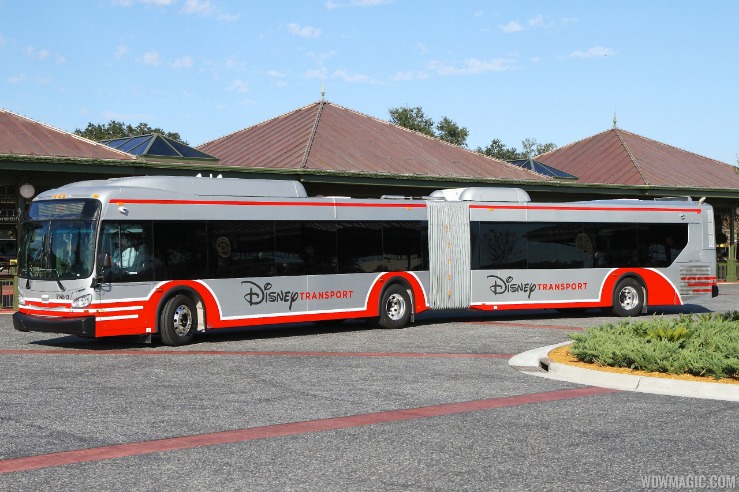
Express bus routes are defined by limited stops and faster travel times between major terminals. They usually operate on the longest, high‑quality road sections of the intercity network and rely on the higher end of the posted speed limits where safe and allowed. In practice, express services balance higher speeds with safety margins, weather, driver rest requirements, and scheduling to minimize dwell times at intermediate stops.
Enforcement and safety play a key role in upholding these speed limits. Traffic authorities and police monitor speeds with radar, cameras and patrols, and buses are required to adhere to road rules, including speed limits at all times. Operators also plan routes and timetables to account for typical travel times under normal traffic conditions and during peak periods.
Special service vehicles and school buses
In South Africa, bus speed limits are set by road type and by service, with specific allowances for special service vehicles and school buses. This article outlines the general framework and common practice for speed limits affecting urban and rural bus operations.
Speed limits by road type: In built-up areas, the default speed limit for most vehicles, including buses, is 60 km/h unless signs say otherwise. On main roads outside built-up areas, the limit is typically 100 km/h, and on national expressways or certain freeways the limit can be 120 km/h where posted. Rural and country roads may have variances influenced by road geometry and safety features, with lower limits near hazard zones such as curves, schools, and residential zones. Bus operators must adhere to the posted limits and any temporary speed reductions in work zones or during adverse conditions.
Speed limits by service: Public service vehicles (PSVs), including standard city and intercity buses, generally follow the same posted limits as other motor vehicles for the class of road they are on. Some routes or municipal bylaws may impose additional safety measures or temporary reductions in speed in high-pedestrian zones or near terminals, especially in busy urban centers or near bus depots. Operators may implement internal scheduling and driving policies to avoid high-speed segments in high-risk timing windows.
Special service vehicles: Emergency service vehicles, police, fire, and ambulances may be allowed to exceed posted speed limits when responding to emergencies, but only with lights and sirens and with due regard to safety and other road users as required by law. Drivers must balance urgency with risk, obey traffic signals where required, and be prepared to give way to others when appropriate. The use of speed in these cases is regulated and strictly controlled.
School buses: Where schools create specific zones, speed limits near school premises are commonly reduced. Drivers of school buses should comply with local school-zone limits (often 40 km/h in designated school zones) when signs indicate, and must be vigilant around children boarding and alighting. South African regulations emphasize safe boarding and alighting practices, with adherence to posted speed restrictions in school zones and at stops, and routine checks on speeding in these areas.
Conclusion: Always follow posted speed limits, road signs, and local bylaws. Bus operators and drivers should stay updated with the latest regulations from the South African National Road Traffic Act and provincial or municipal authorities, especially regarding school zones, special service vehicle exemptions, and any new bus-specific speed rules.
Implications for bus operators and fleet management
South Africa’s bus speed limit policies have significant implications for operators and fleet management. Lower limits or dynamic speed restrictions affect scheduling accuracy, on-time performance, and fuel consumption, prompting revisions to route planning and driver rosters. Fleets may need updated telematics, geofencing, and real-time monitoring to ensure compliance, optimize idle times, and improve safety. Maintenance strategies must consider wear patterns at varying speeds, brake performance, and tire life, while training programs should emphasize speed management, risk assessment, and adherence to regulations. Compliance costs, insurance considerations, and potential penalties must be weighed against safety and reliability goals, shaping procurement decisions and fleet modernization timelines.
Impact on timetables, reliability, and passenger wait times
In South Africa, bus speed limits are a key factor in public transport safety and service design. When a new or revised speed limit is introduced for buses, operators and fleet managers must anticipate a range of effects on planning, operations, and the passenger experience.
Implications for bus operators and fleet management include the need to align vehicle performance with permitted speeds through speed governors and telematics. Fleet planning must account for changes in travel times, which influences how many buses are required, depot scheduling, and maintenance planning. Retrofit costs, ongoing calibration, and potential upgrades to older fleets must be weighed against safety benefits. Real-time data from onboard and roadside systems can support compliance reporting, performance monitoring, and risk management, while insurance considerations and driver training programs may require updates to reflect the new speed regime and its safety expectations.
Impact on timetables is substantial. Travel times are a core input to published schedules, so a slower maximum speed typically extends trip duration. Operators may need to revise timetables, add buffer time at key segments, adjust turnarounds, and reallocate vehicles to preserve targeted frequencies. Corridors with high demand may require revised headways, while routes with long dwell times at stops may need larger buffers to maintain reliability. In some cases, service patterns or route spacing may be redesigned to optimize overall network performance under the new limits.
Impact on reliability hinges on how well timetables and headways are adjusted. A uniform, enforced speed limit can reduce time-variability caused by overspeeding and aggressive driving, potentially improving predictability. However, if published times remain anchored to previous speeds and headways are not recalibrated, slower trips can cascade into missed connections, tighter turnarounds, and deteriorating on-time performance. Reliability metrics such as on-time arrival, sequence integrity, and headway adherence will need baselines updated and continuous monitoring to identify persistent gaps.
Impact on passenger wait times follows from changes in service frequency and predictability. If headways remain unchanged while trips take longer, average wait times at stops and for transfers are likely to increase. Conversely, agencies may respond by deploying additional buses or adjusting shift patterns to maintain frequency, but this raises operating costs and requires more drivers, vehicles, and depot capacity. Enhancing passenger information systems, such as real-time updates and accurate arrival predictions, helps manage expectations even when journeys become longer or more variable.
Mitigation strategies to limit negative effects include revising timetables with adequate buffers, optimizing routing and dwell times, and adjusting headways to preserve acceptable service levels. Operators can leverage priority measures at traffic signals, bus lanes, and dedicated corridors to recover some time lost to speed restrictions. Fleet flexibility—keeping a mix of vehicle types, maintaining spare units, and enabling rapid reallocation between routes—helps absorb delays. Investment in driver training, telematics analytics, and proactive maintenance also supports safer operation within the new limits and sustains reliability and passenger satisfaction.
In the South African context, coordinated planning among operators, urban planners, and transport authorities is essential to balance safety goals with the need to deliver reliable, affordable, and accessible bus services. A data-driven approach to timetable design, vehicle deployment, and real-time passenger information will be central to maintaining performance while complying with speed-limit requirements.
Fuel consumption, emissions, and maintenance considerations
South Africa applies varying speed limits across urban, peri-urban and intercity routes, and bus operators must align fleet management with these posted limits to optimize safety, reliability and cost efficiency. Real-time speed compliance informs scheduling, driver training, and asset deployment, especially on corridors where speed limits change between municipalities or road classes.
Fleet planning and operations need to account for the pace demanded by the speed limit profile. Adhering to posted limits can improve on-time performance by reducing incidents and delays caused by speeding or aggressive driving. Telematics dashboards can monitor speed, accelerations, and dwell times, enabling proactive maintenance scheduling and better utilization of vehicles and drivers.
Fuel consumption generally tracks driver behavior and speed. Buses tend to reach optimal fuel efficiency at moderate speeds (often in the 60–80 km/h range) with steady acceleration and braking; sustained high speeds increase aerodynamic drag and fuel burn. In South Africa’s longer intercity routes, balancing higher speed limits with efficient driving helps reduce per-kilometre fuel usage, while in urban corridors where frequent acceleration and braking occur, maintaining steady, compliant speeds minimizes fuel waste and wheel torque load.
Emissions are closely tied to speed and acceleration. Driving at or near posted speed limits with smooth throttle input tends to lower NOx and particulate emissions compared to erratic driving and high-speed surge. Compliance with speed limits also helps avoid penalties and ensures buses operate within engine and after-treatment temperature windows, supporting catalytic converters and particulate filters where fitted.
Maintenance considerations flow from speed and duty cycles. Higher speeds and frequent stopping create more brake wear, tire wear, and vibration; hotter exhaust and faster engine cycling can increase cooling system demands. Fleets serving routes with higher speed limits should schedule more frequent brake inspections, tire tread checks, and transmission and cooling system servicing. Telemetry data on speeds and acceleration can guide preventive maintenance and spare-parts provisioning, reducing downtime on high-usage corridors.
Operational strategies for South African bus operators include eco-driving coaching, route design that respects speed limits, and the use of adaptive controls where available. Aligning fleet procurement with the likely speed environments—durable brakes and tires for high-speed routes, and efficient propulsion systems for urban stop-start routes—will optimize life-cycle costs, emissions, and reliability while meeting regulatory speed limits.
Driver training, fatigue management, and safety culture
South Africa’s bus sector operates under strict speed-limit rules that influence how operators plan networks, schedule services, and safeguard passengers. The topic of bus speed limit in South Africa has broad implications for fleet management, driver capability, and safety culture across urban and rural routes.
Implications for bus operators and fleet management include aligning vehicle speed with posted limits while maintaining on-time performance. Operators must optimize route planning, headways, and maintenance cycles to accommodate speed restrictions. Telematics and data analytics enable monitoring of actual speeds, identifying excessive or inconsistent throttle response, and planning speed-limiter configurations and engine tuning to balance performance with safety and fuel efficiency. Fleet maintenance budgets should account for wear patterns associated with frequent braking and acceleration at lower speeds in congested areas and at high speeds on open roads.
Driver training must prioritize speed-management skills, awareness of changing limits, and discipline in adherence. Training should cover urban, suburban, and rural environments, with practical modules on maintaining safe following distances, recognizing speed regulations tied to weight, passenger loads, and road conditions. Use of simulators or on-road coaching can reinforce correct speeds even under pressure to meet schedules. Performance dashboards and feedback can motivate drivers to stay within limits without compromising service reliability.
Fatigue management is closely linked to speed policy. Lower, well-managed speeds can give drivers longer safe travel times and reduce the cognitive load of negotiating high-speed traffic. Scheduling should incorporate mandated rest breaks, maximum driving hours, and relief drivers, ensuring that routes are not driven at unsafe speeds for long stretches. For night operations or high-demand periods, adjusting speeds in line with fatigue risk helps sustain alertness and reaction capability.
Developing a safety culture around bus speed limits requires leadership commitment, clear policies, and non-punitive reporting. When drivers and other staff see that adherence to speed limits is valued for passenger safety, staff wellbeing, and reputational risk reduction, compliance becomes part of everyday practice. Regular safety stand-downs, audits, and recognition for safe driving reinforce this culture and encourage proactive risk communication about speeding incidents or near misses.
Technology supports a positive safety culture around bus speed limits. Speed-limiting devices, telematics, GPS-based enforcement, geofencing, and real-time alerts help operators maintain compliance. Data-driven route optimization can reduce pressure on drivers to exceed limits and maintain reliability. Transparent dashboards for managers and drivers enable rapid corrective actions when speeds deviate from policy.

Implementation challenges include disparities in road infrastructure, inconsistent enforcement of speed limits, and weather or road works that compel temporary changes. Operators must balance maintenance of schedules with safety, ensuring that speed-limit policies remain practical on diverse networks. Continuous training, stakeholder engagement, and phased rollout of speed-management policies can improve adoption and outcomes.
Key actions for bus operators in South Africa include conducting a speed-management risk assessment, equipping fleets with appropriate speed-governing devices, integrating telematics into operations, and embedding fatigue management and safety culture into training programs. By aligning fleet management, driver training, fatigue controls, and safety culture with the realities of the bus speed limit in South Africa, operators can improve on-time performance while safeguarding passengers and staff.
Enforcement mechanisms and penalties
In South Africa, enforcement of bus speed limits relies on a layered system that includes traffic police patrols, automated speed cameras, and oversight by national and municipal transport authorities. Bus operators and drivers must comply with generic urban and rural speed limits as well as route-specific restrictions, with special attention to zones around schools and bus corridors. Penalties for speeding can include fines, demerit points, and license sanctions, potentially escalating to license suspension or operator penalties for repeated or dangerous offenses. Effective enforcement is supported by calibrated equipment, proper maintenance, and data-driven enforcement planning to improve road safety for bus passengers and other road users.
Traffic policing, speed cameras, and automated enforcement
In South Africa, enforcement of bus speed limits is built on a layered system that combines active traffic policing, fixed and mobile speed cameras, and automated enforcement technologies to curb speeding by passenger buses.
The legal framework guiding these measures rests primarily on the National Road Traffic Act and regulations, along with the Administrative Adjudication of Road Traffic Offences (AARTO) Act. Violating bus speed limits can lead to penalties such as fines, the potential loss or suspension of driving privileges under AARTO, and, for operators, sanctions from licensing authorities.
Traffic policing involves national and provincial units, including SAPS and traffic officers, who patrol roads, conduct roadblocks, and deploy speed-measuring devices like radar and LIDAR. They target bus routes with a higher risk of speeding and tailor enforcement to time of day and traffic conditions.
Fixed speed cameras are installed along key national and provincial corridors to capture speeding buses. Notices are issued to vehicle owners or operators, and penalties are enforceable upon receipt. Drivers can challenge or appeal these notices through the prescribed legal processes.
Mobile speed cameras provide flexible enforcement by being deployed to hotspots and along busy routes, including on-bus corridors. They deter speeding by allowing rapid redeployment to different locations as needed to maintain compliance.
Automated enforcement extends beyond cameras to include average-speed systems on long stretches, red-light cameras, and bus-lane enforcement in some cities. These systems are increasingly integrated with national records and enforcement networks, and where applicable, offences tie into the AARTO framework for penalties.
Penalties for speed violations typically involve escalating fines tied to the degree of exceedance, along with the potential for higher consequences for repeat offences. Under AARTO, demerit points can accumulate, leading to license suspension after certain thresholds, and operators may face suspension or revocation of permits or licenses from the relevant transport authority. In some cases, vehicles may also be impounded or restricted from service.
To improve compliance and passenger safety, many bus operators implement speed governance measures and telematics, combine driver training with monitoring, and adopt route planning and performance dashboards to ensure adherence to speed limits across urban and interurban networks.
Penalties for speeding and non-compliance by operators
Enforcement mechanisms in South Africa for bus speed limits are designed to ensure safety on public transport by combining technology, policing, and regulation. The main authorities include the National Department of Transport, the Road Traffic Management Corporation (RTMC), the SAPS, and provincial traffic authorities, supported by the National Road Traffic Act and related regulations. Speed limits for buses are enforced on urban, rural, and highway roads, with particular emphasis on public transport corridors and high-risk routes.
Automated enforcement plays a central role. Fixed and mobile speed cameras monitor speeding and are complemented by newer technologies such as average-speed (point-to-point) systems on selected corridors. These tools capture speeding vehicles, log offences, and issue notices to operators and drivers. In parallel, on-road enforcement by traffic officers and PSV inspectors conducts random checks, ensuring vehicles operate within the prescribed speed limits and that speed-limiting equipment is functioning.
Lawful enforcement also relies on vehicle standards and operator compliance checks. Vehicle roadworthiness checks, licensing verification, and adherence to driver working hours and fatigue management rules are carried out at roadside stops and authorised inspection sites. Operators must keep accurate records of speed data and maintenance, and fleet management is often integrated with regulatory reporting requirements to regulators and licensing authorities.
Penalties for speeding by bus drivers or operators are issued under the National Road Traffic Act and related regulations. Typical penalties include fines, demerit points against the driver’s licence, and potential suspension or revocation of the driver’s licence. In serious cases that endanger passengers or others, charges may include reckless or negligent driving, which can lead to criminal prosecution and penalties.
Non-compliance by operators can attract a range of consequences. These include administrative fines, suspension or withdrawal of operating licences or permits, and orders to take corrective action, such as maintaining speed records, upgrading speed-limiting devices, or providing additional driver training. Repeated violations or failure to meet safety and service standards can trigger escalation to the regulator, with possible service bans, revocation of tender awards, or legal action.
Regulators emphasise due process and opportunities for operators to appeal penalties or challenge citations. Operators should maintain comprehensive compliance programs, including telematics monitoring, routine vehicle inspections, staff training, incident reporting, and prompt maintenance, to reduce the risk of penalties and enhance passenger safety.
In practice, operators that invest in compliant fleet management—speed-limited buses, calibrated tachographs or speed loggers, driver training, and regular maintenance—are better positioned to meet speed requirements, avoid penalties, and deliver safer public transport services in South Africa.
Data collection, monitoring, and transparency in enforcement
Enforcement of bus speed limits in South Africa operates under the National Road Traffic Act and related regulations, coordinated by the Road Traffic Management Corporation (RTMC) along with SAPS and provincial traffic authorities. The framework aims to deter speeding, protect passengers, and improve public transport reliability across urban and rural routes.
Enforcement mechanisms include a mix of fixed and mobile speed cameras, automated point-to-point speed enforcement systems, routine roadblocks, and on‑board monitoring technologies mandated for certain passenger transport operators. Roadside officers, vehicle inspections, and random checks complement automated tools to ensure compliance with posted speed limits for buses.
Penalties for speeding by bus operators and drivers typically cover fines, court appearances, and potential demerit points where a points system applies. For operators, penalties may extend to administrative actions such as suspension or revocation of operating licenses, penalties against the operator’s fleet, and compliance orders requiring corrective measures or training before services resume.
Data collection for enforcement draws on speed camera logs, patrol records, and incident reports, as well as telemetry and GPS data from fleet management systems used by bus operators. Accident and near‑miss data, weather and road condition information, and maintenance records also feed enforcement analytics. Robust data protection and privacy safeguards govern the collection and use of personal information of drivers and operators.
Monitoring is conducted through real‑time dashboards and periodic audits by traffic authorities and the RTMC, with performance indicators such as average speeds on key corridors, compliance rates, and time‑to‑detect for violations. Cross‑agency data verification and independent audits help ensure accuracy and reduce bias in enforcement outcomes.
Transparency in enforcement is advanced through the publication of annual enforcement statistics, incident summaries, and breakdowns by region or route. Clear signage, accessible complaint mechanisms, and opportunities for operators and passengers to review enforcement decisions contribute to accountability. Independent oversight bodies or ombud processes can review contentious cases and promote public trust.
Challenges to transparency and effectiveness include resource constraints, data fragmentation across agencies, privacy considerations, and ensuring consistent interpretation of penalties across jurisdictions. Addressing these requires standardized data formats, interoperable information systems, and clearly defined governance protocols for data access and dispute resolution.
Best practice recommendations include implementing interoperable data standards for speed enforcement data, building public dashboards with anonymized metrics, and ensuring due process in penalty adjudication. Regular independent audits, whistleblower channels, and community engagement with transport user groups help maintain integrity and public confidence in bus speed enforcement.
Ultimately, robust enforcement mechanisms, fair penalties, comprehensive data collection, and transparent monitoring are essential to reducing excessive speeds among bus operators, protecting passengers, and delivering reliable public transport across South Africa.
Impact on safety, mobility, and urban planning
Bus speed limits in South Africa influence safety, mobility, and urban planning by shaping how efficiently riders move while protecting pedestrians and riders. Lower speeds near bus corridors reduce severe crashes and create safer streets around stations, encouraging more people to use public transit. At the same time, speed controls affect travel times, reliability, and route design, guiding investments in dedicated lanes, bus rapid transit, and intersection treatment. Urban planners weigh speed limits against congestion, land use, and accessibility, aiming to create compact, pedestrian-friendly neighborhoods where buses connect homes, work, and services with predictable schedules and safer streets.
Safety outcomes from adhering to speed limits
Bus speed limits in South Africa influence safety, mobility, and urban planning. This article examines how adhering to posted speeds for buses can shape outcomes across these three areas, with a focus on urban corridors and public transit networks in South Africa.
Safety outcomes from adhering to speed limits are significant. Lower, consistent speeds reduce the likelihood of crashes involving buses and other road users, and they lessen crash severity when incidents occur. Pedestrians and cyclists benefit most in dense urban areas where buses share streets with nonmotorized users. When drivers respect posted limits, stopping distances shorten and braking events decrease, reducing collision opportunities at intersections and near bus stops. Strong speed compliance also supports safer driving behavior by reducing speed variance among vehicles, which in turn lowers rear-end and side-swipe incidents on busy urban routes.
Mobility benefits accompany safer speeds. Adherence to speed limits leads to more predictable journey times, fewer service disruptions from crashes, and improved reliability of bus schedules. Reliable performance supports better transfers, easier connections with other modes (rail, minibus taxis, and walking), and greater rider confidence in using the bus. In addition, when speed is managed with bus priority measures—such as signal timing that favors buses and dedicated lanes—the overall travel time can become more stable, even if the posted limits are modest in busy corridors.
Urban planning gains emerge when streets are designed around manageable speeds. Slower, predictable bus speeds encourage pedestrian-friendly street design, with shorter crossing distances, safer mid-block crossings, and better visibility near stops. This environment supports transit-oriented development, encouraging higher-density, mixed-use growth within walking distance of bus routes. Slower speeds allow planners to allocate road space for protected bus lanes, wider sidewalks, and buffer zones, which can improve safety for all road users and enhance the attractiveness of transit as a core mobility option.
In the South African context, cities are expanding bus-based systems such as the Rea Vaya network in Johannesburg, the MyCiTi system in Cape Town, and other rapid transit or feeder networks. Implementing corridor-specific speed limits, paired with bus priority and protected lanes, can markedly improve safety and reliability while aligning with urban design goals. Enforcement, driver training, and community engagement are essential to ensure adherence, alongside data-driven adjustments to speed limits based on street function, land use, and traffic mix. When speed management is integrated with transit operations, urban safety and mobility outcomes are stronger and more sustainable.
Policy implications include adopting corridor-based speed targets for buses, combining speed management with physical infrastructure like bus lanes and signal priority, and using monitoring to refine limits over time. Investments in enforcement technology, transit market incentives for compliant driving, and public information campaigns can bolster adherence. By prioritizing safety through appropriate speed limits, South Africa’s cities can improve bus reliability, support walkable urban cores, and guide planning toward safer, more accessible, and transit-forward environments.
Effects on bus service design, accessibility, and urban mobility
In South Africa, bus speed limits interact with road design, enforcement, and urban dynamics to shape safety, mobility, and planning. Because many cities face congestion and safety challenges, speed management can be a lever to balance efficiency with safety and equitable access.
Safety is strongly influenced by bus speed limits. Lower speeds reduce crash severity, improve reaction times for drivers, and lessen the risk of severe injuries for pedestrians and cyclists near bus stops and along corridors with high foot traffic. Clear, consistent limits paired with physical design elements such as protected bus lanes, traffic calming in dense areas, and effective enforcement can help sustain safer operations for both passengers and non-motorized road users.
Mobility and urban planning are also affected. Speed limits shape travel times and reliability, which in turn influence where people choose to live, work, and access services. In dense urban cores, careful speed management can make bus services more predictable and attractive, supporting transit-oriented development and reducing the appeal of car commuting. Conversely, excessively low limits without parallel capacity improvements can impede overall mobility if bus services struggle to meet demand or experience frequent delays.
Bus service design responds to speed regulations through route planning, frequency, and dwell-time management. Where corridors benefit from higher operating speeds, planners might emphasize limited-stop services and longer headways to sustain reliability. In areas with tight speed limits and frequent stops, agencies may rely on bus priority measures—like signal priority, queue-jumps at intersections, and dedicated lanes—to preserve schedule adherence and maintain on-time performance.
Accessibility considerations are closely tied to speed and street design. Slower speeds near stops can enhance safety for boarding and alighting, particularly for older adults and riders with mobility impairments. However, if speeds are too low without convenient, accessible stops and safe pedestrian crossings, it can hinder access for riders with disabilities. Investments in low-floor buses, curb ramps, raised platforms, clear wayfinding, and thoughtfully spaced stops help ensure that speed limits support equitable access rather than simply slowing all travelers.
Overall urban mobility benefits from harmonizing bus speed limits with a broader multimodal strategy. Aligning speed management with safe walking and cycling infrastructure, smart transit priority, and high-quality bus stops fosters a transition toward denser, more walkable neighborhoods with efficient transit. By coordinating speed policies with land-use planning and corridor investments, South African cities can improve reliability and safety while expanding the reach of public transport to underserved communities.
Policy recommendations include implementing bus-priority corridors, standardizing speed limits by road function, expanding protected bus lanes, and deploying data-driven enforcement. Regular monitoring of safety incidents, travel times, and rider satisfaction helps refine limits and related infrastructure. Aligning speed management with national planning and local transit strategies can support more equitable, efficient, and sustainable urban mobility in South Africa.
International comparisons and best practices
International comparisons show that bus speed limits and related measures vary widely, but common best practices focus on safety, reliability, and efficiency through urban speed limits, vehicle speed governors, bus-priority measures, and consistent enforcement. For South Africa, applying these insights can help set sensible limits, expand bus-priority corridors, and improve service reliability while balancing urban mobility.
Global guidelines and benchmarks for bus speed management
Worldwide, cities are rethinking speed to make bus travel faster, safer, and more reliable. For South Africa, adopting international best practices in bus speed management can help reduce travel times on major corridors, attract more riders, and cut road fatalities.
Global guidelines come from organizations such as the World Health Organization, the United Nations, the International Transport Forum, and the International Association of Public Transport. They emphasize context‑sensitive speed limits, speed reduction in urban cores, and powerful bus priority to ensure buses keep to timetables without compromising other road users. They also stress data-driven decision making, transparent targets, and regular evaluation.
Best practices include implementing bus priority at signals (preemption or signal timing tailored to bus arrivals), creating dedicated bus lanes on high‑demand corridors, and improving intersections to minimize red lights for buses. Complementary measures include bus rapid transit (BRT) systems, real‑time passenger information, and vehicle telemetry that informs drivers and dispatchers about delays and recovery times. In addition, low‑emission bus fleets and driver training support safer, more predictable speeds.
Global benchmarks monitor speed management through corridor level metrics such as average bus speed, travel time reliability, and on‑time performance, along with safety indicators and enforcement effectiveness. Successful programs often reach a balance between speed limits that reflect road design and the need for consistent, reliable bus movement. Cities compare corridors, share lessons, and continuously iterate design and enforcement strategies.
In the South African context, speed limits, enforcement, and bus priority must align with national road safety targets and urban growth plans. Key steps include mapping priority bus corridors, piloting protected bus lanes in dense urban centres, introducing traffic signal priority for buses, and investing in enforcement technology that focuses on speed compliance around buses. Partnerships with national agencies, local municipalities, and transit operators can help scale pilots and standardize data collection for benchmarking.
Beyond infrastructure, governance and data are critical. Regular performance reviews, transparent reporting on bus speeds and reliability, and community engagement ensure that speed management serves riders, pedestrians, and other road users. South Africa can draw on international models while adapting them to local geometry, climate, and mobility needs to set clear targets for bus speed and reliability on key corridors.
Benchmarks from neighboring countries and regional trends
International comparisons show a growing consensus that bus speed limits should be part of an integrated safety strategy, pairing controlled speeds with driver training, vehicle standards, and robust enforcement. For South Africa, benchmarking against regional peers highlights the value of tiered speed regimes by road type, mandatory speed limiting devices, and the use of data-driven enforcement to reduce overspeed events and improve reliability for public transport users.
Best practices often include mandatory installation of speed governors on public buses, calibrated to road category and traffic conditions, as well as GPS- or map-based geofencing to automatically cap speeds in urban centers. Countries with successful public transport outcomes commonly link speed management to broader ITS (intelligent transport systems), real-time monitoring, and integrated enforcement, including automatic camera enforcement and fleet management dashboards that flag repeat overspeed incidents.
Benchmarks from neighboring countries show a regional emphasis on improving bus safety through speed governance and fleet standards. In many cases, urban routes are governed by lower limits to protect pedestrians and reduce variability in travel times, while intercity corridors use higher, but controlled, limits with strict compliance checks. Cross-border corridors are increasingly standardized to support safe, efficient travel, with operators required to maintain speed compliance as part of licensing and vehicle roadworthiness regulations.
Regional trends reflect a strategic shift toward safer, more reliable public transport as a component of road safety goals. Multinational and regional bodies are promoting harmonized standards for bus operations, encouraging investment in fleet modernization, speed-limiting technology, and enforcement capacity. These trends are accompanied by data-sharing initiatives, performance dashboards, and capacity-building programs for traffic authorities, operators, and drivers to reinforce safe driving practices on busy regional corridors.
For South Africa, applying these insights could involve: adopting a tiered speed-limit framework for buses that aligns with road type and urban density; mandating effective speed-limiting devices on all public buses and ensuring regular calibration and maintenance; strengthening cross-border and intercity enforcement with ITS-enabled monitoring; and investing in driver training, fatigue management, and fleet performance analytics. A coordinated approach with neighboring countries could also support harmonized urban limits, safer cross-border routes, and shared data systems to track compliance and outcomes across the region.
Ultimately, international benchmarks and regional experience suggest that combining clear speed limits with credible enforcement, modern vehicle technology, and continuous performance monitoring yields tangible gains in safety, reliability, and passenger confidence in public bus services within South Africa and its region.
Future directions and policy considerations
Future directions for bus speed limits in South Africa hinge on aligning safety with service reliability and equity. Policy considerations will emphasize evidence-based setting of speed thresholds, consistent national standards, and integration with ITS enforcement, urban planning, and public transit funding. Stakeholder engagement across government, operators, drivers, and communities will be crucial to balance road safety, efficiency, and accessibility for all travelers as the country modernizes its bus networks.
Policy reforms to harmonize urban-rural speed limits
Future directions for bus speed limit policy in South Africa center on harmonizing urban and rural limits to improve safety, reliability, and mobility. A policy reform path should be grounded in data, stakeholder input, and clear governance to deliver consistent rules across the country.
- Establish a national policy framework for harmonized bus speed limits, with a default corridor-based approach that applies across urban and rural roads and clear exceptions for high-risk zones such as school vicinities and dense pedestrian areas.
- Legal and regulatory reforms to amend the National Road Traffic Act and related regulations, authorizing a uniform bus speed limit framework, and aligning provincial and municipal by-laws with the national standard.
- Road classification and data-driven policies that map bus routes with standardized typologies, integrating data from SANRAL, provincial transport departments, and municipalities to set and adjust limits based on safety, congestion, and travel time reliability.
- Technological enablers including intelligent transport systems, adaptive signage, GPS-based enforcement, and telematics for fleet management, all while safeguarding privacy and data governance.
- Phased implementation and pilots on representative urban corridors and rural routes to measure safety outcomes, reliability, and cost impacts before scaling up.
- Standardized enforcement and penalties to ensure consistent compliance across jurisdictions, supported by training for officers and the strategic use of automated enforcement where appropriate.
- Equity and public consultation to ensure rural and peri-urban communities benefit from safety gains and reliability, with ongoing engagement of bus operators, unions, commuters, and local governments.
- Monitoring and evaluation through a national dashboard tracking speed compliance, crash trends, travel times, and emissions to inform ongoing policy recalibration.
- Alignment with broader transport and environmental goals, integrating harmonized speed limits with urban planning, public transport expansion, and air quality targets to support sustainable mobility.
Technology-enabled speed management and data-driven enforcement
In South Africa, future directions for bus speed limit policy are likely to hinge on technology-enabled speed management and data-driven enforcement. For cities pursuing safer, more reliable bus travel, aligning speed controls with public transport goals is essential and can help improve safety, reduce delays, and boost passenger confidence in mass transit.
Technology-enabled speed management includes deploying calibrated speed governors on buses, GPS-based telematics, and geofenced zones that enforce or inform speed limits. Adaptive speed management can vary limits by time of day, traffic conditions, or corridor risk profiles, while data from fleets, road sensors, and camera networks supports dynamic enforcement hotspots and proactive hazard detection. A central ITS platform can connect bus operations with road network speeds, enforcement infrastructure, and real-time communications to operators and passengers alike.
Data-driven enforcement requires robust governance, standardized data formats, and transparent accountability. Authorities should rely on anonymized, aggregated data for strategic decisions while maintaining strict privacy controls and clear retention policies. Enforcement should be risk-based and outcome-driven rather than revenue-focused, with avenues for due process and fair appeals to avoid disproportionate impacts on operators or passengers.
Policy considerations encompass regulatory frameworks for hardware and software—such as speed governors, telematics, and camera-based enforcement—alongside minimum safety standards, interoperability across municipalities, and lifecycle requirements for maintenance and cybersecurity. Clear procurement rules, funding models, and performance benchmarks are needed to ensure reliable, scalable implementation across diverse urban and peri-urban contexts.
Equity and practicality must guide rollout, acknowledging that rural routes, limited connectivity, and smaller operators present distinct challenges. Policies should safeguard service reliability, avoid unfair penalties for operational constraints, and incorporate stakeholder engagement, including transport unions and passenger groups, to build trust and acceptance. Monitoring of safety outcomes, on-time performance, and rider experience will help refine approaches over time.
Future directions should emphasize phased pilots in major corridors, followed by scalable national standards and continuous evaluation. Collaboration with bus manufacturers, technology providers, and local governments will be critical to align speed management with South Africa’s broader transport objectives, including safe, affordable, and accessible public transit for all residents.