
Overview of South Africa’s bus station network
South Africa’s bus station network links major cities with regional towns and rural communities through a mix of national coach terminals, municipal bus hubs, and informal stops. Urban centers boast modern interchanges while smaller towns rely on legacy stations and local operators, creating a diverse, entry‑point system for travel and commerce. Overall, the network is a vital mobility artery that supports work, education, and tourism across a country marked by geographic and economic diversity.
Geographic distribution
South Africa’s bus station network forms a vital part of the country’s transport system, linking provinces and towns through a mix of national and regional operators. Long-distance intercity buses connect major urban centers such as Gauteng, the Western Cape, and KwaZulu-Natal with more distant destinations, complementing rail, air, and road travel. The network relies on a hub-and-spoke model centered on the country’s largest metros, with multi-operator terminals and several enduring long-distance routes.
Key routes and corridors traverse the major national roads. The N1 carries services between Johannesburg and Cape Town via Bloemfontein, the N3 links Johannesburg to Durban, the N2 runs along the coast from Cape Town to Durban, and the N4 connects the Highveld to the Maputo corridor. These corridors concentrate the majority of intercity bus services, enabling efficient connections across long distances and into neighboring regions.
Major hubs and coverage are densest in Gauteng, the Western Cape, and KwaZulu-Natal, where multiple operators and large terminals accommodate high passenger volumes. Intercity services extend to provincial capitals such as Bloemfontein, Port Elizabeth, East London, and Polokwane, as well as to numerous secondary towns and tourist gateways. While city centers host large multi-operator terminals, some towns rely on smaller stands or informal stops to connect travelers to larger networks.
Urban-rural distribution shows a gradient. In rural provinces like the Northern Cape and parts of the Free State, service frequency is lower and routes tend to connect to regional hubs rather than offering numerous daily departures. The network aims to bridge mobility gaps but depends on road quality, operator viability, and demand, which can lead to variable reliability across different areas.
Facilities and operations at bus terminals range from well-equipped stations with waiting areas, restrooms, and security to more modest roadside stands. Ticketing is commonly offered at counters, via phone, or through mobile apps, and many operators provide online booking and seat selection. Buses generally run on published timetables with seasonal adjustments during holidays and school terms.
Intermodal links enhance the network through connections to rail stations and airports in some hubs, offering integrated travel options. The growth of digital booking, route planning tools, and real-time information has improved accessibility and reliability, though data availability can vary by operator and location.
Geographic distribution of the bus network reflects population density, economic activity, and road infrastructure. Concentration in metropolitan regions supports high-capacity routes and frequent services, while efforts to improve coverage in less urbanized areas continue to be a priority for expanding mobility and tourism access across South Africa.
Types of bus stations (metropolitan, regional, intercity)
South Africa’s bus station network forms a vital part of the country’s transport system, linking urban cores with towns across nine provinces. The network comprises metropolitan terminals in large cities, regional hubs in provincial capitals, and dedicated intercity terminals that handle long-distance services. It serves commuters, students, and travelers, providing affordable mobility and access to regional economies. Operators include a mix of public and private players, and services range from short urban routes to longer cross‑country journeys. The network coexists with rail, air links, and the country’s extensive minibus taxi system, creating a layered transport web that supports both daily life and economic activity.
Metropolitan bus stations in cities like Johannesburg, Cape Town, Durban, and Pretoria handle high passenger volumes and act as central transfer points. They typically sit near city centers or transport interchanges and offer connections to urban rail, minibuses, and feeder routes. Facilities often include ticket offices, waiting areas, restrooms, vending, security, and accessible service counters. Timetables emphasize peak commuting times; many operators run frequent services that shuttle riders within the metropolitan area as well as to adjacent towns.
Regional bus stations serve provincial capitals and larger towns, linking smaller communities to the metropolitan hubs. They provide daily or multiple daily departures along major provincial corridors and connect with intercity routes at larger termini. Facilities are commonly simpler but stable, with basic seating, ticketing desks, and information boards. These stations help distribute economic activity by moving people and seasonal workers, students, and visitors across regions.
Intercity bus stations focus on long-distance travel between provinces or across vast parts of the country. They host departures for national operators as well as private operators offering day and overnight services. Passengers can expect longer journey times, baggage handling, and amenities like food outlets and seating areas at larger hubs, while smaller intercity terminals offer stripped-down facilities. Schedules are usually published in advance with online booking options, and some stations provide integrated information desks to assist travelers planning multi-leg trips.
Over time, some terminals have seen upgrades to improve safety, accessibility, and passenger information. New digital boards, online ticketing, improved lighting and signage, and better accessibility for people with disabilities are common goals. There is also ongoing work to align ticketing across operators and create smoother transfers between bus, rail, and air transport, supporting a more integrated national travel network.
In South Africa, the bus station network remains a crucial, affordable mobility option that reaches many communities beyond major cities. As investments continue in infrastructure and technology, the network aims to enhance reliability, safety, and comfort while supporting regional growth and domestic tourism.
Key facilities and services at bus stations
In South Africa, bus stations provide essential facilities and services to help travelers travel safely and efficiently. Typical features include sheltered waiting areas with seating, clear signage and timetable boards, and staffed or self-service ticketing kiosks. Real-time travel updates, platform announcements, and passenger information desks help passengers plan transfers. Safety is enhanced by good lighting, security personnel, and CCTV coverage. Convenience services often include clean restrooms, vending machines or snack counters, and accessibility options such as ramps and designated seating for people with disabilities. Additional amenities commonly found are drop-off and pick-up zones, parking or taxi stands, luggage assistance, charging points for devices, and Lost and Found offices.
Ticketing and passenger information desks
Across South Africa, bus stations serve as key transport hubs connecting towns and cities, with a mix of intercity operators and commuter services. They vary in size from major city interchanges to smaller regional stops, but share a common goal of moving passengers safely and efficiently.
Key facilities typically found at South African bus stations include sheltered waiting areas with seating, clean toilets, refreshment kiosks, and drinking water points. Many stations offer secure, well-lit precincts with predictable cleanliness, trash bins, and posted timetables to help passengers plan their journeys.
Accessibility is a priority in many stations, with features such as ramps for wheelchairs, accessible toilets, tactile paving for the visually impaired, lifts in multi-level facilities, and clear, high-contrast signage. Customer assistance counters are often available to support travellers with special needs.
Ticketing and passenger information desks form a central part of the station experience. They provide ticket sales for various operators, booking changes, and refunds where applicable, as well as route information, departures, arrivals, and platform details. Staff can assist with journey planning, connections, and language support, reflecting South Africa’s multilingual environment.
Digital and real-time information is increasingly common. Electronic boards display current departures and delays, while mobile apps, SMS services, and station Wi-Fi help passengers access updated schedules, maps, and alerts while on the move.
Security and safety measures at bus stations typically include on-site personnel, CCTV coverage, adequate lighting, and clear emergency procedures. Lost-and-found services, first aid facilities, and clear signage for safety exits contribute to a secure travel environment.
Other services that enhance passenger convenience include charging points for devices, vending machines or cafés, and information desks with multilingual staff. Some stations also provide baby changing facilities, prayer or quiet rooms, and designated family areas to accommodate wider passenger needs.
Connectivity with other modes of transport, such as rail links or taxi ranks, is common in larger interchanges, enabling easier transfers and onward journeys within South Africa’s transport network.
Waiting areas, restrooms, and food outlets
Bus stations in South Africa are more than transit points; they are gateways to regional travel, urban commuting, and intercity connections, equipped with facilities and services designed to keep passengers comfortable and informed.
Waiting areas at South African bus stations typically feature sheltered seating, shaded zones, and climate control where available, with clear timetable boards and digital displays that provide arrival and departure times, platform numbers, and service advisories to help passengers plan their journeys.
Restrooms are an essential part of the passenger experience, with clean, well-stocked facilities that include toilets, hand basins, soap, and functioning water. Larger hubs may offer accessible toilets for people with disabilities, baby-changing facilities, and regular maintenance schedules to ensure hygienic conditions throughout the day.
Food outlets and refreshment options at bus stations range from small kiosks and coffee shops to limited sit‑down eateries and vending machines. Passengers can usually find hot beverages, sandwiches, snacks, fruit, bottled water, and other light meals, with some outlets offering local snacks that reflect regional tastes.
Ticketing and information services help travellers navigate the network, with staffed counters or information desks, visible departure boards, and multilingual staff where possible. Many stations offer prepaid travel cards or cash ticketing, along with maps and signage to guide passengers from entry to platform.
Security and safety are priorities at major bus hubs, featuring adequate lighting, visible security personnel, CCTV coverage, emergency contact points, first-aid facilities, and clearly marked exits to support safe and confident travel, especially after dark or in busy periods.
Accessibility and family-friendly design ensure that facilities are usable by all passengers, with lifts or ramps for wheelchair users, accessible toilets, tactile guidance for the visually impaired, and seating arranged to accommodate caregivers with children and strollers where space allows.
Connectivity and payments enhance convenience through free or paid Wi‑Fi where available, charging points and USB outlets, ATMs, and a range of payment options including contactless cards and mobile money, making it easier to buy tickets, top up travel cards, or stay connected while waiting.
In major cities across South Africa, bus stations serve as multi-functional hubs that combine transport with services, retail, and information to support smooth, efficient journeys for commuters, tourists, and students traveling between towns, suburbs, and regional centres.
Connectivity: taxi ranks and rail links
Bus stations in South Africa are more than just places to catch a bus; they function as intermodal hubs that bring together services travelers rely on for smooth journeys. Key facilities aim to provide comfort, safety, and efficiency, making transfers between different modes of transport easier.
Common facilities include sheltered waiting areas with seating, clean and accessible restrooms, and clearly marked information desks. Many stations offer digital timetable boards, maps, and signage in multiple languages. Onsite retail options such as vending machines, cafes, or small shops add convenience, while ATMs and basic banking services help travelers manage cash on the go. Accessibility features like ramps, lifts, tactile guidance paths, and audible announcements help passengers with disabilities navigate the station.
Security and safety are prioritised through visible staff, CCTV coverage, well-lit platforms, and organised queuing zones. Cleanliness and maintenance are regularly scheduled, with cleaning teams focusing on high-traffic areas. Luggage handling areas or secure storage and lost-and-found services can help travelers who need to manage bulky bags or retrieve misplaced items. Free or paid Wi-Fi and charging points for mobile devices are increasingly common in larger hubs.
Connectivity within the station goes beyond bus services. Many South African bus stations host dedicated taxi ranks or minibus taxi bays, providing a seamless handoff to the region’s popular local and regional taxi services. These interchanges are often managed by marshals to keep transfers orderly and safe, with clearly marked routes to minimize walking distances between platforms and taxis.
Rail links are a key part of the intermodal experience at major hubs. In larger cities, bus terminals are frequently connected to regional rail networks such as Metrorail and long-distance services like Shosholoza Meyl, and some stations have direct or convenient shuttle connections to Gautrain stations. This integration enables travelers to combine long-distance bus travel with commuter or intercity rail, expanding travel options across provinces.
To make the most of a bus station experience in South Africa, travelers should check current schedules ahead of time, allow extra transfer time, and use official information desks or station apps for real-time updates. Planning for intermodal connections and knowing where taxi ranks and rail links are located can save time and reduce stress during busy travel periods.
Accessibility and inclusivity features
Key facilities and services at bus stations in South Africa are designed to help travelers move efficiently, stay safe, and access information easily.
Core facilities typically include ticketing counters or self-service machines, information desks, sheltered seating, clean restrooms, vending machines, food outlets, secure luggage areas, and clear departure boards with maps.
For smoother connections, stations provide dedicated bus bays or platforms, clearly marked routes, and real-time displays showing arrivals and departures, with staff available to assist.
Accessibility features are a central focus of inclusive design. They usually include ramps and level boarding points, accessible toilets, designated wheelchair spaces on buses and at platforms, tactile paving for guidance, and both audible and visual announcements.
signage and information are often provided in multiple languages common in South Africa, such as English, isiZulu, isiXhosa, Afrikaans, and others, helping diverse travelers navigate safely.
Staff training and inclusive services support all travelers. Trained agents or information desks can assist people with disabilities, the elderly, or caregivers, and some stations offer sign language basics and dedicated help to reach platforms.
Digital tools and comfort amenities enhance the experience, with real-time timetable screens, mobile updates via apps or SMS, QR codes for schedules, free Wi-Fi in many stations, and charging points for devices.
Security, safety, and ongoing improvement are priorities, with good lighting, CCTV coverage, well-marked evacuation routes, and ongoing planning to incorporate universal design, family spaces, and accessible drop-off zones.
Major intercity bus terminals by city
South Africa’s major intercity bus terminals anchor the country’s city networks, with key hubs in Johannesburg, Cape Town, Durban, Pretoria, Port Elizabeth, and Bloemfontein. These stations connect national routes with regional links and cross-border services, offering travellers schedules, ticket offices, waiting areas, and onward connections to towns and rural centers across the country, all reflecting the scale and diversity of South Africa’s transport system.
Cape Town: central and regional terminals
Cape Town’s major intercity bus network centers on a central city terminal and several regional terminals that serve the wider Western Cape and beyond. This article outlines the central hub and the key regional facilities used for long-distance travel by bus in and from Cape Town, South Africa.
The central bus terminal in Cape Town acts as the main departure and arrival point for long-distance services. Located in the city centre, it serves multiple national operators and provides essential services such as ticket offices, waiting areas, restrooms, and food outlets. From this hub, passengers can transfer to local transport, taxis, and nearby rail connections to continue to final destinations.
Regional terminals in the Cape Town area offer departures to towns and regions outside the immediate city centre. These facilities are typically located in suburbs or outlying towns and function as additional departure points for intercity and regional routes. They help distribute passenger traffic and provide access for travelers who live farther from the central hub, with similar amenities as the central terminal where available, including parking, information desks, and loading bays.
Best practices for using Cape Town intercity terminals include checking operator timetables, confirming the terminal location for your departure, buying tickets in advance when possible, and arriving early to allow time for park-and-ride transfers or security checks.
Note: This overview reflects common arrangements for bus stations in South Africa’s major cities, and specific terminal names or facilities can change with operators and city planning.
Johannesburg: Park Station and surrounding hub
Johannesburg Park Station forms the heart of intercity travel in the city, combining a major bus terminal with rail and local transport links. The surrounding transport hub connects long-distance coaches with Metrorail, local taxis and bus services, making Park Station a central gateway for travellers across South Africa.
- Location and scope: Situated in the Johannesburg central business district, Park Station houses long-distance intercity coaches alongside a busy rail complex and is the primary gateway for many routes to coastal and inland destinations.
- Operators and routes: Major national coach services operate from Park Station, with connections to destinations such as Cape Town, Durban, Port Elizabeth, Bloemfontein and Pretoria. Tickets can be purchased at counter desks or online with the operator.
- Connectivity: The terminal links to local Metrorail and bus services; nearby taxi ranks and pedestrian routes help travellers reach hotels, offices and attractions in the city.
- Surrounding hub: The Park Station precinct includes waiting areas, retail outlets, and easy access to adjacent taxi ranks and market areas, creating a bustling travel hub in the heart of the city.
- Practical tips: Arrive early to allow time for check-in and security; confirm your departure point and time with the operator; keep valuables secure and stay aware of your surroundings in crowded areas.
- Safety and updates: Since the hub is subject to urban changes and security enhancements, check current travel information from your operator before you travel.
Pretoria: Union Station and adjacent facilities
Pretoria serves as a key intercity transport hub in South Africa, with Union Station acting as the central bus terminal and a cluster of adjacent facilities that support long-distance travel.
Union Station sits in the Pretoria city centre alongside the city’s main rail hub, offering a dedicated coach precinct for intercity services. The terminal handles daily departures to major South African destinations and provides a consolidated point for ticketing and passenger services.
Facilities at Union Station and the adjoining precinct typically include ticket offices and travel agencies, passenger waiting areas, clean restrooms, food outlets and vending options, luggage handling or secure storage, and on-site security. Adjacent to the bus terminal there are taxi ranks and pickup points for ride-hailing services to facilitate onward connections across the city and suburbs.
Multiple intercity operators run from Union Station, providing routes to major cities such as Johannesburg, Cape Town, Durban, Port Elizabeth, and Bloemfontein. Services may operate from separate bays or platforms within the precinct, with timetable boards and real-time updates where available.
Access to Union Station is via central Pretoria road networks, with connections to city buses and car travel. Travelers are advised to arrive early to locate the correct coach bay and to check operator desks for the latest departure times. The adjacent facilities enable easy transfers between bus and rail services for combined travel itineraries.
Durban: central terminus and feeder networks
Durban is one of South Africa’s largest coastal cities, hosting a central intercity bus terminus that serves as the primary hub for long-distance travel in KwaZulu-Natal and to other provinces.
The Durban central terminus acts as the main gateway for intercity buses, with daily departures to major destinations such as Johannesburg, Cape Town, Bloemfontein, Port Elizabeth, and regional centres around KwaZulu-Natal. The station typically hosts a range of operators offering day and overnight services, with ticket offices and waiting areas for passengers.
From the central terminal, feeder networks consisting of local minibus taxis and city bus routes connect travellers to surrounding suburbs and townships. Common feeder routes extend to Umlazi, Chatsworth, KwaMashu, Inanda, Newlands, Pinetown, Mount Edgecombe, and Bellair, providing access to residential areas and business districts before onward intercity journeys.
Facilities at the terminus usually include covered bays, seating, restrooms, and information points, with signage indicating operator platforms. As with many South African bus hubs, travellers should confirm operator names, platforms, and departure times at official counters and be mindful of personal belongings in crowded areas.
Feeder networks often operate on concentrated schedules aligned with peak travel times in the morning and late afternoon, feeding long-distance services leaving the city. The combination of the central terminus and its feeders supports a nationwide bus network connecting Durban to inland cities and coastal towns across South Africa.
Tips for travellers include checking updated timetables with the operators, buying tickets in advance when possible, arriving early for connections, carrying identification, and using licensed taxis or ride-hailing services for last‑mile connections from the station to your final destination.
Durban’s central terminus is a key component of South Africa’s bus-station network, illustrating how major cities link regional towns to national routes through integrated feeder systems.
Port Elizabeth: intercity terminal
Port Elizabeth (Gqeberha) hosts a major intercity bus terminal that serves as a hub for long‑distance coach services to cities across South Africa and neighboring countries. The terminal is a focal point for operators such as Intercape and Greyhound, offering regular departures and passenger facilities close to the city centre.
Facilities and routes in Port Elizabeth typically include waiting areas, a timetable board, restrooms, vending stalls, and secure parking for coaches and taxis. Common routes connect Port Elizabeth with Cape Town, Johannesburg, Durban, Bloemfontein, East London, and rural towns in the Eastern Cape and Western Cape.
Cape Town: The city’s main intercity bus terminal functions as a long‑distance coach hub with services to most major centres. Coaches heading to Pretoria, Johannesburg, Durban, Port Elizabeth, and smaller towns depart from the central terminal, with operators including Intercape, Greyhound, and other regional carriers.
Johannesburg: Johannesburg is served by a network of intercity depots that handle long‑distance routes to coastal and inland cities. The principal hubs operate in the central and northern parts of the city, hosting coaches from Intercape, Greyhound, and other operators with frequent daily departures.
Durban: Durban’s intercity bus services run from a central coach terminal and surrounding depots, connecting the city with inland provinces as well as the coast. Passengers can expect frequent daily services and connections to Johannesburg, Port Elizabeth, Cape Town, and East London.
Bloemfontein and other major towns: Bloemfontein serves as a key inland hub in the Free State, linking with Cape Town, Johannesburg, Port Elizabeth, and Durban via long‑distance coaches. Similar major terminals exist in other provincial capitals, providing scheduled services and transfers to neighboring regions.
Overall, South Africa’s intercity bus network relies on a combination of large central terminals and spread‑out depots to connect routes across provinces. The Port Elizabeth intercity terminal stands as an important example of how coaches operate in urban hubs, complementing the broader bus station network across the country.
Ticketing, fares, and schedule information
Ticketing at South Africa’s bus stations is typically available at counter desks as well as online or through mobile apps. Fares depend on distance, service level, and discounts for seniors, students, or return trips, with price ranges posted at the station. Schedules are published by operators and can be checked on station boards, operator websites, or apps, and they often include real-time updates for departures, delays, and platform changes.
Booking options: online, at terminals, third-party platforms
Bus travel is a common way to move between cities in South Africa, with terminals in major urban centers serving both national and regional routes. This guide covers ticketing, fares, and schedule information, as well as booking options online, at terminals, and through third-party platforms. In South Africa, you’ll find long-distance operators and local bus services serving hubs such as Johannesburg Park Station, Cape Town’s main bus terminal, Durban’s central station, and other gateways like Port Elizabeth and Bloemfontein.
Ticketing and fares are typically distance-based and can vary by operator, service level, and demand. Most operators publish fare ranges for each route, and prices can change with advance purchase, seasonal promotions, or peak travel periods. Common fare types include economy or standard seats, flexible or transferable fares, and sometimes premium seats or extra-legroom options. Discounts are often available for children, students, seniors, and groups, and some operators offer return-ticket savings if booked together.
Schedules are published by each operator and are updated to reflect road conditions and holidays. Long-distance services usually operate once or several times daily on popular routes, with more frequent departures on busy corridors. Timetables at major terminals are posted, and you can also view current schedules on operator websites or mobile apps. If you are traveling on public holidays or weekends, verify times in advance as services may change or be limited.
Booking online is convenient through operator websites and sometimes official mobile apps. You typically choose your route, date, number of passengers, and seat class, then provide passenger details and payment information to receive an e-ticket or booking reference. Many online bookings generate mobile or downloadable tickets that you can present on departure with ID. Online platforms may offer price comparisons and refunds or changes according to the fare rules.
Booking at terminals is straightforward at designated ticket counters or self-service kiosks. Bring photo ID for all passengers, and be prepared to provide travel details and passenger names. Payment can usually be made with cash or card, and some terminals allow booking of multiple segments or return trips at once. Collect your printed ticket or e-ticket barcode from the counter before boarding.
Third‑party platforms and aggregators connect you with multiple operators and display schedules and fares in one place. Examples include international and regional ticketing sites that cover South Africa’s intercity routes. When using these platforms, verify the actual operator’s policy before finalizing payment, as service fees may apply and not all operators list every available service. After purchase, you should receive a confirmation with a booking reference and the exact ticket details, which you can often convert to an operator–issued e-ticket.
Practical tips: bring valid photo ID for each passenger, check luggage allowances with the operator, and plan to arrive at the terminal early to locate the correct platform and boarding gate. Keep a copy of your booking reference and operator contact details, and be aware of cancellation or change policies tied to your fare. If you miss a departure, contact the operator promptly to explore options for rebooking or refunds within the rules of the ticket.
South Africa’s intercity bus network offers flexible options through online, terminal, and third-party bookings. By comparing fares and schedules and confirming the booking method that suits you, you can travel efficiently between cities and towns across the country from key bus stations in major cities.
Fare structures and peak vs off-peak pricing
Ticketing, fares, and schedule information are essential for navigating the bus network around South Africa, especially at major bus stations. This article focuses on the bus station experience in South Africa and explains how fare structures and peak versus off-peak pricing can affect your journey.
Ticketing options vary by operator and route. In many city routes you can pay with cash on board, while intercity services often encourage or require pre-purchased tickets. Mobile payments and online bookings are increasingly common, and some networks use smart cards or prepaid cards that you tap or swipe to board. If you plan to transfer between services, knowing whether a single ticket covers connecting legs or if separate purchases are needed will save time and avoid delays.
Fare structures in South Africa’s bus system are typically distance-based or zone-based, meaning longer trips cost more. Some operators offer flat fares for short hops within a city or along specific corridors. Periodic passes or monthly cards may be available for frequent travelers, and concessions for children, students, or seniors vary by operator and route. Always verify the exact fare at the point of sale, on the operator’s website, or at the bus station information desk.
Peak versus off-peak pricing can influence the cost of your trip. Peak hours, usually weekday mornings and late afternoons, can see higher demand and, in some networks, higher fares for express services or popular routes. Off-peak periods may offer lower fares or the same prices with more available seats and less crowding. Not all routes use peak pricing, so check the specific route or service you plan to use to understand any time-based pricing differences.
Schedule information at South African bus stations is equally important. Timetables can differ by route, day of week, and season, with weekend and holiday services sometimes running less frequently. Always check the latest timetable before you travel, using the operator’s website, official mobile apps, station boards, or information desks at the bus station. For intercity travel, arrive early to locate your platform, confirm your departure time, and find your bus with help from station staff or signage.
Major hubs such as Johannesburg Park Station, Cape Town’s central bus area, and other metropolitan termini serve as key transfer points for regional and long-distance services. At these hubs you’ll find departures posted for multiple operators, with signs showing route names, numbers, and approximate departure times. If you’re unfamiliar with a station, ask staff for directions to the correct platform or bay, and keep your ticket or booking confirmation handy in case of gate checks or boarding verification.
Tips for a smoother trip: buy tickets in advance when possible, especially for popular routes or holiday periods; carry small cash for on-board purchases if needed; bring a copy of your travel details and identification for concessions; arrive early to account for queues and boarding times; and always verify the operator and bus number before boarding to avoid any confusion at busy stations.
Timetables, delays, and real-time updates
Travelers heading to a bus station in South Africa can find ticketing, fares, and schedule information at the station offices, on operator websites, or via mobile apps. These hubs serve domestic routes between major cities and regional towns, with services typically scheduled from early morning to evening.
Ticketing is flexible: you can buy tickets online in advance, at the station ticket desk, or through authorized travel agents. Many operators issue digital tickets as QR codes that you can present on your phone, while others provide printable e-tickets by email. Be sure to carry your booking reference and a valid ID when collecting or boarding.
Fares depend on distance, class of service, and whether you book in advance or last minute. Operators sometimes offer return or multi-ride tickets, student and senior discounts where applicable, and occasional seasonal promotions. Check the operator’s terms before purchase to understand cancellation and change policies.
Timetables are published at each station and online. Intercity routes usually have multiple departures per day, with peak morning and late afternoon slots. Regional and local services may run less frequently on weekends or public holidays. Always verify the latest timetable close to your travel time to avoid changes.
Delays can occur due to traffic, weather, roadworks, or operational issues. Operators and stations often provide real-time updates through mobile apps, SMS alerts, social media, and on-site display boards. If you cannot access real-time information, check with the information desk or your driver before boarding.
Real-time updates help you adjust plans quickly. Some apps show live bus locations, estimated arrival times, and platform numbers. It’s a good idea to subscribe to alerts for your route or follow the operator’s social channels for service notices.
Arrive at the station at least 15–30 minutes before departure to collect tickets, check luggage, and locate the correct platform. Bring a valid ID and the payment method used for booking. Check luggage allowances and baggage handling policies, and label bags clearly.
Only use official ticketing channels and station desks to avoid counterfeit tickets. Keep valuables secure and monitor belongings while boarding and during the journey. Confirm you are boarding the correct bus by checking the vehicle number, destination, and departure board.
With these tips, you can navigate South Africa’s bus stations more smoothly, stay informed about schedules and delays, and enjoy smoother intercity travel.
Safety, security, and passenger experience
Safety and security at South Africa’s bus stations are rooted in visible policing, well-lit platforms, CCTV coverage, and clear wayfinding, all designed to protect passengers from theft, harassment, and accidents while they travel. Efficient ticketing, trained station staff, and on-site support enhance the passenger experience by reducing wait times, guiding newcomers, and providing assistance with accessibility needs. By prioritizing secure environments and responsive service, these hubs aim to offer reliable, welcoming journeys across urban and rural routes alike.
Security measures and staff presence
Safety, security, and a positive passenger experience are central to the operation of bus stations across South Africa. In cities like Johannesburg, Cape Town, Durban, and smaller towns, authorities, bus operators, and local communities collaborate to create hubs that feel safe and welcoming for travellers of all backgrounds.
Security measures at South African bus stations typically combine technology, design, and active presence. CCTV cameras cover platforms, approaches, and waiting areas, with real-time monitoring by security teams. Adequate lighting, clear sightlines, and well-marked access points help deter crime and guide passengers safely through terminals.
Staff presence is a key part of day-to-day safety. Uniformed security officers, station supervisors, and customer service staff patrol floors, assist with travel information, and respond to incidents. In many stations, dedicated police or transport security officers work in partnership with operators to provide rapid responses to emergencies and to deter petty crime.
Access control and incident response are complemented by emergency measures. Public address systems, emergency alarms, and clearly posted evacuation routes ensure passengers know how to react in an urgent situation. Where possible, staff receive regular safety training, including conflict de-escalation and first aid.
Passenger experience at these stations hinges on more than protection from harm. Clean, well-maintained facilities, adequate seating, clean toilets, and accessible amenities for people with disabilities contribute to comfort. Real-time information displays, clear timetable updates, multilingual assistance, and friendly staff help travellers navigate busy terminals with confidence.
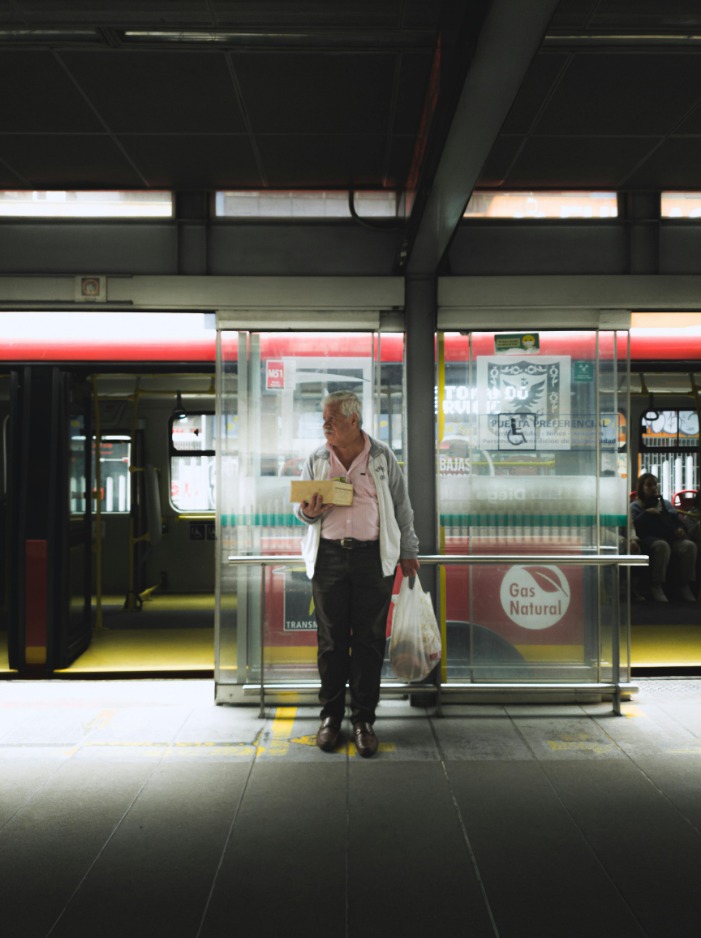
Security and passenger experience are supported by design choices. Layouts favor open, visible spaces with multiple entry and exit points, controlled queues at ticket counters, and safe waiting areas away from vehicle lanes. Regular maintenance and rapid repair of lighting, cameras, and fixtures sustain a reliable environment.
Community involvement and continuous improvement are vital. Partnerships among local police, bus operators, district offices, and passenger representatives help identify safety gaps, implement preventative measures, and respond to concerns about theft, harassment, or delays. Public reporting channels and mobile apps enable passengers to share feedback and incidents quickly.
Overall, bus stations in South Africa strive to balance security with a respectful, efficient passenger experience. By combining visible staffing, smart surveillance, accessible facilities, and responsive services, stations aim to safeguard travellers while keeping journeys smooth and predictable.
Travel advisories and passenger support services
Bus stations in South Africa serve as vital hubs for city and intercity travel, and priorities include safety, security, and a smooth passenger experience. Travelers rely on clear information, reliable services, and responsive support when planning journeys.
Safety and security at major bus stations are supported by a layered approach: visible security personnel, comprehensive CCTV coverage, ample lighting, controlled access points, and regular liaison with local police. Station layouts typically separate waiting areas from platforms, with clear signage and escorted routes where required to reduce opportunities for crime and anti-social behavior.
To enhance passenger experience, operators and station authorities focus on clean facilities, accessible waiting areas, comfortable seating, clean restrooms, and essential amenities such as vending and charging points. Real-time travel information, multilingual signage, and friendly information desks help passengers navigate queues, find boarding gates, and make connections with confidence.
Travel advisories and alerts come from government and transport authorities. Before travel, check official advisories from the Department of International Relations and Cooperation and your provincial or operator guidance for any route disruptions, weather impacts, or security alerts. Subscribe to official SMS or app alerts where available, and review road and traffic advisories that could affect timetable reliability.
Passenger support services are available at many stations through information desks, call centers, and on-site security teams. Lost-and-found services help reunite travelers with belongings, while dedicated assistance for the elderly and passengers with disabilities ensures accessible boarding and seating. Staff are often multilingual to assist with tickets, directions, and accessibility needs across diverse passenger groups.
Practical safety tips for travelers include keeping valuables secure and out of sight, using licensed operators and official terminals, and staying in well-lit, populated areas, especially after dark. Be mindful of pickpockets near crowded entrances and queues, verify your bus and gate numbers, and have emergency numbers ready: SAPS 10111 for police, ambulance 10177, and mobile emergency number 112. If in distress, seek help from station security or staff immediately.
In all South African bus stations, a collaborative approach among transport authorities, operators, and passengers helps maintain a safe, secure, and positive travel environment. By staying informed on advisories, using supported passenger services, and following practical safety guidance, travelers can enjoy smoother journeys and quicker support when needed.
Common safety considerations for travelers
Safety, security, and passenger experience at bus stations in South Africa involve staying aware, protected, and informed. To travel confidently, plan ahead, follow station guidance, and look out for yourself and others.
- Be aware of your surroundings in busy terminals, as crowded spaces can attract pickpockets. Keep bags zipped, close to your body, and avoid displaying valuables.
- Secure your luggage and possessions: use sturdy locks where possible, keep important items with you, and never leave bags unattended while you relax or queue for tickets.
- Use only official facilities and licensed operators: board buses from correct bays, verify the operator and bus number against your ticket, and avoid dealing with unofficial touts or drivers.
- Watch for scams and distraction techniques: decline unsolicited offers to carry bags, be cautious of strangers trying to distract you, and proceed to staffed information desks for help.
- Choose safe waiting areas and routes: prefer well-lit, busy corridors with visible security staff, and stay in designated waiting zones especially after dark.
- Protect personal information and documents: keep your ID, tickets, and money secure; carry only what you need for the trip and store copies separately if possible.
- Plan for accessibility and comfort: if you require assistance, contact station staff in advance and look for ramps, accessible restrooms, seating, and shelter from sun or rain.
- Know emergency procedures and contact numbers: locate the information desk, exits, and assembly points; dial 112 from mobile phones or use the local emergency number if available for police or other services.
- Enhance the passenger experience: check real-time timetable displays, listen for station announcements, bring water, wear comfortable clothing, and allow extra time for security checks or boarding queues.
- Respect others and report concerns: if you notice threatening behavior, suspicious packages, or unsafe conditions, report them to station security or local authorities promptly.
Connectivity and multimodal travel
Connectivity at South Africa’s bus stations is increasingly multimodal, weaving long-distance coaches with local buses, rail links, taxi services, and last-mile options to create seamless journeys between towns, cities, and rural communities.
Linkages to rail networks (Gautrain, Metrorail, Shosholoza Meyl)
Connectivity and multimodal travel in South Africa’s bus stations are key to unlocking efficient mobility. Linkages to rail networks such as Gautrain, Metrorail and Shosholoza Meyl enable fast urban journeys and longer-distance trips, while reducing road congestion and emissions. Effective integration relies on coordinated schedules, accessible facilities, and affordable fare options that allow passengers to transfer seamlessly between bus and rail modes.
- Integrated interchange hubs: Bus stations should be co-located with rail termini where possible or connected by safe, clearly marked pedestrian routes to Gautrain, Metrorail and Shosholoza Meyl stations.
- Timetable synchronization: Coordinated arrival and departure times to minimize transfer wait times and support reliable connections between bus services and rail services.
- Fare integration and ticketing: Interoperable or simplified fare options, including contactless payments and clear guidance on how to use different operators’ tickets for a single journey.
- Real-time information and wayfinding: On-site and mobile real-time updates in multiple languages that show bus and rail departures, platform changes and transfer options.
- Accessibility and inclusivity: Step-free access, ramps, tactile signage, audible announcements and comfortable waiting areas for all passengers.
- Safety and security: Well-lit stations, visible security staff, CCTV coverage, and orderly queuing to facilitate safe transfers at all times.
- Multimodal corridor planning: Strategic development of corridors that link bus depots with Gautrain rapid transit, Metrorail suburban networks and long-distance Shosholoza Meyl routes to support both urban commuting and regional travel.
- Regional impact and case examples: In major metropolitan areas, bus interchanges near rail lines provide practical options for commuters and travelers, expanding access to employment centers, education hubs and tourist destinations while reducing dependence on private vehicles.
Local minibus taxis and first/last mile connectivity
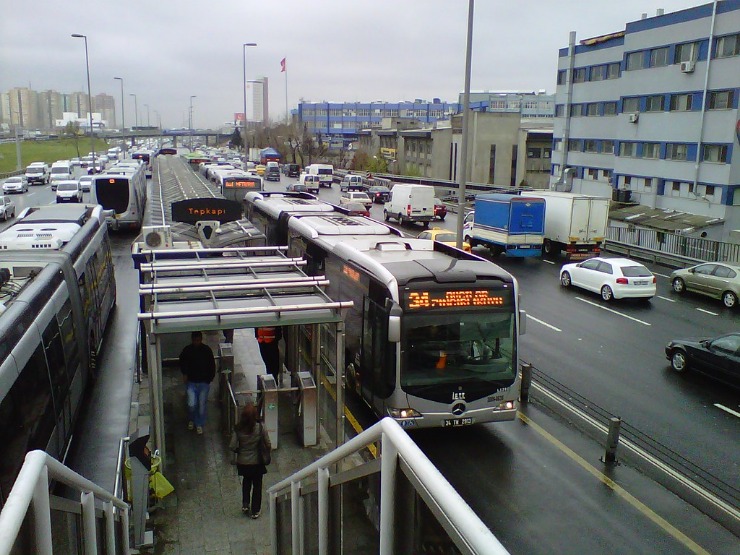
Bus stations in South Africa are critical nodes for connectivity, enabling multimodal travel across cities and townships. They link long-distance journeys with local feeder services and provide access to work, education, and essential services for millions of people.
Connectivity and multimodal travel require coordinated integration across modes—buses, trains, local minibus taxis, pedestrians, and bicycles. In many South African cities, the dominant minibus taxi sector provides the essential first/last mile links and often fills gaps where formal transit is sparse or infrequent.
Local minibus taxis play a central role in first and last mile connectivity. They offer flexible routes, high frequency, and the ability to reach residential areas and informal settlements that lie beyond the reach of scheduled buses or rail. However, their informal operating model can pose challenges for safety, reliability, and synchronized dispatch with bus-station operations.
Strategies to improve first/last mile connectivity include creating safe, clearly signed taxi ranks adjacent to bus stations, developing feeder bus corridors, improving pedestrian infrastructure, lighting, and wayfinding, and enabling integrated fare and payment systems that work across taxis, buses, and trains.
Designing effective multimodal hubs means co-locating taxi ranks with bus stands and rail access, providing real-time journey information, sheltered waiting areas, secure bike parking, and accessible facilities for people with disabilities. Such hubs can reduce transfer times and make connections more predictable and comfortable.
Policy and governance play a crucial role. National and local transport plans need to align, data-sharing should be improved, and regulatory frameworks should promote safety, reliability, and fair access for taxi operators. Investments in infrastructure, maintenance, and digital tools are essential to sustain seamless interchanges at bus stations.
In South Africa, the success of bus stations as connective hubs depends on collaboration among municipalities, taxi associations, bus companies, and transport authorities. Moves toward integrated ticketing, real-time information, safe walking routes, and well-designed waiting spaces can unlock productivity, reduce congestion, and enhance mobility for all communities.
Ultimately, connectivity and multimodal travel at bus stations in South Africa hinge on weaving together the informal strengths of local minibus taxi networks with formal transit infrastructure, to create first/last mile solutions that are affordable, reliable, and safe for everyone.
Airport connections and long-distance coach networks
Connectivity and multimodal travel in South Africa increasingly revolve around bus stations that link long-distance coaches with rail lines and airports.
At major urban cores, these hubs support seamless transfers, with clear signage, sheltered platforms, ticket counters, and last-mile services such as taxis and app-based rides.
Airport connections are an essential part of the mix. The largest airports—OR Tambo International in Johannesburg, Cape Town International, and King Shaka International in Durban—are served by national coach networks that coordinate with rail timetables and air schedules, enabling travelers to plan multi-leg journeys with fewer delays.
Long-distance coach networks offer a cost-effective alternative to air travel for intercity routes. Operators such as Intercape and Greyhound South Africa run extensive national routes between major cities and tourism centers, with online booking, standardized fare classes, and varying levels of comfort depending on the service.
Urban interchanges and multimodal integration are evolving. Park Station in Johannesburg has long been the central intermodal hub for trains and buses; in other cities, dedicated bus termini sit alongside rail stations or taxi precincts, helping passengers combine legs of their trip using different modes.
Challenges include reliability, safety, and coordination across operators. Weather, road conditions, and traffic can affect timetables, while security at busy terminals and the availability of reliable last-mile connections influence the travel experience.
Benefits of integrated connectivity include wider access to the country, lower travel costs for longer journeys, and reduced dependence on private cars. Multimodal travel can support tourism, work commutes, and access to remote areas.
Technology is shaping better connectivity through digital ticketing, real-time bus tracking, and trip-planning apps that aggregate schedules from multiple operators, making it easier to plan intermodal itineraries and find the fastest routes.
Effective connectivity in South Africa’s bus and rail ecosystem requires ongoing investment in interchanges, cross-operator coordination, and accessible services for all travellers, with bus stations acting as the backbone of multimodal travel.
Impact on communities and regional economies
Bus stations in South Africa serve as critical hubs that connect rural communities with urban opportunities, driving regional economies through improved mobility, job access, and trade. They support daily commuting, tourist flows, and informal markets, enabling people to reach schools, clinics, and workplaces more reliably. By attracting investment in surrounding areas and fostering transit-oriented development, interconnected bus networks help reduce travel times, stimulate local commerce, and promote regional integration across provinces. The social and economic ripple effects strengthen communities, empower small businesses, and contribute to more inclusive growth.
Employment and informal economy around terminals
Bus stations in South Africa function as vital nodes that connect towns and townships with larger cities, shaping how people access jobs, education and services. Across provinces, well‑run terminals enable regional mobility and lay the groundwork for local economic activity.
Impact on communities and regional economies is most visible in everyday life. Improved terminals offer greater access to work opportunities, health facilities, schools and government services, reducing travel barriers for residents. They also strengthen social inclusion by enabling families to move more freely, visit relatives, and participate in regional cultural and recreational activities.
Regional economies benefit from higher passenger flows that spill over into surrounding businesses. Terminal precincts host spaza shops, markets, eateries and repair services, creating multipliers through which money circulates locally. Producers and traders gain better access to larger markets, while tourism and service sectors around major hubs can grow from increased mobility.
Employment connected to terminals is broad and multi-layered. Direct roles include station management, security, cleaning, ticketing, customer information and maintenance, as well as staff for long‑distance and feeder services. Additional jobs arise in dispatch, freight handling, and casual shifts tied to peak travel periods, contributing to household income and skills development.
The informal economy around terminals is a defining feature of South Africa’s bus network. Street vendors, food sellers, clothing traders, and service providers thrive on footfall generated by travellers. Informal loading crews, car guards, taxi association workers and micro‑entrepreneurs also build livelihoods around terminal activity, often filling gaps in formal employment and offering accessible entry points for young people and first‑time workers.
Policy and planning choices shape how these dynamics unfold. Upgrades to terminals—improved safety, accessibility, lighting, sanitation and shelter—boost reliability and confidence for users and workers alike. Formalizing select informal activities through licensing, fair work standards and affordable procurement for local businesses helps convert activity into sustainable livelihoods while maintaining vibrancy and inclusivity at the margins.
Challenges such as congestion, crime risks, and environmental impacts require integrated solutions that align transport modes with land use planning. Investments that link bus terminals with rail, pedestrian networks and congested corridors can reduce emissions and travel times while expanding economic opportunities. Clear regulations and collaboration with transport operators and local governments are essential to harness the positive potential of the bus station network.
In summary, bus stations in South Africa are engines of community vitality and regional economic resilience. They shape employment opportunities, support a thriving informal economy around terminals, and enable people to access education, healthcare and markets—underlining the crucial role of well‑planned, inclusive terminal infrastructure for sustainable growth.
Urban development and revitalization projects
Bus stations in South Africa are more than transit hubs; they are gateways to employment, education, and local markets, and they often anchor urban renewal and regional development. The best stations connect townships, peri-urban areas, and city centers, enabling residents to reach opportunities quickly and safely.
Impact on communities and regional economies: They expand access to jobs and services, stimulate small businesses around stations, and support regional supply chains by improving reliability and frequency of travel. The presence of a major bus station can attract retail, hospitality, and logistics investments, lifting local wages and generating tax revenue that funds public services.
Urban development and revitalization around bus stations typically focuses on transit-oriented development, pedestrian-oriented streets, and the integration with other transport modes such as rail, taxi networks, and feeder buses. Projects may include upgraded stations with better shelters, lighting, safety, market spaces, mixed-use buildings, and public spaces that encourage social and economic activity.
- Enhanced connectivity and job access for residents of townships and peri-urban communities
- Local economic growth around stations through retail, services, and informal market opportunities
- Urban renewal via transit-oriented development that increases density and land-use efficiency
- Property value uplift and increased private investment linked to station improvements
- Improved safety, accessibility, and inclusive design for people with disabilities
- Environmental benefits from cleaner transit options and reduced congestion
- Better integration of transport modes, reducing travel times and inconveniences
- Tourism and cultural activity centered on major hubs, boosting regional economies
Environmental considerations and noise management
Bus stations in South Africa serve as critical mobility hubs that connect sprawling townships, small towns, and regional economies. They anchor intermodal networks by coordinating schedules with trains, minibuses, and taxi services, enabling people to access jobs, education, and healthcare more reliably while moving goods more efficiently across districts.
Impact on communities and regional economies: A new or upgraded bus station can create steady employment during construction and ongoing operations, support local suppliers, maintenance providers, security, and cleaning services, and spur small businesses such as kiosks and food outlets in surrounding precincts. Improved transit reliability reduces travel times and transportation costs, widening labor markets for residents and stimulating commerce along corridors by increasing shopper footfall and access to markets for producers in peri-urban areas.
Environmental considerations: Modern bus stations offer opportunities to reduce environmental footprints through energy-efficient designs, renewable energy integration, and water management. Features such as solar canopies, LED lighting, natural ventilation, rainwater harvesting, efficient drainage, and green spaces can lower energy use, improve air quality, and create pleasant public spaces. Using recycled and locally sourced materials and implementing waste separation at source helps minimize construction and operational waste. Electrification of the fleet and better routing reduce emissions, supporting climate resilience in regions that already face air pollution challenges.
Environmental considerations cont.: Stations should include stormwater management to prevent flooding and protect nearby waterways, amenity landscaping that filters pollutants, and noise-reducing surfaces to limit dust and particulate matter. Regional planning that harmonizes bus routing with rail and road networks helps minimize duplicated trips and congestion, lowering overall emissions across a transportation corridor.
Noise management: Bus stations generate noise from engines, air conditioning, announcements, and passenger activity. Effective mitigation includes siting stations away from dense residential blocks when possible, installing sound barriers or vegetation buffers, selecting quieter vehicle technologies (e.g., electric or hybrid buses), and implementing scheduling practices that concentrate noisy operations away from vulnerable hours. Regular maintenance to reduce mechanical noise, quiet zones for waiting areas, and acoustic design for shelters and platforms can protect nearby communities from disturbance while maintaining accessibility.
In summary, well-planned bus stations in South Africa can boost regional economies, improve access and equity, and advance environmental goals, provided that environmental protection and noise management are integral to design, operation and governance from the outset.
Challenges and opportunities for modernization
Bus stations in South Africa are at a crossroads of modernization, contending with aging infrastructure, funding constraints, and safety concerns while handling rapid urban growth. The opportunities are substantial: digital ticketing and contactless payments, real‑time information and wayfinding, solar and energy‑efficient facilities, improved accessibility, and stronger integration with rail and minibus taxi networks through effective governance and partnerships. These advances can boost efficiency, safety, and passenger experience, laying the groundwork for a more connected and resilient public transport system.
Infrastructure maintenance and expansion plans
South Africa’s bus stations sit at a pivotal juncture as cities grow and demand for reliable, affordable mobility increases. Modernization is not just about new buildings; it is about safer, more efficient operations, better passenger experiences, and stronger integration with other transport modes in a country facing urbanization, climate challenges, and economic pressures.
Challenges facing bus stations in South Africa include aging and fragmented infrastructure, underfunded maintenance backlogs, and governance gaps between national, provincial, and municipal levels. Many depots and terminals suffer from deteriorating pavements, leaking roofs, inadequate drainage, and insufficient shelter, lighting, and amenities for passengers. Safety and security concerns, including crime and vandalism, hinder user trust and ridership. Power reliability, especially during load shedding, disrupts operations and complicates digital systems, ticketing, and information displays. Additionally, limited interoperability with rail networks, a reliance on diverse operator models (formal and informal minibus taxi associations), and uneven accessibility create fragmentation that undermines seamless journeys for commuters.
On the policy and planning side, inconsistent funding cycles, complex procurement rules, and capacity constraints within transport authorities can slow modernization efforts. There is also a skills gap in asset management, maintenance planning, and data-driven operations, which hampers proactive replacements and efficient use of resources. Environmental concerns and climate resilience demand that stations and fleets adapt to heat stress, flooding, and other extreme weather events. Equally important are social considerations: ensuring that upgrades serve low-income communities, address safety for women and vulnerable users, and respect local contexts without displacing existing livelihoods tied to public transport use.
Opportunities for modernization are rooted in digitalization, sustainable design, and smarter governance. Implementing integrated ticketing, real-time passenger information, and mobile payment can greatly improve the user experience and fare collection efficiency. Smart lighting, CCTV, and remote monitoring enhance safety and security while reducing energy waste. Electrification and low-emission buses offer routes to lower emissions, improved air quality, and quieter stations. Public‑private partnerships and contract reform can unlock private capital and expertise for depot upgrades, maintenance facilities, and service quality improvements, while ensuring public accountability and social objectives. Data analytics can support demand-responsive scheduling, maintenance planning, and performance dashboards for operators and authorities alike.
Infrastructure maintenance should emphasize asset management lifecycle planning, condition assessments, and preventive maintenance to extend the life of structures, electrical systems, and drainage. Establishing reliable spare-parts supply chains, standardized procurement, and in-house training reduces downtime and cost. Resilience planning—reinforcing stations against flooding, heat, and power outages—helps protect investments and maintain service continuity. Local empowerment through community monitoring, small- and medium-sized contractors, and skills development creates a sustainable maintenance ecosystem that can weather budget volatility.
Expansion plans should prioritize high-demand corridors with proven ridership, multi-modal integration, and urban development potential. Expanding and upgrading BRT networks or creating feeder bus routes linked to rail and micro-movements can improve coverage and reliability. Upgrades to depots and interchanges should include weatherproof shelters, accessible facilities, safe pedestrian access, and integrated fare systems. Park-and-ride facilities near major hubs can reduce congestion and promote mode shift. In parallel, fleet expansion with newer, energy-efficient or electric buses, supported by charging infrastructure and renewable energy at depots, can align mobility with climate goals. Clear phasing, stakeholder alignment, and robust risk management plans will be essential to bring these expansion efforts to fruition.
Effective implementation will require coordinated governance, stable funding, and transparent performance monitoring. Financing might combine national and provincial budgets, municipal allocations, and development finance from multilateral institutions, aligned with long-term transport strategies and land-use plans. Community engagement and inclusive design processes can ensure upgrades meet rider needs, support jobs, and avoid unintended social impacts. When done cohesively, modernization, maintenance, and expansion of bus stations in South Africa can deliver safer, more reliable, and more accessible urban mobility that supports economic activity and improves quality of life for millions of passengers.
Digital ticketing and data analytics
Bus stations across South Africa are at a crossroads between aging infrastructure and a growing demand for reliable, safe, and affordable mobility. Modernizing these hubs can reduce travel times, improve safety, and connect people to jobs, education, and essential services. Digital ticketing and data analytics are central to this transformation, offering routes to more efficient operations, better rider experiences, and smarter city planning.
Challenges include funding constraints and lengthy procurement processes that slow upgrades of platforms, facilities, and services. Many stations still rely on manual cash handling, inconsistent signage, inadequate lighting, and vulnerable security arrangements. Interoperability across multiple operators and ticketing systems is limited, making transfers inconvenient for riders. Rural and peri-urban stations face bandwidth gaps, power instability from load shedding, and maintenance backlogs that hamper reliability. ICT skills, digital literacy, and inclusive access for unbanked riders constrain adoption of digital tools. Data governance, privacy, and cybersecurity must be built into modernization plans from the outset.
Opportunities lie in digital ticketing, mobile payments, and contactless transactions that can reduce cash handling while speeding boarding and improving revenue security. QR codes, wallet apps, and offline-capable solutions can reach riders with limited data access. Real-time information boards, journey planners, and SMS or USSD touches can support riders who lack smartphones. Data analytics can inform route planning, capacity management, and peak-period scheduling, while predictive maintenance and asset management reduce downtime. Open data sharing between operators, cities, and transport authorities can enable multimodal journeys and better performance dashboards for policymakers. Public–private partnerships can unlock investment in sensors, signage, and energy-efficient infrastructure.
To realize these gains, pilots should start in major urban corridors and well-used bus stations in cities such as Cape Town, Johannesburg, and Durban. Pilot digital ticketing on core routes using mobile wallets or QR codes, with robust fraud controls and offline modes. Invest in reliable power, solar-backed charging for digital displays, and resilient network connectivity. Use interoperable standards and APIs to enable cross-operator transfers and data exchange. Build strong data governance with anonymization, access controls, and clear retention policies, and ensure rider privacy is protected. Training programs and local hiring help build the skills base needed to operate and maintain new systems.
Modernization should be inclusive and city-specific, addressing multilingual needs and accessibility for people with disabilities. Affordable access for unbanked riders, multilingual interfaces, and simple user experiences will be essential. Local manufacturing and service ecosystems can create jobs and sustain maintenance. Environmental considerations, like LED lighting and solar panels, can reduce operating costs and improve resilience in the face of power outages.
Taken together, modernization of bus stations in South Africa through digital ticketing and data analytics offers meaningful improvements in reliability, safety, and efficiency. The greatest gains come from coordinated planning, inclusive design, and sustained investment supported by clear governance and partnerships among government, operators, technology providers, and communities.
Accessibility improvements for disabled travelers
South Africa’s bus stations stand at a crossroads of modernization and inclusion. As urban mobility shifts toward integrated, multimodal networks, the needs of disabled travelers must be central to design, procurement, and operations across interchanges and long‑distance hubs. Modernization opportunities exist alongside challenges, and together they can redefine access to work, education, and services for communities nationwide.
Key challenges include funding constraints and competing priorities, aging infrastructure that cannot easily accommodate modern features, and maintenance gaps that allow accessibility amenities to fall into disrepair. Many interchanges were built in different eras with varying standards, creating uneven accessibility levels across the network. Signage and wayfinding often rely on visual cues and literacy, while tactile and audible information is not consistently provided. Space constraints and busy platforms can hinder wheelchair maneuverability, while curb ramps and lifts may be absent or poorly maintained. Safety and security concerns can deter disabled travelers from using stations at certain times.
Operational fragmentation across municipalities and operators can slow modernization. Lack of universal standards for accessible features, inconsistent procurement practices, and limited data sharing impede seamless journeys. The absence of reliable last‑mile connections from stops to homes, schools, or workplaces adds to the burden for wheelchair users, caregivers, and people with other mobility constraints. Energy reliability, particularly during load shedding, affects powered accessibility devices and station lighting, reducing accessibility during outages.
Opportunities lie in deliberate, phased modernization that leverages digital information systems, safer design, and new funding models. Real‑time passenger information, electronic ticketing, mobile apps, and interoperable fare systems can reduce uncertainty for disabled travelers. Upgrading interchanges with level boarding where possible, accessible lifts, tactile guidance paths, audible announcements, inclusive signage, and universally designed restrooms can dramatically improve access. Commissioning energy‑efficient features such as LED lighting and solar back‑ups can increase resilience to power outages while lowering operating costs.
Accessibility improvements should target every touchpoint: curbside drop‑offs with clear ramped access, platforms with tactically placed tactile paving, high‑contrast signage with Braille where useful, and audible route guidance. Restrooms in station facilities should be accessible and properly maintained. Staff training on disability awareness, inclusive customer service, and emergency procedures is essential. Clear complaint channels and feedback loops help authorities monitor progress and adapt services to evolving needs.
In South Africa, metropolitan networks such as Johannesburg, Cape Town, and eThekwini are exploring or implementing components of accessible public transport as part of broader modernization programs. These efforts demonstrate the feasibility of integrating universal design principles into busy interchanges and can serve as models for smaller towns seeking to improve service reliability and rider experience for disabled travelers.
Effective modernization requires a mix of public funding, private investment, and community involvement. Policy frameworks that set clear accessibility standards, combined with accountable project management and transparent procurement, can accelerate upgrades. Public‑private partnerships, phased retrofits, and pilot programs allow testing of new technologies and processes before scale‑up. Engaging disability organizations in planning ensures that real user needs are addressed from the outset.
Modernizing bus stations in South Africa offers a path to safer, more reliable, and more inclusive mobility. By aligning modernization with strong accessibility commitments, transit authorities can expand participation in the economy, reduce social exclusion, and build resilience against emerging mobility challenges.
Future trends and case studies
South Africa’s bus stations are entering a period of rapid change aligned with future trends and practical case studies. Key directions include smart, real-time passenger information, contactless payments, integrated multimodal hubs that link buses with rail and ride‑hailing services, energy‑efficient designs, accessibility improvements, and enhanced safety. Case studies from Cape Town’s MyCiTi BRT network and Johannesburg’s Rea Vaya illustrate how modernized stations can reduce wait times, increase ridership, and foster connected urban mobility, offering transferable lessons for other cities and transport policy.
Smart terminals and energy efficiency
South Africa’s bus stations are at the forefront of a shift toward smarter, more energy-efficient urban mobility hubs. As cities like Cape Town, Johannesburg and others expand BRT and feeder networks, terminals are evolving from simple waiting spaces into integrated, resilient and data-driven nodes that serve riders more reliably while consuming less energy.
Future trends center on smart terminals that merge real-time information, seamless payments, and multimodal coordination. Real-time arrival boards, mobile ticketing, contactless payments, and integrated feeder services enable smoother transfers. Edge computing and 5G connectivity support on-site sensors, CCTV analytics for safety, and predictive maintenance of platforms and escalators to reduce downtime.
Energy efficiency is embedded in design and operations. Solar photovoltaic canopies atop shelters, battery storage to bridge night periods or grid outages, and LED lighting with motion or daylight sensors dramatically cut energy use. Smart HVAC for enclosed waiting areas, energy dashboards, and building management systems help operators monitor consumption and optimize use during peak hours.
Data sharing and interoperability are essential. Open data portals, standardized fare and timetable APIs, and interoperable ticketing across bus, rail and micro-mobility enable integrated journeys. This reduces dwell times at terminals and improves reliability, while ensuring privacy and security considerations are managed.
Case study: Cape Town’s MyCiTi network has piloted energy-efficient terminal upgrades, including solar-powered shelters, LED lighting, and digital information displays powered by local storage systems. Early results show lower energy costs, more consistent lighting during outages, and improved rider satisfaction through clearer, real-time information.
Case study: Johannesburg’s Rea Vaya BRT network has undertaken smart terminal pilots that deploy occupancy sensors, digital signage, and contactless fare systems. The terminals are integrated with a microgrid framework to improve resilience, while data on passenger flows informs staffing and service adjustments, reducing delays and improving reliability.
Case study: Durban’s eThekwini bus terminals are testing energy-efficient retrofits with LED lighting, solar canopies, and water-smart infrastructure, alongside digital information services. The project demonstrates energy demand reduction and enhanced rider experience through better wayfinding and safety features.
Policy and finance considerations in South Africa emphasize blended funding, public-private partnerships, and adherence to local procurement rules. National energy constraints drive investment in on-site generation, storage, and demand-side management, while city-level pilots provide proof of concept for scaling across networks.
Looking ahead, the combination of smart terminal design, energy-efficient technologies, and data-driven operations holds promise for safer, more affordable transport in South Africa’s bus networks, supporting urban growth, climate resilience, and inclusive mobility for all residents.
Public-private partnerships in terminal management
Public-private partnerships are reshaping bus station terminals across South Africa, providing a path to modern, safe, and efficient multimodal hubs that cities cannot fund alone.
Future trends point toward asset-light, performance-driven PPP models where private partners finance, design, operate, and maintain terminals under clear service standards. This shifts the focus from simply building facilities to delivering reliable, high-quality passenger experiences and sustainable outcomes.
Digitalization and data-driven operations are expanding at SA bus terminals. Real-time passenger information, dynamic scheduling, contactless payments, and integrated fare systems across buses, rail connections, and taxi services are becoming standard features that improve route planning, reduce wait times, and enhance accessibility for all users.
Integrated multimodal hubs are a priority, bridging the gap between long-distance buses, city buses, commuter rail, and minibus taxis. PPP-enabled terminals are being designed to ease transfers, manage peak flows, provide safe pedestrian zones, and offer amenities such as sheltered waiting areas, retail, and information desks in a single, well-coordinated space.
Sustainability is central to terminal upgrades. Solar photovoltaic canopies, energy-efficient lighting, water harvesting, and buildings that meet green standards reduce operating costs and environmental footprints, while resilience features protect terminals against climate-related disruptions and power outages.
Safety, security, and CPTED-inspired design are emphasized in modern PPP terminal projects. Improved illumination, clear sightlines, controlled access, CCTV coverage, and rapid-response protocols help create welcoming environments for riders and staff alike, even under high crowding or incidents.
Public-private partnership models in terminal management typically involve DBFOM or concession arrangements, with contracts that assign risk to the party best positioned to manage it. Performance-based payments, clear maintenance schedules, local procurement requirements, and data-driven incentives are used to align operator performance with citizen experience and public policy goals.
Case Study A: Cape Town’s MyCiTi terminal network illustrates a PPP-inspired model where private operators run services under city contracts within a centralized terminal framework. The arrangement supports integrated fare systems, improved reliability, and dedicated maintenance regimes, while city oversight ensures alignment with urban transport goals and security standards.
Case Study B: Johannesburg’s BRT and associated terminal upgrades show how PPP elements can expand capacity, modernize passenger facilities, and improve safety in high-density corridors. Private partners contribute operational expertise, maintenance capacity, and customer service improvements, complemented by public sector governance and performance monitoring.
Case Study C: A regional terminal modernization project in KwaZulu-Natal demonstrates how PPPs can deliver energy-efficient facilities, ICT-enabled passenger information, and better accessibility in a coastal or inland city. The project emphasizes stakeholder engagement, urban integration, and resilience planning to support long-term mobility needs.
In summary, future trends in SA bus station terminal management through PPPs focus on performance-based delivery, digital integration, sustainability, and safe, inclusive passenger experiences. Effective implementation requires clear risk allocation, robust governance, credible funding models, and active community and operator collaboration to ensure that terminals serve as efficient, accessible gateways to the broader public transport network.
Case study: Cape Town’s urban bus terminal upgrades
Future trends in bus stations in South Africa are moving toward integrated multimodal hubs that blend bus rapid transit, feeder taxi networks, rail connections, cycling and pedestrian links, and digital services. The Cape Town case study illustrates how these trends are being implemented in a major city with a growing transport demand.
Case study: Cape Town’s urban bus terminal upgrades focuses on upgrading key terminals to deliver reliable, safe, and welcoming environments that support the MyCiTi BRT and broader urban mobility.
The upgrades aimed to increase reliability and speed, expand capacity, improve accessibility for people with disabilities, enhance safety and security, provide weather-protected waiting spaces, and enable better integration with rail and taxi networks.
Key design features include sheltered platforms, raised boarding to aid accessibility, universal access elements such as ramps and tactile paving, clear wayfinding, comfortable seating, robust canopies, lighting, and durable surfacing, along with landscaping to improve comfort and safety.
Technology and operations are supported by real-time passenger information displays, contactless and QR payments, smart ticketing, GPS tracking of buses, dynamic signage, and digital dashboards for operators. Some terminals also deploy solar-powered lighting and information displays to improve resilience.
Mobility integration emphasizes seamless links to rail stations, park-and-ride facilities, cycle paths, and coordinated taxi ranks, with improved pedestrian access and protected bus lanes to minimize conflicts and speed up trips.
Implementation was undertaken in phases to minimize disruption, with financing drawn from city budgets, national government, and development finance institutions. The project required close coordination with minibus taxi associations, operators, and local communities, and faced challenges around maintenance, vandalism, and ensuring long-term operating subsidies.
Early outcomes reported by city reports and independent observers include higher public transport ridership on the upgraded corridors, shorter average waiting times, improved perceived safety and comfort, better energy efficiency from lighting and climate control, and stronger local job opportunities tied to construction and maintenance. Key lessons highlighted the importance of ongoing funding for operations and maintenance, robust governance, and active community engagement to sustain usage and build legitimacy.
For the future, the Cape Town experience suggests that successful bus terminal upgrades require scalable designs that can be replicated in other districts, continuous data-driven optimization of routes and timetables, deeper integration with rail and cycling networks, and intensified focus on resilience, accessibility, and safety. The case also underscores the value of public–private partnerships and phased rollouts that balance service quality with budget realities.
In sum, Cape Town’s urban bus terminal upgrades align with broader trends in South Africa toward efficient, inclusive, and green mobility hubs, providing a practical blueprint for other cities seeking to modernize their bus stations and boost the role of bus travel in urban transport systems.