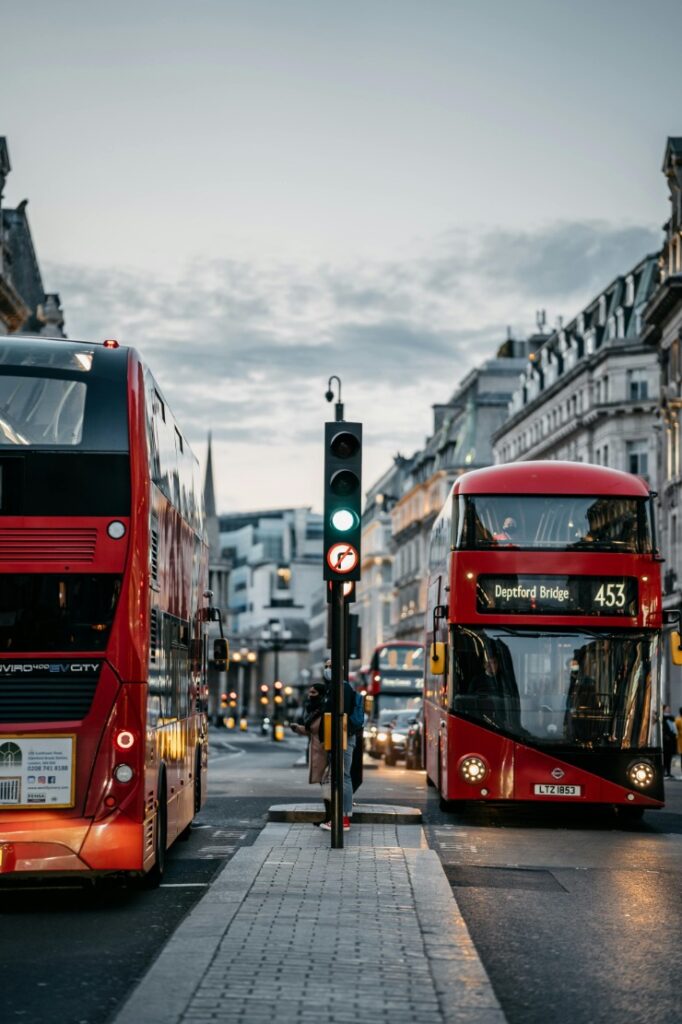

Overview of bus travel to London
Bus travel to London offers a practical, economical way to reach the capital from across the UK and beyond. This overview covers the main services, from long‑distance coaches that land at central hubs to local buses that weave through busy streets, and explains how to choose routes, buy tickets, and plan for traffic, peak hours, and accessibility. Whether arriving at Victoria, Stratford, or Heathrow, riders can find affordable fares, reliable schedules, and convenient connections to rail, tube, and bus networks across Greater London.
Why choose a coach over other transport options
Travel by bus to London offers a budget-friendly, flexible way to reach the capital from many towns across the country. Long-distance coaches operated by National Express and Megabus typically connect regional towns with central London, with Victoria Coach Station serving as a main hub where many services finish. Journey times depend on origin, route and traffic, and tickets are available online in advance or on the day of travel. For many travelers, this mode provides a straightforward door-to-door experience without the need to transfer between different modes of transport.
Why choose a coach over other transport options? Cost is often the primary factor—coach fares are frequently cheaper than equivalent train or air travel, especially when booked early or taken as part of a deal. Coaches also tend to offer city-center drop-offs and simpler connections, avoiding airport security and interchanges. They can be ideal for groups and families, as pricing can be spread among passengers, and luggage allowances are generally generous. For those who prefer overnight journeys, a sleeper-like coach can save a night’s accommodation while arriving in the morning.
Other reasons to pick a coach include convenience and flexibility. If you are traveling from towns with limited rail access, a coach can be the easiest option to reach central London without a transfer. You may find direct routes that minimize the need to change trains or buses, and you can often book last-minute seats without the premium prices charged by some trains.
Practical planning tips: compare prices across operators, book in advance for the best fares, and confirm the exact pick-up and drop-off points in London (often Victoria Coach Station or nearby stops). Consider travel time estimates with potential traffic delays, and allow extra time during peak hours. Check luggage policies before you travel and pack carry-on essentials for the journey. If you want to avoid stops, choose a direct service and verify whether seat reservation is included in your fare.
Compared with trains, buses usually take longer but can be cheaper and provide direct city-center access without the need to transfer from a railway station. Trains typically offer faster journeys and more frequent punctual timetables, but fares can be higher and the best routes might involve changes. Flights are usually impractical for UK domestic hops to London because of security, check-in, and travel time to and from airports; coaches offer a practical door-to-door alternative for many travelers.
Environmentally, coach travel can be a lower-emission option than driving a private car or flying, especially on longer car trips. Trains often deliver the lowest emissions per passenger for similar journeys. When choosing your transport, weigh costs, convenience, travel time, and sustainability to determine the best option for your trip to London.
Key terminology for bus travel to London
Overview of bus travel to London: The London bus network is operated by Transport for London (TfL) and provides extensive coverage across the capital, complementing the Underground and other rail services. Buses are a familiar part of daily life in the city, with red double-decker and single-decker vehicles serving local routes, longer cross-town trips, and the night network. Daytime services run from early morning until late evening, while the Night Bus network keeps the city moving after the Tube shuts down. Buses are useful for short trips and for accessing areas not served by rail, and real-time information and simple payment options make them a convenient choice for many travellers.
Getting around and paying: For most journeys you pay using Oyster cards, contactless debit or credit cards, or TfL Travelcards. When you board, tap your card or device to start the journey; fares are calculated automatically and capped daily. Buses generally require boarding from the front and paying on entry; you typically do not tap off when you alight. Mobile wallets and smart devices are widely supported.
Night buses: London’s Night Bus network operates routes labelled with the letter N, providing overnight service across central and outer London on weekends and late nights. Night buses connect major hubs and entertainment districts when the Underground is closed. They may run less frequently than daytime routes but are a vital option for late travel.
Key terminology for bus travel to London: TfL (Transport for London), a bus route number or name, a bus stop and bus stand, N-prefix routes for night services, tap-in (on boarding) with Oyster or contactless, daily pay-as-you-go caps, Travelcard or other passes, low-floor buses for accessibility, real-time arrivals and live times, and transfer options between buses or other TfL services.
Planning and travel tips: Check live arrivals with the TfL Go app or Citymapper, plan routes by bus number or destination, and allow extra time for traffic, especially in central London. Look for accessible buses if needed, and consider a contactless payment method to simplify travel and maximize caps. If you’re flying in or out of London, some routes connect to airports and major rail terminals.
Accessibility and network notes: The London bus fleet includes many low-floor vehicles with easier entry and seated priority. Many routes offer step-free access and audible announcements. The network is integrated with other TfL services, allowing easy transfers between buses and Underground, Overground, or rail services at major hubs.
Types of bus services to London
Bus travel to London offers a range of options, from long-distance express coaches that reach the capital quickly to regional services that connect towns with central London. You can also catch airport shuttles serving major hubs like Heathrow, Gatwick, and Stansted, plus night buses for late arrivals and local routes that help you explore the city once you’re there.
National coach services from regional cities
Travel by bus to London from regional cities is offered in a few clear forms, with major national coach networks providing both quick express links and cheaper slower options. This article explains the main types of services you will encounter when planning a journey to London by coach.
Two broad categories cover most services to London from the regions: direct express coaches that travel quickly with few or no stops, and cheaper services that may call at several towns along the route. Direct services aim to minimize journey time, while slower, multi-stop services offer lower fares and more boarding points.
National Express operates the largest national network to London. Many routes run directly to central London, typically terminating at a major city coach station such as Victoria. These services are designed for convenience and speed, with regular departures from regional centres and straightforward connections into central London and its transport links. Onboard facilities and service levels can vary by route and coach type.
Megabus is known for low fares on routes from major regional cities to London. These services often use central London stops and are popular with travelers seeking budget options. Fares can be especially cheap when booked well in advance, and the network covers many of the same regional origins as National Express, though frequencies and stopping patterns may differ.
FlixBus has expanded its UK network in recent years and now operates services from several regional cities to London. FlixBus typically emphasizes modern coaches and a straightforward booking process with reserved seating. Tickets are generally price-competitive with other bargain options, and routes may stop at central London points or connect with local transit hubs.
There are also overnight or night-time coach services that run from regional cities into London. These night services can be convenient for travelers who want to maximise daytime sightseeing or save on accommodation costs. Arrival times are usually in the early morning, and timing varies by route and operator. Luggage allowances and onboard facilities depend on the operator and the specific coach used.
Where you arrive in London matters. The main long-distance coach hub is Victoria Coach Station, where many regional services terminate or pass through. Some routes may drop you at other central stops or interchanges, and occasional services may stop at airports or outer-city locations before continuing into central London. Plan your onward travel in advance so you can connect to the Underground, trains, or local bus networks.
From regional cities, common origins include Manchester, Birmingham, Leeds, Bristol, Cardiff, Newcastle, Sheffield, Nottingham, Nottingham, Glasgow and Edinburgh. Journeys from southern regions such as Bath, Exeter, Plymouth, or Bournemouth are also available on certain routes. Journey times vary widely: shorter trips from nearby cities can take around 2 to 4 hours, while routes from Scotland or the far north can take 7 to 10 hours or more. Always check the timetable for the exact duration on your chosen service.
Booking and fares are straightforward across the major operators. Tickets are typically available online, at coach stations, or via mobile apps. Prices depend on how far in advance you book, demand, and whether you choose a direct or multi-stop service. Be mindful of luggage rules, boarding points, and any seat reservations when selecting a ticket.
Tips for planning a London-bound coach trip from a regional city include comparing direct and multi-stop options, checking for advance-purchase savings, considering overnight services if you want a morning arrival, and noting the London arrival point to coordinate with your onward travel. By choosing the right service, you can balance travel time, cost, and convenience for your trip to London.
Daytime high-frequency routes into central London
Bus travel to London is served by several types of daytime services, all designed to move people quickly into the capital’s centre from outer suburbs and towns.
Local daytime routes operate on many busy corridors and connect directly with Tube and rail stations, major interchanges, and central destinations. They usually have high frequency on core corridors and run throughout the day, making them a reliable backbone of the city’s bus network.
Express and limited-stop services speed journeys into central London by skipping less busy stops. These services are particularly convenient during the daytime peak and mid‑day periods, stopping only at major stops and key interchange points to reduce travel times.
Core corridors and cross-town routes form the backbone of daytime bus travel, bringing passengers from outer boroughs toward central hubs such as Victoria, Piccadilly Circus, Tottenham Court Road, Liverpool Street, and Bank. The network benefits from bus lanes and priority measures that help keep timetables on track.
Ticketing and accessibility are designed for convenience: most buses accept Oyster cards and contactless payments, with Travelcards and other passes available for longer-term discounted travel. Buses are generally low-floor and accessible, with space for wheelchairs and mobility aids, and real-time information is usually available at stops and via apps.
Planning and using the network is straightforward: a journey planner can help you choose the best route, check live times, and see where to board. Stops display route numbers and destinations, and you can track arrivals through digital displays or mobile apps for a smoother trip into central London.
In sum, daytime high-frequency routes into central London come from a mix of local core services, express variants, and coordinated corridors, all designed to provide quick, affordable access to the city’s heart and major transport hubs.
Night buses and overnight options to London
Bus travel to London offers a range of options to suit different itineraries, from long‑distance coaches arriving from other cities to local buses that help you move around the capital.
Types of bus services to London include long‑distance coaches operated by National Express, Megabus and FlixBus, which run direct services to central London and major hubs such as Victoria Coach Station or central London stops. These services are convenient for travel from many UK towns and some European cities, often with comfortable seating and luggage allowances.
In addition, there are local bus services operated by Transport for London (TfL) that serve every part of London and connect with rail and underground networks. These buses provide frequent daytime routes across inner and outer London, with coverage to residential areas, business districts and tourist sites. You can pay with contactless payment or Oyster on eligible routes.
Night buses are an important part of London’s network. The Night Bus network operates after the daytime services stop, using N‑prefixed routes that connect central London with outer districts and major transport hubs. Night buses are designed for late arrivals, shift workers and early-morning travel, offering a reliable option when other services are quieter.
Overnight options to London also include overnight coach services from other towns and cities that run to central points in London. Some services operate through the night, providing a direct link when daytime trains and buses have finished for the night. When planning overnight travel, check timetables in advance and book where possible to secure seats.
Tips for planning include checking the operator’s timetable, arriving early for long journeys, and using TfL journey planners to map connections between national coaches, local buses and the underground. Whether you need a direct overnight arrival or a late‑night local ride, London’s bus services offer flexible ways to reach the city.
Where to start your journey
Starting your journey to London by bus can feel daunting, but a clear plan in English makes it smooth. Begin by deciding your departure city, checking reliable bus operators, and learning a few essential phrases to ask for tickets, directions, and timetables. With simple steps—selecting routes, comparing fares, and confirming pickup points—you’ll travel with confidence and arrive ready to explore London.
Major departure points in the UK
Planning a bus journey to London starts with choosing a major departure point in the UK. From many cities you can join direct routes to the capital, with National Express and Megabus offering frequent daily services and some overnight options.
Midlands and the South West: Birmingham is the main hub for coach travel to London. Birmingham Coach Station has frequent departures, and journeys to central London typically take around 2.5 hours. Nearby cities such as Bristol, Bath, and Exeter also provide convenient options, usually within roughly 2.5 to 4 hours depending on stops and traffic.
North of England: Manchester and Leeds are strong departure points with regular services to London, typically taking about 4 to 5 hours. Liverpool and Sheffield also offer routes that usually run in the 5 to 6 hour range, while Newcastle services can be similar or a little longer depending on the day.
Scotland: From Edinburgh or Glasgow, coaches to London are longer journeys, commonly around 7 to 9 hours. Overnight options can be comfortable for some travellers, but be prepared for a longer day on the road.
Wales: Cardiff operates regular coach services to London, generally around 3 to 4 hours. Newport and Swansea routes are similar in duration, with some variations depending on the exact itinerary and stops.
Where you’ll start and where you’ll go in London: the main London terminus for long-distance coaches is Victoria Coach Station in central London. Most routes from the regions will aim to arrive there, though a few services may stop at other coaches stops or branch to additional London terminals.
Booking and planning tips: compare schedules online before you travel, and book in advance to secure the best fares. Prices are often lower if you travel off-peak or buy in advance. Check luggage allowances, seat selection options, and whether the service offers on-board Wi‑Fi or refreshments. If you’re travelling with a group, some operators offer group discounts.
Practical travel notes: aim to arrive at the departure point 10 to 15 minutes early, allow extra time for traffic, and use apps or operator websites to monitor any delays. Also consider combining coach travel with local public transport in London to reach your final destination quickly and cheaply.
London termini and arrival points
-
Victoria Coach Station
The primary arrival point for National Express and Megabus services into London. It sits in central London near Victoria Station, with easy connections to the Tube and mainline rail. When you arrive, follow signs to the Underground, taxi ranks, or local buses to reach any part of the city. Buying tickets in advance and allowing time for luggage and queues at peak times helps the journey run smoothly.
-
Stratford Bus Station
A major interchange in East London, used by several long-distance operators. It’s next to Stratford Station, a large rail and Tube hub, making it convenient for travellers heading to east London, Essex, or other parts of the city. From Stratford you can transfer to the Central and Jubilee lines, among others, or catch local buses to nearby neighbourhoods.
-
Other arrival points and practical tips
Some services may stop at different London stops or use stops near hotels and attractions. Always check your operator’s ticket and the arrival point listed on the journey planner. For onward travel, use Transport for London (TfL) services, and consider getting a contactless payment card or Oyster card for easy travel on buses and the Tube.
Ticketing and fares
Ticketing for London’s buses is simple and flexible. You can pay as you go with an Oyster card or contactless payment on any bus, or use a Travelcard for longer stays. Fares are capped daily, and the Hopper fare lets you make additional bus trips within a short time window at no extra cost. This makes it easy for visitors to hop on and off across the city while keeping travel costs predictable.
Ticket types and where to buy
If you’re traveling by bus to London, here’s a quick guide to ticketing and fares, ticket types, and where to buy.
-
Ticket types for coach travel to London
Common options include single journeys, return tickets, and saver fares for advance purchases. Some operators offer open returns or flexible tickets that let you travel on a range of buses on a chosen day. Look out for group discounts and student or concession fares where applicable, and check terms for refunds or changes before you buy.
-
Fares and how they are calculated
Fares vary by operator, distance, and time of travel. Booking in advance often saves money, and off-peak travel may be cheaper. Some tickets include seat reservations or luggage allowances. Always check the price and any extra charges before you buy.
-
Ticket types for travel within London buses
In London, pay-as-you-go is available with Oyster, contactless cards, or devices. You can also buy Travelcards or day passes for unlimited bus travel within selected zones. Multi-day passes like 7-day Travelcards are convenient if you are staying for several days.
-
Where to buy tickets
Coach tickets: buy online from the operator’s website or app, at coach stations, or from travel agents. In some cases, booking in advance is required. London local travel: Oyster cards are sold at Underground stations, at Oyster Ticket Stops in many shops, or online for collection. You can top up online or at ticket machines; contactless payment can be used directly on buses and other services.
-
Tips for saving money
Compare prices across operators, look for advance purchase discounts, and consider a travel pass if you plan to travel frequently. If you’ll be in London for several days, using contactless or an Oyster card with a suitable travel pass usually offers the best fare; check daily caps and zone coverage to match your itinerary.
Discounts, passes, and value for money
Travelers heading to London by bus will find a range of ticketing options designed to keep travel simple and affordable. Here’s a quick guide to ticketing and fares, discounts, passes, and value for money on the London bus network.
- Ticketing and fares: The bus network in London uses pay-as-you-go with Oyster cards or contactless payment (cards, smartphones). Each journey is charged a single fare with a daily cap that limits total spend. A handy feature called Hopper allows additional bus journeys within one hour of the first tap at no extra charge. For longer stays or heavy travel, a Travelcard can offer unlimited bus (and other TfL services) within chosen zones.
- Discounts and concessions: Some groups can receive concessions on bus travel, such as senior or disabled travelers. Freedom Pass holders often travel for free on buses. Other discount schemes may apply depending on age, income, or local schemes; always check TfL or your local authority for current eligibility and options, including visitor options for short-term stays.
- Passes and value for money: If you plan frequent travel over a few days, a 7-day Travelcard or longer can provide predictable costs and unlimited travel within your zones. If you travel only a few times per day, pay-as-you-go with contactless is usually cheaper because of the daily cap. Compare your expected trips to see which option offers the best value.
- Tips to maximise value: Use contactless or an Oyster card to track spending and daily caps, plan routes with the Journey Planner to minimize unnecessary trips, and consider time of travel to avoid peak congestion if that matters for your plans. Remember that bus fares and passes are reviewed periodically, so check TfL’s website for the latest prices and schemes.
Refunds, cancellations, and changes
Ticketing and fares for bus travel to London vary by operator. When planning a trip by coach, you can usually buy tickets online, via mobile apps, at ticket offices, or directly from the driver on some services. Operators serving the London area include long‑distance coaches and regional services that connect to central London hubs, so it pays to check the specific provider’s options for your route.
Ticket types commonly include single tickets, return tickets, and multi‑journey passes. Many operators offer advance purchase fares that are discounted compared with last‑minute or on‑the‑day prices. You may also find off‑peak fares, student or youth discounts, and senior concessions. The exact fare structures and eligible discounts depend on the operator and the route you choose.
Fares and price ranges depend on factors such as distance to London, time of day, day of the week, and how far in advance you book. Peak travel periods are often more expensive, while midweek or off‑peak times may offer better value. If you’re travelling from multiple cities, look for combo or return options that suit your itinerary and budget.
Tickets are usually delivered as e‑tickets or mobile tickets, with a booking reference or a QR code. In some cases, you may receive a printed ticket or boarding pass. Always verify what you need to show on boarding, and have your booking reference handy in case the driver or station staff need to check your ticket.
Refunds for bus tickets depend on the type of fare purchased. In general, advance purchase or non‑flexible fares are non‑refundable, while flexible or semi‑flexible fares may allow refunds with a fee or a change‑of‑date option. To request a refund, log in to your account on the operator’s site or contact their customer service, and follow the specified steps before the departure time.
Cancellations and changes by the passenger are usually possible up to a certain time before departure, often with a service charge or change fee. Some fares allow free changes, while others require a new ticket to be issued. Changes can typically be made online, by phone, or at a ticket office; check the specific rules for your ticket type and route.
If a service is canceled by the operator or significantly delayed, you are generally entitled to a refund or an alternative service. Check the operator’s policy for cancellations, delays, and compensation, and keep your ticket and receipt handy to make a claim. In case of disruption, operators may offer seat transfers onto another coach or issue a new ticket for a different departure.
Tips to avoid issues: read the fare rules before booking, note any change or refund deadlines, and keep your booking reference and ID if required for discounts. For group bookings or travellers with special needs, confirm whether the fare includes flexible changes or assistance services, and verify how tickets will be issued and presented on boarding.
When travelling to London by bus, plan ahead about where the coach will drop off or pick up, and how you’ll continue your journey into the city. By understanding ticketing and fares, plus the refunds, cancellations, and changes policies, you can travel more smoothly and choose the option that best fits your plans and budget.
Planning for comfort and accessibility
Planning a comfortable and accessible bus trip to London begins with choosing services that offer step-free access, low-floor buses, and clear audio and visual information. Reserve accessible seating when possible, check luggage allowances, and map routes to accessible stops so you can navigate busy stations with confidence. If you can, travel in off-peak times to avoid crowds, pack essentials for comfort, and have a plan for transfers to ensure a smooth journey into the city.
Seat selection, legroom, and luggage policies
Accessibility features and assistance on long journeys
Planning a comfortable, accessible bus trip to London starts with knowing what to expect and how to prepare. This guide covers planning for comfort and accessibility, the accessibility features you may find on long-distance coaches, and how to obtain assistance during extended journeys into the capital.
Before booking, check the operator’s accessibility information and contact options. When you book, mention any mobility aids, seating preferences, or require boarding assistance. Many operators offer dedicated accessibility lines or online forms to arrange help at pickup and on arrival in London.
On the coach, look for low-floor entry and a ramp or kneeling steps for easy boarding. There should be a designated space for wheelchairs or mobility scooters with securing straps, and clear priority seating near exits. Some coaches include audible and visual stop announcements, adjustable lighting, and free Wi‑Fi; a toilet is available on some long-distance buses, but not all, so verify in advance.
Accessibility at the pickup point and in London matters too. Arranging staff assistance to guide you from the curb to the bus can help with boarding. In London, major coach hubs such as Victoria Coach Station typically offer accessible facilities and staff trained to help travelers with mobility needs; confirm the exact pickup point when you book.
Plan for comfort on long journeys: choose a seat with extra legroom if possible and close to the door for easier alighting. Bring a travel pillow, blanket, earplugs or noise‑reducing headphones, and layers to adjust for temperature. Pack water, snacks, any medications, and a small bag for personal items within easy reach.
Luggage and equipment considerations: check luggage allowances for the operator and how larger items will be stored. If you use a wheelchair or mobility scooter, confirm whether it can be stored on the bus or needs separate transport; bring any charging cables and spare batteries for devices and keep essential items in a carry-on bag.
During the journey, signal any needs to the driver in advance if you require a stop for comfort or medical reasons. If you have hearing or vision impairments, bring assistive devices and rely on both announcements and written notices. Keep safety belts fastened when advised and use provided handrails when moving in and out of seating areas.
On arrival in London, plan your onward journey with accessible options to connect to the Tube, National Rail, or bus networks. London’s bus system is widely accessible, with low‑floor buses and priority seating; you can continue planning with journey planners and apps that highlight accessible routes. If you need extra help, ask London coach station staff or your operator for guidance on the best transfer options to reach your final destination.
Travel times and schedules
Travel times and schedules for bus travel to London vary by origin, route, and time of day. Express services can shorten a journey, while regional routes with more stops may take longer but offer more departures. Peak hours bring higher frequency and crowding, whereas off-peak and late-night services provide different windows. Always check up-to-date timetables and live updates to plan departures and estimate arrival times into central London hubs such as Victoria Coach Station and other key termini.
Peak vs off-peak travel times
Travel times and schedules for bus travel to London vary by origin, service type, and traffic. Planning around peak and off-peak periods can save time and money.
- Peak and off-peak times: Weekday peak travel usually runs in the morning and late afternoon, roughly 6:00–9:00 and 16:00–19:00, when buses are more crowded and roads busier. Off-peak periods are outside those times, often quieter and cheaper on many services.
- Travel time ranges by origin: From major regional cities you can expect typical express journey times to London such as about 2–3 hours from Oxford or Birmingham, 2–3 hours from Bristol, and around 4–5 hours from Manchester. Actual times depend on the service and traffic.
- Express versus all-stops: Express services cut through intermediate stops and usually arrive faster, while full-service routes may take longer but provide more departure options.
- Traffic impact: Morning and evening rush hours can add significant time to trips, especially on routes into central London. Mid-morning, early afternoon, and late evening departures are often smoother and more reliable.
- Picking a schedule: Use operator timetables and journey planners to compare departures, durations, and prices. Booking in advance can secure lower fares and guaranteed seats on popular routes.
- Weekends and events: Saturday and Sunday timetables may differ from weekdays and some routes run less frequently. Big events or stadium traffic can affect travel times, so check real-time updates on the day of travel.
- Off-peak savings and planning tips: If your schedule allows, travel mid-morning or late afternoon to often avoid peak fares. Consider flexible tickets where available and factor extra time for security checks or boarding when traveling with luggage.
Estimated journey durations to central London
Travel times and schedules for bus journeys into central London vary depending on where you start, the service you choose and the traffic on the day. Long-distance coaches offer direct connections from many regional towns and cities, with Victoria Coach Station in central London the usual arrival point for many operators.
To plan effectively, check the operator timetable in advance and allow a buffer for delays. Express or direct services that skip most stops are faster than local coach services that linger at multiple towns along the way.
From Reading to central London, direct coach services typically take about 1 hour 45 minutes to 2 hours 15 minutes. Oxford to central London is usually around 1 hour 45 minutes to 2 hours 30 minutes. Cambridge to central London tends to be about 2 hours to 2 hours 45 minutes. Bristol to Victoria Coach Station is generally around 2 hours 50 minutes to 3 hours 30 minutes. Birmingham to central London is typically about 2 hours 40 minutes to 3 hours 15 minutes. Manchester to central London can be around 4 hours to 5 hours depending on the service and stops.
Schedules also reflect the day and time of travel. During weekday peak hours (roughly 07:00–10:00 and 16:00–19:00) journeys can take longer due to city-bound traffic and congestion near major routes. Off-peak daytime services often run with shorter travel times, while late evening services may be slower if traffic builds later in the night or if services make more stops.
Practical planning tips include checking live timetables on operator sites, using journey planners, and allowing extra time for arrivals or connections. Victoria Coach Station remains a common hub for long-distance buses into central London, but some services may terminate at other central locations or make a final stop outside the core city area. Booking in advance can secure a preferred departure, and arriving 10–15 minutes before departure helps ensure a smooth boarding process.
Operators such as National Express, Megabus and FlixBus commonly operate long-distance services to London, with many routes advertised as direct to central locations. If time flexibility is important, consider alternate modes like rail for shorter journeys or services with fewer stops to optimize total travel time.
Tips for a smooth journey
Planning a bus trip to London can be smooth if you prepare a little in advance. Check schedules and book your seat early, know your pickup point, and have your ticket ready on arrival. Travel light, pack chargers and snacks, and bring a small bag you can easily store. Use live tracking apps to monitor delays, and familiarize yourself with London’s bus routes and contactless payment options to move quickly once you arrive.
Packing guidelines and on-board essentials
Traveling by coach to London is a practical option for budget travelers and commuters alike. With frequent services to Victoria Coach Station and other central hubs, a well-planned journey can be smooth, affordable, and stress free. To start well, check the timetable in advance, confirm the boarding point, and allow extra time for traffic or delays.
Tips for a smooth journey to London: book early to secure a comfortable seat and better prices, and review luggage allowances with your operator. Arrive at least 15 to 30 minutes before departure, have your booking reference and ID ready, and keep essential documents in an easy-to-reach bag. If possible, choose a seat toward the front for easier disembarkation and clearer announcements, and pack light with one main suitcase plus a small bag.
Packing guidelines: dress in comfortable layers for varying conditions, and bring a light rain jacket and sturdy shoes. Pack essential toiletries in a clear bag, medications with copies of prescriptions, sun and eye protection, and a small amount of cash for snacks or emergencies. Include a power bank, a phone charger, headphones, a neck pillow or light blanket, snacks, a refillable water bottle, and any items you might need during the ride.
On-board essentials: have your travel documents accessible, along with a map or offline copies of your route. Bring a reusable water bottle, snacks, tissues, hand sanitizer, and a small bag for waste. Earphones or headphones for entertainment, a portable charger, and a compact travel pillow can boost comfort on long journeys. If you have specific needs, bring medications, allergy notes, and medical supplies.
On arrival in London: plan onward travel from your arrival point to your final destination. Use contactless payment on London buses and the Underground when available, and keep an eye on real-time arrival boards. Allow extra time for crowds at busy stations and for city traffic.
Checklist for a smooth bus trip to London: travel documents and booking reference, a single main bag plus a small personal bag, weather-appropriate clothing, comfortable footwear, water and snacks, phone and charger, headphones, neck pillow, toiletries, medications, and a simple map or offline route guide.
Managing tickets, apps, and boarding procedures
Traveling by coach to London can be a comfortable and budget friendly option with a few simple steps. Planning ahead, packing smart, and using the right tools will help you enjoy a smooth journey from start to finish.
Managing tickets is the gateway to a stress free trip. Book in advance when possible to secure the best fares and a preferred departure time. Use digital tickets or e tickets, keep a screenshot or download the ticket to your phone, and carry a printable copy as a backup. If you need to change or cancel, check the terms and timelines for refunds or changes, and note any fees that may apply.
Apps can streamline your bus travel to London. Download the operator app for live updates, route changes, and seat selection where available. Use the app to store your ticket, set reminders for boarding, and view real time bus locations. Some apps also offer offline maps and easiest transfer options once you arrive in London.
Before you head to the station, confirm the boarding point and departure time. Arrive at least 15 to 30 minutes early to account for queues and security checks. Check the station layout, find the correct bay or stand, and listen for platform announcements. Have your ticket ready for quick scanning and be prepared to show ID if required for your fare type.
Boarding procedures are designed for speed and safety. When your bus arrives, join the queue as directed and move with the crowd to avoid delays. Show your ticket or QR code to the conductor or driver, take your assigned seat if seat allocation is used, and store larger bags in the hold before boarding. Keep small essentials in your reach for easy access during the journey.
Pack smart for a long ride to London. Check your luggage allowance with your operator and weigh your bags to avoid excess charges. Use a sturdy carry on for everyday items, and a smaller bag or backpack for personal items you might need during the trip. Bring a water bottle, some snacks, a phone charger or power bank, and a lightweight jacket in case the bus gets chilly.
At the station, use the time to check live arrival boards for any delay notes and gather information about onward connections in London. If you have a transfer planned, confirm the timing and the next departure point. Many bus stations near London connect directly to major hubs like Victoria Coach Station, Marble Arch, or Liverpool Street, so knowing your destination helps you plan efficiently.
During the journey, comfort matters. Wear comfortable clothing, sit in a calm part of the bus if possible, and take short breaks to stretch if the ride is long. Use headphones for entertainment, keep your devices charged, and save important contact numbers for easy access upon arrival in London. If you’re traveling with companions, coordinate meeting points and a shared plan for meals or rest stops.
Arrival in London is often the easiest part when you know your exit and onward plan. Note the drop off point and how to reach central London from there, whether it is a direct route into the city, or a transfer to the Underground, bus, or rail network. Gather your belongings, follow the crowd to the exit, and use dedicated pedestrian routes or signage to minimize congestion.
Accessibility and assistance are important considerations for any bus travel to London. If you require extra help, contact the operator in advance to arrange assistance at the station or on the bus. Most operators offer spaces for wheelchairs, priority seating, or helper services, but it’s best to request these services ahead of time to ensure availability.
Quick checklist for a smooth bus journey to London: confirm your departure point and time, download and store your ticket, check luggage allowances, arrive early, keep ID handy if required, use the operator app for updates, and have a plan for getting from the drop off to central London. With a little preparation, your trip to London by bus can be hassle free and comfortable.
Arriving in London: getting from the bus to the city
Arriving in London by bus puts you at the edge of a busy, welcoming city. From the drop-off point, follow the clear signs to the exits and the transport hub, then decide whether to hop on the Underground, catch a train, or walk into the heart of town. With easy contactless payments and well-marked routes, getting from the bus to the city center is straightforward, whether you’re heading to historic sights, business districts, or lively neighborhoods.
London termini overview and connections to Tube/rail
Connecting to public transport and walking routes
Arriving in London by bus: getting from the stop to the city center, connecting to public transport, and choosing walking routes. This guide helps you move smoothly from the bus to central London and beyond.
- Know your arrival point: Most long-distance coaches arrive at Victoria Coach Station in central London, though some services may stop at nearby railway or tube stations. Look for signs directing you to the coach concourse or information desks.
- Exiting and orientating: Follow the main exits to the arrivals hall where you’ll find information desks, maps, and staff who can point you toward the nearest Underground or rail connections.
- Plan your onward journey: Use TfL’s Journey Planner, Tube maps, and signage to decide whether to walk, take a bus, or ride the Underground. If you’re unsure, ask staff or fellow travelers for directions to the closest Underground or rail station.
- Getting ready to pay: Use an Oyster card or a contactless payment method (credit/debit card or mobile wallet) on Tube and bus services. Some routes may require tapping in and out; have your card ready when you board.
- From coach to the Underground: Head to the nearest Underground station. In many cases you can walk from Victoria Coach Station to Victoria Station and access the Tube. Follow the signs for Lines and stations and use lifts or ramps if you’re traveling with luggage.
- Walking routes into the city: If you prefer to walk, there are safe, well-lit routes into central areas. Walking times vary, but you can reliably reach landmarks like Buckingham Palace, Westminster, or the River Thames in 15–30 minutes from major hubs, depending on your pace.
- Connecting to buses and trams: London’s extensive bus network can take you from your arrival point to many neighborhoods. Check stop signs for routes and numbers, and remember to touch in with a valid payment method where required.
- Safety and practical tips: Keep an eye on your belongings, stay on designated paths, and use official maps and apps to stay informed about service changes. If you need help, seek assistance at information desks or from TfL staff.
Common mistakes to avoid
Common mistakes to avoid in English when talking about bus travel to London include mixing up prepositions (on the bus vs. by bus), misreading timetables, and using informal shortcuts in tickets and directions. This quick overview helps travelers plan with confidence, read schedules accurately, and communicate clearly with drivers and staff while navigating routes into and around the capital.
Underestimating check-in and luggage limits
Travelers heading to London by coach often underestimate how much planning is needed around check-in and luggage. This article highlights common mistakes to avoid to keep your bus trip smooth and stress-free.
Check-in and boarding for buses are different from flights. Most coach operators do not offer a formal check-in, and boarding usually happens shortly before departure. To avoid missing the bus, arrive at the station well before the advertised departure time and follow the provider’s guidance on boarding windows.
Luggage allowances vary by operator, so always verify before you pack. Typical rules include at least one large suitcase and a small bag, with some services allowing two pieces, and weight limits often around 20 kg per item. Extra items or overweight bags can incur fees, so pack light and plan accordingly.
Plan ahead for packing by measuring your bags and checking their dimensions. Use luggage with clear handles and labels. Put your name and a contact number on each bag. Consider a luggage tag that survives rain in case your bags are misplaced.
Carry-on essentials should include travel documents, medications, a phone with charger, a snack, and anything you will need during the journey. Do not assume a large personal item can be treated as a carry-on if the policy says otherwise; again, verify the limits.
Be aware that at busy London coach stations, lines for luggage drop and boarding can be long. Victoria Coach Station is a common hub, but rules and facilities can differ. Arrive early to drop bags, locate your boarding point, and avoid rushing with heavy luggage in crowds.
Special luggage items such as sports equipment or musical instruments usually count as extra baggage and may require pre-booking or extra charges. If you plan to travel with bulky or fragile items, contact the operator in advance to reserve space and confirm any fees.
Ignoring peak-time traffic patterns
When planning a bus trip to London, you can save money and stress, but several common mistakes can derail your journey. A big one is ignoring peak-time traffic patterns, which can turn a short ride into a long one if you don’t plan for the congestion that grips the capital at rush hours.
Peak times in and around central London are tight on the roads. Weekday mornings typically see heavy flows between about 7:00 and 9:00, and evenings from around 16:30 to 18:30. Major corridors near Victoria, Hyde Park Corner, Baker Street, and along the river often slow to a crawl, and even long-distance bus routes can slow to a crawl as you approach central boroughs. If you ignore these patterns, you risk arriving late for appointments or missing connections.
Second mistake: relying only on old timetable information. Live traffic updates and real-time bus status matter, especially when roadworks, incidents, or severe weather hit the M25, Dartford Crossing, or inner-city routes. Use operator apps or journey planners that show current delays and alternative options rather than sticking to the printed timetable.
Third mistake: not exploring route options. A direct service that seems fastest on paper may be slower in peak times if it takes busy arterial roads. Sometimes a slightly longer overall route with an express leg or a different stop can shave significant minutes. Compare a few sensible options before you commit.
Fourth mistake: failing to factor in extra time for boarding and the last mile. In London, you may need to walk from a bus stop to your final destination or catch a connecting tram, tube, or train. Allow a buffer for boarding, alighting, and transfers, or you will feel the delay even if the bus arrives on time.
Fifth mistake: choosing price over reliability. Off-peak fares can be tempting, but if your schedule is tight, a cheaper option that runs late or through crowded areas can end up costing you more in time and stress. Assess total journey time, not just ticket price.
How to avoid these pitfalls: check live status before you set out, compare a couple of route options, pick travel times outside the busiest windows if possible, allow a generous buffer, and know your final stop so you don’t end up wandering. Planning with peak-time patterns in mind will make your bus travel to London smoother and more predictable.
Sustainability and smart travel choices
Sustainability and smart travel choices go hand in hand when planning a trip to London by bus. Buses today offer lower emissions per passenger than many car journeys, and choosing a direct route, off-peak departures, and advance bookings helps minimize both environmental impact and travel costs. With modern, low‑emission fleets and efficient networks serving routes into London, bus travel can be a convenient, affordable, and responsible way to reach the capital.
Cleaner coaches and environmental impact
Sustainability starts with smart travel choices. When you plan a trip to London, taking the bus can be a greener, more efficient option that balances convenience with environmental responsibility.
Compared with private cars and short-haul flights, long-distance coaches often deliver lower carbon emissions per passenger, especially on high-occupancy trips. A full coach can replace several cars on a highway and help reduce congestion and local air pollution around major gateways like London.
Cleaner coaches are at the heart of sustainable bus travel. Modern fleets typically use Euro VI diesel engines with advanced exhaust treatment, which cut NOx and particulates. Many operators are expanding hybrid, LNG/CNG, and even electric or hydrogen-powered models where feasible, making long-distance journeys into London quieter and cleaner.
To choose cleaner options, look for operators with up-to-date, low-emission fleets and transparent emissions data. Direct services often minimize energy use compared with multi‑stop routes. Booking off-peak departures can improve occupancy and efficiency, while traveling light reduces weight and fuel burn.
Arriving by coach also means fewer idling vehicles around busy city entrances. In some corridors, coaches benefit from dedicated lanes or priority scheduling, helping to reduce travel time and emissions per person on the approach to London.
Practical tips for sustainable bus travel to London include booking in advance, comparing options by total journey time and emissions, choosing direct routes where possible, and carrying only essential luggage to keep the vehicle efficiently loaded.
Once in London, complement your coach trip with public transit, walking, or cycling. Using an Oyster or contactless payment, planning routes with buses and trains, and traveling off-peak where possible helps keep urban transport efficient and affordable while preserving air quality for residents and visitors alike.
Choosing the bus for travel to London supports cleaner cities, lowers per-passenger emissions, and offers a sustainable, community-friendly way to explore the capital and its surrounding regions.
On-board waste reduction and recycling
Traveling by bus to London can be a smart choice for sustainability, offering a lower carbon footprint per traveler compared with many other modes of transport, especially when buses are full. Modern coaches often run on cleaner engines and use efficient routes that further reduce emissions, making a long journey feel lighter on the planet.
Smart travel choices begin at planning. Compare routes to minimize transfers and opt for direct or fewer-leg journeys to maximize occupancy and reduce vehicle fuel use. Look for operators that publish fleet emissions data and invest in newer, cleaner vehicles, and prefer digital tickets to cut paper waste along the way.
On-board waste reduction and recycling should be part of every journey. Bring a reusable water bottle and pack snacks in reusable containers to lessen single-use packaging. Choose operators that provide on-board recycling bins for cans, bottles, and paper, and check if they offer water refilling options or compostable cups. Avoid bringing unnecessary disposable items to keep waste to a minimum.
At rest stops and destinations, continue smart waste practices. Use recycling facilities at layovers and carry a small bag for recyclables to sort them properly when you can. If your operator does not provide on-board recycling, plan to dispose of waste responsibly at the next stop or upon arrival, and always leave spaces cleaner than you found them.
London-bound journeys connect to key termini such as Victoria or the Coach Station, providing straightforward access to city public transport. When possible, combine your bus trip with rail or Underground travel within London to spread demand across transit modes and reduce car usage, helping to keep the city’s air cleaner and traffic calmer.
Practical tips to keep sustainability on track include choosing buses with low-emission engines, supporting operators that publish environmental performance, and prioritizing digital boarding passes to cut paper. Pack light to reduce energy use and bring a reusable bag for purchases along the way. Small daily choices add up to meaningful environmental benefits on a bus trip to London.
Future trends in bus travel to London
Future trends in bus travel to London point to cleaner, faster journeys powered by electric and hydrogen fleets, smarter routing with real-time data, and easier payment options, as authorities expand bus rapid transit corridors and late-night services to ease congestion and improve accessibility.
Electric and hydrogen-powered buses
Future trends in bus travel to London are increasingly oriented toward zero-emission transport, with electric and hydrogen-powered buses leading the way as the city seeks cleaner air, better reliability, and a more connected transport network.
- Electric bus expansion on core routes: London is rolling out more electric single- and double-decker buses across busy corridors, supported by depot charging and occasional on-street charging to maximise uptime.
- Hydrogen-powered buses on longer and higher-frequency routes: Hydrogen fuel-cell buses offer long range and rapid refueling, with pilots expanding to outer London routes as the network builds a dedicated refueling infrastructure and green hydrogen supply.
- Charging and refueling infrastructure: A robust mix of depot charging, fast chargers at key depots, and planned hydrogen fueling stations supports continuous operation with minimal downtime.
- Policy and funding: Transport for London and national government provide funding and procurement schemes to accelerate zero-emission bus fleets, including grants, contracts, and incentives tied to air quality and climate targets.
- Operational efficiency and reliability: Data-driven scheduling, predictive maintenance, and bus priority in traffic improve punctuality and reduce overall journey times.
- Passenger experience and accessibility: Quieter cabins, smoother acceleration, better thermal comfort, and improved accessibility features enhance rider satisfaction and attract more users.
- Integration with other transport modes: Better interchanges with rail and the Tube, plus real-time information at stops and on apps, encourage longer journeys and seamless door-to-door travel.
Integrated regional transport links and ticketing
Future trends in bus travel to London are likely to focus on faster, cleaner, and more convenient journeys, with a strong emphasis on strengthening integrated regional transport links and a seamless multi-operator ticketing system.
Electrification and zero-emission technologies will reshape fleets serving London’s outskirts and major park-and-ride hubs, supported by rapid charging infrastructure and bus priority on key corridors to cut journey times.
Integrated ticketing and multimodal fares will allow passengers to use a single payment for buses, trains, and the Underground, with daily and weekly caps, auto-applied discounts, and smoother transfer rules.
Digital tools and real-time information will enable door-to-door planning across operators, with unified apps showing live bus positions, rail connections, and potential substitutes during disruption.
Regional links will be strengthened by coordinated timetables, faster connections to rail hubs, airports, and major towns, and the development of bus rapid transit corridors that offer higher speeds and reliable services alongside rail and Underground.
Governance and funding will evolve with closer collaboration between TfL and neighboring counties, enabling pooled capital funding for fleet upgrades, charging networks, and fare integration across boundaries.
Accessibility and inclusion will be central, with low-floor, step-free buses, audio-visual announcements, and targeted subsidies to ensure affordable travel for all communities.
Overall, the future of bus travel to London looks to be a more integrated, digital, and sustainable system that connects outer towns to central London more efficiently than today.