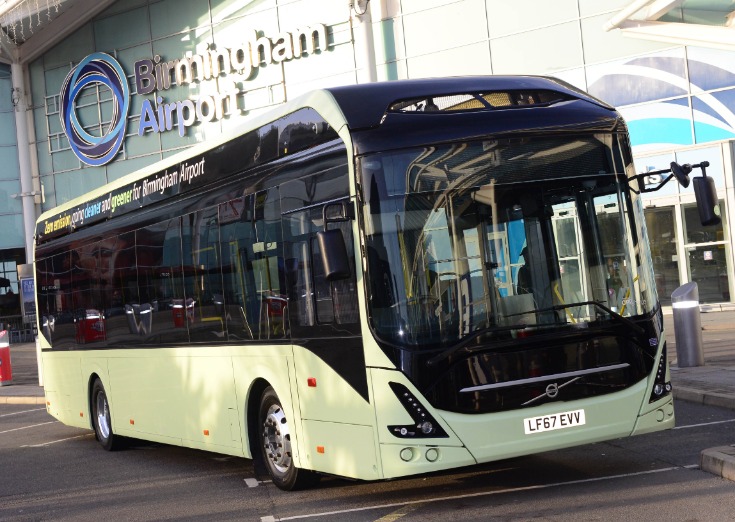

Overview of Bus Travel Tours
Bus travel tours offer a convenient way to see many destinations in one journey, combining comfortable transportation with curated itineraries and expert guides. From scenic coastal routes and historic towns to national parks and vibrant cities, travelers enjoy the ease of planned schedules, convenient pickups, and the social experience of meeting fellow explorers. Whether you’re a solo traveler or traveling with family or friends, bus tours can simplify logistics while delivering immersive, stress-free experiences.
What defines a bus travel tour
Bus travel tours are organized group journeys that travel by motor coach or minibus, combining transportation, accommodations, and curated activities into a single, inclusive experience. They suit travelers who want to see multiple places with a shared itinerary and a ready-made schedule.
- Definition: An overview of a bus travel tour as a planned itinerary driven by a professional tour operator, using a bus as the primary mode of transport.
- Included elements: Transportation, accommodations, most meals or specified meals, activities or sightseeing, and a guide or driver-guide who oversees the trip.
- Format and pacing: Typically multi-day or multi-city routes with set dates, routings, and daily schedules that balance sightseeing with rest.
- Guided experience: Learn from knowledgeable guides who provide context, commentary, and local tips at destinations.
- Group dynamics: Meets like-minded travelers, with social opportunities and a shared group experience.
- Planning and value: Simplified logistics, bundled pricing, and predictable budgets with clear inclusions and trade-offs.
- Common themes and destinations: Scenic drives, heritage towns, national parks, wine regions, or urban clusters connected by a logical route.
- Variations: Charters for private groups, scheduled tours with open enrollment, and specialty tours focused on themes such as food, history, or nature.
Bus travel tours offer a convenient way to explore multiple destinations with less planning and more social travel moments.
Benefits for travelers and groups
Bus travel tours are curated journeys that move travelers between destinations by coach or minibus, combining transportation, lodging, meals, and guided sightseeing into a single package. They can cover domestic regions, cross-border trips, or international itineraries, spanning weekend getaways to multi-day adventures with carefully planned routes and scheduled experiences.
Typical components of a bus travel tour include comfortable seating on a coach, a skilled driver, a tour guide or conductor, accommodations arranged for the group, meals as specified in the itinerary, and timed stops at points of interest. The travel pace is chosen to balance scenic travel, sightseeing, and free time, often with built-in time for rest and exploration.
Types of tours vary, from escorted tours with a dedicated guide to themed itineraries focused on history, culture, cuisine, nature, or urban highlights. Some tours emphasize scenic byways and national parks, while others center on city experiences, cultural events, or wine and culinary experiences.
Benefits for travelers include convenience, as logistics are handled from start to finish, reducing planning stress and problem solving while on the road. Cost efficiency often comes from shared transportation, bundled admissions, and group pricing. The social aspect is another key advantage, offering opportunities to meet fellow travelers, share experiences, and learn from others on the journey. Safety and support are enhanced by a professional driver and guide who manage route, timing, and local insights. Accessibility is also a factor, as group travel can be easier for those who prefer not to drive long distances or navigate unfamiliar city layouts.
Groups—such as school trips, club members, corporate teams, or family reunions—can particularly benefit from bus travel tours. The format simplifies coordination, with options for customized itineraries, departure points, and pace. Group rates, discounts, and bundled activities make budgeting straightforward, while built-in collaboration opportunities can strengthen team bonds and camaraderie through shared experiences and scheduled activities.
When choosing a tour, consider the inclusions and exclusions, the pace of the itinerary, overnight arrangements, meals, and entry fees. Check the operator’s reputation, driver and guide credentials, cancellation terms, and weather contingency plans. It’s also helpful to confirm accessibility features, luggage allowances, and any optional activities to tailor the trip to your group’s needs.
Overall, bus travel tours offer a reliable, sociable, and efficient way to explore new places, delivering a structured travel experience that emphasizes convenience, cost savings, and shared discovery for individuals and groups alike.
Planning a Bus Travel Tour
Planning a bus travel tour opens up flexible, affordable ways to explore landscapes, towns, and cultural highlights without the hassle of flying or driving. Start with a clear route and timetable, a realistic budget that covers tickets, lodging, meals, and contingencies, and then tailor stops to your interests for a memorable road journey.
Choosing the route and duration
Planning a bus travel tour begins with defining the purpose, the group, and the overall experience you want to deliver. Consider the interests of travelers, the pace they prefer, and the budget you have available to shape the route and the daily schedule.
Choosing the route involves evaluating geography, points of interest, and road quality. Favor routes with reliable roads, scenic byways, and a mix of iconic sites and hidden gems. Check seasonal weather, local events, and safety conditions. Consider accessibility for all passengers and any permits or restrictions for certain roads or attractions.
Estimate distance and driving time using reliable maps, then translate that into a realistic daily plan. Account for traffic patterns, elevation, and detours. Plan for regular rest stops every two to three hours, meals, and opportunities to stretch. Remember that longer driving days can increase fatigue and reduce enjoyment, especially for groups with children or older travelers.
Design the route layout to minimize backtracking and optimize logical sequences. A loop or point-to-point itinerary with logical hubs helps reduce transfer times and keeps the group engaged. Include a mix of major sights and comfortable pacing, with built‑in buffer days for weather, vehicle issues, or spontaneous discoveries.
Durations should be anchored by a clear daily rhythm. Decide how many hours of driving per day you can safely offer, plus time for sightseeing, meals, and rest. Build in extra time for late arrivals, extended site visits, or local seasonal events. A balanced itinerary often spreads travel across several days with 4–6 hours of driving per day, shorter stretches on busy corridors, and longer stays at standout destinations.
Logistics play a critical role in turning a route into a smooth experience. Ensure the bus size matches the itinerary, plan for driver shifts, and confirm parking at each stop. Check fuel stations, rest areas, and accessibility features on the bus. Prepare for tolls, permits, and potential road restrictions, and have contingency options in case a site is unavailable.
Accommodation and meals should align with the route and budget. Decide whether you’ll stay in hotels, guesthouses, or multi-stop lodging hubs, and map these to daily itineraries. Schedule meals at convenient times and consider group dining options that suit all tastes and dietary needs. Pre-booking accommodations and arranging group dining can prevent delays and keep the tour cohesive.
Safety, compliance, and resilience deserve upfront attention. Verify driver qualifications, rest periods, insurance, and emergency procedures. Carry a first aid kit, spare parts, and backup plans for bad weather or vehicle issues. Establish clear guidelines for passenger behavior, inclusions, and what’s covered by the tour price.
Here is a simple example to spark ideas: a coastal loop that starts and ends in a single city over five days. Day one focuses on a scenic drive with several overlook stops and a harbor restaurant. Day two visits a national park or famous lighthouse, with short hikes and picnic lunch. Day three covers a famous coastal town, local museums, and a sunset cruise. Day four routes inland to a wine region with a relaxed tasting and an easy evening in a charming town. Day five returns along a different coastline route with final photos stops before drop-off. Adjust length, sites, and pacing to fit your group and season.
Budgeting and transportation costs
Planning a bus travel tour involves detailing the route, securing transportation, and building a realistic budget that covers all costs from departure to return. A well-structured plan reduces the risk of delays and keeps participants informed.
- Define the tour goals, group size, dates, and preferred routes to determine transportation needs
- Choose the appropriate bus type (minibus, coach, or multiple vehicles) based on passenger count and comfort requirements
- Gather quotes from licensed bus operators, comparing rates for hourly vs daily vs per-mile charges
- Estimate transportation costs comprehensively: driver wages, fuel, tolls, parking, insurance, permits, and contingency
- Account for vehicle maintenance, unexpected breakdowns, and spare parts or backup options
- Prepare a complete budget with line items, cash reserves, and a clearly defined payment timetable for participants and suppliers
- Negotiate contracts, including cancellation terms, fuel surcharges, overtime rates, and included amenities
- Plan the itinerary with realistic drive times, rest stops, and overnight accommodations if needed
- Incorporate meals, snacks, and contingency meals for long days or delays
- Implement cost-control measures like batching services, seeking group discounts, and avoiding peak-period surcharges
- Develop a risk management plan covering safety checks, emergency contacts, and incident response
- Document and share the plan with participants, including the budget, schedules, and refund policies
Accommodations and meals planning
Planning a bus travel tour blends transportation logistics with destination experiences. A well-crafted plan covers route design, accommodations, meals, safety, and budgeting to create a smooth group journey.
Define the purpose of the tour, group size, travel dates, and preferred pace. Map a route that balances major attractions with realistic driving time and rest periods. Use mapping tools to estimate daily drive hours and plan overnight stops every 4–6 hours or after roughly 200–350 miles, depending on the group’s energy and interests.
Select the right vehicle and crew. A charter bus or motorcoach should provide comfortable seating, ample luggage space, climate control, and a clean restroom if possible. Plan for sufficient driver coverage, rest periods, and backup options in case of delays or illness. Confirm licensing, insurance, and compliance with local regulations.
Accommodations planning. Build hotel stops along the route that are bus-friendly, with easy access to loading zones and parking. Seek group rates and flexible cancellation, and lock in a block of rooms with defined check-in times. Verify breakfast availability, early-morning options, and the proximity of the hotels to the day’s attractions to minimize shuttle time.
Meals planning. Decide on a mix of onboard meals, hotel breakfasts, and group dining experiences. For travel days, consider boxed lunches or catering to the bus or a stop with fast, reliable options. For evenings, pre-book group dinners or arrange reservations at nearby restaurants that can seat a large party. Collect dietary restrictions in advance and offer vegetarian, vegan, gluten-free, and allergy-aware choices.
Budget and procurement. Create a detailed budget that includes coach rental, driver wages or stipends, fuel, tolls, accommodations, meals, activities, and contingency funds. Obtain written quotes, compare options, and secure deposits with cancellation windows. Track expenses with a shared budget sheet so the group leader and participants can see the plan.
Itinerary development. Draft a day-by-day plan with departure and arrival times, attraction highlights, meal windows, and buffer times for traffic or weather. Include contact information for hotels, restaurants, and local guides. Build in contingency days or flexible slots for unexpected opportunities.
Safety and accessibility. Plan for safety with a clearly communicated emergency plan, first aid kits, and trained staff. Check accessibility needs for travelers with mobility devices, and arrange accommodations and transport to meet those needs. Ensure clear safety briefings at the start of the trip.
Communication and documentation. Create a master itinerary and distribute it to all participants. Provide a real-time update channel for delays or changes. Prepare paper copies as a backup and collect emergency contact information and medical needs from travelers.
Vendor coordination and contracts. Prepare formal agreements with hotels, restaurants, and attractions. Confirm cancellation policies, payment schedules, and service expectations. Ensure the bus company is aware of the schedule and all billing details. Keep digital copies of all confirmations accessible to the trip leader.
Sample day outline. Day 1 begins with a 7:30 a.m. departure, a mid-morning stop for coffee, a lunch reservation at 1:00 p.m., an afternoon visit to a landmark, and a group dinner arranged for 7:00 p.m., followed by overnight at Hotel X with breakfast included. Day 2 starts with an 8:00 a.m. checkout, a scenic drive, a museum tour, a late lunch, and a 6:00 p.m. arrival at the hotel. Adjust times for traffic and venue hours.
Conclusion: With thoughtful route design, solid accommodations and meals planning, and clear communication, a bus travel tour can deliver a memorable experience for all participants.
Logistics and booking options
Planning a bus travel tour involves balancing route excitement with practical logistics, budgeting, and safety. A well‑structured plan helps you maximize time on the road and minimize surprises, whether you are organizing a school trip, a corporate retreat, or a scenic regional tour.
Start by clarifying the purpose, group size, dates, and destinations. Decide how long you want to spend in each location, identify must‑see stops, and consider pacing to avoid fatigue for travelers. Establish a rough budget and a preferred service level, such as a standard coach with basic amenities or a high‑end bus with Wi‑Fi and extra space for comfort during longer legs.
Design the route with driving hours in mind. Break the journey into manageable segments, allow for scheduled rests, meals, and sightseeing, and plan overnight stays if needed. Check road conditions, seasonal closures, and local events that could affect traffic or lodging. Have backup options for routes or destinations in case of weather or road closures.
Choose the right vehicle and equipment to match the group and itinerary. A full‑sized coach offers ample luggage space and comfort for longer trips, while a smaller minicoach may be easier on tight roads or city centers. Confirm seating arrangements, luggage capacity, accessibility features, onboard restrooms, power outlets, Wi‑Fi, climate control, and whether refreshments or entertainment are provided.
Address safety and regulatory requirements early. Ensure drivers are licensed for passenger transport and adhere to driver‑hour rules, shifts, and rest periods. Verify operator licensing, insurance coverage, vehicle maintenance records, inspection certificates, and an emergency plan for incidents. Prepare a checklist for pre‑trip vehicle checks and designate a point person for safety or medical needs during the tour.
Explore booking options that fit your needs. You can contract directly with a local bus company for a private charter, work with a travel management company or tour operator, or use online marketplaces that offer vehicle options and driver services. Compare quotes, inclusions (fuel, tolls, driver meals, parking fees), and cancellation policies, and confirm the exact vehicle type, seat layout, and luggage allowances before signing a contract.
When evaluating suppliers, request detailed itineraries, a sample contract, and a written confirmation of rates and terms. Ask about broker or intermediary involvement, what happens if a vehicle breaks down, and how substitutions are handled. Read customer reviews or request references to gauge reliability and communication quality throughout the planning and execution phases.
Finalize the itinerary with clear timings, contact information, and contingency plans for delays or weather. Build flexibility into the day’s schedule for spontaneous stops or extended activities, and communicate expectations to travelers in advance. Create a simple process for on‑road changes, emergency contact protocols, and post‑tour debriefs to capture lessons learned for future travels.
Popular Routes and Destinations
Popular routes for bus travel tours weave together breathtaking scenery, cultural landmarks, and convenient itineraries designed for easy exploration. From coastal highways that roll past sunlit beaches to mountain passes that reveal alpine panoramas, these routes spotlight iconic destinations and hidden gems alike, pairing comfortable coaches with guided insights, local meals, and time to linger in towns and markets along the way.
Classic cross-country routes
Popular routes and destinations for bus travel tours offer a blend of scenic landscapes, iconic cities, and cultural experiences. Classic cross-country routes connect regions across a country or continent, letting travelers experience diverse geography, history, and flavors from dependable coach comfort. Here are notable options that draw travelers year after year.
- Trans-continental USA: New York to San Francisco — Pass through major cities and national parks, from the Big Apple to the Pacific coast, with stops in Washington, D.C., Chicago, Denver, the Grand Canyon, Yosemite, and finally San Francisco.
- Route 66 Classic: Chicago to Los Angeles — The nostalgic cross-country drive with classic American towns, the Oklahoma and Texas panhandles, Santa Fe, Grand Canyon, Las Vegas, Mojave Desert, ending in Santa Monica.
- Trans-Canada Highway: Vancouver to St. John’s — A true cross-country odyssey across Canada’s diverse landscapes: the Rockies, Prairies, Great Lakes, the Maritimes, and Atlantic coast, featuring Vancouver, Banff, Winnipeg, Toronto, Montreal, Quebec City, Halifax, and more.
- London to Istanbul: A European crossing — A cosmopolitan route through the UK, France, Belgium, Germany, Austria, Hungary, Romania, and Bulgaria to Turkey, with highlights like Paris, Vienna, Budapest, Belgrade, Sofia, Plovdiv, and Istanbul.
- Paris to Barcelona: Western Europe cross-border — France’s heartland to the Catalan coast, featuring Paris, the Loire Valley, Toulouse, and Barcelona, with a mix of cities, countryside, and coastline.
Coastal and scenic itineraries
Bus travel tours invite travelers to slow down and soak in coastal and scenic landscapes without the hassle of driving. Comfortable seating, onboard commentary, and guided itineraries turn long days on the road into immersive experiences. Popular routes thread coastlines, cliffs, lighthouses, and charming seaside towns into a moving panorama, with built in sightseeing stops, easy food breaks, and opportunities for photo moments along the water.
Across Europe, some of the most photographed coastal itineraries appear on a single- or multi-day coach tour. The Amalfi Coast in Italy is famous for cliffside towns like Positano and Ravello, with panoramic views from the Sorrentine Peninsula. The Cinque Terre string of villages offers colorful facades and sea views along a rugged coastline. The Costa Brava in Spain provides coves and medieval towns, while the Algarve in Portugal serves golden beaches, sea caves, and dramatic cliffs near Lagos and Albufeira.
Northwest Europe also shines for coach adventures along coastlines. The Causeway Coastal Route in Northern Ireland offers dramatic sea cliffs, the Giants Causeway, and picturesque towns along the Antrim Coast. In Scotland, the North Coast 500 threads coastal scenery from bustling fishing villages to remote headlands and whale-watching spots. Cornwall and Devon provide rugged shorelines, seafront promenades, and stops at St Ives, Land’s End, and coves along the Cornish coast.
Across the Atlantic, the Pacific coasts of North America draw legions of travelers. A California coast route from San Francisco to San Diego showcases the Golden Gate, Monterey Bay, Big Sur’s dramatic bluffs, Santa Barbara’s mission towns, and the palm-lined avenues of Southern California. The Oregon Coast offers towering dunes near Cannon Beach and seaside towns such as Astoria and Newport. In New England, scenic stops along Maine’s coast, historic lighthouses, and the rugged beauty of Acadia make for memorable day breaks, and the Cabot Trail in Nova Scotia delivers ocean viewpoints and coastal villages as an alternative Atlantic highlight.
Across the Pacific, Australia’s Great Ocean Road ranks among the world’s most iconic coastal drives, winding from Torquay to Allansford with stops at Lorne, Apollo Bay, and the Twelve Apostles. In New Zealand, the South Island’s Southern Scenic Route between Dunedin and Invercargill rewards travelers with rugged coastlines, rainforests, and the awe-inspiring Milford Sound cruise. Coastal routes in Queensland, Australia, and the Bay of Plenty in New Zealand also feature sun-kissed beaches and lush scenery, ideal for multi-day bus itineraries that balance nature with small-town charm.
Africa and Asia add their own sun-drenched shores. South Africa’s Garden Route glides from Cape Town toward Port Elizabeth through forests, lagoons, and coastal towns such as Plettenberg Bay. In India’s Konkan coast, routes between Mumbai and Goa pass fishing villages, coconut groves, and historic forts. Southeast Asia and Sri Lanka offer coastal bus trips with temple towns, tea country vistas at a distance, and golden beaches that round out a diverse, cross-continental coastal travel experience.
Tips for choosing a coastal bus itinerary: consider the best season for coastal weather and sea conditions; balance long scenic drives with comfortable breaks and sightseeing stops; look for operators that emphasize sustainable travel, comfortable seating, and knowledgeable guides; and pack layers, sun protection, a camera, and a light rain jacket to stay prepared for changing coastal climates.
Theme-based tours (wine, history, nature)
Bus travel tours offer a comfortable and social way to explore multiple destinations in one trip, with scenic routes, easy group logistics, and included sightseeing. Here are popular routes and destinations that work well for guided or independent bus itineraries.
- Pacific Coast Highway circuit: Seattle to San Diego, USA — coastal views, beach towns, and vibrant cities.
- Danube River Valley circuit: Vienna, Bratislava, Budapest — grand architecture, castles, and river scenery.
- British Isles loop: London to Edinburgh with stops in Bath, Cornwall, and Dublin — heritage, landscapes, and culture.
- Rhine Valley and Alpine passages: Basel to Munich through Rhine towns and Alpine scenery.
- Italian lakes and coast loop: Milan, Lake Como, Venice, and the Ligurian coast — art, cuisine, and water vistas.
Theme-based tours tailored to wine, history, and nature enthusiasts can be layered onto these routes for a focused experience.
- Wine tours: Bordeaux and Dordogne (France); Tuscany (Italy); Rioja (Spain); Douro Valley (Portugal) — winery visits, tastings, and vineyard vistas.
- History tours: Athens and ancient sites; Rome and Pompeii; Washington, D.C. and Philadelphia — museums, ruins, and historic districts.
- Nature tours: Scottish Highlands; Norwegian fjords; Dolomites; Canadian Rockies — dramatic landscapes, photo stops, and outdoor activities.
Onboard Comfort and Experience
On a bus travel tour, onboard comfort and experience set the tone for the journey as much as the landmarks you visit. A roomy seat, thoughtful legroom, smooth ride, and climate control help you relax between photo stops, while quiet corridors, adjustable lighting, and reliable power outlets keep you connected without fatigue. Attentive drivers and friendly guides enrich the ride with local insights, well-planned itineraries, and timely breaks, turning the road into a gentle, engaging companion rather than a mere transit. From clean restrooms to on-board snacks and Wi-Fi access, every detail aims to make the voyage as enjoyable as the destination.
Seating, space, and accessibility
Onboard comfort and experience shape how memorable a bus travel tour feels. Modern touring coaches are designed to balance long hours on the road with ample space, quiet cabins, and thoughtful amenities that help travelers stay relaxed from departure to arrival.
Seating and space play a central role in every journey. Most touring coaches use a comfortable two-by-two seating layout with a wide central aisle, padded seats, and generous legroom. Ergonomic design includes adjustable headrests and lumbar support, with seats that recline to a comfortable angle without crowding the passenger behind. Personal space extends to seat-side pockets and easy access to charging ports and reading lights, so travelers can stay refreshed and connected throughout the trip.
Comfort features extend beyond the seats themselves. Climate control keeps the cabin at a pleasant temperature, and modern suspension systems minimize road ripple and noise for a smoother ride. Many buses offer amenities such as USB charging ports, electrical outlets, onboard Wi-Fi, and multimedia screens for entertainment or guided commentary, helping travelers stay engaged during long stretches of road.
Space and layout considerations contribute to a relaxed atmosphere. Overhead storage and ample undercarriage compartments accommodate luggage and personal items, while wide aisles make it easy to move to and from your seat. Clear sightlines to exits and restrooms, plus thoughtful placement of seating near scenic routes or screens, enhance the overall travel flow and comfort.
Accessibility is a crucial aspect of onboard comfort on bus tours. Coaches designed with accessibility in mind may include ramps or kneeling systems for wheelchair access, designated wheelchair spaces with secure restraints, and accessible restrooms on larger units where available. Priority seating near exits, staff assistance, and clear visual and audible announcements help all passengers navigate the journey with confidence.
When planning a bus tour, consider your seating and accessibility needs early. At booking, request preferred seating, confirm available accessibility features, and communicate any assistance requirements. Arrive in good time for boarding, ask the crew for help with luggage, and check return policies for changes. A well-chosen seat and clear arrangements can transform a travel day into a smooth, enjoyable exploration.
Ultimately, onboard comfort and seating choices shape the rhythm of a bus travel tour. A quiet cabin, ample space, and thoughtful accessibility options empower travelers to savor the scenery, participate in guided experiences, and arrive rested and ready for the next adventure.
Entertainment, connectivity, and rest stops
Bus travel tours weave comfortable transport with immersive itineraries, letting travelers move between destinations while staying refreshed and engaged.
Onboard Comfort and Experience: Modern coaches feature ergonomic, adjustable seating with ample legroom, climate-controlled cabins, quiet suspension, and generous luggage space. Panoramic windows, ambient lighting, and on-demand temperature control contribute to a relaxed atmosphere. Many tours offer blankets and water bottles, and accessible seating options ensure comfort for all travelers.
Entertainment: Options range from screens showing scenic montages and destination highlights to live commentary from drivers or guides, audio guides, curated playlists, trivia games, and offline reading material. The goal is to enrich the journey without distracting from the views and conversations with fellow travelers.
Connectivity: Wi-Fi may be available on board, with some tours offering complimentary access for the duration. Charging ports at seats, USB sockets, and power outlets help keep devices ready for photos and navigation. Travelers are advised to download essential maps and content beforehand, as coverage can vary along routes.
Rest Stops: Well-planned itineraries include regular breaks for stretching, meals, and photo opportunities. Stops are chosen for safety, accessibility, and scenic value, with clean restrooms, snack options, and brief opportunities to explore local sights or viewpoints.
Together, these elements create a cohesive travel experience where comfort, entertainment, connectivity, and well-timed rest stops enhance the enjoyment and practicality of bus travel tours.
Safety, Regulations, and Accessibility
Safety, regulations, and accessibility are the cornerstones of every quality bus travel tour. Operators uphold rigorous vehicle inspections, driver training, and clear safety protocols while complying with local and international rules to protect passengers. Inclusive features such as ramps, accessible seating, and easy-to-understand accessibility information ensure tours welcome travelers of all abilities. By prioritizing these principles, bus tours become safer, compliant, and more enjoyable for everyone.
Driver qualifications and vehicle standards
Bus travel tours offer a safe and comfortable way to explore many destinations, but the backbone of a great trip is strong attention to safety, regulatory compliance, and accessibility throughout planning and on the road.
Across regions, operators must meet mandatory safety standards set by national transportation authorities and, where applicable, regional or international guidelines. Vehicles undergo regular inspections, maintenance logs are kept, and operators establish procedures for emergencies. Drivers are required to hold appropriate licenses and to follow rules that limit fatigue and ensure passengers are protected.
On board safety practices start before departure with a documented pre-trip check of brakes, tires, lights, fluids, and emergency equipment. During travel, passengers should be reminded to fasten seat belts where available, remain seated during movement, and follow driver instructions. Tour providers should have clear evacuation procedures, accident reporting processes, and a plan for medical emergencies.
Accessibility is a core part of quality bus tours. Operators should offer accessible booking, seating options for riders with mobility limitations, wheelchair lifts or ramps, accessible restrooms when available, clear visual and audible announcements, and information that is available in multiple formats.
Driver qualifications emphasize safety, experience, and ongoing training. Drivers typically require a valid commercial license for the vehicle type, clean driving records, and background checks. Regular training includes defensive driving, passenger management, accessibility assistance, first aid, and periodic medical reviews. Hours of service rules help prevent fatigue.
Vehicle standards cover the condition and features of coaches. Regular maintenance and inspections are documented, emergency exits are clearly marked and unobstructed, seating is secure, and seat belts are provided and in good working order. Vehicles should meet accessibility requirements, climate control, reliable braking and steering systems, and clear safety signage.
Regulatory compliance and enforcement ensure accountability. Operators are responsible for reporting incidents, maintaining records, and cooperating with inspections. Consumers benefit from transparent policies on refunds, cancellations, complaints, and safety incident handling.
In summary, safe, regulated, and accessible bus travel tours depend on comprehensive standards for drivers, vehicles, and on-board operations, as well as clear communication with travelers about safety expectations and accessibility options.
Health, safety protocols, and emergency planning
Safety is the backbone of bus travel tours. Operators invest in well‑maintained vehicles, routine inspections, and drivers who meet licensing requirements and complete ongoing safety training.
Regulations and compliance: Commercial passenger transport is governed by national and local rules. Companies must hold the proper licenses and insurance, conduct regular vehicle inspections, and comply with hours‑of‑service or rest requirements to prevent fatigue. Accessibility and safety standards require buses to meet applicable guidelines for passenger movement, seating, and emergency readiness.
Accessibility: Each tour should offer accessible options, including wheelchair access or ramps, strategically placed priority seating, clear step‑by‑step boarding guidance, and accessible information in multiple formats. Service animals should be permitted where lawful, and staff should be trained to assist passengers with diverse needs.
Health and hygiene: Cleanliness and ventilation are prioritized, with routine sanitization of high‑touch surfaces, fresh air exchange, and ready access to restrooms on longer journeys. Operators should have plans for medical needs, and staff should be trained in basic first aid and in responding to health incidents.
Safety protocols on board: Pre‑departure safety briefings, clear passenger instructions, seat belt use where required, and safe boarding and alighting practices. Buses are equipped with first aid kits, fire extinguishers, and reliable communication devices to summon help in emergencies.
Emergency planning: Every tour includes an emergency response plan with clearly marked emergency exits, evacuation routes, and assembly points. There should be a method to communicate delays or deviations to passengers, and a liaison with local authorities and emergency services.
Accessibility in emergencies: Procedures ensure assistance to passengers with mobility challenges, with staff trained to provide ramp or lift support, accessible emergency information, and alarms that accommodate diverse needs.
Continuous improvement: Regular audits, incident reporting, drills, and feedback from passengers help improve safety, accessibility, and health protocols. Transparent policies and clear signage help travelers understand expectations and emergency steps.
Accessibility considerations for diverse travelers
Bus travel tours offer rich experiences, but safety, regulations, and accessibility shape every journey.
Safety begins before the trip: operators perform pre-trip inspections, maintain the vehicle, and ensure functioning brakes, tires, and lights. Emergency exits should be clearly marked, and onboard safety equipment such as a first aid kit and fire extinguisher must be available. Drivers receive training in defensive driving, passenger management, and emergency procedures, and safety briefings are provided at departure or boarding.
On the road and at stops, adherence to traffic laws and a planned route that accounts for weather and road conditions is essential. Boarding and alighting should be orderly, luggage securely stored, and aisles kept clear. Clear communication about itineraries, delays, or changes helps passengers stay informed and feel safe throughout the tour.
Regulations govern who may operate tour buses, how vehicles are built and inspected, and how passengers are protected. Operators typically require appropriate licensing and driver qualifications, hours-of-service rules, regular vehicle inspections, and sufficient insurance. Consumer protection and fair booking practices are also important, with accessibility obligations increasingly integrated into regulatory frameworks in many regions.
Accessibility considerations start with the vehicle: accessible buses may include ramps or lifts, wide doorways, and sufficient floor space for mobility devices, along with seating that can accommodate wheelchairs. Some coaches offer kneeling features, accessible restrooms on longer tours, and clear floor markings. Visual and audible announcements, large-print materials, and signage in multiple formats support travelers with different needs. Staff and guides are often trained to assist travelers with disabilities and to accommodate service animals where permitted.
Accessibility for diverse travelers also encompasses communication and planning. Multilingual guides and materials, easy-to-understand maps or pictograms, predictable schedules, and quiet spaces can help guests with sensory or cognitive differences enjoy the experience. Clear information about what is possible on a given tour, along with advance notice for any accommodations, supports inclusive participation from booking to return.
Booking and on-tour practices should encourage travelers to share accessibility needs in advance and confirm those arrangements before departure. Transparent policies on refunds, substitutions, and alternatives when a requested accommodation cannot be provided help build trust. On tour, staff should be available to assist with boarding, seating, and emergencies, ensuring everyone can participate safely and comfortably.
High-quality bus tours that prioritize safety, comply with regulations, and embrace accessibility enable more travelers to enjoy the rich experiences cities, landscapes, and cultures have to offer.
Booking, Operators, and DIY Tours
Booking a bus travel tour opens access to curated itineraries, reliable schedules, and guided experiences, while operators bring expertise, local insights, and safety standards to the journey. For those who prefer independence, DIY tours offer the freedom to map your own route, mix stops, and travel at your own pace, using flexible passes, regional routes, and affordable transportation options.
Choosing a tour operator vs. self-organized groups
Booking a bus travel tour involves choosing between a professional operator and a DIY self-organized journey, and each option has its own rhythm, pace, and set of tradeoffs.
When you start booking, compare itineraries, what is included, and the type of bus. Look at transport comfort, seating arrangements, luggage allowances, and how many hours you will spend on the road each day. Check if meals, activities, entry fees, and local guides are part of the package. Read the terms on cancellations, refunds, and rescheduling, and verify where the departure point and return drop-offs are located.
Operators bring reliability and support. A seasoned bus tour operator handles route planning, permits, driver shifts, and on-tour logistics. When evaluating operators, check licensing and insurance, vehicle safety records, fleet age, and driver qualifications. See if a guide accompanies the tour and whether they speak your language. Review past guest feedback on pacing, punctuality, and how delays are managed. Consider the maximum group size and the level of interaction or free time built into the itinerary.
DIY tours appeal to those who want flexibility and control. Self-organized groups can design their own route, detour for hidden gems, and tailor activities to interests. The upside is potential cost savings and the freedom to spend more time in places you love. The downsides include planning time, coordinating accommodations and transport, arranging drivers or rental vehicles, and navigating insurance, road rules, parking, and permits. If you drive, you must consider licensing requirements, international driving permits, driver fatigue, and who will handle navigation and safety checks.
Choosing operator versus self-organized groups comes down to budget, time, language needs, and risk tolerance. If you want a turnkey experience with predictable pacing, local knowledge, and 24/7 support, an operator is often the better fit. If you value total control, can invest time in planning, and enjoy customizing every stop, a DIY approach can be rewarding. Large groups or family trips with mixed pace may benefit from operator coordination, while smaller, adventurous groups may prefer self-guided routes.
Budgeting and planning tips help either path. Get a clear line on what’s included: transport, driver meals, hotel nights, activities, and gratuities. Anticipate extras such as fuel surcharges, tolls, parking fees, and visa or entry costs. For operators, confirm the return and cancellation policies and any rebooking rules. For DIY trips, create a contingency fund for accommodation changes or road delays, and maintain a shared emergency plan with all travelers, including contacts and medical information.
Routing and itinerary considerations matter for a smooth experience. In a fixed operator tour, routes are optimized for efficiency and safety, with rest stops and guided interpretations of landmarks. In a DIY plan, you control the sequence of destinations, but you should still schedule regular breaks, comply with local driving hours, and verify road conditions and seasonal accessibility. Consider backup options in case a landmark closes or weather shifts the plan.
Safety and compliance are essential in both approaches. Ensure vehicles have current inspections, seat belts, and emergency equipment. For drivers, verify rest periods and fatigue management. Keep a printed or digital copy of important documents, emergency contacts, and local guidelines. If you are traveling internationally, check visa requirements, insurance coverage, and medical support options along the route.
In the end, both booking with a reputable operator and organizing your own bus tour can deliver memorable journeys. Clarify goals, research options, compare inclusions, and align your choice with how much time you want to dedicate to planning, how much flexibility you need, and the level of support you prefer during the trip.
Cancellation policies and travel insurance
Bus travel tours offer a flexible and scenic way to explore regions by road, with options ranging from guided itineraries to DIY routes that you chart yourself.
Booking a bus tour usually involves choosing between a staffed operator and a DIY plan, selecting your travel dates, and securing payment. When you book with an operator, you can expect included services such as transportation, a guide or driver, and often accommodations, activities, and meals depending on the package. For DIY tours, you’ll rent a coach or join a flex plan and assemble your own route, which gives freedom but requires more logistics like accommodation bookings, route planning, and driver duty limits. Always confirm what’s included (luggage allowances, seat refunds, onboard Wi‑Fi) and note any required deposits, final payment deadlines, and refund conditions.
Operators provide structure, safety, and local knowledge with licensed drivers, itineraries, and customer support. They typically handle permits, insurance, and emergency contingencies. DIY tours can be cost-effective and customizable but demand careful planning: you’ll handle permits, vehicle insurance, driver hours, route safety, and contingency plans if a vehicle breaks down or a bridge closes. Ensure the vehicle and driver have proper licenses, and verify insurance coverage and liability limits before you hit the road.
Cancellation policies vary widely. Many operators offer free cancellation within a set window (for example 24 to 72 hours before departure), while deposits may be non‑refundable. After the grace period, penalties can range from a partial refund to a full non‑refunded amount, or a credit for future travel. Some itineraries include weather or force majeure clauses that allow cancellation with a full refund or reschedule. Always read the policy for what counts as a ‘cancellation’, what qualifies as a ‘reschedule’, and whether refunds are issued to the original payment method or as travel credits.
Travel insurance is a wise companion for bus tours, covering trip cancellation or interruption, medical emergencies, evacuation, and lost or delayed baggage. Look for policies that explicitly include tour cancellations, pre‑existing condition waivers, and adventure or motor coach activities if applicable. Check coverage limits, deductibles, and the claim process, and keep documentation of bookings, invoices, and the cancellation terms; with DIY tours, ensure the policy extends to vehicle rental or driver arrangements and any third‑party operators you rely on.
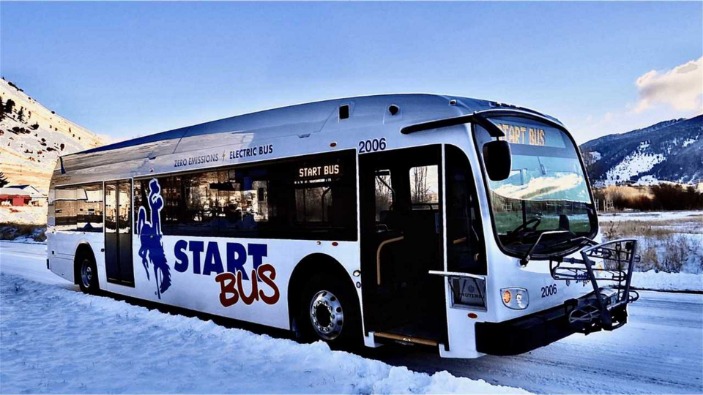
Before booking, compare operators, read recent traveler reviews, and verify licensing and safety records. Keep digital copies of your tickets and insurance, and confirm preferred language, accessibility options, and group seating. Understanding the booking, operator, cancellation, and insurance details helps you enjoy a stress‑free bus travel tour.
Tips for finding value and securing seats
Bus travel tours offer a practical way to explore regions, combining transport, sightseeing, and often meals or guides. Whether you go with a packaged itinerary, book directly with an operator, or craft your own DIY route, understanding how to book well and secure seats can save money and stress.
Booking options include online marketplaces that compare routes and prices, direct bookings on operator sites that may offer loyalty discounts or bundled perks, and travel agencies that assemble transport with lodging and activities. Each path has trade-offs between price, flexibility, inclusions, and convenience.
Operators vary in scale and style. Large, established bus tour companies provide consistent pacing, guided commentary, and robust support, but may have less flexibility. Smaller or regional operators can offer niche itineraries, local insight, and smaller buses, but require extra diligence to verify licenses, insurance, and current reviews.
DIY tours let you map your own route using buses, trains, and occasional car rental. Planning steps include mapping a logical sequence, checking daily schedules, leaving buffers for delays, and booking accommodations and activities as needed.
Tips for finding value: set a budget; compare what’s included (meals, guides, admissions) and what isn’t; watch for hidden fees; look for shoulder-season departures; sign up for newsletters and price alerts; seek bundle deals; read recent reviews; consider loyalty programs.
Tips to secure seats: book early on popular routes; if dates are flexible, use price calendars and consider alternate days; some tours allow advance seat selection, which may carry a small fee; understand cancellation terms in case plans change; for group travel, contact the operator to arrange seating together.
DIY planning specifics: reserve days that rely on long legs first, then fill in with local transit options; confirm luggage limits; know where to buy tickets on the ground; carry a simple backup plan in case a bus is full; keep digital copies of tickets.
Final thought: whether you favor a ready-made itinerary, a trusted operator, or a self-designed route, thoughtful booking choices and proactive seat securing help you maximize value, minimize risk, and enjoy the ride.
Local Experiences, Food, and Culture
Bus travel tours open doors to local experiences, where you taste regional foods, meet artisans, and soak in culture as landscapes unfold and guides share stories along the route.
Guided excursions vs. free time
Bus travel tours offer a flexible way to explore multiple regions in a single trip, with a focus on local experiences, food, and culture that you might miss with a fast-paced itinerary.
Local experiences and culture unfold through on-board storytelling, guided talks at stops, and encounters with residents in markets, workshops, and historic neighborhoods. These moments provide a sense of place that goes beyond postcard views, revealing how people live, work, and celebrate in each destination.
Food and cuisine are central to the journey, with routes that spotlight regional specialties, street snacks, and family-run eateries. Expect tasting sessions, farm-to-table dinners, and recommendations from locals who know where to find the best flavors, helping you sample a region authentically rather than through generic tourist spots.
Guided excursions offer structured immersion with trained guides who bring history, architecture, and local context to life. They handle logistics, provide translations, access privileges at sites, and curated itineraries that ensure you see top highlights without the planning stress.
Free time on a bus tour carries the lure of independence. You can follow your own curiosity, wander narrow lanes, stumble upon hidden cafés, and linger over a plate you discovered by chance. The drawback is coordinating with the group, staying aware of time, and ensuring you don’t miss the next bus or activity.
Balancing guided versus free time is the sweet spot for many travelers. A well-designed itinerary blends essential sights with optional activities, giving you a reliable framework while reserving blocks for personal exploration. For example, you might join a morning city walk led by a guide and then have a long lunch on your own to sample a neighborhood’s specialties.
Practical tips for making the most of a bus tour include pacing yourself for long days on the road, wearing comfortable shoes, staying hydrated, and packing light layers. Respect local etiquette, ask before photographing people, and keep a flexible mindset to embrace spontaneous culinary or cultural discoveries.
Whether you crave deep cultural immersion, mouthwatering regional flavors, or the freedom to chart your own course between stops, bus travel tours can weave Local Experiences, Food, and Culture into a cohesive, memorable journey.
Food experiences and dietary considerations
Bus travel tours offer a doorway to local experiences, food, and culture by weaving scenic drives with carefully chosen stops that put travelers in touch with communities rather than just sights.
Along the route, guided city walks, village visits, and market mornings let you meet artisans, farmers, and cooks, giving you a sense of place with every step rather than a memory of a generic stopover.
Food experiences in bus tours range from tasting regional specialties at family-owned eateries to participating in cooking demonstrations, farmers market tastings, and farm-to-table lunches. The pace is designed to let you savor flavors at a human scale—whether a seaside fish dish, a hearty mountain stew, or a sweet regional pastry.
Dietary considerations are central to enjoying a bus tour. Operators often note dietary restrictions at booking, offer vegetarian, vegan, gluten-free, halal, or kosher options, and arrange alternative meals where possible. It helps to declare allergies or intolerances in advance and carry essential snacks; packing a small labeled supply is prudent when stops are remote.
To make the most of the food and culture on a bus tour, engage with locals, ask questions about sourcing, and sample small portions to pace yourself. Respect local customs around dining, tipping, and private food spaces, and remember that street food may be delicious but choose vendors who observe basic hygiene practices.
Onboard experiences can also reflect the local area, with meals or snacks sourced from nearby producers, partners who support sustainable farming, and scenic picnic stops that let you enjoy a view with your bite to eat. Guides can share stories about where ingredients come from and how a dish fits into regional history.
Whether the route runs along a rugged coast, through rolling countryside, or into bustling town centers, each day brings new tastes and textures. Expect seafood in a port town, dairy and grain specialties in rural regions, and spice or herb dishes in interior markets, all framed by local music, crafts, and language exchanges during photo-worthy breaks.
Bus travel tours thus deliver a textured experience of local life—food, culture, and conversation—without the stress of planning every meal, leaving you with memories that linger long after the last stop.
Respectful travel and cultural etiquette
Bus travel tours offer a window into local life, blending scenic routes with chances to experience the culture, flavors, and daily rhythms of the places you pass through. By design, these tours connect you with communities beyond major landmarks, turning a journey into a series of approachable, authentic encounters.
Respectful travel on a bus tour starts with listening. Pay attention to guides and local hosts, ask thoughtful questions, and be mindful of quiet moments during religious sites or scenic overlooks. Keep conversations considerate, avoid loud phone calls, and respect the pace and schedules set by the crew and fellow passengers.
Local experiences often unfold at markets, bakeries, family-owned workshops, and farm stalls that you visit along the route. Engage with shop owners, observe traditional crafts, and if invited, try a handshake or greeting in the local language. When in doubt, follow the lead of locals and your guide about appropriate behavior and participation.
Food is a highlight of bus tours, offering a chance to sample regional flavors in approachable places. Taste street foods with caution, start small, and ask about spice levels or potential allergens. Embrace local specialties, and when in doubt about meals on the road, choose options labeled as vegetarian or mild, and consider sharing dishes to try a broader range of flavors.
Cultural etiquette varies widely, so a few universal rules help: greet people politely in the local language, dress modestly when visiting religious sites, remove hats if required, and ask before photographing people or private spaces. Tipping norms differ by country and situation, so a quick check with your guide can prevent awkward moments or over-tipping.
On the bus and at stops, maintain a respectful presence. Follow the bus rules, keep aisles clear, dispose of trash properly, and stay hydrated without creating waste or noisy distractions. If your group stops at a community venue, be mindful of business hours, support local vendors, and avoid pressuring hosts for personal souvenirs or favors.
Sustainability and responsible travel enrich the local experience. Bring a reusable water bottle, minimize disposable plastics, buy from local producers, and leave spaces as you found them. Remember that a bus tour is a shared journey—patience, curiosity, and courtesy toward drivers, guides, and locals create the best possible experience for everyone involved.
Financial and Sustainability Considerations
Bus travel tours offer an economical, lower-emission way to explore, but success hinges on careful financial planning and sustainability choices. By weighing fuel efficiency, maintenance costs, and driver wages against smart route optimization, capacity use, and responsible sourcing, organizers and travelers can lower total expenses while reducing environmental impact and supporting local communities.
Cost-saving strategies
Financial and sustainability considerations shape every aspect of planning and running bus travel tours. By combining prudent cost management with environmentally responsible practices, operators can deliver compelling itineraries that travelers trust and sustainably scale.
- Route optimization and scheduling to minimize total miles, idling, and fuel use while delivering timely arrivals at attractions.
- Right-size fleet and occupancy planning to maximize seats filled per trip, reducing cost per passenger and unnecessary fuel burn.
- Eco-friendly driving and maintenance programs: driver training in efficient acceleration and braking, regular tire maintenance and engine service to improve fuel economy.
- Investigation of alternative propulsion options: assess hybrid or electric buses, biofuels, or other low-emission technologies where feasible to lower long-term fuel costs and emissions.
- Smart contracting and price management: secure group rates with operators, lock in fuel surcharges, and offer bundled packages to reduce uncertainty and total tour cost.
- Seasonal planning and demand-based pricing: move tours to shoulder seasons, build flexible itineraries, and negotiate midweek departures to reduce accommodation and transportation costs.
- Sustainable practices on tour: minimize waste, use local and sustainable suppliers for meals and activities, and implement recycling and water-saving measures; these can reduce costs and attract eco-conscious travelers.
- Carbon accounting and transparency: measure CO2 per tour, provide optional offsets, and communicate sustainability efforts as a differentiator for marketing and customer retention.
- Local procurement and partnerships: work with local hotels, guides, and attractions to shorten supply chains and support the local economy, often yielding better rates and quality.
- Data-driven oversight: track fuel consumption, occupancy, and expenses in a centralized system to optimize routes, schedules, and pricing.
- Risk management and safety: ensure compliance with transportation regulations, insurance coverage, and driver hours to avoid penalties and disruptions.
- Contingency budgeting: reserve funds for weather, traffic, or cancellation scenarios to protect margins and customer satisfaction.
Environmental impact of bus tours
Bus travel tours combine the efficiency of group transportation with the flexibility of guided itineraries, offering a practical way to visit multiple destinations. When planning these tours, financial considerations and sustainability goals must be aligned to deliver value for travelers while reducing environmental impact.
Financial considerations include upfront capital or lease costs for the fleet, ongoing maintenance, tires, insurance, licensing, and depreciation. Operating expenses span fuel, driver wages, payroll taxes, scheduling, vehicle wear, tolls, and parking. Occupancy and route efficiency drive the cost per passenger; higher load factors spread fixed costs and improve margins, while seasonal demand can create cash flow challenges. Pricing strategies often combine base fares with add-ons, multi-day packages, and collaborations with attractions, which can stabilize revenue but require careful forecasting to avoid underutilized capacity.
Revenue optimization and risk management: negotiate group discounts with suppliers, secure deposits, and build flexible cancellation policies. Consider additional income streams such as guided experiences, meals, hotel pickups, and affiliate commissions with partner venues. Monitor fuel price volatility and maintenance risks, and model scenarios to protect margins during price spikes.
Environmental impact: buses generally emit fewer greenhouse gases per passenger kilometer than private cars when occupancy is high, but tailpipe emissions depend on engine type, age, and maintenance. Diesel buses with modern emissions controls (Euro 6 and equivalent) reduce NOx and particulate matter, while hybrid and electric buses offer lower or near-zero tailpipe emissions but require charging infrastructure and higher upfront costs. Lifecycle emissions depend on vehicle production, fuel mix, maintenance, and end-of-life recycling, so fleet modernization and longer vehicle lifespans tend to improve sustainability metrics.
Optimization and operations for sustainability: route optimization minimizes mileage and idle time; keep average speeds to levels that balance efficiency and safety; deploy telematics to monitor driver behavior, fuel consumption, and maintenance needs; idle-reduction practices and efficient stop patterns save fuel; maximize occupancy to spread fixed costs and reduce per-passenger emissions; invest in low-rolling-resistance tires and regular preventive maintenance.
Policy and policy-support: many regions encourage sustainable travel through grants, incentives for clean fleets, carbon-offset programs, and urban access rules that favor high-occupancy transport. Tracking metrics such as occupancy rate, fuel efficiency per passenger-km, and CO2e per traveler can inform continuous improvement. Engage with communities to ensure accessibility for diverse travelers, and communicate environmental efforts transparently.
Practical recommendations for operators: plan itineraries to minimize backtracking and empty miles; choose vehicles sized for expected group sizes; negotiate favorable fuel contracts; use continuous improvement to reduce waste; consider hybrid or electric options as total cost of ownership becomes favorable with scale; implement carbon offsetting programs for tours and offer travelers a choice to invest in offsets.
Conclusion: A thoughtful blend of financial discipline and sustainability investment can make bus travel tours both cost-effective and planet-friendly, allowing operators to deliver memorable experiences while reducing emissions and traffic impact.
Supporting local economies responsibly
Bus travel tours offer a cost-efficient way to move groups between destinations while delivering a cohesive itinerary and guided experiences.
Financial considerations for tour operators include upfront vehicle costs or leases, ongoing maintenance, insurance, licensing, permits, fuel, and driver wages, plus contingency funds for delays. Smart pricing models such as early-bird group rates, tiered packages, and bundled meals or activities can improve occupancy and cash flow.
Sustainability considerations involve route optimization to minimize total mileage, reducing engine idling, and ensuring buses are well maintained for maximum efficiency. Investing in newer buses or alternative-fuel options—electric, hybrid, or biofuel blends—can lower emissions, though operators must balance higher upfront costs with long-term savings and maintenance needs.
Supporting local economies responsibly means sourcing services and supplies locally whenever possible. Hire local drivers and guides, partner with neighborhood hotels, family-run restaurants, and regional suppliers for meals, souvenirs, and bus parts, and prefer contracts that include fair wages and working standards.
Impact and transparency: track and report metrics such as CO2 emissions per passenger, total local jobs supported, and the share of tour revenue that circulates within the communities visited. Communicate these efforts to travelers to build trust and demonstrate responsible stewardship.
Risk management and compliance are essential: verify insurance coverage, passenger safety protocols, vehicle maintenance records, accessibility options, and clear cancellation policies. Include contractual clauses with vendors that require sustainable practices and fair labor standards.
Practical steps for planners include conducting a local-supplier audit, using long-term partnerships to stabilize income for communities, and designing itineraries that distribute benefits across multiple towns. By balancing financial viability with environmental stewardship and social impact, bus travel tours can deliver memorable experiences while supporting local economies responsibly.
Case Studies: Notable Bus Tours
Case studies of notable bus tours reveal how routes, service, and storytelling combine to create memorable road journeys. This overview examines diverse itineraries—from scenic coastal circuits to urban discoveries—highlighting design choices, passenger experience, and sustainability practices that define successful bus travel experiences around the world.
European scenic routes
Case studies of notable bus tours across Europe show how guided coaches reveal scenic routes, cultural highlights, and hidden towns that often go unseen by travelers who drive themselves.
Amalfi Coast Coastal Route, Italy: A typical bus itinerary winds along the cliffside SS163 from Sorrento or Salerno, delivering dramatic views of sheer cliffs, lemon groves, and pastel cliffside towns like Positano and Ravello. The case study emphasizes disciplined timing to avoid narrow switchbacks and crowds, the value of local stops for limoncello tastings and liminal coastal photography, and the balance between long drives and comfortable rests in seaside towns.
Rhine Valley Scenic Route, Germany: A Rhine Gorge bus circuit threads from Koblenz to Rüdesheim, with stops at medieval towns perched above terraced vineyards and castle ruins that dot the river bluff. This case study highlights the ease of combining river scenery with onshore wine tastings, boat connections for upstream viewpoints, and the efficiency of narrated tours that pair the panoramic river with history-rich towns like Bacharach and St. Goar.
Romantic Road Circuit, Bavaria: Tracing a route that links Würzburg, Rothenburg ob der Tauber, Dinkelsbühl, and Füssen, buses on this circuit showcase fairy-tale towns, hilltop castles, and Renaissance-era architecture. The case study notes overnight stays in preserved inns, optional guided walks through cobblestone streets, and the logistical benefits of clustering lodging near major sights to minimize travel time.
Scottish Highlands and Lochs by Coach: This route threads through Glencoe, Fort William, and the Great Glen with optional day trips to the Isle of Skye. The case study emphasizes dramatic fjord-like lochs, rugged mountain passes, and ecological stops that introduce whisky distilleries or Highland culture, while also addressing weather-related challenges and the need for flexible itineraries.
Danube Valley and Vienna–Budapest Corridor: A popular arc runs along the Danube via the Wachau wine region, Melk Abbey, and the old imperial cities of Vienna and Budapest. This case study highlights panoramic river views, UNESCO-listed landscapes, and opportunities for river-cruise add-ons, as well as the importance of tempo that balances grand interiors with short village visits.
Takeaways for planners and travelers: successful European bus tours hinge on seasonality and road knowledge, comfortable vehicles and clear pacing, knowledgeable guides who can contextualize scenery, and authentic stops that connect travelers with local culture without sacrificing time efficiency. Choosing a route often means weighing scenery intensity against cultural immersion, accessibility, and the desired balance between driving and exploring.
North American cross-country itineraries
Case studies of notable bus tours across North America reveal how cross-country itineraries are crafted to balance scenery, culture, and logistics. These programs, run by operator-led coach services and organized travel groups, illustrate route choices, pacing, lodging, and on-board experiences that appeal to a broad range of travelers from retirees to student clubs.
Case Study 1: Coast-to-Coast Classic (United States). A typical cross-country US itinerary runs from New York City to San Francisco over 10 to 14 days, tracing the Atlantic coast into the Great Lakes, then across the Great Plains and Rocky Mountains to the Pacific. Highlights commonly include Niagara Falls, Chicago architecture and neighborhoods, the Badlands and Mount Rushmore, national parks in Colorado and Utah, and the California coast. The design emphasizes diverse landscapes, regional cuisine, and a balance between long travel days and meaningful multi-stop experiences, with fixed lodging in hotels and guided sightseeing at major stops.
Case Study 2: Route 66 Heritage Tour (United States). This cross-country trek follows the iconic Route 66 from Chicago to Santa Monica over 7 to 10 days. The emphasis is on roadside Americana—diners, vintage motels, neon signs, and small-town museums—paired with dramatic desert scenery and tribal lands. Logistics focus on permits for certain stops, entry to special museums, and time-zone changes, but the payoff is strong for nostalgia enthusiasts, photographers, and those seeking a narrative-driven travel experience.
Case Study 3: Trans-Canada Crossing (Canada). A true east–west cross-country experience often depicted as Vancouver to Halifax or the reverse. These itineraries span roughly 12 to 15 days and cover the Rockies, prairie provinces, the Great Lakes corridor, Quebec and Ontario, and Atlantic provinces. Travelers encounter bilingual signage in Quebec, seasonal weather shifts, long-haul drives across vast landscapes, and opportunities to engage with Indigenous communities and rural towns. Lodging typically alternates between hotels and lodge-style accommodations near national or provincial parks, with careful attention to fuel stops and time zones.
Case Study 4: Northern Route: Seattle to Boston. This northern cross-country loop traverses the Pacific Northwest, the Rocky Mountain corridor, the Great Plains, the Great Lakes region, and the Northeast. Typical durations are 12 to 16 days, with emphasis on scenic highlights such as mountain passes, lakeshores, and national forest scenery, plus urban experiences in Seattle, Minneapolis–St. Paul, Chicago, Cleveland, and Boston. Cross-border segments require planning around eligibility and paperwork for travelers, but they offer rich opportunities for seasonal travel, wildlife sightings, and cultural exchanges along the route.
Conclusion: These case studies highlight core lessons for North American cross-country bus itineraries, including the importance of pacing to prevent fatigue, fixed lodging and reliable transportation, authentic regional experiences, and flexibility for seasonal weather and border logistics. They also show how and why travelers are drawn to coach tours that weave scenery, history, and cuisine into a single, shared journey across continents.
Asia-Pacific regional tours
Case studies of notable bus tours in the Asia-Pacific region reveal how operators tailor experiences to diverse landscapes, cultures, and traveler segments.
Kiwi Experience in New Zealand stands out as a backpacker-focused network that provides hop-on hop-off bus routes across the North and South Islands. The model emphasizes flexible schedules, social onboarding, and low-cost passes, enabling travelers to mix city itineraries with epic nature routes through fjords, beaches, and alpine regions. Sustainability and community engagement are integrated via partnerships with local operators and eco-friendly transportation choices.
Contiki’s Asia-Pacific itineraries emphasize youth travel, cultural immersion, and group dynamics. Regional routes connect major hubs such as Bangkok, Singapore, Hanoi, Ho Chi Minh City, and Bali, with experiences including market tours, cooking classes, and guided hiking. Contiki coordinates with local guides and vendors to streamline multi-country logistics, while maintaining safety standards and value-driven pricing for younger travelers.
AAT Kings operates premium coach tours across Australia, offering itineraries like Classic Australia, Red Centre Way, and Top End adventures. The tours combine comfortably appointed coaches with guided commentary, hotel stays, and included experiences such as reef cruises or Indigenous-led activities. The emphasis is on accessibility, safety, and high-quality customer service, alongside partnerships with regional operators to showcase local landscapes—from desert outback to coastal rainforests.
Big Bus Tours in the Asia-Pacific region provides city-oriented open-top bus experiences with hop-on-hop-off flexibility in destinations such as Sydney, Singapore, and Hong Kong. The model serves first-time visitors and urban explorers who want a broad orientation of a city, with live or audio commentary, convenient transfer options to major attractions, and optional add-ons like night tours or museum admissions.
Across these case studies, common success factors emerge: design itineraries that suit target demographics, foster strong local partnerships, invest in safety and sustainability, and leverage digital platforms for booking and social engagement. Asia-Pacific bus tours continue to evolve with cultural storytelling, accessible transport, and responsible tourism practices that balance traveler delight with community benefits.
Practical Tips and Next Steps
Practical tips and clear next steps can help you get the most from bus travel tours. When planning, research reputable operators with good safety records, review itineraries, and compare routes, departure times, and inclusions such as guides or lodging. Pack light, bring water and a charger, arrive early, and stay flexible with schedules to enjoy added stops and scenery. Next steps include finalizing your booking, downloading any trip app or digital passes, noting pickup points, and confirming cancellation policies while mapping transfers between stops to make the journey smooth and memorable.
What to pack for a bus tour
Practical tips for a bus tour start with smart packing and a clear plan. Knowing what to bring, what to leave behind, and how to stay comfortable on long days helps you focus on the scenery and experiences rather than logistics.
Before you pack, review the itinerary, the expected weather, and the length of the tour. Check whether luggage goes under the bus or stays with you, and note any stops with limited facilities. If the tour operator lists included amenities, plan around them so you don’t duplicate items.
Essentials to carry on you include travel documents, a government-issued ID or passport, your tour confirmation, emergency contacts, and copies of important documents. Keep these in a secure but accessible spot in your daypack.
Clothing should be comfortable and adaptable. Pack breathable layers that you can add or remove for varying temperatures, a light jacket or sweater, and sturdy walking shoes. Include a rain shell or umbrella if rain is in the forecast.
Personal care items should cover daily needs without overpacking. Bring travel-sized toiletries, deodorant, toothpaste, a spare toothbrush, and any prescription medications with a copy of the prescription. A small hand sanitizer and tissues are handy on long rides.
Comfort on the bus adds a lot to the experience. A neck pillow, a lightweight blanket, an eye mask, and earplugs or noise-canceling headphones can make naps or evenings more restful when the bus is moving or when you’re trying to sleep in a hotel.
Snacks and hydration matter between meals. Pack a refillable water bottle and a few non-messy, non-crunchy snacks such as nuts, dried fruit, or granola bars. Avoid foods that are strong-smelling or very messy to keep the bus comfortable for others.
Technology and entertainment can help pass the time. Bring a fully charged phone and a portable charger, charging cables, and a universal adapter if you’re traveling internationally. Download maps, guides, and reading material in advance in case connectivity is spotty.
Money and security basics keep you prepared. Carry a small wallet with essential cards, some local currency if needed, and a separate emergency stash. Use a small, secure bag or money belt to keep valuables safe on busy stops.
Luggage strategy helps you stay organized. If possible, use a carry-on size bag for the bus portion and a daypack for day trips. Packing cubes or pouches can separate clothes, toiletries, and electronics for quick access during stops.
Health and safety items are important on any group trip. Bring basic first-aid supplies, motion-sickness remedies if you’re prone to car rides, sunscreen, and insect repellent if you’ll be outdoors. A small sanitizer bottle and a few band-aids can save a day from minor mishaps.
Plan for varying climates and weather patterns. Layering is key, as mornings can be cool but afternoons warm. Pack a compact umbrella and a warm layer for early starts or higher elevations you might encounter on the route.
Day-of departure and in-tour steps help everything run smoothly. Prepare a quick checklist: confirm pickup times, double-check you have all documents, review the day-by-day plan, and know where and when the group will reconvene after breaks.
Next steps include creating a personalized packing list, tailoring it to the number of travel days and activities, and verifying baggage allowances with the tour operator. Save digital copies of your itinerary and important documents, share your plan with a trusted contact, and download offline resources for areas with limited connectivity.
Preparation checklist and timelines
Planning a bus travel tour blends the thrill of exploration with the comfort of road travel, making practical preparation essential for a smooth experience from start to finish.
Choose your route and operator carefully. Compare itineraries, total hours on the road, number of overnight stays, and included activities. Verify that the operator is licensed and insured, and read recent traveler reviews. Plan seating preferences early, as some tours offer window or aisle choices and seat layouts can affect comfort on long days. Pack light but smart: a supportive travel pillow, a compact blanket, and a small bag for daily excursions. Keep essential items like medications, chargers, and a small snack within easy reach. For safety and comfort, bring water, sunscreen, and a basic first‑aid kit; understand bus policies on snacks, alcohol, and smoking, and know emergency procedures and contact points on tour day.
Next steps after you book include saving the full itinerary, pickup and drop‑off times, and hotel information. Create digital and printed copies of your travel documents, emergency contacts, and insurance details. Set calendar reminders for departure times, check‑ins, and visa or entry requirements if traveling internationally. If you have dietary restrictions, mobility needs, or accessibility requirements, inform the tour operator at least two weeks in advance. Start a small packing checklist and test your electronics for compatibility with the country’s power outlets and voltage. Consider buying travel insurance that covers delays, canceled tours, and medical needs.
Preparation checklist and timelines: 8 weeks out: compare tours, check dates and weather, book your seat and any add‑ons; 6 weeks out: confirm inclusions, meals, and hotel arrangements; 4 weeks out: verify pickup points, contact phone numbers, and emergency procedures; 2 weeks out: finalize dietary needs, accessibility requests, and visa or passport validity; 1 week out: create a day‑before packing list and double‑check luggage limits; 3 days out: print or download all documents, share contact details with a trusted friend; 24 hours before: confirm departure time and meeting point, charge devices, and prepare cash for tips and unexpected expenses. On travel day: arrive early, wear comfortable clothing, bring a light jacket for air conditioning, and keep important items close to you on the bus.
On the road, stay mindful of rest stops, meals, and activity levels. Use briefing times to pace your day, and plan optional excursions during stopovers. Respect fellow travelers by keeping noise reasonable, choosing seats accordingly, and following bus rules like seat belts and window shades. For budgeting, set aside funds for meals not included in the tour, souvenirs, and optional activities. After the trip, reflect on memories, leave constructive reviews for operators, and organize photos into a shareable album for companions who joined the tour.
By following these practical tips and timelines, you can minimize stress and maximize enjoyment on bus travel tours. Stay flexible, keep your documents organized, and communicate clearly with your tour operator and travel companions. Ready your packing list a few days in advance and enjoy the scenery as the bus rolls through new landscapes.