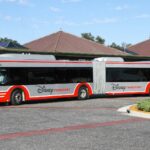
Overview of Bus Simulator South Africa
Bus Simulator South Africa offers players an immersive driving experience on South African roads, featuring realistic buses, varied routes, and dynamic traffic. Navigate urban centers, coastal highways, and rural byways while adhering to schedules, transporting passengers, and managing routes. The game emphasizes authentic South African atmosphere, vehicle customization, and career progression as you expand your bus company across the country.
Setting and Theme
Bus Simulator South Africa is a driving and transport simulation that invites players to explore the diverse landscapes and road networks of South Africa from behind the wheel of public buses. The game blends realistic driving physics with route planning, passenger dynamics, and a career-like progression that rewards safe driving, punctual arrivals, and efficient service.
Setting and scale are a core part of the experience. Players traverse urban metros with busy arterials, sprawling townships, and busy bus lanes, as well as coastal highways and highland passes that test steering, braking, and gear management. Visuals aim to capture South Africa’s seasonal climates, from bright sun in Gauteng to misty mornings along the coast, with dynamic traffic patterns that reflect peak-hour congestion, minibus taxi activity, and roadside markets.
The thematic focus centers on the role of public transport in daily life, community resilience, and the challenges of operating a bus service in a diverse country. The atmosphere emphasizes realism and immersion: authentic signage, announcements, and urban soundscapes, as well as a sense of responsibility toward passengers who rely on timely, safe transport. The setting also invites cultural texture through landmarks, multilingual announcements, and local color that signal South Africa’s cities and countryside.
Gameplay highlights include route management, timetable adherence, passenger loading and pricing, and vehicle maintenance. Players can choose different bus models—from compact urban buses to larger coaches—each with unique handling, fuel efficiency, and maintenance needs. Route planning combines time management, traffic awareness, and fuel economy, while random events such as roadworks or weather spikes add unpredictability and strategy.
Audio-visuals and user interface are designed to support immersion. Realistic cockpits or external views, engine sounds, horn feedback, and passenger chatter contribute to the sense of being in charge of a vital public service. The UI typically focuses on route maps, schedules, and performance metrics, with localization options that reflect South Africa’s linguistic landscape and regional signage for a convincing setting.
Target Audience and Goals
Bus Simulator South Africa is a simulation game that recreates the experience of operating urban and intercity bus services across South Africa’s diverse landscapes. Players manage routes, timetables, passenger loading, and vehicle maintenance while navigating realistic traffic, road conditions, weather, and day-night cycles. The game emphasizes authenticity by including authentic bus models used in SA, authentic signage, and multilingual passenger interactions set in a SA context.
Players can drive through major cities such as Johannesburg, Cape Town, Durban, Pretoria, and smaller towns, with a network of routes that mirror real-world corridors like high-traffic urban routes and rural feeder lines. The environment includes busy bus stops, taxi interactions, informality, and public transport hubs, with features like bus rapid transit corridors where available, realistic timetables, fare collection, and maintenance scheduling. Weather systems, traffic patterns, and road conditions shift across seasons and times of day to challenge driving and scheduling.
Core mechanics include route creation and scheduling, bus maintenance, fuel management, and compliance with traffic laws. An AI traffic system simulates other vehicles, pedestrians, and public transport interactions. Players manage passenger flows, curbside boarding, and safety checks. The simulation includes different bus types—city buses, articulated coaches, and minibuses—each with unique handling characteristics and performance profiles. Performance metrics track punctuality, on-time departures, fuel efficiency, and service reliability.
The game targets a broad audience: bus and driving sim enthusiasts, players who enjoy management and realism, students and professionals in transport planning and urban mobility, and educators seeking interactive tools for public transport concepts. It appeals to South African audiences seeking cultural and linguistic relevance, and to international players interested in learning about SA’s transport context.
Objectives include providing an immersive, educational platform that teaches best-practice driving, safety, and route planning; showcasing the challenges of operating public transport in South Africa; promoting public transport awareness and adoption; and offering a flexible tool for training drivers, planners, and enthusiasts. The project also aims to support community engagement through modding, user-generated routes, and collaboration with real-world operators to improve realism and relevance.
Future updates may expand city coverage, add more operator partners, refine AI behavior, introduce multiplayer co-op and competitive modes, and incorporate real-world timetable data. The game seeks to bridge entertainment and education by providing a realistic sandbox for exploring SA’s public transport landscape and inspiring new ideas for mobility solutions.
Gameplay Core Mechanics
Bus Simulator South Africa centers its gameplay on core mechanics that mimic real-world bus operations. Players master realistic driving physics across routes that echo South African cities, manage timetables and passenger loads, handle vehicle maintenance and fuel, and navigate dynamic traffic and weather. The core loop blends route planning, schedule adherence, and economic decisions as you pick up and drop off passengers, collect fares, and keep days running on time while upgrading buses and expanding your depot.
Vehicle Handling and Realistic Physics
Bus Simulator South Africa invites players to master the art of public transport operation across iconic South African settings, from crowded city streets to scenic coastal highways. The core experience blends route management, timetable discipline, fleet upgrading, and believable passenger dynamics to create an authentic bus driving career rather than a simple arcade run.
Gameplay Core Mechanics: Players choose routes, set timetables, assign buses and drivers, and manage the day’s service levels. Revenue accrues from on-time arrivals and passenger satisfaction, while wear and tear, fuel, and maintenance costs eat into profit. A dynamic demand model responds to time of day, route popularity, and weather, and the depot system lets you purchase, upgrade, or refurbish buses, hire drivers, and schedule rest periods to keep crews compliant.
Vehicle Handling: The bus models offer varied weight, length, and powertrain options. Handling emphasizes precise steering, smooth acceleration, and gradual braking, with manual and automatic transmission choices. Heavier loads, steep grades, and high-speed highway sections change braking distances and maneuverability. The effects of doors opening, passenger boarding, and air suspension contribute to squat, dive, and roll dynamics. City driving demands tight cornering, while rural sections require anticipation for potholes, speed bumps, and variable road surfaces.
Realistic Physics: The simulation uses physics-based torque curves, realistic braking, and traction models. Weather and road conditions affect grip, tire wear, and visibility. Suspension responds to undulations, potholes, and crosswinds, with ride quality influencing passenger comfort. AI traffic follows believable patterns with lane discipline and dynamic interactions. Collisions incur damage to body panels, tires, and components, while the emphasis remains on safe, predictable operation and authentic bus behavior rather than spectacle.
South Africa context: The experience mirrors SA roads with left-side driving and right-hand drive vehicles, metric speeds, and local signage. Routes span major urban centers like Johannesburg, Cape Town, and Durban as well as national highways, including tolls and bus-priority corridors. Realistic traffic flows reflect commuter peaks, road works, and varying road conditions, delivering an authentic public transport challenge grounded in South Africa’s driving culture and infrastructure.
Cabin Controls and In-Game HUD
Gameplay Core Mechanics in Bus Simulator South Africa focus on delivering a believable driving experience across urban and rural routes. Players manage realistic engine torque, braking, and suspension behavior, with a physics model that responds to weight, road grade, and dynamic traffic. Routes span major South African corridors—Cape Town to Port Elizabeth, Johannesburg to Pretoria, Durban to Pietermaritzburg—along with smaller towns, featuring dynamic traffic, weather, and time-of-day effects. Timetable adherence and passenger demand drive strategic decisions: picking up and dropping off on schedule affects reputation, fare income, and penalties for delays. Vehicle wear, fuel management, and service scheduling add economic layers, so efficient driving and route planning matter as much as raw speed. Strategic elements include choosing city routes versus long-haul legs, managing rest breaks, and responding to incidents such as roadworks or mechanical faults that force detours. AI traffic adds realism, with bus lanes, pedestrian crossings, and other drivers affecting safety and progress.
Cabin Controls describes the physical layout and how players interact with the bus from the driver’s seat. The core station includes a steering wheel, a large instrument cluster, a gear lever (and optional automated manual option), foot pedals for acceleration and braking, and a parking/retarder brake. The control scheme mirrors real buses: accelerator, brake, and a retarder control to modulate engine braking on downhill stretches; door controls for boarding and alighting; a central switch panel for lights, indicators, hazard lights, wipers, defrosters, and climate control. The dash houses speed, RPM, fuel, oil pressure, engine temperature, air pressure for the airbrake system, and suspension status. Mirrors, camera feeds, and simplified engine gauges help maintain situational awareness on crowded city streets. Comfort features like driver seat adjustments, steering wheel tilt, and pedal placement are tuned to reflect long shifts behind the wheel.
In-Game HUD explains how information is presented during play. A clear head-up style or compact dashboard overlay shows current speed, gear or retarder setting, and RPM, alongside a digital or analogue tachometer. A route map and turn-by-turn guidance keep players on course through busy South African routes, with next stop distance, estimated arrival time, and service window alerts. An external view mini-map can show traffic density, road closures, and detours. On-screen indicators display passenger counts, boarding/alighting progress, and ticketing status to simulate demand management. Fuel and maintenance indicators warn when service is due, while weather and time-of-day icons help plan driving conditions. Accessibility options like color-adjustable palettes and high-contrast modes ensure readability in varying lighting.
South Africa Specific Content
South Africa’s bus simulators bring the country’s distinctive urban routes and road rules to life, from Cape Town’s MyCiTi-inspired corridors to Johannesburg’s Rea Vaya-style streets. Players drive right-hand-drive buses on a left-hand traffic network, navigate bustling taxi-rank corridors, and keep on time with local timetables, all while facing toll roads, coastal highways, and weather patterns that reflect real South African conditions.
City Environments and Landmarks
South Africa-specific content in a bus simulator brings players into a living map of diverse cities, coastal routes and iconic landmarks, offering a sense of place as you ferry passengers along the country’s busy streets.
Cape Town features a dramatic urban landscape with the Table Mountain backdrop, the V&A Waterfront, and the bustling city bowl. Players navigate coastal corridors along the Atlantic Seaboard, merge onto national routes such as the N2, and handle short urban hops through downtown districts. The game mirrors real-world transit with MyCiTi-like routes, busy bus stops, and scenic detours that pass Table Bay and the foothills of Lion’s Head.
Johannesburg and the Gauteng region present a different tempo: high-rise CBD skylines, sandton’s commercial corridors, and dense inner-city blocks. Day-to-day routes weave through traffic arteries on feeder roads, while long-haul trips fan out toward Pretoria and nearby suburbs. The sim includes era-appropriate signage, multilingual announcements, and a mix of lane configurations that test urban bus operations similar to real Rea Vaya or commuter networks in the region.
Durban adds a temperate coastal flavor with a subtropical backdrop along the Golden Mile and the warm Indian Ocean coastline. Players can run routes along the N2 and coastal streets, drop passengers at uShaka Marine World, and roll through port districts near the harbor. The taxi and bus interactions in this environment reflect the city’s laid-back but busy street life, with palm-lined avenues and sudden weather shifts from sea breezes to afternoon showers.
Other South African cities bring their own character: Port Elizabeth (Gqeberha) with Nelson Mandela Bay Stadium near the harbor, East London’s coastal roads, and Bloemfontein’s central streets in a more arid inland setting. Across these environments, road surfaces range from smooth primary routes to potholed inner-city lanes, demanding careful braking, acceleration, and suspension handling to maintain passenger comfort.
Landmarks and scenic routes thread through the gameplay, offering recognizable milestones and photo-worthy moments. Table Mountain anchors Cape Town’s skyline, while Robben Island’s maritime proximity provides a sense of the nation’s history in the urban ferry routes. Cape Point, the Nelson Mandela Bay Stadium, and the Union Buildings in Pretoria can appear as distant waypoints or scheduled stops on longer city-to-city trips, rewarding players who plan around traffic and tourist flow.
In terms of gameplay realism, the simulation adopts South Africa’s traffic rules and driving culture: vehicles drive on the left, with drivers seated on the right, and signage, speed limits, and roadworks reflect local practice. Weather cycles, including heat haze on the plains and rain showers along coastal highways, affect visibility and braking. Dynamic traffic density mirrors real-time commuter patterns, with peak-hour congestion, school runs, and weekend events influencing route choices and timetable adherence.
The experience is enhanced by authentic language and announcements across major South African languages, along with multilingual signage and passenger information displays. Players can manage day-night schedules, vehicle maintenance, refueling, and fleet upgrades while navigating a country-rich in history, culture, and natural beauty. The result is a bus simulator that not only tests driving skill but also cultivates familiarity with South Africa’s city environments and landmarks.
Route Licensing and Operator Roles
South Africa specific content in a bus simulator mirrors real world public transport regulation, licensing, and operator roles to create authentic gameplay and learning experiences.
- South Africa specific content: the National Land Transport Act and related regulations shape route licensing, permits, and regulatory oversight, with the provinces issuing operating licences and the National Public Transport Regulator coordinating compliance.
- Route licensing: players must obtain and renew an operating licence (route permit) for defined corridors, with conditions on vehicle types, service frequencies, and operating hours; breaches can trigger penalties and licence reviews.
- Operator roles: owner-operators, depot managers, dispatchers, fleet maintenance crews, and drivers each have defined duties, including rostering, vehicle inspections, maintenance scheduling, safety compliance, and reporting to licensing authorities.
- Gameplay realism features: licence expiry reminders, route-permit driven route assignment, depot and fleet management, driver rosters and rest periods, maintenance logs, and regulatory penalties to reflect SA public transport rules.
- Scenario design and realism: incorporate South African urban corridors and operators, model BRT integration where applicable, reflect feeder connections to rail, peak-hour flows, signage conventions, timetables, and route maps aligned with local practices.
Vehicles and Customization
Bus Simulator South Africa opens a world of vehicles and customization, blending realistic bus models with routes across iconic South African cities. Players pick authentic buses, tune performance, repaint liveries, upgrade interiors, and outfit fleets, all while managing schedules, passenger flow, and traffic in a living transport landscape.
South African Bus Models
South Africa’s bus simulator scene blends a diverse vehicle lineup with deep customization to mirror real world fleets and the country’s vibrant city branding.
In the game, players can choose from representative South African urban buses such as the Volvo B7RLE, Mercedes-Benz Citaro, MAN Lion’s City, Scania Citywide, and Iveco Urbanway, each offering different lengths, engines, and ride characteristics to suit city routes, coastal corridors, and suburban express services.
Customization lets players apply liveries that reflect real operators like Rea Vaya in Johannesburg, MyCiTi in Cape Town, and provincial fleets, along with sponsor decals and route signage. A robust livery editor makes it possible to tune colors, logos, and bus branding.
Interior and comfort options include seating arrangements, passenger information displays, electronic destination boards, lighting, and air conditioning. Realistic driver cabs offer adjustable seats, steering feel, and pedal calibration to match SA road conditions.
Performance tuning and maintenance are part of the experience: adjust suspension for rolling hills, tune transmissions for stop-start urban driving, manage fuel or alternative power options, and schedule routine checks to avoid breakdowns on busy routes.
With a thriving community, the South African bus models and customization flows encourage players to recreate busy city corridors like the Rea Vaya and MyCiTi networks, experiment with livery culture, and craft authentic, immersive routes across the country.
Interior Design and Accessibility Options
Bus Simulator South Africa puts you behind the wheel of a diverse fleet of transport vehicles across busy urban corridors and rural routes, with authentic vehicle models and rich customization options that mirror South African cityscapes and the pace of real-world operations.
Vehicles and Customization: The game offers a range of buses inspired by local operators, from compact minibuses to full-size city buses. Players can choose chassis, engines, transmissions, and fuel types, adjust suspension to handle uneven roads, and apply liveries and branding reminiscent of Rea Vaya, MyCiTi, or other local fleets. The customization system supports interior layouts, seating configurations, door setups, and passenger capacity to reflect peak-hour demand.
Interior Design: The cabin and passenger areas are richly detailed, with driver dashboards featuring clear instrumentation, tactile controls, and climate controls. Players can swap out seat fabrics, adjust seating layouts, add luggage racks and digital signage, and choose color schemes that suit day and night driving. Realistic interior lighting, acoustics, and driver comfort enhance immersion.
Accessibility Options: The simulator includes inclusive design features such as low-floor buses with folding ramps, priority seating, wide aisles, and accessible announcements. Signage can include braille indicators alongside spoken cues in multiple languages, and the user interface supports simplified controls for players with different accessibility needs.
South Africa context: Timetables and route networks echo major cities like Johannesburg, Cape Town, and Durban, with road conditions ranging from urban arterials to rural stretches. The challenge is managing peak-hour crowds, school runs, and event traffic, while customization lets players recreate local liveries, badges, and branding to reflect community identity.
UI/UX and cockpit design: The driver’s cockpit is modular, allowing adjustable seating, pedal positions, and control layouts. Instrument panels can be rearranged for readability, with high-contrast color schemes for day and night driving, and support for color-blind modes to ensure clear information at a glance.
Community and mods: A vibrant modding scene adds new liveries, safety signage variations, and route packs inspired by South Africa’s cities and landscapes. The game enables importing custom interiors and accessibility configurations, inviting players to share immersive designs that reflect local culture and driving realities.
Routes and Traffic Simulation
Routes and traffic simulation are central to a bus simulator South Africa, enabling realistic testing of routes, timetables, and fleet strategies within South African road networks. By integrating local maps, time-of-day traffic patterns, and incident data, the simulator models peak-hour congestion, bus priority measures, and passenger flow to improve reliability and planning for urban and regional transit.
Urban Corridors and Bus Lanes
A bus simulator in South Africa is a powerful tool for analyzing routes and traffic along busy urban corridors, helping planners design reliable and affordable public transport for growing cities. By combining route analysis with traffic dynamics, engineers can test how different configurations affect travel times, reliability, and passenger experience before any street work begins.
Route design in this context considers demand patterns, land use, and interchanges with rail or metro services. A typical approach models catchment areas, peak and off-peak variations, and feeder connections to park-and-ride facilities. This enables the creation of trunk corridors and feeder networks that maximize coverage while keeping operating costs sustainable. In South Africa, these efforts are closely tied to urban renewal goals and the expansion of bus rapid transit systems, such as dedicated lanes and bus-only routes that improve access to central business districts and peri-urban hubs.
Traffic simulation augments route planning by capturing interactions between buses, cars, bicycles, and pedestrians on the road network. Micro-simulation tools can represent stop dwell times, boarding and alighting, passenger boarding times, and variable speeds. Bus priority at traffic signals, lane management, and dynamic merging strategies are tested to reduce delays. The simulations provide metrics like reliability (on-time performance), average travel times, and throughput, guiding decisions on where to invest in right-of-way, signal timing, and curbside space.
Urban corridors in South Africa are dense and fast-changing, requiring strategies that balance high capacity with street efficiency. Cape Town’s MyCiTi and Johannesburg’s Rea Vaya demonstrate how trunk routes, dedicated bus lanes, and well-planned feeder networks can transform urban mobility. Simulations help evaluate corridor layouts, stop spacing, and interchanges, as well as the integration with rail lines to create seamless journeys for commuters across metropolitan areas.
Bus lanes are a central feature of efficient corridors. Designing effective bus lanes involves lane width, protected or colored pavement, exit and entry points, and the placement of bus stops. Simulations test how lanes interact with turning traffic, pedestrian crossings, and intersection capacity, and they help determine where signal priority, queue jumping, or bypass lanes should be implemented. The goal is to maintain reliable service while minimizing spillback into general traffic during peak periods.
Using a South Africa–specific bus simulation workflow, planners can calibrate models with local travel surveys, fleet performance data, and real-time GPS traces. This enables scenario testing for roadworks, policy changes, or new fleet types. By iterating through routes, corridor designs, and lane configurations, cities can progress toward safer streets, shorter travel times, and greater adoption of public transport as a sustainable mobility solution.
Day/Night Cycles and Weather
Bus simulators set in South Africa aim to faithfully reproduce the routes, traffic, and daily rhythms faced by real bus operators across the country. Players plan routes that span bustling city corridors like Johannesburg and Pretoria, coastal passages near Cape Town, and rural stretches through the Free State and Mpumalanga, using a mix of national roads (N1, N2) and inner-city arterials, all within a carefully modeled traffic system.
Routes are designed to reflect realistic stop spacing, tariff zones, and commuter demand patterns. The sim uses real-world road hierarchies, roadworks, and accident incidents to influence travel times, with dynamic rerouting that respects SA’s diverse road network. It also includes a taxi culture: minibus taxis weaving between lanes, shared pickups, and peak-hour load balancing that shapes schedules and road usage.
Day and night cycles in the South Africa setting change the visual and operational challenge. Dawn light affects visibility as buses move through urban sprawl and informal settlements, while evening traffic often clusters near city centers. The game adjusts headway, service frequency, and safety protocols for night routes, encouraging cautious driving and proper use of headlights, streetlights, and illuminated stops.
Weather brings further variation. South Africa’s climate ranges from heavy afternoon thundershowers in Gauteng summers to foggy mornings along the coast and sand-laden winds in the north. The simulation includes rain, wind, fog, heat, and flood risk that can reduce braking performance, alter traction, and slow traffic. Storms can close minor roads, flood plains, or require detours, testing a player’s ability to adapt routes while maintaining on-time performance.
Weather also affects bus performance and passenger comfort: air-conditioning load on hot days, windshield glare, and boarding times impacted by rain shelters or weatherproof stops. Operators may adjust fleet assignments to seasonality, using larger buses during rain or higher demand in city centers at peak times.
For South African cities, the AI sim emphasizes realistic interactions with traffic signals, pedestrian flows, and taxi activity. The route planner can incorporate school sessions, market days, and events that alter traffic patterns, while the weather engine feeds into dynamic scheduling so players learn to balance reliability with efficiency in varying conditions.
Together, routes, traffic, day/night cycles, and weather create a rich, region-specific bus simulation experience that teaches route planning, time management, and defensive driving in a South African context.
Career, Progression, and Economy
In South Africa, a bus simulator opens more than driving; it maps a clear career path within urban mobility. Players may start as a driver or technician and progress toward roles like route planner, shift supervisor, depot manager, or fleet strategist, building skills in safety, efficiency, and customer service. This progression reflects the real economy where public transport funding, commuter demand, and fleet modernization drive job opportunities and investment in infrastructure and technology across the country’s cities and towns.
Contracts, Earnings, and Upgrades
In Bus Simulator South Africa, players build a career as a transport operator across major SA cities, navigating a vibrant economy, city budgets, and public transit demands. The game blends realistic contracts, earnings, and upgrade systems to create a sense of progression from rookie driver to fleet executive.
Career paths in Bus Simulator South Africa begin with hands-on driving and small contracts, then branch into leadership roles such as route planner, depot supervisor, fleet manager, and eventually company owner. Each rung brings new responsibilities, from meeting timetables to managing driver rosters, safety standards, and community expectations in cities like Cape Town, Johannesburg, and Durban.
Progression is tied to experience, reputation, and performance. Completing on-time routes, staying within budgets, and delivering reliable service unlocks better contracts and larger depots. Training days, licensing prerequisites for PSV operations, and mastering map knowledge of SA road rules accelerate advancement, while poor performance can stall growth and reduce access to premium routes.
Economy and contracts drive the flow of revenue. Public transport authorities issue tenders for bus corridors, with bidders calculating operating costs, expected ridership, and penalties for delays. Seasonality, fuel prices, and maintenance cycles influence profitability, so players must balance route frequency, vehicle utilization, and depot capacity to win lucrative contracts and sustain cash flow.
Earnings come from a mix of passenger fares and signed contracts. Contracts provide steady income, while fares depend on route popularity and ticketing options. Wages for drivers, fuel and maintenance, insurance, and depot overhead subtract from gross income, so efficiency and reliability lift profits. Smart management, on-time performance, and low breakdown rates translate into higher earnings and better loan terms for upgrades.
Upgrades let players expand their fleet and improve efficiency. New buses with higher seating capacity, better fuel economy, and cooler interiors attract more passengers and qualify for premium routes. Upgrades to engines, transmissions, tires, and telematics reduce maintenance costs and enable precise scheduling. Digital ticketing, route optimization software, and safety upgrades also help win contracts and boost reputation.
Road to mastery in Bus Simulator South Africa hinges on balancing ambition with sustainability. Start small, earn the trust of clients, upgrade gradually, and explore routes across Gauteng, the Western Cape, and KwaZulu-Natal. With steady progression, lucrative contracts, and a modernized fleet, you build a thriving virtual transport business that mirrors the challenges and opportunities of real SA public transit.
Fleet Management and Maintenance
Bus Simulator South Africa provides a realistic backdrop for exploring career paths, industry economics, and the essentials of fleet management and maintenance on South African roads.
-
Career paths in the simulation
In the game world you can start as a bus driver and progress to dispatcher, fleet manager, maintenance supervisor, and operations director. Roles emphasize skills like route knowledge, safety, customer service, and data analysis. Some players may even run their own operator within the SA market, expanding routes and hiring staff as profits rise.
-
Career progression and skill development
Progression is tied to performance metrics such as on-time performance, fuel efficiency, maintenance compliance, and profitability. As you gain experience, you unlock larger depots, more routes, higher-capacity buses, and more complex scheduling tasks. Training within the sim mirrors South African realities like urban congestion, peak-hour demand, and regulatory requirements.
-
Economic context of public transport in South Africa
The simulation models funding and costs typical in SA: fare revenue, subsidies, driver salaries, fuel, maintenance, depreciation, and debt service. It also reflects factors like inflation, fuel price volatility, and repair parts availability. Players balance rider affordability with operator sustainability, and consider tender-based routes versus municipal contracts common in SA cities.
-
Fleet management considerations
Fleet management in Bus Simulator SA focuses on depot planning, maintenance scheduling, and lifecycle management. Maintain an ageing fleet by planning replacements, manage spares, optimize bus utilization, and monitor uptime. Telematics and driver performance data help identify bottlenecks and improve reliability on corridors typical of Johannesburg, Cape Town, and Durban.
-
Maintenance strategies
Preventive maintenance is key: scheduled inspections, brake tests, engine diagnostics, transmission checks, cooling systems, electrical systems, and air conditioning. The game may include maintenance windows, part lead times, and shop capacity. Emphasize safety compliance, emissions standards, and prompt repairs to minimize service outages on busy urban routes.
-
Learning outcomes and practical takeaways
Players develop strategic thinking, data interpretation, and project planning that translate to real-world transport planning and operations roles in SA. The simulation encourages problem solving under resource constraints and fosters understanding of how policy, economics, and technology intersect in a dynamic transit market.
Multiplayer and Community Features
Bus Simulator South Africa opens a lively multiplayer arena where players team up to navigate real-world routes, race to meet schedules, and build a thriving community around shared liveries, route guides, and friendly competitions.
Cooperative Routes and Competitions
Bus Simulator South Africa invites players to share the road in a vibrant online community. The game emphasizes multiplayer routes across iconic South African landscapes, from bustling Gauteng corridors to scenic coastal highways, and a live timetable that encourages cooperation and friendly rivalry.
Team play and community features let players coordinate, compete, and celebrate milestones with others. Here are some key aspects of multiplayer, cooperative routes and competitions in the SA version.
- Cooperative Route Planning and Convoys: teams of drivers coordinate departures, handoffs, and on-time arrivals along major SA corridors like Johannesburg–Cape Town or Durban–Gqeberha, with shared cargo or passenger loads.
- Roles and Fleet Management: players assume roles such as driver, dispatcher, mechanic, and fuel supervisor, managing a single supportive fleet to maximize reliability and on-time service.
- Dynamic Live Traffic and Weather: multiplayer sessions feature real-time traffic patterns, roadworks, and weather events that require teamwork and adaptive planning.
- Timetable Synchronization and Handoffs: services run on synchronized schedules, with players managing layovers, breaks, and driver swaps to meet strict arrival windows.
- Competitive Routes and Time Trials: organize time-limited challenges on famous SA routes, competing for fastest completion, best fuel efficiency, or highest passenger satisfaction.
- Community Crews, Leaderboards and Rewards: clans or crews form around cities or routes, share liveries and routes, track standings on regional and global leaderboards, and unlock cosmetic rewards.
These features foster a collaborative and competitive atmosphere that mirrors the real-world bus industry in South Africa, while keeping the game accessible to new drivers who want to join the community and learn the roads together.
Modding Support and Custom Builds
Bus Simulator South Africa reimagines the road network of the country with a strong emphasis on multiplayer and a thriving community. Players traverse iconic SA cities and routes, from the coastal highways to highland passes, in a living world that rewards collaboration and shared journeys rather than isolated drives.
Multiplayer support enables online co-op and competitive routes, with public servers and private lobbies where crews can manage routes, schedules, and depot operations together. Players can form driver clubs, take on synchronized timetables, run city-to-city passenger services, and participate in community events such as timetrail challenges, charter runs, and photo-friendly runs that showcase scenic SA landscapes. In-game chat, voice options, friend lists, and cross-session progress keep drivers connected as they build reputations, share liveries, and exchange driving tips.
The game ships with a moddable framework and documentation so players can create and install their own content. Modders can design new buses and liveries, craft custom routes and traffic scenarios, and adjust performance or audio packs. A community repository or workshop-style hub makes it easy to browse, rate, and install mods, while official guidelines help ensure mods stay compatible with updates and avoid conflicts on multiplayer sessions.
Custom builds let players tailor their fleet and workflows. You can configure buses with different engines, transmissions, and suspension setups, decorate interiors, apply unique branding and vehicle liveries, and tune performance to suit city routes or long-haul runs. Map editors and depot layouts empower players to build their own fleets and service networks, while route pacing, schedules, and fare systems can be adjusted to reflect the business model you want to run.
Together, multiplayer, modding, and custom builds expand the game’s replay value. Community-made routes and scenarios feed into public servers, while official modding tools help ensure a healthy ecosystem with sane compatibility and safety guidelines. Players share tips, organize events, and celebrate creative liveries and maps that highlight South Africa’s diverse scenery and transport culture.
Whether you’re chasing realistic traffic patterns along the N2, epic coastal drives, or tight urban corridors, Bus Simulator South Africa invites you to connect with others, build your own fleets, and push the boundaries of what a bus-sim comes to life as in a shared, South African context.
System Requirements and Performance
Bus Simulator South Africa invites players to navigate vibrant urban and rural routes, and knowing system requirements helps you enjoy smooth performance. This short guide covers the basics: meet the minimum hardware to run the game and aim for recommended specs for higher frame rates, richer textures, and larger maps. Performance depends on processor speed, memory, graphics capability, and storage, as well as in-game settings like resolution, texture detail, traffic density, and weather effects, allowing you to tailor visuals to your setup.
Minimum Specs
The minimum system requirements for Bus Simulator South Africa are designed to let you start the game with playable performance. You should expect basic functionality at low to medium settings on a modest PC.
Minimum specs: Windows 10 64-bit; CPU: Intel Core i3-3220 or AMD Ryzen 3 1200; RAM: 8 GB; GPU: GeForce GTX 750 Ti or Radeon HD 7850 with 2 GB VRAM; DirectX: Version 11; Storage: 40 GB of available space; Internet: broadband for optional multiplayer features.
Recommended specs: Windows 10 or 11 64-bit; CPU: Intel Core i5-8400 or AMD Ryzen 5 2600; RAM: 16 GB; GPU: GeForce GTX 1060 6 GB or AMD Radeon RX 580; DirectX: Version 11/12; Storage: 60-70 GB; Broadband internet for online features; Optional SSD for faster load times.
With minimum hardware, expect around 30-45 FPS at 1080p on low to medium settings, and longer load times on larger maps. On recommended hardware you can expect 60 FPS at 1080p with high settings, and smoother 1440p play if your GPU is strong enough. The game’s performance will also depend on traffic density, weather, and DLC content in use.
To improve performance, ensure drivers are up to date, run the game on an SSD if possible, close background applications, lower graphics settings such as shadows, post-processing, and draw distance, disable V-Sync if you seek higher FPS and your monitor supports higher frame rates, and set resolution scale appropriately. Also consider enabling performance options like multicore rendering where available and ensuring Windows power plan is set to High Performance.
These guidelines help you plan your hardware upgrade or game settings to enjoy Bus Simulator South Africa with stable performance.
Optimization Tips for South Africa Conditions
Bus Simulator South Africa offers immersive routes across cities and rural roads, and to enjoy it smoothly you should match your hardware to the game’s requirements while using performance tips that reflect South Africa’s local conditions.
Minimum System Requirements: Operating System: Windows 10 64-bit or newer; CPU: 2+ GHz dual-core; RAM: 8 GB; Graphics: DirectX 11 capable GPU with at least 2 GB VRAM; Storage: 25 GB available storage; DirectX: 11; Network: Internet connection required for online features but not required for core play.
Recommended System Requirements: Operating System: Windows 10/11 64-bit; CPU: Quad-core 3.0 GHz or better; RAM: 16 GB; Graphics: DirectX 11/12 capable GPU with 4 GB+ VRAM; Storage: 40 GB SSD recommended; Display: 1080p or higher; DirectX: 11/12; Network: Broadband for updates and online features.
Performance and optimization for South Africa conditions: To achieve smoother gameplay on typical SA setups, consider pairing your PC with a reliable power solution such as a UPS to protect against power interruptions and to prevent data loss during outages. Enable automatic saves and keep important game files on a stable drive to reduce the risk of corruption during unexpected shutdowns.
Graphics tuning tips: Start with native resolution and adjust texture quality, shadows, and post-processing to medium or low if you experience stuttering. Disable or reduce motion blur, ambient occlusion, and volumetric lighting to gain additional frames per second. Cap the frame rate to the refresh rate of your monitor to prevent unnecessary GPU work and improve consistency.
Storage and load times: Installing the game on an SSD can dramatically reduce loading times between routes and cities. Maintain ample free space and perform regular disk cleanup. If you must use an HDD, ensure the drive is in good health and consider defragmentation for mechanical drives to improve sequencing of assets during loading.
Updates, patches, and offline play: In areas with limited or costly internet, download updates when on a stable connection and keep offline installers handy if supported. Whenever possible, schedule updates during off-peak times to avoid bandwidth throttling or data caps that can impact download speeds.
Thermal management and environment: South African climates can be warm, so ensure your PC has adequate ventilation and cooling. Keep the case clean of dust, monitor CPU/GPU temperatures during long sessions, and consider improved cooling or a higher-quality power supply if temperatures rise under load.
Display, controls, and peripherals: Calibrate your monitor for accurate colors and gamma, and set the in-game field of view to a comfortable level. Choose input devices that the game supports well, such as a gamepad, steering wheel, or pedals, and adjust sensitivity to maintain precise control on long routes. Regularly update graphics drivers to maintain compatibility and performance improvements.
Comparison with Other Bus Simulators
In comparing bus simulators with a focus on South Africa, this introduction highlights how local routes, fleet details, and timetable realism stack up against international titles. Some sims offer expansive global maps and polished visuals, while others deliver authentic South African routes, fare systems, and traffic patterns that resonate with local players. When evaluating options, key considerations include route accuracy to major South African cities, performance on common hardware, and the availability of community-created content and mod support. The result is a spectrum of choices, each catering to different priorities—local authenticity, accessibility, or broad versatility.
Strengths and Unique Selling Points
Bus Simulator South Africa sets itself apart in the crowded field of bus simulations by centering on South Africa’s unique road network, urban layouts and transit culture. It recreates left-hand traffic with the driver’s seat on the right, authentic road signage in multiple languages, and a diverse fleet that mirrors real SA operators.
Compared with mainstream titles like Bus Simulator 21 and OMSI 2, which focus on broad, sometimes generic cityscapes, this SA-focused simulator emphasizes local geography, timetables, and traffic behavior. The result is a driving experience that feels grounded in real South African cities, from Cape Town’s coastal routes to Johannesburg’s dense urban corridors.
Strengths and unique selling points: Localized maps and routes. The developers document and implement real-world route layouts, bus stops, and depot networks, enabling players to run shifts that mirror actual service patterns. The left-hand traffic and realistic merge lanes add to the immersion.
Unique selling point: Local operators and liveries. Players can drive buses branded for Rea Vaya, MyCiTi, Golden Arrow, and smaller municipal fleets, with authentic color schemes and vinyls. Signage, route numbers, and timetable posters reflect SA conventions, including multilingual announcements and passenger signage in English and other languages.
Another strength is community-driven content. A robust route editor and mod support lets fans recreate Johannesburg’s JRA corridors or Cape Town’s MyCiTi routes, then share routes and schedules with others. This fosters a living, evolving map ecosystem that outpaces many generic sims.
Gameplay depth and educational value. The sim offers schedule-driven operations, passenger demand modeling, and depot logistics, teaching resource management and punctuality. It can also serve as a tourism tool, letting players explore iconic SA landmarks via authentic bus tours.
Accessibility and performance. The game is designed to run on mid-range PCs while delivering convincing visuals and physics, making SA’s transit world accessible to a wider audience without expensive hardware. Tuning options support players who want either a relaxed drive or a challenging, realistic shift.
Localization and Cultural Accuracy
A bus simulator focused on South Africa offers a distinctive mix of routes, fleets, and urban dynamics that can stand out when compared to more generic titles. Localization and cultural accuracy are central to creating an authentic experience that resonates with South African players and educators.
Compared with other bus simulators, many top titles emphasize European or North American settings, with standard bus models, signage, and traffic rules that don’t match SA roads. A South Africa–specific simulator can stand out by including real SA operators, local liveries, and routes across major cities such as Cape Town, Johannesburg, and Durban. It can also model South African traffic conditions, roadwork, and public transit integration, including BRT systems like MyCiTi and Rea Vaya, which provide a richer, more relevant experience for players who know the local context.
Localization goes beyond translation. A SA-focused game should offer multilingual support (English, Afrikaans, isiZulu, isiXhosa, etc.), currency in rand, date formats, and vernacular signage. Voice announcements in multiple languages, accurate street names, and local landmarks can boost immersion. UI and menus should use familiar terms (e-tickets, cash fares, smartcard balances) and scale to reflect SA fare structures.
Driving on the left, adherence to SA speed limits, priority rules at roundabouts, and the distinctive mix of formal bus services and informal minibus taxis shape everyday travel. The game should reflect liveries and branding of real operators, plausible bus stops, and realistic spatiotemporal patterns such as peak-hour congestion in urban corridors. It can also portray the social aspects of bus culture, from the visibility of community routes to the importance of affordable, reliable public transport.
Developers can leverage open data and partnerships with local operators to improve authenticity, while allowing community-made liveries and routes to expand content. Localization also implies testing across regions with varying languages and signage. Balancing realism with accessible gameplay is key, ensuring the sim runs on common PC specs and supports modding for SA routes.
Overall, localization and cultural accuracy can be the defining strength of a South Africa–focused bus simulator, delivering not only entertainment but also educational value about SA public transport networks and everyday urban life.
Future Developments and Roadmap
Future Developments and Roadmap for the South Africa bus simulator outline a phased plan to expand routes across major cities, introduce authentic local buses, and refine AI traffic and passenger dynamics to mirror real urban commuting. Upcoming features include dynamic timetables, weather and road condition effects, day–night cycles, accessibility options, and an enhanced route editor. The roadmap emphasizes community input, regional licensing, performance improvements, and cross‑platform multiplayer, with staged beta tests to ensure the experience highlights South African transit culture and practical realism.
Upcoming Features and Expansions
Future Developments and Roadmap for Bus Simulator South Africa focus on expanding authenticity, expanding the map with major urban centers, and deepening the driving experience to reflect real SA road networks and commuting patterns.
The roadmap is organized into near term, mid term, and long term objectives to pace improvements while delivering new content to players. We will prioritize route realism, practical performance improvements, and robust community features to ensure ongoing engagement and accessibility for players across skill levels.
Upcoming features include the addition of major South African cities such as Johannesburg, Cape Town, Durban, Pretoria, and smaller hubs connected by realistic intercity corridors. Each location will feature authentic bus depots, timetable based routes, realistic signage, and region specific traffic behaviors that mirror SA commuting dynamics.
Vehicle expansions will broaden the roster to include city buses, intercity coaches, and modern electric buses. New liveries reflecting local operators, historical buses, and customizable branding will give players avenues for personalization and immersion.
Gameplay realism will be enhanced with improved AI traffic and scheduling systems, more accurate stop announcements, dynamic passenger flow, and route-based timetables that adjust to time of day and weather. We will also refine braking, acceleration, and suspension physics to better reflect the varied SA road surfaces and bus designs.
A weather system with rain, fog, heat haze, and seasonal changes will impact handling and visibility, while a day-night cycle will influence passenger behavior and depot operations. Realistic road rules, traffic rules, and safety practices will align with South African standards to deepen immersion.
Electrification features are planned to introduce battery electric buses, charging infrastructure, and energy management challenges. Players will optimize routes for range, plan charging stops, and manage depot energy capacity, adding strategic layers to daily operations.
A refined career mode will let players build a driver profile, undertake contracting jobs, manage maintenance budgets, and progress through operator grades. An in-game economy will tie fuel, maintenance, and repairs to revenue, encouraging efficient driving and smart planning.
Multiplayer and shared experiences are on the roadmap, enabling cooperative or competitive scenarios such as timed routes, depot management challenges, and community events. These modes will emphasize collaboration and friendly competition among players.
Modding support and customization options will expand over time, providing tools for user-made buses, routes, and liveries. A dedicated workshop or asset library will help players shape their own SA bus universe and share content with the community.
Accessibility and localization will improve with multilingual support, including English and South African languages, accessible UI, and options for color-blind players. Tutorials, assist modes, and accessibility presets will help new players get into the game quickly.
Platform and performance plans aim to optimize for PC and console experiences, with configurable graphics settings, scalable physics, and reduced load times. Cross-platform features may be introduced to broaden the player base while maintaining a stable experience.
Players can stay informed about the latest developments through official channels, patch notes, and community forums where developers share previews, beta tests, and feedback opportunities for Bus Simulator South Africa.
Community Feedback and Beta Testing
Future Developments and Roadmap: Bus Simulator South Africa continues to grow with a structured, multi‑phase plan focused on map expansion, vehicle diversity, and realism. In the near term, the roadmap adds Cape Town and Johannesburg corridors with timed schedules that mirror real peak hours, new bus models including city buses and intercity coaches, and expanded customization options for liveries, interiors, and performance tuning. In subsequent updates we’ll introduce Durban, Port Elizabeth, and Bloemfontein routes, more authentic timetables, improved AI traffic, dynamic weather effects, and roadwork simulations that influence travel times. Long term goals include richer passenger dynamics, safety features, improved route planning tools, and an official modding toolkit to empower players to create their own routes and buses. Timelines are indicative and subject to community feedback, with quarterly releases that gradually broaden map coverage and gameplay depth.
Community Feedback and Beta Testing: Community input drives every major update. We collect feedback through official forums, a dedicated Discord server, surveys, and in‑game prompts. A staged beta program will run in phases: a closed beta for core systems and new routes, followed by an open beta to reach a broader audience, then a final testing window before release. Beta participants are asked to report bugs with reproducible steps, attach logs or videos, and share feature requests and balancing ideas. We publish regular dev diaries and patch previews so players can see what’s changing and why. Feedback gathered during beta informs route scheduling, AI behavior, vehicle handling, performance optimizations, and overall polish.
Join the community to help shape the future of Bus Simulator South Africa by testing content, offering suggestions, and voting on priorities. Your input helps ensure authentic SA driving experiences, stable updates, and broader player satisfaction as new routes, buses, and features come to life.